
- Home
- »
- Pharmaceuticals
- »
-
Lyme Disease Market Size, Share, Trends Report, 2026-2033GVR Report cover

Lyme Disease Market (2026 - 2033)
Size, Share & Trends Analysis Report By Type ((By Therapeutics (Drug Class, Treatment Modality), By Diagnostic (Test Type, Sample Type, End-user)), By Region (North America, Europe, Asia Pacific, Latin America, Middle East & Africa), And Segment Forecasts
Market Size, 2025
$2.9BMarket Estimate, 2026
$3.1BMarket Forecast, 2033
$5.8BCAGR, 2026–2033
9.4%Lyme Disease Market Summary
The global lyme disease market size was valued at USD 2.9 billion in 2025 and is projected to grow from USD 3.1 billion in 2026 to USD 5.8 billion by 2033, growing at a CAGR of 9.4% from 2026 to 2033. North America Lyme Disease market held the largest share of 43.5% of the global market in 2025. The market is experiencing substantial growth due to the increasing prevalence of tick-borne infections across North America and Europe.
 Source: Grand View Research, IR Documents, Primary Interviews, Paid DatabasesTo learn more about this report,
 Download Free Sample Report
 Key Market Trends & Insights
- The Lyme disease industry in the U.S. is expected to grow significantly over the forecast period.
- By drug class, the tetracyclines segment held the highest market share of 38.3% in 2025.
- By treatment modality, the antibiotic therapy segment held the highest market share in 2025.
- By route of administration, the oral segment held the highest market share in 2025.
- By disease stage, the early-stage Lyme disease segment held the highest market share in 2025.
Market Size & Forecast
- 2025 Market Size: USD 2.9 Billion
- 2026 Market Size: USD 3.1 Billion
- 2033 Projected Market Size: USD 5.8 Billion
- CAGR (2026-2033): 9.4%
- North America: Largest market in 2025
- Asia Pacific: Fastest growing market
Three ways to get this report
Buy it, customize it, or ask a question.Ask an Analyst
Analyst response in 1 business day
- AccessReport author, directly
- Reply timeWithin 1 working day
- No sales callDirect answer only
- FormatEmail reply
- CostFree, no cost
Get the Full Report
What the study covers
- FormatsPDF · Excel · Dashboard
- Timeline2026–2033 annual, 2025 base
- Coverage20+ countries, 5 regions
- Companies10+ key players profiled
Customize the Report
20% free customization
- IncludeCountries, segments, points
- TailorTo your product definition
- ExtendDeeper competitor detail
- OrA fully bespoke study
- Turnaround5–10 working days
Climate change, expanding tick habitats, and rising outdoor recreational activities have significantly contributed to the growing incidence of Lyme disease globally. In addition, greater public awareness regarding the health risks associated with tick exposure has encouraged early diagnosis and timely treatment adoption. Governments and public health organizations are also actively promoting surveillance programs and awareness campaigns to reduce disease burden. The rising number of reported Lyme disease cases has created strong demand for effective diagnostics and therapeutics, supporting market expansion. Furthermore, increasing healthcare expenditure and improved access to infectious disease management in developed countries continue to strengthen the commercial potential of the lyme disease market across both diagnostic and therapeutic segments globally. To learn more about this report, Download Free Sample Report
 Advancements in diagnostic technologies are another major factor driving the growth of the lyme disease market. Traditional serological testing methods are increasingly being complemented by molecular diagnostics and rapid point-of-care testing solutions that improve detection accuracy and reduce diagnosis time. Healthcare providers are adopting advanced diagnostic platforms to identify Lyme disease during its early stages, helping reduce long-term complications and treatment costs. In addition, growing investments by biotechnology and diagnostic companies in research and development activities are accelerating innovation within the market. The emergence of automated laboratory systems, multiplex assays, and biomarker-based diagnostic approaches is further enhancing market competitiveness. Increasing collaborations between research institutes, public health laboratories, and private companies are also contributing to technological advancements, ultimately supporting broader adoption of efficient Lyme disease testing solutions in both hospital and laboratory settings worldwide.
The therapeutics segment of the Lyme Disease market is also expanding steadily due to increasing demand for effective treatment options and supportive care solutions. Antibiotics such as tetracyclines, penicillins, and cephalosporins remain the primary standard of care, with oral therapies accounting for a significant share of prescriptions. However, growing recognition of Post-Treatment Lyme Disease Syndrome (PTLDS) has increased interest in supportive and symptom management therapies, creating new commercial opportunities within the market. Pharmaceutical companies are actively exploring combination therapies, novel anti-infective agents, and pipeline candidates to address unmet clinical needs associated with persistent symptoms and late-stage disease complications. Additionally, rising investments in infectious disease research and favorable government support for tick-borne disease management programs are accelerating therapeutic development activities. These factors collectively continue to strengthen long-term growth prospects for the global Lyme Disease market.
 To learn more about this report, Download Free Sample Report
 Market Dynamics
The rising prevalence of tick-borne infections has been a major factor driving growth in the Lyme Disease Market. Increasing temperatures, climate change, and expanding forested habitats have accelerated the spread of ticks into new geographic regions across North America and Europe. Growing participation in outdoor recreational and occupational activities has further increased human exposure to infected ticks, resulting in higher Lyme disease incidence rates and stronger demand for advanced diagnostic tests, preventive vaccines, and effective treatment solutions. Governments and healthcare organizations have also strengthened surveillance programs and awareness initiatives to support early diagnosis and disease management. For instance, in March 2026, Pfizer Inc. and Valneva SE announced that their Phase 3 VALOR trial evaluating Lyme disease vaccine candidate VLA15 had demonstrated more than 70% efficacy among approximately 9,400 participants aged 5 years and older.
The limited accuracy of Lyme disease diagnostic testing has remained a major restraint for the Lyme Disease Market. Early-stage Lyme disease symptoms often resemble other infectious and inflammatory disorders, making timely diagnosis difficult. Conventional antibody-based tests may generate false-negative results during the initial weeks of infection due to insufficient antibody production, delaying treatment and reducing diagnostic reliability. Variability in testing standards and limited availability of advanced molecular diagnostics have also restricted effective disease detection across several regions. These challenges have negatively impacted patient outcomes and slowed the adoption of diagnostic solutions. For instance, in March 2025, The U.S. Centers for Disease Control and Prevention (CDC) reported that approximately 476,000 people were diagnosed and treated for Lyme disease annually in the United States, while also stating that standard antibody tests had lower sensitivity during the first few weeks of infection.
The development of advanced Lyme disease vaccines and preventive biologics has created significant growth opportunities in the Lyme Disease Market. Rising Lyme disease incidence, increasing awareness regarding tick-borne infections, and the absence of widely available human vaccines have accelerated investments in vaccine research and monoclonal antibody development. Pharmaceutical and biotechnology companies have focused on innovative preventive approaches capable of providing long-term protection against multiple Borrelia strains. Growing government support, expanding clinical research activities, and advancements in immunology and biotechnology have further strengthened market opportunities. For instance, in March 2026, UMass Chan Medical School MassBiologics announced that its Phase I study evaluating human monoclonal antibody 2217LS for Lyme disease prevention demonstrated favorable safety, tolerability, and pharmacokinetic results. The study also showed that protective antibody levels were maintained for up to 9 months following administration.
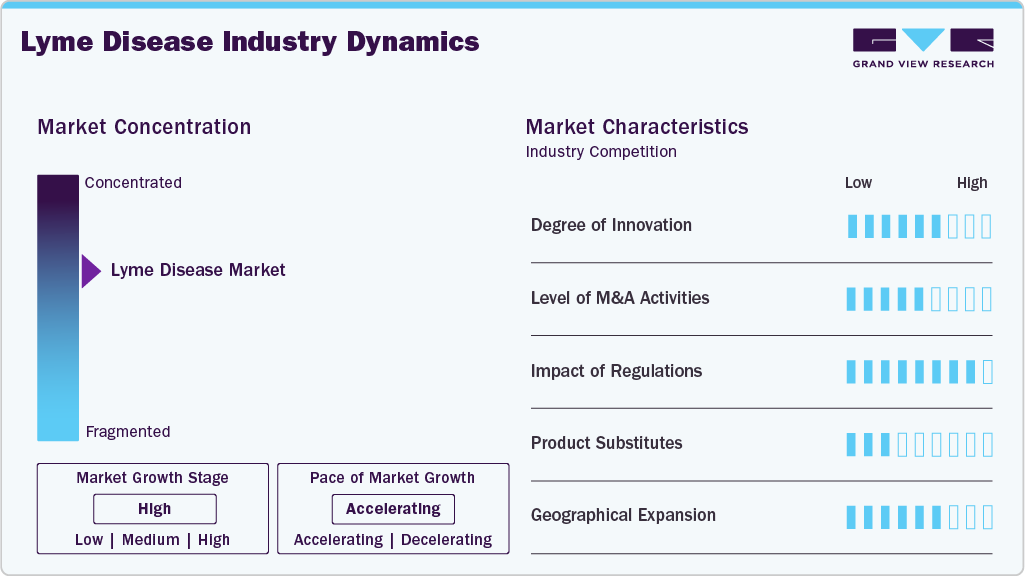
Market Concentration & Characteristics
The Lyme disease market demonstrates a moderate to high degree of innovation, particularly in diagnostics and targeted therapeutics. Companies are increasingly investing in molecular diagnostics, biomarker-based testing, and rapid point-of-care technologies to improve early and accurate disease detection. Innovation is also expanding in therapeutic development, with growing research focused on combination therapies and supportive treatment options for Post-Treatment Lyme Disease Syndrome (PTLDS). Advancements in laboratory automation and multiplex testing platforms are improving testing efficiency and scalability. In addition, biotechnology firms and pharmaceutical companies are exploring vaccine development and novel anti-infective approaches to address unmet clinical needs. Continuous research collaborations between academic institutes, public health agencies, and industry participants are further accelerating innovation within the Lyme Disease market.
The Lyme disease market presents moderate to high barriers to entry due to stringent regulatory requirements and the need for extensive clinical validation. Diagnostic and therapeutic products require significant investment in research, product development, and regulatory approvals before commercialization. Companies entering the market must also establish strong distribution networks and relationships with hospitals, laboratories, and healthcare providers. The presence of established pharmaceutical and diagnostic companies creates intense competitive pressure for new entrants. In addition, challenges associated with disease complexity, inconsistent symptom presentation, and limitations in current diagnostic standards increase development risks. Intellectual property protections, reimbursement challenges, and the requirement for high diagnostic accuracy further restrict market entry for smaller companies and emerging players.
 To learn more about this report, Download Free Sample Report
 Regulatory frameworks have a significant influence on the Lyme Disease market, particularly in diagnostic approvals and therapeutic commercialization. Government agencies such as the U.S. Food and Drug Administration (FDA) and the European Medicines Agency (EMA) enforce strict standards for product safety, efficacy, and clinical performance. Diagnostic companies must demonstrate high sensitivity and specificity before obtaining regulatory clearance for Lyme disease testing products. Therapeutic manufacturers are also required to conduct extensive clinical trials to validate treatment effectiveness and safety profiles. Increasing public health concerns related to tick-borne diseases have encouraged governments to strengthen surveillance programs and funding initiatives, indirectly supporting market growth. However, evolving regulatory requirements and lengthy approval timelines may delay product launches and increase operational costs for market participants.
The threat of product substitutes in the Lyme Disease market remains moderate due to the limited availability of highly effective alternative treatment and diagnostic options. Antibiotic therapy continues to be the standard treatment approach, with few direct substitutes capable of replacing established drug regimens. In diagnostics, serological and molecular testing remain the primary methods for disease confirmation despite certain limitations in sensitivity during early-stage infection. Some patients may seek alternative or complementary therapies for chronic symptoms associated with PTLDS, but these approaches generally lack broad clinical acceptance. Supportive care therapies can complement conventional treatment but rarely replace antibiotic intervention entirely. The limited number of approved vaccines and targeted therapies further reduces the risk of immediate substitution within the global Lyme Disease market.
Geographical expansion within the Lyme Disease market is increasing as tick-borne infections become more prevalent across multiple regions worldwide. North America currently dominates the market due to high disease incidence, advanced healthcare infrastructure, and strong public awareness initiatives. Europe also represents a significant market, supported by growing surveillance programs and increasing diagnosis rates in endemic countries. Meanwhile, Asia Pacific is emerging as a high-growth region due to improving healthcare access, expanding diagnostic capabilities, and rising awareness of vector-borne diseases. Companies are actively expanding their commercial presence through partnerships, distribution agreements, and regional product launches to capture untapped opportunities. Government investments in infectious disease monitoring and improved healthcare infrastructure are further supporting market penetration across developing and emerging economies.
Therapeutics
Drug Class Insights
The tetracyclines segment dominated the market with the largest revenue share of 38.3% in 2025, driven by the extensive clinical use of doxycycline as the preferred first-line therapy for Lyme disease treatment. Tetracyclines are widely prescribed due to their strong effectiveness against Borrelia burgdorferi infections, favorable safety profile, broad physician acceptance, and cost-effectiveness. Their high adoption across both outpatient and hospital settings has further strengthened segment growth. In addition, established clinical guidelines from major healthcare organizations continue to recommend tetracycline-based therapies for early and disseminated Lyme disease management. Increasing diagnosis rates, growing awareness regarding early treatment initiation, and rising patient access to antibiotic therapies have collectively contributed to the strong commercial dominance of the tetracyclines segment globally.
The macrolides segment is projected to grow at a significant CAGR of 11.3% over the forecast period, driven by increasing demand for alternative therapies among patients intolerant or allergic to first-line antibiotics such as tetracyclines and penicillins. Macrolides are gaining traction due to their favorable tolerability profile and growing use in second-line treatment approaches for Lyme disease management. Rising physician focus on personalized treatment strategies and the increasing need to address antibiotic resistance concerns are further supporting market growth. In addition, ongoing clinical research evaluating combination therapies and alternative anti-infective agents is expected to accelerate macrolide adoption. Expanding healthcare access, rising awareness regarding chronic Lyme disease symptoms, and increasing patient preference for tailored therapeutic approaches are also contributing to the growth of this segment globally.
Treatment Modality Insights
The antibiotic therapy segment dominated the market with the largest revenue share of 83.1% in 2025, driven by its established role as the standard treatment approach for Lyme disease across all major healthcare settings. Antibiotics such as doxycycline, amoxicillin, and ceftriaxone continue to represent the primary therapeutic options recommended for early and late-stage disease management. Increasing diagnosis rates, rising physician awareness, and the growing prevalence of tick-borne infections have significantly contributed to high prescription volumes globally. In addition, favorable treatment outcomes associated with timely antibiotic intervention have strengthened patient and physician confidence in conventional antibiotic regimens. Strong availability of generic antibiotic products, broad healthcare accessibility, and inclusion in clinical treatment guidelines have further supported the commercial dominance of the antibiotic therapy segment within the Lyme disease therapeutics market.
The supportive & symptom management segment is projected to grow at a significant CAGR of 12.4% over the forecast period, driven by increasing recognition of Post-Treatment Lyme Disease Syndrome (PTLDS) and rising demand for long-term symptom relief solutions. Patients experiencing persistent fatigue, musculoskeletal pain, and neurological symptoms following antibiotic treatment are increasingly seeking supportive therapies to improve quality of life. Growing clinical awareness regarding chronic symptom burden and unmet treatment needs is encouraging healthcare providers to adopt integrated care approaches. In addition, rising research activities focused on pain management, rehabilitation therapies, and adjunctive treatment solutions are contributing to segment growth. Increasing patient advocacy, expanding healthcare expenditure on chronic disease management, and growing acceptance of multidisciplinary treatment strategies are expected to further accelerate demand for supportive and symptom-focused therapies worldwide.
Route of Administration Insights
The Oral segment dominated the market with the largest revenue share of 70.0% in 2025 driven by the widespread use of oral antibiotic therapies for early-stage Lyme disease treatment and outpatient disease management. Oral medications such as doxycycline and amoxicillin remain highly preferred due to their convenience, ease of administration, lower treatment costs, and strong clinical effectiveness. Physicians and patients favor oral therapies because they reduce hospitalization requirements and support better treatment adherence. In addition, increasing awareness regarding early diagnosis has contributed to higher use of oral therapies before disease progression occurs. The strong availability of oral generic antibiotics across retail and hospital pharmacies has further strengthened segment expansion. Favorable reimbursement coverage and growing healthcare accessibility have also contributed significantly to the dominance of the oral route of administration segment globally.
The Injectable / Intravenous segment is projected to grow at a fastest CAGR of 10.8% over the forecast period, driven by increasing treatment demand for severe and late-stage Lyme disease cases involving neurological and cardiac complications. Intravenous therapies such as ceftriaxone are commonly prescribed for patients with disseminated infections requiring intensive clinical management. Rising hospitalization rates for advanced Lyme disease and growing physician preference for aggressive treatment in complicated cases are contributing to segment expansion. In addition, increasing awareness regarding neurological Lyme disease manifestations and the need for rapid symptom control are supporting demand for injectable therapies. Expanding healthcare infrastructure, improved hospital access, and rising investment in infectious disease treatment capabilities are expected to further strengthen market growth. Growing clinical focus on treatment effectiveness in complex cases also continues to support segment adoption worldwide.
Disease Stage Insights
The Early-Stage Lyme Disease segment dominated the market with the largest revenue share of 59.4% in 2025, driven by increasing awareness regarding early symptom recognition and prompt diagnosis initiatives across major endemic regions. Early-stage disease management typically involves shorter treatment durations and favorable clinical outcomes, encouraging rapid therapeutic intervention. Growing public health campaigns focused on tick-borne disease awareness and increasing physician education regarding Lyme disease symptoms have significantly improved diagnosis rates. In addition, rising adoption of serological and molecular testing methods has strengthened early detection capabilities across healthcare settings. Strong availability of effective oral antibiotic therapies and increasing patient preference for timely treatment have further contributed to segment dominance. Expanding healthcare accessibility and supportive reimbursement policies also continue to drive commercial growth within the early-stage Lyme disease segment globally.
The Post-Treatment Lyme Disease Syndrome (PTLDS) segment is projected to grow at a fastest CAGR of 13.3% over the forecast period, driven by increasing recognition of persistent symptoms experienced by patients following conventional antibiotic therapy. Growing awareness regarding chronic fatigue, neurological complications, musculoskeletal pain, and cognitive impairments associated with PTLDS has expanded demand for long-term supportive care solutions. In addition, rising clinical research activities focused on understanding disease mechanisms and developing targeted therapies are contributing to market growth. Healthcare providers are increasingly adopting multidisciplinary treatment approaches involving rehabilitation, pain management, and symptom-focused interventions. Expanding patient advocacy efforts and increasing healthcare spending on chronic disease management are also supporting segment expansion. Furthermore, unmet therapeutic needs and limited standardized treatment options continue to create significant commercial opportunities within the PTLDS market segment globally.
Diagnostic
Test Type Insights
The Serological Testing segment dominated the market with the largest revenue share of 48.1% in 2025 due to its widespread clinical adoption, established diagnostic reliability, and strong inclusion in standard Lyme disease testing guidelines. Serological tests such as ELISA and Western blot remain the primary diagnostic methods recommended for confirming Lyme disease infections across hospitals and diagnostic laboratories. Their broad availability, cost-effectiveness, and ease of implementation have contributed significantly to high testing volumes globally. In addition, increasing awareness regarding early disease detection and growing physician reliance on standardized testing protocols have strengthened segment growth. Favorable reimbursement policies and continuous use in routine screening procedures have further supported market dominance. Expanding healthcare infrastructure and rising Lyme disease prevalence across endemic regions continue to drive demand for serological testing solutions worldwide.
The Rapid & Point-of-Care Diagnostics segment is projected to grow at a fastest CAGR of 12.4% over the forecast period owing to increasing demand for faster and decentralized diagnostic solutions for Lyme disease detection. Healthcare providers are increasingly adopting rapid diagnostic technologies to reduce turnaround times and improve patient management in outpatient and remote healthcare settings. Growing technological advancements in portable testing devices and molecular diagnostic platforms are further accelerating segment expansion. In addition, rising awareness regarding early diagnosis and increasing efforts to improve healthcare accessibility in underserved regions are supporting market growth. Public health initiatives promoting timely infectious disease screening are also encouraging broader adoption of point-of-care testing solutions. The growing need for convenient, accurate, and real-time diagnostic capabilities continues to strengthen commercial opportunities within this segment globally.
Sample Type Insights
The Blood & Serum Samples segment dominated the market with the largest revenue share of 62.4% in 2025, due to their routine use in standard Lyme disease diagnostic procedures and widespread clinical acceptance across healthcare settings. Blood and serum samples are commonly utilized for serological and molecular testing because they are easy to collect, minimally invasive, and suitable for large-scale screening applications. Their strong compatibility with ELISA and Western blot testing protocols has further contributed to high testing volumes globally. In addition, increasing patient awareness regarding early disease detection and growing healthcare accessibility have supported demand for routine blood-based diagnostic testing. Diagnostic laboratories and hospitals continue to prefer blood and serum samples due to operational convenience and cost efficiency. Rising prevalence of tick-borne diseases is also driving sustained growth within this segment.
The Cerebrospinal Fluid (CSF) segment is projected to grow at a fastest CAGR of 11.4% over the forecast period owing to increasing diagnosis of neurological Lyme disease complications and rising clinical focus on advanced confirmatory testing. CSF testing is gaining importance in patients presenting severe neurological symptoms such as meningitis, encephalopathy, and neuroborreliosis associated with disseminated Lyme disease. Growing physician awareness regarding neurological manifestations and increasing demand for accurate diagnosis in complex cases are contributing significantly to segment growth. In addition, advancements in molecular diagnostics and biomarker-based testing technologies are improving the effectiveness of CSF-based analysis. Expanding healthcare infrastructure, rising hospitalization rates for advanced infections, and increasing investment in specialized neurological diagnostic capabilities are further expected to accelerate adoption of cerebrospinal fluid testing solutions globally.
End-user Insights
The diagnostic laboratories segment dominated the market with the largest revenue share of 46.7% in 2025, due to high testing capacity, availability of specialized diagnostic infrastructure, and increasing patient testing volumes for Lyme disease screening and confirmation. Diagnostic laboratories play a critical role in processing serological and molecular tests with greater accuracy and operational efficiency compared to smaller healthcare facilities. Their strong integration with hospitals, clinics, and physician networks has contributed significantly to large-scale test utilization globally. In addition, rising demand for advanced laboratory testing technologies and growing investments in automated diagnostic systems are supporting segment expansion. Favorable reimbursement structures and increasing physician preference for centralized laboratory services have further strengthened market dominance. Expanding prevalence of tick-borne diseases and increasing awareness regarding early diagnosis continue to drive testing demand worldwide.
 To learn more about this report, Download Free Sample Report
 The public health laboratories segment is projected to grow the fastest CAGR of 11.1% over the forecast period due to expanding government surveillance initiatives and increasing focus on monitoring tick-borne infectious diseases. Public health agencies are strengthening laboratory networks to improve disease tracking, outbreak management, and epidemiological research activities associated with Lyme disease. Rising government funding for infectious disease preparedness and growing implementation of regional surveillance programs are contributing significantly to segment growth. In addition, increasing collaboration between public health organizations, research institutes, and healthcare providers is supporting the adoption of advanced diagnostic technologies within public laboratories. Growing concerns regarding climate-related expansion of tick populations and disease transmission risks are further accelerating investments in public health infrastructure and laboratory capabilities across multiple endemic regions globally.
Regional Insights
North America held the largest lyme disease market share of 43.5% in 2025, due to the high prevalence of tick-borne infections across the United States and Canada. The region benefits from advanced diagnostic infrastructure, strong physician awareness, and extensive availability of antibiotic therapies for Lyme disease management. Increasing outdoor recreational activities and expanding tick habitats have contributed to rising infection rates across endemic areas. Healthcare providers in the region continue to adopt molecular diagnostics and rapid testing technologies for early disease identification. Strong presence of major pharmaceutical and diagnostic companies has further strengthened market expansion. Continuous clinical research activities focused on improved treatment and diagnostic accuracy also support long-term regional market growth.
 To learn more about this report, Download Free Sample Report
 U.S. Lyme Disease Market Trends
The U.S. accounted for the largest share of the North American Lyme Disease market due to the significant number of reported Lyme disease cases annually. High disease prevalence in northeastern and upper midwestern states continues to increase demand for advanced diagnostic and therapeutic solutions. The country has a well-established healthcare ecosystem with broad access to laboratory testing and antibiotic treatment options. Growing awareness regarding early symptom recognition has improved diagnosis and treatment initiation rates across healthcare facilities. Rising adoption of molecular diagnostic technologies and rapid testing platforms is further contributing to market growth. Strong investment in infectious disease research and expanding clinical studies related to chronic Lyme disease continue to support commercial opportunities in the United States.
Europe Lyme Disease Market Trends
Europe represented a substantial share of the Lyme Disease market due to increasing incidence of tick-borne infections across several endemic countries. Rising awareness regarding vector-borne diseases and expanding utilization of serological testing methods have strengthened regional market demand. Healthcare systems across Europe are increasingly focusing on early disease detection and improved patient management strategies. The growing presence of specialized diagnostic laboratories and advanced healthcare facilities has enhanced access to Lyme disease testing services. Pharmaceutical companies in the region are actively engaged in developing innovative anti-infective therapies and diagnostic solutions. Expanding clinical research activities and increasing physician education programs continue to support market growth across the European Lyme disease landscape.
The UK Lyme disease market is growing steadily due to rising awareness regarding tick exposure risks and increasing diagnosis rates across the country. Healthcare professionals are increasingly recognizing early Lyme disease symptoms, resulting in improved testing and treatment adoption. Growing participation in outdoor recreational activities has contributed to greater exposure to tick habitats in several regions. Diagnostic laboratories are expanding access to serological and molecular testing services to improve disease identification efficiency. The country is also witnessing increased interest in supportive care solutions for patients experiencing persistent symptoms associated with Lyme disease. Continuous advancements in healthcare infrastructure and growing focus on infectious disease management continue to support market expansion in the United Kingdom.
The Germany Lyme disease market holds a significant share of the Europe due to high awareness regarding tick-borne diseases and strong diagnostic capabilities. The country has a well-developed healthcare system with broad access to advanced laboratory testing and antibiotic treatment options. Increasing incidence of Lyme borreliosis in forested and rural areas has contributed to rising patient volumes across healthcare facilities. Physicians are increasingly utilizing molecular diagnostics and serological testing methods for accurate disease confirmation. Strong presence of diagnostic manufacturers and biotechnology companies has further enhanced market competitiveness in Germany. Expanding research activities focused on infectious diseases and neurological complications associated with Lyme disease continue to drive market growth within the country.
France Lyme disease market is witnessing notable growth due to increasing prevalence of tick-related infections and improving disease awareness among healthcare providers. Rising demand for early diagnostic testing and prompt antibiotic treatment has contributed to market expansion across hospitals and diagnostic laboratories. The country has experienced growing adoption of serological testing technologies for routine Lyme disease screening and confirmation. Healthcare professionals are increasingly focusing on early-stage disease management to reduce long-term complications associated with delayed treatment. Expanding clinical research related to chronic Lyme disease symptoms and supportive care approaches is also supporting therapeutic market development. Increased availability of specialized infectious disease services continues to strengthen the Lyme Disease market across France.
Asia Pacific Lyme Disease Market Trends
Asia Pacific Lyme Disease market is expected to register the fastest CAGR of 13.2% over the forecast period due to improving healthcare infrastructure and growing awareness regarding vector-borne infectious diseases. Rising diagnostic capabilities across developing countries are increasing access to early Lyme disease testing and treatment services. Expanding healthcare expenditure and increasing physician focus on infectious disease management are supporting regional market growth. The region is also witnessing growing adoption of molecular diagnostic technologies and portable testing solutions across hospitals and laboratories. Increasing research activities and expanding collaborations between healthcare institutions are contributing to market development across Asia Pacific. Large patient populations and improving access to healthcare services continue to create strong long-term commercial opportunities in the region.
Japan Lyme disease market is experiencing steady growth due to increasing awareness regarding tick-borne infections and improving diagnostic accessibility. Healthcare providers in the country are increasingly utilizing advanced laboratory testing methods for accurate disease detection and management. Rising interest in infectious disease surveillance and early diagnosis has strengthened demand for serological and molecular diagnostics. The country also benefits from a technologically advanced healthcare system that supports adoption of innovative diagnostic platforms. Growing research activities related to neurological manifestations of Lyme disease are contributing to improved clinical understanding and patient management approaches. Expanding use of precision diagnostic technologies and increasing focus on early therapeutic intervention continue to support market expansion in Japan.
The market for Lyme disease in China is emerging as a high-growth diagnostics and therapeutics due to rapid improvements in healthcare infrastructure and rising infectious disease awareness. Increasing investment in laboratory capabilities and expanding access to advanced diagnostic technologies are strengthening market penetration across urban healthcare facilities. Healthcare providers are placing greater emphasis on early disease detection and effective antibiotic treatment to improve patient outcomes. The growing presence of domestic biotechnology and diagnostic companies is further enhancing market competitiveness in the country. Rising healthcare spending and increasing adoption of molecular diagnostic testing platforms are supporting commercial expansion. Large population size and improving healthcare accessibility continue to create substantial growth opportunities for Lyme disease market participants in China.
Latin America Lyme Disease Market Trends
The Latin America Lyme Disease market is gradually expanding due to improving awareness regarding vector-borne diseases and increasing access to diagnostic services across major healthcare centers. Rising healthcare investments and expanding laboratory infrastructure are supporting broader utilization of Lyme disease testing technologies. Healthcare professionals are increasingly recognizing the importance of early diagnosis and timely antibiotic intervention for infection management. Growing demand for affordable diagnostic solutions and oral antibiotic therapies is contributing to market growth across the region. Expanding medical education programs focused on infectious disease identification are improving physician awareness regarding Lyme disease symptoms. Increasing urbanization and gradual improvements in healthcare accessibility continue to support long-term market development in Latin America.
The market for Lyme disease in Brazil represents a developing diagnostics and therapeutics market due to increasing awareness regarding tick-borne infections and improving healthcare access. Healthcare providers are gradually adopting serological and molecular testing methods to enhance disease detection capabilities. Rising investments in laboratory modernization and infectious disease management are contributing to market expansion across urban healthcare facilities. Physicians are placing greater emphasis on differential diagnosis for Lyme-related symptoms to improve treatment outcomes. Growing demand for cost-effective antibiotic therapies and laboratory testing solutions is also supporting commercial opportunities within the country. Expanding healthcare infrastructure and increasing focus on infectious disease monitoring continue to strengthen the Lyme Disease market in Brazil.
Middle East & Africa Lyme Disease Market Trends
The Middle East & Africa Lyme Disease market is witnessing gradual growth due to improving healthcare infrastructure and rising awareness regarding infectious disease diagnostics. Healthcare facilities across the region are increasingly adopting laboratory testing technologies to strengthen disease identification capabilities. Expanding access to healthcare services and growing physician education initiatives are supporting improved diagnosis and treatment rates. The region is also experiencing increasing demand for affordable antibiotic therapies and diagnostic solutions across emerging healthcare markets. Rising investments in hospital infrastructure and laboratory modernization are contributing to market development across several countries. Growing focus on infectious disease management and expanding clinical diagnostic capabilities continue to support long-term market growth in the MEA region.
Saudi Arabia Lyme Disease market is experiencing increasing growth due to continuous advancements in healthcare infrastructure and rising adoption of advanced diagnostic technologies. Hospitals and diagnostic laboratories are increasingly implementing molecular testing and serological diagnostic platforms to improve infectious disease detection efficiency. Healthcare providers are placing stronger emphasis on early diagnosis and prompt therapeutic intervention for tick-borne infections. Rising healthcare expenditure and expanding access to specialized infectious disease services are supporting market development across the country. The growing presence of advanced healthcare facilities and diagnostic laboratories is further improving patient access to Lyme disease testing solutions. Increasing clinical awareness regarding vector-borne diseases continues to create favorable opportunities for market expansion in Saudi Arabia.
Key Lyme Disease Company Insights
The Lyme Disease market remains moderately consolidated, with a limited number of pharmaceutical, biotechnology, and diagnostic companies holding substantial market shares due to the specialized nature of Lyme disease testing and treatment. Pfizer Inc., GSK plc, Sanofi S.A., and Merck & Co., Inc. maintain strong market presence through infectious disease research, vaccine development initiatives, and broad commercial capabilities. Diagnostic companies including F. Hoffmann-La Roche Ltd., Abbott Laboratories, Thermo Fisher Scientific Inc., bioMérieux SA, Bio-Rad Laboratories, Inc., and DiaSorin S.p.A. continue strengthening their competitive positions through advanced serological and molecular diagnostic platforms. Market participants are focusing on rapid diagnostic innovation, laboratory automation, strategic collaborations, and next-generation therapeutic development to improve early disease detection, clinical efficiency, and long-term market expansion across major healthcare regions globally.
Key Lyme Disease Companies
The following key companies have been profiled for this study on the lyme disease market.
-
Pfizer Inc.
-
GSK plc
-
Sanofi S.A.
-
Merck & Co., Inc.
-
F. Hoffmann-La Roche Ltd.
-
Abbott Laboratories
-
Thermo Fisher Scientific Inc.
-
bioMérieux SA
-
Bio-Rad Laboratories, Inc.
-
DiaSorin S.p.A.
Competitive Benchmarking
Operating Strategies
Competitive Edge
Weaknesses
Mature Players: F. Hoffmann-La Roche Ltd
- Mature players focused on expanding infectious disease diagnostic portfolios, strengthening laboratory partnerships, enhancing automated testing platforms, and securing regulatory approvals for Lyme disease diagnostics.
- They also invested in advanced serological and molecular diagnostic technologies to improve testing accuracy, operational efficiency, and long-term global market leadership within infectious disease diagnostics markets.
- Mature players maintained competitive advantage through strong global distribution networks, diversified diagnostics portfolios, advanced manufacturing infrastructure, and established healthcare partnerships.
- Their strong financial capabilities and extensive commercial presence supported continuous investment in diagnostic innovation, enabling broad adoption of Lyme disease testing solutions across international healthcare systems and laboratory networks globally.
- Mature players faced challenges including high research and operational costs, strict regulatory compliance requirements, and pricing pressures from healthcare systems.
- Large organizational structures also reduced operational flexibility and slowed rapid adaptation to emerging diagnostic technologies, evolving reimbursement policies, and changing competitive market conditions within global infectious disease diagnostics markets.
Emerging Players: DiaSorin S.p.A.
- Emerging players prioritized innovation-driven strategies focused on molecular diagnostics, multiplex testing platforms, and automated infectious disease solutions for Lyme disease detection.
- They emphasized strategic collaborations, rapid assay development, regional expansion initiatives, and targeted investments in next-generation diagnostic technologies to strengthen competitive positioning within specialized infectious disease diagnostics markets globally.
- Emerging players gained competitive advantage through technological innovation, specialized expertise in molecular diagnostics, and rapid response capabilities for infectious disease testing.
- Their focus on automation, advanced immunodiagnostic platforms, and flexible product development strategies enabled faster adaptation to evolving diagnostic demands and strengthened positioning within specialized diagnostic market segments worldwide.
- Emerging players faced limitations including smaller manufacturing scale, lower global brand recognition compared with multinational competitors, and restricted international distribution capabilities.
- They also experienced challenges in expanding commercialization activities, securing broader regulatory approvals, and competing against established diagnostics companies possessing stronger financial, operational, and commercial infrastructure worldwide.
Recent Developments
-
In March 2026, Pfizer and Valneva announced that their Lyme disease vaccine candidate, PF-07307405 (VLA15), achieved 73.2% efficacy 28 days after dose 4 and 74.8% efficacy from day 1 post-dose 4 in a Phase 3 trial. The study enrolled participants aged 5 years and older in a 1:1 randomized trial across the U.S., Canada, and Europe, with 4 vaccine doses administered over 1 year.
-
In April 2026, Sanofi had advanced its mRNA Lyme disease vaccine platform through patent filings across WO (2023), CN (2024), and US (2025) jurisdictions. The vaccine encoded Borrelia-derived antigenic polypeptides in lipid nanoparticle formulations containing DMG-PEG2000, cholesterol, and DOPE.
Lyme Disease Market Report Scope
Report Attribute
Details
Market size in 2025
USD 2.9 billion
Market size value in 2026
USD 3.1 billion
Revenue forecast in 2033
USD 5.8 billion
Growth rate
CAGR of 9.4% from 2026 to 2033
Base year for estimation
2025
Historical data
2021 - 2024
Forecast period
2026 - 2033
Quantitative units
Revenue in USD million/billion, and CAGR from 2026 to 2033
Report coverage
Revenue forecast, company ranking, competitive landscape, growth factors, trends
Segments covered
Type, region
Regional scope
North America; Europe; Asia Pacific; Latin America; Middle East & Africa
Country scope
U.S.; Canada; Mexico; UK; Germany; France; Italy; Spain; Denmark; Sweden; Norway; China; Japan; India; Australia; South Korea; Thailand; Brazil; Argentina; South Africa; Saudi Arabia; UAE; Kuwait
Key company profiled
Pfizer Inc.; GSK plc; Sanofi S.A.; Merck & Co., Inc.; F. Hoffmann-La Roche Ltd.; Abbott Laboratories; Thermo Fisher Scientific Inc.; bioMérieux SA; Bio-Rad Laboratories, Inc.; DiaSorin S.p.A.
Customization scope
Free report customization (equivalent to 8 analysts working days) with purchase. Addition or alteration to country, regional & segment scope.
Pricing and purchase options
Avail customized purchase options to meet your exact research needs. Explore purchase options
Global Lyme Disease Market Report Segmentation
This report forecasts revenue growth at global, regional, and country levels and provides an analysis of the latest industry trends in each of the sub-segments from 2021 to 2033. For this study, Grand View Research has segmented the global Lyme disease market report based on type, and region:
 To learn more about this report, Download Free Sample Report
 -
Type Outlook (Revenue, USD Million, 2021 - 2033)
-
Therapeutic
-
Drug Class
-
Tetracyclines
-
Penicillins
-
Cephalosporins
-
Macrolides
-
Other Anti-infective Therapies
-
-
Treatment Modality
-
Antibiotic Therapy
-
Supportive & Symptom Management
-
-
Route of Administration
-
Oral
-
Injectable / Intravenous
-
-
Disease Stage
-
Early-Stage Lyme Disease
-
Late-Stage Lyme Disease
-
Post-Treatment Lyme Disease Syndrome (PTLDS)
-
-
-
Diagnostic
-
Test Type
-
Serological Testing
-
Molecular Diagnostics
-
Culture-based Diagnostics
-
Rapid & Point-of-Care Diagnostics
-
-
Sample Type
-
Blood & Serum Samples
-
Cerebrospinal Fluid (CSF)
-
Synovial Fluid
-
Tissue Biopsy Samples
-
-
End User
-
Hospitals & Clinics
-
Diagnostic Laboratories
-
Public Health Laboratories
-
Research Institutes
-
-
-
-
Regional Outlook (Revenue, USD Million, 2021 - 2033)
-
North America
-
U.S.
-
Canada
-
Mexico
-
-
Europe
-
UK
-
Germany
-
France
-
Italy
-
Spain
-
Denmark
-
Sweden
-
Norway
-
-
Asia Pacific
-
Japan
-
China
-
India
-
Australia
-
South Korea
-
Thailand
-
-
Latin America
-
Brazil
-
Argentina
-
-
Middle East & Africa
-
South Africa
-
Saudi Arabia
-
UAE
-
Kuwait
-
-
Delivered Customizations
This report has been delivered with the following In-depth customizations
Client Request
Customization Delivered
Value Adds
Lyme Disease Diagnostic Market Assessment (U.S. & Europe)
Conducted a detailed assessment of Lyme disease diagnostic market opportunities across the U.S., Germany, France, and the UK. The study evaluated disease prevalence trends, diagnostic testing adoption, reimbursement frameworks, laboratory infrastructure, physician awareness levels, and competitive benchmarking of serological and molecular diagnostic solution providers across major healthcare systems.
Helped the client identify high-growth regional markets, evaluate commercialization opportunities for advanced diagnostic assays, optimize market entry strategies, and understand competitive positioning against established infectious disease diagnostics companies. The assessment also supported investment planning through analysis of testing demand trends, laboratory adoption rates, and evolving regulatory requirements.
Lyme Disease Vaccine Pipeline & Partnership Benchmarking
Delivered a comprehensive benchmarking study on Lyme disease vaccine development programs and partnership opportunities. The assessment covered clinical-stage vaccine candidates, strategic collaborations, regulatory pathways, manufacturing scalability, immunogenicity performance, safety profiles, and commercialization strategies adopted by pharmaceutical and biotechnology companies operating within infectious disease prevention markets globally.
Enabled the client to identify partnership and licensing opportunities, evaluate competitive vaccine development pipelines, and prioritize investments in preventive Lyme disease solutions. The study also supported strategic decision-making through analysis of clinical trial progress, market accessibility, reimbursement outlook, and future commercialization potential across high-prevalence regions globally.
Tick-Borne Disease Surveillance & Diagnostic Expansion Feasibility Study
Conducted a regional feasibility assessment for expanding tick-borne disease surveillance and Lyme disease diagnostic infrastructure across North America and Europe. The study analyzed laboratory readiness, public health monitoring systems, diagnostic accessibility gaps, regulatory frameworks, healthcare expenditure trends, and adoption potential for advanced molecular testing technologies in emerging healthcare markets.
Supported healthcare organizations and diagnostic providers in identifying infrastructure expansion opportunities, improving disease surveillance capabilities, and strengthening early diagnosis initiatives. The assessment also helped evaluate regional testing demand, optimize laboratory investment planning, reduce diagnostic accessibility gaps, and enhance preparedness for increasing Lyme disease incidence across high-risk geographic regions.
Frequently Asked Questions About This Report
The global lyme disease market is expected to register a CAGR of 9.4% from 2026 to 2033, reaching market size of USD 5.8 billion by 2033
On the basis of Drug Class, the tetracyclines segment dominated the market with the largest revenue share of 38.3% in 2025, driven by the extensive clinical use of doxycycline as the preferred first-line therapy for Lyme disease treatment.
North America held the largest lyme disease market share of 43.5% in 2025 due to the high prevalence of tick-borne infections across the United States and Canada. The region benefits from advanced diagnostic infrastructure, strong physician awareness, and extensive availability of antibiotic therapies for Lyme disease management.
The rising prevalence of tick-borne infections has been a major factor driving growth in the Lyme Disease Market. Increasing temperatures, climate change, and expanding forested habitats have accelerated the spread of ticks into new geographic regions across North America and Europe.
Some of the key players operating in the market are Pfizer Inc., GSK plc, Sanofi S.A., Merck & Co., Inc., and F. Hoffmann-La Roche Ltd.
The global lyme disease market size was estimated at USD 2.9 billion in 2025 and is expected to reach around USD 3.1 billion in 2026.
About the Author(s)
Pharmaceuticals Research Team
Healthcare · PharmaceuticalsThis report was authored by the pharmaceuticals research team at Grand View Research - comprising two research analysts, one senior research analyst, and one industry expert - with specialized expertise in the pharmaceuticals segment of the healthcare industry. All findings are based on proprietary healthcare databases, executive interviews, and regulatory analysis, subject to internal peer review prior to publication.
Last Updated:
Speak to Analyst

Customize this report to your needs - add regions, segments, or data points, with 20% free customization.
Or view our licence options:


ISO 9001:2015 & 27001:2022 Certified
We are GDPR and CCPA compliant! Your transaction & personal information is safe and secure. For more details, please read our privacy policy.


