
- Home
- »
- Medical Devices
- »
-
Medical Radiation Protection Gloves Market Report, 2033GVR Report cover

Medical Radiation Protection Gloves Market (2026 - 2033)
Size, Share & Trends Analysis Report By Radiation-Shielding Material, By Base/Shell Material, By Coverage (Standard Coverage, Extended Cuff/Forearm Coverage), By Usage, By End-Use Procedure, By Region, and Segment Forecasts
Market Size, 2025
$69.0MMarket Estimate, 2026
$73.0MMarket Forecast, 2033
$111.6MCAGR, 2026–2033
6.2%Medical Radiation Protection Gloves Market Summary
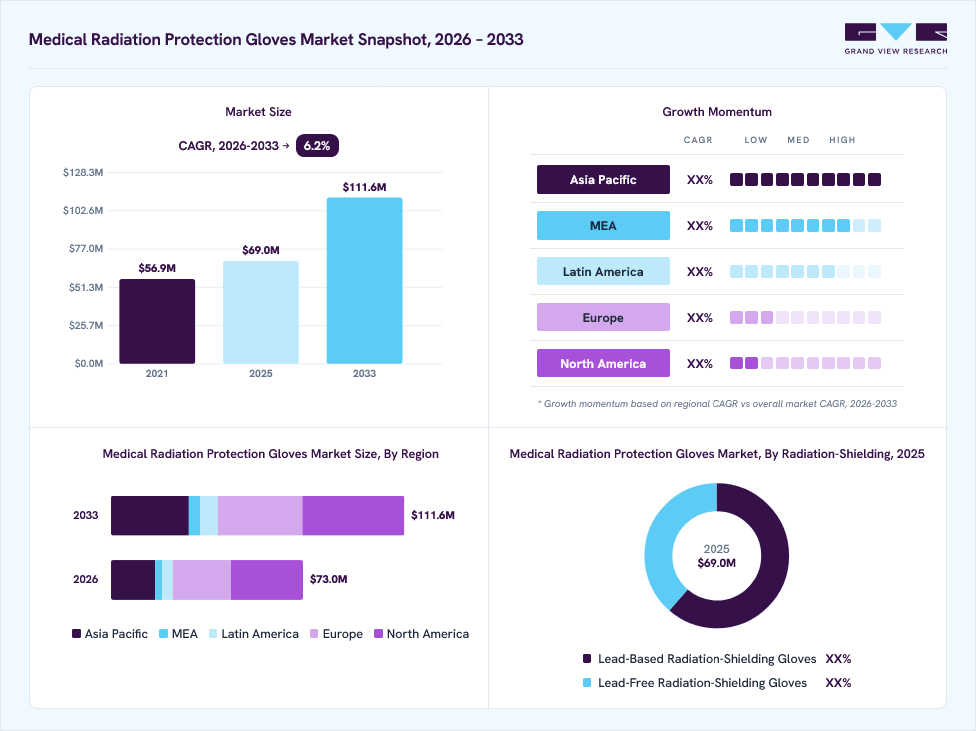
The global medical radiation protection gloves market size was valued at USD 69.0 million in 2025 and is projected to grow from USD 73.0 million in 2026 to USD 111.6 million by 2033, at a CAGR of 6.2% from 2026 to 2033. North America dominated the market, accounting for a revenue share of 37.9% in 2025. The global market for medical radiation protection gloves comprises specialized protective gloves designed to reduce occupational exposure of healthcare professionals to ionizing radiation during fluoroscopy- and X-ray-guided procedures.
 Source: Grand View Research, IR Documents, Primary Interviews, Paid DatabasesTo learn more about this report,
 Download Free Sample Report
 Key Market Trends & Insights
- By radiation-shielding material: Lead-based radiation-shielding gloves segment led the market with the largest revenue share of 61.3% in 2025.
- By base/shell material: Natural rubber/latex segment led the market with the largest revenue share of 41.4% in 2025.
- By coverage: Standard coverage segment led the market with the largest revenue share 0f 70.7% in 2025.
- By usage: Reusable gloves segment led the market with the largest revenue share of 59.3% in 2025.
Regional Highlights:
- Largest regional market: North America (37.9% revenue share, 2025)
- Fastest-growing regional market: Asia Pacific (highest CAGR, 2026-2033)
- By country: The U.S. held the largest market share in 2025.
Market Size & Forecast
- Market size in 2025: USD 69.0 Million
- Estimated market size in 2026: USD 73.0 Million
- Projected market size by 2033: USD 111.6 Million
- CAGR (2026-2033): 6.2%
Three ways to get this report
Buy it, customize it, or ask a question.Ask an Analyst
A direct answer, usually in 1 working day
- AccessReport author, directly
- Reply timeWithin 1 working day
- No sales callDirect answer only
- FormatEmail reply
- CostFree, no cost
Get the Full Report
What the study covers
- FormatsPDF · Excel · Dashboard
- Timeline2026–2033 annual, 2025 base
- Coverage20+ countries, 5 regions
- Companies10+ key players profiled
Customize the Report
20% free customization
- IncludeCountries, segments, points
- TailorTo your product definition
- ExtendDeeper competitor detail
- OrA fully bespoke study
- Turnaround5–10 working days
These gloves are primarily used by interventional cardiologists, radiologists, vascular surgeons, orthopedic surgeons, and other operating-room personnel who work in proximity to radiation sources. Demand is closely linked to the increasing use of interventional cardiology, interventional radiology, vascular interventions, and image-guided surgery, where clinicians may perform procedures for extended periods under fluoroscopic guidance. The market is also evolving toward lead-free, lightweight composite materials that aim to provide radiation attenuation while improving flexibility, comfort, and tactile sensitivity.
 To learn more about this report, Download Free Sample Report
 The expansion of interventional cardiology, increasing procedural complexity, and the rising burden of cardiovascular diseases are fueling market growth, as more patients require diagnostic and therapeutic cardiovascular interventions. The increasing prevalence of conditions such as coronary artery disease, peripheral artery disease, and other cardiovascular disorders is contributing to demand for procedures, including complex Percutaneous Coronary Intervention (PCI), chronic total occlusion treatment, coronary angiography, and stent placement, many of which require prolonged or repeated fluoroscopic imaging. Longer and more technically demanding procedures can increase occupational radiation exposure for cardiologists and catheterization-laboratory staff, particularly when operators work close to the patient during device manipulation. As cardiovascular centers manage complex lesions through minimally invasive techniques, the need for effective occupational radiation protection is also increasing, encouraging hospitals and cardiac centers to incorporate radiation-attenuating gloves into broader radiation-safety practices, particularly when clinicians' hands are positioned close to the radiation field.
"Cardiovascular disease is the leading cause of death for women and remains their #1 health risk overall. While many people may think these conditions, like high blood pressure, only occur in older women, we know this is not the case. We know the factors that contribute to heart disease and stroke begin early in life, even among young women and girls. The impact is even greater among those experiencing adverse social determinants of health such as poverty, low literacy, rural residence, and other psychosocial stressors," said Stacey E. Rosen, M.D., FAHA, volunteer president of the American Heart Association and executive director of the Katz Institute for Women's Health and senior vice president of women's health at Northwell Health in New York City.
-
In 2025, according to the WHO, cardiovascular diseases (CVDs) were the leading cause of death globally. An estimated 19.8 million people died from CVDs in 2022, accounting for approximately 32% of all deaths worldwide. Of these fatalities, around 85% were attributed to heart attacks and strokes.
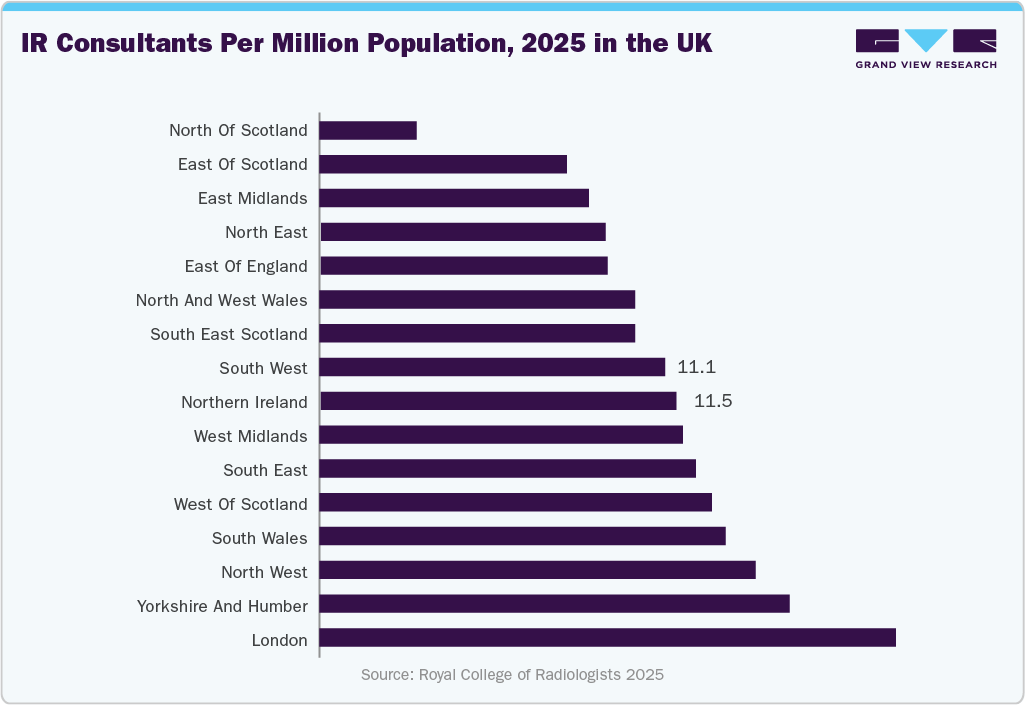
The presence of interventional radiology consultants is supporting the medical radiation protection gloves industry through greater utilization of fluoroscopy-guided and image-guided procedures. IR specialists perform a broad range of minimally invasive interventions, including angiography, embolization, vascular procedures, biopsies, drainage procedures, and tumor treatments, many of which require prolonged exposure to X-ray fluoroscopy. Regular participation in these procedures brings physicians and supporting staff into closer proximity to radiation-scattering sources, underscoring the need for appropriate occupational protection. Higher procedural workloads, longer intervention times, and greater adoption of complex image-guided techniques are prompting healthcare facilities to reinforce radiation safety protocols and provide appropriate protective equipment.
 To learn more about this report, Download Free Sample Report
 Brain aneurysms are supporting the market through the increasing use of endovascular neurointerventional procedures. Unruptured and ruptured intracranial aneurysms are managed with procedures such as cerebral angiography, coil embolization, stent-assisted coiling, and other catheter-based interventions, all of which require continuous fluoroscopic and angiographic imaging. Studies of aneurysm treatment have reported substantial fluoroscopy requirements, with therapeutic aneurysm embolization averaging about 51.5 minutes of fluoroscopy in one multicenter study, considerably higher than diagnostic cerebral angiography. As neurointerventional physicians are required to work in close proximity to the patient and radiation sources during these procedures, repeated exposure to scattered radiation increases occupational radiation exposure, particularly to the hands and other unshielded extremities. The expanding use of minimally invasive aneurysm treatment is increasing the need for radiation-protection measures, including protective gloves, among interventional neuroradiologists and catheterization-laboratory staff.
Brain Aneurysm Burden and Patient Population Statistics 2024
Indicator
Statistic
U.S. population with unruptured brain aneurysms
6.8 million (≈1 in 50 people)
Annual brain aneurysm rupture rate
8-10 per 100,000 people
U.S. brain aneurysm ruptures
~30,000 cases annually
Global deaths from brain aneurysms
~500,000 deaths annually
Population most affected by age
35-60 years; most aneurysms develop after age 40
Higher prevalence among women
Female-to-male ratio of ~3:2; women >55 have ~1.5× higher rupture risk
Severity of ruptured aneurysms
~50% fatality; ~66% of survivors experience permanent neurological deficits
Source: Brain Aneurysm Foundation
Market Dynamics
The growing use of fluoroscopy- and image-guided interventions across interventional cardiology, interventional radiology, neurointervention, vascular surgery, and other specialties is driving growth in the medical radiation protection gloves industry. Complex procedures such as percutaneous coronary intervention, cerebral aneurysm embolization, mechanical thrombectomy, peripheral vascular interventions, and interventional oncology can require prolonged imaging, exposing physicians and catheterization-laboratory personnel to scattered radiation. Because operators frequently position their hands close to the patient during these procedures, attention to extremity protection is supporting demand for radiation-protective gloves.
The rising cancer burden is supporting the medical radiation protection gloves industry by expanding the patient pool requiring diagnostic and interventional procedures. The growth of image-guided cancer interventions, including tumor embolization, radioembolization, biopsy, ablation, and catheter-based treatments, is increasing the use of fluoroscopy and angiographic imaging in oncology. These procedures require physicians and interventional teams to work in close proximity to the patient and radiation source, exposing their hands to scattered radiation during prolonged or complex interventions. Thus, greater utilization of image-guided oncology procedures is creating a need for protective measures, such as radiation-protection gloves, to reduce occupational exposure among interventional radiologists, oncologists, and catheterization laboratory staff.
For instance, data published by the National Library of Medicine in 2025 reported that an estimated 2,041,910 new cancer cases and 618,120 cancer deaths were projected in the U.S. for 2025, highlighting the substantial cancer burden and the resulting need for diagnostic and interventional cancer procedures.
Reduced dexterity and tactile sensitivity can restrain the medical radiation protection gloves industry, as interventional procedures require precise manipulation of catheters, guidewires, needles, and other delicate instruments. Gloves with radiation-attenuating materials may be thicker or less flexible than conventional surgical gloves, potentially reducing finger mobility, tactile feedback, and grip control. These limitations can make clinicians reluctant to use protective gloves during highly precise procedures where sensitivity and manual control are critical. Some healthcare professionals prefer other radiation-protection measures, such as optimized positioning and shielding barriers, rather than relying on gloves for hand protection.
The development of lightweight, flexible radiation-protection gloves presents an opportunity to expand the market by addressing the limitations of conventional protective gloves, particularly reduced dexterity, tactile sensitivity, and user comfort. Interventional physicians need precise finger movement when manipulating catheters, guidewires, and other delicate instruments, making flexibility an important factor in glove acceptance. Newer lead-free and composite-material gloves can provide radiation attenuation while maintaining greater flexibility and tactile performance, making them more suitable for complex fluoroscopy-guided procedures.
- In August 2025, CavoMED highlighted its X-ray lead-free protection gloves, emphasizing reduced weight, greater flexibility, improved comfort, and preservation of tactile sensitivity compared with conventional radiation-protection gloves. The product development reflects the industry's shift toward lightweight, flexible radiation-protection solutions that improve clinician comfort and dexterity during fluoroscopy-guided and other image-based procedures.
Market Concentration & Characteristics
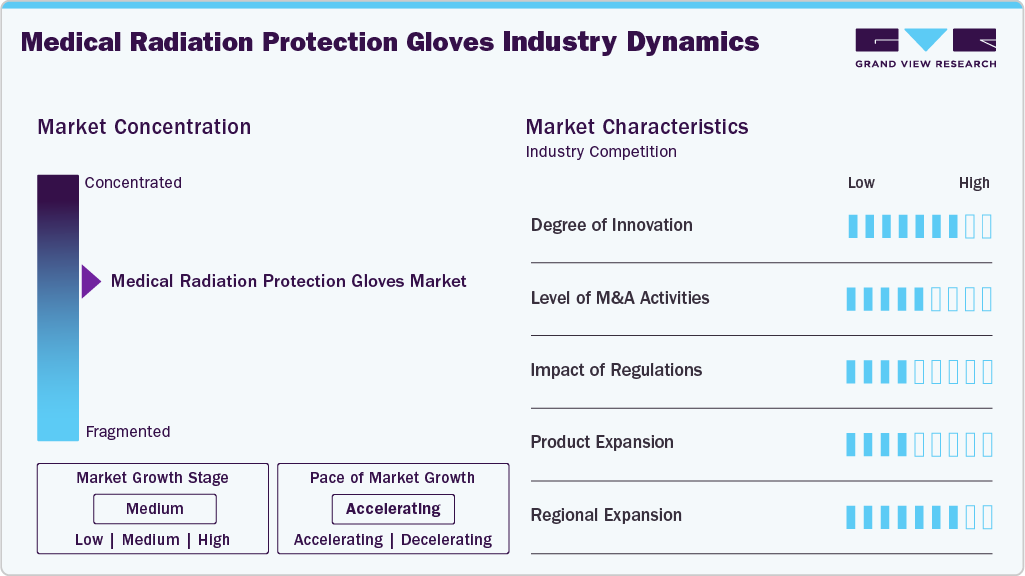
The medical radiation protection gloves industry is characterized by demand from healthcare professionals who routinely work with fluoroscopy and other X-ray-based imaging systems, particularly in interventional cardiology, interventional radiology, neurointervention, vascular surgery, orthopedics, and interventional oncology. The market is procedure-driven, as glove demand is closely linked to the volume, duration, and complexity of image-guided procedures rather than general diagnostic imaging volumes. Product differentiation is primarily based on radiation attenuation, material composition, thickness, flexibility, tactile sensitivity, comfort, durability, and fit. The market is also shifting toward lead-free and composite shielding materials, as manufacturers seek to reduce glove weight while maintaining adequate protection.
The market is witnessing continuous product innovation, primarily focused on improving radiation protection while maintaining dexterity, tactile sensitivity, flexibility, comfort, and durability. Manufacturers are moving from conventional lead-based materials toward lead-free and composite shielding technologies, including materials based on tungsten, bismuth, and other radiation-attenuating compounds. Product development is also focused on reducing glove thickness and weight, particularly around the fingertips, to support precise manipulation of catheters, guidewires, and other instruments during fluoroscopy-guided procedures. Ergonomic designs, improved grip, reinforced construction, and reusable configurations are also being incorporated to improve usability.
 To learn more about this report, Download Free Sample Report
 Mergers and acquisitions in the market are driven by companies seeking to broaden their radiation-protection product portfolios, strengthen specialized material and manufacturing capabilities, and expand access to healthcare customers. Consolidation allows manufacturers to combine complementary technologies such as radiation-attenuating materials, protective apparel, shielding systems, and accessories, while also improving distribution reach across hospitals, diagnostic imaging centers, and interventional facilities.
In January 2026, TIDI Products, LLC acquired Burlington Medical, a manufacturer of radiation-protection apparel and accessories. The acquisition expanded TIDI Products’ healthcare safety portfolio by adding specialized radiation-protection solutions and complemented its existing Zero-Gravity suspended radiation-protection system. Burlington Medical serves healthcare professionals involved in diagnostic imaging and interventional procedures and has more than 45 years of experience in radiation safety.
Regulatory requirements directly impact the market, as manufacturers must meet defined standards for radiation attenuation, material safety, durability, labeling, and product performance before gloves can be marketed to healthcare facilities. Requirements such as EU Medical Device Regulation (MDR) 2017/745, U.S. FDA requirements, and relevant radiation-protection standards influence product design, testing, documentation, and quality-control processes. Compliance increases development and certification costs and can extend the time required to commercialize new products, particularly for manufacturers introducing lead-free or alternative shielding materials.
The market has a concentrated end user base, with hospitals and specialty medical centers representing the primary demand centers. These facilities perform a high volume of fluoroscopy- and image-guided procedures, particularly in interventional cardiology, interventional radiology, vascular surgery, orthopedics, and pain management, creating recurring demand for radiation-protection gloves. Large hospitals and academic medical centers typically have dedicated catheterization laboratories, hybrid operating rooms, and interventional suites, resulting in greater utilization of radiation-protection products compared with smaller healthcare facilities.
Analyst Perspective
The market is competitive and primarily shaped by demand for reliable radiation shielding, ergonomic design, and compliance with healthcare safety standards. Established manufacturers compete through advanced shielding materials, improved glove flexibility, anatomical fit, and product portfolios designed for interventional cardiology, radiology, vascular procedures, and other fluoroscopy-guided interventions. Differentiation is also supported by investments in lightweight, lead-free, or reduced-lead shielding technologies that aim to balance radiation attenuation with dexterity and operator comfort. Specialized and emerging manufacturers compete by offering application-specific designs, customized protection levels, and cost-effective alternatives for hospitals and imaging centers.
Radiation-Shielding Material Insights
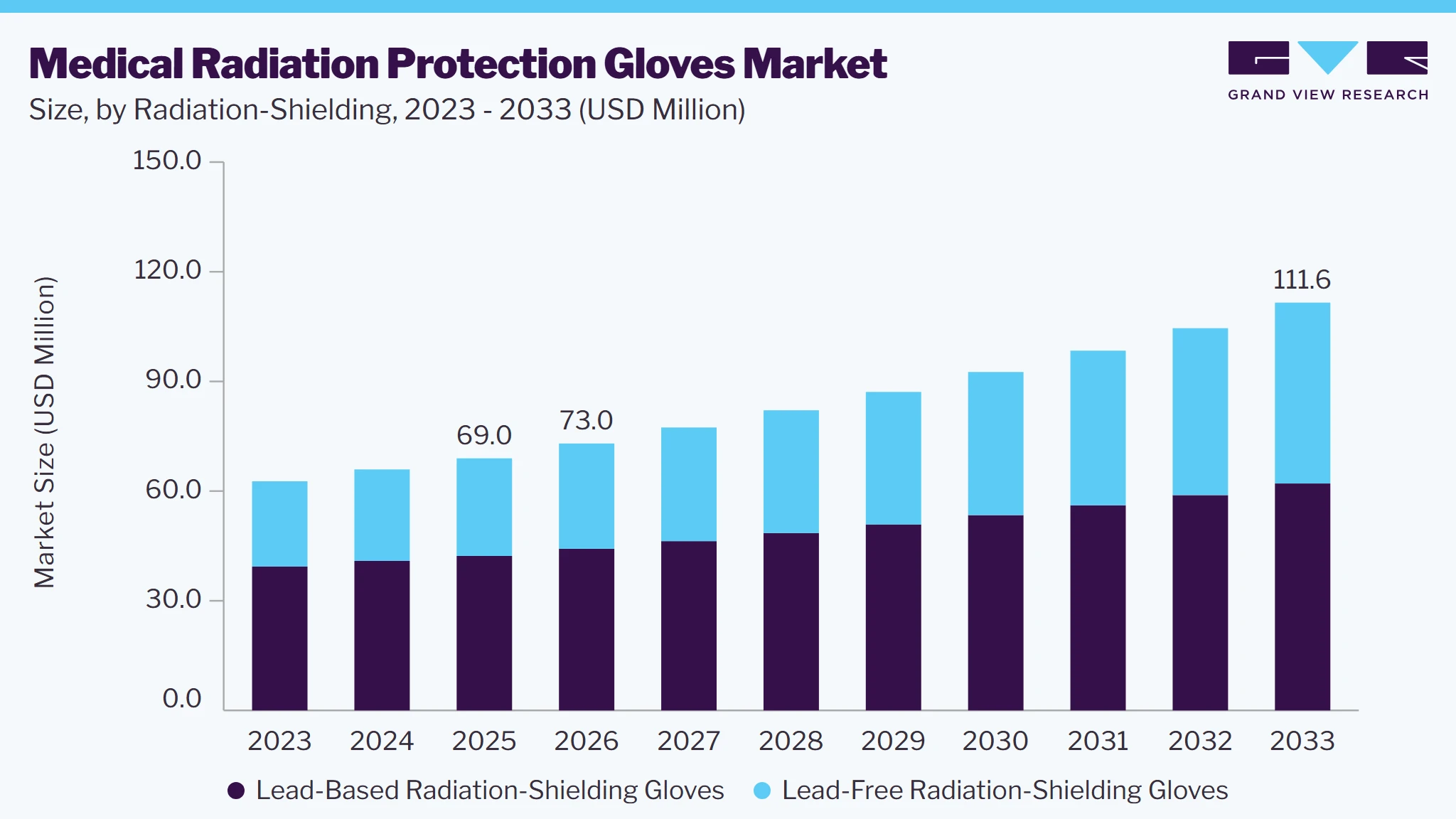
Based on radiation-shielding material, the lead-based radiation-shielding gloves segment led the market, accounting for 61.3% of revenue in 2025. This growth is driven by the established use of lead as a conventional radiation-attenuating material in medical environments. Their long-standing application in radiology, fluoroscopy, interventional procedures, and other X-ray-guided settings has created familiarity among healthcare professionals and procurement teams. Lead provides effective attenuation due to its high atomic number and density, supporting its use where protection against scattered radiation is required. Established manufacturing processes, recognized performance characteristics, and broad availability also support continued utilization.
Lead-free radiation-shielding gloves is expected to be the fastest-growing segment over the forecast period, driven by demand for lighter, more flexible, and environmentally preferable radiation-protection solutions. Manufacturers are incorporating materials such as bismuth, tungsten, and multi-material composites to provide radiation attenuation while improving tactile sensitivity and wearer comfort. Current products demonstrate this shift, with commercial gloves using bismuth oxide or tungsten-based formulations as alternatives to lead. Lead-free formulations can also reduce concerns about heavy metals and facilitate easier handling during prolonged interventional procedures.
Base/Shell Material Insights
Based on base/shell material, the natural rubber/latex segment led the market with the largest revenue share of 41.4% in 2025, supported by its established application in radiation-attenuating glove manufacturing. Natural rubber latex offers elasticity, flexibility, tensile strength, and tactile sensitivity, which are important for clinicians performing image-guided procedures requiring precise hand movements. Its ability to accommodate radiation-shielding materials also supports its use across different glove formulations. The material provides a balance between protection and dexterity, making it suitable for fluoroscopy, interventional radiology, interventional cardiology, and other procedures involving radiation exposure.
Polyisoprene is the fastest-growing segment over the forecast period, driven by demand for latex-free gloves that offer flexibility, tactile sensitivity, and reliable protective performance. Polyisoprene provides properties comparable to natural rubber while avoiding natural latex proteins, making it suitable for healthcare environments where latex sensitivity is a consideration. Its flexibility enables clinicians to perform precise movements during complex image-guided procedures without substantially compromising hand comfort.
Coverage Insights
Based on coverage, the standard coverage segment led the market with the largest revenue share of 70.7% in 2025. It is broadly applicable to routine fluoroscopy, interventional radiology, cardiology, and other image-guided procedures. These gloves protect the hand and wrist while maintaining the flexibility and tactile sensitivity required for precise clinical movements. Their established design, availability across multiple sizes and materials, and compatibility with standard radiation-protection practices support widespread procurement by healthcare facilities.
Extended cuff/forearm coverage is expected to be the fastest-growing segment over the forecast period, driven by greater attention to radiation exposure affecting areas beyond the hands during prolonged image-guided procedures. Extended designs provide additional shielding toward the wrist and forearm, supporting clinicians who work close to radiation sources for extended periods. This configuration is particularly relevant in interventional cardiology, interventional radiology, electrophysiology, and fluoroscopy-guided surgery, where the operator's hands and forearms can remain close to the radiation field.
Usage Insights
The reusable gloves segment led the market with the largest revenue share of 59.3% in 2025. These gloves can provide repeated radiation protection when properly maintained, making them suitable for hospitals and specialty centers with frequent fluoroscopy, interventional cardiology, and interventional radiology procedures. Their durability and repeated-use capability can provide favorable economics for healthcare facilities with consistent procedural volumes. Reusable designs are also available in different shielding materials, shell constructions, sizes, and coverage configurations, allowing healthcare facilities to select products according to procedural requirements.
Single-use/disposable gloves is anticipated to be the fastest-growing segment over the forecast period, driven by greater emphasis on infection prevention, convenience, and contamination control during invasive and image-guided procedures. Disposable designs eliminate the need for cleaning, disinfection, inspection, and storage between procedures, simplifying workflow for healthcare professionals. They are particularly relevant in high-throughput environments where rapid turnover between procedures is important. Single-use gloves can also provide a consistent protective barrier for each procedure while reducing concerns associated with cross-contamination and repeated handling.
End Use Procedure Insights
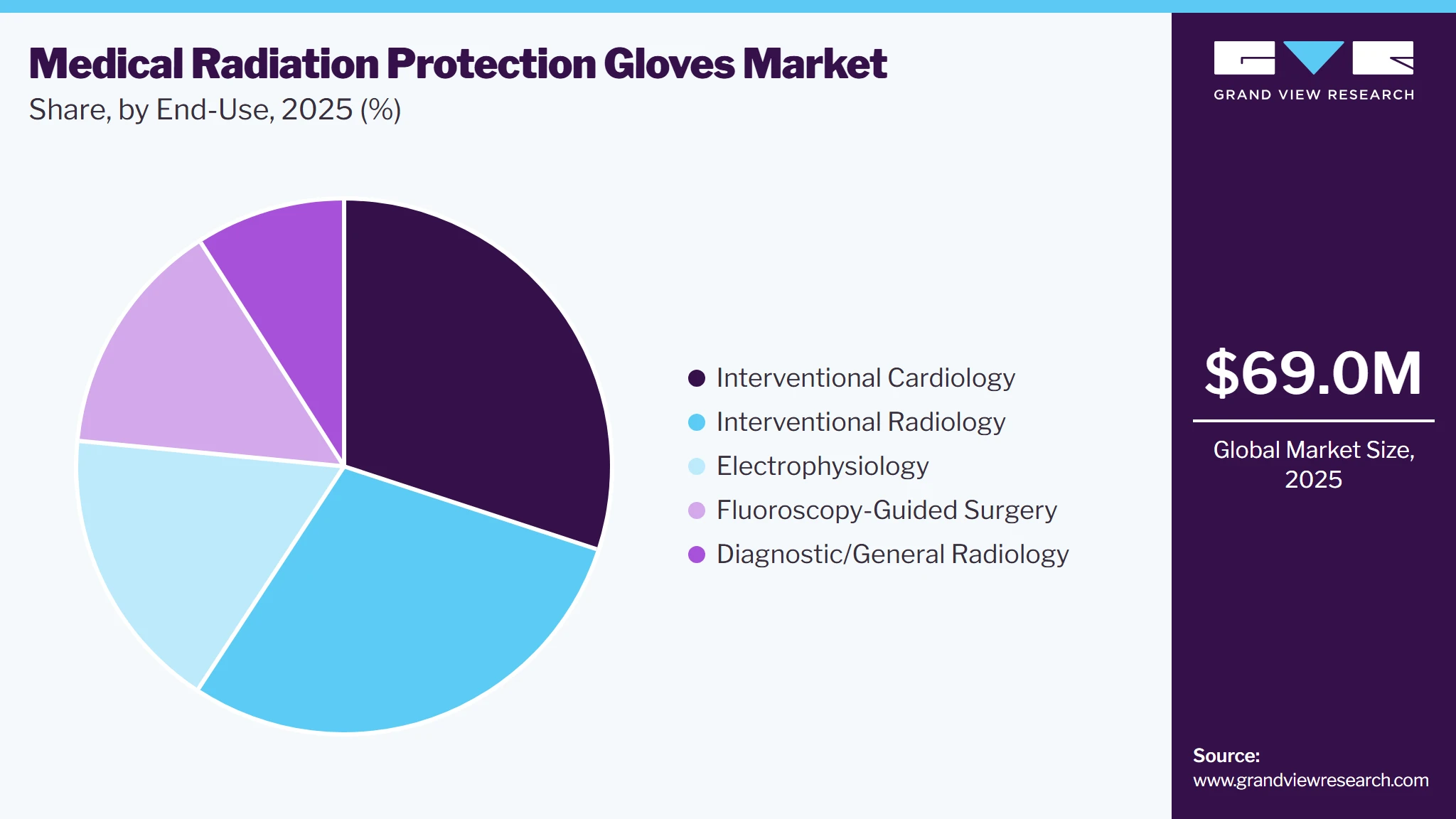
The interventional cardiology segment led the market with the largest revenue share of 30.0% in 2025, driven by the extensive use of fluoroscopy and other X-ray-guided techniques during cardiac interventions. Procedures such as percutaneous coronary interventions, structural heart interventions, and electrophysiology require clinicians to work close to radiation sources, creating a consistent need for hand protection. Complex cardiac procedures can involve prolonged imaging and substantial occupational radiation exposure, reinforcing demand for protective equipment among interventional cardiologists and supporting staff.
 To learn more about this report, Download Free Sample Report
 Interventional radiology is anticipated to be the fastest-growing segment over the forecast period, supported by the expanding range and complexity of minimally invasive, image-guided procedures. Interventional radiologists frequently perform procedures under fluoroscopic guidance while working near the radiation field, creating demand for effective hand and forearm protection. Applications across vascular, hepatobiliary, genitourinary, and other image-guided interventions provide a broad base for radiation-protection glove use.
Regional Insights
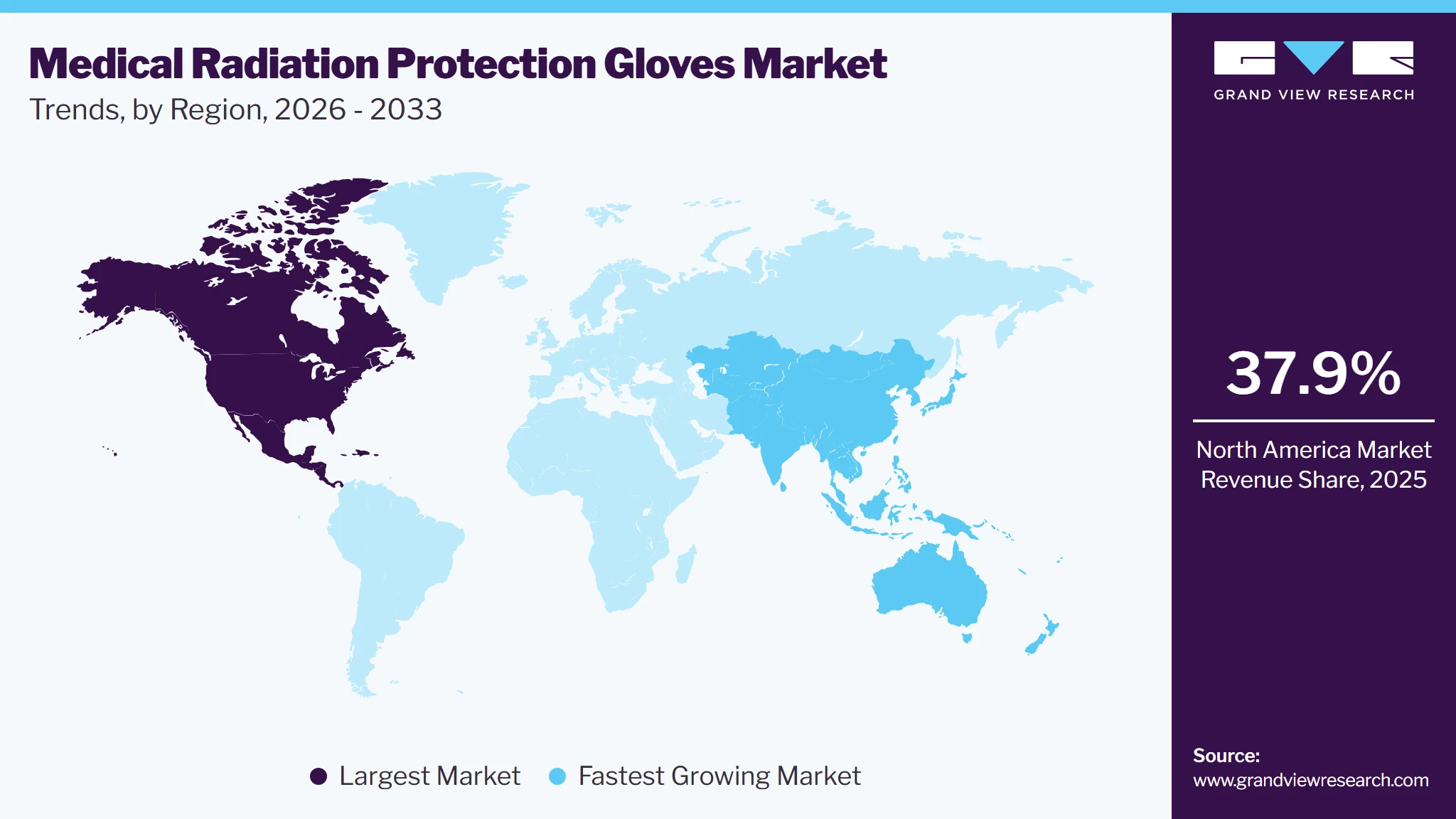
North America medical radiation protection gloves industry dominated the global market, with the largest revenue share of 37.9% in 2025, driven by the extensive use of fluoroscopy-guided and interventional procedures in the U.S. and Canada. The high volume procedures in interventional cardiology, interventional radiology, vascular surgery, orthopedic, and pain-management creates recurring exposure to scattered radiation among healthcare professionals working in proximity to imaging equipment. Demand is further supported by established occupational radiation-safety practices and the use of personal protective equipment in hospitals and specialized interventional facilities. In the U.S., regulatory requirements for radiation-attenuating gloves also require manufacturers to demonstrate product performance and substantiate radiation-attenuation claims across relevant X-ray energy ranges.
 To learn more about this report, Download Free Sample Report
 U.S. Medical Radiation Protection Gloves Market Trends
The U.S. medical radiation-protection gloves industry is supported by the substantial burden of cardiovascular disease and the continued need for image-guided cardiovascular interventions. Cardiovascular disease remains a major cause of mortality in the country, while risk factors such as hypertension, diabetes, and obesity continue to contribute to the patient pool requiring cardiovascular diagnosis and treatment. The high prevalence of cardiovascular conditions supports demand for procedures such as coronary angiography, angioplasty, catheter-based interventions, and electrophysiology procedures, many of which rely on fluoroscopy for real-time imaging. As interventional cardiologists and catheterization laboratory staff work close to the radiation source and may experience repeated exposure during prolonged or complex procedures, the need for radiation-protection gloves also increases. The combination of a high burden of cardiovascular disease, sustained use of fluoroscopy-guided procedures, and a strong emphasis on occupational radiation safety is driving growth in the market in the U.S.
According to the U.S. Centers for Disease Control and Prevention (CDC), data published in October 2024 highlighted the substantial burden of cardiovascular disease in the United States. The data showed that cardiovascular disease remained a leading cause of mortality, supporting continued demand for cardiovascular diagnosis and interventional care.
Key U.S. Cardiovascular Disease Statistics
Indicator
U.S. Statistic
Relevance to the medical radiation protection gloves market
Cardiovascular disease deaths
919,032 deaths in 2023
Reflects the substantial cardiovascular disease burden and need for diagnosis and treatment.
Share of all deaths
1 in 3 deaths
Highlights the scale of cardiovascular disease across the U.S. population.
Coronary heart disease deaths
371,506 deaths in 2022
Supports continued demand for coronary diagnostic and interventional procedures.
Adults with coronary artery disease
About 1 in 20 adults aged 20+
Indicates a large patient population requiring cardiovascular care.
Heart attacks
About 805,000 cases annually
Sustains demand for cardiovascular interventions, including fluoroscopy-guided procedures.
Frequency of heart attacks
1 heart attack every 40 seconds
Demonstrates the high and ongoing burden of cardiovascular care.
Source: CDC 2024
Europe Medical Radiation Protection Gloves Market Trends
The medical radiation protection gloves industry is Europe is driven by the widespread use of fluoroscopy and image-guided procedures across interventional cardiology, radiology, vascular surgery, orthopedics, and other specialties. The region has a well-established occupational radiation safety framework that encourages healthcare facilities to implement protective measures for physicians, radiographers, nurses, and other personnel working in radiation-intensive environments. The growing complexity of interventional procedures can also result in longer periods of exposure and closer proximity to the radiation field, strengthening the need for protective equipment such as radiation-attenuating gloves.
The UK medical radiation protection gloves industry is supported by the growing burden of stroke and the resulting need for advanced diagnostic and interventional care. Stroke management involves specialized image-guided procedures, including endovascular interventions, where fluoroscopy is used to guide catheters and other devices. These procedures can require clinicians to work close to the radiation field for extended periods, creating occupational exposure to scattered radiation, particularly for interventional neuroradiologists and supporting staff. The UK also has established radiation-safety requirements for healthcare workers, encouraging hospitals to provide appropriate protective equipment and dose-monitoring measures. As stroke care becomes more intervention-focused and complex procedures require greater use of fluoroscopic imaging, the need for radiation-attenuating gloves and other protective equipment is driving growth in the UK market.
Stroke Incidence in the UK with Focus on Young Patients (2025)
Indicator
Value
Total annual stroke cases in the UK
>100,000 cases per year
Estimated annual strokes in young people
~10,000 cases
Proportion of young strokes
~10% of total strokes
Trend in young stroke incidence
Increasing
Source: The United Kingdom Young Stroke Study (UKYSS)
The medical radiation protection gloves industry in Germany is supported by the country’s strong interventional healthcare infrastructure and high adoption of advanced imaging technologies. Germany has a well-developed network of hospitals and specialized centers that perform interventional cardiology, vascular procedures, interventional radiology, and orthopedic interventions, in which fluoroscopy is used to provide real-time procedural guidance. The presence of experienced interventional teams and established occupational radiation-protection practices creates a consistent need for protective equipment that can reduce exposure to scattered radiation. In addition, Germany’s stringent workplace safety culture encourages healthcare institutions to monitor occupational radiation exposure and implement protective measures for personnel working around X-ray equipment.
Asia Pacific Medical Radiation Protection Gloves Market Trends
The Asia Pacific medical radiation protection gloves industry is supported by the expansion of interventional healthcare infrastructure and the broader adoption of catheter-based and image-guided treatments across countries such as China, India, Japan, South Korea, Australia, and Southeast Asian markets. The region is witnessing greater use of interventional cardiology, interventional radiology, electrophysiology, vascular procedures, and minimally invasive treatments, many of which depend on fluoroscopy for real-time guidance. This creates repeated occupational exposure for physicians and clinical staff working close to X-ray systems, thereby strengthening the need for hand-specific radiation protection.
The medical radiation protection gloves market in Japan is supported by the country’s rapidly aging population, which is contributing to sustained demand for cardiovascular, vascular, and other age-associated medical interventions. The large elderly population has a higher need for regular diagnosis, monitoring, and treatment of chronic conditions, including cardiovascular diseases that may require catheter-based and image-guided procedures. The growing use of minimally invasive interventions in cardiology and interventional radiology supports the use of fluoroscopy, exposing physicians and clinical staff to scattered radiation during procedures. Japan’s advanced healthcare infrastructure has established radiation-safety practices and focuses on protecting medical personnel from occupational exposure, further strengthening demand for radiation-attenuating gloves.
- According to the World Economic Forum, Japan's Ministry of Internal Affairs and Communications reported that, as of 2024, the country had a record 36.25 million people aged 65 and over, accounting for 29.3% of the total population. This share is projected to rise to 34.8% in 2040 and 36.3% in 2045. Japan's proportion of elderly residents is already far higher than second-ranked Martinique (25.3%), making it the world's most aged society.
The Indiamedical radiation protection gloves industry is supported by the rising burden of cardiovascular disease and the expansion of interventional cardiac care. Cardiovascular disease remains a major health burden in the country, with ischemic heart disease and other coronary conditions generating sustained demand for angiography, percutaneous coronary intervention, and other catheter-based treatments. The growth of cardiac catheterization facilities beyond major metropolitan hospitals and the expansion of interventional cardiology services into tier-2 and tier-3 cities are broadening the number of healthcare professionals working with fluoroscopy-based systems. Complex coronary procedures may require prolonged use of X-ray guidance, increasing occupational exposure for cardiologists, technicians, and support staff.
For example, VMMC & Safdarjung Hospital in New Delhi operates four cardiac catheterization laboratories, including a dedicated facility for complex electrophysiology procedures. It provides coronary interventions, angioplasty, structural heart interventions, and other catheter-based treatments.
Latin America Medical Radiation Protection Gloves Market Trends
The medical radiation protection gloves industry in Latin America is being supported by the expansion of interventional healthcare services and the region’s substantial cardiovascular disease burden. Cardiovascular diseases, particularly ischemic heart disease and stroke, remain major contributors to mortality across the Americas, creating a sustained need for diagnostic and therapeutic cardiovascular care. As hospitals expand catheterization laboratories and interventional cardiology services, procedures such as coronary angiography, percutaneous interventions, and electrophysiologic studies are creating more opportunities for fluoroscopy-based treatments.
Middle East and Africa Medical Radiation Protection Gloves Market Trends
The Middle East and Africa medical radiation protection gloves industry is being supported by the development of specialized healthcare infrastructure, particularly in Gulf countries, alongside the gradual expansion of interventional cardiology and radiology services across Africa. Hospitals in the region are investing in advanced catheterization laboratories, diagnostic imaging systems, and minimally invasive treatment capabilities, creating a larger base of procedures that rely on fluoroscopy. This is generating demand for protective equipment for cardiologists, radiologists, surgeons, technicians, and other personnel who work close to radiation-emitting systems. In Africa, the expansion of interventional cardiology and radiology services is creating additional opportunities as healthcare facilities improve access to advanced procedures and strengthen radiation-safety practices. The combination of healthcare modernization, private-sector investment, the expansion of specialized care, and greater awareness of occupational radiation exposure is driving growth in the market across the Middle East and Africa.
In May 2025, Saudi Arabia’s Ministry of Health highlighted the continued transformation of the country’s healthcare system under Saudi Vision 2030, with a focus on advanced technologies, innovation, improved healthcare access, and modernization of diagnostic and treatment services.
Key Medical Radiation Protection Gloves Company Insights
The medical radiation protection gloves industry is highly competitive, with participants competing primarily on radiation attenuation performance, glove flexibility, tactile sensitivity, ergonomic fit, material composition, and compliance with applicable medical device and radiation protection requirements. Competition is also affected by the ability to supply specialized gloves for high-volume fluoroscopy environments, particularly in interventional cardiology, interventional radiology, vascular surgery, and electrophysiology. Manufacturers with established healthcare distribution networks and relationships with hospitals and specialty centers have an advantage in securing institutional procurement contracts.
Key Medical Radiation Protection Gloves Companies:
The following key companies have been profiled for this study on the medical radiation protection gloves market.
-
Mölnlycke AB (Investor AB)
-
ANSELL LTD.
-
Medline
-
INFAB, LLC (HKW)
-
Barrier Technologies (Lincolnshire Management)
-
Trivitron Healthcare
-
Protech Medical
-
MAVIG GmbH.
-
HARPS Global
-
Burlington Medical (TIDI Products)
-
Shielding International
-
Scanflex Medical AB.
-
RadiaXon
-
IndoSurgicals Private Limited.
-
Erotron Medical Systems
-
IneoTech
Competitive Benchmarking
Category
Operating Strategies
Competitive Edge
Weakness
Established Players (Mölnlycke AB (Investor AB), ANSELL LTD., Medline, INFAB, LLC (HKW), Barrier Technologies (Lincolnshire Management), Trivitron Healthcare, Protech Medical, MAVIG GmbH., Burlington Medical (TIDI Products))
Leverages broad healthcare distribution networks to reach hospitals, surgical centers, and specialized imaging facilities across major international markets.
Focuses on material innovation, ergonomic design, regulatory compliance, and occupational protection to meet evolving global clinical safety requirements.
Strong brand recognition, established relationships in healthcare, and extensive distribution capabilities bolster credibility with institutional buyers and clinical professionals worldwide.
Advanced material expertise, manufacturing capabilities, and established quality systems enable reliable protection, comfort, durability, and consistent performance across applications.
Higher operating costs and premium positioning can create pricing pressure from regional manufacturers offering lower-cost alternatives to institutional customers.
Broad healthcare portfolios can dilute strategic focus on specialized radiation-protection categories and limit responsiveness to niche customer requirements.
Emerging Players (HARPS Global, RadiaXon, IndoSurgicals Private Limited, Erotron Medical Systems, IneoTech)
Focuses on specialized radiation-protection solutions, regional distribution partnerships, customized offerings, and responsive customer service to penetrate targeted healthcare segments.
Expands market access through distributor networks, direct institutional sales, regulatory compliance, and focused presence across hospitals, diagnostic centers, and specialty clinics.
Greater flexibility enables faster customization, localized pricing, and quicker responses to healthcare-provider requirements compared with larger multinational competitors.
Specialized material technologies, lightweight designs, ergonomic construction, and lead-free alternatives provide differentiated value for clinicians requiring comfort alongside radiation protection.
Smaller geographic footprints and limited brand recognition can restrict access to large multinational hospital groups and centralized procurement contracts.
Lower production scale, narrower distribution networks, and limited marketing resources can create challenges competing against established manufacturers with broader healthcare portfolios.
Recent Developments
-
In April 2025, INFAB's Lead-Free Radiation Protection Surgical Glove was developed for surgical and interventional environments. The product uses a tungsten-based shielding material and is designed to provide radiation attenuation while maintaining tactile control. INFAB states that the glove is 0.18 mm thick, lead-free, latex-free, and powder-free, and is intended for procedures such as catheter-based interventions and imaging-assisted surgery.
-
In 2025, Trivitron’s Kiran division expanded the global commercial availability of disposable, lead-free radiation-attenuation gloves (specifically the HiGrip and Cathlab Pro lines). Engineered with non-toxic bismuth oxide and tungsten compounds, these single-use, gamma-sterilized gloves provide high-attenuation protection without creating toxic lead-waste hazards.
-
July 2024 - Ansell completed the acquisition of Kimberly-Clark’s Personal Protective Equipment (KCPPE) business, expanding its product portfolio and service capabilities across laboratory, cleanroom, and industrial PPE markets.
Medical Radiation Protection Gloves Market Report Scope
Report Attribute
Details
Market size in 2025
USD 69.0 million
Estimated market size in 2026
USD 73.0 million
Projected market size by 2033
USD 111.6 million
Growth rate
CAGR of 6.2% from 2026 to 2033
Base year for estimation
2025
Historical data
2021 - 2024
Forecast period
2026 - 2033
Quantitative units
Revenue in USD million and CAGR from 2026 to 2033
Report coverage
Revenue forecast, company ranking, competitive landscape, growth factors, and trends
Segments covered
Radiation-shielding material, base/shell material, coverage, usage, end-use procedure, region
Regional scope
North America; Europe; Asia Pacific; Latin America; MEA
Country scope
U.S.; Canada; Mexico; Germany; UK; France; Italy; Spain; Norway; Denmark; Sweden; China; Japan; India; South Korea; Australia; Thailand; Brazil; Argentina; Saudi Arabia; South Africa; UAE; Kuwait
Key companies profiled
Mölnlycke AB (Investor AB); ANSELL LTD.; Medline; INFAB, LLC (HKW); Barrier Technologies (Lincolnshire Management); Trivitron Healthcare; Protech Medical; MAVIG GmbH.; HARPS Global; Burlington Medical (TIDI Products); Shielding International; Scanflex Medical AB.; RadiaXon; IndoSurgicals Private Limited.; Erotron Medical Systems; IneoTech; others.
Customization scope
Free report customization (equivalent up to 8 analysts' working days) with purchase. Addition or alteration to country, regional & segment scope.
Pricing and purchase options
Avail customized purchase options to meet your exact research needs. Explore purchase options
Global Medical Radiation Protection Gloves Market Report Segmentation
This report forecasts revenue growth at regional and country levels and provides an analysis of the latest industry trends in each of the sub-segments from 2021 to 2033. For this study, Grand View Research has segmented the global medical radiation protection gloves market report based on radiation-shielding material, base/shell material, coverage, usage, end-use procedure, and region.
-
Radiation-Shielding Material Outlook (Revenue, USD Million, 2021 - 2033)
-
Lead-Based Radiation-Shielding Gloves
-
Lead-Free Radiation-Shielding Gloves
-
Bismuth-based
-
Tungsten-based
-
Multi-material Composite
-
Others
-
-
-
Base/Shell Material Outlook (Revenue, USD Million, 2021 - 2033)
-
Natural Rubber/Latex
-
Polyisoprene
-
Vinyl/PVC
-
Others
-
-
Coverage Outlook (Revenue, USD Million, 2021 - 2033)
-
Standard Coverage
-
Extended Cuff/Forearm Coverage
-
-
Usage Outlook (Revenue, USD Million, 2021 - 2033)
-
Single-Use/Disposable Gloves
-
Reusable Gloves
-
-
End Use Procedure Outlook (Revenue, USD Million, 2021 - 2033)
-
Interventional Cardiology
-
Interventional Radiology
-
Electrophysiology
-
Fluoroscopy-Guided Surgery
-
-
Regional Outlook (Revenue, USD Billion, 2021 - 2033)
-
North America
-
U.S.
-
Canada
-
Mexico
-
-
Europe
-
UK
-
Germany
-
France
-
Italy
-
Spain
-
Norway
-
Denmark
-
Sweden
-
-
Asia Pacific
-
China
-
Japan
-
India
-
South Korea
-
Australia
-
Thailand
-
-
Latin America
-
Brazil
-
Argentina
-
-
Middle East and Africa
-
Saudi Arabia
-
UAE
-
South Africa
-
Kuwait
-
-
Research Methodology
The medical radiation protection gloves market figures in this report are based on a proven research process that combines executive interviews with secondary research from proprietary databases, company filings, and recognized regulatory and institutional sources. Market size is built through value-chain sizing-reconciling supply-side and demand-side estimates-and triangulated with bottom-up and top-down approaches. Every estimate passes multiple levels of expert validation before publication, with each medical radiation protection gloves segment quantified using the revenue-capture definitions in the table below.
Segment Definition
Product
Revenue capture definition
Lead-Based Radiation-Shielding Gloves
Revenue capture for this segment encompasses direct financial proceeds generated from attenuating gloves impregnated with lead compounds, which provide cost-effective scatter radiation shielding for healthcare professionals during fluoroscopy, interventional radiology, and surgical procedures. It includes all manufacturer-level and distributor billing to hospitals, ambulatory centers, and imaging facilities, while excluding post-market transactions, taxes, and shipping fees.
Lead-Free Radiation-Shielding Gloves
Market size for this segment measures revenue generated by radiation-attenuating gloves made from non-lead metals such as tungsten, bismuth, or antimony. These gloves offer lightweight hand shielding without toxic lead exposure or hazardous disposal problems. The metric includes direct sales to medical facilities while excluding secondary resales and taxes.
Estimation Model
Bottom-Up Epidemiological Modeling
Top-Down Revenue Triangulation
Demand-Side Care-Setting Modeling
Supply-Side Capacity & Utilization Modeling
Data Triangulation & Market Reconciliation
Estimating the target end-user population of interventional radiology, cardiology, vascular surgery, urology, and nuclear medicine procedures requiring radiation protection. Applying procedure volumes, fluoroscopy utilization rates, average glove usage per procedure, and replacement rates of lead/non-lead gloves by type and end-user to estimate market size.
Analyzing total revenue reported by leading medical radiation protection glove manufacturers and distributors globally and allocating revenue based on product portfolios, regional distribution, end-use segments, and pricing benchmarks to estimate market size.
Assessing glove demand across hospitals, ambulatory surgical centers, diagnostic imaging centers, and cancer treatment centers based on procedure volumes, radiation intensity levels, protection standards, replacement cycles, and average selling prices of gloves to estimate market size.
Evaluating global manufacturing capacity of medical radiation protection gloves, plant utilization rates, production output, raw material availability (lead, bismuth, polymer compounds), supply chain dynamics, and distribution networks to estimate achievable supply and identify capacity gaps or surpluses.
Synthesizing outputs from multiple models using primary research, hospital procurement data, claims and reimbursement data, regulatory standards, tender databases, and expert interviews to ensure robust validation of medical radiation protection gloves market size estimates.
Delivered Customizations
This report has been delivered with the following In-depth customizations
Client Request
Customization Delivered
Value Adds
ASP and Volume Analysis (Historical & Forecast)
Comprehensive ASP (Average Selling Price) and volume analysis for medical radiation protection gloves across the forecast period, segmented by radiation-shielding material (lead-based and lead-free), base/shell material composition (natural rubber/latex, polyisoprene, vinyl/PVC, and composite materials), glove design, protection level, end user, and geography. Includes historical pricing trends, procurement models, replacement cycles, utilization rates, product lifespan, regulatory requirements, and forward-looking forecasts based on fluoroscopy-guided procedures, interventional radiology, cardiology procedures, and healthcare infrastructure expansion.
Enables accurate revenue forecasting, pricing strategy optimization, procurement planning, identification of premium product opportunities, evaluation of material and technology shifts, assessment of regional adoption patterns, and investment decision-making for manufacturers and investors.
Procedure Volume and Patient Population Analysis
Detailed assessment of healthcare professionals and procedures requiring radiation protection gloves, including interventional cardiology, interventional radiology, vascular surgery, electrophysiology, orthopedic procedures, and diagnostic imaging. Includes segmentation by procedure volumes, fluoroscopy utilization, radiation exposure levels, number of physicians and technicians, hospital capacity, catheterization laboratories, imaging centers, operating rooms, replacement requirements, and regional healthcare infrastructure.
Supports demand forecasting, estimation of addressable healthcare-professional populations, identification of high-use clinical segments, capacity planning for hospitals and imaging facilities, evaluation of regional opportunities, and long-term market sizing based on procedure growth and radiation-safety requirements.
Competitive Benchmarking and Market Share Analysis
Comprehensive competitive assessment of leading medical radiation protection glove manufacturers, including product portfolio benchmarking, ASP comparison, material and shielding technology assessment, protection-level comparison, ergonomic design evaluation, regulatory approvals, distribution network analysis, regional market share assessment, innovation pipeline, strategic partnerships, acquisitions, product launches, and positioning across major geographic markets.
Enables competitive positioning, identification of market gaps, technology benchmarking, pricing optimization, product differentiation, partnership and acquisition evaluation, commercialization strategy development, and geographic expansion planning for established and emerging market participants.
Frequently Asked Questions About This Report
The global medical radiation protection gloves market size was valued at USD 69.0 million in 2025 and is estimated at USD 73.0 million for 2026.
The global medical radiation protection gloves market is expected to grow at a CAGR of 6.2% from 2026 to 2033, reaching USD 111.6 million.
The lead-based radiation-shielding gloves segment led with a 61.3% revenue share in 2025, while the lead-free radiation-shielding segment is the fastest-growing.
North America dominated the medical radiation protection gloves market with a 37.9% revenue share in 2025.
The medical radiation protection gloves market is driven by the expanding use of fluoroscopy-guided procedures, particularly in interventional cardiology, interventional radiology, and surgery. Occupational exposure to scattered X-ray radiation creates demand for hand protection among healthcare professionals. Radiation-safety regulations, workplace protection programs, and growing awareness of cumulative exposure further support adoption, while advances in lightweight, lead-free, and flexible shielding materials help improve comfort and dexterity.
Mölnlycke AB (Investor AB); ANSELL LTD.; Medline; INFAB, LLC (HKW); Barrier Technologies (Lincolnshire Management); Trivitron Healthcare; Protech Medical; MAVIG GmbH.; HARPS Global; Burlington Medical (TIDI Products); Shielding International; Scanflex Medical AB.; RadiaXon; IndoSurgicals Private Limited.; Erotron Medical Systems; IneoTech; among others.
Asia Pacific is the fastest-growing region over the forecast period.
The natural rubber/latex segment led with a 41.4% revenue share in 2025, while the Polyisoprene segment is the fastest-growing.
The standard coverage segment led with a 70.7% revenue share in 2025, while the cuff/forearm Coverage segment is the fastest-growing.
About the Author(s)
Medical Devices Research Team
Healthcare · Medical DevicesThis report was authored by the medical devices research team at Grand View Research - comprising two research analysts, one senior research analyst, and one industry expert - with specialized expertise in the medical devices segment of the healthcare industry. All findings are based on proprietary healthcare databases, executive interviews, and regulatory analysis, subject to internal peer review prior to publication.
Last Updated:
Speak to Analyst

Customize this report to your needs - add regions, segments, or data points, with 20% free customization.
Or view our licence options:


ISO 9001:2015 & 27001:2022 Certified
We are GDPR and CCPA compliant! Your transaction & personal information is safe and secure. For more details, please read our privacy policy.


