
- Home
- »
- Pharmaceuticals
- »
-
Neuropathic Pain Market Size & Share, Industry Report, 2033GVR Report cover

Neuropathic Pain Market (2026 - 2033) Size, Share & Trends Analysis Report By Drug Class, (Anticonvulsants, Antidepressants), By Indication (Diabetic Peripheral Neuropathy, Postherpetic Neuralgia), By Route of Administration, By Distribution Channel, By Region, And Segment Forecasts
Market Size, 2025
$8.5BMarket Estimate, 2026
$9.1BMarket Forecast, 2033
$15.2BCAGR, 2026–2033
7.6%Neuropathic Pain Market Summary
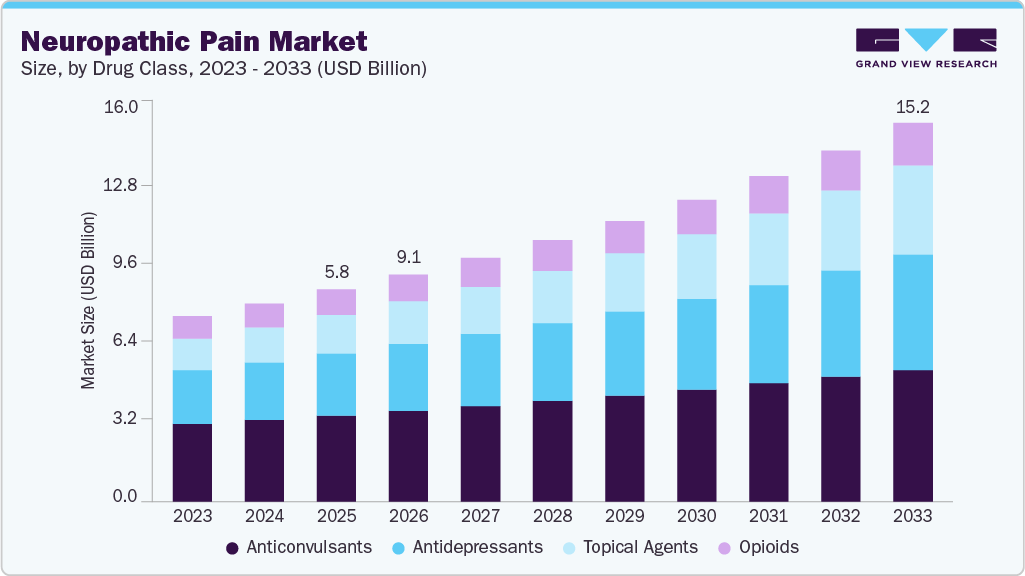
The global neuropathic pain market size was valued at USD 8.5 billion in 2025 and is projected to grow from USD 9.1 billion in 2026 to USD 15.2 billion by 2033, at a CAGR of 7.5% from 2026 to 2033. The North America neuropathic pain market held the largest share of 37.9% of the global market in 2025. The neuropathic pain market was primarily driven by the rising global burden of chronic diseases, particularly diabetes and cancer, which significantly increased the prevalence of nerve damage related pain conditions.
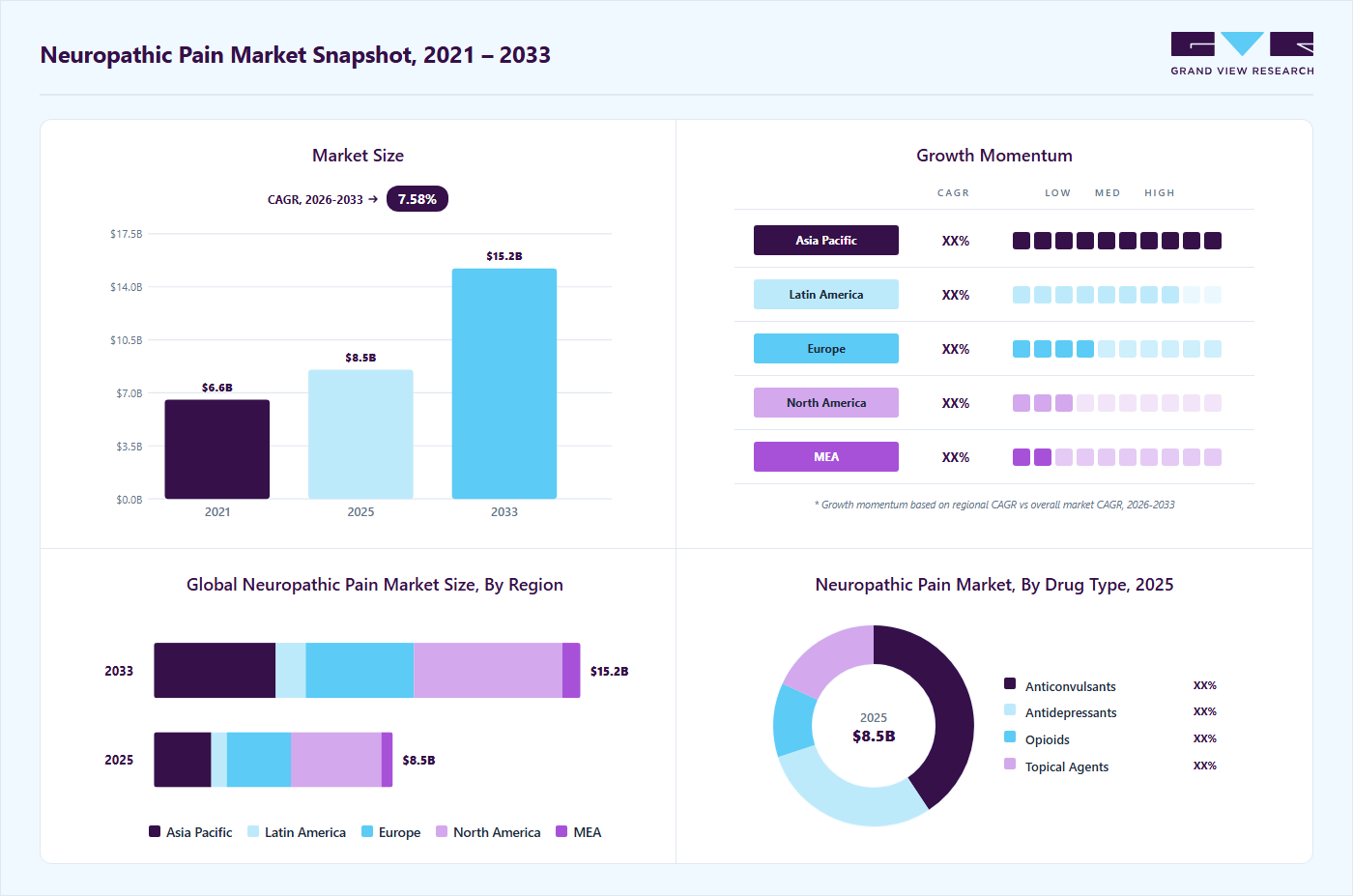 Source: Grand View Research, IR Documents, Primary Interviews, Paid DatabasesTo learn more about this report,
 Download Free Sample Report
 Key Market Trends & Insights
- By drug class, the anticonvulsants segment held the highest market share of 40.66% in 2025.
- By indication, the diabetic peripheral neuropathy segment held the highest market share of 34.40% in 2025.
- By route of administration, the oral segment held the highest market share in 2025.
Regional Highlights
- Largest regional market: North America (37.9% revenue share, 2025)
- Fastest-growing regional market: Asia Pacific (highest CAGR, 2026-2033)
- The neuropathic pain industry in the U.S. held the largest revenue share in 2025.
Market Size & Forecast
- Market size in 2025: USD 8.5 Billion
- Estimated market size in 2026: USD 9.1 Billion
- Projected market size by 2033: USD 15.2 Billion
- CAGR (2026-2033): 7.5%
Three ways to get this report
Buy it, customize it, or ask a question.Ask an Analyst
Analyst response in 1 business day
- AccessReport author, directly
- Reply timeWithin 1 working day
- No sales callDirect answer only
- FormatEmail reply
- CostFree, no cost
Get the Full Report
What the study covers
- FormatsPDF · Excel · Dashboard
- Timeline2026–2033 annual, 2025 base
- Coverage20+ countries, 5 regions
- Companies10+ key players profiled
Customize the Report
20% free customization
- IncludeCountries, segments, points
- TailorTo your product definition
- ExtendDeeper competitor detail
- OrA fully bespoke study
- Turnaround5–10 working days
Diabetic peripheral neuropathy remained the largest contributor, supported by the steady growth of diabetic populations in emerging economies such as India and China. For instance, in April 2025, Nature Publishing Group published a study indicating that approximately 50% of diabetes patients developed neuropathy, with prevalence ranging from 6% to over 60%. Painful diabetic peripheral neuropathy affected 13% to 35% of patients, with prevalence at 13.3% in diabetes, 8.7% in impaired glucose tolerance, 4.2% in impaired fasting glucose, and 1.2% in normal glucose tolerance. In addition, in October 2024, Frontiers in Endocrinology analyzed 4,908 patients, identifying 1,627 cases, representing 33.2% prevalence, supporting expanding diagnosis and treatment demand globally.
 To learn more about this report, Download Free Sample Report
 Another key driver was the evolving treatment landscape, characterized by a shift toward safer, targeted, and non-opioid therapies. Regulatory pressure and rising awareness regarding opioid misuse reduced dependence on opioids, accelerating adoption of anticonvulsants and antidepressants. Topical and transdermal formulations gained traction due to localized action, improved safety, and better patient compliance. Pharmaceutical companies increasingly invested in novel mechanisms and combination therapies to enhance efficacy and minimize side effects. Neuromodulation technologies such as spinal cord stimulation and transcutaneous electrical nerve stimulation further expanded treatment options. For instance, in January 2025, ScienceDirect reported neuropathic pain prevalence between 3% and 17%, with global estimates around 7% to 8%. Despite available therapies, treatment outcomes remained moderate, with many patients experiencing inadequate relief and increased healthcare utilization, reinforcing demand for more effective and innovative therapeutic solutions in the market.
Market growth was further supported by improvements in healthcare infrastructure, reimbursement frameworks, and drug accessibility, particularly across emerging regions. Countries in Asia Pacific and the Middle East experienced rising healthcare expenditure, expanding insurance coverage, and increased availability of cost-effective generic medications, improving patient access to neuropathic pain treatments. The growth of online pharmacies and digital health platforms enhanced drug distribution and patient adherence, especially for chronic conditions requiring long-term management. Government initiatives targeting non-communicable diseases also contributed to improved diagnosis and treatment rates. In addition, strategic collaborations between pharmaceutical companies and healthcare providers strengthened patient education and disease management practices. These developments collectively reduced treatment gaps, increased therapy penetration, and supported sustained market expansion. As healthcare systems continued to modernize and awareness improved, the neuropathic pain market experienced steady growth across both developed and developing regions globally.
Market Dynamics
The primary driver of the neuropathic pain market was the increasing global prevalence of diabetes, particularly Type 2 diabetes, which significantly increased the incidence of diabetic peripheral neuropathy (DPN). DPN remained one of the most common and debilitating complications of diabetes, causing chronic nerve pain, tingling, burning sensations, and numbness, primarily in the hands and feet. The growing burden of obesity, sedentary lifestyles, aging populations, and unhealthy dietary habits continued to increase the number of patients requiring long-term neuropathic pain management. This trend substantially boosted the demand for neuropathic pain therapeutics such as pregabalin, gabapentin, duloxetine, and advanced neuromodulation therapies. For instance, in January 2025, the International Diabetes Federation (IDF) reported that approximately 589 million adults aged 20 to 79 years were living with diabetes globally in 2024, and the number was projected to increase to nearly 853 million by 2050. The organization also stated that nearly 1 in 9 adults worldwide were affected by diabetes, highlighting the growing patient pool at risk of developing diabetic peripheral neuropathy and associated neuropathic pain conditions.
The neuropathic pain market faced significant challenges due to the limited long-term effectiveness and safety concerns associated with existing treatment options. Medications such as anticonvulsants, antidepressants, opioids, and topical therapies often delivered only moderate pain relief and were frequently linked with adverse effects, including dizziness, drowsiness, nausea, fatigue, cognitive impairment, and dependency risks. Additionally, the complex and heterogeneous nature of neuropathic pain resulted in varying treatment responses among patients, making effective pain management difficult in many cases. These limitations negatively affected patient adherence and reduced confidence in long-term therapy use, thereby restraining market growth. For instance, in June 2024, the Greater Manchester Medicines Management Group (GMMMG) reported that gabapentinoids, including gabapentin and pregabalin, were associated with significant safety concerns such as dependence risk, withdrawal symptoms, dizziness, somnolence, gait disturbances, peripheral edema, sexual dysfunction, and severe respiratory depression. The organization also stated that clinical evidence supporting the use of gabapentinoids outside approved neuropathic pain indications remained limited, thereby restricting wider therapeutic utilization in chronic pain management.
The neuropathic pain market witnessed significant growth opportunities due to the increasing development of non-opioid therapies and advanced pain management technologies. Rising concerns regarding opioid addiction, adverse side effects, and long-term safety risks encouraged pharmaceutical companies and healthcare providers to focus on safer and more targeted treatment alternatives. This trend accelerated research and development activities involving sodium channel blockers, biologics, gene therapies, neuromodulation devices, and personalized pain management solutions, while increasing investments and regulatory support further strengthened market expansion opportunities. For instance, in January 2025, the U.S. Food and Drug Administration (FDA) approved JOURNAVX (suzetrigine) 50 mg oral tablets developed by Vertex Pharmaceuticals for the treatment of moderate-to-severe acute pain in adults. The FDA stated that the therapy represented the first new class of pain medicine approved in more than 20 years and functioned as a selective NaV1.8 pain signal inhibitor. Additionally, in January 2026, the Lexicon Pharmaceuticals announced the successful completion of an End-of-Phase 2 meeting with the FDA for pilavapadin, a non-opioid investigational therapy for diabetic peripheral neuropathic pain. The company stated that the FDA raised no objections to advancing the therapy into Phase 3 registrational studies using a 10 mg daily dose, highlighting the growing focus on innovative and safer neuropathic pain treatment solutions.
Market Concentration & Characteristics
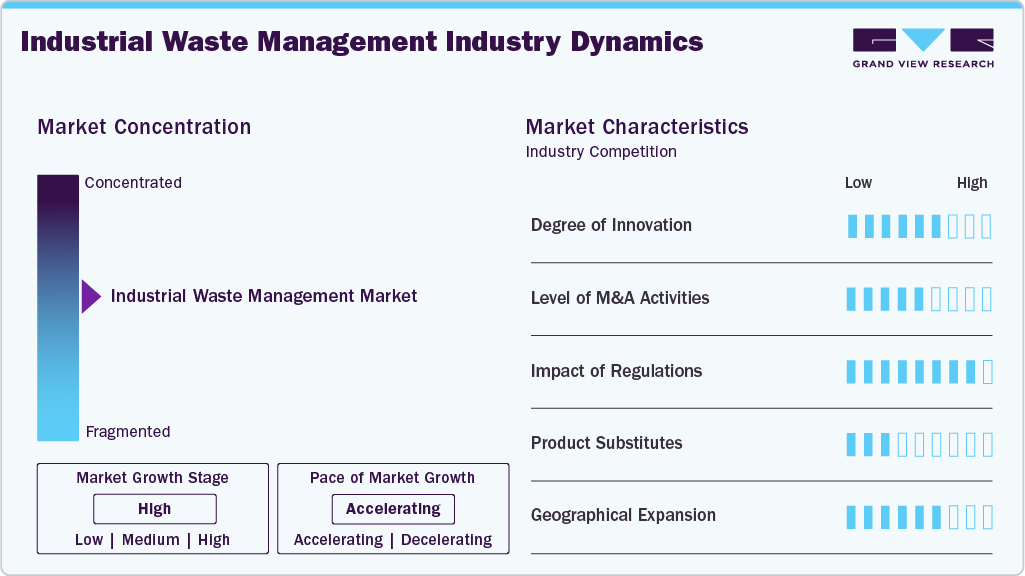
The neuropathic pain market demonstrates a moderate but steadily evolving degree of innovation, driven by the need to improve efficacy and reduce adverse effects associated with existing therapies. While traditional drug classes such as anticonvulsants and antidepressants dominate, innovation is increasingly focused on novel mechanisms of action targeting specific pain pathways, including sodium channel blockers and monoclonal antibodies. There is also growing interest in combination therapies that enhance treatment outcomes while minimizing side effects. Beyond pharmacotherapy, advancements in neuromodulation devices, such as spinal cord stimulation, are expanding the therapeutic landscape. However, innovation remains constrained by the complex and poorly understood pathophysiology of neuropathic pain, leading to high clinical trial failure rates. As a result, while incremental innovation is strong, breakthrough therapies remain limited, creating a balanced innovation environment with gradual but meaningful progress.
The neuropathic pain market presents moderate to high barriers to entry, primarily due to stringent clinical development requirements and the complexity of demonstrating efficacy in pain management trials. Neuropathic pain is subjective and heterogeneous, making it difficult to achieve consistent clinical endpoints, which increases development timelines and costs. Regulatory expectations for safety, particularly in light of past concerns around opioids and CNS-active drugs, further elevate entry barriers. In addition, established generic competition for key drugs such as gabapentin and pregabalin creates pricing pressure, reducing the attractiveness for new entrants unless they offer clear differentiation. Strong physician familiarity and prescribing habits also favor incumbent therapies, making market penetration challenging. For device-based solutions, high capital requirements and the need for specialized clinical adoption add another layer of complexity, collectively limiting easy entry into the market.
 To learn more about this report, Download Free Sample Report
 Regulations play a significant role in shaping the neuropathic pain market, particularly through their influence on drug approval, safety monitoring, and prescribing practices. Regulatory agencies have imposed stricter controls on opioid use due to concerns over addiction and misuse, which has shifted treatment paradigms toward non-opioid alternatives. This has indirectly boosted demand for anticonvulsants, antidepressants, and topical therapies. In addition, stringent clinical trial requirements for demonstrating both efficacy and long-term safety in chronic pain conditions increase the time and cost associated with bringing new drugs to market. Pricing and reimbursement regulations, especially in Europe, further impact market dynamics by limiting the commercial potential of new therapies. In emerging markets, evolving regulatory frameworks are improving access but can still pose challenges due to variability and approval delays. Overall, regulation acts as both a constraint and a directional force guiding safer and more effective treatment adoption.
The neuropathic pain market faces a moderate to high threat from product substitutes, particularly from non-pharmacological and device-based interventions. Neuromodulation techniques such as spinal cord stimulation and transcutaneous electrical nerve stimulation offer alternatives for patients who do not respond adequately to drug therapies. In addition, physical therapy, psychological interventions, and lifestyle modifications are increasingly being integrated into pain management strategies, reducing sole reliance on pharmacological treatments. Over-the-counter analgesics and off-label medications may also serve as substitutes in certain cases, particularly in regions with limited access to specialized therapies. However, the chronic and complex nature of neuropathic pain often necessitates a combination of treatments rather than a complete substitution, which moderates the overall impact. While substitutes are gaining traction, pharmacological therapies remain the cornerstone of treatment, maintaining their dominant position in the market.
Geographical expansion is a key characteristic of the neuropathic pain market, with growth increasingly shifting toward emerging regions such as Asia Pacific, Latin America, and the Middle East. These regions are experiencing rising prevalence of diabetes and cancer, leading to a larger neuropathic pain patient pool. Improvements in healthcare infrastructure, insurance coverage, and availability of generic drugs are enhancing access to treatment, thereby driving market growth. Multinational pharmaceutical companies are actively expanding their presence through partnerships, local manufacturing, and distribution agreements to capture these opportunities. At the same time, developed markets such as North America and Europe remain important due to their high treatment rates and advanced healthcare systems, although growth is relatively slower. The overall trend reflects a transition from mature, high-value markets to high-growth, volume-driven emerging economies, shaping the future geographic distribution of the neuropathic pain market.
Drug Class Insights
The anticonvulsants segment dominated the market with the largest revenue share of 40.66% in 2025, driven by its strong positioning as a first-line therapy across clinical guidelines and widespread use in managing diabetic peripheral neuropathy and postherpetic neuralgia. Drugs such as gabapentin and pregabalin gained high physician acceptance due to proven efficacy, predictable safety, and broad generic availability, improving affordability. For instance, in January 2025, PubMed Central analyzed 9,974 studies from 2005 to 2024, refined from 12,427 records, reporting neuropathic pain prevalence between 7% and 10%. The U.S. contributed 24.3%, China 23.2%, Japan 7.5%, England 7.1%, Canada 5.8%, Italy and Germany 5.3% each, South Korea 4.3%, France 4%, and Spain 3.5%. Publications peaked during 2021-2022 and were projected to grow from 2025 to 2030. The antidepressants segment was expected to grow steadily, driven by increasing SNRI adoption.
The antidepressants segment is projected to grow at a CAGR of 8.18% over the forecast period, fueled by increasing clinical preference for non-opioid therapies and the expanding use of serotonin-norepinephrine reuptake inhibitors such as duloxetine in neuropathic pain management. These therapies gained traction due to their ability to address both pain and associated comorbidities, including depression and anxiety, which were highly prevalent among patients with chronic pain conditions. For instance, in August 2024, PubMed Central published a narrative review evaluating the role of antidepressants in neuropathic pain management, where 61 randomized controlled trials involving 3,293 participants assessed 20 antidepressants, along with 11 additional studies including 778 participants. The study reported that tricyclic antidepressants achieved a number needed to treat (NNT) of 3.6 (95% CI: 3 to 4.5) with a relative risk (RR) of 2.1 (95% CI: 1.8 to 2.5), while venlafaxine demonstrated an NNT of 3.1 (95% CI: 2.2 to 5.1) and an RR of 2.2 (95% CI: 1.5 to 3.1), highlighting strong clinical efficacy. Their favorable safety profile, increasing inclusion in treatment guidelines, improved physician awareness, and wider availability of generics further supported sustained global adoption and long-term segment growth.
Indication Insights
The diabetic peripheral neuropathy segment dominated the market with the largest revenue share of 34.40% in 2025, driven by the rapidly increasing global prevalence of diabetes, particularly in emerging economies where large patient populations are transitioning from undiagnosed to treated stages. The condition represented one of the most common complications of diabetes, leading to substantial and consistent demand for long-term pain management therapies. For instance, in February 2024, PubMed Central published a study reporting that diabetic peripheral neuropathy affected 10% to 20% of patients at diagnosis, increasing to 26% after 5 years and 41% after 10 years. It further indicated that approximately 50% to 66% of patients developed the condition during their lifetime, while Charcot neuroarthropathy incidence ranged from 0.1% to 0.4%, rising to 29%, and mortality reached 15% to 30% over 10 years. Improved awareness, better diagnostics, and strong availability of treatments continued to drive sustained segment growth globally.
The chemotherapy-induced peripheral neuropathy segment is projected to grow at a CAGR of 9.06% over the forecast period, fueled by the rising global burden of cancer and increasing use of neurotoxic chemotherapy agents such as platinum-based drugs and taxanes. As cancer survival rates improved, a larger proportion of patients lived longer with treatment-related complications, including chronic neuropathic pain, expanding the addressable patient pool. For instance, in 2024, ScienceDirect published a study reporting overall prevalence of 51.9% (95% CI: 45% to 58.7%) based on 49 studies involving 33,667 participants, with the highest prevalence reaching 69.6% (95% CI: 50% to 84%). The study also indicated that 38% of patients receiving multiple chemotherapy agents were affected, with over 400,000 cases annually in the U.S. and an economic burden of USD 2.5 billion per year. Increasing awareness, early diagnosis, and expanding oncology care further supported sustained segment growth globally.
Route of Administration Insights
The oral segment dominated the market with the largest revenue share of 70.42% in 2025 due to its high patient convenience, ease of administration, and strong preference among both physicians and patients for chronic pain management. Oral formulations are widely available across key drug classes such as anticonvulsants and antidepressants, making them the primary choice for first-line treatment of neuropathic pain. Their cost-effectiveness, especially with the availability of generic versions, further enhances accessibility across developed and emerging markets. In addition, oral therapies support long-term adherence, which is critical for managing chronic conditions that require continuous treatment. Established prescribing practices and familiarity among healthcare providers also contribute to sustained demand. The ability to administer these medications in outpatient and home care settings without the need for specialized supervision further reinforces their dominant position in the overall treatment landscape.
The topical segment is projected to grow at a CAGR of 10.66% over the forecast period owing to increasing demand for localized pain management therapies that offer effective relief with minimal systemic side effects. Topical formulations such as lidocaine and capsaicin are gaining preference among patients who are intolerant to oral medications or at risk of adverse events associated with systemic treatments. These therapies provide targeted action at the site of pain, improving safety and tolerability, particularly in elderly populations and patients with multiple comorbidities. Growing awareness among physicians regarding the benefits of topical treatments, along with their inclusion in clinical guidelines for specific neuropathic conditions, is further supporting adoption. In addition, advancements in transdermal delivery technologies and improved formulation efficacy are enhancing patient compliance, contributing to the expanding use of topical therapies across both developed and emerging markets.
Distribution Channel Insights
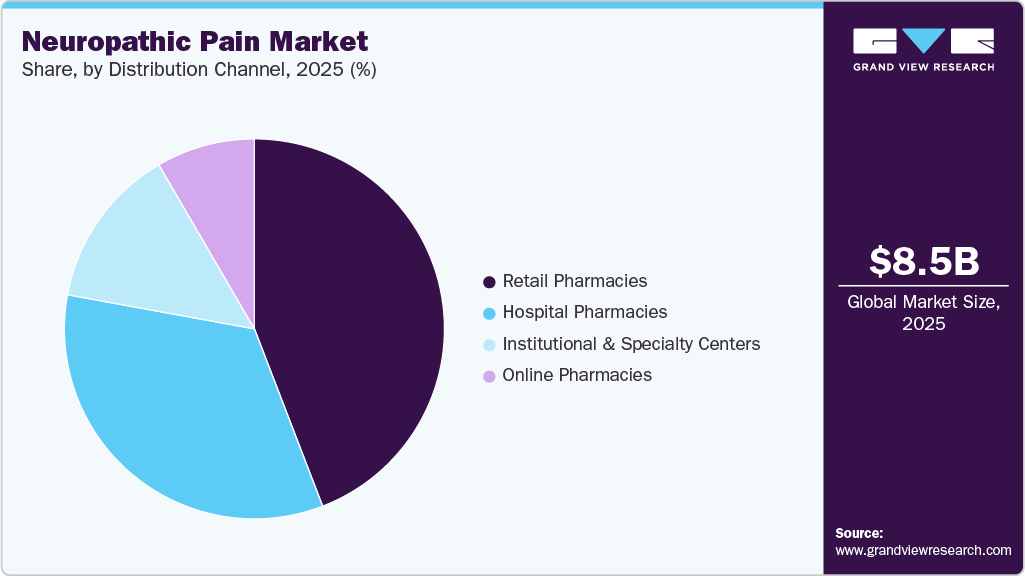
The retail pharmacies segment dominated the market with the largest revenue share of 44.15% in 2025, due to the chronic nature of neuropathic pain conditions, which require long-term and continuous medication use, leading to frequent prescription refills through easily accessible retail outlets. These pharmacies offer widespread geographic presence, making them the most convenient point of purchase for patients across both urban and semi-urban areas. Strong availability of generic medications further enhances affordability, encouraging higher patient reliance on retail channels. In addition, established relationships between physicians and retail pharmacists support consistent prescription fulfillment and patient adherence. The outpatient nature of most neuropathic pain treatments also favors retail distribution over hospital-based dispensing. Moreover, retail pharmacies often provide counseling and support services, improving medication compliance and reinforcing their role as the primary distribution channel in the overall neuropathic pain market.
 To learn more about this report, Download Free Sample Report
 The online pharmacies segment is projected to grow at a CAGR of 10.43% over the forecast period due to the increasing adoption of digital healthcare platforms and the growing preference for convenient, contactless purchasing options among patients managing chronic conditions. Rising internet penetration and smartphone usage have made online platforms more accessible, particularly in emerging markets where physical pharmacy access may be limited. These platforms offer benefits such as home delivery, competitive pricing, subscription-based refills, and access to a wider range of medications, which enhance patient adherence and convenience. In addition, the integration of e-prescriptions and teleconsultation services is streamlining the purchasing process, further accelerating adoption. Supportive regulatory developments and investments in logistics infrastructure are also improving service reliability, making online pharmacies an increasingly important distribution channel in the neuropathic pain market.
Regional Insights
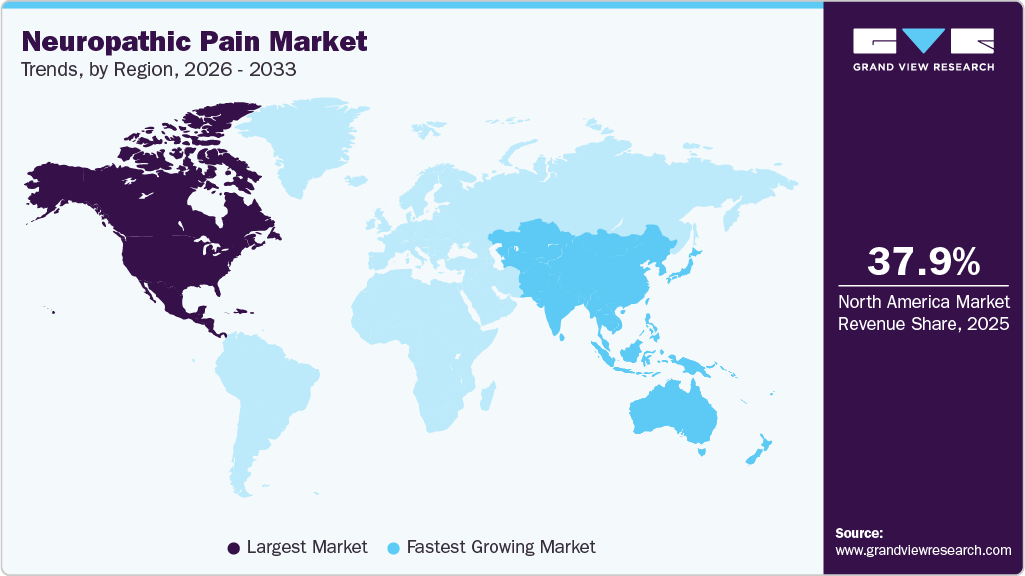
North America held the largest neuropathic pain market share of 37.86% in 2025 due to strong diagnosis rates, advanced healthcare infrastructure, and early adoption of guideline-recommended therapies. The region benefits from high awareness of chronic pain conditions and widespread availability of first-line treatments such as anticonvulsants and antidepressants. Favorable reimbursement frameworks and well-established pain management protocols support consistent treatment uptake. The presence of major pharmaceutical companies enhances drug accessibility and continuous product availability. In addition, increasing focus on non-opioid pain management and rapid integration of newer formulations are driving market growth. Specialized pain clinics and multidisciplinary care approaches further strengthen treatment outcomes and patient adherence across the region.
 To learn more about this report, Download Free Sample Report
 U.S. Neuropathic Pain Market Trends
The U.S. neuropathic pain market dominates North America due to high healthcare spending, strong prescribing practices, and widespread access to advanced pain management therapies. Physicians increasingly favor non-opioid treatment options, leading to higher adoption of anticonvulsants, antidepressants, and topical therapies. Established clinical guidelines and ongoing updates in treatment protocols support consistent and evidence-based prescribing behavior. The country also benefits from strong distribution networks, ensuring drug availability across retail and institutional channels. In addition, rising prevalence of diabetes and cancer-related neuropathies continues to expand the patient pool. Integration of digital health solutions and telemedicine is further improving patient access and adherence to long-term therapy.
Europe Neuropathic Pain Market Trends
Europe neuropathic pain market shows steady growth driven by structured treatment guidelines, strong healthcare systems, and increasing focus on chronic disease management. Countries across the region emphasize evidence-based prescribing, supporting the use of first-line therapies such as SNRIs and anticonvulsants. High awareness among healthcare professionals and patients contributes to improved diagnosis and treatment rates. The region also benefits from expanding access to generic medications, improving affordability and long-term adherence. In addition, increasing emphasis on safety and reduction of opioid use is driving the adoption of alternative therapies. Collaboration between healthcare providers and pharmaceutical companies supports continuous improvement in treatment protocols and patient outcomes.
The UK neuropathic pain market is expanding due to its centralized healthcare system and strong focus on standardized treatment pathways. National guidelines promote the use of evidence-based therapies, leading to consistent prescribing practices across healthcare settings. The healthcare system prioritizes cost-effective and clinically proven treatments, supporting the use of generics and non-opioid therapies. Increasing awareness of chronic pain conditions and improved access to primary care services contribute to higher diagnosis rates. In addition, ongoing evaluation of treatment outcomes helps refine therapy selection and optimize patient management. Collaboration between public healthcare institutions and pharmaceutical companies further supports access to effective neuropathic pain treatments.
Germany neuropathic pain market maintains a strong position within Europe due to its advanced healthcare infrastructure and high treatment penetration rates. Early diagnosis and comprehensive management of chronic conditions contribute to consistent demand for neuropathic pain therapies. Physicians in the country widely adopt guideline-recommended treatments, including anticonvulsants and antidepressants, ensuring standardized care. Strong reimbursement systems facilitate patient access to both branded and generic medications. Hospitals and specialty clinics are well-equipped to manage complex pain conditions, supporting multidisciplinary approaches to treatment. In addition, increasing awareness campaigns and preventive care initiatives contribute to early intervention and improved patient outcomes.
France neuropathic pain market is growing as healthcare systems continue to emphasize patient-centric care and effective chronic disease management. The country benefits from widespread availability of advanced diagnostic tools, enabling accurate identification of neuropathic pain conditions. Treatment protocols are increasingly focused on optimizing efficacy while minimizing side effects, driving adoption of non-opioid therapies. Strong collaboration between healthcare providers and research institutions supports the integration of new therapeutic approaches. In addition, government support for healthcare access ensures availability of essential medications across regions. Growing awareness among patients and physicians further contributes to increased treatment uptake and improved long-term management outcomes.
Asia Pacific Neuropathic Pain Market Trends
Asia Pacific neuropathic pain market is expected to register the fastest CAGR of 9.93% over the forecast period due to rising prevalence of diabetes and cancer, coupled with improving healthcare infrastructure. Increasing healthcare expenditure and expanding access to diagnostic services are enabling higher treatment rates across the region. Large patient populations, particularly in countries such as India and China, present significant growth opportunities. Local pharmaceutical companies are enhancing the availability of cost-effective generic drugs, improving affordability. In addition, multinational companies are expanding their presence through partnerships and product launches. Growing awareness of chronic pain management and improving access to outpatient care are further supporting market expansion.
Japan neuropathic pain market is mature due to its aging population and well-developed healthcare system. High prevalence of age-related neuropathic conditions contributes to sustained demand for long-term pain management therapies. Physicians follow structured clinical guidelines, ensuring consistent use of evidence-based treatments. The country also benefits from strong healthcare access and high patient compliance rates. Domestic pharmaceutical companies play a key role in maintaining drug availability and innovation. In addition, increasing focus on improving quality of life for elderly patients is driving the adoption of safer and more targeted treatment options. Centralized care systems further support efficient therapy delivery.China neuropathic pain market is expanding with increasing healthcare modernization and rising diagnosis rates. Improvements in hospital infrastructure and access to healthcare services are enabling better management of chronic pain conditions. Growing awareness among patients and physicians is leading to earlier diagnosis and treatment initiation. Domestic and international pharmaceutical companies are expanding their presence, improving access to both branded and generic therapies. Urban regions are witnessing faster adoption of advanced treatment approaches, while rural areas continue to improve gradually. In addition, increasing government focus on chronic disease management is supporting long-term market growth.
Latin America Neuropathic Pain Market Trends
Latin America neuropathic pain market is growing steadily due to improving healthcare access and rising awareness of chronic pain conditions. Urban healthcare centers are increasingly adopting standardized treatment protocols, supporting the use of first-line therapies. Demand for cost-effective treatment options is driving the use of generic medications across the region. Partnerships with multinational pharmaceutical companies are enhancing drug availability and distribution. However, variability in healthcare infrastructure and reimbursement systems continues to limit broader access in certain areas. Increasing focus on outpatient care and chronic disease management is expected to support gradual market expansion.
Brazil neuropathic pain market dominates the Latin America region due to its relatively advanced healthcare infrastructure and large patient population. Urban hospitals and specialty clinics are equipped to manage neuropathic pain using a range of pharmacological therapies. Increasing awareness of chronic pain conditions and improved diagnostic capabilities are driving treatment uptake. Public and private healthcare collaborations are enhancing access to essential medications. In addition, growing availability of generic drugs is improving affordability for a larger patient base. Expansion of healthcare services in metropolitan areas continues to support market growth.
Middle East & Africa Neuropathic Pain Market Trends
The Middle East & Africa neuropathic pain market is emerging with growth opportunities driven by improving healthcare infrastructure and increasing awareness of chronic diseases. High prevalence of diabetes in certain regions is contributing to rising cases of neuropathic pain. Healthcare investments, particularly in Gulf countries, are enhancing access to diagnosis and treatment. Multinational pharmaceutical companies are entering partnerships to improve drug availability. However, disparities in healthcare systems across the region create uneven access to therapies. Ongoing medical education programs are helping improve diagnosis and treatment practices, supporting gradual market development.
Saudi Arabia neuropathic pain market is growing rapidly due to expanding healthcare infrastructure and increasing focus on chronic disease management. Rising prevalence of diabetes is a key driver of neuropathic pain cases in the country. Government initiatives aimed at improving healthcare access are supporting diagnosis and treatment rates. Hospitals and specialty centers are adopting standardized treatment protocols aligned with international guidelines. Partnerships with pharmaceutical companies are enhancing drug availability and market penetration. In addition, increasing awareness among healthcare professionals and patients is contributing to higher adoption of effective pain management therapies.
Key Neuropathic Pain Company Insights
Pfizer Inc. and Eli Lilly and Company continue to strengthen their presence in the neuropathic pain market through established portfolios of first-line therapies, particularly anticonvulsants and antidepressants widely used in clinical practice. Johnson & Johnson and Novartis AG focus on expanding their pain management portfolios through lifecycle management strategies and improved formulations that enhance patient compliance and treatment outcomes. Viatris Inc. and Teva Pharmaceutical Industries Ltd. play a critical role in the market by ensuring large-scale availability of generic drugs, improving affordability and access across both developed and emerging regions. AbbVie Inc. and Grünenthal GmbH are actively investing in differentiated pain therapies and innovative mechanisms of action to address unmet clinical needs. Vertex Pharmaceuticals Incorporated and Daiichi Sankyo Company, Limited are advancing pipeline candidates targeting novel pain pathways, contributing to future market evolution. The competitive landscape is characterized by strong generic penetration, evolving non-opioid treatment approaches, and increasing focus on safety and long-term efficacy.
Key Neuropathic Pain Companies:
The following key companies have been profiled for this study on the neuropathic pain market.
- Pfizer Inc.
- Eli Lilly and Company
- Johnson & Johnson
- Novartis AG
- Viatris Inc.
- Teva Pharmaceutical Industries Ltd.
- AbbVie Inc.
- Grünenthal GmbH
- Vertex Pharmaceuticals Incorporated
- Daiichi Sankyo Company, Limited
Competitive Benchmarking
Operating Strategies
Competitive Edge
Weaknesses
Mature Players: Pfizer Inc.
- Mature players focused on expanding neuropathic pain drug portfolios, strengthening global commercial presence, securing regulatory approvals, and increasing investments in non-opioid pain therapeutics.
- These companies also emphasized strategic acquisitions, partnerships, and lifecycle management of established products such as pregabalin, duloxetine, and combination pain therapies to maintain long-term market leadership.
- Mature companies maintained competitive advantage through strong global distribution networks, diversified pain management portfolios, large-scale manufacturing capabilities, strong financial resources, and established relationships with healthcare providers and regulatory authorities.
- Their extensive clinical expertise and broad reimbursement coverage also supported sustained market dominance.
- Mature players faced challenges, including high research and development costs, pricing pressure from generic drugs, patent expirations, strict regulatory requirements, and increasing scrutiny regarding opioid-related therapies.
- Large organizational structures also sometimes reduce operational flexibility and slow response to rapidly evolving market trends.
Emerging Players: Vertex Pharmaceuticals Incorporated
- Emerging players prioritized innovation-driven strategies centered on novel non-opioid therapies, sodium channel inhibitors, gene therapies, and neuromodulation technologies.
- They emphasized rapid clinical development, targeted R&D investments, strategic licensing agreements, and partnerships with biotechnology firms to accelerate commercialization and strengthen their market positioning.
- Emerging players gained a competitive advantage through technological innovation, agility, and specialized expertise in next-generation pain therapeutics.
- Their focus on precision medicine, NaV1.8 inhibitors, advanced neuromodulation devices, and faster clinical execution enabled stronger positioning in the evolving non-opioid neuropathic pain treatment landscape.
- Emerging players often faced limited commercialization capabilities, lower brand recognition, funding dependency, and restricted global distribution networks.
- They also encountered challenges related to scaling manufacturing, achieving widespread regulatory approvals, and competing against well-established pharmaceutical companies with stronger financial and commercial infrastructure.
Recent Developments
-
In March 2025, MIRA Pharmaceuticals announced the approval and initiation of a Phase 1 clinical trial for Ketamir-2 in neuropathic pain. The randomized, double-blind, placebo-controlled, single-center study was structured in 2 parts to assess safety and pharmacokinetics in healthy adults.
-
In February 2025, Algiax Pharmaceuticals announced Phase 2a trial results for AP-325 in neuropathic pain, enrolling 99 patients across multiple European countries. The study showed that more than 25% of treated patients achieved ≥50% pain reduction compared to 11% with placebo, while 50%-70% of patients responded within less than 2 weeks.
-
In April 2024, Vertex Pharmaceuticals Incorporated announced advancements in suzetrigine (VX-548) for acute and neuropathic pain, with a rolling New Drug Application completed in Q2 2024. The therapy, a selective NaV1.8 inhibitor, had received Fast Track and Breakthrough Therapy designations. In Phase 2 neuropathic pain studies, it showed a mean pain reduction of -2.02 on an 11-point Numeric Pain Rating Scale (0-10) at Week 12.
Neuropathic Pain Market Report Scope
Report Attribute
Details
Market size in 2025
USD 8.5 billion
Estimated market size in 2026
USD 9.1 billion
Projected market size by 2033
USD 15.2 billion
Growth rate
CAGR of 7.5% from 2026 to 2033
Base year for estimation
2025
Historical data
2021 - 2024
Forecast period
2026 - 2033
Quantitative units
Revenue in USD million/billion and CAGR from 2026 to 2033
Report coverage
Revenue forecast, company ranking, competitive landscape, growth factors, trends
Segments covered
Drug class, Indication, route of administration, distribution channel, region
Regional scope
North America; Europe; Asia Pacific; Latin America; Middle East & Africa
Country scope
U.S.; Canada; Mexico; UK; Germany; France; Italy; Spain; Denmark; Sweden; Norway; China; Japan; India; Australia; South Korea; Thailand; Brazil; Argentina; South Africa; Saudi Arabia; UAE; Kuwait
Key company profiled
Pfizer Inc.; Eli Lilly and Company; Johnson & Johnson; Novartis AG; Viatris Inc.; Teva Pharmaceutical Industries Ltd.; AbbVie Inc.; Grünenthal GmbH; Vertex Pharmaceuticals Incorporated; Daiichi Sankyo Company, Limited
Customization scope
Free report customization (equivalent up to 8 analysts working days) with purchase. Addition or alteration to country, regional & segment scope.
Pricing and purchase options
Avail customized purchase options to meet your exact research needs. Explore purchase options
Global Neuropathic Pain Market Report Segmentation
This report forecasts revenue growth at global, regional, and country levels and provides an analysis of the latest industry trends in each of the sub-segments from 2021 to 2033. For this study, Grand View Research has segmented the global neuropathic pain market report based on drug class, indication, route of administration, distribution channel, and region:
-
Drug Class Outlook (Revenue, USD Million, 2021 - 2033)
-
Anticonvulsants
-
Antidepressants
-
Opioids
-
Topical Agents
-
-
Indication Outlook (Revenue, USD Million, 2021 - 2033)
-
Diabetic Peripheral Neuropathy
-
Postherpetic Neuralgia
-
Chemotherapy-Induced Peripheral Neuropathy
-
HIV-Associated Neuropathy
-
Trigeminal Neuralgia
-
Central Neuropathic Pain
-
Others
-
-
Route of Administration Outlook (Revenue, USD Million, 2021 - 2033)
-
Oral
-
Topical
-
Injectable
-
Transdermal
-
-
Distribution Channel Outlook (Revenue, USD Million, 2021 - 2033)
-
Hospital Pharmacies
-
Retail Pharmacies
-
Online Pharmacies
-
Institutional & Specialty Centers
-
-
Regional Outlook (Revenue, USD Million, 2021 - 2033)
-
North America
-
U.S.
-
Canada
-
Mexico
-
-
Europe
-
UK
-
Germany
-
France
-
Italy
-
Spain
-
Denmark
-
Sweden
-
Norway
-
-
Asia Pacific
-
Japan
-
China
-
India
-
Australia
-
South Korea
-
Thailand
-
-
Latin America
-
Brazil
-
Argentina
-
-
Middle East & Africa
-
South Africa
-
Saudi Arabia
-
UAE
-
Kuwait
-
-
Delivered Customizations
This report has been delivered with the following In-depth customizations
Client Request
Customization Delivered
Value Adds
Diabetic Peripheral Neuropathy (DPN) Treatment Opportunity Assessment (U.S., Europe, and Asia-Pacific)
Conducted a targeted assessment of the diabetic peripheral neuropathy treatment landscape across the U.S., Germany, China, Japan, and India. The study evaluated diabetic population trends, prevalence of neuropathic pain, treatment adoption rates, pricing benchmarks of pregabalin, duloxetine, and gabapentinoids, reimbursement frameworks, and physician prescribing behavior. The analysis also included patient adherence trends and retail pharmacy penetration forecasts.
Helped the client identify high-growth regional markets, optimize commercialization strategies, benchmark competitor pricing, and understand unmet clinical needs across major diabetic neuropathy treatment markets.
Non-Opioid Neuropathic Pain Pipeline and Competitive Benchmarking
Delivered a comprehensive benchmarking study on emerging non-opioid neuropathic pain therapies and pipeline products. The assessment covered Phase II and Phase III clinical candidates, NaV1.8 inhibitors, neuromodulation technologies, licensing activities, intellectual property positioning, and commercialization readiness across pharmaceutical and biotechnology companies.
Enabled the client to identify strategic acquisition and licensing opportunities, evaluate innovation gaps in non-opioid pain management, and prioritize investments in next-generation neuropathic pain therapeutics with high commercial potential.
Neuromodulation Device Expansion and Market Feasibility Study
Conducted a regional feasibility assessment for spinal cord stimulation and neuromodulation device expansion across North America and Europe. The study analyzed healthcare infrastructure, reimbursement accessibility, hospital adoption rates, regulatory pathways, patient eligibility trends, and competitive device positioning within chronic neuropathic pain management.
Supported investment planning and market entry strategies by identifying high-demand treatment centers, reimbursement opportunities, partnership prospects with healthcare providers, and long-term growth potential in advanced neuropathic pain management technologies.
Frequently Asked Questions About This Report
The diabetic peripheral neuropathy segment held the highest market share of 34.40% in 2025.
The anticonvulsants segment held the highest market share of 40.66% in 2025.
The oral segment held the highest market share in 2025.
Asia Pacific is the fastest-growing region over the forecast period.
The global neuropathic pain market size was valued at USD 8.5 billion in 2025 and is anticipated to reach USD 9.1 billion in 2026.
The global neuropathic pain market is expected to witness a compound annual growth rate of 7.6% from 2026 to 2033 to reach USD 15.2 billion by 2033.
Based on drug class, the Anticonvulsants segment dominated the market with the largest revenue share of 40.66% in 2025, driven by its strong positioning as a first-line therapy across clinical guidelines and widespread use in managing diabetic peripheral neuropathy and postherpetic neuralgia.
Some of the key players in neuropathic pain market are Pfizer Inc., Eli Lilly and Company, Johnson & Johnson, Novartis AG, Viatris Inc.
The neuropathic pain market is driven by the rising global burden of chronic diseases, particularly diabetes and cancer, which significantly increased the prevalence of nerve damage related pain conditions.
About the Author(s)
Pharmaceuticals Research Team
Healthcare · PharmaceuticalsThis report was authored by the pharmaceuticals research team at Grand View Research - comprising two research analysts, one senior research analyst, and one industry expert - with specialized expertise in the pharmaceuticals segment of the healthcare industry. All findings are based on proprietary healthcare databases, executive interviews, and regulatory analysis, subject to internal peer review prior to publication.
Last Updated:
Speak to Analyst

Customize this report to your needs - add regions, segments, or data points, with 20% free customization.
Or view our licence options:


ISO 9001:2015 & 27001:2022 Certified
We are GDPR and CCPA compliant! Your transaction & personal information is safe and secure. For more details, please read our privacy policy.


