
- Home
- »
- Food Additives & Nutricosmetics
- »
-
Oat Beta Glucan Market Size And Share Report, 2026-2033GVR Report cover

Oat Beta Glucan Market (2026 - 2033)
Size, Share & Trends Analysis Report By Form (Powder, Liquid), By Product (Soluble, Insoluble), By End Use (Personal Care & Cosmetics), By Region (North America, Europe, Asia Pacific, Latin America, Middle East & Africa), And Segment Forecasts
Market Size, 2025
$264.5MMarket Estimate, 2026
$279.2MMarket Forecast, 2033
$504.5MCAGR, 2026–2033
8.8%Oat Beta Glucan Market Summary
The global oat beta glucan market size was valued at USD 264.5 million in 2025 and is projected to grow from USD 279.2 million in 2026 to USD 504.5 million by 2033, at a CAGR of 8.8% from 2026 to 2033. Europe dominated the market, accounting for a revenue share of 44.3% in 2025. The increasing usage of the product as an immunity booster in the personal care & cosmetics and food and beverage industry is anticipated to drive growth.
 Source: Grand View Research, IR Documents, Primary Interviews, Paid DatabasesTo learn more about this report,
 Download Free Sample Report
 Key Market Trends & Insights
- By form: Powder segment led the market with the largest revenue share of 77.5% in 2025.
- By product: Soluble segment led the market with the largest revenue share of 87.7% in 2025.
- By end use: Food and beverage segment led the market with the largest revenue share of 56.8% in 2025.
Regional Highlights
- Largest regional market: Europe (44.3% revenue share, 2025)
- By country: Germany held the largest share of Europe in 2025.
Market Size & Forecast
- Market size in 2025: USD 264.5 Million
- Estimated market size in 2026: USD 279.2 Million
- Projected market size by 2033: USD 504.5 Million
- CAGR (2026-2033): 8.8%
Three ways to get this report
Buy it, customize it, or ask a question.Ask an Analyst
A direct answer, usually in 1 working day
- AccessReport author, directly
- Reply timeWithin 1 working day
- No sales callDirect answer only
- FormatEmail reply
- CostFree, no cost
Get the Full Report
What the study covers
- FormatsPDF · Excel · Dashboard
- Timeline2026–2033 annual, 2025 base
- Coverage20+ countries, 5 regions
- Companies10+ key players profiled
Customize the Report
20% free customization
- IncludeCountries, segments, points
- TailorTo your product definition
- ExtendDeeper competitor detail
- OrA fully bespoke study
- Turnaround5–10 working days
The oat beta glucan industry is primarily driven by the growing global emphasis on preventive healthcare and functional nutrition. Consumers are increasingly seeking food ingredients that offer scientifically supported health benefits, particularly in areas such as cholesterol reduction, glycemic control, and digestive health. Oat beta glucan, recognized for its soluble fiber properties, aligns well with these trends and has gained traction across functional food, beverage, and dietary supplement applications.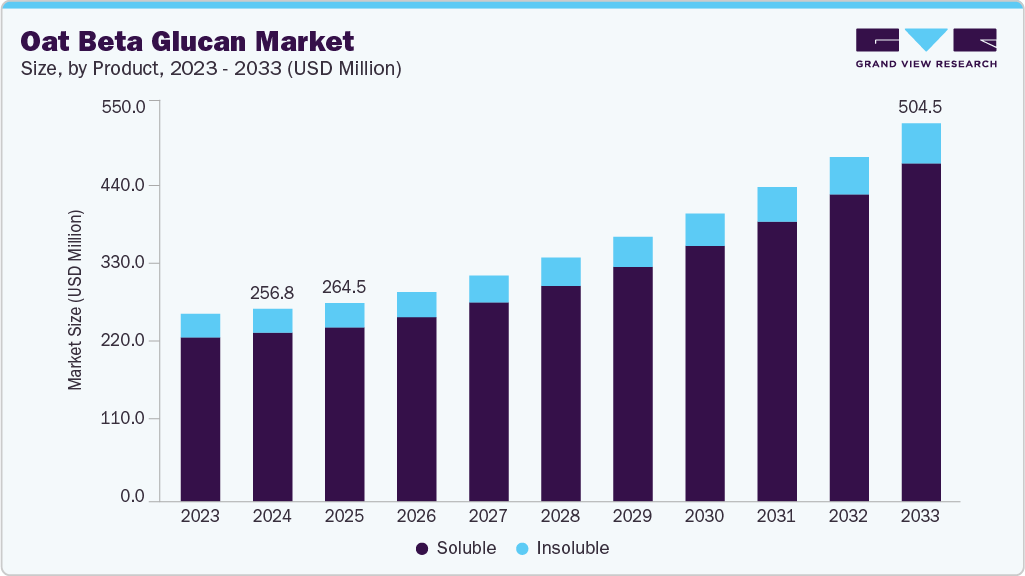 To learn more about this report, Download Free Sample Report
 The significant driver is the expansion of the clean-label and plant-based product segments. Food manufacturers are actively reformulating products to meet consumer demand for natural, minimally processed ingredients, positioning oat beta glucan as an attractive solution due to its plant origin and multifunctional benefits, including texture enhancement and fat replacement. Innovation in extraction technologies and product standardization is improving yield efficiency and scalability, supporting market growth.
The industry faces notable challenges that could constrain its expansion. One of the primary concerns is the variability in beta glucan content and quality depending on oat source and processing methods, which can impact consistency and efficacy in end-use applications. Regulatory complexities across regions, including differing standards for health claims, also create barriers for manufacturers seeking global expansion. Competition from other functional ingredients, such as inulin and psyllium, adds pressure on differentiation and pricing strategies within the market.
Market Dynamics
The global oat beta glucan market is experiencing sustained growth, supported by increasing consumer demand for scientifically validated functional ingredients that promote cardiovascular health, digestive wellness, and immune support. Growing awareness of preventive healthcare and the shift toward nutrient-rich diets have accelerated the incorporation of oat beta glucan into functional foods, dietary supplements, and fortified beverages. The expanding clean-label movement is encouraging manufacturers to adopt naturally derived, plant-based ingredients that align with evolving consumer preferences. In the personal care industry, oat beta glucan is gaining recognition for its moisturizing, soothing, and skin barrier-enhancing properties, driving wider use in premium skincare formulations. Continuous advancements in extraction and purification technologies are improving ingredient quality, enabling broader applications across food, pharmaceutical, and cosmetic sectors. However, production costs associated with high-purity beta glucan extraction and variability in oat raw material quality present challenges for manufacturers.
The increasing emphasis on preventive healthcare is a primary driver of the oat beta glucan market, as consumers actively seek food ingredients that deliver measurable health benefits beyond basic nutrition. Oat beta glucan has gained widespread recognition for its ability to support heart health, assist in cholesterol management, promote glycemic control, and improve digestive wellness, making it a preferred ingredient in functional foods and dietary supplements. As lifestyle-related disorders such as cardiovascular disease, obesity, and diabetes continue to rise globally, food and beverage manufacturers are expanding their portfolios with fiber-enriched products that address these evolving health concerns. Regulatory recognition of oat beta glucan's health benefits in several developed markets has further strengthened consumer confidence and encouraged product innovation.
Manufacturers are leveraging this growing demand by incorporating oat beta glucan into breakfast cereals, bakery products, dairy alternatives, nutritional beverages, snack bars, and supplement formulations. The ingredient's compatibility with clean-label, plant-based, and minimally processed product concepts aligns well with changing dietary preferences and wellness-focused purchasing behavior. Increasing investments in research and clinical validation continue to reinforce its commercial value, enabling companies to differentiate their offerings through scientifically supported health claims. This combination of consumer awareness, product innovation, and regulatory support continues to strengthen long-term market growth.
High production costs associated with extracting and purifying beta glucan while preserving functional properties. Manufacturing high-purity oat beta glucan requires specialized processing technologies, stringent quality control measures, and carefully selected oat raw materials to ensure consistent molecular weight, viscosity, and biological performance. Variations in oat quality caused by agricultural conditions, seasonal fluctuations, and supply chain disruptions can further affect production efficiency and increase operational costs. These factors collectively raise the overall cost of finished ingredients compared with conventional dietary fibers, limiting widespread adoption in cost-sensitive application.
The growing demand for naturally derived, multifunctional cosmetic ingredients presents a significant opportunity for the oat beta glucan market. Consumers are increasingly prioritizing skincare products formulated with plant-based ingredients that provide hydration, skin barrier protection, anti-inflammatory effects, and long-term skin health benefits. Oat beta glucan has emerged as a valuable active ingredient in premium skincare due to its moisturizing, soothing, and regenerative properties, making it suitable for facial creams, serums, masks, lotions, sunscreens, and post-procedure skincare products. This trend is creating new avenues for ingredient suppliers to diversify beyond traditional food and nutraceutical applications.
Cosmetic manufacturers are also responding to the increasing demand for clean beauty, sustainable sourcing, and scientifically validated formulations by incorporating oat-derived bioactive ingredients into product development strategies. Advances in extraction technologies are improving ingredient purity and functional performance, allowing premium formulations to deliver enhanced efficacy while maintaining natural positioning. As consumers continue to seek products that combine safety, sustainability, and proven performance, the integration of oat beta glucan into dermatological, anti-aging, and sensitive skin applications is expected to generate substantial commercial opportunities for market participants over the coming years.
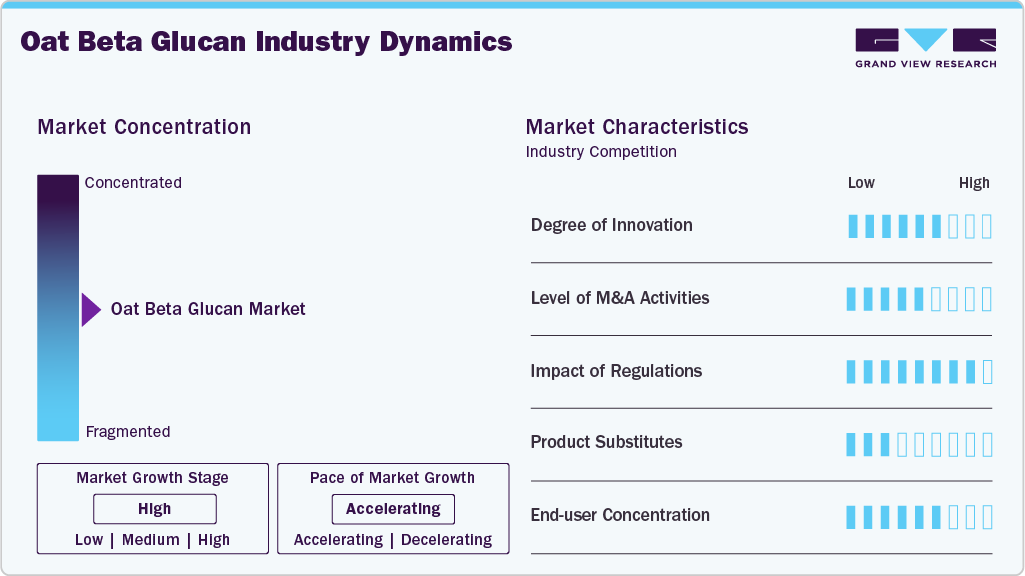
Market Concentration & Characteristics
The industry exhibits a moderately concentrated structure, characterized by the presence of a limited number of established ingredient manufacturers alongside a broader base of regional and niche players. Leading companies typically maintain strong control over raw material sourcing, proprietary extraction technologies, and distribution networks, enabling them to achieve economies of scale and ensure consistent product quality. Strategic collaborations with food and beverage manufacturers, as well as investments in R&D, further reinforce their competitive positioning. At the same time, smaller players tend to focus on specialized applications or regional markets, contributing to competitive fragmentation at the lower end of the value chain.
 To learn more about this report, Download Free Sample Report
 Market concentration varies by product and end use with a strong emphasis on quality standardization, regulatory compliance, and scientific validation of health benefits. Demand is largely driven by B2B segments, particularly within functional foods, nutraceuticals, and dietary supplements, where formulation performance and health claims are critical purchasing criteria. The market also demonstrates high innovation intensity, with ongoing advancements in extraction methods, product formats, and application versatility. It is influenced by evolving consumer preferences toward clean-label and plant-based ingredients, while supply chain dynamics remain closely tied to agricultural output and price volatility of oats.
Analyst Perspective
The oat beta glucan market is supported by rising consumer demand for scientifically backed functional ingredients that promote cardiovascular, digestive, and immune health. Increasing adoption across functional foods, nutraceuticals, and premium personal care products is broadening its commercial potential beyond traditional applications. Advancements in extraction technologies and growing regulatory acceptance are enhancing product quality and expanding application opportunities. While production costs and raw material variability remain key challenges, continued investment in innovation and clinical research is expected to strengthen market competitiveness. The market presents attractive long-term opportunities as manufacturers capitalize on the global shift toward preventive healthcare and clean-label formulations.
Form Insights
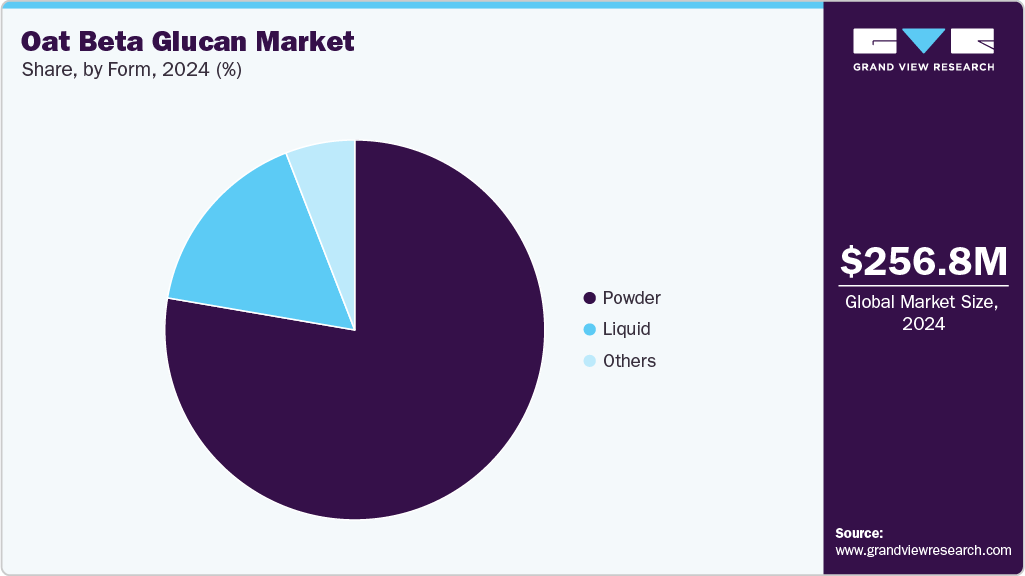
Based on form, the powder segment accounted for the highest market share, representing 77.5% of total revenue in 2025. This can be attributed to its superior stability, longer shelf life, and ease of handling during storage and transportation. Powdered forms are widely preferred by manufacturers due to their compatibility with a broad range of applications, including bakeries, cereals, snacks, and dietary supplements. The ability to achieve consistent dosage and uniform dispersion in formulations makes powder a commercially viable option, particularly for large-scale food processing and nutraceutical production.
The liquid segment is expected to grow at the fastest CAGR of 9.1% during the forecast period. This growth is primarily driven by increasing demand for ready-to-consume and functional beverages, where liquid formulations offer enhanced convenience and faster incorporation. The rising popularity of health drinks, dairy alternatives, and fortified beverages is encouraging manufacturers to adopt liquid oat beta glucan solutions. Advancements in formulation technologies are improving the stability and bioavailability of liquid products, positioning this segment as a high-growth area within the market despite its currently smaller share.
Product Insights
Based on product, the soluble segment accounted for the highest market share, representing 87.7% of total revenue in 2025. This is primarily driven by its well-established health benefits, particularly in cholesterol reduction, glycemic control, and cardiovascular health management. Soluble oat beta glucan is widely utilized in functional foods, beverages, and dietary supplements due to its high viscosity and ability to form gels, which enhance both physiological efficacy and formulation performance. Its alignment with regulatory-approved health claims and growing consumer preference for clinically supported ingredients further reinforces its leading position in the market.
The insoluble segment is expected to grow with a CAGR of 6.9% during the forecast period. This growth is supported by increasing awareness of digestive health and the role of insoluble fibers in promoting gut motility and overall gastrointestinal function. Although it currently represents a smaller share, the segment is gaining traction in specific applications such as bakery products and fiber-enriched formulations where structural and textural benefits are required. The expanding research into the complementary health effects of combined fiber systems is expected to create new opportunities for insoluble oat beta glucan in the coming years.
End Use Insights
By end use, food and beverage held a dominant position, contributing 56.8% of total revenue in 2025. This is largely driven by the widespread incorporation of oat beta glucan in functional foods, including bakery products, cereals, beverages, and dairy alternatives. Its proven health benefits, particularly in supporting heart health and managing blood sugar levels, make it a highly attractive ingredient for manufacturers aiming to meet growing consumer demand for nutritionally enhanced products. Its functional properties, such as thickening, stabilizing, and fat replacement, further strengthen its adoption across diverse food applications.
 To learn more about this report, Download Free Sample Report
 The personal care & cosmetics segment is expected to grow at the fastest CAGR of 9.2% during the forecast period. This growth is supported by increasing utilization of oat beta glucan in skincare and cosmetic formulations due to its moisturizing, soothing, and anti-aging properties. Rising consumer preference for natural and bio-based ingredients in personal care products is encouraging manufacturers to incorporate oat-derived actives into creams, lotions, and serums. The ongoing innovation in cosmetic formulations and the expansion of clean-label beauty trends are expected to accelerate the adoption of oat beta glucan in this segment.
Regional Insights
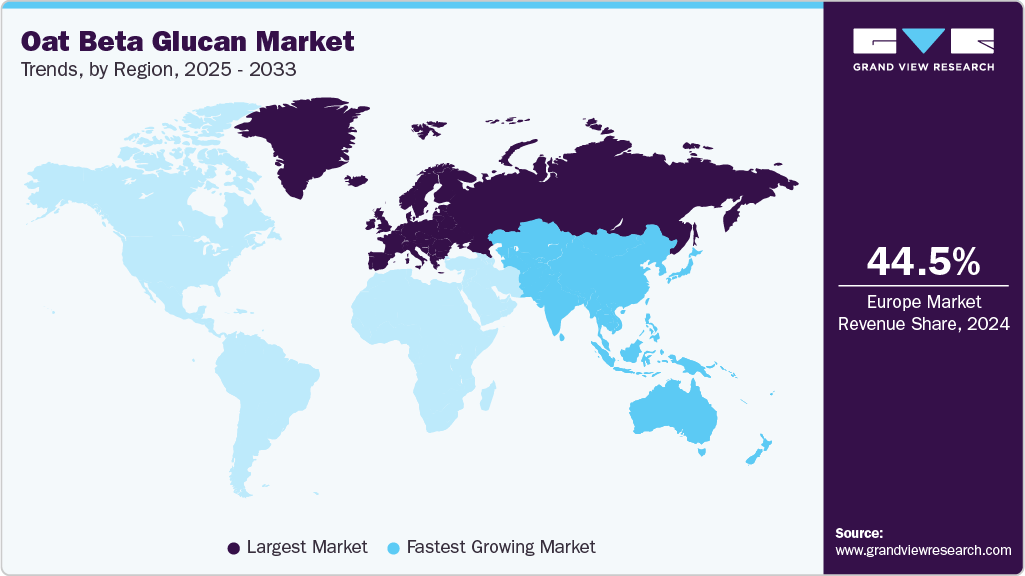
Europe dominated the oat beta glucan market with the highest revenue share of 44.3% in 2025. This is primarily driven by strong consumer awareness regarding functional ingredients and preventive healthcare, along with well-established regulatory frameworks supporting health claims related to beta glucan. The presence of a mature food and beverage industry, coupled with high demand for clean-label and plant-based products, has further accelerated market adoption. The increasing innovation in functional foods and dietary supplements across the region continues to reinforce Europe’s leadership in the market.
 To learn more about this report, Download Free Sample Report
 Germany dominated the European oat beta glucan market in 2025. This can be attributed to its advanced food processing sector, high consumption of health-oriented products, and a growing focus on nutritional fortification. German consumers demonstrate a strong preference for scientifically validated ingredients, which supports the widespread use of oat beta glucan in functional foods and nutraceuticals. The presence of key industry players and ongoing product innovation in the country further strengthens its dominance within the European market.
North America Oat Beta Glucan Market Trends
The oat beta glucan market in North America is rapidly growing, driven by increasing consumer awareness of functional nutrition and the rising prevalence of lifestyle-related health conditions such as cardiovascular diseases and diabetes. The region has witnessed strong demand for ingredients that support heart health, cholesterol management, and overall wellness, positioning oat beta glucan as a key component in functional foods and dietary supplements. The expansion of clean-label trends, coupled with high adoption of fortified and convenience foods, continues to accelerate market growth across North America.
U.S. Oat Beta Glucan Market Trends
The oat beta glucan market in the U.S. is supported by its well-established food and beverage industry and strong innovation ecosystem. High consumer inclination toward health-focused products, along with favorable regulatory support for health claims, has significantly boosted the incorporation of oat beta glucan across multiple applications. The presence of leading market players, continuous product development, and increasing penetration of functional ingredients in mainstream food categories reinforce the country’s leading position in the North American market.
Asia Pacific Oat Beta Glucan Market Trends
The oat beta glucan market in Asia Pacific is expected to grow at the fastest CAGR of 9.4% during the forecast period. This expansion is primarily driven by rising consumer awareness regarding health and wellness, along with increasing demand for functional foods and dietary supplements across emerging economies. Rapid urbanization, improving disposable incomes, and a shift toward preventive healthcare are encouraging the adoption of nutritionally enriched ingredients such as oat beta glucan. The growing influence of Western dietary patterns and the expansion of the food processing industry are further supporting market growth in the region.
China oat beta glucan market is rapidly growing in Asia Pacific, supported by its large population base, increasing focus on health and nutrition, and expanding middle-class consumer segment. Rising demand for functional food products, particularly those targeting heart health and digestive wellness, is accelerating the adoption of beta glucan in various applications. The ongoing advancements in domestic food manufacturing capabilities and increasing investments in product innovation are strengthening China’s position as a key growth engine within the regional market.
Latin America Oat Beta Glucan Market Trends
The oat beta glucan market in Latin America is witnessing steady growth, supported by increasing awareness of functional nutrition and a gradual shift toward healthier dietary habits. Rising prevalence of lifestyle-related health conditions, including cardiovascular disorders and obesity, is encouraging consumers to adopt ingredients with proven health benefits such as beta glucan. The expansion of the food and beverage industry, along with growing demand for fortified and clean-label products, is driving market penetration. Countries such as Brazil and Mexico are emerging as key contributors due to improving consumer purchasing power and evolving food consumption patterns.
Middle East & Africa Oat Beta Glucan Market Trends
The oat beta glucan market in the Middle East & Africa is also gaining traction, albeit at a relatively nascent stage. Growth in this region is primarily driven by increasing urbanization, rising health awareness, and expanding retail and food service sectors. Consumers are gradually shifting toward functional and fortified food products, particularly in urban centers. Markets such as the United Arab Emirates and South Africa are leading adoption, supported by higher disposable incomes and a growing preference for premium health-oriented products. The limited awareness and price sensitivity in certain parts of the region may pose challenges to faster market expansion.
Key Oat Beta Glucan Companies Insights
Some key players operating in the market include Tate & Lyle Plc, Lantmännen Biorefineries & Swedish Oat Fiber AB, among others.
-
Tate & Lyle is a leading global supplier of specialty food ingredients and a key player in the oat β-glucan market, primarily through its acquisition of the Swedish company Biovelop. This strategic move enabled the company to commercialize oat β-glucan under well-known brands such as PromOat, targeting applications in food, beverages, dietary supplements, and even cosmetics. The company leverages strong scientific validation and regulatory-approved health claims such as cholesterol reduction and glycemic control to position oat β-glucan as a high-value functional ingredient. With a broad global distribution network and expertise in ingredient formulation, Tate & Lyle plays a significant role in expanding the adoption of oat β-glucan across multiple industries.
-
Lantmännen Biorefineries is another leading player specializing in oat-based functional ingredients, particularly high-purity oat β-glucan products like PromOat. The company focuses on clean-label, sustainably sourced ingredients derived from Nordic oats, using chemical-free extraction processes. Its oat β-glucan is widely used in functional foods, beverages, and nutraceuticals due to its proven benefits in cholesterol management, blood glucose regulation, and digestive health. Strengthened by strategic investments and acquisitions including oat processing facilities Lantmännen has expanded its production capacity and innovation capabilities, positioning itself as a major supplier in the global oat β-glucan market with strong emphasis on sustainability and product functionality.
Key Oat Beta Glucan Companies:
The following key companies have been profiled for this study on the oat beta glucan market.
-
Tate & Lyle
-
Lantmännen Biorefineries
-
Swedish Oat Fiber AB
-
Kerry Group plc
-
Garuda International, Inc.
-
Oy Karl Fazer Ab.
-
Guangzhou Sinocon Food Co., Ltd.
-
L&P Food Ingredient Co., Ltd.
-
Nova Laboratories
-
COSCIENS BIOPHARMA
Competitive Benchmarking
Category
Operating Strategies
Competitive Edge
Weakness
Established Players (Tate & Lyle, Kerry Group plc, Lantmännen Biorefineries, Garuda International, Inc., Oy Karl Fazer Ab)
- Invest in advanced extraction, purification, and processing technologies to produce high-purity oat beta glucan for diverse applications.
- Expand product portfolios through continuous innovation targeting functional foods, nutraceuticals, pharmaceuticals, and personal care industries.
- Strengthen global distribution networks and strategic partnerships with food manufacturers, cosmetic brands, and ingredient distributors.
- Focus on regulatory compliance, clinical validation, and sustainability initiatives to enhance brand credibility and market reach.
- Well-established global brand recognition and long-standing customer relationships across multiple end-use industries.
- Extensive manufacturing capacity and reliable sourcing capabilities ensure consistent product quality and supply continuity.
- Strong research and development capabilities supported by significant investments in product innovation and application development.
- Broad geographic presence with diversified revenue streams, reducing dependence on individual markets or customer segments.
- Higher operational and manufacturing costs associated with maintaining large-scale production facilities and global operations.
- Slower response to niche market opportunities due to complex organizational structures and lengthy decision-making processes.
- Premium pricing strategies may limit competitiveness in price-sensitive and emerging regional markets.
- Significant compliance and certification costs across multiple international regulatory frameworks increase operational complexity.
Emerging Players (Swedish Oat Fiber AB, Guangzhou Sinocon Food Co., Ltd., L&P Food Ingredient Co., Ltd., Nova Laboratories, COSCIENS BIOPHARMA)
- Concentrate on specialized oat beta glucan formulations targeting niche applications and high-growth market segments.
- Utilize flexible manufacturing and agile product development to respond quickly to evolving customer requirements.
- Expand market presence through regional distribution partnerships and collaborations with contract manufacturers.
- Differentiate offerings by emphasizing clean-label, natural, and customized ingredient solutions for specific customer needs
- Greater operational flexibility enables faster commercialization of innovative products and tailored formulations.
- Ability to serve niche customer requirements with customized solutions and responsive technical support.
- Lean business structures allow quicker adaptation to changing industry trends and consumer preferences.
- Strong regional market knowledge helps establish relationships with local manufacturers and distributors.
- Limited production capacity and financial resources can restrict expansion into large international markets.
- Lower brand recognition compared with established multinational ingredient manufacturers may affect customer acquisition.
- Greater dependence on third-party suppliers and distributors can expose operations to supply chain disruptions.
- Smaller research budgets may limit the ability to conduct extensive clinical studies, regulatory approvals, and large-scale product development initiatives.
Recent Developments
-
In December 2025, a novel oat β-glucan-based nanotherapeutic platform (BG@EGCG-Mn) was developed to treat the comorbidity of Inflammatory Bowel Disease and Diabetes Mellitus. By combining oat β-glucan with a stabilized epigallocatechin gallate-Mn complex, the system delivers synergistic hypoglycemic, anti-inflammatory, microbiota-modulating, and intestinal barrier-repair effects, marking a key advancement in the use of oat β-glucan in nanomedicine.
-
In Jan 2024, new research demonstrated that dietary oat β-glucan can slow the progression of Metabolic Dysfunction-Associated Steatotic Liver Disease by modulating the gut-liver axis. While it had a limited impact on body weight or glucose metabolism, oat β-glucan significantly reduced liver inflammation and fibrosis by reshaping gut microbiota, notably increasing beneficial genera such as Ruminococcus and Lactobacillus. This microbiota-driven effect highlights oat β-glucan’s potential as a cost-effective dietary intervention to prevent disease progression, reinforcing its emerging role beyond traditional metabolic health applications.
Oat Beta Glucan Market Report Scope
Report Attribute
Details
Market size in 2025
USD 264.5 million
Estimated Market size in 2026
USD 279.2 million
Projected Market size by 2033
USD 504.5 million
Growth rate
CAGR of 8.8% from 2026 to 2033
Base year for estimation
2025
Historical data
2021 - 2024
Forecast period
2026 - 2033
Quantitative units
Revenue in USD million/million, Volume in Kilotons and CAGR from 2026 to 2033
Report coverage
Revenue forecast, company ranking, competitive landscape, growth factors, and trends
Segments covered
Form, product, end use, region
Regional scope
North America; Europe; Asia Pacific; Latin America; Middle East & Africa
Country scope
U.S.; Canada; Mexico; Germany; UK; France; Italy; Spain; China; India; Japan; South Korea; Brazil; Argentina; South Africa; Saudi Arabia
Key companies profiled
Tate & Lyle; Lantmännen Biorefineries; Swedish Oat Fiber AB; Kerry Group plc; Garuda International, Inc.; Oy Karl Fazer Ab.; Guangzhou Sinocon Food Co., Ltd.; L&P Food Ingredient Co., Ltd.; Nova Laboratories; COSCIENS BIOPHARMA
Customization scope
Free report customization (equivalent up to 8 analysts' working days) with purchase. Addition or alteration to country, regional & segment scope.
Pricing and purchase options
Avail customized purchase options to meet your exact research needs. Explore purchase options
Global Oat Beta Glucan Market Report Segmentation
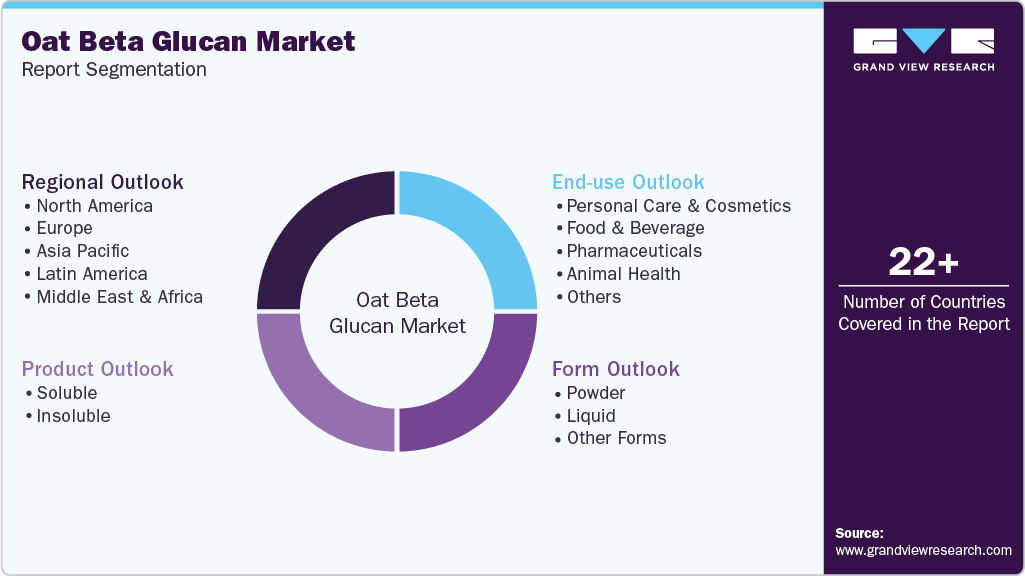
This report forecasts revenue growth at global, regional, and country levels and provides an analysis of the latest industry trends in each of the sub-segments from 2021 to 2033. For this study, Grand View Research has segmented the global oat beta glucan market report based on form, product, end use and region.
 To learn more about this report, Download Free Sample Report
 -
Form Outlook (Revenue, USD Million, 2021 - 2033)
-
Powder
-
Liquid
-
Others
-
-
Product Outlook (Revenue, USD Million, 2021 - 2033)
-
Soluble
-
Insoluble
-
-
End Use Outlook (Revenue, USD Million, 2021 - 2033)
-
Personal Care & Cosmetics
-
Food and Beverage
-
Pharmaceuticals
-
Animal Health
-
Others
-
-
Region Outlook (Revenue, USD Million, 2021 - 2033)
-
North America
-
U.S.
-
Canada
-
Mexico
-
-
Europe
-
Germany
-
UK
-
France
-
Italy
-
Spain
-
-
Asia Pacific
-
China
-
India
-
Japan
-
South Korea
-
-
Latin America
-
Brazil
-
Argentina
-
-
Middle East & Africa
-
South Africa
-
Saudi Arabia
-
-
Research Methodology
The oat beta glucan market figures in this report are based on a proven research process that combines executive interviews with secondary research from proprietary databases, company filings, and recognized regulatory and institutional sources. Market size is built through value-chain sizing - reconciling supply-side and demand-side estimates - and triangulated with bottom-up and top-down approaches. Every estimate passes multiple levels of expert validation before publication, with each oat beta glucan segment quantified using the revenue-capture definitions in the table below.
Segment Definition
Segment - Form
Revenue capture definition
Powder
Market value is created through the distribution of powdered oat beta glucan used in functional foods, dietary supplements, bakery products, beverage premixes, and cosmetic formulations. Its superior stability, extended shelf life, and ease of formulation support widespread commercial utilization across multiple industries.
Liquid
Income is attributed to liquid oat beta glucan ingredients incorporated into ready-to-drink beverages, liquid nutritional supplements, syrups, and skincare products requiring rapid dispersion and enhanced bioavailability. Increasing demand for convenient health and wellness solutions continues to strengthen adoption.
Others
Commercial earnings originate from customized oat beta glucan formats, including concentrates, gels, granules, and application-specific formulations developed to meet specialized processing, formulation, and performance requirements across food, pharmaceutical, and cosmetic sectors.
Segment - Product
Revenue capture definition
Soluble
Industry proceeds stem from soluble oat beta glucan ingredients incorporated into functional foods, beverages, nutraceuticals, and pharmaceutical formulations that support cardiovascular health, digestive wellness, and glycemic management. Expanding consumer preference for clinically supported dietary fibers continues to reinforce demand.
Insoluble
Economic returns arise from insoluble oat beta glucan utilized in fiber-enriched food products, animal nutrition, and specialty applications where digestive health, texture enhancement, and nutritional fortification are key formulation objectives. Broader adoption of high-fiber ingredients supports sustained business expansion.
Segment - End Use
Revenue capture definition
Personal Care & Cosmetics
Commercial returns are generated from the incorporation of oat beta glucan into skincare, haircare, and personal care formulations designed to deliver hydration, soothing effects, skin barrier reinforcement, and anti-aging benefits. Rising demand for naturally sourced cosmetic ingredients continues to accelerate market penetration.
Food and Beverage
Market income is derived from the application of oat beta glucan in breakfast cereals, bakery products, dairy alternatives, beverages, snacks, and functional foods formulated to enhance fiber content and deliver scientifically supported health benefits. Growing interest in clean-label nutrition and preventive wellness underpins continued category growth.
Pharmaceuticals
Financial gains are supported using pharmaceutical-grade oat beta glucan in therapeutic formulations, immune health products, medical nutrition, and drug delivery systems. Increasing research on its biological activity and expanding clinical applications contribute to broader commercial adoption.
Animal Health
Business proceeds result from the inclusion of oat beta glucan in animal feed and veterinary nutritional products formulated to enhance immune function, gut health, and overall livestock performance. Growing emphasis on preventive animal nutrition and sustainable feed solutions supports segment development.
Other End Uses
Value generation comes from specialized applications in biotechnology, research, industrial formulations, and emerging healthcare innovations where oat beta glucan is utilized for its functional, nutritional, and bioactive characteristics, creating opportunities across niche commercial markets.
Estimation Model
Layer Name
Key Question
Description
Raw Material & Production Layer
What forms the supply base?
Examine the global production ecosystem for oat beta glucan, including oat cultivation, sourcing of high-beta-glucan oat varieties, milling operations, extraction technologies, purification processes, and ingredient manufacturing. The assessment covers raw material availability, processing capabilities, manufacturing capacities, technological advancements, supplier networks, and major production regions supporting worldwide availability.
Application Adoption Layer
Where is oat beta glucan utilized?
Analyze the penetration of oat beta glucan across key end-use industries, including food and beverage, personal care and cosmetics, pharmaceuticals, animal health, and other specialty applications. Adoption is supported by increasing demand for functional ingredients, clean-label formulations, plant-based nutrition, clinically validated health benefits, and naturally derived bioactive compounds.
Consumption Intensity Layer
How much oat beta glucan is utilized?
Measure ingredient utilization across major application sectors by evaluating formulation inclusion rates, production volumes of end-use products, consumer demand, product launch activity, and regional consumption patterns. The analysis estimates annual usage across functional foods, dietary supplements, beverages, skincare products, pharmaceutical formulations, and animal nutrition applications in key global markets.
Revenue Layer
How is market revenue generated?
Industry earnings are generated through the production, formulation, distribution, and sale of oat beta glucan ingredients to food manufacturers, nutraceutical companies, cosmetic brands, pharmaceutical producers, and animal nutrition suppliers. Commercial growth is influenced by expanding health and wellness trends, technological improvements in extraction and purification, regulatory acceptance, product innovation, pricing strategies, and increasing global demand for scientifically supported functional ingredients.
Delivered Customizations
This report has been delivered with the following In-depth customizations
Client Request
Customization Delivered
Value Adds
Regional Segmentation
The study delivers detailed country-level analysis across major oat beta glucan markets, covering oat cultivation, raw material availability, manufacturing capacity, consumption patterns, regulatory landscape, import-export trends, and demand across food & beverage, personal care & cosmetics, pharmaceuticals, animal health, and other end-use industries.
Enables stakeholders to identify high-growth regional markets, evaluate local supply ecosystems, understand consumption trends, benchmark competitive intensity, and formulate expansion strategies aligned with regional demand, regulatory developments, and investment potential.
Trade Assessment
The report provides an in-depth evaluation of historical and current trade patterns for oat beta glucan, including imports, exports, leading producing and consuming countries, raw material sourcing, pricing movements, distribution channels, and global supply chain dynamics. The analysis also examines manufacturing concentration, trade dependencies, and cross-border movement of oat-derived functional ingredients.
Supports procurement and sourcing strategies by identifying dependable supply regions, evaluating trade risks, strengthening supplier diversification, assessing export potential, and improving strategic decision-making through enhanced visibility into international trade flows and ingredient availability.
Opportunity Assessment
The study presents a comprehensive assessment of growth opportunities across soluble and insoluble oat beta glucan products, powder and liquid formulations, and key application sectors including functional foods, nutraceuticals, cosmetics, pharmaceuticals, and animal nutrition. It further evaluates emerging opportunities driven by clean-label trends, plant-based nutrition, preventive healthcare, ingredient innovation, and advances in extraction and purification technologies.
Assists organizations in prioritizing high-growth application areas, identifying attractive investment opportunities, aligning product development with evolving consumer preferences, strengthening innovation roadmaps, and maximizing long-term commercial value through differentiated functional ingredient offerings.
Frequently Asked Questions About This Report
By end use, food and beverage held a dominant position, contributing 56.8% of total revenue in 2025. The segment is supported by the widespread incorporation of oat beta glucan into functional foods, beverages, bakery products, and nutritional formulations driven by growing consumer demand for fiber-rich and health-promoting ingredients.
The oat beta glucan market is primarily driven by increasing consumer demand for functional ingredients that support heart health, digestive wellness, and immune function. Growing adoption of clean-label, plant-based products, coupled with expanding applications in functional foods, nutraceuticals, and premium personal care formulations, continues to accelerate market growth.
Some of the key players operating in the oat beta glucan market include Tate & Lyle; Lantmännen Biorefineries; Swedish Oat Fiber AB; Kerry Group plc; Garuda International, Inc.; Oy Karl Fazer Ab.; Guangzhou Sinocon Food Co., Ltd. and others.
Based on form, the powder segment accounted for the highest market share, representing 77.5% of total revenue in 2025. Its dominance is attributed to superior storage stability, ease of handling, and widespread incorporation into functional foods, dietary supplements, and personal care formulations requiring high ingredient consistency.
Asia Pacific is the fastest growing region with a CAGR of 9.4% in the forecast period. Region is benefiting from rising health awareness, expanding functional food and nutraceutical industries, increasing disposable incomes, and strong growth in clean-label and plant-based product consumption.
Europe dominated the oat beta glucan market with the highest revenue share of 44.3% in 2025. The region's leadership is supported by well-established oat cultivation, advanced ingredient processing capabilities, strong consumer demand for functional foods, and the presence of leading oat beta glucan manufacturers.
Based on product, the soluble segment accounted for the highest market share, representing 87.7% of total revenue in 2025. Its dominance is attributed to strong demand from functional food, nutraceutical, and pharmaceutical manufacturers owing to its clinically validated benefits for heart health, glycemic control, and digestive wellness.
The global oat beta glucan market size was estimated at USD 264.5 million in 2025 and is expected to reach USD 279.2 million in 2026.
The global oat beta glucan market is expected to grow at a compound annual growth rate of 8.8% from 2026 to 2033 to reach USD 504.5 million by 2033.
About the Author(s)
Food Additives & Nutricosmetics Research Team
Specialty & Chemicals · Food Additives & NutricosmeticsThis report was authored by the food additives & nutricosmetics research team at Grand View Research - comprising two research analysts, one senior research analyst, and one industry expert - with specialized expertise in the food additives & nutricosmetics segment of the specialty & chemicals industry. All findings are based on proprietary specialty & chemicals databases, executive interviews, and regulatory analysis, subject to internal peer review prior to publication.
Last Updated:
Speak to Analyst

Customize this report to your needs - add regions, segments, or data points, with 20% free customization.
Or view our licence options:


ISO 9001:2015 & 27001:2022 Certified
We are GDPR and CCPA compliant! Your transaction & personal information is safe and secure. For more details, please read our privacy policy.


