
- Home
- »
- Medical Devices
- »
-
Open Angle Glaucoma Market Size & Share Report, 2033GVR Report cover
![Open Angle Glaucoma Market (2026 - 2033)Report]()
Open Angle Glaucoma Market (2026 - 2033)
Size, Share & Trends Analysis Report By Procedure (Bleb-based Procedure, Non-bleb-based Procedure), By Type (Combined, Standalone), By End Use (Inpatient, Outpatient), By Region, And Segment Forecasts
Market Size, 2025
$1.0BMarket Estimate, 2026
$1.1BMarket Forecast, 2033
$2.1BCAGR, 2026–2033
9.6%Open Angle Glaucoma Market Summary
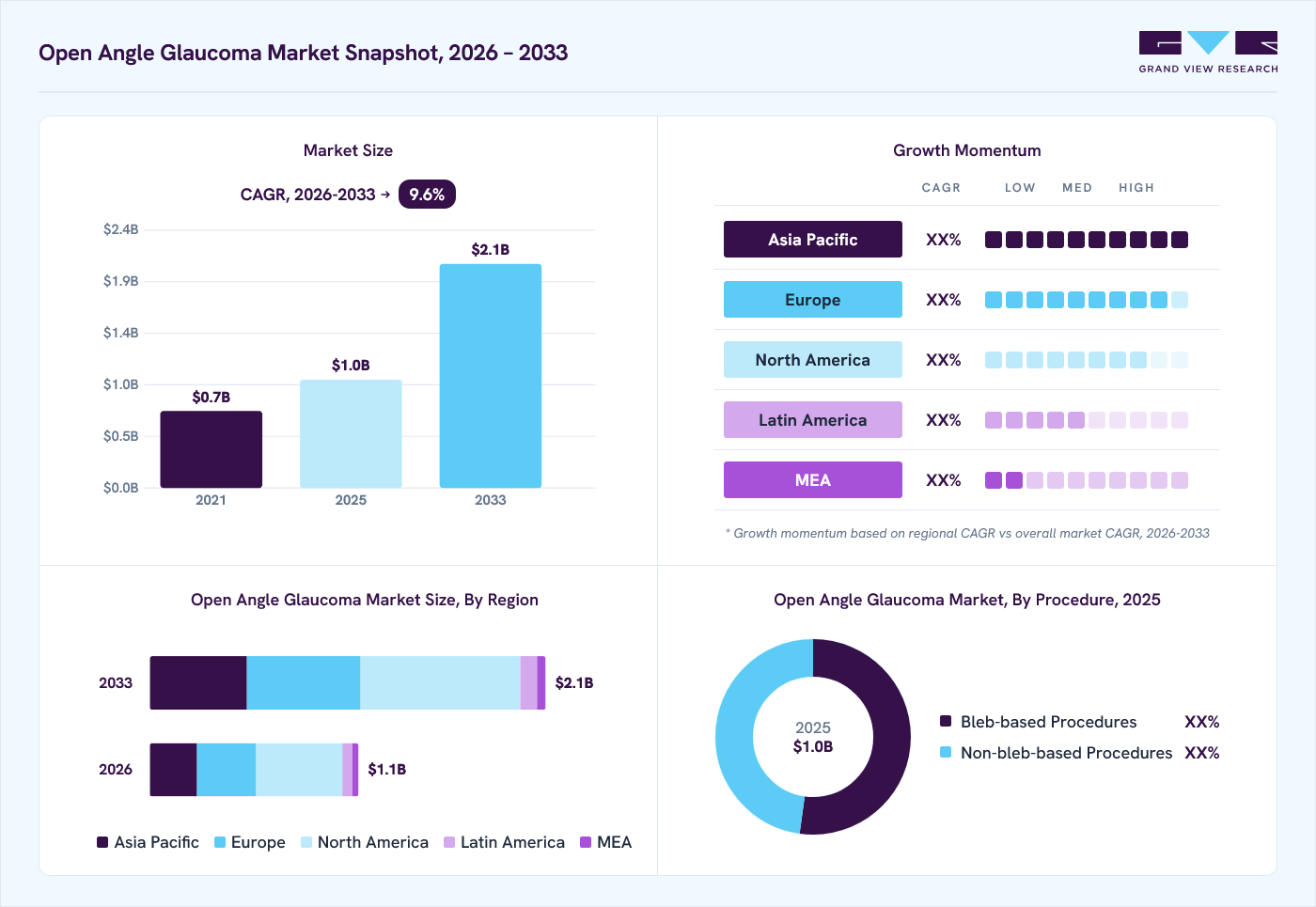
The global open angle glaucoma market size was valued at USD 1.0 billion in 2025 and is projected to grow from USD 1.1 billion in 2026 to USD 2.1 billion by 2033, at a CAGR of 9.6% from 2026 to 2033. The market in North America dominated with a revenue share of 41.4% in 2025. Open-angle glaucoma (OAG) is a major cause of irreversible vision loss worldwide, with its burden influenced by population aging, increasing life expectancy, and rising prevalence of myopia. The disease burden varies across regions due to differences in demographics, genetic predisposition, healthcare access, and disease detection rates. These epidemiological trends are expected to increase the need for glaucoma screening, diagnosis, monitoring, and treatment, thereby supporting sustained global demand for OAG-related medical and surgical interventions.
Key Market Trends & Insights
- By procedure: Bleb-based procedures segment held the largest market share of 52.2% in 2025.
- By type: Standalone segment held the largest market share of 84.0% in 2025.
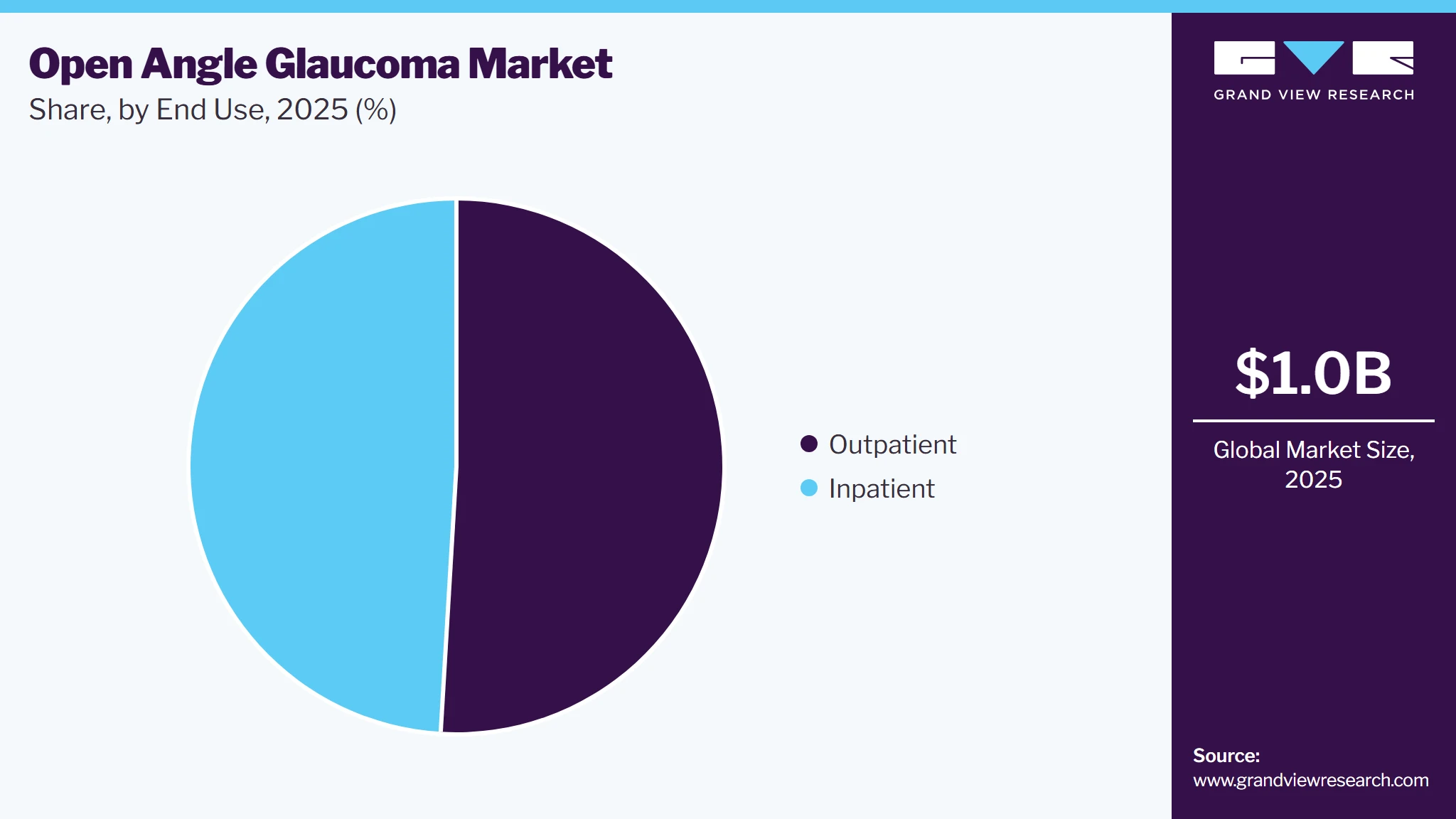
- By end use: Outpatient segment held the largest market share of 50.9% in 2025.
Regional Highlights
- Largest regional market: North America (41.4% revenue share, 2025)
- Fastest-growing regional market: Asia Pacific (highest CAGR, 2026-2033)
- By country: The U.S. held the largest market share in 2025
Market Size & Forecast
- Market size in 2025: USD 1.0 Billion
- Estimated market size in 2026: USD 1.1 Billion
- Projected market size by 2033: USD 2.1 Billion
- CAGR (2026-2033): 9.6%
The open-angle glaucoma market is being supported by advances in diagnostic, monitoring, and therapeutic technologies, including optical coherence tomography (OCT), AI-enabled glaucoma screening, advanced visual field testing, minimally invasive glaucoma surgery (MIGS), and sustained drug-delivery solutions. Increasing adoption of these technologies enables earlier disease progression and personalized treatment planning while reducing dependence on conventional approaches. This trend is further supported by the growing global burden of glaucoma, population aging, and increasing emphasis on early diagnosis and long-term disease management to prevent irreversible vision loss.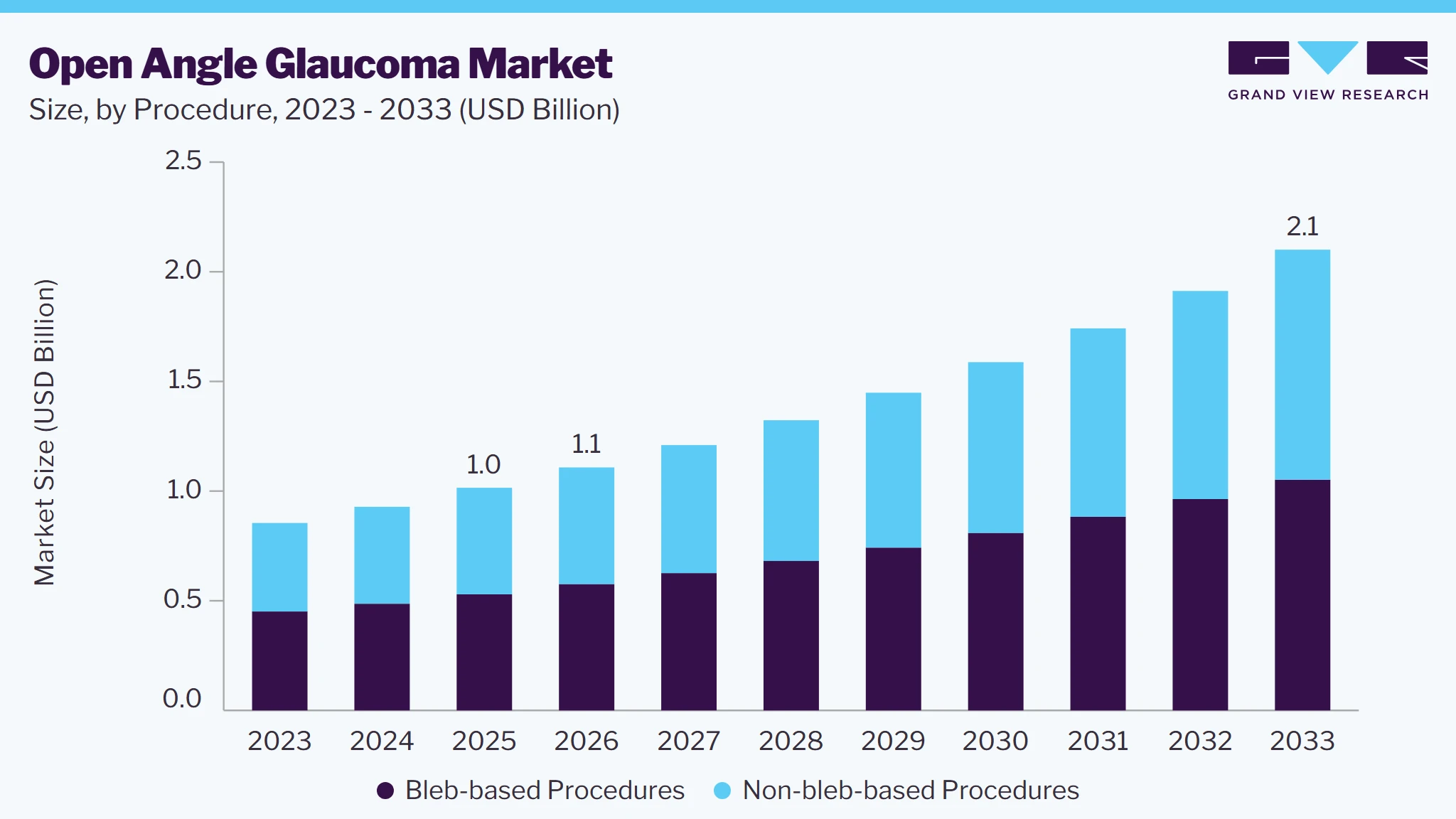
The epidemiological burden of open-angle glaucoma varies considerably across age groups and geographic regions. Differences in prevalence are influenced by factors such as genetic predisposition, ethnicity, myopia, demographic characteristics, and access to eye-care services. The following data highlights the prevalence and estimated patient burden of open-angle glaucoma across major regions, providing context for the underlying patient population and potential demand for diagnosis and treatment.
Key Global Open-Angle Glaucoma Statistics, 2024
Indicator
Global Estimates
Population/Year
OAG Prevalence
2.8%
Age ≥40, 2024
OAG Patients
80.5 million
Age ≥40, 2024
Projected OAG Prevalence
3.5%
Age ≥40, 2060
Projected OAG Patients
186.6 million
Age ≥40, 2060
Early-onset OAG due to high myopia
6.1 million
Age 20–39, 2060
Total OAG (including early-onset cases)
192.7 million
2060
Source: Global Glaucoma Prevalence: Burden and Projection to 2060. American Journal of Ophthalmology.
The increasing focus on early detection and continuous monitoring is creating opportunities across the open-angle glaucoma care pathway. Healthcare providers are increasingly adopting advanced diagnostic tools such as OCT, optical nerve imaging, automated perimetry, and digital monitoring solutions to identify structural and functional changes at earlier stages. At the same time, AI-enabled diagnostic technologies are gaining attention as they can support clinicians in screening larger patient populations and improving the consistency of disease assessment. These developments are particularly relevant as glaucoma can progress gradually without noticeable symptoms until significant vision loss occurs.
Treatment patterns are also evolving as patients and physicians seek effective options that can provide long-term intraocular pressure (IOP) control while improving treatment convenience. Conventional medications, laser therapies, and glaucoma surgeries remain important components of the treatment landscape, while minimally invasive glaucoma surgery (MIGS) is gaining adoption in appropriate patient groups because of its less invasive approach and potential to reduce dependence on topical medications. Sustained drug-delivery systems and other long-acting treatment approaches are also being developed to address challenges associated with daily eye-drop use, including poor adherence and inconsistent dosing.
Regional Prevalence of Primary Open-Angle Glaucoma (POAG)
Region
POAG Prevalence
Africa
4.20%
Latin America & Caribbean
3.65%
North America
3.29%
Oceania
2.63%
Europe
2.51%
Asia
2.31%
Source: Global Glaucoma Prevalence: Burden and Projection to 2060. American Journal of Ophthalmology.
Overall, the open-angle glaucoma market is supported by a combination of rising disease burden, aging populations, greater awareness of regular eye examinations, and continued technological advancements across diagnosis and treatment. This shift toward more proactive and technology-driven disease management is expected to remain an important factor shaping the market over the coming years.
Market Dynamics
The open-angle glaucoma market is gaining significant traction as the rising prevalence of glaucoma, aging populations, increasing awareness of eye health, and growing emphasis on controlling intraocular pressure and preventing vision loss are driving demand for surgical treatment procedures. The market encompasses bleb-based and Non-Bleb-Based Procedures glaucoma procedures for the management of open-angle glaucoma, with the procedure landscape including perforating (fistulizing) bleb-based procedures, non-perforating bleb-based procedures, and non-bleb-based procedures. Perforating bleb-based procedures include interventions such as trabeculectomy, while non-perforating approaches aim to reduce intraocular pressure without creating a full-thickness filtration pathway. Non-Bleb-Based Procedures include minimally invasive glaucoma surgery (MIGS) and other procedures that reduce intraocular pressure through alternative outflow pathways or mechanisms.
The increasing adoption of minimally invasive glaucoma surgery (MIGS) is a key driver of growth in the open-angle glaucoma market, supported by the growing preference for less invasive approaches to intraocular pressure (IOP) management. MIGS procedures are designed to lower IOP while causing less disruption to ocular anatomy and generally offering a more favorable safety and recovery profile than traditional filtering surgeries. This has increased their use, particularly among patients with mild-to-moderate open-angle glaucoma, including patients undergoing cataract surgery. Clinical evidence has shown that certain MIGS procedures can improve IOP control and reduce dependence on glaucoma medications when added to cataract surgery. The adoption of MIGS is also being supported by the growing availability of different surgical technologies and expanding physician familiarity with microinvasive procedures. In addition, the ability to combine several MIGS procedures with cataract extraction provides an opportunity to address glaucoma and cataract management within the same surgical episode.
The high cost of glaucoma procedures and limited or variable reimbursement coverage can restrain the growth of the open-angle glaucoma market, particularly for advanced surgical interventions such as MIGS, glaucoma drainage device implantation, trabeculectomy, and other incisional procedures. These procedures require specialized ophthalmic equipment, trained glaucoma surgeons, operating room or ambulatory surgical center infrastructure, and postoperative monitoring, increasing the overall treatment expenditure. The economic burden can be particularly significant in emerging markets, where patients may have greater out-of-pocket costs and access to advanced glaucoma procedures is concentrated in private or specialized eye care facilities. Studies have also shown that glaucoma treatment can represent a substantial financial burden for patients, particularly those requiring long-term medication and repeated clinical visits. Limited and inconsistent reimbursement for newer procedures further restricts adoption. Reimbursement policies vary across countries and healthcare systems, and coverage may depend on the specific procedure, disease severity, treatment setting, and whether the procedure is performed independently or in conjunction with cataract surgery.
Market Concentration & Characteristics
The open-angle glaucoma market is moderately concentrated, with several established ophthalmic and medical technology companies holding strong positions across key segments such as glaucoma surgical devices, minimally invasive glaucoma surgery (MIGS) devices, glaucoma drainage implants, laser systems, and ophthalmic diagnostic and monitoring technologies. Major players benefit from broad ophthalmology portfolios, established brands, extensive distribution networks, technological expertise, clinical evidence, and long-standing relationships with ophthalmologists, glaucoma specialists, hospitals, ambulatory surgical centers, and specialty eye-care clinics. Companies such as Alcon, Johnson & Johnson Vision, AbbVie, Glaukos, and Santen Pharmaceutical have established positions across different areas of the glaucoma treatment and management landscape, while other specialized ophthalmic device companies compete in specific procedure categories.
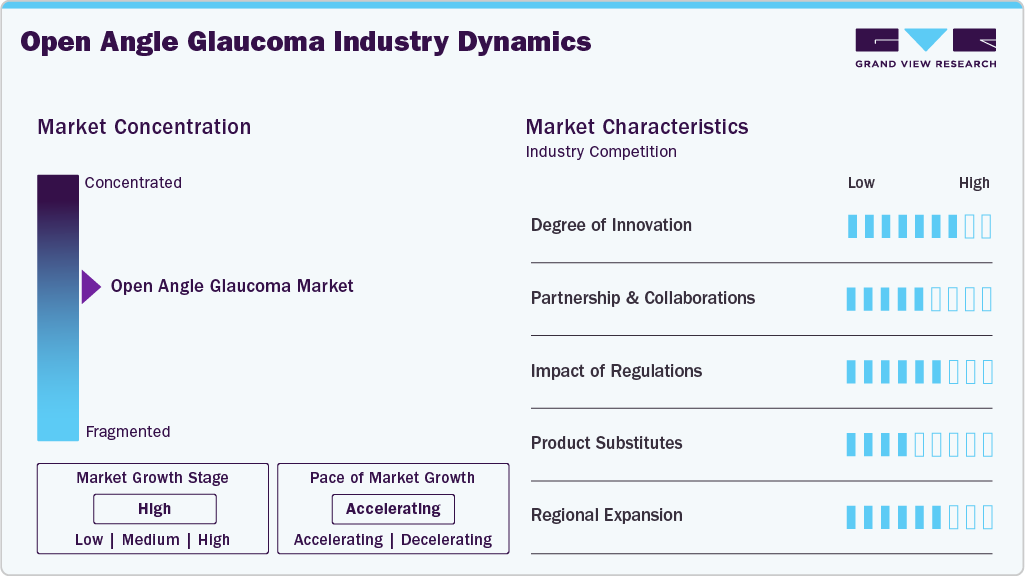
The degree of innovation in the open-angle glaucoma market is high, driven by continuous advancements in minimally invasive glaucoma surgery, micro-bypass implants, laser treatment, pharmacological therapies, and IOP-monitoring technologies. Manufacturers are increasingly developing solutions that aim to provide more consistent IOP reduction, reduce dependence on daily eye drops, improve procedural precision, and address patients whose glaucoma remains uncontrolled despite conventional treatment. For instance, Glaukos' iStent infinite uses three trabecular micro-bypass stents delivered through a single injector and is designed as a standalone treatment for adults with primary open-angle glaucoma whose previous medical and surgical treatment has failed.
Strategic partnerships and collaborations are becoming increasingly important in the open-angle glaucoma market, as companies work with hospitals, ophthalmology centers, universities, research institutes, and other healthcare organizations to accelerate the development and adoption of new glaucoma treatments and technologies. Companies are therefore collaborating across drug discovery, clinical trials, minimally invasive glaucoma surgery (MIGS), diagnostic technologies, patient screening, and treatment access. Such partnerships help manufacturers strengthen clinical evidence, improve physician awareness, expand access to treatment, and enter new geographic markets. A recent example is the Santen Pharmaceutical and Singapore Eye Research Institute (SERI) collaboration announced in December 2025. The companies launched SONIC 2.0, a USD 16.3 million (S$21), three-year research collaboration focused on developing disease-modifying therapies for major eye diseases, including glaucoma. The glaucoma program includes the discovery and optimization of novel compounds and aims to accelerate the translation of laboratory research into clinical-stage candidates.
Regulations have a significant impact on the open-angle glaucoma market because the main treatment options, including prescription drugs, minimally invasive glaucoma surgery (MIGS) devices, glaucoma drainage implants, laser systems, and drug-delivery implants, are subject to regulatory requirements before they can be commercialized. In the U.S., the FDA evaluates glaucoma medicines through the drug approval process, while implantable glaucoma devices are regulated as medical devices and may require premarket approval (PMA) supported by clinical and non-clinical evidence.
The threat of procedure substitutes in the open-angle glaucoma market is moderate because several treatment approaches can be used to lower intraocular pressure (IOP), and the choice depends on disease severity, IOP level, progression, patient adherence, and the patient's overall clinical condition. The main alternatives include topical IOP-lowering medications, laser trabeculoplasty, minimally invasive glaucoma surgery (MIGS), glaucoma drainage implants, and conventional filtering surgery such as trabeculectomy. Because these approaches address the same overall treatment goal, reducing IOP and slowing glaucoma progression, an increase in the use of one treatment can limit demand for another. The FDA recognizes medications, laser treatment, MIGS, and other incisional glaucoma surgeries as alternative treatment options for patients with primary open-angle glaucoma.
Regional expansion is an important growth strategy in the open-angle glaucoma market, as companies are strengthening their presence in established markets while targeting regions with growing glaucoma patient populations and expanding access to ophthalmic care. North America and Europe remain important markets due to their mature healthcare systems, large networks of ophthalmologists and glaucoma specialists, established reimbursement systems, and strong adoption of prescription medicines, laser treatments, MIGS, and glaucoma implants. At the same time, companies are increasingly expanding into Asia-Pacific, Latin America, and the Middle East, where aging populations, increasing awareness of glaucoma, improving diagnostic infrastructure, and growing healthcare investment are creating opportunities for earlier diagnosis and long-term disease management.
Analyst Perspective
The global open-angle glaucoma market is positioned at the intersection of several long-term ophthalmic and healthcare trends, including the rising prevalence of glaucoma, an aging global population, increasing incidence of diabetes and myopia, and growing emphasis on early detection and long-term intraocular pressure (IOP) management. Open-angle glaucoma, particularly primary open-angle glaucoma (POAG), is a major cause of irreversible vision loss and often progresses without noticeable symptoms during its early stages, increasing the need for regular screening, diagnosis, and continuous disease management. The growing number of patients requiring long-term IOP control is creating opportunities for pharmaceutical companies, laser technology providers, and ophthalmic device manufacturers offering glaucoma medications, selective laser trabeculoplasty (SLT), minimally invasive glaucoma surgery (MIGS), and glaucoma drainage devices.
Procedure Insights
The bleb-based procedures segment dominated the market and held the largest revenue share of 52.2% in 2025. Bleb-based procedures, including trabeculectomy and glaucoma drainage device procedures, continue to have an important role in the treatment of patients with moderate-to-severe or advanced open-angle glaucoma, particularly when intraocular pressure (IOP) is not adequately controlled with medications, laser therapy, or less invasive procedures. These procedures create an alternative pathway for aqueous humor drainage and can provide substantial IOP reduction, making them an established option for patients requiring stronger pressure control. Demand remains supported by the large number of patients who progress despite medical treatment and require surgical intervention to reduce the risk of further optic nerve damage and irreversible vision loss. However, these procedures generally require more postoperative monitoring and can be associated with complications such as hypotony and bleb-related infections, which has encouraged physicians to carefully select patients who are most likely to benefit from traditional filtration surgery.
The non-bleb-based procedures segment is expected to witness the fastest CAGR of 10.2% over the forecast period. Growth in this segment is driven by increasing physician and patient interest in procedures that reduce IOP while causing less tissue disruption and requiring less intensive postoperative management than conventional filtration surgery. Non-bleb-based approaches include trabecular micro-bypass procedures, canal-based procedures, cyclophotocoagulation, and other MIGS techniques that use the eye's natural drainage pathways or reduce aqueous humor production without intentionally creating a conventional filtering bleb. Recent product and regulatory developments further demonstrate the growing focus on non-bleb-based treatment options. Glaukos reported in January 2026 that more than 3 million iStent devices had been implanted, indicating the continued expansion of trabecular micro-bypass technology in glaucoma treatment.
Type Insights
The standalone segment dominated the market, held the largest revenue share of 84.0% in 2025, and is expected to witness the fastest CAGR over the forecast period. Standalone glaucoma procedures are gaining importance as ophthalmologists increasingly consider intervention before patients progress to advanced disease or require more invasive filtration surgery. Standalone MIGS and other glaucoma procedures allow physicians to directly target IOP without requiring cataract extraction at the same time. The availability of devices specifically cleared for standalone use provides additional treatment options for patients who require IOP reduction but are not undergoing cataract surgery. For example, the iStent infinite is indicated for adults with primary open-angle glaucoma in whom previous medical and surgical treatment has failed, and its design restores aqueous outflow through Schlemm's canal. In June 2025, Glaukos also announced EU MDR certification for iStent infinite, expanding its regulatory availability outside the U.S. and demonstrating continued commercial development of standalone MIGS technologies.
The combined segment is expected to witness the significant CAGR over the forecast period. Combined procedures generally involve performing a glaucoma procedure together with cataract surgery, most commonly cataract extraction with MIGS. Demand for these procedures is rising because glaucoma and cataracts frequently occur in the same older patient population, allowing physicians to address both conditions during a single surgical session. Combining the procedures can reduce the need for a separate glaucoma operation and provide patients with a single postoperative recovery period. The combined approach is also attractive because cataract surgery itself can reduce IOP, while adding a MIGS procedure can provide an additional pressure-lowering effect and potentially reduce the patient's reliance on glaucoma medications. Recent clinical evidence continues to support this treatment approach.
End Use Insights
The outpatient segment held the largest revenue share of 50.9% in 2025 and is expected to witness the fastest growth over the forecast period. The growth is mainly driven by the shift toward minimally invasive and shorter-duration treatments. Procedures such as MIGS, laser-based glaucoma treatments, and selected standalone glaucoma interventions generally involve less tissue disruption, faster recovery, and lower postoperative care requirements than traditional glaucoma surgeries. This trend is also supported by the increasing need to reduce treatment burden for glaucoma patients. Many patients require long-term IOP management, and outpatient procedures can provide an intervention while avoiding the cost, inconvenience, and resource requirements associated with inpatient admission.
The inpatient segment is expected to grow at a significant CAGR over the forecast period. Although many glaucoma procedures are increasingly performed in outpatient settings, inpatient facilities remain important for patients with advanced or difficult-to-control open-angle glaucoma who require more complex surgical intervention. Traditional procedures such as trabeculectomy and glaucoma drainage device implantation may be selected when a very low target IOP is required or when medications, laser therapy, and MIGS are insufficient. These complex cases require greater perioperative monitoring, more intensive postoperative management, and additional hospital resources, supporting continued demand for hospital-based care. The inpatient segment is also supported by the increasing number of elderly glaucoma patients who may have multiple age-related or systemic conditions requiring closer medical supervision around surgery. The inpatient segment is therefore expected to maintain steady demand even as less invasive procedures increasingly shift routine glaucoma care toward outpatient facilities.
Regional Insights
The North America open angle glaucoma market dominated the global industry with a revenue share of 41.4% in 2025. The growth is largely attributed to the region's large aging population, high prevalence of glaucoma, increasing awareness of regular eye examinations, and strong availability of advanced diagnostic and treatment options. Open-angle glaucoma is the most common form of glaucoma in the U.S. and accounts for more than 80% of glaucoma cases, creating a substantial patient population requiring long-term monitoring and intraocular pressure (IOP) management. The U.S. FDA estimates that approximately 3–5 million adults have open-angle glaucoma, while glaucoma remains a leading cause of irreversible blindness in the country. The region also has well-developed ophthalmology infrastructure, including glaucoma specialists, hospitals, ambulatory surgery centers, and specialty eye-care clinics, supporting the use of IOP-lowering medications, laser trabeculoplasty, glaucoma drainage devices, minimally invasive glaucoma surgery (MIGS), and advanced diagnostic technologies.

U.S. Open Angle Glaucoma Market Trends
The open angle glaucoma market in the U.S.is characterized by a large and clinically diverse patient population, strong adoption of pharmaceutical and surgical treatments, and high availability of advanced glaucoma-management technologies. The U.S. market is also seeing increasing attention toward patients whose disease progresses despite conventional treatment or whose IOP remains within the normal range. In 2024, the FDA's Ophthalmic Devices Panel reviewed an ocular pressure-adjusting pump designed as an adjunctive therapy for adults with open-angle glaucoma and an IOP of 21 mmHg or lower, highlighting the ongoing development of alternative approaches to IOP management.
Europe Open Angle Glaucoma Market Trends
The open angle glaucoma market in Europeis growing rapidly, attributed to the region's aging population, high prevalence of glaucoma, substantial levels of undiagnosed disease, and well-established ophthalmic care infrastructure. A 2025 European Eye Epidemiology Consortium study estimated that around 12.3 million people in Europe have glaucoma, of whom approximately 6.9 million remain undiagnosed. Primary open-angle glaucoma (POAG) accounts for approximately 80% of glaucoma cases in Europe, making it the major disease type within the regional glaucoma market. The growing elderly population is expected to further increase the number of patients requiring regular intraocular pressure monitoring, visual-field testing, OCT imaging, medications, laser procedures, and glaucoma surgery.
The UK open angle glaucoma market is steadily expanding, supported by increasing glaucoma burden, high level of undiagnosed disease, and growing need to reduce pressure on NHS ophthalmology services. Primary open-angle glaucoma affects around 2% of people aged over 40 in the UK, and the disease requires long-term monitoring and treatment because vision loss caused by glaucoma cannot generally be reversed. This rising patient burden is driving continued demand for glaucoma screening, OCT, and visual-field diagnostics; IOP-lowering medications; laser treatment; MIGS; and other surgical interventions, while also encouraging the expansion of community-based glaucoma monitoring by optometrists to help manage the increasing pressure on NHS hospital services.
Asia Pacific Open Angle Glaucoma Market Trends
The open angle glaucoma market in the Asia Pacific is experiencing strong growth, driven by the region's rapidly aging population, increasing prevalence of glaucoma, improving access to ophthalmic care, and growing awareness of the importance of early diagnosis and long-term disease management. The region also has a significant need for earlier diagnosis because glaucoma can progress without noticeable symptoms during its initial stages. Increasing investment in hospitals, specialty eye-care centers, diagnostic equipment, and ophthalmic services is therefore supporting the adoption of technologies such as OCT, visual-field analyzers, tonometers, laser trabeculoplasty, minimally invasive glaucoma surgery (MIGS), and glaucoma drainage devices.
The Japan open angle glaucoma market is highly competitive, supported by a rapidly aging population, advanced ophthalmic infrastructure, strong domestic pharmaceutical and medical-device capabilities, and continued investment in glaucoma diagnosis and treatment innovation. Japan has one of the world's oldest populations, with people aged 65 years and above accounting for almost 30% of the population, increasing the need for long-term management of age-related eye diseases such as glaucoma. The country has an established network of ophthalmologists and hospitals and strong domestic participation from companies such as Santen Pharmaceutical, Kowa, NIDEK, and Topcon, supporting the availability of medications, diagnostic technologies, and surgical solutions.
Latin America Open Angle Glaucoma Market Trends
Theopen angle glaucoma market in Latin Americais growing steadily, supported by the region's aging population, increasing prevalence of glaucoma and other chronic diseases, growing awareness of eye health, and gradual improvement in access to ophthalmic diagnosis and treatment. The burden is particularly important because glaucoma can progress without noticeable symptoms in its early stages, making regular eye examinations and long-term monitoring essential. In addition, the increasing prevalence of diabetes across Latin America is supporting demand for regular ophthalmic examinations because diabetes increases the risk of several vision-threatening conditions and adds pressure on already expanding eye-care services. The availability of public-sector glaucoma treatment programs in major markets is also supporting patient access and market development.
The Brazil open angle glaucoma market is growing, driven by significant glaucoma burden, increasing awareness of early diagnosis, and the availability of glaucoma treatment through both public and private healthcare systems. Brazil's Ministry of Health reported in March 2025 that glaucoma affects approximately 3.4% of the population aged over 40, highlighting a substantial patient base requiring long-term monitoring and treatment. The Unified Health System (SUS) provides consultations, diagnostic examinations, follow-up care, medicines, and surgical treatment for eye diseases, including glaucoma, thereby supporting access to treatment for patients who may not be able to afford private care. These developments support continued demand for IOP-lowering medicines, glaucoma diagnostics, laser treatment, and surgical interventions, while the combination of public reimbursement and private ophthalmology services makes Brazil one of the important markets for glaucoma care in Latin America.
Middle East & Africa Open Angle Glaucoma Market Trends
The open angle glaucoma market in the Middle East & Africais experiencing steady growth. Glaucoma is particularly relevant because it can progress without noticeable symptoms in its early stages and therefore requires regular eye examinations, intraocular pressure monitoring, optic-nerve assessment, and long-term treatment. In Saudi Arabia, for example, a 2023 study of glaucoma patients at King Abdulaziz University Hospital found that 66% of diagnosed patients had open-angle glaucoma, with most of these patients aged above 40 years. Across African markets, limited access to specialist eye-care services and a large unmet need for early diagnosis are creating opportunities for glaucoma screening, diagnostic imaging, medicines, laser therapy, and surgical treatment.
The Saudi Arabia open angle glaucoma market has gained ground from thedemand for open angle glaucoma,the country's aging population, increasing burden of chronic diseases, growing awareness of early glaucoma detection, and expansion of healthcare infrastructure under Saudi Vision 2030. A Saudi study conducted at King Abdulaziz University Hospital in Jeddah found that 85.9% of patients with open-angle glaucoma were older than 40 years, highlighting the strong relationship between aging and the country's patient population. The Saudi Ministry of Health recommends regular eye examinations, particularly for people over 40 years, and identifies intraocular-pressure measurement, optic-nerve examination, visual-field testing, and corneal pachymetry as important components of glaucoma diagnosis.
Key Open Angle Glaucoma Company Insights
The global open-angle glaucoma market is highly competitive, with key players such as Alcon, AbbVie, Glaukos Corporation, Santen Pharmaceutical, and others. These companies compete across different areas of the OAG market, including bleb-based glaucoma procedures, Non-Bleb-Based Procedures, minimally invasive glaucoma surgery (MIGS), glaucoma drainage devices, laser-based treatment technologies, and other surgical and disease-management solutions. Leading companies benefit from broad ophthalmic portfolios, strong brands, established distribution networks, technological expertise, clinical evidence, and long-standing relationships with ophthalmologists, glaucoma specialists, hospitals, ambulatory surgical centers, and specialty eye-care clinics. Companies are increasingly focusing on the development and commercialization of MIGS technologies, advanced glaucoma implants, novel surgical platforms, and procedures designed to provide effective intraocular pressure reduction with less invasive intervention.
Key Open Angle Glaucoma Companies
The following key companies have been profiled for this study on the open angle glaucoma market:
-
Glaukos Corporation
-
Alcon Inc.
-
Sight Sciences, Inc.
-
Johnson & Johnson Vision Care, Inc.
-
New World Medical, Inc.
-
IRIDEX Corporation
-
Santen Pharmaceutical Co., Ltd.
-
Nova Eye Medical Limited
-
iSTAR Medical SA
-
Carl Zeiss Meditec AG
-
Lumenis Ltd.
-
ViaLase, Inc.
-
Lumibird SA
-
Oertli Instrumente AG
Competitive Benchmarking
Category
Operating Strategies
Competitive Edge
Weakness
Established Players (AbbVie Inc., Santen Pharmaceutical Co., Ltd., Alcon Inc., MicroSurgical Technology)
- Focus on expanding portfolios across glaucoma medications, laser-based treatments, MIGS devices, drainage implants, and surgical technologies to address different stages of open-angle glaucoma.
- Strengthening physician adoption through clinical evidence, surgeon training, KOL engagement, and partnerships with ophthalmology centers.
- Established brands, broad ophthalmology portfolios, extensive clinical evidence, regulatory experience, and strong relationships with ophthalmologists and hospitals support market penetration.
- Advanced MIGS and laser technologies provide differentiated approaches for lowering IOP while reducing dependence on topical medications. For example, Glaukos offers iStent technologies for mild-to-moderate POAG and standalone treatment of POAG after prior treatment failure.
- High R&D, clinical trial, regulatory, and post-market surveillance requirements increase Procedure-development costs and commercialization timelines.
- Mature companies face strong competition across multiple treatment modalities, particularly from generic glaucoma medications and increasingly differentiated MIGS and laser technologies.
Emerging Players (Glaukos Corporation, Sight Sciences, Inc., New World Medical)
- Focus on next-generation MIGS, non-invasive or automated laser trabeculoplasty, sustained drug delivery, and novel aqueous-outflow technologies designed to reduce medication burden and procedural invasiveness.
- Prioritize innovation-driven strategies targeting unmet needs such as medication adherence, long-term IOP control, faster recovery, and treatment personalization.
- Faster innovation cycles and specialized glaucoma focus allow emerging companies to develop technologies addressing specific treatment gaps.
- Novel approaches such as automated/image-guided laser treatment, sustained drug delivery, and new-generation MIGS can differentiate companies from conventional eye-drop and filtration-surgery approaches.
- Limited commercial scale, smaller distribution networks, and lower brand recognition can restrict adoption compared with established ophthalmology companies.
- Dependence on clinical validation and regulatory approvals can delay commercialization and increase funding requirements.
Recent Developments:
-
In July 2025, Alcon announced the U.S. launch of Voyager Direct Selective Laser Trabeculoplasty (DSLT) for the treatment of glaucoma and ocular hypertension. The laser-based system uses image guidance and automated treatment delivery to target the trabecular meshwork without direct contact with the eye, supporting more precise and efficient IOP reduction.
-
In June 2025, Glaukos Corporation announced that it received EU Medical Device Regulation (MDR) certification for its iStent infinite and other MIGS therapies, marking its first approvals under the new EU regulatory framework. The certification confirms that iStent infinite and iStent inject W meet stringent EU standards for safety, quality, and effectiveness, supporting the company’s expansion in Europe.
Open Angle Glaucoma Market Report Scope
Report Attribute
Details
Market size in 2025
USD 1.0 billion
Estimated market size in 2026
USD 1.1 billion
Projected market size by 2033
USD 2.1 billion
Growth rate
CAGR of 9.6% from 2026 to 2033
Actual period
2021-2025
Forecast period
2026 - 2033
Quantitative units
Revenue in USD billion and CAGR from 2026 to 2033
Report coverage
Revenue forecast, company ranking, competitive landscape, growth factors, and trends
Segments covered
Procedure, type, end use, region
Regional scope
North America; Europe; Asia Pacific; Latin America; MEA
Country scope
U.S.; Canada; Mexico; UK; Germany; France; Italy; Spain; Denmark; Sweden; Norway, Japan; China; India; Australia; Thailand; South Korea; Brazil; Argentina; South Africa; Saudi Arabia; UAE; Kuwait.
Key companies profiled
Glaukos Corporation; Alcon Inc.; Sight Sciences, Inc.; Johnson & Johnson Vision Care, Inc.; New World Medical, Inc.; IRIDEX Corporation; Santen Pharmaceutical Co., Ltd.; Nova Eye Medical Limited; iSTAR Medical SA; Carl Zeiss Meditec AG; Lumenis Ltd.; ViaLase, Inc.; Lumibird SA; Oertli Instrumente AG
Customization scope
Free report customization (equivalent up to 8 analysts working days) with purchase. Addition or alteration to country, regional & segment scope.
Pricing and purchase options
Avail customized purchase options to meet your exact research needs. Explore purchase options
Global Open Angle Glaucoma Market Report Segmentation
This report forecasts revenue growth at the global, regional, and country levels and provides an analysis of the latest industry trends and opportunities in each of the sub-segments from 2021 to 2033. For the purpose of this study, Grand View Research has segmented the open angle glaucoma market report on the basis of procedure, type, end use, and region:
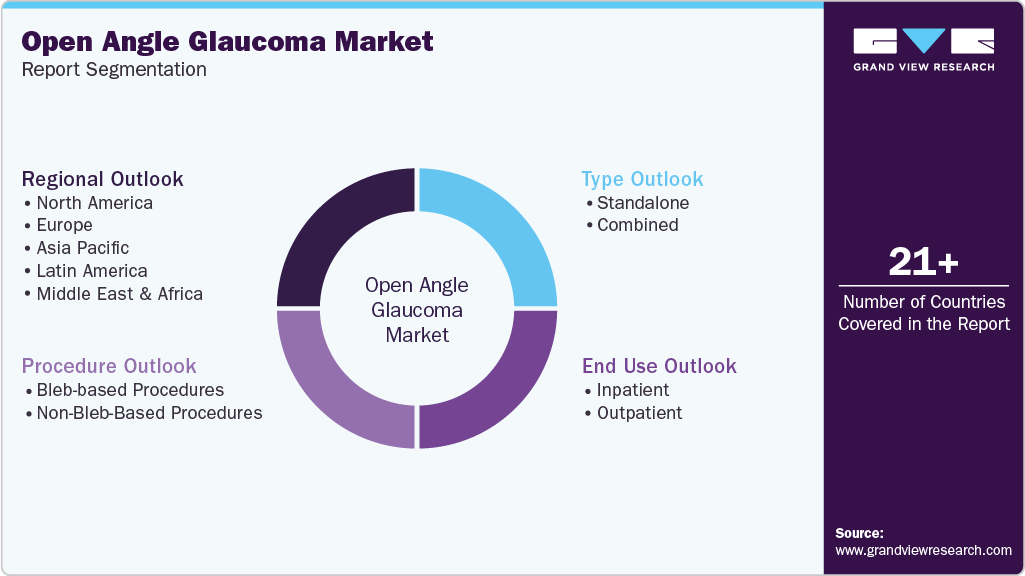
-
Procedure Outlook (Revenue, USD billion, 2021 - 2033)
-
Bleb-based Procedures
-
Perforating (Fistulizing) Bleb-based Procedures
-
Non-Perforating Bleb-Based Procedures (NPDS)
-
-
Non-Bleb-Based Procedures
-
-
Type Outlook (Revenue, USD billion, 2021 - 2033)
-
Standalone
-
Combined
-
-
End Use Outlook (Revenue, USD billion, 2021 - 2033)
-
Inpatient
-
Outpatient
-
-
Regional Outlook (Revenue, USD billion, 2021 - 2033)
-
North America
-
U.S.
-
Canada
-
Mexico
-
-
Europe
-
UK
-
Germany
-
France
-
Italy
-
Spain
-
Denmark
-
Sweden
-
Norway
-
-
Asia Pacific
-
China
-
Japan
-
South Korea
-
Thailand
-
Australia
-
India
-
-
Latin America
-
Brazil
-
Argentina
-
-
Middle East & Africa
-
South Africa
-
Saudi Arabia
-
UAE
-
Kuwait
-
-
Research Methodology
The open angle glaucoma market figures in this report are based on a proven research process that combines executive interviews with secondary research from proprietary databases, company filings, and recognized regulatory and institutional sources. Market size is built through value-chain sizing—reconciling supply-side and demand-side estimates—and triangulated with bottom-up and top-down approaches. Every estimate passes multiple levels of expert validation before publication, with each open angle glaucoma segment quantified using the revenue-capture definitions in the table below.
Segment Definition
Procedure
Revenue capture definition
Bleb-based Procedure
Revenue is captured through the clinical execution of filtering procedures that create a subconjunctival drainage pathway, including trabeculectomy, non-penetrating filtration procedures such as deep sclerectomy, and implantation of subconjunctival micro-shunts where applicable. Revenue is generated through glaucoma surgical devices, implants, surgical consumables, and associated hospital or ophthalmic facility services. Manufacturers capture revenue primarily through the sale of procedure-specific devices and surgical kits, while healthcare providers generate revenue through procedure fees, facility charges, surgeon services, and postoperative monitoring.
Non-Bleb-Based Procedures
Revenue is generated through procedures that reduce intraocular pressure without creating an external subconjunctival bleb, including minimally invasive glaucoma surgery (MIGS) approaches targeting the trabecular meshwork, Schlemm's canal, collector channels, or other aqueous outflow pathways. Manufacturers capture revenue primarily through single-use implants, micro-stents, surgical delivery systems, and procedure-specific instruments, while hospitals, ambulatory surgical centers, and ophthalmic clinics generate revenue through procedure and facility fees.
Type
Revenue capture definition
Standalone
Revenue is derived from glaucoma procedures performed as an independent intervention specifically for the management of open-angle glaucoma, without being performed concurrently with another major ophthalmic procedure. Manufacturers generate revenue through the sale of glaucoma implants, surgical devices, disposable instruments, and procedure-specific systems, while healthcare providers capture revenue through surgical, facility, and professional fees. Standalone procedures are generally performed when intraocular pressure remains inadequately controlled despite medical therapy or when surgical intervention is clinically indicated as the primary treatment objective.
Combined
Revenue is generated when an OAG procedure is performed concurrently with another ophthalmic procedure, most commonly cataract surgery, during the same operative session. This segment represents an important revenue opportunity for manufacturers because glaucoma treatment can be incorporated into an already planned cataract procedure, particularly through MIGS technologies. Manufacturers capture revenue through incremental devices and disposable sales, while hospitals, ambulatory surgical centers, and ophthalmic providers generate additional procedural and facility revenue.
End Use
Revenue capture definition
Inpatient
Revenue is generated through OAG procedures performed in hospital-based inpatient settings, particularly for complex or advanced glaucoma cases requiring greater surgical resources, specialized ophthalmic infrastructure, or extended postoperative observation. Manufacturers capture revenue through institutional sales of glaucoma implants, surgical systems, instruments, and consumables, while hospitals generate revenue through procedure charges, facility fees, professional services, and associated inpatient care.
Outpatient
Revenue is captured through ambulatory surgical centers, outpatient hospitals, ophthalmology clinics, specialty glaucoma centers, and independent eye-care facilities performing OAG procedures without requiring an overnight hospital stay. Manufacturers generate revenue through direct or distributor-based sales of glaucoma implants, MIGS devices, surgical instruments, and consumables, while providers generate revenue through procedure, professional, and facility fees.
Estimation Model
Step
Stage
Key Question
Process Steps
Data Sources
01
Scope Definition
What exactly is included in the Open-Angle Glaucoma market?
1. Define the OAG procedure scope, including disease type.
2. Define the treatment scope across surgical interventions used for OAG management.
3. Segment the market by type, such as standalone and combined.
4. Align on base year & forecast horizon (2026–2033).
FDA, WHO, national health ministries, ophthalmology/optometry associations, regulatory agencies
02
Build the Product Base
How many patients require ongoing treatment for Open-Angle Glaucoma?
1. Estimate the OAG patient population using population demographics, age-specific prevalence, epidemiological studies, and country-level glaucoma estimates.
2. Adjust the prevalent population for diagnosis and treatment status, separating diagnosed patients and others.
3. Segment treated patients by disease severity and treatment pathway, including patients managed with medication alone, and other.
4. Account for chronic treatment requirements and repeat interventions, including annual medication use, treatment escalation, and other factors.
WHO, national population databases, national health surveys, epidemiological studies
03
Estimate Penetration
How are diagnosed OAG patients distributed across available treatment options?
1. Estimate medication utilization among treated OAG patients.
2. Estimate treatment utilization based on eligible patient populations, physician adoption, treatment guidelines, and repeat-treatment patterns.
3. Estimate surgical treatment volumes, including MIGS, trabeculectomy, and other.
4. Assess treatment switching and escalation pathways, such as medication → additional medication → SLT → MIGS/incisional surgery.
AAO Preferred Practice Patterns, clinical studies, ophthalmology procedure registries
04
Revenue Conversion
How does OAG treatment utilization translate into market revenue?
1. Collect treatment-specific pricing, including annualized costs for glaucoma medications and ASPs for glaucoma surgical devices.
2. Calculate revenue by treatment modality using treated patient volume × annual treatment cost for procedure volume × ASP for laser and surgical treatments.
3. Incorporate recurring revenue, including chronic prescription refills, combination therapies, and others.
4. Validate market estimates using bottom-up and top-down approaches.
Manufacturer annual reports and SEC filings, FDA, EMA, CMS Medicare data
Customization TableThis report has been delivered with the following In-depth customizations
Client Request
Customization Delivered
Value Adds
Device usage and adoption trends
Conducted a comprehensive assessment of device usage and adoption trends in the open-angle glaucoma (OAG) market, covering both diagnostic and treatment technologies. The analysis evaluated adoption of tonometers, optical coherence tomography (OCT) systems, visual field analyzers/perimeters, gonioscopy and imaging systems, laser trabeculoplasty systems, minimally invasive glaucoma surgery (MIGS) devices, glaucoma drainage implants, and other surgical glaucoma devices. The study assessed device utilization across ophthalmology clinics, glaucoma specialty centers, hospitals, and ambulatory surgical centers, considering factors such as patient volume, disease severity, physician preference, clinical guidelines, technology availability, reimbursement, device costs, procedure volumes, and replacement cycles.
Enables stakeholders to understand which OAG diagnostic and treatment technologies are gaining adoption and why, supporting product positioning, technology development, portfolio planning, and commercialization strategies. The analysis also helps manufacturers identify opportunities in high-growth device categories such as OCT-based monitoring, laser trabeculoplasty, and MIGS, while assessing barriers such as capital expenditure, reimbursement limitations, physician training, and availability of specialized glaucoma specialists.
List of Centers/Hospitals Performing Open-angle Glaucoma (OAG)
Developed a geographically structured database of leading hospitals, ophthalmology centers, glaucoma specialty centers, academic medical centers, and ambulatory surgical centers performing OAG diagnosis and treatment. The assessment identifies institutions offering procedures and technologies such as selective laser trabeculoplasty (SLT), argon laser trabeculoplasty (ALT), MIGS procedures, trabeculectomy, glaucoma drainage device implantation, and other surgical interventions, where applicable. Centers are evaluated based on their clinical specialization, procedure capabilities, availability of advanced diagnostic equipment, glaucoma patient volume, specialist presence, academic or referral status, and adoption of newer glaucoma technologies.
Provides a targeted view of the healthcare institutions that represent potential users, reference sites, and commercialization opportunities for OAG devices. The center-level assessment supports manufacturers in identifying high-priority accounts, key clinical institutions, potential sites for product evaluation or physician training, and regions with concentrated glaucoma treatment activity.
Geographic Analysis
Conducted a detailed regional and country-level analysis of the OAG market, assessing differences in disease burden, diagnosis rates, treatment practices, healthcare infrastructure, ophthalmologist and glaucoma-specialist availability, device penetration, reimbursement policies, healthcare expenditure, and patient access to ophthalmic services. The assessment examines regional differences in adoption of diagnostic imaging, visual-field testing, laser treatment, MIGS, and conventional glaucoma surgery. Economic factors including healthcare expenditure, insurance coverage, public and private healthcare spending, affordability of ophthalmic procedures, hospital capital budgets, and reimbursement levels are incorporated to determine their influence on device adoption and procedure volumes.
Enables stakeholders to identify high-value geographic markets, emerging adoption pockets, and areas with unmet OAG diagnosis and treatment needs. The analysis supports regional expansion, distributor strategy, pricing decisions, reimbursement planning, and investment prioritization by linking glaucoma prevalence and treatment demand with healthcare spending capacity, infrastructure maturity, and device affordability.
Frequently Asked Questions About This Report
The standalone segment led with a 84.0% revenue share in 2025.
The outpatient segment led with a 50.9% revenue share in 2025.
Asia Pacific is the fastest-growing region over the forecast period.
The global open angle glaucoma market size was valued at USD 1.0 billion in 2025 and is estimated at USD 1.1 billion for 2026.
The global open angle glaucoma market is expected to grow at a CAGR of 9.6% from 2026 to 2033, reaching USD 2.1 billion by 2033.
By procedure, the bleb-based procedures dominated the open angle glaucoma market with a share of 52.2% in 2025.
North America dominated the open angle glaucoma market, with a 41.4% share in 2025.
Key factors driving market growth include an aging population, rising prevalence of myopia, and increasing life expectancy.
Some key players operating in the open angle glaucoma market include Glaukos Corporation; Alcon Inc.; Sight Sciences, Inc.; Johnson & Johnson Vision Care, Inc.; New World Medical, Inc.; IRIDEX Corporation; Santen Pharmaceutical Co., Ltd.; Nova Eye Medical Limited; iSTAR Medical SA; Carl Zeiss Meditec AG; Lumenis Ltd.; ViaLase, Inc.; Lumibird SA; Oertli Instrumente AG
About the Author(s)
Medical Devices Research Team
Healthcare · Medical DevicesThis report was authored by the medical devices research team at Grand View Research - comprising two research analysts, one senior research analyst, and one industry expert - with specialized expertise in the medical devices segment of the healthcare industry. All findings are based on proprietary healthcare databases, executive interviews, and regulatory analysis, subject to internal peer review prior to publication.
Last Updated:
Speak to Analyst


Customize this report to your needs — add regions, segments, or data points, with 20% free customization.
Or view our licence options:


ISO 9001:2015 & 27001:2022 Certified
We are GDPR and CCPA compliant! Your transaction & personal information is safe and secure. For more details, please read our privacy policy.


