
- Home
- »
- Medical Devices
- »
-
Pressure Ulcer Treatment Market Size Report, 2026-2033GVR Report cover

Pressure Ulcer Treatment Market (2026 - 2033)
Size, Share & Trends Analysis Report By Product (Wound Care Dressings, Active & Bio-Therapies), By Clinical Severity (Stage I, Stage II, Stage III, Stage IV), By End-use, By Region, And Segment Forecasts
Market Size, 2025
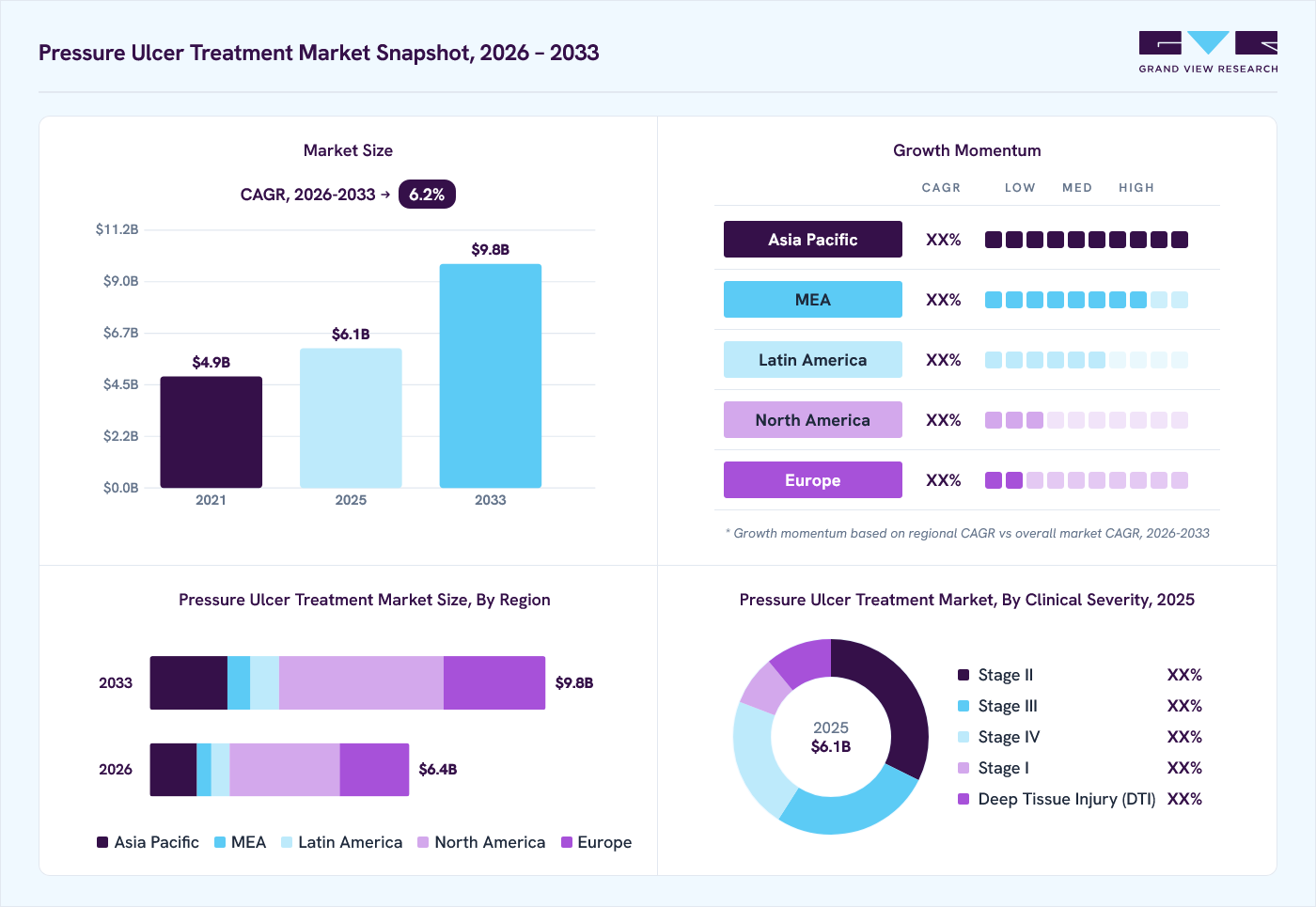
$6.1BMarket Estimate, 2026
$6.4BMarket Forecast, 2033
$9.8BCAGR, 2026–2033
6.2%Pressure Ulcer Treatment Market Summary
The global pressure ulcer treatment market size was estimated at USD 6.1 billion in 2025 and is projected to grow from USD 6.4 billion in 2026 to USD 9.8 billion by 2033, at a CAGR of 6.2% from 2026 to 2033. North America dominated the market, accounting for the largest revenue share of 42.5% in 2025. The growth of the global market for pressure ulcer treatments is driven by the rising prevalence of pressure ulcers among elderly and immobile populations, increasing hospital and long-term care needs, greater adoption of advanced wound-care technologies, and growing emphasis on pressure ulcer prevention and standardized wound assessment.
 Source: Grand View Research, IR Documents, Primary Interviews, Paid DatabasesTo learn more about this report,
 Download Free Sample Report
Key Market Trends & Insights
- By product: Wound care dressings segment led the market with the largest revenue share of 39.1% in 2025.
- By clinical severity: Stage II segment led the market with the largest revenue share of 32.3% in 2025.
- By end use: Acute care hospital segment led the market with the largest revenue share of 42.6% in 2025.
Regional Highlights
- Largest regional market: North America (42.5% revenue share, 2025).
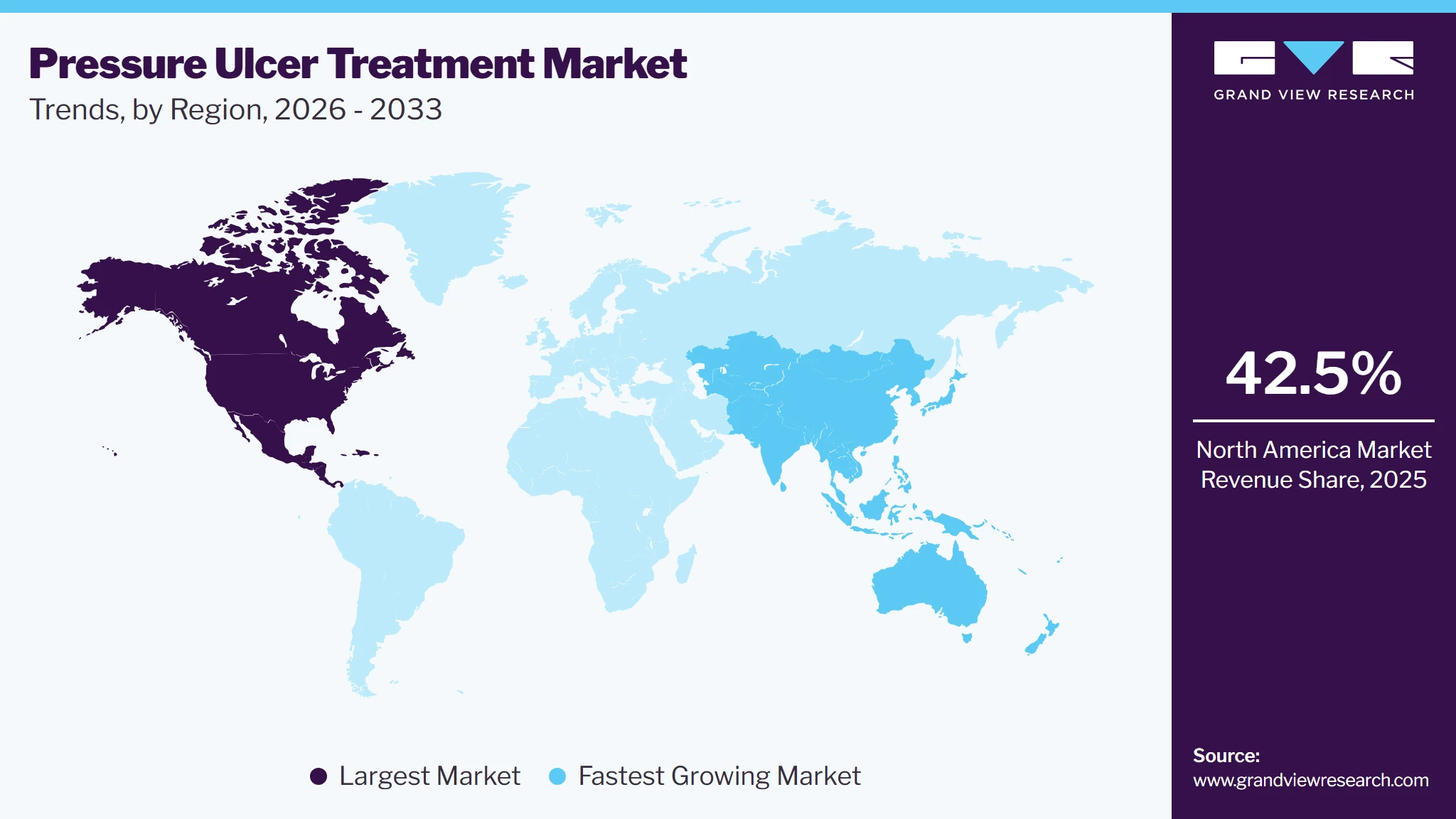
- Fastest-growing regional market: Asia Pacific (highest CAGR, 2026-2033)
- By country: The U.S. held the largest market share in 2025.
Market Size & Forecast
- Market size in 2025: USD 6.1 Billion
- Estimated market size in 2026: USD 6.4 billion
- Projected Market Size by 2033: USD 9.8 billion
- CAGR (2026-2033): 6.2%
Prism AI by Grand View Research Free to tryAsk a question about the pressure ulcer treatment marketTry asking✓Every figure cited from GVR research Prefer the report? Download free sample →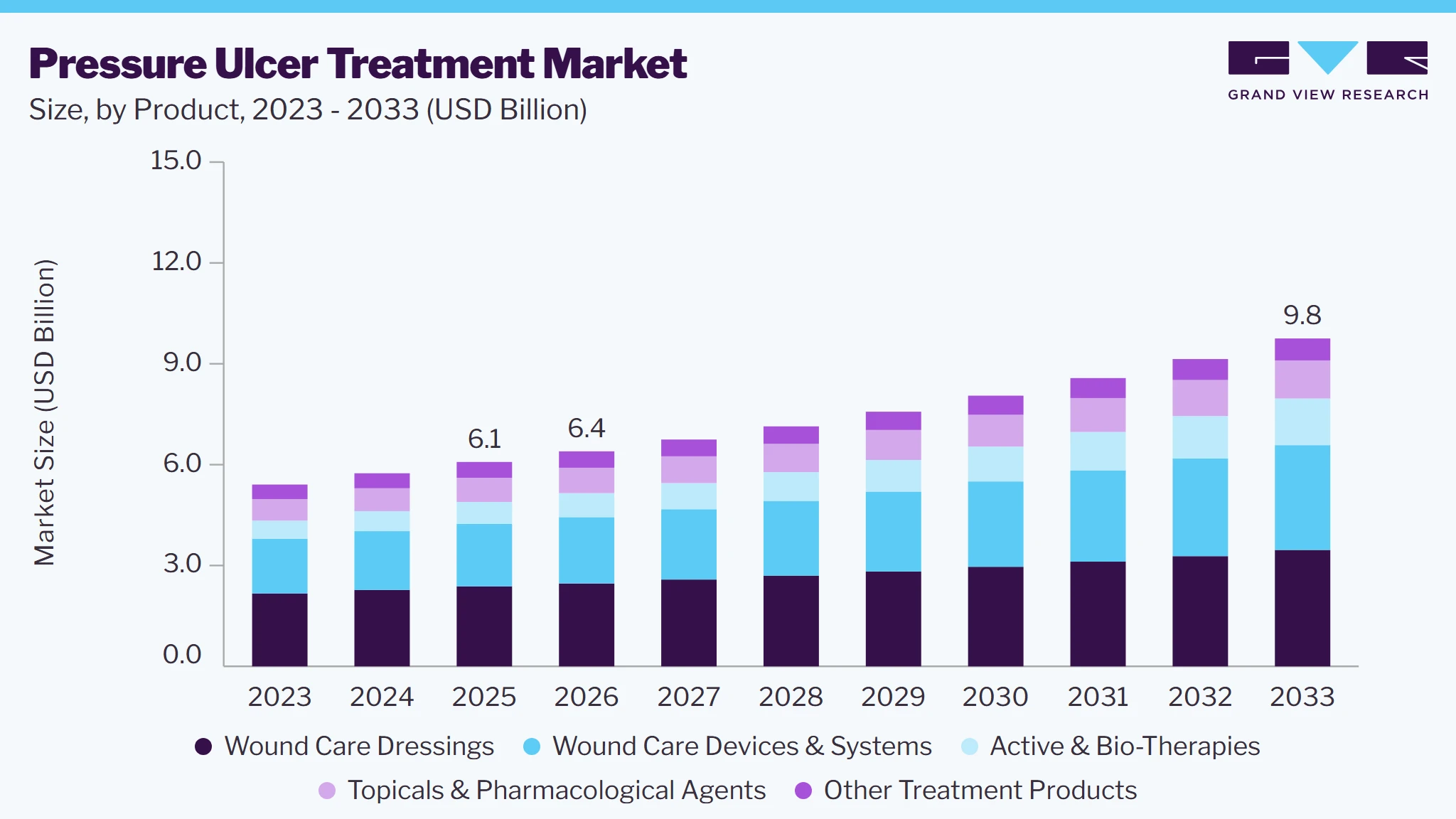 To learn more about this report, Download Free Sample Report
The continued burden of pressure injuries is driving demand for effective treatment and wound-care solutions across hospitals and other healthcare settings. According to the 2025 AHRQ Network of Patient Safety Databases Chartbook, 93,807 pressure injury events were reported through December 2024. Among the 17,077 events with valid information on the most advanced stage, 66.6% (11,377 cases) were deep tissue pressure injuries, 10.2% (1,748 cases) were Stage 3, and approximately 21.1% (3,600 cases) were unstageable. The report also found that 77.1% of 17,936 reported events involved patients who had received a preventive intervention, indicating that pressure injuries continue to occur despite preventive measures. Furthermore, 63.8% of reported cases developed a secondary morbidity or had an unknown outcome, while Stage 4 injuries showed the highest reported harm rate at 82%. The substantial number of advanced and potentially harmful pressure injuries supports continued demand for advanced dressings, negative pressure wound therapy, pressure-relieving systems, and other treatment solutions.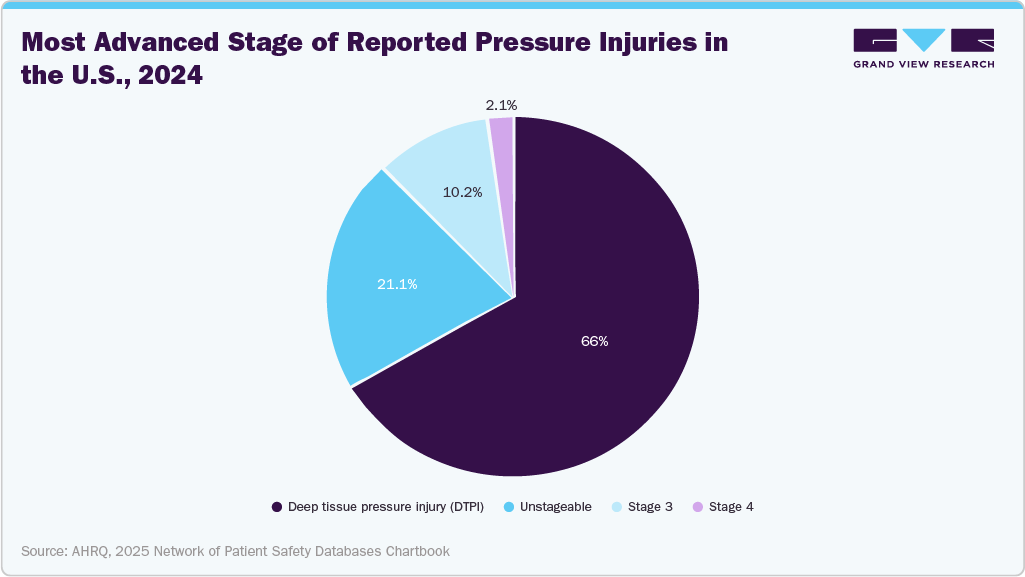 To learn more about this report, Download Free Sample Report
In addition, the growing burden of pressure ulcers is driving demand for effective prevention, diagnosis, and treatment solutions, particularly among high-risk patients such as those with spinal cord injuries and limited mobility. The Spinal Injuries Association's Stop the Pressure Day 2025 highlighted the continuing impact of pressure ulcers in the UK. According to the initiative, more than 700,000 people are affected by pressure ulcers in the UK, with around 180,000 new cases diagnosed each year. The average treatment cost was reported at £11,703.54 per pressure ulcer per day (approximately USD 15,600), resulting in an estimated £22.4 million per day (approximately USD 29.9 million) in costs to the NHS. The initiative also highlighted gaps in care: among 761 people with spinal cord injuries surveyed in 2025, nearly 1 in 5 experienced a pressure ulcer during the previous year, while almost one-quarter reported that their pressure ulcer was not correctly diagnosed or treated. These findings highlight the substantial clinical and economic burden and support continued demand for pressure ulcer treatment and prevention solutions.
Pressure ulcer burden and treatment-related indicators in the UK, 2025:
Parameter
Data (2025)
People affected by pressure ulcers
>700,000
Newly diagnosed cases annually
180,000
Average treatment cost per pressure ulcer per day
£11,703.54 (~USD 15,600)
Estimated NHS cost per day
£22.4 million (~USD 29.9 million)
People with spinal cord injury surveyed
761
Experienced a pressure ulcer in the past year
Nearly 20% (1 in 5)
Reported incorrect diagnosis or treatment
Nearly 25%
Reported pressure ulcers worsened by poor care
29%
Not moved regularly or assisted with repositioning
53%
Given a pressure-ulcer prevention mattress
46%
Source: Spinal Injuries Association, Stop the Pressure Day 2025.
Comparative Analysis of Novacare Pressure Ulcer Treatment Products:
Product
Product type
Pressure-ulcer grade
Key features
ASX
Dynamic
mattress systems
Up to Grade III
Digital pressure sensor, alternating and static modes, low-pressure and power-failure alarms, max. patient weight 140 kg
ASX digital 6 inch
Dynamic
mattress systems
Up to Grade IV
Advanced digital pressure control and thicker mattress design for higher-risk patients
Smartline Hybrid
Hybrid mattress system
Grades I-IV
Combines dynamic air technology with foam support; pressure range 20-55 mmHg; max. patient weight 200 kg
Smartline Pro
Dynamic
mattress systems
Grade IV
Advanced dynamic pressure redistribution designed for severe pressure-ulcer management
APM 440 XC
Dynamic
mattress systems
Grade IV
Advanced alternating-pressure mattress for high-risk and advanced pressure-ulcer patients
Source: Novacare GmbH, 2026
Manufacturers offer a diverse portfolio of pressure ulcer management products to address different levels of patient risk and wound severity. For instance, Novacare offers solutions such as dynamic mattress systems, hybrid mattresses, and advanced pressure - redistribution surfaces. Its portfolio includes ASX, ASX digital 6-inch, Smartline Hybrid, Smartline Pro, and APM 440 XC, designed for pressure ulcer prevention and management across diverse clinical needs.
Clinical trials landscape:
Clinical trials are supporting innovation in the market by generating evidence on the safety and effectiveness of advanced therapies for severe and difficult-to-treat wounds. Research is focused on treatments that can address infection, improve wound healing, reduce recurrence, and limit the need for systemic antibiotics. For instance, in February 2024, Biocomposites announced the launch of the Phase II BLADE-OPU2 clinical trial in the U.S. to evaluate the safety and efficacy of STIMULAN VG, a calcium matrix antibiotic carrier mixed with vancomycin and gentamicin, for the treatment of Stage IV pressure ulcers. The company reported that approximately 200,000 Stage IV pressure ulcer cases occur annually in the U.S. The trial is intended to evaluate whether localized antibiotic delivery can improve patient outcomes and reduce recurrent infections, highlighting the increasing development of advanced therapies for severe pressure ulcers.
Market Dynamics
The pressure ulcer treatment industry is experiencing steady growth due to the increasing prevalence of pressure ulcers among elderly, immobile, hospitalized, and long-term-care patients, along with the growing focus on effective wound management. Pressure ulcer treatment includes advanced dressings, negative pressure wound therapy, pressure-relieving devices, biological skin substitutes, and other wound-care products that support healing and reduce complications. The market is further supported by the rising adoption of standardized wound assessment, improved pressure injury prevention protocols, and greater awareness of early intervention. In addition, technological advancements such as AI-enabled wound assessment, digital wound monitoring, advanced biomaterials, and portable treatment systems are improving treatment planning and patient monitoring.
The growing focus on standardized wound assessment is supporting the market by improving the consistency of diagnosis, staging, documentation, and treatment planning. Pressure ulcer assessment traditionally depends on clinical examination, which can vary between healthcare professionals and may lead to differences in wound classification and treatment decisions. Healthcare organizations are emphasizing structured assessment methods that evaluate wound location, stage, size, tissue characteristics, exudate, surrounding skin, and healing progression. Standardized assessment also helps clinicians identify deterioration at an earlier stage and select appropriate interventions, including advanced dressings, pressure redistribution, debridement, and negative pressure wound therapy. For instance, in March 2025, a systematic review and meta-analysis by Chao et al. screened 15,312 articles and included 15 studies evaluating pressure-injury staging methods. The review found that traditional visual assessment had relatively low and variable accuracy, while machine-learning-based approaches achieved an AUC of 0.93, with a combined sensitivity of 81% and specificity of 87%.
The high cost of advanced wound therapies can limit market growth, particularly in cost-sensitive healthcare settings. Treatments such as negative pressure wound therapy, biological skin substitutes, advanced dressings, and specialized pressure-relieving systems generally cost more than conventional wound-care products. Healthcare providers may also incur additional costs for specialized equipment, trained staff, repeated treatment sessions, and patient monitoring. These expenses can be significant for patients with severe pressure ulcers who require long-term treatment. Hospitals and long-term care facilities with limited budgets may therefore prefer conventional and lower-cost treatment options. Differences in reimbursement policies across countries can further affect the adoption of advanced therapies.
AI-enabled wound assessment represents an emerging opportunity in the market, as it can improve the accuracy, consistency, and efficiency of wound evaluation. Conventional pressure-ulcer assessment relies heavily on visual examination and clinical judgment, which can result in variability in wound measurement, staging, and monitoring. AI-powered imaging technologies can analyze wound photographs to identify wound boundaries, estimate dimensions, assist with pressure ulcer classification, and track changes over time. These capabilities can help clinicians detect deterioration earlier and select appropriate treatment strategies based on objective wound information. Digital assessment can also support remote monitoring, allowing healthcare professionals to follow patients receiving treatment in nursing homes, community settings, or at home.
Market Concentration & Characteristics
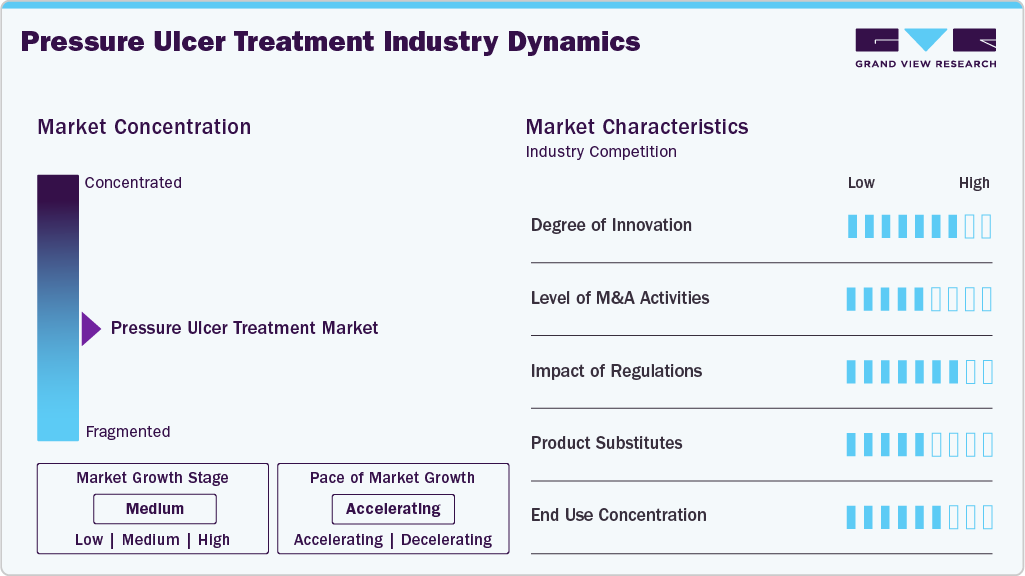
The market has a moderate to high degree of innovation, supported by advances in wound-care products, pressure-relieving technologies, biological skin substitutes, and digital wound assessment. Manufacturers are developing advanced dressings, negative pressure wound therapy systems, smart pressure-monitoring surfaces, antimicrobial products, and AI-enabled wound assessment tools. These technologies aim to improve wound healing, reduce infection risk, support early detection, and provide more accurate monitoring of treatment progress. Innovation is also focused on portable and home-use treatment systems, which can improve access to wound care for patients requiring long-term management.
 To learn more about this report, Download Free Sample Report
The market has experienced moderate M&A activity as wound-care companies expand their portfolios through acquisitions and strategic partnerships. Companies are seeking to strengthen their positions in advanced dressings, biological wound products, negative pressure wound therapy, and tissue-regeneration technologies. These transactions allow companies to broaden their product portfolios, access new technologies, expand geographic presence, and strengthen distribution networks. For instance, in October 2024, DHG completed the acquisition of Sumed International Ltd, strengthening its UK post-acute pressure ulcer prevention and Rental & Service operations. The acquisition expanded DHG’s pressure ulcer prevention portfolio with Sumed’s Integrity surfaces and wheelchair range, while providing nationwide service coverage through 10 Rental and Service facilities and 135 technicians.
Graham Ewart, CEO of DHG, said: “Sumed have established themselves as a highly regarded manufacturer of solutions for the prevention and treatment of pressure ulcers through decades of partnership with our healthcare system. Both companies share the same vision in delivering proven, best value solutions, and customers of Sumed can be assured that we will continue to deliver the same quality and service that has come to be expected in their near 40 years of operation.”
Regulations have a significant impact on the market because wound-care products and medical devices must meet safety, quality, and performance requirements before commercialization. Requirements vary according to product type and market. Advanced wound-care devices, negative pressure wound therapy systems, and certain biological products are subject to regulatory review, quality-system requirements, labeling standards, and clinical evidence requirements. In the U.S., the FDA regulates applicable wound-care devices and biological products, while manufacturers operating in Europe must comply with the EU Medical Device Regulation (MDR 2017/745), where applicable.
The market faces moderate competition from alternative treatment approaches, particularly conventional wound-care products and preventive interventions. Basic gauze, standard foam dressings, repositioning, nutritional support, moisture management, and pressure-relieving mattresses can be used instead of certain advanced treatment products, depending on ulcer severity. For early-stage pressure ulcers, conservative wound management and pressure redistribution may reduce the need for advanced therapies. However, severe or non-healing ulcers often require advanced dressings, negative pressure wound therapy, biological products, debridement, or surgical intervention. Therefore, substitutes have a greater impact on less severe pressure ulcers than on complex and advanced wounds.
Demand for pressure ulcer treatment products is concentrated across hospitals, long-term care facilities, nursing homes, home healthcare providers, and specialized wound-care centers. Hospitals represent an important end-use setting because patients with limited mobility, prolonged hospital stays, and complex medical conditions face a higher risk of developing pressure ulcers. Long-term care and nursing facilities are also significant users because elderly and mobility-limited patients often require continuous wound prevention and treatment. Home healthcare is becoming important as wound management shifts toward outpatient and home-based care. Consequently, purchasing decisions by hospitals, long-term care providers, and home healthcare organizations have a substantial influence on market demand.
Analyst Perspective
The market for pressure ulcer treatment is expected to benefit from the growing need for effective wound management among aging, immobile, and chronically ill populations. Treatment is shifting toward individualized, evidence-based wound care that combines advanced dressings, pressure-redistributing surfaces, debridement, nutritional management, and infection control, rather than relying solely on conventional wound care. The 2025 International Pressure Injury Guideline is also expected to support the adoption of clinically validated treatment approaches and encourage evaluation of newer technologies. Consequently, opportunities remain strong for advanced dressings, pressure-relieving devices, wound-monitoring technologies, and solutions that improve healing outcomes and reduce the overall care burden.
Product Insights
The wound care dressings segment dominated the market, accounting for 39.1% share of the market in 2025. This dominance is supported by the widespread use of advanced dressings for exudate management, moisture balance, wound protection, infection control, and support for tissue healing across different pressure ulcer stages. The segment is also benefiting from continuous product innovation aimed at improving absorption capacity, wear time, patient comfort, and ease of use for healthcare providers. For instance, in June 2026, Dimora Medical launched MegaSorb, a silicone foam dressing technology designed to provide high absorption efficiency, effective exudate management, and improved patient comfort. Such innovations are strengthening the performance of advanced wound dressings and supporting their adoption across hospitals, long-term care facilities, wound-care centers, and home healthcare settings.
The active & bio-therapies segment in the market is expected to grow at the fastest CAGR during the forecast period due to the increasing demand for advanced solutions for complex, non-healing, and severe pressure ulcers. The segment includes active biomaterials, bioengineered skin substitutes, and growth factors, which are designed to support tissue regeneration, wound closure, and healing. Growing clinical interest in regenerative wound care and the limitations of conventional treatments for difficult-to-heal wounds are encouraging the adoption of these advanced therapies.
End Use Insights
The acute care hospital segment dominated the market, accounting for 42.6% in 2025. This dominance is driven by the high number of hospitalized patients at risk of developing pressure ulcers, greater prevalence of immobility and critical illness, and the need for continuous wound assessment and treatment in hospital settings. Acute care hospitals also have access to specialized wound-care teams, advanced dressings, pressure-redistribution surfaces, and negative pressure wound therapy, supporting higher treatment utilization.
The inpatient rehabilitation facility segment of the market is expected to grow at the fastest CAGR during the forecast period. Growth is driven by the increasing number of patients requiring prolonged rehabilitation after stroke, spinal cord injury, trauma, and other conditions associated with limited mobility. The need for continuous pressure management, repositioning, nutritional support, wound monitoring, and advanced treatment during rehabilitation is expected to increase demand for pressure ulcer treatment solutions in these facilities.
Clinical Severity Insights
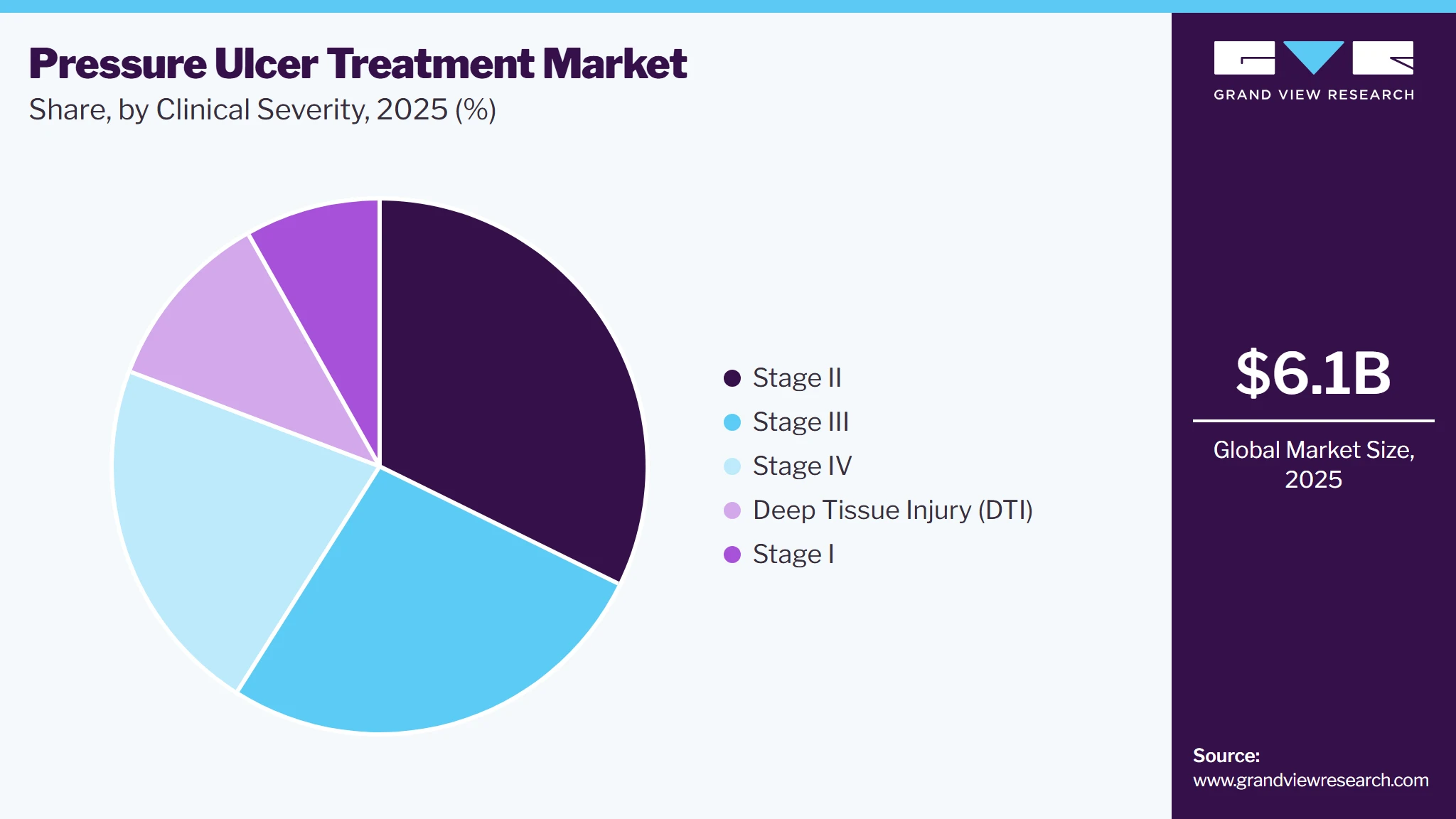
The stage II segment dominated the market, accounting for 32.3% of the market in 2025. This dominance is supported by the relatively high occurrence of stage II pressure ulcers and the greater focus on early diagnosis and timely treatment to prevent disease progression. Stage II ulcers involve partial-thickness skin loss and typically require consistent wound management, pressure redistribution, moisture control, and protection of the affected area. Healthcare providers commonly use advanced wound dressings, support surfaces, repositioning strategies, and other supportive therapies to promote healing and reduce the risk of progression to deeper tissue damage. Growing awareness of pressure ulcer prevention, improvements in standardized wound assessment, and increasing adoption of specialized wound-care protocols are further supporting treatment demand.
 To learn more about this report, Download Free Sample Report
The stage IV segment is expected to grow at the fastest CAGR during the forecast period due to the increasing need for advanced and intensive treatment of severe pressure injuries involving extensive tissue damage. Stage IV ulcers may expose muscle, tendon, cartilage, or bone and often require complex wound management, infection control, surgical intervention, and prolonged clinical care. Growing adoption of negative pressure wound therapy, advanced wound dressings, bioengineered skin substitutes, active biomaterials, and other advanced therapies is supporting treatment demand in this segment.
Regional Insights
The North America dominated the industry with revenue share of 42.5% in 2025, is supported by a well-established hospital and long-term care infrastructure, standardized pressure-injury monitoring, and continued demand for advanced wound-care products. In the U.S., the 2025 AHRQ Patient Safety Indicator data recorded 34,304 pressure-ulcer cases across 45.7 million hospital discharges, corresponding to an observed rate of 0.75 per 1,000 discharges. The rate was higher among males at 0.92 per 1,000 discharges and among patients aged 65-74 years at 0.88 per 1,000 discharges.
 To learn more about this report, Download Free Sample Report
Pressure Ulcer Rate Benchmark Data in the U.S., 2025:
Group
Numerator
Denominator
Observed Rate per 1,000 Discharges
Overall
34,304
45,704,751
0.75
Females
13,071
22,615,814
0.58
Males
21,233
23,088,937
0.92
18 to 39 years
2,847
5,414,935
0.53
40 to 64 years
13,198
15,846,056
0.83
65 to 74 years
9,128
10,400,492
0.88
75+ years
9,131
14,043,268
0.65
Private
6,766
9,446,480
0.72
Medicare
19,006
25,768,810
0.74
Medicaid
6,135
7,176,690
0.85
Other
1,389
1,458,819
0.95
Uninsured (self-pay/no charge)
1,008
1,853,952
0.54
Source: The Agency for Healthcare Research and Quality (AHRQ), 2025
U.S. Pressure Ulcer Treatment Market Trends
The U.S. pressure ulcer treatment industry is characterized by increasing emphasis on pressure-injury surveillance, standardized documentation, and quality improvement across hospitals and healthcare facilities. In August 2025 AHRQ benchmark data recorded 19,006 pressure-ulcer cases among Medicare discharges, compared with 6,135 among Medicaid discharges. These figures indicate a substantial treatment and monitoring requirement among publicly insured and older patient populations, supporting demand for wound dressings, pressure-relieving products, and advanced treatment systems.
Europe Pressure Ulcer Treatment Market Trends
The Europe pressure ulcer treatment industry is supported by the region's established wound-care systems, pressure-injury guidelines, and continued clinical focus on prevention and treatment. In June 2025, a systematic review reported that the mean prevalence of pressure ulcers in Europe was approximately 10.8%, while prevalence in Ireland was reported at below 12%. The relatively high prevalence across European healthcare settings indicates a substantial patient population requiring pressure-ulcer management. European healthcare providers are also increasingly emphasizing structured assessment and pressure-injury prevention through standardized clinical practices. The continued use of pressure redistribution, wound dressings, nutritional management, repositioning, and advanced wound therapies is supporting demand across hospitals, nursing facilities, and community care settings.
The UK pressure ulcer treatment industry is influenced by hospital quality-improvement programs and efforts to reduce hospital-acquired pressure ulcers. For instance, Great Western Hospitals NHS Foundation Trust, where reported acute pressure ulcers fell from 22 Category 2-4 cases in April 2024 to six cases in April 2025, representing a 73% reduction. The initiative included the wider use of hybrid mattresses, padded oxygen tubing, pressure-relieving cushions, and positioning wedges. While successful prevention can reduce the number of new pressure ulcers, the implementation of these measures is also creating demand for specialized pressure-relieving equipment and preventive wound-care products. The UK market is therefore shifting toward integrated pressure-injury management, combining prevention, early assessment, pressure redistribution, and treatment. This approach is expected to support demand for advanced mattresses, cushions, dressings, wound monitoring solutions, and other products used across NHS hospitals, community care, and long-term care settings.
Asia Pacific Pressure Ulcer Treatment Market Trends
The Asia Pacific pressure ulcer treatment industry is expected to experience strong growth as healthcare systems expand their capacity for pressure-injury prevention and treatment. Japan provides evidence of continued clinical need: a 2026 study covering 15 small- to medium-sized hospitals reported a median pressure-injury prevalence of 4.3% and a median estimated incidence rate of 1.4%. The study also found that 66.7% of participating hospitals identified insufficient in-hospital education regarding pressure-injury assessment forms and support systems as a barrier. These findings indicate opportunities to improve standardized assessment and clinical wound-care capabilities across the region. In addition, healthcare systems in Asia Pacific are developing specialized wound-care services, pressure-relieving equipment, and advanced dressing capabilities. The combination of existing clinical need and ongoing improvements in hospital wound-care infrastructure is expected to create opportunities for advanced pressure ulcer treatment products across Japan, China, India, Australia, and other regional markets.
The China pressure ulcer treatment industry is witnessing steady growth due to the country’s large elderly population, increasing number of hospitalized and critically ill patients, and growing focus on pressure injury prevention and wound management. The country has a substantial clinical burden, particularly in intensive care settings, where prolonged immobility increases the risk of pressure injuries. Chinese hospitals are adopting pressure-relieving mattresses, specialized wound dressings, nutritional management, repositioning protocols, and advanced wound-care technologies to improve patient outcomes. The expansion of hospital infrastructure and increasing healthcare expenditure are also supporting access to specialized wound-care products.
Latin America Pressure Ulcer Treatment Market Trends
The Latin America pressure ulcer treatment industry is developing alongside improvements in hospital wound-care capabilities and increasing attention to pressure-injury prevention. Brazil represents an important regional market because of its large healthcare system and substantial hospital and long-term-care requirements. However, pressure-injury data remain less standardized across Latin American countries than in North America and Europe, creating a need for improved surveillance and consistent clinical assessment. The increasing adoption of standardized pressure-injury classification and risk-assessment approaches can support earlier identification and treatment of wounds. Healthcare providers are also using pressure-relieving mattresses, specialized cushions, advanced dressings, and other wound-management products for high-risk patients.
MEA Pressure Ulcer Treatment Market Trends
The Middle East & Africa pressure ulcer treatment industry is supported by the development of hospital infrastructure and increasing requirements for specialized care for critically ill and mobility-limited patients. Pressure injuries are particularly relevant in intensive care, rehabilitation, and long-term-care environments where patients may experience prolonged immobility. The region also presents an opportunity for improving standardized pressure-injury assessment and access to advanced wound-care technologies. Healthcare facilities in countries such as Saudi Arabia, the UAE, and South Africa are strengthening clinical capabilities and adopting specialized medical technologies.
Key Pressure Ulcer Treatment Company Insights
Organizations are focusing on increasing customer base to gain a competitive edge in the pressure ulcer treatment industry. Therefore, key players are taking several strategic initiatives, such as product launch, and partnerships with other major companies.
Key Pressure Ulcer Treatment Companies:
The following key companies have been profiled for this study on the pressure ulcer treatment market:
-
SYST'AM
-
Ulcer Solutions, LLC.
-
Stryker
-
Baxter (Hillrom)
-
Arjo
-
LINET
-
Invacare Corporation
-
3M
-
Smith+Nephew
-
Mölnlycke AB
-
Savaria
-
Joerns Healthcare
-
B. Braun SE
-
Medline
-
Convatec
-
ANZIAM BIO PRIVATE LIMITED
-
novacare GmbH
Competitive Benchmarking
Category
Operating Strategies
Competitive Edge
Weakness
Established Players (Stryker, Baxter, Arjo, Smith+Nephew, Mölnlycke AB)
- Focus on developing advanced wound-care products, pressure-redistribution systems, negative pressure wound therapy, advanced dressings, and digital wound assessment solutions.
- Expand geographic reach through hospitals, long-term care facilities, home healthcare providers, and specialized wound-care centers.
- Strong global brand recognition, broad product portfolios, established healthcare distribution networks, and extensive clinical expertise.
- Established relationships with hospitals and healthcare providers support product adoption and recurring demand.
- Higher product and treatment costs can limit adoption in price-sensitive markets.
- Large organizations may also face complex regulatory requirements, lengthy product development cycles, and challenges in adapting products to different healthcare systems.
Emerging Players (SYST'AM, Ulcer Solutions, LINET, Savaria, Joerns Healthcare)
- Focus on specialized pressure-relieving equipment, support surfaces, wound-management solutions, and products designed for hospitals, long-term care, rehabilitation, and home healthcare.
- Expand through regional distributors, healthcare partnerships, and targeted product development.
- Greater flexibility in product development, specialized solutions, competitive pricing, and the ability to address specific requirements of long-term care and home healthcare providers.
- Smaller companies can also respond more quickly to niche customer needs.
- Lower global brand recognition, smaller distribution and service networks, and comparatively limited financial resources for large-scale R&D and international expansion.
- Dependence on distributors and regional healthcare systems may also restrict penetration in highly regulated markets.
Recent Developments
-
In August 2026, BioLab Holdings published a peer-reviewed real-world evidence study evaluating Membrane Wrap for complex pressure ulcers. The study found that 63.7% of patients receiving Membrane Wrap plus standard care were healing or healed, compared with 48.4% receiving standard care alone.
-
In November 2025, Leicestershire Partnership NHS Trust held a pressure ulcer prevention conference during Stop the Pressure week. The event provided training on nutrition and hydration, pressure ulcer identification across different skin tones, and new resources to support patient care.
Hannah Blackwell, LPT’s tissue viability service clinical lead, said: “As a Trust, we are committed to investing in staff education to make sure our patients receive the best care possible. It is widely recognized that skin tone bias can result in poor pressure ulcer identification and care. Traditional training taught healthcare professionals to look for redness in identifying pressure ulcers, but not all skin goes red. The new resources we will share are designed to help clinicians have conversations with their patients and families about pressure ulcers - and include information about signs and symptoms to look out for based on different skin tones and risk factors. By having these conversations, we hope to empower patients and prevent avoidable pressure ulcers from developing.”
-
In October 2025, the University of South Wales secured £94,000 (~USD 127,000) in funding for an AI-driven pressure ulcer prevention project. The project aimed to combine graphene-based e-textile pressure sensors with AI to develop solutions for pressure ulcer prevention and treatment.
Pressure Ulcer Treatment Market Report Scope
Report Attribute
Details
Market size in 2025
USD 6.1 billion
Estimated market size in 2026
USD 6.4 billion
Projected Market Size by 2033
USD 9.8 billion
Growth rate
CAGR of 6.2% from 2026 to 2033
Base year for estimation
2025
Actual estimates/Historical data
2021 - 2024
Forecast period
2026 - 2033
Quantitative units
Revenue in USD billion and CAGR from 2026 to 2033
Report coverage
Revenue forecast, company ranking, competitive landscape, growth factors, and trends
Segments covered
Product, clinical severity, end use, region
Regional scope
North America; Europe; Asia Pacific; Latin America; Middle East & Africa
Country scope
U.S.; Canada; Mexico; UK; Germany; France; Italy; Spain; Denmark; Sweden; Norway; Japan; China; India; Thailand; Australia; South Korea; Brazil; Argentina; South Africa; Saudi Arabia; UAE; Kuwait
Key companies profiled
SYST'AM, Ulcer Solutions, LLC., Stryker, Baxter (Hillrom), Arjo, LINET, Invacare Corporation, 3M, Smith+Nephew, Mölnlycke AB, Savaria, and Joerns Healthcare.
Customization scope
Free report customization (equivalent up to 8 analyst’s working days) with purchase. Addition or alteration to country, regional & segment scope
Pricing and purchase options
Avail customized purchase options to meet your exact research needs. Explore purchase options
Global Pressure Ulcer Treatment Market Report Segmentation
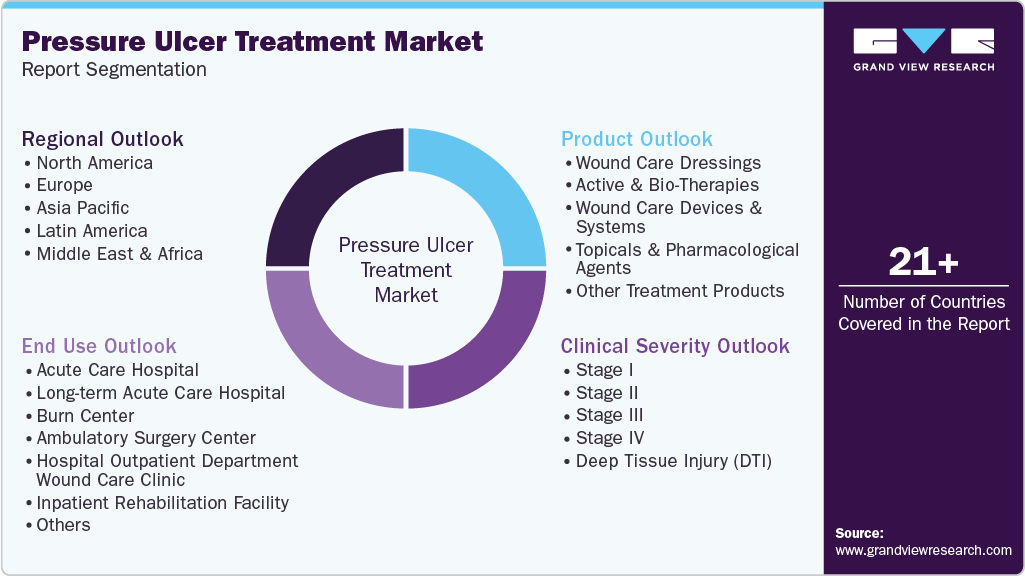
This report forecasts revenue growth at global, regional & country levels and provides an analysis of the latest industry trends in each of the sub-segments from 2021 to 2033. For this study, Grand View Research has segmented the global pressure ulcer treatment market report based on product, clinical severity, end use, and region:
 To learn more about this report, Download Free Sample Report
-
Product Outlook (Revenue, USD Billion, 2021 - 2033)
-
Wound Care Dressings
-
Moist
-
Foam Dressings
-
Hydrocolloid Dressings
-
Film Dressings
-
Alginate Dressings
-
Hydrogel Dressings
-
Collagen Dressings
-
Other Advanced Dressing
-
-
Antimicrobials
-
Silver
-
Non-silver
-
-
-
Active & Bio-Therapies
-
Active Biomaterials
-
Bioengineered Skin Substitutes
-
Growth Factors
-
-
Wound Care Devices & Systems
-
Negative Pressure Wound Therapy (NPWT)
-
Pressure Redistribution & Support Surfaces
-
Hyperbaric Oxygen Equipment
-
Electrical Stimulation Devices
-
-
Topical & Pharmacological Agents
-
Debriding Agents
-
Topical Antimicrobials & Antiseptics
-
-
Other Treatment Products
-
Offloading & Positioning Devices
-
Wound Cleansing & Irrigation Products
-
-
-
Clinical Severity Outlook (Revenue, USD Billion, 2021 - 2033)
-
Stage I
-
Stage II
-
Stage III
-
Stage IV
-
Deep Tissue Injury (DTI)
-
-
End Use Outlook (Revenue, USD Billion, 2021 - 2033)
-
Acute Care Hospital
-
Long-term Acute Care Hospital
-
Burn Center
-
Ambulatory Surgery Center
-
Hospital Outpatient Department Wound Care Clinic
-
Inpatient Rehabilitation Facility
-
Skilled Nursing Facility
-
Long-term Care (living setting)
-
Physician Office
-
Home Healthcare
-
-
Regional Outlook (Revenue, USD Billion, 2021 - 2033)
-
North America
-
U.S.
-
Canada
-
Mexico
-
-
Europe
-
UK
-
Germany
-
France
-
Italy
-
Spain
-
Denmark
-
Sweden
-
Norway
-
-
Asia Pacific
-
Japan
-
China
-
India
-
Thailand
-
Australia
-
South Korea
-
-
Latin America
-
Brazil
-
Argentina
-
-
Middle East & Africa
-
South Africa
-
Saudi Arabia
-
UAE
-
Kuwait
-
-
Research Methodology
The pressure ulcer treatment market figures in this report are based on a proven research process that combines executive interviews with secondary research from proprietary databases, company filings, and recognized regulatory and institutional sources. Market size is built through value-chain sizing-reconciling supply-side and demand-side estimates-and triangulated with bottom-up and top-down approaches. Every estimate passes multiple levels of expert validation before publication, with each pressure ulcer treatment segment quantified using the revenue-capture definitions in the table below.
Segment Definition
Segment - Product
Revenue capture definition
Advanced Dressings
Revenue is generated from the sale of advanced burn wound dressings, including foam, hydrocolloid, alginate, silicone, and antimicrobial dressings. It includes products used to promote wound healing, manage exudate, and reduce infection in burn care.
Active & Bio-Therapies
Active & bio-therapies revenue refers to revenue generated from advanced therapies that actively stimulate or support pressure ulcer healing, including negative-pressure wound therapy (NPWT), growth factors, biologic/skin-equivalent products, platelet-rich plasma (PRP), electrical stimulation, and related regenerative therapies.
Wound Care Devices & Systems
Wound care devices & systems revenue refers to revenue generated from devices and equipment used to support pressure ulcer treatment and wound management, including negative-pressure wound therapy systems, pressure-redistributing mattresses and cushions, dynamic support surfaces, and related wound-care systems.
Topical & Pharmacological Agents
Topical & pharmacological agents revenue refers to revenue generated from topical and systemic products used to manage pressure ulcers, including antiseptics, antimicrobials, antibiotics, anti-inflammatory agents, protective ointments, and wound-healing or granulation-promoting agents.
Other Treatment Products
Other treatment products revenue refers to revenue generated from offloading and positioning devices used to reduce pressure and support proper patient positioning, as well as wound cleansing and irrigation products used to remove debris, exudate, and contaminants from pressure ulcers, including cleansing solutions, saline, and irrigation systems.
Delivered Customizations
This report has been delivered with the following In-depth customizations
Client Request
Customization Provided
Value Adds
Product share analysis
Analyzed revenue share of individual products across key treatment categories in the pressure ulcer treatment market.
Identifies leading products, revenue concentration, and high-growth product opportunities.
Geographic and country-level analysis
Provided market sizing, growth trends, and adoption patterns across key regions and countries.
Supports identification of high-growth markets and expansion opportunities.
Competitive and product landscape
Mapped key manufacturers, product portfolios, launches, regulatory developments, and strategic initiatives.
Enables assessment of competitive positioning and emerging market opportunities.
Frequently Asked Questions About This Report
The growth of the global pressure ulcer treatment market is driven by the rising prevalence of pressure ulcers among elderly and immobile populations, increasing hospital and long-term care needs, greater adoption of advanced wound-care technologies, and growing emphasis on pressure ulcer prevention and standardized wound assessment.
Some of the key players operating in the pressure ulcer treatment market include SYST'AM, Ulcer Solutions, LLC., Stryker , Baxter (Hillrom), Arjo, LINET, Invacare Corporation, 3M, Smith+Nephew, Mölnlycke AB , Savaria , Joerns Healthcare, B. Braun SE, Medline, Convatec, ANZIAM BIO PRIVATE LIMITED and novacare GmbH.
The global pressure ulcer treatment market size was valued at USD 6.1 billion in 2025 and is expected to reach USD 6.4 billion in 2026.
The global pressure ulcer treatment market is expected to grow at a compound annual growth rate of 6.2% from 2026 to 2033 to reach USD 9.8 billion by 2033.
North America dominated the pressure ulcer treatment market with the largest revenue share of 42.5% in 2025.
The stage II segment led the market with the largest revenue share of 32.3% in 2025.
The wound care dressings segment led the market with the largest revenue share of 39.1% in 2025.
About the Author(s)
Medical Devices Research Team
Healthcare · Medical DevicesThis report was authored by the medical devices research team at Grand View Research - comprising two research analysts, one senior research analyst, and one industry expert - with specialized expertise in the medical devices segment of the healthcare industry. All findings are based on proprietary healthcare databases, executive interviews, and regulatory analysis, subject to internal peer review prior to publication.
Last Updated:
Speak to Analyst

Customize this report to your needs - add regions, segments, or data points, with 20% free customization.
Or view our licence options:


ISO 9001:2015 & 27001:2022 Certified
We are GDPR and CCPA compliant! Your transaction & personal information is safe and secure. For more details, please read our privacy policy.


