
- Home
- »
- Medical Devices
- »
-
Prostatic Artery Embolization Market Size Report, 2026-2033GVR Report cover

Prostatic Artery Embolization Market (2026 - 2033)
Size, Share & Trends Analysis Report By Product (Embolic Agents, Delivery and Access Devices), By Application (Benign Prostatic Hyperplasia (BPH), Urinary Retention, Prostatic Bleeding), By End Use, By Region, And Segment Forecasts
Market Size, 2025
$102.8MMarket Estimate, 2026
$110.4MMarket Forecast, 2033
$185.0MCAGR, 2026–2033
7.7%Prostatic Artery Embolization Market Summary
The global prostatic artery embolization market size was valued at USD 102.8 million in 2025 and is projected to grow from USD 110.4 million in 2026 to USD 185.0 million by 2033, at a CAGR of 7.7% from 2026 to 2033. The market in North America dominated with a revenue share of 35.5% in 2025. The market growth is driven by the increasing prevalence of benign prostatic hyperplasia (BPH), rising preference for minimally invasive treatment options, growing adoption of image-guided interventional procedures, and increasing demand for alternatives to conventional surgical interventions for managing lower urinary tract symptoms.
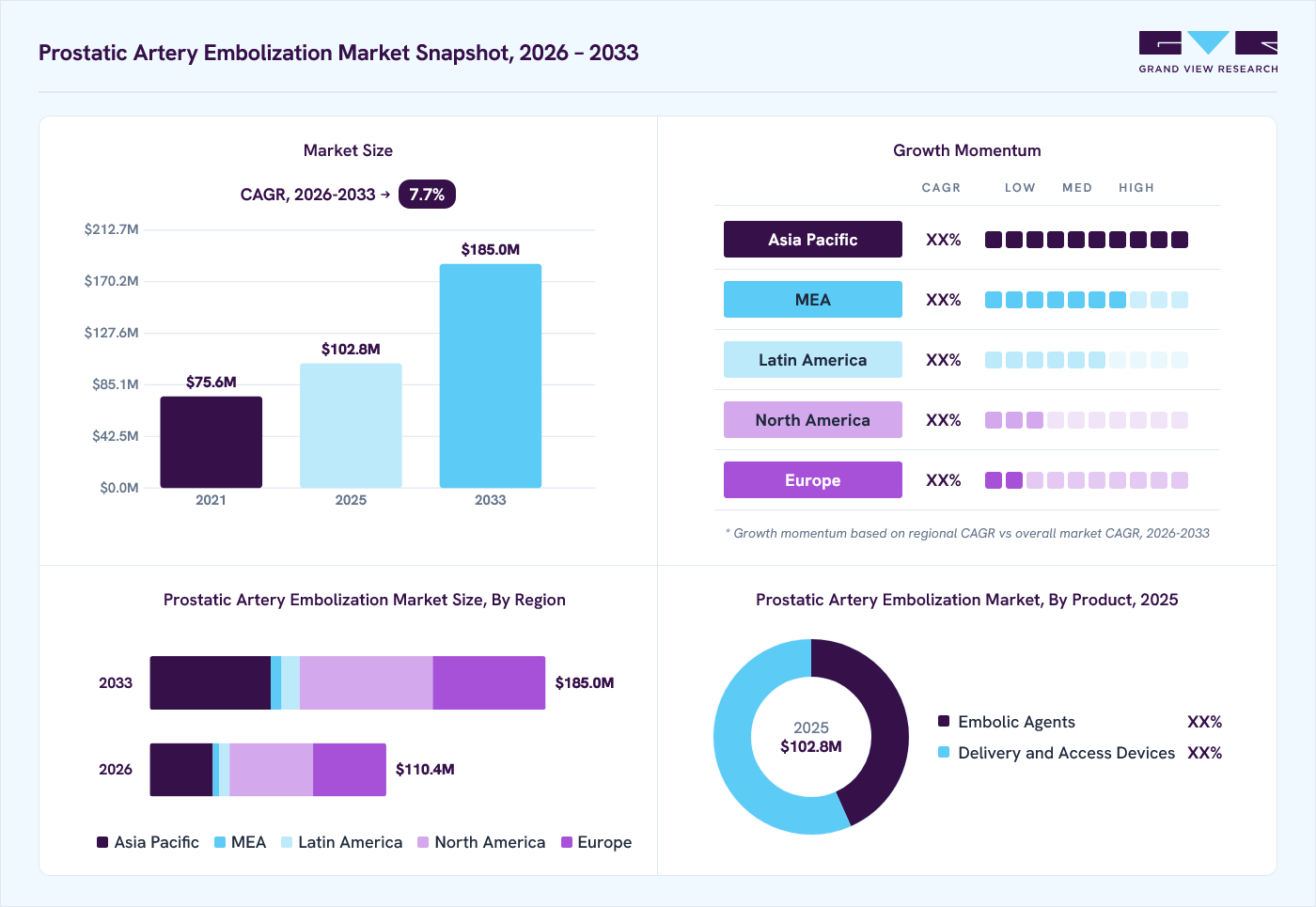 Source: Grand View Research, IR Documents, Primary Interviews, Paid DatabasesTo learn more about this report,
 Download Free Sample Report
Key Market Trends & Insights
- By product: Delivery and access devices segment held the largest market share of 56.7% in 2025.
- By application: Benign prostatic hyperplasia (BPH) segment held the largest market share of 80.1% in 2025.
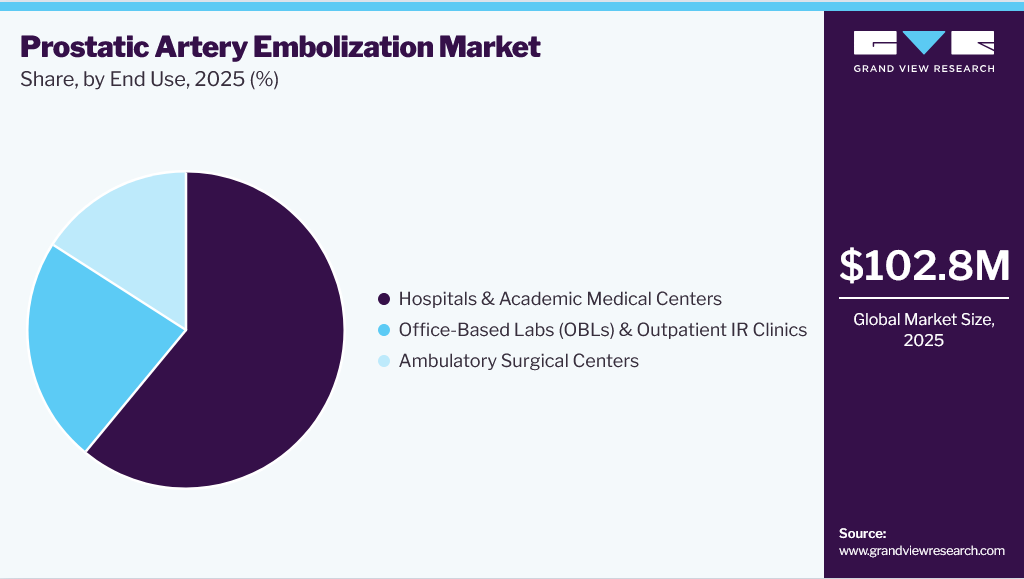
- By end use: Hospitals & academic medical centers segment held the largest market share of 61.0% in 2025.
Regional Highlights
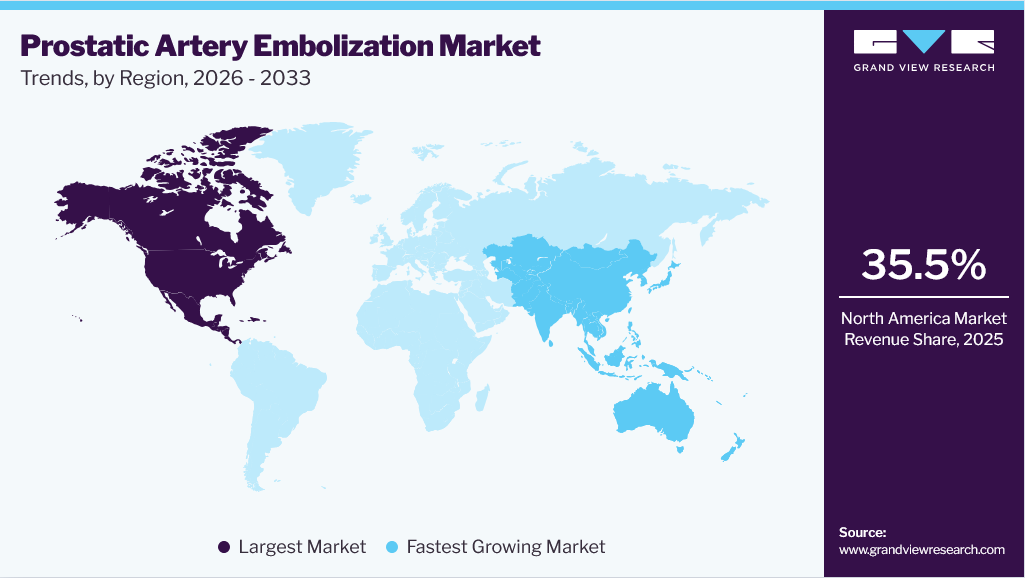
- Largest regional market: North America (35.5% revenue share, 2025)
- Fastest-growing regional market: Asia Pacific (highest CAGR, 2026-2033)
- By country: The U.S. held the largest market share in 2025
Market Size & Forecast
- Market size in 2025: USD 102.8 Million
- Estimated market size in 2026: USD 110.4 Million
- Projected market size by 2033: USD 185.0 Million
- CAGR (2026-2033): 7.7
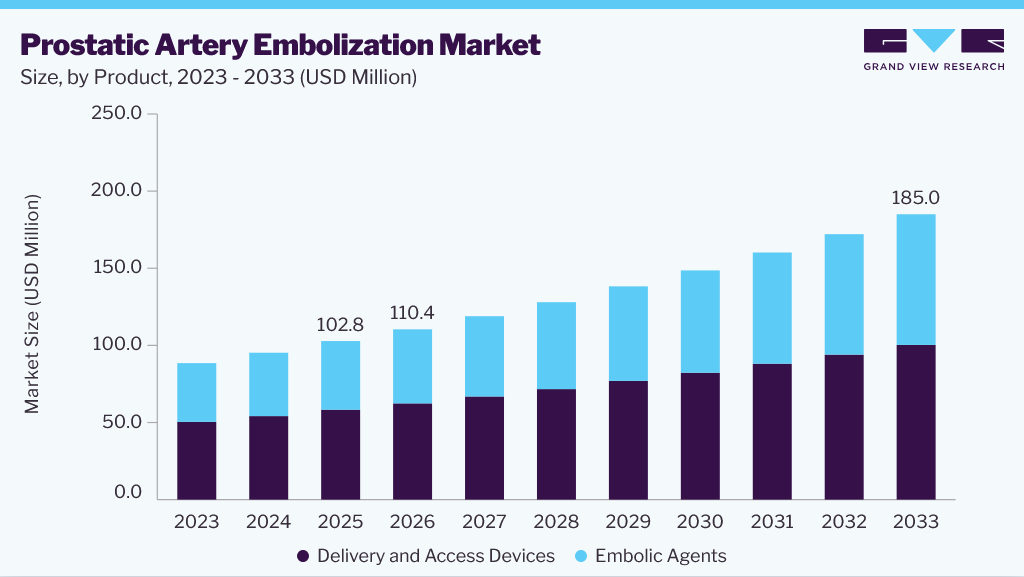
Prism AI by Grand View Research Free to tryAsk a question about the prostatic artery embolization marketTry asking✓Every figure cited from GVR research Prefer the report? Download free sample →The increasing number of men requiring treatment for urinary obstruction, frequency, urgency, and other BPH-related symptoms is expanding the potential patient pool for minimally invasive interventions. Also, growing clinical evidence supporting the safety and effectiveness of PAE is strengthening its acceptance among urologists, interventional radiologists, and patients. For instance, in September 2024, an international multicenter prospective study of 478 patients undergoing PAE for symptomatic BPH. The study reported significant and sustained reductions in IPSS and improvements in quality of life through 24 months. Among patients treated for acute urinary retention, 65.8% became catheter-free within 3 months and remained catheter-free at 24 months. Only 2.1% experienced a serious adverse event. The authors concluded that PAE was a safe and effective treatment for symptomatic BPH and LUTS.
 To learn more about this report, Download Free Sample Report
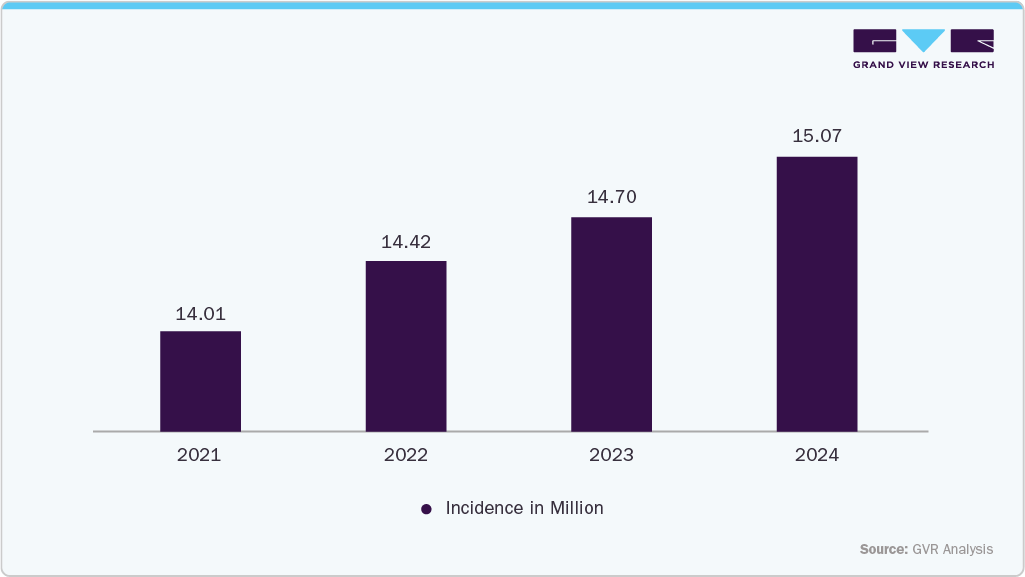
The incidence of benign prostatic hyperplasia (BPH) increased consistently from 14.01 million cases in 2021 to 14.42 million in 2022, 14.70 million in 2023, and 15.07 million in 2024. This represents an increase of approximately 1.06 million cases, or 7.6%, over the four-year period. The annual increase indicates a continuing rise in the number of men affected by BPH, creating a larger population requiring diagnosis, symptom management, and treatment. This increasing disease burden provides a growing patient base for minimally invasive BPH interventions, including prostatic artery embolization (PAE).
 To learn more about this report, Download Free Sample Report
Market Dynamics
The prostatic artery embolization industry is experiencing steady growth due to the rising prevalence of benign prostatic hyperplasia (BPH) and the growing demand for minimally invasive treatment options for BPH-related lower urinary tract symptoms (LUTS). PAE uses catheter-based embolization to reduce blood flow to the prostate, thereby reducing prostate volume and improving urinary symptoms. The market is further supported by growing clinical evidence demonstrating improvements in the International Prostate Symptom Score (IPSS), quality of life, urinary retention, and other BPH-related outcomes. Increasing acceptance of PAE within urology and interventional radiology practice is also supporting adoption. In addition, advancements in digital subtraction angiography (DSA), cone-beam CT, microcatheters, guidewires, embolic microspheres, and image-guidance technologies are improving procedural visualization, selective catheterization, treatment planning, and the precision of embolization.
PAE depends on precise identification and catheterization of the prostatic arteries. Advancements in digital subtraction angiography (DSA), cone-beam CT (CBCT), 3D vascular imaging, microcatheters, guidewires, and image-guidance software improve visualization of pelvic vascular anatomy and help physicians selectively deliver embolic agents to the prostate while reducing the risk of non-target embolization. These technological improvements can improve procedural precision and support the adoption of PAE in specialized interventional centers.
Although PAE can provide meaningful improvement in BPH symptoms, some patients require additional treatment after PAE, and long-term studies have reported higher reintervention rates than certain surgical procedures, such as Transurethral resection of the prostate (TURP). This can influence physician and patient preference, particularly when a more durable surgical option is considered appropriate. Therefore, the possibility of retreatment can restrain wider adoption of PAE.
Embolic agents are an essential component of PAE, as they occlude the prostatic arteries, thereby reducing blood flow to the prostate. The development of next-generation embolic agents with improved particle uniformity, predictable vascular distribution, controlled embolization, and enhanced safety could improve procedural outcomes. Advances in embolic materials may also provide physicians with a broader range of options to tailor embolization to prostate size, vascular anatomy, and patient-specific treatment requirements, creating opportunities for product innovation and market expansion.
Market Concentration & Characteristics
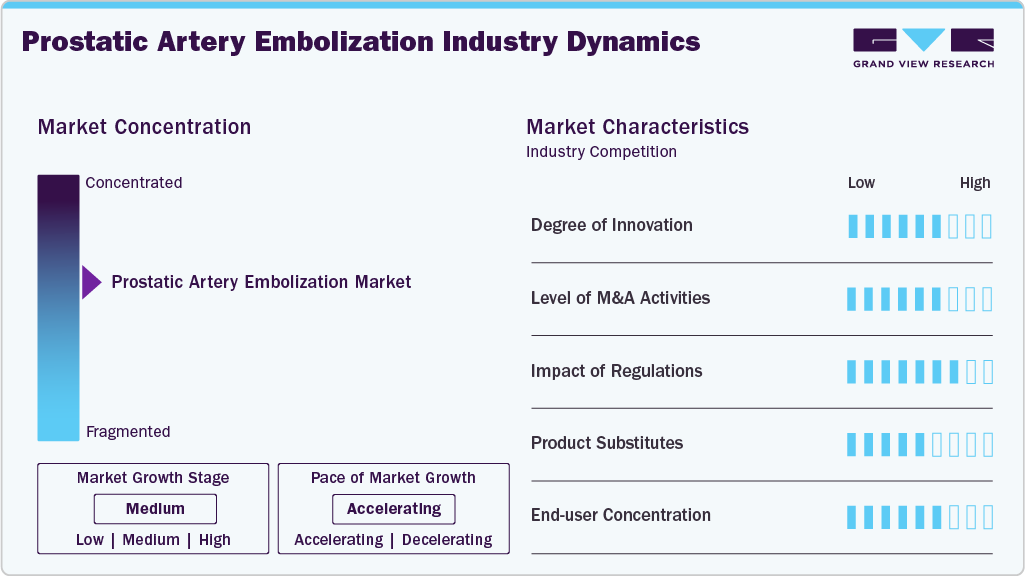
The PAE market is characterized by a moderate-to-high degree of innovation, driven by advancements in embolic agents, microcatheters, guidewires, angiography, cone-beam CT, and image-guidance technologies. Manufacturers and technology providers are developing solutions that improve selective catheterization of the prostatic arteries, visualization of complex pelvic vascular anatomy, embolic delivery, and prevention of non-target embolization. Innovations in particle-size consistency, embolic distribution, steerable microcatheters, 3D cone-beam CT imaging, and procedural-planning software are improving procedural precision and creating opportunities for more standardized PAE workflows.
The prostatic artery embolization industry has low to moderate M&A activity directly attributable to PAE, as PAE represents a specialized application within the broader embolization, interventional radiology, and image-guided therapy markets. Instead of PAE-specific acquisitions, strategic activity is more commonly focused on broader embolization technologies, interventional radiology devices, catheter-based systems, medical imaging, and image-guidance software.
 To learn more about this report, Download Free Sample Report
Companies use acquisitions and partnerships to strengthen their portfolios of embolic agents, microcatheters, angiography platforms, and procedural software, which indirectly support their PAE offerings. For instance, in June 2026, Clinical Urology Associates launched an office-based prostate artery embolization (PAE) program in Albertville, Alabama, in partnership with interventional radiologist David J. Kim. The program began with three successful PAE procedures, expanding access to minimally invasive BPH treatment in the region.
“The launch represents an important expansion of minimally invasive treatment options for men with BPH in Albertville, Gadsden, and surrounding communities throughout northeastern Alabama,” Clinical Urology Associates said in an announcement. “By offering PAE in an office-based setting, the partnership is designed to provide patients with a coordinated experience that connects their established urology care with specialized interventional radiology treatment.”
Regulatory requirements have a high impact on the PAE market because embolic agents, microcatheters, guidewires, and image-guidance systems are medical devices subject to regulatory requirements in individual markets. In the U.S., manufacturers must obtain the applicable FDA authorization before marketing medical devices, while products marketed in Europe must comply with the EU Medical Device Regulation (MDR) 2017/745, where applicable. Regulatory requirements related to device safety, biocompatibility, sterility, embolic performance, clinical evidence, and manufacturing quality can increase development and commercialization timelines and costs. Regulatory classification also varies according to the specific PAE product rather than the PAE procedure itself.
The market faces moderate competition from alternative BPH treatment modalities, particularly transurethral resection of the prostate (TURP), prostatic urethral lift (PUL), water-vapor thermal therapy, holmium laser enucleation of the prostate (HoLEP), and simple prostatectomy for selected patients. Drug therapy, including alpha-blockers and 5-alpha-reductase inhibitors, can also reduce the number of patients progressing directly to procedural treatment. However, these alternatives do not directly substitute individual PAE products; rather, they compete with PAE as a treatment pathway for BPH. PAE's minimally invasive, catheter-based nature provides a distinct advantage for appropriately selected patients.
The PAE market has high-end-use concentration in hospitals and specialized interventional radiology centers because the procedure requires specialized angiographic imaging equipment, trained interventional radiologists, embolic agents, microcatheters, and appropriate post-procedure monitoring. Tertiary-care hospitals, academic medical centers, specialty interventional radiology centers, and multidisciplinary urology-interventional radiology facilities are the principal settings for PAE. Adoption is particularly concentrated in facilities with established expertise in pelvic embolization and access to advanced DSA and cone-beam CT systems. As PAE becomes more established, expansion into outpatient and ambulatory interventional centers could gradually broaden the end-user base.
Analyst Perspective
The prostatic artery embolization market is positioned for steady growth as the BPH patient population expands and physicians consider minimally invasive treatment options. Competitive positioning will depend on the ability to provide reliable embolic agents, advanced microcatheters, guidewires, and image-guidance technologies that improve procedural precision and safety. Companies with established interventional radiology portfolios, strong clinical evidence, regulatory capabilities, physician training programs, and global distribution networks are likely to maintain an advantage. Future growth opportunities will depend on next-generation embolic technologies, improved catheter navigation, advanced DSA and cone-beam CT capabilities, and broader adoption of PAE across specialized treatment centers.
Product Insights
The delivery and access devices segment led the market with the largest revenue share of 56.7% in 2025. This dominance is supported by increasing adoption of minimally invasive PAE procedures and growing demand for devices that enable precise navigation of complex prostatic arterial anatomy. Microcatheters, guidewires, guiding catheters, and access sheaths are essential for achieving selective arterial access and accurate delivery of embolic agents. Technological advancements are improving device flexibility, steerability, and visualization capabilities, supporting procedural efficiency. In addition, increasing physician experience with interventional radiology techniques and the broader availability of specialized devices are contributing to greater utilization of delivery and access products in PAE procedures.
The embolic agents segment is anticipated to grow at the fastest CAGR during the forecast period, driven by regulatory advancements and the expanding clinical applicability of embolic agents in PAE procedures. For instance, in April 2026, Guerbet secured an EU regulatory milestone for Lipiodol Ultra Fluid, supporting its use with cyanoacrylate-based surgical glues in vascular embolization, including PAE for BPH. The product’s radiopacity, controlled viscosity, and ability to enhance real-time visualization are expected to improve procedural control, thereby supporting the adoption of embolic agents in minimally invasive prostate interventions.
Application Insights
The benign prostatic hyperplasia (BPH) segment led the market with the largest revenue share of 80.1% in 2025. This dominance is supported by the high prevalence of BPH among aging men and the substantial burden of moderate-to-severe LUTS, including urinary frequency, urgency, nocturia, weak urine flow, and incomplete bladder emptying. For instance, in March 2026, a BMJ Open community-based study of 560 men aged ≥50 years found that 10.32% had LUTS suggestive of BPH, while 10.1% had moderate symptoms and 0.4% had severe symptoms. In addition, the growing awareness of minimally invasive treatment options and increasing clinical acceptance of PAE as an alternative to conventional surgical procedures have further supported segment growth.
The prostate cancer symptom management segment is projected to grow at the fastest CAGR during the forecast period, due to the increasing use of PAE as a minimally invasive option for managing lower urinary tract symptoms and bleeding associated with advanced prostate cancer, particularly among patients who are unsuitable for or prefer alternatives to conventional surgical interventions. Growth is also supported by increasing clinical experience with PAE, improved embolization techniques, and expanding use of image-guided interventional radiology procedures.
End Use Insights
The hospitals & academic medical centers segment dominated the market with the largest revenue share of 61.0% in 2025. This dominance was driven by the availability of advanced interventional radiology infrastructure, specialized imaging systems, and experienced interventional radiologists and urologists. These facilities can manage complex BPH cases and provide comprehensive patient evaluation, procedural care, and follow-up services. For instance, in September 2025, AdventHealth Palm Coast Parkway introduced prostate artery embolization (PAE) as a minimally invasive treatment for men with enlarged prostate (BPH). The outpatient procedure was performed under light sedation and enabled patients to return home the same day, expanding treatment options beyond surgical procedures such as TURP.
“PAE is an important step forward in how we treat an enlarged prostate,” said Dr Burton, an interventional radiologist with AdventHealth Medical Group. “It gives patients in Flagler County access to the latest care options with fewer risks and quicker recovery. Our goal is to expand choices so men can find the treatment that works best for them - without having to wait months or travel far from home.”
 To learn more about this report, Download Free Sample Report
The office-based labs (OBLs) & outpatient IR clinics segment is expected to grow at the fastest CAGR during the forecast period. Growth is driven by the increasing preference for minimally invasive and outpatient treatment options for benign prostatic hyperplasia. OBLs enable PAE to be performed in a convenient outpatient setting, reducing hospital stays and improving patient convenience. Lower procedural costs, streamlined workflows, and advances in image-guided technologies are further supporting segment growth. In addition, increasing collaborations between urology practices and interventional radiology providers are expanding the availability of office-based PAE programs, particularly in underserved and community-based markets.
Regional Insights
The North America prostatic artery embolization market held the largest revenue share of 35.5% in 2025, supported by advanced interventional radiology infrastructure, a large aging male population, increasing clinical acceptance of PAE, and the availability of advanced image-guided technologies. The U.S., Canada, and Mexico have established hospital and specialty-care networks, although the availability and adoption of PAE are more mature in the U.S. and Canada. In June 2026, the Society of Interventional Radiology (SIR) published new practice guidance supporting prostatic artery embolization (PAE) as an effective minimally invasive treatment for BPH-related lower urinary tract symptoms. The guidance highlighted PAE as an alternative to conventional surgical treatments such as TURP and reflected its acceptance by the American Urological Association.
 To learn more about this report, Download Free Sample Report
“Prostatic artery embolization offers men a minimally invasive, effective treatment option for enlarged prostate that can significantly improve urinary symptoms while reducing the risks and recovery time associated with traditional surgery,” said SIR President Saher S. Sabri, MD, FSIR. “This guidance outlines a team-based approach to care that will help ensure patients have access to this durable, minimally invasive treatment.”
U.S. Prostatic Artery Embolization Market Trends
The prostatic artery embolization market in the U.S. accounted for the largest market revenue share in North America in 2025. The U.S. market is benefiting from increasing clinical acceptance, advanced interventional radiology infrastructure, and greater integration between urology and interventional radiology. In June 2026, the American Urological Association (AUA) strengthened its recommendation for PAE for men with prostate volumes ≥50 cc, reflecting the growing evidence supporting its efficacy.
Europe Prostatic Artery Embolization Market Trends
The prostatic artery embolization market in Europe is supported by established interventional radiology infrastructure, clinical experience with prostate embolization, and regulatory and clinical frameworks for minimally invasive procedures. Countries including the UK, Germany, France, Spain, and Italy have established specialist urology and interventional radiology services. In the UK, NICE considers the evidence for PAE adequate to support its use when standard arrangements for clinical governance, consent, and audit are followed, while emphasizing that patient selection should involve both a urologist and an interventional radiologist and that the procedure should be performed by appropriately trained specialists.
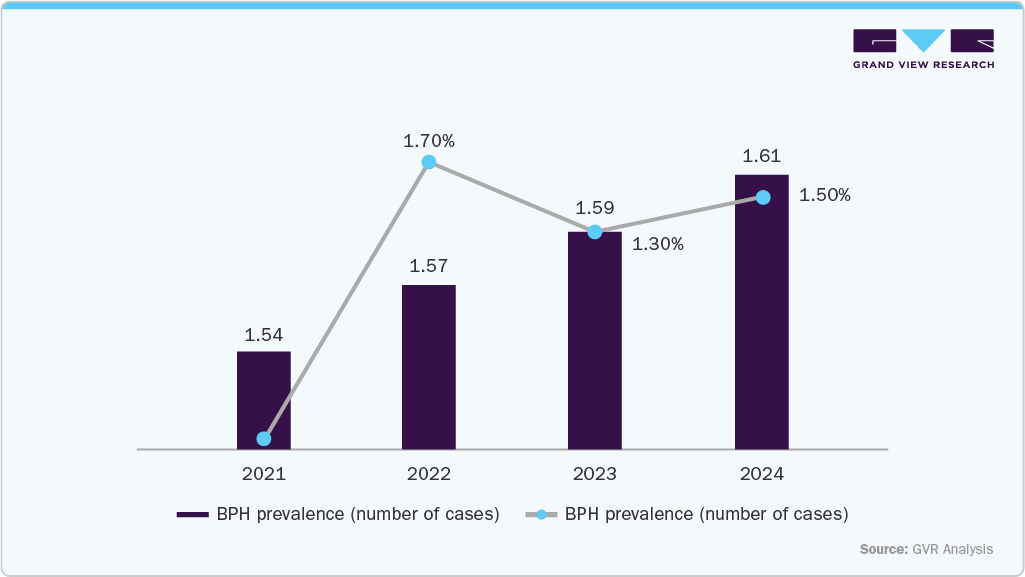
The UK prostatic artery embolization market is supported by a substantial and gradually increasing BPH patient population, established interventional radiology infrastructure, and the availability of minimally invasive treatment options. The number of BPH cases increased from 1.54 million in 2021 to 1.61 million in 2024, representing an overall increase of approximately 4.6%. The growing BPH burden provides an expanding patient pool for treatments such as PAE.
 To learn more about this report, Download Free Sample Report
Asia Pacific Prostatic Artery Embolization Market Trends
The prostatic artery embolization market in the Asia Pacific is expected to grow at the fastest CAGR during the forecast period. The market benefit from the growing BPH burden associated with population aging, expansion of tertiary-care hospitals, and increasing availability of interventional radiology services. Countries such as China, Japan, South Korea, India, and Australia have expanding capabilities in catheter-based interventions and image-guided procedures. Increasing adoption of angiography, cone-beam CT, microcatheters, and embolic technologies is improving the infrastructure required for PAE. The region also presents significant long-term potential as more urology and interventional radiology centers develop expertise in minimally invasive BPH procedures.
The China prostatic artery embolization market is supported by the expansion and upgrading of hospitals, specialty facilities, and ambulatory/outpatient healthcare infrastructure. Continued investment in tertiary and county-level hospitals is improving access to advanced diagnostic and interventional services, including angiography and image-guided procedures. The expansion of specialized urology and interventional radiology departments is also creating infrastructure for PAE, which requires trained interventional radiologists, angiography systems, microcatheters, and embolic agents.
Latin America Prostatic Artery Embolization Market Trends
The prostatic artery embolization market in Latin America is driven by the expansion of specialized hospital infrastructure, increasing availability of interventional radiology services, and growing clinical experience with minimally invasive prostate interventions. Brazil is expected to remain a key market in the region, supported by its established urology and interventional radiology capabilities. For instance, in April 2024, a randomized controlled trial conducted at São Paulo Hospital, Federal University of São Paulo, evaluated PAE in men with prostate volumes greater than 80 cc, demonstrating continued clinical adoption and research activity within Brazil's public healthcare system
MEA Prostatic Artery Embolization Market Trends
The prostatic artery embolization market in the Middle East & Africa is expected to develop alongside investments in tertiary healthcare infrastructure, interventional radiology, and minimally invasive treatment capabilities. Countries such as Saudi Arabia, the UAE, Kuwait, and South Africa have invested in advanced hospital infrastructure and specialist medical services. PAE adoption is expected to remain concentrated in major tertiary hospitals and specialty interventional radiology centers because the procedure requires advanced angiography, microcatheterization, embolic materials, and trained specialists. Increasing healthcare modernization and development of specialized men's health services could create opportunities for PAE in the region.
Key Prostatic Artery Embolization Company Insights
Organizations are focusing on expanding their customer base and strengthening their market presence through several strategic initiatives. These include product launches, product portfolio expansion, strategic partnerships, collaborations, geographic expansion, regulatory approvals, and investments in research and development.
Key Prostatic Artery Embolization Companies
The following key companies have been profiled for this study on the global prostatic artery embolization market.
-
Merit Medical Systems, Inc.
-
Terumo Medical Corporation
-
Boston Scientific Corporation
-
Cook Medical LLC
-
Embolx, Inc.
-
Varian Medical Systems, Inc. (Siemens Healthineers Company)
-
Accurate Medical Therapeutics (Guerbet)
-
Asahi Intecc
-
Penumbra, Inc.
-
Cordis Corporation
-
Medtronic plc
Competitive Benchmarking
Category
Operating Strategies
Competitive Edge
Weakness
Established Players (Merit Medical Systems, Inc., Terumo Medical Corporation, Boston Scientific Corporation, Cook Medical LLC)
- Focus on expanding portfolios of embolic agents, microcatheters, guidewires, angiography systems, and image-guidance technologies used in PAE and other embolization procedures.
- Companies with imaging portfolios focus on integrating angiography, cone-beam CT, and procedural planning technologies.
- Companies such as Merit Medical, Terumo, Boston Scientific, and Cook Medical LLC can leverage existing embolization and catheter portfolios across multiple clinical applications rather than relying solely on PAE.
- Imaging-focused companies provide complementary procedural infrastructure for image-guided embolization.
- PAE represents only a specialized application within broader interventional radiology portfolios, limiting the ability to generate PAE-specific scale.
- Premium pricing of advanced imaging and specialized catheter technologies may also limit adoption in cost-sensitive healthcare systems.
Emerging Players (Embolx, Inc.)
- Focus on specialized procedural technologies and simulation solutions that complement image-guided interventions.
- These companies can expand through partnerships with hospitals, academic centers, interventional radiology training programs, and technology providers.
- More specialized product positioning and the ability to address specific procedural requirements.
- Simulation and training technologies can support physician skill development and standardized PAE workflows.
- Lower global sales and service infrastructure can limit penetration across international markets.
- Adoption of specialized technology and simulation solutions can also depend on institutional training budgets and physician acceptance.
Recent Developments
-
In July 2026, Embolx announced that CMS established a new HCPCS Level II code (G0577), covering Sniper pressure-generating catheter procedures performed in physician offices and office-based labs (OBLs). The new code is expected to improve patient access to advanced embolization procedures in lower-cost outpatient settings.
-
In March 2026, Emory Healthcare successfully completed the world’s first robotic prostatic artery embolization (PAE) for BPH using Microbot Medical’s LIBERTY Endovascular Robotic System. The procedure demonstrated the system’s potential for expanding robotic applications in minimally invasive vascular treatments.
“With a sizeable patient population, we believe that LIBERTY can establish endovascular robotic navigation as the standard of care for PAE in patients with enlarged prostates, mirroring how robotic-assisted prostatectomy became the dominant surgical approach for prostate cancer,” says Harel Gadot, Microbot Medical Chairman, CEO & President. “The successful completion of LIBERTY’s cases at Emory reinforces our confidence in the innovation and benefits it can bring to clinicians, patients and procedural workflow.”
Prostatic Artery Embolization Market Report Scope
Report Attribute
Details
Market size in 2025
USD 102.8 million
Estimated market size in 2026
USD 110.4 million
Projected market size by 2033
USD 185.0 million
Growth rate
CAGR of 7.7% from 2026 to 2033
Base year for estimation
2025
Historical data
2021 - 2024
Forecast period
2026 - 2033
Quantitative units
Revenue in USD million and CAGR from 2026 to 2033
Report coverage
Revenue forecast, company ranking, competitive landscape, growth factors, and trends
Segments covered
Product, application, end use, and region
Regional scope
North America; Europe; Asia Pacific; Latin America; Middle East & Africa
Country scope
U.S.; Canada; Mexico; UK; Germany; France; Italy; Spain; Denmark; Sweden; Norway; Japan; China; India; Thailand; Australia; South Korea; Brazil; Argentina; South Africa; Saudi Arabia; UAE; Kuwait
Key companies profiled
Merit Medical Systems, Inc.; Terumo Medical Corporation; Boston Scientific Corporation; Cook Medical LLC; Embolx, Inc.; Varian Medical Systems, Inc. (Siemens Healthineers Company); Accurate Medical Therapeutics (Guerbet); Asahi Intecc; Penumbra, Inc.; Cordis Corporation; Medtronic plc.
Customization scope
Free report customization (equivalent up to 8 analyst’s working days) with purchase. Addition or alteration to country, regional & segment scope
Pricing and purchase options
Avail customized purchase options to meet your exact research needs. Explore purchase options
Global Prostatic Artery Embolization Market Report Segmentation
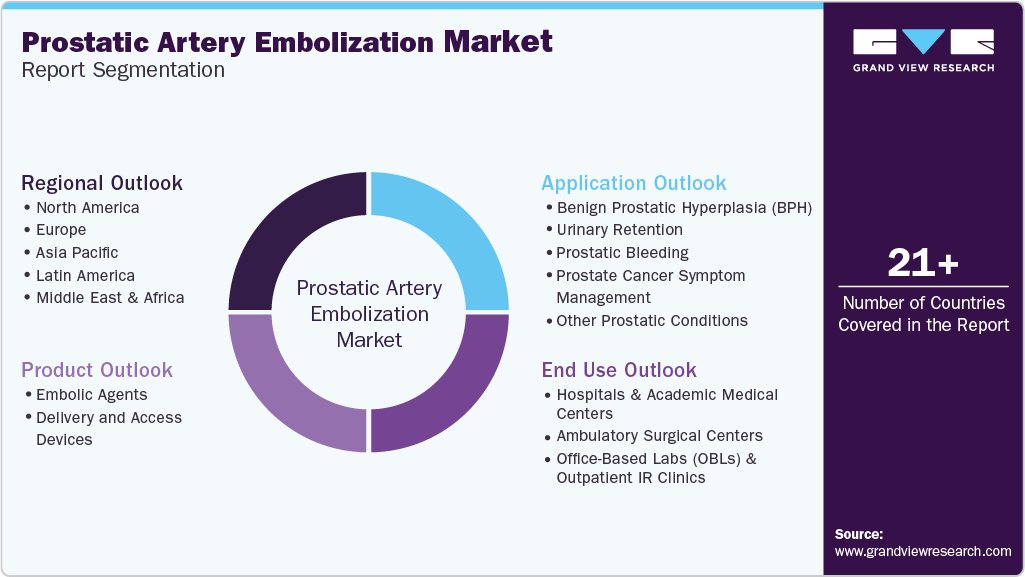
This report forecasts revenue growth at global, regional & country levels and provides an analysis of the latest industry trends in each of the sub-segments from 2021 to 2033. For this study, Grand View Research has segmented the global prostatic artery embolization market report based on product, application, end use, and region:
 To learn more about this report, Download Free Sample Report
-
Product Outlook (Revenue, USD Million, 2021 - 2033)
-
Embolic Agents
-
Spherical Microspheres
-
Tris-acryl Gelatin Microspheres
-
PVA-based Microspheres
-
Hydrogel Microspheres
-
-
Non-spherical Polyvinyl Alcohol (PVA) Particles
-
Other Embolic Agents
-
-
Delivery and Access Devices
-
Microcatheters
-
Standard Microcatheters
-
Reflux-Control Microcatheters
-
Balloon-Occlusion Microcatheters
-
Steerable Microcatheters
-
-
Guidewires and Micro Guidewires
-
Diagnostic/ Guiding Catheters
-
Other Procedural Accessories
-
-
-
Application Outlook (Revenue, USD Million, 2021 - 2033)
-
Benign Prostatic Hyperplasia (BPH)
-
Urinary Retention
-
Prostatic Bleeding
-
Prostate Cancer Symptom Management
-
Other Prostatic Conditions
-
-
End Use Outlook (Revenue, USD Million, 2021 - 2033)
-
Hospitals & Academic Medical Centers
-
Ambulatory Surgical Centers
-
Office-Based Labs (OBLs) & Outpatient IR Clinics
-
-
Regional Outlook (Revenue, USD Million, 2021 - 2033)
-
North America
-
U.S.
-
Canada
-
Mexico
-
-
Europe
-
UK
-
Germany
-
France
-
Italy
-
Spain
-
Denmark
-
Sweden
-
Norway
-
-
Asia Pacific
-
Japan
-
China
-
India
-
Thailand
-
Australia
-
South Korea
-
-
Latin America
-
Brazil
-
Argentina
-
-
Middle East & Africa
-
South Africa
-
Saudi Arabia
-
UAE
-
Kuwait
-
-
Research Methodology
The prostatic artery embolization marketfigures in this report are based on a proven research process that combines executive interviews with secondary research from proprietary databases, company filings, and recognized regulatory and institutional sources. Market size is built through value-chain sizing-reconciling supply-side and demand-side estimates-and triangulated with bottom-up and top-down approaches. Every estimate passes multiple levels of expert validation before publication, with each prostatic artery embolization segment quantified using the revenue-capture definitions in the table below.
Segment Definition
Product
Revenue capture definition
Embolic Agents
The revenue generated from embolization materials used to selectively occlude prostatic arteries during prostatic artery embolization (PAE) procedures. This segment includes spherical microspheres, non-spherical PVA particles, and other embolic materials specifically used for PAE.
Delivery and Access Devices
The revenue generated from medical devices used to access the prostatic arterial vasculature and deliver embolic agents during prostatic artery embolization (PAE) procedures.
Estimation Model
Stage
Description
Bottom-Up Estimation
The market is estimated by analyzing the annual volume of PAE procedures performed across hospitals, specialty interventional radiology facilities, and ambulatory/outpatient centers at the country, regional, and global levels. The assessment incorporates the utilization of embolic agents, microspheres, PVA particles, other embolic agents, microcatheters, guidewires, and diagnostic/guiding catheters per procedure.
Top-Down Approach
The market estimation begins with an assessment of the broader interventional radiology, embolization, and BPH treatment device markets, followed by estimating the proportion attributable to PAE-related products and technologies. The analysis considers key indicators such as the BPH patient population, number of patients with BPH-related LUTS and urinary retention undergoing procedural treatment, PAE procedure volumes, and physician adoption.
Supply-Side Analysis
The supply-side assessment analyzes the revenues and product portfolios of manufacturers supplying PAE-related products, including embolic agents, microcatheters, guidewires, diagnostic/guiding catheters, and image-guidance technologies. The analysis considers company-level revenue, relevant business-segment revenue, PAE-related product portfolios, product launches, regulatory approvals, and manufacturing capacity.
Delivered Customizations
This report has been delivered with the following In-depth customizations
Client Request
Customization Delivered
Value Adds
PAE Product Portfolio & Application Analysis
Conducted a comprehensive assessment of the prostatic artery embolization product portfolio, including microspheres, PVA particles, other embolic agents, microcatheters, guidewires, diagnostic/guiding catheters, and PAE-related image-guidance technologies such as DSA, cone-beam CT, and planning/guidance software. Evaluated product utilization across key PAE applications, including BPH with LUTS, urinary retention, prostatic-origin hematuria, and prostate cancer-related symptoms.
Helps stakeholders identify high-potential product categories, understand application-specific demand, evaluate product utilization within PAE procedures, and optimize portfolios in line with procedural requirements and evolving interventional radiology practices.
End-user Adoption & Procurement Landscape Analysis
Analyzed adoption of PAE-related products across hospitals, specialty facilities, and ambulatory/outpatient centers. Assessed procurement considerations, including procedure volumes, availability of angiography and cone-beam CT infrastructure, specialist expertise, embolic-agent selection, catheter requirements, product pricing, replacement/consumption patterns, and institutional purchasing practices.
Enables manufacturers to identify high-demand end-user segments, optimize sales and distribution strategies, prioritize facilities with established PAE capabilities, and assess opportunities for expanding PAE-related product adoption across developed and emerging healthcare markets.
Product Positioning & Manufacturer Competitiveness Assessment
Evaluated major PAE-related manufacturers and technology providers based on embolic-agent portfolios, microcatheter and guidewire offerings, image-guidance capabilities, clinical evidence, regulatory positioning, R&D capabilities, geographic presence, distribution networks, and product differentiation. The assessment covered companies including Merit Medical, Terumo, Boston Scientific, Cook, Embolx, Siemens Healthineers/Varian, GE HealthCare, Philips, Mentice, and Guerbet.
Supports competitive benchmarking, identifies technology and product-development opportunities, enables differentiation of embolic and delivery-device portfolios, and helps companies strengthen market positioning through procedural innovation, physician training, clinical evidence, and expansion into high-growth PAE markets.
Frequently Asked Questions About This Report
The global prostatic artery embolization market size was valued at USD 102.8 million in 2025 and is estimated at USD 110.4 million for 2026.
Key factors include the increasing prevalence of benign prostatic hyperplasia (BPH), rising preference for minimally invasive treatment options, growing adoption of image-guided interventional procedures, and increasing demand for alternatives to conventional surgical interventions for managing lower urinary tract symptoms.
North America dominated with a 35.5% revenue share in 2025.
Asia Pacific is the fastest-growing region over the forecast period.
The Benign Prostatic Hyperplasia (BPH) held the largest share of 80.1% in 2025 while prostate cancer symptom management is the fastest-growing segment over the forecast period.
The hospitals & academic medical centers held the largest share of 61.0% in 2025, while Office-based labs (OBLs) & outpatient IR clinics is the fastest-growing segment over the forecast period.
Key players include Merit Medical Systems, Inc, Terumo Medical Corporation, Boston Scientific Corporation, Cook, Embolx, Inc., Varian Medical Systems, Inc. (Siemens Healthineers Company), Accurate Medical Therapeutics (Guerbet), Asahi Intecc, Penumbra, Inc., Cordis, and Medtronic.
The delivery and access devices segment held the largest share of 56.7% in 2025, while embolic agent is the fastest-growing segment over the forecast period.
The global prostatic artery embolization market is expected to grow at a CAGR of 7.7% from 2026 to 2033, reaching USD 185.0 million by 2033.
About the Author(s)
Medical Devices Research Team
Healthcare · Medical DevicesThis report was authored by the medical devices research team at Grand View Research - comprising two research analysts, one senior research analyst, and one industry expert - with specialized expertise in the medical devices segment of the healthcare industry. All findings are based on proprietary healthcare databases, executive interviews, and regulatory analysis, subject to internal peer review prior to publication.
Last Updated:
Speak to Analyst

Customize this report to your needs - add regions, segments, or data points, with 20% free customization.
Or view our licence options:


ISO 9001:2015 & 27001:2022 Certified
We are GDPR and CCPA compliant! Your transaction & personal information is safe and secure. For more details, please read our privacy policy.


