
- Home
- »
- Clinical Diagnostics
- »
-
Respiratory Syncytial Virus Vaccines Market Report, 2033GVR Report cover

Respiratory Syncytial Virus Vaccines Market (2026 - 2033)
Size, Share & Trends Analysis Report By Type (Passive Immunization, Preventive Vaccines), By Technology (Monoclonal Antibodies), By Targeted Population, By Distribution Channel, By Region, And Segment Forecasts
Market Size, 2025
$4.9BMarket Estimate, 2026
$6.9BMarket Forecast, 2033
$42.3BCAGR, 2026–2033
29.6%Respiratory Syncytial Virus Vaccines Market Summary
The global respiratory syncytial virus vaccines market size was valued at USD 4.9 billion in 2025 and is projected to grow from USD 6.9 billion in 2026 to USD 42.3 billion by 2033, at a CAGR of 29.6% from 2026 to 2033. North America market dominated, with a revenue share of 28.5% in 2025. As awareness of RSV's impact increases, so does the urgency to develop and adopt effective preventive solutions, including vaccines and monoclonal antibodies.
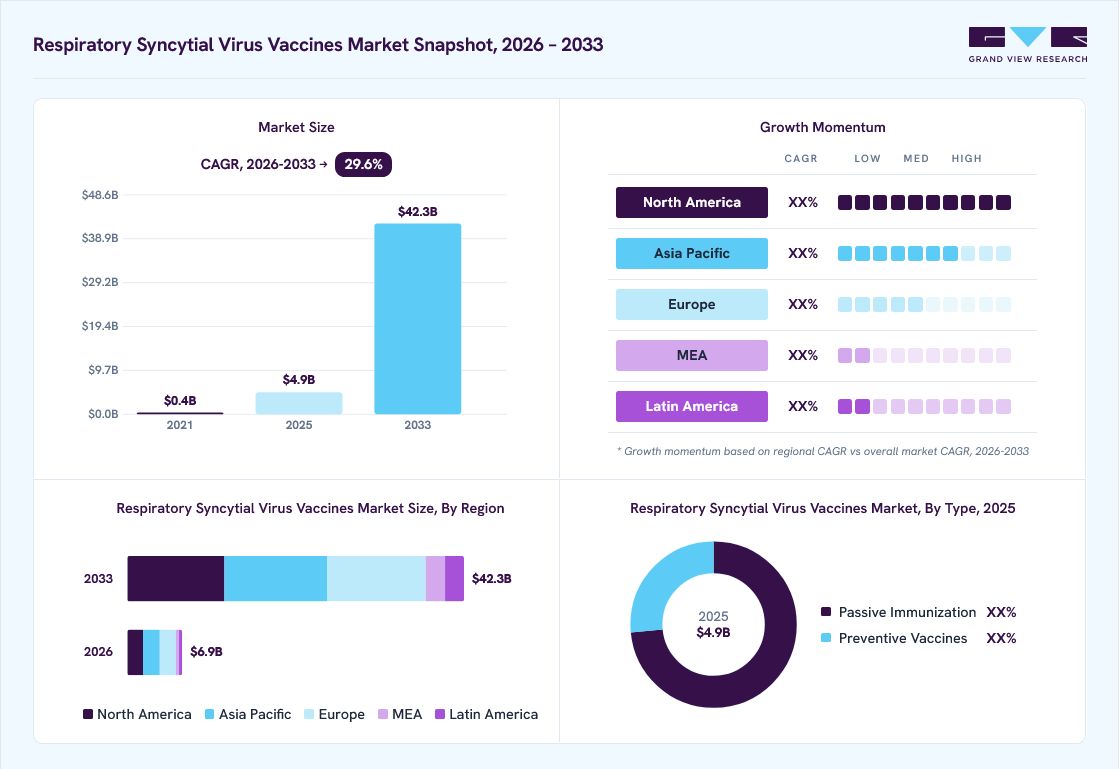 Source: Grand View Research, IR Documents, Primary Interviews, Paid DatabasesTo learn more about this report,
 Download Free Sample Report
Key Market Trends & Insights
- By type: Passive immunization segment led the market with the largest revenue share of 73.4% in 2025.
- By technology: Monoclonal antibodies segment led the market with the largest revenue share of 74.4% in 2025.
- By targeted population: Infant and childrens segment led the market with the largest revenue share of 81.3% in 2025.
- By distribution channel: Hospital & retail pharmacies segment led the market with the largest revenue share of 53.7% in 2025.
Regional Highlights
- Largest regional market: North America (28.5% revenue share, 2025)
- Fastest-growing regional market: Asia Pacific (highest CAGR, 2026-2033)
- By country: The U.S. held the largest market share in 2025.
Market Size & Forecasts
- Market size in 2025: USD 4.9 Billion
- Estimated market size in 2026: USD 6.9 Billion
- Projected market size by 2033: USD 42.3 Billion
- CAGR (2026-2033): 29.6%
Prism AI by Grand View Research Free to tryAsk a question about the respiratory syncytial virus vaccines marketTry asking✓Every figure cited from GVR research Prefer the report? Download free sample →
As awareness of RSV's impact increases, so does the urgency to develop and adopt effective preventive solutions, including vaccines and monoclonal antibodies. Technological advances, such as mRNA platforms, recombinant proteins, and virus-like particles, have diversified the pipeline. Historically, treatment options were limited to supportive care and monoclonal antibodies for high-risk infants, but the emergence of preventive vaccines has transformed the landscape. The market was significantly catalyzed by the U.S. FDA’s approval of Arexvy in May 2023, developed by GSK, marking the first-ever RSV vaccine approved in the United States. Arexvy is approved for individuals aged 60 and older to prevent lower respiratory tract disease caused by RSV. This milestone represents a shift in RSV management, opening up the adult vaccine segment and setting the stage for wider market expansion. To learn more about this report, Download Free Sample Report
Maternal vaccination is a major step forward in protecting infants from RSV during their most vulnerable months. This preventive approach aims to provide passive immunity from mother to child, reducing the likelihood of severe infections and hospitalizations. In September 2023, the CDC recommended Pfizer’s Abrysvo for pregnant individuals, making it the first RSV vaccine approved for use during pregnancy in the U.S. Abrysvo is a bivalent RSVpreF vaccine that showed a 57% reduction in RSV-related hospitalizations in babies during their first six months of life.
 To learn more about this report, Download Free Sample Report
Since RSV is the leading cause of hospitalization among U.S. infants, this strategy significantly broadens the preventive toolkit beyond direct infant immunization. Maternal immunization not only protects infants but also contributes to reducing the strain on pediatric care systems during RSV season. This development has spurred greater interest in perinatal vaccine strategies and is expected to accelerate market growth in both high- and middle-income countries.
While vaccines are vital, monoclonal antibodies (mAbs) continue to play a crucial role in RSV prevention, especially in infants who are not eligible for vaccination. mAbs provide passive immunity, delivering immediate but temporary protection against the virus. Historically, Synagis (palivizumab) was the mainstay of RSV prophylaxis in high-risk infants. However, newer and longer-acting antibodies like Beyfortus (nirsevimab) have improved convenience and coverage. A major development occurred in October 2024, when Merck (MSD) announced positive Phase 2b/3 results for clesrovimab (MK-1654). This investigational mAb is designed to protect infants through their first RSV season with a single dose. The promising trial outcomes strengthen Merck’s position in the RSV market and highlight the growing role of antibodies in both pediatric and potentially adult segments. Monoclonals are particularly attractive in low-resource settings where cold-chain-dependent vaccines may face distribution hurdles. They are expected to account for a significant share of the RSV prevention market.
Collaborations between biotechnology firms, research institutions, and healthcare organizations are catalyzing innovation in RSV vaccines. For example, in April 2024, Regeneron Pharmaceuticals invested USD 100 million in Mammoth Biosciences to leverage their compact Cas enzymes for in vivo gene-editing therapies across multiple tissue types. These partnerships accelerate the development of new CRISPR tools by combining technical expertise, financial resources, and manufacturing capabilities. Such strategic collaborations not only enhance enzyme and diagnostic tool development but also expand the targeted populations of CRISPR technologies into new therapeutic and diagnostic areas. By fostering interdisciplinary research and commercialization, these partnerships are expected to drive market expansion significantly. With a growing pipeline of collaborative projects, the RSV vaccines sector is well-positioned for rapid growth over the next several years.
Market Dynamics
The respiratory syncytial virus vaccines market is expanding due to the increasing focus on preventing severe lower respiratory tract infections among older adults, infants, and other high-risk populations. The market is supported by the availability of approved vaccines for older adults and maternal immunization, along with the growing use of monoclonal antibodies for infant protection. National immunization programs in several countries are gradually incorporating respiratory syncytial virus prevention strategies, creating demand for preventive products. Pharmaceutical companies are also investing in next-generation vaccine technologies, including mRNA and virus-like particle platforms, to improve immune response and expand target populations. In addition, increasing disease awareness among healthcare providers and recommendations from public health organizations are supporting vaccination adoption. Ongoing clinical studies evaluating broader age groups, combination respiratory vaccines, and longer-lasting immune protection are expected to strengthen product portfolios and support continued market expansion across developed and emerging healthcare markets.
The increasing adoption of respiratory syncytial virus immunization programs and the availability of preventive vaccines are driving the growth of the respiratory syncytial virus vaccines market. respiratory syncytial virus remains a major cause of lower respiratory tract infections among infants, older adults, and individuals with underlying health conditions, resulting in significant hospitalization rates and healthcare costs. Growing awareness of the disease burden has encouraged governments and public health organizations to recommend respiratory syncytial virus immunization for high-risk populations. The introduction of approved vaccines for older adults and maternal immunization, along with long-acting monoclonal antibodies for infant protection, has expanded preventive options and improved access to respiratory syncytial virus prevention. Pharmaceutical companies are also investing in manufacturing expansion and clinical studies to support broader availability. For instance, in June 2025, the U.S. Food and Drug Administration (FDA) approved Merck's ENFLONSIA (clesrovimab), a long-acting monoclonal antibody for the prevention of respiratory syncytial virus lower respiratory tract disease in newborns and infants entering their first respiratory syncytial virus season. This approval expanded preventive options for infants and strengthened the availability of respiratory syncytial virus immunization products, supporting market growth.
The high cost of newly introduced respiratory syncytial virus vaccines and monoclonal antibody therapies, together with limited reimbursement in several countries, is restraining the growth of the respiratory syncytial virus vaccines market. Although these preventive products have demonstrated clinical benefits, affordability remains a challenge, particularly in low- and middle-income countries with limited healthcare budgets. Differences in national immunization policies and reimbursement frameworks also result in uneven product adoption across regions. In addition, healthcare systems continue to assess the cost-effectiveness of routine respiratory syncytial virus vaccination before expanding recommendations to broader populations. Seasonal demand, procurement planning, and limited awareness among eligible individuals further affect product adoption. For instance, in 2025, the UK Joint Committee on Vaccination and Immunisation (JCVI) recommended respiratory syncytial virus vaccination for selected older adult age groups instead of universal adult vaccination, based on clinical and economic considerations. This selective recommendation illustrates how reimbursement priorities and healthcare resource allocation can limit broader vaccine adoption despite the availability of approved preventive products.
The development of next-generation respiratory syncytial virus vaccines and combination respiratory vaccines presents a significant opportunity for the respiratory syncytial virus vaccines market. Manufacturers are expanding research programs to improve the duration of protection, broaden eligible patient populations, and simplify seasonal immunization through vaccines targeting respiratory syncytial virus alongside influenza or other respiratory viruses. Advances in mRNA, recombinant protein, and virus-like particle (VLP) technologies are supporting the development of differentiated vaccine platforms with improved immune responses and manufacturing flexibility. In addition, increasing investments in clinical development, strategic collaborations, and manufacturing capacity are supporting product pipeline expansion across global markets. For instance, in May 2025, Moderna announced positive Phase 3 results for its investigational combination vaccine mRNA-1083, designed to protect against both influenza and respiratory syncytial virus in adults. The positive clinical results demonstrated the potential of combination vaccines to simplify seasonal immunization, improve vaccination coverage, and create additional growth opportunities for manufacturers in the respiratory syncytial virus vaccines market.
Market Concentration & Characteristics
The RSV (Respiratory Syncytial Virus) vaccines industry is experiencing high innovation, with platforms like mRNA, virus-like particles (VLP), and long-acting monoclonal antibodies transforming prevention strategies. Breakthroughs such as maternal immunization and nasal vaccines reflect a diverse, rapidly evolving pipeline. Companies are developing multi-pathogen vaccines and pursuing differentiated delivery methods, which enhance immunogenicity and access. Innovation is critical in addressing RSV's broad impact across age groups and global health systems.
M&A activity in the RSV vaccine space is intensifying as large pharmaceutical firms acquire biotech innovators to access novel platforms. Notable deals include Pfizer's acquisition of ReViral and Sanofi’s alliance with AstraZeneca for Beyfortus. These consolidations are driven by the need to expand RSV portfolios, reduce development timelines, and secure competitive advantage in a crowded, high-potential market. Future M&A is expected to focus on next-gen platforms and intranasal technologies.
 To learn more about this report, Download Free Sample Report
Regulatory agencies like the FDA and EMA have played a pivotal role by accelerating approvals through fast-track designations and priority reviews. These pathways enabled rapid market entry for vaccines like Arexvy and Abrysvo. Updated guidance on maternal and pediatric immunization has also created structured demand. However, stringent post-approval monitoring and global harmonization challenges remain. Regulatory clarity continues to drive investor confidence and influence development pipelines globally.
The RSV (Respiratory Syncytial Virus) vaccines industry is expanding beyond single-pathogen solutions, with companies developing combination vaccines that target RSV alongside influenza or COVID-19. There is also a shift toward maternal, pediatric, and adult formulations tailored to specific risk groups. Innovations in dose formulation, storage stability, and delivery methods (e.g., intranasal) are supporting broader use. This trend is diversifying product offerings, increasing market competitiveness, and improving overall access and convenience.
Regional Expansion: RSV vaccine adoption is growing in North America and Europe, with initial approvals and rollouts targeting older adults and pregnant women. Expansion into Latin America, Asia, and Africa is gaining momentum through partnerships, WHO prequalification, and GAVI involvement. Regional strategies emphasize affordability, cold-chain infrastructure, and local trial data. As awareness of RSV’s burden rises, demand in emerging markets is expected to boost global vaccine uptake and equity significantly.
Analyst Perspective
The respiratory syncytial virus vaccines market is shifting from a market with limited preventive options to a more established part of respiratory disease prevention, supported by the availability of vaccines for older adults, maternal immunization, and long-acting monoclonal antibodies for infants. The market is becoming more focused around companies with established vaccine development and manufacturing capabilities. GSK and Pfizer continue to strengthen their positions through approved respiratory syncytial virus vaccines, while AstraZeneca and Sanofi are expanding access to infant protection with Beyfortus. Moderna is advancing its mRNA-based respiratory syncytial virus vaccine pipeline, and emerging biotechnology companies are developing new vaccine technologies that may support future product development and expand preventive options.
Type Insights
Based on type, the passive immunization segment led the market with the largest revenue share of 73.4% in 2025, primarily driven by advancements in monoclonal antibody (mAb) therapies. Traditionally dominated by palivizumab (Synagis), the segment has expanded significantly with the approval of nirsevimab (Beyfortus), a long-acting mAb providing season-long protection with a single dose. This innovation has improved coverage and compliance, especially for all infants regardless of risk status. Furthermore, Merck’s investigational antibody clesrovimab (MK-1654) has shown promising Phase 2b/3 results, potentially expanding competition and treatment options. As global health authorities recognize the need for RSV protection in neonates and infants, demand for passive immunization is growing, particularly where vaccine eligibility or availability is limited.
The preventive vaccines segment is projected to grow at the fastest CAGR of 49.52% over the forecast period, fueled by recent regulatory approvals and increasing disease awareness. The approval of Arexvy (GSK) for older adults and Abrysvo (Pfizer) for both older adults and pregnant individuals has marked a turning point in RSV prevention. These vaccines target high-risk groups and are expected to be integrated into seasonal immunization schedules. Rising RSV-related hospitalizations and growing support from health agencies like the CDC and WHO further accelerate demand. The segment is projected to grow rapidly, reaching multi-billion-dollar valuations globally within the next decade.
Technology Insights
Based on technology, the monoclonal antibodies segment led the market with the largest revenue share of 74.4% in 2025. mAbs offer immediate passive immunity, making them ideal for protecting high-risk populations such as newborns and immunocompromised individuals. The approval of nirsevimab (Beyfortus) by Sanofi and AstraZeneca marked a major milestone, offering season-long protection with a single dose for all infants, not just those at high risk. Furthermore, Merck’s investigational antibody clesrovimab (MK-1654) has demonstrated strong efficacy in Phase 2b/3 trials, potentially expanding the range of protective options. These advancements are addressing key unmet needs in pediatric care and are increasingly being integrated into national immunization strategies. With growing global awareness, supportive regulatory frameworks, and increasing investment in antibody engineering, the mAbs segment is expected to experience strong double-digit CAGR, significantly contributing to the overall RSV market expansion.
The recombinant protein + adjuvant segment is projected to expand at the fastest CAGR over the forecast period. This segment gained significant momentum with the approval of Arexvy by GSK in May 2023-the first-ever RSV vaccine approved in the United States, utilizing a recombinant RSV F protein combined with AS01E adjuvant to enhance immune response. This technology offers high immunogenicity and a favorable safety profile, especially important for aging populations with declining immune function. The success of Arexvy has validated the platform, leading other developers to pursue similar formulations for broader applications. The combination of recombinant proteins and adjuvants allows for more durable protection, dose-sparing potential, and targeted immune activation, making it a reliable and scalable option. As demand for adult RSV vaccines grows globally, the Recombinant Protein + Adjuvant segment is projected to see strong CAGR, driving a significant share of the overall market growth.
Targeted Population Insights
Based on targeted population, the infant and childrens segment led the market with the largest revenue share of 81.3% in 2025, due to the high disease burden and recent preventive breakthroughs. RSV is the leading cause of hospitalization in infants globally, prompting urgent demand for effective protective measures. Traditionally reliant on monoclonal antibodies like Synagis, the market has evolved with the approval of Beyfortus (nirsevimab), offering season-long protection with a single dose for all infants, not just high-risk groups. In addition, the CDC's 2023 recommendation of Pfizer’s Abrysvo for use in pregnant women enables maternal immunization, which transfers antibodies to newborns and reduces hospitalization risk by 57% in the first six months of life. Clinical advancements such as Merck’s clesrovimab (MK-1654) further expand protective options. As global health agencies emphasize early-life RSV prevention, this segment is expected to experience double-digit CAGR, with significant contributions from both passive immunization (mAbs) and maternal vaccination strategies tailored to neonatal needs.
The adults segment is expected to grow at the fastest CAGR over the forecast period, driven by rising awareness of RSV’s impact on older populations. Adults aged 60 and above, especially those with chronic conditions like COPD, heart disease, or diabetes, are at higher risk for severe RSV-related complications. This unmet need was addressed with the FDA approval of Arexvy (GSK) and Abrysvo (Pfizer) in 2023, the first vaccines specifically targeting older adults. These recombinant protein-based vaccines use adjuvants to boost immune responses in aging populations, offering strong protection against lower respiratory tract infections. As RSV joins influenza and COVID-19 in seasonal respiratory illness concerns, healthcare systems are increasingly integrating RSV vaccines into annual immunization schedules for seniors. Public health recommendations, government procurement programs, and growing vaccine confidence among older adult’s further support market expansion.
Distribution Channel Insights
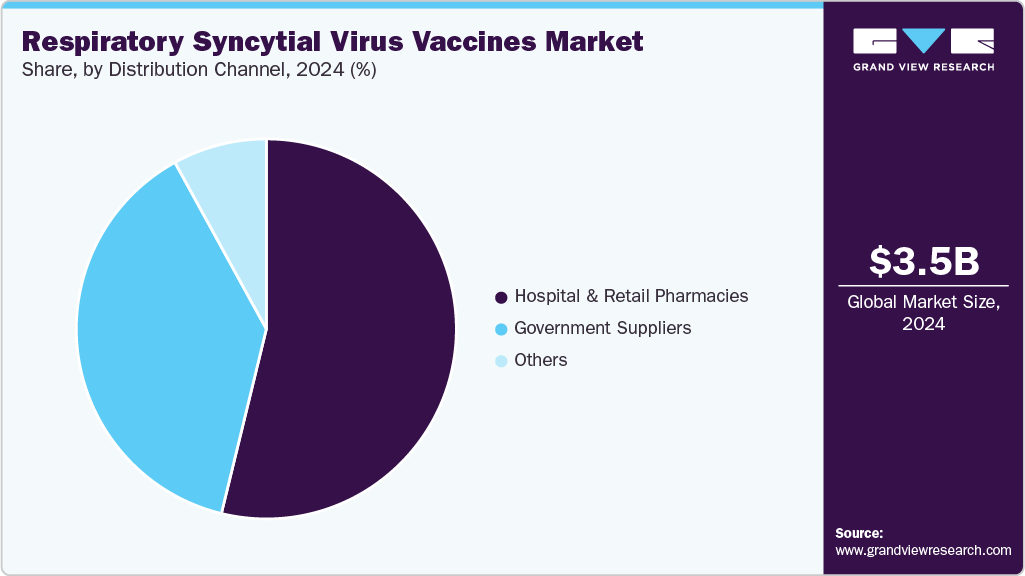
Based on distribution channel, the hospital & retail pharmacies segment led the market with the largest revenue share of 53.7% in 2025, fueled by rising demand, vaccine accessibility, and expanding immunization programs. As RSV vaccines like Arexvy and Abrysvo are primarily administered to older adults and pregnant women, key demographics frequently accessing healthcare, hospital pharmacies play a crucial role in ensuring timely and safe administration during routine visits, checkups, or prenatal care. Simultaneously, retail pharmacies are becoming essential access points for adult vaccinations due to their widespread presence, extended hours, and convenience, especially in countries like the U.S. and Europe.
 To learn more about this report, Download Free Sample Report
The government suppliers segment is expected to grow at the fastest CAGR over the forecast period, driven by increasing public health prioritization and global efforts to reduce RSV-related morbidity and mortality. Governments are actively procuring RSV vaccines and monoclonal antibodies for vulnerable populations, especially infants, pregnant women, and older adults, through national immunization programs. Following the FDA and CDC approvals of Arexvy, Abrysvo, and Beyfortus, countries have begun incorporating RSV immunization into public health strategies, often subsidized or provided free of cost. Organizations like GAVI, UNICEF, and PAHO are also facilitating access in low- and middle-income countries, aiming to close immunization gaps.
Regional Insights
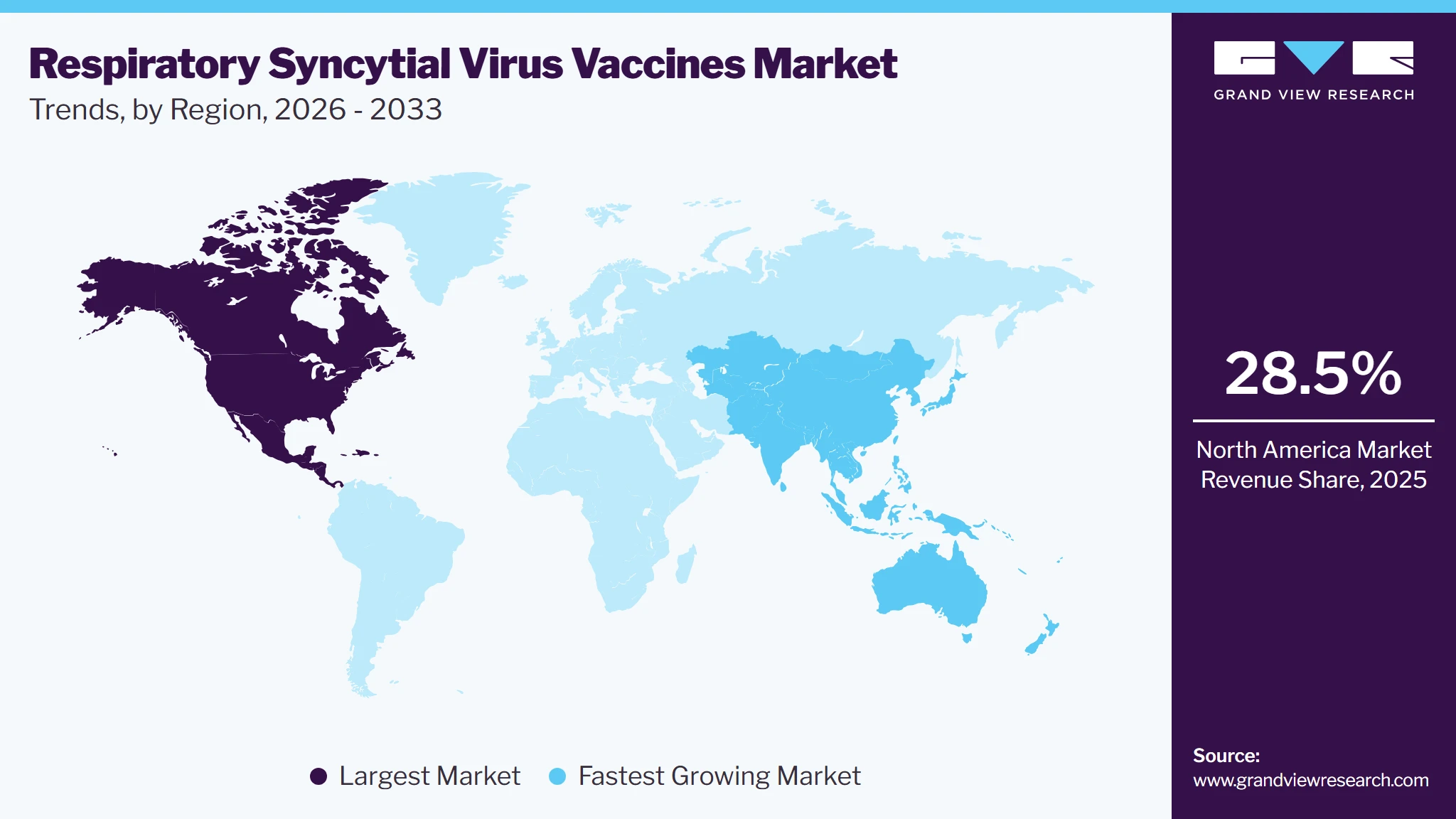
North America dominated the respiratory syncytial virus vaccines market with the largest revenue share of 28.5% in 2025. The RSV (Respiratory Syncytial Virus) vaccines market in North America holds a substantial share, attributed to the high prevalence of RSV infections and advanced healthcare infrastructure. In 2023, the U.S. Centers for Disease Control and Prevention (CDC) introduced a national campaign to raise awareness about RSV and available vaccines, boosting adoption rates. However, in June 2024, the CDC narrowed its recommendations, advising RSV vaccination primarily for adults aged 75 and older, and those aged 60-74 with specific medical conditions.
 To learn more about this report, Download Free Sample Report
U.S. RSV (Respiratory Syncytial Virus) Vaccines Market Trends
The respiratory syncytial virus vaccines market in the U.S. held the largest share in the North America region in 2025. The RSV (Respiratory Syncytial Virus) vaccines market in the U.S. is rapidly expanding, fueled by a supportive regulatory environment and milestone approvals. The U.S. market is characterized by intense competition among major pharmaceutical companies. GSK's Arexvy, Pfizer's Abrysvo, and Moderna's mRESVIA are the primary vaccines approved for older adults. In 2023, Arexvy captured two-thirds of retail vaccinations, generating USD 859 million in its first full commercial quarter.
Europe RSV (Respiratory Syncytial Virus) Vaccines Market Trends
The RSV (Respiratory Syncytial Virus) vaccines market in Europe is witnessing steady growth, supported by high healthcare expenditure and active vaccination programs. In June 2024, Germany's vaccine advisory panel recommended AstraZeneca and Sanofi's antibody therapy for all infants, bolstering prophylaxis demand. The UK's Joint Committee on Vaccination and Immunisation (JCVI) also recommended a national RSV immunisation programme in September 2023. These initiatives, coupled with the presence of key pharmaceutical companies, drive regional growth.
The UK RSV (Respiratory Syncytial Virus) vaccines market is expanding rapidly. The UK launched the world's first national RSV vaccination program in September 2024, targeting infants and pregnant women. This proactive approach has positioned the UK as a leader in RSV prevention. GSK's Arexvy, approved in the UK, has contributed to the country's robust vaccination efforts. The government's commitment to immunisation programs and public health awareness campaigns continues to influence market growth.
The RSV (Respiratory Syncytial Virus) vaccines market in Germany is experiencing significant growth, driven by strong healthcare infrastructure and proactive immunisation policies. In June 2024, the country's vaccine advisory panel recommended AstraZeneca and Sanofi's antibody therapy for all infants, enhancing prophylaxis demand. The presence of leading pharmaceutical companies and ongoing research initiatives further supports market expansion.
Asia Pacific RSV (Respiratory Syncytial Virus) Vaccines Market Trends
Asia Pacific dominated the RSV (Respiratory Syncytial Virus) vaccines market with the largest revenue share of 30.55% in 2024. This growth is attributed to increasing awareness of RSV, expanding healthcare infrastructure, and a large patient population. In Japan, RSV caused an estimated 65,600 cases and $403.5 million in direct medical costs for older adults in 2023. Governments in countries like China and India are focusing on pediatric health initiatives, further driving demand for RSV therapeutics.
The RSV (Respiratory Syncytial Virus) vaccines market in China is poised for rapid expansion, due to its large population and increasing healthcare investments. The government's emphasis on improving pediatric healthcare and immunisation programs contributes to market growth. Collaborations with international pharmaceutical companies and ongoing clinical trials are expected to enhance vaccine availability and adoption in the coming years.
The Japan RSV (Respiratory Syncytial Virus) vaccines market is poised for rapid expansion. In September 2023, Japan's Ministry of Health, Labour and Welfare approved GSK's Arexvy, the country's first RSV vaccine for older adults. This approval aims to protect approximately 43.5 million Japanese people aged 60 and older. RSV causes an estimated 63,000 hospitalisations and 4,500 in-hospital deaths annually among this age group in Japan. The approval is based on a comprehensive phase III program, which enrolled over 1,000 Japanese participants.
Latin America RSV (Respiratory Syncytial Virus) Vaccines Market Trends
The RSV (Respiratory Syncytial Virus) vaccines market in Latin America is expanding, driven by increasing awareness and government-led immunisation programs. Countries like Brazil and Argentina are investing in healthcare infrastructure and collaborating with international pharmaceutical companies to enhance vaccine availability. The region's focus on maternal and child health initiatives further supports market expansion.
Middle East and Africa RSV (Respiratory Syncytial Virus) Vaccines Market Trends
The RSV (Respiratory Syncytial Virus) vaccines market in the Middle East and Africa is experiencing accelerating growth due to rising awareness and healthcare investments. Increased government initiatives and collaborations with global health organizations aim to improve vaccine accessibility and coverage. Efforts to strengthen healthcare systems and address infectious diseases contribute to the region's market development.
Key Respiratory Syncytial Virus Vaccines Company Insights
The global RSV (Respiratory Syncytial Virus) vaccines industry is highly competitive, with key players such as AstraZeneca, Sanofi, GSK, Pfizer, Moderna, Icosavax, Meissa Vaccines, Codagenix, Blue Lake Biotechnology, and Merck, focusing on enhancing the vaccine. These companies prioritize new product development, research & development (R&D) investments, and strategic mergers and acquisitions to strengthen their market position.
For instance, in October 2024, Merck shared positive outcomes from its Phase 2b/3 clinical trial (MK-1654-004) assessing clesrovimab, an investigational monoclonal antibody aimed at protecting infants against respiratory syncytial virus (RSV) during their first RSV season. These results, along with interim data from the ongoing Phase 3 trial (MK-1654-007), were presented at IDWeek 2024, held from October 16-19 in Los Angeles, California.
Key Respiratory Syncytial Virus Vaccines Companies
The following key companies have been profiled for this study on the RSV (Respiratory Syncytial Virus) vaccines market.
-
AstraZeneca
-
Sanofi
-
GSK
-
Pfizer Inc.
-
Moderna
-
Icosavax
-
Meissa Vaccines
-
Codagenix
-
Blue Lake Biotechnology
-
Merck & Co., Inc.
Competitive Benchmarking
Category
Operating Strategies
Competitive Edge
Weakness
Established Players (AstraZeneca, Sanofi, GSK, Pfizer, Moderna, Merck)
- Focus on expanding respiratory syncytial virus prevention portfolios through regulatory approvals, lifecycle management, and geographic expansion. Strengthen market presence by investing in large-scale manufacturing, strategic collaborations, combination vaccine development, and participation in national immunization programs targeting adults, pregnant women, and infants.
- Strong regulatory and clinical development capabilities supported by established vaccine manufacturing infrastructure. Extensive global distribution networks, broad healthcare provider relationships, and experience in vaccine commercialization enable rapid market access and large-scale adoption across developed and emerging markets.
- High research and development costs, lengthy clinical development timelines, and complex regulatory requirements increase operational expenses. Competition among approved respiratory syncytial virus products and pricing pressure from government procurement programs may affect market share and profitability.
Emerging Players (Icosavax, Meissa Vaccines, Codagenix, Blue Lake Biotechnology)
- Focus on developing differentiated respiratory syncytial virus vaccine platforms such as virus-like particle (VLP), live-attenuated, intranasal, and synthetic biology-based vaccines. Advance clinical development through research collaborations, licensing agreements, and funding partnerships while targeting unmet needs in pediatric and combination respiratory vaccines.
- Innovative technology platforms and specialized product pipelines provide opportunities to address unmet clinical needs. Agile research models enable faster technology development and support differentiated vaccine approaches with the potential for improved immune response and patient convenience.
- Limited financial resources, smaller manufacturing capacity, and the absence of approved commercial products restrict market reach. Dependence on successful clinical trial outcomes, regulatory approvals, and external funding may delay product development and commercialization.
Recent Developments
-
In April 2025, Pfizer Inc. announced that the U.S. Centers for Disease Control and Prevention’s (CDC) Advisory Committee on Immunization Practices (ACIP) had voted to broaden its recommendation for RSV vaccines to include adults aged 50-59 who are at increased risk of RSV-related lower respiratory tract disease (LRTD). This updated guidance covers ABRYSVO (Respiratory Syncytial Virus Vaccine), which received FDA approval in October 2024 for preventing RSV-associated LRTD in at-risk adults aged 18 to 59.
-
In May 2024, Moderna, Inc. announced that the U.S. Food and Drug Administration (FDA) had approved mRESVIA (mRNA-1345), the company’s mRNA-based vaccine for respiratory syncytial virus (RSV), for the prevention of lower respiratory tract disease caused by RSV in adults aged 60 and older. Granted under the FDA’s breakthrough therapy designation, this marks Moderna’s second approved mRNA product.
-
In June 2024, GSK plc announced that the FDA approved Arexvy (Respiratory Syncytial Virus (RSV) Vaccine, Adjuvanted) for preventing RSV-related lower respiratory tract disease (LRTD) in adults aged 50 to 59 who are at increased risk. In the U.S., Arexvy is already approved for use in adults aged 60 and older and is recommended by the CDC's Advisory Committee on Immunization Practices (ACIP) through shared clinical decision-making.
Respiratory Syncytial Virus Vaccines Market Report Scope
Report Attribute
Details
Market size in 2025
USD 4.9 billion
Estimated market size in 2026
USD 6.9 billion
Projected market size by 2033
USD 42.3 billion
Growth rate
CAGR of 29.6% from 2026 to 2033
Historical data
2021 - 2024
Forecast period
2026 - 2033
Quantitative units
Revenue in USD million/billion and CAGR from 2026 to 2033
Report coverage
Revenue forecast, company ranking, competitive landscape, growth factors, and trends
Segments covered
Type, technology, targeted population, distribution channel, region
Regional scope
North America; Europe; Asia Pacific; Latin America; MEA
Country scope
U.S.; Canada; Mexico; UK; Germany; France; Italy; Spain; Denmark; Norway; Sweden; Japan; China; India; South Korea; Australia; Thailand; Brazil; Argentina; South Africa; Saudi Arabia; UAE; Kuwait.
Key companies profiled
AstraZeneca; Sanofi; GSK; Pfizer; Moderna; Icosavax; Meissa Vaccines; Codagenix; Blue Lake Biotechnology; Merck.
Customization scope
Free report customization (equivalent up to 8 analysts' working days) with purchase. Addition or alteration to country, regional & segment scope.
Pricing and purchase options
Avail customized purchase options to meet your exact research needs. Explore purchase options
Global Respiratory Syncytial Virus Vaccines Market Report Segmentation
This report forecasts revenue growth at global, regional, and country levels and provides an analysis of the latest industry trends in each of the sub-segments from 2021 to 2033. For this study, Grand View Research has segmented the global respiratory syncytial virus vaccines market report based on type, technology, targeted population, distribution channel, and region.
-
Type Outlook (Revenue, USD Million, 2021 - 2033)
-
Passive Immunization
-
Preventive Vaccines
-
-
Technology Outlook (Revenue, USD Million, 2021 - 2033)
-
Monoclonal Antibodies
-
Recombinant Protein + Adjuvant
-
mRNA-Based Vaccine
-
Virus-Like Particle (VLP)
-
-
Targeted Population Outlook (Revenue, USD Million, 2021 - 2033)
-
Adults
-
Infants and children
-
-
Distribution Channel Outlook (Revenue, USD Million, 2021 - 2033)
-
Hospital & Retail Pharmacies
-
Government Suppliers
-
Others
-
-
Regional Outlook (Revenue, USD Million, 2021 - 2033)
-
North America
-
U.S.
-
Canada
-
Mexico
-
-
Europe
-
UK
-
Germany
-
France
-
Italy
-
Spain
-
Denmark
-
Sweden
-
Norway
-
-
Asia Pacific
-
China
-
Japan
-
India
-
Australia
-
South Korea
-
Thailand
-
-
Latin America
-
Brazil
-
Argentina
-
-
Middle East and Africa (MEA)
-
South Africa
-
Saudi Arabia
-
UAE
-
Kuwait
-
-
Research Methodology
The respiratory syncytial virus vaccines market figures in this report are based on a proven research process that combines executive interviews with secondary research from proprietary databases, company filings, and recognized regulatory and institutional sources. Market size is built through value-chain sizing-reconciling supply-side and demand-side estimates-and triangulated with bottom-up and top-down approaches. Every estimate passes multiple levels of expert validation before publication, with each respiratory syncytial virus vaccines segment quantified using the revenue-capture definitions in the table below.
Segment Definition
Segment - Type
Revenue capture definition
Passive Immunization
This segment includes products that provide immediate protection against respiratory syncytial virus through the administration of monoclonal antibodies without inducing an active immune response. Revenue includes long-acting and short-acting antibody products used primarily for infant and high-risk population protection.
Preventive Vaccines
This segment includes vaccines that stimulate an individual's immune system to develop active immunity against respiratory syncytial virus before infection occurs. Revenue includes approved and investigational vaccines administered to adults, pregnant women, and other eligible populations for disease prevention.
Segment - Technology
Revenue capture definition
Monoclonal Antibodies
This segment includes respiratory syncytial virus preventive products developed using monoclonal antibody technology that provide passive immunity by directly neutralizing the virus. Revenue includes long-acting antibody therapies approved or under development for preventing respiratory syncytial virus infection in eligible populations.
Recombinant Protein + Adjuvant
This segment includes respiratory syncytial virus vaccines developed using recombinant viral proteins combined with adjuvants to enhance the immune response. Revenue includes protein-based vaccines designed to provide active immunization against respiratory syncytial virus in targeted populations.
mRNA-Based Vaccine
This segment includes respiratory syncytial virus vaccines developed using messenger RNA technology that instructs cells to produce respiratory syncytial virus antigens and generate protective immunity. Revenue includes standalone and combination mRNA vaccines intended for respiratory syncytial virus prevention across eligible populations.
Virus-Like Particle (VLP)
This segment includes respiratory syncytial virus vaccines developed using virus-like particles that mimic the structure of respiratory syncytial virus without containing infectious genetic material. Revenue includes VLP-based vaccine candidates designed to stimulate protective immune responses against respiratory syncytial virus infection.
Segment - Targeted Population
Revenue capture definition
Adults
This segment includes respiratory syncytial virus preventive products administered to adults, including older adults and individuals with underlying medical conditions who are at increased risk of severe respiratory syncytial virus-associated respiratory disease. Revenue includes vaccines and passive immunization products indicated for adult populations.
Infants and Children
This segment includes respiratory syncytial virus preventive products intended for infants and pediatric populations. Revenue includes maternal immunization benefits, pediatric vaccines under development, and monoclonal antibodies administered directly to infants and children for respiratory syncytial virus prevention.
Segment - Distribution Channel
Revenue capture definition
Hospital & Retail Pharmacies
This segment includes respiratory syncytial virus vaccines and passive immunization products distributed through hospitals, healthcare facilities, and retail pharmacies where eligible individuals receive immunization as part of routine or seasonal vaccination programs.
Government Suppliers
This segment includes respiratory syncytial virus preventive products procured and distributed through government agencies, national immunization programs, and public healthcare organizations. Revenue includes products purchased under public vaccination initiatives and government-funded procurement contracts.
Others
This segment includes respiratory syncytial virus preventive products distributed through channels not covered under hospitals, retail pharmacies, or government suppliers, including private vaccination centers, occupational health providers, non-governmental organizations, and other authorized healthcare distributors.
Estimation Model
 To learn more about this report, Download Free Sample Report
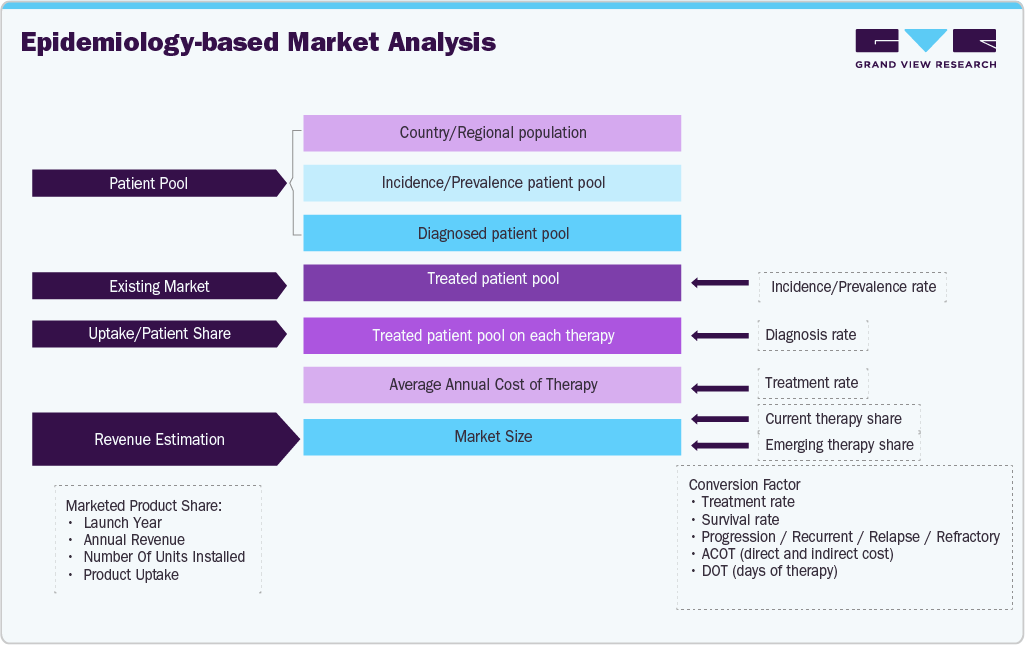
The global respiratory syncytial virus vaccines market was estimated using an epidemiology-based market estimation model, supported by a revenue validation approach. The analysis began by identifying the target populations across major countries, including older adults, pregnant women, infants, and high-risk individuals, using demographic and epidemiological data from government agencies, WHO, CDC, ECDC, and published literature. The eligible population was refined based on national immunization recommendations, vaccination coverage, and product adoption across each target group. Average annual vaccination costs were assessed using public procurement data, company disclosures, reimbursement schedules, and healthcare databases to estimate country-level revenues. Market estimates were validated through product sales of leading manufacturers, including GSK, Pfizer, AstraZeneca, Sanofi, and Moderna, along with primary interviews conducted with vaccine manufacturers, distributors, healthcare professionals, and industry experts to ensure the accuracy of regional and global market estimates.
Delivered Customizations
This report has been delivered with the following In-depth customizations
Client Request
Customization Delivered
Value Adds
Respiratory Syncytial Virus Vaccine Competitive Landscape & Pipeline Assessment
Conducted a targeted assessment of the global respiratory syncytial virus vaccines market, evaluating approved products, late-stage pipeline candidates, vaccine platforms, target populations, clinical development progress, regulatory milestones, and competitive positioning. The study analyzed key companies including GSK, Pfizer, Moderna, AstraZeneca, Sanofi, Merck, and emerging developers such as Icosavax, Meissa Vaccines, Codagenix, and Blue Lake Biotechnology, alongside key trends across adult, maternal, and pediatric respiratory syncytial virus prevention.
Helped the client identify product differentiation, evaluate competitive risks, benchmark pipeline maturity, and prioritize licensing, acquisition, and partnership opportunities within the respiratory syncytial virus vaccine market.
Respiratory Syncytial Virus Vaccine Technology & Platform Benchmarking Study
Delivered a benchmarking analysis of respiratory syncytial virus vaccine technologies, focusing on recombinant protein with adjuvant, mRNA, monoclonal antibodies, virus-like particle (VLP), and live-attenuated vaccine platforms. The assessment compared clinical performance, safety profiles, manufacturing scalability, regulatory progress, and platform differentiation across established and emerging vaccine developers.
Enabled the client to assess technology competitiveness, identify platform gaps, benchmark product development strategies, and prioritize investments in next-generation respiratory syncytial virus vaccine technologies and manufacturing capabilities.
Respiratory Syncytial Virus Vaccine Manufacturing & Supply Chain Feasibility Assessment
Conducted a strategic assessment of the respiratory syncytial virus vaccine manufacturing ecosystem, evaluating antigen production capabilities, biologics manufacturing infrastructure, fill-finish capacity, cold-chain requirements, regulatory compliance, contract manufacturing organizations (CMOs/CDMOs), and regional supply capabilities supporting commercial vaccine production.
Supported manufacturing strategy by identifying qualified production partners, evaluating supply chain risks, assessing outsourcing opportunities, and strengthening long-term manufacturing readiness to support global respiratory syncytial virus vaccine supply and long-term market expansion.
Frequently Asked Questions About This Report
The global respiratory syncytial virus vaccines market is expected to grow at a CAGR of 29.6% from 2026 to 2033, reaching USD 42.3 billion by 2033.
Passive immunization segment led the market with the largest revenue share of 73.4% in 2025.
The global respiratory syncytial virus vaccines market size was valued at USD 4.9 billion in 2025 and is estimated at USD 6.9 billion for 2026.
North America market dominated, with a revenue share of 28.5% in 2025.
Monoclonal antibodies segment led the market with the largest revenue share of 74.4% in 2025.
Infant and childrens segment led the market with the largest revenue share of 81.3% in 2025.
Hospital & retail pharmacies segment led the market with the largest revenue share of 53.7% in 2025.
Key players include AstraZeneca, Sanofi, GSK, Pfizer, Moderna, Icosavax, Meissa Vaccines, Codagenix, Blue Lake Biotechnology, and Merck.
Key factors include the increasing adoption of RSV immunization programs, availability of preventive vaccines and long-acting monoclonal antibodies, rising awareness of the RSV disease burden among high-risk populations, and the development of next-generation and combination vaccines.
About the Author(s)
Clinical Diagnostics Research Team
Healthcare · Clinical DiagnosticsThis report was authored by the clinical diagnostics research team at Grand View Research - comprising two research analysts, one senior research analyst, and one industry expert - with specialized expertise in the clinical diagnostics segment of the healthcare industry. All findings are based on proprietary healthcare databases, executive interviews, and regulatory analysis, subject to internal peer review prior to publication.
Last Updated:
Speak to Analyst

Customize this report to your needs - add regions, segments, or data points, with 20% free customization.
Or view our licence options:


ISO 9001:2015 & 27001:2022 Certified
We are GDPR and CCPA compliant! Your transaction & personal information is safe and secure. For more details, please read our privacy policy.


