
- Home
- »
- Biotechnology
- »
-
Stem Cell Umbilical Cord Blood Market Size Report, 2033GVR Report cover

Stem Cell Umbilical Cord Blood Market (2026 - 2033)
Size, Share & Trends Analysis Report By Source (Umbilical Cord Blood, Umbilical Cord Tissue), By Service (Collection & Transportation, Processing, Testing), By Application, By End Use By Region, And Segment Forecasts
Market Size, 2025
$2.2BMarket Estimate, 2026
$2.3BMarket Forecast, 2033
$3.4BCAGR, 2026–2033
6.0%Stem Cell Umbilical Cord Blood Market Summary
The global stem cell umbilical cord blood market size was valued at USD 2.2 billion in 2025 and is projected to grow from USD 2.3 billion in 2026 to USD 3.4 billion by 2033, at a CAGR of 6.0% from 2026 to 2033. The North America market dominated the market, accounting for a revenue share of 49.2% in 2025. The significant factors contributing to market growth include the rising prevalence of hematological and genetic disorders, growing adoption of regenerative medicine and stem cell therapies, and increasing awareness and expansion of public and private cord blood banking.
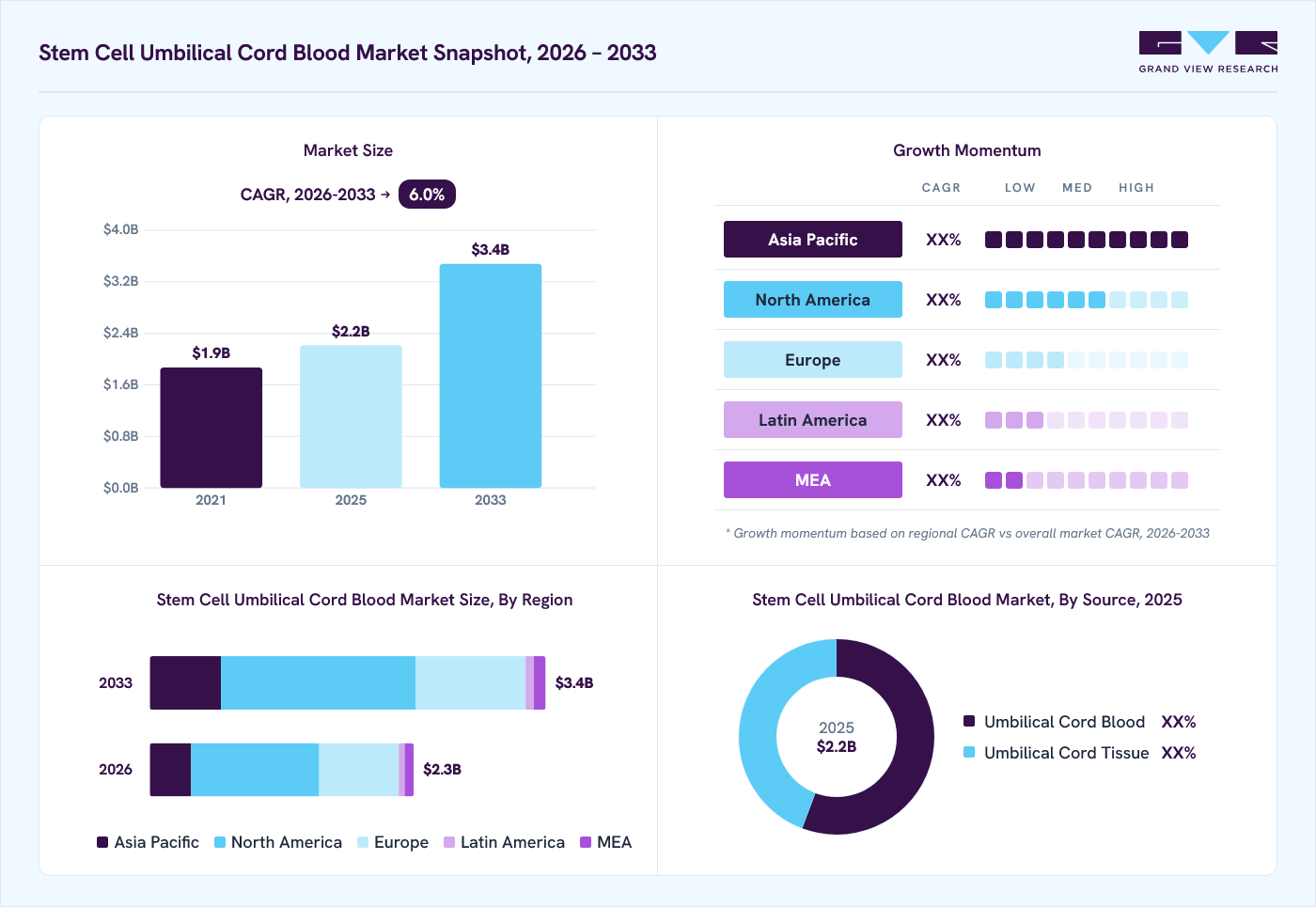 Source: Grand View Research, IR Documents, Primary Interviews, Paid DatabasesTo learn more about this report,
 Download Free Sample Report
Key Market Trends & Insights
- By source: The umbilical cord blood segment held the highest market share of 55.7% in 2025.
- By service: The cryopreservation & storage segment held the highest market share of 26.3% in 2025.
- By application: The hematological malignancies segment held the highest market share of 23.0% in 2025.
- By end use: The hospitals & transplant centers segment held the highest market revenue share of 29.7% in 2025.
Regional Highlights
- Largest regional market: North America (49.2% revenue share, 2025)
- Fastest-growing regional market: Asia Pacific (highest CAGR, 2026-2033)
- By country: The U.S. held the largest market share in 2025
Market Size & Forecast
- Market size in 2025: USD 2.2 Billion
- Estimated market size in 2026: USD 2.3 Billion
- Projected market size by 2033: USD 3.4 Billion
- CAGR (2026-2033): 6.0%
Prism AI by Grand View Research Free to tryAsk a question about the stem cell umbilical cord blood marketTry asking✓Every figure cited from GVR research Prefer the report? Download free sample →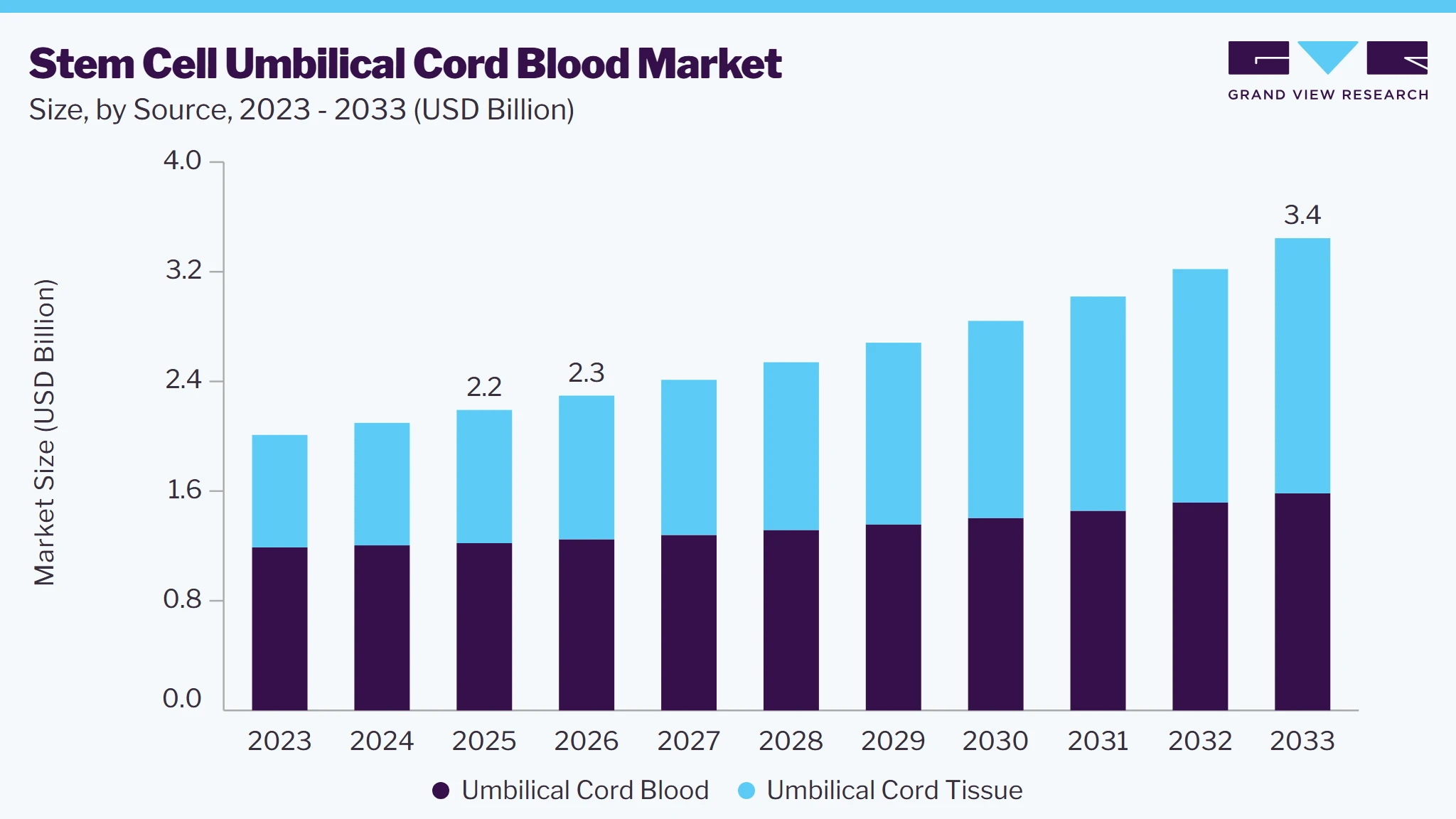 To learn more about this report, Download Free Sample Report
Market Dynamics
The growing number of hematopoietic stem cell transplantation procedures, increasing investments in cell and gene therapy, advancements in cord blood processing and cryopreservation technologies, and expanding stem cell-based clinical trials are driving market growth. Increasing collaborations among cord blood banks, hospitals, and research institutes are further supporting market expansion. However, high costs associated with cord blood banking and stringent regulatory requirements continue to restrain market growth. Increasing adoption of regenerative medicine, expanding applications of personalized medicine, and advancements in biobanking technologies are expected to create significant growth opportunities over the forecast period.
The increasing prevalence of hematological malignancies and inherited genetic disorders is a major factor driving the market. Umbilical cord blood is a well-established source of hematopoietic stem cells used to treat leukemia, lymphoma, myelodysplastic syndromes, severe aplastic anemia, sickle cell disease, thalassemia, inherited immune deficiencies, and metabolic disorders. The growing prevalence of these diseases is increasing the demand for stem cell transplantation and encouraging greater utilization of public and private cord blood banking services.
The disease prevalence continues to rise globally. According to World Health Organization (WHO) data published in August 2025, an estimated 7.74 million people were living with sickle cell disease in 2021, with approximately 515,000 affected births worldwide annually. Sickle cell disease was also associated with 81,100 deaths among children under five years of age in 2021, highlighting the growing need for curative stem cell therapies. In addition, the increasing incidence of hematological malignancies, inherited blood disorders, and immune disorders continue to drive demand for hematopoietic stem cell transplantation, supporting the adoption of umbilical cord blood banking and stem cell preservation services.
The high cost of cord blood banking remains a significant restraint for this market. The overall cost includes collection, transportation, laboratory processing, infectious disease and quality testing, cryopreservation, and long-term storage, along with recurring annual storage fees. These expenses make private cord blood banking less affordable for many families, particularly in low- and middle-income countries, thereby limiting market penetration.
In addition, maintaining cord blood banks requires substantial investment in advanced cryogenic storage systems, automated monitoring, quality management systems, and regulatory compliance. Public cord blood banks also face financial challenges due to the high cost of donor screening, sample processing, and long-term maintenance, while only a small proportion of stored units are ultimately used for transplantation. These cost pressures can limit the expansion of banking infrastructure and reduce the availability of stored stem cell units for clinical applications.
Advancements in automated processing and biobanking technologies are creating significant market growth. The adoption of automated sample processing, robotic storage systems, digital biobank management platforms, and advanced cryopreservation technologies is improving stem cell recovery, sample traceability, operational efficiency, and long-term storage capabilities. For instance, in October 2025, Abu Dhabi Biobank partnered with NMC Healthcare to expand cord blood banking services across multiple hospitals in Abu Dhabi and Al Ain. The partnership leverages Abu Dhabi Biobank's advanced automated biobanking infrastructure and robotic processing systems to enhance access to public and private cord blood banking and to support regenerative medicine and future cell-based therapies.
Case Study: Charles River and Singapore General Hospital Advance Cord Blood-Derived CAR-T Cell Therapy Development
Background:
In February 2025, Charles River Laboratories International, Inc. announced an agreement with Singapore General Hospital (SGH) to support the development of cord blood-derived allogeneic CAR-T cell therapies. The collaboration focused on GMP-compliant master cell banking (MCB) and next-generation sequencing (NGS)-based cell characterization services to support SGH’s upcoming Phase I clinical trials for cancer treatment.Challenge:
• Need for standardized processing and banking of cord blood-derived starting materials for advanced cell therapies
• Requirement for GMP-compliant master cell banking to ensure safety, quality, and regulatory compliance
• Need for advanced genomic characterization and contamination detection methods for cell therapy products
• Requirement to accelerate clinical translation of cord blood-derived stem cell technologies into therapeutic applications
Solution:
Charles River provided CGMP-compliant master cell banking and NGS-based testing services to support SGH’s cord blood-derived allogeneic CAR-T cell development program. The collaboration enabled the establishment and characterization of critical cell banks used as starting material for manufacturing CAR-T cells for oncology applications.
Results:
The collaboration established a GMP-compliant cord blood-derived cell banking framework to support the development of allogeneic CAR-T cell therapy. It enhanced cell quality and safety through advanced NGS-based characterization, supported SGH’s Phase I clinical trial preparation, and demonstrated the potential of cord blood banking infrastructure in accelerating cell and gene therapy translation.
Market Concentration & Characteristics
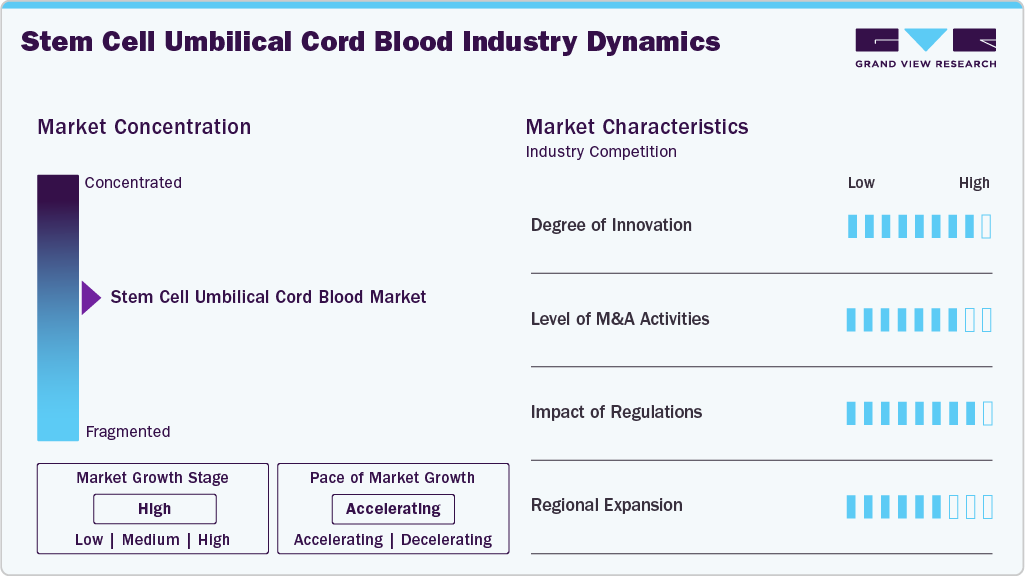
The chart below illustrates the relationship between market concentration, industry characteristics, and industry participants. The x-axis represents the level of industry concentration, ranging from low to high. The y-axis represents various industry characteristics, including industry competition, regulatory impact, level of partnership and collaboration activities, degree of innovation, and regional expansion. For instance, the market is slightly concentrated, with many products & service providers entering the market. The degree of innovation, the level of partnerships & collaboration activities, and the impact of regulations on the industry are high. However, the regional expansion observes moderate growth.
The degree of innovation in the market is high, driven by advancements in cord blood processing, cryopreservation technologies, cell characterization, and regenerative medicine applications. Companies are investing in next-generation processing platforms and quality-control technologies to improve stem cell recovery, viability, and clinical utility. For instance, in June 2026, Cryoviva Life Sciences introduced PrepaCyte-CB cord blood processing technology in India through an exclusive partnership to enhance stem cell recovery, reduce red blood cell contamination, and improve post-thaw cell functionality. The technology strengthens cord blood banking capabilities by supporting higher-quality stem cell preservation for future therapeutic applications.
 To learn more about this report, Download Free Sample Report
The level of partnerships and collaborations in the market is moderate, with companies and research organizations focusing on expanding cord blood banking capabilities, improving cell therapy development, and strengthening clinical translation pathways. Strategic collaborations among cord blood banks, biotechnology companies, hospitals, and research institutions are supporting the development of advanced stem cell-based therapies and improving access to high-quality biological materials. For instance, in May 2026, Abu Dhabi Biobank and Human Life CORD Japan announced a strategic partnership to advance umbilical cord-derived mesenchymal stromal cell (UC-MSC) therapies in the UAE. The collaboration combines Abu Dhabi Biobank’s biobanking infrastructure with Human Life CORD Japan’s UC-MSC technology platform to support clinical development and adoption of regenerative medicine applications.
Regulations strongly influence the stem cell umbilical cord blood industry by establishing strict requirements for donor screening, cord blood collection, processing, testing, cryopreservation, storage, and distribution. Regulatory bodies such as the U.S. FDA, European Union Tissue and Cells Directives (EUTCD), and national health authorities enforce quality, safety, traceability, and documentation standards for cord blood banks. Compliance with these frameworks is encouraging investments in advanced processing technologies, automated tracking solutions, quality management systems, and GMP-compliant facilities to improve the safety and reliability of stored cord blood units.
Companies in the stem cell umbilical cord blood industry are expanding their geographic presence through partnerships, facility expansions, acquisitions, and collaborations with hospitals, transplant centers, and research institutions. These strategies help strengthen cord blood collection networks, enhance processing and cryopreservation capacity, and improve accessibility to stored stem cell units. Increasing investments in regenerative medicine, cell therapy research, and healthcare infrastructure in emerging markets are further supporting the expansion of cord blood banking services.
Analyst Perspective
The market is driven by the increasing prevalence of hematological malignancies and genetic disorders, the growing adoption of regenerative medicine, and rising awareness of newborn stem cell preservation. Expanding public and private cord blood banking infrastructure, coupled with advancements in stem cell research, is supporting the collection, processing, and long-term preservation of umbilical cord blood and cord tissue for therapeutic and research applications. Companies are investing in advanced cryopreservation technologies, automated processing systems, digital biobank management platforms, and quality assurance capabilities to strengthen their market position. Strategic collaborations with hospitals, transplant centers, research institutes, and biotechnology companies, along with increasing clinical research activities and expanding applications in hematopoietic stem cell transplantation, regenerative medicine, and cell-based therapies, are creating new growth opportunities for the market.
Source Insights
The umbilical cord blood segment accounted for the largest revenue share of 55.7% in 2025, driven by its established clinical use in hematopoietic stem cell transplantation and the extensive availability of public and private banking programs. Cord blood is widely used to treat hematologic malignancies, immune deficiencies, bone marrow failure syndromes, hemoglobinopathies, and inherited metabolic disorders. According to an article published by Duke Health in July 2024, more than 4,000 umbilical cord blood transplants are performed globally each year, while cryopreserved cord blood units have demonstrated long-term viability after 18 years of storage, supporting sustained demand for cord blood banking and preservation services.
Umbilical cord tissue is projected to grow at the fastest CAGR over the forecast period, driven by the increasing adoption of tissue preservation alongside cord blood banking and the growing focus on regenerative medicine applications. Compared with cord blood, umbilical cord tissue is a richer source of Wharton's jelly-derived mesenchymal stem/stromal cells (WJ-MSCs). These cells exhibit immunomodulatory, anti-inflammatory, and tissue repair properties. As a result, they are being widely investigated for regenerative medicine applications across orthopedic, neurological, cardiovascular, and inflammatory disorders.
Service Insights
The cryopreservation and storage segment held the largest revenue share of 26.3% in 2025, driven by the increasing demand for long-term preservation of cord blood and cord tissue for future transplantation, regenerative medicine, and research applications. Advancements in controlled-rate freezing, DMSO-free cryoprotectants, and automated cryopreservation platforms are improving post-thaw cell viability, recovery, and functional potency while reducing cryoprotectant-associated toxicity. These innovations are strengthening the quality, safety, and scalability of long-term stem cell storage services.
The testing segment is expected to witness the fastest CAGR over the forecast period, driven by the increasing demand for comprehensive screening of umbilical cord blood units for infectious diseases, genetic disorders, cell viability, and stem cell quality. Growing emphasis on ensuring safe, high-quality samples for transplantation and expanding adoption of standardized testing protocols are expected to support segment growth.
Application Insights
The hematological malignancies segment dominated the market with a share of 23.0% in 2025. The use of umbilical cord blood transplantation for the treatment of leukemia, lymphoma, myelodysplastic syndromes, and other hematologic cancers continues to support the segment growth. Umbilical cord blood serves as an alternative source of hematopoietic stem cells for patients without a suitably matched donor, particularly in allogeneic transplantation. Hematopoietic stem cell transplantation is recognized as a curative treatment for several malignant hematological disorders, with umbilical cord blood remaining an important graft source when conventional donor options are unavailable.
The metabolic disorders segment is expected to register the fastest CAGR over the forecast period, driven by the increasing adoption of umbilical cord blood stem cell transplantation to treat inherited metabolic disorders. Growing clinical evidence supporting early intervention, rising awareness of cord blood banking, and expanding availability of stem cell therapies for rare genetic diseases are expected to drive segment growth.
End Use Insights
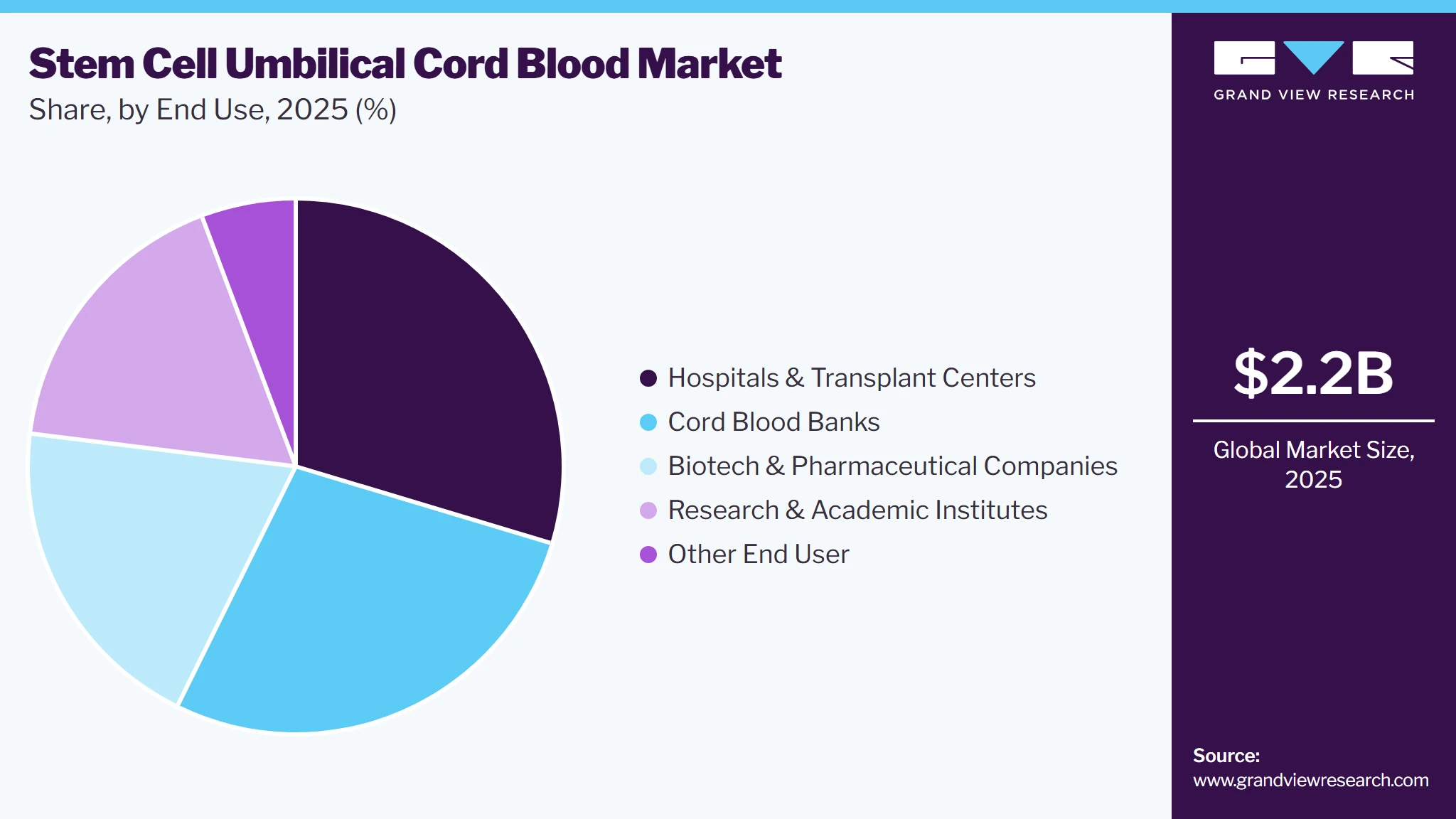
The hospitals & transplant centers segment is the largest end use segment, accounting for 29.7% of the market in 2025. The segment is supported by the global use of umbilical cord blood in hematopoietic stem cell transplantation for the treatment of hematological malignancies, inherited blood disorders, immune deficiencies, and metabolic diseases. Hospitals and specialized transplant centers provide the multidisciplinary infrastructure required for donor selection, stem cell infusion, patient monitoring, and post-transplant care. These facilities also play a central role in coordinating with public cord blood banks and donor registries to ensure timely access to compatible grafts, contributing to the continued demand for umbilical cord blood transplantation services.
 To learn more about this report, Download Free Sample Report
The biotechnology & pharmaceutical companies’ segment is projected to witness the fastest CAGR over the forecast period. The growth of the segment is attributed to increasing investments in stem cell research, expanding clinical development of umbilical cord blood-derived therapeutics, and rising focus on regenerative medicine and advanced cell therapies. Growing strategic collaborations and research initiatives are further expected to support segment growth.
Regional Insights
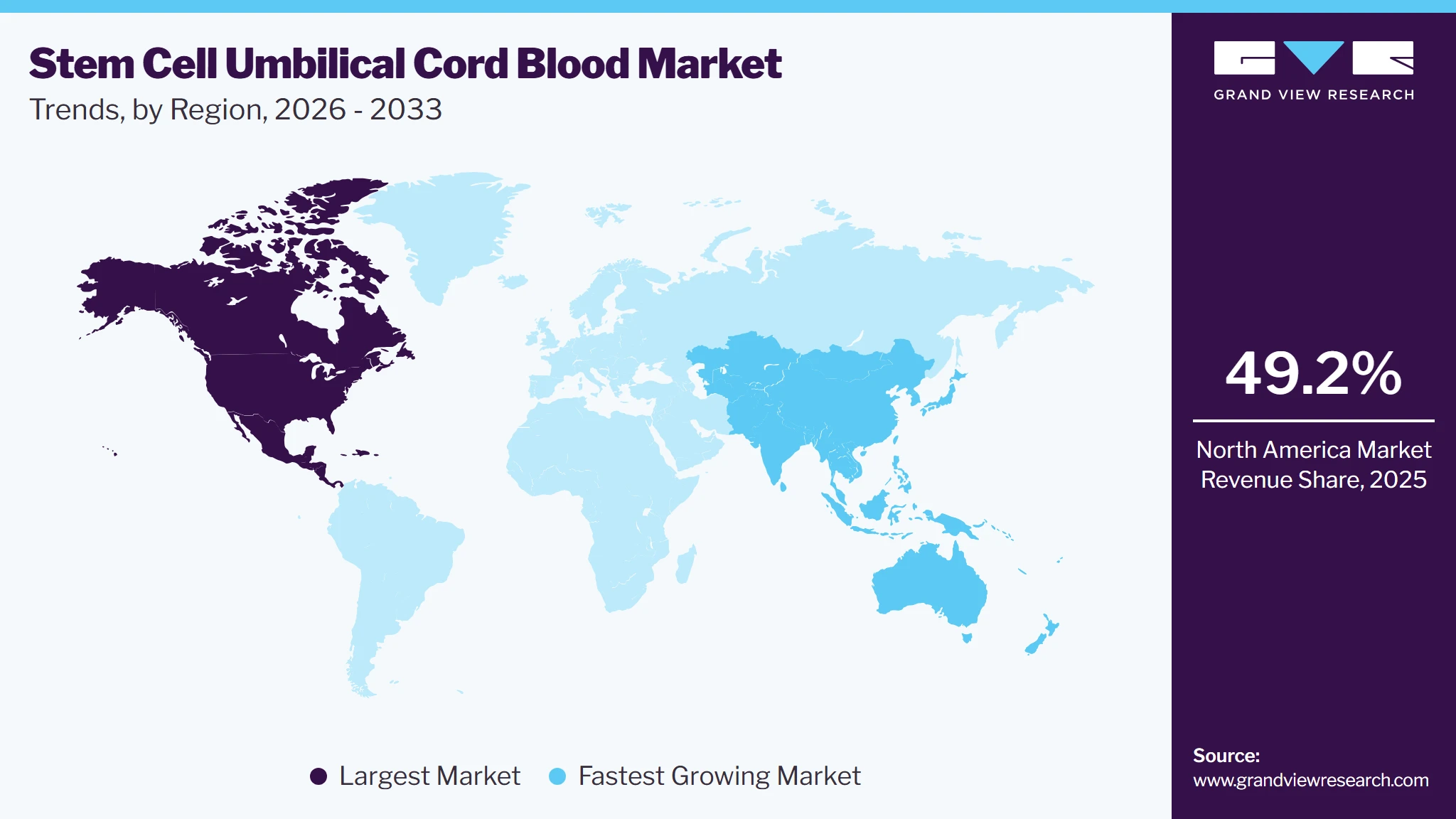
North America has the largest regional market, accounting for 49.2% of the global stem cell umbilical cord blood market in 2025, driven by the presence of established public and private cord blood banks, advanced healthcare infrastructure, and increasing use of hematopoietic stem cell transplantation (HSCT). The region also benefits from strong regulatory standards, government-supported cord blood banking programs, growing use of cord blood stem cells in treating blood and rare genetic disorders, and continued investment in regenerative medicine and stem cell research, supporting market growth.
 To learn more about this report, Download Free Sample Report
U.S. Stem Cell Umbilical Cord Blood Market Trends
The stem cell umbilical cord blood market in the U.S. is expected to grow over the forecast period, driven by ongoing advancements in regenerative medicine, increasing clinical research, and a well-established regulatory framework for cord blood products. The expanding use of umbilical cord blood-derived stem cells in the treatment of hematologic, immunologic, and rare genetic disorders continues to support market growth. For instance, in November 2024, the U.S. Food and Drug Administration (FDA) approved StemCyte's REGENECYTE (HPC, Cord Blood), an allogeneic umbilical cord blood-derived hematopoietic progenitor cell therapy for unrelated donor transplantation, expanding the availability of FDA-approved cord blood therapies in the country.
Europe Stem Cell Umbilical Cord Blood Market Trends
The stem cell umbilical cord blood market in Europe was identified as a lucrative region in this industry, supported by extensive public cord blood banking infrastructure, high utilization of hematopoietic stem cell transplantation, and favorable regulatory oversight for advanced therapies. The region continues to benefit from increasing investments in regenerative medicine research, expanding donor registries, and collaborative research initiatives focused on cell-based therapies. Growing awareness of cord blood donation and sustained funding for translational research continue to support long-term market expansion.
The UK stem cell umbilical cord blood market held a significant share, driven by a well-established public cord blood banking network, increasing stem cell transplantation procedures, and strong support for regenerative medicine research. Growing awareness of cord blood donation and advancements in hematopoietic stem cell therapies are expected to support market growth.
The stem cell umbilical cord blood market in Germany is anticipated to grow significantly over the forecast period, driven by advanced healthcare infrastructure, increasing stem cell transplantation procedures, and strong investment in regenerative medicine research. Growing awareness of cord blood banking and expanding clinical applications of hematopoietic stem cells are expected to support market growth.
Asia Pacific Stem Cell Umbilical Cord Blood Market Trends
The stem cell umbilical cord blood market in the Asia Pacific is expected to grow at the fastest CAGR of 8.1% during the forecast period, driven by increasing clinical research and expanding regenerative medicine programs. Governments across the region are investing in stem cell-based therapeutics, while rising incidence of hematological disorders and growing demand for hematopoietic stem cell transplantation continue to support market expansion.
Japan stem cell umbilical cord blood market is witnessing rapid growth, supported by advanced clinical research and established transplantation practices. For instance, in May 2026, the National Center for Child Health and Development published the world's first clinical report on early umbilical cord blood transplantation for infants with mucopolysaccharidosis type II. The study showed that combining cord blood transplantation with intracerebroventricular enzyme replacement therapy helped preserve cognitive function and improve patient outcomes.
The stem cell umbilical cord blood market in China is growing significantly, supported by a well-established regulatory framework and expanding clinical applications. For instance, in November 2025, China's seven National Health Commission-approved cord blood banks launched the action plan in China to expand cord blood collection, enhance processing and cryopreservation standards, and accelerate clinical research and therapeutic applications. This initiative further strengthened the country's cord blood ecosystem and reinforced its long-term market development strategy.
Latin America Stem Cell Umbilical Cord Blood Market Trends
The stem cell umbilical cord blood market in Latin America is growing steadily, driven by increasing awareness of cord blood banking and expanding biobanking infrastructure. Rising investments in stem cell research, improving healthcare facilities, and growing adoption of umbilical cord blood preservation are supporting regional market growth.
Middle East & Africa Stem Cell Umbilical Cord Blood Market Trends
The stem cell umbilical cord blood market in MEA is expected to grow gradually over the forecast period. Market growth is supported by expanding stem cell transplantation capabilities and the gradual establishment of cord blood banking services in selected countries. Ongoing healthcare modernization and increasing focus on regenerative medicine are expected to support future market expansion.
Key Stem Cell Umbilical Cord Blood Company Insights
Key players in the market are adopting strategic initiatives by expanding their cord blood banking networks, enhancing processing and cryopreservation capabilities, and investing in advanced biobanking technologies, automated tracking systems, and quality management solutions to improve stem cell viability and storage efficiency. Strategic collaborations with hospitals, maternity centers, transplant centers, research institutes, and biotechnology companies are enabling companies to strengthen collection networks, accelerate cell therapy research, and expand access to cord blood preservation services.
Key Stem Cell Umbilical Cord Blood Companies
The following key companies have been profiled for this study on the stem cell umbilical cord blood market:
-
CooperSurgical (Cord Blood Registry)
-
Revvity (ViaCord)
-
Cryo-Cell International, Inc.
-
StemCyte Inc.
-
FamiCord Group
-
Cordlife Group Limited
-
Cells4Life Group LLP
-
Future Health Biobank
-
Smart Cells
-
Global Cord Blood Corporation
Competitive Benchmarking
Category
Operating Strategies
Competitive Edge
Weakness
Established Players (CooperSurgical (Cord Blood Registry), Revvity (ViaCord), Cryo-Cell International, Inc., StemCyte Inc., FamiCord Group)
- Focus on expanding private and public cord blood banking networks, investing in advanced processing and cryopreservation technologies, improving laboratory automation, strengthening regulatory compliance, and developing partnerships with hospitals, healthcare providers, and research organizations.
- Strong brand recognition, large stored cord blood inventories, established collection networks, advanced cryogenic storage infrastructure, regulatory accreditations, and extensive experience in stem cell preservation services.
- High operational costs associated with long-term storage facilities, dependence on childbirth rates and cord blood collection volumes, stringent regulatory requirements, and challenges in demonstrating clinical utility for future applications.
Emerging Players (Future Health Biobank, Smart Cells, Global Cord Blood Corporation)
- Focus on expanding regional presence, offering personalized cord blood banking services, improving digital customer engagement, developing partnerships with maternity hospitals, and targeting growing regenerative medicine and cell therapy markets.
- Flexible service models, regional market expertise, customized banking solutions, faster adoption of emerging technologies, and ability to address underserved markets.
- Limited geographic presence compared with global leaders, smaller stored sample inventories, lower financial resources for infrastructure expansion, dependence on healthcare partnerships.
Recent Developments
- In January 2026, NHS Blood and Transplant announced that the NHS Cord Blood Bank had issued its 1,000th umbilical cord blood unit for stem cell transplantation. The milestone reflected sustained utilization of publicly banked cord blood and reinforced its contribution to hematopoietic stem cell transplantation in the UK.
Stem Cell Umbilical Cord Blood Market Report Scope
Report Attribute
Details
Market size value in 2025
USD 2.2 billion
Estimated market size in 2026
USD 2.3 billion
Projected market size by 2033
USD 3.4 billion
Growth rate
CAGR of 6.0% from 2026 to 2033
Actual data
2021 - 2025
Forecast period
2026 - 2033
Quantitative units
Market value in USD billion, and CAGR from 2026 to 2033
Report coverage
Revenue forecast, company ranking, competitive landscape, growth factors, and trends
Segments covered
Source, service, application, end use, region
Regional scope
North America; Europe; Asia Pacific; Latin America; MEA
Country scope
U.S.; Canada; Mexico; Germany; UK; France; Italy; Spain; Norway; Denmark; Sweden; China; Japan; India; South Korea; Australia; Thailand; Brazil; Argentina; Saudi Arabia; South Africa; UAE; Kuwait
Key companies profiled
CooperSurgical (Cord Blood Registry), Revvity (ViaCord), Cryo-Cell International, Inc., StemCyte Inc., FamiCord Group, Cordlife Group Limited, Cells4Life Group LLP, Future Health Biobank, Smart Cells, Global Cord Blood Corporation
Customization scope
Free report customization (equivalent up to 8 analysts working days) with purchase. Addition or alteration to country, regional & segment scope.
Pricing and purchase options
Avail customized purchase options to meet your exact research needs. Explore purchase options
Global Stem Cell Umbilical Cord Blood Market Report Segmentation
This report forecasts revenue growth at global, regional, and country levels and provides an analysis of the latest industry trends in each of the sub-segments from 2021 to 2033. For this study, Grand View Research has segmented the global stem cell umbilical cord blood market report by source, service, application, end use, and region:
-
Source Outlook (Revenue, USD Million, 2021 - 2033)
-
Umbilical Cord Blood
-
Umbilical Cord Tissue
-
-
Service Outlook (Revenue, USD Million, 2021 - 2033)
-
Collection & Transportation
-
Processing
-
Testing
-
Cryopreservation & Storage
-
Sample Retrieval & Distribution
-
-
Application Outlook (Revenue, USD Million, 2021 - 2033)
-
Hematological Malignancies
-
Blood Disorders
-
Immune Disorders
-
Metabolic Disorders
-
Regenerative Medicine
-
Clinical Research
-
Other Applications
-
-
End Use Outlook (Revenue, USD Million, 2021 - 2033)
-
Hospitals & Transplant Centers
-
Cord Blood Banks
-
Research & Academic Institutes
-
Biotechnology & Pharmaceutical Companies
-
Other End User
-
-
Regional Outlook (Revenue, USD Million, 2021 - 2033)
-
North America
-
U.S.
-
Canada
-
Mexico
-
-
Europe
-
UK
-
Germany
-
France
-
Italy
-
Spain
-
Denmark
-
Sweden
-
Norway
-
-
Asia Pacific
-
China
-
Japan
-
India
-
South Korea
-
Australia
-
Thailand
-
-
Latin America
-
Brazil
-
Argentina
-
-
Middle East and Africa (MEA)
-
South Africa
-
Saudi Arabia
-
UAE
-
Kuwait
-
-
Research Methodology
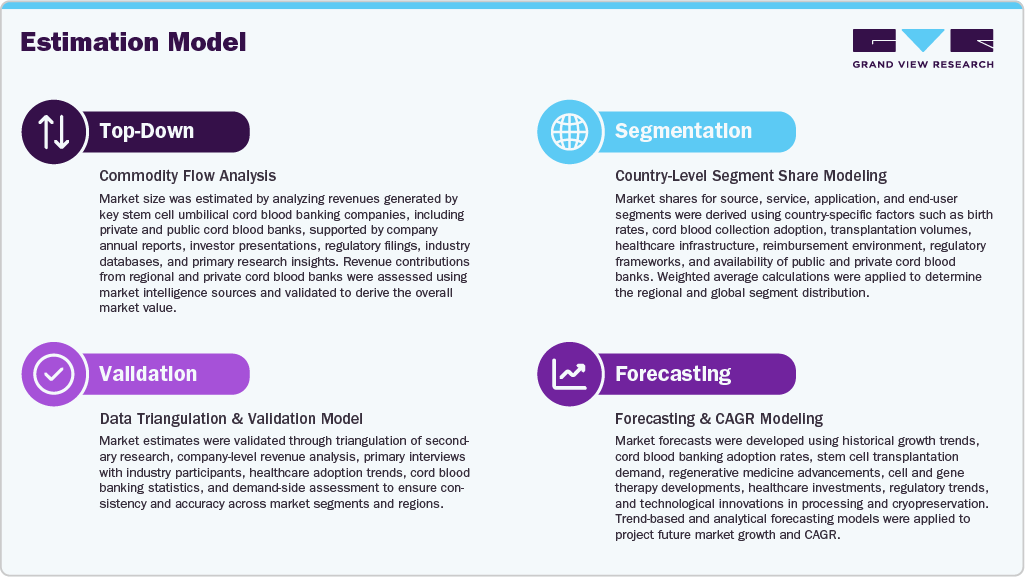
The stem cell umbilical cord blood market figures in this report are based on a proven research process that combines executive interviews with secondary research from proprietary databases, company filings, and recognized regulatory and institutional sources. Market size is built through value-chain sizing-reconciling supply-side and demand-side estimates-and triangulated with bottom-up and top-down approaches. Every estimate passes multiple levels of expert validation before publication, with each stem cell umbilical cord blood segment quantified using the revenue-capture definitions in the table below.
Segment Definition
Segment - Source
Revenue Capture Definition
Umbilical Cord Blood
Revenue generated from the collection, processing, testing, cryopreservation, long-term storage, retrieval, and distribution of umbilical cord blood stem cells, including associated collection kits, processing technologies, storage infrastructure, and banking services.
Umbilical Cord Tissue
Revenue generated from the collection, processing, testing, cryopreservation, long-term storage, retrieval, and distribution of umbilical cord tissue, including mesenchymal stem cell preservation services, collection systems, processing technologies, and biobanking solutions.
Segment - Service
Revenue Capture Definition
Collection & Transportation
Revenue generated from cord blood and cord tissue collection kits, sample collection procedures, transportation logistics, courier services, and chain-of-custody solutions used to transfer newborn stem cell samples from hospitals to processing laboratories.
Processing
Revenue generated from stem cell separation, volume reduction, cell preparation, laboratory processing, and related technologies used to prepare cord blood and cord tissue samples for preservation.
Testing
Revenue generated from infectious disease screening, HLA typing, cell viability assessment, sterility testing, microbial testing, CD34+ cell enumeration, and other quality control services performed before sample storage.
Cryopreservation & Storage
Revenue generated from controlled-rate freezing, cryogenic preservation, liquid nitrogen storage, long-term biobanking services, storage monitoring, and inventory management of cord blood and cord tissue samples.
Sample Retrieval & Distribution
Revenue generated from sample retrieval, release, verification, packaging, logistics, and distribution services for clinical transplantation, regenerative medicine, and research applications.
Segment - Application
Revenue Capture Definition
Hematological Malignancies
Revenue generated from cord blood stem cell applications used in the treatment of leukemia, lymphoma, multiple myeloma, and other hematological malignancies requiring hematopoietic stem cell transplantation.
Blood Disorders
Revenue generated from stem cell applications for inherited and acquired blood disorders, including sickle cell disease, thalassemia, aplastic anemia, and related hematological conditions.
Immune Disorders
Revenue generated from cord blood stem cell therapies used in treating inherited immune deficiencies, autoimmune disorders, and immune system dysfunctions.
Metabolic Disorders
Revenue generated from cord blood stem cell applications used in the treatment of inherited metabolic diseases and rare genetic metabolic disorders requiring stem cell transplantation.
Regenerative Medicine
Revenue generated from cord blood and cord tissue stem cell applications in regenerative medicine, tissue engineering, cell-based therapies, and emerging therapeutic research.
Clinical Research
Revenue generated from the use of cord blood and cord tissue samples in clinical trials, translational research, biomarker discovery, and stem cell-based research activities.
Other Applications
Revenue generated from emerging and other clinical or research applications of cord blood and cord tissue not included in the above categories.
Segment - End Use
Revenue Capture Definition
Hospitals & Transplant Centers
Revenue generated from hospitals and transplant centers utilizing cord blood and cord tissue banking services for stem cell transplantation, patient treatment, and clinical care.
Cord Blood Banks
Revenue generated from public, private, and hybrid cord blood banks providing collection, processing, testing, cryopreservation, storage, and sample release services.
Research & Academic Institutes
Revenue generated from universities, academic institutions, and research organizations using cord blood and cord tissue samples for stem cell research, regenerative medicine, and scientific studies.
Biotechnology & Pharmaceutical Companies
Revenue generated from biotechnology and pharmaceutical companies utilizing cord blood and cord tissue for cell therapy development, regenerative medicine research, drug discovery, and clinical development.
Other End Users
Revenue generated from other healthcare organizations, government agencies, contract research organizations (CROs), and institutions utilizing cord blood and cord tissue banking services for clinical or research purposes.
Estimation Model
 To learn more about this report, Download Free Sample Report
Delivered Customizations
This report has been delivered with the following In-depth customizations
Client Request
Customization Delivered
Value Adds
Pricing Analysis
Analyzed stem cell umbilical cord blood banking costs across collection, processing, testing, cryopreservation, storage duration, retrieval, and distribution services offered by leading cord blood banks and service providers.
Supports cost benchmarking, service pricing evaluation, procurement planning, and assessment of total ownership costs for cord blood banking services.
Competitive Positioning Analysis & Market Share Analysis
Assessed company market share, cord blood banking infrastructure, processing technologies, storage capacity, service portfolios, strategic initiatives, partnerships, and competitive positioning of key stem cell umbilical cord blood market participants.
Enables competitor benchmarking, identifies growth opportunities, evaluates service differentiation, and supports strategic decision-making.
Regional Opportunity Analysis
Evaluated regional opportunities based on cord blood banking adoption, hematopoietic stem cell transplantation volumes, healthcare infrastructure development, regenerative medicine investments, regulatory standards, and availability of public and private banking networks.
Helps identify high-potential regions, prioritize market expansion strategies, and support investment decisions in cord blood banking and cell therapy infrastructure.
Frequently Asked Questions About This Report
The global stem cell umbilical cord blood market size was valued at USD 2.2 billion in 2025 and is estimated at USD 2.3 billion for 2026.
The global stem cell umbilical cord blood market is expected to grow at a CAGR of 6.0% rom 2026 to 2033, reaching USD 3.4 billion by 2033.
The significant factors contributing to market growth include the rising prevalence of hematological and genetic disorders, growing adoption of regenerative medicine and stem cell therapies, and increasing awareness and expansion of public and private cord blood banking.
North America dominated with a 49.2% revenue share in 2025.
Asia Pacific is the fastest-growing region over the forecast period.
The umbilical cord blood segment led with a 55.7% revenue share in 2025 while umbilical cord tissue segment is the fastest growing segment.
The cryopreservation and storage segment led with a 26.3% revenue share in 2025 while testing segment is the fastest growing segment.
The hematological malignancies segment led with a 23.0% revenue share in 2025.The use of umbilical cord blood transplantation for the treatment of leukemia, lymphoma, myelodysplastic syndromes, and other hematologic cancers continues to support the segment growth.
Key players include CooperSurgical (Cord Blood Registry), Revvity (ViaCord), Cryo-Cell International, Inc., StemCyte Inc., FamiCord Group, Cordlife Group Limited, Cells4Life Group LLP, Future Health Biobank, Smart Cells, and Global Cord Blood Corporation.
About the Author(s)
Biotechnology Research Team
Healthcare · BiotechnologyThis report was authored by the biotechnology research team at Grand View Research - comprising two research analysts, one senior research analyst, and one industry expert - with specialized expertise in the biotechnology segment of the healthcare industry. All findings are based on proprietary healthcare databases, executive interviews, and regulatory analysis, subject to internal peer review prior to publication.
Last Updated:
Speak to Analyst

Customize this report to your needs - add regions, segments, or data points, with 20% free customization.
Or view our licence options:


ISO 9001:2015 & 27001:2022 Certified
We are GDPR and CCPA compliant! Your transaction & personal information is safe and secure. For more details, please read our privacy policy.


