
- Home
- »
- Medical Devices
- »
-
U.S. Aesthetic Medicine Market Size, Share Report, 2033GVR Report cover

U.S. Aesthetic Medicine Market (2026 - 2033)
Size, Share & Trends Analysis Report By Procedure (Invasive, Non-invasive Procedures), By Age Group, By End Use (Hospitals, Clinics & Aesthetic Centers), By Metropolitan Cities (New York, Los Angeles), And Segment Forecasts
Market Size, 2025
$18.8BMarket Estimate, 2026
$19.9BMarket Forecast, 2033
$32.0BCAGR, 2026–2033
7.0%U.S. Aesthetic Medicine Market Summary
The U.S. aesthetic medicine market size was valued at USD 18.8 billion in 2025 and is projected to grow from USD 19.9 billion in 2026 to USD 32.0 billion by 2033, at a CAGR of 7.0% from 2026 to 2033. The market is primarily driven by the increasing preference for minimally invasive cosmetic procedures that offer shorter recovery times, lower procedural risks, and natural-looking outcomes. Growing consumer awareness, increasing disposable income, and the rising acceptance of aesthetic treatments among younger adults and men are contributing to higher demand for injectables, skin rejuvenation procedures, and body contouring treatments.
Key Market Trends & Insights
- By procedure: Non-invasive procedures segment held the largest revenue share of 53.6% in 2025.
- By metropolitan cities: New York City accounted for the largest revenue share in 2025.
- By end use: clinics & aesthetic centers segment held a significant share of 47.7% in 2025.
- By age group: 40-54 age group segment held a significant share of 46.5% in 2025.
Market Size & Forecast
- Market size in 2025: USD 18.8 Billion
- Estimated market size in 2026: USD 19.9 Billion
- Projected market size by 2033: USD 32.0 Billion
- CAGR (2026-2033): 7.0%
Three ways to get this report
Buy it, customize it, or ask a question.Ask an Analyst
Analyst response in 1 business day
- AccessReport author, directly
- Reply timeWithin 1 working day
- No sales callDirect answer only
- FormatEmail reply
- CostFree, no cost
Get the Full Report
What the study covers
- FormatsPDF · Excel · Dashboard
- Timeline2026–2033 annual, 2025 base
- Coverage20+ countries, 5 regions
- Companies10+ key players profiled
Customize the Report
20% free customization
- IncludeCountries, segments, points
- TailorTo your product definition
- ExtendDeeper competitor detail
- OrA fully bespoke study
- Turnaround5–10 working days
Healthcare providers are also expanding their portfolios with advanced injectable products and energy-based technologies to address the growing patient base. For instance, in July 2024, Merz Aesthetics received U.S. FDA approval for XEOMIN to temporarily improve the appearance of moderate-to-severe platysma bands in adults, expanding its facial aesthetics portfolio in the U.S.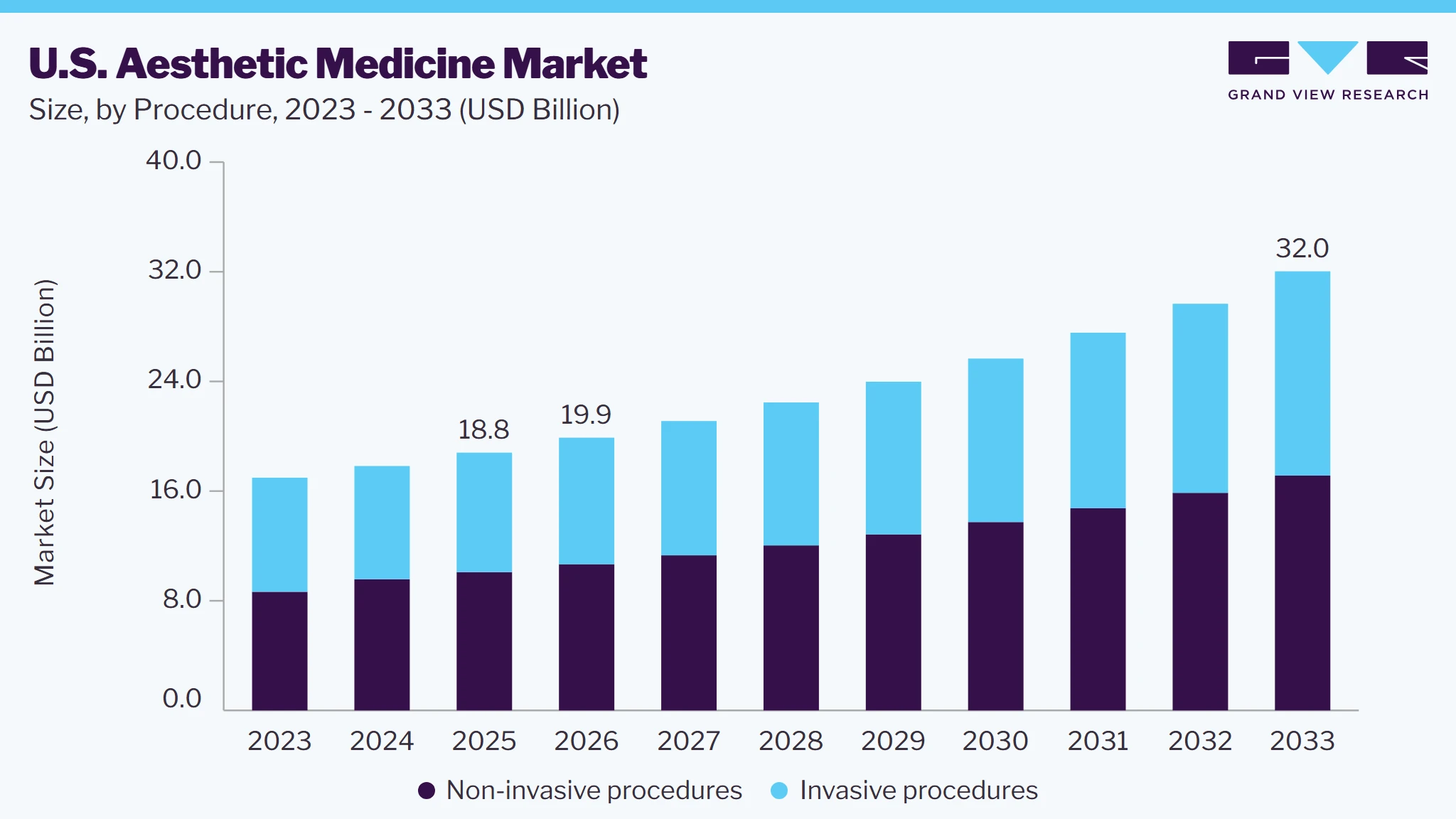 Source: Grand View Research, IR Documents, Primary Interviews, Paid DatabasesTo learn more about this report,
 Download Free Sample Report
Market Dynamics
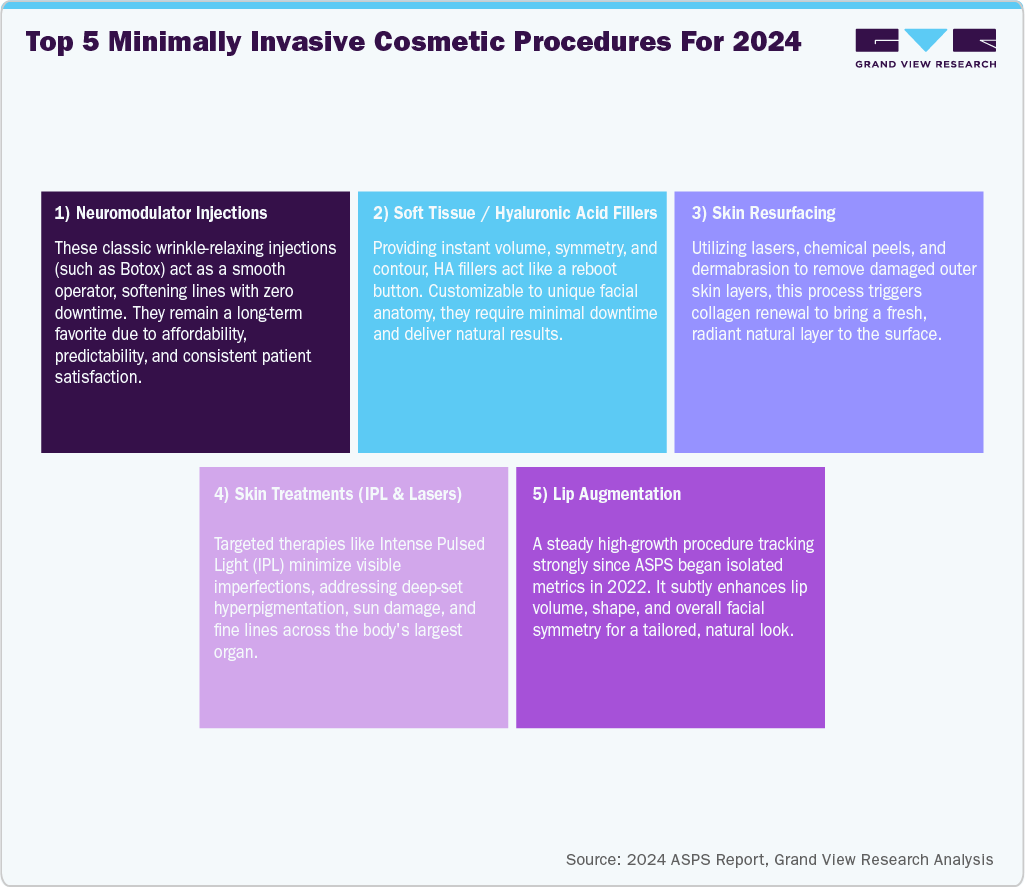
The increasing preference for minimally invasive and non-invasive aesthetic procedures is a major driver of the market. Consumers are seeking effective aesthetic enhancements that deliver visible results without the risks, recovery periods, and costs associated with traditional surgical interventions. For instance, according to the American Society of Plastic Surgeons (ASPS), the following aesthetic procedures were performed in the U.S. in 2024:
- Total Aesthetic Procedures: 6,165,173
- Total Surgical Procedures: ~2.10 million
- Total Non-surgical Procedures: ~4.06 million
Surgical Procedures
Number of Procedures (2024)
Non-Surgical Procedures
Number of Procedures (2024)
Liposuction
342,751
Botulinum Toxin
1,794,384
Breast Augmentation
227,470
Hyaluronic Acid Fillers
1,229,041
Scar Revision
190,854
Non-surgical Skin Tightening
356,072
Eyelid Surgery (Blepharoplasty)
114,030
Chemical Peel
170,203
Rhinoplasty
39,978
Hair Removal
157,756
Source: ISAPS Global Survey 2024, Grand View Research Analysis
Advanced laser systems, radiofrequency devices, ultrasound-assisted technologies, and plasma-based treatments are increasingly used for skin tightening, fat reduction, scar revision, and anti-aging applications. For instance, in October 2025, Cynosure Lutronic launched eCO2 3D, a fractional CO2 laser for skin resurfacing. The system offers interchangeable 120μm, 300μm, and 500μm tips in a 40-watt platform, enabling customizable treatment depth and density for wrinkles, scars, textural irregularities, and other dermatologic indications.
 To learn more about this report, Download Free Sample Report
Growing awareness of preventive aesthetics and increasing demand among younger consumers are further accelerating adoption. Individuals in their twenties and thirties are increasingly utilizing minimally invasive treatments to maintain youthful appearances and delay visible signs of aging. Social media exposure, virtual consultations, and enhanced accessibility through specialized aesthetic clinics and medical spas have expanded market reach and consumer engagement. In addition, repeat treatment requirements for injectables and other non-surgical procedures create recurring demand, supporting sustained revenue generation for providers. This shift toward less invasive aesthetic solutions continues to drive growth in the aesthetic medicine market in the U.S.
The growth of the market is restrained by the high cost of aesthetic procedures and the lack of insurance reimbursement for elective cosmetic treatments. Most aesthetic procedures, including botulinum toxin injections, dermal fillers, laser skin resurfacing, body contouring, and cosmetic surgeries, are performed for aesthetic enhancement rather than medical necessity. Consequently, these procedures are generally not covered by private health insurance or public healthcare programs such as Medicare and Medicaid, requiring patients to bear the full cost out of pocket. The cumulative financial burden becomes more significant for patients undergoing multiple procedures or maintenance treatments, such as botulinum toxin injections and dermal fillers, which require repeat sessions every few months to maintain clinical results.
Procedure (U.S., 2024)
Average Surgeon Fee Range
Facelift
USD 12,000-19,000
Rhinoplasty
USD 7,500-12,500
Abdominoplasty (Tummy Tuck)
USD 8,000-13,500
Liposuction
USD 4,300-7,500
Breast Augmentation
USD 4,575-8,000
Neck Lift
USD 7,500-13,000
Source: 2024 ASPS Report, Grand View Research Analysis
Around 30.9 million aesthetic procedures were performed in the U.S. in 2024; however, most cosmetic procedures are elective and are not covered by public or private health insurance, making affordability a major barrier to treatment adoption. Patients must bear the entire cost of procedures, including surgeon fees, anesthesia, facility charges, and follow-up care. Furthermore, the recurring nature of minimally invasive treatments, such as botulinum toxin injections and dermal fillers, increases long-term treatment costs, thereby limiting adoption among cost-conscious consumers despite growing demand for services.
AI-powered facial analysis and skin assessment platforms are enabling practitioners to evaluate facial symmetry, skin quality, anatomical proportions, and aging patterns with greater accuracy, facilitating personalized treatment planning and improving clinical decision-making. These technologies support data-driven consultations, helping providers recommend customized surgical and non-surgical procedures based on individual patient characteristics and aesthetic goals. As U.S. aesthetic clinics increasingly adopt digital technologies to enhance treatment precision and patient experience, AI-based consultation platforms are expected to become a key competitive differentiator.
AI-driven simulation and visualization tools are also transforming patient engagement by allowing individuals to preview potential treatment outcomes before undergoing aesthetic procedures. Three-dimensional imaging and virtual simulation technologies improve communication between practitioners and patients, align treatment expectations with achievable results, and support informed decision-making, thereby increasing patient confidence and treatment acceptance rates. For instance, in April 2026, Perfect Corp. partnered with Keensight to integrate AI-powered skin analysis into the Lummitry 3D consultation platform. The solution utilizes mobile facial imaging to generate accurate 3D facial models, improve consultation quality, reduce decision-making time, and enhance conversion rates for aesthetic practices.
"Perfect Corp.’s AI technology offers global-level accuracy and stability, making it the ideal choice for enhancing our 3D-based consulting experience," said Hyunsoo Cho and Joseph Kim, Co-Founders of Keensight
Growing investments in AI-enabled patient engagement solutions are further creating opportunities for aesthetic providers across the U.S. AI-powered communication platforms help automate appointment scheduling, patient follow-ups, treatment education, and lead management, improving operational efficiency while enhancing patient satisfaction. For instance, in May 2026, AI Med Consult partnered with MedShark Digital to combine AI-driven patient engagement with digital marketing capabilities, enabling aesthetic practices to improve patient acquisition and streamline front-office workflows.
"Patients are increasingly seeking treatments that work at a deeper biological level to improve skin health, not just appearance," said Dr. Dean Vistnes, Co-founder and Medical Director at SkinSpirit
The growth of the market is hindered by the rising prevalence of counterfeit aesthetic products and treatments performed by unlicensed providers. The rising popularity of botulinum toxin injections and dermal fillers has led to the emergence of unauthorized suppliers offering counterfeit or unapproved products at significantly lower prices. These products may contain unknown ingredients, be improperly stored, or be compromised in sterility, increasing the risk of severe adverse events such as infection, tissue necrosis, vision impairment, and hospitalization. Concerns about patient safety undermine consumer confidence and spur stricter regulatory oversight, creating challenges for legitimate manufacturers and healthcare providers.
For instance, in April 2024, the U.S. Food and Drug Administration (FDA) warned healthcare professionals and consumers that counterfeit Botox had been identified in multiple U.S. states and was associated with adverse events, including hospitalizations. The FDA advised providers to purchase botulinum toxin products only through authorized distributors and reminded consumers that injectable cosmetic products should only be administered by licensed healthcare professionals.
Case Study: Personalized Laser-Based Rosacea Treatment and Skin Rejuvenation
Patient Profile:
A female patient in her 40s presented with persistent facial erythema, flushing, inflammatory papules, and telangiectasia associated with rosacea. In addition to rosacea symptoms, the patient sought treatment for age-related skin concerns, including uneven skin texture and early signs of facial aging.
Clinical Objective:
The clinical objective was to reduce facial redness and inflammation associated with rosacea, improve overall skin quality, and achieve facial rejuvenation through a personalized, minimally invasive treatment approach.
Procedure Overview:
The patient underwent a customized treatment protocol combining prescription skincare with energy-based aesthetic procedures, including vascular laser therapy to reduce diffuse erythema and visible blood vessels. Follow-up consultations were conducted to evaluate treatment response and adjust the treatment plan based on clinical improvement.
Results & Diagnosis:
Following the treatment course, clinical assessment demonstrated a visible reduction in facial erythema and telangiectasia, along with improvements in skin texture, tone, and overall facial appearance. The patient tolerated the treatment well, with no major complications reported, highlighting the effectiveness of individualized, minimally invasive aesthetic treatments for managing rosacea while simultaneously addressing cosmetic skin concerns.
Market Concentration & Characteristics
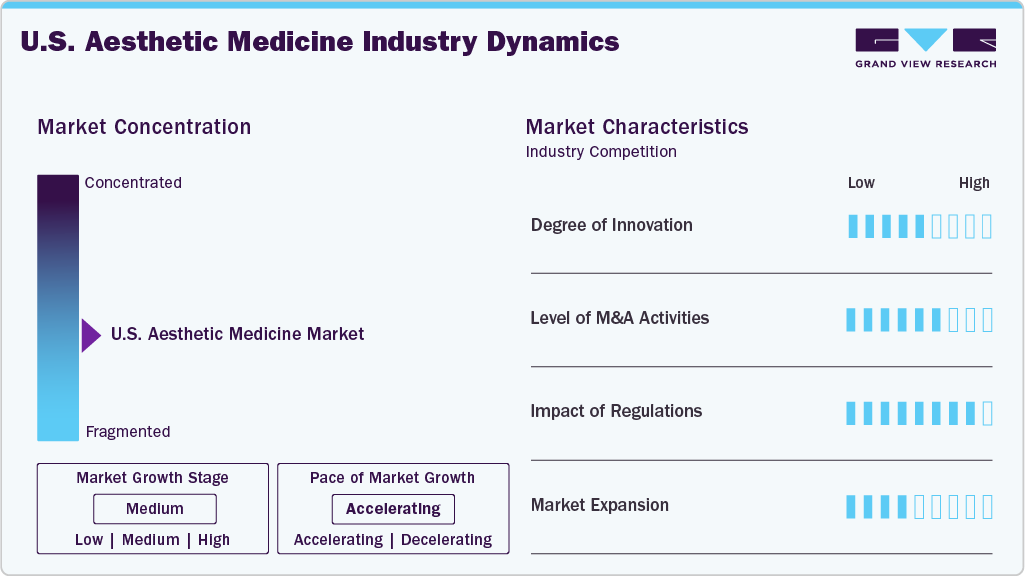
The chart below illustrates the relationship among industry concentration, industry characteristics, and industry participants in the market. The market is highly fragmented, with numerous medical spas, dermatology clinics, and plastic surgery practices offering diverse services. It is characterized by a high degree of innovation, moderate merger and acquisition activity, strong regulatory oversight, and continuous expansion driven by increasing demand for minimally invasive aesthetic procedures and advanced treatment technologies.
 To learn more about this report, Download Free Sample Report
The industry is experiencing a high degree of innovation, driven by continuous advancements in minimally invasive procedures, regenerative aesthetics, artificial intelligence, and energy-based treatment technologies. Service providers are increasingly adopting AI-powered skin analysis, personalized treatment planning, and next-generation laser and radiofrequency platforms to improve patient outcomes. For instance, in July 2026, SkinSpirit expanded its regenerative aesthetics portfolio by launching a PDRN (Salmon DNA) Microneedling Catalyst Serum Treatment to address the growing demand for advanced skin rejuvenation therapies.
Technology/Device
Application
Key Features/Advancements
Wand-Based Radiofrequency (WBR)
Skin tightening
Combines internal and external radiofrequency treatment to improve skin laxity and enhance treatment outcomes.
Fractional Radiofrequency (FR)
Skin tightening and rejuvenation
Use controlled directional energy delivery for non-invasive tightening of the face, neck, décolletage, arms, knees, and breast area.
Micro channeling with Fractional RF
Skin texture improvement
Integrates micro channeling with fractional radiofrequency to enhance collagen remodeling and improve skin texture.
Micro focused Ultrasound 2.0 (Ultherapy Platform)
Facial lifting and skin tightening
FDA-cleared platform with improved visualization, shorter treatment times, and enhanced treatment efficiency.
Ellacor Microcoring System
Skin laxity treatment
Removes up to 15% of excess skin from the lower face and neck without surgery, providing a minimally invasive alternative to facelift procedures.
Hydrogel Carbon Black Patch with Q-Switched Nd:YAG Laser
Cellulite reduction and body contouring
Generates acoustic waves for non-invasive cellulite and fat reduction with approximately 10-minute treatment sessions and no downtime.
RF with Facial Muscle Stimulation (e.g., triLift/EMFACE)
Facial toning and lifting
Combines radiofrequency with muscle stimulation to improve facial muscle tone and skin quality over a 4-6-week treatment protocol.
Home-use LED, Microcurrent & RF Devices
Anti-aging and skincare maintenance
FDA-cleared devices designed for acne treatment, skin tightening, facial toning, and daily skincare maintenance at home.
FoLix Fractional Laser
Hair restoration
First FDA-cleared fractional laser for hair loss, stimulating hair follicle growth in both men and women.
Source: 2025 AAD: New Technologies for Face and Body Treatments, Modern Aesthetics
The level of mergers and acquisitions is moderate to high, supported by rising private equity investment and consolidation among medical spa and aesthetic clinic networks. Leading providers continue to expand their geographic footprint and service offerings through acquisitions and strategic partnerships, strengthening their presence in the highly competitive U.S. market.In September 2025, Spa Medicca completed the strategic acquisition of Skin Science Aesthetics, with Viper Partners serving as the exclusive financial advisor. The transaction expanded Spa Medicca's presence in Florida, strengthened its aesthetic service portfolio, and supported its long-term regional growth strategy through an established clinical platform.
The industry operates under a high level of regulatory oversight, with aesthetic medical devices, dermal fillers, laser systems, and botulinum toxin products regulated by the U.S. Food and Drug Administration. In addition, physicians and aesthetic practitioners must comply with state-specific licensing requirements and clinical practice standards to ensure patient safety and treatment quality.
The U.S. aesthetic medicine market continues to expand, driven by the introduction of advanced treatment technologies and the rapid growth of medical spas and specialty aesthetic clinics. The expansion of multi-location medical spa chains, coupled with rising private equity investments and growing adoption of AI-enabled consultation platforms, is further enhancing access to aesthetic services across the country. These developments are enabling providers to improve treatment outcomes, enhance patient experience, and strengthen their competitive position, supporting sustained market growth.
Analyst Perspective
The U.S. aesthetic medicine market is driven by growing demand for minimally invasive and non-invasive cosmetic procedures, driven by rising aesthetic awareness, increasing disposable income, and the growing emphasis on appearance across all age groups. The increasing adoption of injectable treatments, laser-based procedures, body contouring, skin rejuvenation, and facial aesthetic solutions, coupled with the expanding aging population seeking anti-aging treatments, is supporting market growth. Furthermore, continuous advancements in energy-based devices, AI-enabled aesthetic technologies, personalized treatment approaches, and shorter recovery procedures are improving treatment outcomes, enhancing patient satisfaction, and driving broader adoption of aesthetic medicine services across dermatology clinics, medical spas, hospitals, and specialty aesthetic centers.
Procedure Insights
The non-invasive segment held a significant share of 53.6% in 2025. The segment is growing due to ongoing technological advancements in surgical planning, implant technologies, and body-contouring systems, enabling surgeons to improve procedural precision, enhance patient safety, and deliver more predictable aesthetic outcomes. The integration of digital planning tools, three-dimensional visualization, and advanced surgical devices is streamlining preoperative planning and supporting personalized treatment approaches across aesthetic surgeries. For instance, in January 2026, Johnson & Johnson MedTech launched the Arbrea Breast Simulator Surgeon App for MENTOR in the U.S. The tablet- and smartphone-based application generates a personalized 3D breast augmentation simulation in approximately 60 seconds, allowing surgeons and patients to visualize expected outcomes during consultation and facilitating informed surgical planning. In addition, in May 2026, Apyx Medical received expanded FDA 510(k) clearance for its AYON Body Contouring System, adding power-assisted liposuction functionality to the platform.
The invasive segment is expected to grow at a significant CAGR during the forecast period.
Age Group Insights
The 40-54 age group segment held a significant share of 46.5% in 2025. This age group represents the core consumer base for aesthetic medicine, driven by increasing demand for both preventive and corrective anti-aging treatments. Individuals aged 40-54 commonly seek procedures such as botulinum toxin injections, dermal fillers, laser skin resurfacing, body contouring, and facial rejuvenation to reduce visible signs of aging while maintaining a natural appearance. Higher disposable incomes, greater awareness of minimally invasive procedures, and growing acceptance of cosmetic enhancements further support the segment's dominance. In addition, the availability of advanced treatment options with shorter recovery times has encouraged repeat procedures and sustained demand among this demographic. In June 2025, Merz Aesthetics received U.S. FDA approval for XEOMIN (incobotulinumtoxinA) for the temporary improvement of moderate to severe platysma bands in adults. The approval expanded the use of XEOMIN for lower-face and neck rejuvenation procedures that are particularly popular among individuals aged 40-54, who increasingly seek minimally invasive treatments to address visible signs of aging while maintaining a natural appearance.
The 55-69 age group segment is expected to witness significant growth over the forecast period. Growth in this segment is primarily driven by the increasing preference for minimally invasive aesthetic procedures that address age-related concerns such as skin laxity, volume loss, deep wrinkles, and neck rejuvenation. Individuals in this age group generally have higher disposable incomes and are increasingly opting for non-surgical treatments that deliver natural-looking results with minimal downtime, helping them maintain a youthful appearance while avoiding invasive surgery.
End Use Insights
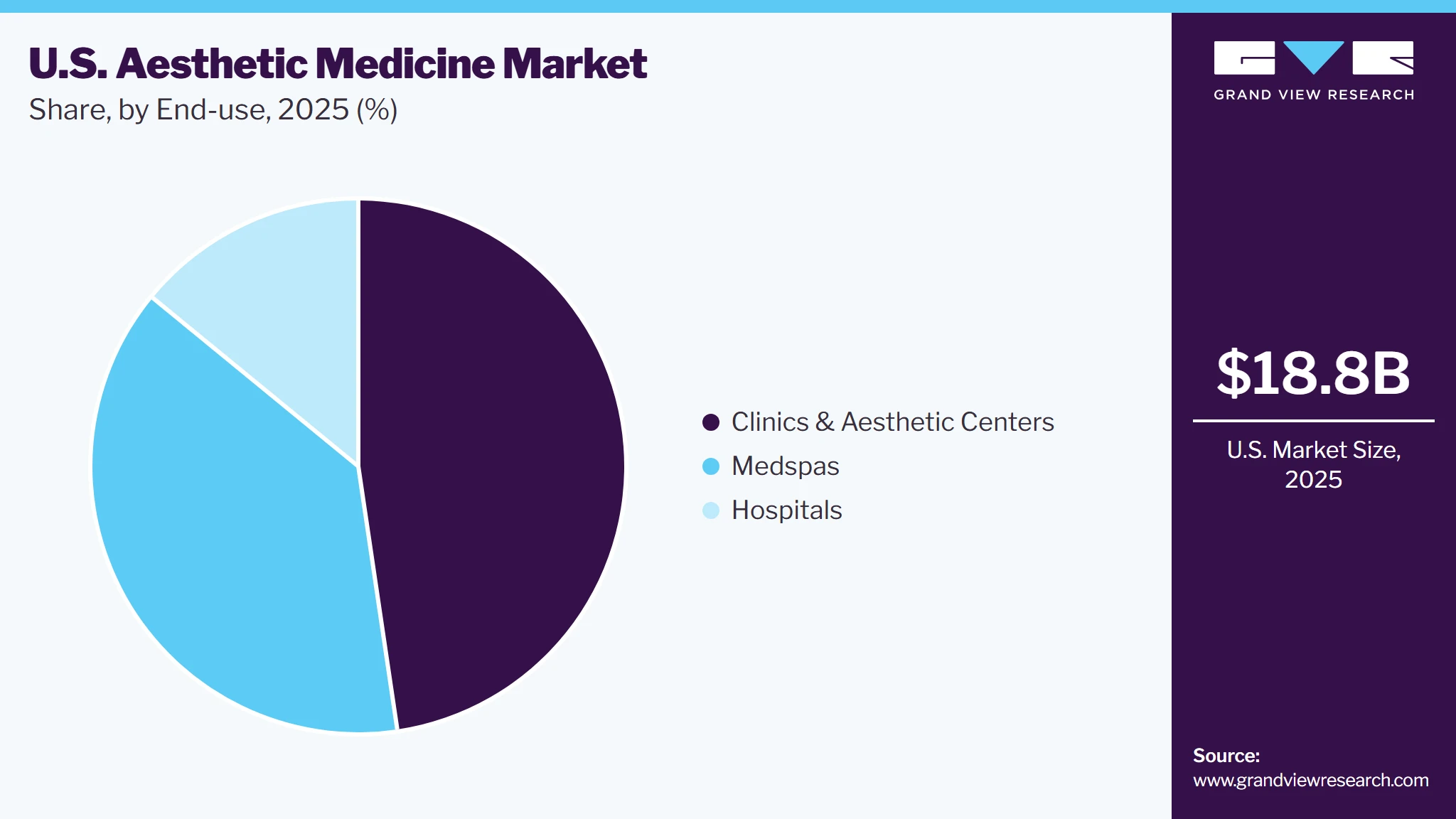
The clinics & aesthetic centers segment held a significant share of 47.7% in 2025. The growth is driven by the rapid expansion of medical spas, specialty aesthetic clinics, and multi-location aesthetic center networks across the U.S. Growing consumer demand for minimally invasive and personalized aesthetic treatments has encouraged providers to broaden their service portfolios by offering injectables, laser-based procedures, body contouring, skin rejuvenation, and regenerative aesthetic therapies under one roof. For instance, in January 2026, OrangeTwist announced a strategic alliance with SBC Medical Group Holdings and acquired six additional medical spa locations in Colorado and Nevada, expanding its network to 24 locations across six U.S. states. The expansion strengthened the company's national footprint and enhanced access to non-invasive aesthetic and wellness services through its growing med spa platform.
 To learn more about this report, Download Free Sample Report
The medical spas segment is expected to witness the fastest growth in the U.S. aesthetic medicine services market over the forecast period. The growth is driven by increasing consumer preference for minimally invasive cosmetic procedures, rising disposable income, and growing awareness of preventive aesthetics. Medspa offers physician-supervised aesthetic treatments in a convenient outpatient setting, bridging the gap between traditional day spas and dermatology or plastic surgery clinics. These facilities provide a comprehensive range of non-surgical services, including botulinum toxin injections, dermal fillers, laser hair removal, skin resurfacing, chemical peels, microneedling, body contouring, tattoo removal, scar revision, and regenerative aesthetic treatments.
Metropolitan Cities Insights
New York accounted for the largest market share of 10.4% in 2025 and is expected to grow at the fastest CAGR during the forecast period. The growth is driven by its high concentration of board-certified plastic surgeons, dermatologists, and medical spas, coupled with a large, affluent population that demonstrates strong demand for both surgical and minimally invasive aesthetic procedures. New York also benefits from early adoption of advanced aesthetic technologies, a thriving medical tourism market, and growing consumer preference for facial rejuvenation, body contouring, and skin enhancement treatments. Continuous investments by leading aesthetic clinics and manufacturers further strengthen the state's market growth.
Key U.S. Aesthetic Medicine Company Insights
The market is fragmented, with the presence of many aesthetic medicine providers. The market players undertake several strategic initiatives, such as partnerships & collaborations, product launches, mergers & acquisitions, and geographical expansion to maintain their position and grow in the market.
Key U.S. Aesthetic Medicine Companies
-
Ideal Image Inc.
-
LaserAway
-
Milan Laser Hair Removal
-
SkinSpirit
-
Sono Bello
-
AirSculpt Technologies
-
OrangeTwist
-
Mia Aesthetics
-
SEV Laser
-
Chapter Aesthetic Studio
Competitive Benchmarking
Operating Strategies
Competitive Edge
Weaknesses
Mature Players: Ideal Image Inc.
- Diversified product portfolio (botulinum toxins, dermal fillers, energy-based devices, skincare).
- Strong distribution networks in U.S. and partnerships with clinics & hospitals.
- Expansion through mergers, acquisitions, and strategic collaborations.
- Established brand reputation and physician trust.
- Economies of scale in production and distribution.
- Strong regulatory experience and compliance infrastructure.
- Broad customer base across premium and mid-tier markets.
- Slower innovation cycles due to bureaucratic processes.
- High R&D and regulatory costs make them less flexible.
- Vulnerable to price competition from lower-cost players.
- Heavy dependence on legacy products (such as Botox, fillers).
Emerging Players: Mia Aesthetics
- Focused portfolios, usually specializing in niche or innovative products (such as regenerative medicine, AI-driven skincare, minimally invasive devices).
- Entry via cost competitiveness or disruptive business models.
- Agility in innovation and quicker adaptation to consumer trends (such as demand for non-invasive, natural-looking results).
- Use of digital platforms for direct-to-consumer marketing.
- Lower overheads allow competitive pricing.
- Ability to target underserved or emerging markets.
- Limited brand recognition and physician trust.
- Smaller financial reserves constrain R&D and global expansion.
- Higher regulatory hurdles to gain approvals in established markets.
- Greater business risk due to dependence on few products.
Recent Developments
-
In April 2026, the U.S. FDA approved Merz Aesthetics’ Radiesse for treating décolletage wrinkles in adults 22 and older.
-
In February 2026, Applied Medical Technology announced the U.S. launch of Explant Express, a breast implant suction retrieval device for the removal of ruptured implants.
"The Explant Expressbreast implant suction retrieval device was designed to help plastic surgeons improve efficiency and control when removing ruptured breast implants."
-Joe Harr, Surgical Sales Manager
-
In October 2025, Plexāā launched BLOOM⁴³ in the U.S. as a prehab and preconditioning platform for breast surgery patients. It combines a wearable home device with an app to improve skin resilience before surgery, thereby supporting wound healing and reducing complications after breast procedures.
-
In May 2024, Olympus Cosmetic Group, backed by VSS Capital Partners, completed its acquisition of Artisan, a female-founded cosmetic surgery and medspa platform. The deal expands Olympus’s footprint in aesthetic services and strengthens its growth strategy by consolidating its surgery, dermatology, medspa, and non-surgical cosmetic offerings.
-
In May 2024, the Aesthetic Society and The Aesthetic Foundation launched ARISE, a breast implant surveillance registry, to improve patient safety, outcomes tracking, and evidence-based care. The platform records implant and procedure data across augmentation, reconstruction, revision, and explant cases, creating a large database to support long-term monitoring and research.
"ARISE represents a leap forward in patient safety, outcomes research, and overall quality improvement in breast implant procedures. By leveraging the Aesthetic One app, ARISE collects unbiased, validated data that will be reported to regulatory bodies and utilized to collaborate with other international breast implant registries."
-Dr. Caroline Glicksman, President of The Aesthetic Foundation
U.S. Aesthetic Medicine Market Report Scope
Report Attribute
Details
Market size in 2025
USD 18.8 billion
Estimated market size in 2026
USD 19.9 billion
Projected market size by 2033
USD 32.0 billion
Growth rate
CAGR of 7.0% from 2026 to 2033
Actual data
2021 - 2025
Forecast data
2026 - 2033
Quantitative units
Revenue in USD billion and CAGR from 2026 to 2033
Report coverage
Revenue forecast, company ranking, competitive landscape, growth factors, and trends
Country Scope
U.S.
Segments covered
Procedure, age group, end use, metropolitan cities
Key companies profiled
Ideal Image Inc.; LaserAway; Milan Laser Hair Removal; SkinSpirit; Sono Bello; AirSculpt Technologies; OrangeTwist; Mia Aesthetics; SEV Laser; Chapter Aesthetic Studio
Customization scope
Free report customization (equivalent up to 8 analysts working days) with purchase. Addition or alteration to country, regional & segment scope.
Pricing and purchase options
Avail customized purchase options to meet your exact research needs. Explore purchase options
U.S. Aesthetic Medicine Market Report Segmentation
This report forecasts revenue growth and provides an analysis of the latest industry trends in each of the sub-segments from 2021 to 2033 For this study, Grand View Research has segmented the U.S. aesthetic medicine market report based on procedure, age group, end use, and metropolitan cities:
-
Procedure Outlook (Revenue, USD Billion, 2021 - 2033)
-
Invasive Procedures
-
Breast augmentation
-
Liposuction
-
Nose reshaping
-
Eyelid Surgery
-
Tummy tuck
-
Others
-
-
Non-invasive Procedures
-
Botox injections
-
Soft tissue fillers
-
Chemical peel
-
Laser hair removal
-
Microdermabrasion
-
Others
-
-
-
Age Group Outlook (Revenue, USD Billion, 2021 - 2033)
-
19 and under
-
20-29
-
30-39
-
40-54
-
55-69
-
70+
-
-
End Use Outlook (Revenue, USD Billion, 2021 - 2033)
-
Hospitals
-
Clinics & Aesthetic Centers
-
Medspas
-
-
Metropolitan Cities Outlook (Revenue, USD Billion, 2021 - 2033)
-
New York
-
Los Angeles
-
Chicago
-
Dallas
-
Houston
-
Washington
-
Miami
-
Philadelphia
-
Atlanta
-
Phoenix
-
Others
-
Research Methodology
The U.S. aesthetic medicine marketfigures in this report are based on a proven research process that combines executive interviews with secondary research from proprietary databases, company filings, and recognized regulatory and institutional sources. Market size is built through value-chain sizing-reconciling supply-side and demand-side estimates-and triangulated with bottom-up and top-down approaches. Every estimate passes multiple levels of expert validation before publication, with eachU.S. aesthetic medicinesegment quantified using the revenue-capture definitions in the table below.
Segment Definition
Segment- Procedure
Revenue capture definition
Invasive Procedures
Surgical aesthetic procedures performed to enhance or reshape facial and body features through incisions, typically requiring anesthesia and recovery time.
Breast Augmentation
Surgical enhancement of breast size and shape using implants or autologous fat transfer.
Liposuction
Surgical removal of localized fat deposits to improve body contour and proportion.
Nose Reshaping (Rhinoplasty)
Surgical procedure to alter the shape, size, or structure of the nose for aesthetic enhancement.
Eyelid Surgery (Blepharoplasty)
Cosmetic surgery to remove excess skin and fat from the eyelids, improving appearance and reducing signs of aging.
Tummy Tuck (Abdominoplasty)
Surgical procedure that removes excess abdominal skin and fat while tightening the abdominal muscles.
Others (Invasive)
Includes facelift, brow lift, neck lift, chin augmentation, otoplasty, and other cosmetic surgical procedures.
Non-invasive Procedures
Cosmetic treatments performed without surgical incisions, offering minimal downtime and faster recovery.
Botox Injections
Injectable botulinum toxin treatment used to temporarily reduce facial wrinkles and fine lines.
Soft Tissue Fillers
Injectable dermal fillers used to restore facial volume, smooth wrinkles, and enhance facial contours.
Chemical Peel
Skin resurfacing treatment using chemical solutions to improve skin texture, tone, and pigmentation.
Laser Hair Removal
Laser-based treatment that reduces unwanted hair by targeting hair follicles.
Microdermabrasion
Minimally invasive exfoliation procedure that removes dead skin cells to improve skin appearance.
Others (Non-invasive)
Includes microneedling, laser skin resurfacing, intense pulsed light (IPL) therapy, radiofrequency skin tightening, cryolipolysis, ultrasound-based skin tightening, and other non-surgical aesthetic treatments.
Segment - Age Group
Revenue capture definition
19 and Under
Includes individuals aged 19 years and below who undergo aesthetic procedures primarily for congenital abnormalities, reconstructive needs, trauma-related corrections, and selected cosmetic enhancements under appropriate clinical supervision.
20-29
Represents young adults aged 20 to 29 years seeking aesthetic procedures for facial enhancement, body contouring, skin improvement, and preventive anti-aging treatments.
30-39
Comprises individuals aged 30 to 39 years who increasingly undergo minimally invasive and surgical aesthetic procedures to address early signs of aging while enhancing facial and body aesthetics.
40-54
Covers individuals aged 40 to 54 years receiving aesthetic treatments to manage moderate signs of aging, including wrinkles, skin laxity, facial volume loss, and body contouring concerns.
55-69
Encompasses individuals aged 55 to 69 years undergoing surgical and non-surgical aesthetic procedures focused on facial rejuvenation, skin restoration, and age-related cosmetic enhancement.
70+
Consists of individuals aged 70 years and above who pursue aesthetic procedures to improve appearance, skin quality, and overall well-being, with treatment plans tailored to their health status and clinical suitability.
Segment - End Use
Revenue capture definition
Hospitals
Healthcare institutions provide aesthetic surgical procedures supported by specialized medical infrastructure and multidisciplinary teams.
Clinics & Aesthetic Centers
Specialized outpatient facilities offering physician-led surgical and non-surgical aesthetic treatments.
MedSpas
Physician-supervised medical spas provide minimally invasive aesthetic treatments in a clinical yet spa-environment.
Estimation Model
1.1 Secondary Market Research
1.1.1 Data Sources
An extensive secondary research process was conducted to assess the U.S. aesthetic medicine market using information from:
Professional societies and industry associations: American Society of Plastic Surgeons (ASPS), International Society of Aesthetic Plastic Surgery (ISAPS), American Academy of Dermatology (AAD), American Society for Dermatologic Surgery (ASDS), and The MedSpa Association.
Government and regulatory agencies: U.S. Food and Drug Administration (FDA), Centers for Medicare & Medicaid Services (CMS), U.S. Census Bureau, and Bureau of Labor Statistics (BLS).
Company publications: Annual reports, SEC filings, investor presentations, earnings calls, press releases, and corporate websites.
Industry publications: Peer-reviewed journals, clinical studies, conference proceedings, and aesthetic medicine magazines.
Clinic audits: Public pricing, treatment offerings, memberships, and promotional packages from medical spas, dermatology clinics, and plastic surgery centers.
1.1.2 Analysis Focus
Secondary research focused on:
-
Procedure-wise demand and utilization trends.
-
Pricing across provider settings.
-
Technology adoption and service portfolio expansion.
-
Competitive landscape, mergers & acquisitions, and expansion activities.
-
Regulatory framework governing aesthetic procedures and medical devices.
1.2 Primary Market Intelligence
Primary research was conducted to validate secondary findings and obtain current market insights regarding procedure volumes, pricing, technology adoption, and provider trends.
1.2.1 In-depth Interviews (IDIs)
Respondents
-
Plastic surgeons
-
Cosmetic dermatologists
-
Aesthetic physicians
-
Medical spa owners and managers
-
Aesthetic clinic administrators
-
Industry experts and consultants
-
Device manufacturers and distributors
Discussion Areas
-
Procedure mix and treatment volumes
-
Pricing and promotional strategies
-
Consumer preferences
-
Technology adoption
-
Capacity utilization
-
Competitive landscape
-
Market opportunities and challenges
1.2.2 Online Survey Program
The survey collected information on:
-
Monthly procedure volumes
-
Average realized pricing
-
Invasive vs. non-invasive procedure mix
-
Equipment utilization
-
Repeat treatment rates
-
Technology adoption
Patient acquisition and marketing trends
1.3 Market Size Estimation
The U.S. aesthetic medicine market was estimated using a bottom-up approach, where market revenue was calculated by multiplying the annual procedure volume by the realized average procedure price for each treatment category.
1.3.1 Step 1- Estimating Procedure Volumes
Procedure volumes were estimated using data from ASPS, ISAPS, industry associations, published literature, and company disclosures. These estimates were validated through primary interviews and surveys with plastic surgeons, dermatologists, aesthetic physicians, medical spas, and aesthetic clinics to capture procedure volumes across all major provider settings.
1.3.2 Step 2 - Estimating Average Procedure Price
Average procedure prices were derived from clinic pricing audits, medical spa websites, provider interviews, and survey responses. Realized prices reflected promotional discounts, bundled packages, memberships, and financing offers rather than advertised list prices.
1.3.3 Final Market Estimation
Revenue was calculated for each procedure by multiplying estimated procedure volumes by realized average prices. The results were aggregated across all procedure categories and end users, including hospitals, clinics & aesthetic centers, and medical spas. Final market estimates were validated through data triangulation using company revenues, clinic capacities, technology adoption, and expert insights.
Delivered Customizations
This report has been delivered with the following In-depth customizations
Client Request
Customization Delivered
Value Adds
Service-level pricing and demand analysis across the U.S.
Detailed pricing analysis of surgical and non-surgical aesthetic procedures (Botox, dermal fillers, laser treatments, body contouring, liposuction, breast augmentation, facelift, rhinoplasty), procedure volume analysis, state-wise demand assessment, medical spa vs. hospital/clinic pricing comparison, reimbursement assessment (where applicable), and patient affordability analysis.
Enables pricing benchmarking, identification of high-demand procedures, regional opportunity assessment, competitive pricing strategies, and evaluation of consumer spending patterns across the U.S. aesthetic medicine market.
Competitive Landscape & Service Provider Ecosystem Analysis
Comprehensive competitive benchmarking of leading medical spas, dermatology clinics, plastic surgery centers, and aesthetic clinic chains, including service portfolio comparison, geographic footprint, pricing strategies, technology adoption, expansion activities, mergers & acquisitions, partnerships, physician network analysis, and market share assessment.
Supports competitor benchmarking, expansion strategy development, partnership and acquisition identification, technology adoption analysis, and identification of high-growth service providers and regional markets.
Consumer Preferences, Treatment Trends & Patient Journey Analysis
Detailed assessment of patient demographics, treatment preferences, minimally invasive vs. invasive procedure adoption, repeat treatment behavior, provider selection criteria, digital consultation trends, social media influence, financing preferences, patient satisfaction, and loyalty analysis across the U.S.
Enables understanding of patient behavior, treatment demand patterns, customer retention strategies, personalization opportunities, digital engagement effectiveness, and long-term growth opportunities within the U.S. aesthetic medicine market.
Frequently Asked Questions About This Report
The U.S. aesthetic medicine market size was estimated at USD 18.8 billion in 2025.
The U.S. aesthetic medicine market is anticipated to witness growth at a rate of 7.0% over the forecast period to reach a value of 32.0 billion by 2033.
Key factors that are driving the U.S. aesthetic medicine market growth include the increasing demand for minimally invasive and non-invasive procedures, which often have shorter recovery times and lower risks compared to surgical options. Furthermore, the growing acceptance of aesthetic procedures in mainstream culture and the increasing availability of financing options have contributed to the market expansion
The 40-54 age group segment held a significant share of 46.5% in 2025. This age group represents the core consumer base for aesthetic medicine, driven by increasing demand for both preventive and corrective anti-aging treatments.
The clinics & aesthetic centers segment held a significant share of 47.7% in 2025. The clinics and aesthetic centers segment are driven by the rapid expansion of medical spas, specialty aesthetic clinics, and multi-location aesthetic center networks across the U.S.
Non-invasive procedures dominated the U.S. aesthetic medicine market with a share of 53.6% in 2025. This is attributable to the growing popularity of noninvasive procedures which can be attributed to several factors, including the desire for quick & easy treatments, and the desire to avoid downtime.
Some of the players operating in this market are Ideal Image Inc.; LaserAway; Milan Laser Hair Removal; SkinSpirit; Sono Bello; AirSculpt Technologies; OrangeTwist; Mia Aesthetics; SEV Laser; Chapter Aesthetic Studio
New York accounted for the largest market share in 2025 driven by its high concentration of board-certified plastic surgeons, dermatologists, and medical spas, coupled with a large affluent population that demonstrates strong demand for both surgical and minimally invasive aesthetic procedures.
About the Author(s)
Medical Devices Research Team
Healthcare · Medical DevicesThis report was authored by the medical devices research team at Grand View Research - comprising two research analysts, one senior research analyst, and one industry expert - with specialized expertise in the medical devices segment of the healthcare industry. All findings are based on proprietary healthcare databases, executive interviews, and regulatory analysis, subject to internal peer review prior to publication.
Last Updated:
Speak to Analyst

Customize this report to your needs - add regions, segments, or data points, with 20% free customization.
Or view our licence options:


ISO 9001:2015 & 27001:2022 Certified
We are GDPR and CCPA compliant! Your transaction & personal information is safe and secure. For more details, please read our privacy policy.


