
- Home
- »
- Animal Health
- »
-
Veterinary Clostridium Vaccine Market Report, 2026-2033GVR Report cover

Veterinary Clostridium Vaccine Market (2026 - 2033)
Size, Share & Trends Analysis Report By Species (Cattle, Sheep & Goat), By Target Pathogen, By Disease Type, By Type, By Route of Administration, By Distribution Channel, By Region, And Segment Forecasts
Market Size, 2025
$422.3MMarket Estimate, 2026
$447.2MMarket Forecast, 2033
$705.8MCAGR, 2026–2033
6.7%Veterinary Clostridium Vaccine Market Summary
The global veterinary clostridium vaccine market size was valued at USD 422.3 million in 2025 and is projected to grow from USD 447.2 million in 2026 to USD 705.8 million by 2033, at a CAGR of 6.7% from 2026 to 2033. North America dominated the market, accounting for the largest revenue share of 38.7% in 2025. Key market drivers include the increasing prevalence of clostridial diseases in livestock, growing emphasis on preventive animal healthcare, expansion of commercial livestock production, and rising demand for meat and dairy products.
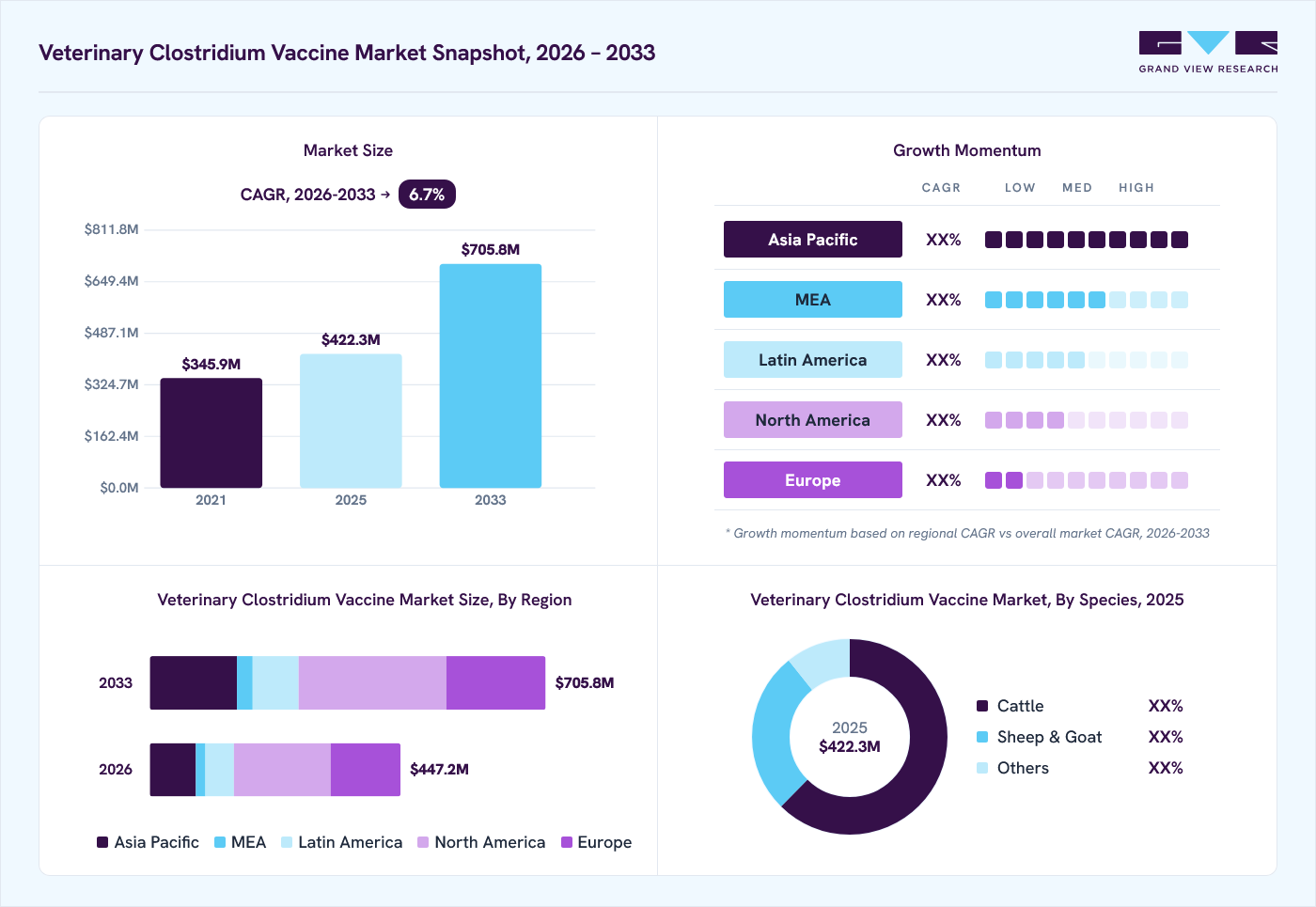 Source: Grand View Research, IR Documents, Primary Interviews, Paid DatabasesTo learn more about this report,
 Download Free Sample Report
Key Market Trends & Insights
- By species: Cattle segment led the market with the largest revenue share of 62.4% in 2025.
- By disease type: Histotoxic diseases segment dominated the market with a revenue share of 48.3% in 2025.
- By type: Inactivated toxoid vaccines segment dominated the with a revenue share of 59.5% in 2025.
- By distribution channel: Veterinary distributors and wholesalers segment dominated the veterinary clostridium vaccine market with a share of 37.2% in 2025.
- By target pathogen: Clostridium perfringens segment led the market with the largest revenue share of 40.1% in 2025.
- By route of administration: Subcutaneous segment led the market with the largest revenue share of 87.1% in 2025.
Regional Highlights
- Largest regional market: North America (38.7%, revenue share, 2025)
- Fastest-growing regional market: Asia Pacific (highest CAGR, 2026-2033)
- By country: The U.S. held the largest market share in 2025.
Market Size & Forecast
- Market size in 2025: USD 422.3 Million
- Estimated market size in 2026: USD 447.2 Million
- Projected market size by 2033: USD 705.8 Million
- CAGR (2026-2033): 6.7%
Prism AI by Grand View Research Free to tryAsk a question about the veterinary clostridium vaccine marketTry asking✓Every figure cited from GVR research Prefer the report? Download free sample →
In addition, government-supported vaccination programs, greater awareness among livestock producers regarding disease prevention, and the adoption of routine herd health management practices are further contributing to the growth of the veterinary clostridium vaccine market.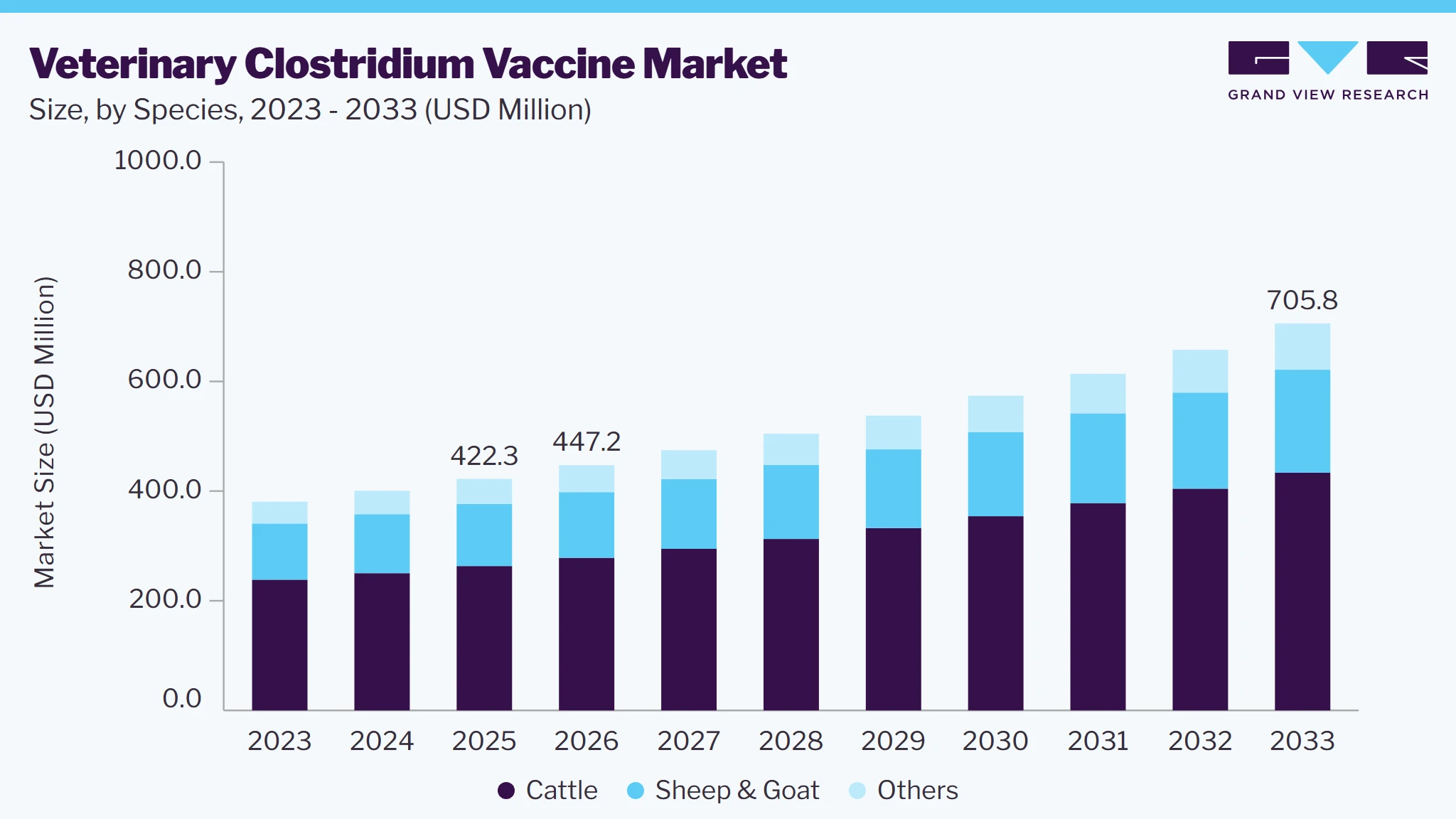 To learn more about this report, Download Free Sample Report
Market Dynamics
The increasing global production of milk is creating sustained demand for effective livestock health management, thereby supporting the growth of the veterinary clostridium vaccine market. According to the OECD-FAO Agricultural Outlook 2026-2035, global milk production is projected to expand at a CAGR of approximately 2.0% over the next decade, driven primarily by higher milk yields per animal rather than significant herd expansion. Cow milk will continue to account for about 81% of total production, followed by buffalo milk (16%) and milk from goats, sheep, and camels (3%). As dairy producers focus on maximizing productivity from individual animals, maintaining herd health becomes increasingly important. Clostridial diseases such as enterotoxemia and black disease can cause sudden mortality, reduced milk yield, and reproductive losses, leading to significant economic impacts. Thus, preventive vaccination is becoming an integral component of herd health programs to safeguard production efficiency.
Another factor supporting market growth is the increasing implementation of government-led livestock disease prevention programs and regulatory vaccination guidelines. Many countries have strengthened national animal health strategies to reduce the economic burden of clostridial diseases, which can result in sudden livestock mortality and substantial productivity losses. Veterinary authorities are encouraging the adoption of preventive vaccination through disease surveillance initiatives, extension services, and vaccination recommendations for cattle, sheep, goats, and other production animals. Similarly, regulatory agencies continue to apply stringent quality, safety, and efficacy standards for veterinary biologics, improving confidence in commercially available vaccines. These measures promote wider vaccine adoption while encouraging manufacturers to invest in advanced formulations that comply with evolving regulatory requirements.
Preventive vaccination has become one of the most effective approaches for reducing livestock mortality and minimizing economic losses associated with infectious diseases. According to an article published by University of Maryland in July 2027, vaccination remains the most effective strategy for controlling clostridial diseases in livestock, as treatment is often ineffective once clinical signs appear. Consequently, routine clostridial vaccination has become an integral part of herd and flock health programs, particularly for cattle, sheep, and goats.
The growing emphasis on preventive livestock healthcare is further driving demand for veterinary clostridium vaccines. Farmers are increasingly following routine vaccination schedules to protect animals against multiple clostridial infections, improve herd productivity, and reduce production losses. As commercial livestock farming continues to expand, the adoption of preventive vaccination programs is expected to remain a key factor supporting the growth of the veterinary clostridium vaccine market.
The commercial availability of veterinary clostridium vaccines remains relatively limited compared to vaccines for other major livestock diseases. The market is dominated by a small number of established animal health companies with specialized expertise in veterinary biologicals. Developing Clostridium vaccines requires advanced manufacturing capabilities, strict quality control, and compliance with rigorous regulatory standards, creating high barriers to entry for new manufacturers. Thus, only a limited number of companies offer commercially approved Clostridium vaccines, leading to a concentrated supplier base.
Limited product availability can affect vaccine accessibility, particularly in developing and emerging livestock markets where distribution networks and local manufacturing capabilities are less developed. In several countries, veterinarians and livestock producers have access to only a few vaccine brands or formulations, limiting flexibility in selecting products that align with regional disease prevalence and livestock production systems. Supply constraints, manufacturing interruptions, or delays in regulatory approvals may also temporarily affect product availability, disrupting routine vaccination schedules. In addition, manufacturers often prioritize larger commercial livestock markets, resulting in fewer product options for smaller markets and niche livestock segments. This concentrated market structure can reduce competitive pricing and slow the introduction of new vaccine formulations.
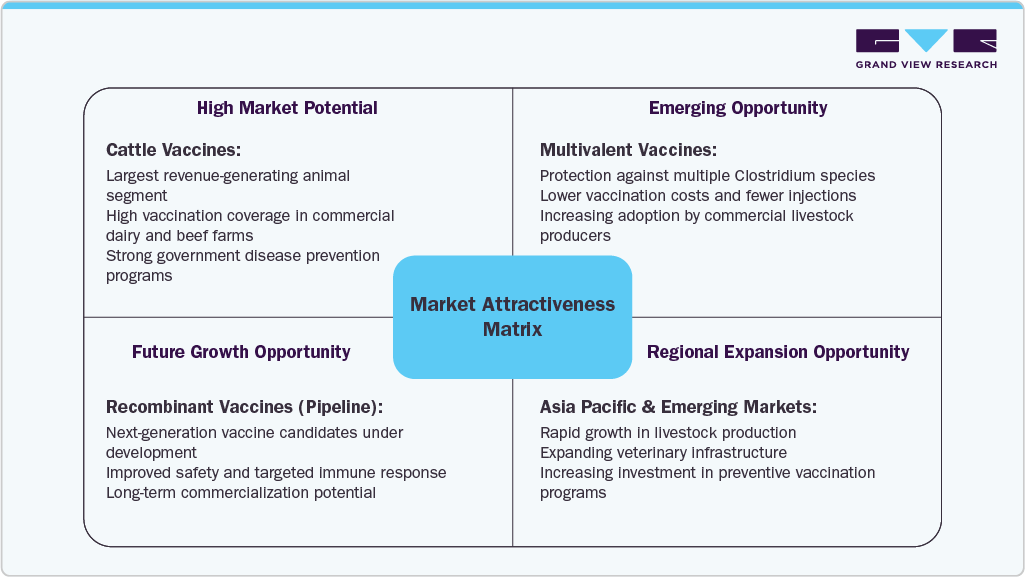
The expanding pipeline of next-generation veterinary clostridial vaccines presents a significant growth opportunity for the Veterinary Clostridium Vaccine Market. According to an article published in the Brazilian Journal of Microbiology in May 2026, research is progressing beyond conventional toxoid-based vaccines toward recombinant, multi-epitope, and reverse vaccinology-based vaccine platforms designed to improve protection against Clostridium perfringens infections in food-producing animals. In May 2026, researchers from the Federal University of Pelotas developed a pangenome-guided multi-epitope vaccine candidate targeting conserved non-toxin antigens associated with bacterial adhesion and cell-wall integrity.
The candidate demonstrated high predicted antigenicity, structural stability, and strong immune receptor binding while providing a framework for recombinant production and future in vivo evaluation. Unlike conventional veterinary clostridial vaccines that primarily induce immunity against bacterial toxins, these pipeline candidates aim to provide broader protection by targeting conserved bacterial proteins involved in infection. As recombinant and multi-epitope vaccine candidates continue to advance through preclinical development, they present opportunities for veterinary vaccine manufacturers to expand their product portfolios with next-generation clostridial vaccines offering broader pathogen coverage, improved efficacy, and enhanced disease prevention in livestock populations.
 To learn more about this report, Download Free Sample Report
Market Concentration & Characteristics
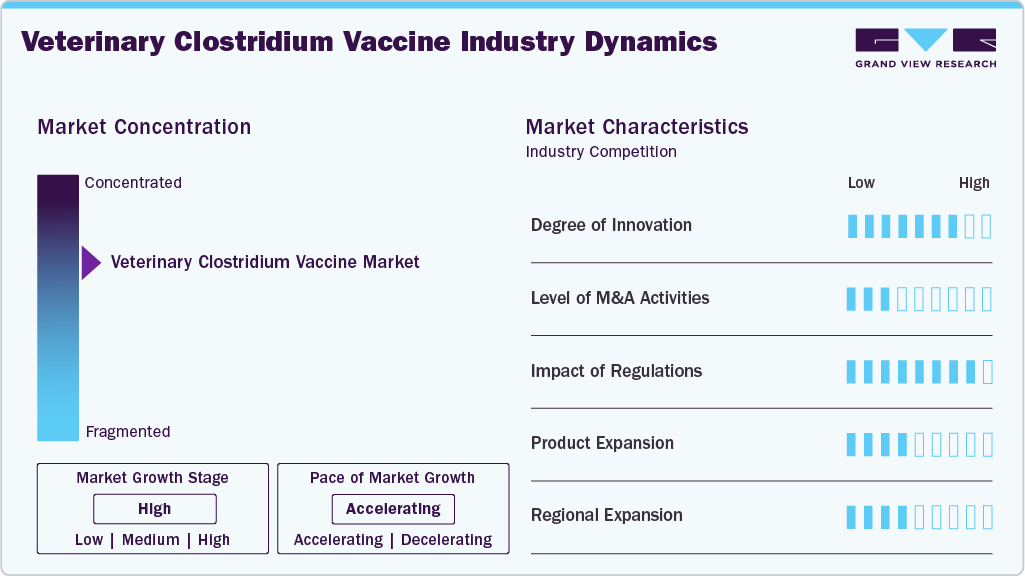
The industry is characterized by a consolidated competitive landscape, with a limited number of global animal health companies holding significant market shares through extensive vaccine portfolios, strong distribution networks, and established relationships with veterinarians and livestock producers. Growth is supported by increasing awareness of clostridial disease prevention, expanding livestock populations, and routine vaccination programs, while innovation is focused on the development of multivalent vaccines, longer-duration immunity, improved vaccine safety, and enhanced manufacturing capabilities to address evolving disease management needs.
Innovation in the veterinary clostridium vaccine sector is primarily focused on improving vaccine efficacy, safety, and ease of administration. Manufacturers are investing in the development of multivalent vaccines that protect against multiple Clostridium species in a single dose, helping reduce vaccination frequency and improve herd health management. Efforts are also directed toward enhancing adjuvant formulations, extending the duration of immunity, and improving vaccine stability to support storage and distribution in diverse farming environments.
 To learn more about this report, Download Free Sample Report
Merger and acquisition activity remains selective, as the industry is dominated by a limited number of established animal health companies. Rather than frequent acquisitions, leading players are more focused on strengthening their market position through strategic partnerships, licensing agreements, portfolio expansion, and investments in manufacturing capacity.
Regulatory frameworks play a significant role in shaping the veterinary clostridium vaccine sector by ensuring vaccine quality, safety, and efficacy before commercialization. Compliance with veterinary biological regulations, manufacturing standards, and product registration requirements is essential across major markets. In addition, government-supported livestock disease control programs and vaccination recommendations continue to encourage the adoption of clostridial vaccines.
Companies are expanding their product portfolios by introducing vaccines that provide broader protection against multiple clostridial diseases affecting cattle, sheep, goats, and other livestock. Product development is increasingly focused on improving antigen combinations, optimizing dosing schedules, and offering formulations tailored to disease prevalence and livestock production systems. Manufacturers are also introducing vaccines that can be integrated into routine herd health and preventive vaccination programs.
Leading manufacturers are strengthening their presence in high-growth livestock markets across Asia-Pacific, Latin America, the Middle East, and Africa, where expanding commercial animal farming and increasing awareness of disease prevention are driving vaccine demand. Companies are working closely with local distributors, veterinary organizations, and government agencies to improve product availability, support vaccination campaigns, and expand access to preventive animal healthcare in these regions.
Analyst Perspective
The veterinary clostridium vaccine market is poised for steady growth, driven by the expanding global livestock population, increasing commercial cattle and small ruminant farming, and greater emphasis on preventive animal health management. Rising awareness of the economic impact of clostridial diseases is encouraging livestock producers to adopt routine vaccination programs, supporting consistent vaccine demand. The market is also benefiting from the growing availability of multivalent vaccines and continued investments in product pipeline development. However, stringent regulatory approval processes, high development and manufacturing costs, and lengthy commercialization timelines remain key challenges for manufacturers. The limited number of companies offering commercially approved clostridial vaccines also restricts product availability in several developing regions.
Species Insights
The cattle segment dominated the veterinary clostridium vaccine market, accounting for 62.4% in 2025, owing to the large global cattle population and the substantial economic impact of clostridial diseases on beef and dairy production. Cattles are highly susceptible to diseases such as blackleg, malignant edema, bacillary hemoglobinuria, and enterotoxemia, making routine immunization a standard herd health practice. Moreover, commercial cattle producers increasingly rely on multivalent clostridial vaccines to reduce mortality and production losses, supporting sustained vaccine demand. For instance, in 2025, Boehringer Ingelheim continued offering its ALPHA vaccine portfolio for cattle, including multivalent vaccines that provide protection against major clostridial pathogens such as Clostridium chauvoei, C. septicum, C. novyi, C. sordellii, and C. perfringens types C and D, supporting routine preventive vaccination in beef and dairy herds.
The others segment is anticipated to register the fastest CAGR of 8.0% during the forecast period. Growth is driven by increasing awareness of clostridial diseases affecting these species, particularly Clostridium perfringens in swine and Clostridium tetani in horses, which can lead to significant economic losses and animal mortality. The expansion of commercial swine production, especially in Asia Pacific and Latin America, has encouraged greater adoption of preventive vaccination programs to improve herd health and productivity. In the equine sector, routine vaccination against tetanus has become a standard component of preventive healthcare due to the disease's high fatality rate.
Target Pathogen Insights
The Clostridium perfringens segment dominated the veterinary market with a share of 40.1% in 2025, owing to the widespread prevalence of C. perfringens-associated enterotoxemia and necrotic enteritis in cattle, sheep, goats, and swine. These infections can cause sudden mortality, reduced productivity, and significant economic losses, making preventive vaccination a routine component of livestock health management. Additionally, the availability of multivalent clostridial vaccines containing C. perfringens antigens has supported widespread adoption across commercial livestock operations, as they provide protection against multiple economically significant clostridial diseases through a single vaccination program.
The others segment is projected to register the fastest CAGR during the forecast period, driven by growing recognition of emerging and less frequently targeted clostridial pathogens affecting livestock. Diseases caused by Clostridium novyi, Clostridium sordellii, and Clostridium haemolyticum are increasingly being reported in cattle, sheep, and goats, resulting in significant economic losses due to sudden mortality, reduced productivity, and liver-related infections. As veterinary surveillance and disease monitoring improve, livestock producers are expanding vaccination programs to provide broader protection against these pathogens.
Disease Type Insights
The histotoxic diseases segment dominated the veterinary clostridium vaccine market with a share of 48.3% in 2025, owing to the widespread occurrence and high mortality associated with diseases such as blackleg, malignant edema, black disease, and bacillary hemoglobinuria in cattle and sheep. These infections progress rapidly and often result in sudden death, leading to significant economic losses for livestock producers. Hence, routine immunization with multivalent clostridial vaccines has become a standard preventive practice across commercial livestock operations to reduce mortality and improve herd productivity. For instance, in February 2024, the Cornell University College of Veterinary Medicine reported several outbreaks of clostridial myositis (blackleg) in dairy heifers across the northeastern U.S. caused by Clostridium chauvoei. The report states that one affected farm initiated vaccination with a multivalent clostridial vaccine during the outbreak, highlighting the importance of preventive vaccination against histotoxic clostridial diseases.
The enteric diseases segment is projected to register the fastest CAGR during the forecast period, driven by the increasing emphasis on preventing enterotoxemia and other gastrointestinal diseases caused primarily by Clostridium perfringens in cattle, sheep, goats, and swine. These diseases can result in sudden mortality, poor feed conversion, reduced weight gain, and considerable economic losses, encouraging livestock producers to adopt preventive vaccination as part of routine herd health management. Furthermore, the expansion of intensive livestock production systems, growing awareness of disease prevention, and continued advancements in multivalent vaccine formulations are expected to support the demand for vaccines targeting enteric clostridial diseases.
Type Insights
The inactivated toxoid vaccines segment dominated the veterinary clostridium vaccine market with a share of 59.5% in 2025, owing to their well-established safety profile, proven efficacy, and ability to provide long-lasting immunity against clostridial toxins. These vaccines are widely used to prevent economically significant diseases such as blackleg, enterotoxemia, tetanus, and malignant edema. Moreover, their inclusion in multivalent vaccine formulations provides protection against multiple Clostridium species with a single vaccination, making them a preferred choice among veterinarians and livestock producers for routine herd immunization.
The autogenous inactivated vaccines segment is anticipated to register the fastest CAGR during the forecast period, driven by the increasing demand for farm-specific disease control strategies in livestock production. These vaccines are prepared using pathogens isolated from a particular herd or flock, offering targeted protection when commercially available vaccines do not adequately address locally circulating strains or outbreak-specific pathogens. Rising concerns over region-specific disease outbreaks, growing adoption of precision livestock health management, and increasing collaboration between veterinarians and diagnostic laboratories are expected to support the demand for autogenous inactivated vaccines during the forecast period.
Route of Administration Insights
The subcutaneous segment dominated the veterinary clostridium vaccine market with a share of 87.1% in 2025, owing to its widespread use as the preferred route of administration for clostridial vaccines in cattle, sheep, and goats. Subcutaneous administration is recommended for many commercially available livestock vaccines as it is easy to administer, minimizes tissue damage and injection-site lesions compared to intramuscular injections, and supports efficient mass vaccination programs. Additionally, its suitability for routine herd immunization and compliance with veterinary vaccination guidelines have contributed to its extensive adoption among livestock producers.
The intramuscular segment is projected to register the fastest CAGR of 8.0% during the forecast period, driven by the increasing use of intramuscular administration for specific clostridial vaccines and in animal species where deeper muscle delivery is preferred to achieve an effective immune response. The growth of intensive livestock farming, increasing vaccination coverage, and the availability of vaccines specifically labeled for intramuscular use are expected to support the adoption of this route. Furthermore, continued advancements in vaccine formulations and veterinary immunization practices are anticipated to contribute to the segment's growth over the forecast period.
Distribution Channel Insights
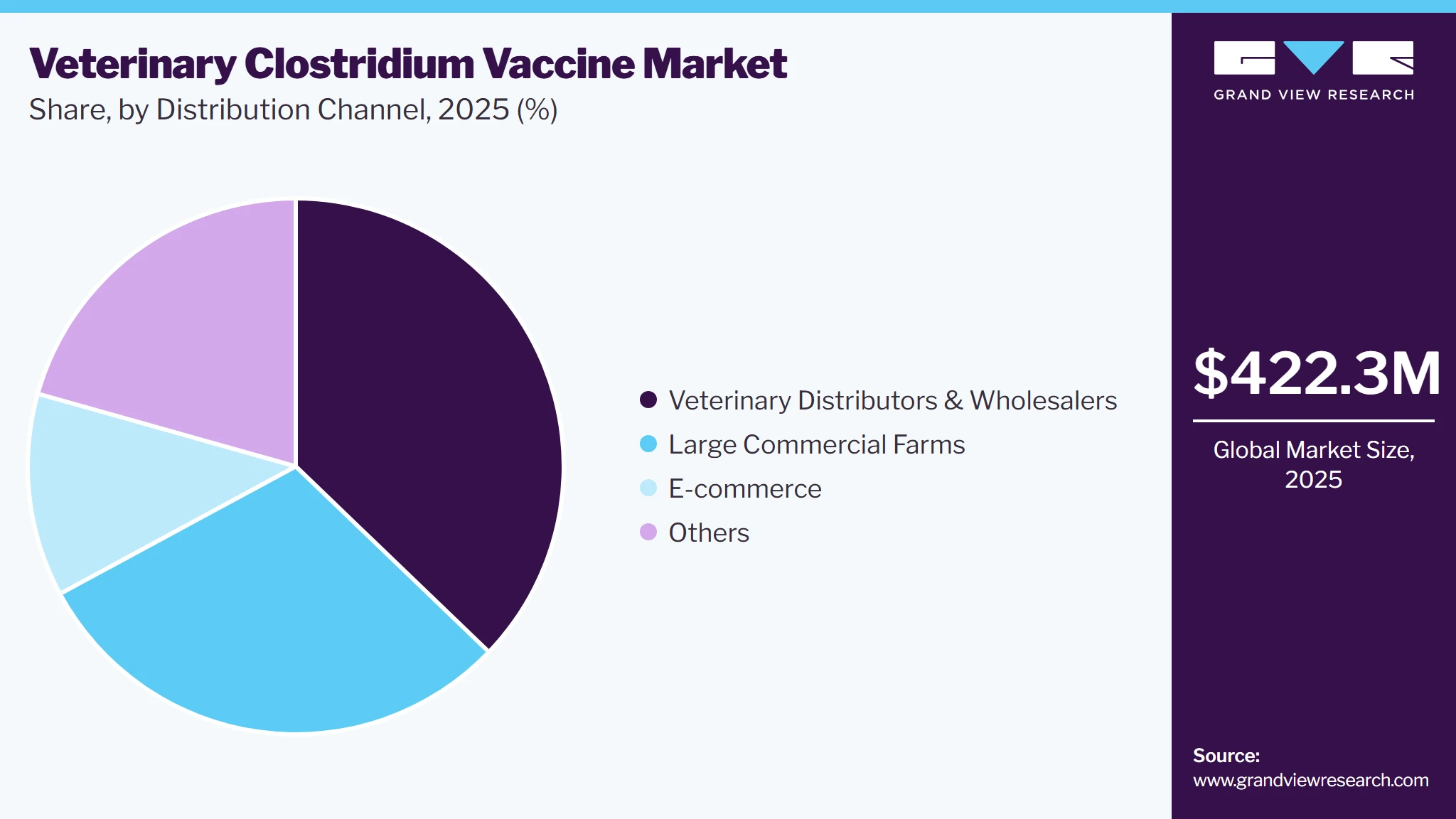
The veterinary distributors and wholesalers segment dominated the veterinary clostridium vaccine market with a share of 37.2% in 2025, owing to their well-established distribution networks and critical role in supplying vaccines to veterinary clinics, livestock producers, agricultural cooperatives, and animal health pharmacies. These distributors ensure efficient inventory management, maintain cold chain integrity during transportation and storage, and facilitate timely vaccine availability across urban and rural markets. Furthermore, their long-standing partnerships with vaccine manufacturers and extensive geographic reach have strengthened their position as the primary distribution channel for veterinary clostridium vaccines.
 To learn more about this report, Download Free Sample Report
The e-commerce segment is projected to register the fastest CAGR of 9.3% during the forecast period, driven by the increasing digitalization of veterinary healthcare procurement and the growing preference for online purchasing platforms among veterinarians, livestock producers, and animal health providers. E-commerce platforms offer convenient access to a wide range of veterinary vaccines, transparent product information, competitive pricing, and streamlined ordering processes, improving procurement efficiency. Additionally, ongoing investments in digital supply chain infrastructure and cold chain management are expected to support the expansion of online veterinary vaccine distribution. For instance, in May 2024, the Department of Animal Husbandry & Dairying (DAHD), Government of India, signed a Memorandum of Understanding (MoU) with the United Nations Development Programme (UNDP) to digitalize animal vaccine cold chain management, aiming to enhance vaccine logistics, inventory tracking, and distribution efficiency through digital technologies.
Regional Insights
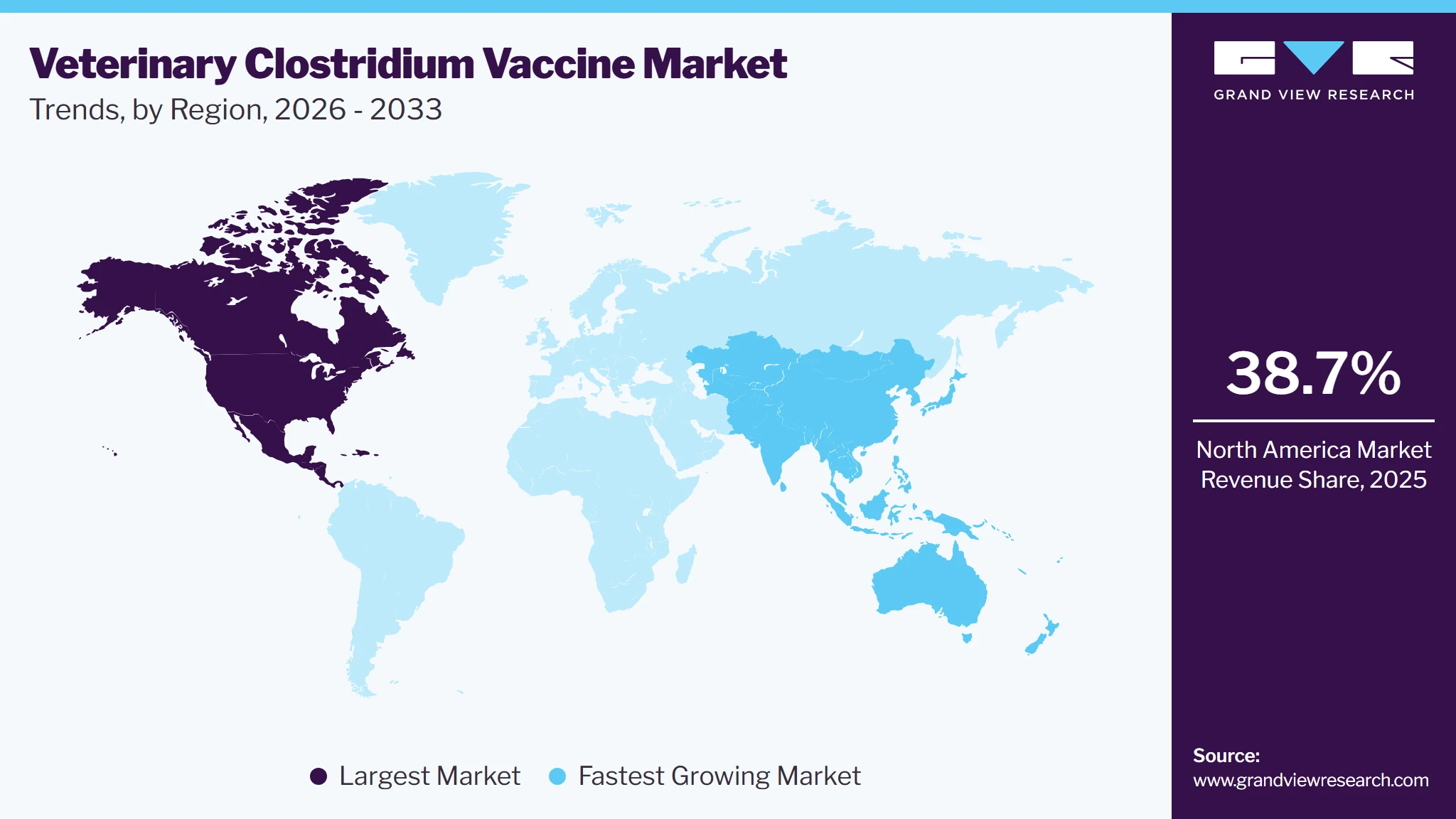
North America held the largest share of 38.7% of the veterinary clostridium vaccine market in 2025, driven by its large cattle, sheep, and goat populations and the widespread adoption of preventive vaccination programs against clostridial diseases. Clostridial infections such as blackleg, enterotoxemia, tetanus, malignant edema, and black disease pose significant risks to livestock health and productivity, making routine vaccination a standard herd health practice across the region. Additionally, the presence of leading animal health companies, well-established veterinary healthcare infrastructure, and strong producer awareness regarding disease prevention continue to support the adoption of Clostridium vaccines. Furthermore, stringent animal health regulations and comprehensive herd health management programs encourage livestock producers to incorporate multivalent clostridial vaccines into routine vaccination schedules.
 To learn more about this report, Download Free Sample Report
U.S. Veterinary Clostridium Vaccine Market Trends
The veterinary clostridium vaccine market in the U.S. accounted for the largest share of the North America market, driven by its extensive cattle industry and widespread implementation of preventive herd health programs. According to the USDA National Agricultural Statistics Service (NASS), the United States had 86.7 million head of cattle and calves as of January 1, 2025, creating substantial demand for routine vaccination against clostridial diseases that can cause sudden mortality and significant economic losses. In addition, the country's advanced veterinary infrastructure, availability of multivalent clostridial vaccines, and strong presence of leading animal health manufacturers continue to drive market growth.
Canada veterinary clostridium vaccine market is projected to grow at the fastest rate in North America during the forecast period, driven by increasing investments in livestock health, growing adoption of preventive vaccination programs, and expanding cattle and sheep production. Canada maintains one of the largest cattle industries globally, with commercial producers increasingly emphasizing biosecurity and disease prevention to improve productivity and reduce economic losses associated with infectious diseases. In addition, continued support from federal and provincial animal health initiatives, coupled with growing awareness of herd health management and vaccination best practices, is expected to support the adoption of veterinary clostridium vaccines across the country.
Europe Veterinary Clostridium Vaccine Market Trends
The veterinary clostridium vaccine market in Europe is driven by the region's strong cattle, sheep, and goat farming industries and the widespread adoption of preventive vaccination against clostridial diseases. Livestock producers across Europe routinely vaccinate animals against diseases such as blackleg, enterotoxemia, tetanus, malignant edema, and black disease to reduce mortality, improve productivity, and support animal welfare. In addition, stringent European animal health regulations, well-developed veterinary services, and the presence of leading veterinary vaccine manufacturers continue to strengthen the adoption of clostridium vaccines throughout the region.
The veterinary clostridium vaccine market in UK is expected to grow significantly over the forecast period, The veterinary clostridium vaccine market in Europe is driven by the region's strong cattle, sheep, and goat farming industries and the widespread adoption of preventive vaccination against clostridial diseases. Livestock producers across Europe routinely vaccinate animals against diseases such as blackleg, enterotoxemia, tetanus, malignant edema, and black disease to reduce mortality, improve productivity, and support animal welfare. In addition, stringent European animal health regulations, well-developed veterinary services, and the presence of leading veterinary vaccine manufacturers continue to strengthen the adoption of clostridium vaccines throughout the region.
Germany veterinary clostridium vaccine market held largest share in 2025 in Europe, supported by its well-established cattle industry, advanced veterinary healthcare infrastructure, and strong presence of leading animal health companies. The country serves as a major hub for veterinary vaccine research, development, and manufacturing, with companies such as Boehringer Ingelheim Animal Health offering a broad portfolio of livestock vaccines, including clostridial vaccines for cattle and sheep. Furthermore, Germany's emphasis on preventive livestock healthcare and compliance with European animal health regulations continues to support the adoption of clostridium vaccines across commercial farming operations.
Asia Pacific Veterinary Clostridium Vaccine Market Trends
Asia Pacific is expected to grow at the fastest CAGR over the forecast period,driven by the region's expanding cattle, sheep, and goat populations, increasing livestock production, and rising awareness of preventive animal healthcare. Rapid growth in commercial dairy and meat production has increased the focus on controlling economically significant clostridial diseases such as enterotoxemia, blackleg, tetanus, and malignant edema through routine vaccination. Furthermore, government initiatives to improve livestock productivity, expand veterinary services, and growing adoption of herd health management practices are expected to support the demand for veterinary clostridium vaccines across the region. The increasing commercialization of livestock farming and the shift toward intensive production systems are further encouraging producers to adopt routine vaccination programs to minimize disease-related losses and improve herd performance.
The veterinary clostridium vaccine market in China held the largest shareacross the APAC region in 2025, supported by its large cattle and sheep populations and expanding commercial livestock industry. According to the National Bureau of Statistics of China, China's cattle population reached approximately 100.5 million head in 2024, creating substantial demand for preventive vaccination against economically significant clostridial diseases such as blackleg, enterotoxemia, and tetanus. In addition, the modernization of livestock production systems, increasing adoption of routine herd health management practices, and growing focus on improving animal productivity and reducing disease-related losses are expected to continue driving the demand for veterinary clostridium vaccines across the country.
The market for veterinary clostridium vaccine in India is expected to grow at the fastest rate in the Asia Pacific region during the forecast period, driven by the country's expanding cattle, sheep, and goat populations, increasing focus on preventive livestock healthcare, and rising adoption of routine vaccination against clostridial diseases. Government initiatives to improve animal health, growing commercial livestock production, and expanding veterinary services are further supporting the demand for Clostridium vaccines across the country. Additionally, increasing awareness among livestock farmers regarding the economic impact of diseases such as blackleg, enterotoxemia, tetanus, and malignant edema is encouraging the adoption of preventive vaccination as part of routine herd and flock health management. Furthermore, the growing presence of veterinary vaccine manufacturers, improving access to animal healthcare services, and continued investments in livestock productivity are expected to sustain the market's growth over the forecast period.
Latin America Veterinary Clostridium Vaccine Market Trends
The veterinary clostridium vaccine market in Latin America is growing at a steady pace, driven by the region's expanding cattle, sheep, and goat industries and the increasing adoption of preventive vaccination programs to control clostridial diseases. Livestock producers are placing greater emphasis on herd and flock health management to reduce economic losses associated with diseases such as blackleg, enterotoxemia, tetanus, and malignant edema. Furthermore, improving veterinary healthcare infrastructure, growing awareness of preventive animal health practices, and increasing investments in commercial livestock production are supporting the demand for veterinary clostridium vaccines across the region.
The veterinary clostridium vaccine market in Brazil held the largest share across the Latin America region in 2025, driven by the country's extensive cattle industry and strong emphasis on preventive livestock healthcare. As one of the world's largest beef producers and exporters, Brazil relies on routine vaccination programs to protect cattle against economically significant clostridial diseases such as blackleg, enterotoxemia, tetanus, and malignant edema, helping reduce livestock mortality and improve herd productivity. Furthermore, the presence of a well-established animal health industry, increasing adoption of herd health management practices, and continued investments in commercial livestock production are expected to support the sustained demand for veterinary clostridium vaccines.
Middle East & Africa Veterinary Clostridium Vaccine Market Trends
The veterinary clostridium vaccine market in the Middle East & Africa is witnessing steady growth, driven by the expanding cattle, sheep, and goat populations and the increasing focus on preventive livestock healthcare. Clostridial diseases continue to pose significant risks to livestock productivity across the region, encouraging farmers to adopt routine vaccination programs to minimize disease-related losses. Furthermore, growing investments in veterinary healthcare infrastructure, improving access to animal health services, and government initiatives to strengthen livestock disease prevention and food security are expected to support the demand for veterinary clostridium vaccines. Additionally, the increasing presence of international animal health companies and the expansion of veterinary distribution networks are contributing to market growth across the region.
The veterinary clostridium vaccine market in South Africa held the largest share across the Middle East & Africa region in 2025, driven by the country's well-established cattle, sheep, and goat industries and increasing emphasis on preventive livestock healthcare. Routine vaccination against clostridial diseases such as blackleg, enterotoxemia, tetanus, and malignant edema is widely adopted to reduce livestock mortality and improve productivity in commercial farming operations. Furthermore, the presence of an organized veterinary healthcare system, growing awareness of herd health management, and continued investments in livestock disease prevention are supporting the demand for veterinary clostridium vaccines.
UAE veterinary clostridium vaccine market is anticipated to register healthy growth during the forecast period, supported by the country's increasing focus on livestock health management and food security. Government initiatives aimed at strengthening animal disease prevention, improving veterinary healthcare infrastructure, and enhancing livestock productivity are encouraging the adoption of routine vaccination programs for cattle, sheep, and goats. The growing emphasis on preventive healthcare to reduce economic losses from clostridial diseases, along with expanding veterinary services and disease surveillance, is expected to drive vaccine demand.
Key Veterinary Clostridium Vaccine Company Insights
The major players in the veterinary clostridium vaccine market, including Merck & Co., Inc., Boehringer Ingelheim Animal Health, Zoetis, Elanco, Virbac, Ceva, HIPRA, Phibro Animal Health Corporation, Vaxxinova, and Indian Immunologicals Limited, are focused on strengthening their market positions through product portfolio expansion, strategic collaborations, geographic expansion, manufacturing capacity enhancements, and regulatory approvals. Companies are also investing in research and development to introduce improved multivalent vaccine formulations and broaden their presence across established and emerging livestock markets.
Key Veterinary Clostridium Vaccine Companies
The following key companies have been profiled for this study on the veterinary clostridium vaccine market.
-
Merck & Co., Inc
-
Boehringer Ingelheim Animal Health
-
Zoetis
-
Elanco
-
Virbac
-
Ceva
-
HIPRA
-
Phibro Animal Health Corporation
-
Vaxxinova
-
Indian Immunologicals Limited
Competitive Benchmarking
Operating Strategies
Competitive Edge
Weaknesses
Mature Players: Merck & Co., Inc., Boehringer Ingelheim Animal Health, Zoetis, Elanco, Virbac, Ceva, HIPRA
- These companies maintain strong global manufacturing capabilities and offer broad portfolios of clostridial vaccines for cattle, sheep, goats, and other livestock.
- They invest heavily in R&D to develop multivalent vaccines, improve antigen formulations, and enhance vaccine duration of immunity. Strategic acquisitions, collaborations with veterinary organizations, expansion into emerging livestock markets, and robust distribution networks strengthen their market presence.
- They also focus on regulatory approvals, technical support, and veterinarian education programs to increase vaccine adoption.
- Established companies benefit from globally recognized brands, extensive product portfolios, advanced manufacturing infrastructure, and well-established relationships with veterinarians, distributors, and livestock producers.
- Their strong regulatory expertise, large-scale production capacity, and continuous investment in innovation enable them to maintain leadership in both developed and emerging markets.
- Large organizations often face longer product development timelines due to stringent regulatory requirements and complex organizational structures.
- Premium pricing of branded vaccines and dependence on established product portfolios may also limit penetration into price-sensitive and low-income livestock markets.
Emerging Players: Phibro Animal Health Corporation, Vaxxinova, Indian Immunologicals Limited
- Emerging manufacturers focus on expanding regional vaccine availability through cost-effective products, localized manufacturing, and partnerships with government livestock vaccination programs.
- Many are investing in recombinant vaccine technologies, improved adjuvants, and region-specific formulations targeting prevalent clostridial strains.
- Their strategies also include strengthening distribution networks and increasing participation in public animal health initiatives.
- These companies compete through flexible manufacturing, competitive pricing, and the ability to address regional disease patterns.
- Their focus on affordable vaccines, rapid market expansion, and collaboration with local veterinary agencies enables them to strengthen their presence in emerging economies where livestock populations are growing rapidly.
- Emerging companies generally have smaller product portfolios, lower R&D budgets, and limited global brand recognition compared with multinational manufacturers.
- They may also face challenges in obtaining regulatory approvals across multiple countries and in expanding distribution beyond their domestic or regional markets.
Recent Developments
-
In July 2025, the USDA APHIS Veterinary Biologics database updated the licensed product compilation for ALPHA-7/MB-1, Boehringer Ingelheim's single-dose seven-way clostridial vaccine with pinkeye protection. The updated regulatory documentation confirms the licensed formulation and product status, reinforcing the continued availability of an advanced clostridial vaccine for cattle producers.
-
In July 2025, the USDA APHIS updated the product compilation records for Ultrabac 7, Zoetis' seven-way clostridial bacterin-toxoid vaccine for cattle and sheep. The updated regulatory documentation confirms continued product authorization and commercial availability within the U.S. veterinary biologics framework.
Veterinary Clostridium Vaccine Market Report Scope
Report Attribute
Details
Market size in 2025
USD 422.3 million
Estimated market size in 2026
USD 447.2 million
Projected market size by 2033
USD 705.8 million
Growth rate
CAGR of 6.7% from 2026 to 2033
Actual data
2021 - 2025
Forecast period
2026 - 2033
Quantitative units
Revenue in USD million and CAGR from 2026 to 2033
Report coverage
Revenue forecast, company ranking, competitive landscape, growth factors, and trends
Segments covered
Species, disease type, targeted pathogen, type, route of administration, distribution channel, region
Regional scope
North America; Europe; Asia Pacific; Latin America; MEA
Country scope
U.S.; Canada; Mexico; UK; Germany; France; Italy; Spain; Denmark; Sweden; Norway; Japan; China; India; Thailand; South Korea; Australia; Brazil; Argentina; South Africa; UAE; Saudi Arabia; Kuwait; Qatar; Oman
Key companies profiled
Merck & Co., Inc.; Boehringer Ingelheim Animal Health; Zoetis; Elanco; Virbac; Ceva; HIPRA; Phibro Animal Health Corporation; Vaxxinova; Indian Immunologicals Limited.
Customization scope
Free report customization (equivalent up to 8 analysts working days) with purchase. Addition or alteration to country, regional & segment scope.
Pricing and purchase options
Avail customized purchase options to meet your exact research needs. Explore purchase options
Global Veterinary Clostridium Vaccine Market Report Segmentation
This report forecasts revenue growth at global, regional, and country levels and provides an analysis of the latest industry trends in each of the sub-segments from 2021 to 2033. For this study, Grand View Research has segmented the global veterinary clostridium vaccine market report based on species, disease type, targeted pathogen, type, route of administration, distribution channel, and region.
-
Species Outlook (Revenue, USD Million, 2021 - 2033)
-
Cattle
-
Sheep & Goat
-
Others
-
-
Targeted Pathogen Outlook (Revenue, USD Million, 2021 - 2033)
-
Clostridium perfringens
-
Clostridium chauvoei
-
Clostridium septicum
-
Clostridium tetani
-
Others
-
-
Disease Type Outlook (Revenue, USD Million, 2021 - 2033)
-
Histotoxic Diseases
-
Enteric Diseases
-
Neurotoxic Diseases
-
-
Type Outlook (Revenue, USD Million, 2021 - 2033)
-
Inactivated Toxoid Vaccines
-
Inactivated Bacterin Vaccines
-
Autogenous Inactivated Vaccines
-
-
Route of Administration Outlook (Revenue, USD Million, 2021 - 2033)
-
Subcutaneous
-
Intramuscular
-
-
Distribution Channel Outlook (Revenue, USD Million, 2021 - 2033)
-
Large Commercial Farms
-
E-Commerce
-
Veterinary Distributors & Wholesalers
-
Others
-
-
Regional Outlook (Revenue, USD Million, 2021 - 2033)
-
North America
-
U.S.
-
Canada
-
Mexico
-
-
Europe
-
UK
-
Germany
-
France
-
Italy
-
Spain
-
Denmark
-
Sweden
-
Norway
-
-
Asia Pacific
-
Japan
-
China
-
India
-
Australia
-
Thailand
-
South Korea
-
-
Latin America
-
Brazil
-
Argentina
-
-
Middle East & Africa
-
South Africa
-
UAE
-
Saudi Arabia
-
Kuwait
-
Qatar
-
Oman
-
-
Research Methodology
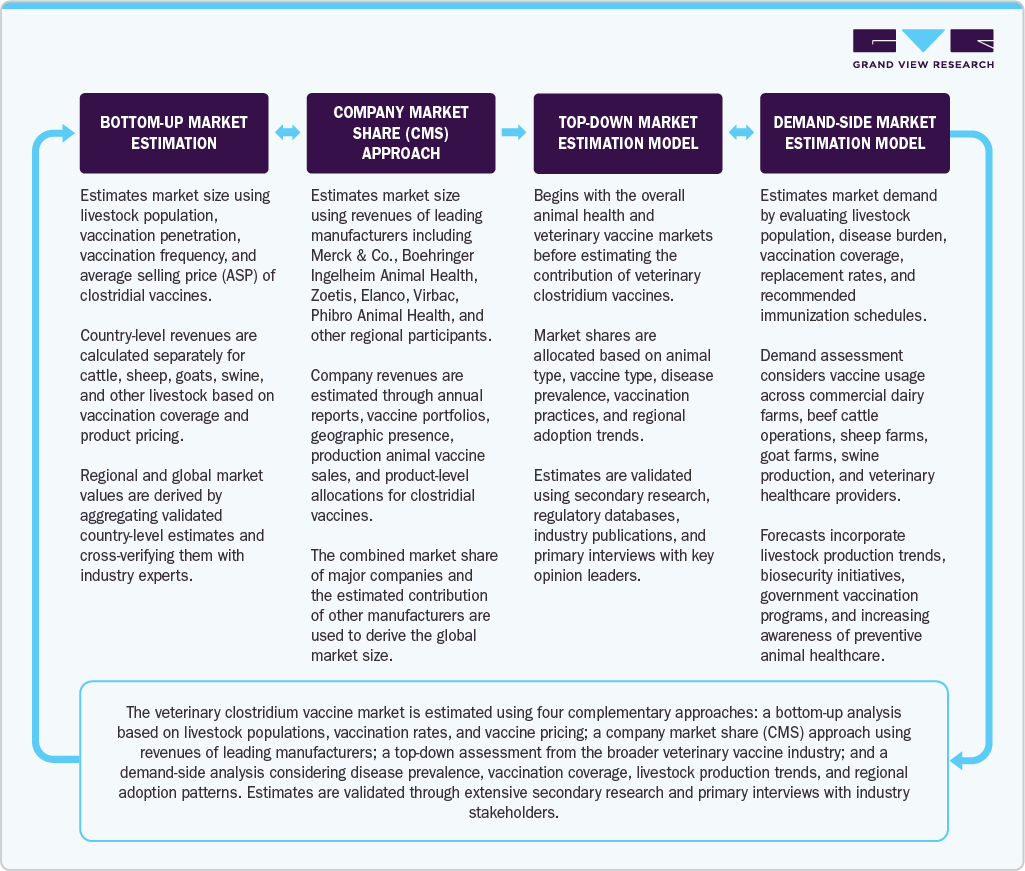
The veterinary clostridium vaccine market figures in this report are based on a proven research process that combines executive interviews with secondary research from proprietary databases, company filings, and recognized regulatory and institutional sources. Market size is built through value-chain sizing-reconciling supply-side and demand-side estimates-and triangulated with bottom-up and top-down approaches. Every estimate passes multiple levels of expert validation before publication, with each veterinary clostridium vaccine segment quantified using the revenue-capture definitions in the table below.
Segment Definition
Segment - Animal
Revenue capture definition
Cattle
Revenue generated from veterinary clostridium vaccines administered to cattle, including dairy and beef cattle, for the prevention of clostridial diseases such as blackleg, enterotoxemia, malignant edema, and tetanus.
Sheep & Goat
Revenue generated from clostridial vaccines used in sheep and goats to protect against enterotoxemia, black disease, pulpy kidney, tetanus, and other clostridial infections commonly affecting small ruminants.
Others
Revenue generated from clostridium vaccines used in other livestock species, including swine, horses, and other production animals, where vaccination is recommended for the prevention of clostridial diseases.
Segment - Targeted Pathogen
Revenue capture definition
Clostridium perfringens
Revenue generated from vaccines specifically formulated to provide immunity against Clostridium perfringens, one of the leading causes of enterotoxemia and other enteric diseases in livestock.
Clostridium chauvoei
Revenue generated from vaccines targeting Clostridium chauvoei, primarily used to prevent blackleg in cattle and sheep.
Clostridium septicum
Revenue generated from vaccines developed to protect animals against Clostridium septicum, which causes malignant edema and related soft tissue infections.
Clostridium tetani
Revenue generated from vaccines designed to prevent tetanus caused by Clostridium tetani in livestock and other susceptible animal species.
Others
Revenue generated from vaccines targeting additional Clostridium species, including C. novyi, C. sordellii, C. haemolyticum, and other pathogens incorporated into multivalent clostridial vaccines.
Segment - Disease Type
Revenue capture definition
Histotoxic Diseases
Revenue generated from vaccines used to prevent histotoxic clostridial diseases that damage muscle and soft tissues, including blackleg, malignant edema, and black disease.
Enteric Diseases
Revenue generated from vaccines intended to prevent enteric clostridial diseases, particularly enterotoxemia and other gastrointestinal infections caused by toxin-producing Clostridium species.
Neurotoxic Diseases
Revenue generated from vaccines indicated for the prevention of neurotoxic diseases such as tetanus, which affect the nervous system through bacterial toxin production.
Segment -Type
Revenue capture definition
Inactivated toxoid vaccines
The market revenue generated from the sale of veterinary clostridium vaccines formulated using chemically inactivated clostridial toxins (toxoids). These vaccines stimulate protective immunity against toxin-mediated clostridial diseases and are widely used for routine immunization of livestock, particularly cattle, sheep, and goats.
Inactivated bacterin vaccines
The market revenue generated from the sale of veterinary clostridium vaccines containing inactivated whole bacterial cells (bacterins). These vaccines are designed to induce an immune response against specific Clostridium species by exposing animals to killed bacterial antigens, helping prevent bacterial infection and associated diseases.
Autogenous inactivated vaccines
The market revenue generated from the sale of customized inactivated veterinary clostridium vaccines prepared from pathogen isolates collected from a specific farm or herd. These vaccines are primarily used in situations where commercially available vaccines provide limited protection against locally circulating Clostridium strains or outbreak-specific infections.
Segment - Route of Administration
Revenue capture definition
Subcutaneous
Revenue generated from clostridial vaccines administered via the subcutaneous route, where the vaccine is injected beneath the skin to stimulate protective immunity.
Intramuscular
Revenue generated from clostridial vaccines delivered through intramuscular injection, enabling effective immune response in livestock species where this route is recommended.
Segment - Distribution Channel
Revenue capture definition
Large Commercial Farms
Revenue generated from direct procurement of veterinary clostridium vaccines by large commercial livestock operations, including dairy, beef, sheep, and mixed-animal farms.
E-Commerce
Revenue generated from the online sale of veterinary clostridium vaccines through authorized digital platforms, veterinary pharmacies, and manufacturer-supported online channels.
Veterinary Distributors and Wholesalers
Revenue generated from clostridial vaccines supplied through veterinary distributors and wholesale networks that serve veterinary clinics, livestock producers, and agricultural retailers.
Others
Revenue generated from clostridium vaccines distributed through alternative sales channels, including government procurement programs, livestock cooperatives, veterinary hospitals, animal health organizations, and retail agricultural stores.
Estimation Model
 To learn more about this report, Download Free Sample Report
Delivered Customizations
This report has been delivered with the following In-depth customizations
Client Request
Customization Delivered
Value Adds
Evaluate Product Portfolio and Pipeline Landscape
Delivered a comprehensive assessment of commercially available and pipeline veterinary clostridium vaccines across cattle, sheep, goats, swine, poultry, and other livestock. The analysis covered monovalent and multivalent vaccines, toxoid and recombinant technologies, product approvals, pipeline candidates, immunization schedules, innovation trends, and next-generation vaccine platforms under development.
Enables organizations to identify product gaps, evaluate emerging vaccine technologies, prioritize R&D investments, benchmark product portfolios, and capitalize on opportunities in next-generation clostridial vaccine development.
Assess Disease Burden, Vaccination Practices, and Regulatory Framework
Conducted an in-depth analysis of the epidemiology of clostridial diseases across major livestock species, vaccination recommendations, government-supported immunization programs, regulatory approval pathways for veterinary biologics, and quality standards across key markets. The study also evaluated disease surveillance initiatives, vaccination coverage, and factors influencing vaccine adoption.
Helps stakeholders understand regional market potential, anticipate regulatory changes, support market entry strategies, improve compliance planning, and identify opportunities arising from national livestock disease control programs.
Competitive Benchmarking and Strategic Intelligence
Developed a detailed competitive assessment of global and regional manufacturers covering product portfolios, manufacturing capabilities, geographic presence, pricing strategies, distribution networks, strategic collaborations, acquisitions, R&D investments, and pipeline innovations. The analysis also evaluated competitive positioning, strengths, weaknesses, and future growth strategies of leading and emerging market participants.
Assists clients in benchmarking competitors, identifying partnership or acquisition opportunities, evaluating competitive risks, strengthening market positioning, optimizing commercialization strategies, and supporting long-term business expansion in the veterinary clostridium vaccine market.
Frequently Asked Questions About This Report
Key factors include the increasing prevalence of clostridial diseases in livestock, growing emphasis on preventive animal healthcare, expansion of commercial livestock production, and rising demand for meat and dairy products
North America dominated the market, accounting for the largest revenue share of 38.7% in 2025.
The cattle segment led with a 62.4% revenue share in 2025, while the others segment is the fastest-growing segment.
The clostridium perfringens segment led with a 40.1% revenue share in 2025, while the others segment is the fastest-growing segment.
The histotoxic diseases segment held the largest revenue share of 48.3% in 2025, while the enteric diseases segment is the fastest-growing segment.
The global veterinary clostridium vaccine market size was valued at USD 422.3 million in 2025 and is estimated at USD 447.2 million in 2026.
The global veterinary clostridium vaccine market is expected to grow at a CAGR of 6.7% from 2026 to 2033, reaching USD 705.8 million in 2033.
Asia Pacific is the fastest-growing region over the forecast period.
Key players include Merck & Co., Inc., Boehringer Ingelheim Animal Health, Zoetis, Elanco, Virbac, Ceva, HIPRA, Phibro Animal Health Corporation, Vaxxinova, and Indian Immunologicals Limited.
About the Author(s)
Animal Health Research Team
Healthcare · Animal HealthThis report was authored by the animal health research team at Grand View Research - comprising two research analysts, one senior research analyst, and one industry expert - with specialized expertise in the animal health segment of the healthcare industry. All findings are based on proprietary healthcare databases, executive interviews, and regulatory analysis, subject to internal peer review prior to publication.
Last Updated:
Speak to Analyst

Customize this report to your needs - add regions, segments, or data points, with 20% free customization.
Or view our licence options:


ISO 9001:2015 & 27001:2022 Certified
We are GDPR and CCPA compliant! Your transaction & personal information is safe and secure. For more details, please read our privacy policy.


