
- Home
- »
- Pharmaceuticals
- »
-
Appetite Stimulant Market Size & Share Report, 2026-2033GVR Report cover

Appetite Stimulant Market (2026 - 2033)
Size, Share & Trends Analysis Report By Pharmacological Class (Cannabinoids & CNS-Acting Agents, Anabolic & Metabolic Agents), By Indication, By Route of Administration, By Distribution Channel, By Region, And Segment Forecasts
Market Size, 2025
$1.7BMarket Estimate, 2026
$1.8BMarket Forecast, 2033
$2.9BCAGR, 2026–2033
6.8%Appetite Stimulant Market Summary
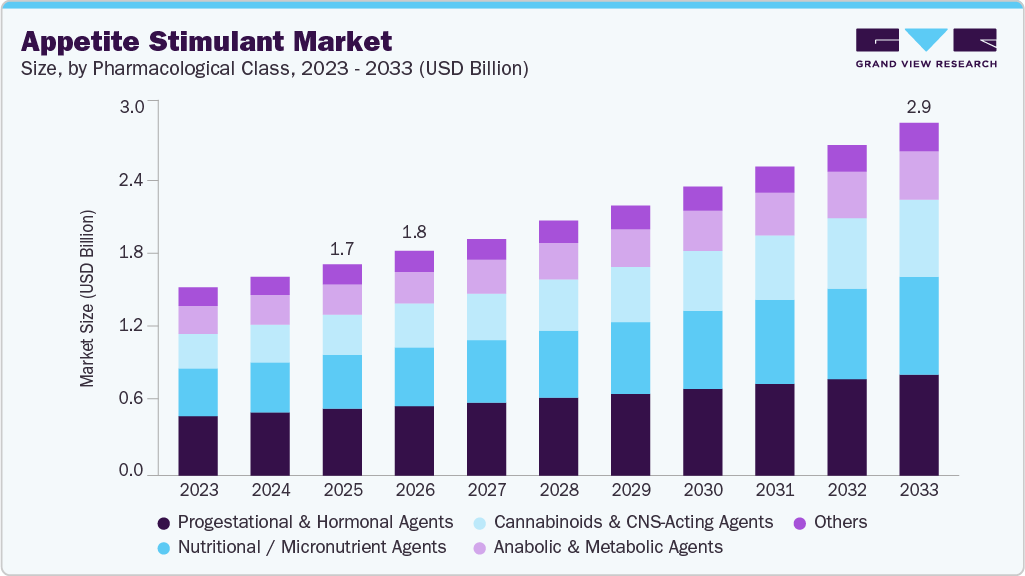
The global appetite stimulant market size was valued at USD 1.7 billion in 2025 and is projected to grow from USD 1.8 billion in 2026 to USD 2.9 billion by 2033, at a CAGR of 6.8% from 2026 to 2033. North America dominated the market, accounting for a revenue share of 40.1% in 2025. The market addresses unmet needs in patients experiencing reduced appetite and unintended weight loss.
Key Market Trends & Insights
- The appetite stimulant industry in the U.S. is expected to grow significantly over the forecast period.
- By pharmacological class, the progestational & hormonal agents segment held the largest market share of 31.54% in 2025.
- By indication, the disease-related cachexia segment held the largest market share in 2025.
- By route of administration, the oral segment held the largest market share in 2025.
Market Size & Forecast
- 2025 Market Size: USD 1.7 Billion
- 2033 Projected Market Size: USD 2.9 Billion
- CAGR (2026-2033): 6.8%
- North America: Largest market in 2025
- Asia Pacific: Fastest-growing market
Three ways to get this report
Buy it, customize it, or ask a question.Ask an Analyst
Analyst response in 1 business day
- AccessReport author, directly
- Reply timeWithin 1 working day
- No sales callDirect answer only
- FormatEmail reply
- CostFree, no cost
Get the Full Report
What the study covers
- FormatsPDF · Excel · Dashboard
- Timeline2026–2033 annual, 2025 base
- Coverage20+ countries, 5 regions
- Companies10+ key players profiled
Customize the Report
20% free customization
- IncludeCountries, segments, points
- TailorTo your product definition
- ExtendDeeper competitor detail
- OrA fully bespoke study
- Turnaround5–10 working days
It plays a critical role in improving patient outcomes, particularly in disease management and recovery phases. Growing emphasis on quality of life and supportive therapies has increased the relevance of appetite-enhancing solutions across healthcare systems. The market also benefits from rising healthcare expenditure and a greater focus on holistic patient care.The appetite stimulant market is experiencing steady growth, driven by the rising prevalence of chronic conditions such as Cancer, HIV/AIDS, and Anorexia Nervosa that often lead to unintended weight loss and malnutrition. Increasing awareness of clinical nutrition and supportive care has encouraged healthcare providers to incorporate appetite stimulants into comprehensive treatment plans. Pharmaceutical options, including corticosteroids, cannabinoids, and progestogens, are widely prescribed, while natural and herbal alternatives are gaining traction among patients seeking safer long-term solutions. The expanding geriatric population, which is more susceptible to appetite loss due to age-related physiological changes, further supports market demand. Additionally, hospital settings and long-term care facilities are key end users contributing to consistent consumption. Emerging markets are also witnessing increased adoption driven by improving healthcare infrastructure and greater access to treatment.
 Source: Grand View Research, IR Documents, Primary Interviews, Paid DatabasesTo learn more about this report,
 Download Free Sample Report
 Furthermore, the industry is evolving through innovations in drug formulations and delivery mechanisms to improve patient compliance and efficacy. Companies are investing in research to develop targeted therapies with fewer side effects, addressing concerns associated with traditional appetite stimulants. The growing interest in medical cannabis, particularly products containing Dronabinol, has opened new avenues for appetite stimulation, especially in oncology and palliative care. Regulatory approvals and clinical trials continue to shape the competitive landscape, influencing product availability across regions. In parallel, the nutraceutical segment is expanding rapidly, with supplements designed to enhance appetite naturally through vitamins and herbal extracts. Digital health integration and personalized nutrition approaches are also gaining momentum, enabling tailored treatment strategies. Overall, the appetite stimulant industry is positioned for moderate to strong growth, supported by rising disease burden and ongoing therapeutic advancements.
Market Concentration & Characteristics
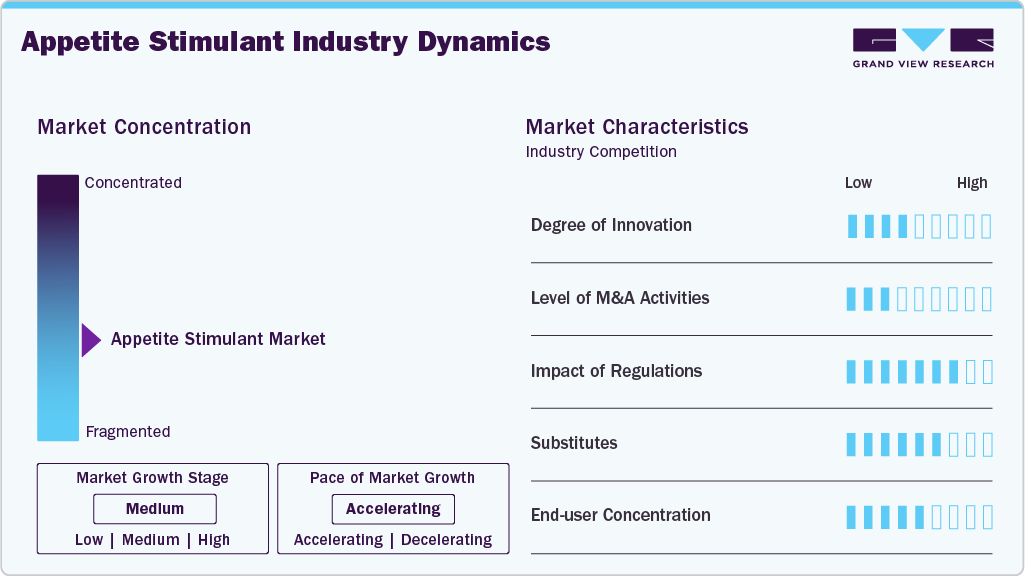
The appetite stimulant market shows a moderate degree of innovation, largely driven by advancements in pharmacological therapies and nutritional interventions. While traditional agents remain a foundation, companies are introducing novel formulations and CNS-acting drugs that aim to improve appetite and overall patient outcomes. Innovations focus on enhancing efficacy while minimizing side effects and improving patient compliance. Recent clinical developments emphasize personalized, condition-specific approaches to therapy selection. This evolving landscape fosters competition among key players to develop next-generation treatments with differentiated profiles.
The market poses moderate entry barriers due to regulatory requirements, formulation development costs, and existing competition from established pharmaceutical and nutraceutical players. Leading companies benefit from strong distribution networks and brand recognition, which new entrants often lack. Additionally, drug development in this space requires clinical validation, safety profiling, and compliance with evolving guidelines. Market participants must also navigate physician adoption patterns and secure placement across hospital and retail pharmacy channels. These factors create challenges for smaller firms attempting to establish a presence.
 To learn more about this report, Download Free Sample Report
 The industry is significantly influenced by regulatory frameworks governing the approval, distribution, and usage of appetite stimulant therapies. Stringent guidelines for drug safety, efficacy, and labeling, particularly for hormonal agents and CNS-acting drugs, shape product development and commercialization strategies. Regulatory scrutiny is especially high for cannabinoid-based treatments, with varying legal statuses across regions impacting market access. Established players benefit from prior approvals and regulatory expertise, while new entrants face complex approval pathways and compliance requirements. Besides, evolving policies around over-the-counter supplements and nutraceuticals further affect product positioning and market dynamics.
The market faces strong competition from a wide range of substitute solutions, including nutritional supplements, dietary modifications, and non-pharmacological interventions. Alternatives such as high-calorie oral nutrition products, herbal remedies, and lifestyle-based approaches are often preferred for mild to moderate appetite loss. In conditions like Cancer and Anorexia Nervosa, clinicians may prioritize comprehensive nutritional support and behavioral therapies alongside or instead of drug-based treatments. Additionally, increasing consumer inclination toward natural and holistic options is further strengthening the substitute landscape. These alternatives can limit the adoption of prescription appetite stimulants, particularly in long-term or preventive care settings.
The industry is witnessing steady geographical expansion driven by improving healthcare access and rising awareness of nutritional care across developing regions. Emerging markets in Asia-Pacific, Latin America, and the Middle East & Africa are experiencing increased demand due to the growing prevalence of chronic diseases and the expansion of geriatric populations. Companies are focusing on strengthening distribution networks and forming regional partnerships to enhance product availability. Additionally, regulatory harmonization efforts and improving reimbursement frameworks are supporting market entry in new geographies. This expansion is enabling manufacturers to tap into underserved populations and diversify revenue streams across global markets.
Pharmacological Class Insights
The progestational & hormonal agents segment dominated the market with the largest revenue share of 31.54% in 2025, driven by the established clinical use of synthetic progestins such as megestrol acetate in managing appetite loss and cachexia, particularly among patients with Cancer and HIV/AIDS. These agents are commonly prescribed due to their ability to enhance appetite and support weight gain through hormonal modulation, although clinical outcomes may vary, and weight gain is often primarily in fat mass. The high prevalence of cancer-related cachexia, affecting a significant proportion of advanced-stage patients (2025), continues to support demand for these therapies, alongside their long-standing regulatory approvals and widespread availability. However, safety considerations such as thromboembolic risks and adrenal suppression remain important factors influencing treatment decisions. Recent developments in this segment reflect a growing focus on improving safety, efficacy, and patient compliance, with ongoing research exploring optimized dosing strategies and alternative formulations to minimize adverse effects. Advances in oral suspensions and combination therapies are being evaluated to enhance therapeutic outcomes, particularly in oncology and palliative care settings.
The cannabinoids & CNS-acting agents segment is projected to grow at a CAGR of 8.56% over the forecast period, fueled by the increasing shift toward neuromodulation-based therapies that act directly on central appetite pathways. These agents are gaining relevance in conditions such as Cancer and HIV/AIDS, where appetite loss is associated with complex neurological and symptomatic factors, including nausea and pain. The growing acceptance of cannabis-derived treatments, supported by evolving regulatory frameworks, along with changing patient preference for multi-symptom relief therapies, is accelerating adoption. Advancements in targeted cannabinoid science, including improved formulations of Dronabinol, are enhancing clinical usability and patient compliance. Companies are also exploring combination therapies and novel CNS-targeted drugs to improve efficacy while minimizing psychoactive effects. For instance, in February 2025, a randomized controlled trial published in Clinical Nutrition evaluated THC- and CBD-based formulations for appetite stimulation in older adults, highlighting continued clinical research and safety validation efforts in this space. As clinical research expands and regulatory clarity improves, this segment is expected to grow strongly and emerge as a key, innovation-driven area within the appetite stimulant market.
Indication Insights
The disease-related cachexia segment dominated the market with the largest revenue share of 37.10% in 2025 due to the high clinical burden and complexity of managing severe weight loss associated with chronic illnesses. Cachexia is widely observed in advanced stages of conditions such as Cancer, Chronic Obstructive Pulmonary Disease, and chronic kidney disease, where metabolic alterations and systemic inflammation significantly reduce appetite and muscle mass. Unlike general appetite loss, cachexia requires targeted pharmacological and nutritional interventions, driving higher utilization of appetite stimulants in clinical practice. Estimates suggest that cachexia affects nearly 50-80% of patients with advanced cancer in 2025, underscoring its substantial impact on morbidity and treatment outcomes. Increasing recognition of cachexia as a distinct clinical condition has led to improved diagnosis rates and integration of appetite stimulants into multidisciplinary care approaches. In September 2024, Phase II clinical trial results demonstrated that ponsegromab improved body weight, appetite, and physical function in cancer cachexia patients, highlighting the growing clinical focus on effective therapies. Ongoing research targeting inflammatory and metabolic pathways is further supporting segment growth and reinforcing its leading position in the appetite stimulant market.
The age-related & general anorexia segment is projected to grow at a CAGR of 8.65% over the forecast period, owing to the rapidly expanding geriatric population, which is highly prone to appetite loss due to physiological aging, metabolic changes, and declining organ function. Older adults often experience chronic conditions such as cancer, neurological disorders, and gastrointestinal diseases, which further contribute to reduced food intake. Additionally, prolonged medication use and associated side effects also suppress appetite in this population. The rising prevalence of malnutrition and frailty among elderly individuals is increasing the clinical need for effective appetite stimulants. Furthermore, growing awareness regarding nutritional support, along with improvements in healthcare infrastructure and access to treatment, is expected to drive demand. Increasing focus on enhancing the quality of life and patient outcomes in long-term care settings further supports the growth of this segment.
Route of Administration Insights
The oral segment accounted for the largest revenue share of 69.78% in 2025, primarily due to its scalability, cost-effectiveness, and suitability for chronic administration across diverse patient populations. Its dominance is reinforced by strong distribution through retail pharmacies and increasing use in home-based care, particularly for long-term management of appetite loss in conditions such as Cancer and HIV/AIDS. Unlike invasive routes, oral therapies reduce the need for clinical supervision, making them more accessible in emerging markets with expanding healthcare access. Recent innovations are focused on enhancing formulation performance, including lipid-based delivery systems and fast-dissolving oral formats to improve the onset of action and patient experience. In June 2025, GenSci Pharmaceutical announced regulatory approval in China for a clinical trial of its oral megestrol acetate suspension (Megaxia), aimed at improving bioavailability and patient compliance in cancer-related cachexia, highlighting continued advancement in oral appetite stimulant therapies.
The parenteral (injectable) segment is projected to grow at a CAGR of 5.55% over the forecast period, owing to its critical role in acute care, hospital-based treatment, and severe cases where rapid therapeutic action is required. Injectable appetite stimulants are particularly relevant for patients with advanced Cancer and HIV/AIDS who may be unable to tolerate oral medications due to nausea, gastrointestinal complications, or critical illness. This route ensures higher bioavailability and faster onset of action, making it suitable for inpatient settings and palliative care interventions. Growth is further supported by rising hospital admissions for malnutrition and cachexia (2025), alongside expanding oncology treatment volumes globally. For instance, in September 2024, phase II clinical trial results demonstrated that the injectable monoclonal antibody ponsegromab improved appetite, body weight, and physical activity in patients with cancer cachexia, highlighting the growing clinical potential of parenteral therapies. Recent advancements in long-acting injectable formulations and depot-based delivery systems, along with their increasing integration into supportive care protocols in oncology and intensive care units, are expected to further drive segment expansion.
Distribution Channel Insights
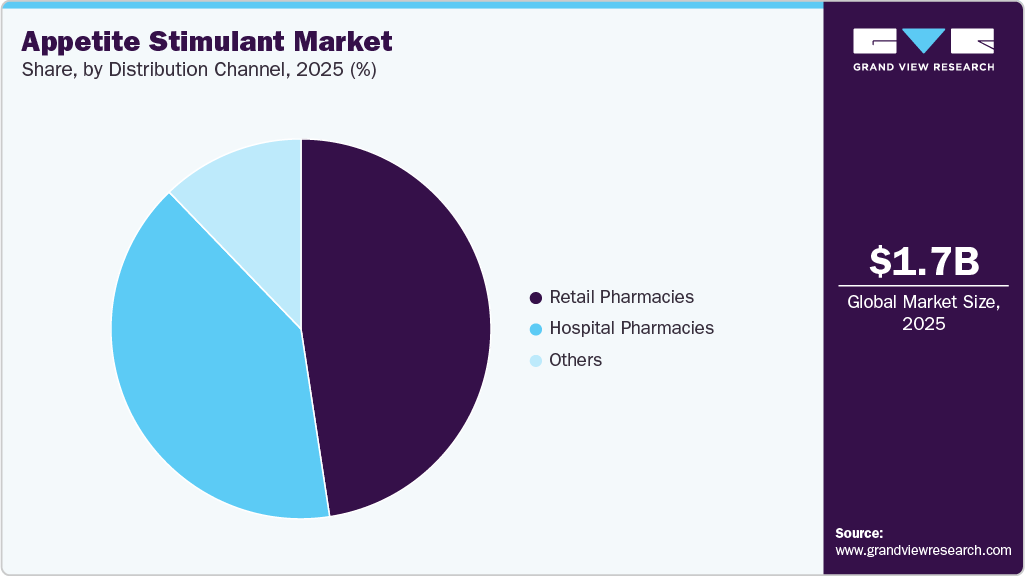
The retail pharmacies segment dominated the market, accounting for the largest revenue share of 47.59% in 2025, driven by the growing shift toward outpatient care and self-managed treatment, which enable patients to access appetite stimulants without prolonged hospital visits. Growth in this segment is supported by the growing availability of over-the-counter supplements and prescription refills for conditions associated with appetite loss, including Cancer and anorexia nervosa. Expanding retail pharmacy chains and improved drug distribution networks, particularly in emerging markets, are enhancing accessibility and availability of these therapies. Additionally, pharmacists are playing an increasingly important role in patient counseling and nutritional guidance, supporting adherence to appetite-enhancing treatments. For instance, in February 2026, Amazon Pharmacy expanded its prescription delivery service to nearly 4,500 cities and towns, highlighting the rapid evolution of retail and e-pharmacy channels toward greater convenience and accessibility. The increasing consumer inclination toward community-based and digitally enabled healthcare solutions is expected to further accelerate the growth of this segment in the appetite stimulant market.
 To learn more about this report, Download Free Sample Report
 The hospital pharmacies segment is projected to grow at a significant CAGR of 6.06% over the forecast period, driven by the high concentration of patients receiving treatment for chronic and severe conditions such as Cancer, for which appetite stimulants are commonly prescribed in inpatient and palliative care. Hospitals serve as the primary point of care for patients with cachexia and malnutrition, with studies indicating that up to 25%-70% of cancer patients experience significant nutritional impairment, necessitating pharmacological intervention and close monitoring. The presence of specialized oncology units and integrated pharmacy services ensures appropriate dispensing, dosing adjustments, and management of drug interactions, further strengthening segment dominance. Additionally, hospital-based pharmaceutical care programs have demonstrated improved outcomes, including reduced anorexia and better treatment adherence among chemotherapy patients (2025). Recent developments highlight the expanding role of hospital pharmacists in multidisciplinary cachexia management, including the adoption of newer agents and supportive therapies within clinical protocols.
Regional Insights
The North America appetite stimulant industry held the largest market share of 40.09% in 2025 due to the high prevalence of conditions associated with appetite loss, including Cancer, HIV/AIDS, and broader chronic disease-related malnutrition. The region benefits from a well-established healthcare system that supports early diagnosis, continuous monitoring, and access to both pharmacological and nutritional interventions. Strong reimbursement frameworks and high healthcare expenditure further enable widespread adoption across hospital and outpatient settings. Additionally, the growing geriatric population, which is more prone to reduced appetite and nutritional deficiencies, is a key demand driver. Increasing emphasis on home-based care and outpatient treatment is also contributing to higher utilization of appetite stimulants. Rising awareness of clinical nutrition and its role in disease management continues to strengthen North America’s leading position in the market.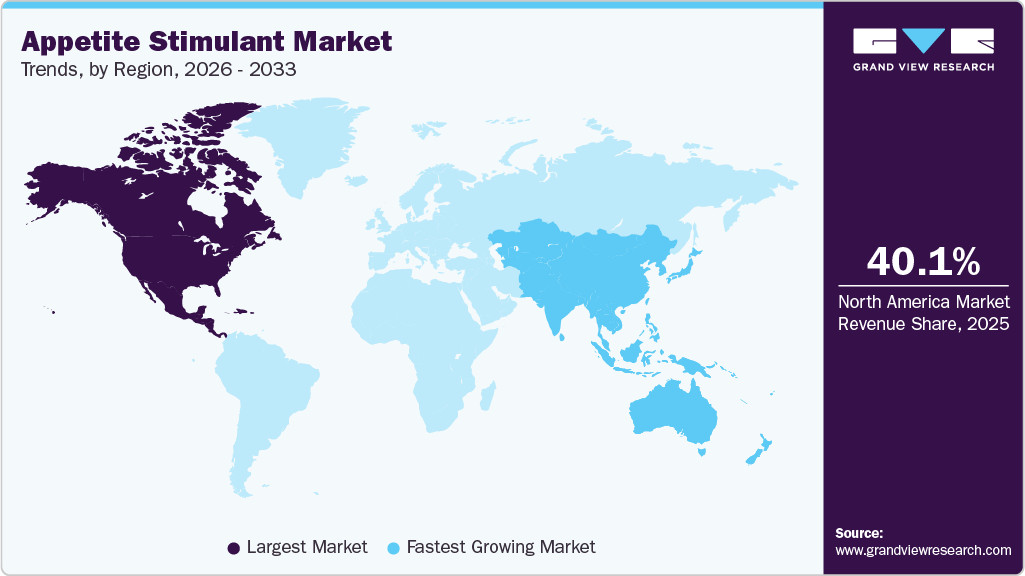 To learn more about this report, Download Free Sample Report
 U.S. Appetite Stimulant Market Trends
The appetite stimulant industry in the U.S. dominates the North America market due to its well-established healthcare ecosystem, high diagnosis rates, and widespread adoption of both prescription and over-the-counter appetite-enhancing therapies. The country has a large patient population affected by conditions such as Cancer and HIV/AIDS, which are commonly associated with appetite loss and cachexia, driving consistent demand for treatment options. Strong regulatory oversight by the U.S. Food and Drug Administration ensures the availability of approved therapies such as megestrol acetate and dronabinol, supporting physician confidence and adoption. Additionally, the presence of advanced outpatient care systems and retail pharmacy networks enhances accessibility to these medications. Increasing focus on supportive care and nutritional management in chronic disease treatment further strengthens market growth. High healthcare expenditure and continuous clinical research activity also contribute to the country’s leading position in the market. For instance, in January 2025, a U.S. drug utilization review highlighted continued clinical reliance on megestrol acetate as an FDA-approved therapy for appetite stimulation and weight gain in patients with AIDS-related cachexia, reinforcing the sustained demand and clinical importance of appetite stimulants in the country.
Europe Appetite Stimulant Market Trends
The appetite stimulant industry in Europe shows steady growth, driven by increasing emphasis on clinical nutrition and integrated care pathways across healthcare systems. The rising prevalence of chronic illnesses such as cancer and chronic obstructive pulmonary disease is contributing to sustained demand for appetite management therapies. The region’s strong focus on preventive healthcare and early nutritional screening is supporting timely intervention and the adoption of treatment. Additionally, the growing geriatric population and the expansion of long-term care programs are driving demand for appetite-enhancing solutions. Favorable regulatory frameworks and growing acceptance of both pharmaceutical and nutraceutical options further support market expansion. Growth is also supported by increasing adoption of multidisciplinary care approaches that integrate dieticians, rehabilitation services, and pharmacological support. Several European countries are investing in public health initiatives to address malnutrition among elderly populations, particularly in community and homecare settings. The availability of reimbursement for nutritional therapies in select countries enhances patient access and treatment adherence. Furthermore, ongoing clinical research and regional collaborations are advancing the development of safer, more effective appetite stimulants. These factors contribute to the stable growth trajectory of the appetite stimulant market across Europe.
The UK appetite stimulant industry is expanding due to the country’s strong focus on community-based healthcare and nutritional management within primary care systems. The increasing prevalence of appetite loss linked to aging populations and chronic conditions is driving demand for supportive therapies, particularly in outpatient and homecare settings. The National Health Service (NHS) emphasizes early screening and intervention for malnutrition, encouraging the use of both pharmacological and dietary approaches. In addition, the growing role of dietitians and multidisciplinary care teams is improving patient access to appetite management solutions. Rising awareness of undernutrition among elderly populations is further supporting treatment adoption, with estimates indicating that around 1 in 10 people over 65 in the UK are malnourished or at risk. These factors contribute to the steady expansion of the market in the UK. For instance, in December 2025, Marks & Spencer launched a new range of nutrient-dense food products designed for individuals experiencing reduced appetite due to GLP-1 weight-loss treatments, reflecting increasing market focus on appetite-related nutritional solutions and supportive care in the UK.
The appetite stimulant industry in Germany maintains a strong position within Europe through its well-structured healthcare system and strong emphasis on clinical nutrition management within hospital and rehabilitation settings. The country benefits from a high level of awareness regarding disease-related malnutrition, particularly among aging populations and patients with chronic conditions, supporting consistent demand for appetite-enhancing therapies. Germany’s robust pharmaceutical manufacturing base and efficient distribution networks further ensure the availability of both prescription and over-the-counter solutions. Furthermore, integration of nutritional support into standard treatment protocols across hospitals and long-term care facilities strengthens adoption rates. The presence of organized reimbursement systems and preventive healthcare initiatives also contributes to sustained market growth. These factors collectively position Germany as a key contributor to the regional market. For instance, in May 2025, European health authorities reported a continued rise in malnutrition and food insecurity across several regions, including parts of Europe, highlighting the growing need for nutritional interventions and supportive therapies, thereby reinforcing demand for appetite stimulant solutions in countries like Germany.
The France appetite stimulant industry is growing as the country places increasing emphasis on preventive healthcare and nutritional support within its public health system. Rising awareness of undernutrition, particularly among elderly populations and patients with chronic illnesses, is driving demand for appetite-enhancing therapies across clinical and community settings. France’s strong network of primary care providers and dietetic services supports early identification and management of appetite-related conditions. Besides, government-backed nutrition programs and reimbursement support for certain therapies are improving patient access and adherence. The integration of appetite management into rehabilitation and long-term care facilities further contributes to steady market expansion.
Asia Pacific Appetite Stimulant Market Trends
The appetite stimulant industry in the Asia Pacific is expected to grow significantly over the forecast period due to the rapid expansion of healthcare infrastructure and increasing access to medical services across developing economies. The rising incidence of chronic conditions such as chronic kidney disease and Cancer is contributing to a growing patient pool requiring nutritional and appetite support. The region is also witnessing a surge in awareness regarding malnutrition and its impact on treatment outcomes, particularly in countries with large aging populations. Government-led health initiatives and public nutrition programs are further encouraging early diagnosis and intervention. Moreover, the growing presence of local pharmaceutical manufacturers is improving the affordability and availability of appetite stimulant products. Increasing adoption of both conventional and herbal-based therapies is also shaping a diverse and expanding market landscape in the region.
The Japan appetite stimulant industry reflects the characteristics of a mature healthcare segment shaped by its super‑aged society and well‑established nutritional solutions ecosystem. With a high proportion of elderly consumers requiring appetite support and nutrition management, demand for appetite‑enhancing therapies and supplements remains steady even as growth slows relative to emerging regions; domestic healthcare systems and long‑term care frameworks are key drivers underpinning market maturity. Recent industry analyses also note how appetite‑control and weight‑management supplement lines, including appetite stimulants, fit into a broader weight‑loss and functional foods market in Japan, where consumers increasingly prefer clinically backed, natural‑ingredient products and lifestyle integration over rapid pharmacological uptake, highlighting cultural and regulatory influences unique to the region. Furthermore, Japan’s overall emphasis on functional foods and preventive nutrition, as shown by market reports on weight‑management segments, points to a consumer base that is discerning and health‑oriented rather than high‑volume driven, reinforcing why appetite stimulants in Japan face a mature trajectory compared to more rapidly expanding markets elsewhere.
The appetite stimulant industry in China is evolving as part of the broader health‑focused supplements and functional nutrition industry, driven by rising health awareness and demographic shifts. Unlike more saturated markets, China’s segment reflects rapid growth potential due to strong consumer interest in nutritional products that support appetite, overall wellbeing, and age‑related health needs, particularly as the elderly population expands and dietary supplements become more mainstream. The market is supported by the larger dietary supplements ecosystem, which is projected to grow significantly with broad demand for vitamins, botanicals, and functional formulations aimed at preventive health and nutrition, creating a favorable backdrop for appetite‑related products. Moreover, this trend is reinforced by booming segments like liquid dietary supplements targeted at older adults, which saw new localized product launches in China in early 2024 to meet specific nutritional needs. For instance, in August 2024, Chinese financial media reported that the silver‑age economy and middle‑aged/elder nutrition markets, encompassing functional foods and supplements that can indirectly address appetite and nutritional deficits, were witnessing robust demand and attracting new industry investment. While still in a growth phase rather than fully mature, the China appetite stimulant market is being shaped by demographic, cultural, and health‑conscious consumer dynamics that position it for continued expansion.
Latin America Appetite Stimulant Market Trends
The appetite stimulant industry in Latin America is growing steadily as part of the broader dietary and nutritional supplements landscape, underpinned by rising consumer health awareness and shifting lifestyle priorities across the region. Increasing prevalence of lifestyle‑related conditions and a growing focus on preventive health have encouraged more individuals to explore appetite‑supporting and nutrition‑enhancing products, contributing to steady demand. Urbanization and expanding middle‑class income levels have made these products more accessible and acceptable, widening the consumer base beyond traditional users. Market growth is also supported by vibrant retail channels, including pharmacies, supermarkets, and e‑commerce platforms, which facilitate broader distribution of functional supplements that may include appetite‑related formulations. With the Latin American dietary and nutraceuticals sector expected to maintain notable growth over the next decade due to these socio‑economic factors, appetite stimulant offerings benefit indirectly from the overall expansion of health‑oriented product portfolios in the region.
The Brazil appetite stimulant industry is gaining traction as part of a broader expansion in the country’s dietary supplements and nutraceutical sector, fueled by rising health consciousness and lifestyle‑driven demand for products that support nutrition and wellbeing. With the increasing prevalence of age‑related appetite loss and malnutrition concerns among older adults, coupled with greater public interest in preventive healthcare and balanced diets, appetite‑enhancing formulations are finding a clearer path to adoption within clinical and consumer segments. Broader wellness trends, including weight‑management and energy‑support supplements, also create synergistic demand that can indirectly bolster appetite stimulant uptake as consumers seek holistic nutrition solutions. Retail and online distribution channels are expanding the reach of these products, while innovation in formats and delivery is helping tailor solutions to diverse demographic needs across Brazil. Although still emerging compared with traditional supplement categories, the appetite stimulant segment is poised for steady growth within the evolving Brazilian functional nutrition landscape.
Middle East & Africa Appetite Stimulant Market Trends
The appetite stimulant industry in the Middle East & Africa (MEA) is emerging as part of a broader upswing in health‑driven nutrition and dietary supplement consumption across the region, fueled by growing public interest in preventive health and functional nutrition solutions. Increasing urbanization, rising disposable incomes, and expanding awareness about nutrition’s role in wellbeing are prompting more consumers to explore products that support appetite, energy, and overall dietary balance, creating fertile ground for appetite‑related offerings to gain traction. The rapid expansion of dietary supplements and nutraceuticals - projected to grow strongly in the MEA region over the coming decade - reflects shifting consumption patterns toward proactive health management rather than reactive treatment alone, which indirectly supports appetite stimulant adoption. E‑commerce growth and wider distribution through pharmacies and health stores are also making functional nutrition products, including those that aid appetite, more accessible to diverse demographic segments. As the nutraceutical ecosystem matures regionally, appetite support formulations stand to benefit from rising health consciousness and increased investment in product innovation.
The Saudi Arabia appetite stimulant industry is emerging as a niche segment within the country’s broader functional nutrition and dietary supplements industry, driven by increasing health awareness and interest in preventive wellness. Growing concerns about age‑related appetite loss and nutritional deficiencies, especially among older adults, are driving demand for formulations that support appetite and overall dietary balance. Urbanization, rising disposable incomes, and expanding e‑commerce and pharmacy channels are making such products more accessible to consumers. Regulatory emphasis on product safety and quality ensures that new appetite-supporting products entering the market meet high standards, fostering trust. While still nascent compared with more established supplement categories, this segment is poised to grow gradually as part of Saudi Arabia’s evolving health and wellness landscape.
Key Appetite Stimulant Company Insights
Pfizer Inc., Merck & Co., Inc., Johnson & Johnson, GlaxoSmithKline plc (GSK), Novartis AG, Sanofi S.A., AbbVie Inc., and Teva Pharmaceutical Industries Ltd. are actively shaping the appetite stimulant market through strategic R&D, product development, and commercialization efforts. Pfizer and Novartis continue to advance their appetite‑enhancing therapeutic portfolios by optimizing existing formulations and exploring new indications for conditions such as cachexia and appetite loss in chronic disease settings. Merck & Co., Inc. and Johnson & Johnson focus on expanding evidence for their orexigenic agents and supportive care treatments that address nutritional intake and weight loss across diverse patient populations. GSK and Sanofi are investing in multi‑modal approaches that combine appetite stimulant therapies with broader supportive care strategies to improve patient outcomes. AbbVie Inc. leverages its expertise in hormone‑based and metabolic therapies as part of its contribution to appetite modulation treatment options, while Teva Pharmaceutical Industries Ltd. enhances its market presence by offering cost‑effective formulations and broad distribution networks for appetite‑stimulating medications.
Key Appetite Stimulant Companies:
The following key companies have been profiled for this study on the appetite stimulant market.
- Pfizer Inc.
- Merck & Co., Inc.
- Johnson & Johnson
- GlaxoSmithKline plc (GSK)
- Novartis AG
- Sanofi S.A.
- AbbVie Inc.
- Teva Pharmaceutical Industries Ltd.
Recent Developments
-
In February 2026, GenSci Pharmaceutical achieved a major milestone as its nanocrystalline megestrol acetate (Megaxia) officially entered the Phase III clinical stage in China. This advanced trial focuses on treating cancer-related cachexia, aiming to provide superior bioavailability and patient compliance compared to traditional oral appetite stimulants.
-
In January 2026, AstraZeneca entered into a major strategic alliance with CSPC Pharmaceutical Group, a deal valued at up to $18 billion, including a $1.2 billion upfront payment and potential milestones. While primarily focused on obesity, the collaboration includes mechanisms designed to manage appetite and improve compliance, addressing the broader spectrum of nutritional and metabolic health.
-
In August 2025, Pfizer initiated the Phase 2b/3 RIVER-mPDAC trial (NCT06989437) for ponsegromab, a humanized monoclonal antibody designed to reverse cancer cachexia by targeting GDF-15. The study evaluates the treatment in combination with standard chemotherapy to improve body weight and appetite in patients with metastatic pancreatic ductal adenocarcinoma.
Appetite Stimulant Market Report Scope
Report Attribute
Details
Market size in 2025
USD 1.7 billion
Market size value in 2026
USD 1.8 billion
Revenue forecast in 2033
USD 2.9 billion
Growth rate
CAGR of 6.8% from 2026 to 2033
Base year for estimation
2025
Historical data
2021 - 2024
Forecast period
2026 - 2033
Quantitative units
Revenue in USD million/billion and CAGR from 2026 to 2033
Report coverage
Revenue forecast, company ranking, competitive landscape, growth factors, trends
Segments covered
Pharmacological class, indication, route of administration, distribution channel, region
Regional scope
North America; Europe; Asia Pacific; Latin America; Middle East & Africa
Country scope
U.S.; Canada; Mexico; UK; Germany; France; Italy; Spain; Denmark; Sweden; Norway; China; Japan; India; Australia; South Korea; Thailand; Brazil; Argentina; South Africa; Saudi Arabia; UAE; Kuwait
Key company profiled
Pfizer Inc.; Merck & Co., Inc.; Johnson & Johnson; GlaxoSmithKline plc (GSK); Novartis AG; Sanofi S.A.; AbbVie Inc.; Teva Pharmaceutical Industries Ltd.
Customization scope
Free report customization (equivalent up to 8 analysts working days) with purchase. Addition or alteration to country, regional & segment scope.
Pricing and purchase options
Avail customized purchase options to meet your exact research needs. Explore purchase options
Global Appetite Stimulant Market Report Segmentation
This report forecasts revenue growth at global, regional, and country levels and provides an analysis of the latest industry trends in each of the sub-segments from 2021 to 2033. For this study, Grand View Research has segmented the global appetite stimulant market report based on pharmacological class, indication, route of administration, distribution channel, and region:
-
Pharmacological class Outlook (Revenue, USD Billion, 2021 - 2033)
-
Progestational & Hormonal Agents
-
Cannabinoids & CNS-Acting Agents
-
Anabolic & Metabolic Agents
-
Nutritional / Micronutrient Agents
-
Others
-
-
Indication Outlook (Revenue, USD Billion, 2021 - 2033)
-
Disease-Related Cachexia
-
Chronic Disease-Associated Malnutrition
-
Age-Related & General Anorexia
-
Pediatric Undernutrition
-
Others
-
-
Route of Administration Outlook (Revenue, USD Billion, 2021 - 2033)
-
Oral
-
Parenteral (Injectable)
-
-
Distribution Channel Outlook (Revenue, USD Billion, 2021 - 2033)
-
Hospital Pharmacies
-
Retail Pharmacies
-
Others
-
-
Regional Outlook (Revenue, USD Billion, 2021 - 2033)
-
North America
-
U.S.
-
Canada
-
Mexico
-
-
Europe
-
UK
-
Germany
-
France
-
Italy
-
Spain
-
Denmark
-
Sweden
-
Norway
-
-
Asia Pacific
-
Japan
-
China
-
India
-
Australia
-
South Korea
-
Thailand
-
-
Latin America
-
Brazil
-
Argentina
-
-
Middle East & Africa
-
South Africa
-
Saudi Arabia
-
UAE
-
Kuwait
-
-
Frequently Asked Questions About This Report
The global appetite stimulant market size was valued at USD 1.73 billion in 2025 and is anticipated to reach USD 1.84 billion in 2026.
The global appetite stimulant market is expected to witness a compound annual growth rate of 6.76% from 2026 to 2033 to reach USD 2.90 billion by 2033.
Based on Pharmacological Class, the Progestational & Hormonal Agents segment dominated the market with the largest revenue share of 31.54% in 2025, driven by the established clinical use of synthetic progestins such as megestrol acetate in managing appetite loss and cachexia, particularly among patients with Cancer and HIV/AIDS..
Some of the key players in appetite stimulant market are Pfizer Inc., Merck & Co., Inc., Johnson & Johnson, GlaxoSmithKline plc (GSK), and Novartis AG
The Appetite Stimulant market is driven by growing emphasis on quality of life and supportive therapies has increased the relevance of appetite-enhancing solutions across healthcare systems..
About the Author(s)
Pharmaceuticals Research Team
Healthcare · PharmaceuticalsThis report was authored by the pharmaceuticals research team at Grand View Research - comprising two research analysts, one senior research analyst, and one industry expert - with specialized expertise in the pharmaceuticals segment of the healthcare industry. All findings are based on proprietary healthcare databases, executive interviews, and regulatory analysis, subject to internal peer review prior to publication.
Last Updated:
Speak to Analyst

Customize this report to your needs - add regions, segments, or data points, with 20% free customization.
Or view our licence options:


ISO 9001:2015 & 27001:2022 Certified
We are GDPR and CCPA compliant! Your transaction & personal information is safe and secure. For more details, please read our privacy policy.


