
- Home
- »
- Medical Devices
- »
-
Bioregenerative Aesthetic Injectable Market Report, 2026-2033GVR Report cover

Bioregenerative Aesthetic Injectable Market (2026 - 2033)
Size, Share & Trends Analysis Report By Product (PN, Biostimulatory Injectables, PRP Injectables), By Application, By End-use (MedSpas, Aesthetic Surgery Centers, Hospitals), By Region, And Segment Forecasts
Market Size, 2025
$1.5BMarket Estimate, 2026
$1.7BMarket Forecast, 2033
$3.6BCAGR, 2026–2033
11.5%Bioregenerative Aesthetic Injectable Market Summary
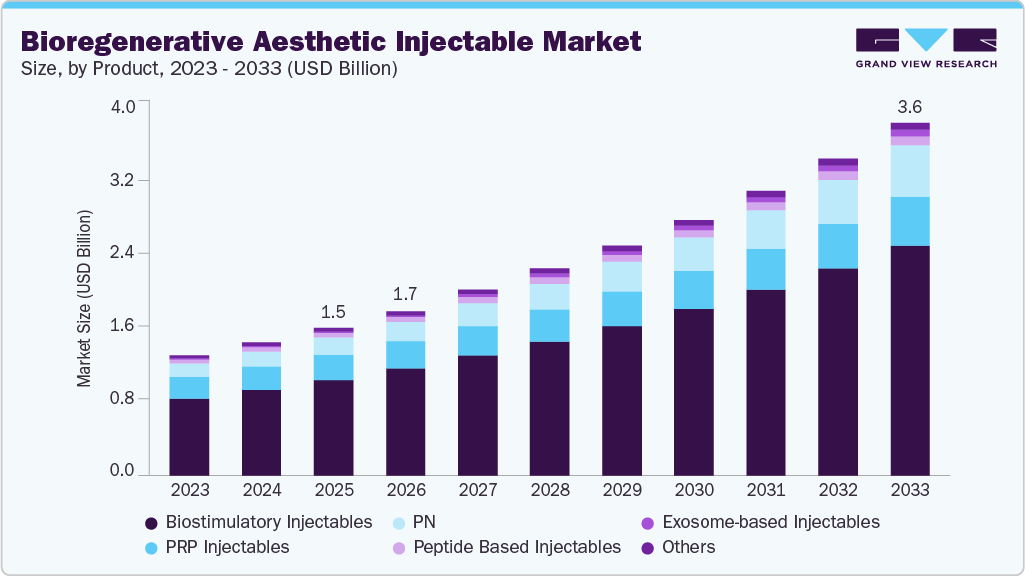
The global bioregenerative aesthetic Injectable market size was valued at USD 1.5 billion in 2025 and is projected to grow from USD 1.7 billion in 2026 to USD 3.6 billion by 2033, at a CAGR of 11.5% from 2026 to 2033. North America dominated the market with the largest revenue share of 33.1% in 2025. This growth is driven by rising consumer demand for natural-looking, minimally invasive treatments that promote long-term skin health.
 Source: Grand View Research, IR Documents, Primary Interviews, Paid DatabasesTo learn more about this report,
 Download Free Sample Report
 Key Market Trends & Insights
- By product: Biostimulatory Injectable segment held the largest market share of 64.7% in 2025.
- By application: Wrinkle correction (for face) segment held the largest market share of 20.1% in 2025.
- By end-use: Medspas segment held the largest market share of 39.2% in 2025.
Regional Highlights
- Largest regional market: North America (33.1% revenue share, 2025)
- Fastest-growing regional market: Asia Pacific (highest CAGR, 2026-2033)
- By country: The U.S. held the largest share in 2025.
Market Size & Forecast
- Market size in 2025: USD 1.5 Billion
- Estimated market size in 2026: USD 1.7 Billion
- Projected market size by 2033: USD 3.6 Billion
- CAGR (2026-2033): 11.5%
Three ways to get this report
Buy it, customize it, or ask a question.Ask an Analyst
Analyst response in 1 business day
- AccessReport author, directly
- Reply timeWithin 1 working day
- No sales callDirect answer only
- FormatEmail reply
- CostFree, no cost
Get the Full Report
What the study covers
- FormatsPDF · Excel · Dashboard
- Timeline2026–2033 annual, 2025 base
- Coverage20+ countries, 5 regions
- Companies10+ key players profiled
Customize the Report
20% free customization
- IncludeCountries, segments, points
- TailorTo your product definition
- ExtendDeeper competitor detail
- OrA fully bespoke study
- Turnaround5–10 working days
Advances in regenerative technologies such as platelet-rich plasma, polynucleotides, and exosomes are boosting product effectiveness. Increasing awareness, higher disposable incomes, and expanding medical aesthetics infrastructure worldwide are further driving adoption across key markets.The Bioregenerative Aesthetic Injectable market is expanding due to a shift in consumer preferences. More people are choosing treatments that look subtle, require less commitment, and fit into their busy schedules instead of high-change cosmetic procedures. Compared to traditional surgery, minimally invasive injectables are easier to try, adjust over multiple sessions, and often have shorter recovery times. This combination appeals to both first-time patients and those looking for ongoing maintenance. It also supports the idea of aesthetics as part of regular self-care, rather than a one-time change, encouraging repeat treatments and consistent regenerative routines.
 To learn more about this report, Download Free Sample Report
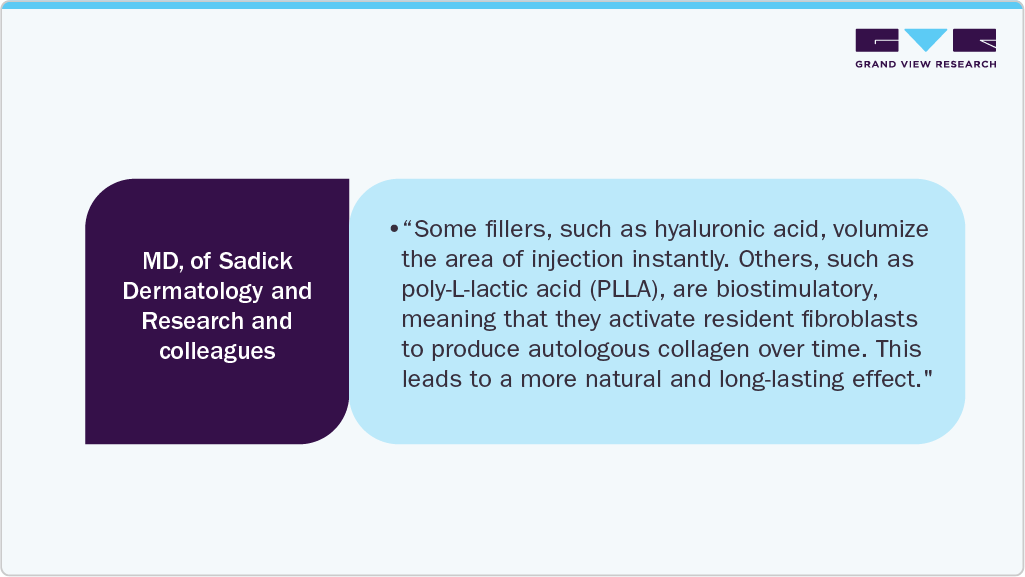
 This trend of adopting minimally invasive, biologically based treatments is also apparent among providers. For instance, in June 2024, an article in the European Journal of Plastic Surgery examined 511 aesthetic clinic websites in Germany, Austria, and Switzerland. It found a strong focus on non-surgical aesthetic options. The results point to ongoing patient demand for minimally invasive procedures. This highlights the important role of bioregenerative injectables, including PLLA, CaHA, PDRN/PN, peptides, exosomes, and PRP, in shaping modern aesthetic practices in mature healthcare markets.
 To learn more about this report, Download Free Sample Report
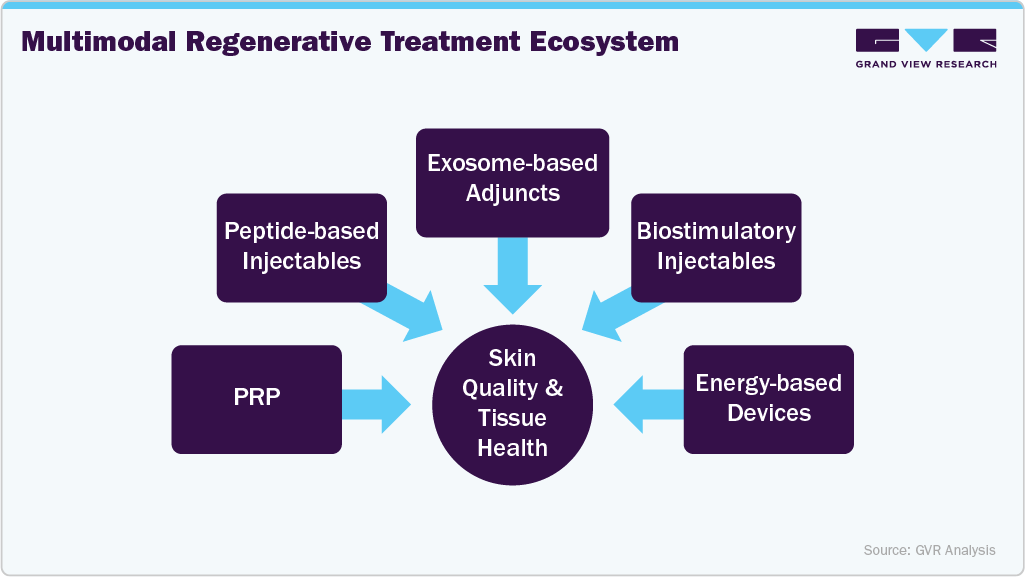
 The growing use of multimodal regenerative protocols underscores a broader shift in how aesthetic outcomes are planned and delivered. By combining bioregenerative injectables with devices and conservative structural support, clinicians can tailor treatments to individual skin biology, treatment tolerance, and aging patterns. This approach allows for gradual, cumulative improvement in tissue quality while minimizing overt aesthetic alteration, reinforcing patient trust and long-term engagement. Importantly, it also creates a framework in which regenerative injectables are valued for their biological contribution rather than their immediate cosmetic effect.
 To learn more about this report, Download Free Sample Report
 Altogether, this shift toward regenerative, natural-looking injectables is driven by three key factors: scientific evidence explaining biological mechanisms and safety, product launches that package regenerative ingredients for clinical use, and clinician education, along with consumer preference for subtle, tissue-restorative outcomes. For teams working on product, clinical, or communication strategies, the practical takeaway is to emphasize evidence-based positioning, conservative technique training for injectors, and treatment plans that integrate regenerative boosters with compatible devices or low-volume fillers to achieve the desired refreshed but natural look.
Market Dynamics
The bioregenerative aesthetic injectables market is gaining significant traction as dermatology clinics, medical spas, aesthetic centers, plastic surgery practices, and outpatient cosmetic treatment facilities increasingly adopt regenerative injectable solutions to address age-related facial changes, skin quality deterioration, and volume loss. These solutions encompass a broad range of advanced injectable technologies, including poly-L-lactic acid (PLLA)-based biostimulators, calcium hydroxylapatite (CaHA) injectables, polycaprolactone (PCL)-based collagen stimulators, platelet-rich plasma (PRP) therapies, platelet-rich fibrin (PRF) treatments, and emerging regenerative biomaterial-based injectables designed to stimulate the body’s natural tissue repair mechanisms. In addition, increasing emphasis on preventive aesthetics, natural-looking results, longevity of treatment outcomes, and regenerative medicine principles is driving the adoption of bioregenerative injectable solutions across both established and emerging aesthetic markets.
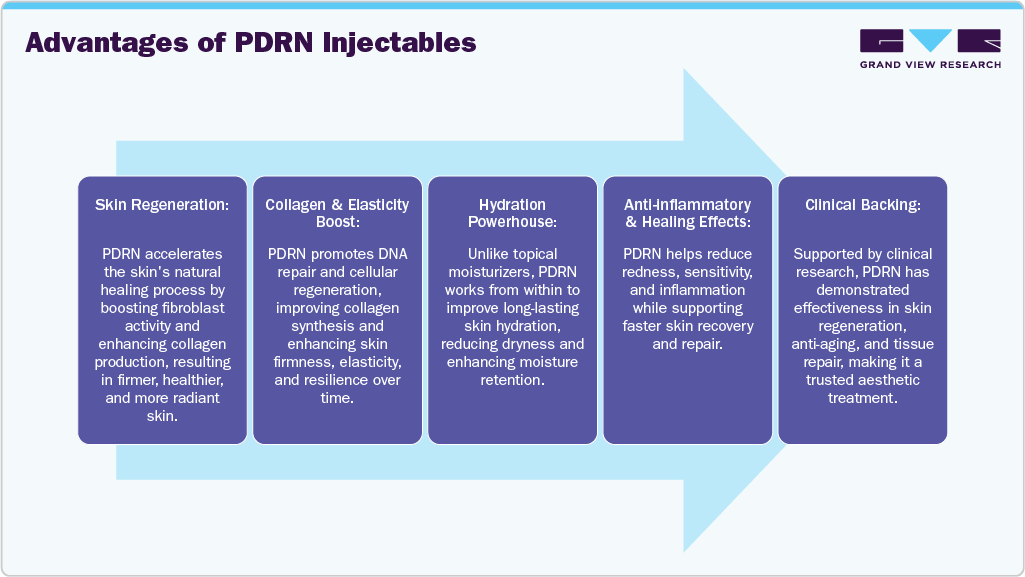
Clinicians and patients are focusing on getting skin back to its natural state and how it actually works, rather than just trying to make it look filled in or different. This shift really favors injectables that are biologically active, like products such as polynucleotides (PDRN/PN), or methods like exosomes, and other techniques that might boost cell signaling. These products really help a person to fix their body, build new collagen, get more hydration, and improve blood flow in tiny vessels. The working behind regenerative injectables is changing quickly, and because of this, clinics have started using them more. In recent times, lots of reviews and studies have proved that PDRN helps cells to grow and also helps in new blood vessel formation. This allows doctors to feel more confident about using these medicines for healing. More and more clinical research is coming out, showing why skin boosters and regenerative injectables are becoming a regular part of treatment plans. People are using them with things like microneedling, lasers, and even a bit of conservative filler to get results that look really natural and focus right on the tissue itself.
 To learn more about this report, Download Free Sample Report
 High treatment costs and limited reimbursement are major barriers to the growth of the bioregenerative aesthetic injectables market. Bioregenerative therapies, such as PLLA and CaHA biostimulators, PDRN/PN injectables, peptide-based formulations, PRP, and new exosome-based treatments, are usually given through structured regimens that need several sessions over weeks or months. The total cost for specialized injectable materials, trained medical professionals, clinical facilities, and follow-up visits often raises the per-patient expense to several thousand dollars. This varies depending on location, clinic reputation, and treatment complexity. Reimbursement limitations increase this cost burden. Most bioregenerative aesthetic injectables are seen as elective or cosmetic procedures, which means they often do not qualify for standard health insurance coverage. As a result, patients must pay entirely out-of-pocket for each treatment session. Some clinics provide installment plans or bundled treatment packages to make it more affordable. However, without insurance support, cost sensitivity becomes a major factor in treatment decisions. This situation significantly limits uptake among middle-income consumers and in areas where patients depend on insurance to manage their healthcare costs.
Market Concentration & Characteristics
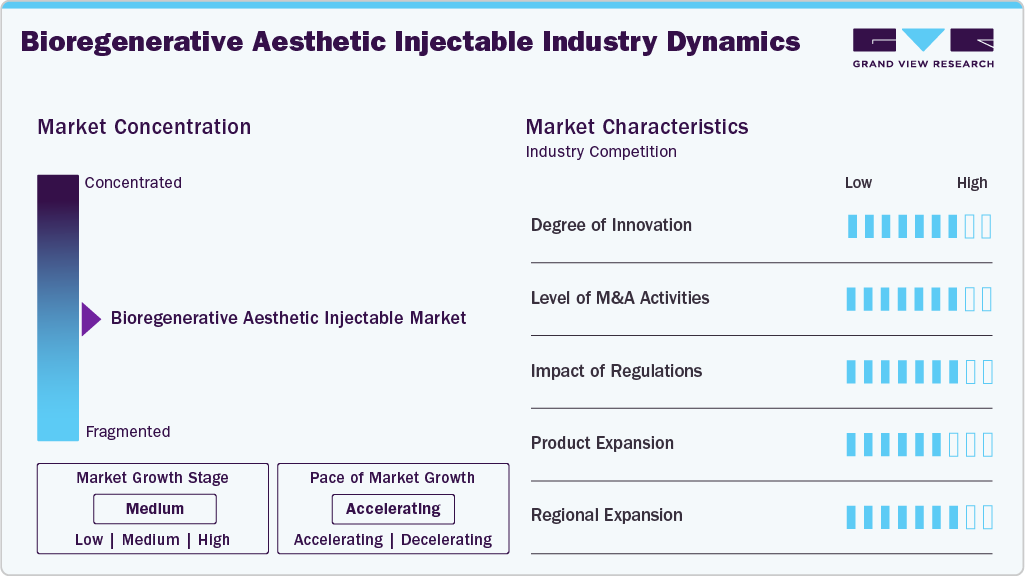
The Bioregenerative Aesthetic Injectable market is moderately concentrated, dominated by established pharmaceutical and aesthetic leaders such as Galderma, Merz Pharma, IBSA Group, and Croma-Pharma. These companies leverage strong distribution networks, clinical validation, and CE-marked products to maintain competitive advantage. The market is characterized by rising demand for collagen-stimulating injectables such as polynucleotides and biostimulators, particularly in Germany, France, Italy, and the UK. Private dermatology and aesthetic clinics drive adoption, while regulatory oversight under the EU Medical Device Regulation (MDR) ensures product safety. Innovation, physician training, and combination therapies are key competitive differentiators shaping market dynamics.
Key Opinion Leader (KOL) Statements Supporting Market Complexity in Bulgaria
“In Bulgaria, aesthetic corrections are part of the culture. The more often people see injectable procedures, the easier they become the norm. This self-replicating trend continues to fuel demand, even when concerns about excess and unrealistic standards are clearly recognized.”
- Alexandra Petrova, Psychologist
“We are increasingly seeing patients as young as 17 seeking aesthetic injections. Unlike many European countries, Bulgaria has no enforced age limits, which creates serious medical and ethical concerns when procedures are performed outside regulated clinical settings.”
- Prof. Miroslava Kadurina, Dermatologist
The Bioregenerative Aesthetic Injectable market exhibits strong innovation, supported by Sweden’s growing influence in European aesthetics. In January 2025, Nordberg Medical introduced Juläine, a Swedish-developed PLLA biostimulator, across Central Europe. Developed using proprietary LASYNPRO technology, Juläine utilizes microsphere-based collagen stimulation with controlled inflammatory response to gradually activate fibroblasts. Positioned as a minimally invasive alternative to traditional dermal fillers, the product highlights Sweden’s commitment to science-led innovation, natural aesthetic outcomes, and sustained tissue regeneration through long-term collagen remodeling.
 To learn more about this report, Download Free Sample Report
 The Bioregenerative Aesthetic Injectable industry is experiencing moderate to high merger and acquisition (M&A) activity, reflecting intensifying competition and portfolio expansion strategies. Established players such as Galderma, Merz Pharma, and Croma-Pharma frequently pursue strategic acquisitions, distribution agreements, and minority investments to strengthen their regenerative portfolios, particularly in polynucleotides and biostimulators. Cross-border partnerships between Swiss, German, Italian, and Scandinavian firms are common, aiming to accelerate CE-marked product launches and clinical expansion. Private equity involvement is also rising, targeting fast-growing aesthetic brands. Overall, M&A activity is driven by technology acquisition, geographic expansion, and consolidation within Europe’s premium aesthetics segment.
Regulation significantly shapes the Bioregenerative Aesthetic Injectable industry by enforcing strict standards for safety, efficacy, and product quality. Frameworks such as the EU Medical Device Regulation (MDR) 2017/745 and oversight by agencies like the U.S. Food and Drug Administration require robust clinical evidence, detailed labeling, and continuous post-market surveillance. These requirements increase development timelines and compliance costs, limiting rapid product entry. However, they also reduce risks associated with unverified therapies, enhance practitioner confidence, and ensure consistent treatment outcomes. Overall, regulation acts as both a barrier to entry and a key driver of long-term market credibility and patient safety.
Product substitutes in the Bioregenerative Aesthetic Injectable industry include traditional hyaluronic acid dermal fillers, botulinum toxin injections, energy-based devices, and surgical cosmetic procedures. HA fillers from companies such as Allergan Aesthetics and Teoxane remain widely used for immediate volumization, while botulinum toxin products address dynamic wrinkles. Laser, radiofrequency, and ultrasound-based skin tightening systems offer non-injectable alternatives. In addition, surgical facelifts provide long-lasting structural correction. Although bioregenerative injectables focus on collagen stimulation and gradual tissue remodeling, substitutes appeal to patients seeking faster results, lower cost options, or more dramatic aesthetic transformation.
Regional expansion in the Bioregenerative Aesthetic Injectable industry is driven by rising demand for minimally invasive procedures, increasing aesthetic awareness, and growth in private dermatology clinics across Western and Central Europe. Companies such as IBSA Group and Croma-Pharma are expanding distribution networks into Germany, France, Italy, Spain, and the Nordics. Recognizing the broader potential of PLLA, manufacturers are extending applications beyond facial treatments. For instance, Sculptra received European MDR certification in late 2025 for expanded body indications, including gluteal, thigh, and décolletage rejuvenation, reflecting regulatory confidence and growing demand for comprehensive aesthetic solutions across the region.
Analyst Perspective
The bioregenerative aesthetic injectables market is positioned at the intersection of several long-term aesthetic medicine, regenerative healthcare, and healthy aging trends, including the growing demand for minimally invasive cosmetic procedures, increasing consumer preference for natural-looking aesthetic outcomes, and continuous advancements in regenerative biomaterials and collagen-stimulation technologies. Rising concerns related to facial aging, volume depletion, skin laxity, loss of dermal elasticity, and age-associated changes in skin quality are creating significant opportunities for aesthetic injectable manufacturers, dermatology clinics, plastic surgery practices, and medical spas as consumers increasingly seek long-lasting rejuvenation solutions that enhance appearance while preserving natural facial characteristics. Furthermore, the growing shift from traditional volumizing fillers toward regenerative aesthetic treatments is fundamentally transforming the market landscape. Bioregenerative injectables such as poly-L-lactic acid (PLLA), calcium hydroxylapatite (CaHA), polycaprolactone (PCL), platelet-rich plasma (PRP), and other collagen-stimulating formulations promote neocollagenesis, extracellular matrix remodeling, and tissue regeneration, enabling gradual and sustained aesthetic improvements rather than temporary correction alone. These technologies support enhanced skin quality, improved facial contouring, restoration of structural support, and long-term rejuvenation outcomes that align with evolving patient preferences for subtle and natural enhancements.
Product Insights
Based on product, the biostimulatory injectables segment led the market with the largest revenue share of 64.7% in 2025 and is expected to witness the fastest CAGR during the forecast period, primarily due to its ability to deliver long-lasting, natural-looking aesthetic results by stimulating the body’s own collagen production. Unlike traditional fillers that provide immediate volume, biostimulatory injectables such as poly-L-lactic acid and calcium hydroxylapatite promote gradual tissue regeneration and structural improvement. Growing patient preference for minimally invasive treatments with durable outcomes, reduced maintenance frequency, and improved skin quality has driven adoption. Strong physician confidence, expanding clinical indications, and increasing use in combination therapies further support the segment’s dominant market position.
The exosome-based injectables segment is estimated to register the fastest growth rate from 2026 to 2033 due to increasing interest in advanced regenerative therapies that support cellular communication, tissue repair, and skin rejuvenation. Exosomes contain bioactive molecules such as growth factors, proteins, and RNA that enhance collagen synthesis, reduce inflammation, and accelerate healing. Rising demand for next-generation, minimally invasive aesthetic solutions, along with ongoing clinical research and product innovation, is driving adoption. In addition, expanding use in combination with microneedling and energy-based treatments, coupled with improving regulatory clarity and practitioner training, is expected to accelerate market growth.
Application Insights
Based on application, the wrinkle correction (for face) segment led the market with the largest revenue share of 20.1% in 2025. An aging population increasingly seeks non-surgical aesthetic solutions that can delay or diminish visible signs of aging without the recovery time or risk associated with surgical procedures. With populations over age 60 expanding worldwide, the prevalence of wrinkles and sagging skin has become a central driver of consumer demand for minimally invasive interventions.
The under eye-areas (for face) segment in the bioregenerative aesthetic injectable market is expected to witness the fastest CAGR during the forecast period. The rising demand is also influenced by lifestyle factors including increased screen time and digital fatigue, which accentuate under-eye shadows and hollowness, especially among younger demographics who now view early preventative aesthetics as part of self-care.
End-use Insights
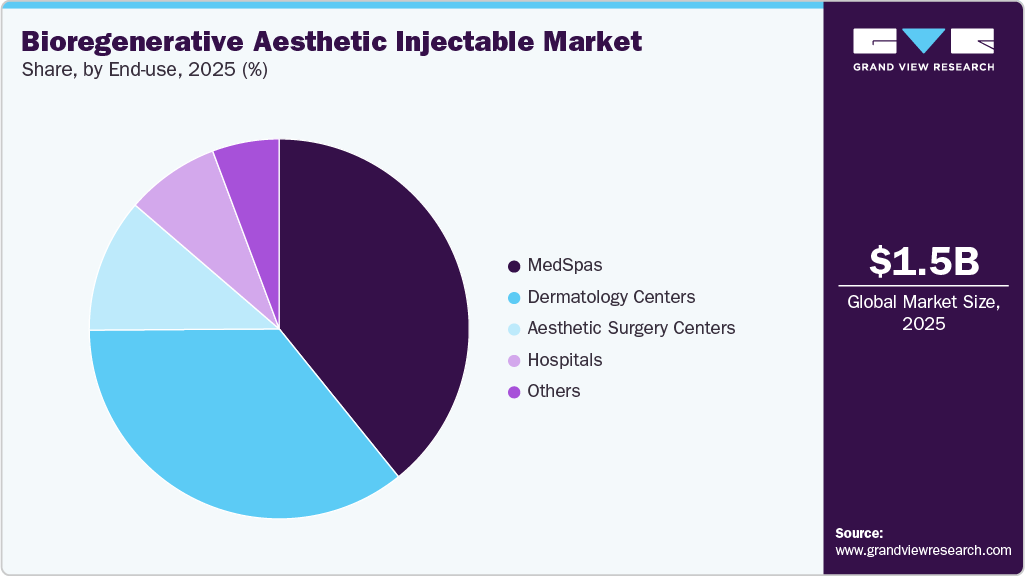
Based on end use, the medspas segment led the market with the largest revenue share of 39.2% in 2025, within the Bioregenerative Aesthetic Injectable market driven by rising consumer demand for minimally invasive, quick-recovery treatments in non-hospital settings. Growing preference for preventive aesthetics, combination therapies, and personalized skin rejuvenation programs is accelerating adoption. MedSpas offer convenient access, competitive pricing, and strong digital marketing outreach, particularly among younger demographics.
 To learn more about this report, Download Free Sample Report
 The dermatology centers segment in the Bioregenerative Aesthetic Injectable market is expected to witness the significant CAGR during the forecast period. This dominance is driven by the growing preference for medically supervised aesthetic procedures, particularly collagen-stimulating injectables such as polynucleotides and PLLA-based biostimulators. Dermatology centers offer specialized expertise in skin biology, regenerative treatments, and combination therapies, enhancing patient trust and treatment outcomes. Increasing awareness of minimally invasive anti-aging solutions, rising disposable incomes, and strong urban clinic networks across Germany, France, and Italy further support segment growth. Advanced diagnostic capabilities and personalized treatment planning also position dermatology centers as primary hubs for regenerative aesthetic procedures.
Regional Insights
North America dominated the bioregenerative aesthetic injectables market with the largest revenue share of 33.1% in 2025, and is projected to experience strong growth in the coming years. Market expansion is fueled by rising demand for minimally invasive, durable, and biologically driven aesthetic treatments. Poly-L-lactic acid (PLLA) fillers are gaining popularity due to their ability to stimulate collagen formation, support skin regeneration, and enhance tissue repair rather than only restoring volume. Clinical adoption of regenerative aesthetic techniques is also expanding, with PLLA fillers increasingly used to address skin thinning, structural aging, and natural contour enhancement. Combination treatments involving microneedling, radiofrequency, and ultrasound-based collagen stimulation further demonstrate a growing preference for multimodal, regeneration-centered aesthetic solutions across North America.
 To learn more about this report, Download Free Sample Report
 Professional training trends reflect this shift, as major U.S. aesthetic education forums now emphasize regenerative injectables, focusing on tissue biology, collagen restoration, and healing mechanisms. In addition, cross-border medical tourism between the U.S. and Canada influences clinic marketing strategies, with providers increasingly promoting collagen regeneration and tissue-support benefits to attract international aesthetic patients.
U.S. Bioregenerative Aesthetic Injectable Market Trends
The bioregenerative aesthetic injectables market in the U.S. held the largest share in the North America region in 2025. U.S. continues to play a central role in the North American Bioregenerative Aesthetic Injectable market, supported by a growing shift toward regenerative therapies, particularly poly-L-lactic acid (PLLA). Patients increasingly prefer treatments that promote gradual, biologically driven skin rejuvenation rather than instant cosmetic correction. PLLA products, produced under FDA standards and distributed through certified dermatologists and plastic surgeons, stimulate natural collagen production, helping restore facial volume and skin elasticity, especially appealing to the aging population seeking subtle, long-term improvements. Medical spas have become an important channel for delivering bioregenerative injectables. Data from industry associations show rapid expansion in med spa facilities over the past decade, with many offerings bundled regenerative treatments such as skin boosters and scalp therapies delivered through scheduled treatment programs. Professional training programs for nurses and physician assistants are also expanding to ensure safe and standardized administration of PLLA procedures.
Meanwhile, clinics and distributors continue to broaden patient access by incorporating PLLA into comprehensive aesthetic treatment plans. Supported by regulatory oversight, technological advancements, and rising consumer interest in minimally invasive regenerative solutions, the U.S. market is positioned for continued expansion, with bioregenerative injectables increasingly shaping the future of aesthetic medicine through natural and long-lasting skin rejuvenation approaches.
Europe Bioregenerative Aesthetic Injectable Market Trends
Europe held the largest share of the Bioregenerative Aesthetic Injectable market, exceeding 28.4% in 2025, and is expected to witness sustained growth in the coming years. The region benefits from high aesthetic awareness, advanced dermatology infrastructure, and strong regulatory oversight under the EU MDR framework. Countries such as Germany, France, Italy, and the UK drive demand for collagen-stimulating injectables, including polynucleotides and PLLA-based biostimulators. Established players like Galderma and Merz Pharma strengthen regional dominance through innovation and physician training, supporting continued expansion across both Western and emerging Central European markets.
The UK Bioregenerative Aesthetic Injectable market is evolving rapidly as aesthetic professionals and patients increasingly embrace injectables that stimulate the body’s own regenerative processes rather than simply adding volume. One sign of this shift is the increasing use of PDRN (polynucleotide) injections in UK aesthetic practice. Clinics such as DRV Clinic in London have publicly highlighted their focus on regenerative skin treatments using polynucleotide injectables, which are designed to improve hydration, elasticity, and collagen production at a cellular level offering patients a natural rejuvenation effect that unfolds over time rather than immediate, artificial volume change.
Polynucleotides work via DNA fragments that stimulate fibroblast activity, collagen synthesis, and tissue repair, making them suitable for addressing fine lines, uneven texture, and skin laxity in a subtler way than traditional volumizing modalities. Experts in the UK aesthetic sector note that PDRN’s unique regenerative mechanism bridges the gap between simple skin boosters and deeper biostimulation therapies.
Training and professional education around regenerative injectables are also developing in the UK. Organizations such as the Harley Street Institute offer specialized polynucleotide therapy courses to help clinicians learn safe, effective regenerative techniques, reflecting growing clinical demand. Meanwhile, events like The Regenerative Aesthetic Medicine Conference and Exhibition (RAMCE) in London are bringing together UK and international experts to discuss regenerative strategies and case studies that go beyond traditional injectables toward long-term tissue health.
 To learn more about this report, Download Free Sample Report
 Germany stands as one of Europe’s most advanced and medically regulated aesthetic medicine markets, with a growing niche in bioregenerative injectables that stimulate the body’s natural regenerative processes. Clinics across major German cities such as Berlin, Hamburg, and Düsseldorf now offer polynucleotide (PN/PDRN) treatments marketed as advanced skin boosters and biostimulators that support cellular repair and collagen production. Practices such as BellaDerma in Berlin highlight how PDRN injectables such as PhilArt and Nucleofill are used to enhance skin elasticity, hydration, and dermal texture without adding artificial volume, making them attractive for patients seeking subtle rejuvenation and improved skin health.
In addition to standalone PDRN therapies, Germany also sees hybrid biostimulation approaches that combine regenerative substances with adjunctive technologies such as RF needling and PLLA-based stimulation. For example, clinics such as Perfect Skin Berlin promote RF Needling & Hybrid-PLLA protocols aimed at deeper collagen activation and natural tightening, which improve skin texture without traditional fillers. The emphasis in these protocols reflects a broader clinical trend toward therapies that work with biological processes rather than simply “filling” tissue.
Asia Pacific Bioregenerative Aesthetic Injectable Market Trends
Asia Pacific held the share of the Bioregenerative Aesthetic Injectable market, exceeding 30.3% in 2025, and is expected to witness sustained growth in the coming years. The rapid expansion of digital platforms, medical tourism, and e-commerce has further enhanced the accessibility and market presence of these injectables and associated treatment protocols across the region. Both international and regional manufacturers are actively introducing a broad range of bioregenerative injectable products, including hyaluronic acid- and vitamin-based formulations as well as advanced solutions containing polynucleotides, peptides, and growth-enhancing complexes. Market entry is largely supported through collaborations with dermatology and aesthetic clinics, established distribution networks, and formalized practitioner training and certification programs, facilitating broader clinical adoption across major Asia-Pacific countries.
Medical tourism remains a significant contributor to market growth. Asia Pacific has emerged as a preferred destination for international patients seeking advanced aesthetic procedures at competitive costs, leading to increased treatment volumes and greater visibility of bioregenerative injectables. Leading aesthetic centers in the region continue to report rising inflows of overseas patients pursuing cosmetic and combination treatments, supported by advanced infrastructure and growing global demand for high-quality aesthetic services.
For example, in September 2025, Contour Clinic Thailand reported that international patients represented approximately 25.4% of its total aesthetic procedure volumes substantially above the global average of around 10% underscoring strong cross-border demand. In addition, global aesthetic procedure volumes reached nearly 34.9 million cases in 2023, reflecting year-over-year growth across both surgical and non-surgical categories. Improved accessibility, shifting beauty standards, and the strong appeal of the region’s medical tourism ecosystem have collectively accelerated demand for Bioregenerative Aesthetic Injectable across Asia Pacific.
China’s Bioregenerative Aesthetic Injectable market is expanding rapidly, driven by growing consumer demand and continuous product innovation. The competitive landscape includes multinational companies such as PharmaResearch Products, Galderma, Merz Aesthetics, Mastelli, Ipsen, and BR Pharma, particularly within premium and biostimulatory segments. These players are strengthening their presence through localized product strategies, partnerships with domestic aesthetic clinics, clinician training initiatives, and the launch of globally recognized regenerative injectables. Competition is shaped by pricing strategies, deeper penetration into lower-tier cities, and diversified portfolios that address both traditional and regenerative aesthetic needs.
Market growth is supported by the rising popularity of minimally invasive procedures and increasing acceptance of aesthetic enhancements across age groups. An aging population seeking youthful appearance solutions remains a key demand driver, while younger consumers especially millennials and Gen Z are influenced by social media trends and urban lifestyles, favoring natural-looking, subtle results. The transition from conventional cosmetic treatments to bioregenerative injectables reflects a stronger emphasis on safety, collagen stimulation, and long-term skin quality improvement.
Latin America Bioregenerative Aesthetic Injectable Market Trends
Latin America accounted for over 5.9% of the Bioregenerative Aesthetic Injectable market in 2025 and is expected to witness sustained growth in the coming years. The region is emerging as a dynamic market for bioregenerative aesthetic injectables, supported by strong beauty consciousness, growing disposable income, and increasing acceptance of minimally invasive cosmetic procedures. Countries such as Brazil, Mexico, Colombia, and Argentina are key contributors, with consumers increasingly favoring collagen stimulators and regenerative fillers that enhance skin quality and stimulate natural tissue renewal rather than providing volume alone. This shift reflects a broader preference for subtle, natural-looking, and longer-lasting aesthetic outcomes.
The region benefits from an expanding network of dermatology clinics, aesthetic centers, and medical spas, particularly in major urban hubs. Brazil stands out as a regional leader due to its high procedural volume, advanced practitioner expertise, and strong medical tourism ecosystem. Demand is being further driven by patients seeking procedures with minimal downtime, preventative anti-aging benefits, and gradual improvement in skin firmness, texture, and elasticity key advantages associated with biostimulatory and regenerative injectable treatments.
Cultural emphasis on appearance, strong social media influence, and celebrity-driven beauty trends continue to accelerate aesthetic treatment adoption across Latin America, including among younger demographics and male patients. At the same time, an aging population seeking non-surgical solutions for skin laxity, collagen loss, and facial rejuvenation is sustaining long-term demand. While price sensitivity remains a challenge in some markets, growing middle-class populations and expanding private healthcare access are improving affordability and uptake.
On the competitive front, both international and local players are strengthening their presence in Brazil. Established multinational companies such as AbbVie (Allergan), Galderma, Merz, and others continue to compete through product portfolios that include both traditional and biostimulatory injectables, investing in innovation, training, and marketing to differentiate offerings. This competitive interplay increases choices for clinicians and patients alike, fostering further growth in Brazil’s bioregenerative aesthetic segment.
In Brazil, the Bioregenerative Aesthetic Injectable market is becoming increasingly competitive as demand for minimally invasive and regenerative treatments grows. The country has one of the largest aesthetic markets globally, with a strong cultural emphasis on beauty and a high volume of cosmetic procedures performed each year, especially in major urban centers like São Paulo and Rio de Janeiro, where clinics and medical spas are widespread. Growth in Bioregenerative Aesthetic Injectable is being driven by rising consumer awareness of non-surgical options, increasing disposable incomes, and a preference for treatments with minimal downtime and natural-looking results.
Middle East & Africa Bioregenerative Aesthetic Injectable Market Trends
Middle East & Africa accounted for over 2.2% of the Bioregenerative Aesthetic Injectable market in 2025 and is expected to witness sustained growth in the coming years. The growth is fueled by rising aesthetic awareness, increasing disposable incomes in urban centers, and an expanding network of specialized dermatology clinics and medical spas. Urban consumers in major cities are increasingly opting for minimally invasive solutions with natural-looking results, often influenced by social media and evolving beauty standards that emphasize subtle enhancement over surgical intervention. This has led to a broader acceptance of injectables that not only restore volume but also promote skin quality and rejuvenation.
Clinics across the MEA are adopting next-generation injectable technologies, such as exosome based injectables and hybrid formulations that combine volumization with skin health benefits. These innovations offer longer-lasting effects, smoother integration, and improved safety profiles attributes particularly appealing to consumers seeking preventative and restorative treatments rather than one-off volumizing procedures. The presence of trained dermatologists and advanced injection protocols reinforces patient confidence and supports the transition toward quality-driven outcomes.
Similarly, regulatory frameworks and market conditions vary widely across the region. Gulf countries have more established standards and certification processes, which enhance treatment safety and accessibility, while other parts of Africa still grapple with regulatory inconsistencies and limited practitioner training, which can impede broader adoption. Access challenges in rural areas and the high cost of premium injectable products remain important constraints, particularly outside affluent urban markets. Nevertheless, ongoing efforts to strengthen clinical training and patient education, along with the growth of medical tourism in destinations such as Dubai and Riyadh, are helping to expand the overall market footprint.
Saudi Arabia’s Bioregenerative Aesthetic Injectable market is growing rapidly as consumer preferences shift toward minimally invasive cosmetic treatments and increased focus towards appearance. Rising disposable incomes, a youthful population with increasing beauty awareness, and expanding aesthetic clinic networks in major urban centers such as Riyadh and Jeddah are significant growth drivers.
Competition in the market involves both global and regional players. Established multinational brands such as Allergan’s HArmonyCa and Merz’s Radiesse, are widely used in aesthetic clinics. Clinics are also adopting a mix of bio-stimulatory fillers to cater to demand longer-lasting, natural-looking results. As regulatory oversight from the Saudi Food and Drug Authority (SFDA) continues to ensure product safety and efficacy, competition is shifting toward differentiation through product innovation, service quality, and brand reputation across leading clinics and healthcare groups.
Key Bioregenerative Aesthetic Injectable Company Insights
Some of the key companies in the bioregenerative aesthetic injectable market include Galderma, Merz Pharma, IBSA Group and among others. Most companies focus on R&D activities to develop technologically advanced products to gain a competitive edge. Companies are also adopting various strategies, such as mergers and acquisitions, joint ventures, and developing low-cost equipment, especially for developing economies.
Key Bioregenerative Aesthetic Injectable Companies:
The following key companies have been profiled for this study on the bioregenerative aesthetic injectable market.
-
PharmaResearch Products Co., Ltd.
-
MD Skin Solutions
-
Mastelli s.r.l.
-
Merz Aesthetics
-
Caregen Co. Ltd
-
Croma Pharma
-
PROMOITALIA
-
Galderma
-
Fillmed
-
IBSA
-
Bio-Formula
-
BR Pharma
-
Allergan (AbbVie)
-
Merz
-
Fidia
-
VAIM
Competitive Benchmarking
Category
Operating Strategies
Competitive Edge
Weakness
Established Players (PharmaResearch Products Co., Ltd., MD Skin Solutions, Mastelli s.r.l.)
Focus on expanding biostimulatory injectable portfolios including poly-L-lactic acid (PLLA), calcium hydroxylapatite (CaHA), and next-generation collagen-stimulating injectables targeting facial rejuvenation, skin quality enhancement, and volume restoration.
Strengthen strategic partnerships with dermatology clinics, plastic surgeons, aesthetic physician networks, and medical spas to enhance treatment adoption and long-term market penetration.
Strong brand recognition, extensive physician loyalty, and well-established global distribution networks support market leadership.
Large-scale clinical datasets and regulatory approvals provide significant competitive advantages and strengthen practitioner confidence.
Large organizations often experience slower product development cycles due to extensive validation, regulatory review, and portfolio management requirements.
Dependence on trained aesthetic practitioners can constrain adoption in regions with limited specialist availability.
Emerging Players (Croma Pharma, PROMOITALIA, Galderma)
Focus on niche regenerative injectable technologies targeting skin regeneration, collagen induction, and personalized aesthetic treatments.
Develop cost-effective alternatives to established biostimulatory products for emerging aesthetic markets.
Faster innovation cycles and greater flexibility enable rapid development of novel regenerative treatment solutions.
Ability to address unmet needs through customized formulations and specialized regenerative applications.
Limited financial resources and smaller marketing budgets restrict large-scale commercialization efforts.
Lower brand awareness and limited clinical evidence compared with established market leaders may slow physician adoption.
Recent Developments
-
In August 2025, PharmaResearch partnered with France-based VIVACY to distribute its PN-based skin booster Rejuran across 22 European countries. The five-year, (USD 50-60 million) €54.5 million agreement accelerates PharmaResearch’s European market entry and strengthens Rejuran’s regional presence.
-
In October 2025, Croma Pharma GmbH announced a strategic distribution partnership with Renellence to strengthen its footprint in Canada. Renellence will distribute Croma’s MDR-approved Saypha hyaluronic acid fillers, while both companies collaborate on medical education, training, and long-term growth in the Canadian aesthetics market.
-
In March 2025, Korean aesthetics brand JuveLook (Vaim), a PDLLA-based collagen biostimulator, is going global through expanded production in Daejeon and a new European distribution deal with Laboratoires FILLMED. The brand now offers four SKUs tailored by particle size, enhancing natural collagen stimulation, while in 2024 sales nearly tripled to USD 57 million, reflecting strong international growth.
-
In March 2025, Plinest was awarded “Injectable Product of the Year” at the 2025 Aesthetics Awards 2025, recognizing it as a leading innovation in injectable and regenerative aesthetics. This accolade reflects Plinest's proven effectiveness, safety, ease of use and high practitioner satisfaction backed by clinical evidence and praised by the judging panel.
Bioregenerative Aesthetic Injectable Market Report Scope
Report Attribute
Details
Market size in 2025
USD 1.5 billion
Estimated market size in 2026
USD 1.7 billion
Projected market size by 2033
USD 3.6 billion
Growth rate
CAGR of 11.5% from 2026 to 2033
Historical data
2021 - 2024
Forecast period
2026 - 2033
Quantitative units
Revenue in USD million/billion and CAGR from 2026 to 2033
Report coverage
Revenue forecast, company ranking, competitive landscape, growth factors, and trends
Segments covered
Product, application, end-use, region
Regional scope
North America; Europe; Asia Pacific; Latin America; MEA
Country scope
U.S.; Canada; Mexico; UK; Germany; France; Italy; Spain; Denmark; Sweden; Norway: Japan; China India; Australia; Thailand; South Korea; Brazil; Argentina; South Africa; Saudi Arabia; UAE; Kuwait
Key companies profiled
PharmaResearch Products Co., Ltd.; MD Skin Solutions; Mastelli s.r.l.; Merz Aesthetics; Caregen Co. Ltd; Croma Pharma; PROMOITALIA; Galderma; Fillmed; IBSA; Bio-Formula; BR Pharma; Allergan (AbbVie); Merz; Fidia; VAIM
Customization scope
Free report customization (equivalent up to 8 analysts' working days) with purchase. Addition or alteration to country, regional & segment scope.
Pricing and purchase options
Avail customized purchase options to meet your exact research needs. Explore purchase options
Global Bioregenerative Aesthetic Injectable Market Report Segmentation
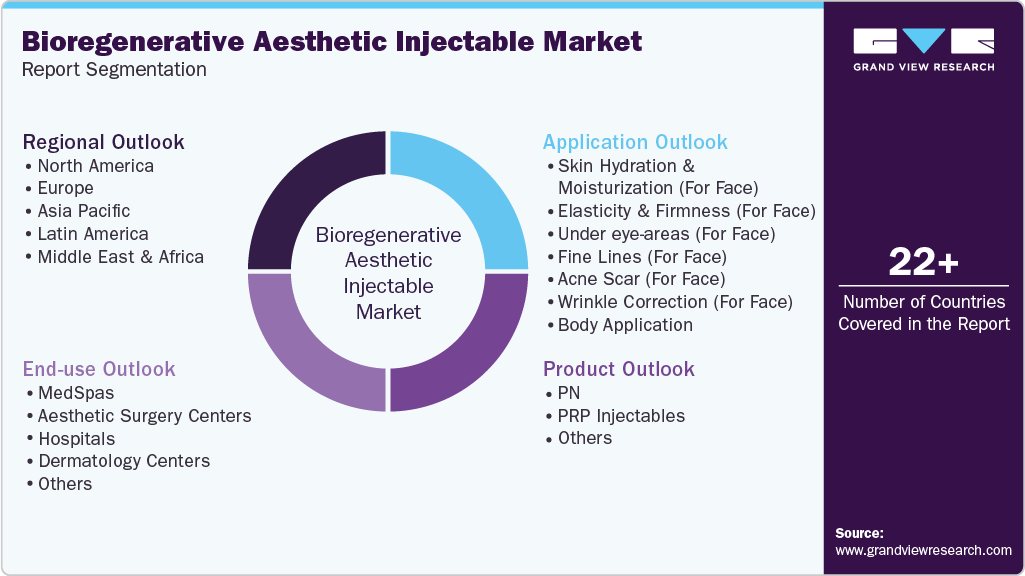
This report forecasts revenue growth at regional and country levels and provides an analysis of the latest industry trends in each of the sub-segments from 2021 to 2033. For this study, Grand View Research has segmented the bioregenerative aesthetic injectable market report based on product, application, end-use and region:
 To learn more about this report, Download Free Sample Report
 -
Product Outlook (Revenue, USD Million, 2021 - 2033)
-
PN
-
PDRN
-
PN Injectables
-
-
Peptide based Injectables
-
Exosome-based Injectables
-
Biostimulatory Injectables
-
PLLA
-
CaHA
-
-
PRP Injectables
-
Others
-
-
Application Outlook (Revenue, USD Million, 2021 - 2033)
-
Skin Hydration & Moisturization (For Face)
-
Elasticity & Firmness (For Face)
-
Under eye-areas (For Face)
-
Fine Lines (For Face)
-
Acne Scar (For Face)
-
Wrinkle Correction (For Face)
-
Body Application-
-
Arms & Thighs
-
Décolletage
-
Intimate Areas
-
Knees
-
Scalp & Hair Rejuvenation
-
-
-
End-use Outlook (Revenue, USD Million, 2021 - 2033)
-
MedSpas
-
Aesthetic Surgery Centers
-
Hospitals
-
Dermatology Centers
-
Others
-
-
Regional Outlook (Revenue, USD Million, 2021 - 2033)
-
North America
-
U.S.
-
Canada
-
Mexico
-
-
Europe
-
UK
-
Germany
-
France
-
Italy
-
Spain
-
Norway
-
Denmark
-
Sweden
-
-
Asia Pacific
-
China
-
Japan
-
South Korea
-
Thailand
-
Australia
-
India
-
-
Latin America
-
Brazil
-
Argentina
-
-
MEA
-
South Africa
-
Saudi Arabia
-
UAE
-
Kuwait
-
-
Research Methodology
The bioregenerative aesthetic injectable market figures in this report are based on a proven research process that combines executive interviews with secondary research from proprietary databases, company filings, and recognized regulatory and institutional sources. Market size is built through value-chain sizing - reconciling supply-side and demand-side estimates - and triangulated with bottom-up and top-down approaches. Every estimate passes multiple levels of expert validation before publication, with each bioregenerative aesthetic injectable segment quantified using the revenue-capture definitions in the table below.
Segment Definition
Segment - Product
Revenue capture definition
PN
Revenue is captured by distributing salmon- or trout-derived DNA fragments engineered to stimulate tissue repair, activate fibroblasts, and reduce inflammation. Manufacturers generate high-margin revenue from bulk syringe orders and multi-vial boxes supplied to clinical practices, supported by repeating purchase cycles as patients require a multi-session induction phase followed by semi-annual maintenance treatments.
Peptide based Injectables
Revenue is generated through the commercialization of bio-mimetic amino acid chain sequences that simulate natural cellular signaling to upregulate collagen and elastin production. Pharmaceutical developers earn income from targeted mesotherapy vials, specialized multi-peptide cocktail boxes, and recurring sales of compatible micro-channeling delivery arrays or fine-gauge injection kits.
Exosome-based Injectables
Revenue flows through the distribution of extracellular vesicles containing concentrated proteins, lipids, and nucleic acids derived from stem cells or plants. Market participants earn substantial wholesale product revenues by selling dual-chamber freeze-dried lyophilized kits (vial of active exosomes paired with a specialized diluent), requiring strict cold-chain distribution fulfillment networks.
Biostimulatory Injectables
Revenue is generated from advanced particulate biomaterials designed to trigger a controlled, localized foreign-body response that forces neocollagenesis over an extended period. Income is captured via single-unit or twin-pack structural vials distributed exclusively to licensed aesthetic injectors.
PRP Injectables
Revenue is captured through the distribution of specialized point-of-care medical devices required to isolate autologous platelet-rich plasma from a patient’s own blood. Rather than selling a pre-formulated drug asset, companies generate consistent recurring revenue through proprietary blood-drawing tubes, anti-coagulant gel separators, specialized clinical centrifuges, and single-use harvesting kits.
Others
Revenue encompasses emerging bioregenerative polymer alternatives, non-crosslinked hyaluronic acid hybrids, and combination matrices that blend autologous cells with synthetic biostimulators to achieve concurrent structural and cellular tissue regeneration.
Segment - Application
Revenue capture definition
Skin Hydration &
Moisturization (For Face)
Revenue is generated by marketing superficial bioregenerative micro-droplet treatments (such as PDRN or light peptides) that boost endogenous hyaluronic acid production and restore epidermal barrier health. Income is driven by consistent, high-frequency practitioner re-orders to service patients seeking seasonal, non-volumizing facial skin radiance and deep hydration.
Elasticity & Firmness (For Face)
Revenue flows from deeper dermal injectables (like PLLA and high-concentration PN) explicitly formulated to restore structural vector support and contract tissue networks. Revenue is captured through high-volume syringe utilization per patient profile, targeting age-related laxity, mid-face sagging, and structural jowl depletion.
Under eye-areas (For Face)
Revenue is captured by distributing highly fluid, low-hydrophilicity bioregenerative matrices (such as dedicated periorbital PN formulations) designed to minimize fluid retention or Tyndall discoloration. Manufacturers charge premium pricing for these delicate, high-margin syringes engineered specifically to treat tear troughs and infraorbital thinning.
Fine Lines (For Face)
Revenue streams develop from micro-droplet regenerative injectables targeted at superficial structural etched lines around the mouth, forehead, and periorbital zones. Income is driven by younger patient demographics seeking preventative "prejuvenation" protocols that smooth early imperfections without freezing facial expressions.
Acne Scar (For Face)
Revenue is generated through the commercialization of targeted subcision adjuncts (such as PN, PDRN, and hyper-diluted CaHA) injected directly beneath fibrotic scar tissue to encourage orderly tissue remodeling. Revenue is sustained by multi-procedural treatment series needed to dramatically smooth boxcar or rolling acne indentations.
Wrinkle Correction (For Face)
Revenue is derived from high-density biostimulatory and bioregenerative matrices injected into deep facial folds, such as the nasolabial lines and marionette creases. Manufacturers drive value by demonstrating long-term structural persistence that keeps clinical results active far outlasting traditional dermal fillers.
Body Application
Revenue flows from large-volume biostimulatory vials engineered to correct large-scale skin laxity, cellulite, and structural volume defects across non-facial zones. This category represents a major growth engine, requiring significantly larger product volumes per individual treatment zone compared to standard facial treatments.
Segment - End Use
Revenue capture definition
MedSpas
Revenue is generated through commercial aesthetic distribution partnerships, corporate multi-site spa agreements, and fast-moving retail replenishment pipelines. Manufacturers capture high volume here by focusing on user-friendly, low-downtime regenerative protocols (exosomes, PDRN, light peptides) that match the fast patient turnaround and aggressive lifestyle marketing of the medical spa business model.
Aesthetic Surgery Centers
Revenue flows through premium surgical-lane validation setups and plastic surgeon procurement networks. Product manufacturers generate revenue by positioning high-potency regenerative injectables (like advanced exosome vials or fat-grafting PRP optimization kits) as vital post-operative recovery accelerators or complementary enhancements following facelifts or laser resurfacing surgeries.
Hospitals
Revenue is captured via formal institutional biddings, strict hospital formulary reviews, and government or private medical group tender frameworks. Revenue capture is characterized by lower relative margins but exceptionally steady, massive wholesale volume commitments, focusing primarily on highly regulated, clinically validated regenerative products used for complex scar revisions or reconstructive needs.
Dermatology Centers
Revenue is derived from dedicated physician-only accounts, specialized clinical e-commerce portals, and evidence-based aesthetic buying groups (GPOs). Income is anchored on advanced, indications-driven bioregenerative compounds (such as customized PLLA/CaHA profiles and premium PN lines) heavily backed by randomized controlled trials, histology data, and peer-reviewed safety records.
Others
Revenue encompasses non-traditional aesthetic delivery endpoints, including clinical research settings, independent solo nurse injector suites, academic aesthetic training workshops, and international anti-aging wellness clinics that purchase specialized, boutique regenerative configurations directly from specialized biomedical clearings.
Estimation Model
Phase Title
Key Question
Process Steps
Data Sources
Scope Definition
What is being sized?
- Define Product & Technology Categories
- Segment Application & End-Use Segments
- Set geographic boundaries (global/regional)
- Align revenue base & forecast horizon (annual)
GAPS, ASSUM, OEM, DATA
Build the Product Base
How large is total addressable market?
- Gather Aesthetic Procedure/Volume Data
- Estimate Clinic Consumption & Practitioner Footprint
- Apply Product Category Pricing Splits
- Project Installed/Transferred Trajectories
Public domain, company filings, government and industry databases, primary research
Estimate Penetration
What is the division ratio in adoption among new products over installed solutions? How across key geographies and sectors?
- Survey Centers, New-Case Injection Transition Rates
- Map Consumer Product Completion & Installed/Replacement Utilization
- Quantify Validation and Combination Therapy/Procedure
- Triangulate Encapsulation-based Solution Adoption with Supplier Volumes
Primary interviews, company filings, distributor feedback
Revenue Conversion
How does volume become revenue?
- Gather Commercial Cost Metrics
- Segment by Revenue Streams
- Apply end-use channel share
- Cross-check with Import/Export Data
Primary interviews, public domain, government databases, expert assessments
Delivered Customizations
This report has been delivered with the following In-depth customizations
Client Request
Customization Delivered
Value Adds
Consumer Behavior Analysis
Conducted a comprehensive assessment of consumer behavioral shifts shaping the bioregenerative aesthetic injectables market, focusing on the transition from traditional, immediate-fix dermal fillers to long-term, cellular-level tissue rejuvenation. The analysis evaluated shifting consumer demographics, highlighting the rise of the “pre-juvenation” trend among younger demographics (Millennials and Gen Z) alongside traditional anti-aging consumer segments. The study explored consumer preferences across key product profiles such as Poly-L-Lactic Acid (PLLA), Polycaprolactone (PCL), Calcium Hydroxyapatite (CaHA), and Polynucleotides (PN) and mapped out the core drivers behind product choice, including the desire for natural-looking results, safety profiles, treatment longevity, and minimal downtime. Additionally, the study assessed the influence of digital media, peer reviews, and “skin-streaming” aesthetics trends on a consumer’s willingness to pay for preventative and regenerative aesthetic protocols.
This analysis enables stakeholders to understand evolving patient motivations, treatment expectations, and decision-making journeys within the aesthetic sector. It supports targeted marketing strategies, patient-centric product positioning, and pipeline optimization by highlighting shifting lifestyle priorities and identifying untapped consumer segments seeking long-term collagen and tissue stimulation over temporary volume replacement.
Practitioner/Provider Analysis
Conducted a detailed assessment of aesthetic medical practitioners, including dermatologists, plastic surgeons, and specialized aesthetic injectors across plastic and cosmetic dermatology clinics. The study evaluated practitioner adoption rates, training barriers, and technical learning curves associated with newer bioregenerative injectables versus established dermal filler brands. The analysis also assessed aesthetic injector preferences regarding product handling, ease of use, and clinical outcomes, as well as attitudes toward regenerative versus volumizing treatment philosophies.
This analysis enables stakeholders to evaluate provider-side adoption dynamics, training requirements, and clinical integration challenges. It supports strategic planning for medical education programs, product training modules, and partnership development with key opinion leaders (KOLs) to accelerate market penetration and practitioner confidence in bioregenerative injectables.
Average Selling Price Analysis
Conducted a comparative pricing analysis across major bioregenerative injectable brands and conventional dermal fillers, benchmarking price differentials by product type, region, and clinical setting. The study assessed how novel biostimulatory injectables are positioned within the market relative to traditional fillers, identifying pricing elasticity, reimbursement trends, and consumer willingness-to-pay thresholds.
This analysis enables stakeholders to benchmark their pricing strategies against market norms, identify opportunities for premium positioning, and optimize revenue models. It supports strategic pricing decisions by highlighting long-term ASP stability and corporate profit margins.
Frequently Asked Questions About This Report
The global bioregenerative aesthetic injectable market size was estimated at USD 1.5 billion in 2025 and is expected to reach USD 1.7 billion in 2026.
Some key players operating in the bioregenerative aesthetic injectable market include PharmaResearch Products Co., Ltd.; MD Skin Solutions; Mastelli s.r.l.; Merz Aesthetics; Caregen Co. Ltd; Croma Pharma; PROMOITALIA; Galderma; Fillmed; IBSA; Bio-Formula; BR Pharma; Allergan (AbbVie); Merz; Fidia; VAIM
North America held the largest market share, exceeding 33.1% in 2025.
Medspas segment held the largest market share of 39.2% in 2025.
The global bioregenerative aesthetic injectable market is expected to grow at a compound annual growth rate of 11.5% from 2026 to 2033, reaching USD 3.6 billion by 2033.
The biostimulatory injectables segment led with a 64.7% revenue share in 2025, while exosome-based injectables are the fastest-growing segment.
Key factors that are driving the bioregenerative aesthetic injectable market growth include the rising consumer demand for natural-looking, minimally invasive treatments that promote long-term skin health. Advances in regenerative technologies like platelet-rich plasma, polynucleotides, and exosomes are boosting product effectiveness.
Asia Pacific is the fastest-growing region over the forecast period.
The wrinkle correction (for face) held the largest revenue share in 2025, while the under-eye areas segment is the fastest-growing area.
About the Author(s)
Medical Devices Research Team
Healthcare · Medical DevicesThis report was authored by the medical devices research team at Grand View Research - comprising two research analysts, one senior research analyst, and one industry expert - with specialized expertise in the medical devices segment of the healthcare industry. All findings are based on proprietary healthcare databases, executive interviews, and regulatory analysis, subject to internal peer review prior to publication.
Last Updated:
Speak to Analyst

Customize this report to your needs - add regions, segments, or data points, with 20% free customization.
Or view our licence options:


ISO 9001:2015 & 27001:2022 Certified
We are GDPR and CCPA compliant! Your transaction & personal information is safe and secure. For more details, please read our privacy policy.


