
- Home
- »
- Biotechnology
- »
-
Biostorage Market Size, Share & Growth Report, 2027-2035GVR Report cover

Biostorage Market (2027 - 2035)
Size, Share & Trends Analysis Report By Sample Use (Research Samples, Human Use Samples), By Material Type, By Storage Model, By End-use, By Region, And Segment Forecasts
Market Size, 2026
$3.3BMarket Estimate, 2027
$3.5BMarket Forecast, 2035
$6.4BCAGR, 2027–2035
7.9%Biostorage Market Summary
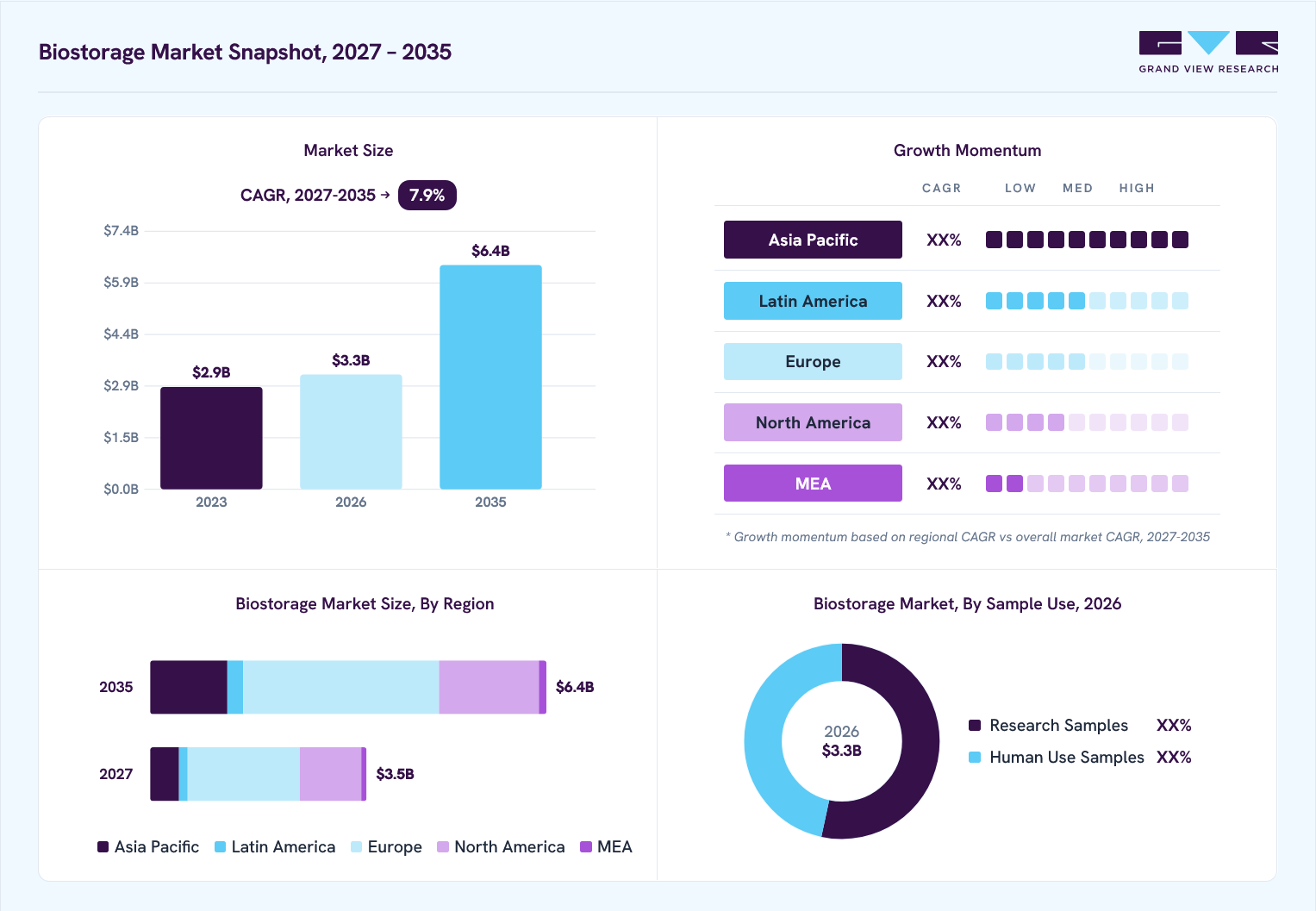
The global biostorage market size was valued at USD 3.3 billion in 2026 and is projected to grow from USD 3.5 billion in 2027 to USD 6.4 billion by 2035, at a CAGR of 7.9% from 2027 to 2035. Europe dominated the market, accounting for the revenue share of 51.8% in 2026. Market growth is driven by increasing demand for biological sample preservation, expanding biobanking activities, rising cell and gene therapy research, and advancements in cryogenic storage, automation, and temperature-monitoring technologies.
 Source: Grand View Research, IR Documents, Primary Interviews, Paid DatabasesTo learn more about this report,
 Download Free Sample Report
Key Market Trends & Insights
- By sample use: Research samples segment held the largest revenue share of 53.3% in 2026.
- By material type: Cells segment accounted for the largest market revenue share of 20.2% in 2026.
- By storage model: In-house storage segment held the largest revenue share of 63.1% in 2026.
- By end use: Pharmaceutical & biotechnology companies segment led the market with the largest revenue share of 35.7% in 2026.
Regional Highlights
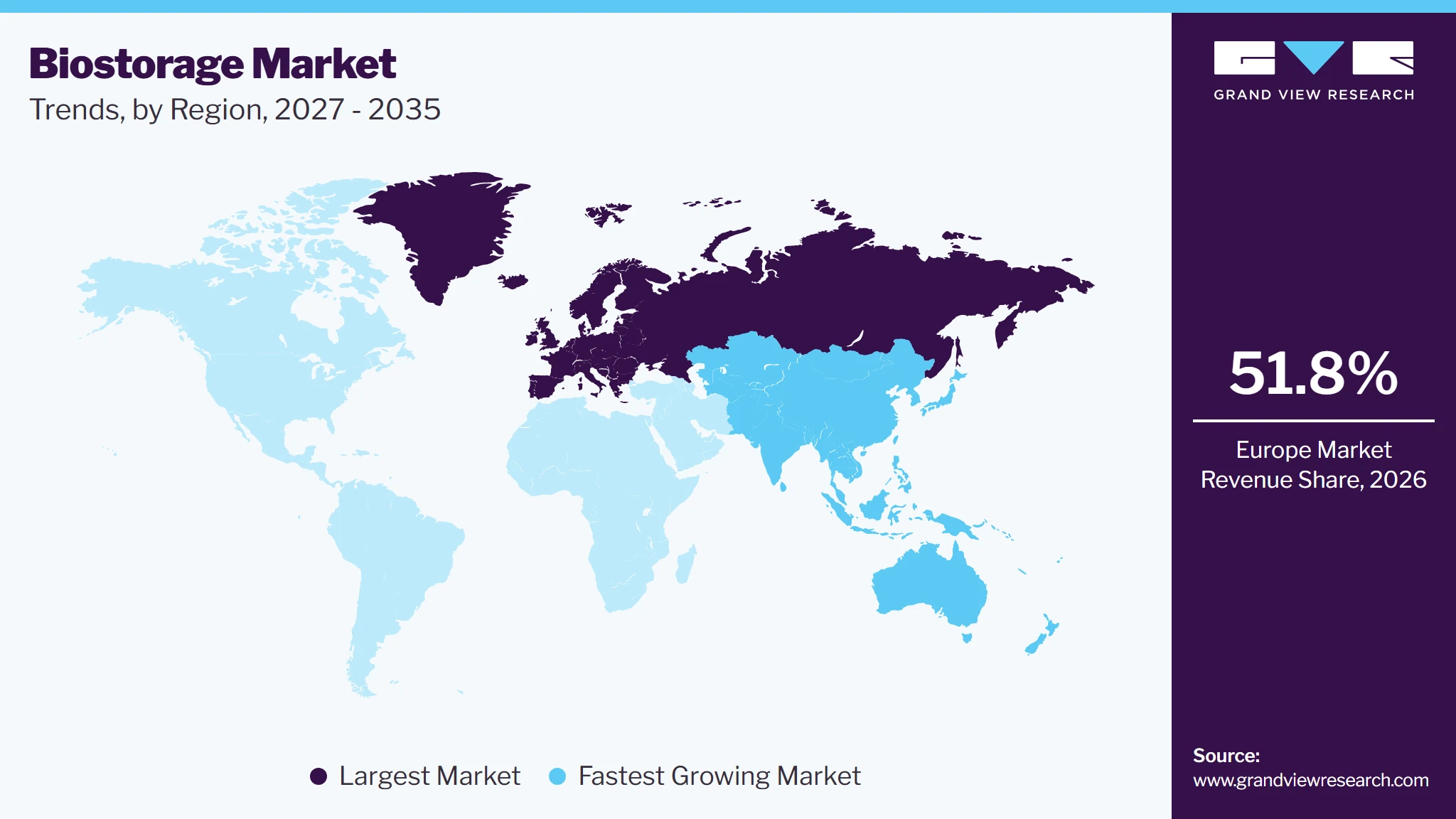
- Largest regional market: Europe (51.8% revenue share, 2026)
- Fastest-growing regional market: Asia Pacific (highest CAGR, 2027-2035)
- By country: The UK dominated Europe with the largest revenue share in 2026
Market Size & Forecast
- Market size in 2026: USD 3.3 Billion
- Estimated market size in 2027: USD 3.5 Billion
- Projected market size by 2035: USD 6.4 Billion
- CAGR (2027-2035): 7.9%
Prism AI by Grand View Research Free to tryAsk a question about the biostorage marketTry asking✓Every figure cited from GVR research Prefer the report? Download free sample →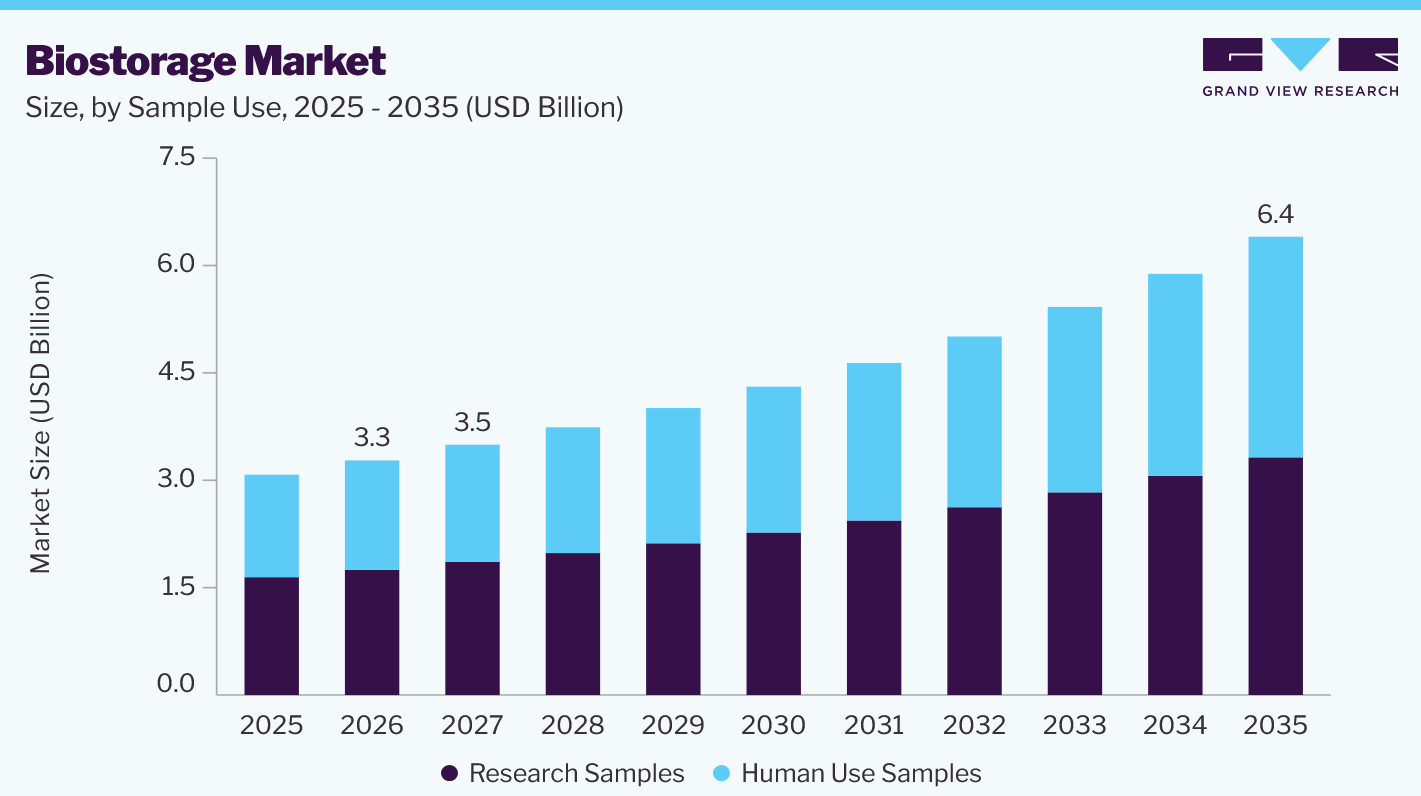 To learn more about this report, Download Free Sample Report
Market Dynamics
The biostorage market is experiencing significant growth, driven by the increasing volume of biological samples generated by clinical research, diagnostic testing, and drug development. Rising demand for organized biorepository infrastructure, stringent requirements for sample traceability and integrity, and advancements in automated storage systems are supporting market expansion. In addition, the adoption of digital inventory management, remote temperature monitoring, and integrated sample tracking solutions is improving storage efficiency, operational reliability, and regulatory compliance across biobanks, research institutions, and pharmaceutical and biotechnology companies.
The growing adoption of cell and gene therapies is increasing demand for specialized biostorage solutions to preserve the viability, stability, and potency of biological materials. Cell-based immunotherapies, including CAR-T, TCR, TIL, NK cell, and dendritic cell therapies, involve the collection, processing, and preservation of sensitive cellular materials. These processes require validated storage conditions, cryogenic preservation where applicable, and reliable sample traceability throughout research, manufacturing, and clinical applications. The major cell-based immunotherapy approaches and their biostorage requirements are summarized below.
Key Cell-Based Immunotherapy Approaches and Biostorage Requirements
Cell-based immunotherapy
Biological materials stored
Biostorage requirements
Tumor-Infiltrating Lymphocyte (TIL) Therapy
Tumor-derived lymphocytes and expanded T-cell products
Requires validated cryogenic storage to preserve cellular viability and product stability. Commercial TIL products such as AMTAGVI require storage at ≤−150°C.
Engineered T-Cell Receptor (TCR) Therapy
Genetically engineered T cells and final therapeutic cell products
Creates demand for specialized cryogenic storage, validated temperature control, and secure handling of patient-specific cellular products.
Chimeric Antigen Receptor (CAR)-T Cell Therapy
Patient-derived T cells, leukapheresis material, and modified cellular products
Supports demand for cryopreservation systems, controlled storage facilities, and temperature monitoring throughout manufacturing and clinical delivery.
Natural Killer (NK) Cell Therapy
Donor-derived, expanded, and genetically modified NK cells
Requires optimized cryopreservation and storage conditions to maintain post-thaw viability and cellular functionality.
Dendritic Cell (DC) Immunotherapy
Monocytes, dendritic cells, and prepared cellular formulations
Creates demand for validated preservation protocols and controlled storage of cellular materials used in immunotherapy development.
Source: Secondary Research, Primary Interviews, Grand View Research Analysis
The expansion of cell-based immunotherapy research and commercialization is expected to increase demand for cryogenic storage infrastructure, temperature monitoring systems, and specialized biorepository services. The need to maintain cellular viability, ensure product traceability, and support controlled storage across manufacturing and clinical facilities is anticipated to encourage investment in advanced biostorage solutions.
High initial investment and operational costs pose a significant restraint on the biostorage industry, as establishing specialized storage infrastructure requires substantial capital expenditure. Biostorage facilities require advanced equipment, including ultra-low-temperature freezers, cryogenic storage systems, backup power supplies, and temperature-monitoring solutions to maintain the integrity of biological samples. In addition, facility design, installation, validation, and compliance with quality and safety standards increase the overall establishment costs, creating barriers for smaller research institutions, biobanks, and emerging biotechnology companies.
Moreover, ongoing operational expenses associated with energy consumption, equipment maintenance, calibration, and skilled personnel increase the long-term cost of biobanking operations. The need for continuous temperature monitoring and reliable backup systems increases these expenses, particularly for facilities that manage large sample volumes over extended periods. These financial requirements may limit infrastructure expansion and delay the adoption of advanced biostorage solutions among cost-sensitive end users, thereby restraining market growth.
The expansion of biobanking and biorepository infrastructure presents a significant growth opportunity for the biostorage market, driven by increasing investments in biomedical research, clinical studies, and disease-specific sample collection. Biobanks and biorepositories require specialized storage systems to preserve biological materials, including blood, tissues, cells, and genetic samples, for long-term research and diagnostic applications. The establishment of centralized and specialized biobanking facilities is creating opportunities for biostorage providers to supply cryogenic storage systems, ultra-low-temperature freezers, and integrated sample management solutions.
Moreover, the growing focus on precision medicine, genomics research, and large-scale population studies is accelerating the need for scalable storage capacity, automated sample retrieval, and reliable sample tracking systems. For instance, in February 2024, UK Biobank advanced plans for a £75 million purpose-built facility at Manchester Science Park, featuring a robotic freezer designed to store and retrieve up to 20 million biological samples four times faster than the previous system. The project, supported by £127.6 million in funding from UK Research and Innovation (UKRI), highlights increasing investments in advanced biobanking infrastructure and automated storage technologies. Such developments create opportunities for biostorage providers to offer automated storage systems, digital inventory management platforms, and scalable solutions to research institutions, healthcare organizations, and pharmaceutical and biotechnology companies.
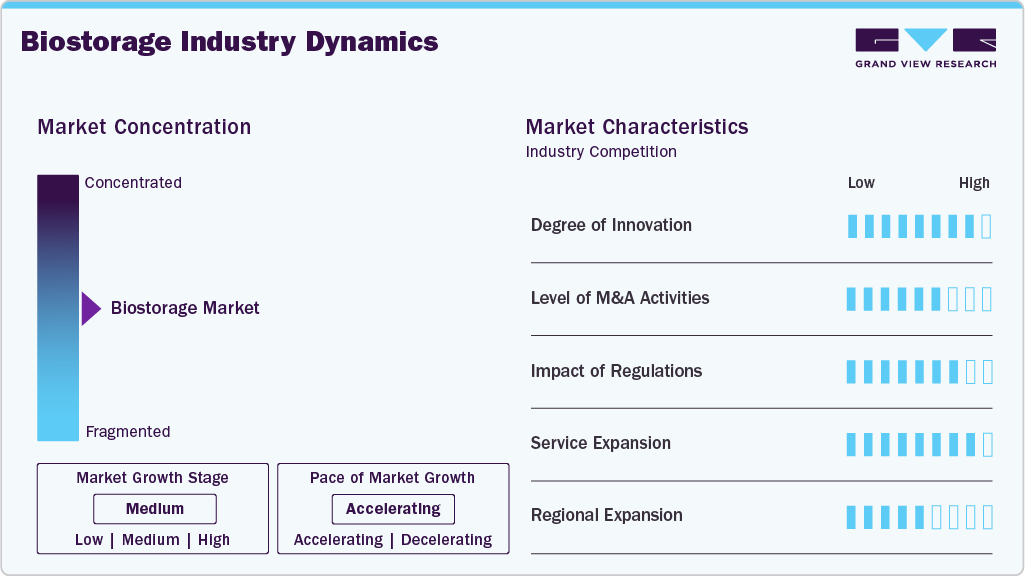
Market Concentration & Characteristics
The biostorage industry is characterized by a high degree of innovation, driven by innovation in automated sample retrieval, high-density storage systems, digital tracking, and energy-efficient temperature control. For instance, in January 2025, Azenta Life Sciences announced that the UK Biocentre had selected its BioArc Ultra automated storage system, which adds capacity for 16 million biological samples and supports high-throughput biomedical research.
"We are excited to support UK Biocentre with the advanced automation sample storage capabilities of the BioArc Ultra. The addition of the BioArc Ultra delivers on the promise of enabling breakthroughs faster through substantial improvements in proven automation and refrigeration technology that ensures critical sample integrity while streamlining workflows and ensuring sustainability."
- Alex Esmon, Vice President and General Manager of Global Products at Azenta Life Sciences
 To learn more about this report, Download Free Sample Report
The market is experiencing moderate M&A activity, with acquisitions aimed at supporting consolidation and expansion among specialized biostorage service providers, enabling companies to strengthen their service portfolios, expand storage capacity, and improve their reach across pharmaceutical and biotechnology markets. For instance, in November 2024, 1315 Capital acquired SciSafe from BioLife Solutions and made a growth capital investment to support the company's expansion. The transaction strengthened SciSafe's position in temperature-controlled storage, biological sample management, and pharmaceutical storage services, highlighting the role of strategic acquisitions and capital investments in expanding specialized biostorage capabilities.
The global market is influenced by stringent quality, safety, and data integrity requirements governing the collection, handling, storage, and traceability of biological materials. Compliance with applicable standards for temperature monitoring, sample identification, storage conditions, and documentation increases operational complexity and infrastructure costs. These requirements encourage the adoption of validated storage systems, standardized procedures, and robust monitoring solutions to maintain sample integrity and ensure regulatory compliance across biobanks, research institutions, and pharmaceutical and biotechnology companies.
The biostorage industry is experiencing rapid service expansion, driven by specialized biological sample preservation, long-term storage, and centralized sample management solutions. For instance, in November 2025, NIHR Clinical Research Facility: Oxford Health launched its BioStorage Service (BOSS), providing medium- and long-term storage of clinical research samples and centralized specimen management across multiple study sites. This development highlights the growing availability of specialized biostorage services to support clinical research and improve sample accessibility and management.
The industry is witnessing moderate-to-high regional expansion, supported by investments in dedicated biostorage facilities serving pharmaceutical, biotechnology, and academic research organizations. For instance, in May 2025, Bio-Rad BioStorage inaugurated a new facility in Lund, Sweden, expanding its capacity to support biological sample storage and life science research activities across international markets.
Analyst Perspective
The biostorage market is expected to witness significant growth, driven by increasing demand for the secure storage of biological samples across biobanking, biopharmaceutical research, clinical trials, and regenerative medicine. Growing investments in biobanking infrastructure, rising adoption of cell and gene therapies, and expanding research activities are fueling demand for advanced storage systems and specialized services. Moreover, advancements in cryogenic storage, automated sample management, and digital monitoring technologies are improving sample integrity, traceability, and operational efficiency. Market participants are focusing on technological innovation, service expansion, and scalable storage solutions to address evolving research and healthcare requirements.
Emerging Biostorage Technologies & Preservation Innovation Trends
The biostorage industry is experiencing advancements in ambient-temperature preservation, AI-enabled biospecimen monitoring, and digital twin-based storage management. These technologies aim to enhance sample integrity, improve operational efficiency, reduce dependence on cold storage, and optimize infrastructure costs.
Table: Emerging Biostorage Technologies, Applications, and Potential Market Impact, 2026
Emerging technology
Technology overview
Key applications
Potential market impact
Ambient-Temperature Preservation Technologies
Molecular encapsulation, chemical stabilization, and dry-state preservation of biological materials without continuous refrigeration.
DNA/RNA archiving, genomic research, molecular diagnostics, and long-term preservation.
Reduced cold storage dependence, energy consumption, and infrastructure costs.
AI-Enabled Biospecimen Quality Monitoring
AI and machine learning to monitor storage conditions, equipment performance, and sample quality risks.
Predictive maintenance, sample quality monitoring, temperature tracking, and inventory management.
Improved operational efficiency, reduced sample loss risks, and intelligent storage management.
Digital Twin & Smart Cryogenic Storage Systems
Virtual modeling of storage infrastructure using real-time sensor data and operational simulations.
Cryogenic monitoring, freezer utilization, capacity planning, and failure simulation.
Improved capacity utilization, operational reliability, and energy efficiency.
IoT-Enabled Connected Biobanking Systems
Connected sensors and automated monitoring systems for tracking storage conditions and equipment status.
Real-time temperature monitoring, LN2 tracking, remote monitoring, and alerts.
Increased adoption of connected storage systems and automated biorepository management.
Digital Sample Passports & Advanced Traceability Systems
Digital sample records tracking collection, processing, storage history, and chain of custody.
Sample traceability, quality documentation, regulatory compliance, and clinical research.
Greater demand for integrated LIMS, data interoperability, and standardized sample management.
Source: Secondary Research, Primary Interviews, Grand View Research Analysis
Case Study: Johns Hopkins Biobank: Sustainable Biostorage Infrastructure Optimization
Background
The Johns Hopkins Biobank, a CAP-accredited biorepository, collaborated with the School of Medicine Energy and Sustainability Committee to improve the efficiency of biological sample storage while maintaining specimen integrity. An institutional freezer audit conducted across 34 departments and two campuses identified nearly 1,300 ultra-low-temperature (ULT) freezers, with over 70% exceeding their median life expectancy of 8.5 years. The findings highlighted the need for centralized storage management, energy-efficient infrastructure, and improved equipment utilization.
Strategic Initiatives and Implementation
To address these challenges, Johns Hopkins Biobank encouraged the consolidation of biological specimens into centrally managed storage facilities. The initiative prioritized vapor-phase liquid nitrogen (LN2) storage for viable specimens and introduced energy-efficient MVE Variō systems capable of operating between −20°C and −150°C. Institutional policies also required researchers to evaluate centralized storage options before purchasing additional freezers. These measures aimed to reduce unnecessary expansion of equipment, improve storage monitoring, and strengthen emergency backup capabilities.
Outcomes and Market Implications
The initiative reduced institutional energy demand, improved specimen monitoring, and strengthened emergency storage preparedness while maintaining sample protection. Although adoption of centralized storage has been gradual, the approach demonstrated the operational benefits of shared biostorage infrastructure. This case highlights the growing importance of energy-efficient cryogenic storage technologies, centralized biorepository management, and storage capacity optimization, supporting investment opportunities in sustainable biostorage solutions.
Sample Use Insights
The research samples segment dominated the market, with a revenue share of 53.3% in 2026, driven by increasing biomedical research activities and growing demand for biological specimens in disease research, genomics, and drug discovery. The need for reliable long-term preservation and efficient access to stored samples further supports segment growth. For instance, in July 2025, researchers published a study in the European Journal of Human Genetics reporting that 1,474,881 biological samples were provided for research through 998 sample requests in Finland between 2014 and 2023, highlighting the role of biobanks in supporting biomedical research and the utilization of stored specimens.
The human use samples segment is anticipated to grow at the fastest CAGR over the forecast period, driven by increasing demand for biological materials in clinical trials, cell and gene therapy development, regenerative medicine, and personalized healthcare. Growing use of human-derived specimens, including blood, tissues, cells, and other clinical samples, is increasing the need for specialized biostorage solutions that ensure sample integrity, traceability, and compliance with stringent quality and regulatory requirements.
Material Type Insights
The cells segment accounted for the largest market revenue share of 20.2% in 2026, driven by increasing demand for cell-based research, growing adoption of cell and gene therapies, and rising use of cellular materials in drug discovery and regenerative medicine. The sensitivity of living cells to temperature fluctuations and storage conditions is increasing the need for specialized cryopreservation systems and reliable long-term storage solutions to maintain cell viability and functional integrity.
The antibodies & proteins segment is projected to grow at the fastest CAGR over the forecast period, driven by increasing demand for biologics research, expansion of antibody-based drug development, and growing use of therapeutic proteins in preclinical and clinical studies. The sensitivity of these biomolecules to temperature fluctuations and degradation is increasing the need for specialized storage solutions that maintain their stability and functional integrity. According to an article published by NIH in January 2024, researchers evaluated anti-drug antibody stability in human serum under different storage conditions, highlighting the importance of appropriate long-term storage for preserving antibody integrity in biomedical research.
Storage Model Insights
The in-house storage segment held the largest revenue share of 63.1% in 2026, driven by greater control over storage conditions, sample security, traceability, and quality management offered by dedicated in-house facilities. The availability of specialized storage infrastructure, temperature-monitoring systems, and trained personnel enables research institutions, biopharmaceutical companies, and biobanks to maintain direct oversight of biological samples and ensure regulatory compliance. For instance, in January 2025, the University of Miami's Hussman Institute for Human Genomics inaugurated a 6,500-square-foot biorepository equipped with automated, temperature-controlled storage to expand its capacity to preserve research samples. This investment highlights the continued importance of dedicated in-house infrastructure for reliable biological sample management.
The outsourced bio storage segment is expected to grow at the fastest CAGR over the forecast period, driven by the increasing need for specialized storage infrastructure, cost optimization, and scalable sample management solutions. Outsourced providers offer access to advanced cryogenic and controlled-temperature storage facilities, validated monitoring systems, and specialized logistics capabilities without requiring substantial investments in in-house infrastructure. The growing complexity of biological sample management, increasing clinical research activities, and rising demand for compliant long-term storage are expected to further support segment growth.
End Use Insights
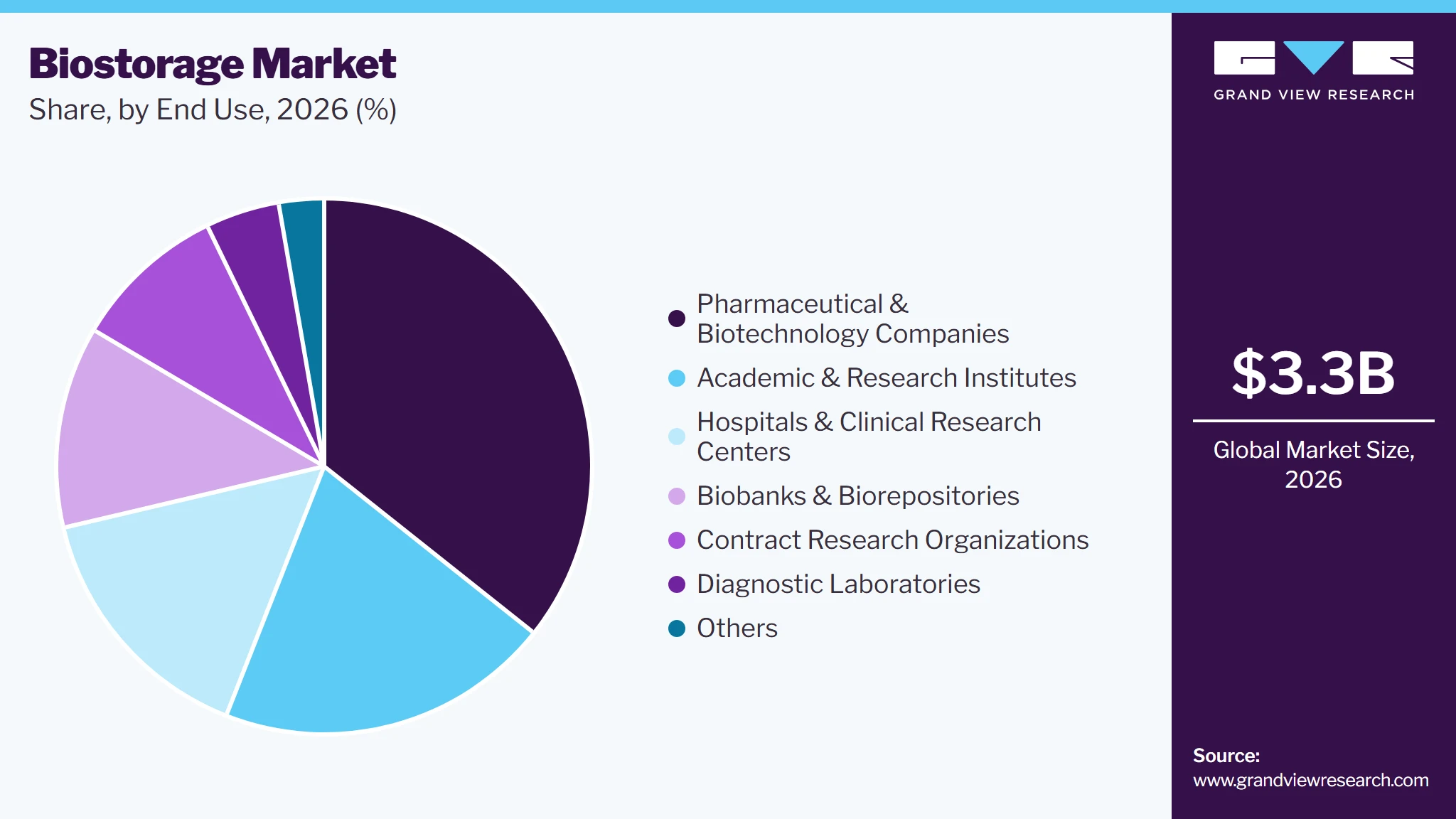
The pharmaceutical & biotechnology companies segment led the market with the largest revenue share of 35.7% in 2026, driven by the growing volume of biological samples generated during drug discovery, preclinical research, clinical trials, and biopharmaceutical manufacturing. Increasing investments in biologics, cell and gene therapies, and personalized medicine have heightened the need for reliable long-term storage of cell lines, tissues, blood samples, DNA, and other biological materials. The growing emphasis on sample integrity, regulatory compliance, traceability, and controlled-temperature storage further supports the adoption of specialized biostorage solutions among pharmaceutical and biotechnology companies.
 To learn more about this report, Download Free Sample Report
The biobanks & biorepositories segment is projected to grow at the fastest CAGR during the forecast period, driven by the increasing collection and preservation of biological specimens for genomic research, precision medicine, biomarker discovery, and population-based studies. Growing investments in large-scale biobanking initiatives, expanding clinical research activities, and rising demand for well-characterized biospecimens are increasing the need for advanced storage infrastructure. Moreover, the adoption of automated sample management systems, cryogenic storage technologies, and temperature-monitoring solutions is expected to support the segment's growth.
Regional Insights
The biostorage market in North America was identified as a lucrative region in this industry, supported by a well-established biopharmaceutical sector, extensive clinical research activity, and growing demand for secure, temperature-controlled storage of biological materials. For instance, in January 2025, Moffitt Cancer Center and Cryoport announced a strategic collaboration in the U.S. to provide biorepository services supporting biological sample storage, cell and gene therapies, and biomedical research.
U.S. Biostorage Market Trends
The biostorage market in the U.S. is supported by pharmaceutical development, cell and gene therapy research, and demand for specialized storage facilities operating under stringent quality standards. For instance, in July 2024, Alcami expanded its storage capabilities through its 65,000-square-foot facility in Garner, North Carolina. The facility offers refrigerated, frozen, ultra-low-temperature, cryogenic, and stability storage to support the preservation of vaccines, biologics, cell banks, and pharmaceutical materials.
Europe Biostorage Market Trends
The Europe biostorage market held the largest revenue share of 51.8% in 2026, supported by increasing demand for specialized biological sample preservation and temperature-controlled storage services. For instance, in June 2024, Cryoport Systems expanded its facility in Pont-du-Château, France, increasing its size from 445 m² to 1,040 m². The expansion strengthened its biostorage and BioServices capabilities, supporting biopharmaceutical research and the storage requirements of advanced therapies.
 To learn more about this report, Download Free Sample Report
The biostorage market in the UK accounted for the largest market revenue share in Europe in 2026, supported by large-scale population health research and increasing automation in biological sample preservation. For instance, in May 2024, Hamilton Storage Technologies announced that four automated BiOS storage systems would be installed at UK Biobank's new Manchester facility. The systems are designed to store more than 12 million samples initially, with additional capacity for 8 million, at −80°C. The installation is intended to improve sample retrieval, traceability, and storage reliability for biomedical research.
“Demand for our unique wealth of biological samples from half a million UK volunteers is at an all-time high. The biotechnology sector is developing innovative new tests at speed, using our samples to reveal insights about the human body, which researchers are in turn using to make discoveries about health and disease. The new UK Biobank facility – with the state-of-the-art robotic freezer – will enable our millions of samples to be accessed more efficiently, resulting in more data, which can be used to propel research into diseases such as cancer, Alzheimer’s, and diabetes.”
-Samantha Welsh, Head of Laboratory at UK Biobank
The Germany biostorage market is anticipated to grow significantly over the forecast period, supported by investments in biomedical research infrastructure and standardized biological sample management. For instance, in June 2026, Germany initiated the establishment of a nationwide biobank platform to improve access to stored biological specimens and associated clinical data, strengthen coordination among university biobanks, and support biomedical research through standardized sample management and centralized access infrastructure.
Asia Pacific Biostorage Market Trends
The biostorage market in the Asia Pacific is expected to grow at the fastest CAGR of 13.1% during the forecast period, supported by expanding biomedical research infrastructure and increasing investments in large-scale biological sample preservation. For instance, in August 2026, a biobank jointly established by the Shanghai Municipal Center for Disease Control and Prevention and BGI Genomics began operations in China, with a storage capacity exceeding 15 million samples. The facility incorporates ultra-low-temperature and cryogenic storage technologies to support biological sample preservation and biomedical research.
The China biostorage market is supported by investments in national research infrastructure and standardized biological sample management. For instance, in November 2025, the Shenzhen Medical Academy of Research and Translation launched the portal for the SMART–National Biobank of China, enabling improved access to biological resources and associated research data through standardized information management and sample-tracking infrastructure.
The biostorage market in Japan is expected to grow steadily, supported by established biomedical research institutions and an increasing focus on standardized biosample preservation. For instance, in March 2024, the National Center for Geriatrics and Gerontology received accreditation for its biobank under ISO 20387, marking Japan's first accreditation under the international biobanking standard. This development reinforces quality assurance and operational consistency in biological sample collection, preservation, and distribution.
Latin America Biostorage Market Trends
The biostorage market in Latin America is expected to grow gradually, supported by expanding public research infrastructure and increasing collaboration among biomedical institutions. For instance, in September 2026, Brazil's Ministry of Health established the Brazilian Biobank Network to strengthen coordination among public and private biobanks nationwide. The initiative aims to improve the preservation of biological materials, technical capabilities, and collaborative health research, thereby supporting the development of regional biobanking infrastructure.
Middle East & Africa Biostorage Market Trends
The biostorage market in the Middle East & Africa is expected to grow steadily, supported by investments in healthcare research, biological sample preservation, and laboratory quality standards. For instance, in March 2025, the Saudi Accreditation Center introduced an ISO 20387-based accreditation service for biobanks. The initiative promotes standardized sample collection and preservation, biosecurity, and quality management, strengthening the foundation for biomedical research and specialized biostorage services in the region.
Key Biostorage Company Insights
Several established companies operate in the biostorage industry, offering specialized solutions for biological sample preservation, long-term storage, biorepository management, and temperature-controlled storage services. Leading players such as UK Biocentre (Azenta, Inc.), Thermo Fisher Scientific Inc., Avantor, Inc., Labcorp, etc., maintain their market presence through specialized storage infrastructure, service portfolio expansion, sample management capabilities, and strategic initiatives focused on ensuring sample integrity, traceability, regulatory compliance, and reliable access to biological materials for research and clinical applications.
Key Biostorage Companies
The following key companies have been profiled for this study on the biostorage market:
-
UK Biocentre (Azenta, Inc.)
-
Thermo Fisher Scientific Inc.
-
Avantor, Inc.
-
Labcorp
-
FamiCord Group
-
Cell&Co BioServices (Cryoport, Inc.)
-
Medpace
-
BioKryo (Air Liquide)
-
Sartorius AG
-
Clinigen Limited
-
LabConnect
-
BioRep S.r.l. (Sapio Group)
-
Z.A.S. Zentral Archiv Service GmbH (Rhenus Group)
Competitive Benchmarking
Category
Operating Strategies
Competitive Edge
Weakness
Established Players: (UK Biocentre (Azenta, Inc.), Thermo Fisher Scientific Inc., Avantor, Inc., Labcorp, FamiCord Group, Cell&Co BioServices (Cryoport, Inc.), Sartorius AG, Clinigen Limited)
- Expand global biostorage infrastructure through temperature-controlled facilities, cryogenic storage systems, and specialized biological sample management services.
- Extensive storage infrastructure, global service networks, and expertise in handling diverse biological materials for pharmaceutical, biotechnology, and clinical research applications.
- High capital and operating costs associated with specialized storage facilities, energy consumption, equipment maintenance, and backup systems.
Emerging Players:(Medpace, BioKryo (Air Liquide), LabConnect, BioRep S.r.l. (Sapio Group), Z.A.S. Zentral Archiv Service GmbH (Rhenus Group))
- Focus on specialized biostorage services, including cell and tissue preservation, biobanking, clinical sample management, and customized storage solutions.
- Specialized expertise in biological sample preservation, customized storage requirements, and niche applications such as cell therapy and reproductive materials.
- High dependence on specialized customer segments and the need for continuous investment in storage infrastructure, monitoring systems, and regulatory compliance.
Recent Developments
-
In April 2026, Thermo Fisher Scientific established a strategic collaboration with PRECISE-SG100K in Singapore to advance population-scale proteomics research, leveraging biobanking capabilities and biological sample management to support large-scale biomedical research and precision medicine initiatives.
“By integrating our differentiated technologies, we are enabling high-confidence biomarker identification and accelerating the path to translational application. This complementary strategy sets a new standard for multi-proteomics analysis and empowers researchers to see true disease biology with speed and at scale.”
- Karen Nelson, Ph.D., chief scientific officer at Thermo Fisher Scientific
- In March 2026, Azenta completed the acquisition of UK Biocentre for GBP 20.5 million, expanding its European biorepository network and strengthening its biological sample storage, automated storage, and sample management capabilities for life science research.
"The acquisition of UK Biocentre is a strategic step in positioning Azenta at the center of the most critical workflows in the life sciences ecosystem. This transaction strengthens our end-to-end sample management solutions platform with deep operational expertise, and enhances our ability to deliver highly scalable, next-generation biorepository capabilities, including the deployment of our 16-million-sample BioArc Ultra, which will further expand our automated, high- throughput capacity later this year. It broadens our global footprint, fully aligns with our disciplined capital allocation strategy, and reinforces our leading positioning across the industry."
-John Marotta, President and Chief Executive Officer
- In May 2023, biosafety4u.berlin GmbH and Z.A.S. Zentral Archiv Service GmbH established a strategic collaboration to provide external cell-biobanking services, supporting long-term storage of master and working cell banks for biopharmaceutical, vaccine, and advanced therapy applications.
Biostorage Market Report Scope
Report Attribute
Details
Market size in 2026
USD 3.3 billion
Estimated market size in 2027
USD 3.5 billion
Projected market size by 2035
USD 6.4 billion
Growth rate
CAGR of 7.9% from 2027 to 2035
Base year for estimation
2026
Historical data
2023 - 2025
Forecast period
2027 - 2035
Quantitative units
Revenue in USD billion (000 units) and CAGR from 2027 to 2035
Report coverage
Revenue forecast, company ranking, competitive landscape, growth factors, and trends
Segments covered
Sample use, material type, storage model, end use, region
Regional scope
North America; Europe; Asia Pacific; Latin America; Middle East & Africa
Country scope
U.S.; Canada; Mexico; UK; Germany; France; Italy; Spain; Norway; Denmark; Sweden; China; Japan; India; South Korea; Australia; Thailand; Brazil; Argentina; Saudi Arabia; South Africa; UAE; Kuwait
Key companies profiled
UK Biocentre (Azenta, Inc.); Thermo Fisher Scientific Inc.; Avantor, Inc.; Labcorp; FamiCord Group; Cell&Co BioServices (Cryoport, Inc.); Medpace; BioKryo (Air Liquide); Sartorius AG; Clinigen Limited; LabConnect; BioRep S.r.l. (Sapio Group); Z.A.S. Zentral Archiv Service GmbH (Rhenus Group)
Customization scope
Free report customization (equivalent up to 8 analysts' working days) with purchase. Addition or alteration to country, regional & segment scope.
Pricing and purchase options
Avail customized purchase options to meet your exact research needs. Explore purchase options
Global Biostorage Market Report Segmentation
This report forecasts revenue growth and provides an analysis on the latest trends in each of the sub-segments from 2023 to 2035. For this report, Grand View Research has segmented the global biostorage market report based on the sample use, material type, storage model, end use, and region:
-
Sample Use Outlook (Revenue, USD Billion (000' Units), 2023 - 2035)
-
Research Samples
-
Human Use Samples
-
-
Material Type Outlook (Revenue, USD Billion (000' Units), 2023 - 2035)
-
Blood & Blood Products
-
Cells
-
DNA/RNA
-
Serum & Plasma
-
Tissue & Biopsy Samples
-
Antibodies & Proteins
-
Microbial Samples
-
Sperm & Oocyte Samples
-
Other Biological Materials
-
-
Storage Model Outlook (Revenue, USD Billion, 2023 - 2035)
-
In-house Storage
-
Outsourced Bio Storage
-
-
End Use Outlook (Revenue, USD Billion, 2023 - 2035)
-
Pharmaceutical & Biotechnology Companies
-
Academic & Research Institutes
-
Hospitals & Clinical Research Centers
-
Contract Research Organizations
-
Biobanks & Biorepositories
-
Diagnostic Laboratories
-
Others
-
-
Regional Outlook (Revenue, USD Billion, 2023 - 2035)
-
North America
-
U.S.
-
Canada
-
Mexico
-
-
Europe
-
UK
-
Germany
-
France
-
Italy
-
Spain
-
Denmark
-
Sweden
-
Norway
-
-
Asia Pacific
-
Japan
-
China
-
India
-
Australia
-
Thailand
-
South Korea
-
-
Latin America
-
Brazil
-
Argentina
-
-
Middle East and Africa (MEA)
-
South Africa
-
Saudi Arabia
-
UAE
-
Kuwait
-
-
Research Methodology
The biostorage marketfigures in this report are based on a proven research process that combines executive interviews with secondary research from proprietary databases, company filings, and recognized regulatory and institutional sources. Market size is built through value-chain sizing-reconciling supply-side and demand-side estimates-and triangulated with bottom-up and top-down approaches. Every estimate passes multiple levels of expert validation before publication, with eachbiostorage segment quantified using the revenue-capture definitions in the table below.
Segment Definition
Segment - Sample Use
Revenue Capture Definition
Research Samples
Revenue includes biostorage services and infrastructure used to preserve biological specimens collected for scientific investigation, preclinical studies, biomarker analysis, and drug discovery. Market estimates are measured in monetary terms and may be supported by the number of samples stored, storage capacity, and per-sample storage fees.
Human Use Samples
Revenue encompasses the storage and preservation of human-derived biological specimens intended for clinical research, diagnostics, therapeutic development, and medical applications. Market estimates are measured in monetary terms, with supporting operational metrics such as the number of specimens stored, storage volume, and storage duration.
Segment - Material Type
Revenue Capture Definition
Blood & Blood Products
Revenue covers the storage and preservation of whole blood, blood components, and related specimens under controlled temperature conditions. Market estimates are measured in monetary terms and may be assessed using units such as blood units, collection bags, or individual samples stored.
Cells
Revenue includes services and infrastructure for preserving cell lines, primary cells, stem cells, and other cellular materials. Market estimates are measured in monetary terms, supported by operational units such as vials, cell samples, or the number of stored cell lines.
DNA/RNA
Revenue comprises storage services for DNA, RNA, and related nucleic acid specimens used in genomic research, molecular diagnostics, and drug development. Market estimates are measured in monetary terms and may be supported by the number of samples, aliquots, or storage tubes maintained.
Serum & Plasma
Revenue includes the preservation and storage of serum and plasma specimens for clinical studies, biomarker research, diagnostics, and pharmaceutical development. Market estimates are measured in monetary terms, with operational units including individual samples, tubes, aliquots, and stored volume.
Tissue & Biopsy Samples
Revenue covers the storage of tissue specimens, biopsy materials, and related biological samples under appropriate preservation conditions. Market estimates are measured in monetary terms and may be supported by the number of specimens, blocks, slides, or storage containers maintained.
Antibodies & Proteins
Revenue encompasses storage services for antibodies, recombinant proteins, and other protein-based biological materials used in research and therapeutic development. Market estimates are measured in monetary terms and may be supported by the number of vials, aliquots, samples, or stored volume.
Microbial Samples
Revenue includes the preservation and storage of bacteria, fungi, viruses, and other microbial specimens for research, diagnostics, and biopharmaceutical applications. Market estimates are measured in monetary terms, with operational units such as strains, isolates, cultures, vials, or sample collections.
Sperm and Oocyte Samples
Revenue comprises cryopreservation and storage services for sperm, oocytes, and related reproductive biological materials. Market estimates are measured in monetary terms and may be supported by the number of samples, straws, vials, or cryopreserved units stored.
Other Biological Materials
Revenue includes storage services for biological specimens not covered by the above categories, such as bodily fluids, organoids, and other specialized research materials. Market estimates are measured in monetary terms and may be supported by the number of samples, containers, aliquots, or storage volume.
Segment - Storage Model
Revenue Capture Definition
In-house Storage
Revenue generated from biostorage infrastructure, equipment, and related services used by organizations to maintain biological specimens within their own facilities. This model includes investments in freezers, cryogenic systems, environmental monitoring, inventory management, backup power, and personnel responsible for maintaining sample integrity and accessibility.
Outsourced Bio Storage
This segment represents revenue from third-party providers offering specialized biological sample storage, preservation, inventory management, retrieval, and associated logistics services. Pharmaceutical companies, research institutions, and clinical organizations use outsourced facilities to access dedicated storage infrastructure, specialized expertise, regulatory support, and scalable capacity without independently managing all storage operations.
Segment - End Use
Revenue Capture Definition
Pharmaceutical & Biotechnology Companies
Revenue originates from biostorage solutions adopted by pharmaceutical and biotechnology companies to preserve biological specimens, drug candidates, cell lines, reference materials, and clinical trial samples. These services support drug discovery, biologics development, clinical research, quality control, and commercial biopharmaceutical operations.
Academic & Research Institutes
This segment captures income from storage facilities and services used by universities, government research centers, and scientific institutes to maintain biological specimens for basic research, translational studies, population health investigations, and long-term scientific projects.
Hospitals & Clinical Research Centers
Market value in this category stems from biostorage services used by hospitals and clinical research centers to preserve patient specimens, clinical trial samples, tissue collections, and other materials required for diagnostic testing, clinical investigations, disease monitoring, and translational medicine.
Contract Research Organizations
Revenue generated from biostorage solutions utilized by contract research organizations (CROs) to manage biological specimens collected during outsourced clinical trials, laboratory studies, and preclinical research programs. Storage, sample tracking, retrieval, and documentation services help maintain specimen integrity throughout research activities.
Biobanks & Biorepositories
This segment represents revenue from specialized storage infrastructure and services used by biobanks and biorepositories to collect, process, preserve, catalog, and distribute biological specimens. These facilities support population-based research, disease-specific investigations, longitudinal studies, and biomedical resource sharing.
Diagnostic Laboratories
Revenue associated with biostorage products and services used by diagnostic laboratories to preserve patient specimens, quality-control materials, reference samples, and biological analytes before testing or subsequent analysis. Appropriate storage conditions help maintain sample stability and support reliable diagnostic workflows.
Others
This category includes revenue from biostorage solutions adopted by organizations outside the primary end-use groups, such as public health agencies, forensic laboratories, fertility centers, and specialized clinical or scientific facilities requiring secure preservation of biological materials.
Estimation Model
Stage / Tag
Subheading
Methodology & Details
Top-Down
Commodity Flow Analysis
Market size was estimated by analyzing revenues generated by key biostorage service providers and suppliers of biological storage systems, supported by company annual reports, investor presentations, service portfolios, industry databases, and primary research. Revenue contributions from private companies were assessed using industry sources and validated through primary interviews to derive the overall market value.
Parent Market
Parent Market & Penetration-Based Analysis
The biostorage market was evaluated within the broader biopreservation market, considering the adoption of biological sample storage solutions across biobanks, pharmaceutical and biotechnology companies, academic research institutions, hospitals, and clinical research organizations. The share of biopreservation activities attributable to short- and long-term storage, cryogenic storage, and managed biostorage services was assessed to estimate the addressable market and segment-level opportunities.
Segmentation
Country-Level Segment Share Modeling
Market shares for sample use, material type, storage model, and end use segments were derived using country-specific biobanking infrastructure, biomedical research expenditure, biopharmaceutical R&D activity, clinical trial volumes, healthcare infrastructure, and demand for biological sample preservation. Weighted average calculations were applied to determine regional and global segment distributions.
Validation
Data Triangulation & Validation Model
Market estimates were validated through triangulation of secondary research, primary interviews, company-level revenue assessments, biostorage capacity estimates, facility utilization data, and end-user demand analysis. Cross-validation across storage types, sample categories, applications, and geographies helped ensure consistency and reliability of the overall market estimates.
Forecasting
Forecasting & CAGR Modeling
Market forecasts were developed using historical demand trends, growth in biobanking activities, expansion of clinical research, increasing biopharmaceutical R&D, rising biological sample collection, and investments in automated storage and sample management infrastructure. Trend analysis and forecasting models were applied to project future market growth and CAGR.
Delivered Customizations
This report has been delivered with the following In-depth customizations
Client Request
Customization Delivered
Value Adds
Biostorage Technology & Storage System Assessment
Comparative assessment of cryogenic storage systems, ultra-low-temperature freezers, laboratory refrigerators, automated storage systems, liquid nitrogen-based solutions, and temperature-monitoring technologies based on storage capacity, temperature range, sample compatibility, energy consumption, and operational requirements.
Enables clients to identify suitable storage technologies, compare system performance, optimize storage infrastructure, and select solutions aligned with biological sample preservation requirements.
Biostorage Outsourcing & Service Provider Assessment
Evaluation of third-party biostorage providers based on storage capabilities, geographic coverage, temperature-control infrastructure, security, disaster recovery, sample tracking, regulatory compliance, and specialized storage services.
Helps clients compare outsourcing options, evaluate provider capabilities, reduce infrastructure investment burdens, and identify suitable partners for long-term biological sample storage.
Biostorage Facility Economics & Operational Cost Assessment
Comparative evaluation of capital expenditure, energy consumption, equipment maintenance, backup power systems, monitoring infrastructure, staffing, facility validation, and regulatory compliance costs across different biostorage configurations.
Enables clients to assess total cost of ownership, identify cost-optimization opportunities, improve energy efficiency, and develop cost-effective biostorage infrastructure strategies.
About the Author(s)
Biotechnology Research Team
Healthcare · BiotechnologyThis report was authored by the biotechnology research team at Grand View Research - comprising two research analysts, one senior research analyst, and one industry expert - with specialized expertise in the biotechnology segment of the healthcare industry. All findings are based on proprietary healthcare databases, executive interviews, and regulatory analysis, subject to internal peer review prior to publication.
Last Updated:
Speak to Analyst

Customize this report to your needs - add regions, segments, or data points, with 20% free customization.
Or view our licence options:


ISO 9001:2015 & 27001:2022 Certified
We are GDPR and CCPA compliant! Your transaction & personal information is safe and secure. For more details, please read our privacy policy.


