
- Home
- »
- Medical Devices
- »
-
Cell And Gene Therapy CDMO Market Report, 2026-2033GVR Report cover

Cell And Gene Therapy CDMO Market (2026 - 2033)
Size, Share & Trends Analysis Report By Phase (Pre-clinical, Clinical), By Product (Gene Therapy, Gene-Modified Cell Therapy, Cell Therapy), By Indication (Oncology, Infectious Diseases), By Region, And Segment Forecasts
Market Size, 2025
$5.2BMarket Estimate, 2026
$6.2BMarket Forecast, 2033
$27.1BCAGR, 2026–2033
23.4%Cell And Gene Therapy CDMO Market Summary
The global cell and gene therapy CDMO market size was valued at USD 5.2 billion in 2025 and is projected to grow from USD 6.2 billion in 2026 to USD 27.1 billion by 2033, at a CAGR of 23.4% from 2026 to 2033. North America dominated the global market with the largest revenue share of 40.8% in 2025. The industry is driven by the expanding portfolio of cell and gene therapy products, increased researcher attention on rare diseases, and substantial investments from both public and private sectors in research and development.
 Source: Grand View Research, IR Documents, Primary Interviews, Paid DatabasesTo learn more about this report,
 Download Free Sample Report
 Key Market Trends & Insights
- By phase: Pre-clinical segment led the market with the largest revenue share of 65.0% in 2025.
- By product: Cell therapy segment led the market with the largest revenue share in 2025.
- By indication: Oncology segment led the market with the largest revenue share in 2025.
Regional Highlights
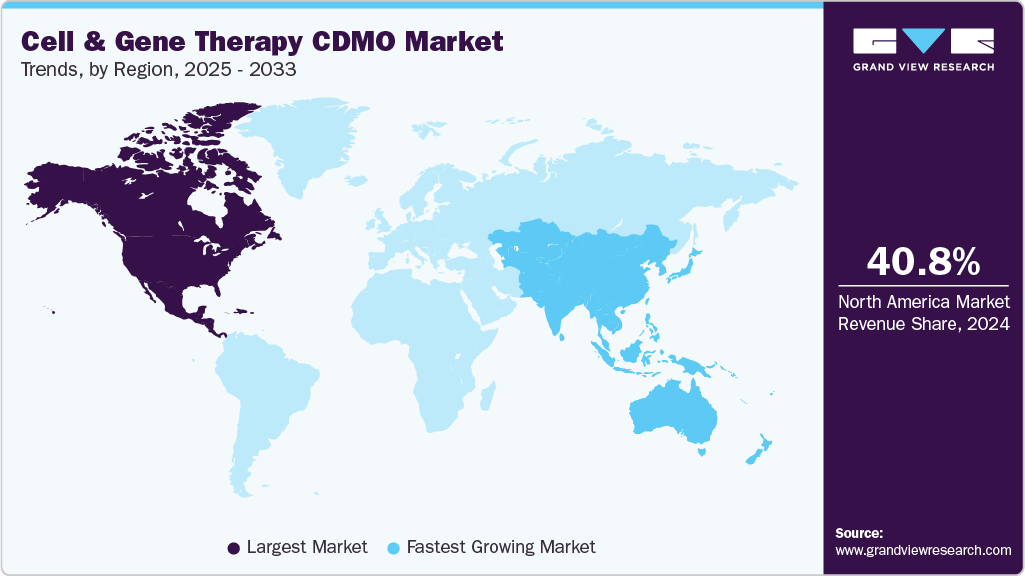
- Largest regional market: North America (40.8% revenue share, 2025)
- Fastest-growing regional market: Asia Pacific (highest CAGR, 2026-2033)
- By country: The cell and gene therapy CDMO market in the U.S. held the largest share in the North America region in 2025.
Market Size & Forecast
- Market size in 2025: USD 5.2 Billion
- Estimated market size in 2026: USD 6.2 Billion
- Projected market size by 2033: USD 27.1 Billion
- CAGR (2026-2033): 23.4%
Three ways to get this report
Buy it, customize it, or ask a question.Ask an Analyst
A direct answer, usually in 1 working day
- AccessReport author, directly
- Reply timeWithin 1 working day
- No sales callDirect answer only
- FormatEmail reply
- CostFree, no cost
Get the Full Report
What the study covers
- FormatsPDF · Excel · Dashboard
- Timeline2026–2033 annual, 2025 base
- Coverage20+ countries, 5 regions
- Companies10+ key players profiled
Customize the Report
20% free customization
- IncludeCountries, segments, points
- TailorTo your product definition
- ExtendDeeper competitor detail
- OrA fully bespoke study
- Turnaround5–10 working days
The rising demand for outsourced services related to cell and gene therapies, the increasing prevalence of chronic ailments such as cancer, a surge in mergers & acquisitions activities, and ongoing technological innovations throughout the cell and gene therapy development process are also fueling the growth. The market is primarily driven by the increased R&D funding and investments in cell and gene therapeutics (CGT) by the biotechnology and pharmaceutical industries. Cell and gene therapies hold significant potential in treating a wide range of diseases, including cancer, genetic disorders, and certain infectious diseases. Hence, owing to the great potential of these therapeutics, there has been a considerable increase in interest from both private and public sectors in the development and discovery of innovative cell and gene therapies. Most big pharmaceutical companies are now investing in CGT to create a strong position in the market. There has been a considerable increase in venture capital investments, especially in the life sciences sector.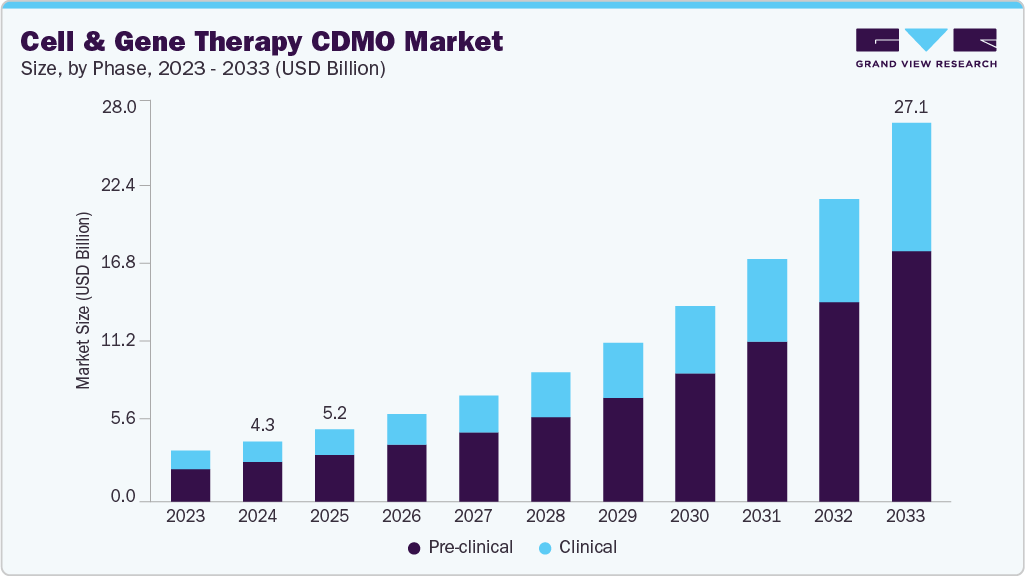 To learn more about this report, Download Free Sample Report
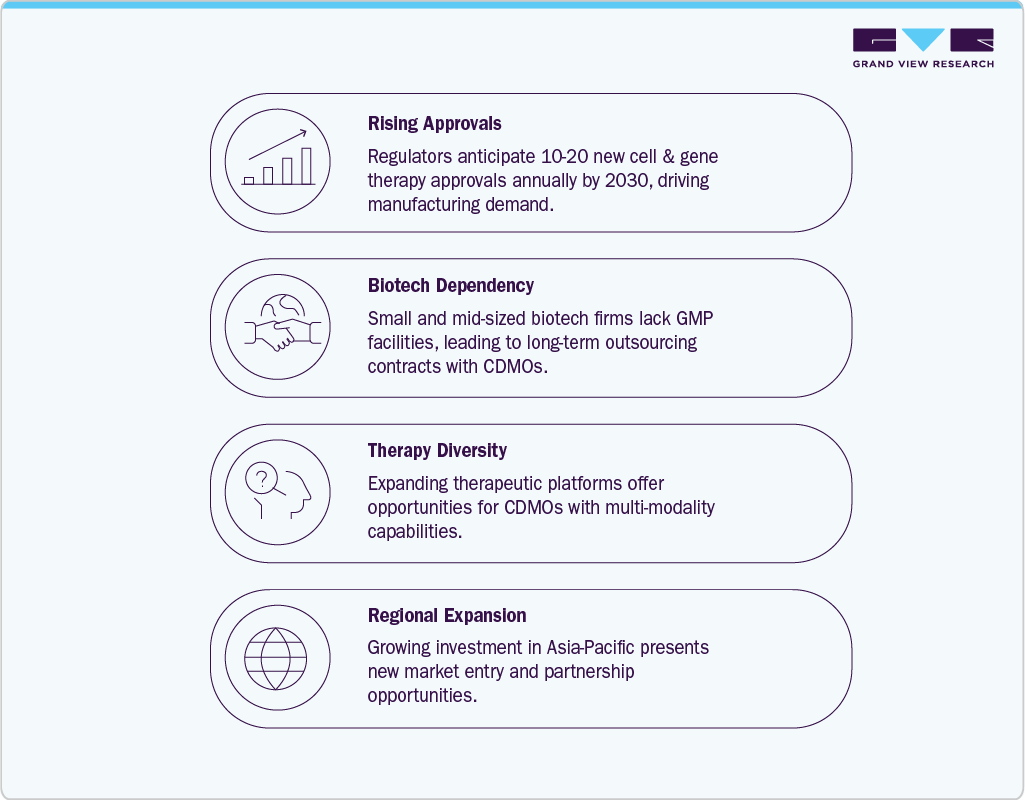
 Furthermore, an increased clinical pipeline and persistent reliance on outsourcing due to the specialized expertise and infrastructure required for production are also factors which is driving market growth. According to the data published by clinicaltrials.org there are currently over 2,000 ongoing clinical trials in cell and gene therapies that are progressing through development stages, and each transition from early to late phase amplifies the demand for viral vectors, plasmids, and clinical-grade cell processing. FDA approvals of novel treatments such as Casgevy for sickle cell disease and Elevidys for Duchenne muscular dystrophy in 2023-24, alongside EMA’s approval of Roctavian for hemophilia A, highlight the growing momentum of advanced therapies entering the commercial stage. Most small and mid-sized biotech firms pioneering these innovations lack large-scale GMP facilities, making partnerships with CDMOs essential to reach patients. To meet this surge, leading players like Lonza, Catalent, WuXi Advanced Therapies, and Thermo Fisher have invested heavily in expanding viral vector and cell therapy capacity, indicating strong confidence in sustained outsourcing demand. Together, these drivers position the market for sustained high growth as approvals accelerate, pipelines deepen, and manufacturing needs outpace in-house capabilities.
Opportunity Analysis
The cell and gene therapy CDMO market offers strong opportunities as demand for specialized manufacturing continues to outpace the in-house capabilities of most biotech firms. A growing wave of FDA and EMA approvals, supported by more than two thousand active clinical trials worldwide, ensures consistent outsourcing needs for viral vectors, plasmids, and advanced cell processing. CDMOs that invest in flexible, automated, and multi-platform facilities stand to capture long-term contracts from both emerging biotech developers and established pharmaceutical companies. Expanding infrastructure in regions like Asia-Pacific, alongside North America and Europe, further creates opportunities to serve a global pipeline of therapies moving rapidly toward commercialization.
 To learn more about this report, Download Free Sample Report
 Technological Advancements
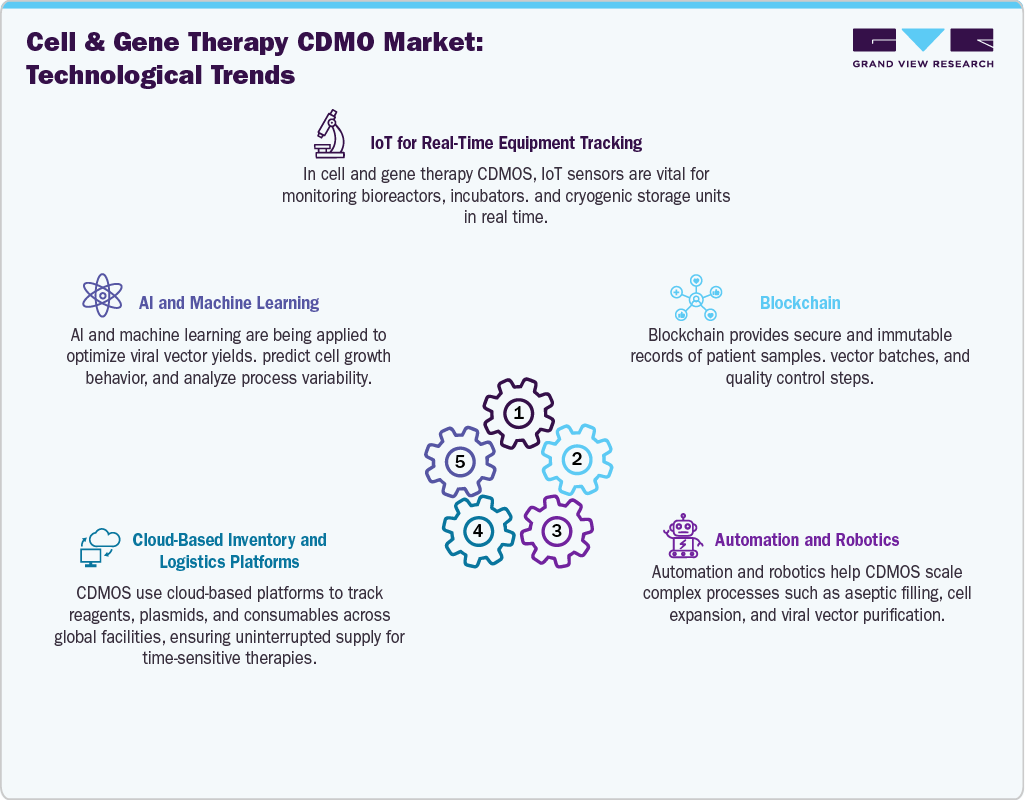
The technology landscape for cell and gene therapy CDMOs is defined by the rapid adoption of advanced platforms that enable efficiency, scalability, and compliance in manufacturing. Viral vector production technologies, including AAV and lentiviral systems, remain at the core of gene therapy manufacturing, while closed-system bioreactors and automated cell processing units are increasingly used for cell therapies such as CAR-T and TILs. Single-use technologies and modular cleanrooms provide flexibility to handle diverse therapy pipelines while reducing contamination risks and turnaround times. Digital tools, including electronic batch records and real-time monitoring systems, are also being integrated to ensure quality control and regulatory compliance. Together, these innovations create a foundation for CDMOs to meet rising demand and deliver complex therapies at both clinical and commercial scale.
 To learn more about this report, Download Free Sample Report
 Pricing Analysis
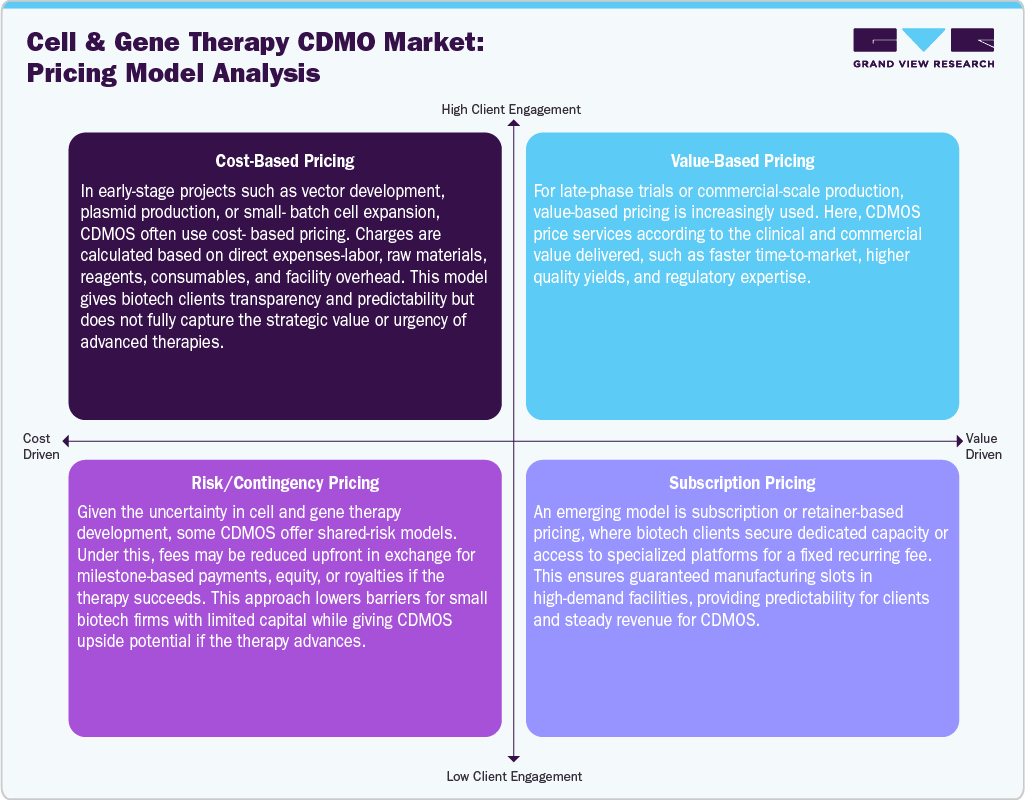
Pricing in the cell and gene therapy CDMO market is shaped by the complexity of processes, scarcity of specialized expertise, and high capital intensity of GMP-compliant facilities. Costs typically vary across phases of development, with early-stage process development and small-batch vector or cell production priced at a premium due to customization and low throughput, while commercial-scale contracts are structured with long-term supply agreements that balance volume with lower per-unit costs. Pricing models often combine fixed fees for facility access and development services with variable charges tied to scale, vector yield, and consumables. Factors such as the type of therapy (AAV vs. lentiviral vectors, CAR-T vs. NK cells), the degree of automation, and regulatory stringency further influence contract values. Given the shortage of global capacity, CDMOs maintain strong pricing power, and sponsors often accept higher costs in exchange for faster timelines and secure supply chains, making pricing both a reflection of technical complexity and market scarcity.
 To learn more about this report, Download Free Sample Report
 Market Dynamics
The cell and gene therapy CDMO market is experiencing strong growth driven by the increasing number of cell and gene therapy candidates advancing through clinical development, rising outsourcing activities among biotechnology companies, and continuous investments in specialized manufacturing infrastructure. The complexity of autologous and allogeneic cell therapies, viral vector production, plasmid DNA manufacturing, and gene editing technologies has increased demand for contract development and manufacturing partners with advanced technical expertise.
Biopharmaceutical companies are increasingly outsourcing process development, analytical testing, vector manufacturing, fill-and-finish operations, and commercial-scale production to accelerate development timelines while reducing capital expenditures. Growing regulatory approvals for gene therapies and expanding clinical pipelines across oncology, rare genetic disorders, hematological diseases, and neurological conditions are generating sustained demand for scalable manufacturing solutions. Additionally, technological advancements in viral vector production platforms, closed-system cell processing, automated manufacturing technologies, and digital quality management systems are improving production efficiency, product consistency, and regulatory compliance across the industry.
The increasing commercialization of cell and gene therapies is a major factor driving growth in the cell and gene therapy CDMO market. A growing number of approved CAR T cell therapies, gene replacement therapies, genetically modified cell therapies, and gene editing products are creating substantial demand for large-scale manufacturing capacity and specialized production expertise. As therapies progress from clinical development to commercial supply, developers require CDMO partners capable of supporting process validation, technology transfer, regulatory submissions, and global distribution requirements. The manufacture of viral vectors, such as adeno-associated viruses, lentiviral vectors, and retroviral vectors, requires highly controlled production environments, specialized analytical testing, and strict quality standards, making outsourcing an attractive option for emerging biotechnology companies.
For instance, in November 2025, BioCentriq expanded its commercial cell therapy manufacturing capabilities in the U.S. to support increasing demand from late-stage and commercial cell therapy programs. Growing patient adoption of approved therapies and expanding indications for existing products are increasing batch production requirements, encouraging CDMOs to invest in new manufacturing suites, vector production facilities, and automated processing technologies to support long-term market demand.
Manufacturing complexity and supply chain challenges remain significant restraints for the cell and gene therapy CDMO market. Cell and gene therapies involve intricate manufacturing workflows that require strict control of raw materials, biological starting materials, viral vectors, plasmid DNA, cell expansion processes, and cryopreservation systems. Autologous therapies require individualized manufacturing for each patient, creating operational challenges in scheduling, logistics, chain-of-identity management, and product tracking. Viral vector manufacturing continues to face limitations in production yield, scalability, and availability of critical raw materials. Besides, maintaining GMP-compliant facilities, advanced analytical capabilities, and highly trained technical personnel significantly increases operational costs. The limited global availability of specialized manufacturing capacity can lead to production bottlenecks, extended timelines, and increased project costs. These challenges can affect therapy accessibility, reduce manufacturing efficiency, and create barriers for smaller biotechnology companies seeking support for commercial-scale production.
The expanding pipeline of gene editing therapies and next-generation cell therapies presents significant opportunities for cell and gene therapy CDMOs. Rapid advancements in CRISPR-based therapies, base editing technologies, allogeneic cell therapies, pluripotent stem cell platforms, and engineered immune cell therapies are increasing demand for specialized development and manufacturing services. Many emerging biotechnology companies lack internal capabilities for viral vector manufacturing, cell processing, analytical development, and regulatory compliance, creating substantial outsourcing opportunities for experienced CDMOs. Growing investments in rare disease therapeutics, oncology cell therapies, regenerative medicine, and in vivo gene editing programs are expected to increase manufacturing requirements across all stages of development. Further, expansion of biomanufacturing infrastructure across the Asia Pacific and the Middle East is creating new opportunities for capacity expansion, strategic partnerships, and regional manufacturing networks, allowing CDMOs to strengthen service offerings and support the growing commercialization of advanced therapies worldwide.
Analyst Perspective
The cell and gene therapy CDMO market is experiencing strong growth driven by the expanding pipeline of gene therapies, gene-modified cell therapies, and regenerative medicine products advancing through clinical and commercial development. From a cross-sectional perspective, increasing outsourcing by biotechnology and pharmaceutical companies is accelerating demand for specialized capabilities in viral vector manufacturing, plasmid DNA production, cell processing, analytical testing, and GMP manufacturing. The high complexity of adeno-associated virus, lentiviral vector, CAR T cell, CAR NK cell, and gene-editing product manufacturing is prompting developers to partner with experienced CDMOs that possess established infrastructure and regulatory expertise.
Simultaneously, growing regulatory expectations regarding product quality, process consistency, chain-of-identity management, and long-term product safety are prompting manufacturers to invest in advanced automation, closed-system processing, digital quality platforms, and scalable manufacturing technologies. Growing commercialization of approved cell and gene therapies, coupled with increasing investments in manufacturing capacity expansion across North America, Europe, and the Asia Pacific, is creating new opportunities for service providers. Companies with strong expertise in advanced therapy manufacturing, global production networks, and integrated development-to-commercialization capabilities are expected to secure a larger share of future outsourcing demand. Such factors are expected to drive market growth.
Phase Insights
Based on phase, the pre-clinical segment led the market with the largest revenue share of 65.0% in 2025. The increasing commercialization of cell and gene therapies is a major factor driving growth in the cell and gene therapy CDMO market. A growing number of approved CAR T cell therapies, gene replacement therapies, genetically modified cell therapies, and gene editing products are creating substantial demand for large-scale manufacturing capacity and specialized production expertise. As therapies progress from clinical development to commercial supply, developers require CDMO partners capable of supporting process validation, technology transfer, regulatory submissions, and global distribution requirements. The manufacture of viral vectors, such as adeno-associated viruses, lentiviral vectors, and retroviral vectors, requires highly controlled production environments, specialized analytical testing, and strict quality standards, making outsourcing an attractive option for emerging biotechnology companies.
. The growth of the segment is due to the majority of activity in the cell and gene therapy space is concentrated in discovery and early development. Thousands of therapies are still in the pipeline, requiring services such as vector design, process development, and small-scale manufacturing. Biotech companies, especially startups, rely heavily on CDMOs during this stage due to limited in-house expertise and infrastructure, driving strong demand for outsourced pre-clinical work.
The clinical segment is anticipated to grow at a lucrative CAGR during the forecast period. The segment growth is driven due to the advancements from early R&D into human trials. An expanding pipeline of cell and gene therapies is steadily transitioning into Phase I-III studies, requiring larger volumes of GMP-grade materials, regulatory-compliant manufacturing, and clinical trial logistics support. The increasing number of FDA and EMA designations for gene therapies, alongside accelerated approval pathways, is also intensifying outsourcing needs in clinical stages.
Product Insights
Based on product, the cell therapy segment led the market with the largest revenue share in 2025. The cell therapy segment dominated the market with a revenue share of 42.8% in 2024. The growth of the segment is due to the wide applicability of these therapies across oncology, autoimmune disorders, and rare diseases, combined with the relatively advanced stage of clinical pipelines compared to other modalities. The strong adoption of CAR-T therapies, proven efficacy in hematological malignancies, and continued expansion into solid tumors have accelerated demand for CDMO support in areas such as cell isolation, expansion, and cryopreservation.
The Gene-Modified Cell Therapy segment is anticipated to grow at the fastest CAGR during the forecast period. The segment growth is due to the rapid expansion of CAR-T, TCR-T, and NK cell therapies, which are demonstrating strong clinical efficacy in both hematological and solid tumor indications. Growing numbers of clinical trials, coupled with FDA breakthrough and orphan designations, are accelerating the development of these therapies and creating significant demand for CDMO services in genetic engineering, viral vector supply, and large-scale GMP manufacturing.
Indication Insights
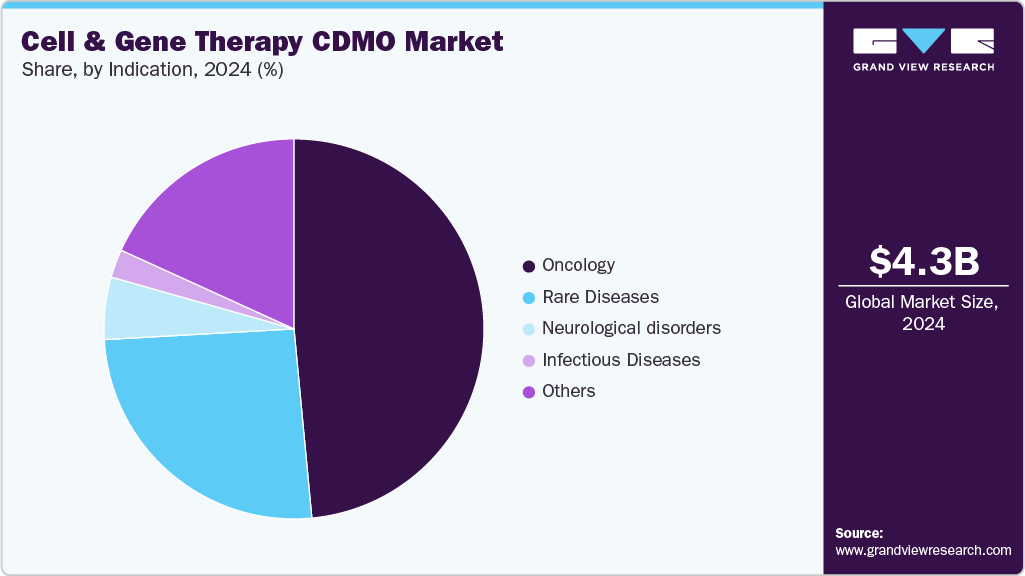
Based on indication, the oncology segment led the market with the largest revenue share in 2025, due to the high prevalence of cancer globally and the proven success of cell and gene therapies in treating hematologic malignancies. Therapies such as CAR-T have shown remarkable remission rates in leukemias and lymphomas, prompting accelerated approvals and strong commercial uptake. In addition, oncology dominates the clinical trial pipeline, with a majority of ongoing studies in cell and gene therapy targeting either hematological cancers or exploring applications in solid tumors.
 To learn more about this report, Download Free Sample Report
 The rare diseases segment is anticipated to grow at the fastest CAGR during the forecast period. The segment growth is driven due to the unique suitability of cell and gene therapies in addressing conditions with limited or no existing treatment options. Many rare diseases are monogenic in nature, making them ideal candidates for gene replacement or modification approaches. Regulatory agencies such as the FDA and EMA continue to grant orphan drug designations, priority reviews, and accelerated approvals for rare disease therapies, incentivizing development and investment in this space.
Regional Insights
North America dominated the cell and gene therapy CDMO market with the largest revenue share of 40.8% in 2025. This is attributed to a strong concentration of clinical trials, advanced manufacturing facilities, and early adoption of cell and gene therapies. The presence of leading CDMOs and biopharma companies, combined with supportive regulatory frameworks from the FDA, strengthens its dominance.
 To learn more about this report, Download Free Sample Report
 U.S. Cell and Gene Therapy CDMO Market Trends
The cell and gene therapy CDMO market in the U.S. held the largest share in the North America region in 2025. The country’s growth is due to high R&D spending, strong venture funding, and rapid commercialization of CAR-T and gene therapies. The country’s robust network of CDMOs, along with early regulatory approvals, fuels consistent outsourcing demand.
Europe Cell and Gene Therapy CDMO Market Trends
The cell and gene therapy CDMO market in Europe is expected to grow significantly due to the region’s favorable policies such as the EMA’s PRIME designation and strong academic-industry collaborations. The region is seeing steady growth in clinical pipelines, with CDMOs investing heavily in capacity expansion.
Germanycell and gene therapy CDMO market held a significant share in 2024, owing to the country’s strong biopharma R&D, clinical trial activity, and government incentives for advanced therapies. Its manufacturing base and skilled workforce make it a preferred hub for CDMO expansion.
The cell and gene therapy CDMO market in the UK held a significant share in 2024. The growth of the market is due to investments in advanced therapy medicinal products (ATMP) infrastructure. Support from the Cell and Gene Therapy Catapult and increased government funding for biotech startups boost outsourcing opportunities.
Asia Pacific Cell and Gene Therapy CDMO Market Trends
The cell and gene therapy CDMO market in Asia Pacific is expected to be the fastest growing market from 2025 to 2033 due to rising biotech investments, expanding patient pools, and lower manufacturing costs. Governments in countries such as China, Japan, and South Korea are actively supporting local ATMP manufacturing hubs.
China cell and gene therapy CDMO market held the largest regional share in 2024. The growth is due to the country’s surge in clinical trials, growing domestic biotech companies, and government-backed funding for cell and gene therapy infrastructure. Strategic alliances with international CDMOs are further boosting the market’s scale-up capacity.
The cell and gene therapy CDMO market in Japan is expected to grow over the forecast period. The country’s growth is due toits accelerated regulatory approval system for regenerative medicines. The country’s focus on stem cell and gene-modified therapies, along with partnerships with global CDMOs, is driving rapid growth.
India cell and gene therapy CDMO market is anticipated to grow at a lucrative CAGR over the forecast period. The country’s market growth is due to the lower operational costs, skilled scientific workforce, and growing R&D investments from both domestic and multinational companies.
Key Cell and Gene Therapy CDMO Companies Insights
Key players operating in the cell and gene therapy CDMO market are undertaking various initiatives to strengthen their presence and increase the reach of their products and services. Strategies such as expansion activities and partnerships are key in propelling the market growth.
Key Cell and Gene Therapy CDMO Companies:
The following are the leading companies in the cell and gene therapy CDMO market. These companies collectively hold the largest market share and dictate industry trends.
- Lonza
- Catalent, Inc
- Cytiva
- Samsung Biologics
- Thermo Fisher Scientific Inc.
- Novartis AG
- WuXi AppTec
- AGC Biologics
- OmniaBio
- Rentschler Biopharma SE
- Charles River Laboratories
Competitive Benchmarking
Category
Operating Strategies
Competitive Edge
Weakness
Established Players (Lonza Group AG, Catalent Inc.)
- Mature players in the cell and gene therapy CDMO market focus on large-scale GMP expansion, integrated end-to-end service offerings, and the development of global manufacturing networks.
- These companies actively pursue acquisitions, strategic collaborations, and investments in mRNA, oligonucleotide, and gene therapy capabilities.
- Emphasize advanced automation, regulatory compliance, and long-term partnerships with companies.
- Mature players possess strong competitive advantages through extensive global infrastructure, diversified service portfolios, and proven regulatory expertise.
- Established supply chains, financial strength, advanced technologies, and large-scale production capabilities enable efficient project execution, high manufacturing reliability, and faster commercialization support for complex nucleic acid therapeutics worldwide.
- Mature players may face challenges associated with high operational costs, complex organizational structures, and slower decision-making processes.
- Large-scale facilities require substantial capital investments and continuous maintenance expenses.
Emerging Players (Ajinomoto Bio-Pharma Services)
- Emerging players in the Cell and Gene Therapy CDMO market primarily focus on niche specialization, flexible manufacturing, and rapid GMP capacity expansion. Many companies emphasize.
- Strategic partnerships with biotech firms, regional expansion initiatives, technology licensing, and investments in scalable manufacturing platforms help these companies strengthen market positioning and attract early-stage therapeutic developers.
- Emerging players gain competitive advantage through specialized expertise in RNA therapeutics, customized manufacturing services, and operational flexibility.
- Their focused investments in advanced nucleic acid technologies and innovative manufacturing processes also enable strong positioning within rapidly evolving therapeutic segments.
- Emerging players often face limitations related to smaller manufacturing scale, restricted global presence, and comparatively lower financial resources. Many lack extensive commercial-scale production infrastructure and broad regulatory experience across multiple regions.
- In addition, competing against established multinational CDMOs with integrated capabilities and stronger supply chains remains a significant market challenge.
Recent Developments
-
In August 2025, Lonza entered into a collaboration agreement with Excellos and Akadeum Life Sciences to launch an initiative aimed at improving upstream cell therapy manufacturing by raising starting material quality and integrating modular workflows. This collaboration targets efficiencies and reproducibility across the cell and gene therapy production process.
-
In January 2025, Catalent entered a strategic collaboration with Galapagos NV to support decentralized manufacturing of GLPG5101, a CAR-T therapy for non-Hodgkin lymphoma. This partnership is designed to enhance patient access and accelerate clinical studies by leveraging local manufacturing sites.
Cell And Gene Therapy CDMO Market Report Scope
Report Attribute
Details
Market size in 2025
USD 5.2 billion
Estimated market size in 2026
USD 6.2 billion
Projected market size by 2033
USD 27.1 billion
Growth rate
CAGR of 23.4% from 2026 to 2033
Historical data
2021 - 2025
Forecast period
2026 - 2033
Quantitative units
Revenue in USD million/billion and CAGR from 2026 to 2033
Report coverage
Revenue forecast, company ranking, competitive landscape, growth factors, and trends
Segments covered
Phase, product, indication, region
Regional scope
North America; Europe; Asia Pacific; Latin America; MEA
Country scope
U.S.; Canada; Mexico; Germany; UK; France; Italy; Spain; Norway; Denmark; Sweden; China; Japan; India; South Korea; Australia; Thailand; Brazil; Argentina; Saudi Arabia; South Africa; UAE; Kuwait; Oman; Qatar.
Key companies profiled
Lonza; Catalent, Inc; Cytiva; Samsung Biologics; Thermo Fisher Scientific Inc.; Novartis AG; WuXi AppTec; AGC Biologics; OmniaBio; Rentschler Biopharma SE; Charles River Laboratories
Customization scope
Free report customization (equivalent up to 8 analysts' working days) with purchase. Addition or alteration to country, regional & segment scope.
Pricing and purchase options
Avail customized purchase options to meet your exact research needs. Explore purchase options
Global Cell And Gene Therapy CDMO Market Report Segmentation
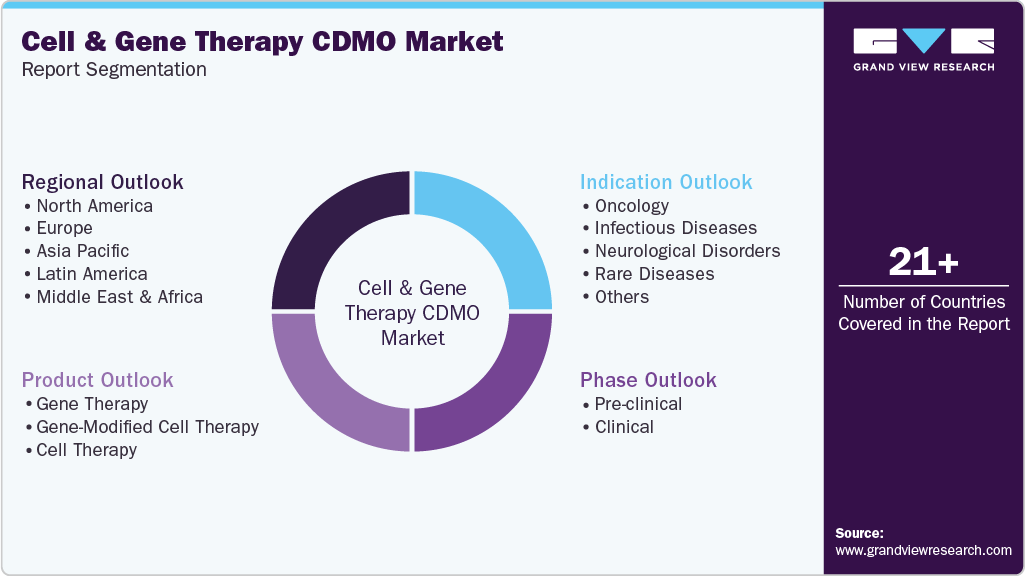
This report forecasts revenue growth at global, regional, and country levels and provides an analysis of the latest industry trends in each of the sub-segments from 2021 to 2033. For this study, Grand View Research has segmented the global cell and gene therapy CDMO market report based on phase, product, indication, and region.
 To learn more about this report, Download Free Sample Report
 -
Phase Outlook (Revenue, USD Million, 2021 - 2033)
-
Pre-clinical
-
Clinical
-
-
Product Outlook (Revenue, USD Million, 2021 - 2033)
-
Gene Therapy
-
Ex-vivo
-
In-vivo
-
-
Gene-Modified Cell Therapy
-
CAR T-cell therapies
-
CAR-NK cell therapy
-
TCR-T cell therapy
-
Others
-
-
Cell Therapy
-
-
Indication Outlook (Revenue, USD Million, 2021 - 2033)
-
Oncology
-
Infectious Diseases
-
Neurological disorders
-
Rare Diseases
-
Others
-
-
Regional Outlook (Revenue, USD Million, 2021 - 2033)
-
North America
-
U.S.
-
Canada
-
Mexico
-
-
Europe
-
UK
-
Germany
-
France
-
Italy
-
Spain
-
Denmark
-
Norway
-
Sweden
-
-
Asia Pacific
-
Japan
-
China
-
India
-
Australia
-
South Korea
-
Thailand
-
-
Latin America
-
Brazil
-
Argentina
-
-
Middle East and Africa (MEA)
-
South Africa
-
Saudi Arabia
-
UAE
-
Kuwait
-
Oman
-
Qatar
-
-
Research Methodology
The cell and gene therapy CDMO market figures in this report are based on a proven research process that combines executive interviews with secondary research from proprietary databases, company filings, and recognized regulatory and institutional sources. Market size is built through value-chain sizing - reconciling supply-side and demand-side estimates - and triangulated with bottom-up and top-down approaches. Every estimate passes multiple levels of expert validation before publication, with each cell and gene therapy CDMO segment quantified using the revenue-capture definitions in the table below.
Segment Definition
Segment - Phase
Revenue capture definition
Pre-clinical
The segment captures revenue generated by contract development and manufacturing services provided for cell and gene therapy candidates in discovery and preclinical stages. Services include vector design, plasmid DNA production, process development, analytical testing, proof-of-concept manufacturing, cell line development, and the production of materials required for preclinical research and regulatory submissions.
Clinical
The segment captures revenue generated by contract manufacturing services supporting Phase I, Phase II, and Phase III clinical trials of cell and gene therapies. Services include GMP manufacturing of viral vectors and cell therapies, analytical testing, process validation, quality control, regulatory support, fill finish operations, and clinical supply production.
Segment - Product
Revenue capture definition
Gene Therapy
The segment captures revenue generated by contract development and manufacturing services for therapies that introduce, replace, modify, or silence genetic material to treat or prevent diseases. Services include viral vector manufacturing, plasmid DNA production, process development, analytical testing, and commercial scale manufacturing.
Ex vivo
The segment captures revenue generated by manufacturing services for gene therapies in which patient or donor cells are genetically modified outside the body and subsequently administered to patients. Services include cell collection support, gene transfer, cell expansion, processing, testing, cryopreservation, and supply chain management.
In vivo
The segment captures revenue generated by manufacturing services for gene therapies that deliver genetic material directly into a patient’s body using viral or non-viral delivery systems. Services include vector manufacturing, formulation development, analytical testing, and large-scale production of gene delivery products.
Gene Modified Cell Therapy
The segment captures revenue generated by manufacturing services for cell therapies that involve genetic modification of immune or stem cells to enhance therapeutic activity. Services include cell engineering, vector transduction, cell expansion, quality testing, and GMP manufacturing.
CAR T cell Therapies
The segment captures revenue generated by contract manufacturing services for chimeric antigen receptor T cell therapies. Services include T cell isolation, genetic engineering, cell activation, expansion, analytical testing, cryopreservation, and commercial manufacturing.
CAR NK Cell Therapy
The segment captures revenue generated by manufacturing services for chimeric antigen receptor natural killer cell therapies. Services include NK cell sourcing, genetic modification, cell expansion, characterization, and GMP production for clinical and commercial applications.
TCR T Cell Therapy
The segment captures revenue generated by manufacturing services for T cell receptor engineered T cell therapies designed to recognize intracellular tumor antigens. Services include cell engineering, receptor modification, cell expansion, quality control testing, and manufacturing support.
Others
The segment captures revenue generated by manufacturing services for other gene modified cellular therapies, including engineered stem cells, dendritic cell therapies, macrophage therapies, and emerging immune cell platforms not classified under major categories.
Cell Therapy
The segment captures revenue generated by contract development and manufacturing services for therapies that utilize living cells to repair, replace, regenerate, or modulate biological functions. Services include cell processing, expansion, banking, characterization, testing, cryopreservation, and commercial-scale manufacturing.
Segment - Indication
Revenue capture definition
Oncology
The segment captures revenue generated by contract manufacturing services for cell and gene therapies developed to treat solid tumors, hematological malignancies, and other cancer indications through genetic modification, immune cell engineering, or gene delivery approaches.
Infectious Diseases
The segment captures revenue generated by manufacturing services for cell and gene therapies targeting viral, bacterial, and other infectious diseases. Services support the development and production of gene-based therapeutics, engineered immune cells, and advanced biologic treatments.
Neurological Disorders
The segment captures revenue generated by manufacturing services for therapies developed to treat neurological and neurodegenerative disorders, including Parkinson’s disease, Alzheimer’s disease, spinal muscular atrophy, and other central nervous system conditions.
Rare Diseases
The segment captures revenue generated by manufacturing services for therapies targeting rare genetic and inherited disorders. Services support production of viral vectors, gene replacement therapies, gene editing products, and specialized cell therapies designed for orphan disease indications.
Others
The segment captures revenue generated by manufacturing services for cell and gene therapies addressing indications such as cardiovascular diseases, autoimmune disorders, metabolic disorders, ophthalmic diseases, musculoskeletal conditions, and regenerative medicine applications.
Estimation Model
Bottom-Up Revenue Model
Capacity-Based Manufacturing Model
Clinical Pipeline Demand Model
Outsourcing Penetration Model
Market size is estimated by identifying leading and emerging cell and gene therapy CDMOs that provide viral vector manufacturing, therapy manufacturing, plasmid DNA production, process development, analytical testing, and fill-finish services.
Market value is estimated using available manufacturing capacity across adeno-associated virus (AAV), lentiviral vector, retroviral vector, plasmid DNA, CAR-T cell, stem cell, and gene-edited cell therapy production facilities.
Market size is derived by evaluating the number of cell and gene therapy candidates across preclinical, Phase I, Phase II, Phase III, and commercial stages.
Market size is estimated by assessing the proportion of cell and gene therapy developers that outsource manufacturing rather than build internal production capabilities.
Revenue contributions attributable to cell and gene therapy manufacturing services are derived from annual reports, investor presentations, facility-level capacity disclosures, contract announcements, and management commentary.
Parameters such as bioreactor capacity, vector batch output, cleanroom utilization rates, manufacturing suites, and average service pricing are evaluated.
Average outsourcing expenditure for process development, vector manufacturing, analytical testing, GMP production, and fill-finish activities is assigned to each development stage.
Outsourcing rates are determined through primary interviews, industry publications, partnership announcements, and company disclosures.
Individual company revenues are aggregated and validated through industry benchmarks and service segment analysis.
Total production capacity is converted into potential annual revenue and cross-checked against reported utilization levels and expansion plans.
The number of programs is multiplied by estimated manufacturing spend, and the results are aggregated across oncology, rare diseases, hematology, ophthalmology, neurologic, and regenerative medicine applications to estimate total CDMO demand.
The addressable market is calculated by applying outsourcing penetration rates to total spending on cell and gene therapy manufacturing, viral vector production, plasmid DNA manufacturing, and related development services, generating the overall contract manufacturing opportunity.
Delivered Customizations
This report has been delivered with the following In-depth customizations
CLIENT REQUEST
CUSTOMIZATION DELIVERED
VALUE ADDS
Regional Expansion & Market Entry Strategy
Developed a region-specific opportunity assessment across North America, Europe, Asia Pacific, and emerging markets. The analysis included evaluation of cell and gene therapy clinical activity, CDMO manufacturing capacity, regulatory environment, government funding initiatives, skilled workforce availability, and investment trends in viral vector and cell therapy manufacturing infrastructure. Recommended priority markets and entry approaches based on growth potential and competitive intensity.
Helps identify the most attractive regions for facility expansion, strategic partnerships, acquisitions, and greenfield investments while minimizing operational and regulatory risks.
Industry Outlook, Value Chain, and Business Model Assessment
Conducted a comprehensive evaluation of the Cell and Gene Therapy CDMO ecosystem, covering raw material suppliers, plasmid DNA manufacturers, viral vector producers, cell processing providers, fill finish companies, logistics providers, and therapy developers. Assessed prevailing business models, outsourcing trends, revenue streams, pricing dynamics, and value creation opportunities across preclinical, clinical, and commercial manufacturing stages.
Provides a holistic understanding of industry structure, profit pools, outsourcing dynamics, and critical success factors, enabling stakeholders to identify high-value opportunities across the value chain.
Competitive Benchmarking
Performed detailed benchmarking of leading Cell and Gene Therapy CDMOs based on manufacturing capacity, viral vector capabilities, cell therapy expertise, technology platforms, regulatory track record, geographic footprint, service integration, commercial manufacturing readiness, and strategic collaborations. Included comparative positioning of established multinational CDMOs and emerging specialist manufacturers.
Enables identification of competitive gaps, differentiation opportunities, partnership targets, and acquisition candidates while supporting strategic decision making and long-term market positioning.
Frequently Asked Questions About This Report
The pre-clinical segment accounted for the largest revenue share of 65.0% in 2025. The high share of this segment is attributed to the growing pipeline of CGT products over the past few years.
Some key players operating in the cell and gene therapy CDMO market include Lonza; Catalent, Inc; Cytiva; Samsung Biologics; Thermo Fisher Scientific Inc.; Novartis AG; WuXi AppTec; AGC Biologics; OmniaBio; Rentschler Biopharma SE; and Charles River Laboratories among others.
The cell and gene therapy CDMO market is experiencing strong growth driven by the increasing number of cell and gene therapy candidates advancing through clinical development, rising outsourcing activities among biotechnology companies, and continuous investments in specialized manufacturing infrastructure. The complexity of autologous and allogeneic cell therapies, viral vector production, plasmid DNA manufacturing, and gene editing technologies has increased demand for contract development and manufacturing partners with advanced technical expertise. Such factors are expected to drive the market growth.
The global cell and gene therapy CDMO market size was estimated at USD 5.2 billion in 2025 and is expected to reach USD 6.2 billion in 2026.
The global cell and gene therapy CDMO market is expected to grow at a compound annual growth rate of 23.4% from 2026 to 2033 to reach USD 27.1 billion by 2033.
North America dominated the cell and gene therapy CDMO market with share of 40.8% in 2025. This is attributed to a strong concentration of clinical trials, advanced manufacturing facilities, and early adoption of cell and gene therapies.
Cell therapy segment held the largest revenue share of 42.5% in 2025, while Gene-Modified Cell Therapy is fastest growing product.
Oncology held the largest revenue share of 48.5% in 2025, while rare diseases segment is fastest growing indication.
About the Author(s)
Medical Devices Research Team
Healthcare · Medical DevicesThis report was authored by the medical devices research team at Grand View Research - comprising two research analysts, one senior research analyst, and one industry expert - with specialized expertise in the medical devices segment of the healthcare industry. All findings are based on proprietary healthcare databases, executive interviews, and regulatory analysis, subject to internal peer review prior to publication.
Last Updated:
Speak to Analyst

Customize this report to your needs - add regions, segments, or data points, with 20% free customization.
Or view our licence options:


ISO 9001:2015 & 27001:2022 Certified
We are GDPR and CCPA compliant! Your transaction & personal information is safe and secure. For more details, please read our privacy policy.


