
- Home
- »
- Medical Devices
- »
-
Dermatology Lasers Market Size And Share Report, 2033GVR Report cover

Dermatology Lasers Market (2026 - 2033)
Size, Share & Trends Analysis Report By Product (Single-modality Laser Systems, Multi-modality Laser Systems), By Application (Laser Hair Removal, Laser Skin Resurfacing), By End-use, By Region, And Segment Forecasts
Market Size, 2025
$3.3BMarket Estimate, 2026
$3.6BMarket Forecast, 2033
$7.1BCAGR, 2026–2033
10.2%Dermatology Lasers Market Summary
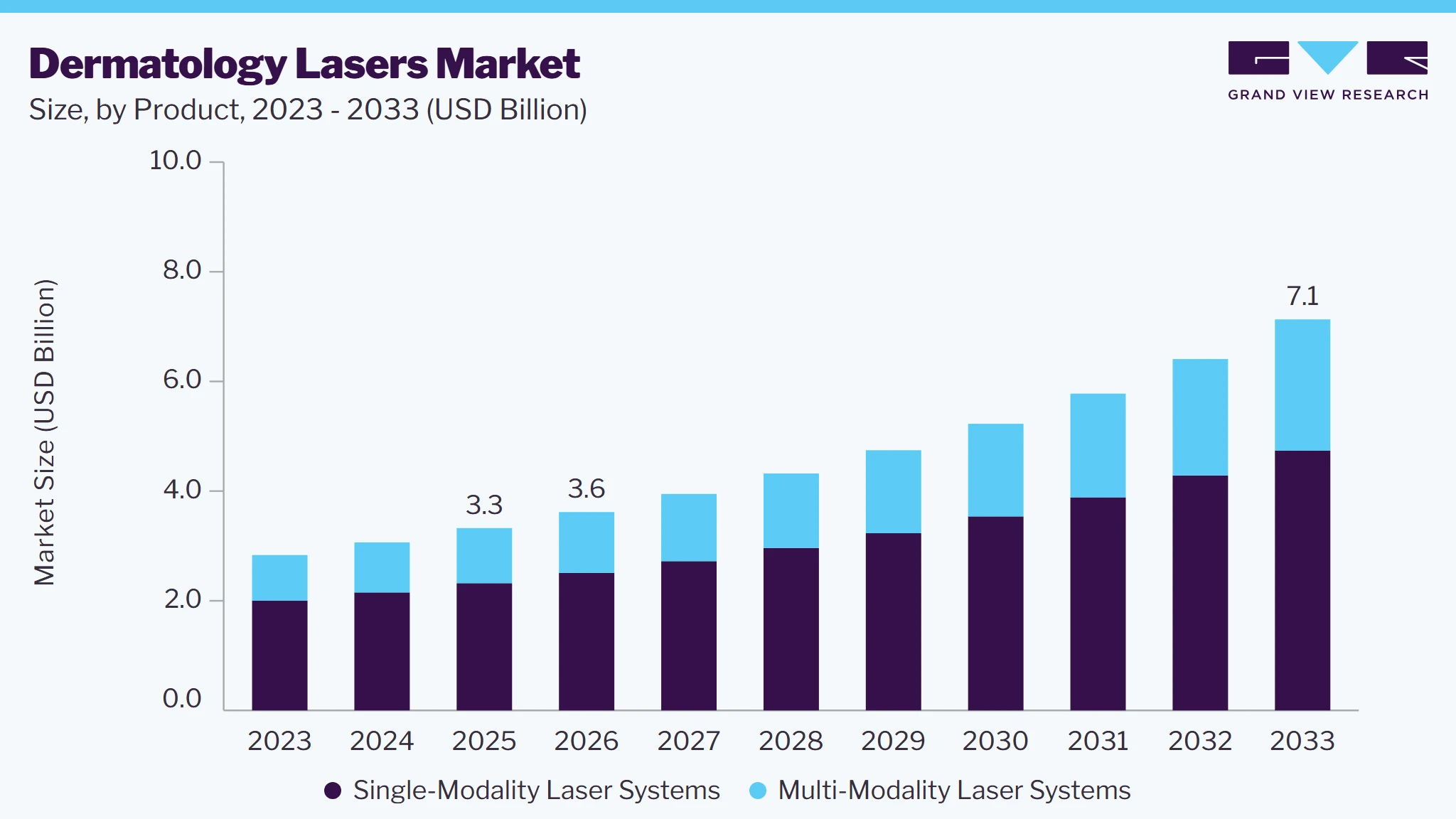
The global dermatology lasers market size was valued at USD 3.3 billion in 2025 and is projected to grow from USD 3.6 billion in 2026 to USD 7.1 billion by 2033, at a CAGR of 10.2% from 2026 to 2033. North America dominated the market, accounting for the largest revenue share of 40.8% in 2025. The market growth is driven by the increasing demand for laser-based treatments for both medical and aesthetic skin conditions, including acne scars, pigmentation disorders, vascular lesions, skin rejuvenation, tattoo removal, hair removal, and wrinkle reduction.
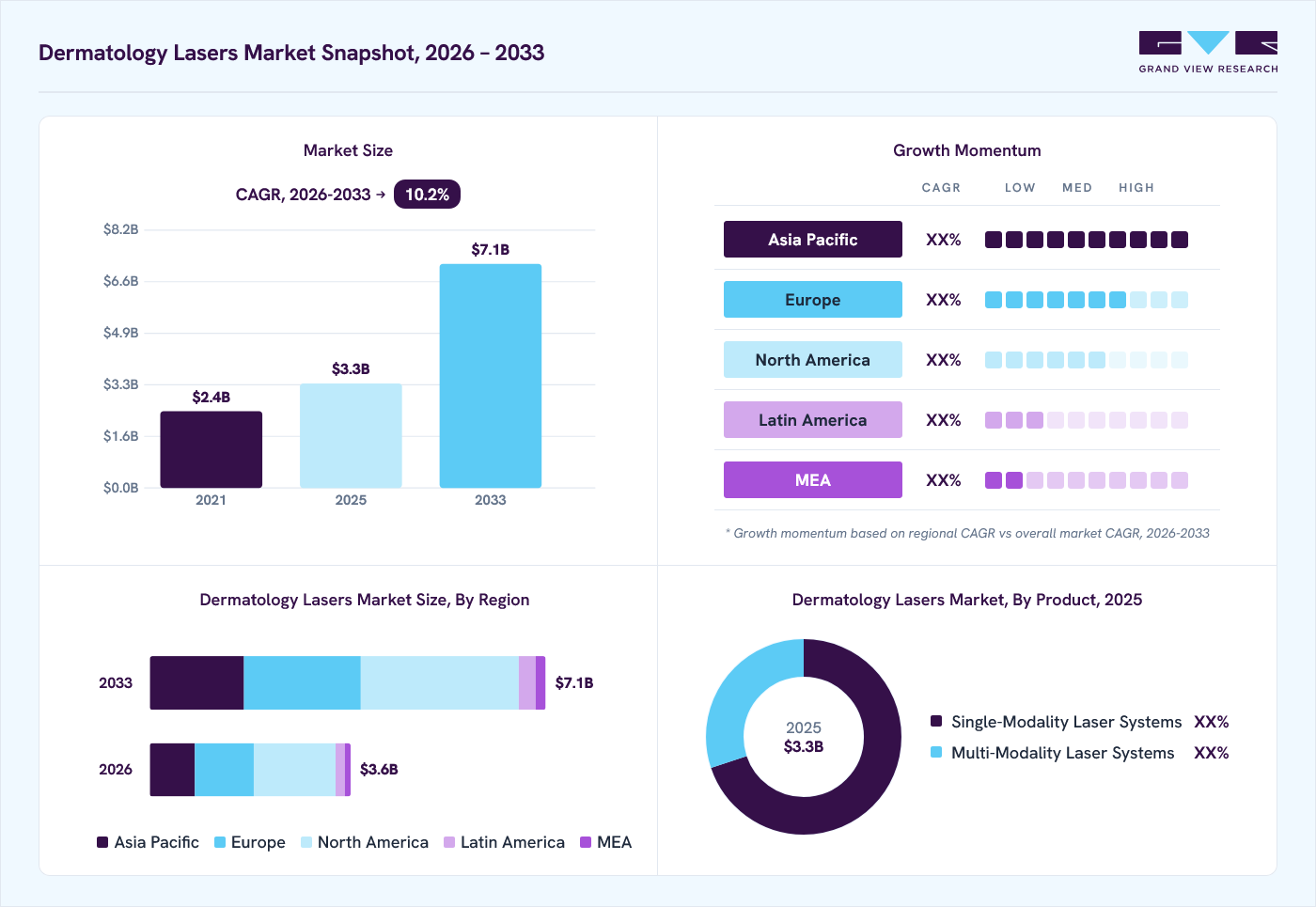 Source: Grand View Research, IR Documents, Primary Interviews, Paid DatabasesTo learn more about this report,
 Download Free Sample Report
Key Market Trends & Insights
- By product: Single-modality laser systems held the largest revenue share of 69.8% in 2025.
- By application: Laser hair removal held the largest revenue share of 32.3% in 2025.
- By end use: Beauty clinics/medspas held the largest revenue share of 43.1% in 2025.
Regional Highlights
- Largest regional market: North America (40.8% revenue share, 2025)
- Fastest-growing regional market: Asia Pacific (fastest CAGR, 2026-2033)
- By country: The U.S. is expected to grow significantly from 2026 to 2033.
Market Size & Forecast
- Market Size in 2025: USD 3.3 Billion
- Estimated Market Size in 2026: USD 3.6 Billion
- Projected Market Size by 2033: USD 7.1 Billion
- CAGR (2026-2033): 10.2%
Prism AI by Grand View Research Free to tryAsk a question about the dermatology lasers marketTry asking✓Every figure cited from GVR research Prefer the report? Download free sample →
Growing consumer preference for minimally invasive procedures with shorter recovery times, rising awareness of skin health and cosmetic dermatology, and increasing disposable incomes are contributing significantly to the growth of the dermatology lasers industry.The rising prevalence of skin disorders is one of the major factors driving the market growth. Factors including environmental pollution, changing lifestyles, stress, aging populations, and increased exposure to ultraviolet (UV) radiation are contributing to the growing number of dermatology cases in the region. A 2025 study by the European Academy of Dermatology and Venereology (EADV) further highlighted the growing burden of skin diseases across Europe. According to the study “The Burden of Skin Diseases Project,” which analyzed data from more than 44,000 participants across 27 European countries, a significant proportion of the adult population continues to suffer from at least one dermatological condition. This growing patient population is increasing the demand for dermatology treatments, diagnostic procedures, laser therapies, and advanced skincare products. In addition, rising awareness regarding skin health and early diagnosis is encouraging more individuals to seek professional dermatological care.
 To learn more about this report, Download Free Sample Report
The rise of the laser in dermatology brought about a true revolution in the treatment of various skin conditions. Laser technologies have paved the way for both cosmetic and medical applications, providing dermatologists with a wide range of effective and safe treatment options.
Dermatology Resident / Doctor in Specialist Training for Dermatology Maastricht UMC+ & Dermatologist affiliated with Maastricht UMC+ and Catharina Hospital Eindhoven.
Medical aesthetic tourism has become a major demand-side catalyst for the global dermatology lasers market, with South Korea standing out as a prime example. High concentrations of dermatology and cosmetic clinics, particularly in areas like Gangnam, have positioned aesthetic procedures as a tourism-driven service rather than purely medical care. As international demand rises, a new segment has emerged: medical concierge services, which guide foreign patients to clinics and support them throughout their treatment journey, adding a new layer to the value chain.
The increasing focus on advanced laser-based photorejuvenation technologies is encouraging companies to introduce next-generation dermatology platforms with improved precision, safety, and patient outcomes. For instance, in April 2025, Bausch Health and its aesthetics business, Solta Medical, launched Fraxel FTX, a next-generation fractional laser skin resurfacing platform at the ASLMS 2025. The advanced system was developed to provide enhanced precision, improved treatment efficiency, and greater patient comfort for procedures including acne scar reduction, pigmentation treatment, wrinkle reduction, and skin rejuvenation. The launch highlights ongoing innovation in fractional CO₂ and non-ablative laser technologies supporting the growth of minimally invasive dermatology procedures globally.
Market Dynamics
Dermatology laser solutions are gaining significant traction, enabling dermatologists, aesthetic physicians, hospitals, and specialty skin clinics to diagnose and treat a wide range of skin conditions with advanced laser technologies. These solutions incorporate technologies such as ablative and non-ablative laser systems, fractional CO₂ lasers, erbium:YAG lasers, pulsed dye lasers, Nd:YAG lasers, alexandrite lasers, diode lasers, and integrated cooling systems to deliver precise, safe, and effective treatments for both medical and aesthetic dermatology applications. Dermatology laser platforms help healthcare providers meet the growing demand for minimally invasive skin treatments by enabling personalized treatment protocols for skin resurfacing, scar revision, vascular and pigmented lesion treatment, acne management, hair removal, tattoo removal, and skin rejuvenation, while improving clinical outcomes, patient comfort, and procedural efficiency.
The rising demand for minimally invasive aesthetic procedures is one of the primary drivers fueling the growth of the dermatology lasers market. Consumers are increasingly preferring non-surgical cosmetic treatments that offer effective clinical outcomes with minimal pain, reduced downtime, lower risk of complications, and faster recovery compared to conventional surgical procedures. Dermatology lasers have become a preferred treatment option for skin resurfacing, wrinkle reduction, acne scar revision, pigmentation disorders, vascular lesion treatment, tattoo removal, and laser hair removal because they deliver precise, targeted therapy while preserving healthy surrounding tissue. Additionally, increasing awareness of personal appearance, the influence of social media, higher disposable incomes, and the growing availability of advanced laser technologies in dermatology clinics and medical spas are further accelerating procedure volumes worldwide. A recent example supporting this trend is the 2024 Procedural Statistics Report released by the American Society of Plastic Surgeons in June 2025, which reported that minimally invasive aesthetic procedures increased by 1.5% year over year in 2024 despite economic uncertainty, demonstrating sustained patient demand for non-surgical cosmetic treatments. The report also highlighted that skin resurfacing procedures increased by 6% in 2024, reflecting the growing adoption of laser-based skin rejuvenation and resurfacing treatments.
The high acquisition and maintenance costs of dermatology laser systems remain a significant barrier to market growth, particularly for small dermatology clinics, independent practices, and healthcare facilities in developing countries. Advanced laser platforms, including fractional CO₂, picosecond, and multi-wavelength systems, require substantial upfront capital investment, regular maintenance, software upgrades, consumables, and specialized operator training. In addition, laser procedures are often considered elective cosmetic treatments and are generally not covered by public or private health insurance, requiring patients to pay out of pocket. These high treatment costs can discourage adoption, especially in price-sensitive markets, limiting procedure volumes and slowing market expansion. Furthermore, according to the American Society of Plastic Surgeons, many laser skin resurfacing and other cosmetic laser procedures are elective and are typically not covered by insurance, making affordability a key consideration for patients. This reimbursement limitation further restricts the widespread adoption of dermatology laser treatments despite growing consumer demand.
Market Concentration & Characteristics
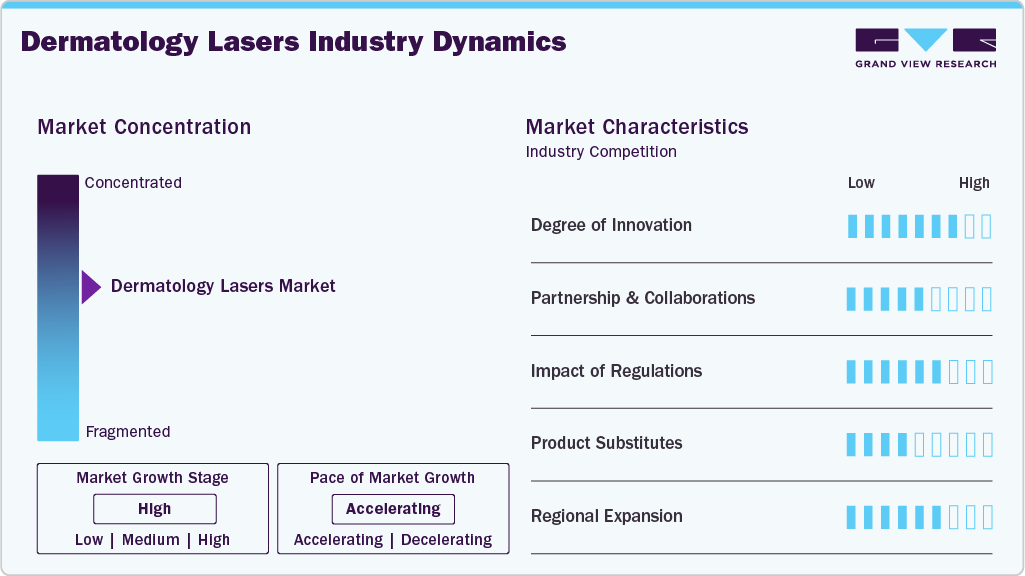
The dermatology lasers market is moderately concentrated, with a limited number of established manufacturers holding a significant market share owing to their broad product portfolios, strong technological expertise, well-established distribution networks, and long-standing relationships with dermatology clinics, hospitals, and aesthetic centers. Leading companies continuously invest in the development of advanced laser platforms featuring multi-wavelength capabilities, improved energy delivery systems, enhanced cooling technologies, and integrated digital interfaces to improve treatment precision, patient safety, and procedural efficiency. High research and development costs, stringent regulatory approval requirements, the need for clinical validation, and substantial capital investment for manufacturing and commercialization create considerable barriers to entry for new participants.
The degree of innovation in the dermatology lasers industry is exceptionally high, driven by continuous advancements in laser engineering, treatment customization, and digital integration. Manufacturers are increasingly developing multi-wavelength platforms capable of treating a broad spectrum of dermatological conditions, including pigmentation disorders, vascular lesions, acne scars, skin resurfacing, tattoo removal, hair removal, and skin rejuvenation using a single system. For instance, at the 2025 AAD Annual Meeting, experts highlighted rapid innovation in cosmetic dermatology, emphasizing the emergence of advanced laser technologies for hair restoration, skin rejuvenation, and combination dermatologic treatments.
 To learn more about this report, Download Free Sample Report
Strategic partnerships and collaborations have become a key driver of growth in the dermatology lasers market, enabling manufacturers to accelerate technology adoption, expand their clinical footprint, and strengthen market penetration in both developed and emerging regions. As dermatology laser systems become increasingly sophisticated and application-specific, companies are collaborating with dermatology clinic chains, hospitals, distributors, academic institutions, and physician training organizations to accelerate commercialization, improve clinical education, and generate real-world evidence to support treatment efficacy. For instance, in July 2025, Aerolase partnered with Kaya Clinics, one of India's largest dermatology clinic networks, to launch the Neo Elite laser platform nationwide. Through this collaboration, Kaya became the first national dermatology clinic chain in India to offer Aerolase's FDA-cleared laser technology across its network.
Regulatory frameworks significantly influence the market, as laser systems used in medical and aesthetic dermatology are regulated as medical devices in most major markets. Regulatory authorities require manufacturers to demonstrate the safety, performance, and clinical effectiveness of dermatology laser systems before commercialization. In the United States, laser devices must obtain clearance or approval from the U.S. Food and Drug Administration (FDA) through the appropriate regulatory pathway, while manufacturers in Europe must comply with the European Union Medical Device Regulation (EU MDR 2017/745) to obtain CE marking. Similar regulatory requirements exist in Canada, Japan, Australia, South Korea, and other developed markets.
The threat of product substitutes in the dermatology lasers market is moderate, as several non-laser technologies are available for treating both medical and aesthetic skin conditions. Alternative energy-based devices, including intense pulsed light (IPL), radiofrequency (RF), high-intensity focused ultrasound (HIFU), microwave-based systems, and plasma energy devices, are widely used for indications such as skin rejuvenation, pigmentation disorders, vascular lesions, acne treatment, skin tightening, and hair reduction. In addition, injectable therapies such as botulinum toxin, hyaluronic acid dermal fillers, collagen biostimulators, as well as chemical peels, microneedling, platelet-rich plasma (PRP), cryotherapy, photodynamic therapy, and prescription topical medications, serve as substitutes for specific dermatologic conditions.
Regional expansion has become a major strategic priority in the dermatology lasers industry, with manufacturers strengthening their presence across high-growth regions through localized product launches, distributor partnerships, direct subsidiaries, physician training programs, and service infrastructure investments. While North America and Europe remain mature markets due to the high adoption of advanced dermatologic procedures and favorable reimbursement for selected medical indications, manufacturers are increasingly targeting Asia-Pacific, Latin America, and the Middle East, where rising disposable incomes, expanding dermatology clinic networks, growing medical tourism, and increasing awareness of minimally invasive skin treatments are driving demand.
Analyst Perspective
The dermatology lasers market growth is driven by long-term healthcare trends, including the rising prevalence of skin disorders, growing demand for minimally invasive treatments, and continuous technological advancements. Increasing cases of acne scars, pigmented and vascular lesions, psoriasis, rosacea, skin aging, and unwanted hair growth are creating opportunities for manufacturers and healthcare providers. Patients increasingly seek safe, effective treatments with faster recovery and improved clinical outcomes. Adoption of advanced laser systems is expanding across hospitals, dermatology clinics, specialty skin centers, and medical spas. Innovations such as fractional CO₂, picosecond, Nd:YAG, erbium:YAG, pulsed dye, multi-wavelength, and integrated cooling technologies are improving treatment precision, patient safety, procedural efficiency, and the range of treatable conditions.
Product Insights
The single-modality laser systems segment dominated the market in 2025, accounting for the largest revenue share of 69.8%. The growth is primarily attributed to its widespread adoption in dermatology clinics, hospitals, and medical spas for dedicated procedures such as laser hair removal, skin resurfacing, vascular lesion treatment, pigmentation correction, tattoo removal, and acne scar treatment. These systems are preferred because they are clinically proven, easier to operate, require lower capital investment than multi-platform devices, and deliver consistent outcomes for high-volume procedures. Continuous product innovations, including faster pulse delivery, improved cooling technologies, and enhanced treatment precision, are also supporting segment growth. For example, at the American Academy of Dermatology (AAD) Annual Meeting 2025, Candela showcased the GentleMax Pro Plus, a dedicated Alexandrite/Nd:YAG laser platform designed primarily for laser hair removal and pigmented and vascular lesion treatments, featuring its new GLX Delivery System for faster treatment sessions and improved workflow efficiency.
The multi-modality laser systems segment is expected to grow at the fastest CAGR of 11.6% over the forecast period. The growth is driven by increasing demand for versatile platforms capable of treating multiple dermatological and aesthetic indications using a single device. These systems combine multiple wavelengths or energy modalities, enabling physicians to perform hair removal, skin rejuvenation, pigmentation treatment, vascular lesion removal, acne scar revision, and tattoo removal on one platform. This versatility helps clinics maximize equipment utilization, reduce capital expenditure on multiple standalone devices, and improve patient convenience through personalized treatment protocols. Growing demand for combination treatments and customized aesthetic procedures is further accelerating adoption, particularly among large dermatology clinics and aesthetic centers.
Application Insights
The laser hair removal segment dominated the dermatology lasers market, accounting for the largest revenue share of 32.3% in 2025. The growth is attributed to the growing preference for long-term hair reduction treatments over conventional methods such as shaving, waxing, and threading. Increasing consumer awareness of aesthetic procedures, rising disposable incomes, expanding medical spa and dermatology clinic networks, and growing acceptance of cosmetic treatments among both women and men continue to support demand for laser hair removal procedures. Technological advancements, including faster treatment speeds, integrated cooling systems, and improved efficacy across a wider range of skin types, have further enhanced patient comfort and clinical outcomes, encouraging greater adoption by healthcare providers. In addition, the increasing availability of FDA-cleared laser systems designed specifically for hair removal is enabling clinics to improve treatment efficiency and patient throughput.
The laser-assisted lipoplasty segment is expected to grow at the fastest CAGR over the forecast period. The growth is supported by increasing demand for minimally invasive body contouring procedures that offer shorter recovery times, reduced tissue trauma, and improved cosmetic outcomes compared with traditional liposuction. Rising consumer interest in body sculpting, growing obesity rates, and increasing awareness of aesthetic body-contouring procedures are encouraging healthcare providers to adopt laser-assisted fat reduction technologies. These systems not only facilitate fat removal but also promote skin tightening by stimulating collagen production, making them an attractive option for both physicians and patients seeking comprehensive aesthetic results. Technological advancements in laser energy delivery and fiber-optic systems continue to improve procedural safety and efficiency.
End-use Insights
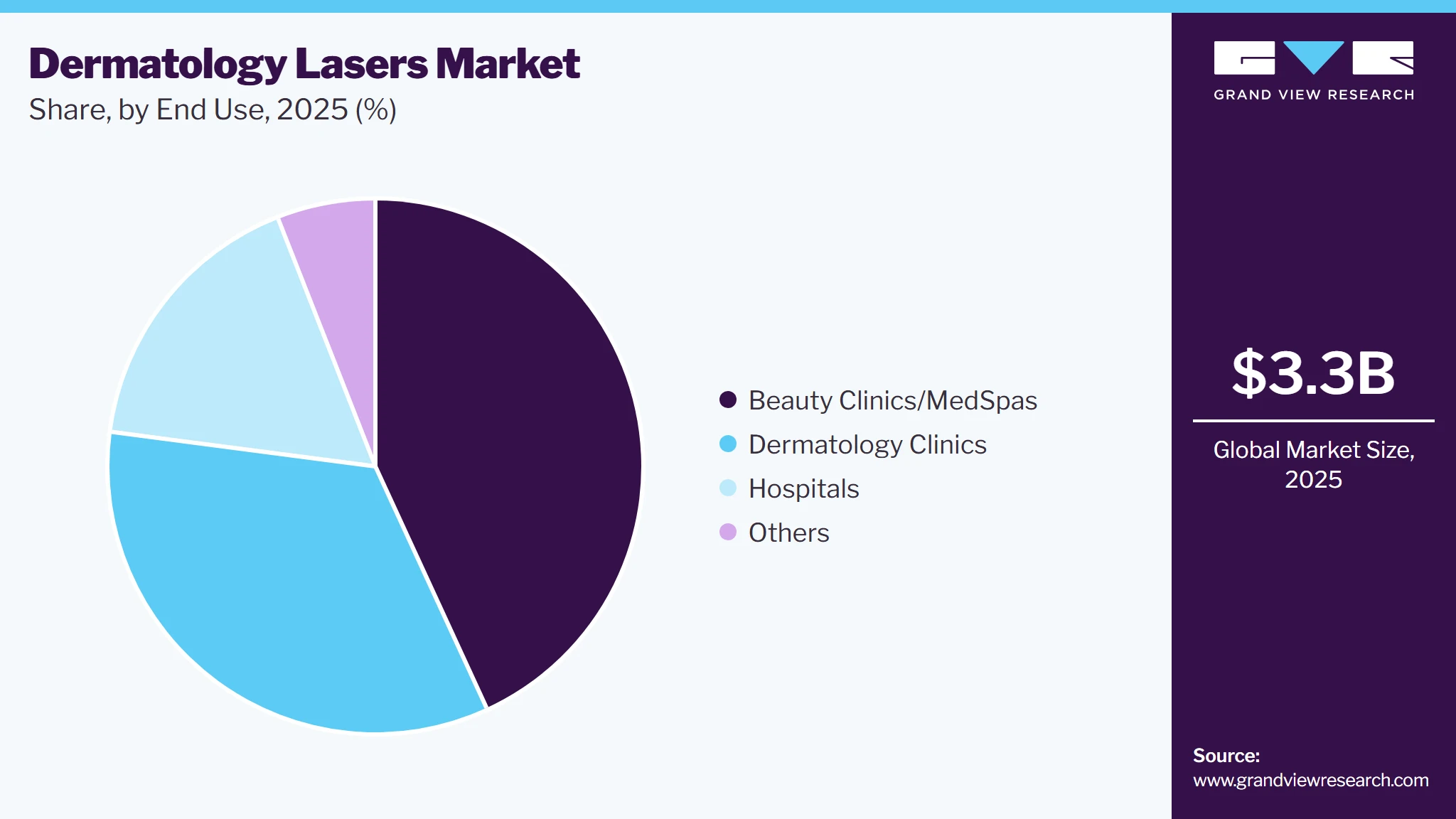
The beauty clinics/medspas segment held the largest revenue share of 43.1% in 2025 and is expected to grow at the fastest CAGR over the forecast period. Medspas are increasingly investing in advanced dermatology laser systems to offer a broad portfolio of services, including laser hair removal, skin rejuvenation, pigmentation correction, vascular lesion treatment, acne scar revision, and tattoo removal. For instance, in December 2025, Signature Clinics in Glasgow announced the launch of advanced CO₂ laser technology programs for scar refinement and skin rejuvenation as part of its expanded aftercare and aesthetic treatment services. The initiative reflects increasing adoption of ablative laser technologies for post-procedure skin recovery and anti-aging applications in cosmetic clinics.
 To learn more about this report, Download Free Sample Report
The dermatology clinics segment is anticipated to grow at a significant CAGR over the forecast period. The growth is driven by the rising demand for medically supervised laser procedures and growing patient preference for treatments performed by board-certified dermatologists. Dermatology clinics are expanding the use of laser technologies for different dermatological conditions, including acne scar treatment, rosacea, psoriasis, vascular lesions, pigmentation disorders, skin resurfacing, and skin cancer-related procedures. Continuous technological advancements in laser precision, cooling systems, and customizable treatment settings are enabling dermatologists to treat a wider range of skin conditions safely across different skin types. These factors collectively drive segment growth and contribute to the market growth.
Regional Insights
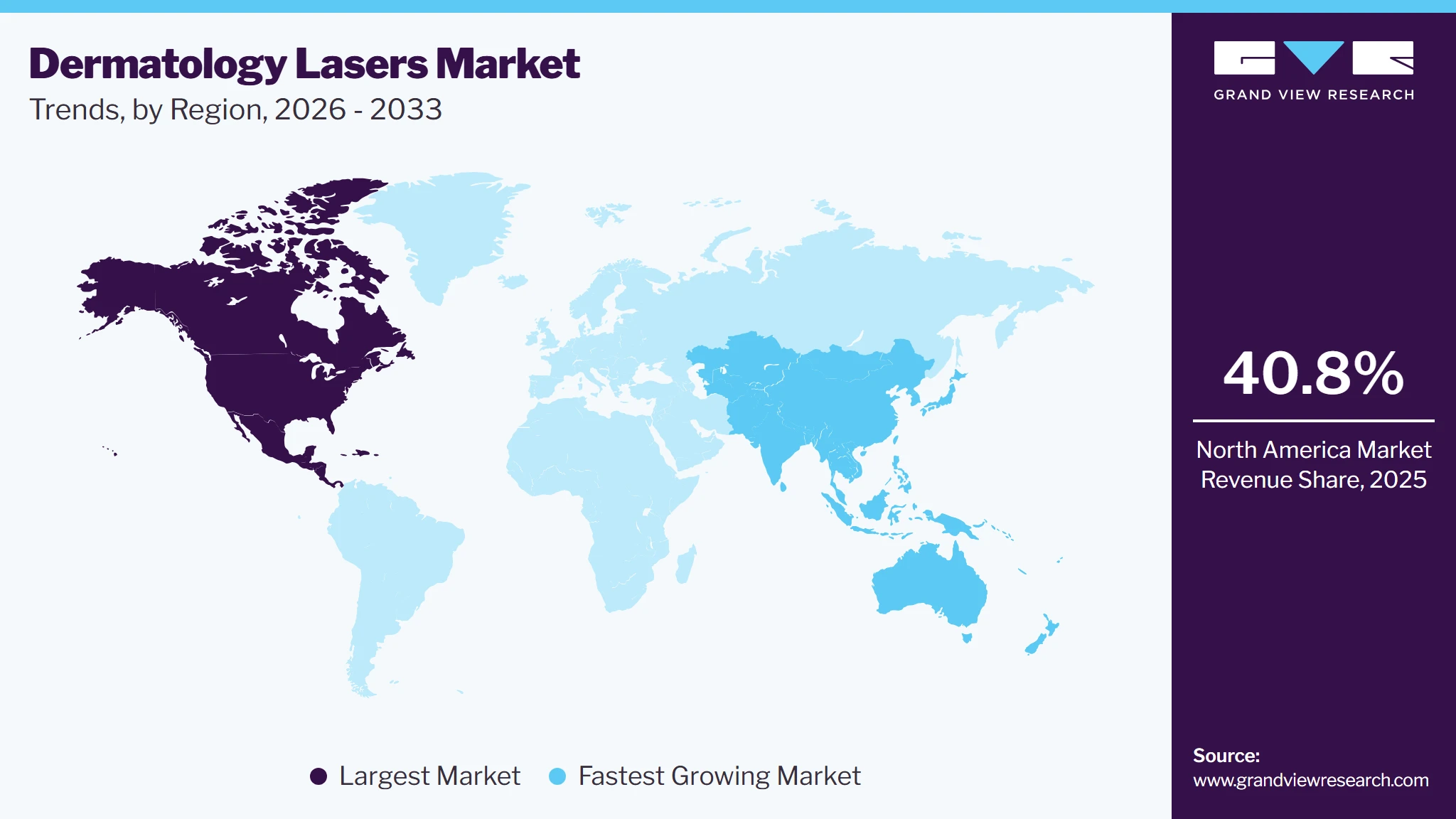
North America dominated the market, accounting for the largest revenue share of 40.8% in 2025. The North America dermatology lasers market is experiencing robust growth, supported by the high prevalence of aesthetic skin conditions, increasing demand for minimally invasive dermatological procedures, and the widespread availability of specialized dermatology clinics, hospitals, and medical aesthetic centers. Rising adoption of laser-based treatments for pigmentation disorders, acne scars, vascular lesions, skin resurfacing, tattoo removal, hair removal, and skin rejuvenation is further contributing to market expansion. In addition, continuous technological advancements in fractional, picosecond, Nd:YAG, Alexandrite, diode, and CO₂ laser systems are enabling safer, more precise treatments across a broad range of skin types and clinical indications.
 To learn more about this report, Download Free Sample Report
U.S. Dermatology Lasers Market Trends
The U.S. dermatology lasers market is characterized by intense competition, continuous technological innovation, and a strong presence of both domestic and international manufacturers. The market is supported by a well-established network of dermatology clinics, academic medical centers, multispecialty hospitals, and medical aesthetic practices that are early adopters of advanced laser technologies. Leading companies, including Candela, Cutera, Lumenis, Alma Lasers (Sisram Medical), Cynosure/Lutronic, Sciton, Fotona, and STRATA Skin Sciences, compete by offering comprehensive portfolios of dermatology laser systems for medical and aesthetic applications, including hair removal, skin resurfacing, pigmentation disorders, vascular lesions, acne scar treatment, tattoo removal, psoriasis, and other dermatologic conditions.
Europe Dermatology Lasers Market Trends
The Europe dermatology lasers market is growing rapidly, driven by rising demand for non-surgical cosmetic procedures in key economies such as the UK, Germany, France, Italy, and Spain. Consumers prefer laser treatments for their visible results and shorter recovery times compared to surgery. Popular procedures include laser hair removal, skin resurfacing, and lipoplasty. In 2024, Europe recorded approximately 892,000 aesthetic procedures, highlighting strong adoption of non-invasive treatments. In the UK, laser hair removal was the most-searched aesthetic service in 2023, particularly in urban centers such as Greater London, reflecting high consumer awareness and growing demand for minimally invasive laser solutions.
The UK dermatology lasers market is steadily expanding, supported by key players such as Cutera, Candela, Lumenis, and the local company Lynton, as well as Sisram/Alma and Cynosure Lutronic through established distributors. Competition focuses on clinical education, regulatory compliance (MHRA/UKCA), and post-sale support, while niche suppliers like Sciton and STRATA serve high-end dermatology centers. Growth is driven by rising demand for non-invasive treatments offering visible results and shorter recovery times. An aging population, a desire for a youthful appearance, and rising obesity contribute to increased demand for skin resurfacing, wrinkle reduction, pigmentation correction, and fat-reduction procedures, as evidenced by the BAAPS 2023-2024 audit, which shows a 10% increase in liposuction. Similarly, in January 2025, Fotona expanded its UK portfolio through the launch of the SP Dynamis Nx Line dual-wave laser system, designed for wrinkle reduction, 4D facelifts, scar revision, and vascular treatments.
Asia Pacific Dermatology Lasers Market Trends
The Asia Pacific dermatology lasers market is experiencing strong growth, driven by rising demand for non-invasive cosmetic procedures and increasing awareness of dermatology treatments. In countries such as China, South Korea, Japan, and India, procedures such as skin rejuvenation, hair removal, pigmentation correction, lipoplasty, and acne scar treatment are becoming increasingly popular due to their effectiveness and short recovery times. In India and China, treatments for skin brightening and pigmentation removal are widely adopted, reflecting cultural preferences. Technological advances, including fractional and diode lasers, have improved safety, speed, and accessibility, encouraging more clinics to offer these services and boosting consumer adoption across urban and middle-class populations.
Japan’s dermatology laser market is highly competitive and technology-focused, dominated by global players such as Lumenis Be Ltd., Cynosure Lutronic, Solta Medical, Sisram, Sciton, STRATA, and Sinclair, which operate through local subsidiaries or distributors. Clinics prioritize clinical evidence, safety, and reliable post-sale support, favoring suppliers with local training and maintenance. Consumer brands such as Tria Beauty target the home-use segment. Market demand is rising due to demographic shifts, cultural factors, and healthcare awareness. Middle-aged and elderly consumers increasingly prefer non-surgical treatments for skin tightening, wrinkle reduction, and pigmentation correction, driving growth in laser-based dermatological procedures.
Latin America Dermatology Lasers Market Trends
Growth of the Latin America dermatology lasers industry is driven by the increasing prevalence of dermatological conditions, rising demand for minimally invasive skin treatments, and strong consumer awareness of aesthetic and medical dermatology procedures. In addition, the widespread influence of digital media, beauty trends, and increasing awareness of preventive skincare are encouraging more consumers to seek professional dermatological care.
The dermatology lasers market in Brazil is growing, with major international players driving growth through strong brand presence and local partnerships. Lumenis Be Ltd., Cynosure/Lutronic, and Sisram Medical are among the top suppliers, offering a wide range of hair removal, skin resurfacing, and body-contouring laser systems. These companies leverage distributor networks, training programs, and after-sales service to support dermatology and aesthetic clinics across the country.
Middle East & Africa Dermatology Lasers Market Trends
The Middle East & Africa dermatology lasers industry is experiencing steady growth, driven by the increasing demand for minimally invasive skin treatments and growing awareness of advanced laser-based procedures for aesthetic indications. Demand is particularly strong for laser treatments targeting pigmentation disorders, acne scars, vascular lesions, skin rejuvenation, tattoo removal, and hair removal, supported by increasing consumer spending on skincare and aesthetic medicine.
The demand in the Saudi Arabia dermatology lasers market is driven by the increasing prevalence of both aesthetic and medical skin conditions, rising disposable incomes, growing consumer awareness of minimally invasive dermatological procedures, and a strong emphasis on skin health and appearance. Demand is supported by the rapid expansion of dermatology clinics, cosmetic surgery centers, and multispecialty hospitals across major cities such as Riyadh, Jeddah, and Dammam, where advanced laser-based treatments for hair removal, skin resurfacing, pigmentation disorders, vascular lesions, acne scars, tattoo removal, and skin rejuvenation are becoming increasingly accessible.
Key Dermatology Lasers Company Insights
The dermatology lasers market is highly competitive. The key players include Sinclair; Lumenis Be Ltd.; Solta Medical, Inc.; Cynosure Lutronic; STRATA Skin Sciences; Candela Corporation; Cutera, Inc.; Sisram Medical; Lynton Lasers Ltd; Sciton; Tria Beauty; and SilkPro USA. The major companies undertake various organic and inorganic strategies such as product introduction, collaborations, and regional expansion to serve the unmet needs of their customers.
Key Dermatology Lasers Companies
The following key companies have been profiled for this study of the dermatology lasers market.
-
Lumenis Be Ltd.
-
Solta Medical, Inc.
-
Cynosure Lutronic
-
STRATA Skin Sciences
-
Candela Corporation
-
Cutera, Inc.
-
Sisram Medical
-
Lynton Lasers Ltd
-
Sciton
-
Tria Beauty
-
SilkPro USA
-
Sinclair
Competitive Benchmarking
Category
Operating Strategies
Competitive Edge
Weakness
Established Players (Lumenis Be Ltd, Solta Medical Inc., Cynosure Lutronic, STRATA Skin Sciences)
- Focus on expanding comprehensive dermatology laser portfolios covering hair removal, skin resurfacing, vascular lesion treatment, pigmentation disorders, acne scar revision, and tattoo removal.
- Invest heavily in R&D to introduce multi-wavelength and AI-enabled laser platforms with improved treatment precision, patient safety, and workflow efficiency.
- Strong global brand recognition, extensive installed base, and long-standing relationships with dermatologists, plastic surgeons, hospitals, and medical spas.
- Broad product portfolios supported by robust clinical evidence, global distribution networks, and comprehensive after-sales service.
- High product development costs and continuous investment required for technological innovation and regulatory compliance.
- Premium pricing limits adoption among smaller dermatology clinics and independent aesthetic practices.
Emerging Players (Tria Beauty, SilkPro USA, Fotona)
- Develop cost-effective, portable, and application-specific dermatology laser systems targeting small clinics, dermatologists, and medical spas.
- Focus on niche technologies such as picosecond lasers, high-power diode lasers, and combination laser-RF platforms for differentiated treatment outcomes.
- Faster innovation cycles enable rapid introduction of next-generation laser platforms and software upgrades.
- Competitive pricing provides greater accessibility for small and mid-sized dermatology clinics.
- Limited brand recognition and smaller global distribution networks compared with established manufacturers.
- Lower marketing budgets and fewer physician training initiatives reduce customer awareness and adoption.
Recent Developments
-
In May 2026, Lumenis announced that its Stellar M22 platform with XPL technology was named “Best New Dermatology Technology Solution” in the 2026 MedTech Breakthrough Awards program. The company highlighted the system’s multi-application capabilities, including photorejuvenation, vascular lesion treatment, pigmentation correction, and skin resurfacing, supported by XPL pulsed light technology and over 850 built-in treatment protocols.
-
In January 2026, Alma Lasers announced that its Alma Harmony platform had won the 2025 GOOD DESIGN Award for outstanding innovation and excellence in product design, recognizing its advanced engineering, modular design, and integration of multiple energy-based aesthetic technologies. The award highlights the system’s intelligent workflow, ergonomic structure, and ability to deliver versatile in-clinic treatments across a wide range of dermatological indications.
Dermatology Lasers Market Report Scope
Report Attribute
Details
Market size in 2025
USD 3.3 billion
Estimated market size in 2026
USD 3.6 billion
Projected market size by 2033
USD 7.1 billion
Growth Rate
CAGR of 10.2% from 2026 to 2033
Actual period
2021 - 2024
Forecast period
2026 - 2033
Quantitative units
Revenue in USD Million and CAGR from 2026 to 2033
Report coverage
Revenue forecast, company ranking, competitive landscape, growth factors, and trends
Segments covered
Product, application, end-use, region
Regional scope
North America; Europe; Asia Pacific; Latin America; MEA
Country scope
U.S.; Canada; Mexico; UK; Germany; France; Italy; Spain; Denmark; Sweden; Norway, Japan; China; India; Australia; Thailand; South Korea; Brazil; Argentina; South Africa; Saudi Arabia; UAE; Kuwait
Key companies profiled
Lumenis Be Ltd.; Solta Medical, Inc.; Cynosure Lutronic; STRATA Skin Sciences; Candela Corporation; Cutera, Inc.; Sisram Medical; Lynton Lasers Ltd; Sciton; Tria Beauty; SilkPro USA; Sinclair
Customization scope
Free report customization (equivalent up to 8 analysts working days) with purchase. Addition or alteration to country, regional & segment scope.
Pricing and purchase options
Avail customized purchase options to meet your exact research needs. Explore purchase options
Global Dermatology Lasers Market Report Segmentation
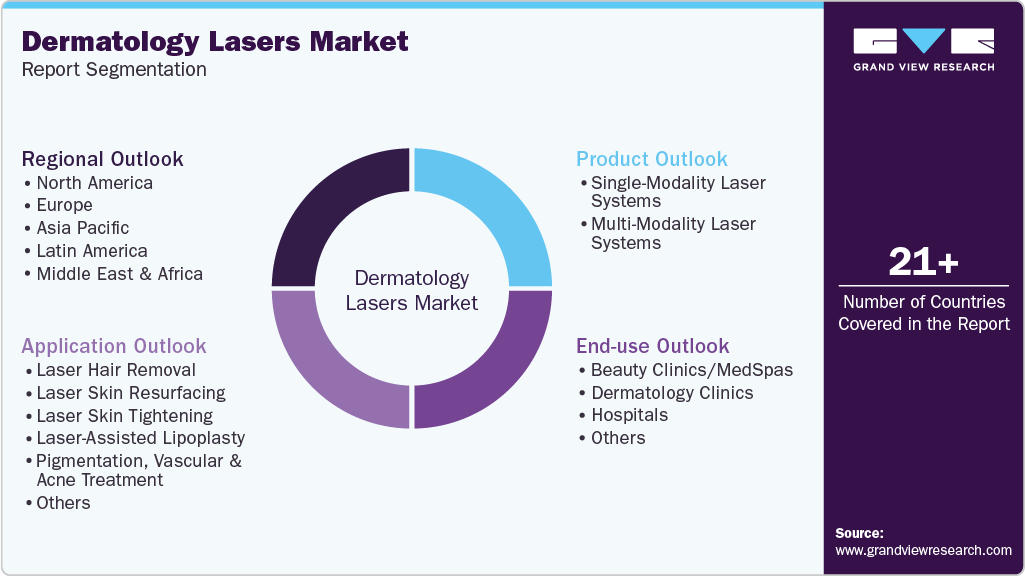
This report forecasts revenue growth at the global, regional & country levels and provides an analysis of the latest industry trends and opportunities in each of the sub-segments from 2021 to 2033. For this study, Grand View Research has segmented the dermatology lasers market report based on product, application, end-use, and region:
 To learn more about this report, Download Free Sample Report
-
Product Outlook (Revenue, USD Million, 2021 - 2033)
-
Single-Modality Laser Systems
-
CO₂ Lasers
-
Er:YAG Lasers
-
Nd:YAG lasers
-
Diode lasers
-
Pulsed Dye lasers
-
Alexandrite lasers
-
Others
-
-
Multi-Modality Laser Systems
-
-
Application Outlook (Revenue, USD Million, 2021 - 2033)
-
Laser Hair Removal
-
Laser Skin Resurfacing
-
Laser Skin Tightening
-
Laser-Assisted Lipoplasty
-
Pigmentation, Vascular & Acne Treatment
-
Others
-
-
End-use Outlook (Revenue, USD Million, 2021 - 2033)
-
Beauty Clinics/MedSpas
-
Dermatology Clinics
-
Hospitals
-
Others
-
-
Regional Outlook (Revenue, USD Million, 2021 - 2033)
-
North America
-
U.S.
-
Canada
-
Mexico
-
-
Europe
-
UK
-
Germany
-
France
-
Italy
-
Spain
-
Denmark
-
Sweden
-
Norway
-
-
Asia Pacific
-
China
-
Japan
-
South Korea
-
Thailand
-
Australia
-
India
-
-
Latin America
-
Brazil
-
Argentina
-
-
Middle East & Africa
-
South Africa
-
Saudi Arabia
-
UAE
-
Kuwait
-
-
Research Methodology
The dermatology lasers market figures in this report are based on a proven research process that combines executive interviews with secondary research from proprietary databases, company filings, and recognized regulatory and institutional sources. Market size is built through value-chain sizing-reconciling supply-side and demand-side estimates-and triangulated with bottom-up and top-down approaches. Every estimate passes multiple levels of expert validation before publication, with each dermatology lasers segment quantified using the revenue-capture definitions in the table below.
Segment Definition
Segment - Product
Revenue capture definition
Single-Modality Laser Systems
Revenue is generated through the capital sale of dedicated, single-wavelength or targeted-technology laser workstations designed for highly specific clinical indications. Equipment developers capture upfront hardware revenue, alongside recurring aftermarket income from dedicated single-use delivery tips, handpiece replacements, optical lens replacements, and annual service and calibration contracts (AMCs).
Multi-Modality Laser Systems
Revenue flows from the commercialization of versatile, multi-technology laser platforms and expandable aesthetic workstations that integrate multiple wavelengths or energy sources. Manufacturers derive high upfront capital margins per system placement, supplemented by continuous cross-selling of modular handpiece attachments, software license activations for new clinical applications, and comprehensive platform maintenance agreements.
Segment - Application
Revenue capture definition
Laser Hair Removal
Revenue is captured through high-volume procedural demand for high-throughput diode, Alexandrite, and Nd:YAG laser systems engineered for permanent hair reduction. Equipment providers earn revenue through capital system installations, alongside high-frequency consumable purchases, including replacement laser-diode arrays, sapphire cooling tips, protective eyewear, and optical fibers.
Laser Skin Resurfacing
Revenue is generated through the sale of fractional ablative and non-ablative laser systems utilized to treat deep rhytids, structural scars, and severe photodamage. Market participants monetize this high-margin application via hardware console sales, single-use micro-ablative tips, scanner handpiece attachments, and proprietary software upgrades for micro-pulse precision control.
Laser Skin Tightening
Revenue flows from specialized dermal-heating laser platforms designed to induce collagen retraction and neocollagenesis within deeper skin layers. Income is anchored on capital equipment procurement, paired with recurring sales of specialized temperature-sensing handpieces, contact cooling gels, and ongoing system performance recalibrations required for continuous thermal delivery safety.
Laser-Assisted Lipoplasty
Revenue is captured through surgical-grade laser systems utilized for lipolysis and subcutaneous tissue contouring. Device manufacturers generate income through capital console sales to surgical facilities, coupled with recurring high-margin sales of single-use sterile optical fiber cannulas, fluid suction tubing kits, and specialized surgical handpieces.
Pigmentation, Vascular & Acne Treatment
Revenue is derived from non-ablative, target-specific laser modalities optimized to target melanin, hemoglobin, and P. acnes bacteria. Value is captured through premium hardware placements, complemented by recurring orders for specialized optical filters, proprietary cryogen cooling spray canisters, and specialized liquid dye cartridges.
Others
Revenue encompasses alternative or niche clinical laser applications, including tattoo removal, scar scarification, stretch mark (striae) mitigation, laser treatment for psoriasis/vitiligo, and specialized gynecological/vulvovaginal rejuvenation procedures.
Segment - End Use
Revenue capture definition
Beauty Clinics/MedSpas
Revenue is generated through commercial distribution networks, corporate MedSpa chain procurement contracts, and flexible equipment financing or leasing programs. Device suppliers capture scalable revenue by focusing on user-friendly, high-throughput, and minimal-downtime laser systems that enable fast patient turnaround and high clinic profitability.
Dermatology Clinics
Revenue flows via direct physician accounts, specialized medical buying groups, and physician-exclusive sales structures. Income is driven by advanced, high-precision medical laser systems backed by strong clinical trial data, European CE Mark/FDA approvals, and physician-led training protocols.
Hospitals
Revenue is captured through formal institutional healthcare tenders, rigid capital budget allocations, and hospital formulary reviews. While unit margins are often subject to institutional discounting, this segment provides highly stable, multi-site hardware placement commitments, focusing on durable, multi-purpose laser workstations used across dermatology, plastic surgery, and burn reconstruction departments.
Others
Revenue is derived from alternative or emerging end-use channels, including independent plastic surgery suites, academic dermatology research universities, and professional laser training academies that acquire hardware directly from manufacturers for research, clinical trials, and certified practitioner education.
Estimation Model
Step
Section
Details
01
Scope Definition
Key Question
What constitutes the dermatology lasers market?
Process Steps
- Define the scope of dermatology laser products
- Segment the market by product, application, end user, and geography
- Establish inclusion and exclusion criteria based on medical and aesthetic dermatology laser systems
- Align on base year and forecast period (2026-2033)
Data Sources
ASDS, ISAPS, Industry Reports
02
Build the Product Base
Key Question
How large is total addressable market?
Process Steps
- Estimate the installed base and annual procurement of dermatology laser systems across hospitals, dermatology clinics, aesthetic clinics, and medical spas
- Analyze procurement volumes for laser skin resurfacing, hair removal, and other applications
- Assess purchasing trends by healthcare providers considering replacement cycles, technological upgrades, and expansion of aesthetic practices
- Estimate regional demand by evaluating healthcare infrastructure, disposable income, and dermatologist density
Data Sources
Company annual reports, procedure databases, ISAPS, ASDS, dermatology clinic surveys
03
Estimate Penetration
Key Question
What is the current and future adoption of dermatology laser technologies across clinical and aesthetic practices?
Process Steps
- Measure adoption of advanced laser technologies across dermatology clinics, hospitals, and medical spas
- Evaluate penetration by laser technology type
- Assess the impact of technological innovations
- Triangulate with vendor shipment data and distributor sales disclosures
Data Sources
Primary interviews, company filings, trade surveys
04
Revenue Conversion
Key Question
How is the market value calculated and validated across different segments and regions?
Process Steps
- Determine average selling prices (ASP) by system configuration and region
- Estimate annual unit shipments and replacement demand across product categories
- Calculate revenues using unit shipments × ASP
- Validate market estimates using both bottom-up and top-down approaches
Data Sources
Company financial reports, SEC filings, investor presentations, customs/import-export databases
Delivered Customizations
This report has been delivered with the following In-depth customizations
Client Request
Customization Delivered
Value Adds
Market Dynamics Analysis
Conducted a comprehensive market dynamics assessment of the global dermatology lasers market by evaluating the key drivers, restraints, opportunities, and emerging trends influencing market growth. The study analyzed the increasing prevalence of skin disorders, the rising demand for minimally invasive aesthetic procedures, the growing aging population, the increasing awareness of skin health, and continuous technological advancements in laser platforms, including picosecond, fractional, diode, Nd:YAG, CO₂, and alexandrite laser systems. The assessment also examined factors such as rising medical tourism, expanding dermatology clinics and medical spas, reimbursement limitations for aesthetic procedures, high equipment acquisition costs, shortage of skilled laser practitioners, evolving regulatory requirements, and increasing adoption of AI-enabled treatment planning and personalized dermatology solutions.
Enables stakeholders to understand the major growth drivers, market restraints, and emerging opportunities shaping the dermatology lasers market. The study supports strategic decision-making related to product development, investment prioritization, geographic expansion, pricing strategies, and commercialization planning.
Porter's Analysis
Conducted a detailed Porter’s Five Forces assessment of the global dermatology lasers market by evaluating competitive rivalry, bargaining power of suppliers, bargaining power of buyers, threat of new entrants, and threat of substitute technologies. The study assessed competition among established laser manufacturers, product differentiation through technological innovation, intellectual property portfolios, distribution capabilities, after-sales service networks, and strategic partnerships. It further examined supplier concentration for critical laser components, purchasing behavior of hospitals, dermatology clinics, and medical spas, barriers associated with regulatory approvals, capital investment requirements, clinical validation, and manufacturing expertise.
Enables stakeholders to evaluate the competitive intensity and long-term attractiveness of the dermatology lasers market. The analysis supports strategic planning by identifying competitive risks, supplier dependencies, customer purchasing behavior, barriers to market entry, and substitute treatment threats.
Macroeconomic Analysis
Conducted a comprehensive macroeconomic assessment of the global factors influencing the dermatology lasers market. The study evaluated the impact of healthcare expenditure, disposable income growth, inflation, interest rates, foreign exchange fluctuations, medical tourism trends, healthcare infrastructure investments, demographic changes, urbanization, and government healthcare policies on market demand. The analysis also examined supply chain dynamics, semiconductor and electronic component availability, manufacturing costs, international trade regulations, import-export policies, reimbursement frameworks, and regulatory environments affecting dermatology laser production and commercialization.
Enables stakeholders to assess the impact of macroeconomic conditions on market growth, investment planning, and commercial expansion strategies. The study provides actionable insights for regional market prioritization, pricing optimization, demand forecasting, supply chain planning, and risk management. It also helps organizations anticipate shifts in healthcare spending, consumer affordability, inflationary pressures, regulatory changes, and international trade dynamics.
Frequently Asked Questions About This Report
The beauty clinics/medspas segment held the largest revenue share of 43.1% in 2025 and is the fastest growing segment.
The global dermatology lasers market size was valued at USD 3.3 billion in 2025 and is projected to grow from USD 3.6 billion in 2026.
The global dermatology lasers market is expected to grow at a CAGR of 10.2% from 2026 to 2033, reaching USD 7.1 billion in 2033.
The single-modality laser systems segment held a leading market share of 69.8% in 2025, while multi-modality laser systems segment is the fastest growing product.
North America dermatology lasers market held the largest share of 40.8% of the global market in 2025.
The growth is driven by the increasing demand for laser- based treatments for both medical and aesthetic skin conditions, including acne scars, pigmentation disorders, vascular lesions, skin rejuvenation, tattoo removal, hair removal, and wrinkle reduction.
Key players in the market include Sinclair, Lumenis Be Ltd., Solta Medical, Inc., Cynosure Lutronic, STRATA Skin Sciences, Candela Corporation, Cutera, Inc., Sisram Medical, Lynton Lasers Ltd, Sciton, Tria Beauty, SilkPro USA
The laser hair removal segment held a leading market share of 32.3% in 2025, while laser-assisted lipoplasty segment is the fastest growing application.
Asia Pacific is the fastest-growing region over the forecast period.
About the Author(s)
Medical Devices Research Team
Healthcare · Medical DevicesThis report was authored by the medical devices research team at Grand View Research - comprising two research analysts, one senior research analyst, and one industry expert - with specialized expertise in the medical devices segment of the healthcare industry. All findings are based on proprietary healthcare databases, executive interviews, and regulatory analysis, subject to internal peer review prior to publication.
Last Updated:
Speak to Analyst

Customize this report to your needs - add regions, segments, or data points, with 20% free customization.
Or view our licence options:


ISO 9001:2015 & 27001:2022 Certified
We are GDPR and CCPA compliant! Your transaction & personal information is safe and secure. For more details, please read our privacy policy.


