
- Home
- »
- Medical Devices
- »
-
Electrophysiology Catheters Market Size Report, 2026-2033GVR Report cover

Electrophysiology Catheters Market (2026 - 2033)
Size, Share & Trends Analysis Report By Product (Diagnostic & Mapping Catheters, Ablation Catheters), By Application (Atrial Fibrillation (AF), Atrial Flutter, Ventricular Arrhythmias), By End-Use, By Region and Segment Forecasts
Market Size, 2025
$10.3BMarket Estimate, 2026
$11.5BMarket Forecast, 2033
$23.3BCAGR, 2026–2033
10.7%Electrophysiology Catheters Market Summary
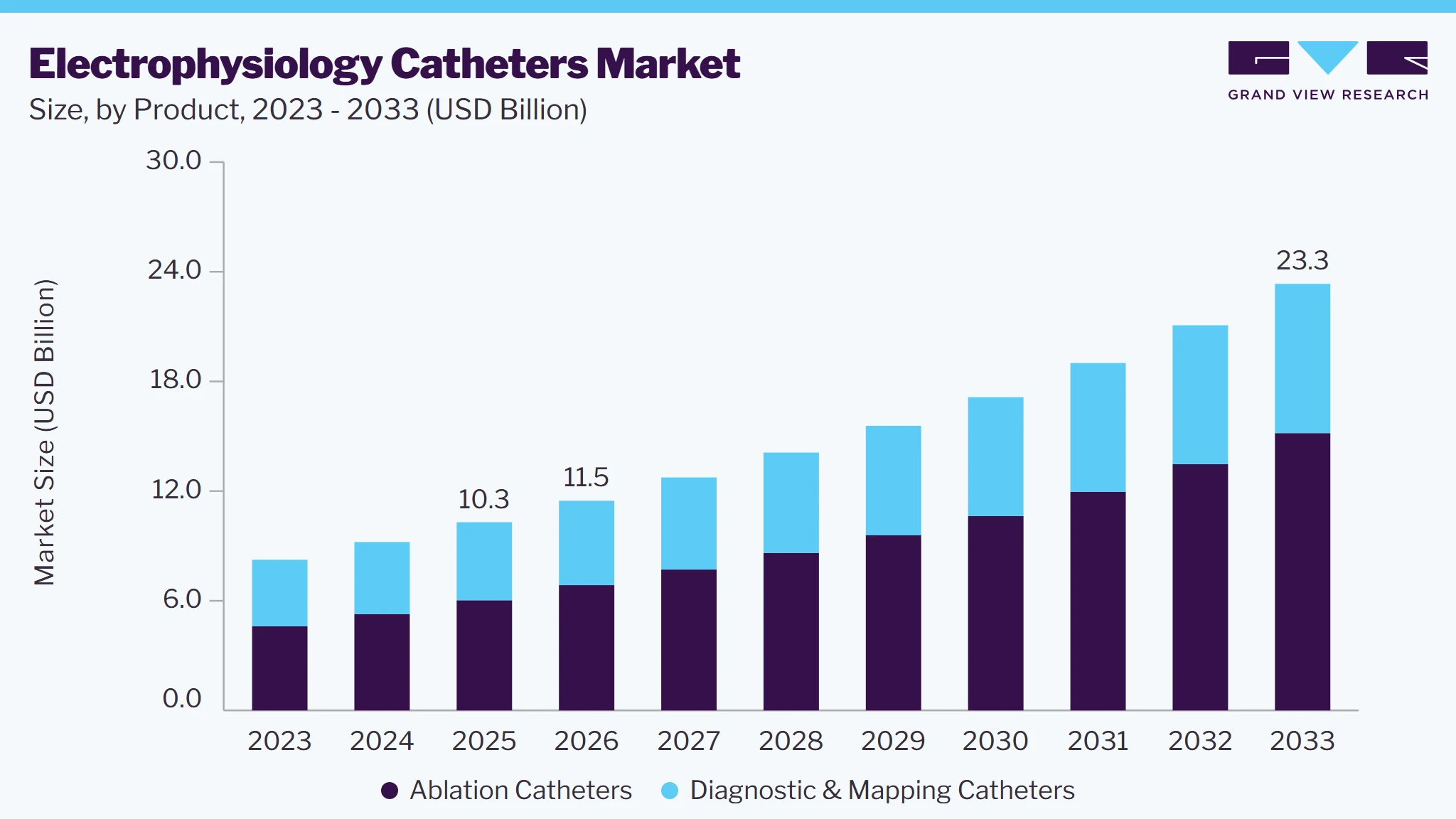
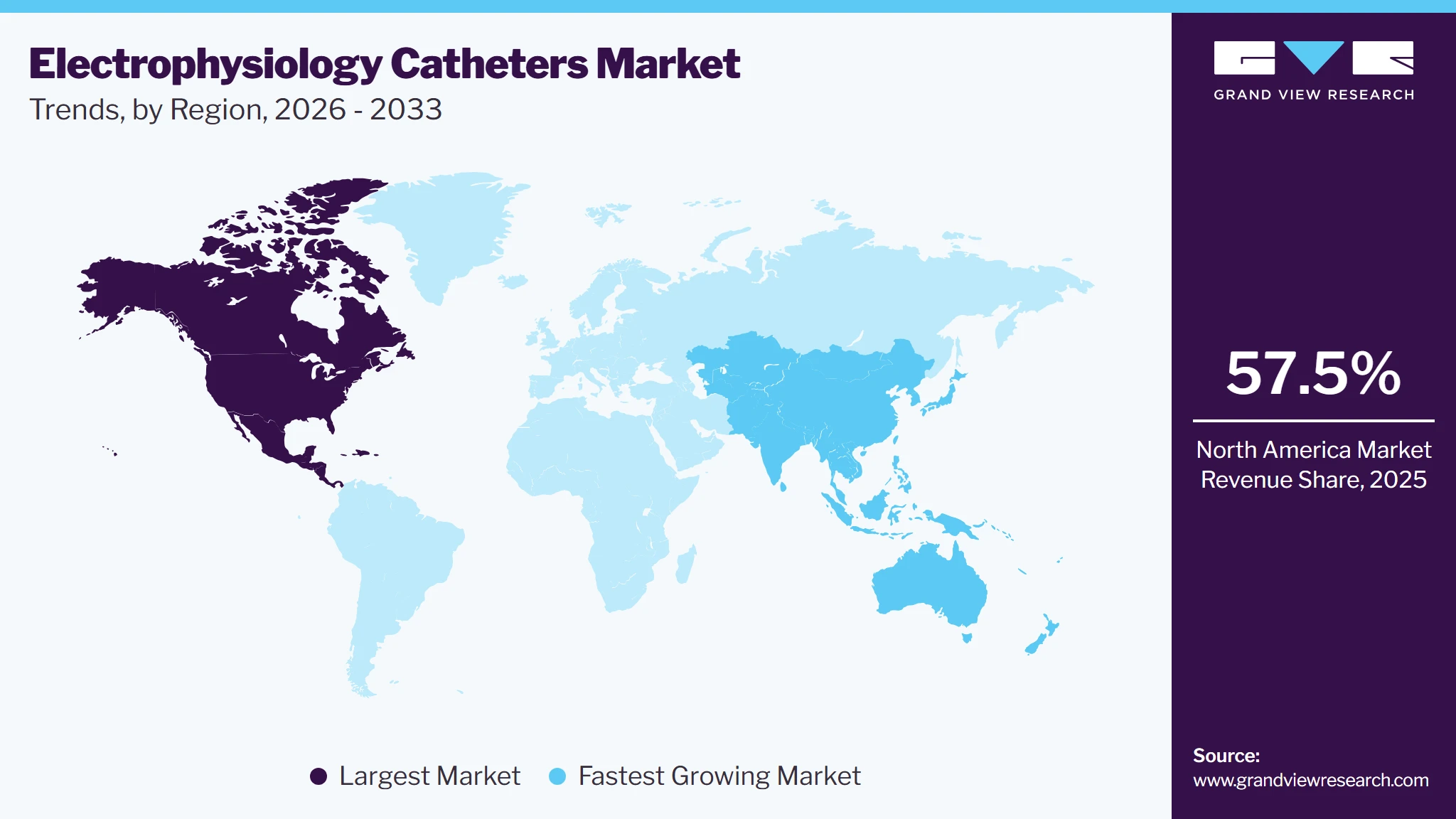
The global electrophysiology catheters market size was valued at USD 10.3 billion in 2025 and is projected to grow from USD 11.5 billion in 2026 to USD 23.3 billion by 2033, at a CAGR of 10.7% from 2026 to 2033. North America dominated the electrophysiology catheters market with the largest revenue share of 57.5% in 2025. Demand for electrophysiology catheters is supported by the rising number of cardiac electrophysiology procedures, expansion of specialized cardiac care facilities, increasing adoption of catheter ablation, and investments in advanced cardiac treatment technologies.
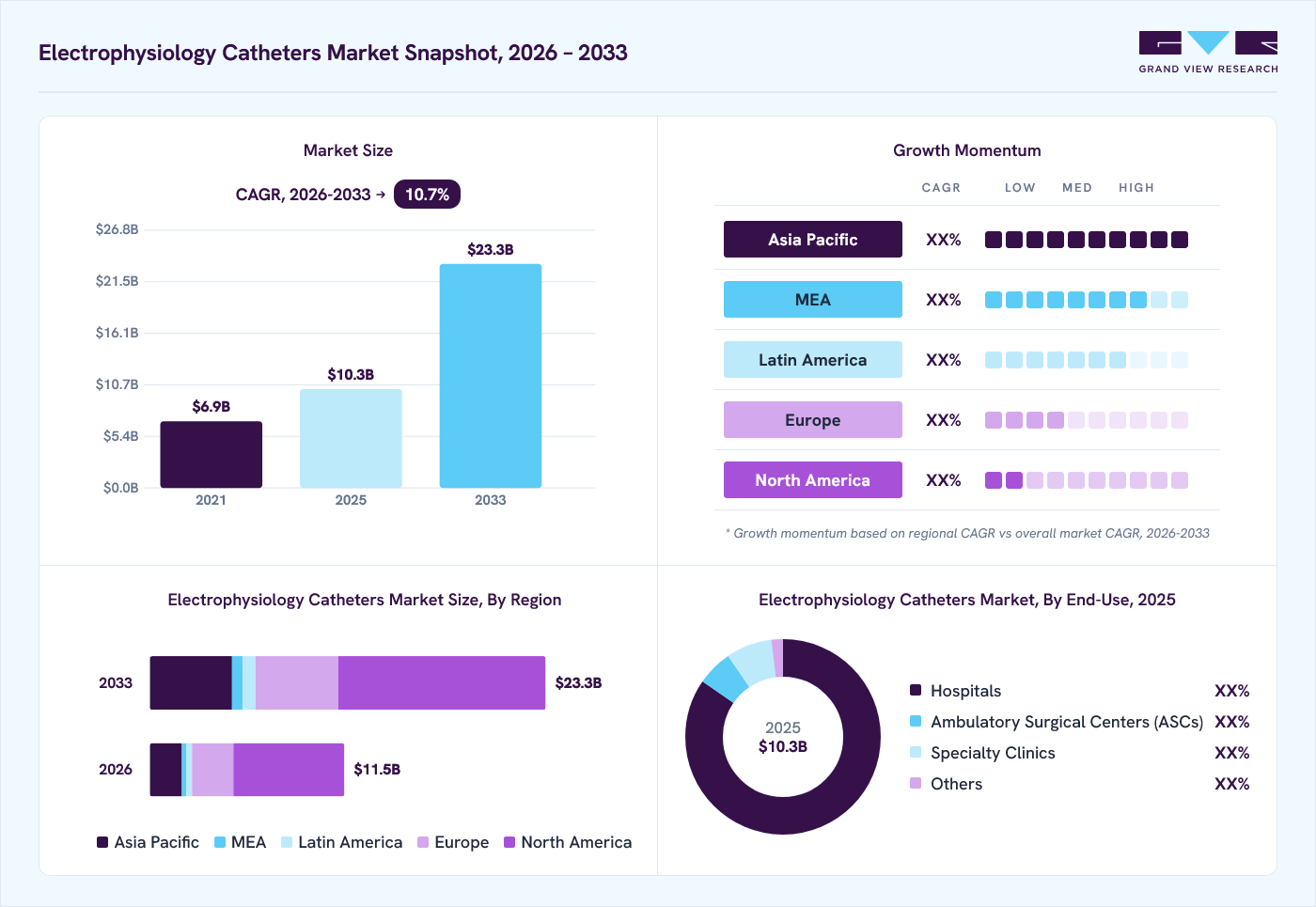 Source: Grand View Research, IR Documents, Primary Interviews, Paid DatabasesTo learn more about this report,
 Download Free Sample Report
Key Market Trends & Insights
- By product: Ablation catheters segment led the market with the largest revenue share of 58.5% in 2025.
- By application: Atrial fibrillation (AF) segment led the market with the largest revenue share of 41.4% in 2025.
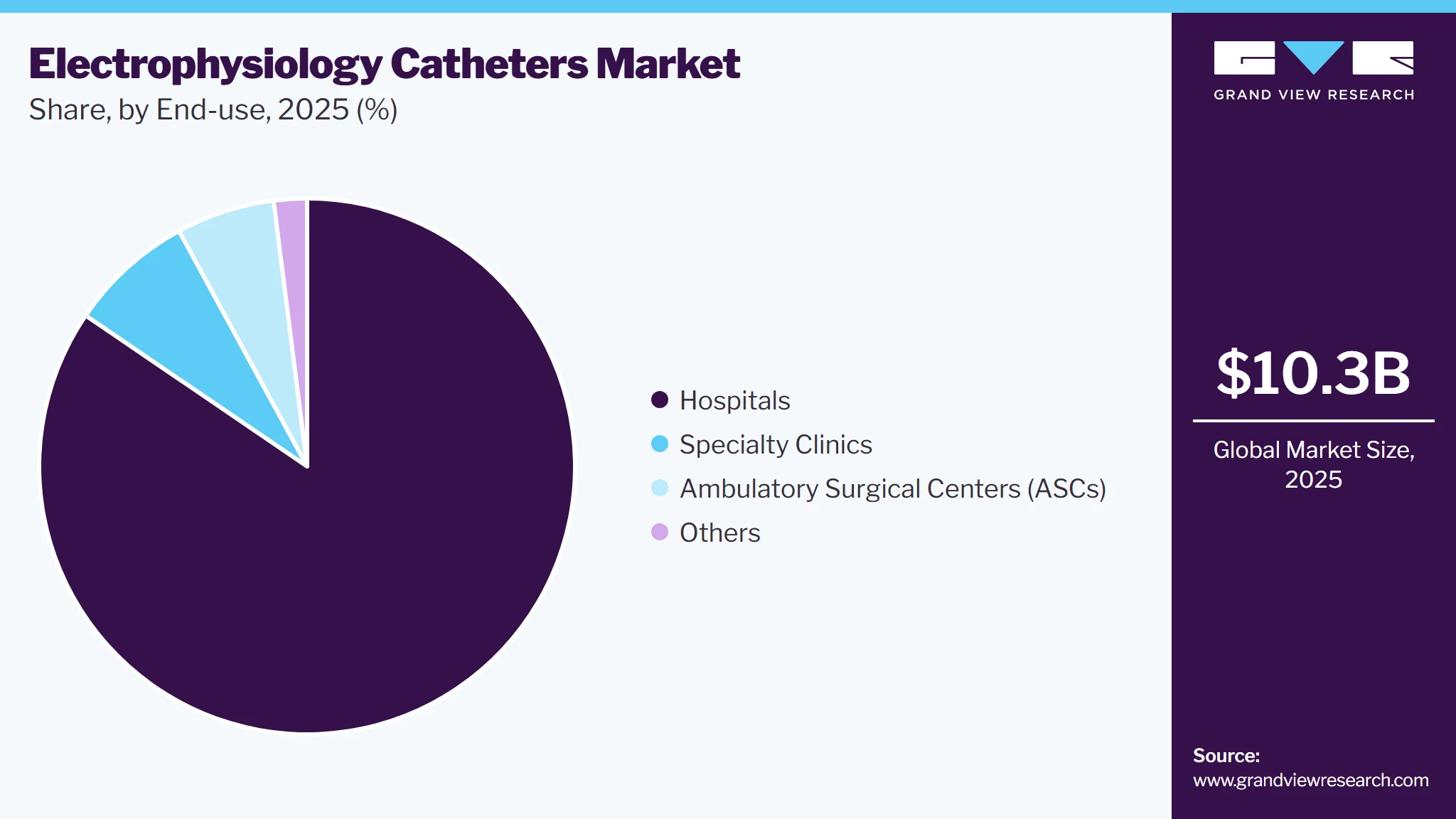
- By end use: Hospitals segment led the market with the largest revenue share of 84.5% in 2025.
Regional Highlights
- Largest regional market: North America (57.5% revenue share, 2025)
- Fastest-growing regional market: Asia Pacific (highest CAGR, 2026-2033)
- By country: The U.S. held the largest share in 2025
Market Size & Forecast
- Market size in 2025: USD 10.3 Billion
- Estimated market size in 2026: USD 11.5 Billion
- Projected market size by 2033: USD 23.3 Billion
- CAGR (2026-2033): 10.7%
Prism AI by Grand View Research Free to tryAsk a question about the electrophysiology catheters marketTry asking✓Every figure cited from GVR research Prefer the report? Download free sample →Healthcare providers are focusing on catheters that improve procedural accuracy, facilitate effective cardiac mapping, enhance patient safety, and reduce procedure duration. Manufacturers are developing advanced electrophysiology catheters with improved flexibility, steerability, contact-force sensing, high-density mapping capabilities, and compatibility with three-dimensional electroanatomical mapping systems. The growing adoption of pulsed field ablation technology is strengthening demand for specialized ablation catheters designed to improve treatment precision and procedural efficiency.
 To learn more about this report, Download Free Sample Report
The rising prevalence of cardiac arrhythmias is driving demand in the electrophysiology catheters market by increasing the number of patients requiring diagnosis and treatment for abnormal heart rhythms. Conditions such as atrial fibrillation, atrial flutter, supraventricular tachycardia, and ventricular tachycardia are contributing to the growing burden of cardiac rhythm disorders worldwide. The increasing incidence of these conditions, particularly among older adults and individuals with underlying cardiovascular diseases, is raising the need for electrophysiological investigations to identify abnormal electrical pathways within the heart. Electrophysiology catheters are essential for recording intracardiac electrical signals, locating arrhythmia sources, and guiding catheter ablation procedures. As the number of patients diagnosed with persistent or recurrent arrhythmias increases, healthcare providers are performing more electrophysiology studies and catheter-based interventions to manage these conditions. The clinical need to control symptoms, reduce arrhythmia recurrence, and prevent associated complications is strengthening the utilization of diagnostic and ablation catheters.
For instance, a 2025 study published in the Journal of the American College of Cardiology (JACC), examining the global burden of cardiovascular diseases across 204 countries and territories, estimated that approximately 59.0 million people worldwide were living with atrial fibrillation and atrial flutter in 2023.
Global Atrial Fibrillation and Flutter in 2023
Indicator
Number (Millions)
Age-Standardized Rate (per 100,000)
Deaths
0.378 (0.319-0.424)
4.4 (3.7-5.0)
DALYs (Disability-Adjusted Life Years)
9.27 (7.52-11.7)
103.9 (84.7-130.3)
Prevalence
59.0 (46.5-72.8)
649.4 (510.9-796.4)
Source: JACC Journals 2025
The growing adoption of catheter ablation procedures is driving the electrophysiology catheters market by increasing demand for specialized devices used to diagnose and treat cardiac arrhythmias. Catheter ablation is utilized to manage conditions such as atrial fibrillation, atrial flutter, supraventricular tachycardia, and ventricular tachycardia, particularly in patients requiring an alternative to long-term medication or improved rhythm control. These procedures depend on diagnostic catheters to record intracardiac electrical signals, mapping catheters to identify abnormal electrical pathways, and ablation catheters to deliver therapeutic energy to targeted cardiac tissue. The growing preference for minimally invasive treatment, shorter recovery periods, and targeted interventions is encouraging healthcare providers to expand electrophysiology services and perform more catheter-based procedures. Advancements in three-dimensional electroanatomical mapping, contact-force sensing, and pulsed field ablation are improving procedural precision and supporting the adoption of advanced catheter technology.
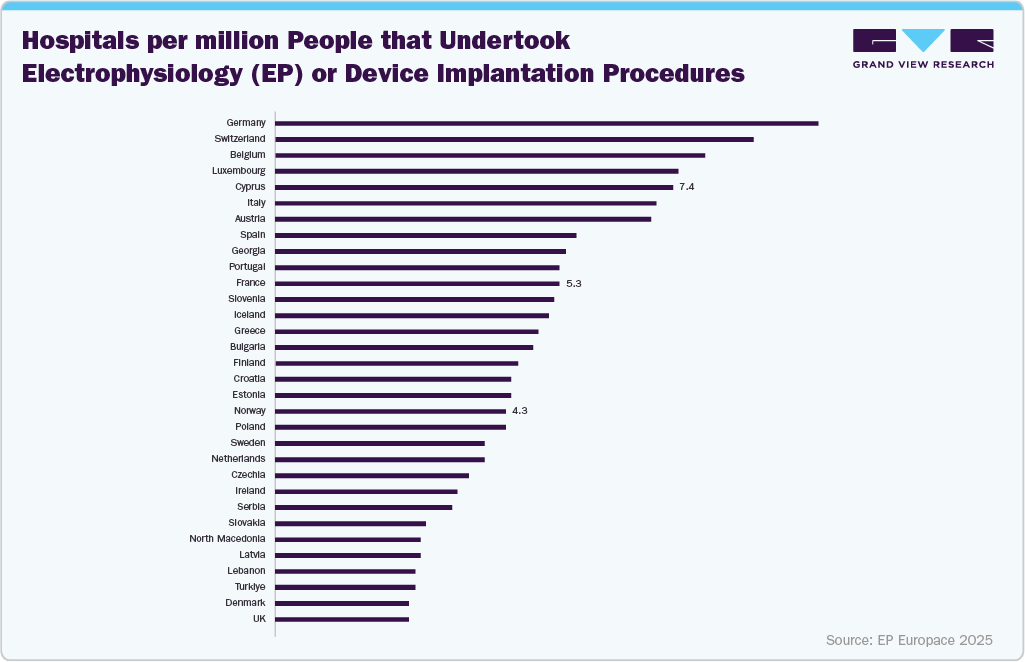
For instance, the data published by the EP Europace in 2025 show the number of hospitals per million people in each country that perform electrophysiology procedures for diagnostic or interventional purposes or implant cardiac electronic devices is as follows:
 To learn more about this report, Download Free Sample Report
The growing demand for minimally invasive cardiac treatments is driving the electrophysiology catheters market by increasing the adoption of catheter-based procedures for diagnosing and treating cardiac arrhythmias. Compared with open surgical approaches, minimally invasive interventions involve smaller access sites, reduced tissue trauma, shorter hospital stays, and faster patient recovery. These advantages are encouraging healthcare providers to adopt catheter-based treatments for conditions such as atrial fibrillation, atrial flutter, and other heart rhythm disorders. Electrophysiology catheters are essential for recording cardiac electrical activity, identifying abnormal conduction pathways, mapping the heart's electrical system, and delivering therapeutic energy during ablation procedures. The increasing preference for targeted interventions is also encouraging hospitals and specialized cardiac centers to invest in advanced electrophysiology systems and compatible catheters.
Market Dynamics
The electrophysiology catheters market is shaped by the increasing volume of cardiac electrophysiology procedures, expansion of specialized cardiac care facilities, and growing adoption of advanced catheter-based treatments. Hospitals and electrophysiology centers are increasing the use of diagnostic, mapping, and ablation catheters to support the diagnosis and treatment of cardiac arrhythmias. The replacement of conventional catheter technologies with advanced devices also contributes to market demand, as healthcare providers prioritize improved electrical signal recording, precise cardiac mapping, enhanced catheter steerability, and procedural efficiency. The growing adoption of three-dimensional electroanatomical mapping systems, contact-force sensing technologies, and pulsed field ablation is encouraging demand for compatible, technologically advanced catheters.
The expansion of electrophysiology laboratories and specialized cardiac centers is driving the electrophysiology catheters market by increasing the availability of facilities equipped to diagnose and treat cardiac arrhythmias. Hospitals and healthcare providers are investing in dedicated electrophysiology laboratories with advanced cardiac mapping systems, imaging technologies, and catheter ablation equipment to manage conditions such as atrial fibrillation, atrial flutter, and ventricular tachycardia. The establishment of new laboratories increases demand for diagnostic catheters used to record intracardiac electrical signals, mapping catheters used to identify abnormal electrical pathways, and ablation catheters used to treat arrhythmias. The expansion of specialized cardiac centers improves access to electrophysiology procedures and supports higher patient volumes, particularly in regions with developing cardiovascular care infrastructure.
• In January 2025, SGMC Health introduced a new cardiac electrophysiology laboratory at its main campus and announced plans to upgrade three existing cardiac catheterization laboratories. The new facility enabled advanced procedures, including atrial fibrillation ablation, while the planned upgrades included advanced imaging and visualization technologies to expand procedural capacity and improve treatment precision.
“The new cath labs will feature advanced imaging systems that provide superior image quality with reduced radiation exposure, with integrated intravascular ultrasound and enhanced visualization technology, we’ll also reduce contrast usage, making procedures safer and more comfortable for patients. These improvements mark a significant leap forward in the precision and safety of cardiac care.” said Luke Seibolt, MD, Interventional Cardiologist.
High initial cost of advanced equipment acts as a restraint in the electrophysiology catheters market, as advanced electrophysiology procedures require substantial investment in mapping systems, navigation technologies, and compatible catheters. These costs can limit the adoption of advanced technologies among small hospitals, diagnostic centers, and healthcare facilities in developing regions. In addition, expenses related to equipment maintenance, staff training, and system upgrades increase the overall financial burden on healthcare providers. Budget constraints delay technology adoption and restrict market penetration in cost-sensitive healthcare settings.
The expansion of single-use and specialized catheter technologies presents an opportunity for the electrophysiology catheters market by increasing demand for procedure-specific devices that support infection control, procedural efficiency, and precise cardiac interventions. Single-use electrophysiology catheters eliminate the need for reprocessing between patients, reducing concerns associated with cross-contamination and catheter reprocessing quality. Their adoption supports standardized clinical workflows and simplifies device management across hospitals and specialized electrophysiology laboratories. Furthermore, the development of specialized catheters for complex arrhythmias, high-density cardiac mapping, and advanced ablation procedures is expanding the range of clinical applications. Manufacturers are focusing on improved catheter flexibility, steerability, electrode configurations, and compatibility with electroanatomical mapping systems to address diverse procedural requirements.
• In November 2025, MicroPort EP launched the PulseMagic TrueForce pressure-sensing pulsed field ablation catheter in China following approval from the National Medical Products Administration (NMPA). The single-use catheter integrates real-time pressure sensing, saline irrigation, and Columbus 3D cardiac mapping to support controlled and targeted cardiac ablation procedures.
Maintaining equipment durability under frequent cleaning and use is a challenge in the electrophysiology catheters market, as repeated handling, sterilization, and exposure to disinfectants can affect the durability of reusable electrophysiology equipment. Catheters with complex designs and sensitive components must maintain their performance, flexibility, and electrical functionality throughout their intended use. Manufacturers must ensure compliance with stringent safety and quality standards while minimizing the risk of material degradation and device failure. These requirements increase product development and validation costs, particularly for reusable devices and associated electrophysiology equipment.
Market Concentration & Characteristics
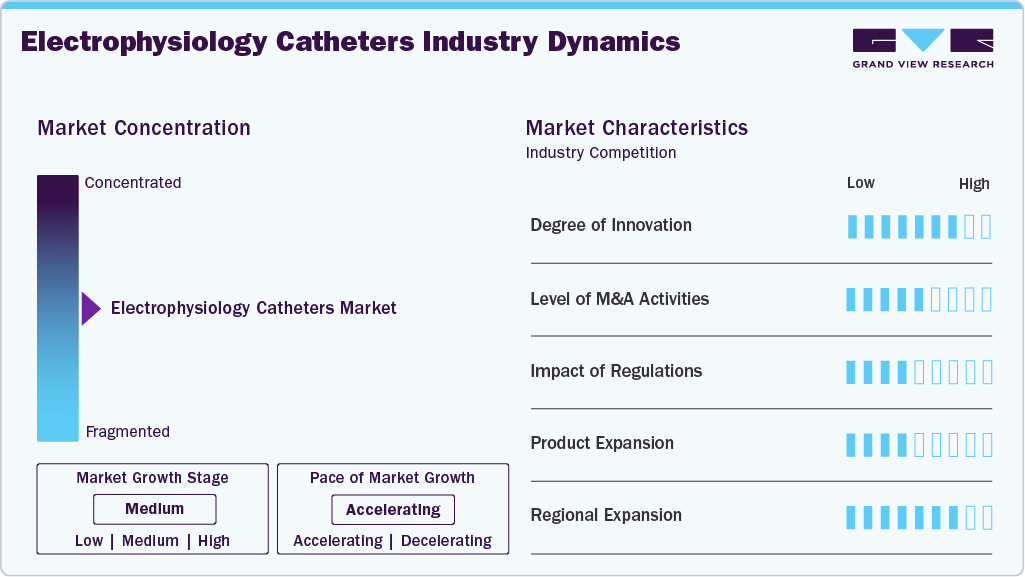
The electrophysiology catheters market comprises a range of products designed to support cardiac electrical mapping, arrhythmia diagnosis, and catheter-based ablation procedures. The market includes diagnostic catheters, ablation catheters, mapping catheters, and specialized catheters incorporating contact-force sensing, irrigation, and navigation capabilities. Manufacturers differentiate products through electrode configurations, catheter flexibility, tip design, sensing technologies, energy-delivery mechanisms, and compatibility with mapping systems. Catheter accuracy, procedural safety, ease of use, clinical performance, regulatory compliance, and overall treatment costs influence purchasing decisions and product adoption across hospitals and specialized cardiac centers.
The electrophysiology catheters market is characterized by ongoing technological innovation, with manufacturers focusing on advanced mapping capabilities, improved catheter navigation, contact-force sensing, and energy-delivery precision. Innovation includes high-density mapping catheters that support detailed cardiac electrical mapping, irrigated ablation catheters designed to manage tissue heating, and pressure-sensing catheters that provide real-time feedback on catheter-tissue contact. Manufacturers are also developing pulsed field ablation catheters and integrated solutions compatible with three-dimensional mapping systems. These advancements support procedural accuracy, improved workflow efficiency, and the development of catheter-based treatments for cardiac arrhythmias.
 To learn more about this report, Download Free Sample Report
-
In February 2025, Johnson & Johnson MedTech launched the OPTRELL Mapping Catheter with TRUEref Technology, integrated with the CARTO 3 System, to support high-resolution mapping of complex cardiac arrhythmias. The diagnostic catheter features 36 electrodes arranged across six splines, enabling detailed electrical signal detection and mapping of conditions such as persistent atrial fibrillation, atrial tachycardia, and ventricular tachycardia.
Mergers and acquisitions in the electrophysiology catheters market support portfolio expansion, access to advanced catheter technologies, and broader reach across cardiac care facilities. Companies pursue acquisitions and strategic investments to strengthen capabilities in diagnostic mapping, catheter-based ablation, pulsed field ablation, robotic navigation, and contact-force sensing. These activities also support expansion into complementary electrophysiology systems and treatment technologies. Acquiring companies strengthen research and development capabilities, intellectual property portfolios, manufacturing capacity, and distribution networks while expanding their ability to address diverse cardiac arrhythmia treatment requirements.
Regulatory requirements affect product design, manufacturing processes, market entry, and compliance practices within the electrophysiology catheters market. In the U.S., electrophysiology catheters are subject to applicable U.S. Food and Drug Administration (FDA) requirements based on device classification, intended use, and technological characteristics. Depending on the device, manufacturers must obtain 510(k) clearance or Premarket Approval (PMA) before commercialization. Requirements cover biocompatibility, electrical safety where applicable, sterility, packaging, labeling, and clinical performance. Manufacturers must also comply with quality management, design control, and post-market surveillance requirements, which affect product development timelines, regulatory expenses, and commercialization strategies.
End-use concentration in the electrophysiology catheters market is primarily distributed across hospitals, cardiac specialty centers, and ambulatory surgical centers. Hospitals account for significant demand due to their electrophysiology laboratories, specialized cardiac teams, and infrastructure for complex arrhythmia diagnosis and catheter ablation procedures. Cardiac specialty centers use diagnostic mapping catheters, ablation catheters, and advanced catheter technologies for targeted cardiac interventions. Ambulatory surgical centers use electrophysiology catheters for selected procedures based on available infrastructure, patient suitability, and clinical requirements. Demand across these facilities depends on procedure volumes, technology availability, reimbursement policies, and investment in cardiac care services.
Analyst Perspective
The electrophysiology catheters market is competitive, with manufacturers differentiated by catheter portfolio breadth, mapping accuracy, ablation technology, electrode design, contact-force sensing, and compatibility with electroanatomical mapping systems. Established companies such as Johnson & Johnson MedTech, Abbott, Boston Scientific, and Medtronic compete through diagnostic mapping catheters, radiofrequency ablation catheters, irrigated-tip catheters, and advanced pulsed field ablation technologies. Companies also differentiate through high-density mapping, flexible catheter tips, real-time tissue contact measurement, and integration with navigation systems to support complex arrhythmia procedures. Emerging manufacturers compete through specialized catheter designs, novel ablation approaches, focused product development, and strategic partnerships.
Product Insights
By product, the ablation catheters segment led the market with the largest revenue share of 58.5% in 2025 and is expected to grow fastest in the forecast period in electrophysiology catheters market. Driven by their widespread use in treating cardiac arrhythmias, including atrial fibrillation and atrial flutter. The growing adoption of catheter ablation procedures reflects the need for effective, minimally invasive treatment options that restore normal heart rhythms. Technological advancements in radiofrequency and cryoablation catheters, along with improvements in procedural precision and safety, further supported segment growth. In addition, the increasing prevalence of cardiac arrhythmias and the rising number of electrophysiology procedures contributed to the segment's leading position.
Diagnostic and mapping catheters are experiencing significant growth in the electrophysiology catheters market, driven by increasing demand for accurate identification and localization of abnormal electrical signals in the heart. These catheters support detailed cardiac mapping, helping clinicians identify arrhythmia sources and plan targeted ablation procedures. Advancements in three-dimensional electroanatomical mapping and high-density mapping technologies are improving procedural accuracy and efficiency. In addition, the growing prevalence of cardiac arrhythmias and increasing adoption of minimally invasive electrophysiology procedures are supporting segment expansion.
Application Insights
Based on application, the atrial fibrillation (AF) segment led the market with the largest revenue share of 41.4% in 2025 and is expected to grow fastest in the forecast period in electrophysiology catheters market. Due to its high prevalence and the increasing use of catheter ablation procedures to manage irregular heart rhythms. The growing adoption of advanced ablation technologies and improved electrophysiological mapping systems is supporting effective AF treatment. The segment is also expected to grow at the fastest rate during the forecast period, driven by the rising burden of atrial fibrillation, increasing awareness of rhythm-control therapies, and expanding access to minimally invasive cardiac procedures.
Atrial flutter is experiencing significant growth in the electrophysiology catheters market, driven by increasing adoption of catheter ablation procedures to treat abnormal heart rhythms. Advancements in electrophysiology mapping systems and catheter technologies are improving the accuracy and effectiveness of ablation procedures. In addition, growing awareness of minimally invasive cardiac treatments and the rising diagnosis of atrial arrhythmias are supporting demand for electrophysiology catheters in atrial flutter management.
End Use Insights
Based on end use, hospitals segment led the market with the largest revenue share of 84.5% in 2025. Driven by the availability of advanced cardiac electrophysiology laboratories, specialized medical professionals, and sophisticated diagnostic and treatment facilities. The increasing number of catheter ablation procedures performed in hospitals to manage cardiac arrhythmias further supported segment growth. In addition, investments in advanced mapping systems and minimally invasive cardiac technologies strengthened hospitals' position as the primary settings for electrophysiology procedures.
 To learn more about this report, Download Free Sample Report
Ambulatory surgical centers (ASCs) are expected to grow at the fastest rate in the electrophysiology catheters market during the forecast period, driven by increasing demand for cost-effective and minimally invasive cardiac procedures. The growing shift toward outpatient care, shorter recovery times, and reduced healthcare costs is encouraging the adoption of electrophysiology procedures in ASCs. In addition, advancements in catheter technologies and procedural efficiency are supporting the expansion of electrophysiology services in these facilities.
Regional Insights
North America dominated the electrophysiology catheters market with the largest revenue share of 57.5% in 2025, supported by an established network of hospitals, specialized cardiac centers, and ambulatory surgical centers, alongside advanced cardiac care infrastructure and access to electrophysiology specialists. In the U.S., the prevalence of cardiac arrhythmias and the availability of catheter-based diagnostic and ablation procedures support demand for diagnostic mapping catheters, radiofrequency ablation catheters, and pulsed field ablation catheters. Continued investment in cardiac electrophysiology laboratories and advanced mapping technologies supports the adoption of catheters with high-density electrodes, contact-force sensing, and improved navigation capabilities. In Canada, established hospital-based cardiac services and specialized arrhythmia treatment programs also support demand for electrophysiology catheters. Regional market development is induced by procedure volumes, reimbursement coverage, technology adoption, and investment in specialized cardiac care facilities.
 To learn more about this report, Download Free Sample Report
U.S. Electrophysiology Catheters Market Trends
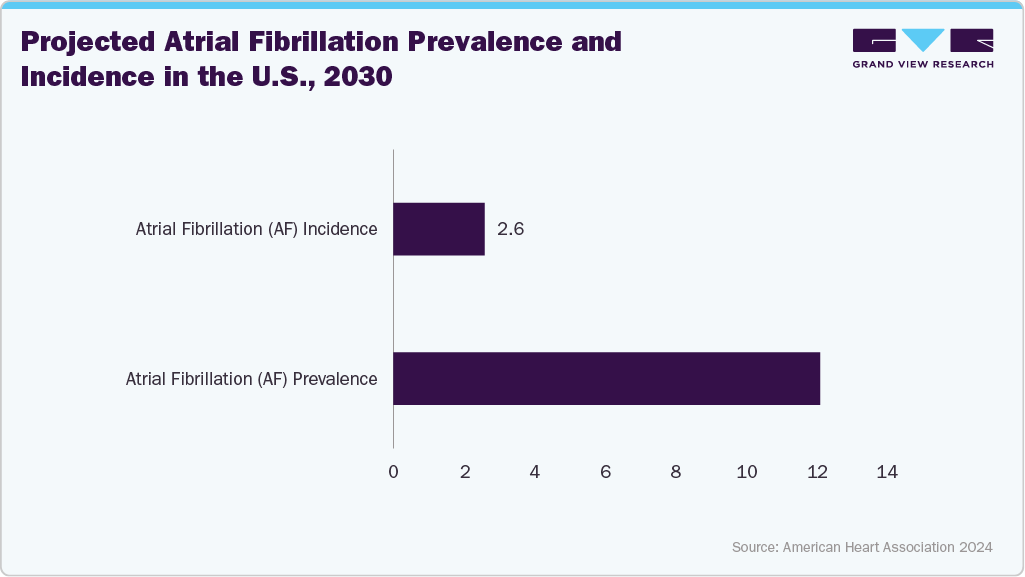
The U.S. electrophysiology catheters market is expanding due to the rising prevalence of cardiac arrhythmias, increasing adoption of catheter ablation procedures, and growing demand for advanced cardiac diagnostic technologies. The large population affected by atrial fibrillation and other rhythm disorders supports demand for diagnostic mapping catheters and ablation catheters. Established cardiac care infrastructure, specialized electrophysiology laboratories, access to trained specialists, and favorable reimbursement coverage for eligible procedures support market development. Technological advancements in high-density mapping, contact-force sensing, robotic navigation, and pulsed field ablation are also influencing product adoption. Continued investment in minimally invasive cardiac treatments and specialized arrhythmia care supports demand across hospitals and cardiac specialty centers.
 To learn more about this report, Download Free Sample Report
Europe Electrophysiology Catheters Market Trends
The Europe electrophysiology catheters market is supported by established cardiac care infrastructure, increasing demand for arrhythmia diagnosis and treatment, and investment in advanced electrophysiology services. Healthcare facilities are adopting diagnostic mapping catheters, radiofrequency ablation catheters, and pulsed field ablation catheters to support minimally invasive treatment of cardiac arrhythmias. Technological advancements in high-density mapping, contact-force sensing, and catheter navigation are also supporting product adoption across specialized cardiac centers and hospital electrophysiology laboratories. Regulatory oversight is governed by the European Union's Medical Device Regulation (EU MDR 2017/745), which establishes requirements for device safety, clinical evaluation, conformity assessment, and post-market surveillance. These regulatory requirements influence product approvals, commercialization timelines, and manufacturers' compliance strategies across European markets.
The UK electrophysiology catheters market is supported by the rising burden of cardiac arrhythmias, established NHS cardiac care services, and growing adoption of catheter ablation procedures. Demand for diagnostic mapping and ablation catheters is supported by the need to diagnose and treat atrial fibrillation, atrial tachycardia, and other cardiac rhythm disorders. Investment in specialized electrophysiology laboratories and the adoption of advanced technologies, including high-density mapping, contact-force sensing, and pulsed field ablation, are supporting market development.
For instance, in July 2025, St George’s Hospital in London reported that it had treated several hundred patients using pulsed field ablation for atrial fibrillation over the preceding three years, contributing to an approximately 20% reduction in waiting lists. The hospital highlighted PFA as an advanced catheter-based treatment that targets abnormal electrical activity in the heart while reducing the risk of damage to surrounding structures.
NHS initiatives to improve access to cardiac services and reduce waiting times for elective procedures also support the need for efficient catheter-based treatments. The UK medical device regulatory framework, overseen by the Medicines and Healthcare products Regulatory Agency (MHRA), influences product registration, safety monitoring, and commercialization of electrophysiology catheters.
The Germany electrophysiology catheters market is supported by established cardiac care infrastructure, increasing demand for arrhythmia diagnosis and treatment, and the adoption of advanced catheter-based procedures. Hospital modernization and the expansion of specialized cardiac services support the use of diagnostic mapping catheters, radiofrequency ablation catheters, and pulsed field ablation catheters. The Federal Ministry of Health (BMG) is implementing hospital reforms that influence service organization and quality requirements, while the Federal Institute for Drugs and Medical Devices (BfArM) oversees relevant medical-device regulatory responsibilities. Electrophysiology catheters marketed in Germany must also comply with the European Union Medical Device Regulation (EU MDR 2017/745), including applicable requirements for conformity assessment, clinical evaluation, and post-market surveillance.
Asia Pacific Electrophysiology Catheters Market Trends
The Asia Pacific electrophysiology catheters market is supported by the rising burden of cardiac arrhythmias, expanding cardiac care infrastructure, and growing access to catheter-based diagnostic and treatment procedures. Increasing investments in specialized cardiac centers and hospital electrophysiology laboratories across China, Japan, India, and Australia support demand for diagnostic mapping catheters, radiofrequency ablation catheters, and pulsed field ablation catheters. Improvements in healthcare infrastructure, the availability of trained electrophysiologists, and the expansion of minimally invasive cardiac procedures are also supporting market development. Regional manufacturers are expanding their electrophysiology portfolios, while international companies are introducing advanced catheter technologies to address clinical demand.
The India electrophysiology catheters market is supported by the rising burden of cardiac arrhythmias, expansion of cardiac care infrastructure, and increasing access to minimally invasive cardiac procedures. Growing investments in multispecialty hospitals, dedicated cardiac centers, and electrophysiology laboratories support demand for diagnostic mapping catheters and ablation catheters. Improvements in specialist training, adoption of advanced cardiac mapping systems, and wider availability of catheter ablation procedures are also supporting market development. For instance, in November 2025, CARE Hospitals, Banjara Hills, Hyderabad, reported performing an atrial fibrillation ablation procedure using QDOT technology in a patient with persistent atrial fibrillation and biatrial cardiomyopathy. Government initiatives to strengthen healthcare infrastructure and expand access to specialized treatment are contributing to the development of cardiac care services.
Japan electrophysiology catheters market is supported by its rapidly aging population, which increases the need for diagnosis and treatment of age-related cardiovascular conditions, including atrial fibrillation and other cardiac arrhythmias. Japan has one of the world’s oldest populations, with a growing proportion of people aged 65 and above. Age-related changes in cardiovascular health increase the demand for cardiac monitoring, electrophysiological assessment, and catheter-based ablation procedures. This demographic shift supports the use of diagnostic mapping catheters, radiofrequency ablation catheters, contact-force sensing catheters, and pulsed field ablation technologies. Japan’s established healthcare infrastructure, specialized cardiac centers, and adoption of minimally invasive treatments further support market expansion.
-
In October 2025, Japan’s Cabinet Office reported that 36.22 million people, equivalent to 29.4% of the country’s total population, were aged 65 years and above. People aged 75 and above accounted for 21.27 million.
Latin America Electrophysiology Catheters Market Trends
The Latin America electrophysiology catheters market is supported by the rising prevalence of cardiac arrhythmias, growing demand for catheter ablation procedures, and gradual expansion of specialized cardiac care services. Atrial fibrillation is a major arrhythmia-related concern across the region, while access to advanced electrophysiology services varies between countries due to differences in healthcare infrastructure, specialist availability, reimbursement, and access to advanced mapping systems. These factors impact demand for diagnostic mapping catheters, radiofrequency ablation catheters, and other advanced catheter technologies. Brazil and Argentina have established electrophysiology services, while broader access to specialized centers and advanced technologies remains an area for development across the region. Regulatory authorities, including ANVISA in Brazil and ANMAT in Argentina, oversee medical-device registration, safety, and market access in their respective countries.
Middle East and Africa Electrophysiology Catheters Market Trends
The Middle East and Africa electrophysiology catheters market is supported by healthcare infrastructure development, rising demand for cardiac arrhythmia diagnosis and treatment, and investments in specialized cardiovascular services. In the Middle East, hospital modernization and the expansion of advanced cardiac centers support the adoption of diagnostic mapping catheters, radiofrequency ablation catheters, and pulsed field ablation technologies. Countries such as Saudi Arabia and the UAE are developing healthcare capabilities and strengthening medical-device regulatory oversight through authorities including the Saudi Food and Drug Authority (SFDA) and the Ministry of Health and Prevention (MOHAP). In Africa, access to electrophysiology procedures and advanced catheter technologies varies due to differences in healthcare infrastructure, specialist availability, and affordability. South Africa’s South African Health Products Regulatory Authority (SAHPRA) oversees medical-device regulation, while broader investment in cardiac care services supports the development of the regional market.
Key Electrophysiology Catheter Company Insights
Electrophysiology catheter companies are developing diagnostic mapping catheters, radiofrequency ablation catheters, contact-force sensing catheters, irrigated-tip catheters, and pulsed field ablation catheters for cardiac arrhythmia diagnosis and treatment. Companies are focusing on high-density electrode configurations, improved catheter flexibility, precise navigation, real-time contact-force measurement, and compatibility with electroanatomical mapping systems to support accurate cardiac mapping and ablation procedures. The development of advanced ablation technologies and integrated mapping solutions also supports procedural efficiency, while specialized catheter designs address different arrhythmias and clinical requirements.
Key Electrophysiology Catheter Companies
The following key companies have been profiled for this study on the electrophysiology catheters market.
-
Johnson & Johnson
-
Medtronic
-
Boston Scientific Corporation
-
Abbott
-
Biotronik
-
Japan Lifeline Co., Ltd.
-
Stereotaxis Inc.
-
APT Medical Inc. (Shenzhen Mindray Bio-Medical Electronics Co., Ltd.)
-
Lepu Medical Technology (Beijing) Co., Ltd.
-
CathRx Ltd.
-
Alcis
-
Integer Holdings Corporation
-
MicroPort Scientific Corporation
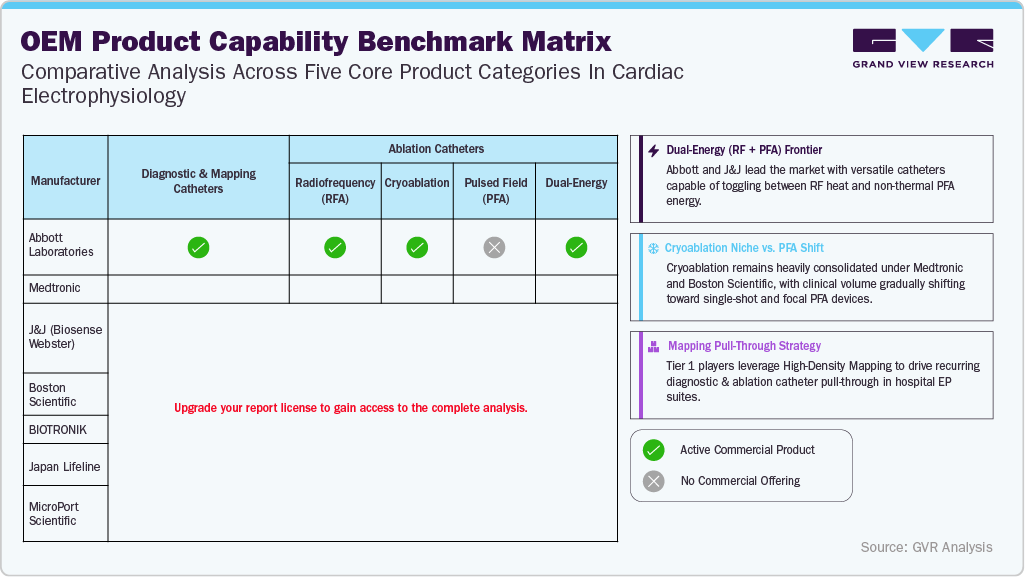
OEM Product Capability Benchmark Matrix
The OEM Product Capability Benchmark Matrix compares electrophysiology catheter manufacturers based on their product presence across diagnostic and mapping, radiofrequency ablation (RFA), cryoablation, pulsed field ablation (PFA), and dual-energy technologies. The matrix highlights differences in manufacturers’ product portfolios, identifies areas of technological specialization, and evaluates competitive positioning based on verified product availability across these categories.
 To learn more about this report, Download Free Sample Report
Competitive Benchmarking
Category
Operating Strategies
Competitive Edge
Weakness
Established Players (Johnson & Johnson, Medtronic, Boston Scientific Corporation, Abbott, BIOTRONIK, Japan Lifeline Co., Ltd., Stereotaxis Inc., MicroPort Scientific Corporation)
- Established manufacturers maintain broad electrophysiology catheter portfolios covering diagnostic mapping, radiofrequency ablation, contact-force sensing, irrigated-tip, and pulsed field ablation technologies.
- Companies expand through strategic partnerships, clinical research, physician training, mapping-system integration, and continuous development of advanced catheter technologies.
- Established players benefit from recognized brands, extensive clinical evidence, established hospital relationships, regulatory experience, and distribution networks across major healthcare markets.
- Integrated catheter and mapping-system portfolios support compatibility across electrophysiology workflows and help manufacturers serve hospitals and specialized cardiac centers.
- Large organizations can face longer product development and commercialization cycles due to complex R&D processes, regulatory requirements, and clinical validation needs.
- High R&D expenditure, clinical trial costs, and investment in advanced technologies create financial and operational pressures when developing new catheter platforms.
Emerging Players (APT Medical Inc., Lepu Medical Technology (Beijing) Co., Ltd., CathRx Ltd.)
- Emerging companies focus on specialized catheter designs, pulsed field ablation technologies, advanced electrode configurations, and differentiated mapping solutions to address specific clinical requirements.
- Companies pursue strategic partnerships, licensing agreements, clinical collaborations, and regulatory clearances to accelerate product development and market entry.
- Focused R&D, specialized technology platforms, and faster product development cycles support differentiation in high-density mapping, catheter sensing, and novel ablation approaches.
- Partnerships with established medical-device manufacturers and cardiac centers provide access to technical expertise, clinical validation, manufacturing capabilities, and distribution channels.
- Limited commercialization experience, smaller distribution networks, and lower brand recognition create challenges in gaining adoption among hospitals and electrophysiologists.
- Limited financial resources, regulatory complexity, and requirements for clinical evidence can delay product launches and restrict expansion across international markets.
Recent Developments
-
In September 2026, Abbott received U.S. FDA approval for its TactiFlex Duo Ablation Catheter, Sensor Enabled, a dual-energy catheter that combines pulsed field ablation (PFA) and radiofrequency (RF) energy to treat complex atrial fibrillation cases. Integrated with Abbott’s EnSite X EP System, the catheter supports cardiac mapping and provides physicians with flexibility in selecting ablation energy during procedures.
-
In July 2026, Johnson & Johnson received U.S. FDA approval for its Dual Energy THERMOCOOL SMARTTOUCH SF Platform. This integrated catheter ablation system delivers both radiofrequency and pulsed field energy through a single catheter. Integrated with the CARTO mapping ecosystem, the platform combines contact-force measurement and mapping guidance to help electrophysiologists tailor ablation treatment to patient anatomy and procedural complexity.
-
In January 2026, Stereotaxis received U.S. FDA approval for its MAGiC Magnetic Interventional Ablation Catheter, a robotically navigated catheter designed for cardiac electrophysiological mapping, diagnostic pacing, and ablation treatment of specified supraventricular tachycardias in patients with congenital heart disease whose anatomical abnormalities or previous surgeries limit conventional catheter access.
“FDA approval of MAGiC is a significant milestone for Stereotaxis and the community of physicians pioneering robotics in electrophysiology. It ensures the benefits of Robotic Magnetic Navigation can support patients with complex and critical heart rhythm disorders, represents a major advance in robotic cardiac ablation technology, and provides a foundation for continued technological and clinical progress,” said David Fischel, Stereotaxis Chairman and CEO.
Electrophysiology Catheters Market Report Scope
Report Attribute
Details
Market size in 2025
USD 10.3 billion
Estimated market size in 2026
USD 11.5 billion
Projected market size by 2033
USD 23.3 billion
Growth rate
CAGR of 10.7% from 2026 to 2033
Base year for estimation
2025
Historical data
2021 - 2024
Forecast period
2026 - 2033
Quantitative units
Revenue in USD million/billion and CAGR from 2026 to 2033
Report coverage
Revenue forecast, company ranking, competitive landscape, growth factors, and trends
Segments covered
Product, application, end user, region
Regional scope
North America; Europe; Asia Pacific; Latin America; MEA
Country scope
U.S.; Canada; Mexico; Germany; UK; France; Italy; Spain; Norway; Denmark; Sweden; China; Japan; India; South Korea; Australia; Thailand; Brazil; Argentina; Saudi Arabia; South Africa; UAE; Kuwait.
Key companies profiled
Johnson & Johnson; Medtronic; Boston Scientific Corporation; Abbott; Biotronik; Japan Lifeline Co., Ltd.; Stereotaxis Inc.; APT Medical Inc. (Shenzhen Mindray Bio-Medical Electronics Co., Ltd.); Lepu Medical Technology (Beijing) Co., Ltd.; CathRx Ltd.; Alcis; Integer Holdings Corporation; MicroPort Scientific Corporation
Customization scope
Free report customization (equivalent up to 8 analysts' working days) with purchase. Addition or alteration to country, regional & segment scope.
Pricing and purchase options
Avail customized purchase options to meet your exact research needs. Explore purchase options
Global Electrophysiology Catheters Market Report Segmentation
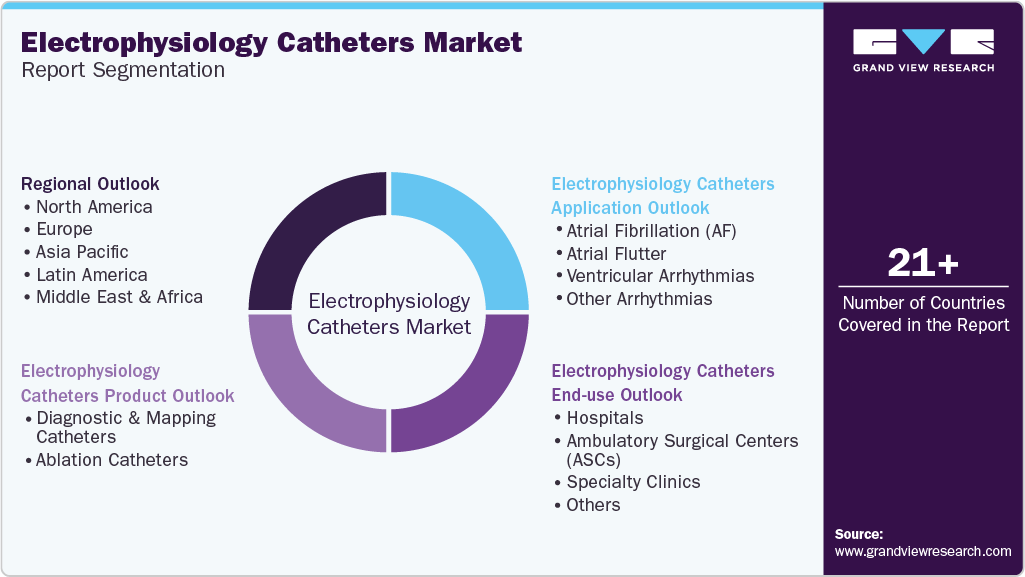
This report forecasts revenue growth at the global, regional, and country levels and provides an analysis of the latest industry trends across each sub-segment from 2021 to 2033. For this study, Grand View Research has segmented the global electrophysiology catheters market report based on product, application, end-use, and region.
 To learn more about this report, Download Free Sample Report
-
Product Outlook (Revenue, USD Million, 2021 - 2033)
-
Diagnostic & Mapping Catheters
-
Ablation Catheters
-
Radiofrequency (RF)-Only
-
Irrigated
-
Non-irrigated
-
-
Cryoablation
-
Balloon
-
Focal
-
-
-
Pulsed Field Ablation (PFA)-Only
-
Dual-Energy (Radiofrequency + Pulsed Field Ablation)
-
-
Application Outlook (Revenue, USD Million, 2021 - 2033)
-
Atrial Fibrillation (AF)
-
Atrial Flutter
-
Ventricular Arrhythmias
-
Other Arrhythmias
-
-
End-use Outlook (Revenue, USD Million, 2021 - 2033)
-
Hospitals
-
Ambulatory Surgical Centers (ASCs)
-
Specialty Clinics
-
Others
-
-
Regional Outlook (Revenue, USD Million, 2021 - 2033)
-
North America
-
U.S.
-
Canada
-
Mexico
-
-
Europe
-
Germany
-
U.K.
-
France
-
Italy
-
Spain
-
Denmark
-
Sweden
-
Norway
-
-
Asia Pacific
-
China
-
Japan
-
India
-
South Korea
-
Australia
-
Thailand
-
-
Latin America
-
Brazil
-
Argentina
-
-
Middle East & Africa
-
South Africa
-
Saudi Arabia
-
UAE
-
Kuwait
-
-
Research Methodology
The electrophysiology catheters market figures in this report are based on a proven research process that combines executive interviews with secondary research from proprietary databases, company filings, and recognized regulatory and institutional sources. Market size is built through value-chain sizing-reconciling supply-side and demand-side estimates-and triangulated with bottom-up and top-down approaches. Every estimate passes multiple levels of expert validation before publication, with each electrophysiology catheters segment quantified using the revenue-capture definitions in the table below.
Segment Definition
Application
Revenue capture definition
Atrial Fibrillation (AF)
Diagnostic mapping and ablation catheters intended for atrial fibrillation procedures. Products include radiofrequency, pulsed field ablation, and other approved catheter technologies used to identify and treat abnormal electrical signals associated with AF.
Atrial Flutter
Revenue includes sales of diagnostic and ablation catheters indicated for atrial flutter treatment. These products support electrical mapping and targeted energy delivery to interrupt abnormal electrical circuits responsible for flutter, including catheters designed for radiofrequency ablation and other approved energy modalities.
Ventricular Arrhythmias
Revenue includes sales of diagnostic mapping and ablation catheters used to evaluate and treat ventricular arrhythmias, including ventricular tachycardia. These products support localization of abnormal electrical activity and delivery of therapeutic energy to targeted ventricular tissue, subject to the catheter's approved indications.
Other Arrhythmias
Diagnostic and ablation catheters used for other arrhythmias, including atrioventricular nodal reentrant tachycardia, atrioventricular reentrant tachycardia, focal atrial tachycardia, and other eligible supraventricular tachycardias not classified in the preceding segments.
Estimation Model
Bottom-Up Consumption & Unit Volume Modeling
Top-Down Revenue Triangulation
Demand-Side Care-Setting & End-User Modeling
Supply-Side Capacity & Utilization Modeling
Data Triangulation & Market Reconciliation
Estimate total EP catheter volume by mapping annual procedure volumes across key catheter categories (diagnostic, mapping, ablation). Segment usage by catheter type (diagnostic, steering, ablation, ablation, mapping). Apply average procedure consumption per procedure. Multiply by average selling price (ASP) per category (diagnostic, therapeutic, mapping) to derive market revenue.
Analyze global and regional cardiovascular procedure spending, hospital supply budgets, and payer databases. Assign EP catheter spending shares. Cross-validate with the reported revenues and data of major EP catheter manufacturers (e.g., Biosense Webster, Johnson & Johnson, Medtronic, Boston Scientific, Abbott) to ensure consistency and refine estimates.
Assess demand across care settings, primarily EP labs and catheterization suites within hospitals and specialized cardiovascular centers. Evaluate the installed base of navigation systems (e.g., Carto, EnSite, Rhythmia), treatment adoption rates, and procedure volume growth. Factor in changing disease prevalence (e.g., increasing AFib cases) and expanding indications.
Evaluate global manufacturing capacity for critical EP catheter components (e.g., nitinol, advanced electrodes) and finished goods. Analyze the production footprint of leading market players, assess contract manufacturing reliance, and monitor supply chain stability. Account for regional variations in production and capacity utilization to estimate available supply.
Integrate and cross-verify insights from primary research (interviews with electrophysiologists, industry experts, hospital administrators) and secondary sources (regulatory filings, industry databases, clinical trial results, company reports). Reconcile bottom-up, demand-side, and supply-side findings to create a cohesive and validated market estimate and forecast.
APPROACH SUPPORTED BY: Primary Research | Hospital & EP Lab Databases | Government & Regulatory Sources (FDA, CE) | Company Reports & Investor Filings | Cardiovascular Industry Publications
Delivered Customizations
This report has been delivered with the following In-depth customizations
CLIENT REQUEST
CUSTOMIZATION DELIVERED
VALUE ADDS
ASP and Volume Analysis (Historical & Forecast)
Comprehensive Average Selling Price (ASP) and unit volume analysis for electrophysiology (EP) catheters across the forecast period, segmented by catheter type (therapeutic/ablation catheters, diagnostic catheters, 3D mapping catheters, and steering/sheath catheters), technology (radiofrequency, cryoablation, pulsed field ablation [PFA], laser, and ultrasound), usage (reusable vs. single-use), end user (hospitals, electrophysiology labs, and ambulatory surgical centers), and geography. Incorporates procedure volumes, catheter-per-procedure utilization rates, mapping system compatibility (e.g., CARTO, EnSite, Rhythmia), electrode configuration, and regional pricing dynamics. Forecasts are developed using AFib and arrhythmia prevalence, EP lab expansion, and adoption rates of advanced mapping and PFA technologies.
Enables precise revenue modeling, portfolio pricing strategy development, procurement planning, assessment of technology adoption curves (e.g., PFA vs. RF/Cryo), evaluation of high-volume procedure growth areas, and capital expenditure allocation for medical device manufacturers and investors.
Application and Procedure Volume Analysis
Detailed assessment of EP catheter consumption across clinical indications, including atrial fibrillation (AFib), atrial flutter, ventricular tachycardia (VT), supraventricular tachycardia (SVT), and diagnostic electrophysiology studies. Evaluates catheter usage per procedure type, complex mapping needs, transseptal access requirements, repeat procedure frequencies, facility-level ordering patterns, and adoption variance between academic medical centers and community hospital EP suites.
Supports procedure-driven demand forecasting, estimation of addressable unit volume, identification of high-utilization arrhythmia categories, assessment of hospital procurement requirements, capacity planning for OEMs, and evaluation of consumable pull-through across various EP lab settings.
Competitive Benchmarking and Market Share Analysis
Comprehensive competitive assessment of electrophysiology catheter manufacturers (e.g., Biosense Webster, Medtronic, Boston Scientific, Abbott, BIOTRONIK, AtriCure, MicroPort, APT Medical), including portfolio benchmarking, navigation/mapping system integration compatibility, catheter sheath and tip innovations, force-sensing capabilities, regulatory approval status (FDA, CE, NMPA), distribution networks, geographic expansion, product pipeline, manufacturing capacity, and strategic M&A activity. Market share is evaluated globally and regionally across primary product categories.
Enables strategic competitive positioning, identification of product feature gaps, pricing and bundle strategy optimization, differentiation in mapping and ablation capabilities, strategic partnership and M&A screening, commercialization roadmap refinement, and geographic expansion execution.
About the Author(s)
Medical Devices Research Team
Healthcare · Medical DevicesThis report was authored by the medical devices research team at Grand View Research - comprising two research analysts, one senior research analyst, and one industry expert - with specialized expertise in the medical devices segment of the healthcare industry. All findings are based on proprietary healthcare databases, executive interviews, and regulatory analysis, subject to internal peer review prior to publication.
Last Updated:
Speak to Analyst

Customize this report to your needs - add regions, segments, or data points, with 20% free customization.
Or view our licence options:


ISO 9001:2015 & 27001:2022 Certified
We are GDPR and CCPA compliant! Your transaction & personal information is safe and secure. For more details, please read our privacy policy.


