
- Home
- »
- Medical Devices
- »
-
Growth Factor Plus Market Size And Share Report 2026-2033GVR Report cover

Growth Factor Plus Market (2026 - 2033)
Size, Share & Trends Analysis Report By Product (Serums, Creams & Gels, Injectables), By Application (Anti-Aging & Skin Rejuvenation, Scar Treatment & Wound healing), By Distribution Channel, By Region, And Segment Forecasts
Market Size, 2025
$125.7MMarket Estimate, 2026
$132.0MMarket Forecast, 2033
$201.3MCAGR, 2026–2033
6.2%Growth Factor Plus Market Summary
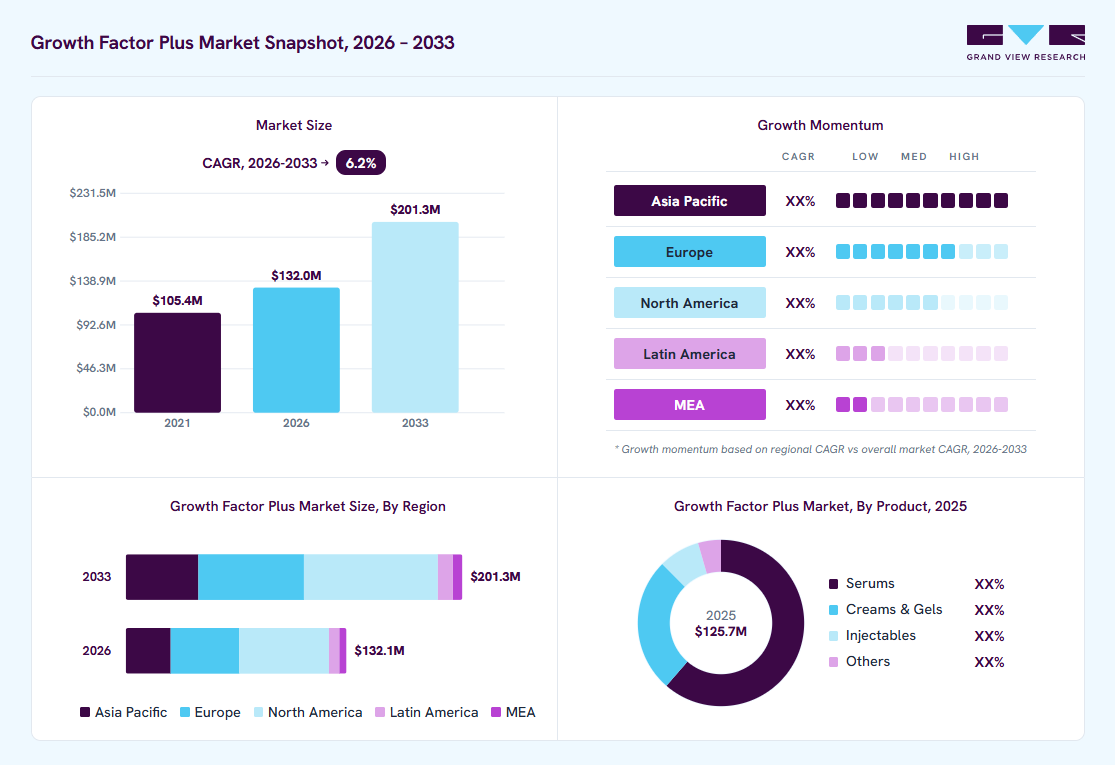
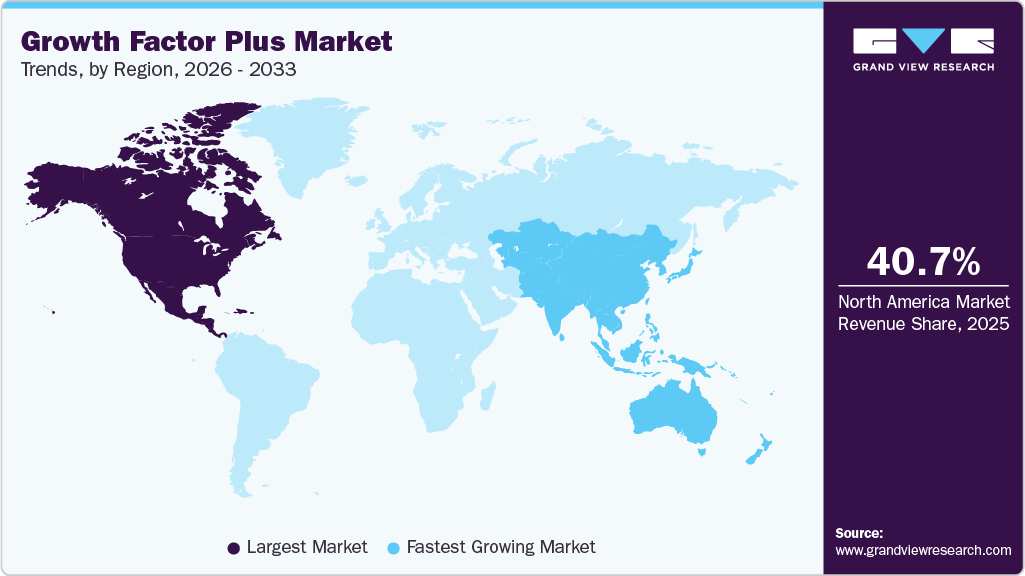
The global growth factor plus market size was valued at USD 125.7 million in 2025 and is projected to grow from USD 132.0 million in 2026 to USD 201.3 million by 2033, at a CAGR of 6.2% from 2026 to 2033. The North America held the largest share of 40.7% of the global market in 2025. The market encompassing advanced skincare formulations enriched with biologically active growth factors is gaining strong momentum as consumers increasingly shift toward science-backed, regenerative beauty solutions.
 Source: Grand View Research, IR Documents, Primary Interviews, Paid DatabasesTo learn more about this report,
 Download Free Sample Report
 Key Market Trends & Insights
- By product: Serums segment held the largest market share of 61.4% in 2025.
- By application: Anti-aging & skin rejuvenation segment held the largest market share in 2025.
- By distribution channel: Offline segment held the largest market share in 2025.
Regional Highlights
- Largest regional market: North America (40.7% revenue share, 2025)
- Fastest-growing regional market: Asia Pacific (7.2% CAGR, 2026-2033)
- By country: The U.S. is expected to grow significantly over the forecast period.
Market Size & Forecast
- Market size in 2025: USD 125.7 Million
- Estimated market size in 2026: USD 132.0 Million
- Projected market size by 2033: USD 201.3 Million
- CAGR (2026-2033): 6.2%
Three ways to get this report
Buy it, customize it, or ask a question.Ask an Analyst
A direct answer, usually in 1 working day
- AccessReport author, directly
- Reply timeWithin 1 working day
- No sales callDirect answer only
- FormatEmail reply
- CostFree, no cost
Get the Full Report
What the study covers
- FormatsPDF · Excel · Dashboard
- Timeline2026–2033 annual, 2025 base
- Coverage20+ countries, 5 regions
- Companies10+ key players profiled
Customize the Report
20% free customization
- IncludeCountries, segments, points
- TailorTo your product definition
- ExtendDeeper competitor detail
- OrA fully bespoke study
- Turnaround5–10 working days
Growth factors, naturally occurring proteins that regulate cell growth, proliferation, and repair, have been widely studied for their roles in wound healing and tissue regeneration. Clinical research has demonstrated that growth factors such as epidermal growth factor (EGF) can significantly enhance skin repair and stimulate collagen production, making them highly relevant for anti-aging and dermatological applications. This scientific foundation has helped position GF+ products as a premium segment within the broader cosmeceuticals market.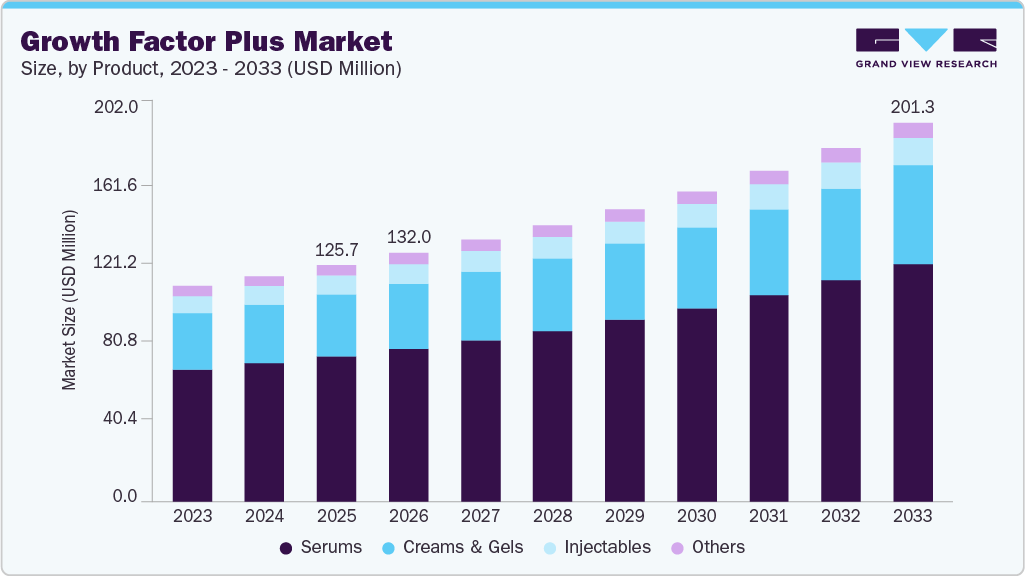 To learn more about this report, Download Free Sample Report
 One of the primary drivers of market growth is the rising consumer demand for clinically validated skincare products. Modern consumers are increasingly informed and are seeking formulations supported by dermatological research rather than traditional cosmetic claims. Studies have shown that topical application of growth factors can improve skin texture, reduce wrinkles, and accelerate healing processes, reinforcing their credibility. In addition, advancements in biotechnology have enabled the development of bioengineered and recombinant growth factors, improving product stability and efficacy and further fueling adoption across both medical and aesthetic skincare segments.
Advantages/Importance of Growth Factor Plus (GF+):
-
Stimulates cellular regeneration and repair
-
Enhances collagen and elastin production
-
Accelerates wound healing and reduces inflammation
-
Improves skin texture, tone, and pigmentation
-
Supports hair follicle stimulation and scalp health
-
Reduces recovery time after aesthetic procedures
The expanding use of GF+ products in post-procedure recovery and minimally invasive aesthetic treatments further fuels the market growth. Dermatology clinics and aesthetic practitioners are increasingly recommending growth factor-based serums and creams following procedures such as laser resurfacing, microneedling, and chemical peels. These products help accelerate healing, reduce inflammation, and enhance overall treatment outcomes. The integration of GF+ formulations into professional skincare protocols highlights their growing clinical acceptance and underscores their importance in bridging the gap between cosmetics and therapeutic dermatology.
The premium skincare trend and increasing consumer willingness to invest in high-performance products are also significantly contributing to market expansion. Growth factor serums, often positioned as luxury or medical-grade skincare, are gaining popularity through dermatology clinics, medspas, and high-end retail channels. For instance, curated product offerings featuring growth factors are being prominently highlighted by skincare platforms and clinics, showcasing their effectiveness in anti-aging and skin rejuvenation routines. This premium positioning not only drives higher margins but also enhances brand differentiation in a crowded skincare market.
Furthermore, media influence and beauty industry endorsements are playing a crucial role in accelerating consumer adoption. Leading fashion and beauty publications have increasingly featured growth factor serums as cutting-edge skincare solutions, often highlighting their benefits in reducing fine lines and improving skin elasticity. This visibility, combined with endorsements from dermatologists and skincare experts, is helping to normalize the use of GF+ products among a broader consumer base and boosting demand across both developed and emerging markets. Ongoing research into stem cell-derived growth factors and plant-based alternatives is further diversifying the product landscape, making GF+ solutions more accessible and appealing to a wider audience. As scientific validation continues to strengthen and product innovation accelerates, the global GF+ market is expected to witness sustained growth driven by its unique combination of clinical efficacy and cosmetic appeal.
Market Concentration & Characteristics:
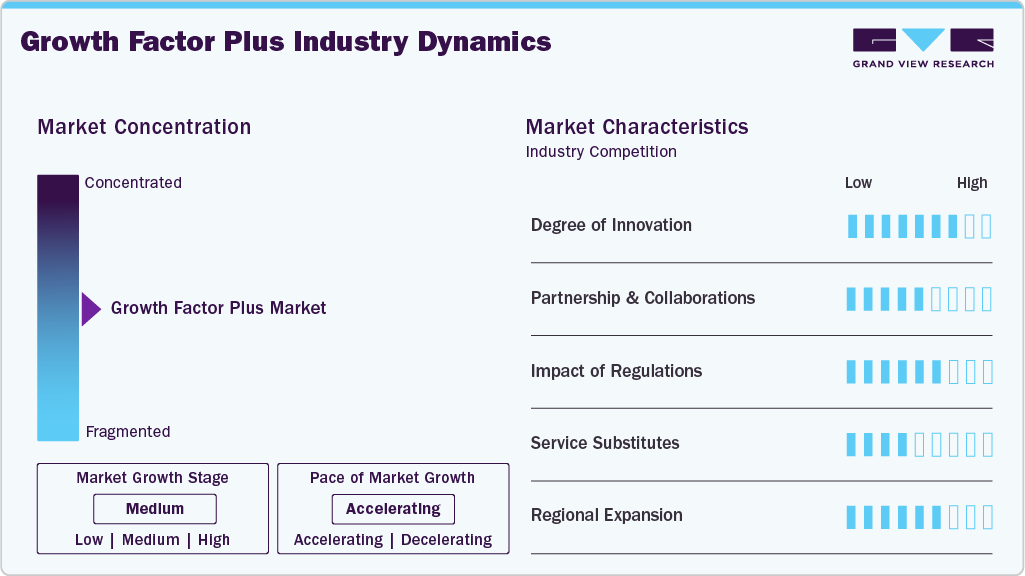
The growth factor plus market is moderately concentrated, with leading companies such as Smith & Nephew plc, Galderma, Neocutis, and ZO Skin Health, among others, holding notable shares of the market. These players offer a diverse portfolio of growth factor-based solutions, including platelet-rich plasma (PRP), recombinant growth factor formulations, and bioactive skin rejuvenation injectables, which are widely used for skin regeneration, collagen stimulation, anti-aging treatments, and hair restoration. Their strong product pipelines, expanding clinical applications, and ongoing advancements in regenerative medicine technologies support improved therapeutic outcomes such as enhanced tissue repair, accelerated healing, improved skin texture, and more natural and long-lasting aesthetic results.
The industry is witnessing significant innovation, driven by advancements in bioengineered proteins, regenerative medicine, and controlled delivery systems. Unlike conventional aesthetic treatments, GF+ solutions are increasingly designed to stimulate endogenous cellular repair, collagen synthesis, and tissue regeneration. Scientific evidence highlights that growth factors play a critical role in regulating cellular processes such as proliferation, migration, and differentiation, which are essential for wound healing and skin rejuvenation. A key area of innovation lies in advanced delivery technologies, including biomaterial-based systems, nano-carriers, and sustained-release formulations that enhance the stability and bioavailability of growth factors.
 To learn more about this report, Download Free Sample Report
 Partnerships and collaborations play a vital role in the growth factor plus (GF+) market, enabling companies to accelerate innovation, enhance product development, and expand the commercialization of regenerative skincare and hair restoration solutions. For instance, in April 2025, DermaFocus announced a strategic collaboration with InMode Ltd. to expand the distribution of the Purasomes range, an exosome- and growth factor–based product line for skin and hair regeneration. The partnership integrates regenerative biologics with InMode’s energy-based technologies, including radiofrequency microneedling platforms, to enhance treatment outcomes and clinical efficacy. This development reflects the growing trend of combining growth factor–based solutions with advanced aesthetic devices to drive innovation in regenerative medicine.
Regulatory oversight plays a critical role in shaping the industry, particularly due to the biological nature of growth factors, exosomes, and cell-derived ingredients. Authorities such as the U.S. Food and Drug Administration classify many of these products as biological drugs rather than cosmetics when they claim therapeutic or regenerative benefits, requiring rigorous clinical validation, manufacturing compliance, and formal approval pathways. This has created a complex regulatory landscape where companies must carefully position products to meet either cosmetic or pharmaceutical standards.
Substitute options in the market include a broad range of non-biologic, minimally invasive, and device-based treatments that deliver comparable outcomes in skin rejuvenation, hair restoration, and wound healing without directly using growth factor–based formulations. These alternatives are gaining traction due to lower regulatory complexity, wider clinical acceptance, and established safety profiles. Energy-based devices are strong alternatives, including laser treatments and radiofrequency (RF) systems, which promote collagen remodeling, improve skin elasticity, and reduce wrinkles. For instance, technologies such as fractional lasers and RF microneedling are increasingly used for skin tightening, scar reduction, and post-procedure recovery, delivering results comparable to growth factor–enhanced therapies without the need for biologic inputs.
Regional expansion is driven by increasing demand for regenerative aesthetics, rising awareness of biologics-based skincare, and the growing adoption of minimally invasive treatments. Companies are actively strengthening their global presence through strategic partnerships, distributor networks, and localized product launches to tap into high-growth markets, particularly in Asia-Pacific region, where demand for advanced skincare solutions is rapidly increasing. In addition, favorable demographic trends, such as aging populations and rising disposable incomes in emerging economies, are driving higher spending on advanced skincare and hair restoration treatments.
Product Insights
The serums segment dominated the market in 2025, accounting for the largest revenue share of 61.4%, and is expected to witness the fastest CAGR over the forecast period. This growth is primarily driven by the increasing consumer shift toward non-invasive, at-home regenerative skincare solutions, rising awareness of biologically active ingredients, and the growing demand for anti-aging and skin-repair formulations that mimic clinical outcomes. GF+ serums, enriched with bioengineered growth factors such as EGF, FGF, and IGF, play a critical role in stimulating collagen synthesis, accelerating cellular turnover, and enhancing wound healing, making them highly effective for skin rejuvenation and post-procedure recovery. Furthermore, GF+ serums are increasingly used as complementary products alongside aesthetic procedures such as microneedling and PRP therapies, helping extend treatment outcomes and accelerate recovery, thereby reinforcing their role in both professional and consumer skincare routines. Collectively, clinical efficacy, rising adoption in regenerative skincare, strong consumer demand for non-invasive anti-aging solutions, and continuous product innovation are driving the rapid growth of the GF+ serum segment globally.
The creams & gels segment is expected to post the second-fastest CAGR of 6.1% over the forecast period. The growth is driven by increasing demand for daily-use regenerative skincare products, rising preference for barrier-repair formulations, and the growing adoption of post-procedure recovery solutions. GF+ creams and gels offer sustained hydration, improved skin barrier function, and prolonged ingredient contact time, making them highly suitable for continuous skin repair and maintenance. Growth factors such as EGF, FGF, and PDGF play a crucial role in stimulating collagen production, enhancing skin elasticity, and accelerating tissue repair, which makes these formulations particularly effective in anti-aging, wound healing, and dermatological care applications.
Application Insights
The anti-aging & skin rejuvenation segment dominated the market, holding the largest revenue share in 2025. The growth is primarily driven by the rising focus on preventive skincare, the rising demand for non-invasive aesthetic solutions, and strong clinical evidence supporting the efficacy of growth factor-based formulations in reversing visible signs of aging. Growth factors play a central role in cellular signaling, stimulating collagen production, enhancing skin elasticity, and promoting tissue regeneration, key mechanisms required for effective anti-aging and skin rejuvenation treatments. For instance, in May 2023, A systematic review published by John Wiley & Sons, Inc in the Journal of Cosmetic Dermatology (Wiley) highlighted the growing clinical importance of growth factor plus (GF+)–based topical products in anti-aging and skin rejuvenation. By analyzing multiple clinical studies, the review found that consistent use of GF+ formulations leads to visible improvements in fine lines, wrinkles, and skin texture, reinforcing their role as effective regenerative skincare solutions.
The scar treatment & wound healing segment is expected to witness the fastest CAGR over the forecast period. The growth is fueled by the rising prevalence of chronic wounds, increasing demand for advanced regenerative therapies, and strong clinical evidence supporting the efficacy of growth factor-based products in accelerating tissue repair. Growth factors play a critical role in wound healing by regulating cell migration, proliferation, angiogenesis, and extracellular matrix formation, key biological processes required for effective tissue regeneration and scar reduction. For instance, in July 2023, a study published in the Journal of Functional Biomaterials (MDPI) demonstrated the effectiveness of epidermal growth factor (EGF)-based delivery systems in accelerating wound healing, highlighting their growing importance in growth factor plus (GF+) applications. The research showed that EGF-loaded alginate–hyaluronic acid microbeads significantly enhanced tissue regeneration by promoting cell proliferation, angiogenesis, and faster wound closure, indicating strong potential for advanced wound care therapies.
Distribution Channel Insights
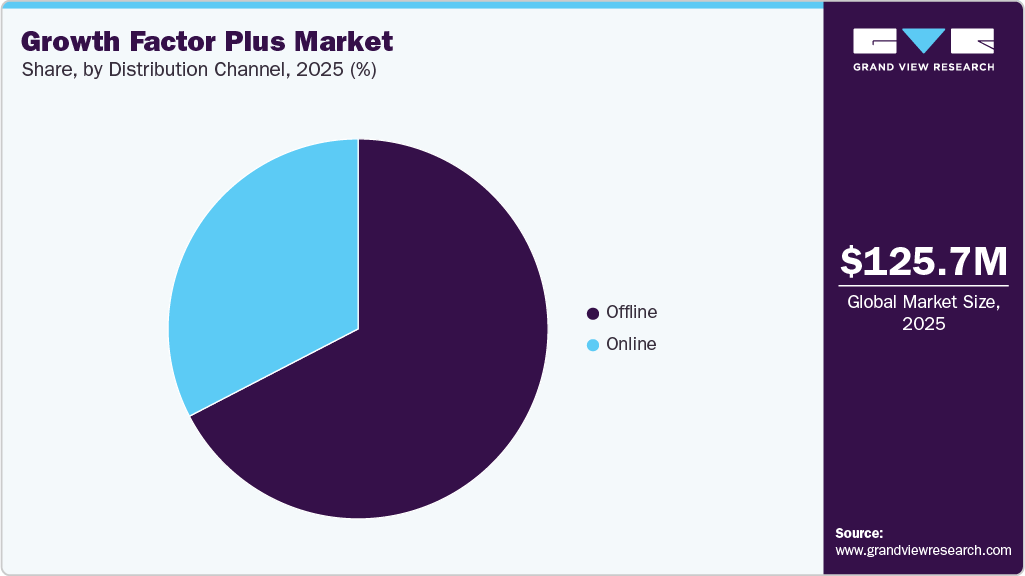
The offline segment held the largest revenue share in 2025. The growth is driven by the strong reliance on dermatology clinics, aesthetic centers, and pharmacies for the distribution of advanced, clinically backed skincare products. GF+ formulations, especially those containing bioengineered growth factors, are often marketed as medical-grade or cosmeceutical products and require professional guidance for proper selection and use. Dermatologists and skincare professionals play a critical role in recommending these products, as growth factors are biologically active proteins that regulate cellular repair, collagen synthesis, and tissue regeneration. This underscores the importance of clinical validation and expert supervision for effective outcomes. Another major factor driving offline demand is growing consumer preference for personalized skincare and medically supervised treatments. With the rise of regenerative skincare, patients increasingly seek expert consultation to address concerns such as aging, pigmentation, and post-procedure recovery. Clinics and pharmacies provide tailored recommendations and integrated treatment plans, which boost consumer trust and encourage in-person purchases.
 To learn more about this report, Download Free Sample Report
 The online segment is anticipated to grow at the fastest CAGR over the forecast period. The increasing adoption of e-commerce platforms and the growing consumer shift toward at-home, clinically inspired skincare solutions are driving the growth of the segment. The rising availability of GF+ serums, creams, and hair growth products through brand-owned websites and online marketplaces has significantly improved product accessibility across regions. Furthermore, the expansion of tele-dermatology services, digital consultations, and personalized skincare recommendations has strengthened consumer confidence in purchasing GF+ products online. The influence of social media, targeted digital marketing, and skincare awareness campaigns is further accelerating demand, particularly among younger, tech-savvy consumers. In addition, benefits such as convenience, competitive pricing, subscription-based models, and access to detailed product information and reviews are expected to support the rapid growth of the online segment.
Regional Insights
The North America growth factor plus industry accounted for the largest revenue share of 40.7% in 2025. The growth is driven by strong clinical adoption of biologics-based skincare and regenerative therapies. The region benefits from a well-established aesthetic ecosystem, high consumer spending on premium anti-aging solutions, and early uptake of innovations such as exosome-infused formulations and growth factor serums. In the U.S., dermatology clinics and medspas are increasingly integrating GF+ products into post-procedure care protocols, particularly after microneedling, laser resurfacing, and chemical peels, enhancing treatment outcomes and recovery time. In addition, the presence of leading biotechnology firms, robust R&D pipelines, and favorable regulatory clarity for cosmeceuticals further supports sustained market leadership.
 To learn more about this report, Download Free Sample Report
 U.S. Growth Factor Plus Market Trends
Thegrowth factor plus industry in the U.S.is experiencing steady growth, driven by high consumer awareness of advanced, science-backed skincare and the widespread availability of dermatology-led aesthetic services. The country’s mature medical aesthetics landscape supports strong adoption in both clinical settings and physician-dispensed skincare, particularly for anti-aging, post-procedure recovery, and hair restoration applications. Regulatory clarity around cosmeceuticals and the strong presence of biotechnology and skincare companies are encouraging continuous product innovation, including formulations using recombinant growth factors and combination actives. In addition, the growing trend of personalized skincare, supported by digital skin analysis tools and subscription-based dermatology platforms, is further contributing to sustained demand across diverse consumer segments.
Europe Growth Factor Plus Market Trends
The growth factor plus industry in Europe is being reshaped by a strong emphasis on clinically validated skincare, stringent regulatory frameworks, and rising demand for clean-label and scientifically backed formulations. Regulatory oversight under the EU Cosmetics Regulation is pushing manufacturers to invest in high-quality, safe, and traceable bioactive ingredients, including recombinant growth factors. Furthermore, collaborations between biotech companies and academic research institutions are accelerating innovation in skin regeneration and wound healing applications, strengthening the region’s position in evidence-based aesthetic treatments.
The UK growth factor plus industry is steadily growing. The growth is driven by the rising integration of medically backed skincare within clinical dermatology and aesthetic practices. An increasing number of practitioners are recommending GF+ formulations as part of personalized treatment regimens, particularly for managing skin aging, sensitivity, and post-inflammatory damage. The country’s strong emphasis on evidence-based products and consumer preference for scientifically validated ingredients is encouraging brands to invest in clinical trials and transparent labeling. Additionally, the expansion of premium pharmacy chains and doctor-led skincare brands is improving accessibility and trust, further supporting the adoption of GF+ solutions across both clinical and at-home care segments.
The growth factor plus industry in Spain is experiencing significant growth, driven by the country’s expanding aesthetic tourism sector and increasing demand for high-performance skin recovery solutions. Spain’s well-developed network of aesthetic clinics and wellness centers is promoting the use of GF+ products, particularly in post-procedure care for treatments such as chemical peels and dermabrasion. Moreover, the growing influence of professional skincare protocols within spa and wellness settings is encouraging the use of bioactive formulations for skin regeneration and hydration. Rising collaborations between local distributors and international skincare brands are also enhancing product availability, positioning Spain as a key emerging hub within the European GF+ market.
Asia Pacific Growth Factor Plus Market Trends
The growth factor plus industry in the Asia Pacific is gaining traction and is expected to witness the fastest CAGR of 7.2% during the forecast period. The growth is fueled by rising beauty consciousness, expanding middle-class populations, and the rapid growth of the medical aesthetics industry. The market is at the forefront of innovation, particularly in advanced skincare technologies integrating growth factors, peptides, and stem cell-derived ingredients. The region’s dominance in cosmetic dermatology procedures, including glass skin treatments and skin boosters, is significantly driving demand for GF+ products as adjunct therapies. Moreover, the proliferation of e-commerce platforms and social media-driven beauty trends is accelerating product accessibility and consumer awareness across Southeast Asia and India.
The China growth factor plus industry is experiencing rapid expansion due to the accelerating adoption of biotech-driven skincare innovations and the country’s strong domestic manufacturing capabilities in bioactive ingredients. The presence of a highly competitive local cosmeceutical industry, combined with increasing investments in research related to recombinant growth factors and stem cell-derived actives, is fostering product development tailored to local consumer needs. Additionally, the rise of “derma-cosmetics” and pharmacy-led skincare distribution channels is boosting credibility and uptake of GF+ formulations. Regulatory reforms aimed at streamlining cosmetic ingredient approvals are further enabling faster commercialization, while the growing influence of domestic beauty brands is enhancing market penetration across tier-1 and tier-2 cities.
The growth factor plus industry in South Korea is largely driven by its globally influential beauty innovation ecosystem and strong integration of clinical dermatology with cosmetic product development. The country’s advanced aesthetic clinics actively incorporate GF+ products into combination therapies, particularly alongside procedures such as skin boosters and laser resurfacing, creating consistent clinical demand. Furthermore, South Korea’s export-oriented K-beauty industry is playing a crucial role in scaling GF+ product visibility worldwide, with manufacturers focusing on high-efficacy, multi-functional formulations. Continuous advancements in delivery technologies, such as encapsulation systems for improved skin penetration, are also contributing to product differentiation and sustained domestic demand.
Latin America Growth Factor Plus Market Trends
The growth factor plus industry in Latin America is an emerging market and is expected to grow at a significant rate due to increasing demand for aesthetic treatments, improving healthcare infrastructure, and growing awareness of advanced skincare solutions. Countries such as Brazil and Argentina are key contributors, supported by a strong culture of aesthetic enhancement and a high volume of cosmetic procedures. Dermatology clinics in the region are gradually incorporating GF+ formulations into anti-aging and scar treatment protocols, particularly for post-procedure healing. Moreover, rising disposable incomes and expanding private healthcare sectors are enabling greater access to premium regenerative skincare products, positioning the region as a high-potential growth market.
The Brazil growth factor plus industry is expected to witness a notable growth. Brazil is one of the largest markets in the region for minimally invasive aesthetic treatments, which is driving the adoption of GF+ products for applications such as anti-aging, scar reduction, and post-procedure skin recovery. The increasing presence of dermatology clinics and aesthetic centers, particularly in urban hubs, is further accelerating product uptake. Furthermore, rising consumer awareness of regenerative skincare solutions, coupled with growing disposable incomes and expanding access to private healthcare services, is contributing to market expansion. The integration of growth factor-based formulations into routine dermatological treatments, along with the influence of beauty trends and social media, is also shaping demand across the country.
Middle East & Africa Growth Factor Plus Market Trends
The growth factor plus industry in the Middle East and Africa (MEA) is growing steadily, owing to increasing investments in aesthetic healthcare infrastructure and a rising preference for minimally invasive cosmetic treatments. The Gulf countries, particularly the UAE and Saudi Arabia, are witnessing a surge in demand for advanced skincare and post-procedure recovery solutions, driven by a young, appearance-conscious population and growing medical tourism. High-end dermatology clinics and aesthetic centers are adopting GF+ products to enhance outcomes of procedures such as laser therapy and PRP treatments.
The Saudi Arabia growth factor plus industry is experiencing notable growth, supported by rising demand for advanced aesthetic and dermatological treatments, increasing disposable incomes, and a growing focus on personal appearance among a young and digitally influenced population. The expansion of high-end dermatology clinics and medical aesthetic centers, particularly in major cities such as Riyadh and Jeddah, is driving the adoption of GF+ products for skin rejuvenation, post-procedure recovery, and hair restoration. In addition, government initiatives under Vision 2030 to enhance healthcare infrastructure and promote medical tourism are further accelerating market development. The increasing popularity of minimally invasive procedures, including laser treatments and microneedling, is also boosting the use of growth factor-based formulations as adjunct therapies to improve treatment outcomes and reduce recovery time.
Key Growth Factor Plus Company Insights
The growth factor plus market is highly competitive, with several key players. The major industry players are focusing on expanding their geographical footprint, forming strategic partnerships to enhance product accessibility and clinical adoption, and advancing regenerative skincare and hair restoration solutions through innovative aesthetic technologies.
Key Growth Factor Plus Companies:
The following key companies have been profiled for this study on the growth factor plus market.
- SkinMedica
- BIOEFFECT
- Neocutis
- Bharat Biotech
- Smith & Nephew
- ZO Skin Health
- CALECIM Professional
- Galderma (Alastin Skincare)
- The Ordinary
- Perricone MD
Recent Developments
-
In January 2025, The Ordinary launched its GF 15% Solution, a growth factor–based serum formulated with a 15% concentration of bioactive proteins to support skin regeneration and address visible signs of aging. The product is designed to stimulate tissue repair, improve skin texture, and enhance collagen production, reflecting the increasing adoption of growth factor technologies in advanced skincare formulations.
-
In September 2024, Core Biogenesis entered the beauty market with the launch of two next-generation growth factor actives, Peauvita (EGF-based) and Peauforia (FGF-based), targeting anti-aging and skin regeneration applications. These plant-derived bioengineered ingredients utilize oleosome technology to enhance stability, penetration, and efficacy, addressing key challenges in growth factor delivery.
Growth Factor Plus Market Report Scope
Report Attribute
Details
Market size in 2025
USD 125.7 million
Estimated market size in 2026
USD 132.0 million
Projected market size by 2033
USD 201.3 million
Growth rate
CAGR of 6.2% from 2026 to 2033
Base year for estimation
2025
Historical data
2021 - 2024
Forecast period
2026 - 2033
Quantitative units
Revenue in USD million and CAGR from 2026 to 2033
Report coverage
Revenue forecast, company ranking, competitive landscape, growth factors, and trends
Segments covered
Product, application, distribution channel,region
Regional scope
North America; Europe; Asia Pacific; Latin America; MEA
Country scope
U.S.; Canada; Mexico; UK; Germany; France; Italy; Spain; Denmark; Sweden; Norway; Japan; China India; Australia; Thailand; South Korea; Brazil; Argentina; South Africa; Saudi Arabia; UAE; Kuwait
Key companies profiled
SkinMedica; BIOEFFECT; Neocutis; Bharat Biotech; Smith & Nephew; ZO Skin Health; CALECIM Professional; Galderma (Alastin Skincare); The Ordinary; Perricone MD
Customization scope
Free report customization (equivalent up to 8 analyst’s working days) with purchase. Addition or alteration to country, regional, and segment scope
Pricing and purchase options
Avail customized purchase options to meet your exact research needs. Explore purchase options
Global Growth Factor Plus Market Report Segmentation
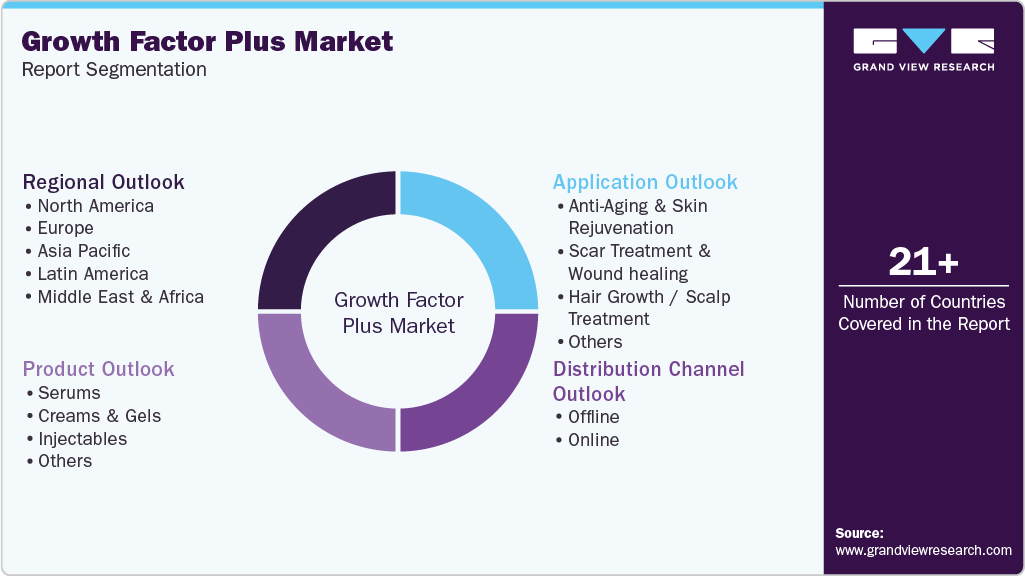
This report forecasts revenue growth at global, regional, and country levels and provides an analysis of the latest industry trends in each of the sub-segments from 2021 to 2033. Forthis study, Grand View Research has segmented the global growth factor plus market report based on product, application, distribution channel, and region:
 To learn more about this report, Download Free Sample Report
 -
Product Outlook (Revenue, USD Million, 2021 - 2033)
-
Serums
-
Creams & Gels
-
Injectables
-
Others
-
-
Application Outlook (Revenue, USD Million, 2021 - 2033)
-
Anti-Aging & Skin Rejuvenation
-
Scar Treatment & Wound healing
-
Hair Growth / Scalp Treatment
-
Others
-
-
Distribution Channel Outlook (Revenue, USD Million, 2021 - 2033)
-
Offline
-
Online
-
-
Regional Outlook (Revenue, USD Million, 2021 - 2033)
-
North America
-
U.S.
-
Canada
-
Mexico
-
-
Europe
-
UK
-
Germany
-
France
-
Italy
-
Spain
-
Norway
-
Denmark
-
Sweden
-
-
Asia Pacific
-
China
-
Japan
-
South Korea
-
Thailand
-
Australia
-
India
-
-
Latin America
-
Brazil
-
Argentina
-
-
MEA
-
South Africa
-
Saudi Arabia
-
UAE
-
Kuwait
-
-
Frequently Asked Questions About This Report
Key factors driving the growth factor plus market include rising demand for clinically validated skincare products, advancements in biotechnology and bioengineered growth factors, increasing adoption of regenerative skincare solutions, expanding use in post-procedure recovery and aesthetic treatments, and growing consumer preference for premium anti-aging and skin rejuvenation products.
The global growth factor plus market size was valued at USD 125.7 million in 2025 and is estimated at USD 132.0 million for 2026.
The global growth factor plus market is expected to grow at a CAGR of 6.2% from 2026 to 2033, reaching USD 201.3 million by 2033.
Asia Pacific is the fastest-growing regional market and is expected to witness a CAGR of 7.2% during the forecast period.
Some of the key players operating in the growth factor plus market include SkinMedica, BIOEFFECT, Neocutis, Bharat Biotech, Smith & Nephew, ZO Skin Health, CALECIM Professional, Galderma (Alastin Skincare), The Ordinary, and Perricone MD.
The serums segment led the market with a revenue share of 61.4% in 2025 and is also expected to witness the fastest CAGR over the forecast period.
The anti-aging & skin rejuvenation segment held the largest revenue share in 2025.
The offline segment held the largest revenue share in 2025, while the online segment is expected to grow at the fastest CAGR during the forecast period.
North America dominated the global growth factor plus market with a revenue share of 40.7% in 2025.
About the Author(s)
Medical Devices Research Team
Healthcare · Medical DevicesThis report was authored by the medical devices research team at Grand View Research - comprising two research analysts, one senior research analyst, and one industry expert - with specialized expertise in the medical devices segment of the healthcare industry. All findings are based on proprietary healthcare databases, executive interviews, and regulatory analysis, subject to internal peer review prior to publication.
Last Updated:
Speak to Analyst

Customize this report to your needs - add regions, segments, or data points, with 20% free customization.
Or view our licence options:


ISO 9001:2015 & 27001:2022 Certified
We are GDPR and CCPA compliant! Your transaction & personal information is safe and secure. For more details, please read our privacy policy.


