
- Home
- »
- Medical Devices
- »
-
Imaging Catheters Market Size, Share Report, 2026-2033GVR Report cover
![Imaging Catheters Market (2026 - 2033)Report]()
Imaging Catheters Market (2026 - 2033)
Size, Share & Trends Analysis Report By End Use (Hospital, Diagnostic Imaging Center), By Technology (Intravascular Ultrasound Catheters, Angiography Catheters), By Use, By Region, And Segment Forecasts
Market Size, 2025
$1.5BMarket Estimate, 2026
$1.6BMarket Forecast, 2033
$2.2BCAGR, 2026–2033
5.1%Imaging Catheters Market Size & Trends
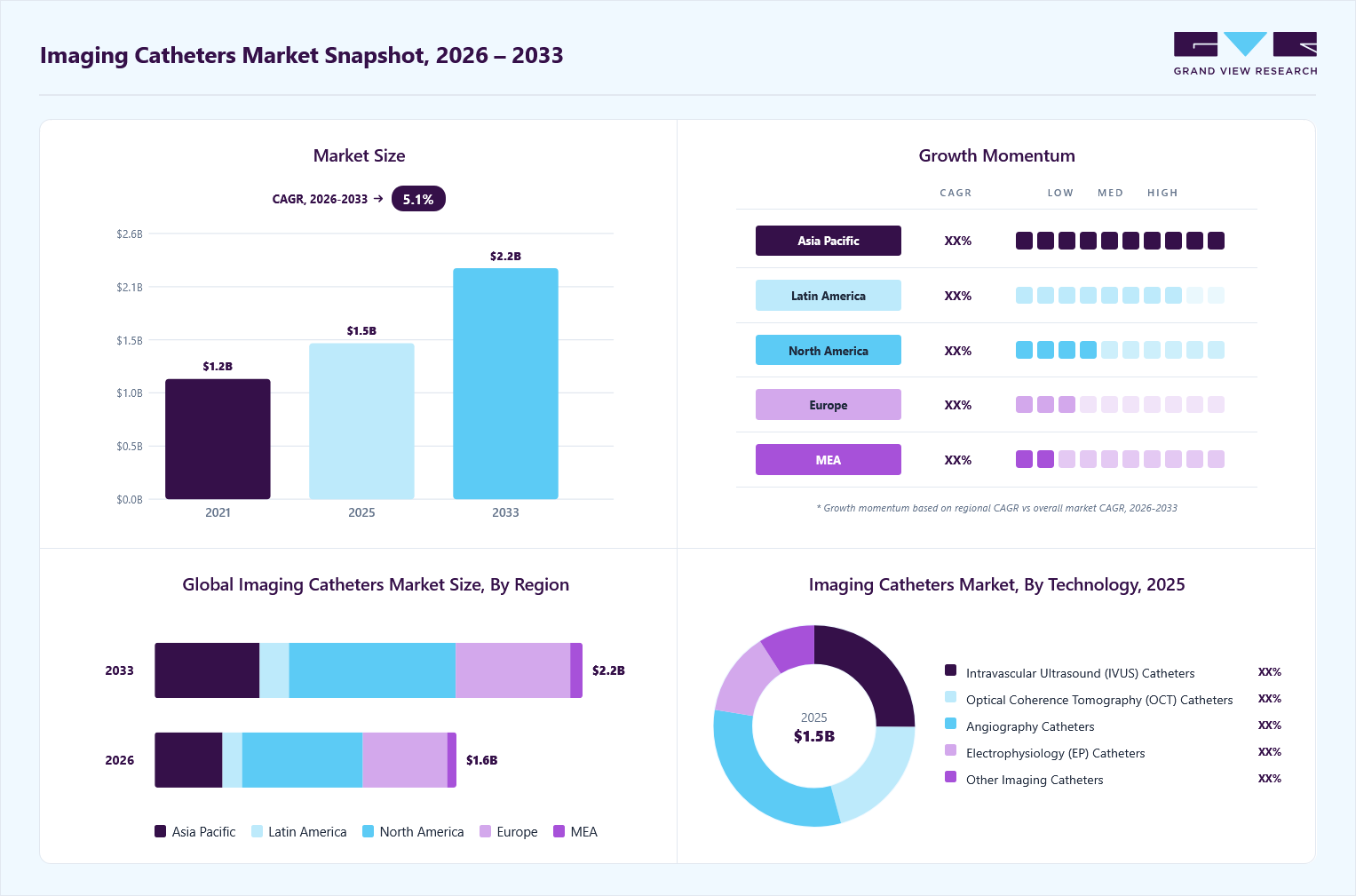
The global imaging catheters market size was valued at USD 1.5 billion in 2025 and is projected to grow from USD 1.6 billion in 2026 to USD 2.2 billion by 2033, at a CAGR of 5.1% from 2026 to 2033. North America dominated the global market, accounting for the largest revenue share of 40.2% in 2025. This growth is attributed to the rising global burden of cardiovascular diseases, technological advancements such as AI-enhanced and saline-compatible imaging systems, and increasing demand for minimally invasive diagnostics, which are fueling market expansion.
Key Market Trends & Insights
- By technology: Angiography catheters segment led the market with the largest revenue share of 31.9% in 2025
- By use: Post-intervention use segment led the market with the largest revenue share of 58.4% in 2025.
- By end use: Hospitals segment led the market with the largest revenue share of 48.5% in 2025.
Regional Highlights
- Largest regional market: North America (40.2% revenue share, 2025)
- By country: The U.S. held the largest market share in 2025.
Market Size & Forecast
- Market size in 2025: USD 1.5 Billion
- Estimated market size in 2026: USD 1.6 Billion
- Projected market size by 2033: USD 2.2 Billion
- CAGR (2026-2033): 5.1%
Factors such as an aging population, growing healthcare expenditures, and favorable regulatory approvals are expected to fuel market expansion further, making imaging catheters an essential component in modern interventional cardiology and vascular care. According to CDC data published in October 2024, heart disease remains the leading cause of death for men, women, and individuals across most racial and ethnic groups. On average, one person dies from cardiovascular disease every 33 seconds. In 2022, heart disease claimed the lives of 702,880 people, accounting for approximately 1 in every 5 deaths.Cardiovascular diseases, including coronary artery disease, peripheral artery disease, heart failure, and cerebrovascular disease, require accurate and timely diagnosis for effective treatment. Imaging catheters are critical in diagnosing these conditions by providing real-time, high-resolution images of blood vessels. Techniques such as angiography, optical coherence tomography, and intravascular ultrasound are commonly used to identify blockages, stenosis, plaques, and other abnormalities in the vascular system. As the prevalence of CVDs rises, the number of diagnostic and interventional procedures increases, directly driving demand for imaging catheters to assist in both diagnosis and treatment. The increasing incidence of CVDs underscores the need for early detection to prevent complications such as heart attacks, strokes, and limb amputations. Imaging catheters, particularly OCT and IVUS, provide detailed images of arterial walls and plaques, allowing for early identification of vulnerable plaques and evaluating arterial health before symptoms arise. Early detection enables timely intervention, vital for improving patient outcomes and reducing the need for more invasive treatments like bypass surgery. This growing focus on early diagnosis and intervention increases the demand for imaging catheters.

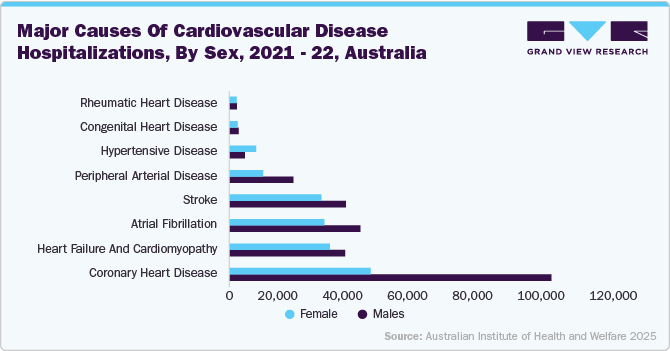
The below figure shows that coronary heart disease is the most prevalent cardiovascular condition in Australia, especially among males, followed by heart failure, atrial fibrillation, and stroke. This high burden of CHD and related conditions significantly drives the imaging catheters market, as these tools are essential for accurate diagnosis and treatment planning. The strong demand for procedures such as angiography, OCT, and IVUS supports continued market expansion, especially in a large and growing patient population.
Causes of Hospitalization
Males
Females
Persons
Coronary heart disease
103,037
45,201
148,243
Heart failure and cardiomyopathy
36,995
32,158
69,154
Atrial fibrillation
41,893
30,387
72,281
Stroke
37,318
29,466
66,784
Peripheral arterial disease
20,465
10,796
31,262
Hypertensive disease
4,935
8,564
13,499
Congenital heart disease
2,983
2,622
5,606
Rheumatic heart disease
2,376
2,311
4,688
All CVD
333,075
234,951
568,054
Source: Australian Institute of Health and Welfare 2025
Technological advancements in imaging catheters have significantly driven the market, particularly through the miniaturization of devices, high-resolution imaging technologies, and integration with advanced visualization techniques. Miniaturization has enabled the development of smaller, more flexible catheters that can easily navigate complex anatomical structures, leading to less invasive procedures and reduced patient discomfort. For instance, intracoronary imaging catheters, like those used in Optical Coherence Tomography (OCT), have become smaller and more efficient, allowing for more precise visualization of coronary artery conditions.
As people age, their risk of developing coronary artery disease, heart failure, arrhythmias, and peripheral artery disease increases significantly. Structural changes in the blood vessels, reduced elasticity, and plaque buildup make older people particularly vulnerable. Imaging catheters-especially for angiography, optical coherence tomography, and intravascular ultrasound are essential for diagnosing and managing these conditions. The growing elderly population creates sustained demand for these technologies. Older patients often have multiple comorbidities, making them less suitable candidates for open-heart surgery or highly invasive procedures. Imaging catheters enable minimally invasive interventions such as stent placements and balloon angioplasty by providing real-time visualization of blood vessels. This improves safety and outcomes, making catheter-based diagnostics the preferred choice in geriatric care, thus expanding the market.
According to data published by the WHO in October 2024, the number of older people is estimated to increase significantly in the coming years. Below are some projections given by the WHO:
-
By 2030, 1 in 6 people worldwide will be aged 60 or older, with the population in this age group growing from 1 billion in 2020 to 1.4 billion.
-
By 2050, the worldwide population of individuals aged 60 and above is estimated to double, reaching 2.1 billion.
-
The number of people aged 80 or older is expected to triple from 2020 to 2050, reaching 426 million.
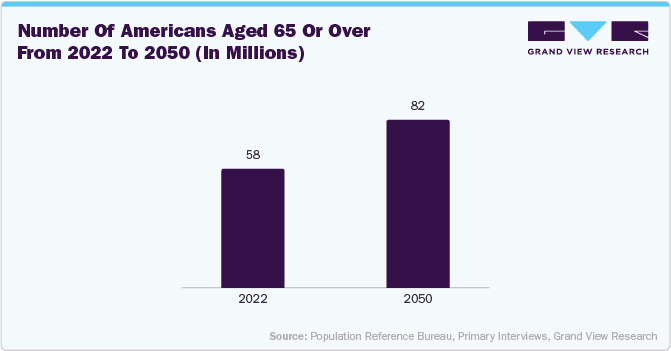
Furthermore, the data published by the Population Reference Bureau in January 2024 estimated that the number of people living in America aged 65 and older is estimated to rise by 47% from 2022 to 2050. This age group’s share of the total population is estimated to increase from 17% to 23%.
Market Dynamics
The imaging catheters market is driven by the increasing shift toward minimally invasive cardiovascular and neurovascular procedures, where real-time internal visualization enhances diagnostic accuracy and procedural outcomes. The growing adoption of advanced imaging technologies, such as intravascular ultrasound and optical coherence tomography, is improving precision in catheter-based interventions. The increasing prevalence of cardiovascular and peripheral vascular diseases, along with the growing demand for early and accurate diagnosis, is supporting market expansion. Continuous technological advancements, including high-resolution imaging, hybrid catheter designs, and improved navigation systems, are strengthening clinical efficiency and procedural effectiveness.
The rising prevalence of cardiovascular, neurovascular, and peripheral vascular diseases is significantly increasing the demand for advanced diagnostic and interventional tools such as imaging catheters. Conditions such as coronary artery disease, stroke, carotid artery stenosis, peripheral artery disease, deep vein thrombosis, and aneurysms are becoming more common, driving the need for precise vascular visualization. Imaging catheters support accurate diagnosis, treatment planning, and real-time guidance during minimally invasive procedures by enabling clinicians to detect blockages, plaque buildup, and vessel abnormalities with high precision. This growing disease burden is also contributing to a higher volume of catheter-based interventions, further strengthening the adoption of intravascular imaging technologies. Thus, healthcare providers are incorporating imaging catheters into cardiovascular and neurovascular care pathways to improve procedural safety and clinical outcomes.
"Brain aneurysms typically produce no symptoms but can burst without warning with catastrophic consequences. The reality is that most brain aneurysms will never rupture, but we currently have no way of identifying the minority that will. We are making great strides in understanding clinical risk factors but our ability to understand the genetics behind their development and understand why they rupture remains surprisingly limited for a condition that potentially impacts 3% of the UK population."- Professor Diederik Bulters, Consultant Neurosurgeon at UHS, Honorary Professor of Neurovascular Surgery at the University of Southampton, and Chief Investigator of the ROAR Study.
- According to the Hereditary Brain Aneurysm Support 2025, unruptured brain aneurysms, localized bulges or swellings in the brain’s blood vessels, are relatively common, affecting about 3% of the UK population, or roughly 2 million people. While most aneurysms remain asymptomatic and do not cause problems, a small number, between 3,000 and 5,000 cases each year, rupture, with approximately half of these resulting in fatal outcomes.
The requirement for specialized training and skilled operators is to restrain the growth of the imaging catheters market because these devices involve complex technologies, such as intravascular ultrasound and optical coherence tomography, that demand high procedural expertise. Healthcare professionals need extensive training to operate imaging systems accurately, interpret real-time images, and integrate findings into interventional decision-making. This increases the time and cost required for skill development, limiting widespread adoption, especially in smaller hospitals and emerging healthcare facilities. The shortage of adequately trained interventional cardiologists and radiologists further slows procedure volumes and restricts utilization of advanced imaging catheters. Thus, many healthcare centers continue to rely on conventional imaging or less complex diagnostic tools
Technological advancements in catheter miniaturization and high-resolution imaging present a significant opportunity for the imaging catheters market by enhancing procedural efficiency and clinical outcomes. The development of smaller, more flexible catheter designs enables improved navigation through complex, narrow blood vessels, allowing access to challenging anatomical sites with reduced procedural risk. In parallel, advancements in high-resolution imaging technologies, such as intravascular ultrasound and optical coherence tomography, provide clearer, more detailed visualization of vessel structures, plaque composition, and blockages. This improved image quality supports more accurate diagnosis, optimized treatment planning, and better real-time decision-making during minimally invasive procedures. Thus, these innovations are expanding physician confidence, broadening the scope of treatable conditions, and driving increased adoption of imaging catheters across cardiovascular, neurovascular, and peripheral vascular interventions.
- In October 2025, Terumo Corporation announced that its DualView Imaging Catheter received U.S. FDA 510(k) clearance as part of its OPUSWAVE imaging platform. The DualView catheter is designed for coronary imaging procedures. It features a maximum pullback length of 150 mm, an ultra-low 2.6 Fr imaging profile, compatibility with 6 Fr guiding catheters, and a variable pullback speed of up to 40 mm/second in dual-mode operation. The device is engineered to enhance intravascular imaging efficiency and flexibility, enabling improved visualization of coronary artery lesions during percutaneous coronary intervention (PCI) procedures.
Market Concentration & Characteristics
The market growth stage is high, and the pace of growth is accelerating. The industry is experiencing significant innovation driven by technological advancements, materials, and procedural techniques. Modern imaging catheters incorporate intravascular ultrasound, optical coherence tomography, and fluoroscopy. These modalities provide real-time, high-resolution visualization of vascular structures, enhancing diagnostic accuracy and procedural outcomes. Advancements in materials and design have led to the development of smaller, more flexible catheters capable of navigating complex anatomies. Additionally, multifunctional catheters that combine diagnostic and therapeutic capabilities are emerging, allowing for procedures like pressure measurement and drug delivery within a single device.
The imaging catheters market has witnessed a notable increase in mergers and acquisitions activity in recent years, reflecting a broader trend within the MedTech sector. This surge is driven by companies aiming to expand their cardiovascular portfolios, integrate advanced imaging technologies, and enhance minimally invasive treatment capabilities. For instance, in March 2025, Boston Scientific Corporation announced a definitive agreement to acquire SoniVie Ltd. This acquisition aligns with Boston Scientific's strategy to expand its interventional cardiology portfolio, offering minimally invasive therapy for patients.
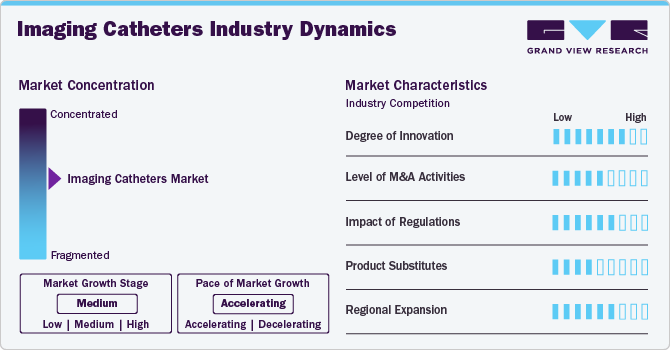
Regulations significantly shape the industry, impacting product development, clinical evaluation, approval processes, and post-market surveillance. In the United States, the FDA regulates these devices primarily as Class II or Class III, requiring either a 510(k) clearance or Premarket Approval (PMA), depending on the level of risk and innovation. In the European Union, the implementation of the Medical Device Regulation (EU MDR 2017/745) has introduced more stringent requirements, including reclassification of devices, rigorous clinical evaluations, and enhanced post-market surveillance obligations. This has led to longer approval timelines and increased costs for manufacturers.
Product expansion in the industry is driven by continuous technological innovation, increasing clinical demand, and strategic diversification by key industry players. Manufacturers are broadening their product portfolios to include advanced imaging modalities such as intravascular ultrasound, optical coherence tomography, and near-infrared spectroscopy integrated with therapeutic features for simultaneous diagnosis and intervention. There is also a growing focus on developing multifunctional and miniaturized catheters that can navigate complex anatomies with higher precision, supporting minimally invasive procedures.
Regional expansion in the industry is a strategic priority for manufacturers seeking to tap into emerging healthcare markets and diversify their global footprint. While North America and Europe continue to dominate due to advanced healthcare infrastructure and strong adoption of interventional cardiology techniques, companies are increasingly targeting Asia-Pacific, Latin America, and parts of the Middle East and Africa for growth opportunities. These regions are experiencing a rising burden of cardiovascular diseases, improving access to healthcare services, and increasing government investments in medical technology.
Analyst Perspective
The imaging catheter market is experiencing growth, driven by the increasing prevalence of cardiovascular diseases, rising volumes of minimally invasive procedures, and growing adoption of image-guided interventions worldwide. Market participants are focusing on advanced imaging technologies such as intravascular ultrasound (IVUS), optical coherence tomography (OCT), intracardiac echocardiography (ICE), and hybrid imaging platforms to enhance procedural accuracy, improve clinical outcomes, and support precision-based treatment strategies. The continued shift toward complex coronary, peripheral vascular, structural heart, and electrophysiology procedures, coupled with ongoing technological advancements in image quality, catheter design, and AI-enabled analytics, is expected to support market expansion. In addition, increasing physician awareness, favorable clinical evidence, and expanding healthcare infrastructure in emerging economies are likely to further accelerate adoption and create long-term growth opportunities.
Technology Insights
Based on technology, the angiography catheters segment led the market with the largest revenue share of 31.9% in 2025, and Optical Coherence Tomography (OCT) catheters are expected to grow at the fastest CAGR over the forecast period. These catheters are widely used to visualize blood vessels by injecting contrast agents under X-ray guidance, making them essential for identifying conditions such as coronary artery disease, peripheral artery disease, and cerebrovascular disorders. Their clinical utility spans multiple specialties, broadening their market reach. Angiography catheters are more cost-effective and do not require advanced imaging consoles, making them highly accessible, especially in low- and middle-income regions.
Optical Coherence Tomography (OCT) catheters are expected to grow at the fastest CAGR due to their ability to provide high-resolution, real-time intravascular imaging, which is valuable in precision cardiovascular diagnostics and interventions. OCT offers near-microscopic visualization of the arterial wall, enabling clinicians to assess plaque morphology, stent placement, and vascular healing with exceptional clarity. This level of detail is beneficial in complex cases such as bifurcation lesions and stent optimization, where improved imaging directly impacts clinical outcomes. The growing adoption of precision medicine and value-based healthcare is accelerating the demand for imaging tools that enhance procedural outcomes and reduce complications.
Use Insights
Based on use, the post-intervention use segment led the market with the largest revenue share of 58.4% in 2025. This dominance is driven by its critical role in guiding and assessing the outcomes of cardiovascular interventions. After procedures such as angioplasty or stent placement, imaging catheters, especially those using technologies such as IVUS and OCT, are essential for evaluating vessel patency, stent positioning, and potential complications like dissections or incomplete expansion. Their ability to provide high-resolution, real-time insights post-treatment improves procedural success rates and patient outcomes. Moreover, healthcare providers prioritize post-intervention imaging to ensure clinical precision, justifying the higher costs associated with these tools. This constant demand and clinical reliance make the post-intervention use segment the leading contributor to market growth.
The pre-intervention use are expected to grow at the fastest CAGR over the forecast period. Increasing focus on early and accurate diagnosis of cardiovascular diseases is driving demand for advanced imaging technologies before intervention. Physicians are using intravascular imaging tools such as IVUS and OCT to assess lesion characteristics, vessel size, and plaque composition before deciding on the most appropriate treatment strategy. This pre-procedural planning helps optimize outcomes, reduce complications, and support personalized treatment approaches. Additionally, as healthcare systems shift towards preventive care and precision medicine, the role of imaging in pre-intervention stages is expanding. Technological advancements are also making imaging catheters more user-friendly and accessible, encouraging broader adoption even before therapeutic procedures begin.
End Use Insights
Based on end-use, the hospitals segment led the market with the largest revenue share of 48.5% in 2025. Hospitals, particularly large tertiary and quaternary care centers, handle a high volume of critical and complex procedures that require advanced diagnostic tools, making them the primary users of imaging catheters. These facilities have specialized infrastructure, including catheterization labs (Cath labs) and imaging systems such as intravascular ultrasound and optical coherence tomography, essential for minimally invasive procedures such as angioplasty, stent placement, and other vascular interventions. Furthermore, hospitals employ highly skilled medical professionals trained to use these advanced devices effectively, including cardiologists, radiologists, and surgeons. Additionally, hospitals offer a wide range of diagnostic and therapeutic services, from interventional cardiology to vascular surgeries, making imaging catheters crucial across various specialties. The financial support provided by insurance and reimbursement systems also plays a significant role, as hospitals tend to have more extensive coverage for high-end medical procedures compared to smaller diagnostic centers or outpatient clinics. Moreover, hospitals treat a larger patient volume, including emergency cases and elective surgeries, which drives consistent demand for imaging catheters.
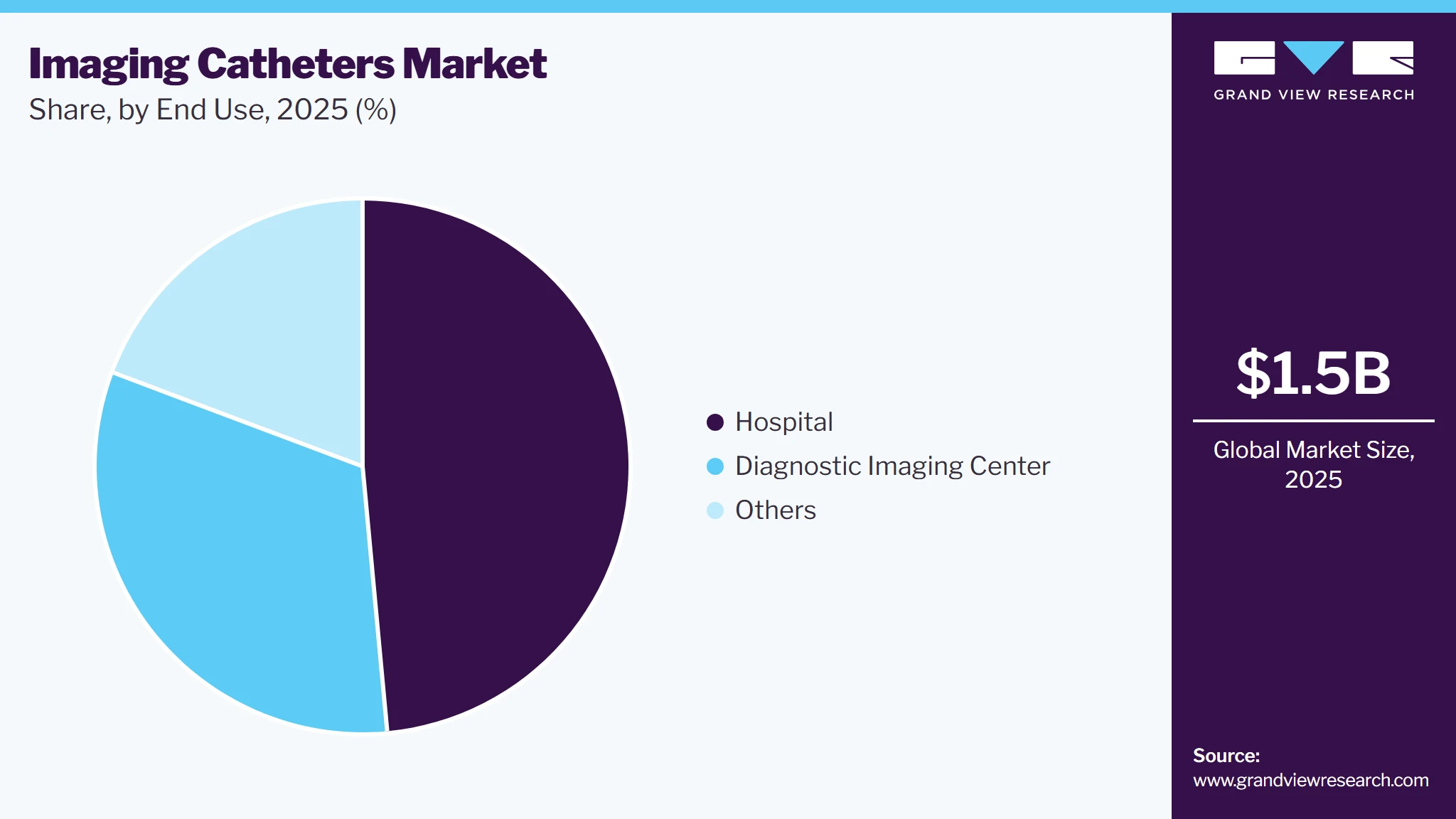
The diagnostic imaging center is expected to grow at the fastest CAGR over the forecast period. The rising demand for early and accurate diagnosis of cardiovascular and other chronic diseases primarily drives this growth. As the burden of cardiovascular diseases, peripheral artery disease, and other vascular conditions continues to increase globally, there is a surge in the need for advanced imaging technologies that enable minimally invasive and precise visualization of internal structures. Imaging catheters, including intravascular ultrasound and optical coherence tomography catheters, are becoming essential tools in diagnostic imaging centers because they provide real-time, high-resolution images of blood vessels and internal organs. In addition, technological advancements in imaging catheter design, such as miniaturization, improved flexibility, and better integration with imaging systems, have made these devices more effective and easier to use in outpatient diagnostic settings.
Regional Insights
North America dominated the imaging catheters market, accounting for the largest revenue share of 40.2% in 2025. The region’s strong medical technology and substantial healthcare investment promote the adoption of innovative imaging catheter products. Furthermore, the rising incidence of CVD and an aging population enhance the demand for effective imaging catheter devices, supported by favorable reimbursement policies and increased awareness of advanced options in North America.

U.S. Imaging Catheters Market Trends
The imaging catheters market in the U.S. held the largest share in the North America region in 2025. The rising prevalence of cardiovascular diseases in the U.S. significantly drives the growth of the imaging catheters market. CVD remains the leading cause of death in the country, with millions of individuals affected by conditions such as coronary artery disease, heart failure, and stroke. This increasing burden of heart-related diseases creates a heightened demand for advanced diagnostic and treatment tools, including imaging catheters. Imaging catheters, such as intravascular ultrasound (IVUS) and optical coherence tomography, are critical in accurately assessing coronary anatomy and guiding interventional procedures. These tools allow healthcare providers to visualize plaque buildup, vessel blockages, and other abnormalities inside blood vessels in real-time, improving the precision of interventions and patient outcomes.
As the prevalence of CVD continues to rise due to factors such as aging, lifestyle changes, and underlying health conditions such as diabetes and hypertension, the need for effective diagnostic tools increased. Imaging catheters enable early detection and minimally invasive treatments, crucial for managing and treating cardiovascular diseases. This growing need for advanced diagnostics and treatments is one of the key drivers of the U.S. imaging catheters market, as healthcare providers invest in advanced technologies to better manage the increasing number of cardiovascular patients.
The table below summarizes key statistics on cardiovascular diseases and sudden cardiac arrest deaths in the U.S. for 2022.
Cardiovascular Disease Statistics in the U.S. 2022
Category
Statistic
CVD-related deaths in 2022
941,652 deaths
CHD deaths in 2022
371,506 deaths
Myocardial infarction rate
Every 40 seconds, someone in the U.S. suffers a heart attack
Stroke deaths in 2022
165,393 deaths
Stroke death rate (2022)
Age-adjusted stroke death rate: 39.5 per 100,000, 7.0%
Stroke death increases
Actual stroke deaths increased by 28.7%
SCA deaths in 2022
19,171 deaths from underlying causes of sudden cardiac arrest
Any-mention SCA mortality (2022)
417,957 deaths
Source: 2025 Heart Disease and Stroke Statistics Update Fact Sheet
Europe Imaging Catheters Market Trends
Europe imaging catheters market held a substantial market share in 2025. The region's high prevalence of cardiovascular diseases is a significant driver of demand for advanced diagnostic tools such as imaging catheters. According to the World Heart Federation 2024, Cardiovascular disease is the leading cause of death in Europe, affecting more than 60 million Europeans. It is responsible for over 1.7 million deaths annually in the region. Additionally, Europe's aging population contributes to a higher incidence of CVD, increasing the need for effective diagnostic and treatment options. Government initiatives and investments in healthcare infrastructure also play a vital role in supporting the adoption of advanced medical technologies, including imaging catheters.
The UK imaging catheters market is expected to grow significantly in the forecast period. With over 7.6 million people living with heart and circulatory diseases in the UK, the demand for diagnostic imaging catheters is significant. CVD accounts for more than a quarter of all deaths in the country, highlighting the need for advanced diagnostic tools. The UK has a growing preference for minimally invasive diagnostic and therapeutic procedures. Imaging catheters are crucial in these interventions, offering benefits like reduced patient recovery time and lower procedural risks.
The table below highlights the significant impact of cardiovascular diseases across the UK and its constituent nations. England accounts for the highest number of CVD-related deaths and people living with CVD, followed by Scotland, Wales, and Northern Ireland.
Data on deaths from and numbers living with heart and circulatory diseases (CVD) for the UK
Nation
No. of People Dying from CVD (2023)
No. of People Under 75 Years Old Dying from CVD (2023)
Estimated Number of People Living with CVD (Latest Estimate)
England
142,460
38,996
6.4 million +
Scotland
17,787
5,313
730,000
Wales
9,701
2,918
340,000
Northern Ireland
4,227
1,133
225,000
UK Total
174,693
48,697
7.6 million +
Source: British Heart Foundation 2025
Germany imaging catheters market is growing. Germany's well-established healthcare infrastructure, favorable government initiatives, and strong research and development sector contribute to the market's expansion. In June 2024, the German Heart Foundation proposed the new "Healthy Heart Act," aimed at enhancing the prevention of cardiovascular diseases. The initiative targets heart-related illnesses through early detection, public education, and improved access to preventive healthcare services. By enabling regular screenings, lifestyle modifications, and awareness campaigns, the act is expected to significantly reduce the burden of cardiovascular diseases in Germany. This aligns with more comprehensive healthcare strategies and is expected to boost further growth in the demand for advanced diagnostic tools, including imaging catheters, as part of early and minimally invasive intervention efforts.
Asia Pacific Imaging Catheters Market Trends
Asia Pacific imaging catheter market is experiencing the fastest growth due to the increasing prevalence of chronic diseases such as cardiovascular conditions and diabetes, which is escalating the demand for advanced diagnostic tools. According to the Asia-Pacific Cardiovascular Disease Alliance, heart disease and strokes are the leading causes of death in Asia, accounting for 35% of global cardiovascular disease deaths each year. The region's aging population also contributes to a higher incidence of age-related health issues, further propelling the need for imaging catheters. Technological advancements in imaging modalities, including integrating artificial intelligence and enhanced imaging techniques, are improving diagnostic accuracy and patient outcomes. Moreover, the growing preference for minimally invasive procedures encourages the adoption of imaging catheters, as they offer reduced recovery times and lower complication rates.
India imaging catheters market is anticipated to witness significant growth in the Asia Pacific market over the forecast period. According to a 2023 report by the American College of Cardiology, cardiovascular diseases are responsible for approximately 30% of deaths in India, with ischemic heart disease being the leading cause. The report highlights that the high prevalence of diabetes and hypertension, combined with urban lifestyle factors like poor diet and pollution, are significant contributors to this alarming trend. In addition, the central government has noted a rise in heart attack-related deaths over the past three years, potentially exacerbated by the remaining effects of the COVID-19 pandemic. This growing burden of CVDs is driving the demand for advanced diagnostic and therapeutic technologies, such as imaging catheters, to address the rising need for early detection and minimally invasive treatment options for heart disease in India.
China imaging catheters market is growing. China faces a growing burden of chronic conditions such as cardiovascular diseases, cancer, and diabetes. This surge necessitates advanced diagnostic tools, including imaging catheters, for early detection and effective management of these conditions. As per the BMJ Journal, the annual incidence rate of cardiovascular diseases (CVD) is expected to increase from 0.74% in 2021 to 0.97% by 2030. Age- and sex-standardized rates are projected to rise from 0.71% to 0.96%. CVD-related mortality is forecasted to increase from 0.39% in 2021 to 0.46% by 2024. The Chinese government's enhancement of healthcare infrastructure, presented by projects such as the "One Thousand Counties Project," aims to improve access to advanced diagnostic tools in rural areas. The project aims to upgrade infrastructure at over 1,000 hospitals by 2025, providing better healthcare. Such initiatives are expected to boost the adoption of imaging catheters across the country.
Middle East and Africa Imaging Catheters Market Trends
The Middle East and Africa (MEA) imaging catheter market is experiencing significant growth, driven by technological advancements, increasing demand for minimally invasive procedures, and the rising prevalence of cardiovascular diseases. According to the World Heart Federation, cardiovascular disease is the number one cause of death in the Middle East and North Africa region, responsible for more than one-third of all deaths, or 1.4 million people every year. However, the market faces challenges such as high costs, limited rural access, and the need for specialized training. Countries such as Saudi Arabia, the UAE, and South Africa are leading the adoption of advanced imaging catheter technologies, supported by improved healthcare infrastructure and increased investments in medical devices.
Key Imaging Catheters Company Insights
Some key companies operating in the market includeBoston Scientific Corporation, TERUMO CORPORATION, and Koniklijke Philips N.V. Strategic initiatives involve mergers, acquisitions, and collaborations to broaden product offerings and market presence, alongside focused research and development to improve product efficacy and utilize innovative technologies.
Key Imaging Catheters Companies:
The following key companies have been profiled for this study on the imaging catheters market.
-
Boston Scientific Corporation
-
TERUMO CORPORATION
-
Abbott
-
Gentuity, LLC.
-
SpectraWAVE
-
Koniklijke Philips N.V.
-
Intravascular Imaging Incorporated (i3)
Competitive Benchmarking
Category
Operating Strategies
Competitive Edge
Weakness
Established Players (Koninklijke Philips N.V., Abbott, Boston Scientific Corporation, Terumo Corporation, Johnson & Johnson, Nipro Corporation)
- Focus on continuous innovation, integrating high-resolution imaging and AI-enabled visualization into catheter systems while expanding clinical evidence through trials to strengthen adoption in complex cardiovascular and neurovascular procedures.
- They leverage strong global distribution networks, strategic hospital partnerships, and service contracts to ensure procedural integration, training support, and recurring revenue streams across high-volume interventional centers.
- Strong clinical validation, trusted physician adoption, and broad regulatory clearances that reinforce confidence in imaging catheter performance across complex cardiovascular and neurovascular procedures.
- They maintain competitive strength via integrated imaging platforms, extensive global distribution networks, and sustained R&D investment, enabling continuous innovation and deep hospital partnerships.
- Face vulnerability from high product costs and slower adaptation cycles, which can limit penetration in cost-sensitive healthcare systems and emerging markets with budget constraints.
- They also experience pressure from agile new entrants offering lower-cost, niche-focused imaging catheter solutions, potentially eroding share in specific procedural segments.
Emerging Players (Conavi Medical Inc., Gentuity, LLC., SpectraWAVE (Koninklijke Philips N.V.), Intravascular Imaging Incorporated (i3))
- Focus on niche innovation, developing cost-effective imaging catheter solutions with targeted features for specific cardiovascular and neurovascular applications to gain early clinical adoption and differentiate from established competitors.
- They adopt agile commercialization strategies, partnering with regional hospitals and contract manufacturers while leveraging limited but focused clinical trials to accelerate regulatory approvals and market entry.
- Gain a competitive edge through cost-efficient product development, enabling affordable imaging catheter solutions that appeal to price-sensitive hospitals and expanding markets.
- They also benefit from agility in innovation cycles, allowing faster product iteration, targeted niche applications, and quicker adaptation to evolving clinical and regulatory needs.
- Limited clinical evidence and weaker brand recognition can slow physician adoption and restrict access to large hospital networks.
- They also struggle with constrained funding and manufacturing scale, reducing their ability to compete on global distribution, R&D depth, and long-term product support.
Recent Developments
-
In January 2025, Boston Scientific Corporation announced a definitive agreement to acquire Bolt Medical, Inc., a developer of intravascular lithotripsy technology for treating coronary and peripheral artery disease.
-
In March 2024, Boston Scientific Corporation announced the commercial launch of its iCross Coronary Imaging Catheter, a next-generation device designed to improve the deliverability and performance of its market-leading intravascular ultrasound technology, the iLab Ultrasound Imaging System.
-
In April 2023, Abbott announced the completion of its acquisition of Cardiovascular Systems, Inc. (CSI), a Minnesota-based medical device company specializing in atherectomy systems for treating peripheral and coronary artery disease.
-
In July 2022, Intravascular Imaging Incorporated (i3) announced the launch of its proprietary 3-French NIRF-IVUS catheter, developed in collaboration with Massachusetts General Hospital. This innovative device integrates intravascular ultrasound (IVUS) with near-infrared fluorescence (NIRF) imaging, enabling simultaneous visualization of anatomical structures and molecular activity within coronary arteries.
Imaging Catheters Market Report Scope
Report Attribute
Details
Market size in 2025
USD 1.5 billion
Estimated market size in 2026
USD 1.6 billion
Projected market size by 2033
USD 2.2 billion
Growth rate
CAGR of 5.1% from 2026 to 2033
Historical data
2021 - 2024
Forecast period
2026 - 2033
Quantitative units
Revenue in USD million/billion and CAGR from 2026 to 2033
Report coverage
Revenue forecast, company ranking, competitive landscape, growth factors, and trends
Segments covered
Technology, end use, use, region
Regional scope
North America; Europe; Asia Pacific; Latin America; MEA
Country scope
U.S.; Canada; Mexico; Germany; UK; France; Italy; Spain; Norway; Denmark; Sweden; China; Japan; India; South Korea; Australia; Thailand; Singapore; Brazil; Argentina; Saudi Arabia; South Africa; UAE; Kuwait
Key companies profiled
Koninklijke Philips N.V., Abbott, Boston Scientific Corporation, Terumo Corporation, Johnson & Johnson, Conavi Medical Inc., Nipro Corporation, Siemens Healthineers, MicroPort Scientific Corporation, Gentuity, LLC., SpectraWAVE (Koninklijke Philips N.V.), Intravascular Imaging Incorporated (i3), among others
Customization scope
Free report customization (equivalent up to 8 analysts' working days) with purchase. Addition or alteration to country, regional & segment scope.
Pricing and purchase options
Avail customized purchase options to meet your exact research needs. Explore purchase options
Global Imaging Catheters Market Report Segmentation
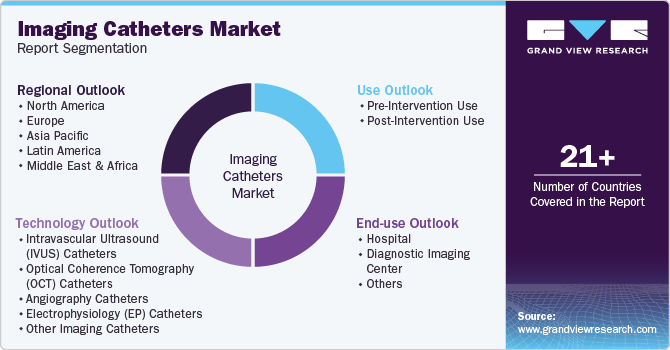
This report forecasts revenue growth at the global, regional, and country levels and provides an analysis of the latest industry trends in each of the sub-segments from 2021 to 2033. For this study, Grand View Research has segmented the global imaging catheters market report based on technology, end use, and region:
-
Technology Outlook (Revenue, USD Million, 2021 - 2033)
-
Intravascular Ultrasound (IVUS) Catheters
-
Optical Coherence Tomography (OCT) Catheters
-
Angiography Catheters
-
Electrophysiology (EP) Catheters
-
Other Imaging Catheters
-
-
Use Outlook (Revenue, USD Million, 2021 - 2033)
-
Pre-Intervention Use
-
Post-Intervention Use
-
-
End Use Outlook (Revenue, USD Million, 2021 - 2033)
-
Hospital
-
Diagnostic Imaging Center
-
Others
-
-
Regional Outlook (Revenue, USD Million, 2021 - 2033)
-
North America
-
U.S.
-
Canada
-
Mexico
-
-
Europe
-
UK
-
Germany
-
France
-
Italy
-
Spain
-
Denmark
-
Sweden
-
Norway
-
-
Asia Pacific
-
Japan
-
China
-
India
-
Australia
-
South Korea
-
Thailand
-
-
Latin America
-
Brazil
-
Argentina
-
-
Middle East & Africa
-
South Africa
-
Saudi Arabia
-
UAE
-
Kuwait
-
-
Research Methodology
The imaging catheters market figures in this report are based on a proven research process that combines executive interviews with secondary research from proprietary databases, company filings, and recognized regulatory and institutional sources. Market size is built through value-chain sizing - reconciling supply-side and demand-side estimates - and triangulated with bottom-up and top-down approaches. Every estimate passes multiple levels of expert validation before publication, with each imaging catheters segment quantified using the revenue-capture definitions in the table below.
Segment Definition
Segment - Technology
Revenue Capture Definition
Intravascular Ultrasound (IVUS) Catheters
Revenue generated from disposable intravascular imaging catheters that utilize high-frequency ultrasound waves to produce real-time cross-sectional visualization of blood vessels. Revenue includes initial hospital purchases and recurring demand from interventional cardiology and peripheral vascular procedures for vessel sizing, plaque characterization, and stent optimization.
Optical Coherence Tomography (OCT) Catheters
Revenue generated from single-use fiber-optic imaging catheters that employ near-infrared light to create high-resolution images of vascular structures. Market revenue reflects utilization in coronary interventions for lesion assessment, stent apposition evaluation, and procedural guidance requiring detailed visualization of vessel morphology.
Angiography Catheters
Revenue generated from diagnostic catheters used for the delivery of contrast media during angiographic procedures. These catheters facilitate fluoroscopic visualization of vascular anatomy and are widely utilized in diagnostic and interventional cardiovascular procedures to assess vessel patency and structural abnormalities.
Electrophysiology (EP) Catheters
Revenue metrics reflect commercial activity in specialized diagnostic and mapping catheters used in cardiac arrhythmia care. This includes tracking arrays and intracardiac echocardiography devices acquired by electrophysiology labs to record electrical pathways, identify focal triggers, and guide precise therapeutic ablation zones.
Other Imaging Catheters
This category aggregates revenue from niche or emerging visualization technologies, such as photoacoustic and infrared spectroscopy catheters. Turnover accounts for specialized, low-volume device shipments that do not fit into traditional ultrasound or optical segments, filling diverse diagnostic gaps across modern interventional medicine.
Estimation Model
Market Estimation Approach
Description
Key Activities
Bottom-Up Epidemiological Modeling
Estimates the total addressable market by calculating the eligible patient population and procedure volume for imaging catheter utilization across key indications and geographies.
Disease prevalence & incidence by indication (CAD, PAD, EP, structural heart, etc.)
Procedure rates & imaging adoption by indication
Imaging catheter utilization rate per procedure
Average selling price (ASP) by product type and region
Arrive at market size by product and geography
Top-Down Revenue Triangulation
Derives the market size by analyzing total revenues of key industry players and triangulating with procedure volumes and ASP trends.
Identify major imaging catheter manufacturers
Collect reported revenues (annual reports, investor presentations, filings)
Adjust for imaging catheter revenue contribution
Validate with procedure volumes and ASP trends
Triangulate with channel checks and distributor data
Demand-Side Care-Setting Modeling
Models demand based on imaging catheter usage across care settings, end users, and clinical practice patterns.
Segmentation by care setting (hospitals, ASCs, cath labs)
Procedure volume by care setting and indication
Imaging adoption & preference by care setting
Product mix (IVUS, OCT, ICE, NIRS-IVUS, Hybrid) Reimbursement and utilization analysis
Competitive Share & Supply-Side Modeling
Assesses market size by analyzing the competitive landscape, product portfolios, market share, and supply-side dynamics.
Market share by company and product type
Product launches, approvals & pipeline impact
Supply capacity and manufacturing footprint
Pricing strategies and competitive positioning
Impact of partnerships, acquisitions, and collaborations
Macro & Market Dynamic Factor Analysis
Incorporates macroeconomic, regulatory, and technology trends to forecast long-term market growth and opportunities. Macro factors (GDP, healthcare spend, aging population)
Regulatory environment (approvals, guidelines, reimbursement)
Technology advancements & innovation trends
Emerging markets & untapped opportunities
Scenario analysis & sensitivity testing
Delivered Customizations
This report has been delivered with the following In-depth customizations
Client Request
Customization Delivered
Value Adds
2025 Market Revenue Baseline and 2026–2035 Forecast Analysis
Detailed estimation of the imaging catheter market revenue for 2025, including segmentation by product type (IVUS, OCT, ICE, and Other Imaging Catheters), indication, end user, and region. The analysis further provides annual revenue forecasts from 2026 to 2035 based on procedure growth, technology adoption trends, pricing dynamics, reimbursement landscape, competitive developments, and macroeconomic factors.
Enables long-term strategic planning, investment evaluation, opportunity assessment, budgeting, capacity planning, and identification of high-growth segments and regions. Supports decision-making through scenario-based forecasting and market expansion analysis. Pricing and ASP Benchmarking Analysis
Comprehensive ASP analysis by product type, manufacturer, region, and healthcare setting, including premium versus value-tier positioning and reimbursement considerations.
Facilitates revenue modeling, pricing strategy assessment, competitive positioning evaluation, and profitability analysis across market segments.
End-user and Care-setting Demand Assessment
Market sizing and utilization analysis across hospitals, ambulatory surgical centers (ASCs), catheterization laboratories, and specialty cardiovascular centers, segmented by imaging technology and procedure type.
Supports go-to-market planning, channel prioritization, customer targeting strategies, and assessment of future adoption opportunities across care settings.
Frequently Asked Questions About This Report
Some key players operating in the imaging catheters market include Koninklijke Philips N.V., Abbott, Boston Scientific Corporation, Terumo Corporation, Johnson & Johnson, Conavi Medical Inc., Nipro Corporation, Siemens Healthineers, MicroPort Scientific Corporation, Gentuity, LLC., SpectraWAVE (Koninklijke Philips N.V.), Intravascular Imaging Incorporated (i3), among others.
The angiography catheters segment led the market with the largest revenue share of 31.9% in 2025, and Optical Coherence Tomography (OCT) catheters are expected to grow at the fastest CAGR over the forecast period.
Based on use, the post-intervention use segment led the market with the largest revenue share of 58.4% in 2025, and the pre-intervention use are expected to grow at the fastest CAGR over the forecast period.
The global imaging catheters market size was estimated at USD 1.5 billion in 2025 and is expected to reach USD 1.6 billion in 2026.
The global imaging catheters market is expected to grow at a compound annual growth rate of 5.1% from 2026 to 2033 to reach USD 2.2 billion by 2033.
The imaging catheters market is primarily driven by the rising prevalence of cardiovascular and chronic diseases, which require precise diagnostic tools for effective treatment. Technological advancements, such as high-resolution imaging, 3D visualization, and AI integration, have significantly enhanced the accuracy and functionality of imaging catheters.
Based on end-use, the hospitals segment led the market with a 48.5% share in 2025; the diagnostic imaging center segment is expected to grow at the fastest CAGR over the forecast period.
North America dominated the imaging catheters market, with a 40.2% share in 2025, primarily due to its well-established healthcare infrastructure, high adoption of advanced medical technologies, and presence of key market players.
About the Author(s)
Medical Devices Research Team
Healthcare · Medical DevicesThis report was authored by the medical devices research team at Grand View Research - comprising two research analysts, one senior research analyst, and one industry expert - with specialized expertise in the medical devices segment of the healthcare industry. All findings are based on proprietary healthcare databases, executive interviews, and regulatory analysis, subject to internal peer review prior to publication.
Last Updated:
Speak to Analyst

Customize this report to your needs — add regions, segments, or data points, with 20% free customization.
Or view our licence options:


ISO 9001:2015 & 27001:2022 Certified
We are GDPR and CCPA compliant! Your transaction & personal information is safe and secure. For more details, please read our privacy policy.












