
- Home
- »
- Medical Devices
- »
-
Intraoral X-Ray Market Size & Share, Industry Report, 2033GVR Report cover
![Intraoral X-Ray Market Size, Share & Trends Report]()
Intraoral X-Ray Market (2026 - 2033) Size, Share & Trends Analysis Report By Product, By Technology, By Imaging Modality, By Clinical Use Case, By Software & Digital Ecosystem, By End User, By Region, And Segment Forecasts
- Report ID: GVR-4-68040-859-4
- Number of Report Pages: 120
- Format: PDF
- Historical Range: 2021 - 2024
- Forecast Period: 2026 - 2033
- Industry: Healthcare
- Report Summary
- Table of Contents
- Segmentation
- Methodology
- Download FREE Sample
-
 Download Sample Report
Intraoral X-Ray Market Summary
The global intraoral X-ray market size was estimated at USD 1.89 billion in 2025 and is projected to reach USD 2.95 billion by 2033, growing at a CAGR of 5.62% from 2026 to 2033. The intraoral X-ray market is driven by the increasing prevalence of dental caries, periodontal diseases, and endodontic conditions, requiring precise diagnostic imaging.
Key Market Trends & Insights
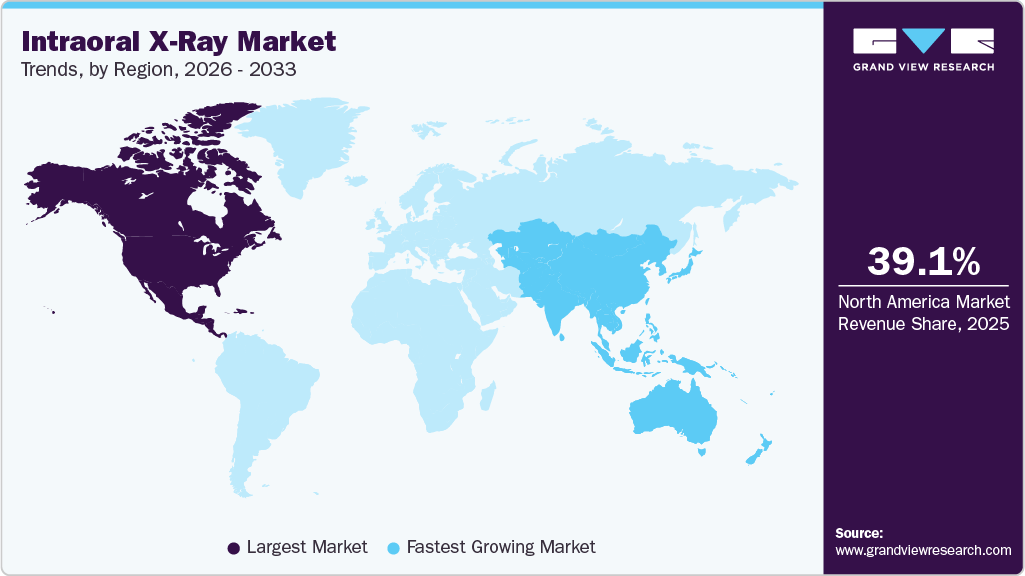
- North America dominated the intraoral X-ray market with the largest share of 39.06% in 2025.
- The intraoral X-ray market in the U.S. accounted for the largest market revenue share of 81.98% in North America in 2025.
- By product, the wall-mounted (Fixed) intraoral X-ray segment led the market with the largest revenue share of 58.62% in 2025.
- By technology, the direct digital sensors (CMOS/CCD) segment led the market with the largest revenue share of 62.23% in 2025.
- By imaging modality, the periapical imaging segment led the market with the largest revenue share of 45.22% in 2025.
Market Size & Forecast
- 2025 Market Size: USD 1.89 Billion
- 2033 Projected Market Size: USD 2.95 Billion
- CAGR (2026-2033): 5.62%
- North America: Largest market in 2025
- Asia Pacific: Fastest growing market
Rising adoption of digital dentistry, including CMOS/CCD sensors and PSP systems, is improving image quality and reducing radiation exposure. Growing demand for minimally invasive and preventive dental care, expansion of dental clinics and diagnostic centers, and integration of AI-enabled imaging software further support market growth across developed and emerging regions.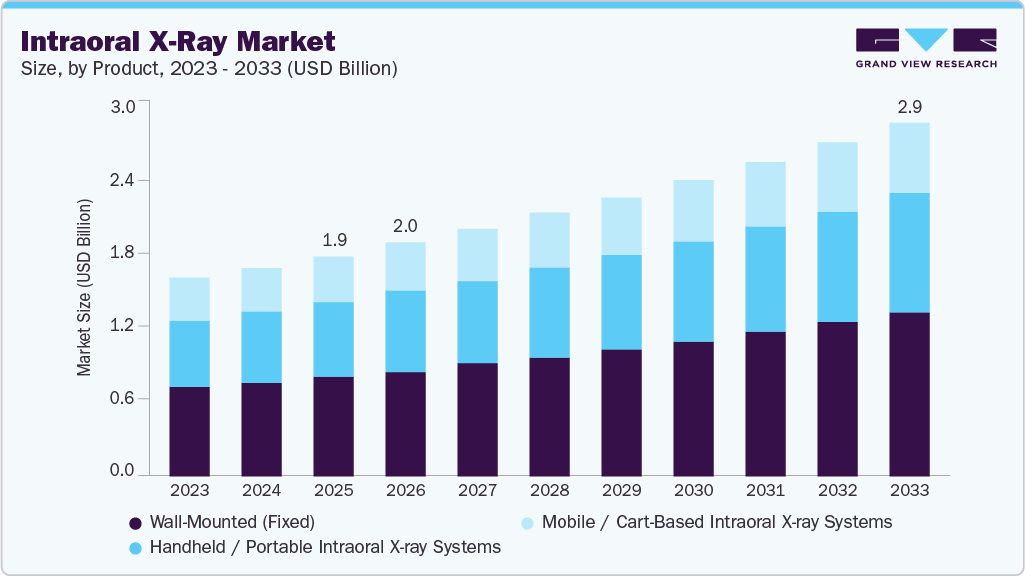
The growing prevalence of dental disorders, including tooth decay, tooth loss, and tooth extraction, is a key driver of the intraoral X-ray market. According to the World Health Organization, published in March 2025, nearly 7% of adults aged 20+ and around 23% of those aged 60+ experience complete tooth loss, increasing the need for implants. A report by Humble Memorial Dental published in February 2025 states that 3.5 billion individuals suffer from oral diseases globally, with cavities affecting over 90% of adults and gum disease impacting nearly half of those aged 30 and above. This rising disease burden, such as tooth loss, cavities, and gum disease, is anticipated to significantly increase the demand for intraoral diagnostic imaging for early detection, treatment planning, and post-procedural monitoring.
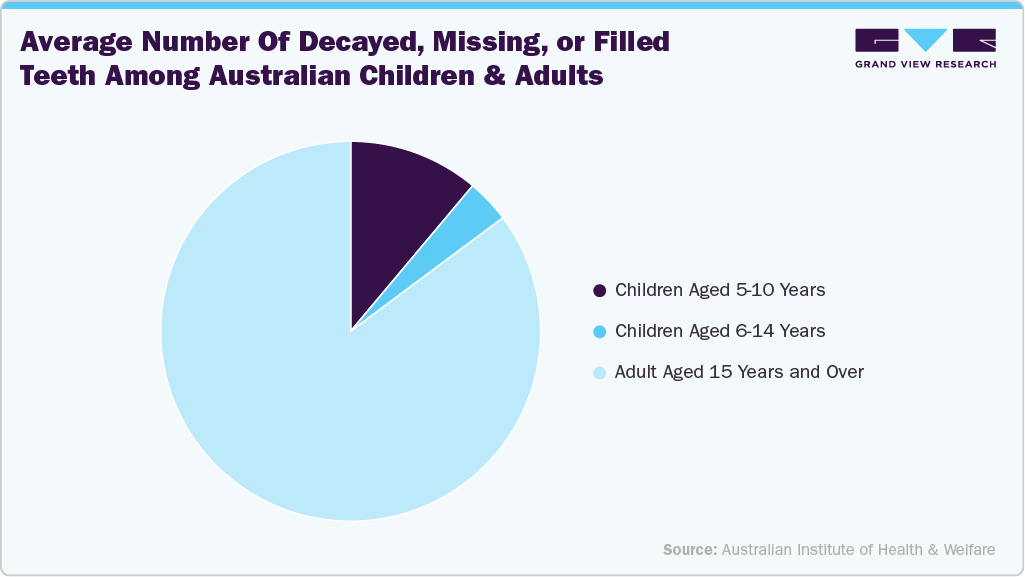
The graph indicates that tooth decay and missing teeth are prevalent among adults in Australia, increasing the need for intraoral X-ray imaging to support diagnosis, treatment planning, and restorative decision-making, including implant evaluation. In addition, the high incidence of caries and orthodontic conditions among children and adolescents necessitates frequent intraoral radiographic imaging for early diagnosis and treatment monitoring. Dental implant placement is generally considered after skeletal growth completion, typically around 15 years for girls and 17-18 years for boys, further supporting imaging requirements in late adolescence and adulthood.
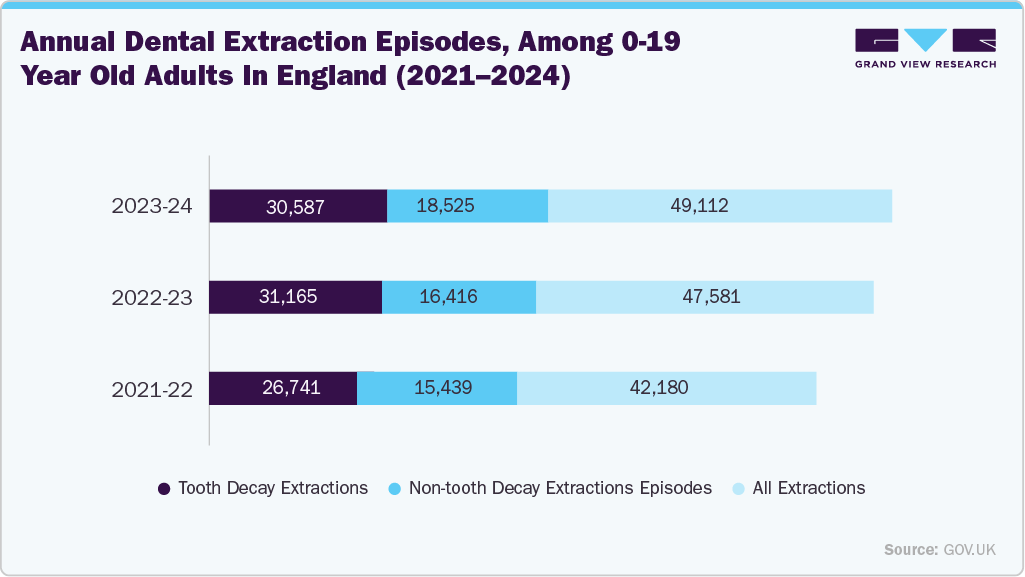
Moreover, according to data published by the UK Government, NHS hospitals in England recorded 49,112 tooth extraction episodes among individuals aged 0 to 19 in the financial year ending 2024, representing a 3% increase compared to the previous year. This rising trend in tooth extractions underscores the growing need for intraoral X-ray imaging to support accurate diagnosis, pre-extraction assessment, treatment planning, and post-extraction restorative decision-making.
Furthermore, the burden of tooth loss is substantial among the older population, increasing the need for diagnostic imaging to support restorative dental care. Supportive reimbursement and coverage policies are also contributing to higher utilization of advanced dental procedures, thereby increasing demand for intraoral X-ray imaging. For instance, a study published by the National Library of Medicine in September 2024 reported that expanded dental care coverage for older adults in Korea resulted in a 13.5% increase in partial denture use and a 60.5% rise in dental implant procedures among individuals aged 65 years and above. As implant and restorative procedures require detailed pre-procedural assessment and post-treatment monitoring, these trends are expected to drive increased adoption of intraoral X-ray systems in this demographic.
Moreover, key opinion leaders emphasize that AI-enabled intraoral X-ray and imaging platforms are reshaping diagnostics, patient communication, and clinical confidence. Their insights indicate the market’s forecast trajectory toward integrated, visual, and patient-centric digital dentistry solutions.
Key Opinion Leader (KOL) Perspectives Highlighting Innovation and Future Direction of the Intraoral X-ray Market
Key Opinion Leader Statements on Intraoral X-ray Innovation
Speaker Name, Designation, and Organization
Planmeca ProX GO represents just the kind of creative thinking and flexible, future-ready solutions that we want to bring to the dental industry,” There is a real demand for versatile portable products like this, which enable high quality imaging in fast-paced and changing environments, such as busy clinics, mobile operatories, and emergency situations. We’re truly excited to be bringing yet another tech and usability innovation to dental professionals all over the world, starting in the U.S. market.”
Timo Müller, Vice President of Planmeca’s X-ray division
"Most patients understand best when they can see what's happening, AuraVue transforms diagnostics into a visual story-helping patients better understand their oral health in seconds and empowering clinicians to communicate with confidence."
Michael Lee, chief technology officer of Medit
"AuraVue is a strong example of how technology can advance patient-centered care. By combining Medit's leadership in intra-oral scanning with Overjet's clinical AI, we're giving clinicians a clearer, more complete view of oral health than ever before. When patients can see and understand their conditions in real time, trust grows, decisions become easier, and care improves. We're proud to partner with Medit to make that experience accessible to every practice,"
Wardah Inam, CEO, Overjet
“Align X-ray Insights represents a significant advancement in our digital restorative dentistry solutions with broader patient applicability,” “By integrating AI into radiographic analysis, we are empowering doctors with more precise diagnostic capabilities to improve their patient outcomes. This launch underscores our commitment to innovation and our ongoing efforts to expand our digital platform.”
Simon Beard, Align Technology executive vice president and managing director, Europe, Middle East, and Africa (EMEA)
“It is fantastic to see Align X-ray Insights being integrated into Align’s digital platform - bringing diagnostic AI capabilities to dentists all over the world. When we started our journey towards AI in dental diagnostics, we had hoped to improve patient outcomes via better diagnostics and treatment decisions, Since then, we learned that further value lies in Align X-ray Insights by fostering patient communication, and facilitating comprehensive, systematic reporting. Combining this with the products and services already available to Align users is a leap forward for digital dentistry.”
Professor Falk Schwendicke, director of the Dental Clinic at University of Munich
“Integrating Pearl’s AI into the Medit Link platform will transform how dental professionals diagnose, communicate, and manage patient care, This collaboration helps clinicians identify conditions with precision and provide patients with visual tools that simplify complex diagnoses. AI-powered diagnostics empower dentists to offer transparent, informed treatment plans that enhance patient trust and dental experiences.”
Ophir Tanz, CEO and founder of Pearl
"By combining intraoral scanning with AI image analysis, we can potentially eliminate ambiguity for both dentists and patients, Pearl’s digital tools are expected to provide clear visual evidence that supports diagnosis and treatment plans, facilitating real-time discussions and enhancing patient engagement. With these tools at their fingertips, dental professionals could save time, improve efficiency, and keep appointments running smoothly."
Han Ryu, CEO of Medit
Collectively, KOL insights signal that the intraoral X-ray market will evolve toward AI-integrated, visualization-driven platforms. Over the forecast period, growth will be shaped by solutions enhancing diagnostic accuracy, patient engagement, workflow efficiency, and platform interoperability.
Innovations in dental imaging increasingly leverage artificial intelligence and advanced reconstruction techniques to enhance diagnostic accuracy, optimize workflows, reduce radiation exposure, and support data-driven clinical decision-making across modern dental practice. The article Recent Advances in Dental Panoramic X-ray Synthesis and Its Clinical Applications, published in January 2024 in IEEE Access (Volume 12, pp. 141032-141051) by the Institute of Electrical and Electronics Engineers (IEEE), reviews recent developments in panoramic dental X-ray synthesis. Authored by Anusree P. Sunilkumar, Bikram Keshari Parida, and Wonsang You, the study highlights AI- and CBCT-based synthesis techniques capable of producing clinically acceptable panoramic images with improved anatomical accuracy and fewer artifacts. These approaches help mitigate data scarcity, reduce radiation exposure, and support AI model training, demonstrating strong potential for clinical decision support, workflow optimization, and expanded use of synthetic imaging in dental diagnostics and research. This research supports future AI-enabled dental imaging innovation, though its impact on intraoral X-ray markets remains indirect and long-term globally.
Market Concentration & Characteristics
The intraoral X-ray market is in a medium growth stage, with an accelerating growth pace. Market expansion is driven by rising volumes of restorative, surgical, and cosmetic dental procedures. Increasing prevalence of dental caries, tooth loss, implant treatments, and the growing emphasis on accurate diagnostics and infection-control compliance are supporting sustained demand for intraoral X-ray imaging systems.
Innovation in the intraoral X-ray market is moderate to high and accelerating, driven by digitalization, AI integration, and workflow efficiency improvements. Key advancements include the shift from wired to wireless direct digital sensors (CMOS/CCD), growing adoption of portable and handheld intraoral X-ray systems, and enhanced image acquisition and enhancement software. AI-assisted diagnostics for caries detection, bone loss assessment, and periapical lesions are increasingly embedded within imaging software platforms. In addition, cloud-enabled image storage, PACS integration, and interoperability with practice management systems are improving clinical efficiency, particularly in general dentistry and multi-chair clinics.
Regulatory impact on the intraoral X-ray market is high and structurally influential. Strict radiation safety standards enforced by bodies such as the FDA, CE authorities, and national radiological boards mandate dose optimization, periodic equipment calibration, and adherence to ALARA principles. These regulations favor digital intraoral X-ray systems over analog alternatives due to lower radiation exposure. Infection control regulations post-pandemic have also increased demand for wireless sensors, portable systems, and sealed imaging accessories. Compliance requirements influence product design, replacement cycles, and procurement decisions across dental hospitals, clinics, and academic institutions.
M&A activity in the intraoral X-ray market is moderate and strategic, primarily focused on digital capability expansion rather than consolidation of hardware manufacturing alone. Larger dental imaging and digital dentistry players are acquiring or partnering with AI software developers, imaging workflow providers, and cloud-based platforms to strengthen their digital ecosystems. These activities support integration across image acquisition, diagnostics, and storage. Acquisitions are also used to expand geographic reach, particularly in emerging markets, and to enhance offerings across fixed, portable, and mobile intraoral X-ray system segments.
Product substitution risk in the intraoral X-ray market is low to moderate. While alternative imaging modalities such as CBCT provide advanced three-dimensional imaging, they do not replace intraoral X-rays for routine periapical, bitewing, and occlusal imaging due to higher cost and radiation dose. Intraoral X-ray systems remain essential for day-to-day diagnostics in general, pediatric, endodontic, and periodontal dentistry. Digital sensors may substitute phosphor plate systems over time; however, PSP systems continue to retain relevance in high-volume and cost-sensitive practices.
Regional expansion is a key growth strategy in the intraoral X-ray market, particularly across Asia Pacific, Latin America, Eastern Europe, and parts of the Middle East. Rising dental care awareness, increasing penetration of private dental clinics, and expanding dental insurance coverage are driving demand for digital intraoral imaging systems. Portable and mobile intraoral X-ray units are gaining traction in emerging regions due to infrastructure constraints. Meanwhile, mature markets such as North America and Europe are focused on upgrading installed bases to AI-enabled, cloud-connected systems rather than first-time adoption.
Product Insights
The wall-mounted (fixed) intraoral X-ray systems segment dominated the intraoral X-ray market and accounted for the highest revenue share of 58.62% in 2025. This leadership is driven by clinics’ preference for fixed systems due to their superior image consistency and integration with digital workflows, which support routine diagnostics and treatment planning. Wall-mounted units deliver stable positioning and high-resolution imaging essential for accurate clinical assessment, making them a standard in established dental practices worldwide. Wall-mounted dental X-ray machines provide consistent, high-resolution imaging and faster workflow for high-volume clinics, helping dentists diagnose cavities and assess bone health more accurately
The handheld / portable intraoral X-ray systems segment is projected to grow significantly. This growth is driven by the portability and convenience of handheld units, which allow dentists to capture high-quality images without moving the patient or requiring dedicated X-ray rooms. These devices improve workflow efficiency, enhance patient comfort, and support flexible use in multi-chair clinics, mobile practices, and underserved settings - making them increasingly popular in modern dental care. Handheld X-ray machines are valued because they are lightweight, easy to transport between treatment rooms or locations, and improve workflow by reducing the need to move patients.
Technology Insights
The direct digital sensors (CMOS/CCD) segment dominated the intraoral X-ray market and accounted for a revenue share of 62.23% in 2025. This dominance is driven by direct digital sensors’ superior diagnostic performance, instant imaging workflow, and radiation-efficient operation, which make them highly preferred in clinical settings. These sensors produce high-quality intraoral images nearly instantly, require significantly less radiation than traditional film, and allow image manipulation for enhanced diagnosis, boosting dentist confidence and patient throughput. Studies show digital sensors offer time-saving, high-resolution imaging and reduced radiation exposure compared to conventional methods, making them the clinical standard.
The indirect digital (phosphor plate systems - PSP) / high-volume scanners segment in the intraoral X-ray market is expected to grow moderately over the forecast period. Growth is supported by PSP systems’ ease of use and flexibility, especially in dental practices transitioning from film to digital, because PSP plates are thin, flexible, and similar to conventional film, making clinician adoption easier without steep learning curves or workflow overhaul. This compatibility sustains demand in clinics that prioritize smooth digital conversion and cost-effective imaging options while still improving diagnostic quality over film.
Imaging Modality Insights
The periapical imaging segment dominated the intraoral X-ray market and accounted for a revenue share of 45.22% in 2025. This dominance is driven by periapical imaging’s central role in routine diagnostics and treatment-planning, as it provides detailed views of entire tooth structures - including roots and surrounding bone - which are critical for detecting cavities, infections, and periodontal conditions. Periapical X-rays are the most frequently required intraoral radiographs in dental practice due to their diagnostic precision, making them the standard imaging modality across general dentistry and specialist procedures. Studies and clinical guidelines confirm periapical imaging is the most commonly performed intraoral X-ray type globally, reinforcing its leading market share.
The bitewing imaging segment in the intraoral X-ray market is expected to grow significantly over the forecast period. This growth is driven by the increasing clinical importance of bitewing radiographs in early detection of interproximal dental caries and routine preventive care, which makes them a standard diagnostic tool in dental practice. Bitewing images allow clinicians to visualize areas between teeth that are not visible during a simple visual exam, helping detect hidden caries early and support preventive treatment decisions. Studies show bitewing radiography significantly improves detection of proximal carious lesions compared with clinical inspection alone, reinforcing its expanding use in modern dental diagnostics.
Clinical Use Case Insights
The general dentistry segment dominated the intraoral X-ray market and accounted for a revenue share of 47.29% in 2025. This dominance is driven by the routine and indispensable use of intraoral X-rays in general dental examinations and treatment planning, as these radiographs reveal hidden dental conditions such as cavities, bone loss, infections, and tooth root problems that visual exams alone cannot detect. Because general dentists rely on intraoral imaging in nearly every patient visit to diagnose and plan care, this segment generates the highest clinical demand and recurring usage of X-ray systems in daily practice.
The endodontics segment in the intraoral X-ray market is expected to grow significantly over the forecast period. This growth is driven by the essential role of intraoral radiography in endodontic diagnosis, treatment planning, and monitoring treatment outcomes, especially for complex root canal procedures. In endodontics, X-rays help clinicians visualize internal tooth structures, root morphology, and periapical pathology that cannot be seen otherwise, making imaging indispensable at every stage of root canal therapy. This clinical necessity supports expanding demand in endodontic practices and specialist workflows.
Software & Digital Ecosystem Insights
The image acquisition & enhancement software segment dominated the intraoral X-ray market and accounted for a revenue share of 42.16% in 2025. This leadership is driven by the critical role of software in improving diagnostic precision and workflow efficiency, enabling dentists to adjust contrast, brightness, and sharpness, zoom in on structures, and analyze details that raw images may miss. Enhanced imaging tools help clinicians detect subtle early carious lesions, bone loss, and other pathologies, support measurement and comparison over time, and streamline review and storage of digital radiographs - making imaging software indispensable in modern dental practice.
The AI-assisted diagnostics segment in the intraoral X-ray market is expected to grow significantly over the forecast period. This growth is driven by AI’s ability to enhance diagnostic accuracy and efficiency, helping clinicians detect dental conditions such as caries, bone loss, and periapical lesions more reliably and quickly than manual interpretation alone. AI algorithms trained on large datasets can identify subtle patterns in radiographs, reducing diagnostic variability between practitioners and supporting early intervention. Clinical research shows AI systems improve detection precision and assist dentists in analyzing radiographic images faster and with consistent results, reinforcing their adoption in dental imaging workflows.
End User Insights
Dental hospitals & clinics led the intraoral X-ray market, accounting for the highest revenue share in 2025. This leadership is driven by the routine and indispensable use of intraoral radiography in everyday dental practice for diagnosis, treatment planning, and preventive care, as X-rays help dentists detect issues such as cavities, bone loss, and infections that are not visible during a visual exam. Because general dentists and clinic practitioners rely on intraoral imaging at nearly every patient visit, demand remains consistently high in clinical settings worldwide, making clinics the largest end user segment.
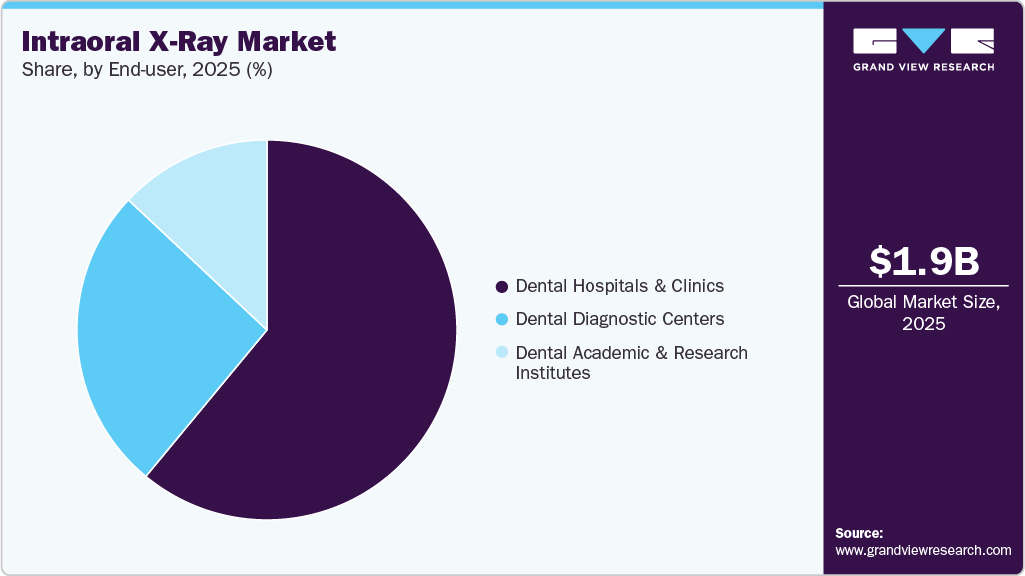
The dental diagnostic centers segment is expected to grow at the fastest CAGR over the forecast period. This accelerated growth is driven by increased demand for specialized imaging services as dental practices outsource complex diagnostics to dedicated centers, which offer advanced imaging technologies such as digital X-rays and CBCT with high precision. As dental case volume rises and clinics seek efficiency, centralized diagnostic centers help reduce patient waiting time and improve accuracy of interpretation, making them attractive to both practitioners and patients seeking comprehensive diagnostics. This trend reflects broader expansion of dental imaging infrastructure worldwide and higher adoption of advanced diagnostic modalities outside traditional clinic settings.
Regional Insights
The North America intraoral X-ray market dominated the global market and accounted for the largest revenue share of 39.06% in 2025, supported by early adoption of digital radiography, high dental procedure volumes, and strong replacement demand for analog systems. High prevalence of dental caries, periodontal disease, and implant procedures, combined with strict radiation safety and infection-control requirements, continues to drive sustained equipment upgrades across clinics and dental hospitals.
U.S. Intraoral X-Ray Market Trends
The U.S. intraoral X-ray market led North America with the highest revenue share in 2025, supported by high diagnostic imaging volumes driven by pediatric oral disease prevalence. According to the CDC’s 2024 Oral Health Surveillance Report, 11% of children aged 2-5 had untreated dental decay, rising to 18.5% among Mexican American children and 18% in high-poverty groups. Among children aged 6-8, untreated decay prevalence reached 18%, increasing to nearly 25% in middle- and high-poverty populations. These disease burdens necessitate frequent periapical and bitewing imaging, reinforcing sustained demand for intraoral X-ray systems across U.S. dental practices.
Europe Intraoral X-Ray Market Trends
The Europe intraoral X-ray market held a substantial market share in 2025, supported by strong public and private dental care systems and early transition to digital imaging. Regulatory emphasis on dose reduction and equipment certification continues to favor digital intraoral X-ray systems over film-based solutions. Regional players are focused on AI-supported diagnostics, integrated imaging software, and compact wall-mounted and portable units to meet space and workflow constraints in urban clinics.
Germany intraoral X-ray market dominated the Europe market, with the highest revenue share in 2025, driven by high dentist density, advanced dental education infrastructure, and strong domestic manufacturing capabilities. German clinics show high adoption of direct digital sensors and AI-assisted imaging software, particularly in periodontics and endodontics. Continued investment in digital workflows, structured diagnostic reporting, and PACS integration supported replacement demand and upgrades in both private clinics and academic dental centers.
The UK intraoral X-ray market is supported by sustained diagnostic demand linked to pediatric dental disease burden. According to data published by the Royal College of Surgeons of England in February 2025, 30,587 hospital episodes of tooth extractions were recorded for children and young people aged 0-19 years where tooth decay was the primary diagnosis. Although the data reflects a 2% decline compared to the financial year ending 2023, the persistently high volume of decay-related interventions continues to drive routine use of periapical and bitewing intraoral X-ray imaging across NHS and private dental settings.
France’s intraoral X-ray market benefits from structured dental reimbursement systems and a strong emphasis on preventive dentistry. Clinics increasingly adopted indirect digital systems (PSP) and direct digital sensors to reduce radiation exposure and improve diagnostic accuracy. Manufacturer-led software upgrades and AI-supported image enhancement tools are gaining traction, particularly in general dentistry and pediatric applications.
Asia Pacific Intraoral X-Ray Market Trends
The Asia Pacific intraoral X-ray market is expected to grow at the fastest CAGR over the forecast period, driven by rapid expansion of private dental clinics and rising oral healthcare awareness. Manufacturers intensified regional investments in compact, cost-efficient digital systems and mobile intraoral X-ray units. Increasing prevalence of untreated dental caries, tooth loss, and orthodontic demand, particularly in urban centers, continues to fuel adoption of digital intraoral imaging technologies.
The Japan intraoral X-ray market dominated the Asia Pacific market with the highest revenue share in 2025, driven by high diagnostic utilization, preventive screening practices, and advanced dental infrastructure. A survey by Japan Ministry of Health revealed that childhood dental caries reached a record low in fiscal year 2024-the lowest level since oral health monitoring began in 1948. Data collected between April and June 2024 showed cavity prevalence of 20.74% among kindergarteners, 32.89% among elementary school students, 26.50% among junior high students, and 34.70% among high school students. Despite improvements, continued disease presence across age groups sustains routine periapical and bitewing imaging demand, supporting consistent intraoral X-ray utilization in Japan.
The intraoral X-ray market in China is supported by a high burden of early childhood dental disease, driving routine diagnostic imaging demand. According to data from the China Chronic Disease and Nutrition Surveillance Project (2021), dental caries prevalence among 3-year-old preschool children reached 25.44% in boys and 24.51% in girls, while severe early childhood caries (SECC) affected 10.33% of boys and 8.50% of girls. This significant disease prevalence at an early age necessitates frequent periapical and bitewing imaging for diagnosis, treatment planning, and follow-up. Combined with rapid expansion of private dental clinics and increased focus on pediatric oral healthcare, these factors continue to support sustained demand for intraoral X-ray systems across China.
Middle East and Africa Intraoral X-Ray Market Trends
The Middle East and Africa intraoral X-ray market is driven by expanding private dental clinics and government-backed healthcare modernization programs. Demand increased for portable and mobile intraoral X-ray systems to support outreach dentistry and flexible clinic setups. Rising awareness of oral health and growing restorative dentistry volumes are supporting gradual adoption of digital imaging technologies.
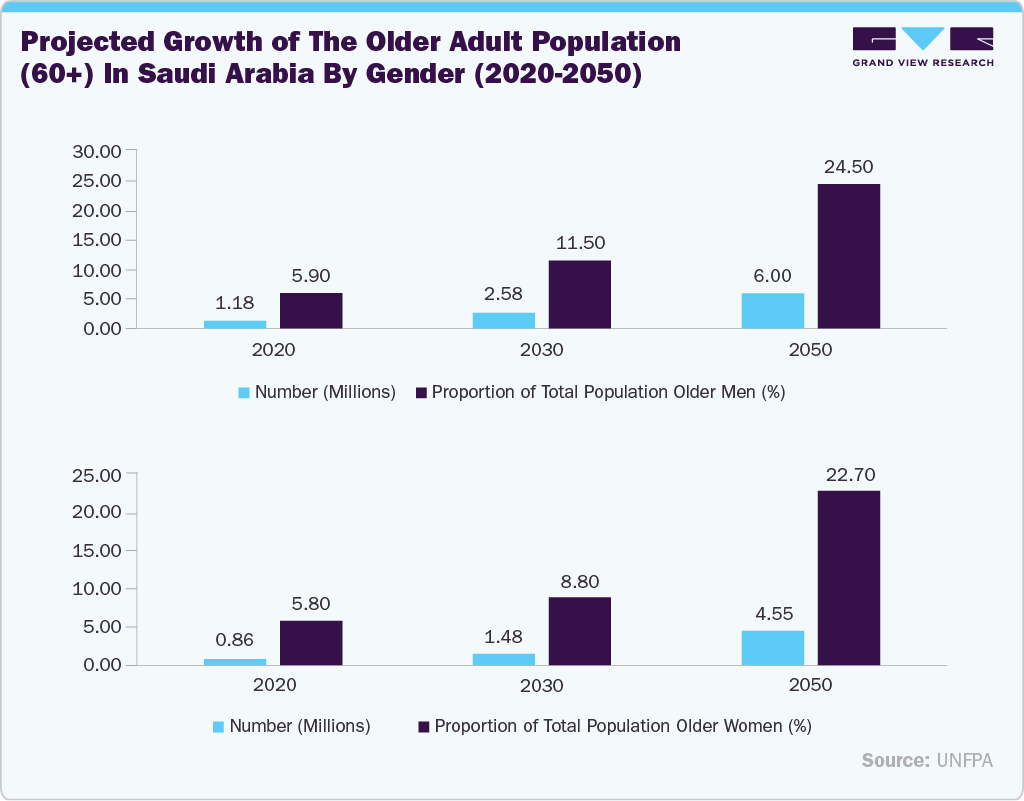
The Saudi Arabia intraoral X-ray market is supported by the rapidly expanding older adult population and rising demand for age-related dental care. According to projections from UNFPA, the population aged 60 years and above in Saudi Arabia is expected to grow steadily between 2020 and 2050 across both genders. This demographic shift is associated with higher prevalence of periodontal disease, tooth loss, prosthodontic needs, and implant procedures, all of which require routine periapical and bitewing imaging. As a result, aging-driven diagnostic demand is strengthening adoption of digital intraoral X-ray systems across dental hospitals and private clinics in the country.
The Kuwait intraoral X-ray market is positively influenced by government-led healthcare modernization initiatives under Kuwait Vision 2035, which emphasize strengthening healthcare infrastructure and integrating advanced medical technologies. These investments support the expansion of specialized dental services, digital diagnostic capabilities, and modern imaging infrastructure across public and private dental facilities. An ageing population facing higher risks of tooth loss, periodontal disease, and complex restorative needs is increasing reliance on diagnostic imaging for treatment planning and monitoring. According to projections from UNFPA, Kuwait’s population aged 60 years and above is expected to grow from 331,000 (7.6%) to 2.04 million (39.6%) by 2050. This demographic shift is expected to significantly increase demand for routine periapical and bitewing imaging, supporting sustained growth of the intraoral X-ray market.
Key Intraoral X-Ray Company Insights
Key companies in the global intraoral X-ray market include Planmeca Oy, Carestream Dental LLC, DÜRR DENTAL India Private Limited, Ritter Concept, Dental Imaging Technologies Corporation. (Envista), Unicorn Denmart Ltd, REMEDI Inc. among others. Major companies in the intraoral X-ray market maintain global competitiveness by investing in advanced technology, offering high-quality, precision-engineered products, and expanding their product lines to meet diverse consumer needs. They focus on innovation, including the development of durable, efficient burs with cutting-edge materials. Strategic partnerships, strong distribution networks, and compliance with global standards also help them stay ahead in the market.
Key Intraoral X-Ray Companies:
The following key companies have been profiled for this study on the intraoral X-Ray market.
- Planmeca Oy
- Carestream Dental LLC
- DÜRR DENTAL India Private Limited
- Ritter Concept
- Dental Imaging Technologies Corporation. (Envista)
- Unicorn Denmart Ltd
- REMEDI Inc.
- Owandy Radiology
- Hunan Fude Technology Co.
- Star Nuke Consulting Engineering Services Private Limited
- IATOME ELECTRIC
- Dentsply Sirona
Recent Developments
-
In January 2026, Planmeca’s Romexis 7 dental imaging software now includes AI-powered tools for intraoral imaging. The update automatically detects and numbers teeth in X-ray images, corrects orientation, and organizes images into study templates, reducing manual work and saving time for clinicians. These features are included as standard in the Planmeca Romexis 7 licence, streamlining workflows and enhancing imaging efficiency.
-
In December 2025, Medit has launched AuraVue, a unified visualization platform that combines 3D intraoral scans and X-rays with Overjet’s AI-powered radiographic analysis. The tool enables clinicians to view both scan types side-by-side, enhancing diagnostic clarity and patient communication. AuraVue aims to streamline consultations by presenting real-time insights and clearer visuals to support treatment planning and patient understanding.
-
In March 2025, Planmeca announced its first handheld intraoral X-ray device, the Planmeca ProX GO, at IDS 2025 in Cologne. The lightweight, portable unit delivers high-quality dental images, up to 300 exposures per charge, and integrates with Planmeca Romexis software. It’s designed for busy clinics, mobile settings, and improved chairside workflow.
-
In March 2025, Align Technology has launched Align X-ray Insights, an AI-powered computer-aided detection software in the European Union and United Kingdom to automatically analyze 2D dental radiographs. The tool aids clinicians in diagnosing oral health conditions, standardizing analysis, streamlining workflows, and improving patient communication with detailed reports and visual overlays of abnormalities. It integrates with the Align Digital Platform and supports enhanced treatment planning.
-
In March 2025, Medit and Pearl have formed a partnership to integrate Pearl’s AI-powered diagnostic tools into the Medit Link intraoral scanning and software platform. The collaboration combines Medit’s high-precision imaging with Pearl’s AI to help dental clinicians detect oral conditions more accurately, enhance diagnostic confidence, and improve patient communication with intuitive visuals that support treatment planning and care. The integration aims to streamline workflows and boost clinical outcomes.
-
In March 2025, DEXIS will showcase its latest innovations at IDS 2025, highlighting advanced imaging technologies, AI-enhanced diagnostics, and workflow solutions designed to improve dental practices. The exhibit will feature cutting-edge intraoral sensors and software tools aimed at boosting diagnostic accuracy, clinical efficiency, and patient care, reinforcing DEXIS’s commitment to digital dentistry advancement. (Source: DEXIS press release)
-
In February 2025, Carestream Dental unveiled a range of advanced solutions at the 2025 Chicago Dental Society Midwinter Meeting, including enhanced CBCT imaging, implant planning tools, intraoral radiology innovations, and AI-driven software. The company also introduced the smaller CS 6200 size 0 intraoral sensor for improved comfort and versatility. Strategic partnerships and expanded imaging capabilities aim to help clinicians broaden treatment options and boost confidence in diagnosis and care.
Intraoral X-Ray Market Report Scope
Report Attribute
Details
Market size value in 2026
USD 2.01 billion
Revenue forecast in 2033
USD 2.95 billion
Growth rate
CAGR of 5.62% from 2026 to 2033
Base year for estimation
2025
Historical data
2021 - 2024
Forecast period
2026 - 2033
Quantitative units
Revenue in USD million/billion, and CAGR from 2026 to 2033
Report coverage
Revenue forecast, company ranking, competitive landscape, growth factors, and trends
Segments covered
Product, technology, imaging modality, clinical use case, software & digital ecosystem, end user, region
Regional scope
North America; Europe; Asia Pacific; Latin America; Middle East & Africa
Country scope
U.S.; Canada; Mexico; UK; Germany; France; Italy; Spain; Japan; China; India; Australia; South Korea; Brazil; Argentina; South Africa; Saudi Arabia; UAE
Key companies profiled
Planmeca Oy; Carestream Dental LLC; DÜRR DENTAL India Private Limited; Ritter Concept; Dental Imaging Technologies Corporation; Unicorn Denmart Ltd; REMEDI Inc.; Owandy Radiology; Hunan Fude Technology Co.; Star Nuke Consulting Engineering Services Private Limited; IATOME ELECTRIC; Dentsply Sirona
Customization scope
Free report customization (equivalent up to 8 analysts working days) with purchase. Addition or alteration to country, regional & segment scope.
Pricing and purchase options
Avail customized purchase options to meet your exact research needs. Explore purchase options
Global Intraoral X-Ray Market Report Segmentation
This report forecasts revenue growth at global, regional, and country levels and provides an analysis of the latest industry trends in each of the sub-segments from 2021 to 2033. For this study, Grand View Research has segmented the global intraoral X-ray market report based on product, technology, imaging modality, clinical use case, software & digital ecosystem, end user, and region:
-
Product Outlook (Revenue, USD Million, 2021 - 2033)
-
Wall-Mounted (Fixed)
-
Handheld / Portable Intraoral X-ray Systems
-
Mobile / Cart-Based Intraoral X-ray Systems
-
-
Technology Outlook (Revenue, USD Million, 2021 - 2033)
-
Direct Digital Sensors (CMOS/CCD)
-
Wired Sensors
-
Wireless Sensors
-
-
Indirect Digital (Phosphor Plate Systems - PSP) / High-Volume Scanners
-
-
Imaging Modality Outlook (Revenue, USD Million, 2021 - 2033)
-
Periapical Imaging
-
Bitewing Imaging
-
Occlusal Imaging
-
-
Clinical Use Case Outlook (Revenue, USD Million, 2021 - 2033)
-
General Dentistry
-
Endodontics
-
Periodontics
-
Pediatric Dentistry
-
-
Software & Digital Ecosystem Outlook (Revenue, USD Million, 2021 - 2033)
-
Image Acquisition & Enhancement Software
-
AI-Assisted Diagnostics (Caries, Bone Loss, Periapical Lesions)
-
Imaging Workflow Integration (PACS / Imaging Modules)
-
On-Premise vs Cloud-Enabled Image Storage & Sharing
-
-
End User Outlook (Revenue, USD Million, 2021 - 2033)
-
Dental Hospitals & Clinics
-
Dental Diagnostic Centers
-
Dental Academic & Research Institutes
-
-
Regional Outlook (Revenue, USD Million, 2021 - 2033)
-
North America
-
U.S.
-
Canada
-
Mexico
-
-
Europe
-
UK
-
Germany
-
France
-
Italy
-
Spain
-
Denmark
-
Sweden
-
Norway
-
-
Asia Pacific
-
Japan
-
China
-
India
-
Australia
-
South Korea
-
Thailand
-
-
Latin America
-
Brazil
-
Argentina
-
-
Middle East & Africa
-
South Africa
-
Saudi Arabia
-
UAE
-
Kuwait
-
-
Frequently Asked Questions About This Report
b. The global intraoral X-ray market size was estimated at USD 1.89 billion in 2025 and is expected to reach USD 2.01 billion in 2026.
b. The global intraoral X-ray market is projected to grow at a CAGR of 5.62% from 2026 to 2033 to reach USD 2.95 billion by 2033.
b. Based on product, the wall-mounted (fixed) intraoral X-ray systems segment dominated the intraoral X-ray market and accounted for the highest revenue share of 58.62% in 2025.
b. Key companies in the global intraoral X-ray market include Planmeca Oy, Carestream Dental LLC, DÜRR DENTAL India Private Limited, Ritter Concept, Dental Imaging Technologies Corporation (Envista), Unicorn Denmart Ltd., and REMEDI Inc., among others
b. The intraoral X-ray market is driven by the increasing prevalence of dental caries, periodontal diseases, and endodontic conditions, requiring precise diagnostic imaging. Rising adoption of digital dentistry, including CMOS/CCD sensors and PSP systems, is improving image quality and reducing radiation exposure.


Share this report with your colleague or friend.
Need a Tailored Report?
Customize this report to your needs — add regions, segments, or data points, with 20% free customization.


ISO 9001:2015 & 27001:2022 Certified
We are GDPR and CCPA compliant! Your transaction & personal information is safe and secure. For more details, please read our privacy policy.
Trusted market insights - try a free sample
See how our reports are structured and why industry leaders rely on Grand View Research. Get a free sample or ask us to tailor this report to your needs.













