
- Home
- »
- Pharmaceuticals
- »
-
Orthopedic Drugs Market Size & Share Report, 2026-2033GVR Report cover

Orthopedic Drugs Market (2026 - 2033)
Size, Share & Trends Analysis Report By Drug Class (NSAIDs, Non-NSAID Analgesics, Biologic DMARDs, Bone Health Drugs), By Disease Type, By Route of Administration, By Distribution Channel, By Region, And Segment Forecasts
Market Size, 2025
$65.5BMarket Estimate, 2026
$68.6BMarket Forecast, 2033
$100.2BCAGR, 2026–2033
5.6%Orthopedic Drugs Market Summary
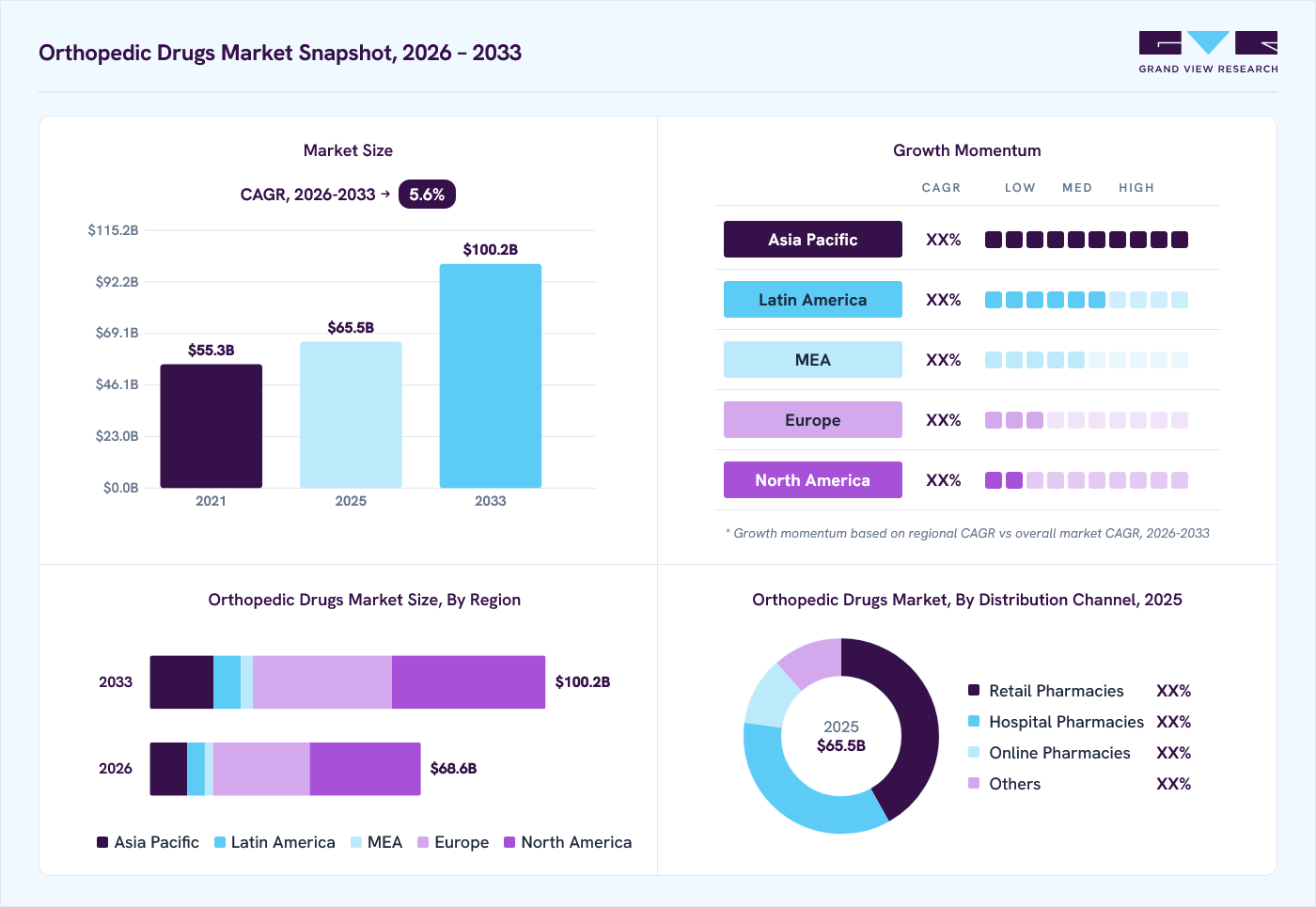
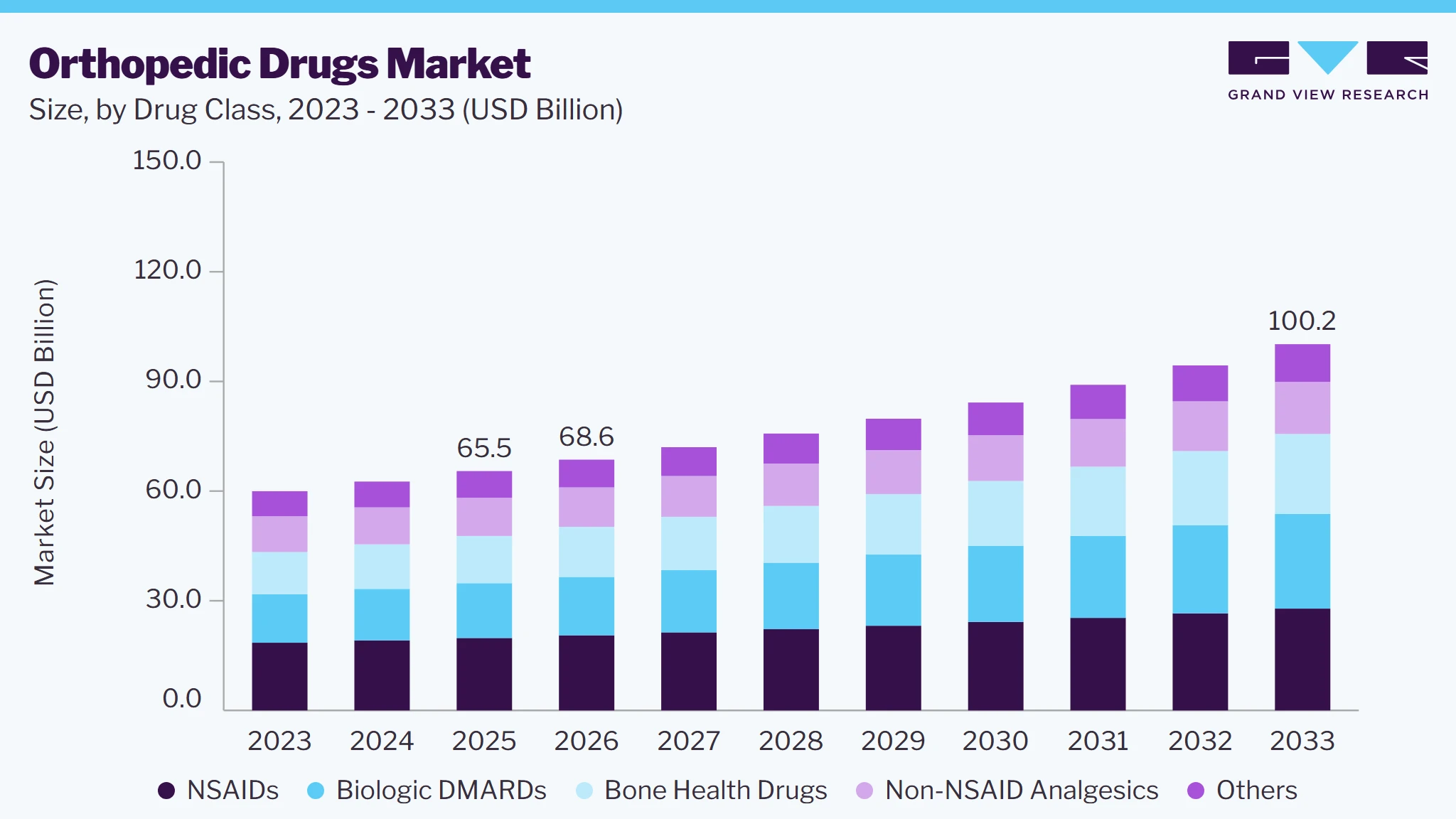
The global orthopedic drugs market size was valued at USD 65.5 billion in 2025 and is projected to grow from USD 68.6 billion in 2026 to USD 100.2 billion by 2033, at a CAGR of 5.6% from 2026 to 2033. The market in North America dominated with a revenue share of 41.2% in 2025. The orthopedic drugs market is growing as the prevalence of musculoskeletal disorders increases, with osteoarthritis, osteoporosis, rheumatoid arthritis, psoriatic arthritis, and other joint and bone conditions affecting a larger patient population.
 Source: Grand View Research, IR Documents, Primary Interviews, Paid DatabasesTo learn more about this report,
 Download Free Sample Report
Key Market Trends & Insights
- By drug class: NSAIDs segment held the largest market share of 30.3% in 2025.
- By disease type: Osteoarthritis segment held the largest market share of 42.2% in 2025.
- By route of administration: Oral segment held the largest market share of 46.9% in 2025.
- By distribution channel: Retail pharmacies segment held the largest market share of 41.8% in 2025.
Regional Highlights
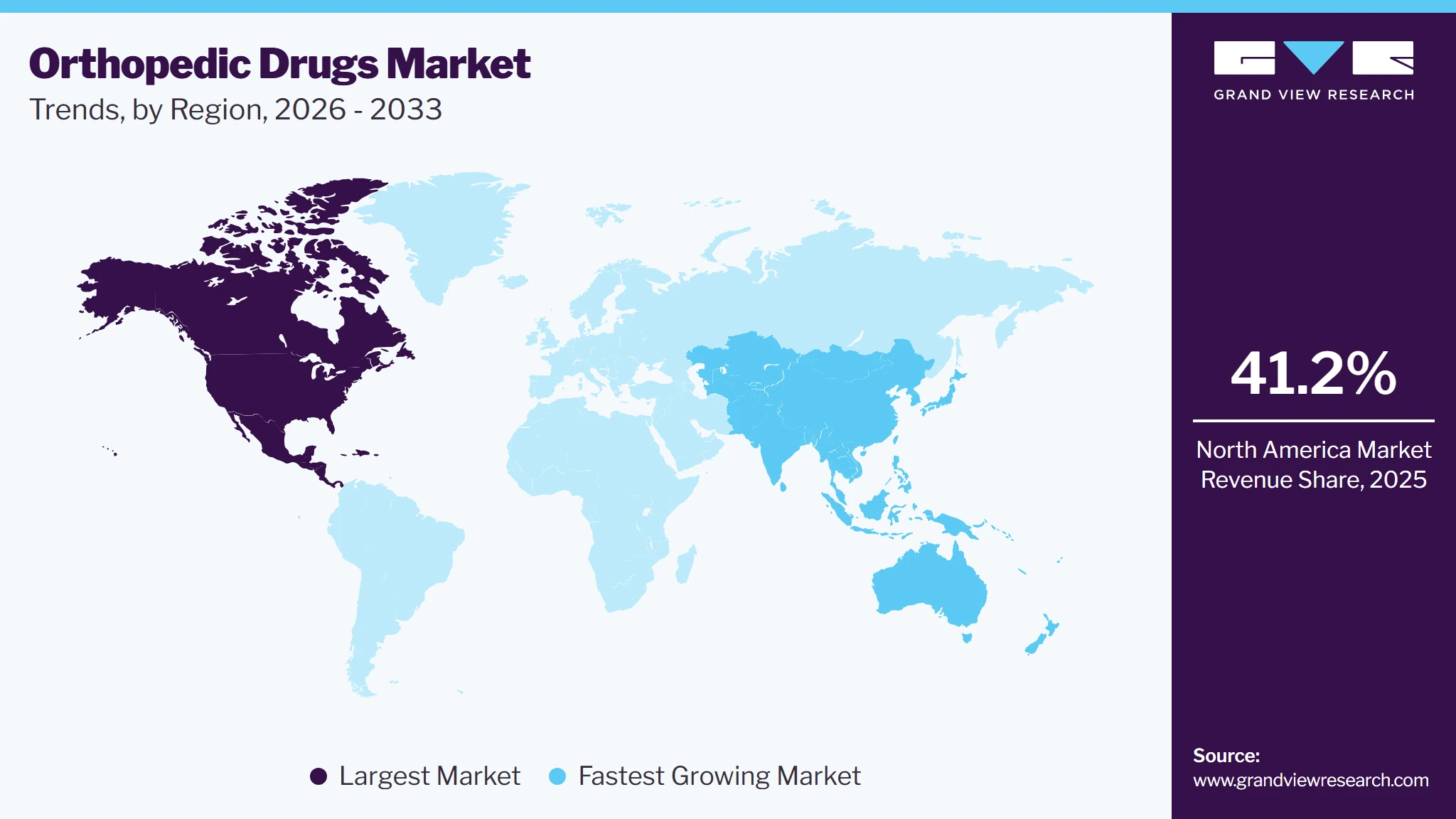
- Largest regional market: North America (41.2% revenue share, 2025)
- Fastest-growing regional market: Asia Pacific (highest CAGR, 2026-2033)
- By country: The U.S. held the largest market share in 2025
Market Size & Forecast
- Market size in 2025: USD 65.5 Billion
- Estimated market size in 2026: USD 68.6 Billion
- Projected market size by 2033: USD 100.2 Billion
- CAGR (2026-2033): 5.6%
Prism AI by Grand View Research Free to tryAsk a question about the orthopedic drugs marketTry asking✓Every figure cited from GVR research Prefer the report? Download free sample →Population aging and longer life expectancy are increasing the number of people requiring treatment for chronic orthopedic conditions. At the same time, obesity, physical inactivity, and lifestyle changes are increasing the risk of joint and musculoskeletal problems. This is creating greater demand for pain-management medicines, anti-inflammatory therapies, bone-health drugs, and other orthopedic treatments. Growing awareness of arthritis, osteoporosis, and related conditions is encouraging more patients to seek medical attention and begin treatment. Improvements in diagnostic capabilities are also helping physicians identify orthopedic conditions at earlier stages. In emerging economies, rising healthcare expenditure and improving access to prescription medicines are allowing more patients to receive treatment, creating a larger addressable market for orthopedic pharmaceutical products.
 To learn more about this report, Download Free Sample Report
The increasing availability of advanced treatment options is further changing the orthopedic drugs market. Biologic DMARDs have expanded treatment choices for patients with rheumatoid arthritis, psoriatic arthritis, and other inflammatory joint disorders, especially for patients who do not achieve sufficient disease control with conventional therapies. Targeted therapies are also being adopted for specific inflammatory pathways, providing physicians with additional options for long-term disease management. Bone-health treatments are gaining importance as osteoporosis and age-related bone loss become more common. Injectable therapies, including intra-articular treatments, are used in the management of selected joint conditions, while hyaluronic acid preparations remain an established treatment option for osteoarthritis. Pharmaceutical companies continue to invest in treatments for pain, inflammation, joint function, osteoporosis, and bone health. As the range of available therapies increases, physicians have more treatment options across different stages and types of orthopedic disease, which is increasing pharmaceutical demand and creating new revenue opportunities across the market.
Improving healthcare access is extending orthopedic drug demand across both developed and emerging economies. Growth in hospitals, specialty clinics, diagnostic centers, rehabilitation facilities, and pharmacy networks is making orthopedic treatment more accessible. Developed markets continue to generate significant demand through established healthcare systems, specialist care, insurance coverage, and relatively high pharmaceutical spending. Emerging markets are experiencing improvements in healthcare infrastructure, medical coverage, specialist availability, and household healthcare expenditure, allowing more patients to receive treatment for orthopedic conditions. Retail pharmacies remain an important distribution channel, while online pharmacies are gaining acceptance as prescription fulfillment and medicine purchasing increasingly move toward digital channels. Greater awareness of available treatments is also encouraging patients to consult healthcare professionals rather than relying only on self-medication. Government healthcare initiatives and broader insurance coverage can further improve access to orthopedic medicines. Together, the growing disease burden, aging population, wider treatment availability, pharmaceutical innovation, and improving healthcare access are expected to drive continued expansion of the orthopedic drugs market through the forecast period.
Market Dynamics
The increasing prevalence of osteoarthritis, osteoporosis, rheumatoid arthritis, psoriatic arthritis, and other musculoskeletal disorders is driving demand for orthopedic drugs. Population aging is increasing the number of people requiring treatment for chronic joint and bone conditions, while longer life expectancy is extending the duration of treatment. Rising obesity, physical inactivity, and lifestyle changes are also increasing the incidence of joint pain, mobility problems, and musculoskeletal complications. Greater awareness of orthopedic diseases is encouraging more patients to seek medical consultation and receive appropriate treatment. Improvements in diagnostic capabilities are helping physicians identify joint and bone disorders at earlier stages, increasing the use of pharmaceutical therapies. Growing healthcare expenditure and improving access to prescription medicines in emerging economies are further expanding the treated patient population. These factors are increasing demand for pain-management medicines, anti-inflammatory therapies, disease-modifying treatments, and bone-health drugs, creating a larger addressable market for orthopedic pharmaceutical companies globally.
High treatment costs, particularly for biologic DMARDs, advanced injectable therapies, and other specialty orthopedic medicines, can limit patient access and adoption across cost-sensitive healthcare systems. Differences in reimbursement policies, insurance coverage, and healthcare spending can create significant variations in treatment availability between countries. Patients may also face high out-of-pocket expenses when advanced therapies are not fully covered by insurance programs. Long-term use of certain orthopedic medicines can create concerns related to adverse effects, requiring physicians to carefully evaluate treatment duration, dosage, and patient suitability. Opioid-related safety concerns, including dependence, misuse, and other complications, can restrict prescribing and encourage healthcare providers to consider alternative pain-management therapies. Competition from generic medicines can also reduce prices and limit revenue growth for established products. These cost, safety, reimbursement, and pricing challenges can affect treatment adoption, particularly in emerging markets and healthcare systems with restricted pharmaceutical budgets.
The development of biologic DMARDs, targeted therapies, injectable medicines, and advanced bone-health treatments is creating new opportunities in the market. Pharmaceutical companies are expanding research activities focused on inflammatory joint diseases, osteoporosis, osteoarthritis, pain management, and bone health. Increasing demand for therapies with improved efficacy and longer treatment benefits is encouraging the development of differentiated pharmaceutical products. Emerging economies also offer significant opportunities as healthcare infrastructure, insurance coverage, specialist availability, and pharmaceutical expenditure continue to improve. Greater awareness of osteoporosis, arthritis, and other musculoskeletal disorders can increase diagnosis and treatment rates among previously underserved patients. Online pharmacies and specialty pharmacy networks are creating additional channels for prescription fulfillment and access to specialized medicines. Growing demand for minimally invasive treatment approaches is also creating opportunities for injectable and intra-articular therapies. These developments can expand treatment options, increase patient access, and create new commercial opportunities for orthopedic drug manufacturers across major markets.
Industry Concentration & Characteristics
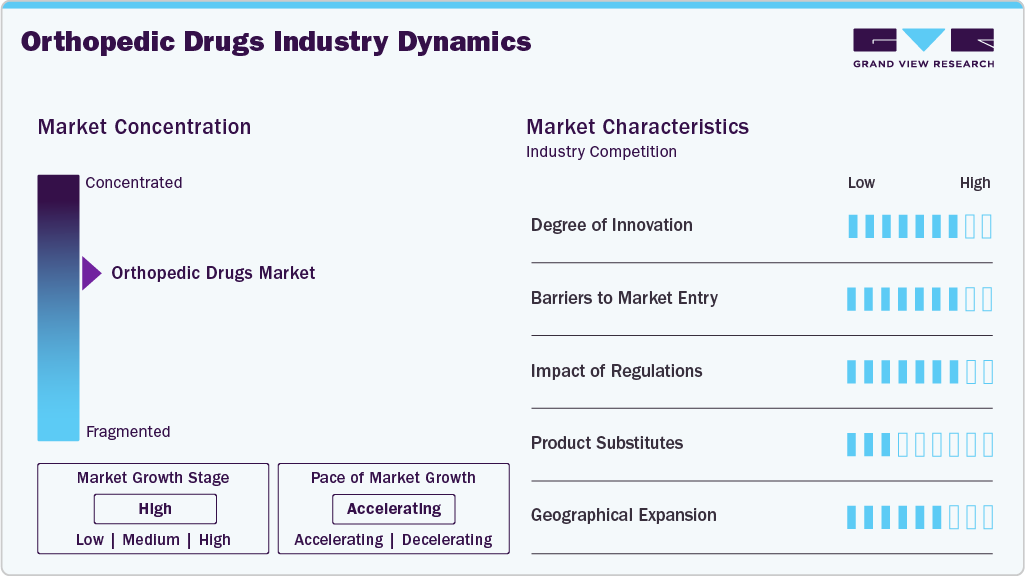
The orthopedic drugs market has a moderate to high degree of innovation, driven by biologic therapies, targeted treatments, injectable formulations, and advanced bone-health medicines. Pharmaceutical companies are developing therapies with improved efficacy, safety, dosing convenience, and treatment duration. Innovation is focused on osteoarthritis, osteoporosis, rheumatoid arthritis, psoriatic arthritis, and other chronic musculoskeletal conditions. Biologic DMARDs and targeted therapies have expanded treatment options for inflammatory joint disorders. Research is also focused on pain management, disease progression, bone health, and joint preservation. Continued pharmaceutical research and clinical development are expected to maintain innovation across major orthopedic therapeutic categories.
The orthopedic drugs market has moderate to high barriers to entry because companies must meet extensive clinical, manufacturing, quality, and regulatory requirements. New medicines require substantial investment in research, clinical trials, regulatory submissions, manufacturing facilities, and post-market monitoring. Products for chronic orthopedic conditions may also require long-term clinical evidence to establish safety and treatment benefits. Established pharmaceutical companies have advantages through recognized brands, physician relationships, distribution networks, manufacturing capabilities, and reimbursement access. Biologic therapies create additional barriers because of complex development and manufacturing requirements. These factors make large-scale market entry difficult for companies without adequate financial resources, technical expertise, manufacturing capabilities, and regulatory experience.
 To learn more about this report, Download Free Sample Report
Regulations have a significant impact on the development, approval, manufacturing, pricing, distribution, and marketing of orthopedic drugs. Regulatory agencies require companies to demonstrate product quality, safety, and efficacy before commercial approval. Additional requirements may apply to biologic therapies, injectable products, and medicines intended for long-term treatment. Reimbursement policies, prescribing guidelines, generic substitution, and pharmaceutical pricing regulations can influence product adoption and revenue generation. Post-marketing safety monitoring also requires companies to evaluate adverse events and maintain compliance throughout the product lifecycle. Differences in regulatory requirements across countries can affect development timelines, commercialization costs, market access, and product launches. Regulatory compliance therefore remains an important consideration for pharmaceutical companies operating across orthopedic drug markets.
The orthopedic drugs market faces substitution from non-pharmaceutical treatment options such as physical therapy, rehabilitation, exercise programs, weight management, and lifestyle interventions. Surgical procedures, joint replacement, minimally invasive interventions, and other orthopedic procedures can reduce the need for long-term pharmaceutical treatment for selected patients. Over-the-counter medicines may also substitute for prescription therapies among patients with mild or moderate symptoms. Generic medicines provide lower-cost alternatives to branded products after patent or market exclusivity periods expire. Different pharmaceutical classes and injectable therapies can also compete for the same patient population when they address similar symptoms or treatment objectives. The degree of substitution depends on disease severity, patient characteristics, treatment guidelines, physician preference, reimbursement coverage, and the availability of alternative treatment options.
Geographical expansion is creating opportunities for orthopedic drug companies as healthcare infrastructure and access to pharmaceutical treatments improve across emerging markets. North America and Europe remain important markets because of established healthcare systems, high treatment access, and significant pharmaceutical expenditure. Asia Pacific offers expansion potential due to aging populations, increasing healthcare spending, growing disease awareness, and improving access to medical treatment. Latin America and the Middle East & Africa are also developing opportunities as healthcare infrastructure, insurance coverage, and specialist treatment availability improve. Companies entering new markets must adapt to local regulatory requirements, pricing structures, reimbursement systems, distribution networks, and prescribing practices. Expansion of hospital, retail, specialty, and online pharmacy channels can further improve access to orthopedic medicines across new geographic markets.
Analyst Perspective
The orthopedic drugs market is expected to maintain steady growth as aging populations and the rising burden of osteoarthritis, osteoporosis, rheumatoid arthritis, and other musculoskeletal disorders increase treatment demand. NSAIDs remain a leading drug class due to their established use in pain and inflammation management, while biologic DMARDs are gaining importance in inflammatory joint diseases. Osteoarthritis continues to represent the largest disease category, supported by its high patient prevalence and long-term treatment requirements. Oral medicines currently account for the largest share of administration routes, although injectable therapies are expected to expand at a faster pace as biologic and specialty treatments gain wider use. Retail pharmacies remain the leading distribution channel, while online pharmacies are recording faster growth as digital prescription fulfillment becomes more common. North America remains the largest regional market, whereas Asia Pacific is expected to achieve the fastest growth during the forecast period, supported by improving healthcare access and increasing treatment demand.
Drug Class Insights
The NSAIDs segment dominated the orthopedic drugs market with the largest revenue share of 30.3% in 2025, due to their widespread use for pain and inflammation management across osteoarthritis and other musculoskeletal conditions. NSAIDs are commonly prescribed because they provide both analgesic and anti-inflammatory effects, making them relevant across several orthopedic conditions. Their established clinical use, broad availability, and presence across branded and generic formulations support their position within the market. Increasing numbers of patients seeking treatment for joint pain and inflammatory conditions continue to maintain demand for these medicines. The segment also benefits from the availability of different formulations and active ingredients, allowing physicians to select treatments based on patient requirements and disease severity. Despite competition from other therapeutic classes, NSAIDs remain an important component of orthopedic pharmacological treatment. Their extensive use across routine orthopedic care is expected to maintain their leading market position during the forecast period.
The biologic DMARDs segment is projected to grow at the fastest CAGR of 7.2% over the forecast period, driven by increasing adoption of targeted therapies for rheumatoid arthritis, psoriatic arthritis, and other inflammatory joint disorders. Biologic DMARDs provide treatment options for patients who have an inadequate response to conventional therapies or require more targeted disease management. Increasing recognition of inflammatory pathways involved in rheumatoid and psoriatic arthritis is encouraging physicians to consider therapies designed to act on specific biological targets. Continued development of newer biologic treatments and expansion of therapeutic options are also creating greater competition and choice within this category. Growing diagnosis of inflammatory joint diseases is increasing the number of patients eligible for advanced treatment. Improvements in healthcare access and specialist care can further increase the use of biologic medicines across developed and emerging markets. These factors are expected to increase the role of biologic DMARDs within the orthopedic drugs market.
Disease Type Insights
The osteoarthritis segment dominated the orthopedic drugs market with the largest revenue share of 42.2% in 2025, due to the high prevalence of osteoarthritis and increasing demand for pharmacological treatment for pain and joint inflammation. Osteoarthritis is strongly associated with aging, while obesity, physical inactivity, previous joint injuries, and lifestyle factors can increase the risk of developing the condition. The growing elderly population is therefore increasing the number of patients requiring treatment for chronic joint pain and mobility limitations. Treatment commonly involves pharmacological approaches aimed at reducing pain and improving daily functioning, creating demand across several orthopedic drug categories. Greater awareness of osteoarthritis and improvements in diagnosis are also encouraging patients to seek medical care. Physicians have access to several treatment options, including analgesics, NSAIDs, topical medicines, and injectable therapies. The large patient population and long-term nature of osteoarthritis management are expected to keep this disease category as a major contributor to orthopedic drug demand.
The osteoporosis segment is projected to grow at a CAGR of 6.9% over the forecast period, driven by population aging, increasing awareness of bone health, and rising demand for medicines that reduce bone loss and fracture risk. Osteoporosis becomes more common with advancing age, particularly among older adults who experience reductions in bone density and strength. Increasing awareness of fracture prevention is encouraging more individuals to undergo bone-density assessment and seek medical treatment when clinically appropriate. The availability of several pharmacological options, including bisphosphonates, RANKL inhibitors, parathyroid hormone analogs, and other bone-health therapies, provides physicians with different approaches to managing osteoporosis. Growing healthcare expenditure and improvements in access to diagnostic and specialist services are also increasing opportunities for treatment. Earlier identification of patients at risk of fractures can encourage preventive intervention and longer-term therapy. These factors are expected to increase demand for osteoporosis medicines and strengthen the segment's contribution to the orthopedic drugs market.
Route of Administration Insights
The oral segment dominated the orthopedic drugs market with the largest revenue share of 46.9% in 2025, driven by the convenience, availability, and established use of oral medicines for pain management and chronic orthopedic conditions. Oral administration is widely accepted by patients and healthcare professionals because it is generally convenient for routine and long-term treatment. A broad range of orthopedic medicines is available in oral formulations, including NSAIDs, analgesics, disease-modifying therapies, and several bone-health medicines. The availability of generic products also makes many oral treatments accessible across different healthcare systems. Oral medicines can be prescribed through hospitals, clinics, and retail pharmacies, giving patients multiple points of access. Their established role in managing osteoarthritis, rheumatoid arthritis, osteoporosis, and other conditions continues to maintain demand. Although injectable and topical therapies are gaining importance in selected applications, the broad use of oral medicines across orthopedic treatment pathways is expected to keep this route as a major component of the market.
The injectable segment is projected to grow at the fastest CAGR of 7.2% over the forecast period, driven by increasing use of biologic therapies, injectable bone-health medicines, and intra-articular treatments for orthopedic conditions. Injectable administration is important for therapies where systemic delivery, targeted treatment, or dosing characteristics make oral administration less suitable. Biologic DMARDs are an important part of this segment, particularly in the treatment of inflammatory joint diseases such as rheumatoid arthritis and psoriatic arthritis. Injectable bone-health medicines are also used in selected patients with osteoporosis and elevated fracture risk. Intra-articular treatments provide another important application, particularly for joint-related conditions where medicines are administered directly into the affected area. Advances in formulation and drug-delivery technologies are expanding the range of injectable treatment options. Increasing availability of specialty care and improved access to hospitals and specialist clinics can further increase adoption. These factors are expected to support faster growth of injectable orthopedic therapies during the forecast period.
Distribution Channel Insights
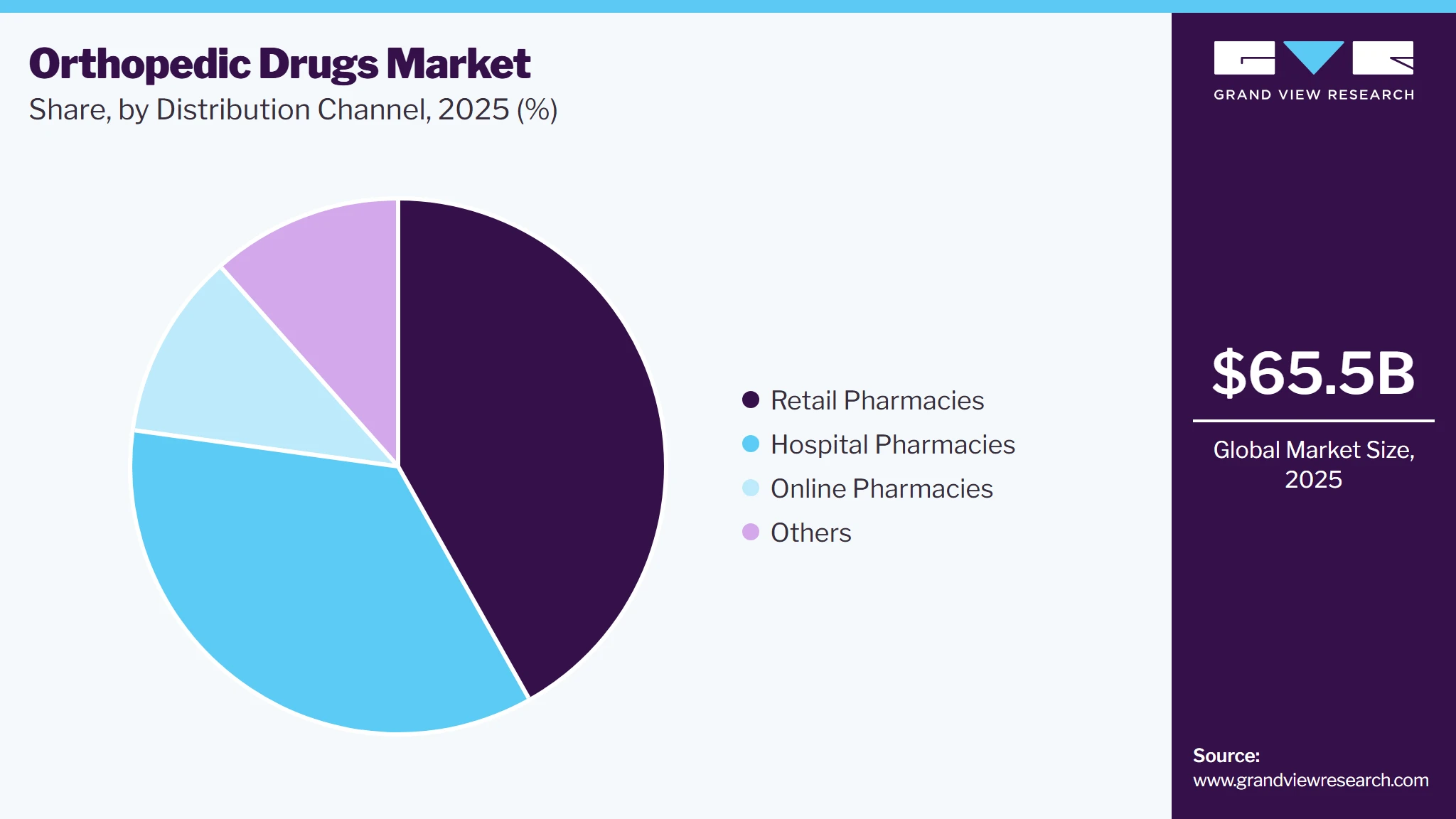
The retail pharmacies segment dominated the orthopedic drugs market with the largest revenue share of 41.8% in 2025, driven by their broad accessibility, established prescription fulfillment networks, and availability of commonly prescribed orthopedic medicines. Retail pharmacies provide convenient access to widely used treatments for pain, inflammation, arthritis, and bone-health conditions. Their extensive presence across urban and rural areas allows patients to obtain medicines closer to their homes, while established relationships with physicians and healthcare providers facilitate prescription fulfillment. Generic orthopedic medicines are also widely available through retail pharmacy networks, providing patients with lower-cost treatment alternatives in many markets. Chronic orthopedic conditions often require repeated prescriptions and ongoing medication use, which creates recurring demand through retail channels. Hospital and specialty pharmacies remain important for complex and high-cost therapies, but retail pharmacies continue to serve a large proportion of patients receiving routine orthopedic medicines. Their established infrastructure and accessibility are expected to maintain their leading position in distribution.
 To learn more about this report, Download Free Sample Report
The online pharmacies segment is projected to grow at the fastest CAGR of 10.5% over the forecast period, driven by increasing digital prescription fulfillment, consumer convenience, wider medicine availability, and growing acceptance of online pharmacy services. Online channels allow patients to order medicines remotely and receive products through home delivery, reducing the need for frequent visits to physical pharmacies. This model can be especially useful for patients managing chronic orthopedic conditions who require recurring medication refills. Increasing internet penetration, smartphone adoption, digital payment use, and improvements in e-commerce infrastructure are expanding access to online pharmacy services. Pharmaceutical and pharmacy platforms are also improving digital ordering, prescription verification, delivery tracking, and customer support. Growing consumer familiarity with online healthcare services is encouraging wider use of digital medicine purchasing. Regulatory development and improved oversight of online prescription sales can further strengthen the channel. These developments are expected to make online pharmacies one of the faster-growing distribution channels in the orthopedic drugs market.
Regional Insights
North America held the largest orthopedic drugs market share of 41.2% in 2025 driven by a large treated population with osteoarthritis, osteoporosis, and inflammatory joint disorders. The region has high demand for prescription medicines and advanced therapies for chronic musculoskeletal conditions. An aging population is increasing the need for long-term orthopedic disease management. Strong adoption of biologic DMARDs and injectable therapies is expanding the value of the regional market. High healthcare spending and broad access to specialist care further support treatment uptake. The presence of major pharmaceutical companies and established distribution networks strengthens the region’s position in the global orthopedic drugs market.
 To learn more about this report, Download Free Sample Report
U.S. Orthopedic Drugs Market Trends
The U.S. represents the largest orthopedic drugs market within North America, supported by a high prevalence of arthritis, osteoporosis, and other musculoskeletal disorders. An aging population and increasing rates of obesity are creating a large patient base requiring orthopedic treatment. The country has strong adoption of biologic DMARDs, targeted therapies, and specialty medicines for inflammatory joint diseases. Advanced diagnostic capabilities allow orthopedic conditions to be identified and treated at earlier stages. Extensive hospital, specialty, retail, and online pharmacy networks provide broad access to medicines. Continued pharmaceutical research and the availability of innovative therapies are expected to maintain strong market demand.
Europe Orthopedic Drugs Market Trends
Europe represents a major orthopedic drugs market, supported by its aging population and high prevalence of chronic musculoskeletal diseases. Osteoarthritis and osteoporosis account for substantial treatment demand across European countries. Established clinical treatment pathways encourage the use of analgesics, NSAIDs, bone-health medicines, and disease-modifying therapies. Increasing use of biologic treatments is expanding the market for inflammatory joint disorders. Rising demand for osteoporosis management is also creating opportunities for advanced bone-health products. Differences in healthcare access, reimbursement, and pharmaceutical pricing across individual countries influence the pace of market development within the region.
The UK orthopedic drugs market is supported by a large population requiring treatment for arthritis, osteoporosis, and chronic musculoskeletal conditions. Osteoarthritis remains an important source of demand for pain-relief and anti-inflammatory medicines. An aging population is increasing the need for therapies addressing long-term joint and bone conditions. Increasing use of biologic DMARDs is creating demand for advanced treatments in rheumatoid and psoriatic arthritis. Retail pharmacies and digital pharmacy services provide convenient access to commonly used orthopedic medicines. Growing awareness of bone health and earlier management of musculoskeletal disorders is expected to support continued market development.
Germany is a major European market for orthopedic drugs, supported by a large elderly population and high demand for treatment of chronic joint and bone disorders. Osteoarthritis and osteoporosis represent important areas of pharmaceutical use among older adults. The country has established specialist care networks that facilitate diagnosis and treatment of musculoskeletal conditions. Biologic DMARDs and other advanced therapies are increasingly important in the management of inflammatory arthritis. Demand for bone-health medicines is increasing as healthcare providers focus on fracture prevention and long-term osteoporosis management. A well-developed pharmaceutical distribution network enables broad availability of orthopedic medicines across hospitals, pharmacies, and specialty care settings.
France has a substantial orthopedic drugs market, with demand driven by osteoarthritis, osteoporosis, rheumatoid arthritis, and other chronic musculoskeletal disorders. Population aging is increasing the number of patients requiring long-term treatment for joint and bone conditions. NSAIDs and other analgesic therapies remain widely used for symptom management across orthopedic diseases. Advanced therapies for inflammatory arthritis are expanding treatment choices for patients with persistent disease activity. Increasing attention to osteoporosis diagnosis and fracture prevention is creating additional demand for bone-health medicines. The established pharmacy network and access to specialist healthcare services provide patients with multiple pathways to orthopedic treatment.
Asia Pacific Orthopedic Drugs Market Trends
Asia Pacific orthopedic drugs market is expected to register the fastest CAGR of 7.9% over the forecast period due to rapid population aging, which is increasing the number of patients with osteoarthritis, osteoporosis, and other age-related musculoskeletal disorders. Rising healthcare expenditure is improving access to prescription medicines and specialist orthopedic care across several countries. Increasing urbanization and changing lifestyles are contributing to obesity and reduced physical activity, which can increase the burden of joint disorders. Pharmaceutical companies are expanding their presence across the region, increasing the availability of branded, generic, and specialty orthopedic medicines. Greater disease awareness, improving diagnosis, and expanding pharmacy networks are expected to accelerate orthopedic drug adoption across Asia Pacific.
Japan has a mature orthopedic drugs market, supported by one of the world's oldest populations and a high prevalence of age-related musculoskeletal disorders. Osteoarthritis and osteoporosis generate substantial demand for long-term treatment among older adults. The country's strong healthcare infrastructure enables widespread diagnosis and management of chronic orthopedic conditions. Oral analgesics, NSAIDs, and bone-health medicines remain important treatment categories. Increasing attention to fracture prevention is creating demand for osteoporosis therapies among aging patients. Growth in specialized and injectable treatments for inflammatory and joint disorders is providing additional opportunities within the Japanese orthopedic drugs market.
China represents one of the largest growth opportunities in the Asia Pacific orthopedic drugs market, supported by a large and aging population. Increasing prevalence of osteoarthritis, osteoporosis, and other musculoskeletal disorders is expanding the patient pool. Rising healthcare expenditure and improving access to medical services are increasing treatment rates across urban and developing areas. Domestic pharmaceutical manufacturing is expanding the availability of generic and specialty orthopedic medicines. Greater diagnosis of osteoporosis and arthritis is encouraging earlier treatment and long-term disease management. Expanding retail and online pharmacy networks are also improving medicine access and creating additional opportunities for orthopedic drug companies.
Latin America Orthopedic Drugs Market Trends
Latin America is experiencing increasing demand for orthopedic drugs as the prevalence of arthritis, osteoporosis, and other musculoskeletal disorders rises across the region. Population aging is creating a larger group of patients requiring treatment for chronic joint and bone conditions. Urbanization and lifestyle changes are increasing the prevalence of obesity and physical inactivity, adding to the orthopedic disease burden. Greater access to healthcare services is improving diagnosis and treatment of musculoskeletal disorders. Generic medicines remain important due to the need for cost-effective treatment options across several markets. Expansion of retail pharmacy networks and digital medicine purchasing is improving access to orthopedic drugs and creating additional commercial opportunities.
Brazil is the largest orthopedic drugs market in Latin America, supported by its large population and growing burden of musculoskeletal disorders. Osteoarthritis and osteoporosis are major areas of treatment demand, particularly among the country's aging population. Increasing awareness of arthritis and bone health is encouraging more patients to seek diagnosis and medical treatment. Generic medicines have a strong role in the market, providing lower-cost alternatives for commonly used orthopedic therapies. Expansion of private healthcare and specialist services is increasing access to advanced treatments for inflammatory joint conditions. Growth in retail and online pharmacy channels is further improving the availability of orthopedic medicines across major population centers.
Middle East & Africa Orthopedic Drugs Market Trends
The Middle East and Africa orthopedic drugs market is expanding as healthcare access improves and the burden of chronic musculoskeletal conditions increases. Population growth and aging are creating a larger patient base for arthritis, osteoporosis, and other orthopedic disorders. Increasing awareness of joint and bone health is encouraging greater use of professional diagnosis and pharmaceutical treatment. Rising healthcare expenditure is improving access to medicines, specialist services, and diagnostic facilities across several countries. Retail pharmacies remain an important source of orthopedic medicines, while specialty healthcare facilities are increasing access to advanced therapies. Expanding pharmaceutical distribution networks and greater availability of branded and generic medicines are expected to support regional market growth.
Saudi Arabia is a key orthopedic drugs market in the Middle East, supported by an aging population, rising prevalence of chronic diseases, and increasing demand for musculoskeletal treatment. Osteoarthritis and osteoporosis are important sources of pharmaceutical demand among older and middle-aged patients. High rates of obesity and lifestyle-related risk factors are increasing the need for joint pain and mobility management. Growing access to specialist hospitals and orthopedic care is improving diagnosis and treatment of musculoskeletal conditions. Demand for biologic therapies and other advanced medicines is increasing as treatment options expand for inflammatory joint disorders. Well-developed retail pharmacy networks and increasing use of digital pharmacy services are improving access to orthopedic medicines across the country.
Key Companies & Market Share Insights
The orthopedic drugs market is characterized by strong competition across pain management, inflammatory joint diseases, osteoporosis, and other musculoskeletal conditions, supported by growing demand for both conventional and advanced therapies. Amgen Inc., Pfizer Inc., and Eli Lilly and Company maintain strong positions through established portfolios covering bone health, inflammatory disorders, and orthopedic-related therapies. AbbVie Inc., Bristol Myers Squibb Company, and UCB S.A. strengthen the competitive landscape through biologic and targeted treatments for rheumatoid arthritis, psoriatic arthritis, and other inflammatory conditions. Sanofi S.A. and Novartis AG contribute through specialty and immunology-focused therapies, while Teva Pharmaceutical Industries Ltd. and Sun Pharmaceutical Industries Ltd. have significant presence across generic and specialty pharmaceutical markets. The combination of established brands, biologic therapies, generic medicines, and expanding treatment options continues to shape competition across the global orthopedic drugs market.
Key Orthopedic Drugs Companies:
The following key companies have been profiled for this study on the Orthopedic Drugs Market
-
Amgen Inc.
-
Pfizer Inc.
-
Eli Lilly and Company
-
AbbVie Inc.
-
Bristol Myers Squibb Company
-
UCB S.A.
-
Sanofi S.A.
-
Teva Pharmaceutical Industries Ltd.
-
Novartis AG
-
Sun Pharmaceutical Industries Ltd.
Competitive Benchmarking
Operating Strategies
Competitive Edge
Weaknesses
Mature players
- Amgen Inc.
- Player 2
- Player 3
- Player 4
- Player 5
- Mature companies focus on strengthening their orthopedic portfolios through bone-health therapies, analgesics, biologic DMARDs, and treatments for inflammatory joint disorders.
- Their strategies include expanding product indications, increasing clinical evidence, advancing specialty therapies, improving manufacturing capacity, and obtaining regulatory approvals across major markets.
- They also invest in physician education, medical affairs, strategic partnerships, and geographic expansion to strengthen their presence across developed and emerging markets.
- These companies benefit from established brands, broad global distribution networks, large manufacturing capabilities, and extensive pharmaceutical expertise.
- Their strong portfolios across bone health, arthritis, pain management, and inflammatory conditions support broad market coverage and established relationships with healthcare providers.
- Ongoing clinical research and diversified commercial infrastructure help them maintain strong market positions across multiple orthopedic treatment categories.
- Mature companies face pricing pressure from generic manufacturers and increasing competition across established treatment categories.
- Maintaining global manufacturing operations, regulatory compliance, and post-marketing surveillance increases operating costs.
- Product lifecycle maturity may limit rapid revenue expansion, while competition from biosimilars, generics, and alternative therapies can increase pressure on established products.
Emerging players
- UCB S.A.
- Player 2
- Player 3
- Player 4
- Player 5
- Emerging players focus on expanding their presence through specialty medicines, generic products, regional market expansion, manufacturing capabilities, and portfolio diversification.
- They emphasize cost-efficient production, product registrations in additional countries, licensing agreements, and strategic partnerships to improve commercial reach.
- Many companies strengthen their orthopedic-related portfolios through incremental product development, specialty therapies, and broader distribution channels.
- These companies compete through cost-effective manufacturing, flexible supply chains, specialized portfolios, and growing presence in regional pharmaceutical markets.
- Their ability to provide affordable treatment options and respond to local market demand supports expansion across emerging markets.
- Strong expertise in generic and specialty pharmaceuticals allows them to compete across hospital, retail, specialty, and online pharmacy channels.
- Emerging companies generally have lower brand recognition in selected specialty orthopedic therapies compared with established competitors.
- Generic-focused portfolios can face pricing pressure and intense competition from other manufacturers.
- Limited presence in selected advanced biologic therapies, smaller international commercial networks, and lower investment capacity in large-scale clinical development may restrict expansion in highly specialized treatment segments.
Recent Developments
-
In September 2026, Teva Pharmaceutical Industries Ltd. received U.S. FDA approval for DEGEVMA (denosumab-adet), a biosimilar to Xgeva (denosumab), across all indications of the reference product. The approval covered prevention of bone complications in adults with advanced cancer that had spread to the bone, treatment of adults and skeletally mature adolescents with giant cell tumor of bone, and treatment of hypercalcemia of malignancy.
-
In March 2026, Bristol Myers Squibb received U.S. FDA approval for Sotyktu (deucravacitinib) for the treatment of adults with active psoriatic arthritis, making it the first TYK2 inhibitor approved for this indication. The approval was supported by the Phase 3 POETYK PsA-1 and POETYK PsA-2 trials, which evaluated Sotyktu 6 mg once daily in adults with active psoriatic arthritis. At Week 16, ACR20 responses reached 54% versus 34% for placebo in POETYK PsA-1 and 54% versus 39% in POETYK PsA-2.
-
In March 2026, Sun Pharmaceutical Industries Limited announced U.S. FDA acceptance of its sBLA for ILUMYA (tildrakizumab-asmn) for active psoriatic arthritis. The application was supported by the INSPIRE-1 and INSPIRE-2 Phase 3 studies, both 52-week trials evaluating 100 mg tildrakizumab. ILUMYA was initially approved in 2018 for plaque psoriasis, followed by approvals in April 2024 and December 2025. The product had received authorization from more than 55 health authorities and reached nearly 140,000 patients globally, with 5 years of clinical follow-up.
Orthopedic Drugs Market Report Scope
Report Attribute
Details
Market size in 2025
USD 65.5 billion
Estimated market size in 2026
USD 68.6 billion
Projected market size by 2033
USD 100.2 billion
Growth rate
CAGR of 5.6% from 2026 to 2033
Base year for estimation
2025
Historical data
2021 - 2024
Forecast period
2026 - 2033
Quantitative units
Revenue in USD billion and CAGR from 2026 to 2033
Report coverage
Revenue forecast, company ranking, competitive landscape, growth factors, trends
Segments covered
Drug Class, disease type, route of administration, distribution channel and region
Regional scope
North America; Europe; Asia Pacific; Latin America; Middle East & Africa
Country scope
U.S., Canada, Mexico, UK, Germany, France, Italy, Spain, Denmark, Sweden, Norway, China, Japan, India, Australia, South Korea, Thailand, Brazil, Argentina, South Africa, Saudi Arabia, UAE, Kuwait
Key company profiled
Amgen Inc., Pfizer Inc., Eli Lilly and Company, AbbVie Inc., Bristol Myers Squibb Company, UCB S.A., Sanofi S.A., Teva Pharmaceutical Industries Ltd., Novartis AG, Sun Pharmaceutical Industries Ltd.
Customization scope
Free report customization (equivalent up to 8 analysts working days) with purchase. Addition or alteration to country, regional & segment scope.
Pricing and purchase options
Avail customized purchase options to meet your exact research needs. Explore purchase options
Global Orthopedic Drugs Market Report Segmentation
This report forecasts revenue growth at global, regional, and country levels and provides an analysis of the latest industry trends in each of the sub-segments from 2021 to 2033. For this study, Grand View Research has segmented the global orthopedic drugs market report based on drug class, disease type, route of administration, distribution channel and region:
-
Drug Class Outlook (Revenue, USD Million, 2021 - 2033)
-
NSAIDs
-
Non-NSAID Analgesics
-
Biologic DMARDs
-
Bone Health Drugs
-
Others
-
-
Disease Type Outlook (Revenue, USD Million, 2021 - 2033)
-
Osteoarthritis
-
Rheumatoid Arthritis
-
Osteoporosis
-
Psoriatic Arthritis
-
Others
-
-
Route of Administration Outlook (Revenue, USD Million, 2021 - 2033)
-
Oral
-
Injectable
-
Topical
-
Others
-
-
Distribution Channel Outlook (Revenue, USD Million, 2021 - 2033)
-
Hospital Pharmacies
-
Retail Pharmacies
-
Online Pharmacies
-
Others
-
-
Regional Outlook (Revenue, USD Million, 2021 - 2033)
-
North America
-
U.S.
-
Canada
-
Mexico
-
-
Europe
-
UK
-
Germany
-
France
-
Italy
-
Spain
-
Denmark
-
Sweden
-
Norway
-
-
Asia Pacific
-
Japan
-
China
-
India
-
Australia
-
South Korea
-
Thailand
-
-
Latin America
-
Brazil
-
Argentina
-
-
Middle East & Africa
-
South Africa
-
Saudi Arabia
-
UAE
-
Kuwait
-
-
Research Methodology
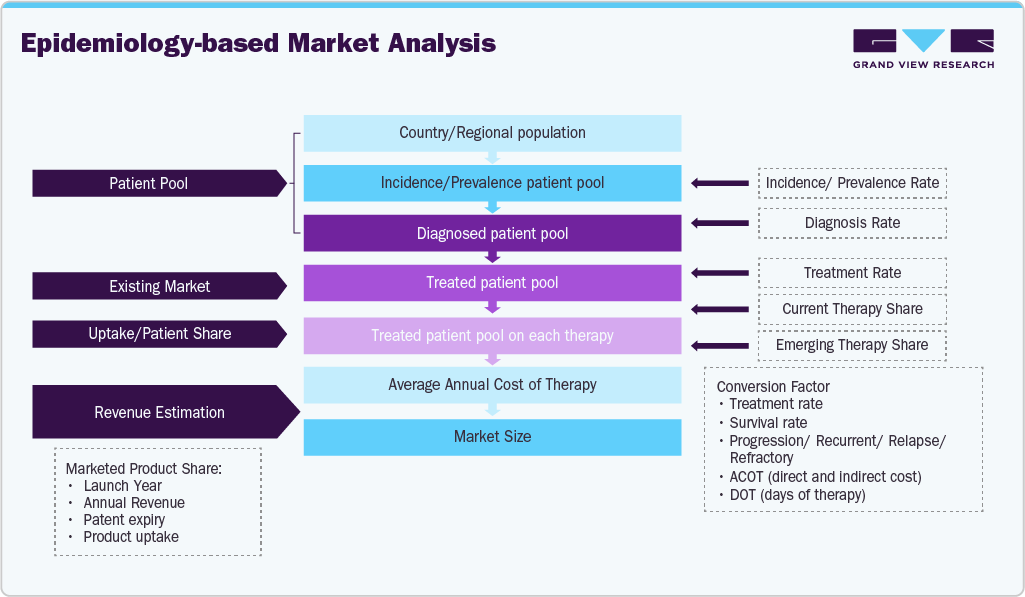
The Orthopedic Drugs Market is estimated using an epidemiology-based, patient-pool methodology that links the population burden of orthopedic diseases with diagnosis, treatment adoption, therapy utilization, and treatment costs. The analysis begins with the country or regional population, which provides the foundation for estimating the potential patient population. Disease-specific incidence and prevalence rates are then applied to determine the incidence/prevalence patient pool across osteoarthritis, rheumatoid arthritis, osteoporosis, psoriatic arthritis, and other orthopedic conditions. The estimated population is subsequently adjusted using diagnosis rates to determine the diagnosed patient pool, followed by treatment rates to identify the treated patient pool representing the addressable pharmaceutical market. The treated population is then allocated across NSAIDs, non-NSAID analgesics, biologic DMARDs, bone health drugs, and other therapies based on therapy adoption and patient shares. Finally, the number of patients receiving each therapy is multiplied by the corresponding average annual cost of therapy to estimate revenue, with individual therapy revenues aggregated to derive the overall orthopedic drugs market size.
Segment Definition
Drug Class
Revenue capture definition
NSAIDs
Revenue generated from NSAIDs prescribed for orthopedic conditions, including ibuprofen, naproxen, diclofenac, celecoxib, and other nonsteroidal anti-inflammatory medicines. Revenue is captured for NSAID therapies used to manage pain, inflammation, and related symptoms associated with orthopedic diseases.
Non-NSAID Analgesics
Revenue generated from non-NSAID analgesics prescribed for orthopedic conditions, including acetaminophen/paracetamol, duloxetine, and other non-NSAID pain-relief medicines. Revenue from these therapies is classified exclusively within this segment when used for orthopedic pain management.
Biologic DMARDs
Revenue generated from biologic disease-modifying antirheumatic drugs prescribed for orthopedic inflammatory conditions, including rheumatoid arthritis and psoriatic arthritis. This includes TNF inhibitors, IL-6 inhibitors, IL-17 inhibitors, IL-23 inhibitors, and other approved biologic DMARD therapies.
Bone Health Drugs
Revenue generated from therapeutics prescribed for orthopedic bone-health conditions, particularly osteoporosis and related bone-loss disorders. This includes bisphosphonates, RANKL inhibitors, parathyroid hormone analogs, sclerostin inhibitors, calcitonin, and other approved bone-health medicines.
Others
Revenue generated from orthopedic drug classes not included in the above categories, including corticosteroids, conventional synthetic DMARDs, muscle relaxants, hyaluronic acid preparations, and other approved orthopedic therapies.
Disease Type
Revenue capture definition
Osteoarthritis
Revenue generated from therapeutics prescribed for osteoarthritis, including medicines used to manage joint pain, inflammation, stiffness, and functional limitations. This includes NSAIDs, non-NSAID analgesics, topical therapies, injectable treatments, and other approved medicines used specifically for osteoarthritis.
Rheumatoid Arthritis
Revenue generated from therapeutics indicated for rheumatoid arthritis, including NSAIDs, analgesics, conventional DMARDs, biologic DMARDs, and other approved therapies. Revenue from medicines used for rheumatoid arthritis is captured within this segment regardless of drug class or route of administration.
Osteoporosis
Revenue generated from therapeutics prescribed for osteoporosis and associated bone-loss conditions, including bisphosphonates, RANKL inhibitors, parathyroid hormone analogs, sclerostin inhibitors, calcitonin, and other approved osteoporosis medicines.
Psoriatic Arthritis
Revenue generated from therapeutics indicated for psoriatic arthritis, including NSAIDs, conventional DMARDs, biologic DMARDs, targeted therapies, and other approved treatments. All revenue associated with psoriatic arthritis indications is captured exclusively within this segment regardless of drug class or administration route.
Others
Revenue generated from therapeutics used for orthopedic diseases not included in the above categories, including ankylosing spondylitis, gout-related orthopedic conditions, juvenile idiopathic arthritis, and other approved musculoskeletal and joint disorders.
Route of Administration
Revenue capture definition
Oral
Revenue generated from orthopedic drugs administered orally, including tablets, capsules, oral solutions, and other oral dosage forms. This includes medicines across NSAIDs, analgesics, DMARDs, bone-health drugs, and other orthopedic drug classes.
Injectable
Revenue generated from orthopedic drugs administered through injection, including intravenous, subcutaneous, intramuscular, and intra-articular formulations. This includes biologic DMARDs, bone-health medicines, and injectable therapies used for joint and musculoskeletal conditions.
Topical
Revenue generated from orthopedic drugs administered topically, including creams, gels, ointments, and other preparations applied directly to the skin. This includes topical analgesics and anti-inflammatory medicines used for localized orthopedic pain and inflammation.
Others
Revenue generated from orthopedic drugs administered through routes other than oral, injectable, or topical administration, including transdermal, nasal, rectal, and other approved administration routes.
Distribution Channel
Revenue capture definition
Hospital Pharmacies
Revenue generated from orthopedic drugs dispensed through hospital-based pharmacies and healthcare facilities. This includes medicines supplied to inpatients, outpatients, and hospital-managed treatment programs through institutional pharmacy channels.
Retail Pharmacies
Revenue generated from orthopedic drugs dispensed through physical retail and community pharmacies. This includes prescription and nonprescription orthopedic medicines purchased by patients through conventional pharmacy outlets.
Online Pharmacies
Revenue generated from orthopedic drugs purchased through online pharmacies and digital pharmacy platforms, including prescription medicines fulfilled through online ordering and home-delivery services.
Others
Revenue generated from orthopedic drugs distributed through channels other than hospital, retail, and online pharmacies, including specialty pharmacies, clinics, physician offices, mail-order pharmacies, and other healthcare distribution channels.
Estimation Model
 To learn more about this report, Download Free Sample Report
Delivered Customizations
This report has been delivered with the following In-depth customizations
Client Request
Customization Delivered
Value Adds
Global Orthopedic Drugs Market Opportunity Assessment (U.S., Europe & Asia Pacific)
Conducted a detailed assessment of orthopedic drug opportunities across the U.S., Germany, France, the UK, China, Japan, and India. The study evaluated the prevalence of osteoarthritis, rheumatoid arthritis, osteoporosis, psoriatic arthritis, treatment adoption, prescribing patterns, drug availability, pricing benchmarks, distribution channels, and healthcare access across major markets.
Helped the client identify high-growth orthopedic treatment markets, evaluate pricing strategies, assess product positioning, and prioritize regional expansion. The study also supported business planning by identifying treatment demand, therapy adoption patterns, unmet needs, and commercial opportunities across developed and emerging markets.
Orthopedic Drugs Pipeline & Competitive Benchmarking
Delivered a comprehensive benchmarking analysis of established and emerging orthopedic drug therapies. The assessment covered NSAIDs, non-NSAID analgesics, biologic DMARDs, bone-health drugs, injectable therapies, clinical-stage developments, product approvals, licensing activities, strategic collaborations, manufacturing capabilities, intellectual property positioning, and commercialization opportunities across major markets.
Enabled the client to identify licensing and acquisition opportunities, evaluate pipeline strength, and prioritize investment decisions across orthopedic drug categories. The analysis also supported portfolio expansion, partnership evaluation, competitive intelligence, and long-term commercialization planning across the orthopedic pharmaceutical market.
Emerging Market Orthopedic Drugs Accessibility & Distribution Feasibility Study
Conducted a country-level feasibility assessment for expanding orthopedic drug access across Brazil, Saudi Arabia, South Africa, Indonesia, Mexico, and the UAE. The study analyzed orthopedic treatment demand, specialist healthcare services, treatment accessibility, product availability, pharmacy infrastructure, distribution networks, regulatory pathways, and healthcare delivery capabilities supporting long-term management of musculoskeletal conditions.
Supported market entry planning by identifying regions with increasing orthopedic treatment demand, healthcare access gaps, distribution opportunities, and unmet treatment requirements. The study also helped improve resource allocation, strengthen regional expansion strategies, and identify commercial opportunities across underserved orthopedic healthcare markets.
About the Author(s)
Pharmaceuticals Research Team
Healthcare · PharmaceuticalsThis report was authored by the pharmaceuticals research team at Grand View Research - comprising two research analysts, one senior research analyst, and one industry expert - with specialized expertise in the pharmaceuticals segment of the healthcare industry. All findings are based on proprietary healthcare databases, executive interviews, and regulatory analysis, subject to internal peer review prior to publication.
Last Updated:
Speak to Analyst

Customize this report to your needs - add regions, segments, or data points, with 20% free customization.
Or view our licence options:


ISO 9001:2015 & 27001:2022 Certified
We are GDPR and CCPA compliant! Your transaction & personal information is safe and secure. For more details, please read our privacy policy.


