Serbia Hearing Aid Retailers Market Trends
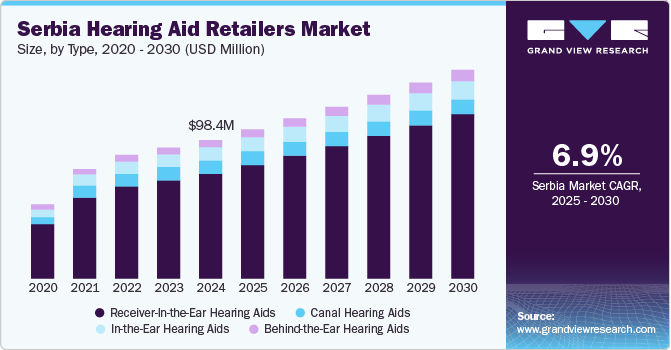
The Serbia hearing aid retailers market size was estimated at USD 98.43 million in 2024 and is expected to grow at a CAGR of 6.95% from 2025 to 2030. This growth is primarily attributed to the rising prevalence of hearing loss among the population, particularly among the elderly. Moreover, there has been a notable increase in awareness regarding hearing health in Serbia. Public health campaigns and educational initiatives have contributed to reducing stigma associated with wearing hearing aids.
The expansion of retail channels for hearing aids has facilitated market growth. In addition to traditional brick-and-mortar stores, online sales platforms are becoming increasingly popular, providing consumers with greater access to a variety of products at competitive prices. This accessibility allows customers to compare options easily and choose devices that best meet their needs.
Advancements in technology have led to the development of more sophisticated and appealing hearing aids. Modern devices are now equipped with features such as Bluetooth connectivity, noise cancellation, and improved sound quality, making them more attractive to consumers. These innovations enhance user experience and encourage more individuals to seek out these devices from retailers.
Government subsidies and reimbursement schemes have significantly propelled the market in Serbia by making devices more financially accessible to a broader segment of the population. The Republic Fund for Expanding Potential Customer Base or Health Insurance (RFZO) in Serbia is a government initiative designed to improve access to health insurance for individuals needing more coverage under the regular social health insurance system. Pensioners, children, employed, and unemployed with hearing impairments can receive assistance for hearing aids through the RFZO (Republic Fund for Expanding Potential Customer Base or Health Insurance).
The growth of the market in the country is furthermore driven by several emerging trends that reflect changing consumer needs and technological advancements as given in the table below.
New Market Trends
|
Market Trends
|
Description
|
|
Affordability and Value for Money
|
Cost is a significant concern, particularly for older adults and low-income consumers seeking affordable hearing aids that balance quality and price. Manufacturers focus on budget-friendly options with essential features and explore partnerships with insurance providers to ease costs. There is increasing interest in smart hearing aids and eco-friendly designs, but affordability remains a significant issue, especially for those preferring analog options.
|
|
High Import of Medical Equipment
|
The Serbian hearing aids market relies heavily on imports due to limited domestic production capacity. Local manufacturers struggle to compete with international brands, making imports essential for providing access to a variety of advanced products. This high import level allows local distributors to offer innovative hearing aids that meet consumer preferences, enhancing user experience and driving market growth.
|
|
Artificial Intelligence (AI)
|
AI has significantly improved hearing aids by providing personalized experiences that enhance quality of life and overall well-being. This technology sharpens speech in noisy environments and allows users to make phone calls, listen to music, and receive messages. There is an increasing demand for AI-driven and eco-friendly hearing aids, as indicated by interviews with retailers in Serbia, suggesting future product launches in this sector.
|
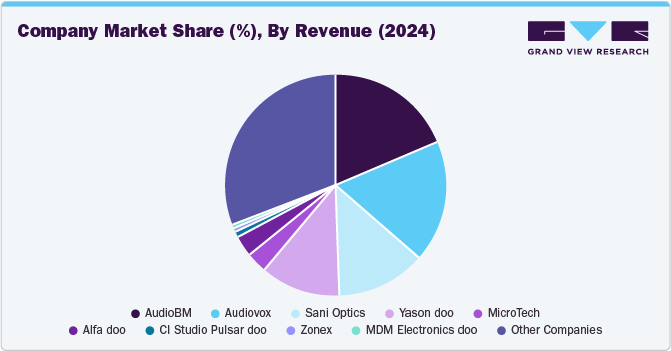
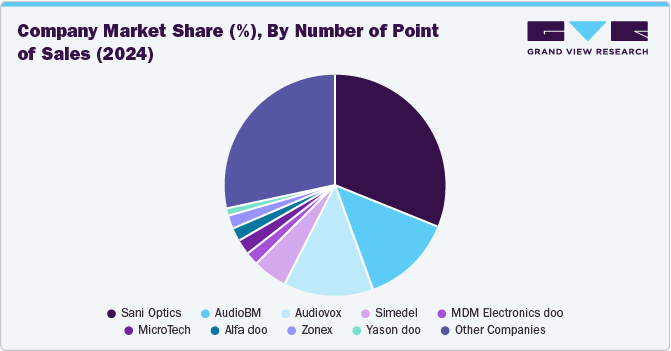
In 2024, market is driven by key factors such as revenue performance, extensive distribution networks, and high unit sales, which reflect both financial strength and consumer demand.

Revenue Streams and Business Models In Serbia
|
Emerging Models
|
Description
|
|
Subscription Model
|
In Serbia, the demand for affordable hearing aids is rising among older adults and those with lower incomes as premium options become too expensive. Neuroth can tap into this market by offering subscription-based products, making regular payments more appealing than one-time purchases. This model also allows users to upgrade their devices easily as technology evolves without high additional costs.
|
|
Buying Group Model
|
Serbia’s hearing aids market is fragmented with 60-70% competition from independent audiologists and small retailers. A group buying model can enhance their purchasing power, allowing for better pricing and terms with manufacturers. By creating a buyer group, Neuroth can foster community, boost customer loyalty, reduce logistics and overhead costs, and facilitate joint marketing efforts, reaching a wider audience efficiently.
|
|
Omni-channel/Online Model
|
Serbia's enhanced digital infrastructure offers Neuroth the chance to boost its online presence. By utilizing web and mobile apps, Neuroth can reach more customers through online hearing tests and virtual consultations with audiologists. They can also provide remote fitting and adjustments for hearing aids. Following the model of Yason doo, which has an online sales channel for hearing aid products, Neuroth can create its own platform for selling batteries and accessories.
|
Market Concentration & Characteristics
The chart below illustrates the relationship between market concentration, market characteristics, and market participants. The x-axis represents the level of market concentration, ranging from low to high. The y-axis represents various market characteristics, including degree of innovation, level of mergers & acquisitions, impact of regulation, and market expansion. The degree of innovation is medium, the level of merger & acquisition activities is low, the impact of regulations on the market is high, and the market expansion is medium.
The market exhibits a moderate degree of innovation, driven by increasing consumer demand for advanced auditory solutions, rising awareness of hearing health, and a strong focus on digital transformation. The in-the-ear and behind-the-ear devices are discreet in size and feature enhanced Bluetooth connectivity for seamless integration with iOS and Android systems. The devices have built-in Bluetooth technology for connecting to the TV and mobiles. For instance, AudioBM offers devices with a Channel Free signal processing system that amplifies the receiving signal 20,000 times per second. The SoundClip accessory wirelessly connects with this hearing aid, facilitating sound transmission from Bluetooth devices.
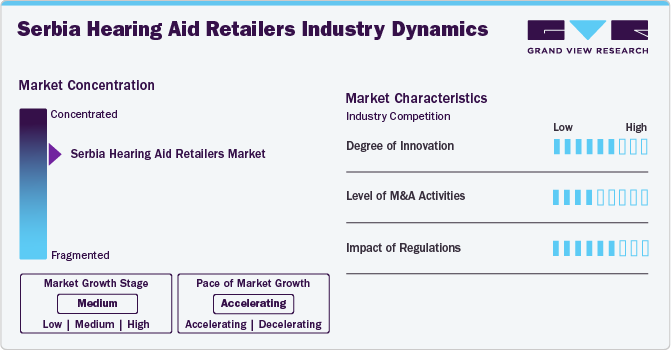
The merger and acquisition activity level in the Serbian hearing aid retailers’ market is currently limited, reflecting a broader trend observed in many emerging markets. The hearing aids sector in Serbia is characterized by a relatively small number of players, which can hinder significant consolidation efforts typically seen in more mature markets. However, there is potential for growth as hearing health awareness increases and the aging population expands.
Regulatory developments, particularly the implementation of the Medical Device Regulation (MDR) and EU-recognition procedures for professional qualifications, have significantly influenced Serbia’s hearing aid retailer market. Enhanced safety standards and streamlined qualification recognition across EU/EEA countries have bolstered consumer confidence and facilitated a more dynamic and competitive retail environment. Moreover, the MDR’s emphasis on safety and performance has encouraged innovation among manufacturers, allowing retailers to offer advanced digital and telehealth-integrated hearing aids.
Type Insights
The receiver-in-the-ear hearing aids segment held the largest revenue share of 75.55% in 2024. The growth of this segment is primarily driven by the growing consumer demand for discreet, high-performance, and technologically advanced devices. Receiver-in-the-ear (RITE) hearing aids, which distinguish the receiver from the microphone and amplifier, offer a more natural auditory experience and are more compact than traditional behind-the-ear (BTE) models. For instance, Zonex offers receiver-in-the-ear devices with AI-powered sound processing, improved connectivity for streaming, and remote care capabilities.
The behind-the-ear hearing aids segment is expected to grow at the fastest CAGR over the forecast period. Continuous innovation in BTE hearing aids, such as improved sound quality, noise reduction features, Bluetooth connectivity, and rechargeable batteries, is driving segmental growth. Moreover, increasing product launches and approvals will drive the market growth.
Technology Insights
The digital held the largest revenue share of 93.99% in 2024. The digital segment is experiencing significant growth driven by technological advancements and the increasing demand for high-quality, customizable hearing solutions. Digital hearing aids, which convert sound into a digital signal for processing, offer superior sound clarity, advanced features such as Bluetooth connectivity, and remote control via mobile apps.Moreover, digital hearing aids can be programmed and adjusted remotely by audiologists, which appeals to the tech-savvy younger demographic who value convenience and efficiency in their healthcare. Such advantages associated with digital hearing aids are driving market growth.
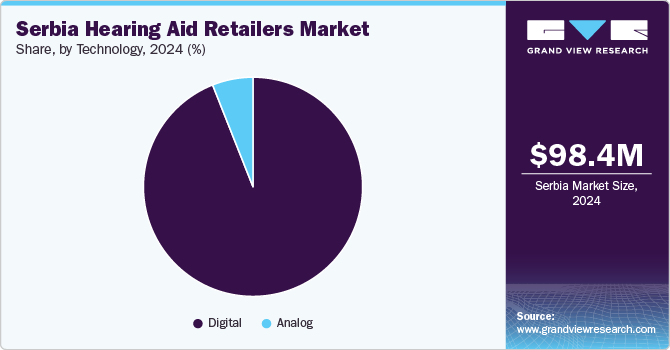
The analog segment is expected to grow at the fastest CAGR over the forecast period, driven by cost-effectiveness and simplicity. Analog hearing aids tend to be more budget-friendly compared to digital ones, making them a popular option for individuals with basic hearing requirements or those seeking cost-effective solutions. Their simplicity in operation and lower maintenance costs further enhance their appeal, especially for older individuals or those with mild to moderate hearing loss. Additionally, increasing awareness about the effects of hearing loss on health and well-being is contributing to the growth of this market segment.
Key Companies & Market Share Insights
The market is highly consolidated, dominated by major national chains: AudioBM, Audiovox, and Sani Optics. The remaining market share is fragmented, consisting of independent audiologists and smaller retail groups. Key players are adopting growth strategies to enhance their market presence, including collaborations and mergers & acquisitions.
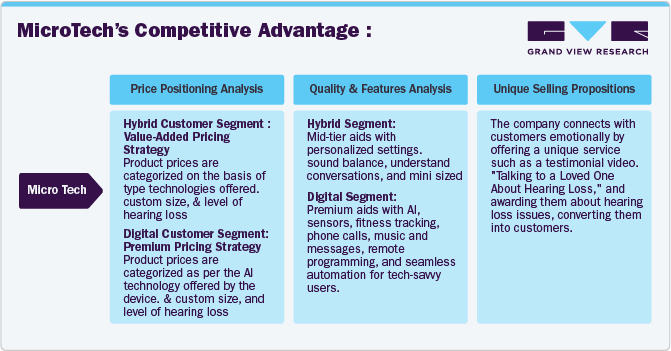
Key Companies In Serbia Hearing Aid Retailers Market:
- AudioBM
- Audiovox
- Sani Optics
- Yason doo
- MicroTech
- Alfa doo
- CI Studio Pulsar doo
- Zonex
- MDM Electronics doo
- Simedel
- Neuroth
Recent Developments
-
In December 2024, Neuroth's announced its expansion into Serbia with its first production facility outside Austria represents a strategic initiative aimed at enhancing production capacity, reducing costs, and improving market access within Southeast Europe. Neuroth's decision to set up a production facility in Serbia aligns with its broader strategy to increase production capacity and meet growing demand for hearing aids and related products. The facility is expected to create numerous jobs, contributing positively to the local economy and providing employment opportunities for residents.
Serbia Hearing Aid Retailers Market Report Scope
|
Report Attribute
|
Details
|
|
Revenue forecast in 2025
|
USD 106.00 million
|
|
Revenue forecast in 2030
|
USD 148.33 million
|
|
Growth rate
|
CAGR of 6.95% from 2025 to 2030
|
|
Actual data
|
2018 - 2024
|
|
Forecast data
|
2025 - 2030
|
|
Quantitative units
|
Revenue in USD million and CAGR from 2025 to 2030
|
|
Report coverage
|
Revenue forecast, company ranking, competitive landscape, growth factors, and trends
|
|
Segments covered
|
Type, technology
|
|
Country scope
|
Serbia
|
|
Key companies profiled
|
AudioBM; Audiovox; Sani Optics; Yason doo; MicroTech; Alfa doo; CI Studio Pulsar doo; Zonex, MDM Electronics doo; Simedel; Neuroth
|
|
Customization scope
|
Free report customization (equivalent up to 8 analysts working days) with purchase. Addition or alteration to country, regional & segment scope.
|
|
Pricing and purchase options
|
Avail customized purchase options to meet your exact research needs. Explore purchase options
|
Serbia Hearing Aid Retailers Market Report Segmentation
This report forecasts revenue growth at a country level and provides an analysis of the latest industry trends in each of the sub-segments from 2018 to 2030. For this study, Grand View Research has segmented the Serbia hearing aid retailers market report based on type, and technology:
-
Type Outlook (Volume, Units; Revenue, USD Million, 2018 - 2030)
-
Technology Size Outlook (Volume, Units; Revenue, USD Million, 2018 - 2030)
Frequently Asked Questions About This Report
b. The Serbia hearing aid retailers market size was valued at USD 98.43 million in 2024 and is expected to reach USD 106.00 million in 2025.
b. The Serbia hearing aid retailers market is expected to grow at a compound annual growth rate of 6.95% from 2025 to 2030, reaching USD 148.33 million by 2030.
b. The receiver-in-the-ear hearing aids segment held the largest revenue share of 75.32% in 2024. The growth of this segment is primarily driven by the growing consumer demand for discreet, high-performance, and technologically advanced devices.
b. Some key players operating in the Serbia hearing aid retailers market include Neuroth, Microton doo, BonTech, Hearing aids Krklec, Elton, Mijeton
b. The market's growth is significantly driven by the rising prevalence of hearing loss among the population, particularly among the elderly.

 Download Sample Report