
- Home
- »
- Medical Devices
- »
-
Smart Injectable Pump Devices Market Report, 2026-2033GVR Report cover

Smart Injectable Pump Devices Market (2026 - 2033)
Size, Share & Trends Analysis Report By Product (Smart Infusion Pumps, Smart Patch Pumps), By Application (Diabetes Management, Pain Management), By End-use, By Region, And Segment Forecasts
Market Size, 2025
$14.5BMarket Estimate, 2026
$15.5BMarket Forecast, 2033
$25.9BCAGR, 2026–2033
7.6%Smart Injectable Pump Devices Market Summary
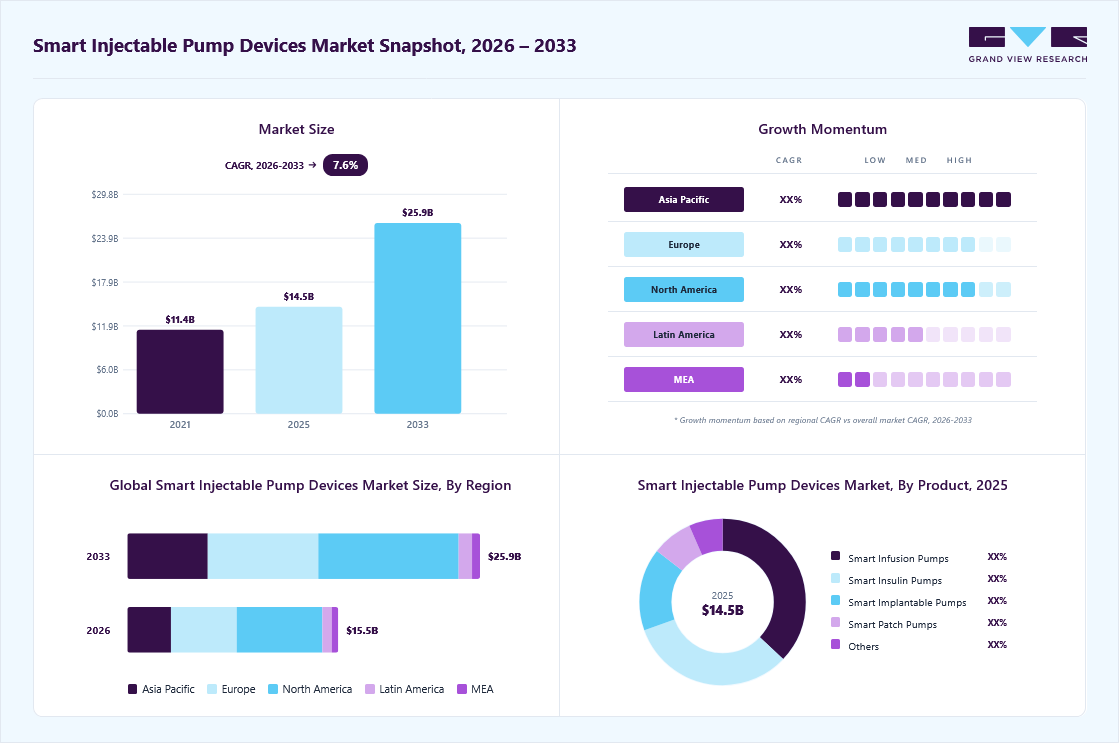
The global smart injectable pump devices market size was valued at USD 14.5 billion in 2025 and is projected to grow from USD 15.5 billion in 2026 to USD 25.9 billion by 2033, at a CAGR of 7.6% from 2026 to 2033. North America dominated the market, accounting for a revenue share of 40.7% in 2025. The market is witnessing growth due to the increasing demand for precise, controlled, and automated drug delivery, rising emphasis on medication safety, and growing adoption of connected healthcare technologies. Smart pump systems can deliver medications at programmed rates and doses while incorporating safety features such as drug libraries, alerts, and dose-error reduction functions.
 Source: Grand View Research, IR Documents, Primary Interviews, Paid DatabasesTo learn more about this report,
 Download Free Sample Report
 Key Market Trends & Insights
- By product: Smart infusion pumps segment held the highest market share of 37.0% in 2025.
- By application: Diabetes management segment held a leading market share of 42.8% in 2025.
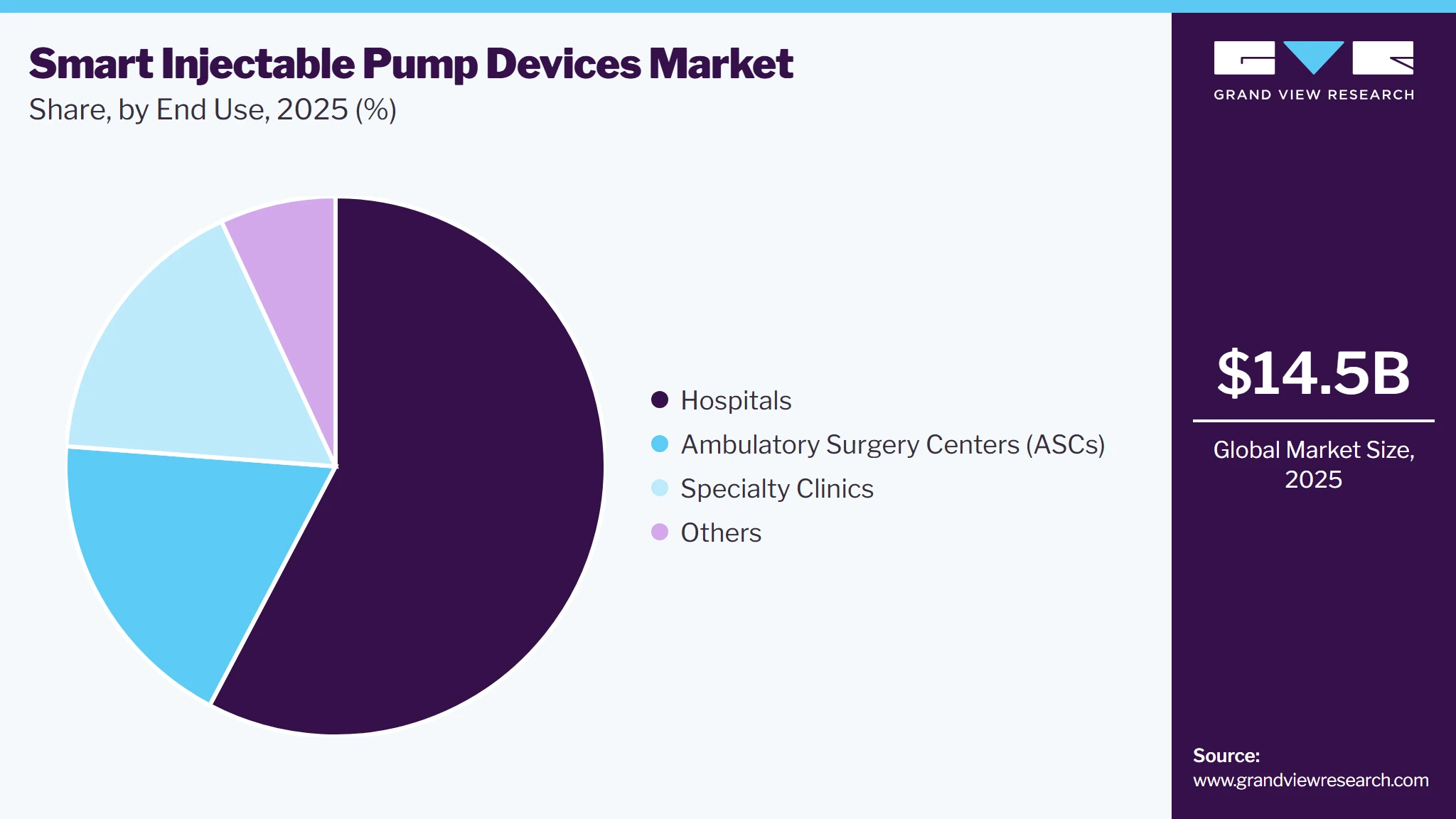
- By end use: Hospitals segment held a leading market share of 57.7% in 2025.
Regional Highlights
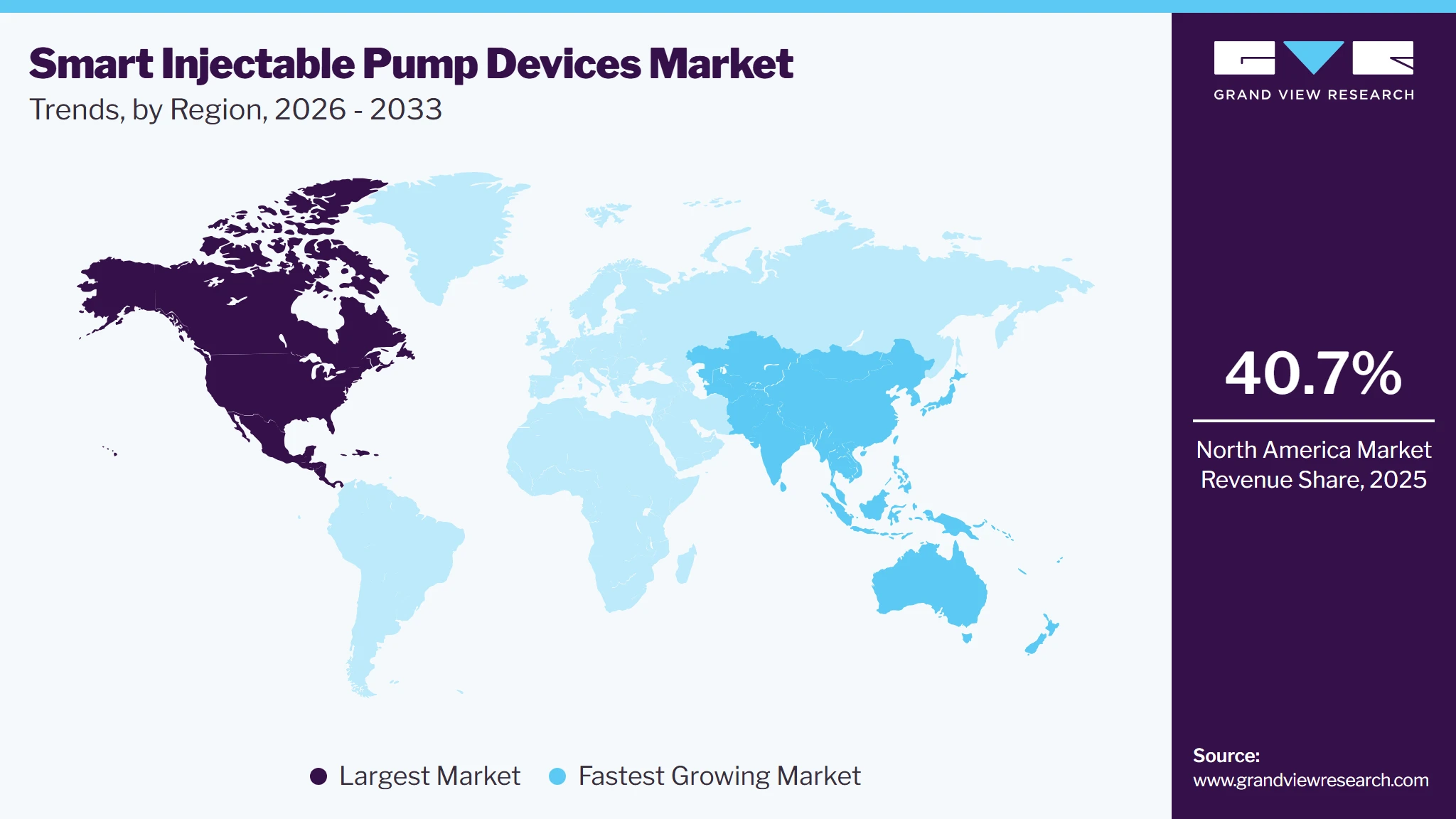
- Largest regional market: North America (40.7% revenue share, 2025)
- Fastest-growing regional market: Asia Pacific (highest CAGR, 2026-2033)
- By country: The U.S. held the largest share in 2025
Market Size & Forecast
- Market Size in 2025: USD 14.5 billion
- Estimated Market Size in 2026: USD 15.5 billion
- 2033 Projected Market Size: USD 25.9 billion
- CAGR (2026-2033): 7.6%
Three ways to get this report
Buy it, customize it, or ask a question.Ask an Analyst
Analyst response in 1 business day
- AccessReport author, directly
- Reply timeWithin 1 working day
- No sales callDirect answer only
- FormatEmail reply
- CostFree, no cost
Get the Full Report
What the study covers
- FormatsPDF · Excel · Dashboard
- Timeline2026–2033 annual, 2025 base
- Coverage20+ countries, 5 regions
- Companies10+ key players profiled
Customize the Report
20% free customization
- IncludeCountries, segments, points
- TailorTo your product definition
- ExtendDeeper competitor detail
- OrA fully bespoke study
- Turnaround5–10 working days
A major factor supporting market growth is the increasing focus on reducing medication administration errors through smart pump–EHR interoperability. Connecting pumps with electronic health records can reduce manual programming and allow medication orders to be transferred directly to the pump. A June 2026 study involving six hospitals found that smart pump–EMR integration reduced hard-limit, soft-limit, and single-step rate-change alerts by 50.3%, 30.4%, and 38.1%, respectively, while autoprogramming reduced programming steps from 3.3 to 1.6. These findings support increasing healthcare-provider interest in smart pumps as tools for improving medication safety and workflow efficiency.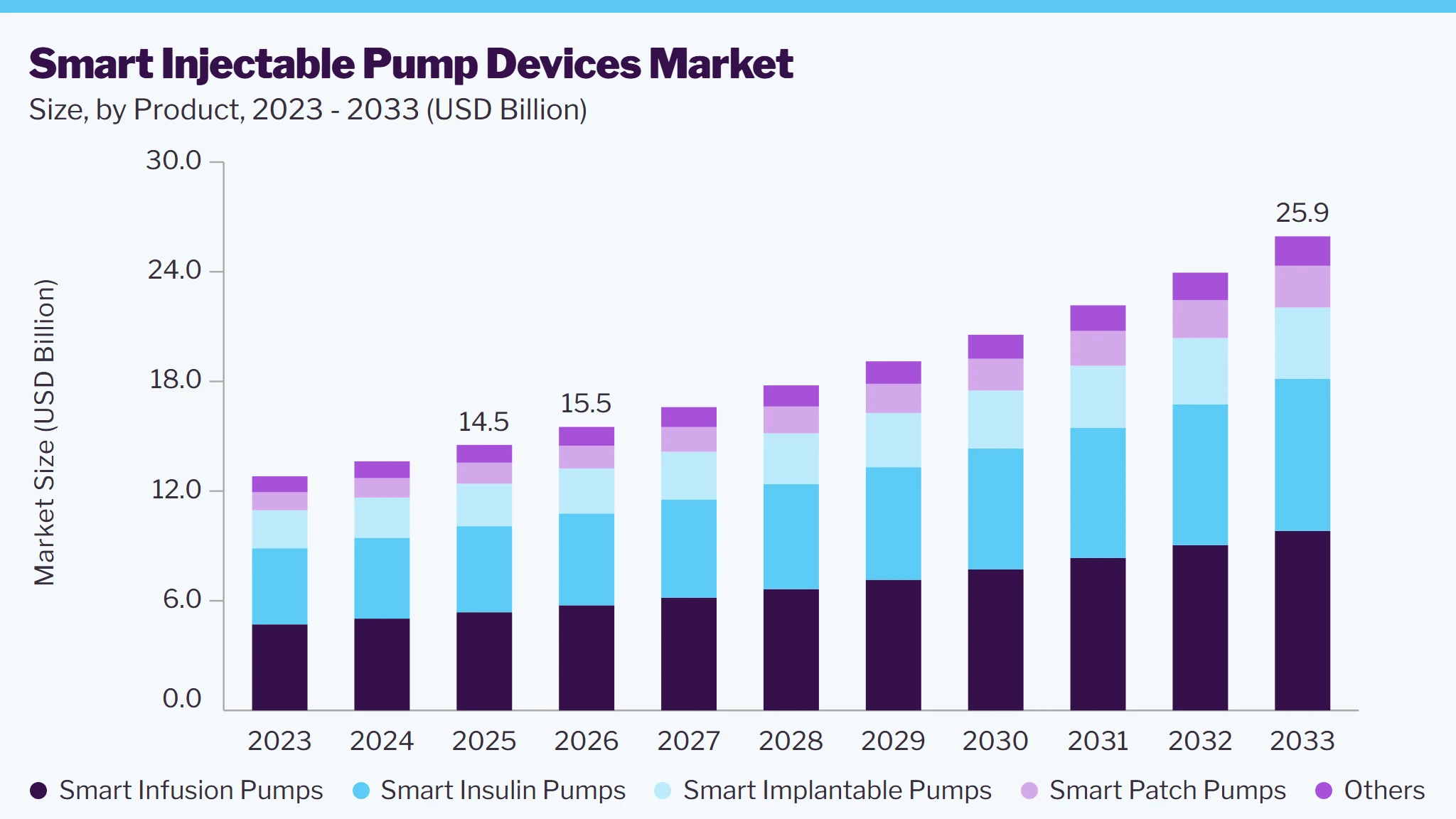 To learn more about this report, Download Free Sample Report
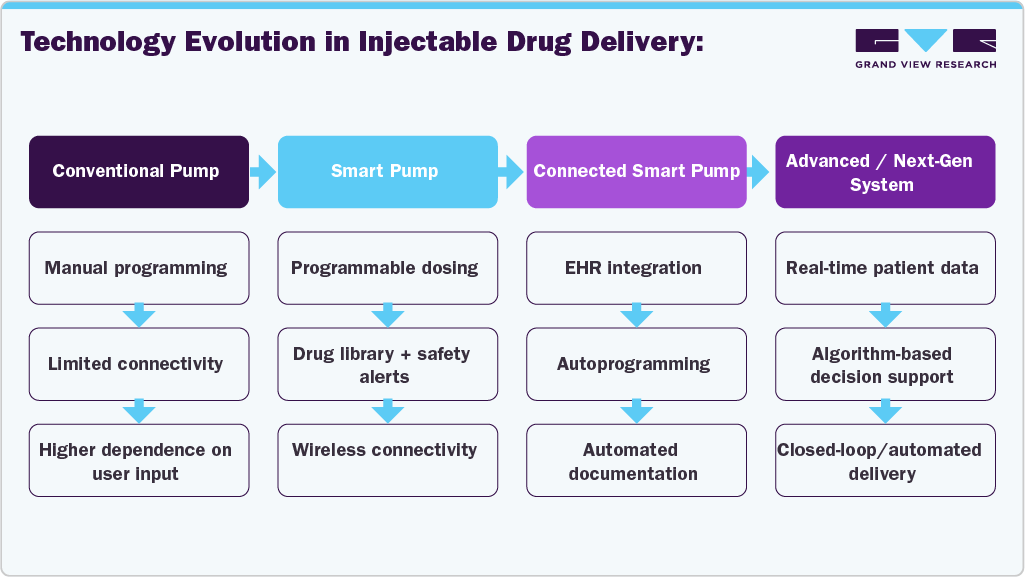
 Technological advancement and interoperability are also shaping the market. Manufacturers are increasingly developing pumps with wireless connectivity, automated programming, drug-library integration, remote monitoring, data analytics, and bidirectional communication with hospital information systems. A March 2026 systematic review identified improvements in medication safety, workflow efficiency, documentation, and economic outcomes associated with bidirectional interoperability, although it also noted that implementation remains complex. In addition, research is moving toward the use of artificial intelligence in smart infusion pumps. A October 2026 expert-panel publication discussed potential AI applications in smart pump technology, including patient-safety improvement, workflow optimization, and the use of infusion data to support clinical decision-making. This indicates a transition from conventional programmable pumps toward more connected and intelligent drug-delivery platforms.
Technology Evolution in Injectable Drug Delivery:
At the broader market level, economic evidence also supports investment in smart pump technologies: a 2025 health-economic model estimated that smart pump–EHR interoperability could prevent 56 preventable adverse drug events (pADEs) annually in a hypothetical six-hospital U.S. health system and generate approximately USD 531,891 in annual treatment-cost savings, although the authors noted that the model did not incorporate the initial investment costs.
 To learn more about this report, Download Free Sample Report
 Overall, the combination of medication-safety requirements, demand for precise dosing, EHR interoperability, automation, wearable delivery, home-based treatment, and emerging AI capabilities is expected to support continued expansion of the smart injectable pump devices market.
Market Dynamics
The smart injectable pump devices market is driven by the increasing demand for precise and automated drug delivery, growing emphasis on medication safety, rising adoption of connected healthcare technologies, and the need to reduce manual programming and administration errors. Smart pumps provide controlled medication delivery through programmable dosing, drug libraries, dose-error reduction software, alarms, and connectivity with electronic health records and other digital systems. These capabilities support greater accuracy, consistency, and workflow efficiency across hospitals, specialty clinics, and home-care settings. ASHP notes that smart infusion pumps are increasingly regarded as a standard technology for intravenous medication delivery because they provide greater control, accuracy, and precision while supporting clinical decision-making.
The rising demand for precise and automated drug delivery is a major growth driver for the smart injectable pump devices market, as healthcare providers increasingly seek technologies that can deliver medications at accurately programmed doses, controlled flow rates, and predetermined intervals while reducing dependence on manual administration. Smart injectable pump devices enable more consistent drug delivery and can incorporate features such as programmable dosing, alarms, drug libraries, connectivity, and automated dose adjustments. This is particularly important for therapies involving insulin, biologics, chemotherapy, analgesics, antibiotics, and other medications requiring controlled administration.
The demand is further supported by the increasing focus on medication safety and reduction of dosing errors. Manual programming and administration can introduce errors in dose, rate, volume, and timing, creating demand for connected and automated systems that reduce manual intervention. A 2025 systematic literature review found that interoperability between smart infusion pumps and electronic health records reduced medication administration errors affected by interoperability by 15.4%–54.8%, while reductions across all medication administration errors ranged from 21.2% to 90.5% in the studies reviewed. This evidence strengthens the role of smart pumps as tools for improving dosing accuracy and medication-management efficiency.
High cost of smart injectable pump devices is a key restraint to the growth of the smart injectable pump devices market, particularly among cost-sensitive hospitals, ambulatory care centers, and healthcare systems with limited capital budgets. Compared with conventional infusion or injection devices, smart pumps incorporate advanced hardware and software components such as programmable dosing systems, drug libraries, dose-error reduction software, wireless connectivity, interoperability with electronic health records (EHRs), data-management platforms, and safety-alert functionality.
Consequently, the overall investment extends beyond the purchase of the pump itself and can include software, integration, infrastructure, maintenance, staff training, drug-library development, cybersecurity, and system upgrades. A peer-reviewed review published through PubMed specifically notes that smart pumps are costly to procure, configure, and maintain in both financial and human-resource terms, creating implementation challenges for healthcare organizations.
Market Concentration & Characteristics:
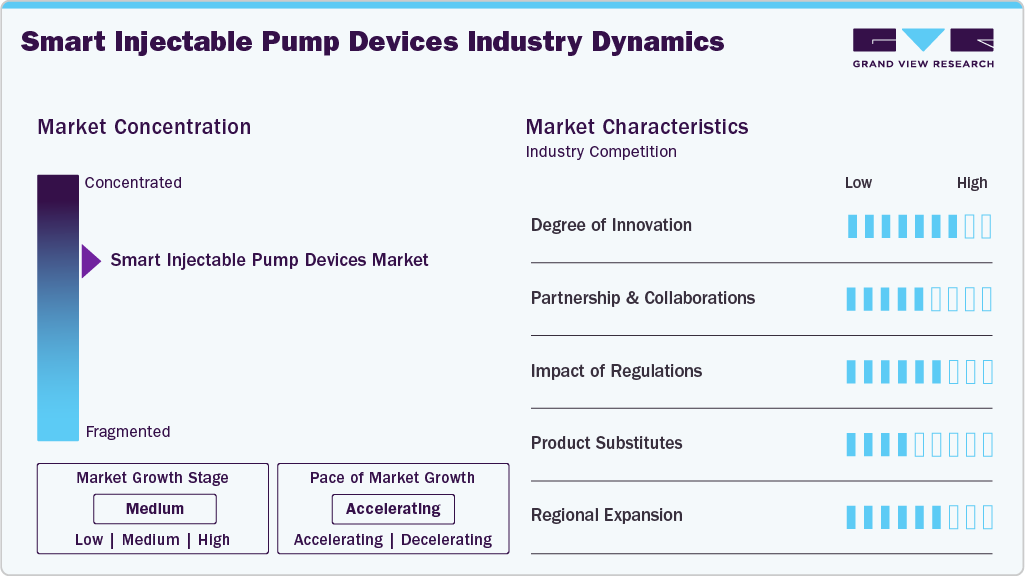
The smart injectable pump devices market is moderately concentrated, with established medical-device manufacturers maintaining strong positions through broad portfolios of smart infusion pumps, ambulatory pumps, patch pumps, and connected drug-delivery systems. Key market participants include BD, Baxter, B. Braun, ICU Medical, Medtronic, Insulet, Tandem Diabetes Care, Ypsomed, and Fresenius Kabi, with companies competing across hospital infusion, ambulatory therapy, diabetes management, and targeted drug-delivery applications. Competition is increasingly focused on dose-error reduction systems, drug libraries, EMR interoperability, automated programming, wireless connectivity, compact and wearable designs, remote monitoring, and integration with digital health platforms. For example, BD is expanding Alaris through bidirectional EMR interoperability to reduce manual programming and documentation, while B. Braun's DoseLinkplus enables bidirectional communication between infusion pumps and EMR/patient-data systems.
The smart injectable pump devices market is characterized by a high degree of technological innovation, as manufacturers increasingly combine precise drug-delivery mechanisms with software, connectivity, automation, and safety technologies to improve dosing accuracy, reduce medication errors, and simplify clinical and patient workflows. Innovation in smart infusion pumps is increasingly focused on dose-error reduction systems, drug libraries, configurable dose limits, touchscreen interfaces, interoperability with electronic medical records (EMRs), wireless connectivity, remote monitoring, and data analytics. For example, in April 2025, ICU Medical received FDA clearances for its Plum Solo and updated Plum Duo precision IV pumps, together with LifeShield infusion safety software, introducing a new category of precision IV pumps designed to address infusion-delivery variability.
 To learn more about this report, Download Free Sample Report
 Manufacturers increasingly work with continuous glucose monitoring (CGM) companies, pharmaceutical companies, healthcare providers, academic institutions, and digital-health companies to expand pump functionality and create integrated drug-delivery ecosystems. These collaborations are helping companies combine pump hardware with glucose sensing, automated dosing algorithms, drug formulations, clinical data, and digital platforms, thereby improving personalization, interoperability, and treatment outcomes. For example, in June 2025, Tandem Diabetes Care and Abbott announced an agreement to develop and commercialize integrated diabetes solutions combining Tandem's automated insulin-delivery systems with Abbott's future glucose-ketone sensor, with the objective of providing earlier information on rising ketone levels and supporting more informed diabetes management. Similarly, Tandem expanded its collaboration ecosystem in January 2025 through a multi-year research collaboration with the University of Virginia Center for Diabetes Technology to advance fully automated closed-loop insulin-delivery systems, combining UVA's expertise in automated insulin-delivery algorithms with Tandem's pump, algorithm implementation, and data-management capabilities.
Regulatory oversight has a significant impact on the smart injectable pump devices market because these devices are used to deliver medications where inaccurate flow rates, incorrect dosing, software failures, or interruptions in therapy can result in serious patient-safety consequences. In the U.S., external infusion pumps are regulated by the FDA as medical devices, with several pump categories classified as Class II devices and subject to the 510(k) premarket notification pathway. For example, FDA's classification database identifies infusion pumps under 21 CFR 880.5725, Product Code FRN, as Class II devices subject to 510(k) review. Pharmacy-filled, drug-specific infusion systems are also classified as Class II devices under 21 CFR 880.5725, demonstrating the regulatory requirements applicable to drug-specific delivery platforms. Regulatory requirements extend beyond basic mechanical performance to software, cybersecurity, human factors, alarms, dose accuracy, interoperability, labeling, and post-market surveillance, which is particularly important as smart pumps increasingly incorporate connectivity and software-based dose-error reduction functions.
The smart injectable pump devices market faces substitution from conventional infusion pumps, syringe pumps, elastomeric pumps, gravity-based administration systems, and other non-electronic drug-delivery devices, depending on the therapy, required dosing precision, treatment duration, care setting, and patient mobility requirements. Conventional and basic infusion pumps can remain suitable where advanced dose-error reduction, connectivity, or automated programming is not required, while syringe pumps are particularly relevant for low-volume and highly precise drug administration, including neonatal, critical-care, and specialty therapies. The FDA recognizes syringe, elastomeric, peristaltic, large-volume, PCA, and other pump types as distinct infusion technologies, with smart pumps differentiated by their medication-error prevention features. Elastomeric pumps represent another important substitute, particularly in ambulatory and home-based care, because they do not require batteries, programming, or an electronic control system and can provide continuous medication delivery through a mechanically pressurized reservoir.
Regional expansion is an important growth strategy in the smart injectable pump devices market, as manufacturers seek to increase adoption across developed and emerging healthcare markets through regulatory approvals, local distributors, direct sales networks, strategic partnerships, localized manufacturing, and expansion of clinical support and service infrastructure. The strategy is particularly important because demand for smart injectable pumps differs substantially by region based on healthcare expenditure, hospital infrastructure, reimbursement policies, prevalence of chronic diseases, availability of trained healthcare professionals, and the transition toward home and ambulatory care. Manufacturers are therefore increasingly adapting their product portfolios and commercial models to regional requirements. For example, in January 2025, Insulet expanded Omnipod 5 into five additional European countries, including Belgium, the Netherlands, Norway, Sweden, and Switzerland, following regulatory approval in Europe, thereby increasing the geographic availability of its wearable automated insulin-delivery platform.
Analyst Perspective
The smart injectable pump devices market is an established segment within the broader drug delivery and infusion therapy market, supported by the increasing adoption of automated and connected systems for controlled, accurate, and programmable medication administration. Smart injectable pump devices are designed to deliver medications, fluids, and other injectable therapies at controlled rates and volumes, while incorporating software-enabled safety features such as dose-error reduction systems, drug libraries, alarms, and programmable dosing limits. These devices are widely used across hospitals, ambulatory care settings, home healthcare, and other clinical environments for applications including pain management, insulin delivery, chemotherapy, antibiotic therapy, and parenteral nutrition.
Product Insights
The smart infusion pumps segment dominated the market in 2025 and accounted for the 37.0% of the overall revenue. The growth is supported by their broad use across hospitals for controlled administration of high-risk medications, including antibiotics, chemotherapy, insulin, analgesics, and other injectable therapies. Smart pumps add dose-error reduction features such as drug libraries, configurable dose limits, alerts, and other software-based safeguards, making them particularly relevant where medication accuracy and patient safety are critical. The FDA notes that smart pumps can alert clinicians when programmed parameters fall outside predefined safety limits, while its risk-reduction guidance recommends the use of standardized drug concentrations and drug libraries to reduce programming errors. These safety and workflow capabilities support continued replacement of conventional infusion systems with smarter connected platforms and therefore sustain the segment's contribution to overall market revenue.
The smart patch pumps segment is expected to witness the fastest CAGR of 9.0% over the forecast period. The growth is driven by growing preference for wearable, discreet, and less invasive drug-delivery systems, particularly in diabetes management. Patch pumps can deliver medication continuously without conventional tubing and can increasingly integrate with continuous glucose monitoring (CGM), mobile applications, and automated insulin-delivery algorithms. For instance, in March 2025, Insulet also reported RADIANT trial results showing an average 0.8-percentage-point reduction in HbA1c and 5.4 additional hours per day in target glucose range among users transitioning from multiple daily injections to Omnipod 5. In December 2025, the company received FDA 510(k) clearance for further Omnipod 5 algorithm enhancements, including a lower glucose target and improved ability to remain in automated mode.
Application Insights
The diabetes management segment dominated the market and held the largest revenue share in 2025. The demand is being supported by the shift from conventional multiple daily injections toward automated and sensor-connected delivery, which can help patients maintain glucose levels within their target range while reducing the daily burden of insulin administration. The technology is also expanding beyond traditional type 1 diabetes populations. In February 2025, Tandem Diabetes Care announced FDA clearance of Control-IQ+ for adults with type 2 diabetes, followed by its U.S. commercial launch in March 2025. The company also reported clinical results showing improvements in time in range and HbA1c compared with conventional insulin-delivery approaches. Similarly, Insulet reported more than 600,000 estimated active Omnipod users globally at the end of 2025, alongside record new-customer starts and expansion into nine new markets during the year. These developments demonstrate increasing adoption of automated and connected insulin-delivery technologies and broaden the addressable patient population for smart injectable pumps, reinforcing diabetes management as the largest application area.
The pain management segment is expected to witness the fastest CAGR over the forecast period, as healthcare providers increasingly seek controlled, targeted, and programmable delivery of analgesic medicines for patients with chronic, cancer-related, and severe refractory pain. Unlike conventional systemic administration, programmable infusion systems can deliver medication at controlled rates and, in the case of implantable intrathecal pumps, directly into the intrathecal space, allowing treatment with substantially lower drug quantities and potentially reducing systemic side effects. The FDA also identifies patient-controlled analgesia pumps as a specific infusion-pump category for controlled delivery of pain medication. Increasing use of programmable dosing, targeted delivery, and patient-specific pain-management protocols is therefore expected to expand the role of smart injectable pumps in pain management and support its faster application growth.
End Use Insights
The hospitals segment held the largest revenue share in 2025. The hospitals manage a high volume of complex injectable therapies and critically ill patients, creating a strong need for reliable and highly controlled drug-delivery systems. Demand for smart infusion pumps in hospitals is particularly supported by the administration of high-risk medications, chemotherapy, antibiotics, analgesics, nutrition, and fluids where incorrect dose, rate, or volume can result in serious clinical consequences. The FDA specifically highlights that infusion-pump failures can result in over-infusion, under-infusion, missed treatments, or delayed therapy and recommends practices such as independent checking of pump settings for high-risk medications. Hospitals are therefore increasingly focused not only on acquiring pumps but also on systems with drug libraries, dose limits, alarms, software controls, and connectivity that can support standardized medication administration. The 2025 FDA correction involving ICU Medical's Plum Duo system further demonstrates the importance hospitals place on software performance and uninterrupted therapy, as the affected system was intended for use in hospitals and outpatient facilities and a software issue could potentially cause therapy interruption or delay.
 To learn more about this report, Download Free Sample Report
 The specialty clinics segment is anticipated to grow at fastest CAGR over the forecast period, as more injectable treatments are shifting from traditional inpatient care toward specialized, protocol-based outpatient treatment. Specialty clinics such as oncology, pain-management, infusion, and other disease-specific centers require pumps that can provide accurate administration while allowing patients to receive treatment without occupying a hospital bed for extended periods. The growing use of ambulatory and portable infusion systems is particularly relevant because these devices can support treatment outside conventional inpatient environments. FDA records also show that ambulatory CADD-Solis pumps are used in both hospital and outpatient settings for therapies including pain management, oncology, regional anesthesia, and analgesia. This expansion of treatment into specialized outpatient settings is increasing demand for compact, programmable, and remotely manageable pump systems and is expected to make specialty clinics the fastest-growing end-use segment of the Smart Injectable Pump Devices Market.
Regional Insights
The North America smart injectable pump devicesmarket accounted for the largest revenue share of 40.7% in 2025. The growth is supported by a mature hospital infrastructure, high adoption of connected medical devices, and strong emphasis on medication safety and interoperability. In the U.S., smart pumps are increasingly being connected with electronic health records (EHRs) to reduce manual programming and medication errors. The FDA also recognizes smart-pump safety features, including alerts for potentially unsafe infusion parameters, while its medical-device cybersecurity framework is increasingly relevant as connected pumps exchange information with hospital networks.
 To learn more about this report, Download Free Sample Report
 The U.S. smart injectable pump devices market is experiencing robust growth, driven by the country's large hospital network, increasing focus on medication safety, EHR integration, and the adoption of connected infusion technologies. The FDA identifies infusion pumps as widely used across hospitals, nursing homes, and home-care settings, while smart pumps provide alerts when programmed parameters fall outside predefined safety limits. The market is also moving toward greater interoperability. This increasing integration of pumps with clinical information systems is supporting demand for connected and intelligent devices rather than standalone infusion equipment.
Europe Smart Injectable Pump Devices Market Trends
The Europe smart injectable pump devicesmarket accounted for the significant revenue share in 2025. The growth is supported by established healthcare systems, increasing use of digital medical technologies, and growing demand for safer medication administration. European healthcare providers are increasingly moving toward connected medical devices that can exchange information with digital health systems. The NHS, for example, describes connected medical devices and digital tools as an important part of the transition toward digitally enabled and integrated care. In addition, the European regulatory environment places greater emphasis on device safety, software performance, clinical evidence, and post-market monitoring, encouraging manufacturers to develop more reliable and digitally enabled pump platforms.
The UK smart injectable pump devices market is steadily growing. The growth is driven by NHS investment in digital healthcare, increasing use of portable infusion technologies, and the expansion of technology-enabled treatment outside conventional hospital settings. In February 2024, NHS England announced the rollout of a wearable 24-hour infusion system for advanced Parkinson's disease, with nearly 1,000 patients expected to be eligible, demonstrating the NHS's increasing use of small automated pumps for continuous drug delivery. The NHS is also implementing hybrid closed-loop insulin systems that connect glucose monitoring with insulin pumps, with the national rollout beginning in April 2024 and planned over five years. These developments are strengthening demand for pumps capable of automated dosing, continuous monitoring, connectivity, and patient-focused home use.
The Spain smart injectable pump devices market is experiencing significant growth in global smart injectable pump devices market. The growth is attributed to the country's universal healthcare system, hospital digitalization, and increasing adoption of technology for chronic disease and complex-care management. Spain's healthcare system is increasingly emphasizing digital transformation and connected care, which creates opportunities for smart pumps that can improve medication administration, monitoring, and documentation. Demand is particularly relevant in oncology, intensive care, pain management, and home-based therapies, where controlled and continuous drug delivery can reduce the need for repeated manual intervention.
Asia Pacific Smart Injectable Pump Devices Market Trends
Asia Pacific smart injectable pump devices market is expected to witness fastest CAGR of 9.1% over the forecast period.The growth is supported by expanding hospital capacity, healthcare modernization, increasing chronic disease management, and rapid adoption of digital technologies in countries. The region is increasingly developing smart-hospital infrastructure, creating opportunities for connected infusion and injectable pump systems that can integrate with patient monitoring, hospital information systems, and medication-management platforms. In South Korea, for example, the government-backed Smart Hospital Diffusion Support Center is supporting the development and expansion of digital hospital models across emergency, intensive-care, inpatient, outpatient, and surgical settings, providing a favorable environment for connected medical devices.
China's smart injectable pump devices market is experiencing rapid expansion, driven by large-scale hospital modernization, increasing healthcare technology adoption, and government-supported development of smart hospitals. China's large hospital system creates substantial demand for infusion and injectable drug-delivery equipment across intensive care, oncology, surgery, and general inpatient services. The shift toward digitally enabled hospitals is also increasing the relevance of connected devices capable of monitoring infusion status and integrating with hospital information systems. In this environment, smart pumps can support hospitals in improving medication administration, reducing manual programming, and strengthening monitoring of high-risk therapies. The country's expanding domestic medical-device manufacturing base further supports the development and commercialization of digitally enabled infusion technologies.
South Korea's smart injectable pump devices market is experiencing strong growth, driven by advanced hospital infrastructure, rapid adoption of digital healthcare technologies, and an established domestic medical-device industry. South Korea's Ministry of Food and Drug Safety classifies infusion pumps within its medical-device regulatory framework, while its Smart Hospital Diffusion Support Center is actively developing digital hospital models covering intensive care, inpatient, emergency, outpatient, and surgical workflows. South Korea also has domestic manufacturers offering ambulatory and electronically controlled infusion systems for applications including chemotherapy, anesthesia, pain management, and general infusion. These factors support the transition from conventional infusion equipment toward more connected, programmable, and patient-specific pump systems.
Latin America Smart Injectable Pump Devices Market Trends
The Latin America smart injectable pump devices market is emerging as a high-growth market, supported by hospital modernization, expansion of intensive-care capacity, increasing healthcare digitization, and the need to improve medication safety in large public and private healthcare networks. Brazil is the major market in the region and is increasingly investing in digitally enabled hospitals and intensive-care infrastructure. In September 2026, Brazil's Ministry of Health reported that its Smart ICU network had already implemented the technology in six hospitals and established a central command center at Hospital das Clínicas of the University of São Paulo to monitor vital signs in real time. Such investments create an increasingly favorable environment for smart injectable pumps that can communicate with monitoring systems and support more standardized medication-delivery workflows.
The Brazil smart injectable pump devices market is growing. The growth is supported by investments in hospital modernization, expansion of intensive-care infrastructure, and government-led digital healthcare initiatives. In 2025, Brazil's Ministry of Health identified 14 hospitals across the country's five regions for its Smart ICU network, while in 2026 it reported real-time monitoring across six hospitals through a centralized Smart ICU command center. In parallel, the government has pursued financing of approximately BRL 0.34 billion for a new smart hospital at the University of São Paulo, planned with 800 beds, including 350 intensive-care beds. These developments indicate increasing demand for digitally integrated equipment, including smart pumps capable of supporting controlled drug delivery, real-time monitoring, and connected ICU workflows.
Middle East & Africa Smart Injectable Pump Devices Market Trends
The Middle East & Africa (MEA) smart injectable pump devices market is witnessing steady growth, supported by healthcare infrastructure development, hospital digitalization, increasing investment in specialized care, and government programs aimed at improving healthcare technology. Growth is particularly visible in Gulf countries, where governments are investing in smart hospitals, digital health platforms, and advanced medical technologies. Saudi Arabia is a key market because of its Health Sector Transformation Program and growing emphasis on digitally enabled healthcare delivery. This environment supports the adoption of connected infusion and injectable pump technologies across hospitals and specialized-care settings.
The Saudi Arabia smart injectable pump devices market is experiencing notable growth, driven by healthcare infrastructure expansion, digital transformation, and the government's focus on technology-enabled clinical services under the Health Sector Transformation Program. Saudi Arabia's Virtual Hospital recorded more than 16 million virtual appointments and consultations during 2025, highlighting the country's large-scale deployment of digital healthcare services. The Ministry of Health has also been recognized for expanding digital healthcare solutions through its Virtual Hospital and Innovation Enablement Center. As hospitals increasingly adopt digitally connected clinical systems, demand is expected to increase for smart pumps that provide programmable drug delivery, monitoring, alarms, and connectivity with broader hospital information systems.
Key Smart Injectables Pump Devices Company Insights
The smart injectable pump devices market is competitive, with medical device manufacturers focusing on advancing drug delivery accuracy, connectivity, automation, and patient safety. Market participants are increasingly emphasizing dose-error reduction systems, integrated drug libraries, wireless connectivity, interoperability with electronic health records (EHRs), remote monitoring, and data analytics to improve dosing accuracy, reduce medication errors, streamline clinical workflows, and support personalized drug delivery.
Key Smart Injectables Pump Devices Companies
The following key companies have been profiled for this study on the smart injectables pump devices market:
-
Medtronic
-
Insulet Corporation
-
Tandem Diabetes Care
-
Ypsomed
-
B. Braun
-
BD (Becton, Dickinson and Company)
-
Baxter
-
Fresenius Kabi
-
ICU Medical
-
Flowonix Medical
Competitive Benchmarking
Category
Operating Strategies
Competitive Edge
Weakness
Established Players (Medtronic, Insulet Corporation, Tandem Diabetes Care, Ypsomed)
- Expand automated insulin delivery platforms through advanced algorithms, CGM integration, smartphone control, and connected diabetes-management ecosystems.
- Strengthen reimbursement, clinical evidence, physician engagement, and international market access while expanding into insulin-treated Type 2 diabetes.
- Strong brands, installed bases, clinical evidence, and integrated pump-CGM ecosystems create high switching barriers.
- Advanced AID algorithms, interoperability, mobile connectivity, and software-driven personalization support differentiation.
- High R&D, clinical validation, regulatory, cybersecurity, and quality-compliance costs increase operating complexity.
- Premium device and consumable costs and complex reimbursement requirements can restrict adoption in price-sensitive markets.
Emerging Players (Fresenius Kabi, ICU Medical, Flowonix Medical)
- Focus on compact, simplified, lower-burden, and cost-conscious pump designs targeting underserved patient populations.
- Prioritize differentiated AID algorithms, simplified dosing, wearable/patch formats, and strategic technology partnerships.
- Faster innovation cycles enable differentiated form factors, simplified interfaces, and patient-centric dosing approaches.
- Focused portfolios allow emerging companies to target specific populations and unmet needs in insulin delivery.
- Limited financial resources, brand recognition, commercial networks, and manufacturing scale constrain market penetration.
- Dependence on regulatory clearance, clinical evidence, reimbursement, and physician adoption can delay commercialization.
Recent Development:
-
In July 2026, Insulet launched the Omnipod 5 Automated Insulin Delivery System and Omnipod Discover in Spain, making Spain the 20th country where Omnipod 5 is commercially available. The launch expanded access to tubeless automated insulin delivery and introduced compatibility with Abbott FreeStyle Libre 2 Plus and Dexcom G7 sensors.
-
In April 2026, Tandem Diabetes Care announced that the FDA cleared its Control-IQ+ automated insulin delivery technology for use during pregnancy complicated by type 1 diabetes, expanding the indication for the t X2 insulin pump.
-
In December 2025, Medtronic began the broad U.S. commercial launch of the MiniMed 780G system integrated with Abbott’s Instinct sensor, following FDA clearance earlier in 2025. The integrated system provides real-time glucose readings and automatically adjusts insulin delivery every five minutes, while the Instinct sensor offers up to 15 days of wear.
Smart Injectable Pump Devices Market Report Scope
Report Attribute
Details
Market size in 2025
USD 14.5 billion
Estimated market size in 2026
USD 15.5 billion
Projected market size by 2033
USD 25.9 billion
Growth rate
CAGR of 7.6% from 2026 to 2033
Base year for estimation
2025
Historical data
2021 - 2024
Forecast period
2026 - 2033
Quantitative units
Revenue in USD million/billion and CAGR from 2026 to 2033
Report coverage
Revenue forecast, company ranking, competitive landscape, growth factors, and trends
Segments covered
Product, application, end use, region
Regional scope
North America; Europe; Asia Pacific; Latin America; MEA
Country scope
U.S.; Canada; Mexico; UK; Germany; France; Italy; Spain; Denmark; Sweden; Norway; Japan; China; India; Australia; Thailand; South Korea; Brazil; Argentina; South Africa; Saudi Arabia; UAE; Kuwait
Key companies profiled
Medtronic: Insulet Corporation; Tandem Diabetes Care; Ypsomed; B. Braun; BD (Becton, Dickinson and Company); Baxter; Fresenius Kabi; ICU Medical; Flowonix Medical
Customization scope
Free report customization (equivalent up to 8 analyst’s working days) with purchase. Addition or alteration to country, regional, and segment scope
Pricing and purchase options
Avail customized purchase options to meet your exact research needs. Explore purchase options
Global Smart Injectable Pump Devices Market Report Segmentation
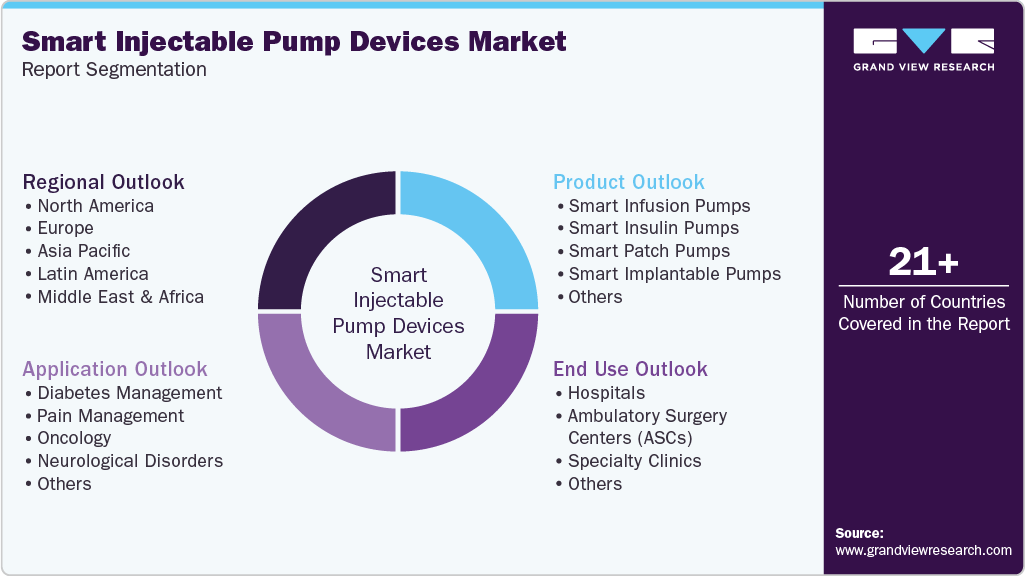
This report forecasts revenue growth at global, regional, and country levels and provides an analysis of the latest industry trends in each of the sub-segments from 2021 to 2033. For this study, Grand View Research has segmented the global smart injectable pump devices market report based on product, application, end use, and region:
 To learn more about this report, Download Free Sample Report
 -
Product Outlook (Revenue, USD Million, 2021 - 2033)
-
Smart Infusion Pumps
-
Smart Insulin Pumps
-
Smart Patch Pumps
-
Smart Implantable Pumps
-
Others
-
-
Application Outlook (Revenue, USD Million, 2021 - 2033)
-
Diabetes Management
-
Pain Management
-
Oncology
-
Neurological Disorders
-
Others
-
-
End Use Outlook (Revenue, USD Million, 2021 - 2033)
-
Hospitals
-
Ambulatory Surgery Centers (ASCs)
-
Specialty Clinics
-
Others
-
-
Region Outlook (Revenue, USD Million, 2021 - 2033)
-
North America
-
U.S.
-
Canada
-
Mexico
-
-
Europe
-
UK
-
Germany
-
France
-
Italy
-
Spain
-
Norway
-
Denmark
-
Sweden
-
-
Asia Pacific
-
China
-
Japan
-
South Korea
-
Thailand
-
Australia
-
India
-
-
Latin America
-
Brazil
-
Argentina
-
-
MEA
-
South Africa
-
Saudi Arabia
-
UAE
-
Kuwait
-
-
Research Methodology
The smart injectables pump devices market figures in this report are based on a proven research process that combines executive interviews with secondary research from proprietary databases, company filings, and recognized regulatory and institutional sources. Market size is built through value-chain sizing—reconciling supply-side and demand-side estimates—and triangulated with bottom-up and top-down approaches. Every estimate passes multiple levels of expert validation before publication, with each smart injectables pump devices segment quantified using the revenue-capture definitions in the table below.
Segment Definition
Segment – Product
Revenue capture definition
Smart Infusion Pumps
Revenue is generated through the capital procurement or long-term lease of connected intravenous (IV) infusion platforms equipped with Dose Error Reduction Systems (DERS) and bi-directional wireless EHR integration. Manufacturers earn upfront hardware income, supported by recurring revenue streams from proprietary single-use IV tubing sets, specialized cassette manifolds, maintenance and calibration contracts, and recurring software-as-a-service (SaaS) fees for fleet management analytics.
Smart Insulin Pumps
Revenue flows from advanced, automated insulin delivery (AID) devices that calculate and adjust basal and bolus insulin administration based on integrated algorithmic data. Market participants derive income from primary pump unit sales, paired with high-margin, recurring revenue generated from specialized single-use infusion sets, sterile insulin reservoirs/cartridges, continuous glucose monitor (CGM) integration licensing, and digital platform data analytics subscriptions.
Smart Patch Pumps
Revenue is captured through the commercialization of tubeless, wearable micro-pump systems that adhere directly to the patient's skin for automated, continuous drug delivery. Companies generate revenue through recurring sales of disposable, single-use pod or patch units containing pre-filled or user-filled drug reservoirs, alongside initial sales or subscription fees for handheld or smartphone-based wireless Personal Diabetes Managers (PDMs) and control controllers.
Smart Implantable Pumps
Revenue is derived from high-value, surgically implanted programmable drug delivery devices that release precise micro-doses of medication directly into intrathecal or vascular spaces. Manufacturers earn high capital revenue per implantable unit sale, supplemented by long-term recurring revenue from specialized non-invasive external programmers, proprietary refill needle kits, specialized diagnostic refill procedure packs, and clinical software calibration services.
Others
Revenue encompasses niche or emerging smart fluid delivery platforms, including smart elastomeric pumps, connected patient-controlled analgesia (PCA) button accessories, microfluidic lab-on-a-chip pumps, and specialized external regional anesthesia delivery drivers.
Segment – Application
Revenue capture definition
Diabetes Management
Revenue is generated through the continuous delivery of short-acting or rapid-acting insulin via smart insulin pumps, patch pumps, and closed-loop systems. Market participants capture steady, lifelong revenue through high-volume, recurring consumer purchases of disposable reservoir pods, infusion sets, and software subscriptions that sync continuous glucose monitoring data with algorithmic dose automation.
Pain Management
Revenue flows from automated, programmable infusion systems used for post-operative patient-controlled analgesia (PCA), chronic intractable pain management, and regional nerve blocks. Value is captured through hospital and outpatient clinic sales of specialized pump hardware, targeted intrathecal pump refills, tamper-proof opioid medication cassettes, and specialized single-use nerve block catheters.
Oncology
Revenue is captured by deploying smart infusion and patch pump platforms designed for the precise, extended delivery of chemotherapeutic agents and targeted biologics. Medtech providers generate revenue through specialized multi-day continuous chemotherapy infusion packs, closed-system transfer devices (CSTDs), pre-filled drug cassettes, and outpatient ambulatory pump rental models.
Neurological Disorders
Revenue is derived from smart implantable and targeted infusion systems configured to administer neuro-active therapeutics such as intrathecal baclofen for severe spasticity or continuous levodopa/carbidopa for advanced Parkinson’s disease. Income is sustained through high-value implant hardware placements, long-term medication refill procedure kits, and routine clinical programmer calibration fees.
Others
Revenue encompasses expanding clinical applications, including continuous intravenous antibiotic therapies for complex infectious diseases, targeted cardiovascular inotropic infusions, pulmonary arterial hypertension (PAH) therapy, and post-transplant immunosuppressive dosing protocols.
Segment – End Use
Revenue capture definition
Hospitals
Revenue is generated through large-scale capital budget allocations, group purchasing organization (GPO) supply contracts, and competitive institutional tenders. Device manufacturers earn enterprise revenue via bulk fleet deployments of smart infusion pumps, hospital-wide software integration licenses, mandatory multi-year maintenance service agreements, and high-volume procurement orders for single-use consumable tubing sets across intensive care units and operating rooms.
Ambulatory Surgery Centers (ASCs)
Revenue flows from targeted commercial sales and flexible leasing models tailored to high-throughput outpatient surgical environments. Income is driven by compact, multi-functional smart pumps and rapid-turnaround disposable accessories that streamline post-operative pain management, reduce patient recovery time, and accelerate discharge protocols.
Specialty Clinics
Revenue is captured through direct sales to specialized outpatient practices, such as oncology clinics, pain management centers, and endocrinology suites. Value is generated by providing specialized pump configurations, high-margin drug refill kits, and dedicated physician portal software that enables remote therapy monitoring and customized dosing protocol adjustments.
Others
Revenue encompasses decentralized and homecare delivery environments, including home healthcare agencies, long-term care facilities, specialty pharmacies, and direct-to-consumer pharmacy distribution channels that supply patients with disposable patch pumps, home infusion sets, and cloud-based remote patient monitoring tools.
Estimation Model
Step
Methodology Stage
Key Question
Process Steps
Data Sources
01
Scope Definition
What types of smart injectable pump devices and related revenue streams are included in the market?
1. Define smart injectable pump device categories.
2. Segment by product type, application, and end user.
3. Define smart-device inclusion criteria and exclusions.
4. Establish geographic scope and forecast period.
FDA device classifications and guidance, manufacturer product portfolios, regulatory databases.
02
Build the Product Base
How large is the addressable installed base of smart injectable pump devices?
1. Estimate the installed base of injectable pumps.
2. Assess annual shipments and new installations.
3. Estimate replacement rates and equipment life cycles.
4. Cross-check against manufacturer and procurement data.
Manufacturer annual reports and investor presentations, hospital procurement/tender databases.
03
Estimate Penetration
What proportion of the injectable pump base is being converted to smart and connected systems?
1. Estimate smart-pump penetration within the installed base.
2. Assess adoption of connected and software-enabled pumps.
3. Compare adoption across key healthcare settings.
4. Forecast penetration based on replacement and technology trends.
FDA regulatory and safety databases, manufacturer product launches, hospital technology surveys, procurement records.
04
Revenue Conversion
How does the installed base and annual unit demand translate into market revenue?
1. Collect ASPs by pump type and geography.
2. Calculate new and replacement pump revenues.
3. Add applicable software and service revenues.
4. Validate against company revenues and procurement data.
Manufacturer price lists and product catalogs, distributor pricing, hospital procurement/tender prices.
Delivered Customizations
Client Request
Customization Delivered
Value Adds
Technological Advancements
Conducted a comprehensive assessment of technological advancements shaping the global smart injectable pump devices market, covering connected and wireless-enabled pumps, wearable and patch-based delivery systems, Bluetooth and cloud connectivity, smartphone and remote-monitoring integration, dose-calculation and automated dosing capabilities, drug libraries, interoperability with electronic health records and digital health platforms, and AI-enabled decision-support technologies. The analysis further evaluated innovations in miniaturization, battery efficiency, cybersecurity, sensor integration, closed-loop and semi-automated delivery systems, user-interface improvements, and personalized drug delivery. The study also tracked product launches, technology upgrades, strategic collaborations, and R&D initiatives undertaken by leading manufacturers.
Enables stakeholders to understand how technology is transforming injectable drug delivery and influencing product differentiation, clinical adoption, and competitive positioning. The analysis supports identification of high-potential technology areas, prioritization of R&D investments, evaluation of connected-care opportunities, and assessment of how automation, AI, interoperability, and remote monitoring can improve dosing accuracy, patient adherence, workflow efficiency, and overall treatment outcomes.
Porter Analysis
Conducted a detailed Porter’s Five Forces analysis of the global smart injectable pump devices market, assessing competitive rivalry, threat of new entrants, bargaining power of suppliers, bargaining power of buyers, and threat of substitutes. The analysis considered the influence of established medical device manufacturers, technological differentiation, regulatory and clinical requirements, product switching costs, supplier concentration for electronic and specialized components, healthcare provider and hospital purchasing power, distributor influence, and the growing role of home healthcare and direct-to-patient channels. The assessment also incorporated market-economy factors including healthcare expenditure, inflation, component and manufacturing costs, supply-chain conditions, pricing pressure, reimbursement environments, and investment in healthcare infrastructure.
Enables stakeholders to evaluate the overall competitive intensity and profitability structure of the smart injectable pump devices market. The analysis supports strategic decisions related to pricing, supplier management, market entry, partnerships, product differentiation, and channel strategy. It also helps companies identify areas where economic conditions, procurement practices, reimbursement constraints, component costs, and healthcare spending could influence margins and market expansion, while highlighting opportunities to strengthen competitive positioning through technology, connectivity, service offerings, and integrated care solutions.
Geographic Analysis
Conducted a comprehensive geographic assessment of the smart injectable pump devices market across North America, Europe, Asia Pacific, Latin America, and the Middle East & Africa. The analysis evaluated regional differences in healthcare expenditure, healthcare infrastructure, reimbursement policies, regulatory frameworks, patient demographics, chronic disease burden, technology adoption, physician and patient awareness, hospital procurement practices, and availability of specialized care. The study also assessed the impact of macroeconomic factors, including GDP growth, inflation, healthcare spending, currency fluctuations, manufacturing and import costs, and public and private healthcare investment. Country-level analysis further examined market access conditions, distribution networks, local manufacturing capabilities, and adoption of connected and home-based drug delivery technologies.
Enables stakeholders to identify high-growth geographies, assess regional market attractiveness, and prioritize expansion and investment opportunities. The analysis supports localization of product, pricing, distribution, and reimbursement strategies based on regional economic and healthcare conditions.
Frequently Asked Questions About This Report
The global smart injectable pump devices market size was valued at USD 14.5 billion in 2025 and is estimated at USD 15.5 billion for 2026.
The global smart injectable pump devices market is expected to grow at a CAGR of 7.6% from 2026 to 2033, reaching USD 25.9 billion by 2033.
By product, the smart infusion pumps segment held the highest market share of 37.0% in 2025.
North America smart injectable pump devices market held the largest share of 40.7% of the global market in 2025.
The smart injectable pump devices market is driven by the increasing demand for precise and controlled drug delivery, the growing prevalence of chronic diseases such as diabetes and cancer, and technological advancements in smart infusion and patch pump systems.
The key players in the smart injectable pump devices market include Medtronic: Insulet Corporation; Tandem Diabetes Care; Ypsomed; B. Braun; BD (Becton, Dickinson and Company); Baxter; Fresenius Kabi; ICU Medical; Flowonix Medical
Asia Pacific is the fastest-growing region over the forecast period.
By application, the diabetes management segment held a leading market share of 42.8% in 2025.
About the Author(s)
Medical Devices Research Team
Healthcare · Medical DevicesThis report was authored by the medical devices research team at Grand View Research - comprising two research analysts, one senior research analyst, and one industry expert - with specialized expertise in the medical devices segment of the healthcare industry. All findings are based on proprietary healthcare databases, executive interviews, and regulatory analysis, subject to internal peer review prior to publication.
Last Updated:
Speak to Analyst

Customize this report to your needs - add regions, segments, or data points, with 20% free customization.
Or view our licence options:


ISO 9001:2015 & 27001:2022 Certified
We are GDPR and CCPA compliant! Your transaction & personal information is safe and secure. For more details, please read our privacy policy.


