
- Home
- »
- Healthcare IT
- »
-
Telestroke Market Size, Share & Trends Report, 2026-2033GVR Report cover

Telestroke Market (2026 - 2033)
Size, Share & Trends Analysis Report By Type (Ischemic Stroke, Hemorrhagic Stroke, Transient Ischemic Attack), By Application (Counseling, Diagnosis, Monitoring), By Component, By Delivery Mode, By End-use, By Region, And Segment Forecasts
Market Size, 2025
$2.0BMarket Estimate, 2026
$2.3BMarket Forecast, 2033
$5.5BCAGR, 2026–2033
12.9%Telestroke Market Summary
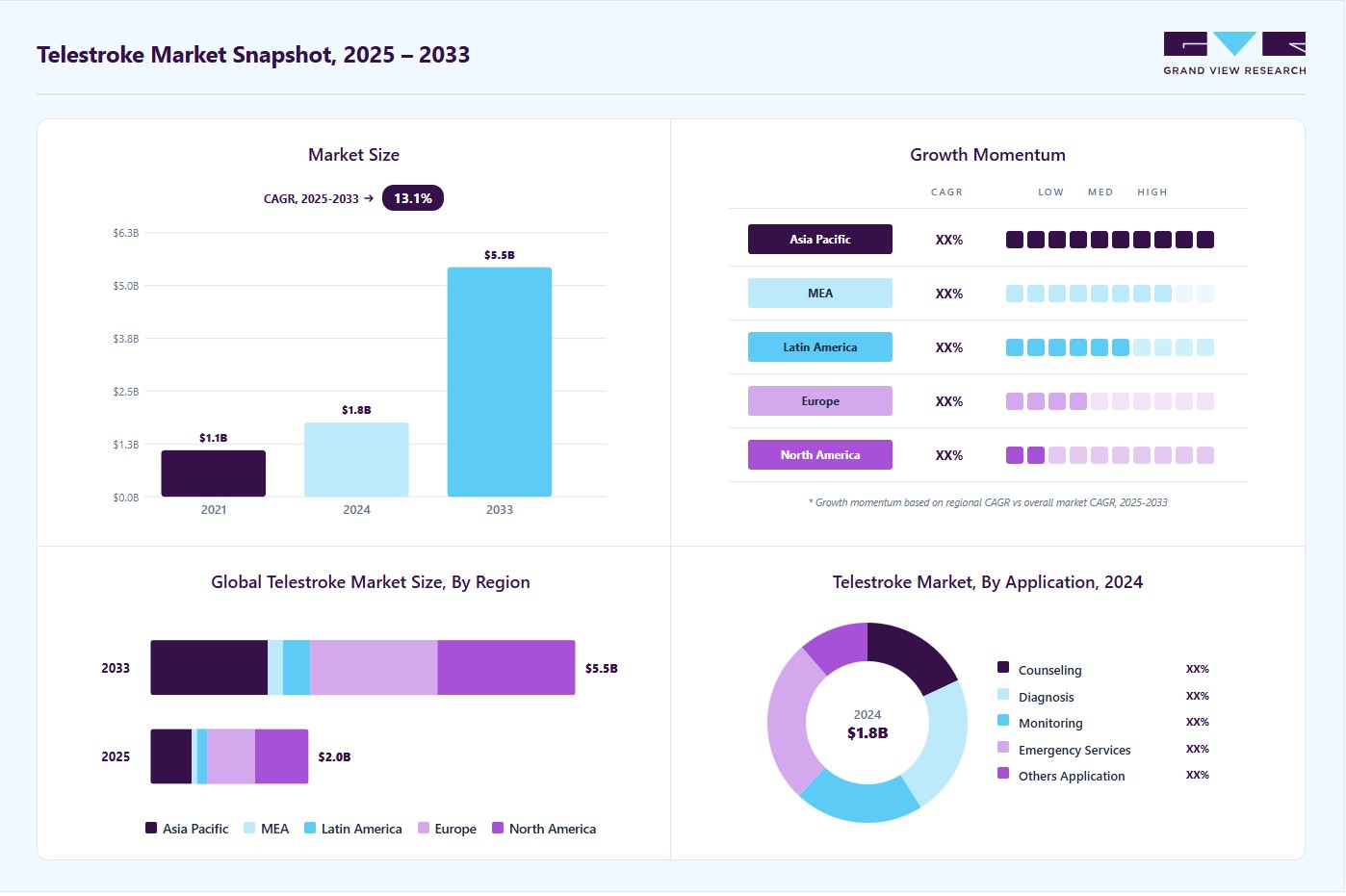
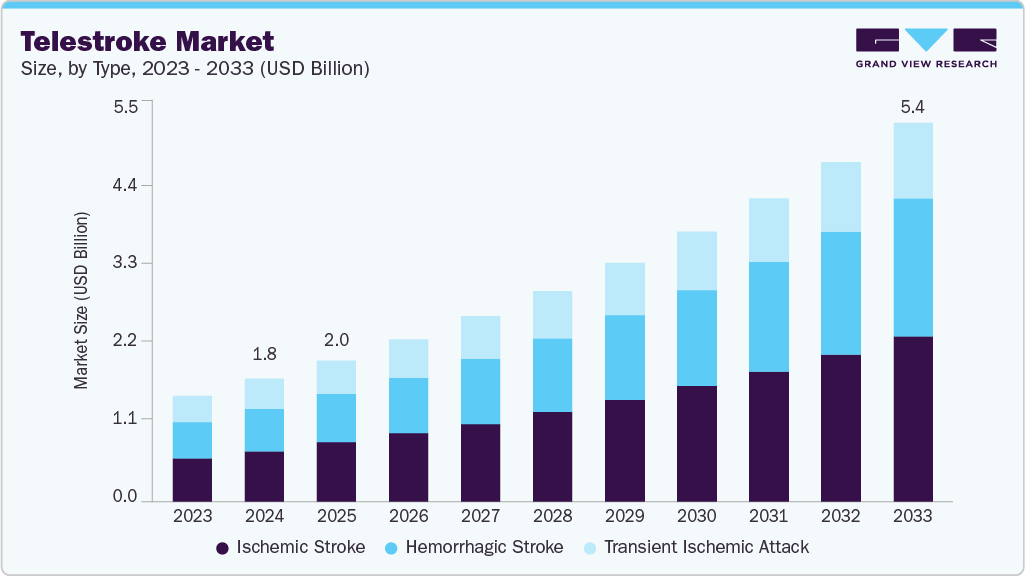
The global telestroke market size was valued at USD 2.0 billion in 2025 and is projected to grow from USD 2.3 billion in 2026 to USD 5.5 billion by 2033, at a CAGR of 12.9% from 2026 to 2033. North America dominated the market, accounting for the largest global share of 33.9% in 2025. Rising incidence of stroke is anticipated to boost market growth.
 Source: Grand View Research, IR Documents, Primary Interviews, Paid DatabasesTo learn more about this report,
 Download Free Sample Report
 Key Market Trends & Insights
- By type: Ischemic stroke segment led the market with the largest revenue share of 41.5% in 2025.
- By application: Emergency services segment held the largest revenue share of 26.7% in 2025.
- By component: Services segment led the market with the largest revenue share of 40.2% in 2025.
- By delivery mode: Cloud-based segment led the market with the largest revenue share of 39.9% in 2025.
- By end-use: Hospitals segment led the market with the largest revenue share of 40.9% in 2025.
Regional Highlights
- Largest regional market: North America (33.9% revenue share, 2025)
- Fastest-growing regional market: Asia Pacific (highest CAGR, 2026-2033)
- By country: The U.S. held the largest share of North America in 2025.
Market Size & Forecast
- Market size in 2025: USD 2.0 Billion
- Estimated market size in 2026: USD 2.3 Billion
- Projected market size by 2033: USD 5.5 Billion
- CAGR (2026-2033): 12.9%
Three ways to get this report
Buy it, customize it, or ask a question.Ask an Analyst
A direct answer, usually in 1 working day
- AccessReport author, directly
- Reply timeWithin 1 working day
- No sales callDirect answer only
- FormatEmail reply
- CostFree, no cost
Get the Full Report
What the study covers
- FormatsPDF · Excel · Dashboard
- Timeline2026–2033 annual, 2025 base
- Coverage20+ countries, 5 regions
- Companies10+ key players profiled
Customize the Report
20% free customization
- IncludeCountries, segments, points
- TailorTo your product definition
- ExtendDeeper competitor detail
- OrA fully bespoke study
- Turnaround5–10 working days
According to an Institute for Health Metrics and Evaluation article published in September 2024, it was estimated that nearly 11.9 million new stroke cases occurred worldwide in 2021, encompassing both ischemic and hemorrhagic types. This rising incidence highlights the growing need for timely intervention and specialist care, especially given the challenges of limited access to neurologists in many regions.Telestroke solutions directly address this gap by enabling rapid remote consultations, faster diagnosis, and improved treatment pathways for patients regardless of their location. While the disease continues to rank among the leading causes of disability and death globally, the increasing patient volume is creating strong momentum for the adoption of telestroke services, positioning the market for sustained growth.
 To learn more about this report, Download Free Sample Report
 Moreover, as per the WHO article published in August 2025, heart attacks and strokes together account for over four-fifths of all cardiovascular-related deaths, and strikingly, about one-third of these fatalities occur in people under the age of 70. This high rate of premature mortality underlines the critical importance of timely intervention in stroke management. Telestroke services are emerging as a powerful solution to this challenge, as they enable rapid access to specialist care regardless of geographic barriers. Connecting patients in community hospitals or rural settings with neurologists through real-time digital platforms and telestroke systems can accelerate diagnosis and treatment, helping to reduce avoidable deaths and improve long-term recovery outcomes.
Table 1: U.S. Stroke Incidence and Mortality Statistics (2024)
Factor
Details
Stroke frequency
Every 40 seconds, someone in the U.S. experiences a stroke.
Stroke mortality
Every 3 minutes and 14 seconds, someone dies of a stroke in the U.S.
Annual strokes
More than 795,000 people have a stroke each year.
First-time strokes
Approximately 610,000 of the annual strokes are first or new strokes.
Recurrent strokes
About 185,000 strokes (~1 in 4) occur in people with a previous stroke.
Source: CDC & GVR
Rising shortage of neurologists and unequal access to stroke care drive market growth. According to the Cleveland Clinic Article published in January 2024, access to neurologists in the U.S. is markedly uneven, with rural and micropolitan communities facing the greatest challenges. In these areas, patients have substantially reduced access to specialized care studies indicate rural residents experience more than 80% lower access, and those in micropolitan regions over 60% lower access, compared to urban populations. This disparity often leads to delayed diagnosis and treatment for stroke patients, increasing the risk of severe complications or death. Telestroke services address this critical gap by connecting hospitals in underserved regions with neurologists in real time, enabling rapid evaluation, diagnosis, and initiation of therapy. Overcoming geographic barriers, telestroke programs are improving clinical outcomes and expanding equitable access to life-saving care across the country.
Key Funding & Investment Activities in Telestroke Market
Instance
Funding & Investment
In March 2025
Brainomix, a UK-based company, completed a £14 million (USD 18 million) Series C investment round. The funding will support the expansion of its AI-powered imaging tools in strokes and lung fibrosis.
In November 2024
Hamburg-based telemedicine and AI provider TCC raised €20 million (USD 21.4 million) in Series A funding. This investment will support the development and expansion of their telemedicine and AI-powered solutions, including applications in strokes care.
In October 2024
The American Heart Association, supported by The Leona M. and Harry B. Helmsley Charitable Trust, allocated USD 4.7 million in Minnesota and USD 5.05 million in South Dakota. This funding aims to strengthen the full spectrum of strokes care across each state through the Mission: Lifeline Stroke initiative.
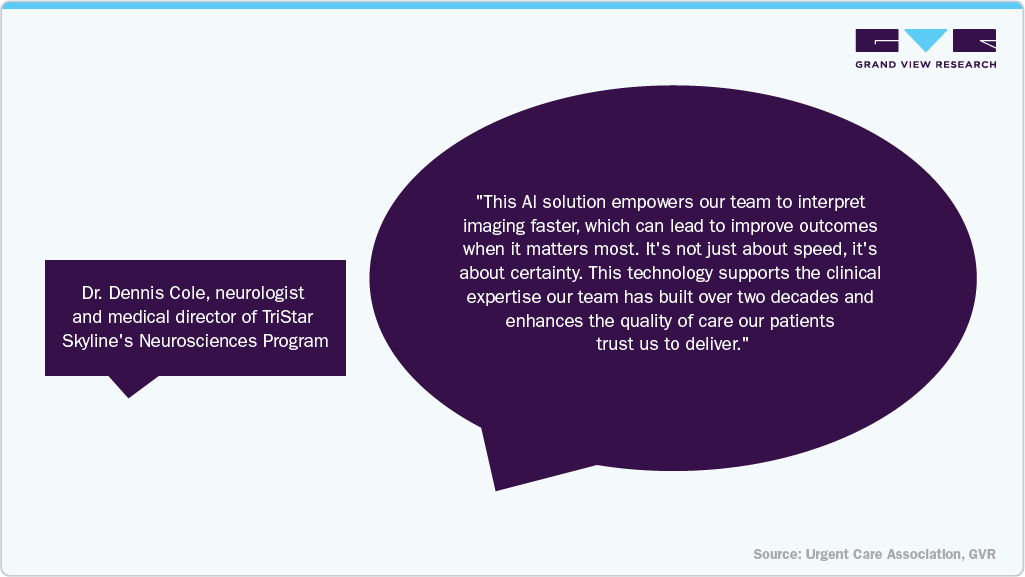
Technological advancements drive market growth. For instance, in June 2025, TriStar Skyline Medical Center introduced an AI-driven imaging platform to enhance strokes diagnosis and intervention. This technology supports faster and more precise clinical decision-making, building on a 20-year legacy of pioneering care in Middle Tennessee. Moreover, in June 2025, researchers developed a voice-driven AI system that guides individuals ranging from paramedics to family members through expert-level strokes evaluations using natural conversation. The system also enables smartphone video capture of key examination components for documentation and potential expert review.
 To learn more about this report, Download Free Sample Report
 Case Study: Enhancing Stroke Care at Lima Memorial Health System
Case - Lima Memorial Health System, a 300-bed hospital in Lima, Ohio. In 2024, the hospital identified inconsistencies in its stroke care processes, particularly concerning door-to-needle (DTN) times for alteplase administration. The average DTN time exceeded 60 minutes, prompting the need for a comprehensive review and improvement of their stroke care protocols. Published in June 2025.
Challenges
Key challenges included:
-
Inconsistent DTN Times: Variations in the time taken to administer thrombolytic therapy.
-
Delayed Stroke Alert Activations: Delays in initiating stroke alerts, especially for triage and walk-in patients.
-
Timely Neurology Assessments: Ensuring rapid evaluation by neurologists to facilitate prompt decision-making.
Implemented Strategies:
To address these challenges, Lima Memorial implemented several key strategies:
-
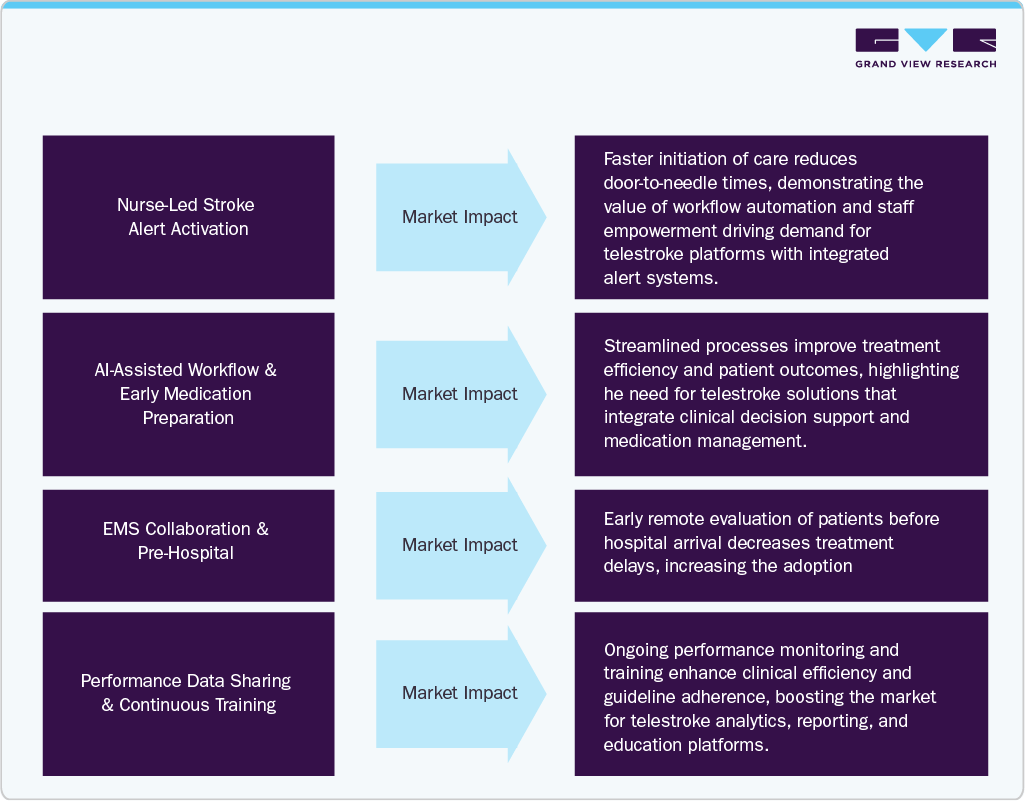
Nurse-Led Stroke Alert Activation: Empowering nurses to initiate stroke alerts based on neurological assessments, reducing delays in treatment initiation.
-
Early Medication Preparation: Preparing thrombolytic and blood pressure medications ahead of time to expedite administration.
-
EMS Collaboration: Working closely with emergency medical services to identify potential cases pre-hospital and activate telestroke services early.
-
Performance Data Sharing: Regularly sharing performance metrics with the team to foster accountability and continuous improvement.
-
Targeted Training: Training nurses on early symptom recognition and using the BEFAST screening tool.
-
Standardized Workflow: Implementing a standardized "pit stop" workflow to ensure all necessary assessments and preparations are completed promptly.
Outcomes:
The implementation of these strategies led to significant improvements in stroke care delivery:
-
16% Reduction in Average DTN Time: Streamlining processes resulted in faster delivery of thrombolytic therapy.
-
38% Reduction in Thrombolytic Administration Times: Overall reduction in the time taken to administer thrombolytic therapy.
-
36% Increase in DTN Cases Under 45 Minutes: More patients received timely treatment, aligning with national guidelines.
-
24% Reduction in DTN Median Time: Overall reduction in the median time from door to thrombolytic therapy between 2024 and 2025.
Recognition - Lima Memorial Health System's commitment to enhancing strokes care was recognized by the American Heart Association, earning the Get With The Guidelines - Stroke Gold Plus Quality Achievement Award. This accolade reflects the hospital's adherence to nationally recognized, research-based guidelines, saving more lives and reducing disability.
 To learn more about this report, Download Free Sample Report
 Market Dynamics
The global telestroke market is driven by the rising prevalence of stroke, increasing adoption of telemedicine, and growing demand for neurological consultations. Telestroke platforms enable remote access to stroke specialists, real-time neurological assessments, CT image interpretation, and timely treatment, improving clinical outcomes while expanding access to quality care in rural and underserved regions.
Advancements in AI-powered stroke detection, cloud-based image sharing, mobile health applications, and integrated clinical decision support systems are enhancing workflow efficiency and diagnostic accuracy. In addition, supportive government initiatives, expanding digital healthcare infrastructure, and strategic collaborations among healthcare providers and technology companies are accelerating telestroke adoption and creating significant growth opportunities over the forecast period.
Telestroke platforms provide real-time access to remote stroke specialists for neurological assessment, CT image interpretation, and treatment decision-making, enabling faster thrombolytic therapy and reducing door-to-needle time for acute ischemic stroke patients. As timely intervention is critical in minimizing stroke-related disability and mortality, healthcare providers are increasingly implementing telestroke services to improve access to specialist stroke care, particularly in rural and underserved regions.
For instance, according to an American Heart Association (AHA) Scientific Statement published in December 2024, approximately 61% of U.S. emergency departments are located in hospitals without stroke center or Acute Stroke Ready Hospital (ASRH) certification, leaving more than 28 million people living over 60 miles from a certified stroke center. The AHA emphasized expanding telestroke networks as a key strategy to bridge these access gaps and improve acute stroke care in rural communities.
Furthermore, in December 2024, a study published in the American Journal of Emergency Medicine reported that the implementation of teleneurology services (including telestroke consultation) reduced the median door-to-needle time for acute ischemic stroke patients receiving tenecteplase from 49 minutes to 34.5 minutes. The study also found that the proportion of patients treated within the guideline-recommended 45-minute door-to-needle target increased significantly from 44.2% to 80.0%, highlighting the effectiveness of telestroke services in accelerating time-sensitive stroke treatment and improving clinical outcomes.
The availability of trained stroke neurologists remains a key challenge for the telestroke market. While telestroke platforms extend specialist expertise across multiple healthcare facilities, their effectiveness depends on the availability of neurologists to provide timely remote consultations. Many rural and low-resource regions continue to face shortages of stroke specialists, making it difficult to establish and sustain 24/7 telestroke coverage. As stroke incidence continues to rise, the growing demand for emergency neurological consultations is placing additional pressure on the limited specialist workforce, restricting the scalability of telestroke networks.
For instance, with reference to the World Health Organization data published in December 2025, globally one in four people over the age of 25 is expected to experience a stroke during their lifetime. However, many countries continue to report an insufficient neurological workforce, particularly in rural and underserved regions, limiting timely access to specialist stroke care and constraining broader deployment of telestroke services.
AI-powered solutions can automatically detect large-vessel occlusions, prioritize suspected stroke cases, analyze CT images, and assist neurologists in making faster, more accurate treatment decisions. Combined with cloud-based telemedicine platforms, AI is improving workflow efficiency, reducing diagnostic delays, and enabling hospitals to deliver timely stroke care.
For instance, in April 2025, Nicolab and Wellumio signed a Memorandum of Understanding (MoU) to explore the integration of Wellumio's Axana portable MRI device with Nicolab's AI-powered StrokeViewer platform. The collaboration aims to improve rapid stroke diagnosis through AI-driven image analysis, portable imaging, real-time image sharing, and remote clinical decision support, thereby reducing treatment delays and improving patient outcomes, particularly in regional and remote areas.
In addition, following this collaboration, Nicolab's StrokeViewer platform was selected by Queensland Health for deployment across 36 hospitals as part of its USD 5.8 million annual telestroke service, making it the largest AI-powered stroke imaging rollout in Australia. The initiative is expected to expand access to specialist stroke care for more than two million people living in regional and remote Queensland.
“We are excited to explore this collaboration with Wellumio. The combination of our AI-powered StrokeViewer solution with Wellumio’s cutting-edge portable imaging technology has the potential to revolutionise stroke care, ensuring patients receive the fastest and most accurate diagnosis possible. With our recent Queensland Health deployment, we are further demonstrating the power of AI-driven stroke diagnosis to transform patient outcomes across the country.” -- Michael Macilquham, chief executive officer (CEO) at Nicolab.
“Our Axana device is designed to bring critical imaging closer to patients, and integrating it with StrokeViewer could provide clinicians with unprecedented access to real-time stroke diagnostics and decision-making tools. This partnership aligns perfectly with our mission to enhance stroke care accessibility and efficiency.” -- Shieak Tzeng, co-founder and CEO at Wellumio.
Case Study: Improving Door-to-Needle Times Through TeleStroke at Methodist Mansfield Medical Center
Background
Methodist Mansfield Medical Center (MMMC), a 294-bed acute care hospital and Joint Commission-accredited Advanced Primary Stroke Center, partnered with Access TeleCare to enhance its stroke care capabilities by reducing door-to-needle (DTN) times and ensuring consistent access to specialist stroke care across all hours.
Challenge
-
Reduce door-to-needle times for acute ischemic stroke patients.
-
Ensure rapid and consistent stroke response across all shifts.
-
Provide 24/7 access to board-certified vascular neurologists while minimizing unnecessary patient transfers.
Solution
MMMC implemented Access TeleCare's 24/7 TeleStroke program through the Telemed IQ platform. The solution enables stroke alerts to be routed instantly to remote vascular neurologists, who conduct real-time neurological assessments, collaborate with emergency department physicians, interpret clinical findings, and support standardized stroke treatment protocols.
Outcome
The TeleStroke program improved emergency stroke workflows by accelerating specialist consultations and treatment decisions, contributing to reduced door-to-needle times and more timely thrombolytic therapy. The program also enhanced access to specialist stroke care during nights, weekends, and holidays, reduced unnecessary patient transfers, and enabled more patients to receive evidence-based stroke treatment closer to home, ultimately improving operational efficiency and patient outcomes.
Market Concentration & Characteristics
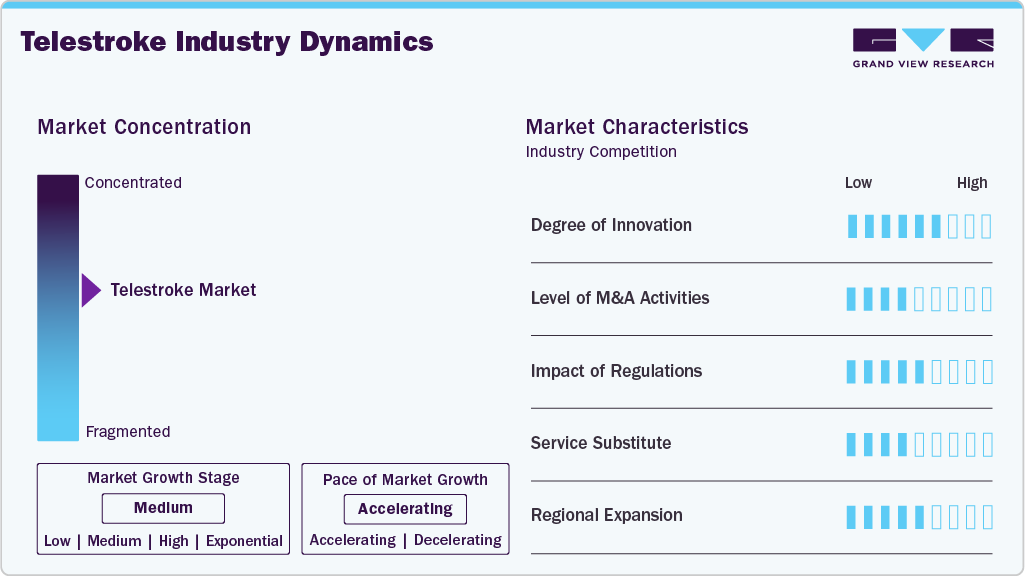
The telestroke industry is witnessing significant innovation by integrating AI-powered cognitive telerehabilitation platforms. For instance, as per the Frontiers article published in August 2025, the development of a self-guided AI-driven cognitive telerehabilitation system that personalizes stroke recovery exercises based on real-time performance. This platform utilizes four core AI modules: record tracking, training question analysis, performance prediction, and task recommendation to adapt the difficulty of cognitive tasks, enhancing patient engagement and promoting neuroplasticity. In a randomized controlled trial, this system demonstrated effectiveness comparable to therapist-supervised rehabilitation, offering a scalable solution for post-stroke cognitive recovery.
The telestroke devices industry is characterized by the leading players' high merger and acquisition (M&A) activity. This is due to several factors, including the desire to expand the business to cater to the growing demand for solutions. In September 2025, Sevaro Health secured USD 39 million in Series B funding to expand its AI-powered virtual neurology and telestroke platform. This investment aims to enhance its specialty care services nationwide.
 To learn more about this report, Download Free Sample Report
 Regulations are a critical factor in the telestroke industry, ensuring patient safety, data security, and adherence to clinical standards. Since telestroke platforms directly influence acute stroke diagnosis and treatment decisions, regulatory oversight is essential to minimize risks such as misdiagnosis, delayed treatment, or data breaches. Compliance with FDA, HIPAA, and other international standards requires rigorous validation of software algorithms, secure data handling, and reliable connectivity. These regulatory frameworks encourage telestroke providers to invest in high-quality technologies, continuous monitoring, and clinical validation, ultimately supporting improved patient outcomes and wider adoption in healthcare systems.
In telestroke, service substitutes refer to alternative approaches or technologies that complement or replace traditional in-person stroke care. For example, mobile units equipped with CT scanners, AI-driven diagnostic apps, or remote neurology consultations can, in certain scenarios, reduce reliance on hospital-based interventions. These substitutes offer faster assessment, timely treatment, and enhanced accessibility for patients in rural or underserved areas, while driving innovation and adoption of telestroke solutions across healthcare systems.
Several industry players are expanding their business by entering new geographical regions to strengthen their market position and service portfolio. Rising service launches create more opportunities for market players to enter new areas. In September 2025, TeleSpecialists launched an Outpatient Neurology Service to reduce follow-up wait times by 83% and minimize avoidable hospital readmissions.
Analyst Perspective
The telestroke market is driven by the rising global burden of stroke, increasing demand for rapid neurological consultations, and expanding adoption of telemedicine. Healthcare providers are implementing telestroke platforms to improve access to stroke specialists, particularly in rural and underserved regions. Advancements in AI-assisted clinical decision support, cloud-based platforms, real-time image sharing, and mobile health applications are enhancing the speed and accuracy of stroke diagnosis and treatment. In addition, supportive government initiatives, digital health investments, and strategic collaborations among healthcare providers and technology companies are expected to drive market growth over the forecast period.
Type Insights
Based on type, the ischemic stroke segment led the market with the largest revenue share of 41.5% in 2025. The rising prevalence of ischemic stroke and technological advancements drive market growth. According to the Cornell University article published in January 2025, integrating Diffusion Weighted Imaging (DWI), Apparent Diffusion Coefficient (ADC), and enhanced DWI with advanced neural network architectures achieved a Dice Similarity Coefficient (DSC) of 87.49%. This advancement enhances diagnostic precision and treatment planning for ischemic conditions, providing valuable support for clinical decision-making.
The hemorrhagic stroke segment in the market is anticipated to witness the fastest CAGR over the forecast period. Technological advancements drive market growth. For instance, in May 2025, SEHA healthcare system in the UAE launched the country's first AI-powered Tele-Stroke Hub through its flagship hospitals, STMC and Al Tawam Hospital, utilizing the LEO360 Medical AI Robot. This program delivered transformational outcomes, including a 90% reduction in time-to-neurologist evaluation, 80% decrease in inter-hospital transfers, and a marked improvement in stroke response and diagnostic accuracy. The integration of AI in imaging has significantly enhanced the detection and assessment of hemorrhagic strokes, enabling timely interventions.
Application Insights
Based on application, the emergency services segment led the market with the largest revenue share of 26.7% in 2025 and accounted for the largest revenue share of 26.59%. Telemedicine-powered emergency response reduces prehospital stroke delays, thus driving market growth. According to the Elsevier B.V. article published in December 2024, a pilot study conducted in 2024 introduced telemedicine-enabled ambulances equipped with AI-driven systems to evaluate patients with suspected acute stroke symptoms. This approach enables paramedics to transmit real-time data to receiving hospitals, allowing for immediate preparation and care coordination upon arrival. Integrating AI in prehospital stroke assessment aims to expedite treatment initiation and improve patient prognosis.
The counseling segment in the market is anticipated to witness the fastest CAGR over the forecast period. The growing integration of virtual rehabilitation platforms drives the growth of the market. According to a Cornell University article published in January 2025, several healthcare institutions began integrating virtual reality (VR)-based telerehabilitation platforms to support post-stroke recovery. These platforms offer immersive environments that facilitate upper-limb rehabilitation exercises, aiming to enhance patient engagement and adherence to therapy protocols. Incorporating VR technology into telerehabilitation represents a significant advancement in providing accessible and effective counseling services for stroke patients during their recovery phase.
Component Insights
Based on component, the services segment led the market with the largest revenue share of 40.2% in 2025. The rising expansion of telestroke services drives market growth. For instance, in January 2025, the Queensland Government committed USD 5.8 million annually to expand the Telestroke Service, aiming to provide residents in regional, rural, and remote areas with access to stroke specialists available in metropolitan centers. This telestroke approach enables patients to receive prompt treatment, enhancing recovery outcomes and lowering the likelihood of long-term disability.
The hardware segment in the market is anticipated to witness the fastest CAGR over the forecast period. The rising incidence of stroke cases and technological advancements drive market growth. For instance, in April 2025, researchers introduced the pTACS, a compact and portable device designed to aid in stroke therapy. It utilizes micro-pulses of air to stimulate the skin, promoting neuroplasticity and assisting in rehabilitation. The device is powered by rechargeable lithium-ion batteries, making it suitable for use in various healthcare settings.
Delivery Mode Insights
Based on delivery mode, the cloud-based segment led the market with the largest revenue share of 39.9% in 2025. Technological advancements drive market growth. For instance, in February 2025, at the European Congress of Radiology (ECR) 2025, Philips unveiled new AI-enabled imaging cloud services designed to streamline radiology workflows and advance clinical insights. These cloud-based solutions aim to enhance the diagnostic process, facilitating quicker and more accurate assessments for stroke patients, thereby improving treatment outcomes.
The web/mobile segment is anticipated to witness the fastest CAGR over the forecast period. The technological advancement with several innovative platforms enhancing remote care drives the growth of the market. For instance, in August 2025, researchers at UI Health Care developed a mobile application to assist paramedics in determining the most appropriate hospital for stroke patients. The app utilizes an algorithm that analyzes real-time data to improve decision-making, aiming to enhance patient outcomes by ensuring timely and accurate treatment. In simulations, this tool demonstrated a fourfold improvement in neurological outcomes compared to traditional routing methods.
End Use Insights
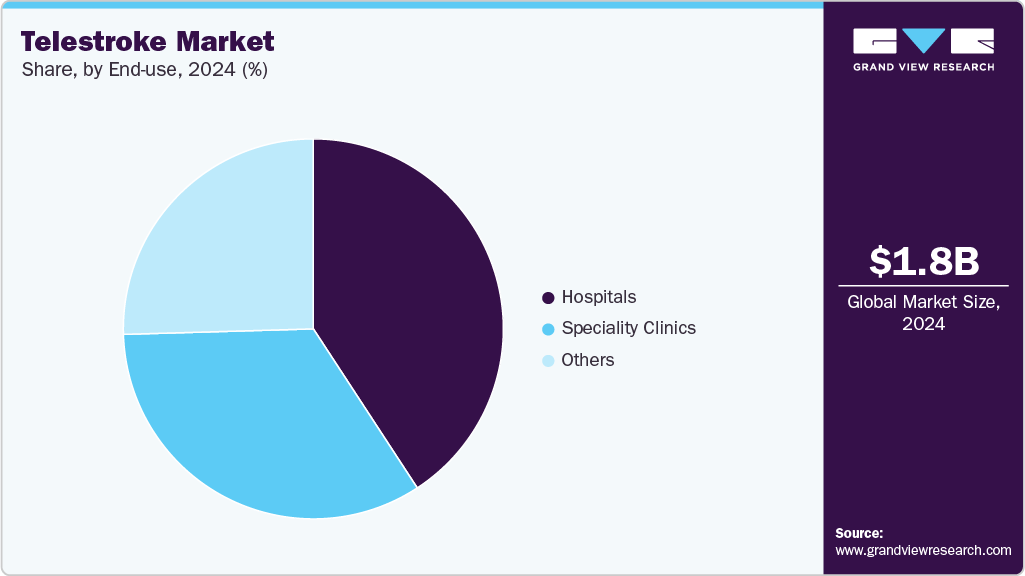
Based on end-use, the hospitals segment led the market with the largest revenue share of 40.9% in 2025. The rising number of healthcare facilities implementing or expanding their telestroke services to enhance stroke care delivery drives market growth. According to the Apex Press and Publishing article published in September 2025, TeleStroke Oman is a national initiative to provide virtual stroke care across several hospitals in Oman. This program enables hospitals without on-site neurologists to access emergency stroke treatment, such as thrombolysis, through telemedicine. The Ministry of Health supports the initiative and utilizes an indigenously developed application for high-quality video conferencing and image sharing. The program has been implemented in Ibra, Ibri, Buraimi, Haima, and Khasab, linking them to central hospitals like Sultan Qaboos University Hospital and Khoula Hospital.
 To learn more about this report, Download Free Sample Report
 The speciality clinics segment of the market is anticipated to register the fastest growth rate over the forecast period. These clinics increasingly adopt telemedicine solutions to improve access to specialized strokes care. Leveraging cloud-based platforms and mobile applications, specialty clinics can connect patients with neurologists in real time, ensuring faster diagnosis and timely interventions. Integrating artificial intelligence in these platforms enhances diagnostic accuracy and streamlines clinical workflows, while government initiatives and funding support the expansion of telestroke services into underserved regions. This trend enables specialty clinics to deliver high-quality, efficient stroke care, ultimately improving patient outcomes and reducing long-term disability.
Regional Insights
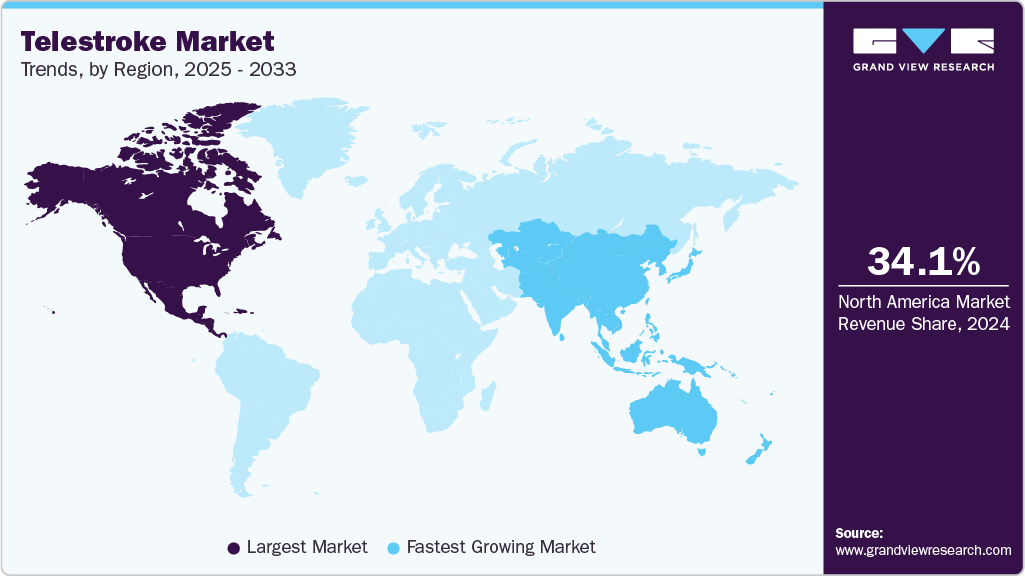
North America dominated telestroke market with the largest revenue share of 33.9% in 2025 owing to a well-established healthcare infrastructure and high healthcare expenditure. Moreover, the key investment and funding drives the growth of the market. For instance, in April 2025, the American Heart Association, in collaboration with The Leona M. and Harry B. Helmsley Charitable Trust, announced a USD 6.8 million grant to strengthen and expand Hawaii's strokes system of care. This initiative focuses on reducing death and disability rates from strokes in rural populations by integrating hospitals, emergency medical services, and first responders into a cohesive care network. The program is part of the Mission: Lifeline Stroke initiative, which aims to improve the quality of care across the Hawaiian Islands.
 To learn more about this report, Download Free Sample Report
 U.S. Telestroke Market Trends
The telestroke market in the U.S. held the largest share in the North America region in 2025. The key investment and funding drives market growth. For instance, in March 2025, the National Institutes of Health (NIH) has issued a funding opportunity (PAR-25-052) for clinical trials and biomarker studies related to strokes treatment, recovery, and prevention. This initiative aims to support research that advances the understanding of strokes and improves clinical outcomes. The funding is available to U.S. organizations, both private and public, engaged in research.
Canada telestroke market is anticipated to register the fastest growth rate during the forecast period, driven by the increasing demand for timely and efficient strokes care across the country. Hospitals and specialty clinics are adopting advanced telemedicine solutions that enable faster diagnosis, improved treatment coordination, and reduced patient transfer times. These technologies help optimize patient outcomes by allowing neurologists to provide remote assessments and guidance, particularly in rural and underserved regions. The emphasis on enhancing accessibility, reducing treatment delays, and improving overall quality of care is fueling the expansion of telestroke services throughout Canada.
Europe Telestroke Market Trends
The telestroke market in Europe is anticipated to register a significant growth rate during the forecast period. Increasing awareness and government initiatives drive market growth. For instance, in January 2025, the European Stroke Organisation (ESO) presented an updated Stroke Action Plan for Europe 2030. This plan emphasizes the importance of telestroke services in improving stroke care across the continent. The updated strategy includes initiatives to increase the number of telestroke networks and integrate telemedicine into stroke units, aiming to provide equitable access to timely treatment.
Germany telestroke market is anticipated to grow considerably during the forecast period. The rising number of strokes cases drives the growth of the industry. According to NCBI article published in March 2025, in Germany, around 196,000 individuals experience a first-ever strokes each year, reflecting a substantial demand for timely and specialized stroke care. This high incidence has prompted healthcare providers to increasingly adopt telestroke solutions, enabling hospitals and clinics to connect patients with neurologists remotely.
The telestroke market in Italy is anticipated to grow considerably during the forecast period. Technological advancements and research and development initiatives drives the growth of the market. For instance, in March 2025, the Future Stroke Leaders Programme, with its third cohort meeting scheduled in Perugia, Italy, is fostering the development of emerging leaders in strokes care. This program supports practical projects aimed at improving strokes care delivery, with results to be presented at the World Stroke Congress 2026.
The UK telestroke market is anticipated to register a significant growth rate during the forecast period. Increasing cases of strokes drives the growth of the market. According to NICE CKS article published in July 2025, In the United Kingdom, the incidence of first-ever transient ischemic attacks (TIAs) is estimated at around 50 cases per 100,000 people annually, highlighting a substantial need for timely assessment and intervention. Currently, approximately 1.3 million individuals are living with the effects of stroke across the country, many of whom require ongoing care and monitoring. This significant patient population underscores the importance of telestroke services in the UK, as telemedicine solutions can connect patients and local clinics with stroke specialists in real time.
Asia Pacific Telestroke Market Trends
The telestroke market in Asia Pacific is anticipated to be the fastest-growing region, driven by the increasing awareness of strokes prevention and the need for timely intervention. Rising demand for remote neurological care, particularly in rural and underserved areas, is driving the adoption of telemedicine platforms that connect patients with strokes specialists in real time. There is a growing focus on integrating advanced technologies, such as AI-assisted diagnostics and cloud-based monitoring systems, to improve response times and treatment outcomes. In addition, government initiatives aimed at strengthening healthcare infrastructure and expanding access to specialized care are contributing to the broader uptake of telestroke services across the region.
Japan telestroke market is anticipated to register a significant growth rate during the forecast period. Japan's government has been actively promoting the integration of telestroke services into the national healthcare framework. Efforts include the development of nationwide standards for electronic medical records, interoperability, and privacy protection to facilitate seamless communication between healthcare providers. For instance, in March 2025, the 50th Annual Meeting of the Japan Stroke Society, served as a platform for discussing advancements in strokes medicine, including the role of telestroke services. The conference featured sessions on global strategies for stroke care and the integration of innovative technologies in clinical practice.
The telestroke market in Japan is anticipated to register a significant growth rate during the forecast period. Rising strokes incidence drives the growth of the market. According to The University of Central Lancashire article published in August 2025, in India, the incidence of stroke is estimated to range between 105 to 152 cases per 100,000 people annually, reflecting a substantial and growing health challenge.
Latin America Telestroke Market Trends
The telestroke market in Latin America is growing over the forecast period, driven by increasing awareness of stroke prevention and the need for timely intervention. Rising demand for remote neurological care, particularly in rural and underserved areas, is propelling the adoption of telemedicine platforms that connect patients with strokes specialists in real time. There is a growing emphasis on integrating advanced technologies, such as AI-assisted diagnostics and cloud-based monitoring systems, to improve response times and treatment outcomes.
Brazil telestroke market has grown over the forecast period. Rising stroke cases drive the growth of the market. According to an American Heart Association Journal article published in March 2025, in Brazil, stroke affects a significant portion of the population, with prevalence rates of approximately 1.6% among men and 1.4% among women. This highlights the ongoing need for accessible and timely stroke care nationwide. Telestroke services are increasingly recognized as a vital solution to bridge gaps in healthcare delivery, particularly in remote and underserved regions.
MEA Telestroke Market Trends
The telestroke market in the MEA is growing over the forecast period, driven by improving internet connectivity, increasing smartphone penetration, and government initiatives aimed at enhancing healthcare infrastructure. The United Arab Emirates (UAE) is expected to register the highest CAGR during this period, reflecting its commitment to digital healthcare transformation.
South Africa telestroke market is growing over the forecast period. Rising strokes incidence drives the growth of the market. According to the NCBI article published in January 2025, in South Africa, strokes remains a significant health concern, with an incidence rate of approximately 316 cases per 100,000 people. This high prevalence underscores the critical need for timely and specialized strokes care throughout the country. Telestroke services are increasingly playing a pivotal role in addressing this challenge, particularly in remote and underserved regions.
Key Telestroke Company Insights
Key market participants focus on devising innovative business growth strategies in product portfolio expansions, partnerships & collaborations, mergers & acquisitions, and business footprint expansions.
Key Telestroke Companies:
The following key companies have been profiled for this study on the telestroke market.
-
Sevaro Health, Inc.
-
Teladoc Health, Inc.
-
TeleSpecialists
-
CEP AMERICA, LLC
-
Providence
-
Lakewood Health System
-
T SQRD, Inc.
-
Access TeleCare, LLC
-
Blue Sky Telehealth
-
American TelePhysicians
-
American Well. Amwell
- Equum Medical
Competitive Benchmarking
Category
Operating Strategies
Competitive Edge
Weakness
Established Players (e.g., Teladoc Health, Inc., Amwell (American Well), Access TeleCare, LLC, TeleSpecialists, CEP America, LLC, Providence, American TelePhysicians, Equum Medical)
- Expand telestroke networks through partnerships with hospitals, health systems, and emergency departments.
- Invest in AI-enabled stroke workflows, cloud-based telemedicine platforms, and 24/7 neurologist coverage to improve clinical outcomes.
- Strong brand recognition, extensive neurologist network, and established healthcare partnerships.
- Comprehensive telehealth platforms with scalable infrastructure, advanced technology integration, and regulatory expertise.
- High operational and physician staffing costs can impact profitability.
- Large organizational structures may slow product innovation and customization for specific customer needs.
Emerging Players (e.g., Sevaro Health, Inc., T SQRD, Inc., Blue Sky Telehealth, Lakewood Health System)
- Focus on regional expansion, cost-effective telestroke solutions, and specialized virtual stroke care services.
- Leverage cloud-based platforms, strategic collaborations, and flexible deployment models to increase market penetration.
- Agile business models with faster implementation and customized telehealth solutions.
- Competitive pricing and strong focus on underserved hospitals and rural healthcare facilities.
- Limited brand recognition and smaller customer base compared to established competitors.
- Restricted geographic presence and fewer financial resources for large-scale expansion and technology investments.
Recent Developments
-
In September 2025, TeleSpecialists, LLC launched an Integrated Outpatient Teleneurology Service, combining on-site advanced practice providers with TeleSpecialists’ remote neurologists, aided by AI-enhanced telemedicine workflows. This extension fills gaps in follow-up care and aims to reduce wait times.
-
In February 2025, Oneida Health Hospital joined the Upstate Telestroke Network (Upstate University Hospital’s Comprehensive Stroke Center, Syracuse). This partnership enables hospital staff at Oneida to consult remotely with Upstate stroke specialists via televideo as soon as patients with possible stroke symptoms arrive.
-
In May 2024, Centra (a regional health provider) partnered with Sevaro to deploy Sevaro’s OneCall telestroke workflow. The collaboration enables Centra’s emergency and inpatient units to connect with neurologists via Sevaro’s system, with guaranteed rapid response (45 seconds or less) for stroke assessment.
Telestroke Market Report Scope
Report Attribute
Details
Market size value in 2025
USD 2.0 billion
Market size value in 2026
USD 2.3 billion
Revenue forecast in 2033
USD 5.5 billion
Growth rate
CAGR of 12.9% from 2026 to 2033
Historical data
2021 - 2024
Forecast period
2026 - 2033
Quantitative units
Revenue in USD million/billion, and CAGR from 2026 to 2033
Report coverage
Revenue forecast, company ranking, competitive landscape, growth factors, and trends
Segments covered
Type, application, component, delivery mode, end-use, region
Regional scope
North America; Europe; Asia Pacific; Latin America; MEA
Country scope
U.S.; Canada; Mexico; Germany; UK; Spain; Italy; France; Norway; Denmark; Sweden; Japan; China; India; Australia; Thailand; South Korea; Brazil; Argentina; South Africa; Saudi Arabia; UAE; Kuwait
Key companies profiled
Sevaro Health, Inc.; Teladoc Health, Inc.; TeleSpecialists; CEP AMERICA, LLC; Providence; Lakewood Health System; T SQRD, Inc.; Access TeleCare, LLC; Blue Sky Telehealth; American TelePhysicians; American Well. Amwell; Equum Medical
Customization scope
Free report customization (equivalent to up to 8 analysts' working days) with purchase. Addition or alteration to country, regional & segment scope.
Pricing and purchase options
Avail customized purchase options to meet your exact research needs. Explore purchase options
Global Telestroke Market Report Segmentation
This report forecasts revenue and volume growth at global, regional, and country levels and analyzes industry trends in each sub-segments from 2021 to 2033. For this study, Grand View Research, Inc. has segmented the global telestroke market report based on type, application, component, delivery mode, end use, and region:
-
Type Outlook (Revenue USD Million, 2021 - 2033)
-
Ischemic Stroke
-
Hemorrhagic Stroke
-
Transient Ischemic Attack
-
-
Application Outlook (Revenue USD Million, 2021 - 2033)
-
Counseling
-
Diagnosis
-
Monitoring
-
Emergency Services
-
Others
-
-
Component Outlook (Revenue USD Million, 2021 - 2033)
-
Hardware
-
Software/Platform
-
Services
-
-
Delivery Mode Outlook (Revenue USD Million, 2021 - 2033)
-
Cloud-based
-
On-premise
-
Web/Mobile
-
-
End Use Outlook (Revenue USD Million, 2021 - 2033)
-
Hospital
-
Speciality Clinic
-
Others
-
-
Regional Outlook Revenue USD Million, 2021 - 2033)
-
North America
-
U.S.
-
Canada
-
Mexico
-
-
Europe
-
Germany
-
UK
-
Spain
-
Italy
-
France
-
Denmark
-
Norway
-
Sweden
-
-
Asia Pacific
-
Japan
-
China
-
India
-
Australia
-
Thailand
-
South Korea
-
-
Latin America
-
Brazil
-
Argentina
-
-
MEA
-
South Africa
-
Saudi Arabia
-
UAE
-
Kuwait
-
-
Research Methodology
The telestroke market figures in this report are based on a proven research process that combines executive interviews with secondary research from proprietary databases, company filings, and recognized regulatory and institutional sources. Market size is built through value-chain sizing - reconciling supply-side and demand-side estimates - and triangulated with bottom-up and top-down approaches. Every estimate passes multiple levels of expert validation before publication, with each telestroke segment quantified using the revenue-capture definitions in the table below.
Segment Definition
Segment
Revenue capture definition
By Type
Ischemic Stroke
This segment includes telemedicine solutions used for the remote diagnosis, evaluation, and management of ischemic stroke caused by blocked blood vessels. These platforms support rapid clinical decision-making to facilitate timely thrombolytic therapy and improve patient outcomes.
Hemorrhagic Stroke
This segment covers telemedicine services utilized for the assessment and management of hemorrhagic stroke resulting from bleeding within or around the brain. telestroke platforms enable remote neurological consultation to support emergency treatment planning and specialist referral.
Transient Ischemic Attack
This segment comprises telestroke solutions used for the evaluation and monitoring of transient ischemic attacks, often referred to as "mini-strokes." These systems assist clinicians in early diagnosis and preventive treatment to reduce the risk of future stroke events.
By Application
Counseling
This segment includes virtual neurological consultations, patient counseling, rehabilitation guidance, and follow-up care provided through telestroke platforms. These services improve patient education and long-term stroke management.
Diagnosis
This segment includes telestroke solutions that enable remote clinical assessment, neurological examinations, and interpretation of diagnostic imaging for accurate stroke diagnosis. These platforms facilitate timely specialist consultations and treatment decisions.
Monitoring
This segment comprises remote patient monitoring solutions used to track neurological status, treatment response, and post-stroke recovery. Continuous monitoring supports early intervention and improves long-term patient outcomes.
Emergency Services
This segment includes telestroke platforms deployed in emergency departments and ambulance networks to provide immediate neurological consultation and support rapid treatment decisions during acute stroke events.
Others
This segment includes applications such as clinical training, teleconsultation support, second-opinion services, and multidisciplinary care coordination that enhance overall stroke management and healthcare delivery.
By Component
Hardware
This segment includes medical imaging devices, telecommunication equipment, cameras, monitors, mobile carts, and other physical infrastructure required to support telestroke services.
Software/Platform
This segment comprises telemedicine software, cloud platforms, AI-enabled diagnostic tools, image-sharing systems, and clinical workflow applications used to facilitate remote stroke care.
Services
This segment includes implementation, integration, technical support, maintenance, consulting, training, and managed services that ensure the efficient operation of telestroke solutions.
By Delivery Mode
Cloud-based
Cloud-based telestroke solutions enable secure storage, remote access, and real-time sharing of patient information through cloud infrastructure. These platforms support scalable and multi-location stroke care delivery.
On-premise
On-premise solutions are deployed within a healthcare facility's local IT infrastructure, providing organizations with greater control over data security, system management, and regulatory compliance.
Web/Mobile
This segment includes browser-based and mobile telestroke applications that allow healthcare professionals to remotely access patient data, communicate with specialists, and deliver stroke care using smartphones, tablets, or computers.
By End Use
Hospitals
Hospitals utilize telestroke solutions to provide rapid neurological consultation, improve emergency stroke management, and enhance clinical decision-making across emergency departments and stroke units.
Speciality Clinics
Specialty clinics use telestroke platforms to deliver expert neurological consultations, follow-up care, and rehabilitation services for stroke patients through remote healthcare delivery models.
Others
This segment includes ambulatory care centers, rehabilitation facilities, academic institutions, community healthcare centers, and other healthcare providers utilizing telestroke solutions for stroke diagnosis and patient management.
Estimation Model
Model Details
This research methodology outlines the process for estimating the size of the global telestroke market for the period from 2021 to 2033. The study covers key stroke types, applications, components, delivery modes, and end users across North America, Europe, Asia Pacific, Latin America, and the Middle East & Africa. The objective is to develop a robust and defensible market estimate through a combination of bottom-up and top-down approaches supported by primary industry validation.
Model
Objective
Estimation Steps
Model 1: Stroke Incidence-Based Utilization Model
Estimates market demand by converting stroke incidence into telestroke consultation volumes and revenue.
Step 1: Collect country-level stroke incidence and acute stroke admission data from WHO, CDC, OECD, national health ministries, stroke registries, and published literature.
Step 2: Estimate telestroke penetration across ischemic stroke, hemorrhagic stroke, and TIA using hospital surveys, published studies, and primary interviews.
Step 3: Determine average annual consultation volumes and platform utilization by hospital type and region.
Step 4: Calculate market value using Stroke Volume × Telestroke Penetration Rate × Average Consultation/Platform Revenue.
Step 5: Aggregate country-level estimates into regional and global markets.
Step 6: Forecast using assumptions related to rising stroke incidence, telemedicine adoption, rural healthcare expansion, reimbursement, and digital health investments.Model 2: Telehealth Spending & Platform Revenue Model
Estimates market size from commercial sales and subscription revenues.
Step 1: Collect annual sales and subscription data from vendor reports, hospital procurement records, public tenders, distributors, and industry publications.
Step 2: Segment revenues by Component (Hardware, Software, Services) and Delivery Mode (Cloud, On-premise, Web/Mobile).
Step 3: Establish regional average contract values using procurement databases, vendor pricing, and expert interviews.
Step 4: Calculate revenue using Annual Contract Volume × Average Contract Value.
Step 5: Aggregate segment revenues to country, regional, and global levels.
Step 6: Forecast considering AI-enabled stroke detection, cloud adoption, interoperability, and digital healthcare transformation.Model 3: Geographic Demand Potential Index (GDPI) Validation Model
Validates market estimates using macroeconomic and healthcare indicators.
Step 1: Develop country-level GDPI scores based on four indicators: (i) Stroke Incidence & Acute Stroke Admissions, (ii) Healthcare Infrastructure & Stroke Center Availability, (iii) Healthcare Expenditure per Capita, and (iv) Telemedicine & Digital Health Adoption.
Step 2: Normalize scores to estimate each country's relative demand potential.
Step 3: Use GDPI as a validation framework to benchmark outputs from Models 1–3 against regional disease burden, healthcare infrastructure, technology adoption, and investment trends.Final Market Triangulation
Triangulation Framework
Purpose
Stroke Incidence-Based Utilization Model
Demand-side estimation based on stroke patient volumes and telestroke utilization.
Telehealth Spending & Platform Revenue Model
Commercial validation using platform sales, subscriptions, and service revenues.
Geographic Demand Potential Index (GDPI)
Cross-validation using healthcare infrastructure, disease burden, expenditure, and digital health adoption.
Final Market Estimate
The weighted average of all four models, validated through primary interviews and secondary research, was used to derive the historical market estimates (2021–2025) and forecast projections (2026–2033) for the global Telestroke Market.
Delivered Customizations
This report has been delivered with the following In-depth customizations
Client Request
Customization Delivered
Value Adds
Patient Journey & Clinical Workflow Assessment
Conducted an end-to-end assessment of the acute stroke care pathway, from symptom onset and emergency department triage to remote neurological consultation, imaging review, treatment decision-making, patient transfer, intervention, and post-stroke follow-up. The analysis evaluates referral pathways, physician workflows, reimbursement frameworks, and barriers to telestroke adoption.
Provides actionable insights into workflow optimization, treatment adoption, and care delivery efficiencies while supporting commercialization strategies and improving access to timely stroke interventions across diverse healthcare settings.
Technology & Platform Innovation Assessment
Evaluated advancements in telestroke technologies, including AI-assisted stroke detection, cloud-based PACS integration, mobile stroke applications, clinical decision support systems, real-time video consultation platforms, EHR interoperability, and remote imaging interpretation capabilities.
Helps stakeholders identify emerging technology opportunities, strengthen product differentiation, support product development and regulatory planning, and enhance competitive positioning through next-generation digital stroke care solutions.
Competitive Landscape & Provider Benchmarking
Assessed the competitive landscape across telestroke platform providers, telehealth vendors, healthcare networks, and technology companies. The analysis benchmarks platform capabilities, service models, strategic partnerships, pricing approaches, geographic presence, and integration with hospital information systems.
Enables stakeholders to benchmark competitors, identify partnership and acquisition opportunities, evaluate market gaps, and develop data-driven go-to-market and expansion strategies in the rapidly evolving telestroke ecosystem.
Frequently Asked Questions About This Report
The global telestroke market is expected to grow at a CAGR of 12.9% from 2026 to 2033, reaching USD 5.5 billion by 2033.
The ischemic stroke segment led the market with the largest revenue share of 41.5% in 2025, while hemorrhagic stroke is the fastest growing segment.
Some of the key players in telestroke market are Sevaro Health, Inc.; Teladoc Health, Inc.; TeleSpecialists; CEP AMERICA, LLC; Providence; Lakewood Health System; T SQRD, Inc.; Access TeleCare, LLC; Blue Sky Telehealth; American TelePhysicians; American Well. Amwell; Equum Medical
The emergency services segment led the market with the largest revenue share of 26.7% in 2025, while counseling is the fastest growing segment.
The services segment led the market with the largest revenue share of 40.2% in 2025, while hardware is the fastest growing segment.
North America dominated with a 33.9% revenue share in 2025.
Asia Pacific is the fastest-growing region over the forecast period.
The global telestroke market is driven by the rising prevalence of stroke, increasing adoption of telemedicine, and growing demand for neurological consultations. Telestroke platforms enable remote access to stroke specialists, real-time neurological assessments, CT image interpretation, and timely treatment, improving clinical outcomes while expanding access to quality care in rural and underserved regions.
The global telestroke market size was valued at USD 2.0 billion in 2025 and is estimated at USD 2.3 billion in 2026.
About the Author(s)
Healthcare IT Research Team
Healthcare · Healthcare ITThis report was authored by the healthcare it research team at Grand View Research - comprising two research analysts, one senior research analyst, and one industry expert - with specialized expertise in the healthcare it segment of the healthcare industry. All findings are based on proprietary healthcare databases, executive interviews, and regulatory analysis, subject to internal peer review prior to publication.
Last Updated:
Speak to Analyst

Customize this report to your needs - add regions, segments, or data points, with 20% free customization.
Or view our licence options:


ISO 9001:2015 & 27001:2022 Certified
We are GDPR and CCPA compliant! Your transaction & personal information is safe and secure. For more details, please read our privacy policy.


