
- Home
- »
- Medical Devices
- »
-
Thoracic Catheters Market Size & Share Report, 2026-2033GVR Report cover

Thoracic Catheters Market (2026 - 2033)
Size, Share & Trends Analysis Report By Material (PVC, Silicone), By Product (Thoracostomy Tubes, Pleural Drainage Catheters), By End-use (Hospitals, Specialty Clinics), By Application, By Region, And Segment Forecasts
Market Size, 2025
$484.4MMarket Estimate, 2026
$508.3MMarket Forecast, 2033
$748.9MCAGR, 2026–2033
5.7%Thoracic Catheters Market Summary
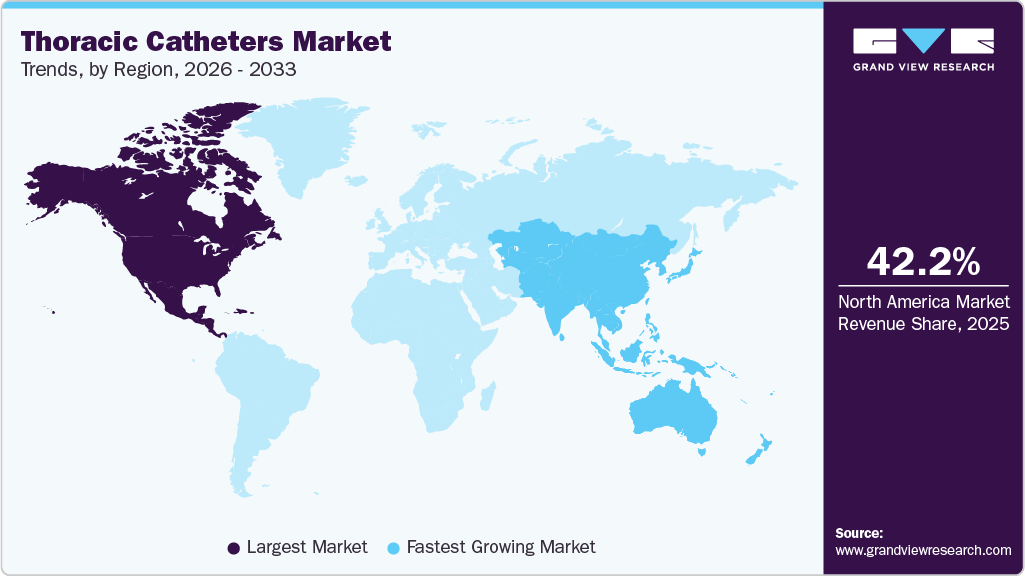
The global thoracic catheters market size was valued at USD 484.4 million in 2025 and is projected to grow from USD 508.3 million in 2026 to USD 748.9 million by 2033, at a CAGR of 5.7% from 2026 to 2033. The North America held the largest share of 42.5% of the global market in 2025. The rising demand for minimally invasive aesthetic procedures, the growing trend of ageless beauty, and increasing awareness among the young population about physical appearance are some of the major factors driving the growth of the market.
 Source: Grand View Research, IR Documents, Primary Interviews, Paid DatabasesTo learn more about this report,
 Download Free Sample Report
 Key Market Trends & Insights
- By product: Pleural drainage catheters accounted for the largest market revenue share in 2025.
- By application: Pneumothorax segment accounted for the largest market revenue share in 2025.
- By material: Silicone accounted for the largest market revenue share in 2025.
- By end use: Hospitals held the largest revenue share of 54.5% in 2025.
Regional Highlights
- Largest regional market: North America (42.5% revenue share, 2025)
- Fastest-growing regional market: Asia Pacific (highest CAGR, 2026-2033)
- By country: The U.S. held the largest market share in 2025.
Market Size & Forecast
- Market size in 2025: USD 484.4 Million
- Estimated market size in 2026: USD 508.3 Million
- Projected market size by 2033: USD 748.9 Million
- CAGR (2026-2033): 5.7%
Three ways to get this report
Buy it, customize it, or ask a question.Ask an Analyst
Analyst response in 1 business day
- AccessReport author, directly
- Reply timeWithin 1 working day
- No sales callDirect answer only
- FormatEmail reply
- CostFree, no cost
Get the Full Report
What the study covers
- FormatsPDF · Excel · Dashboard
- Timeline2026–2033 annual, 2025 base
- Coverage20+ countries, 5 regions
- Companies10+ key players profiled
Customize the Report
20% free customization
- IncludeCountries, segments, points
- TailorTo your product definition
- ExtendDeeper competitor detail
- OrA fully bespoke study
- Turnaround5–10 working days
The increasing number of thoracic and pulmonary surgeries, including minimally invasive and robotic-assisted procedures, has driven up the demand for advanced catheter systems to ensure efficient fluid evacuation and promote patient recovery. According to data published by the UK Health Security Agency and the Centre for Climate and Health Security in August 2025, asthma is prevalent in the UK, with 7.2 million people suffering from the condition.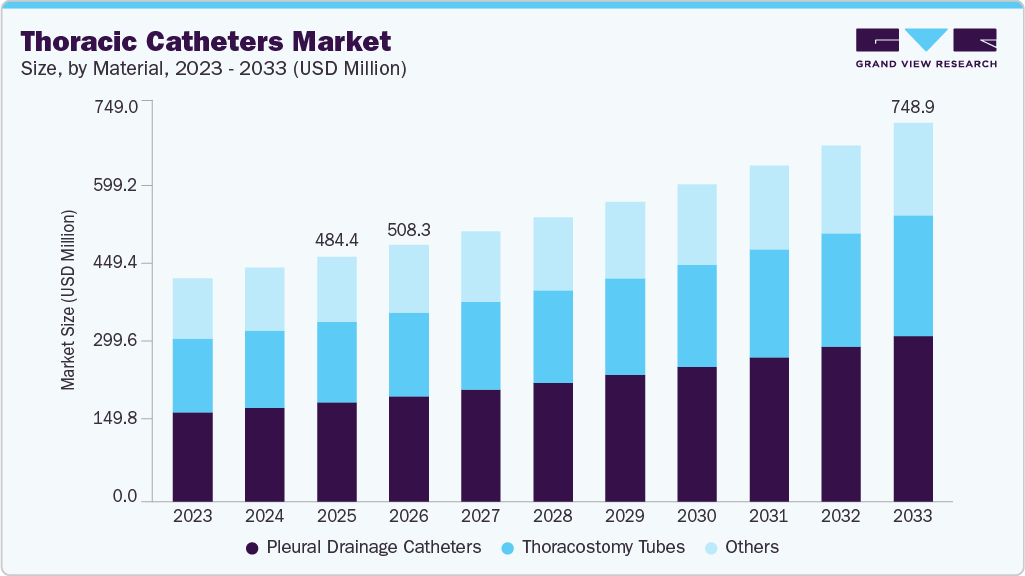 To learn more about this report, Download Free Sample Report
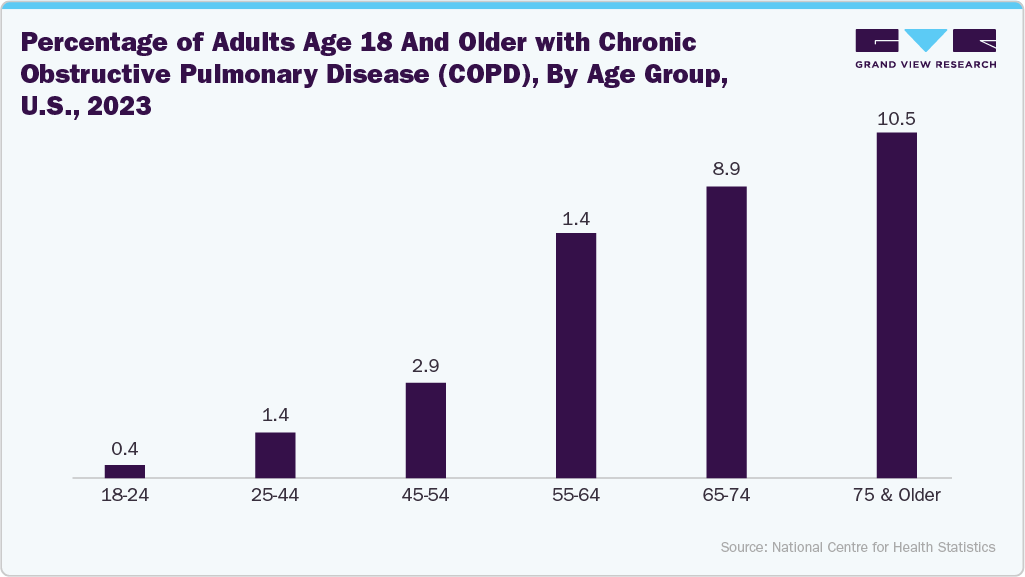
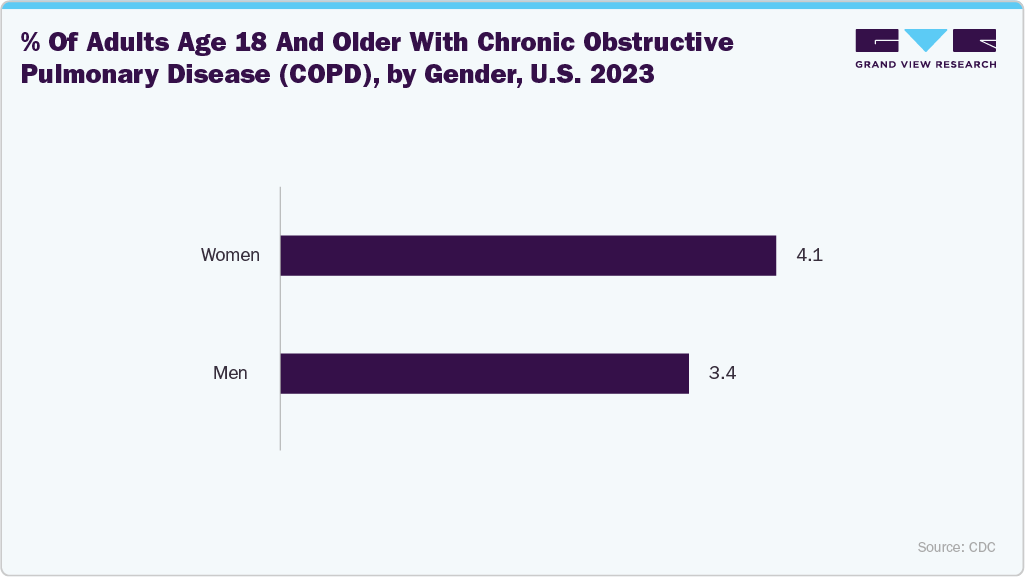
 The increasing prevalence of respiratory and thoracic conditions such as pleural effusion, pneumothorax, lung cancer, chronic obstructive pulmonary disease, and post-surgical complications is a primary factor driving the thoracic catheter industry. These conditions often lead to the accumulation of air or fluid in the pleural cavity, necessitating the use of thoracic catheters for drainage and respiratory support. The global rise in smoking rates, air pollution, and lifestyle-related lung disorders has further contributed to the growing number of thoracic interventions. As more patients require effective and minimally invasive solutions for pleural management, the demand for advanced catheters with improved safety, comfort, and infection control continues to increase. This trend is expected to sustain strong market growth, particularly in hospitals and critical care units that frequently manage complex thoracic and pulmonary cases.
 To learn more about this report, Download Free Sample Report
 The rising incidence of empyema cases is boosting the demand for advanced, infection-resistant thoracic catheter systems in hospitals and critical care settings. In December 2024, the National Center for Biotechnology Information (NCBI) reported that pleural infections, including empyema and complicated parapneumonic effusion, pose a significant health burden, affecting approximately 80,000 patients annually across the U.S. and the UK.
 To learn more about this report, Download Free Sample Report
 The increasing number of thoracic surgeries and the growing adoption of minimally invasive procedures drive the thoracic catheter industry. The rising incidence of lung cancer, mediastinal tumors, and other thoracic disorders has led to a surge in surgical interventions, requiring efficient postoperative drainage and fluid management.
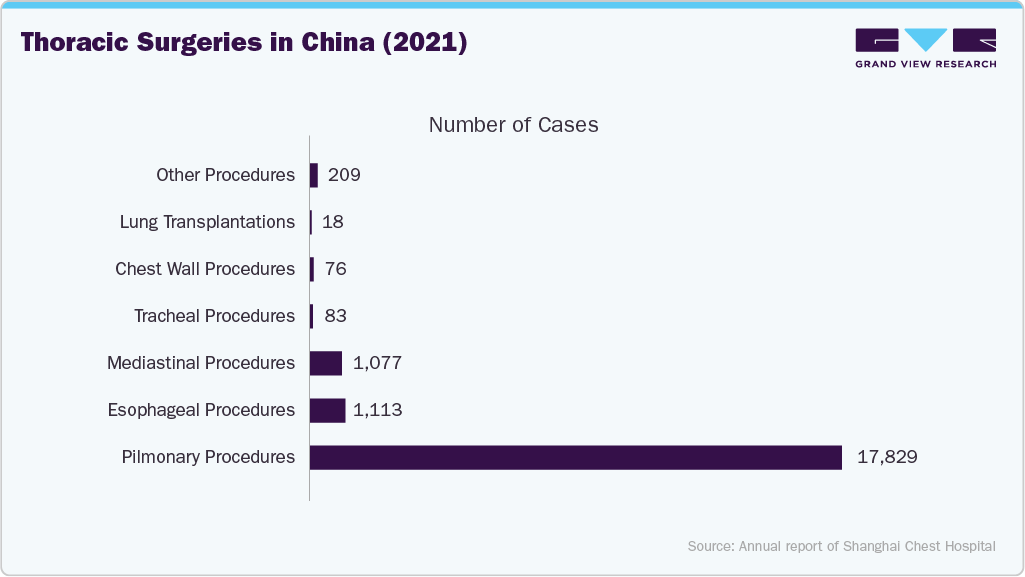
Minimally invasive techniques such as video-assisted thoracoscopic surgery and robotic-assisted thoracic surgeries are becoming more prevalent due to their advantages of reduced trauma, faster recovery, and shorter hospital stays. These procedures often require advanced thoracic catheters that are compatible with smaller incisions, allowing for adequate drainage with minimal patient discomfort. As surgical volumes continue to increase, particularly in specialized centers and high-capacity hospitals, the demand for innovative and patient-friendly catheter systems is expected to grow, strengthening market expansion. According to Shanghai Chest Hospital in 2021, the percentage of Minimally Invasive Surgery was 92.7%, with 1,006 robotic-assisted thoracic surgeries.
Technological innovations play a pivotal role in driving the growth of the thoracic catheter industry by enhancing the safety, efficiency, and comfort of thoracic drainage procedures. Advances such as the development of small-bore and soft-tipped catheters, antimicrobial coatings, and biocompatible materials have significantly reduced the risk of infection and patient discomfort. Integrating drainage systems with digital monitoring, one-way valves, and portable collection devices enables more precise fluid management, supporting outpatient or home-based care. Furthermore, the use of image-guided and ultrasound-assisted catheter placement techniques has improved procedural accuracy and reduced complications. These continuous innovations expand the clinical applications of thoracic catheters, encouraging wider adoption across hospitals and ambulatory settings and thereby accelerating market growth.
Market Concentration & Characteristics
The thoracic catheter industry is in a significant growth stage, characterized by moderate technological advancement, demand from established healthcare settings, and expanding adoption in outpatient and home care environments.
The thoracic catheter industry demonstrates a moderate degree of innovation, driven by continuous advancements in materials, design, and functionality. The development of silicone and antimicrobial-coated catheters, as well as portable digital drainage systems, has enhanced safety and patient comfort. Innovations like image-guided placement techniques and minimally invasive catheter solutions enhance procedural precision and clinical outcomes, reinforcing the market’s technological progress.
The thoracic catheter industry is experiencing a significant surge in mergers and acquisitions as key medical device companies seek to expand their product offerings and global presence. By acquiring niche catheter manufacturers and forming strategic partnerships, industry leaders are enhancing their technological expertise and expanding into high-growth regions. These consolidation efforts drive innovation, improve distribution efficiency, and support the development of next-generation thoracic drainage solutions.
 To learn more about this report, Download Free Sample Report
 The expansion of regulatory frameworks has positively impacted the thoracic catheter industry by ensuring higher product quality, safety, and clinical efficacy. Stringent approval processes by agencies such as the FDA and EMA have encouraged manufacturers to invest in advanced designs and materials that comply with regulations. Moreover, harmonized international standards and faster regulatory approvals in emerging markets facilitate quicker product launches, promoting global market growth and innovation.
The thoracic catheter industry is undergoing rapid expansion of products, and advanced, patient-centric solutions are being introduced to enhance drainage efficiency and safety. Manufacturers are developing catheters made from biocompatible materials, such as silicone and PVC, that feature antimicrobial coatings and kink-resistant designs. Innovations such as digital drainage systems and portable, minimally invasive catheter kits are expanding clinical applications and driving broader adoption across hospitals and home care settings.
The thoracic catheter industry is experiencing notable regional expansion, driven by growing healthcare investments and increasing awareness of advanced thoracic care across both developed and emerging economies. North America and Europe continue to lead due to technological innovation and high procedural volumes, while the Asia Pacific is emerging as a key growth hub, driven by expanding hospital infrastructure and increasing prevalence of respiratory diseases. Improving healthcare access in Latin America, the Middle East & Africa is further supporting global market penetration.
Product Insights
The pleural drainage catheters segment accounted for the largest market revenue share in 2025, due to their widespread clinical use, versatility, and critical role in managing pleural effusions, pneumothorax, and other thoracic conditions. These catheters are extensively utilized in hospitals, emergency care, and post-surgical procedures to drain excess air or fluid from the pleural space, ensuring effective lung re-expansion and improved patient recovery. Technological advancements, including enhanced biocompatible materials, antimicrobial coatings, and minimally invasive insertion techniques, have further improved the safety, efficiency, and patient comfort of these procedures. In addition, the rising incidence of respiratory diseases, lung cancers, and chronic obstructive pulmonary disorders globally has increased the demand for pleural drainage catheters. Their broad adoption by healthcare professionals, coupled with consistent product innovations and favorable reimbursement scenarios, solidifies their dominant position within the thoracic catheters industry.
The thoracostomy tubes segment is expected to grow at the fastest CAGR during the forecast period, driven by its critical role in emergency and post-surgical management of thoracic conditions such as pneumothorax, hemothorax, and pleural effusion. The rising prevalence of respiratory disorders, chest trauma, and thoracic surgeries has increased the demand for these tubes across hospitals and trauma centers. In addition, the shift toward minimally invasive surgical procedures and advancements in tube design, such as the use of softer, biocompatible materials and enhanced drainage efficiency, have improved clinical outcomes and patient comfort, further supporting their adoption.
Material Insights
The silicone material segment accounted for the largest market revenue share in 2025, due to its superior biocompatibility, flexibility, and durability compared to other materials such as PVC or latex. Its non-reactive and hypoallergenic nature makes it ideal for long-term placement within the thoracic cavity, minimizing tissue irritation and the risk of infection. Silicone catheters maintain their shape while allowing easy insertion and comfortable placement, which enhances patient outcomes and reduces complications during drainage procedures. In addition, silicone’s high thermal and chemical stability allows for effective sterilization and reuse in specific medical settings, further improving cost efficiency for healthcare providers. Manufacturers also prefer silicone because it can be easily molded into various tube designs with integrated radiopaque lines or anti-kinking features. The growing preference for minimally invasive and patient-friendly devices, combined with increasing clinical evidence supporting the safety and performance of silicone, continues to drive its dominance in the thoracic catheters industry.
The polyurethane segment is expected to grow at the fastest CAGR during the forecast period, due to its superior combination of strength, flexibility, and biocompatibility, which make it ideal for a wide range of drainage and surgical applications. Polyurethane offers superior kink resistance and durability while maintaining patient comfort during long-term use. Its ability to be engineered into thin-walled designs without compromising structural integrity enhances fluid drainage efficiency and ease of insertion. Moreover, ongoing advancements, such as antimicrobial coatings, improved radiopacity, and multi-durometer formulations, have further enhanced clinical performance. Manufacturers and healthcare providers are adopting polyurethane catheters, as they offer enhanced safety, reduced infection risk, and improved compatibility with minimally invasive procedures.
Application Insights
The pneumothorax segment accounted for the largest market revenue share in 2025 and is also projected to grow at the fastest CAGR during the forecast period, driven by its high incidence and the critical need for immediate clinical intervention. Thoracic catheters, particularly chest and pleural drainage tubes, play a crucial role in managing pneumothorax by removing trapped air from the pleural cavity and restoring normal lung expansion. The rising prevalence of spontaneous and traumatic pneumothorax cases linked to factors such as chronic obstructive pulmonary disease, lung infections, mechanical ventilation, and chest injuries has significantly increased demand for these devices. In addition, the growing adoption of minimally invasive thoracic procedures and the improvement of emergency care infrastructure across hospitals and trauma centers support the wider utilization of catheters. Technological advancements in catheter materials, such as silicone and polyurethane, which offer enhanced flexibility, biocompatibility, and safety, further improve treatment outcomes.
The pleural effusion application segment is expected to grow at a significant CAGR during the forecast period, driven by the increasing prevalence of chronic respiratory diseases, congestive heart failure, malignancies, and infections that lead to fluid accumulation in the pleural space. Thoracic catheters are essential for draining this excess fluid, alleviating symptoms, and preventing complications such as lung collapse or respiratory distress. The growing aging population and the rising incidence of cancer-related effusions have further accelerated the demand for pleural drainage procedures.
End-use Insights
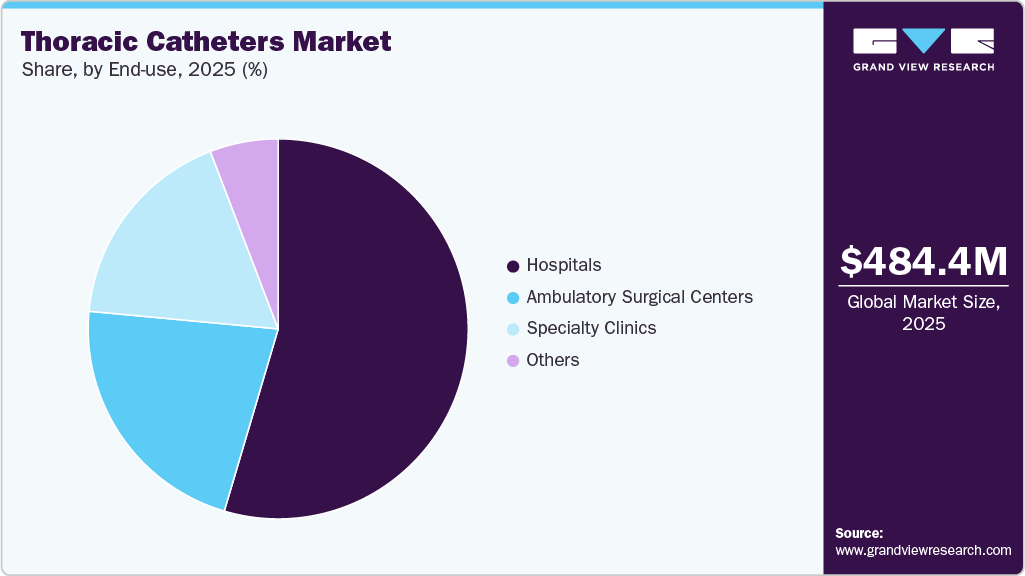
The hospital segment led the market with the largest revenue share of 54.58% in 2025, due to the high volume of thoracic procedures and emergency interventions performed in these settings. Hospitals are the primary centers for managing critical conditions such as pneumothorax, pleural effusion, hemothorax, and post-surgical thoracic drainage, all of which require immediate and precise catheter placement under medical supervision. The availability of advanced diagnostic and imaging technologies, skilled thoracic surgeons, and well-equipped intensive care units further supports the extensive use of thoracic catheters in hospitals. Furthermore, hospitals handle a large number of trauma and post-operative cases that necessitate continuous monitoring and drainage management, driving consistent demand for these devices. Favorable reimbursement policies, the presence of multidisciplinary care teams, and the growing number of thoracic surgeries globally also strengthen hospitals’ dominant market position.
 To learn more about this report, Download Free Sample Report
 The ambulatory surgical centers segment is expected to grow at the fastest CAGR during the forecast period, driven by the global shift toward outpatient and minimally invasive procedures. ASCs offer cost-effective, efficient, and patient-friendly alternatives to traditional hospital settings, making them a preferred choice for elective thoracic interventions, such as pleural drainage and the management of minor pneumothoraces. The growing adoption of advanced thoracic catheters, which enable safe, quick, and minimally invasive drainage procedures, supports their use in these centers.
Regional Insights
North America dominated the global thoracic catheters market with the largest revenue share of 42.15% in 2025. The market is driven by the high prevalence of respiratory diseases, the increasing number of thoracic surgical procedures, and the development of advanced healthcare infrastructure. The strong adoption of minimally invasive and robotic-assisted surgeries, combined with the presence of key medical device manufacturers, supports regional market dominance. Growing awareness of infection control, favorable reimbursement policies, and continuous product innovation further expand the United States and Canada market.
 To learn more about this report, Download Free Sample Report
 U.S. Thoracic Catheter Market Trends
The thoracic catheters market in the U.S. accounted for the largest market revenue share in North America in 2025, due to the rising incidence of thoracic and respiratory diseases, the increasing number of minimally invasive surgeries, and substantial technological advancements in catheter design. The growing preference for silicone and antimicrobial-coated catheters to reduce infection risks is also driving adoption. Moreover, robust healthcare spending, well-established hospital infrastructure, and a surge in outpatient thoracic procedures continue to shape favorable market trends nationwide.
 To learn more about this report, Download Free Sample Report
 Europe Thoracic Catheters Market Trends
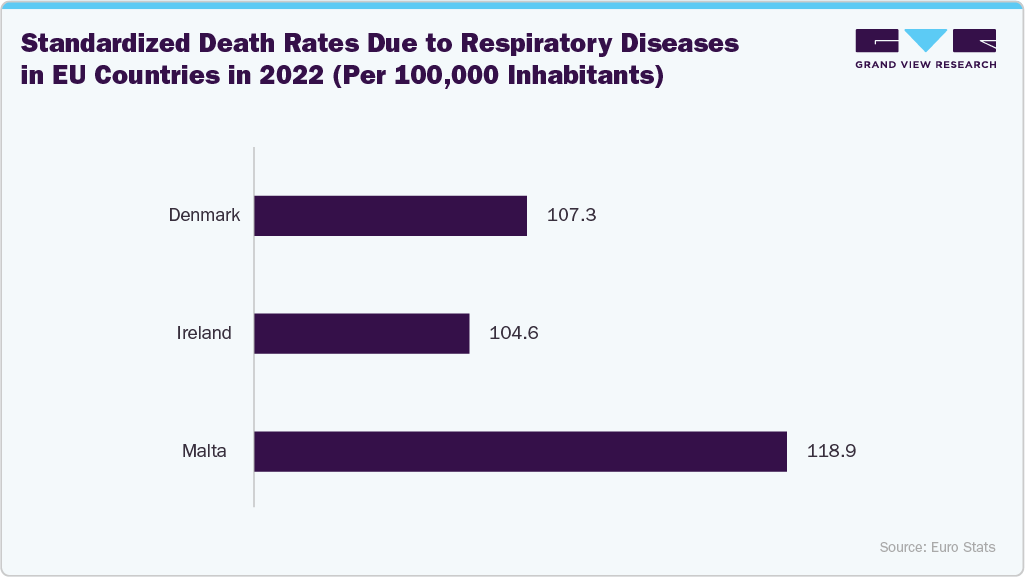
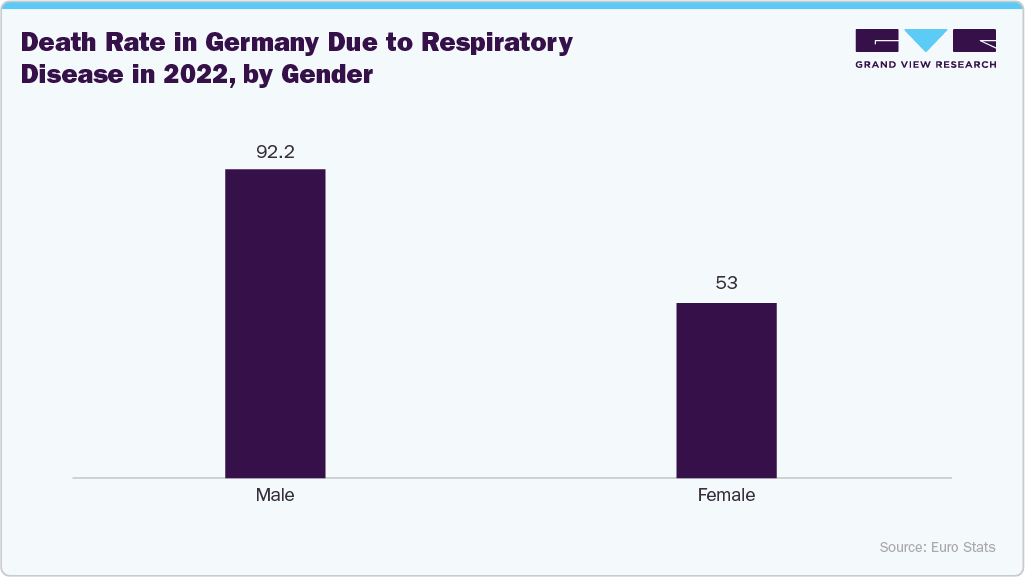
The thoracic catheters market in Europe is experiencing significant growth, driven by the increasing prevalence of respiratory diseases, the growing elderly population, and the rising adoption of minimally invasive thoracic procedures. Countries such as Germany, the UK, and France are leading the way in utilizing advanced catheter systems, thanks to their well-developed healthcare infrastructures and robust clinical research activities. Ongoing product innovations, improved infection control measures, and supportive regulatory frameworks further enhance regional market expansion. For instance, in 2022, Eurostat published data indicating that there were approximately 363,500 deaths in the European Union (EU) caused by diseases of the respiratory system, accounting for 7.0% of all deaths among residents. The report also highlighted that Malta, Ireland, and Denmark recorded significantly higher proportions of deaths from respiratory diseases compared to the EU average, at 12.2%, 10.8%, and 10.6%, respectively.
The UK thoracic catheters market is experiencing significant growth, driven by the increasing incidence of respiratory diseases, pleural infections, and lung cancer cases that necessitate thoracic drainage procedures. Increasing adoption of minimally invasive and image-guided catheter placement techniques has improved clinical outcomes and boosted demand. Furthermore, strong healthcare infrastructure, government support for advanced medical technologies, and the presence of leading research institutions continue to enhance market growth across the country.
Data On Deaths From And Numbers Living With Heart And Circulatory Diseases (CVD) For The UK
Nation
No. of People Dying from CVD (2023)
No. of People Under 75 Years Old Dying from CVD (2023)
Estimated Number of People Living with CVD (Latest Estimate)
England
142,460
38,996
6.4 million +
Scotland
17,787
5,313
730,000
Wales
9,701
2,918
340,000
Northern Ireland
4,227
1,133
225,000
UK Total
174,693
48,697
7.6 million +
Source: British Heart Foundation 2025
The thoracic catheters market in Germany is expanding due to the high prevalence of chronic respiratory disorders, an aging population, and a strong emphasis on advanced surgical care. The country’s well-established hospital network and rapid adoption of minimally invasive and robotic-assisted thoracic procedures are driving consistent demand for innovative catheter systems. Germany’s focus on medical technology research and favorable reimbursement policies further support market growth and product innovation.
 To learn more about this report, Download Free Sample Report
 Asia Pacific Thoracic Catheters Market Trends
The thoracic catheters market in the Asia Pacific is expected to grow at the fastest CAGR during the forecast period, driven by the increasing prevalence of respiratory diseases, rising healthcare investments, and growing awareness of advanced thoracic procedures. Countries such as China, Japan, and India are adopting minimally invasive and image-guided catheter techniques. Improving healthcare infrastructure, supportive government initiatives, and the presence of local medical device manufacturers are driving strong market growth across the region.
The India thoracic catheters market is experiencing significant growth, driven by the increasing prevalence of respiratory diseases, such as tuberculosis, COPD, and lung infections, as well as a growing number of thoracic surgeries. The expanding network of multispecialty hospitals and the rapid adoption of minimally invasive surgical techniques are contributing to rising product demand. Furthermore, government initiatives to improve healthcare access and investments in critical care infrastructure enhance market prospects. Local manufacturing and the availability of cost-effective catheter options also support the broader adoption of catheters across urban and rural healthcare settings.
The thoracic catheters market in China is experiencing robust growth driven by the rising incidence of respiratory diseases, lung cancer, and pleural infections. The rapid expansion of healthcare infrastructure and increasing adoption of minimally invasive thoracic surgeries are driving demand for advanced catheter systems. Moreover, strong government support for medical technology innovation, combined with the presence of large tertiary hospitals, is further boosting market expansion across the country.
Middle East and Africa Thoracic Catheters Market Trends
The thoracic catheters market in the Middle East and Africa is experiencing gradual expansion, driven by the rising prevalence of respiratory disorders, increasing healthcare investments, and a growing number of thoracic and critical care procedures. Countries such as Saudi Arabia, the United Arab Emirates, and South Africa are leading regional growth due to improved hospital infrastructure and the adoption of advanced drainage systems. Government initiatives to modernize healthcare facilities and enhance access to specialized treatments foster market development. However, limited awareness and uneven access to advanced medical technologies in certain low-income regions continue to pose challenges to the widespread adoption of these technologies.
 To learn more about this report, Download Free Sample Report
 Key Thoracic Catheters Company Insights
The industry players are undertaking several strategic initiatives such as acquisitions, partnerships, and collaborations. Moreover, the launch of novel products is anticipated to boost the competitive rivalry in the thoracic catheter industry.
Key Thoracic Catheters Companies:
The following are the leading companies in the thoracic catheters market. These companies collectively hold the largest market share and dictate industry trends.
- Teleflex Incorporated
- Smiths Medical (ICU Medical, Inc.)
- B. Braun Melsungen AG
- Vygon SA
- Cook Medical
- Terumo Corporation
- Nipro Corporation
- Asahi Kasei Corporation
- Becton, Dickinson and Company
- Dongguan Jiajie Medical Tech Co., Ltd.
Recent Developments
-
In February 2025, Teleflex Incorporated announced its plan to separate into two independent publicly traded companies. The new entity, referred to as “NewCo,” will comprise the company’s Urology, Acute Care, and OEM businesses, while “RemainCo” will focus on the vascular access, Interventional, and Surgical segments. The spin-off is expected to be completed by mid-2026.
-
In February 2024, Terumo Medical Corporation commenced construction of a new manufacturing facility at its existing site in Puerto Rico, marking a significant expansion of its global production capabilities. The new facility is part of Terumo’s strategic plan to strengthen its medical device manufacturing network and meet the growing global demand for high-quality healthcare products.
Thoracic Catheters Market Report Scope
Report Attribute
Details
Market size in 2025
USD 484.4 million
Estimated market size in 2026
USD 508.3 million
Projected market size by 2033
USD 748.9 million
Growth rate
CAGR of 5.7% from 2025 to 2033
Base year for estimation
2024
Historical data
2021 - 2025
Forecast period
2026 - 2033
Report coverage
Revenue, competitive landscape, growth factors, and trends
Quantitative units
Revenue in USD million/billion and CAGR from 2026 to 2033
Segments covered
Product, material, application, end-use, region
Regional scope
North America; Europe; Asia Pacific; Latin America; MEA
Country scope
U.S.; Canada; Mexico; UK; Germany; France; Italy; Spain; Denmark; Sweden; Norway; Japan; China; India; Australia; South Korea; Thailand; Brazil; Argentina; South Africa; Saudi Arabia; UAE; Kuwait
Key companies profiled
Teleflex Incorporated; Smiths Medical (ICU Medical, Inc.); B. Braun Melsungen AG; Vygon SA; Cook Medical; Terumo Corporation; Nipro Corporation; Asahi Kasei Corporation; Becton, Dickinson and Company; Dongguan Jiajie Medical Tech Co., Ltd.
Customization scope
Free report customization (equivalent to 8 analyst working days) with purchase. Addition or alteration to country, regional & segment scope
Pricing and purchase options
Avail customized purchase options to meet your exact research needs. Explore purchase options
Global Thoracic Catheters Market Report Segmentation
This report forecasts revenue growth at the global, regional, and country levels and provides an analysis of the latest industry trends in each of the sub-segments from 2021 to 2033. For this study, Grand View Research has segmented the global thoracic catheters market report based on the material, product, application, end use, and region:
-
Product Outlook (Revenue, USD Million, 2021 - 2033)
-
Thoracostomy Tubes
-
Pleural Drainage Catheters
-
Others
-
-
Material Outlook (Revenue, USD Million, 2021 - 2033)
-
Silicone
-
Polyurethane
-
PVC
-
Others
-
-
Application Outlook (Revenue, USD Million, 2021 - 2033)
-
Pneumothorax
-
Pleural Effusion
-
Hemothorax
-
Others
-
-
End-use Outlook (Revenue, USD Million, 2021 - 2033)
-
Hospitals
-
Specialty Clinics
-
Ambulatory Surgical Centers (ASCs)
-
Others
-
-
Regional Outlook (Revenue, USD Million, 2021 - 2033)
-
North America
-
U.S.
-
Canada
-
Mexico
-
-
Europe
-
Germany
-
UK
-
France
-
Italy
-
Spain
-
Norway
-
Denmark
-
Sweden
-
-
Asia Pacific
-
Japan
-
China
-
India
-
Australia
-
South Korea
-
Thailand
-
-
Latin America
-
Brazil
-
Argentina
-
-
Middle East and Africa (MEA)
-
South Africa
-
Saudi Arabia
-
UAE
-
Kuwait
-
-
Frequently Asked Questions About This Report
The global thoracic catheters market size was valued at USD 484.4 million in 2025 and is estimated at USD 508.3 million in 2026.
Key growth drivers in the thoracic catheters market include the rising demand for minimally invasive aesthetic procedures, the growing trend of ageless beauty, and increasing awareness among the young population about physical appearance.
The pleural drainage catheters segment accounted for the largest market revenue share in 2025, while the thoracostomy tubes segment is expected to grow at the fastest CAGR during the forecast period.
The silicone segment accounted for the largest market revenue share in 2025, while the polyurethane segment is expected to grow at the fastest CAGR during the forecast period.
The pneumothorax segment accounted for the largest market revenue share in 2025.
The hospital segment dominated the market with the largest revenue share of 54.58% in 2025, while ASC segment is expected to grow at the fastest CAGR during the forecast period.
North America dominated the global thoracic catheters market with the largest revenue share of 42.5% in 2025.
The global thoracic catheters market is expected to grow at a CAGR of 5.7% from 2026 to 2033, reaching USD 748.9 million by 2033.
Asia Pacific is the fastest-growing regional market during the forecast period.
Some of the key players operating in the thoracic catheters market include Teleflex Incorporated; Smiths Medical (ICU Medical, Inc.); B. Braun Melsungen AG; Vygon SA; Cook Medical; Terumo Corporation; Nipro Corporation; Asahi Kasei Corporation; Becton, Dickinson and Company and Dongguan Jiajie Medical Tech Co., Ltd.
About the Author(s)
Medical Devices Research Team
Healthcare · Medical DevicesThis report was authored by the medical devices research team at Grand View Research - comprising two research analysts, one senior research analyst, and one industry expert - with specialized expertise in the medical devices segment of the healthcare industry. All findings are based on proprietary healthcare databases, executive interviews, and regulatory analysis, subject to internal peer review prior to publication.
Last Updated:
Speak to Analyst

Customize this report to your needs - add regions, segments, or data points, with 20% free customization.
Or view our licence options:


ISO 9001:2015 & 27001:2022 Certified
We are GDPR and CCPA compliant! Your transaction & personal information is safe and secure. For more details, please read our privacy policy.


