
- Home
- »
- Animal Health
- »
-
Veterinary Gastrointestinal Diagnostics Market Report, 2033GVR Report cover

Veterinary Gastrointestinal Diagnostics Market (2026 - 2033)
Size, Share & Trends Analysis Report By Product (Consumables, Reagents, and Kits, Equipment & Instruments), By Animal, By Testing Category, By Indication, By End Use, By Region, And Segment Forecasts
Market Size, 2025
$528.4MMarket Estimate, 2026
$584.8MMarket Forecast, 2033
$1,235.9MCAGR, 2026–2033
11.3%Veterinary Gastrointestinal Diagnostics Market Summary
The global veterinary gastrointestinal diagnostics market size was valued at USD 528.4 million in 2025 and is projected to grow from USD 584.8 million in 2026 to USD 1,235.9 million by 2033, at a CAGR of 11.3% from 2026 to 2033. The market in North America dominated with a revenue share of 40.1% in 2025. Conditions such as diarrhea, vomiting, parasitic infections, pancreatitis, and inflammatory gastrointestinal diseases require accurate differentiation to guide treatment.
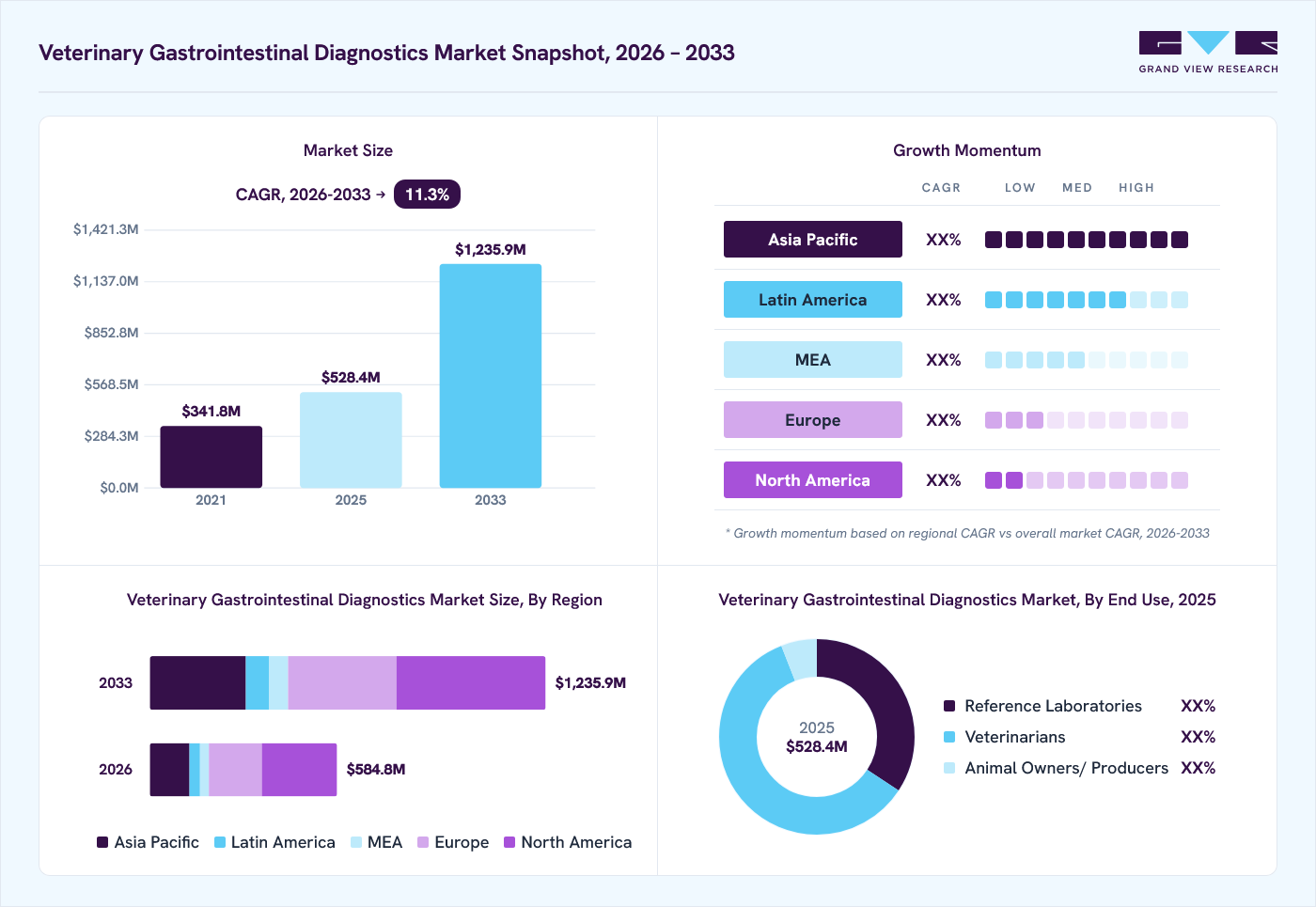 Source: Grand View Research, IR Documents, Primary Interviews, Paid DatabasesTo learn more about this report,
 Download Free Sample Report
Key Market Trends & Insights
- By product: Consumables, reagents & kits segment held the largest market share of 62.5% in 2025.
- By animal: Companion animals segment held the largest market share of 60.5% in 2025.
- By testing category: Clinical chemistry segment held the largest market share of 17.0% in 2025.
- By indication: Acute GI disorders segment held the largest market share of 52.8% in 2025.
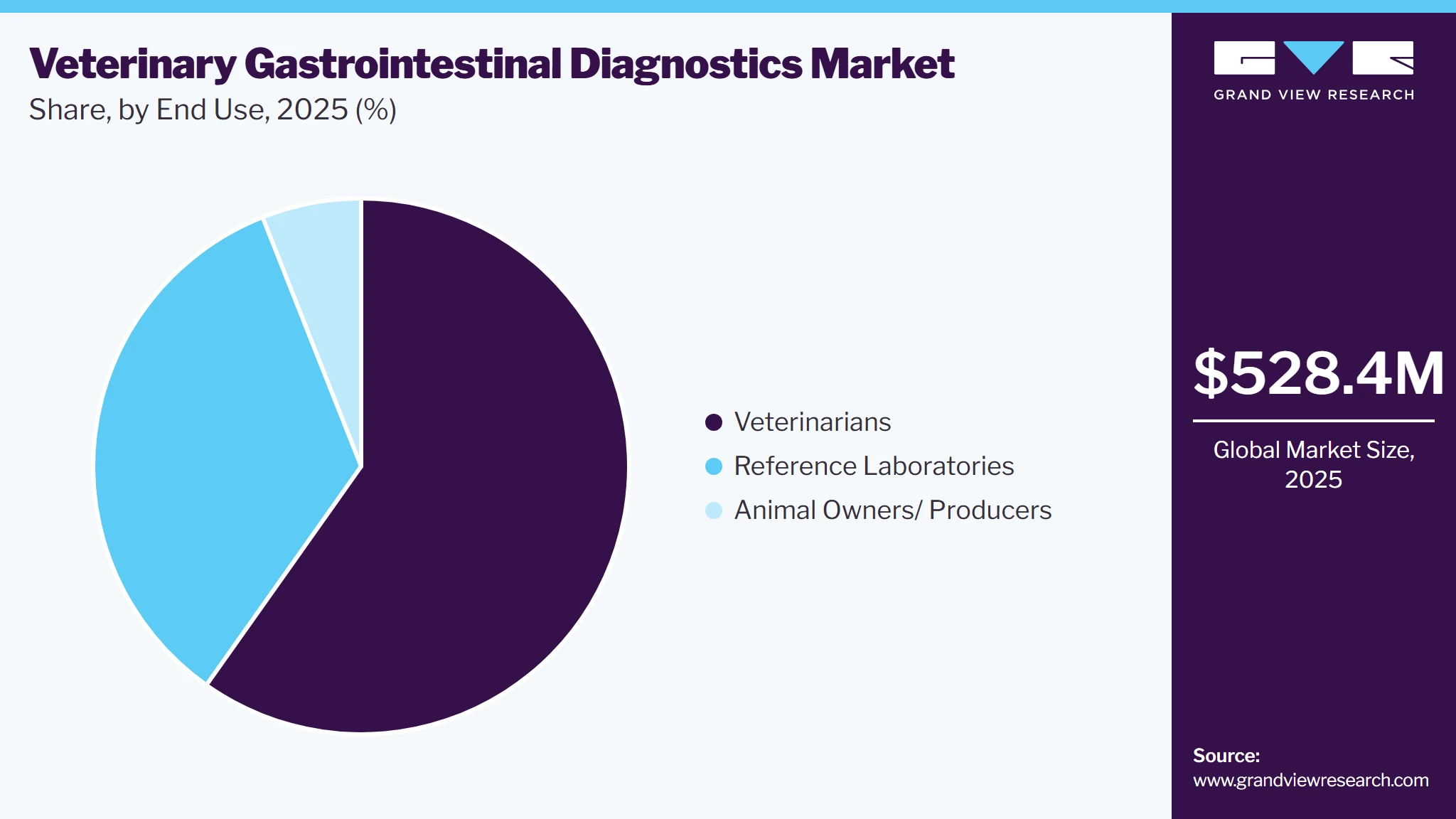
- By end use: Veterinarians segment held the largest market share of 59.8% in 2025.
Regional Highlights
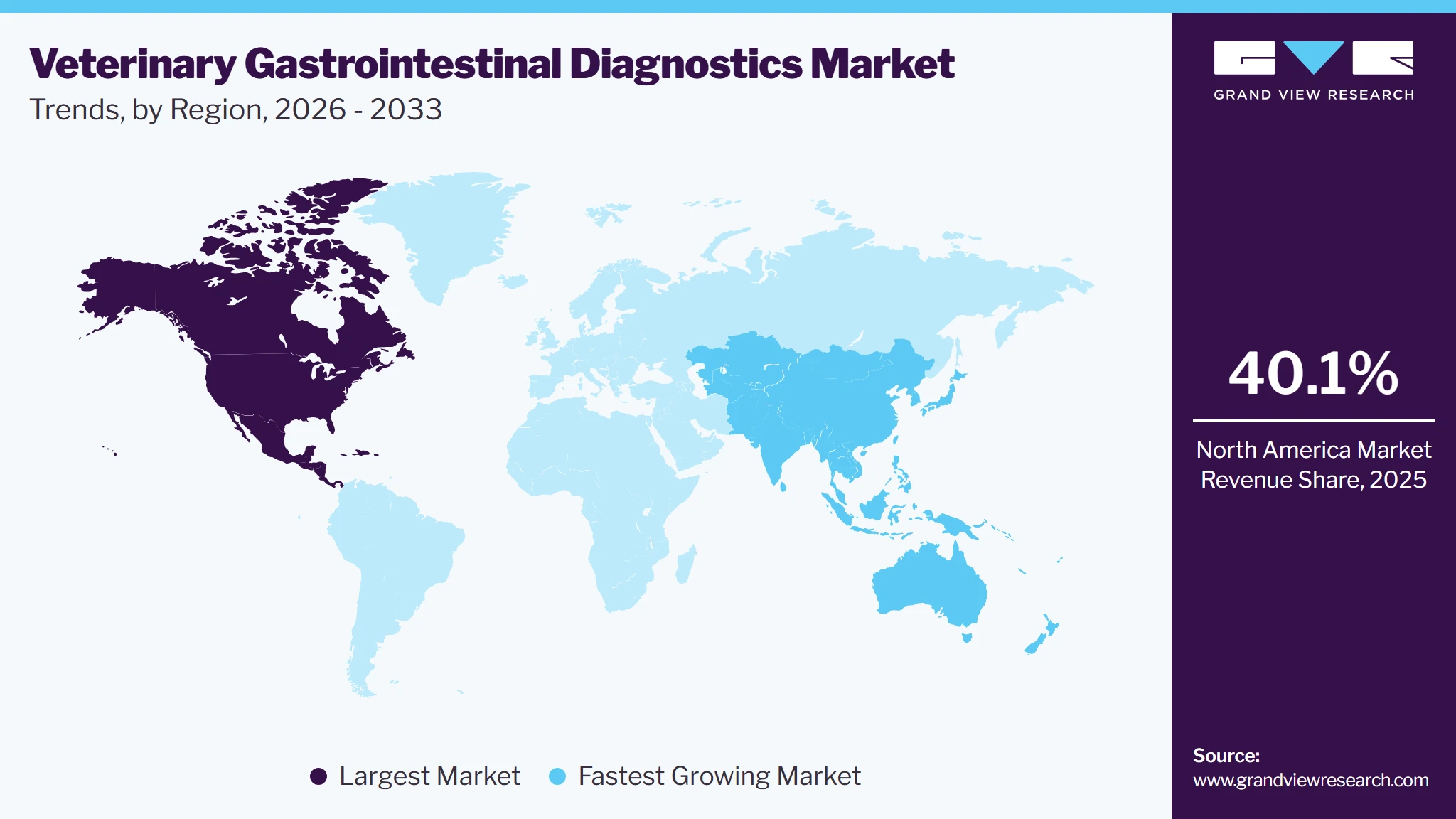
- Largest regional market: North America (40.1% revenue share, 2025)
- Fastest-growing regional market: Asia Pacific (highest CAGR, 2026-2033)
- By country: The U.S. held the largest market share in 2025
Market Size & Forecast
- Market size in 2025: USD 528.4 Million
- Estimated market size in 2026: USD 584.8 Million
- Projected market size by 2033: USD 1,235.9 Million
- CAGR (2026-2033): 11.3%
Prism AI by Grand View Research Free to tryAsk a question about the veterinary gastrointestinal diagnostics marketTry asking✓Every figure cited from GVR research Prefer the report? Download free sample →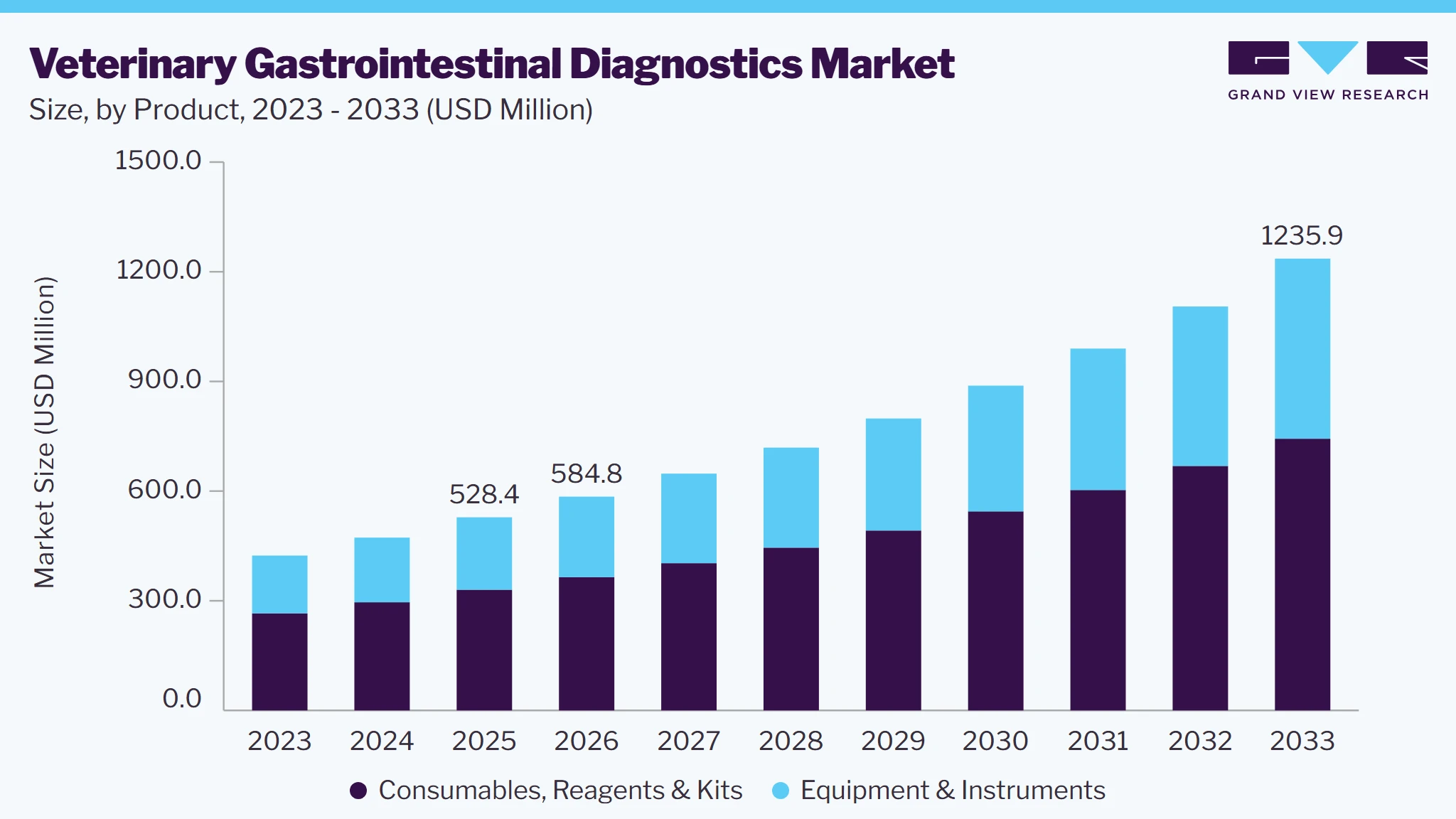 To learn more about this report, Download Free Sample Report
Growing veterinary consultations and greater use of fecal testing, molecular assays, biomarkers, imaging, and endoscopy are expanding diagnostic volumes and supporting market growth.
Market Dynamics
The global veterinary gastrointestinal diagnostics industry is witnessing steady growth driven by rising livestock production, increasing focus on animal productivity, and growing demand for nutritional interventions across food-producing animals. In addition, expansion in meat, dairy, and egg production is increasing the need to maintain adequate vitamin levels during growth, reproduction, pregnancy, lactation, and other periods of elevated physiological demand, supporting the use of injectable vitamin formulations.
Furthermore, increasing adoption of species-specific and multivitamin formulations is encouraging manufacturers to expand production capabilities and develop products aligned with the nutritional requirements of cattle, pigs, poultry, sheep, and other livestock. Moreover, high manufacturing complexity and stringent regulatory requirements for sterility, contamination control, process validation, quality testing, and GMP compliance are increasing capital and operating costs and creating barriers to entry for small- and mid-sized manufacturers. These manufacturing and compliance challenges are increasing demand for contract and outsourced manufacturing services as veterinary pharmaceutical companies seek access to specialized sterile production facilities, established quality systems, technical capabilities, and scalable capacity. The expansion of dedicated veterinary manufacturing infrastructure is therefore expected to create further opportunities for specialized contract manufacturers serving global animal-health companies.
The high prevalence of gastrointestinal disorders among companion animals is increasing the need for timely and accurate diagnostic evaluation, where clinical signs such as diarrhea, vomiting, weight loss, and dehydration can arise from multiple infectious and noninfectious causes. According to the article published in AVMA in May 2025, a study covering 43,517 dogs found that 30% had experienced at least one gastrointestinal disorder during their lifetime. Infectious gastrointestinal disorders accounted for 17% of dogs, while pancreatitis affected 2%, chronic diarrhea 3%, and inflammatory gastrointestinal disease 1%, indicating a broad diagnostic requirement across infectious, inflammatory, and pancreatic conditions. As these conditions can have overlapping clinical presentations, veterinarians require diagnostic methods that can identify potential pathogens or disease markers quickly and guide appropriate treatment during the initial consultation. In addition, the demand is supported by preventive testing practices, with the Companion Animal Parasite Council recommending fecal examinations at least four times during the first year of life and at least twice annually for healthy adult dogs and cats, with antigen testing and PCR available alongside conventional methods.
The diagnostic industry is expanding rapidly, with multi-target testing that can shorten turnaround times and simplify gastrointestinal workups. For instance, in March 2026, VETDiagnostix introduced the Felivet Panleukopenia Virus-Coronavirus-Giardia lamblia Ag Tri-Test, which screens for three major feline enteric pathogens from a single fecal sample and provides results in approximately 10 minutes. Such developments indicate that the increasing burden of GI disease is driving greater demand for rapid, multiplexed, and clinic-ready diagnostic solutions, supporting higher testing volumes and continued product development in veterinary gastrointestinal diagnostics.
High costs associated with gastrointestinal diagnostic procedures and limited access to specialized veterinary expertise can restrain the growth of the veterinary gastrointestinal diagnostics market. Accurate diagnosis often requires a combination of laboratory tests, imaging, endoscopy, biopsy, and specialized pathology, increasing the overall cost and time required for clinical evaluation. These requirements can discourage pet owners from proceeding with comprehensive diagnostic workups, particularly in price-sensitive markets where out-of-pocket veterinary spending remains a key consideration. Limited availability of trained veterinary diagnosticians and specialized laboratory facilities can further restrict access to advanced testing and delay diagnostic decision-making, especially in smaller clinics and underserved regions. The market expansion may be constrained by affordability challenges, gaps in diagnostic infrastructure, and limited availability of specialists, creating a need for simpler, faster, and more accessible gastrointestinal diagnostic solutions.
The increasing use of structured diagnostic pathways for chronic gastrointestinal disorders is creating opportunities for broader test utilization and integrated gastrointestinal diagnostic solutions. In addition, greater clinical differentiation between inflammatory, infectious, pancreatic, and malabsorptive conditions increases the need for sequential laboratory, fecal, biomarker, imaging, and tissue-based assessments. This creates commercial scope for multiplex GI panels, fecal biomarkers, molecular assays, and monitoring tests that can support diagnosis and treatment follow-up.
Growing adoption of standardized diagnostic pathways is expanding the number of gastrointestinal investigations performed per suspected case. According to the article published by the Journal of Veterinary Internal Medicine, in January 2026, the guidelines for canine chronic inflammatory enteropathy recommend clinical pathology, fecal parasitology, gastrointestinal and pancreatic testing, abdominal ultrasonography, and, where clinically indicated, endoscopy with biopsy and histopathology. The guidelines also identify fecal calprotectin, C-reactive protein, fecal alpha-1-proteinase inhibitor, and molecular tests for dysbiosis as relevant diagnostic tools in selected cases. This broader diagnostic pathway can increase demand for specialized GI assays and integrated testing workflows.
Market Concentration & Characteristics
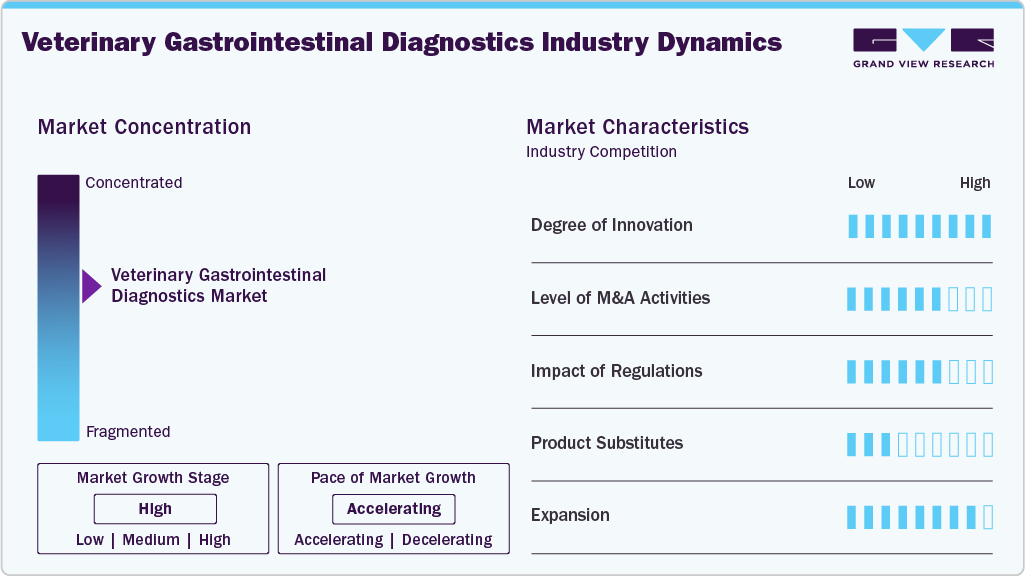
The global veterinary gastrointestinal diagnostics industry exhibits a diverse competitive landscape, with established animal-health companies, specialized veterinary diagnostic providers, and regional laboratories offering fecal diagnostics, molecular assays, gastrointestinal pathogen testing, imaging, endoscopy, and other diagnostic solutions. Key participants benefit from broad laboratory networks, established veterinary relationships, advanced diagnostic technologies, and regulatory capabilities, while regional providers compete through localized testing services, cost-efficient solutions, rapid turnaround times, and access to expanding veterinary healthcare markets.
The degree of innovation in the veterinary gastrointestinal diagnostics market is moderate-to-high and accelerating, with recent developments moving diagnostics from conventional fecal microscopy and laboratory panels toward point-of-care biomarkers, molecular profiling, AI-assisted imaging, antigen-based detection, and broad sequencing platforms. Innovation is focused on faster diagnosis, non-invasive assessment, improved disease differentiation, and identification of multiple gastrointestinal pathogens from a single sample.
 To learn more about this report, Download Free Sample Report
The shift toward rapid, non-invasive assessment of intestinal inflammation is expanding the diagnostic toolkit. For instance, in August 2025, Carus Animal Health launched GIQuest, a fecal calprotectin lateral-flow test for dogs and cats designed to support the investigation and monitoring of gastrointestinal inflammation. The test provides results in 15 minutes, while reported validation data showed 94% sensitivity and 96% specificity in dogs and 92% sensitivity and 100% specificity in cats for inflammatory enteropathy. This development supports greater use of patient-side biomarker testing where endoscopy or biopsy may be costly or invasive.
The veterinary gastrointestinal diagnostics industry is associated with a moderate-to-high level of M&A activity at the broader veterinary diagnostics level, although GI-specific acquisitions remain limited. Recent transactions have involved established animal-health companies acquiring veterinary diagnostic laboratories, companion-animal diagnostic providers, rapid-test manufacturers, and digital or imaging platforms. For instance, in November 2025, Zoetis acquired Veterinary Pathology Group (VPG), a multi-location veterinary diagnostic laboratory group serving the UK and Ireland, expanding its diagnostic laboratory footprint and multi-specialty testing capabilities.
Regulatory requirements are increasing quality and validation standards across the veterinary gastrointestinal diagnostics market. Accreditation, standardized testing procedures, laboratory quality systems, and validated diagnostic methods improve confidence in PCR, parasitology, culture, and immunoassay results, while raising compliance costs for laboratories and manufacturers.
Product substitution in the market is moderate, as veterinarians may use clinical examination, dietary trials, imaging, endoscopy, biopsy, and histopathology as alternative diagnostic approaches depending on disease severity and case complexity. These alternatives can reduce demand for individual diagnostic tests when conditions can be assessed through broader clinical workflows. However, persistent, recurrent, or complex gastrointestinal disorders often require laboratory and tissue-based confirmation, which limits the substitution effect.
Regional expansion is increasing the availability of veterinary diagnostic platforms across emerging and developed markets, enabling diagnostic companies to reach more veterinary clinics and broaden access to specialized testing. Geographic expansion of reference laboratories, distribution networks, and diagnostic partnerships can improve test availability and reduce barriers to access for gastrointestinal disease assessment, including pathology and laboratory-based testing. A broader distribution footprint is being developed across underserved veterinary markets. For instance, in January 2026, Nova Pharma Group expanded its strategic partnership with IDEXX Laboratories into Qatar and Morocco, extending companion-animal diagnostic solutions beyond its established operations in Saudi Arabia.
Analyst Perspective
The veterinary gastrointestinal diagnostics market is entering a phase where diagnostic speed, testing breadth, and platform integration are becoming stronger determinants of competitive position than basic test availability. Established diagnostic methods remain widely used, but manufacturers and laboratory providers are expanding beyond standalone fecal and biochemical tests toward multiplex molecular panels, gastrointestinal pathogen assays, inflammatory biomarkers, advanced imaging, and automated fecal analysis that address infectious, parasitic, inflammatory, and pancreatic conditions across companion animals.
R&D Landscape
 To learn more about this report, Download Free Sample Report
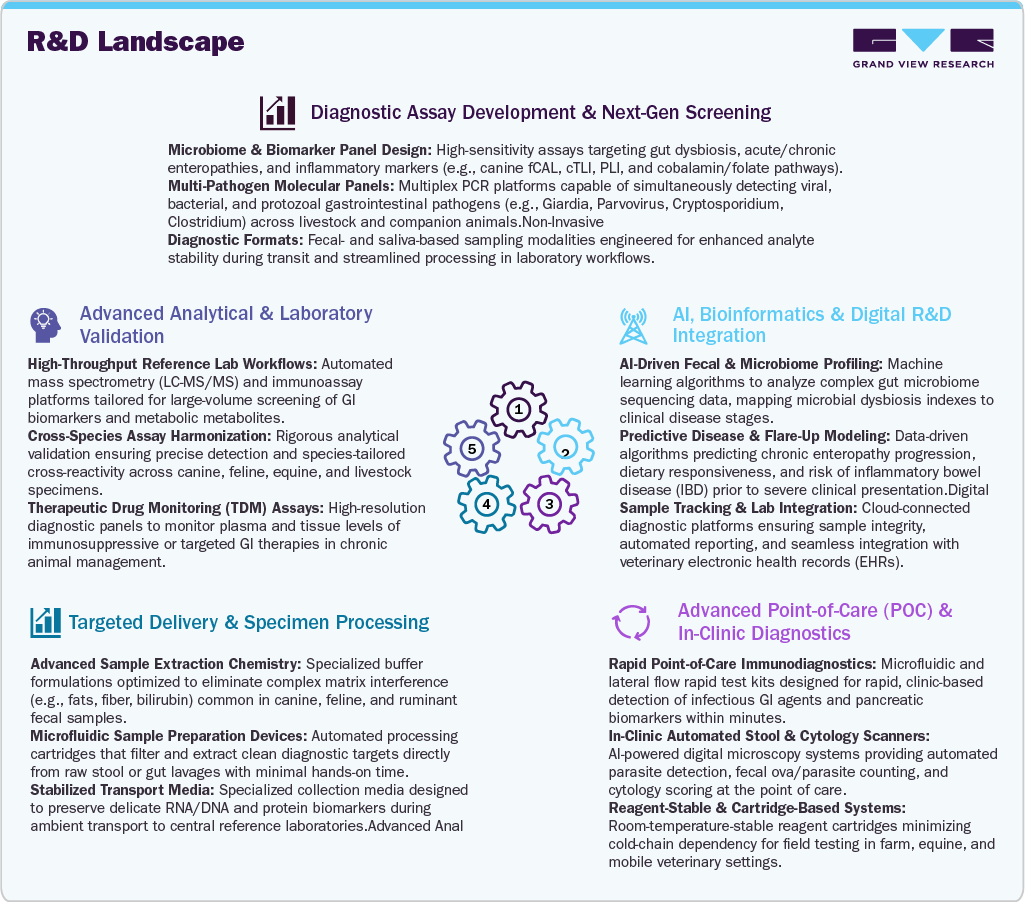
Veterinary gastrointestinal diagnostics is undergoing a structural shift from conventional laboratory testing toward integrated, high-precision diagnostic platforms. Advances in molecular diagnostics, immunoassays, automated analyzers, and imaging technologies are shortening diagnostic turnaround times while improving sensitivity across parasitic, infectious, inflammatory, and pancreatic disorders. Diagnostic laboratories and veterinary clinics are increasingly adopting multiplex PCR panels, fecal antigen assays, quantitative biomarkers, and automated microscopy to support broader disease differentiation from limited samples. Analytical capabilities are advancing in parallel, with improved assay standardization, quality control, and digital result management supporting greater consistency across testing workflows.
Product Insights
The consumables, reagents & kits segment dominated the market in 2025 with a share of 62.5%. The segment is driven by the increasing adoption of gastrointestinal inflammation testing. These products are in high demand because diagnostic evaluation requires single-use test kits, assay components, reagents, and sample-processing materials for each patient episode. In addition, the expansion of point-of-care (POC) gastrointestinal testing is improving diagnostics and helping veterinarians make clinical decisions during consultations. For instance, in February 2026, Hangzhou Evegen Biotech launched the VETDiagnostix FePCG test, which is a rapid feline diagnostic kit that detects major gastrointestinal pathogens from a single fecal sample and provides results in approximately 10 minutes.
The equipment & instruments segment is anticipated to grow at the fastest CAGR over the forecast period. Technological advancements in veterinary diagnostic equipment and instruments are expanding the capacity of veterinary hospitals and specialty clinics to detect gastrointestinal abnormalities with greater speed, image quality, and procedural precision. In addition, manufacturers are introducing equipment that combines higher-resolution imaging, portability, greater procedural reach, and improved workflow efficiency, thereby supporting broader adoption across veterinary practices.
Animal Insights
The companion animals segment accounted for the largest share of 60.5% in 2025. The segment includes dogs, cats, and other companion species. Growth is supported by the high prevalence of gastrointestinal disorders, increasing veterinary consultations, greater availability of advanced diagnostic services, and rising adoption of specialized imaging, endoscopy, fecal testing, and molecular diagnostics for small animals. In addition, the increasing availability of gastrointestinal testing is widening diagnostic utilization. For instance, a study published in Vet Parasitol in June 2025 evaluated 898,299 paired canine and feline samples and compared coproantigen testing with conventional fecal flotation for detecting major gastrointestinal parasites, indicating the scale of companion-animal fecal diagnostics in routine veterinary practice.
The production animals segment is anticipated to grow at the fastest CAGR during the forecast period. The segment includes cattle, swine, poultry, and other production species, where gastrointestinal diseases can directly affect growth, feed conversion, milk production, mortality, and overall farm productivity. The demand for gastrointestinal diagnostics is increasing as large-scale production systems require faster identification of infectious and enteric diseases at both individual-animal and herd or flock levels.
Testing Category Insights
Clinical chemistry dominated the veterinary gastrointestinal diagnostics industry with a share of over 17.0% in 2025. The increasing use of clinical chemistry-based biomarkers to evaluate pancreatic and intestinal function is driving demand for gastrointestinal diagnostics as veterinarians seek quantitative information alongside clinical signs and imaging. Tests measuring cobalamin, folate, pancreatic lipase, and trypsin-like immunoreactivity help assess conditions such as small-intestinal disease, dysbiosis, pancreatitis, and exocrine pancreatic insufficiency, expanding the role of biochemical testing in gastrointestinal workups.
The molecular diagnostics segment is expected to grow at the fastest CAGR over the forecast period, as veterinarians use molecular assays to identify gastrointestinal parasites and infectious agents with high analytical sensitivity. PCR-based testing can detect pathogen-specific genetic material from fecal samples and assess multiple organisms from a single specimen, supporting diagnosis in cases where conventional microscopy approaches may provide limited information. This is relevant for persistent diarrhea, parasitic infections, mixed infections, and cases involving potentially zoonotic pathogens.
Indication Insights
The acute GI disorders segment accounted for the largest market share of 52.8% in 2025. The increasing incidence of acute gastrointestinal disorders in dogs and cats is expanding the clinical need for gastrointestinal diagnostics, as diarrhea, vomiting, and dehydration often require rapid assessment to determine whether the underlying cause is infectious, parasitic, inflammatory, or non-specific. According to the VetCompass study covering 2,250,417 dogs in the UK, an annual incidence risk of acute diarrhea of 8.18%, with vomiting reported in 44.25% of cases and dehydration in 7.79%. This high case volume creates a recurring pool of animals requiring veterinary evaluation, while overlapping clinical symptoms increase the need for diagnostic testing to differentiate potential causes. Veterinarians may use fecal examinations, antigen tests, PCR assays, and other laboratory or point-of-care diagnostics to support treatment decisions, particularly when symptoms are persistent, severe, or associated with suspected infection.
The chronic GI disorders segment is projected to grow at the fastest CAGR over the forecast period, driven by the increasing prevalence of gastrointestinal conditions in animals and the need for repeated diagnostic monitoring. Chronic disorders often require multiple diagnostic assessments to determine disease progression, evaluate treatment response, and differentiate between overlapping conditions. In addition, growing veterinary awareness of early disease identification and the shift toward more structured management of chronic gastrointestinal conditions are further supporting the utilization of diagnostics. In addition, the increasing adoption of specialized diagnostic panels and more sensitive testing methods is enabling veterinarians to obtain broader information from individual patients.
End Use Insights
The veterinarians segment accounted for the largest market share of 59.8% in 2025, supported by the central role of veterinary professionals in diagnosing and managing gastrointestinal disorders in companion and other animals. Veterinary practices serve as the primary point of clinical evaluation, where animals presenting with diarrhea, vomiting, abdominal pain, weight loss, and other gastrointestinal symptoms undergo diagnostic assessment to identify the underlying condition and guide treatment. The growing adoption of fecal examinations, rapid diagnostic kits, molecular assays, blood-based testing, and imaging procedures in veterinary practices is driving consistent demand for gastrointestinal diagnostic products. Increasing veterinary awareness of early diagnosis and the need for more targeted treatment decisions are also contributing to higher utilization of diagnostic testing at the point of care.
 To learn more about this report, Download Free Sample Report
The reference laboratories segment is projected to grow at the fastest CAGR over the forecast period, driven by increasing demand for specialized and advanced gastrointestinal diagnostic services that require laboratory infrastructure, specialized equipment, and technical expertise. Reference laboratories can process complex or high-volume samples and provide access to molecular diagnostics, pathogen identification, comprehensive fecal testing, histopathology, and other specialized analyses that may not be routinely available within individual veterinary clinics. The growing use of outsourced testing, the increasing complexity of gastrointestinal disorders, and the demand for broader diagnostic panels are expected to drive higher sample volumes for reference laboratories. In addition, the continued expansion of laboratory testing capabilities and the integration of advanced molecular and multiplex technologies are likely to strengthen the role of reference laboratories in the market.
Regional Insights
The North America veterinary gastrointestinal diagnostics marketheld the largest revenue share of 40.1% in 2025.Themarket growth is driven by increasing demand for targeted testing of intestinal infections, parasites, and gastrointestinal disorders across veterinary practices. This demand is supported by the broader availability of specialized diagnostic panels and rapid in-clinic testing, which enable veterinarians to identify gastrointestinal conditions more efficiently and guide treatment decisions. For instance, in May 2026, IDEXX expanded its Fecal Dx Antigen Testing Platform with taeniid tapeworm detection covering Taenia and Echinococcus species in the U.S. and Canada. The broader testing menu expands the range of intestinal parasites that can be screened in routine fecal diagnostics, thereby supporting greater utilization of veterinary gastrointestinal testing. Continued expansion of specialized assays and laboratory capabilities is expected to improve access to diagnostics and create additional opportunities for diagnostic companies across North America.
 To learn more about this report, Download Free Sample Report
U.S. Veterinary Gastrointestinal Diagnostics Market Trends
The U.S. veterinary gastrointestinal diagnostics industry held the largest share of North America in 2025,supported by increasing demand for rapid, comprehensive, and molecular-based pathogen detection. Veterinarians are increasingly using PCR and antigen-based fecal testing to identify gastrointestinal parasites that can be missed through conventional microscopy, supporting earlier diagnosis and more targeted treatment.
Recent diagnostic innovation is expanding the market. For instance, in March 2026, MiDOG Animal Diagnostics expanded its Whole Genome Sequencing service to include parasite diagnostics, enabling simultaneous identification of bacteria, fungi, and parasites, as well as antimicrobial resistance and virulence factors, from a single sample. Such developments broaden testing capabilities for persistent and complex gastrointestinal cases, creating opportunities for diagnostic laboratories to increase adoption of advanced molecular and sequencing-based testing.
The Canada veterinary gastrointestinal diagnostics market is supported by parasite exposure, gastrointestinal infections, and demand for earlier diagnosis of diarrhea and related disorders in dogs and cats. Veterinary practices are therefore adopting broader fecal antigen, immunoassay, and molecular testing to improve detection beyond conventional microscopy. IDEXX Canada currently offers fecal profiles covering Giardia, hookworm, roundworm, whipworm, tapeworms, and Cystoisospora, while RealPCR panels extend testing to bacterial, viral, and protozoal gastrointestinal pathogens. These trends are supporting greater testing frequency, broader diagnostic panels, and continued demand for advanced gastrointestinal diagnostic solutions in Canada.
Asia Pacific Veterinary Gastrointestinal Diagnostics Market Trends
The Asia Pacific veterinary gastrointestinal diagnostics industry is expected to grow at the fastest CAGR over the forecast period. The market is gaining momentum as rising companion-animal healthcare spending, higher awareness of enteric diseases, and improving access to advanced testing increase demand for timely and accurate diagnosis. Greater demand for higher diagnostic sensitivity is encouraging veterinary laboratories to adopt molecular methods. For instance, in July 2026, researchers at Kamdhenu University in Gujarat evaluated feline and canine parvoviruses using rapid antigen testing, conventional PCR, and quantitative PCR across 200 fecal samples from dogs and cats with gastroenteritis symptoms. The use of multiple testing approaches demonstrates the growing role of molecular assays in detecting gastrointestinal pathogens, as rapid testing may offer limited sensitivity.
The China veterinary gastrointestinal diagnostics marketheld the largest share in Asia Pacific in 2025,driven by rising companion-animal ownership, increasing veterinary healthcare expenditure, and greater adoption of rapid and molecular diagnostic technologies. Growing awareness of gastrointestinal disorders among pet owners is encouraging veterinary clinics to conduct timely testing for viral, bacterial, and parasitic infections, creating demand for fecal examinations, antigen-based assays, PCR testing, and multiplex diagnostic panels. The expansion of China’s companion-animal healthcare infrastructure is further improving access to these technologies, particularly in urban veterinary hospitals where advanced diagnostic services are increasingly available.
The veterinary gastrointestinal diagnostics market in Indiais estimated to grow at the fastest CAGR over the forecast period, supported by rising companion-animal healthcare awareness, an ongoing gastrointestinal disease burden, and wider availability of molecular and rapid diagnostic tests. Gastrointestinal infections such as canine parvovirus and feline panleukopenia require timely identification, encouraging veterinary practices to combine rapid antigen tests with PCR-based confirmation.
Europe Veterinary Gastrointestinal Diagnostics Market Trends
The Europe veterinary gastrointestinal diagnostics industry is witnessing steady growth. The growth is driven by growing adoption of molecular parasite testing, broader screening, and greater standardization of parasitological diagnosis. Gastrointestinal parasites such as Giardia, hookworms, roundworms, and Echinococcus sustain demand for fecal diagnostics, while molecular methods enable broader detection and support targeted clinical management. Increasing availability of regional diagnostic data is further encouraging veterinarians to incorporate parasite testing into routine companion-animal care.
The growing availability of multi-country diagnostic data is improving visibility into parasite testing patterns. For instance, in June 2026, ESCCAP added Vetgenomics to its parasite infection mapping initiative, joining IDEXX, Laboklin, and Zoetis. The platform now uses diagnostic test data from four laboratories across 14 European countries, providing veterinary professionals with information on positive test results for key companion-animal parasites.
Germany’s veterinary gastrointestinal diagnostics market is benefiting from a large companion-animal population and a gradual shift toward broader, faster diagnostic workup for diarrhea, pancreatitis, parasitic infections, and chronic enteropathies. According to the ZZF, in 2025, Germany had 15.7 million cats and 10.0 million dogs, with companion animals present in 43% of households, providing a substantial clinical base for routine and advanced gastrointestinal testing.
The demand for faster decision-making is also accelerating the adoption of point-of-care gastrointestinal diagnostics. For instance, in June 2024, IDEXX introduced the Catalyst Pancreatic Lipase Test in Germany, providing quantitative pancreatic lipase results in less than 10 minutes for dogs and cats. Faster in-clinic results allow veterinarians to assess suspected pancreatitis during the consultation and make treatment decisions without waiting for external laboratory turnaround.
The UK veterinary gastrointestinal diagnostics marketheld the largest shareof Europe in 2025, driven by rising demand for timely diagnosis of diarrhea, parasitic infections, pancreatitis, and chronic enteropathies in companion animals. In addition, the increasing use of fecal pathogen testing, gastrointestinal biomarkers, parasite screening, and molecular diagnostics is enabling veterinarians to obtain more comprehensive clinical information.
Furthermore, diagnostic awareness is supported through company-led veterinary education initiatives. For instance, in June 2026, Carus Animal Health launched a free educational booklet on fecal calprotectin testing in feline medicine, bringing together research, practical guidance, and clinical case studies for veterinary teams managing chronic gastrointestinal disease. Such initiatives can increase familiarity with non-invasive biomarker testing and support broader consideration of objective assessment of GI inflammation in routine practice.
Latin America Veterinary Gastrointestinal Diagnostics Market Trends
The Latin America veterinary gastrointestinal diagnostics industry is expected to grow significantly during the forecast period. The market is expanding as persistent parasitic diseases and greater clinical attention to chronic gastrointestinal disorders increase demand for laboratory and imaging-based assessment. High parasite prevalence continues to support routine fecal testing, while complex cases are driving demand for biomarkers and advanced diagnostic approaches. According to the research study published in Veterinary Parasitology, in August 2026, research on stray dogs in Mexico City identified intestinal helminths in 37.2% of 266 animals, with Dipylidium caninum and Ancylostoma caninum among the most frequently detected parasites. The findings support continued screening for intestinal infections with zoonotic relevance.
The Brazil veterinary gastrointestinal diagnostics market held the largest share of Latin America in 2025.The market is moving from single-pathogen testing to broader diagnostic panels that can assess multiple gastrointestinal pathogens from a single sample. This shift is particularly relevant for dogs and cats presenting with diarrhea, vomiting, weight loss, or recurrent digestive disorders, in which clinical symptoms may result from concurrent viral, bacterial, protozoal, and parasitic infections.
Middle East & Africa Veterinary Gastrointestinal Diagnostics Market Trends
The Middle East & Africa veterinary gastrointestinal diagnostics industry is experiencing steady growth, driven by the rising incidence of gastrointestinal disorders in livestock and companion animals, increasing awareness of early disease detection, the expansion of veterinary laboratory infrastructure, and the gradual adoption of molecular and point-of-care diagnostic technologies. In addition, gastrointestinal conditions such as infectious diarrhea, parasitic infections, bacterial enteritis, and other digestive disorders often require timely identification of causative pathogens to support appropriate treatment and disease control.
The South Africa veterinary gastrointestinal diagnostics market held the largest share of the Middle East & Africa in 2025, supported by an established veterinary healthcare ecosystem, a large livestock base, developed laboratory infrastructure, and theincreasing availability of advanced molecular diagnostic services. South Africa has a strong network of approved veterinary laboratories, including public, private, university, and research facilities, with capabilities covering molecular biology, PCR, bacteriology, virology, and parasitology.
The veterinary gastrointestinal diagnostics market in Saudi Arabia is supported by increasing investments in veterinary laboratory capacity, growing demand for animal disease surveillance, and expansion of diagnostic services for livestock and companion animals. The Ministry of Environment, Water and Agriculture regulates veterinary diagnostic laboratories, establishes technical requirements for animal disease testing, and oversees diagnostic activities across government and private laboratories.
Key Veterinary Gastrointestinal Diagnostics Company Insights
The veterinary gastrointestinal diagnostics market is highly competitive, with global leaders competing through broad vaccine portfolios, strong R&D capabilities, regulatory approvals, manufacturing scale, and extensive veterinary distribution networks. Competition is further intensified by specialized players targeting specific vaccine technologies, species, and regional markets. Market share remains distributed across leading companies rather than being dominated by a single participant, creating a fragmented competitive structure.
Key Veterinary Gastrointestinal Diagnostics Companies
The following key companies have been profiled for this study of the veterinary gastrointestinal diagnostics market.
-
IDEXX Laboratories, Inc.
-
Zoetis
-
Antech Diagnostics, Inc. (Mars Inc.)
-
Agrolabo S.p.A.
-
Embark Veterinary, Inc.
-
Esaote SPA
-
Thermo Fisher Scientific, Inc.
-
Innovative Diagnostics SAS
-
Virbac
-
FUJIFILM Corporation
Competitive Benchmarking
Category
Operating Strategies
Competitive Edge
Weakness
Established Global Leaders DEXX Laboratories, Inc.; Zoetis; Antech Diagnostics, Inc. (Mars Inc.); Virbac; Thermo Fisher Scientific, Inc.; FUJIFILM Corporation
- Focus on broad veterinary diagnostic portfolios covering in-clinic testing, reference laboratories, imaging, molecular diagnostics, immunodiagnostics, and gastrointestinal-related testing. Continuous expansion of diagnostic menus, automation, digital workflows, and laboratory capabilities supports comprehensive veterinary clinical applications.
- Strong global distribution networks, established veterinary customer relationships, extensive product portfolios, advanced diagnostic technologies, and substantial R&D capabilities. Broad service infrastructure enables coverage across routine and specialized veterinary diagnostic requirements.
- Higher operating and infrastructure costs due to extensive laboratory, equipment, service, and distribution networks. Broad portfolios can also reduce specialization in specific gastrointestinal diagnostic applications compared with niche players.
Emerging / Specialized and Technology-Focused Players - Agrolabo S.p.A.; Embark Veterinary, Inc.; Esaote S.p.A.; Innovative Diagnostics SAS
- Concentrate on specialized veterinary diagnostic technologies, targeted disease applications, imaging systems, genetic testing, and focused diagnostic solutions. Greater focus on product specialization and selected veterinary applications supports differentiated offerings across specific clinical needs.
- High agility in product development and customization, specialized technology capabilities, focused veterinary applications, and differentiated diagnostic solutions. Stronger concentration in selected technologies can support niche positioning across companion-animal and veterinary diagnostic markets.
- Narrower product portfolios, smaller geographic presence, and lower scale compared with diversified global leaders. Greater exposure to selected technologies and application areas can limit access to broad diagnostic workflows and large institutional accounts.
Recent Developments
-
In April 2026, Reescope introduced a gastrointestinal endoscopy workstation with a 3.5-meter insertion length, along with portable rigid endoscopy systems. The extended insertion capability supports a wider range of gastrointestinal examinations, while portable configurations enable clinics to perform advanced diagnostic procedures with lower space and infrastructure requirements.
-
In September 2025, Zomedica expanded its TRUFORMA Cobalamin and Folate assay to feline patients, developing an in-clinic multiplexed test that measures two biomarkers associated with small-intestinal function and gastrointestinal disorders.
Veterinary Gastrointestinal Diagnostics Market Report Scope
Report Attribute
Details
Market size in 2025
USD 528.4 million
Estimated market size in 2026
USD 584.8 million
Projected market size by 2033
USD 1,235.9 million
Growth rate
CAGR of 11.3% from 2026 to 2033
Actual data
2021 - 2025
Forecast period
2026 - 2033
Quantitative units
Revenue in USD million and CAGR from 2026 to 2033
Report coverage
Revenue forecast, company ranking, competitive landscape, growth factors, and trends
Segments covered
Product, animal, testing category, indication, end use, and region
Regional scope
North America; Europe; Asia Pacific; Latin America; MEA
Country scope
U.S.; Canada; Mexico; UK; Germany; France; Italy; Spain; Denmark; Sweden; Norway; Japan; China; India; Australia; Thailand; South Korea; Brazil; Argentina; South Africa; UAE; Saudi Arabia; Kuwait; Qatar; Oman
Key companies profiled
IDEXX Laboratories, Inc.; Zoetis; Antech Diagnostics, Inc. (Mars Inc.); Agrolabo S.p.A.; Embark Veterinary, Inc.; Esaote SPA; Thermo Fisher Scientific, Inc.; Innovative Diagnostics SAS; Virbac; FUJIFILM Corporation
Customization scope
Free report customization (equivalent up to 8 analysts working days) with purchase. Addition or alteration to country, regional & segment scope.
Pricing and purchase options
Avail customized purchase options to meet your exact research needs. Explore purchase options
Global Veterinary Gastrointestinal Diagnostics Market Report Segmentation
This report forecasts revenue growth at the global, regional & country levels and provides an analysis of the latest industry trends in each of the sub-segments from 2021 to 2033. For this study, Grand View Research has segmented the global veterinary gastrointestinal diagnostics market report based on product, animal, testing category, indication, end use, and region:
-
Product Outlook (Revenue, USD Million, 2021 - 2033)
-
Consumables, Reagents, and Kits
-
Equipment & Instruments
-
-
Animal Outlook (Revenue, USD Million, 2021 - 2033)
-
Companion Animals
-
Dogs
-
Cats
-
Horses
-
Other Companion Animals
-
-
Production Animals
-
Cattle
-
Poultry
-
Swine
-
Other Production Animals
-
-
-
Testing Category Outlook (Revenue, USD Million, 2021 - 2033)
-
Parasitology
-
Microbiology
-
Molecular Diagnostics
-
Clinical Chemistry
-
Histopathology
-
Immunology & Serology
-
Imaging
-
Other Categories
-
-
Indication Outlook (Revenue, USD Million, 2021 - 2033)
-
Acute GI Disorders
-
Acute GI Infectious Diseases
-
Acute GI Parasitic Infections
-
Acute Pancreatitis
-
Others
-
-
Chronic GI Disorders
-
Chronic Enteropathies
-
Chronic GI Parasitic & Protozoal Infections
-
Other Chronic GI Indications
-
-
-
End Use Outlook (Revenue, USD Million, 2021 - 2033)
-
Reference Laboratories
-
Veterinarians
-
Animal Owners/ Producers
-
-
Regional Outlook (Revenue, USD Million, 2021 - 2033)
-
North America
-
U.S.
-
Canada
-
Mexico
-
-
Europe
-
UK
-
Germany
-
France
-
Italy
-
Spain
-
Denmark
-
Sweden
-
Norway
-
-
Asia Pacific
-
Japan
-
China
-
India
-
Australia
-
Thailand
-
South Korea
-
-
Latin America
-
Brazil
-
Argentina
-
-
Middle East & Africa
-
South Africa
-
UAE
-
Saudi Arabia
-
Kuwait
-
Qatar
-
Oman
-
-
Research Methodology
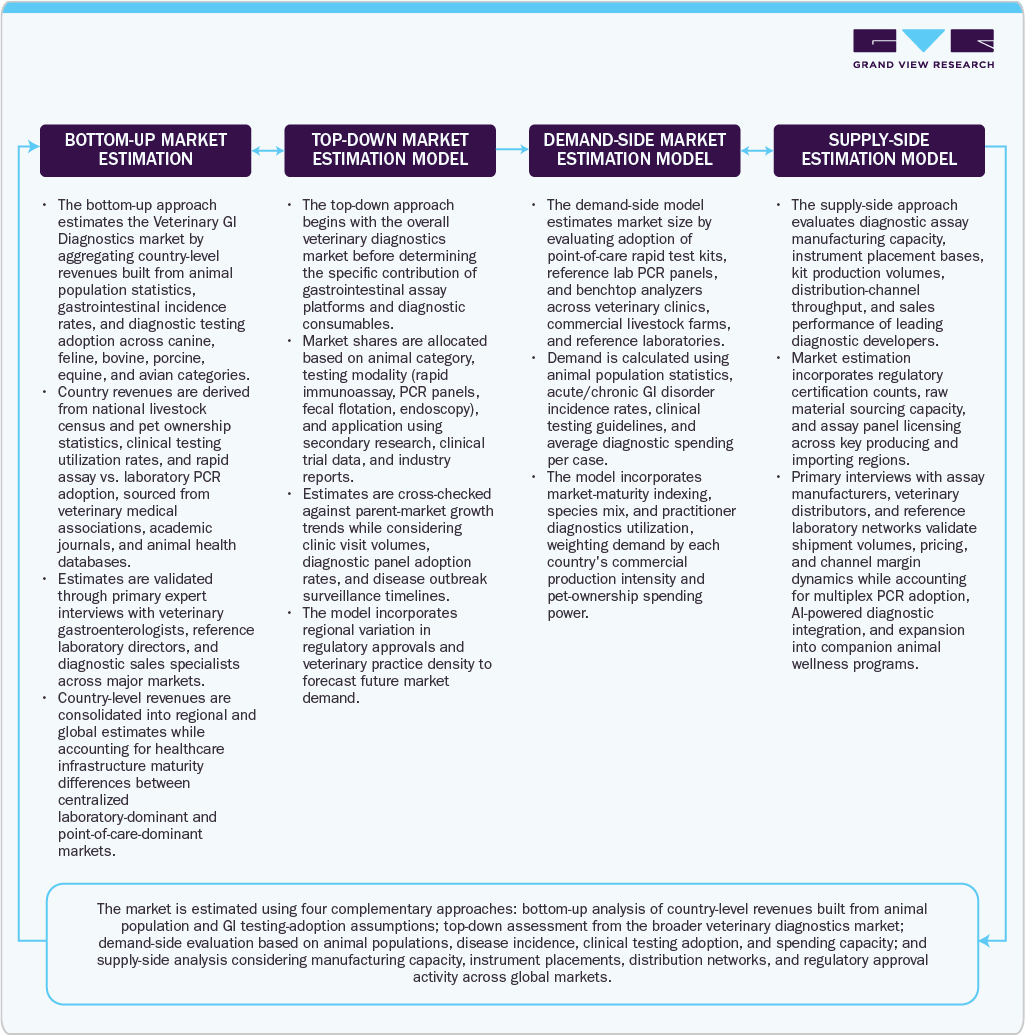
The veterinary gastrointestinal diagnostics marketfigures in this report are based on a proven research process that combines executive interviews with secondary research from proprietary databases, company filings, and recognized regulatory and institutional sources. Market size is built through value-chain sizing-reconciling supply-side and demand-side estimates-and triangulated with bottom-up and top-down approaches. Every estimate passes multiple levels of expert validation before publication, with eachveterinary gastrointestinal diagnosticssegment quantified using the revenue-capture definitions in the table below.
Segment Definition
Product
Definition
Consumables, Reagents & Kits
Revenue generated from the sale of reagents, assay kits, rapid tests, PCR reagents, fecal test kits, stains, culture media, calibrators, and other consumables used for GI diagnostics.
Equipment & Instruments
Revenue generated from the sale of analyzers, PCR systems, microscopes, imaging systems, endoscopy equipment, and other instruments used for GI diagnostic testing.
Animal
Definition
Companion Animals
Revenue generated from GI diagnostic products used for dogs, cats, horses, and other companion animals in veterinary practice.
Production Animals
Revenue generated from GI diagnostic products used for cattle, poultry, swine, and other livestock animals.
Testing Category
Definition
Parasitology
Revenue generated from fecal examination, parasite antigen assays, ova & parasite tests, and molecular assays used to diagnose GI parasitic infections.
Microbiology
Revenue generated from culture media, microbial identification systems, antimicrobial susceptibility tests, and related products used to detect GI bacterial and fungal pathogens.
Molecular Diagnostics
Revenue generated from PCR, RT-PCR, multiplex PCR, sequencing, and other nucleic acid-based assays for detecting GI pathogens and biomarkers.
Clinical Chemistry
Revenue generated from chemistry assays evaluating GI and pancreatic function, including enzyme, protein, electrolyte, cobalamin, and folate testing.
Histopathology
Revenue generated from tissue biopsy processing, staining, and microscopic examination used to diagnose GI diseases.
Immunology & Serology
Revenue generated from ELISA, lateral flow assays, antigen tests, antibody tests, and pancreatic lipase immunoassays used in GI diagnostics.
Imaging
Revenue generated from imaging systems and procedures, including ultrasound, radiography, CT, MRI, and endoscopic imaging used for GI disease evaluation.
Other Categories
Revenue generated from specialized GI diagnostic technologies such as cytopathology, hematology, fecal biomarker testing, microbiome analysis, and other emerging diagnostic methods.
Indication
Definition
Acute GI Disorders
Revenue generated from diagnostic products used for the diagnosis of acute-onset gastrointestinal diseases requiring immediate clinical evaluation.
Acute GI Infectious Diseases
Revenue generated from diagnostic products used to diagnose acute bacterial, viral, and other infectious GI diseases, including parvovirus, panleukopenia, salmonellosis, campylobacteriosis, and related infections.
Acute GI Parasitic Infections
Revenue generated from diagnostic products used to detect acute intestinal infections caused by protozoa and helminths, including Giardia, Cryptosporidium, Coccidia, roundworms, hookworms, whipworms, and tapeworms.
Acute Pancreatitis
Revenue generated from diagnostic products used to diagnose acute pancreatitis, including pancreatic lipase immunoassays, clinical chemistry tests, and imaging-based diagnostics.
Others (Acute)
Revenue generated from diagnostic products used for other acute GI conditions such as AHDS, foreign body obstruction, intussusception, dietary indiscretion, GI toxicities, and gastric dilatation-volvulus.
Chronic GI Disorders
Revenue generated from diagnostic products used for the diagnosis and long-term monitoring of chronic gastrointestinal diseases.
Chronic Enteropathies
Revenue generated from diagnostic products used for chronic enteropathies, including inflammatory bowel disease (IBD), food-responsive enteropathy, antibiotic-responsive enteropathy, and immunosuppressant-responsive enteropathy.
Chronic GI Parasitic & Protozoal Infections
Revenue generated from diagnostic products used to diagnose and monitor persistent or recurrent parasitic and protozoal GI infections, including chronic giardiasis and cryptosporidiosis.
Other Chronic GI Indications
Revenue generated from diagnostic products used for chronic GI conditions including chronic colitis, GI neoplasia, protein-losing enteropathy, exocrine pancreatic insufficiency, malabsorption syndromes, and chronic gastritis.
End Use
Definition
Reference Laboratories
Revenue generated from GI diagnostic testing performed by commercial and veterinary reference laboratories.
Veterinarians
Revenue generated from GI diagnostic products utilized by veterinary hospitals, clinics, and point-of-care settings.
Animal Owners / Producers
Revenue generated from over-the-counter, home-use, and on-farm GI diagnostic products utilized by pet owners and livestock producers.
Estimation Model
 To learn more about this report, Download Free Sample Report
Delivered Customizations
This report has been delivered with the following In-depth customizations
Client Request
Customization Delivered
Value Adds
Market Intelligence & Stakeholder GTM Study: North America Veterinary Gastrointestinal (GI) Diagnostics (Companion & Livestock)
Detailed evaluation of North American veterinary reference labs, point-of-care (POC) clinic networks, and swine/bovine production integrators. Covers testing adoption for enteric pathogens, fecal biomarker utilization, molecular diagnostic integration (PCR/NGS), and chronic enteropathy testing trends. Includes target customer segmentation, pricing elasticity analysis, and a phased market-entry roadmap for next-gen GI diagnostic panels.
Supports market-entry sequencing, prioritizes high-volume veterinary health networks for early clinical trial adoption, and strengthens product positioning against legacy fecal flotation/ELISA testing standards. Enables alignment with current veterinary clinical guidelines and POC workflow preferences.
Regulatory & Trade-Flow Assessment: Veterinary GI Diagnostic Assays & Platforms
In-depth assessment of FDA-CVM and USDA-CVB regulatory pathways for rapid in-clinic GI diagnostic kits and reference lab panels. Covers country-level registration requirements across target export corridors, assay validation benchmarks (sensitivity/specificity), and clearance timelines for infectious pathogen screening. Identifies regulatory bottlenecks, quality systems standards (ISO 17025), and supply chain considerations for diagnostic consumables.
Helps organizations select the optimal diagnostic technology format (lateral flow, microfluidics, or multiplex PCR), anticipate regulatory approval timelines, minimize compliance risk, and structure clinical trial distribution partnerships to streamline market entry.
Competitive Benchmarking: Global Veterinary GI Diagnostics Suppliers in Emerging Asia-Pacific Markets
Comparative profiling of established and emerging veterinary diagnostic suppliers active or expanding into Asia-Pacific markets. Evaluates species focus (canine, feline, bovine, porcine), assay portfolio breadth (parasitology, microbiology, molecular diagnostics), instrument footprint, pricing tiering, and local distribution alliances. Includes SWOT analysis, commercialization strategy benchmarking, and identification of white-space opportunities in rapid POC testing.
Enables clients to map competitive gaps in the Asia-Pacific veterinary GI diagnostics landscape, identify distributor or veterinary lab network partnership opportunities, benchmark assay pricing, and design differentiated go-to-market strategies tailored to regional disease priorities.
Frequently Asked Questions About This Report
The global veterinary gastrointestinal diagnostics market size was valued at USD 528.4 million in 2025 and is estimated at USD 584.8 million for 2026.
The global veterinary gastrointestinal diagnostics market is expected to grow at a CAGR of 11.3% from 2026 to 2033, reaching USD 1,235.9 million by 2033.
The consumables, reagents, and kits segment led with a 62.5% revenue share in 2025.
North America dominated with a 40.1% revenue share in 2025.
Key factors include growing veterinary consultations and greater use of fecal testing, molecular assays, biomarkers, imaging, and endoscopy are expanding diagnostic volumes and supporting market growth.
Key players include IDEXX Laboratories, Inc., Zoetis, Antech Diagnostics, Inc. (Mars Inc.), Agrolabo S.p.A., Embark Veterinary, Inc., Esaote SPA, Thermo Fisher Scientific, Inc., Innovative Diagnostics SAS, Virbac, FUJIFILM Corporation among others.
The companion animals segment led with a 60.5% revenue share in 2025.
The clinical chemistry segment held the largest revenue share of 17.0% in 2025.
Asia Pacific is also the fastest-growing region over the forecast period.
About the Author(s)
Animal Health Research Team
Healthcare · Animal HealthThis report was authored by the animal health research team at Grand View Research - comprising two research analysts, one senior research analyst, and one industry expert - with specialized expertise in the animal health segment of the healthcare industry. All findings are based on proprietary healthcare databases, executive interviews, and regulatory analysis, subject to internal peer review prior to publication.
Last Updated:
Speak to Analyst

Customize this report to your needs - add regions, segments, or data points, with 20% free customization.
Or view our licence options:


ISO 9001:2015 & 27001:2022 Certified
We are GDPR and CCPA compliant! Your transaction & personal information is safe and secure. For more details, please read our privacy policy.


