
- Home
- »
- Animal Health
- »
-
Veterinary Pharmaceuticals Market Size Report, 2026-2033GVR Report cover

Veterinary Pharmaceuticals Market (2026 - 2033)
Size, Share & Trends Analysis Report By Animal (Production Animals, Companion Animals), By Product (Parasiticides), By Drug Type, By Type, By Route of Administration, By Sales Channel, By Region, And Segment Forecasts
Market Size, 2025
$30.3BMarket Estimate, 2026
$33.3BMarket Forecast, 2033
$68.6BCAGR, 2026–2033
10.9%Veterinary Pharmaceuticals Market Summary
The global veterinary pharmaceuticals market size was valued at USD 30.3 billion in 2025 and is projected to grow from USD 33.3 billion in 2026 to USD 68.6 billion by 2033, at a CAGR of 10.9% from 2026 to 2033. North America dominated the market, accounting for a revenue share of 36.1% in 2025. Market growth is driven by factors such as increasing demand for preventive and therapeutic pharmaceuticals, rising pet ownership and animal healthcare spending, expansion of livestock production, and technological advancements in veterinary drug formulation and delivery systems.
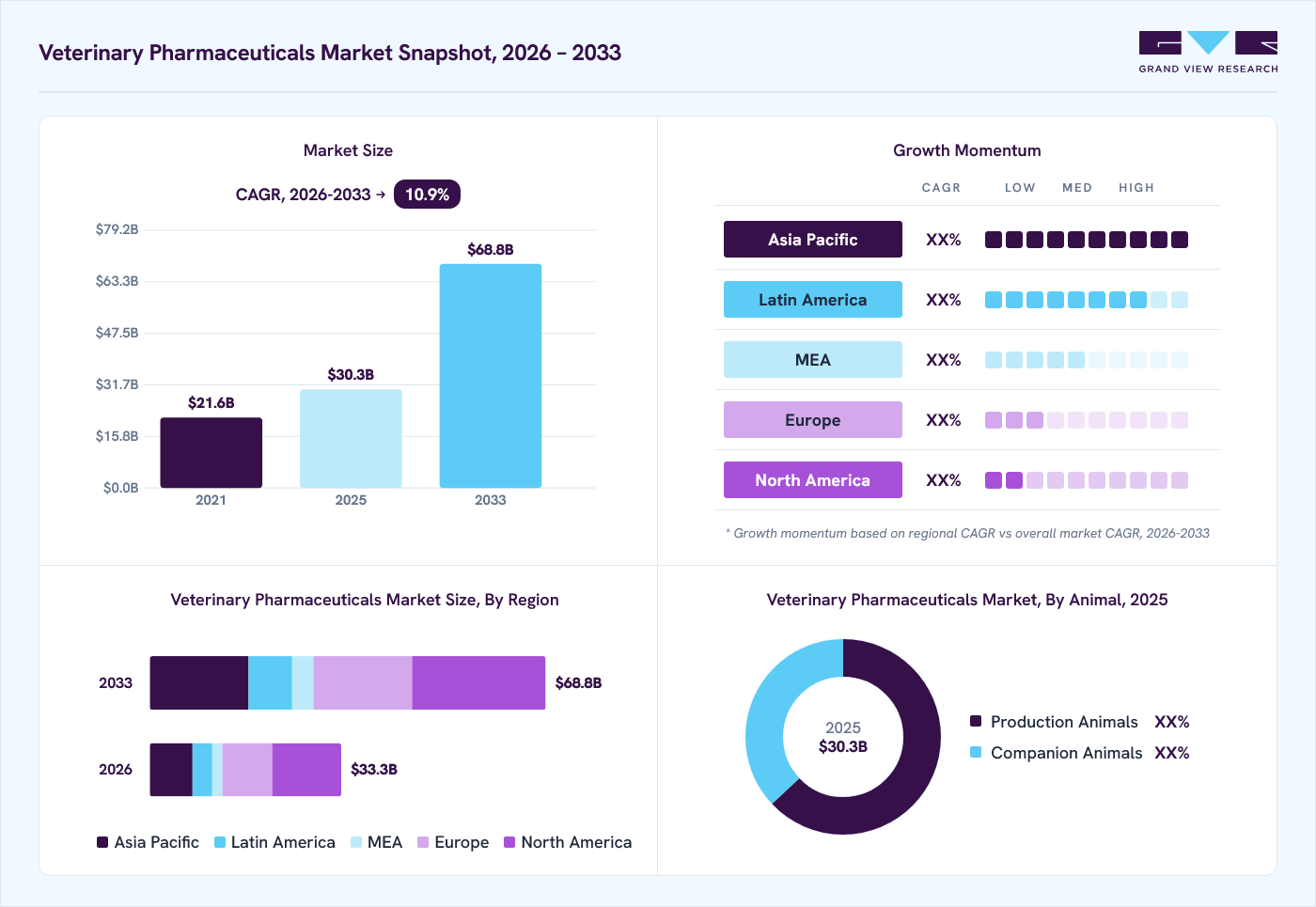 Source: Grand View Research, IR Documents, Primary Interviews, Paid DatabasesTo learn more about this report,
 Download Free Sample Report
 Key Market Trends & Insights
- By animal: Production animals segment held the largest market share of 62.9% in 2025.
- By product: Parasiticides segment held the largest market share of over 35% in 2025.
- By drug type: Generic segment is expected to grow at the fastest rate of around 12% over the forecast period.
- By type: Prescription segment held the highest market share in 2025.
- By route of administration: Injectable segment held the highest market share in 2025.
- By sales channel: Institutional sales segment held the highest market share in 2025.
Regional Highlights
- Largest regional market: North America (36.1% revenue share, 2025)
- Fastest-growing regional market: Asia Pacific (highest CAGR, 2026-2033)
- By country: The U.S. held the largest market share in 2025.
Market Size & Forecast
- Market size in 2025: USD 30.3 billion
- Estimated market size in 2026: USD 33.3 billion
- Projected market size by 2033: USD 68.8 billion
- CAGR (2026-2033):10.9%
Three ways to get this report
Buy it, customize it, or ask a question.Ask an Analyst
A direct answer, usually in 1 working day
- AccessReport author, directly
- Reply timeWithin 1 working day
- No sales callDirect answer only
- FormatEmail reply
- CostFree, no cost
Get the Full Report
What the study covers
- FormatsPDF · Excel · Dashboard
- Timeline2026–2033 annual, 2025 base
- Coverage20+ countries, 5 regions
- Companies10+ key players profiled
Customize the Report
20% free customization
- IncludeCountries, segments, points
- TailorTo your product definition
- ExtendDeeper competitor detail
- OrA fully bespoke study
- Turnaround5–10 working days
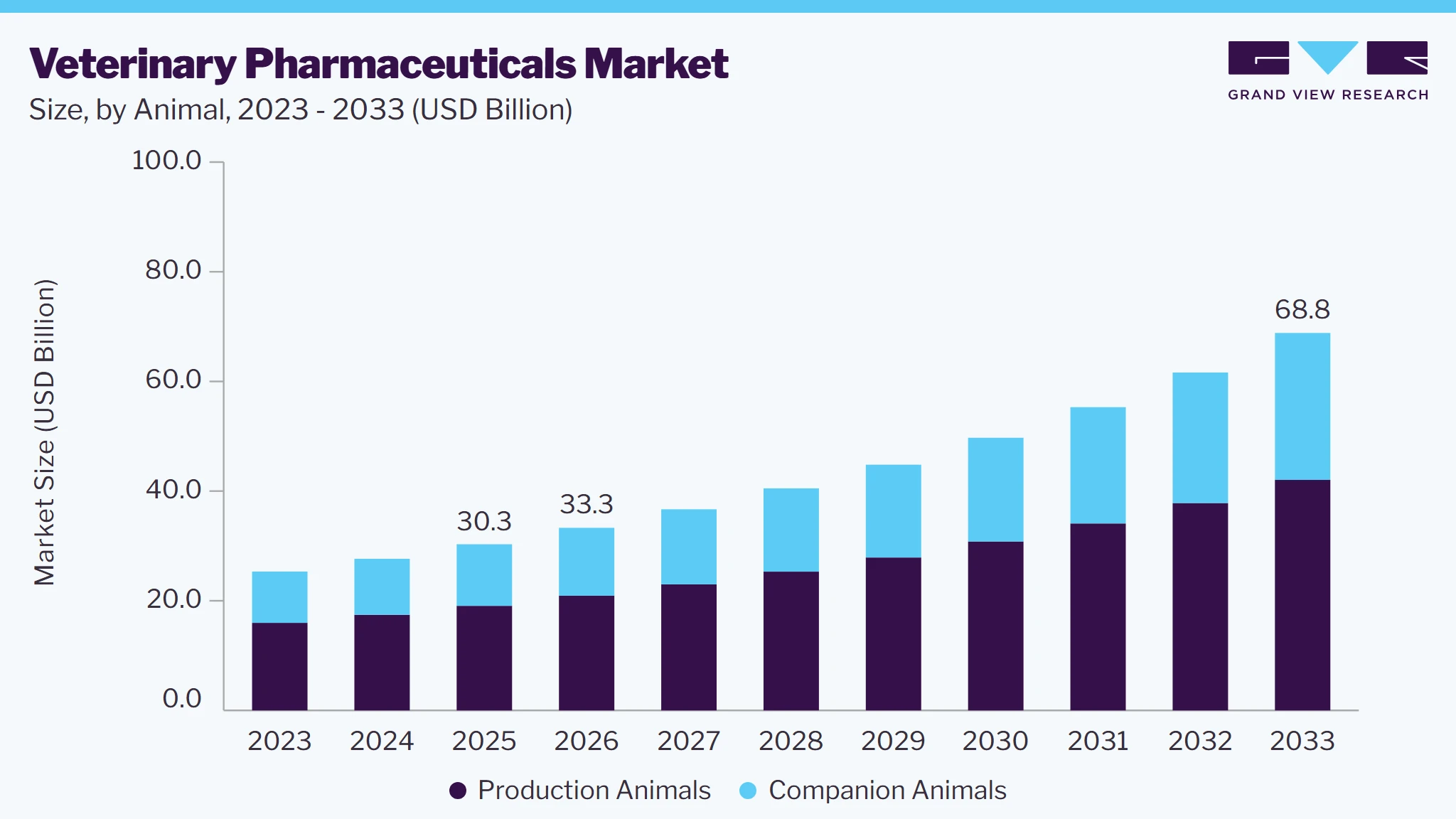 To learn more about this report, Download Free Sample Report
 Market Dynamics
Increasing disease prevalence across companion and production animals is raising demand for medicines used to prevent and manage infectious, parasitic, chronic, and production-related conditions. Rising pet ownership is increasing veterinary visits and healthcare expenditure, supporting pharmaceutical adoption for pain, dermatological, cardiovascular, and chronic conditions. Expansion of commercial poultry, swine, and cattle production is increasing the need for routine disease prevention and herd and flock health management. At the same time, long-acting formulations, targeted therapies, and convenient dosage forms are improving treatment administration and expanding product differentiation. These dynamics are broadening pharmaceutical demand across species and therapeutic categories, creating growth opportunities for manufacturers with diversified portfolios and strong veterinary distribution networks.
Increasing demand for preventive and therapeutic pharmaceuticals is driving veterinary pharmaceutical market growth as animal healthcare shifts toward proactive disease prevention, early intervention, and structured treatment protocols. Livestock producers are increasing pharmaceutical utilization to manage infectious diseases, parasitic conditions, and productivity-related health risks, while companion animal healthcare is expanding beyond acute treatment toward ongoing management of chronic and age-related conditions. This shift is broadening demand across anti-infectives, parasiticides, anti-inflammatory products, analgesics, and other therapeutic categories. Regulatory initiatives addressing treatment gaps for minor uses and minor species are further supporting product development for underserved animal populations, creating additional opportunities for manufacturers with specialized portfolios.
At the same time, growing adoption of preventive healthcare programs is increasing the value of products that support recurring disease management and reduce treatment-related productivity losses. Consequently, pharmaceutical manufacturers with broad species coverage, differentiated therapeutic portfolios, and capabilities across preventive and treatment applications are better positioned to capture sustained demand from livestock producers, veterinary practices, and companion animal owners.
Increasing antimicrobial stewardship requirements are restricting certain veterinary pharmaceutical applications, particularly in food-producing animal markets, as regulators strengthen controls on antimicrobial use, prescribing practices, residue limits, and withdrawal periods. These measures are shifting livestock producers toward targeted treatment and preventive disease management, reducing demand for products associated with routine or non-therapeutic antimicrobial applications. For instance, in 2026, Brazil introduced restrictions on specified antimicrobial growth promoters used in animal production, increasing pressure on producers to modify pharmaceutical protocols and source alternative disease-control products.
Manufacturers also face regulatory requirements covering safety, efficacy, manufacturing quality, labeling, and pharmacovigilance, which increase development expenditure and extend commercialization timelines. Differences across national regulatory frameworks further complicate international product registration and portfolio management. This environment favors manufacturers with strong regulatory capabilities and diversified product portfolios, while companies concentrated in restricted antimicrobial categories face greater exposure to declining utilization and higher compliance costs.
Technological advancements in veterinary drug formulation and delivery systems present a significant opportunity for market participants to differentiate their products by improving administration, dosing convenience, and treatment adherence. Advances in long-acting, sustained-release, oral, topical, and transdermal formulations are enabling manufacturers to address species-specific administration challenges across companion and production animals. These technologies can reduce dosing frequency and simplify treatment protocols, increasing product attractiveness for veterinary practices, livestock producers, and animal owners. Innovation in dosage forms is also supporting the development of therapies for chronic and complex conditions where sustained treatment and administration convenience are important to clinical outcomes.
Recent product developments in specialized therapeutic areas, including equine health and companion animal care, indicate increasing scope for differentiated formulations beyond conventional dosage formats. Consequently, companies investing in formulation technologies, delivery platforms, and species-specific product development can strengthen product differentiation, address unmet administration needs, and capture premium opportunities across veterinary pharmaceutical markets.
Market Concentration & Characteristics
The veterinary pharmaceuticals market is in a high-growth stage, with the pace of growth accelerating. The market is characterized by increasing demand for preventive and therapeutic medicines, rising companion animal healthcare spending, expansion of livestock production, technological advancements in drug formulation and delivery systems, portfolio diversification, stringent regulatory requirements, strategic collaborations, M&A activity, and regional expansion of veterinary healthcare services.
These integrated pillars directly catalyze market expansion by broadening total addressable markets, unlocking premium pricing tiers, and shortening time-to-revenue. By resolving critical industry pain points such as owner compliance friction, farm labor shortages, and strict residue regulations, pharmaceutical leaders can protect gross margins against generic erosion. Crucially, transitioning from transactional drug sales to data-enabled, precision-health platforms shifts the sector toward higher-margin, recurring revenue models, driving sustained long-term valuation growth.
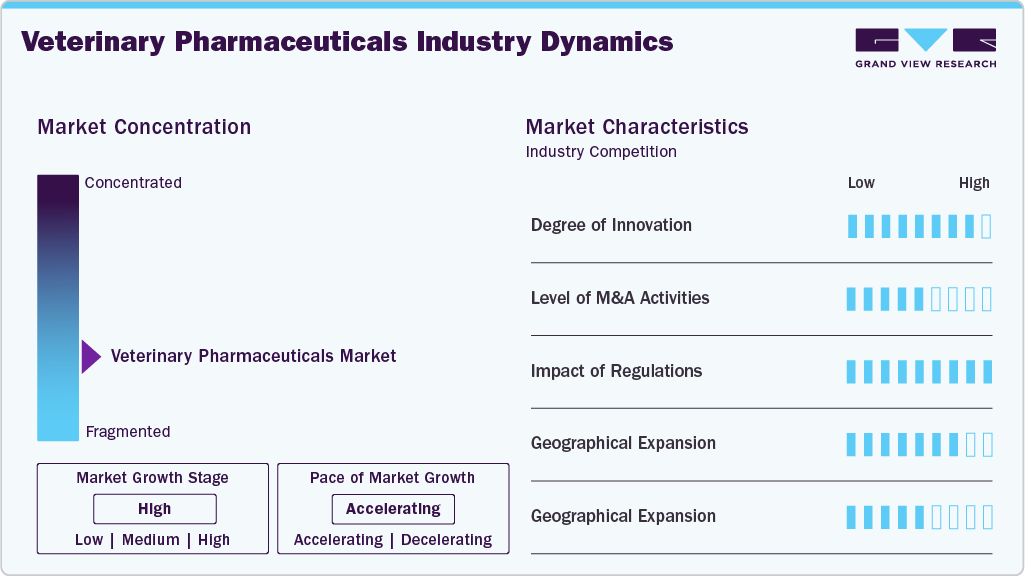 To learn more about this report, Download Free Sample Report
 The market is witnessing continuous innovation through advances in long-acting formulations, sustained-release drug delivery, species-specific formulations, combination therapies, and improved dosage forms. Development of injectable, oral, topical, and transdermal formulations is improving treatment convenience, dosing efficiency, and administration across companion and production animals. Furthermore, advancements in formulation technologies, pharmaceutical manufacturing, and analytical testing are supporting the development of specialized veterinary medicines and differentiated drug delivery formats.
Regulatory requirements established by agencies such as the FDA, EMA, and other national veterinary pharmaceutical authorities have a high impact on product development, manufacturing, approval, distribution, and commercialization. Requirements related to safety, efficacy, residue limits, manufacturing quality, product stability, labeling, and pharmacovigilance influence development timelines and market entry. Furthermore, tighter requirements governing antimicrobial use, veterinary drug residues, and product manufacturing are increasing compliance costs and raising the regulatory capabilities required for successful commercialization.
Mergers and acquisitions are contributing to market development by enabling animal health companies to expand pharmaceutical portfolios, therapeutic capabilities, geographic presence, manufacturing capacity, and distribution networks. Strategic acquisitions across animal health and pharmaceutical sectors provide access to established products, development pipelines, manufacturing facilities, specialized technologies, and regional markets. Furthermore, consolidation among animal health distributors and pharmaceutical companies is strengthening integrated commercial capabilities. M&A activity is expected to remain relevant as companies seek to broaden their presence across companion animal and livestock pharmaceutical markets.
Increasing demand for preventive and therapeutic animal healthcare is encouraging manufacturers to expand product portfolios across multiple pharmaceutical categories. Products include antibiotics, antiparasitic, vaccines, analgesics, anti-inflammatory drugs, dermatology medicines, cardiovascular drugs, and other therapeutic products. Moreover, manufacturers are expanding into long-acting formulations, combination therapies, species-specific medicines, and alternative delivery formats to address diverse treatment requirements. Portfolio expansion is also supporting greater coverage of chronic conditions, specialty indications, and underserved animal populations, enabling companies to strengthen their presence across veterinary practices, livestock operations, and companion animal healthcare.
The market is experiencing regional expansion across North America, Europe, Asia Pacific, Latin America, and other emerging markets. North America maintains a strong position due to established veterinary healthcare infrastructure, high companion animal healthcare expenditure, advanced pharmaceutical capabilities, and the presence of established animal health companies. Europe also has a developed veterinary pharmaceutical ecosystem supported by established regulatory systems, pharmaceutical capabilities, and animal healthcare services. Furthermore, Asia Pacific is expanding its veterinary pharmaceutical capabilities due to increasing livestock production, rising companion animal ownership, improving veterinary infrastructure, growing animal healthcare expenditure, and increasing availability of veterinary pharmaceutical products.
Analyst Perspective
The global veterinary pharmaceuticals market is transitioning toward a more specialized and innovation-led growth environment, supported by increasing preventive healthcare adoption, higher companion animal spending, expanding livestock health requirements, and continued pharmaceutical development. Recent regulatory activity indicates that treatment availability and supply resilience are becoming strategic priorities, particularly in underserved species and critical drug categories. The FDA’s initiatives addressing animal drug gaps and domestic manufacturing are creating additional development and production opportunities in the U.S., while Europe continues to demonstrate strong product innovation, with 30 veterinary medicines recommended for marketing authorization in 2025.
From a competitive perspective, market leadership will increasingly depend on portfolio breadth, species-specific product development, regulatory capabilities, and reliable supply infrastructure rather than scale alone. Manufacturers that combine differentiated formulations with targeted therapeutic coverage can capture higher-value opportunities, while generic and bioequivalent products can expand access in cost-sensitive applications. Consequently, investment is expected to concentrate around specialty therapeutics, preventive medicines, underserved animal populations, manufacturing resilience, and differentiated delivery technologies.
Technological Advancements
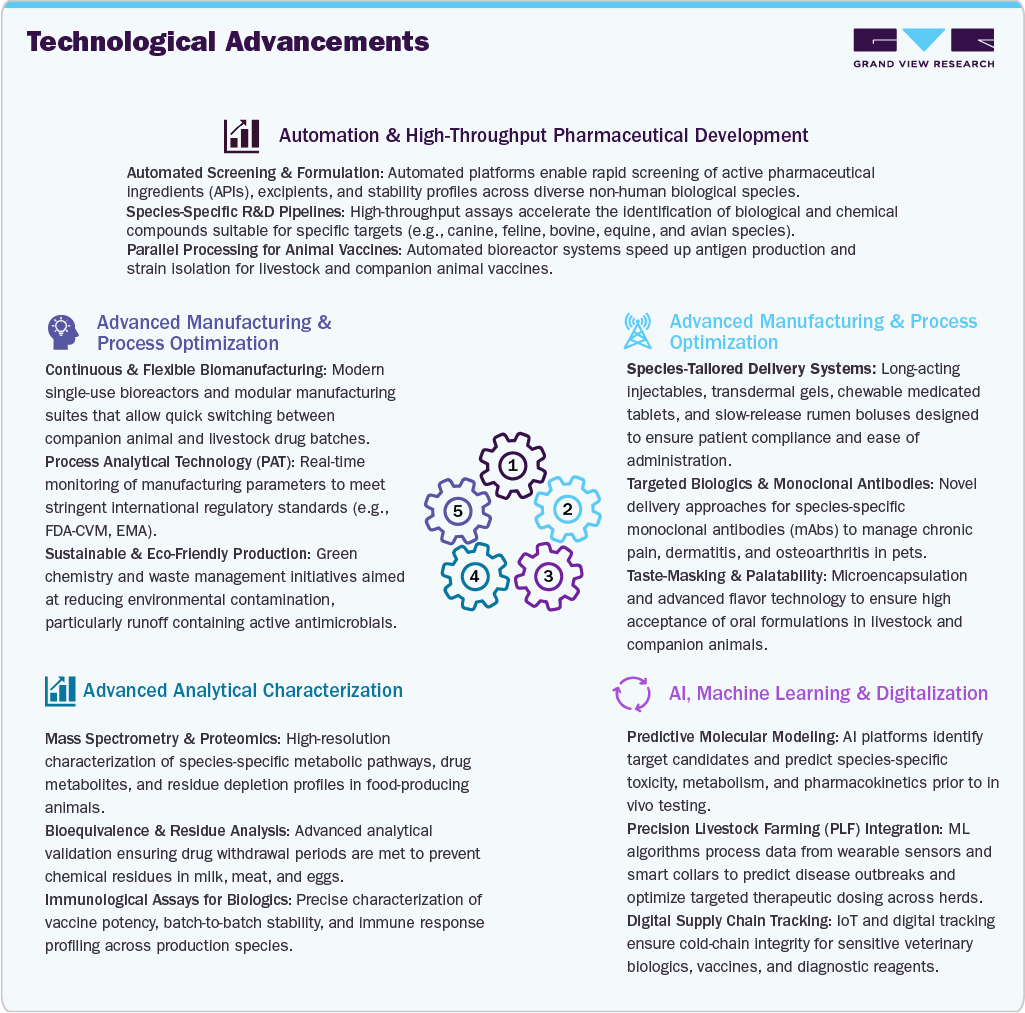 To learn more about this report, Download Free Sample Report
 The veterinary pharmaceuticals landscape is shifting toward purpose-built, multi-species innovation platforms. Automation and high-throughput development compress R&D timelines by enabling simultaneous screening of multi-species targets. Advanced drug delivery, utilizing long-acting injectables and transdermal gels, improves treatment compliance and creates intellectual property moats. AI, machine learning, and digitalization cut clinical attrition through in silico modeling and unlock recurring revenue via precision farming. Advanced analytical characterization de-risks global regulatory approval by precisely mapping drug residues. Lastly, advanced manufacturing and process optimization lowers unit cost of goods sold, and yield flexible, multi-species production agility.
Animal Insights
The production animals segment held the largest market share of 62.9% in 2025. The global veterinary pharmaceuticals industry is shifting toward specialized, innovation-driven growth, fueled by rising preventive care, companion animal spending, and livestock health demands. Supply resilience and treatment availability for underserved species are becoming top strategic priorities worldwide. FDA initiatives are boosting U.S. manufacturing and addressing drug gaps, while Europe continues to demonstrate strong product innovation. In this evolving landscape, market leadership depends on portfolio breadth, targeted product development, and reliable supply chains rather than scale alone. Differentiated formulations capture high-value opportunities, whereas generic products expand access in cost-sensitive segments. Consequently, investment will increasingly concentrate on specialty therapeutics, preventive care, domestic manufacturing resilience, and novel delivery technologies.
Product Insights
The parasiticides segment led the market with the largest revenue share of 35.8% in 2025. Segment growth is driven by the recurring requirement for parasite prevention and treatment across companion animals and commercial livestock populations. Internal and external parasites can affect animal health, welfare, and production performance, requiring repeated treatment and preventive interventions throughout the animal lifecycle. Unlike many episodic therapeutic treatments, parasite-control programs frequently involve recurring administration, supporting consistent pharmaceutical demand across veterinary practices and livestock operations. Increasing adoption of preventive healthcare protocols is further supporting utilization of antiparasitic medicines. These recurring-use characteristics position parasiticides as the leading product category, particularly because demand is distributed across both companion and production animal populations.
The analgesics segment is expected to grow at the fastest CAGR over the forecast period. Growth is driven by increasing attention to pain assessment and management across companion animals, equine care, and production-animal applications. Rising veterinary expenditure and expanding specialty care are increasing treatment for surgical procedures, injuries, musculoskeletal disorders, osteoarthritis, and other chronic conditions requiring pain management. Recent development activity targeting specialized animal health conditions is also expanding demand for therapeutics addressing pain-associated diseases. This positions analgesics for faster growth as veterinary care increasingly incorporates sustained pain management into chronic disease and post-procedure treatment protocols.
Drug Type Insights
The branded segment led the market with the largest revenue share of 56.5% in 2025. Segment growth is driven by the continued commercialization of differentiated veterinary medicines across specialized therapeutic areas and animal species. Recent regulatory approvals and product development activity demonstrate continued investment in medicines containing new active substances and therapies targeting defined animal-health indications. Branded products also benefit from established veterinary relationships, proprietary formulations, regulatory approvals, and broad commercial infrastructure. Manufacturers are expanding portfolios through internally developed products and acquisitions, increasing access to established brands across veterinary therapeutic categories. These factors position branded medicines as the leading segment, particularly in markets where product differentiation and specialized indications support premium treatment positioning.
The generics segment is expected to grow at the fastest CAGR over the forecast period, driven by increasing demand for cost-effective veterinary medicines and expanding opportunities for bioequivalent products. In August 2026, Cronus Pharma launched an FDA-approved bioequivalent robenacoxib injection for veterinary use, demonstrating continued market opportunities for generic alternatives to established veterinary medicines. Generic products provide veterinary practices, livestock producers, and animal owners with lower-cost treatment options, particularly as pharmaceutical expenditure increases. This positions generics for faster growth as affordability becomes an increasingly important purchasing consideration across high-volume and recurring treatment applications.
Type Insights
The prescription segment led the market with the largest revenue share of 61.7% in 2025. Segment growth is driven by the clinical complexity of infectious diseases, chronic conditions, pain, inflammation, and specialized animal-health disorders requiring veterinary diagnosis and treatment oversight. Regulatory requirements governing antimicrobial use are also increasing the importance of veterinarian-directed prescribing, particularly across food-producing animals. Expansion of specialty veterinary care and development of therapies for defined disease conditions are further supporting prescription pharmaceutical utilization. This positions prescription medicines as the leading segment because a substantial proportion of higher-value and clinically specialized veterinary treatments require professional assessment and regulated dispensing.
The OTC segment is expected to grow at the fastest CAGR over the forecast period. Growth is driven by increasing demand for accessible products supporting routine animal healthcare, preventive care, and parasite management. Rising pet ownership and greater consumer engagement in preventive animal health are increasing direct purchasing of eligible veterinary products. Expanding retail and digital distribution channels are further improving product accessibility. This positions OTC medicines for faster growth as preventive healthcare increasingly shifts a portion of routine pharmaceutical purchasing toward animal owners and retail channels.
Route of Administration Insights
The oral segment led the market with the largest revenue share of 43.5% in 2025. Segment growth is driven by the broad applicability of oral dosage forms across companion and production animals, including tablets, capsules, liquids, suspensions, powders, pastes, boluses, and chewable formulations. Oral administration is particularly suited to recurring treatment and chronic disease management, where convenient dosing can improve treatment continuity outside clinical settings. Manufacturers are also developing species-specific oral formulations to improve palatability and simplify administration for animal owners and livestock operators. These advantages support oral products across multiple therapeutic categories and treatment environments, positioning the route as the leading segment due to its broad commercial applicability and compatibility with repeated pharmaceutical use.
The other routes segment is expected to grow at the fastest CAGR over the forecast period, driven by increasing development of specialized delivery systems for ophthalmic, otic, intranasal, inhalation, rectal, vaginal, intrauterine, and transdermal administration. Growth is supported by the need for targeted treatment where oral, injectable, or conventional topical administration is unsuitable. Advances in species-specific formulations and localized drug delivery are expanding therapeutic applications across companion and production animals. This positions other routes for faster growth as manufacturers pursue differentiated delivery technologies for specialized indications and administration requirements.
Sales Channel Insights
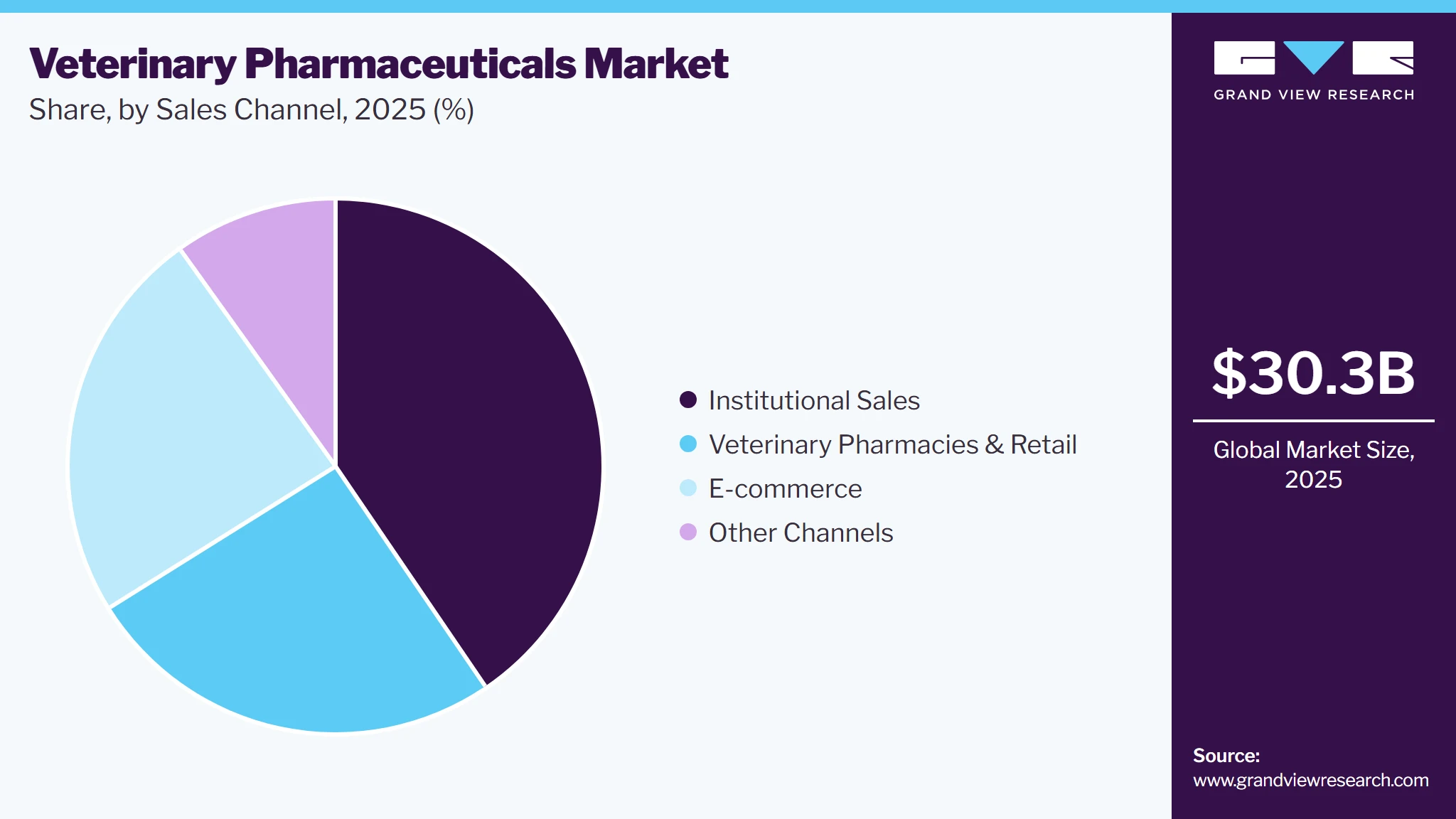
The institutional sales segment led the market with the largest revenue share of 40.5% in 2025. Segment growth is driven by recurring pharmaceutical procurement by veterinary hospitals, clinics, commercial livestock producers, integrated farms, and other professional animal-health providers. These buyers require medicines across multiple therapeutic categories and frequently procure products through established professional supply relationships. The increasing clinical complexity of companion animal healthcare and structured disease-management requirements across livestock operations are further supporting institutional pharmaceutical demand. Recent supply-chain initiatives addressing veterinary drug shortages also indicate the strategic importance of dependable pharmaceutical supply to professional animal-health customers. This positions institutional sales as the leading channel because veterinary professionals and organized livestock operators remain central purchasers and prescribers of higher-value and recurring-use veterinary medicines.
 To learn more about this report, Download Free Sample Report
 The E-commerce segment is expected to grow at the fastest CAGR over the forecast period. Increasing digital purchasing is improving access to eligible veterinary pharmaceutical products, particularly among companion animal owners seeking recurring parasite-control and routine healthcare products. Online channels provide broader product availability, purchasing convenience, and home delivery, while expanding digital platforms are increasing access beyond traditional physical retail networks. Growth in companion animal healthcare expenditure is further supporting online purchasing of recurring-use products. This positions e-commerce for faster growth as consumer purchasing behavior increasingly shifts toward digital channels, particularly for routine and repeat veterinary pharmaceutical requirements.
Regional Insights
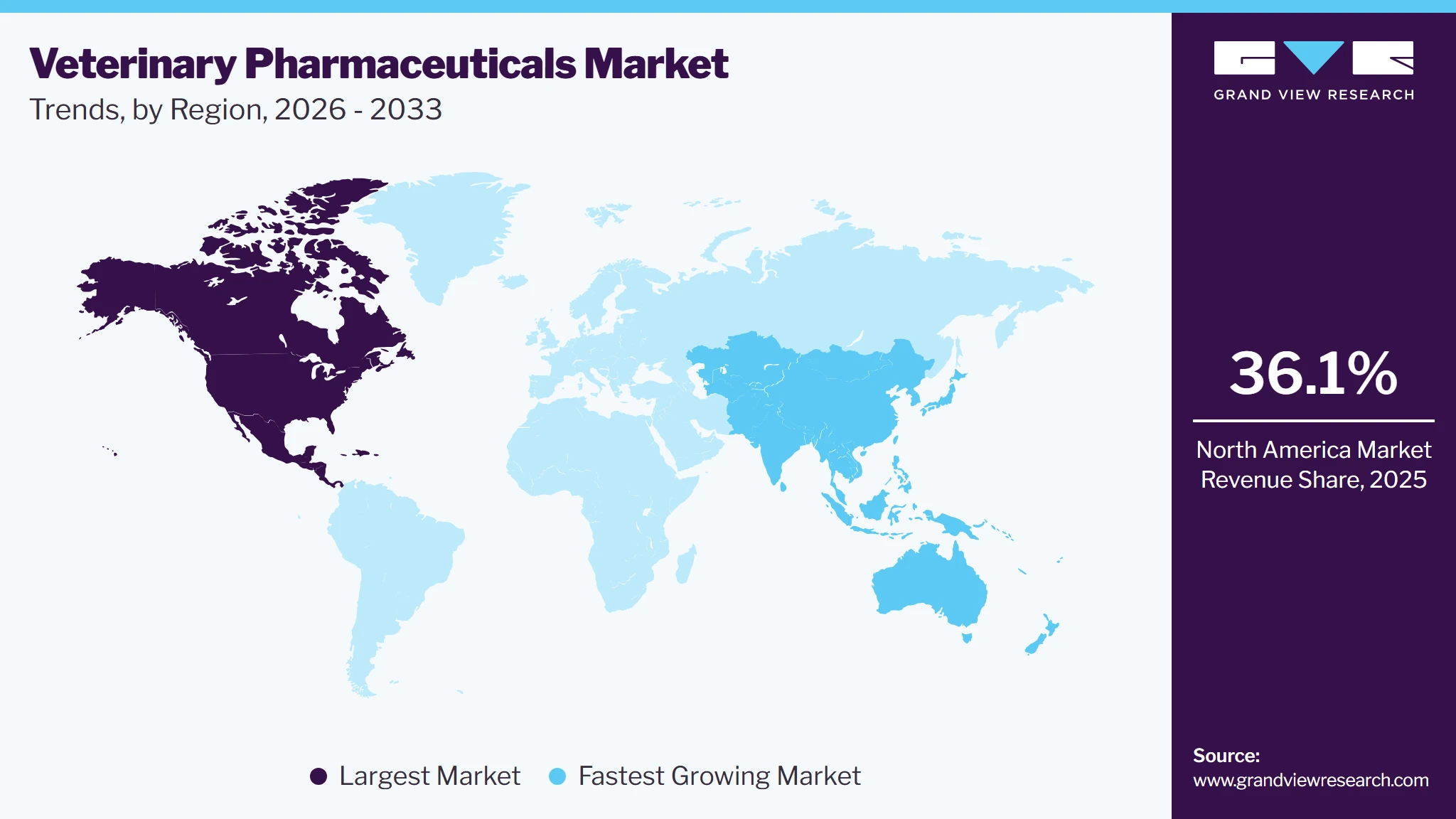
North America accounted for the largest market share of 36.1% in 2025, supported by established veterinary healthcare infrastructure, strong pharmaceutical manufacturing capabilities, and high demand for specialized animal therapeutics. The U.S. is also strengthening domestic veterinary drug supply through manufacturing initiatives and programs addressing shortages and emerging disease threats. These developments are improving supply resilience while supporting continued product availability across companion and production animal healthcare.
 To learn more about this report, Download Free Sample Report
 U.S. Veterinary Pharmaceuticals Market Trends
The U.S. veterinary pharmaceuticals market is driven by strong pharmaceutical innovation, regulatory activity, and continued investment in domestic animal drug manufacturing. For instance, in July 2026, the FDA launched a pilot program encouraging U.S. production of finished animal drugs and active ingredients, with priority review consideration for eligible products. In addition, initiatives addressing treatment gaps, drug shortages, and emerging livestock disease threats are expanding opportunities for specialized veterinary pharmaceuticals and improving supply continuity.
The Mexico veterinary pharmaceuticals market is driven by expanding livestock production, rising demand for preventive animal healthcare, and increasing adoption of veterinary medicines for disease control and productivity management. The country’s poultry, swine, and cattle industries generate recurring requirements for anti-infectives, parasiticides, vaccines, and other therapeutics. In addition, increasing veterinary healthcare awareness and improving access to animal health services are supporting pharmaceutical utilization across production and companion animals. These factors are strengthening Mexico’s role as a growth market within North America.
Europe Veterinary Pharmaceuticals Market Trends
The veterinary pharmaceuticals market in Europe is experiencing growth due to sustained product development, expanding vaccine activity, and a supportive regulatory framework for veterinary medicine innovation. The EMA recommended 30 veterinary medicines for marketing authorization in 2025, including 16 vaccines and 13 medicines containing new active substances. Continued regulatory support for limited-market products and unmet veterinary needs is encouraging manufacturers to expand therapeutic coverage across food-producing and companion animals.
The veterinary pharmaceuticals market in the UK held a significant share in 2025. Market growth is supported by continued product approvals, strong companion animal demand, and expansion of specialty veterinary medicines. The country authorized 57 veterinary medicines in 2025, with companion animal products accounting for the majority of approvals. Increasing regulatory coordination between the UK and EU remains strategically important for maintaining product availability, reducing duplication, and supporting efficient market access.
The veterinary pharmaceuticals market in Sweden is anticipated to grow fastest in the region over the forecast period due to strong preventive animal healthcare practices and effective antimicrobial stewardship. Sweden has reduced antibiotic use while maintaining mastitis control, indicating greater adoption of disease prevention, herd health management, and targeted treatment protocols. In addition, Swedencare’s expansion into specialty veterinary pharmaceuticals through its UK acquisition strengthens Sweden’s competitive position in differentiated animal health products.
Asia Pacific Veterinary Pharmaceuticals Market Trends
The Asia Pacific veterinary pharmaceuticals market is projected to grow at the highest CAGR over the forecast period. Growth is driven expanding livestock production, increasing veterinary healthcare requirements, strengthening pharmaceutical manufacturing capabilities, and improving regulatory frameworks across major markets. Rising domestic manufacturing investment and increasing adoption of specialized veterinary medicines are supporting regional supply development. These trends are creating a broader addressable market for producers serving livestock, companion animals, and emerging therapeutic categories.
The veterinary pharmaceuticals market in China is expected to grow over the forecast period. Growth is expanding domestic manufacturing capacity, increasing regulatory standardization, and rising demand for advanced veterinary medicines. China introduced clearer classification and evaluation requirements for protein-based veterinary medicines in 2025, raising regulatory standards for innovative and imported products. In parallel, Bimeda’s investment in a sterile injectable facility strengthens local production and regional supply capabilities.
The India veterinary pharmaceuticals market is witnessing considerable growth due to rising demand for animal healthcare, expanding pharmaceutical capabilities, and increasing strategic investment in companion animal health. Viyash Scientific’s planned acquisition of Italy-based BioForLife expands its access to established European veterinary markets while creating opportunities to introduce differentiated companion animal products into India. Such cross-border expansion is strengthening Indian companies’ product portfolios, commercial reach, and participation in higher-value veterinary pharmaceutical segments.
Latin America Veterinary Pharmaceuticals Market Trends
Latin America’s veterinary pharmaceuticals market is gaining traction as large livestock and poultry industries increase requirements for disease prevention, treatment, and productivity management. Regulatory changes are also reshaping pharmaceutical demand, particularly through greater control of medically important antimicrobials. The region presents opportunities for manufacturers offering vaccines, antiparasitic, alternative disease-control products, and targeted therapies that support animal productivity while meeting evolving stewardship requirements. Brazil remains a key market given its large-scale animal production base.
The Brazil veterinary pharmaceuticals market represents a leading opportunity within Latin America due to its large livestock and poultry production base and significant requirement for animal health products. Regulatory changes introduced in April 2026 restricted specified antimicrobial growth promoters and limited affected products to therapeutic use with veterinary prescriptions. This shift is increasing demand for preventive medicines, vaccines, antiparasitics, and alternative disease-management solutions, creating portfolio opportunities for manufacturers positioned around compliant and targeted livestock healthcare.
Middle East & Africa Veterinary Pharmaceuticals Market Trends
The Middle East & Africa veterinary pharmaceuticals market is gradually expanding, rising requirements for livestock disease management, improving veterinary healthcare access, and increasing pharmaceutical supply capabilities. Regional demand is supported by the need to protect animal productivity and manage infectious and parasitic diseases across commercial livestock populations. Increasing availability of internationally manufactured veterinary medicines and greater emphasis on preventive healthcare are creating opportunities for suppliers with diversified product portfolios and established distribution networks.
The South Africa veterinary pharmaceuticals market is expanding as livestock producers and veterinary professionals increase focus on disease prevention, parasite control, and productivity management. The country’s livestock sector creates recurring requirements for anti-infectives, antiparasitics, vaccines, and other therapeutic products. Growing emphasis on responsible antimicrobial use is also increasing demand for targeted disease-management approaches. These conditions favour manufacturers offering diversified veterinary portfolios and solutions suited to commercial livestock operations and veterinary practices.
Key Veterinary Pharmaceuticals Company Insights
Market players are undertaking various strategic initiatives, such as the launch of new product innovations, collaborations, partnerships, and mergers & acquisitions, to strengthen their service offering and provide a competitive advantage.
Key Veterinary Pharmaceuticals Companies
The following key companies have been profiled for this study on the veterinary pharmaceuticals market.
-
ZOETIS INC.
-
Boehringer Ingelheim International Gmbh
-
Merck & Co., Inc.
-
Elanco
-
Dechra
-
Ceva Santé Animale
-
Phibro Animal Health Corporation
-
Virbac
-
Bimeda Corporate
-
Biogénesis Bagó
-
Vetoquinol
-
Norbrook Laboratories
Competitive Benchmarking
Category
Operating Strategies
Competitive Edge
Weakness
Established Players (Zoetis Inc., Boehringer Ingelheim International GmbH, Merck & Co., Inc., Elanco, Ceva Santé Animale, Virbac, Vetoquinol)
- Established players compete through broad therapeutic portfolios, sustained investment in R&D, product lifecycle management, and extensive veterinary distribution networks.
- Their strategies increasingly focus on companion animal chronic care, parasiticides, specialty therapeutics, and integrated livestock health solutions to capture recurring pharmaceutical demand across multiple species.
- These companies benefit from established brands, regulatory expertise, global manufacturing networks, and direct relationships with veterinarians, clinics, and large livestock operators.
- Portfolio breadth allows them to cross-sell across therapeutic categories and absorb regulatory and development costs more effectively than smaller competitors.
- Large portfolio structures can increase operating complexity and slow resource allocation toward smaller or emerging therapeutic niches.
- Their scale also creates greater exposure to generic competition, patent expirations, and regulatory pressure on established antimicrobial product portfolios.
Emerging Players (Dechra, Phibro Animal Health Corporation, Bimeda Corporate, Biogénesis Bagó, Norbrook Laboratories)
- Emerging players are strengthening their market positions through focused therapeutic portfolios, geographic expansion, manufacturing investments, acquisitions, and increased participation in generic and species-specific pharmaceutical categories.
- Their operating models are designed to capture targeted opportunities where large, diversified players have lower portfolio concentration.
- These companies can compete through specialization, cost-efficient manufacturing, regional market knowledge, and focused product development.
- Their narrower operating structures can allow faster commercial prioritization in livestock therapeutics, generics, and selected companion animal treatment categories.
- Compared with established players, emerging competitors generally have narrower global distribution networks, lower R&D capacity, and more limited financial resources for large-scale product development and regulatory expansion.
- This can constrain their ability to compete simultaneously across multiple species, therapeutic categories, and geographic markets.
Recent Developments
-
In August 2026, the FDA launched a pilot program to incentivize domestic manufacturing of animal drug products and active pharmaceutical ingredients in the U.S. The initiative provides eligible applications with priority review, strengthening supply chain resilience and addressing risks of veterinary drug shortages.
-
In August 2026, Cronus Pharma launched the first FDA-approved bioequivalent robenacoxib injection for veterinary use. The product introduction expands lower-cost treatment options and demonstrates increasing opportunities for generic and bioequivalent veterinary pharmaceutical products.
-
In June 2026, Merck Animal Health announced an agreement to acquire TARGAN, adding automated poultry technologies, including chick sex identification and precision vaccine administration capabilities, to its animal health portfolio. The transaction was expected to close in the third quarter of 2026, subject to regulatory approvals.
-
In June 2026, Ceva acquired Aquilón CyL S.L., a Spanish biotechnology company specializing in swine diseases. The acquisition added a commercial vaccine targeting Brachyspira hyodysenteriae and strengthened Ceva’s portfolio in swine intestinal health and disease prevention.
Veterinary Pharmaceuticals Market Report Scope
Report Attribute
Details
Market size in 2025
USD 30.3 billion
Estimated market size in 2026
USD 33.3 billion
Projected market size by 2033
USD 68.8 billion
Growth rate
CAGR of 10.9% from 2026 to 2033
Historical data
2021 - 2025
Forecast period
2026 - 2033
Quantitative units
Revenue in USD million and CAGR from 2026 to 2033
Report coverage
Revenue forecast, company ranking, competitive landscape, growth factors, and trends
Segments covered
Animal, product, drug type, type, route of administration, , sales channel, region
Regional scope
North America; Europe; Asia Pacific; Latin America; MEA
Country Scope
U.S.; Canada; Mexico; UK; Germany; France; Italy; Spain; Denmark; Sweden; Norway; China; India; Japan; Australia; Thailand; South Korea; Brazil; Argentina; Saudi Arabia; UAE; South Africa; Kuwait; Oman; Qatar
Key companies profiled
ZOETIS INC.; Boehringer Ingelheim International Gmbh; Merck & Co., Inc.; Elanco; Dechra; Ceva Santé Animale; Phibro Animal Health Corporation; Virbac; Bimeda Corporate; Biogénesis Bagó; Vetoquinol; Norbrook Laboratories
Customization scope
Free report customization (equivalent up to 8 analysts' working days) with purchase. Addition or alteration to country, regional & segment scope.
Pricing and purchase options
Avail customized purchase options to meet your exact research needs. Explore purchase options
Global Veterinary Pharmaceuticals Market Report Segmentation
This report forecasts revenue growth at a country level and provides an analysis of the latest industry trends in each of the sub-segments from 2021 to 2033. For this study, Grand View Research has segmented the global veterinary pharmaceuticals market report based on animal, product, drug type, type, route of administration, end use, and region:
-
Animal Outlook (Revenue, USD Million, 2021 - 2033)
-
Production Animals
-
Poultry
-
Swine
-
Bovine
-
Ovine & Caprine
-
Others
-
-
Companion Animals
-
Canine
-
Feline
-
Equine
-
Others
-
-
-
Product Outlook (Revenue, USD Million, 2021 - 2033)
-
Parasiticides
-
Anti-infectives
-
Anti-inflammatory
-
Analgesics
-
Other Products
-
-
Drug Type Outlook (Revenue, USD Million, 2021 - 2033)
-
Branded
-
Generics
-
-
Type Outlook (Revenue, USD Million, 2021 - 2033)
-
Prescription
-
OTC
-
-
Route of Administration Outlook (Revenue, USD Million, 2021 - 2033)
-
Oral
-
Injectable
-
Topical
-
Other Routes
-
-
Sales Channel Outlook (Revenue, USD Million, 2021 - 2033)
-
Institutional Sales
-
Veterinary Pharmacies & Retail
-
E-commerce
-
Other Channels
-
-
Regional Outlook (Revenue, USD Million, 2021 - 2033)
-
North America
-
U.S.
-
Canada
-
Mexico
-
-
Europe
-
UK
-
Germany
-
France
-
Italy
-
Spain
-
Sweden
-
Norway
-
Denmark
-
-
Asia Pacific
-
Japan
-
China
-
India
-
South Korea
-
Australia
-
Thailand
-
-
Latin America
-
Brazil
-
Argentina
-
-
Middle East & Africa
-
South Africa
-
Saudi Arabia
-
UAE
-
Kuwait
-
Oman
-
Qatar
-
-
Research Methodology
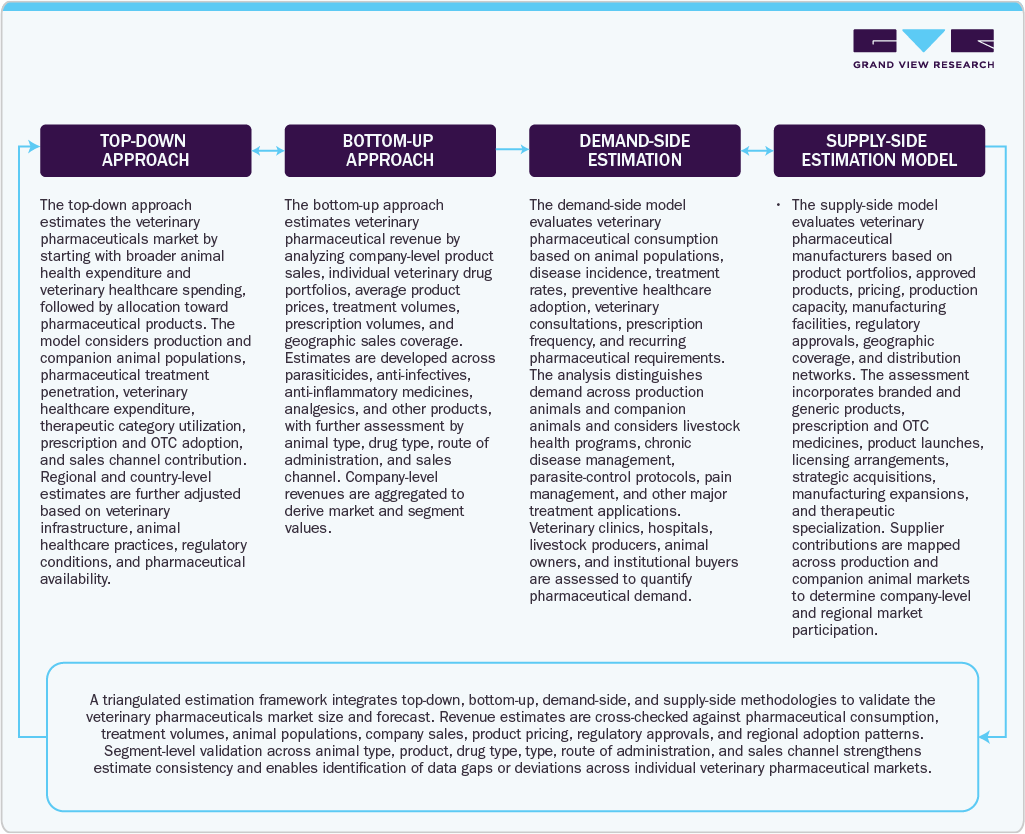
The veterinary pharmaceuticals market figures in this report are based on a proven research process that combines executive interviews with secondary research from proprietary databases, company filings, and recognized regulatory and institutional sources. Market size is built through value-chain sizing-reconciling supply-side and demand-side estimates-and triangulated with bottom-up and top-down approaches. Every estimate passes multiple levels of expert validation before publication, with each veterinary pharmaceuticals segment quantified using the revenue-capture definitions in the table below.
Segment Definition
Segment
Sub-segment
Production Animals
Production Animals
Production Animals
Poultry
Production Animals
Swine
Production Animals
Bovine
Production Animals
Ovine & Caprine
Production Animals
Others
Companion Animals
Companion Animals
Companion Animals
Canine
Companion Animals
Feline
Companion Animals
Equine
Companion Animals
Others
Product
Parasiticides
Product
Anti-infectives
Product
Analgesics
Product
Anti-inflammatory
Product
Other Products
Drug Type
Branded
Drug Type
Generics
Type
Prescription
Type
OTC
Route of Administration
Oral
Route of Administration
Injectable
Route of Administration
Topical
Route of Administration
Other Routes
Sales Channel
Institutional Sales
Sales Channel
Veterinary Pharmacies & Retail
Sales Channel
E-commerce
Sales Channel
Other Channels
Estimation Model
 To learn more about this report, Download Free Sample Report
 Delivered Customizations
This report has been delivered with the following In-depth customizations
Client Request
Customization Delivered
Value Adds
Veterinary Pharmaceutical Portfolio & Therapeutic Opportunity Assessment
The study can be tailored to evaluate veterinary pharmaceutical opportunities at the therapeutic-product level, covering anti-infectives, parasiticides, analgesics, anti-inflammatory medicines, and other veterinary therapies across companion and production animals. The analysis can assess disease burden, treatment frequency, species-specific requirements, preventive versus therapeutic use, and unmet treatment needs to identify commercially attractive product spaces.
Supports prioritization of therapeutic categories and animal-health indications based on demand intensity, treatment recurrence, product differentiation potential, and unmet needs, enabling pharmaceutical companies to allocate R&D and portfolio investments toward higher-value opportunities.
Veterinary Drug Regulatory & Commercialization Assessment
The report can be customized to evaluate regulatory and commercialization requirements affecting veterinary pharmaceutical products, including product approvals, prescription classifications, residue requirements, antimicrobial controls, pharmacovigilance, manufacturing standards, and market-specific registration pathways. Assessment can also distinguish requirements for food-producing and companion animals.
Helps companies anticipate regulatory barriers, determine commercialization complexity, evaluate product registration feasibility, and structure market-specific launch plans while reducing delays associated with regulatory and compliance requirements.
Animal Health Supply Chain & Distribution Assessment
The study can assess the movement of veterinary pharmaceuticals from manufacturers to veterinary hospitals, clinics, livestock operators, institutional buyers, pharmacies, retailers, and e-commerce platforms. The analysis can examine procurement models, distributor networks, product availability, supply shortages, cold-chain requirements where applicable, and channel-specific purchasing behavior across major veterinary markets.
Provides visibility into the commercial pathway from pharmaceutical production to end-user adoption, supporting distributor selection, channel prioritization, supply planning, and identification of market access constraints affecting product availability.
Veterinary Pharmaceutical Innovation & Product Development Assessment
The customization can evaluate emerging innovation across veterinary pharmaceutical formulation and delivery, including long-acting medicines, sustained-release technologies, species-specific formulations, combination therapies, transdermal systems, and other specialized dosage formats. The assessment can also examine development activity targeting minor species, chronic conditions, pain management, antimicrobial alternatives, and other underserved treatment areas.
Identifies technology areas with potential to improve dosing convenience, treatment adherence, therapeutic differentiation, and species coverage, supporting R&D pipeline planning, technology partnerships, licensing decisions, and investment allocation across emerging veterinary pharmaceutical applications.
Frequently Asked Questions About This Report
The global veterinary pharmaceuticals market size was valued at USD 30.3 billion in 2025 and is estimated at USD 33.3 billion for 2026.
The global veterinary pharmaceuticals market is expected to grow at a CAGR of 10.9% from 2026 to 2033, reaching USD 68.8 billion.
Key factors include increasing demand for preventive and therapeutic pharmaceuticals, rising pet ownership and animal healthcare spending, expansion of livestock production, and technological advancements in veterinary drug formulation and delivery systems.
North America dominated with a 36.1% revenue share in 2025.
Asia Pacific is expected to be the fastest-growing region over the forecast period.
The branded segment led the market with the largest revenue share of 56.5% in 2025, while the generics segment is expected to grow at the fastest CAGR over the forecast period.
The prescription segment led the market with the largest revenue share of 61.7% in 2025, while the OTC segment is expected to grow at the fastest CAGR over the forecast period.
The parasiticides segment led the market with the largest revenue share of 35.8% in 2025, while the analgesics segment is expected to grow at the fastest CAGR over the forecast period.
Key players include ZOETIS INC., Boehringer Ingelheim International Gmbh, Merck & Co., Inc., Elanco, Dechra, Ceva Santé Animale, Phibro Animal Health Corporation, Virbac, Bimeda Corporate, Biogénesis Bagó, Vetoquinol, and Norbrook Laboratories.
About the Author(s)
Animal Health Research Team
Healthcare · Animal HealthThis report was authored by the animal health research team at Grand View Research - comprising two research analysts, one senior research analyst, and one industry expert - with specialized expertise in the animal health segment of the healthcare industry. All findings are based on proprietary healthcare databases, executive interviews, and regulatory analysis, subject to internal peer review prior to publication.
Last Updated:
Speak to Analyst

Customize this report to your needs - add regions, segments, or data points, with 20% free customization.
Or view our licence options:


ISO 9001:2015 & 27001:2022 Certified
We are GDPR and CCPA compliant! Your transaction & personal information is safe and secure. For more details, please read our privacy policy.


