
- Home
- »
- Consumer F&B
- »
-
China Pet Food Market Size & Share, Industry Report, 2030GVR Report cover
![China Pet Food Market Size, Share & Trends Report]()
China Pet Food Market (2025 - 2030) Size, Share & Trends Analysis Report By Product (Wet Pet Food, Dry Pet Food, Snacks/Treats), By Pet Type (Cats, Dogs), By Category, By Distribution Channel (Convenience Stores, E-commerce), And Segment Forecasts
- Report ID: GVR-4-68040-568-5
- Number of Report Pages: 150
- Format: PDF
- Historical Range: 2018 - 2024
- Forecast Period: 2024 - 2030
- Industry: Consumer Goods
- Report Summary
- Table of Contents
- Segmentation
- Methodology
- Download FREE Sample
-
 Download Sample Report
China Pet Food Market Size & Trends
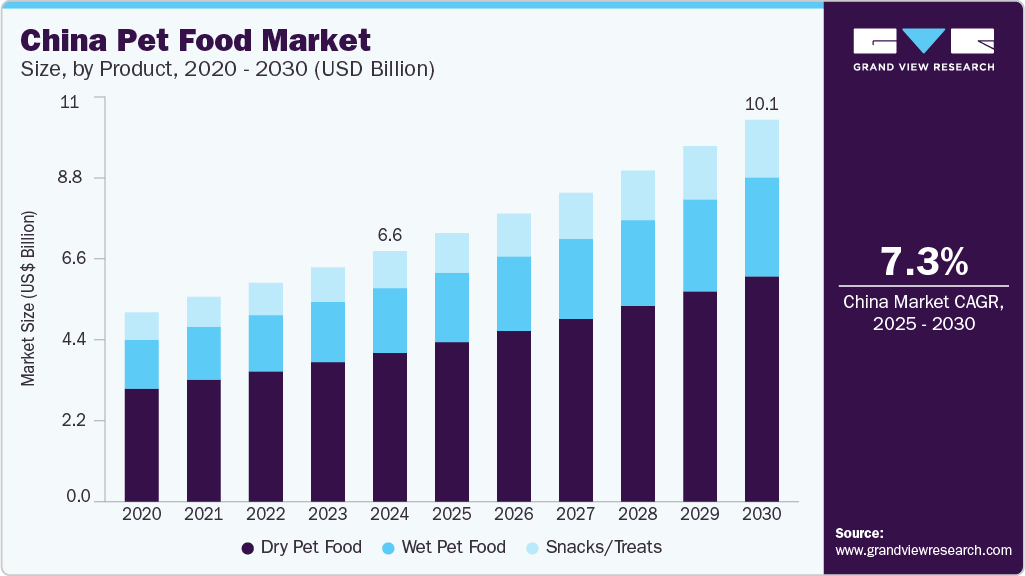
The China pet food market size was estimated at USD 6.64 billion in 2024 and is expected to grow at a CAGR of 7.3% from 2025 to 2030. Factors such as increasing loneliness, declining birth rates, and the desire for companionship have contributed to a surge in demand for pets, particularly in countries like China. Millennials, in particular, view pets as a way to practice or substitute parenthood. At the same time, older generations find comfort in pets due to empty nest syndrome, creating strong demand across various age groups.
A growing emphasis on pet health and wellness is a key driver of the pet food market in China. Chinese pet owners are becoming increasingly aware of the connection between nutrition and long-term health, which is driving demand for organic, grain-free, raw, and functional pet food products. There is a noticeable shift toward formulas that address specific health concerns such as allergies, digestive health, joint mobility, and skin and coat care. In response, pet food brands in China are launching more scientifically developed, nutritionally advanced products to meet these evolving needs.
The sharp rise in pet ownership, accelerated during and after the COVID-19 pandemic, has significantly expanded the pet consumer base in China. Many households adopted pets during lockdowns, and this momentum has continued post-pandemic. As a result, there is not only a growth in pet food volume but also a marked shift toward premium, clean-label products that are tailored to a pet’s breed, age, and lifestyle. This trend highlights a deeper emotional investment in pet care and a willingness among Chinese consumers to prioritize quality and specialization in pet nutrition.
To meet this demand, domestic players in China are investing heavily in product R&D, incorporating traditional Chinese ingredients (such as goji berries or Chinese herbs) into pet nutrition. They are also embracing transparency and clean-label practices, offering clear information on ingredient sourcing and nutritional benefits. E-commerce platforms like JD.com and Tmall have made premium and imported pet foods widely accessible, while local brands are enhancing their presence with targeted digital marketing, pet influencer partnerships, and AI-driven recommendations for pet nutrition.
Consumer Insights
Chinese pet parents are increasingly treating their pets as family members-referred to locally as “毛孩子” (fur children)-and this emotional bond is directly transforming how they select pet food. Unlike in the past, when low-cost, generic food was acceptable, today’s urban Chinese consumers are scrutinizing ingredient labels with the same diligence they apply to their diets. They are shifting toward functional, additive-free, human-grade pet foods, with rising demand for formulations that support gut health, coat shine, joint mobility, and immunity, especially in aging pets or purebred dogs and cats more prone to sensitivities.
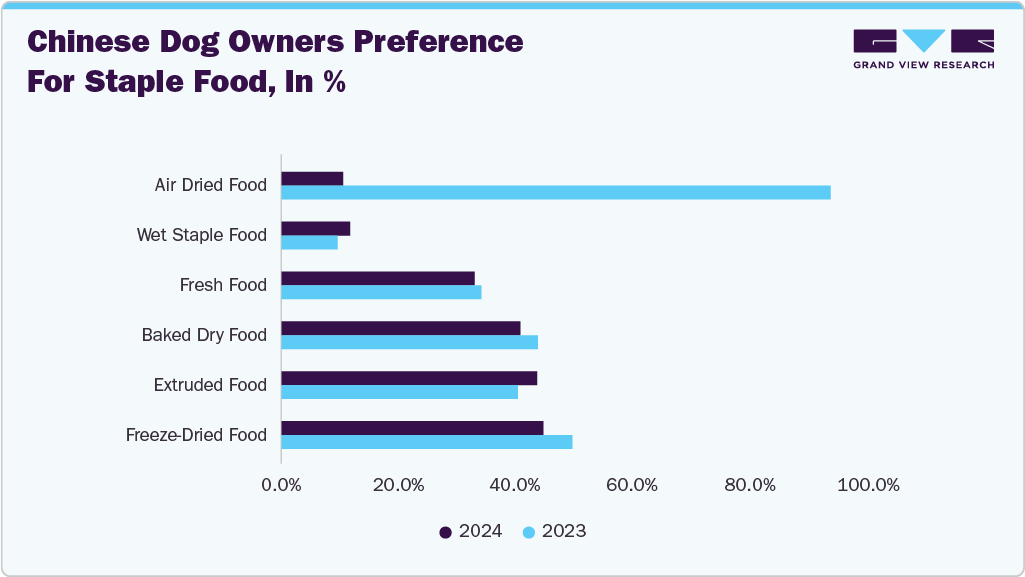
Concerns over food safety and transparency, stemming from past scandals involving unsafe pet products, have made Chinese pet parents particularly cautious. As a result, there's a growing preference for freeze-dried raw food, single-protein diets, and brands that disclose sourcing, processing, and nutritional science behind their recipes. They’re also influenced by Traditional Chinese Medicine (TCM) principles, seeking herbs or natural ingredients believed to offer balance and health, such as goji berries or chrysanthemum.
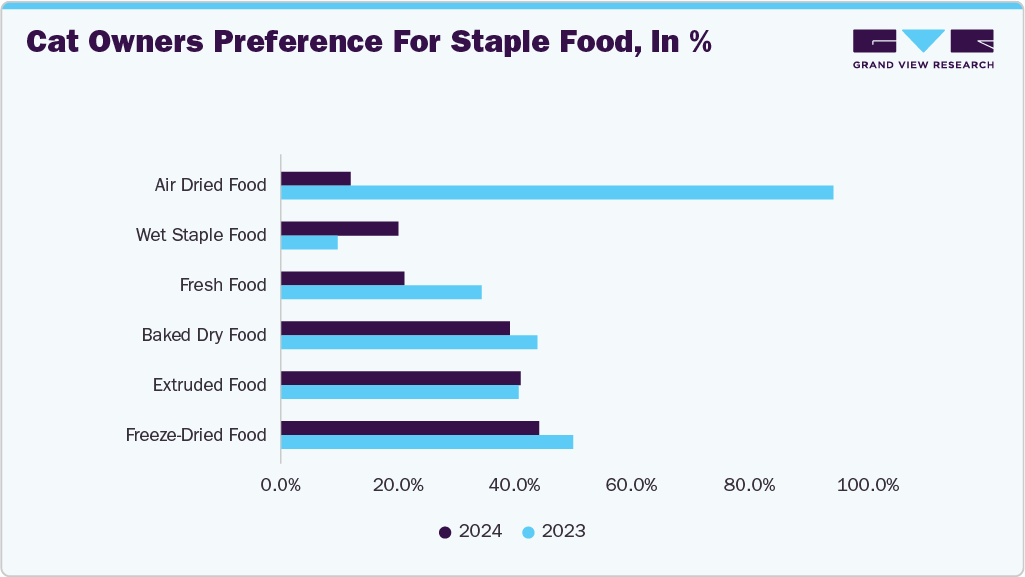
Moreover, affluent millennials and Gen Z consumers are applying their lifestyle values to their pets, prioritizing eco-conscious, sustainable packaging and even customized nutrition. The rise of pet food formulated by veterinarians, AI-driven dietary recommendations via pet apps, and boutique “pet bakeries” in urban hubs like Shanghai and Shenzhen illustrates this movement. In short, Chinese pet parents are not just feeding, they're nourishing with care, science, and emotional investment.
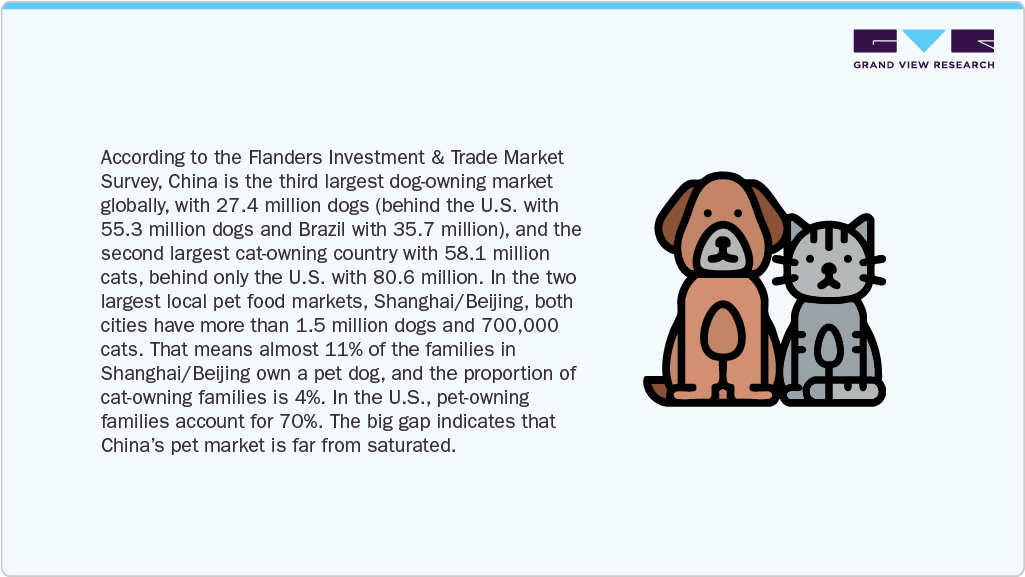
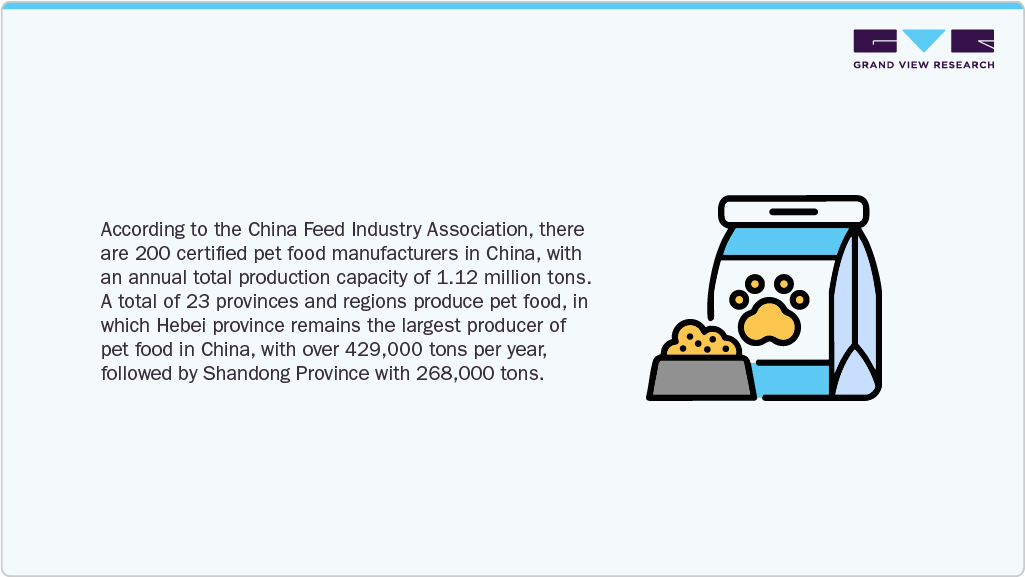
In 2023, East China led the China pet food industry with a 36% share due to its strong economy and demand for premium products. Western China is emerging with a 17% share, driven by rising income and young pet owners. South China, with 15%, has a diverse pet base, including exotic species, and is seeing growth in cat ownership due to its climate. North China is the top production region, especially Hebei and Shandong, while Beijing shows strong consumption. Northeast China, particularly Liaoning, is a key pet breeding hub and a strategic area for pet food brands targeting breeders.
The expansion of e-commerce and subscription-based pet food services has further fueled growth. E-commerce platforms like JD.com and Tmall have made premium and imported pet foods widely accessible, while local brands are enhancing their presence with targeted digital marketing, pet influencer partnerships, and AI-driven recommendations for pet nutrition. In March 2022, ADM launched its new premium pet food brand, Equilibrio 英派特®, in the Chinese market, with an official debut at Pet Fair Asia in Shenzhen from November 3 to 6. The Equilibrio brand is designed to deliver high-quality nutrition for dogs and cats of all sizes and life stages, including specialized diets for health conditions such as hairball control and digestive health. Product highlights include adult and kitten formulas in chicken flavor, long hair and sensitive skin diets for cats, and beef and chicken formulas for medium and large breed dogs.
Product Insights
Dry pet food accounted for a revenue share of 59.8% in 2024. The demand for dry pet food is growing due to its convenience, longer shelf life, and cost-effectiveness compared to wet or fresh alternatives. Many pet owners prefer dry food for its ease of storage, portion control, and dental health benefits, as the kibble helps reduce plaque and tartar buildup. Additionally, the growing availability of nutritionally balanced and specialized dry formulas, such as grain-free, high-protein, and breed-specific options, is attracting health-conscious consumers seeking tailored nutrition for their pets.
The pet snacks/treats market segment is expected to grow at a CAGR of 7.6% from 2025 to 2030. The growth is driven by the increasing humanization of pets, with owners treating their animals more like family members and rewarding them similarly. Pet treats are being used not only for training and behavior reinforcement but also to express affection and enhance bonding. Additionally, there is a rising demand for functional treats that offer health benefits, such as joint support, dental care, or calming effects, further fueling market expansion. The wide variety of flavors, formats, and health-focused options is also attracting consumers looking to pamper their pets while supporting their wellbeing.
Pet Type Insights
Pet food for dogs accounted for a revenue share of 59.5% in 2024. Dog pet food sales in China are growing rapidly due to the rising dog ownership across the country and the increasing tendency to treat dogs as family members. Owners are placing greater emphasis on their dogs’ health and nutrition, driving demand for high-quality, tailored food products that meet specific dietary needs and life stages. The popularity of premium, natural, and functional dog food, such as grain-free, hypoallergenic, and breed-specific formulas, is also contributing to market growth. Furthermore, the wide availability of dog food through both retail and online channels has made it more accessible than ever.
Pet food for cats is expected to grow at a CAGR of 6.9% from 2025 to 2030. Rising urbanization and the popularity of cats as low-maintenance, space-efficient pets have led to a steady increase in cat ownership, especially in cities like London, where apartment living is common. Cat owners are increasingly viewing their pets as family members, fueling demand for premium, health-focused, and specialized nutrition, including products that address specific health needs such as obesity, digestive issues, and allergies.
Category Insights
Traditional pet food for commuters accounted for a revenue share of 86.5% in 2024. Traditional pet food in China is growing due to its affordability, widespread availability, and familiarity among long-time pet owners. Many consumers continue to trust established brands that offer consistent quality and nutritional reliability at competitive prices. In a time of rising living costs, traditional dry and canned pet foods remain a practical choice for budget-conscious households. Additionally, supermarkets and grocery stores heavily stock these products, making them convenient and accessible for everyday shoppers.
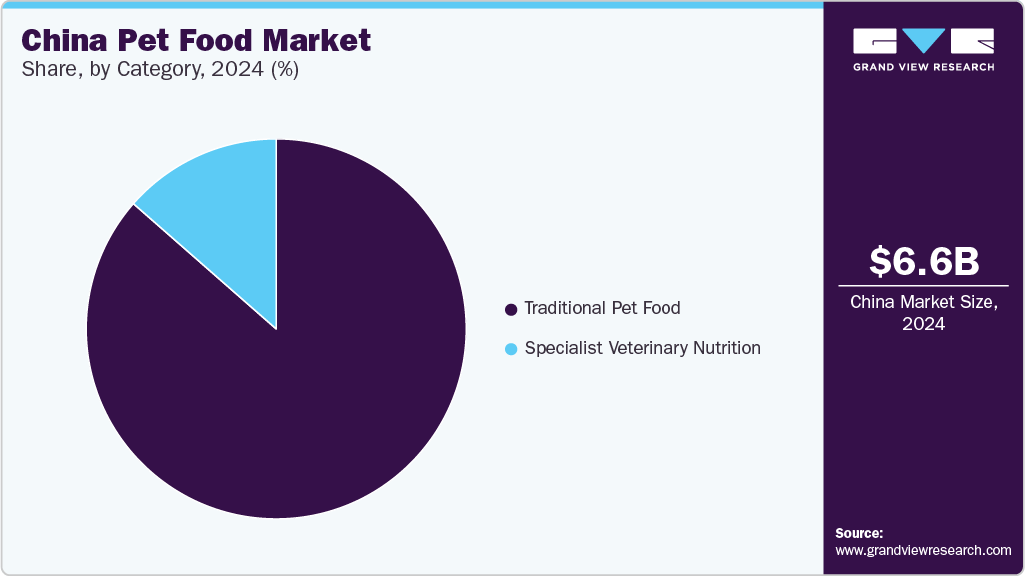
Specialist veterinary nutrition pet food is expected to grow at a CAGR of 7.4% from 2025 to 2030. In China, many pet owners choose to buy pet food from specialist veterinary nutrition providers because they prioritize their pets' specific health needs and trust expert guidance. These specialists offer tailored diets that address medical conditions like allergies, obesity, kidney issues, or digestive problems, which generic pet foods may not adequately support. With growing awareness about pet wellness, consumers value the assurance of scientifically formulated, vet-recommended nutrition that helps improve their pets’ quality of life and longevity.
Distribution Channel Insights
Sales of pet food through pet specialty stores accounted for a revenue share of 31.1% in 2024 in the China pet food industry. These stores offer a curated selection of high-quality, niche, and premium pet food products that cater to specific dietary needs and health concerns, aligning with the growing trend of pet humanization and premiumization. Consumers are increasingly seeking transparency in ingredients and nutritional information, which specialty retailers are more likely to provide. Additionally, these stores often employ knowledgeable staff who can offer personalized advice and recommendations, enhancing the shopping experience for pet owners.
Sales of pet food through online/e-commerce channels are expected to grow with a CAGR of 8.9% from 2025 to 2030. The growth of e-commerce in the China pet food market is driven by several key factors. Primarily, the convenience of online shopping allows pet owners to access a wide range of products without leaving their homes, a trend that the digital transformation in retail has amplified. This shift has led to increased investments by retailers in their digital capabilities to meet consumer demand.
Key China Pet Food Company Insights
Pet food manufacturers in China are increasingly adopting advanced food processing technologies to improve product quality, flavor, and nutritional content. Techniques such as vacuum frying, air frying, and freeze-drying are used to preserve the natural qualities and nutrients of ingredients while minimizing oil content. In addition, manufacturers are incorporating innovative packaging solutions, such as resealable and biodegradable options, to enhance convenience and sustainability. Customization is also gaining momentum, with brands offering diverse seasoning blends, organic choices, and personalized snack/treat packs to meet the varied preferences of pet owners.
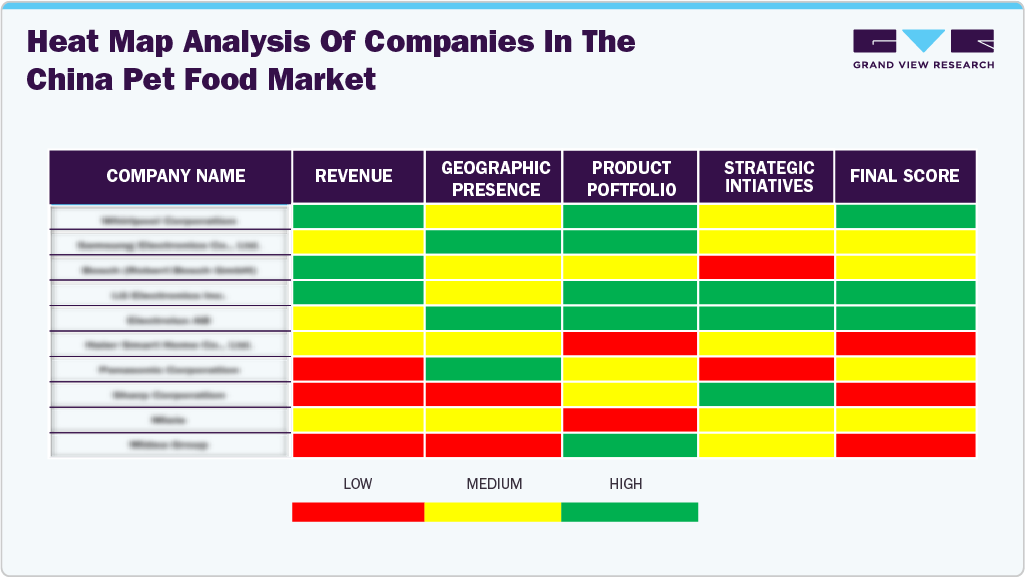
Key China Pet Food Companies:
- The J.M. Smucker Company
- Nestlé Purina
- Mars, Incorporated
- LUPUS Alimentos
- Total Alimentos
- Hill’s Pet Nutrition, Inc.
- General Mills Inc.
- WellPet LLC
- The Hartz Mountain Corporation
- Diamond Pet Foods
Recent Developments
-
In May 2024, Mars commenced operations at its state-of-the-art pet food manufacturing facility in Tianjin, China. Representing one of the company’s largest and most advanced plants globally, the facility spans 110,000 square meters and was established with a total investment of USD 138 million.
-
In August 2024, Advent International, a leading global private equity firm, announced the investment in Seek Pet Food, the top third-party manufacturer of kibbles in China. The company is recognized for its advanced R&D capabilities, with a 10,000-square-meter lab and 66 patents in animal nutrition. Advent will partner with Seek’s founder Fang Yuan and existing shareholder Boyu Capital to accelerate Seek’s growth in China’s rapidly expanding pet food market, focusing on product innovation and domestic and international expansion
-
In April 2023, Nestlé Purina launched a new high-end wet canned pet food production line in Tianjin, China, responding to the growing demand for packaged and premium pet foods. This move reflects the broader industry trend toward diversifying packaging types (cans, pouches, etc.) and premiumizing pet food offerings.
China Pet Food Market Report Scope
Report Attribute
Details
Market size value in 2025
USD 7.11 billion
Revenue forecast in 2030
USD 10.10 billion
Growth rate (Revenue)
CAGR of 7.3% from 2025 to 2030
Actual data
2018 - 2024
Forecast period
2025 - 2030
Quantitative units
Revenue in USD million/billion, volume in kilo tons, CAGR from 2025 to 2030
Report coverage
Revenue forecast, volume forecast, company ranking, competitive landscape, growth factors, and trends
Segments covered
Product, pet type, category, distribution channel
Country scope
China
Key companies profiled
The J.M. Smucker Company; Nestlé Purina; Mars, Incorporated; LUPUS Alimentos; Total Alimentos; Hill’s Pet Nutrition, Inc.; General Mills Inc.; WellPet LLC; The Hartz Mountain Corporation; Diamond Pet Foods
Customization scope
Free report customization (equivalent up to 8 analysts working days) with purchase. Addition or alteration to country, regional & segment scope.
Pricing and purchase options
Avail customized purchase options to meet your exact research needs. Explore purchase options China Pet Food Market Report Segmentation
This report forecasts volume and revenue growth at the country level and provides an analysis of the latest industry trends and opportunities in each of the sub-segments from 2018 to 2030. For this study, Grand View Research has segmented the China pet food market report based on product, pet type, category, and distribution channel:
-
Product Outlook (Volume, Kilo Tons; Revenue, USD Million, 2018 - 2030)
-
Wet Pet Food
-
Dry Pet Food
-
Snacks/Treats
-
-
Pet Type Outlook Volume, Kilo Tons; Revenue, USD Million, 2018 - 2030)
-
Cats
-
Dogs
-
Others
-
-
Category Outlook (Volume, Kilo Tons; Revenue, USD Million, 2018 - 2030)
-
Traditional Pet Food
-
Specialist Veterinary Nutrition
-
Cats
-
Dogs
-
Others
-
-
-
Distribution Channel Outlook (Volume, Kilo Tons; Revenue, USD Million, 2018 - 2030)
-
Supermarkets & Hypermarkets
-
Convenience Stores
-
E-commerce
-
Pet Specialty Stores
-
Others
-
Frequently Asked Questions About This Report
b. The China pet food market size was estimated at USD 6.64 billion in 2024 and is expected to reach USD 7.11 billion in 2025.
b. The China pet food market is expected to grow at a compounded growth rate of 7.3% from 2025 to 2030 to reach USD 10.10 billion by 2030.
b. Pet food for dogs accounted for a revenue share of 59.5% in 2024. Dog pet food sales in the China are growing rapidly due to the rising dog ownership across the country and the increasing tendency to treat dogs as family members. Owners are placing greater emphasis on their dogs’ health and nutrition, driving demand for high-quality, tailored food products that meet specific dietary needs and life stages.
b. Some key players operating in China pet food market include The J.M. Smucker Company, Nestlé Purina, Mars, Incorporated, LUPUS Alimento, Total Alimentos, Hill’s Pet Nutrition, Inc, and others
b. Key factors that are driving the market growth include rising product innovations and growing pet culture among consumers

Share this report with your colleague or friend.
Need a Tailored Report?
Customize this report to your needs — add regions, segments, or data points, with 20% free customization.


ISO 9001:2015 & 27001:2022 Certified
We are GDPR and CCPA compliant! Your transaction & personal information is safe and secure. For more details, please read our privacy policy.
Trusted market insights - try a free sample
See how our reports are structured and why industry leaders rely on Grand View Research. Get a free sample or ask us to tailor this report to your needs.













