
- Home
- »
- Biotechnology
- »
-
DNA Test Kits Market Size And Share Report, 2026-2033GVR Report cover

DNA Test Kits Market (2026 - 2033)
Size, Share & Trends Analysis Report By Sample (Saliva, Blood, Teeth And Bone, Tissue, Hairs), By Application (Ancestry Testing, Diet & Nutrition, Disease Risk Assessment), By End-use, By Region, And Segment Forecasts
Market Size, 2025
$2.1BMarket Estimate, 2026
$2.4BMarket Forecast, 2033
$7.2BCAGR, 2026–2033
17.0%DNA Test Kits Market Summary
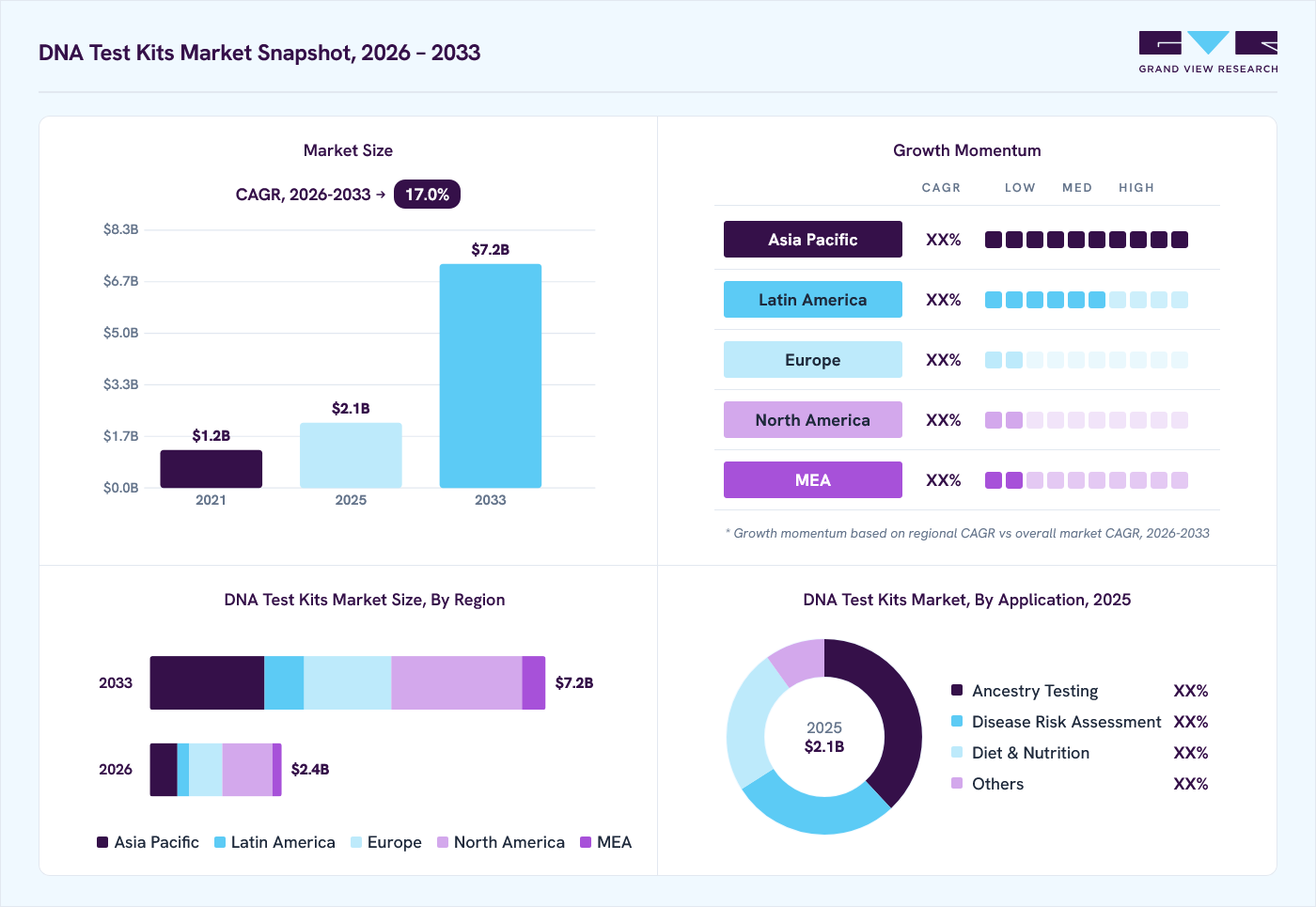
The global DNA test kits market size was valued at USD 2.1 billion in 2025 and is projected to grow from USD 2.4 billion in 2026 to USD 7.2 billion by 2033, at a CAGR of 17.0% from 2026 to 2033. North America dominated the market, accounting for the revenue share of 38.8% in 2025. Growing consumer interest in preventive healthcare and personalized health information is supporting demand for DNA test kits. Wider access to at-home testing is making genetic testing easier to use for ancestry and relationship testing, as well as selected health-related applications.
 Source: Grand View Research, IR Documents, Primary Interviews, Paid DatabasesTo learn more about this report,
 Download Free Sample Report
 Key Market Trends & Insights
- By sample: Saliva segment held the largest market share of 34.0% in 2025.
- By application: Ancestry testing segment held the largest market share of 38.0% in 2025.
- By end-use: Diagnostics & forensics laboratories segment held the largest market revenue share of 41.6% in 2025.
Regional Highlights
- Largest regional market: North America (38.8% revenue share, 2025)
- Fastest-growing regional market: Asia Pacific (highest CAGR, 2026-2033)
- By country: The U.S. held the largest market share in 2025.
Market Size & Forecast
- Market Size in 2025: USD 2.1 Billion
- Estimated market size in 2026: USD 2.4 Billion
- Projected Market Size by 2033: USD 7.2 Billion
- CAGR (2026-2033): 17.0%
Three ways to get this report
Buy it, customize it, or ask a question.Ask an Analyst
A direct answer, usually in 1 working day
- AccessReport author, directly
- Reply timeWithin 1 working day
- No sales callDirect answer only
- FormatEmail reply
- CostFree, no cost
Get the Full Report
What the study covers
- FormatsPDF · Excel · Dashboard
- Timeline2026–2033 annual, 2025 base
- Coverage20+ countries, 5 regions
- Companies10+ key players profiled
Customize the Report
20% free customization
- IncludeCountries, segments, points
- TailorTo your product definition
- ExtendDeeper competitor detail
- OrA fully bespoke study
- Turnaround5–10 working days
 To learn more about this report, Download Free Sample Report
 Market Dynamics
The DNA test kits market is experiencing strong growth, driven by rising consumer interest in ancestry and genetic health insights, wider adoption of direct-to-consumer genetic testing, advances in whole-genome sequencing, and the growing use of genetic information in personalized medicine. Increasing availability of at-home DNA testing kits, expanding genetic databases, and improvements in sequencing and data analysis are making DNA testing more accessible to consumers. The integration of advanced sequencing technologies and digital genetic analysis is expected to enhance the depth and accuracy of DNA-based insights, thereby creating new opportunities for growth in the industry.
Rising consumer interest in ancestry, family history, genetic traits, and health-related genetic information is driving demand for DNA test kits. Direct-to-consumer DNA testing enables individuals to collect samples at home and obtain information about ancestry, genetic relatives, inherited traits, and selected health risks without initially visiting a healthcare provider. The growing availability of DNA databases and the expansion of genetic matching services are further increasing the value of consumer DNA testing by enabling users to identify relatives and explore previously unknown family connections. In addition, growing awareness of personalized medicine is increasing interest in understanding individual genetic profiles and their potential relevance to health management.
For instance, in October 2025, MyHeritage announced that it had upgraded its DNA tests to Whole Genome Sequencing, making the technology widely available for consumer DNA testing. The company stated that the upgrade is designed to improve DNA matching and ethnicity results. The adoption of whole genome sequencing provides consumers with broader genetic information than traditional genotyping-based approaches, highlighting the increasing demand for more comprehensive DNA test kits and genetic analysis services.
Privacy and data security concerns constrain the DNA test kits market, as DNA test kits generate highly sensitive genetic information that can reveal ancestry, biological relationships, disease-related variants, and other personal characteristics. Consumers may be concerned about the storage, sharing, research use, and potential unauthorized disclosure of genetic data. These concerns can reduce consumer willingness to purchase direct-to-consumer DNA test kits, particularly when companies provide limited information about how genetic data is stored or shared with third parties. Regulatory differences across countries and states can further increase compliance requirements for DNA testing companies and create uncertainty around the handling of genetic information.
According to the Federal Trade Commission, a 2025 refund program related to Vitagene followed concerns that the company had failed to adequately protect customers’ genetic and health information. The FTC stated that security failures left more than 2,000 health reports unprotected and required the company to pay money, delete improperly retained data, obtain customer consent before sharing information, and establish a stronger security program. Such enforcement activity highlights the importance of data privacy and cybersecurity in the DNA test kits market and can increase compliance costs for companies operating direct-to-consumer genetic testing services.
The expansion of whole-genome sequencing and personalized genetic analysis presents a significant opportunity for the DNA test kits market, as consumers and healthcare providers increasingly seek deeper genetic information through DNA testing. Whole genome sequencing can analyze a substantially larger portion of an individual's genetic material than traditional genotyping approaches, creating opportunities for more detailed ancestry analysis, genetic trait reporting, relationship matching, and selected health-related applications. Improvements in sequencing costs, data-processing capabilities, and genetic interpretation are expected to support wider use of advanced DNA test kits.
The growing integration of artificial intelligence and genomic analysis is expected to further expand the potential applications of DNA testing. For instance, in May 2025, Illumina launched PromoterAI, a deep-learning algorithm designed to interpret pathogenic genetic variants in noncoding promoter regions. The company reported that combining PromoterAI with whole-genome sequencing can help identify genetic causes that may be missed through conventional protein-coding analysis, expanding the potential use of AI-assisted genomic interpretation in rare-disease diagnosis.
"Combined with whole-genome sequencing, we believe PromoterAI holds the power to improve the rate of rare disease diagnosis by identifying previously overlooked variants in the noncoding genome. One of the challenges of searching for the genetic causes of rare disease is that, even if the protein-coding sequence of a gene is free from variants, mutations in that gene's promoter region can prevent it from being properly expressed."
-Kyle Farh, Vice President and Head Of The Illumina Artificial Intelligence Lab
Market Concentration & Characteristics
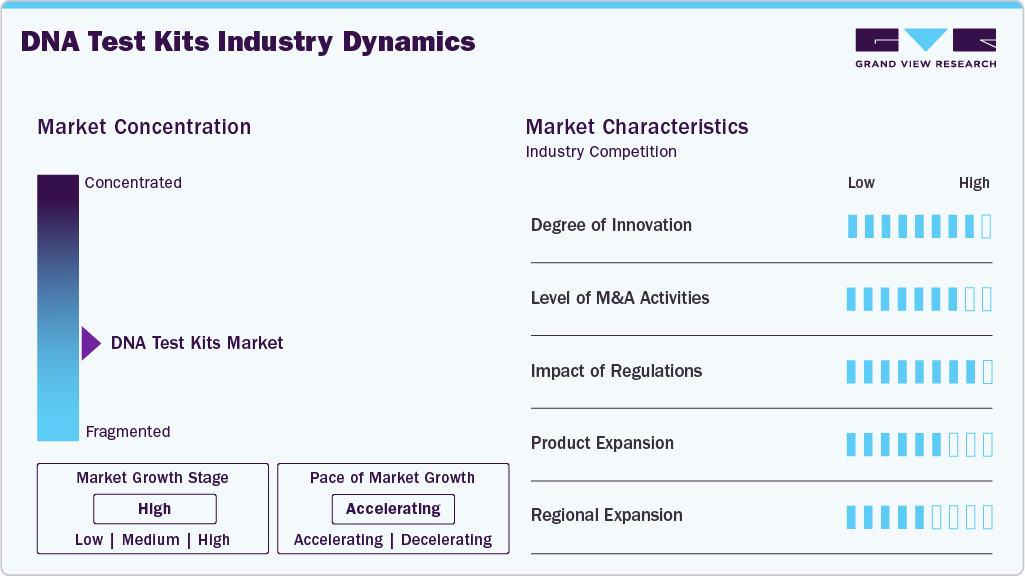
The DNA test kits industry is characterized by a high degree of innovation, driven by advancements in whole genome sequencing, genotyping, polymerase chain reaction (PCR), sample collection technologies, and genetic data analysis. Companies are increasingly developing DNA testing solutions that improve test accuracy, expand genetic coverage, reduce processing time, and provide more detailed ancestry, relationship, and health-related insights. For instance, in November 2024, ProPhase Labs launched DNA Complete, a direct-to-consumer genetic testing service based on whole-genome sequencing. It analyzes nearly 100% of a customer’s genome and provides health, wellness, and ancestry insights, offering broader genomic coverage than standard DNA ancestry tests.
The DNA test kits market is experiencing moderate M&A activity, with acquisitions aimed at strengthening genetic testing capabilities, expanding testing portfolios, and increasing access to genomic data and analysis technologies. For instance, in May 2025, GeneDx completed its acquisition of Fabric Genomics, an AI-powered genomic interpretation company. The acquisition added Fabric’s clinical genomics software to GeneDx’s testing capabilities, supporting faster interpretation of whole-exome and whole-genome sequencing results and expanding access to actionable genomic insights.
 To learn more about this report, Download Free Sample Report
 “Healthcare is at an inflection point where genomic insights must be integrated into standard care to improve outcomes and reduce costs.”
- Katherine Stueland, President and CEO of GeneDx.
The industry is influenced by regulations in healthcare, genetic testing, consumer protection, privacy, and data security, particularly for tests that provide health-related genetic information. Regulatory requirements related to analytical validity, clinical validity, informed consent, genetic data handling, labeling, and laboratory quality increase the need for standardized testing procedures and validated technologies. Compliance requirements are therefore becoming increasingly important as DNA test kits expand across direct-to-consumer, clinical, ancestry, and wellness applications.
The market for DNA test kits is experiencing rapid expansion, driven by the introduction of testing solutions for ancestry, relationship testing, health and wellness, genetic disease screening, and broader genomic analysis. Companies are expanding product offerings across saliva, buccal swab, and other sample-collection formats while incorporating higher-density genotyping and whole-genome sequencing capabilities. For instance, in August 2025, Shed launched four at-home genetic testing kits in the U.S.: Total Wellness, Nutrition + Fitness, Nutrition, and Fitness. The kits use DNA analysis to provide personalized insights across nutrition, exercise, sleep, stress, and other wellness factors, expanding consumer DNA testing beyond ancestry into targeted health and lifestyle applications.
The industry is experiencing moderate to high regional expansion, driven by increasing adoption of direct-to-consumer genetic testing, expanding genomic testing infrastructure, rising healthcare expenditure, and growing consumer interest in personalized health information in emerging markets. Countries in the Asia Pacific and other developing regions are strengthening access to genetic testing through new testing facilities, distribution partnerships, and digital health platforms. For instance, in June 2025, Illumina and Dr. Lal PathLabs expanded genomic testing capacity in India by deploying NovaSeq X Series sequencing systems at Genevolve, the company's genomics division. The NovaSeq X Plus system can support 20,000 whole-genome analyses annually, strengthening India's sequencing infrastructure and expanding access to advanced genetic testing.
Analyst Perspective
The DNA test kits market is evolving as genetic testing becomes more accessible to consumers through at-home sample collection and direct-to-consumer testing platforms. Advances in genotyping, sequencing, and bioinformatics are enabling test kits to provide increasingly detailed insights related to ancestry, genetic traits, wellness, and selected health conditions. Growing consumer interest in personalized information is expanding demand, while improvements in digital platforms are making test ordering, sample processing, and result interpretation more convenient. The market is also moving beyond basic ancestry testing, with companies introducing broader reports on traits, wellness, and health to increase the value of existing genetic data. Meanwhile, concerns surrounding genetic data privacy, accuracy, interpretation, and regulatory oversight remain important considerations for consumers and providers.
Sample Insights
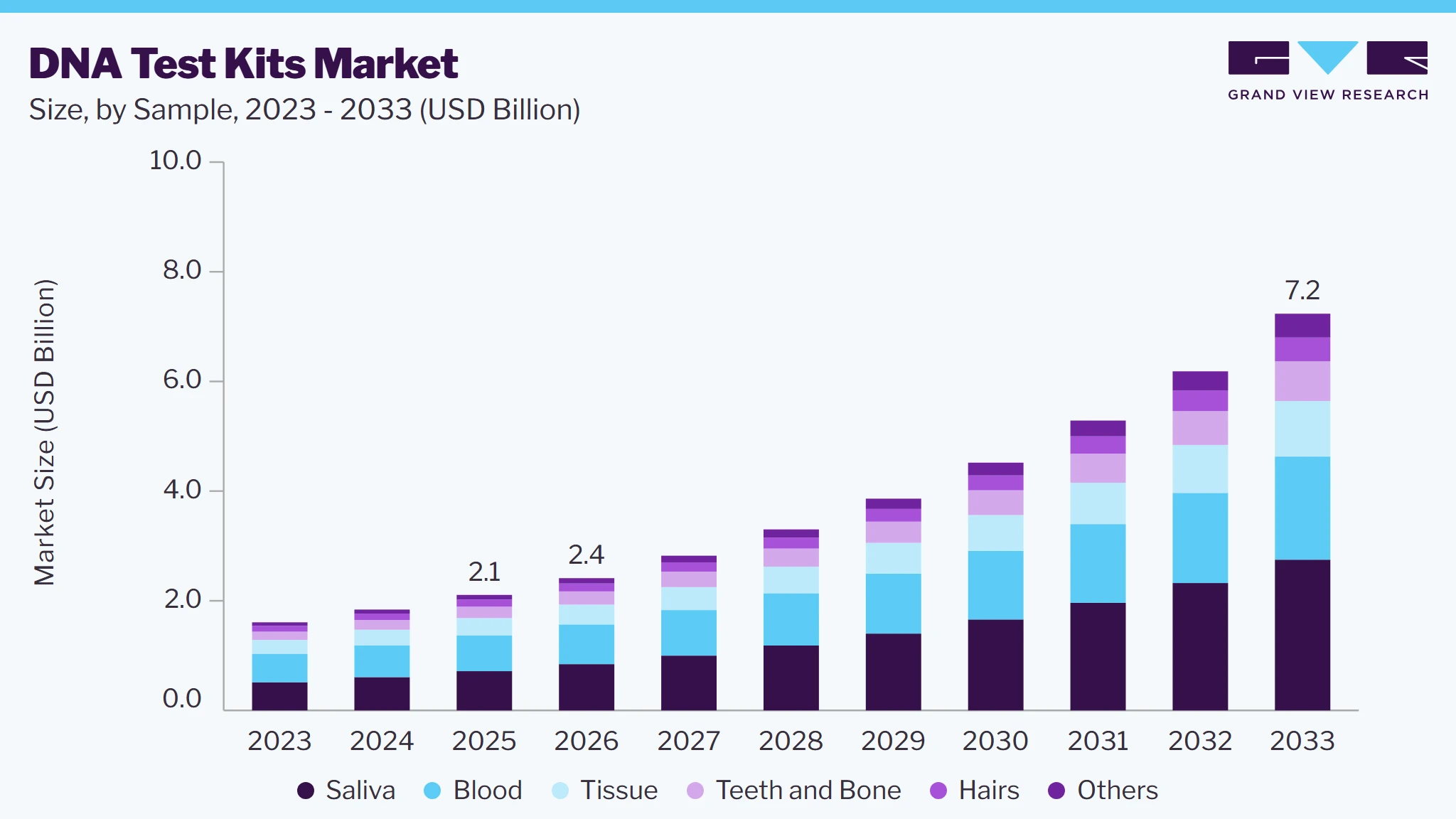
The saliva segment accounted for the largest revenue share of 34.0% in 2025, and it is also expected to grow at the fastest CAGR, supported by the convenience of non-invasive, home-based sample collection, ease of transportation, and broad compatibility with direct-to-consumer DNA testing. Saliva samples provide sufficient DNA for ancestry, relationship, and selected health-related genetic testing, supporting their widespread use across consumer DNA testing services. For instance, in August 2025, Nebraska Medicine expanded its Genetic Insights Project by introducing an at-home saliva DNA collection kit alongside its existing blood-draw option. The kit enables participants to collect samples without visiting a laboratory and is used to screen for genetic risks associated with hereditary breast and ovarian cancer, Lynch syndrome, and familial hypercholesterolemia, demonstrating the broader use of saliva-based DNA testing for accessible genetic screening.
The tissue segment is expected to grow significantly over the forecast period, driven by the increasing use of tissue samples in clinical genetic testing, oncology, and molecular diagnostics. Tissue specimens provide genomic material that can be analyzed to identify genetic mutations, biomarkers, and disease-associated alterations, making them particularly relevant for cancer profiling and personalized treatment decisions. The growing adoption of molecular testing and precision oncology is increasing demand for tissue-based DNA testing, particularly in hospitals, diagnostic laboratories, and specialized cancer centers. Advances in DNA extraction, sequencing, and molecular analysis technologies are further improving the efficiency and accuracy of tissue-based testing. In addition, the expanding use of tissue samples for tumor profiling and biomarker identification is expected to support the segment's growth throughout the forecast period.
Application Insights
The ancestry testing segment accounted for the largest revenue share in 2025, at 38.0%, driven by growing consumer interest in family history, ethnic origins, genetic relatives, and geographic ancestry. The expansion of consumer DNA databases and improvements in reference populations are deepening the ancestry insights available through DNA testing platforms. For instance, in October 2025, AncestryDNA introduced an Origins update that expanded and refined its ethnicity estimates by adding new regions and improving reference populations. The update added more detailed ancestry insights from the European region, helping users identify heritage at a more granular geographic level. The expanded regional coverage strengthens AncestryDNA’s ability to provide more precise ancestry results across European populations.
The disease risk assessment segment is expected to register the fastest CAGR over the forecast period, supported by growing consumer interest in genetic risk information, expanding availability of hereditary disease testing, and increasing use of genomic information in preventive healthcare. DNA testing providers are expanding the range of health-related reports to include hereditary cancer, cardiovascular conditions, metabolic disorders, and other genetic risks. For instance, in July 2026, Labcorp introduced the Marker by Labcorp Genetic Health Panel to improve consumer access to hereditary genetic risk testing. This panel examines 163 genes linked to over 100 medically actionable conditions, including metabolic and cardiovascular disorders, as well as hereditary cancers. The launch expands Labcorp’s consumer genetic testing portfolio and creates opportunities for greater adoption of hereditary genetic testing among individuals seeking information on inherited health risks.
End-use Insights
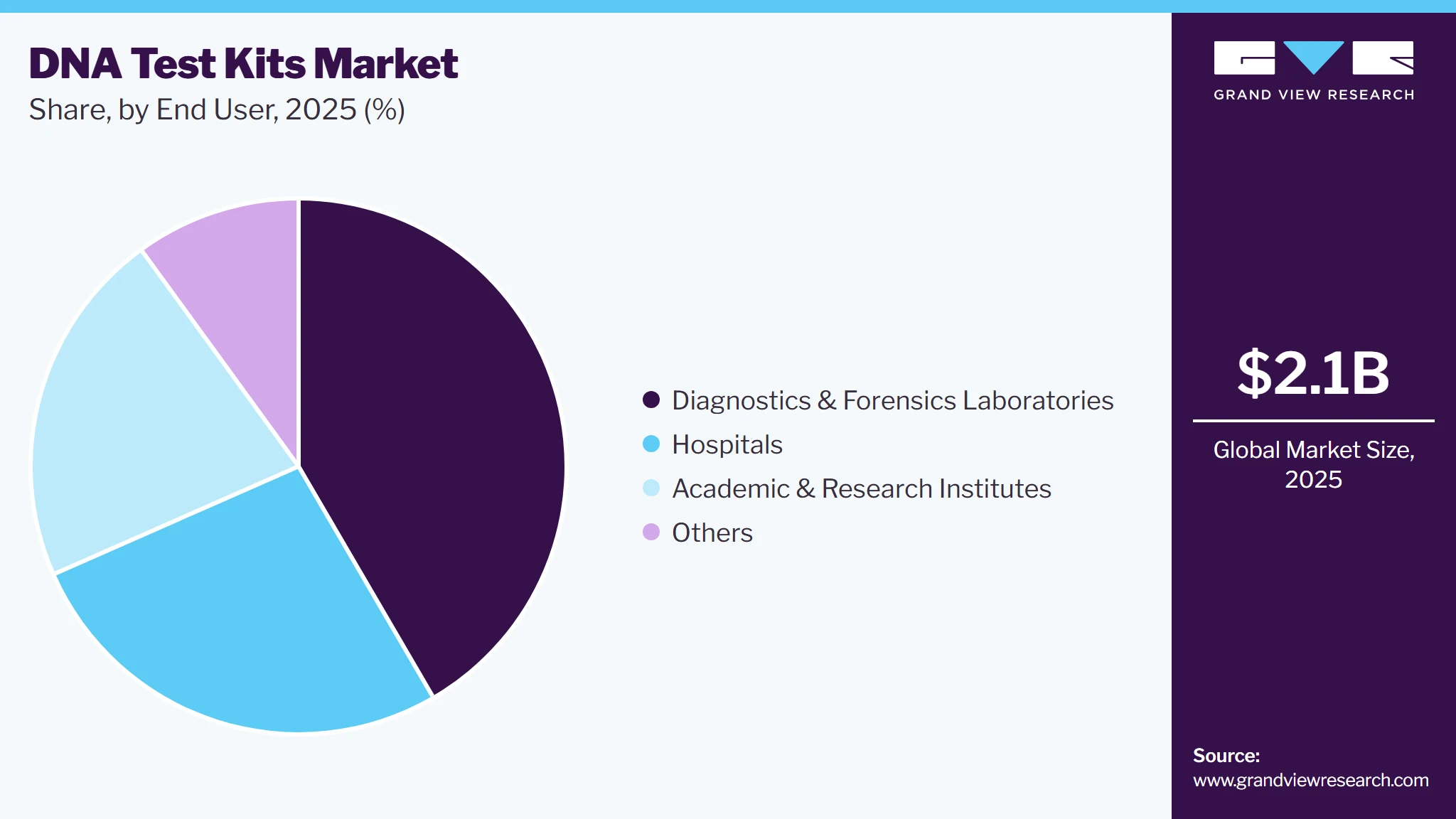
The diagnostics & forensics laboratories segment accounted for the largest revenue share of 41.6% in 2025 and is expected to register the fastest CAGR over the forecast period, supported by increasing demand for DNA-based identification, relationship testing, genetic disease analysis, and forensic profiling. Laboratories are adopting automated DNA analysis workflows and advanced molecular testing technologies to improve processing efficiency, testing accuracy, and throughput. For instance, in October 2025, QIAGEN introduced its EZ2 DNA Investigator Sep&Prep Kit, an automated workflow for processing sexual-assault evidence. The kit runs on the EZ2 Connect Fx system, processes up to 24 samples in parallel, and produces DNA suitable for forensic profiling or next-generation sequencing in under 2.5 hours, supporting higher laboratory throughput and standardized DNA analysis.
 To learn more about this report, Download Free Sample Report
 The hospitals segment is expected to register a significant CAGR over the forecast period, supported by increasing use of genetic testing in hereditary disease assessment, cancer risk evaluation, reproductive health, and personalized healthcare. Hospitals are incorporating genetic information into clinical decision-making to identify inherited risks and support more targeted patient management. The growing availability of consumer-accessible genetic health testing and expanded clinical genetic testing services is expected further to increase the integration of DNA-based testing within hospital settings.
Regional Insights
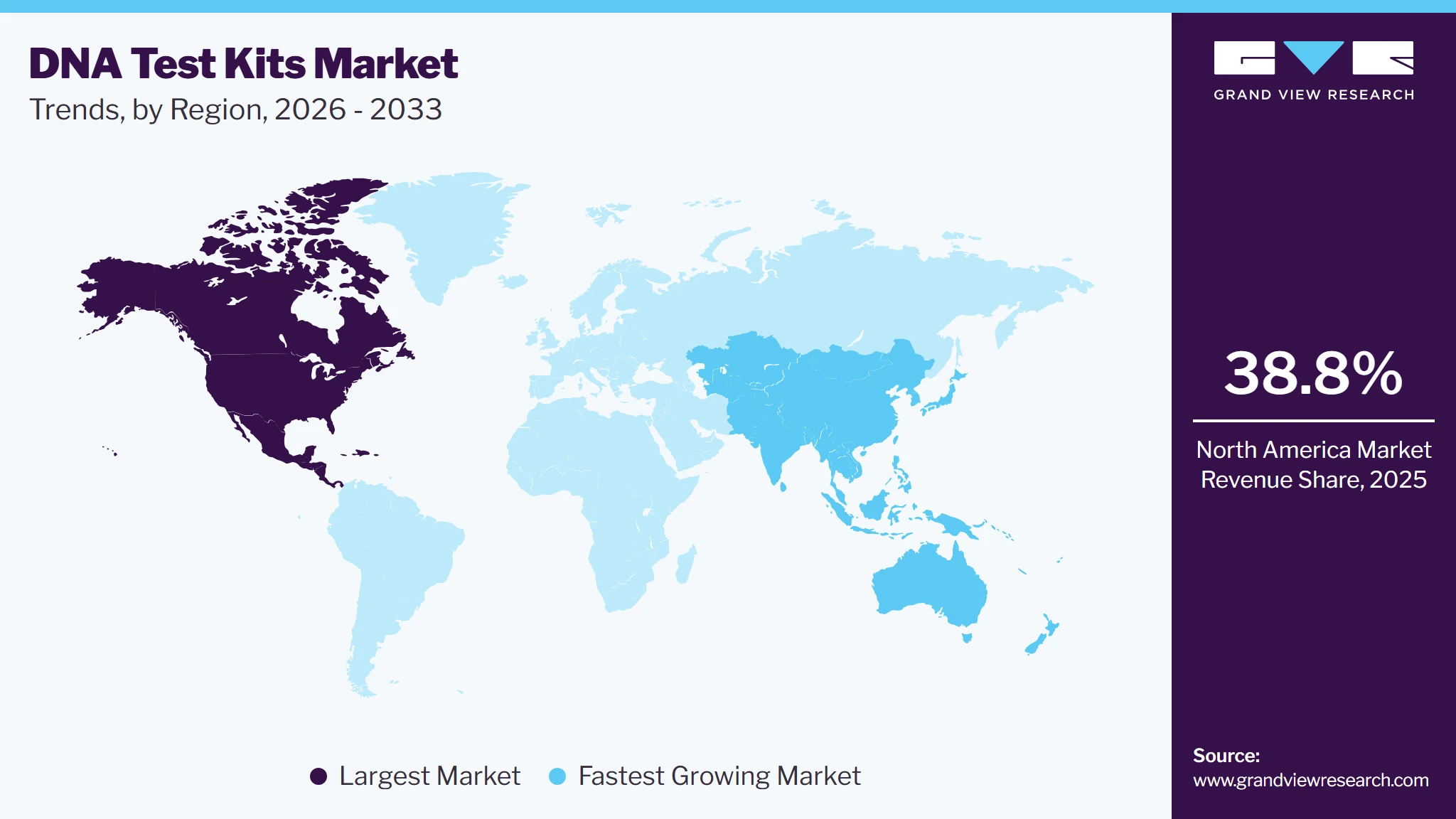
North America dominated the DNA test kits market, accounting for the largest revenue share of 38.8% in 2025, supported by high consumer awareness of ancestry and genetic health testing, established direct-to-consumer testing providers, and widespread access to genetic testing services. The region benefits from a large customer base for ancestry testing and an established genetic testing ecosystem spanning consumer, clinical, and forensic applications. Rising adoption of whole-genome sequencing across clinical, research, and consumer applications is driving market growth. For instance, in August 2025, Gene by Gene and Ultima Genomics partnered to expand access to high-quality, lower-cost DNA sequencing in the U.S. Gene by Gene planned to use Ultima’s UG 100 sequencing platform for whole-genome sequencing (WGS) and other genomic applications across clinical, research, and forensic testing.
 To learn more about this report, Download Free Sample Report
 U.S. DNA Test Kits Market Trends
The DNA test kits industry in the U.S. is expected to grow robustly over the forecast period, supported by strong consumer adoption of ancestry and genetic health testing, broad availability of at-home saliva-based kits, and established direct-to-consumer genetic testing platforms. For instance, in June 2025, GenoPalate partnered with The Vitamin Shoppe to make its At-Home DNA Collection Kit available through the retailer’s online marketplace in the U.S. The kit analyzes more than 400 genetic markers and generates personalized nutrition recommendations, expanding access to direct-to-consumer DNA testing through a national retail channel.
Europe DNA Test Kits Market Trends
The DNA test kits market in Europe was identified as a lucrative region in 2025, supported by expanding genomic medicine programs, established diagnostic infrastructure, and growing integration of genetic testing into healthcare systems. European countries are strengthening whole genome sequencing and genomic diagnostics, increasing the availability of DNA-based testing across clinical applications. For instance, in October 2025, Genomics England reported that 25,000 babies had enrolled in the Generation Study. This national NHS research program uses whole-genome sequencing to screen newborns for more than 200 rare genetic conditions. The program is evaluating how genomic screening can support earlier diagnosis and treatment within routine healthcare, strengthening genomic testing infrastructure in the region.
The UK DNA test kits market is supported by the expansion of genomic medicine infrastructure and the increasing integration of whole-genome sequencing into routine healthcare. For instance, in August 2025, the UK Government announced a new genomic population service within the NHS, training nurses as genomics champions to help patients access DNA testing closer to home. The service builds on the NHS Genomic Medicine Service and aims to expand genomic testing for cancer, heart disease, rare genetic disorders, kidney conditions, and neurological conditions.
The DNA test kits market in Germany is anticipated to grow significantly over the forecast period, supported by the country’s established healthcare infrastructure, advanced molecular diagnostics capabilities, and increasing adoption of genomic medicine. The growing use of genetic information for disease diagnosis, hereditary risk assessment, and personalized healthcare is expected to drive demand for DNA testing across hospitals, diagnostic laboratories, research institutions, and specialized genetic testing providers.
Asia Pacific DNA Test Kits Market Trends
The DNA test kits market in the Asia Pacific is expected to grow at the fastest CAGR of 22.5% during the forecast period, supported by expanding genomic medicine programs, increasing healthcare investment, greater use of genetic testing for disease assessment, and rising consumer interest in ancestry and wellness testing. Governments across the region are strengthening genetic testing infrastructure and establishing frameworks that support broader adoption of genomic technologies. For instance, in January 2025, India launched the Indian Genomic Data Set, making 10,000 whole-genome sequences available through the Indian Biological Data Center. The initiative creates a population-specific genomic resource for researchers and supports the development of genetic testing, disease research, and personalized healthcare in India.
The China DNA test kits market is expected to grow significantly over the forecast period, driven by the country’s expanding genomics ecosystem, rising investment in biotechnology research, and increasing integration of genetic testing into clinical workflows. Growing applications in oncology, reproductive health, rare disease diagnosis, and population-level genomic research are creating new opportunities for DNA test kit adoption across healthcare and research settings.
The DNA test kits market in Japan is expected to grow steadily, supported by an established healthcare system, advanced genomic research capabilities, and government efforts to promote genomic medicine. For instance, in March 2026, Japan’s Ministry of Health, Labor and Welfare established the Japan Genomic Medicine Promotion Organization (GeMJ) within the National Cancer Center. The organization is responsible for supporting the return of whole-genome analysis results to patients, promoting personalized medicine, and building infrastructure for genomic data use, thereby strengthening Japan’s genomic medicine system and the clinical use of genomic information.
Latin America DNA Test Kits Market Trends
The DNA test kits market in Latin America is expected to grow gradually over the forecast period, supported by expanding genomic healthcare programs, greater availability of molecular diagnostic services, and increasing government focus on precision medicine. For instance, in March 2025, Mexico’s National Institute of Genomic Medicine (INMEGEN) installed an Oxford Nanopore PromethION P2 sequencer, strengthening the country’s capacity for high-throughput genomic analysis. The system is intended for research and diagnostic applications in oncology, rare diseases, and infectious diseases, expanding access to advanced molecular testing in Mexico.
Middle East and Africa DNA Test Kits Market Trends
The DNA test kits market in the Middle East and Africa is expected to grow significantly during the forecast period, supported by increasing healthcare modernization, investments in genomics, and expanding adoption of precision medicine. Countries in the region are developing genetic testing capabilities to support the diagnosis of hereditary diseases, preventive healthcare, and personalized treatment. The development of national genomic strategies and expanded access to molecular diagnostics are expected to increase demand for DNA test kits across hospitals, diagnostic laboratories, and specialized genetic testing centers.
Key DNA Test Kits Company Insights
Several well-established companies operate in the DNA test kits market, supported by their portfolios of DNA extraction kits, sample collection systems, PCR and sequencing technologies, molecular diagnostic assays, and genetic testing solutions. Leading players such as QIAGEN, Thermo Fisher Scientific Inc., Bio-Rad Laboratories, Inc., Agilent Technologies, Inc., and Promega Corporation maintain a strong market presence through broad molecular biology portfolios, technology development, laboratory partnerships, and product expansion across research, clinical diagnostics, genetic testing, and forensic applications. Specialized companies such as Devyser and DNA Genotek Inc. strengthen competition through focused DNA diagnostic kits, sample collection products, nucleic acid purification solutions, and application-specific genetic testing technologies.
Key DNA Test Kits Companies
The following key companies have been profiled for this study on the DNA test kits market.
-
Agilent Technologies, Inc.
-
Bio-Rad Laboratories, Inc.
-
Devyser
-
DNA Genotek Inc. (Acquired by OraSure Technologies)
-
GeneProof
-
Norgen Biotek Corp.
-
Omega Bio-tek, Inc.
-
Promega Corporation
-
QIAGEN
-
Thermo Fisher Scientific Inc.
Competitive Benchmarking
Category
Operating Strategies
Competitive Edge
Weakness
Established Players (QIAGEN, Thermo Fisher Scientific Inc., Bio-Rad Laboratories, Inc., Agilent Technologies, Inc., Promega Corporation)
- Focus on expanding DNA extraction, amplification, sequencing, molecular diagnostics, and genetic testing solutions across clinical diagnostics, research, forensic testing, and genomics applications.
- Broad product portfolios, established laboratory distribution networks, strong R&D capabilities, global presence, and integrated workflows covering DNA extraction, amplification, analysis, and testing.
- Large organizational structures and broad product portfolios can complicate customization for highly specialized DNA testing applications. Strong presence across multiple life science markets can further increase exposure to competitive pressure outside the DNA test kits segment.
Emerging & Specialized Players (Devyser, DNA Genotek Inc. (Acquired by OraSure Technologies), Norgen Biotek Corp., Omega Bio-tek, Inc., GeneProof)
- Emphasize application-specific DNA diagnostic kits, saliva-based collection systems, DNA purification technologies, and targeted molecular testing solutions designed to simplify workflows and improve testing efficiency.
- Greater specialization in specific DNA testing workflows, flexible product development, simplified laboratory procedures, and focused solutions for genetic diagnostics and sample preparation.
- More limited global scale, product breadth, manufacturing capacity, and financial resources compared with diversified multinational life science companies.
Recent Developments
-
In January 2026, Devyser entered a strategic supply agreement with Illumina to offer sequencing instruments and products, enabling laboratories to integrate genetic testing assays with sequencing technologies and expanding access to comprehensive, sequencing-based DNA testing solutions for clinical applications.
-
In October 2025, QIAGEN launched an automated sexual-assault sample processing kit at ISHI 2025, enabling efficient sperm DNA recovery and separation from victim DNA and supporting downstream forensic DNA profiling and sequencing applications for human identification and investigative purposes.
“This kit may be one of the most important advances in sex assault sample processing since differential extraction was introduced some 40 years ago.”
- Keith Elliott, Senior Director of Strategic Marketing Human Identification at QIAGEN
DNA Test Kits Market Report Scope
Report Attribute
Details
Market size in 2025
USD 2.1 billion
Estimated market size in 2026
USD 2.4 billion
Projected market size by 2033
USD 7.2 billion
Growth rate
CAGR of 17.0% from 2026 to 2033
Historical data
2021 - 2025
Forecast period
2026 - 2033
Quantitative units
Revenue in USD billion and CAGR from 2026 to 2033
Report coverage
Revenue forecast, company ranking, competitive landscape, growth factors, and trends
Segments covered
Sample, application, end-use, region
Regional scope
North America; Europe; Asia Pacific; Latin America; MEA
Country scope
U.S.; Canada; Mexico; UK; Germany; France; Italy; Spain; Norway; Denmark; Sweden; China; Japan; India; South Korea; Australia; Thailand; Brazil; Argentina; Saudi Arabia; South Africa; UAE; Kuwait
Key companies profiled
Agilent Technologies, Inc.; Bio-Rad Laboratories, Inc.; Devyser; DNA Genotek Inc. (Acquired by OraSure Technologies); GeneProof; Norgen Biotek Corp.; Omega Bio-tek, Inc.; Promega Corporation; QIAGEN; Thermo Fisher Scientific Inc.
Customization scope
Free report customization (equivalent up to 8 analysts' working days) with purchase. Addition or alteration to country, regional & segment scope.
Pricing and purchase options
Avail customized purchase options to meet your exact research needs. Explore purchase options
Global DNA Test Kits Market Report Segmentation
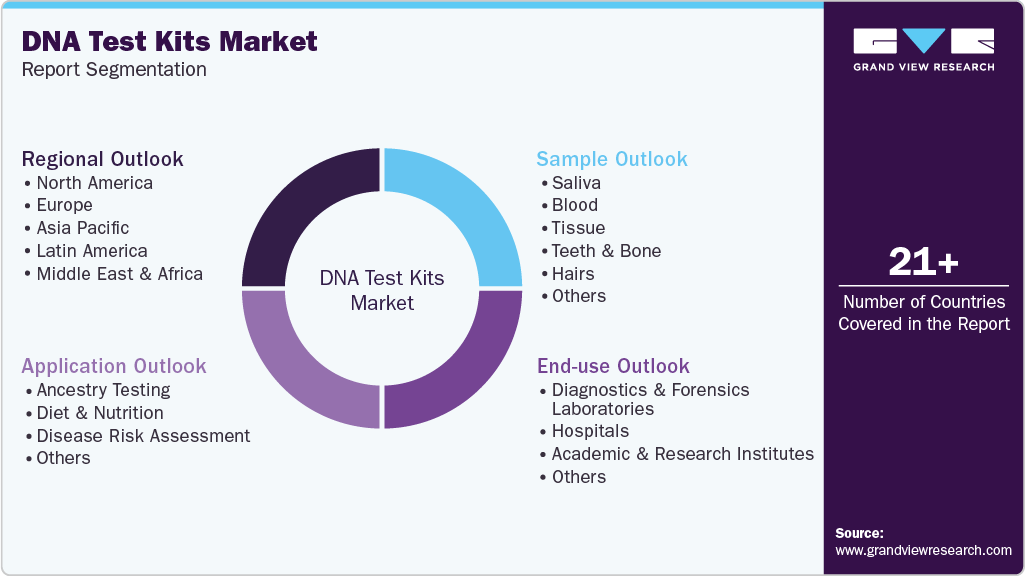
This report forecasts revenue growth and provides an analysis of the latest trends in each of the sub-segments from 2021 to 2033. For this report, Grand View Research has segmented the global DNA test kits market report on the basis of sample, application, end-use, and region:
 To learn more about this report, Download Free Sample Report
 -
Sample Outlook (Revenue, USD Billion, 2021 - 2033)
-
Saliva
-
Blood
-
Tissue
-
Teeth and Bone
-
Hairs
-
Others
-
-
Application Outlook (Revenue, USD Billion, 2021 - 2033)
-
Ancestry Testing
-
Diet & Nutrition
-
Disease Risk Assessment
-
Others
-
-
End-use Outlook (Revenue, USD Billion, 2021 - 2033)
-
Diagnostics & Forensics Laboratories
-
Hospitals
-
Academic & Research Institutes
-
Others
-
-
Regional Outlook (Revenue, USD Billion, 2021 - 2033)
-
North America
-
U.S.
-
Canada
-
Mexico
-
-
Europe
-
UK
-
Germany
-
France
-
Italy
-
Spain
-
Denmark
-
Sweden
-
Norway
-
-
Asia Pacific
-
Japan
-
China
-
India
-
Australia
-
Thailand
-
South Korea
-
-
Latin America
-
Brazil
-
Argentina
-
-
Middle East and Africa (MEA)
-
South Africa
-
Saudi Arabia
-
UAE
-
Kuwait
-
-
Research Methodology
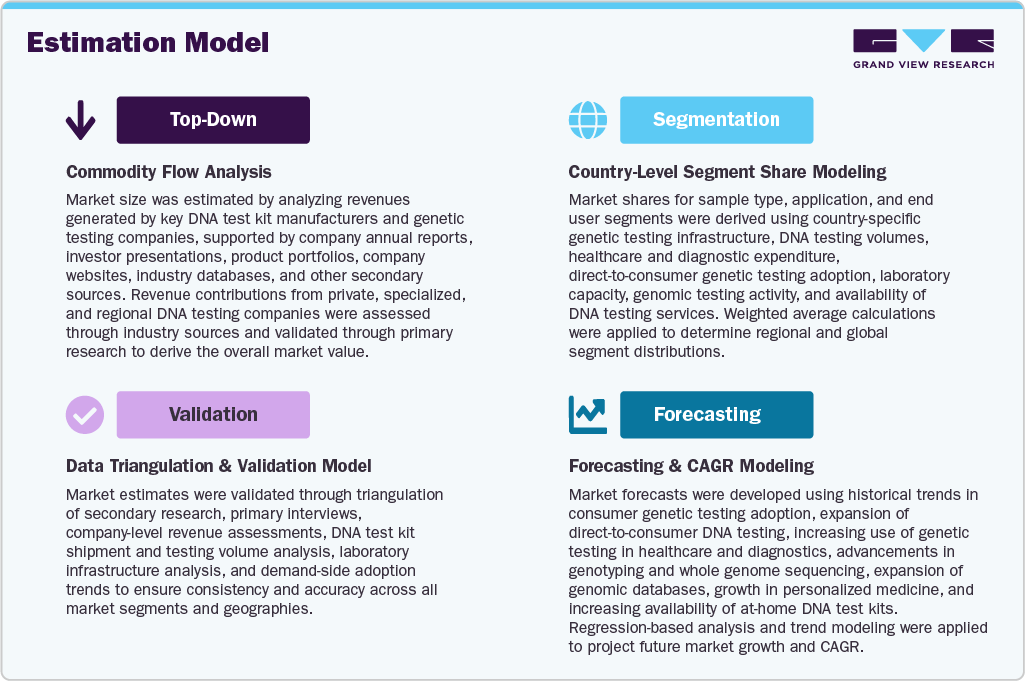
The DNA test kits market figures in this report are based on a proven research process that combines executive interviews with secondary research from proprietary databases, company filings, and recognized regulatory and institutional sources. Market size is built through value-chain sizing - reconciling supply-side and demand-side estimates - and triangulated with bottom-up and top-down approaches. Every estimate passes multiple levels of expert validation before publication, with each DNA test kits segment quantified using the revenue-capture definitions in the table below.
Segment Definition
Segment- Sample
Revenue Capture Definition
Saliva
Revenue generated from DNA test kits that use saliva samples collected through at-home or clinical collection methods. These kits support non-invasive DNA collection for ancestry testing, diet and nutrition analysis, disease risk assessment, genetic trait analysis, and other consumer and healthcare applications.
Blood
This segment captures revenue from DNA test kits that use whole blood or blood-derived samples for genetic analysis. Blood-based DNA testing is commonly used for clinical diagnostics, disease risk assessment, hereditary condition testing, and other applications requiring high-quality genomic DNA.
Tissue
Market value in this category stems from DNA test kits designed to extract and analyze genetic material from tissue samples. These kits are used in genetic disease testing, oncology-related analyses, research applications, and other testing workflows in which tissue is a suitable source of genomic DNA.
Teeth and Bone
Revenue originates from DNA test kits used to recover and analyze genetic material from teeth and bone samples. These samples are particularly relevant to forensic identification, human identification, archaeological DNA analysis, and relationship testing when conventional biological samples are unavailable.
Hairs
This segment includes revenue from DNA test kits used to analyze hair samples, particularly when hair roots or follicular material contain recoverable DNA. Applications include forensic testing, identity analysis, relationship testing, and selected genetic research workflows.
Others
Includes revenue from DNA test kits designed for other samples not covered above, such as buccal cells, cheek swabs, fingernails, dried blood spots, and other biological specimens used for DNA extraction and genetic analysis.
Segment- Application
Revenue Capture Definition
Ancestry Testing
Revenue generated from DNA test kits used to identify genetic ancestry, ethnic origins, geographic ancestry, and potential biological relatives. These tests use genetic markers to provide individuals with information about family history, ancestral regions, and genetic connections.
Diet & Nutrition
This segment captures revenue from DNA test kits used to assess genetic factors related to nutrition, dietary response, metabolism, food sensitivities, and selected lifestyle traits. Results are used to provide personalized nutrition and wellness recommendations based on an individual's genetic profile.
Disease Risk Assessment
Market value in this category stems from DNA test kits used to identify inherited genetic variants associated with potential disease susceptibility and hereditary health risks. These tests can support assessment of genetic predisposition to selected cancers, cardiovascular conditions, metabolic disorders, and other inherited conditions, subject to the scope and validation of the test.
Others
Includes revenue from DNA test kits used for applications outside ancestry testing, diet and nutrition, and disease risk assessment, such as relationship testing, genetic trait analysis, carrier screening, pharmacogenomics, reproductive testing, and other genetic testing applications.
Segment- End Use
Revenue Capture Definition
Diagnostics & Forensics Laboratories
Revenue generated from DNA test kits purchased and used by diagnostic and forensic laboratories for genetic disease testing, DNA identification, relationship analysis, forensic profiling, and other molecular testing applications. These laboratories require reliable workflows for DNA collection, extraction, amplification, and analysis to process clinical and forensic samples.
Hospitals
This segment captures income from DNA test kits used within hospitals for genetic disease assessment, hereditary risk testing, personalized medicine, reproductive health, oncology-related genetic analysis, and other clinical applications. Hospital use is supported by the growing integration of genomic information into diagnosis, treatment planning, and preventive healthcare.
Academic & Research Institutes
Market value in this category stems from DNA test kits used by universities, research centers, and biotechnology institutes for genomic research, molecular biology, population genetics, ancestry research, and the development of new genetic testing methods. These users require flexible DNA testing and sample preparation solutions for research workflows.
Others
Includes revenue from DNA test kits used by other end uses not covered above, such as direct-to-consumer genetic testing companies, commercial genetic testing centers, biotechnology companies, government laboratories, and specialized research organizations.
Estimation Model
 To learn more about this report, Download Free Sample Report
 Delivered Customizations
This report has been delivered with the following In-depth customizations
Client Request
Customization Delivered
Value Adds
DNA Test Kit Sample Collection & Processing Workflow Assessment
Evaluation of DNA testing workflows across sample collection, stabilization, transportation, DNA extraction, purification, amplification, analysis, and result interpretation, with assessment of sample integrity, processing time, DNA yield, assay compatibility, and workflow requirements across saliva, blood, tissue, teeth & bone, and hair samples.
Helps clients identify sample-to-result bottlenecks, assess workflow efficiency, compare samples, and optimize DNA testing processes across diagnostic, forensic, and research applications.
DNA Test Kit Application & End-user Demand Analysis
Assessment of DNA test kit adoption across ancestry testing, diet & nutrition, disease risk assessment, and other applications, with analysis of demand from diagnostics & forensics laboratories, hospitals, academic & research institutes, and other end uses.
Helps clients identify high-potential application areas, understand end-user purchasing requirements, evaluate market opportunities, and prioritize product development and commercialization strategies.
Forensic DNA Testing Kit & Human Identification Assessment
Detailed assessment of forensic DNA collection, extraction, STR analysis, and human identification workflows, including kit performance for challenging samples such as degraded, low-quality, mixed, or limited DNA specimens across forensic laboratories.
Supports clients in evaluating forensic testing opportunities, identifying unmet workflow requirements, assessing demand for advanced DNA kits, and prioritizing technologies for human identification and forensic applications.
Frequently Asked Questions About This Report
The global DNA test kits market size was valued at USD 2.1 billion in 2025 and is estimated at USD 2.4 billion for 2026.
The global DNA test kits market is expected to grow at a CAGR of 17.0% from 2026 to 2033, reaching USD 7.2 billion by 2033.
The saliva segment led with a 34.0% revenue share in 2025 and is the fastest growing segment.
North America dominated with a 38.8% revenue share in 2025.
Growing consumer interest in preventive healthcare and personalized health information is supporting demand for DNA test kits. Wider access to at-home testing is making genetic testing easier to use for ancestry and relationship testing, as well as selected health-related applications.
Key players include Agilent Technologies, Inc.; Bio-Rad Laboratories, Inc.; Devyser; DNA Genotek Inc. (Acquired by OraSure Technologies); GeneProof; Norgen Biotek Corp.; Omega Bio-tek, Inc.; Promega Corporation; QIAGEN; and Thermo Fisher Scientific Inc.
The ancestry testing segment led with a 38.0% revenue share in 2025, while disease risk assessment segment is the fastest-growing application.
The diagnostics & forensics laboratories segment led with a 41.6% revenue share in 2025, while hospitals segment is the fastest-growing end-use.
Asia Pacific is the fastest-growing region over the forecast period.
About the Author(s)
Biotechnology Research Team
Healthcare · BiotechnologyThis report was authored by the biotechnology research team at Grand View Research - comprising two research analysts, one senior research analyst, and one industry expert - with specialized expertise in the biotechnology segment of the healthcare industry. All findings are based on proprietary healthcare databases, executive interviews, and regulatory analysis, subject to internal peer review prior to publication.
Last Updated:
Speak to Analyst

Customize this report to your needs - add regions, segments, or data points, with 20% free customization.
Or view our licence options:


ISO 9001:2015 & 27001:2022 Certified
We are GDPR and CCPA compliant! Your transaction & personal information is safe and secure. For more details, please read our privacy policy.


