
- Home
- »
- Nutraceuticals & Functional Foods
- »
-
Gut Health Supplements Market Size, Share Report, 2033GVR Report cover

Gut Health Supplements Market (2026 - 2033)
Size, Share & Trends Analysis Report By Product, By Form (Powder, Liquid, Capsules, Tablets, Soft Gels, Gummies/Chews, Others), By Product-Form, By Distribution Channel (OTC, Prescribed), By Region, And Segment Forecasts
Market Size, 2025
$20.0BMarket Estimate, 2026
$21.7BMarket Forecast, 2033
$36.6BCAGR, 2026–2033
7.8%Gut Health Supplements Market Summary
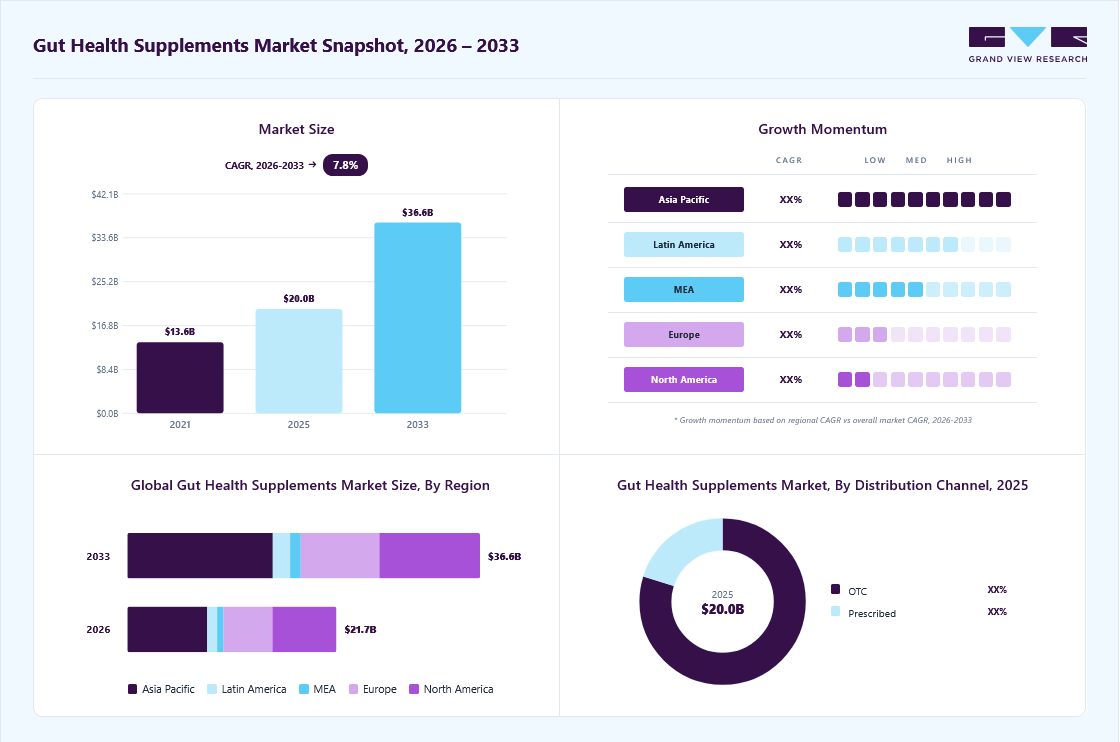
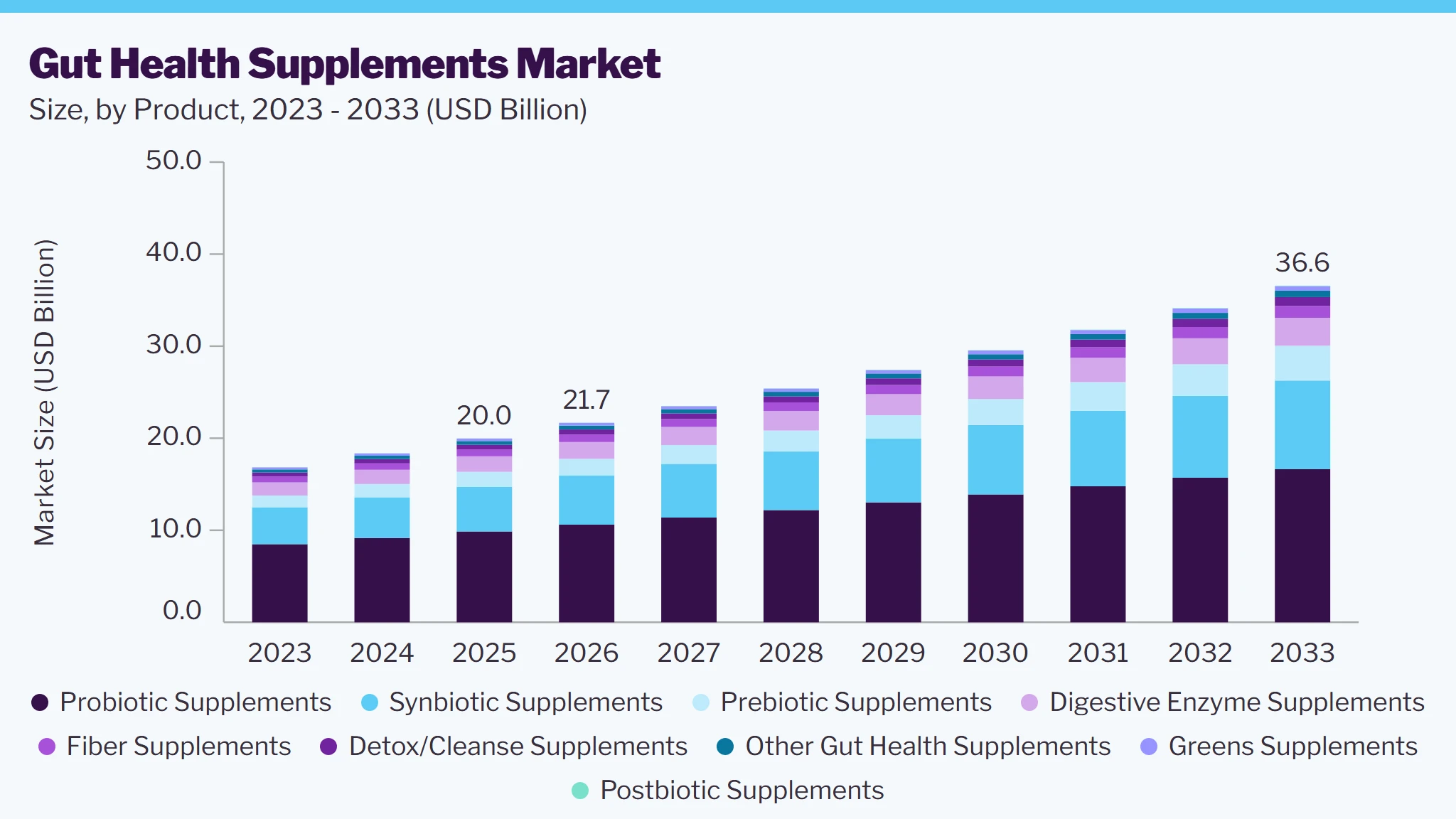
The gut health supplements market size was valued at USD 20.0 billion in 2025 and is expected to grow from USD 21.7 billion in 2026 to USD 36.6 billion by 2033, at a CAGR of 7.8% from 2026 to 2033. Asia Pacific dominated the market, accounting for a revenue share of 37.7% in 2025. The global gut health supplements market is experiencing significant growth, propelled by increasing consumer awareness of the link between digestive health and overall well-being. Rising interest in probiotics, prebiotics, synbiotics, fiber supplements, and other microbiome-focused formulations is encouraging consumers to incorporate gut health products into their daily wellness routines.
 Source: Grand View Research, IR Documents, Primary Interviews, Paid DatabasesTo learn more about this report,
 Download Free Sample Report
Key Market Trends & Insights
- By product: Probiotic supplements led the market and accounted for a share of 49.4% in 2025.
- By form: Capsuled gut health supplements market led the market and accounted for a share of 42.4% in 2025.
- By distribution channel: OTC segment led the market and accounted for a share of 79.8% in 2025.
Regional Highlights
- Largest regional market: Asia Pacific (37.7% revenue share, 2025)
- By Country: China held the largest share in 2025
Market Size & Forecast
- Market Size in 2025: USD 20.0 Billion
- Estimated Market Size in 2026: USD 21.7 Billion
- Projected Market Size by 2033: USD 36.6 Billion
- CAGR (2026-2033): 7.8%
Three ways to get this report
Buy it, customize it, or ask a question.Ask an Analyst
Analyst response in 1 business day
- AccessReport author, directly
- Reply timeWithin 1 working day
- No sales callDirect answer only
- FormatEmail reply
- CostFree, no cost
Get the Full Report
What the study covers
- FormatsPDF · Excel · Dashboard
- Timeline2026–2033 annual, 2025 base
- Coverage20+ countries, 5 regions
- Companies10+ key players profiled
Customize the Report
20% free customization
- IncludeCountries, segments, points
- TailorTo your product definition
- ExtendDeeper competitor detail
- OrA fully bespoke study
- Turnaround5–10 working days
Health concerns over artificial dyes, such as potential links to hyperactivity in children, have further accelerated this shift toward natural alternatives. Stringent regulatory standards governing the use of synthetic colors also encourage the adoption of natural options. Technological advancements in extraction and stabilization processes have improved the quality and distribution channel of natural colors, making them more viable for widespread use. In addition, the expansion of the food and beverage industry in emerging markets contributes to the increasing demand for gut health supplements.
 To learn more about this report, Download Free Sample Report
The shift from pharmaceutical products to nutraceutical products is playing a significant role in driving the gut health supplements market. This transition is largely fueled by growing consumer preference for natural and preventive solutions over synthetic pharmaceutical drugs. While pharmaceuticals are often associated with treating specific gut-related symptoms or conditions, they are also linked with potential side effects and a more reactive approach. In contrast, nutraceuticals such as probiotics, prebiotics, herbal extracts, and digestive enzymes are perceived as safer, more holistic options that not only help alleviate digestive discomfort but also proactively support gut health and prevent future issues.
As people become more health-conscious, they seek products that offer therapeutic benefits and also support their long-term health goals. Nutraceuticals appeal to this demand for proactive self-care by offering a more natural and holistic approach to health management.
 To learn more about this report, Download Free Sample Report
As consumers become more educated about the role of gut health, they are increasingly interested in maintaining a balanced gut microbiome through natural supplements rather than relying on medications like laxatives or antacids. Nutraceuticals align perfectly with this growing focus on long-term well-being and preventive care. They offer a gentler, ongoing approach that appeals to a health-conscious audience looking to support gut function naturally.
Various awareness campaigns run by government agencies, nongovernmental organizations, and companies have boosted consumer understanding pertaining to the nutritional benefits of gut health supplements, which, in turn, is projected to fuel the growth of the gut health supplements industry. According to SPINS, colostrum supplements associated with gut-health applications generated $32.3 million in sales, registering 784.9% YoY growth, reflecting rising consumer interest in functional ingredients positioned around gut and immune health. In addition, the consumption of premium nutrition-infused products is regarded as a symbol of one’s social status in many countries.
Some companies that manufacture gut health supplements offer organic and natural products, which further drives the growth of the gut health supplements industry. Attractive packaging has also increased consumer awareness, which in turn has triggered spending on such supplements. In October 2024, Sova Health, India’s first full-stack gut health company, expanded its personalized digestive health services by launching two advanced diagnostic tools-the Gut Microbiome Test (GMT) and the Food Intolerance Test (FIT). Integrated with personalized dietary guidance and custom probiotics like the newly launched SovaX, Sova Health aims to move beyond generic remedies and deliver truly evidence-based, personalized care while also planning to expand into skin and oral microbiome diagnostics in the future.
Market Dynamics
Consumers are increasingly seeking gut-health supplements that address multiple aspects of digestive wellness through a single formulation, encouraging manufacturers to combine probiotics with prebiotics, postbiotics, fiber, and digestive-support ingredients. This is expanding the category beyond conventional single-strain probiotic products and creating opportunities for more targeted and convenient formulations. Manufacturers are also responding through gummy, powder, stick-pack, and other easy-to-consume formats, which make daily gut-health supplementation more accessible. The trend is particularly evident in products designed to provide complementary microbiome support rather than focusing on a single digestive benefit.
In June 2026, Vibrant Nutraceuticals launched Stomach Pro+, a postbiotic digestive-health supplement containing the patented LJ88 strain (Lactobacillus johnsonii #1088) and Morinaga BB536. The product uses a heat-killed postbiotic format that does not require refrigeration, demonstrating innovation toward stable, convenient, and targeted gut-health supplementation.
Inconsistent product quality and uncertainty around the efficacy and safety of probiotic formulations can restrict consumer confidence and limit the wider adoption of gut health supplements. Unlike conventional pharmaceutical products, many dietary supplements are not subject to equivalent pre-market efficacy testing, while probiotic performance can vary according to strain, dosage, viability, storage conditions, and formulation. This creates challenges for manufacturers in demonstrating consistent clinical benefits and for consumers in distinguishing evidence-backed products from those with broad or poorly substantiated claims.
The growing availability of microbiome testing and digital health platforms creates an opportunity for supplement manufacturers to move from standardized formulations toward personalized gut-health programs based on individual microbiome composition, diet, lifestyle, and digestive concerns. This model can improve product differentiation, encourage recurring supplement purchases, and enable manufacturers to combine diagnostics, customized formulations, dietary recommendations, and ongoing monitoring within a single consumer journey. The opportunity is particularly relevant as consumers increasingly seek solutions tailored to specific concerns such as bloating, constipation, food intolerance, and gut-brain wellness.
In India, Guttify has adopted a diagnosis-first model using its DIY Gut Scan Kit to guide personalized gut-health strategies and plans to expand its technology, product innovation, and distribution across Tier 1 and Tier 2 cities.
Consumer Insights
 To learn more about this report, Download Free Sample Report
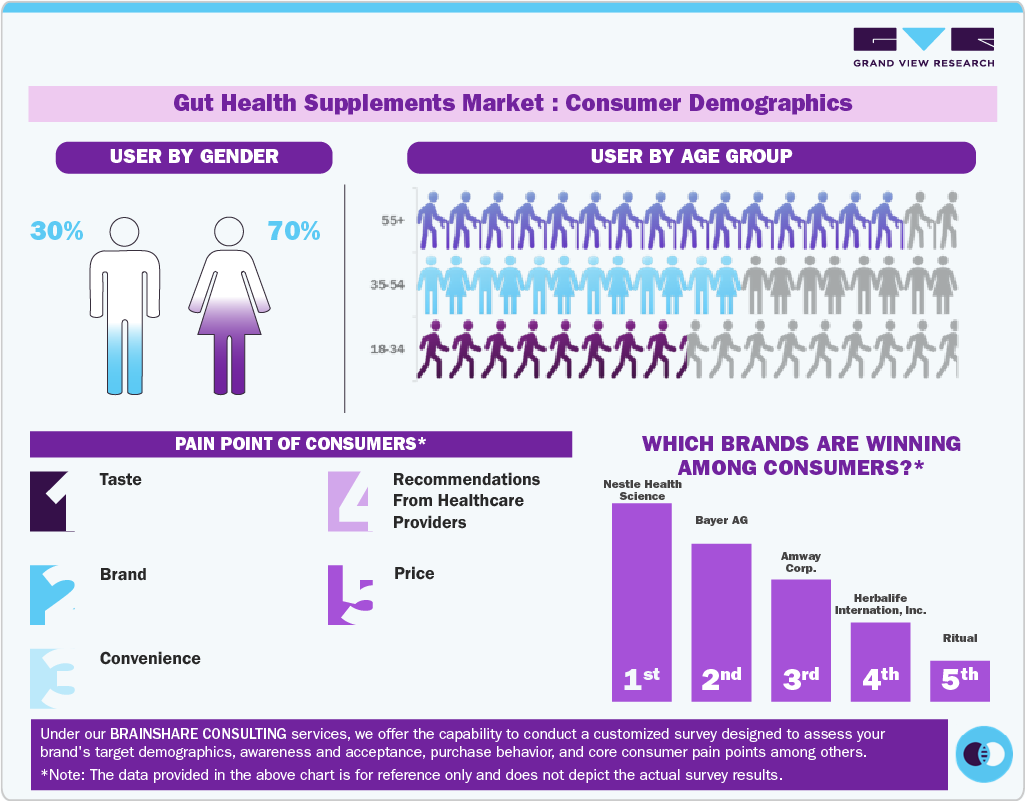
Consumers’ preferences for gut health supplements are shifting significantly, driven by growing awareness of the gut microbiome's pivotal role in overall well-being. A key factor influencing this surge in demand is the rising consumer focus on natural, plant-based, and clean-label products. Many gut health supplements, especially prebiotics and probiotics, cater to these preferences by offering formulations free from synthetic additives, gluten, dairy, and GMOs. In addition, consumers are drawn to the perceived safety and gentle action of prebiotics and probiotics compared to pharmaceutical alternatives. While pharmaceuticals are often associated with potential side effects and a reactive approach, prebiotics (which nourish beneficial gut bacteria) and probiotics (which replenish gut flora) offer a more balanced, preventive path to digestive wellness.
 To learn more about this report, Download Free Sample Report
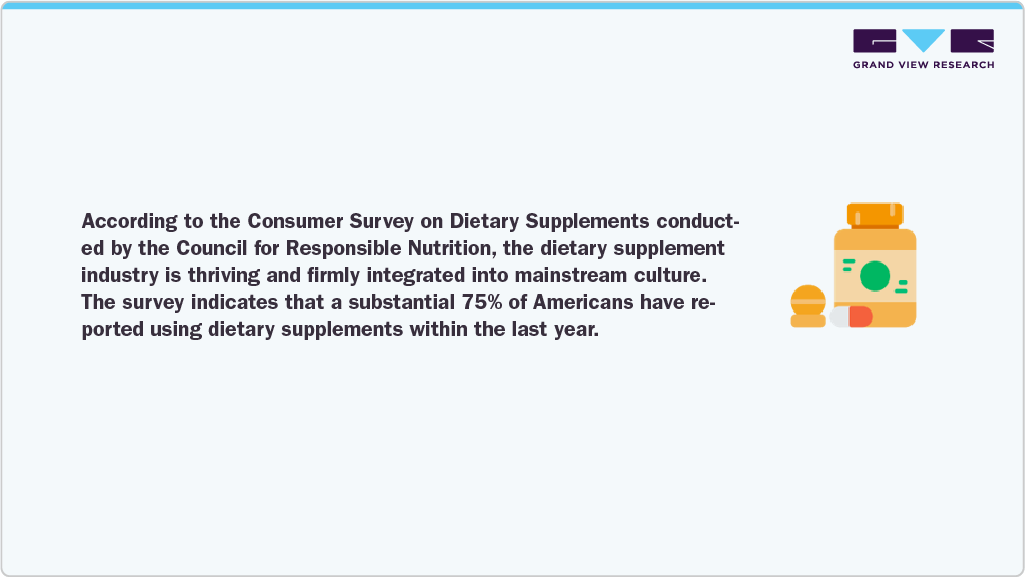
Furthermore, the survey reveals a growing trend in specialty supplements, with over half of supplement users acknowledging their use of specialty supplements in the past year. The most favored options among these specialty supplements include omega-3s, probiotics, melatonin, and fiber.
The European Food Safety Authority (EFSA) recommends that adults consume at least 25 grams of dietary fiber daily to support bowel function and help prevent diseases like type 2 diabetes, colorectal cancer, cardiovascular diseases, and obesity. For children aged one year and older, the recommended fiber intake is about 2 grams per 240 kcal, adjusted for their energy needs. Most European dietary guidelines suggest adults aim for 25-35 grams of fiber daily, with men advised to consume 30-35 grams and women 25-32 grams.
 To learn more about this report, Download Free Sample Report
In addition, consumers are placing a strong emphasis on product efficacy and scientific validation. They are more likely to choose supplements backed by clinical research and endorsed by healthcare professionals. This shift reflects a desire for evidence-based solutions and a move away from marketing-driven claims. As a result, brands that invest in research and development and provide clear information on the science behind their products are gaining a competitive edge.
Older adults are particularly inclined toward gut health for several important reasons. Aging naturally leads to a decline in the diversity and population of beneficial gut bacteria, which can affect digestion, nutrient absorption, and immune defenses. In addition, older individuals often face gastrointestinal issues like constipation, bloating, and irritable bowel symptoms, all of which can be alleviated by improving gut microbiota. The immune system, a significant part of which resides in the gut, also tends to weaken with age, making gut health maintenance essential for reducing infections and chronic inflammation.
The USDA recommends that adults over the age of 50 consume 21 grams of fiber daily for women and 30 grams daily for men to support overall health. Despite these guidelines, most older Americans do not meet the recommended intake. On average, fiber consumption among U.S. adults ranges between only 10 to 16 grams per day, which is significantly below the levels advised for maintaining optimal digestive health and preventing chronic diseases.
Manufacturers of gut health supplements are introducing new, more convenient formats (gummies, capsules, fibers) to improve taste and user experience. Growing environmental concerns are also pushing them toward sustainable, lower-footprint production. For example, in March 2025, Nature Made expanded its gut health range with clinically studied probiotics, prebiotics, and fiber in daily-use gummies and capsules, available online and coming to major retailers.
Product Insights
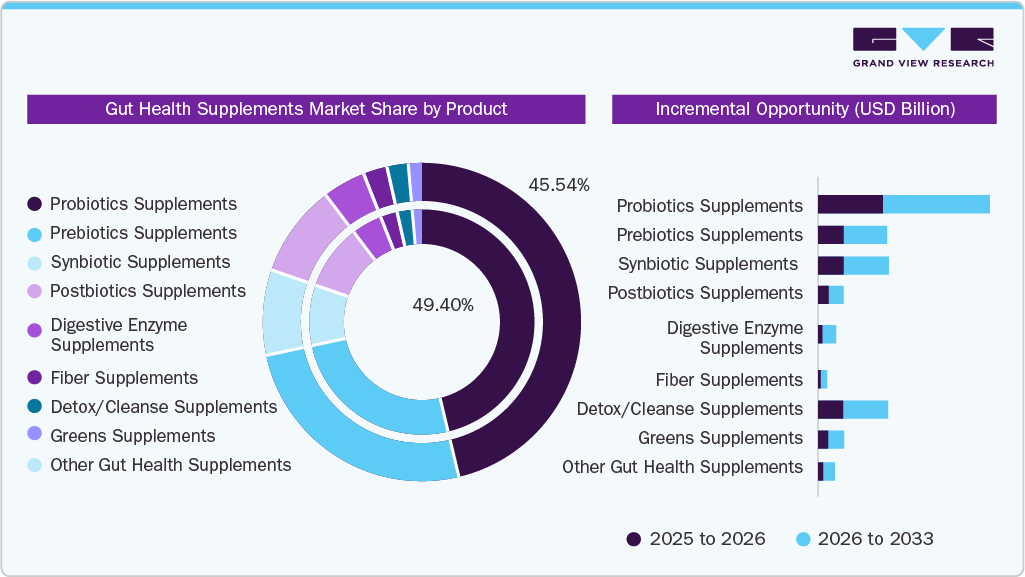
Probiotic supplements market held the largest share accounting for a share of 49.40% in 2025. Probiotics are live beneficial microorganisms that help to restore and maintain the natural balance of gut flora, which can be disrupted by factors such as poor diet, stress, illness, or antibiotic use. According to the World Gastroenterology Organization, probiotics, when administered in adequate amounts, confer health benefits by modulating the intestinal ecosystem through mechanisms such as enhancing mucosal immune responses, antagonizing pathogens, producing beneficial metabolic products like short-chain fatty acids, and improving the intestinal barrier function. These effects can lead to reduced incidence and severity of diarrhea and overall improved gut health. Probiotics also interact with host cells and resident microbes to regulate inflammation and boost immune responses, contributing to their broad health benefits beyond the gut.
 To learn more about this report, Download Free Sample Report
Postbiotic supplements are anticipated to witness a CAGR of 11.8% from 2026 to 2033. The demand for postbiotic supplements is fueled by growing scientific interest and consumer awareness surrounding the next generation of gut health solutions. Postbiotics are non-living bioactive compounds produced during the fermentation process by probiotics. These include metabolites such as short-chain fatty acids, enzymes, peptides, and cell wall fragments that offer health benefits without containing live bacteria. According to the International Scientific Association for Probiotics and Prebiotics (ISAPP), postbiotics represent a promising advancement in microbiome science due to their stability, safety, and proven bioactivity.
With the increasing demand for evidence-based wellness products, many consumers are turning to postbiotics for targeted digestive and immune support, particularly in populations with sensitive health conditions such as infants, the elderly, and those recovering from antibiotic use. For instance, in January 2024, Kirin Beverage Company launched its new postbiotic supplement beverage, Kirin iMUSE Karada Omoi Yogurt Taste, nationwide in Japan. The product features 100 billion LC-Plasma (L. lactis strain Plasma) postbiotics per serving, designed to support immune function in healthy people. As part of its strategy, Kirin is targeting health-conscious consumers with accessible, tasty options and refreshed packaging to make immune care a daily habit.
Form Insights
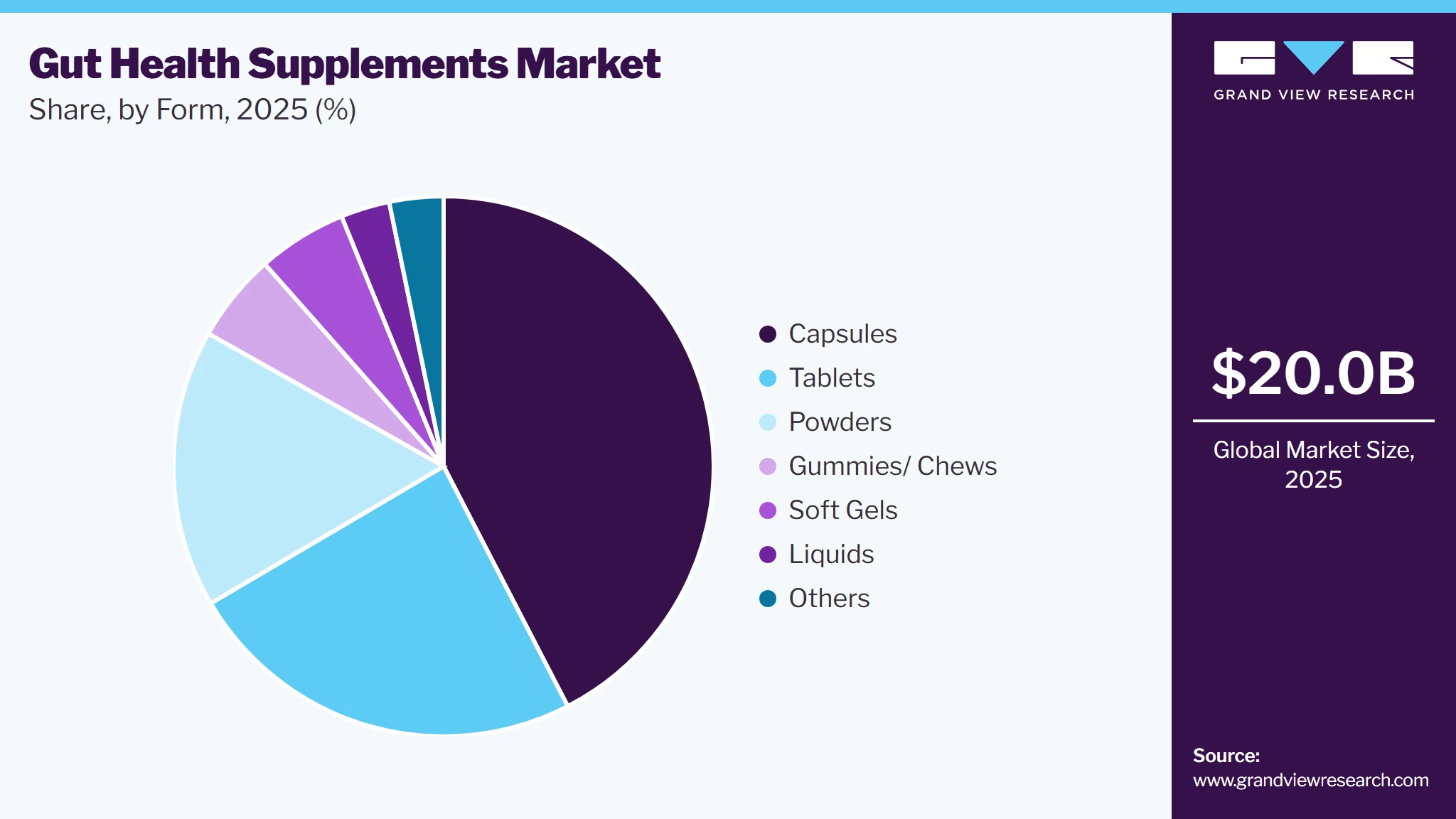
Gut health supplements in capsules form held the largest share in the gut health supplements market, accounting for a share of around 42.40% in 2025. Capsules are widely used across various gut health categories, such as probiotics, prebiotics, digestive enzymes, postbiotics, and herbal detox supplements, due to their ability to protect sensitive ingredients from stomach acid and deliver them directly to the intestines, where they are most effective. One of the key advantages of capsules is their ability to offer enteric coating, a technology that prevents dissolution in the stomach and ensures targeted release in the gut. This is especially important for probiotic strains, which are highly sensitive to heat and acidic environments. The growing consumer demand for science-backed and clinically effective probiotic supplements is boosting the popularity of capsule formats that support strain viability and enhanced absorption.
 To learn more about this report, Download Free Sample Report
Gut health supplements in gummies/chews form is anticipated to witness a CAGR of 9.7% from 2026 to 2033. The gummies and chews segment of the gut health supplements market is experiencing robust growth, fueled by consumer demand for enjoyable, convenient, and palatable supplement formats. Chewable supplements are particularly favored by younger demographics and those with pill fatigue, as they combine taste with functionality. The ability to infuse gummies with various flavors and textures enhances user compliance and satisfaction.
Moreover, advancements in formulation have enabled the inclusion of complex ingredients like probiotics, prebiotics, and postbiotics in gummy formats, ensuring efficacy without compromising on taste or stability. For instance, What’s Up Wellness launched Gut Health Gummies, a convenient and tasty supplement combining patented probiotic strain B. Coagulans Unique IS-2, prebiotics, aloe vera, and amla to address constipation, acidity, and overall digestive wellness.
Distribution Channel Insights
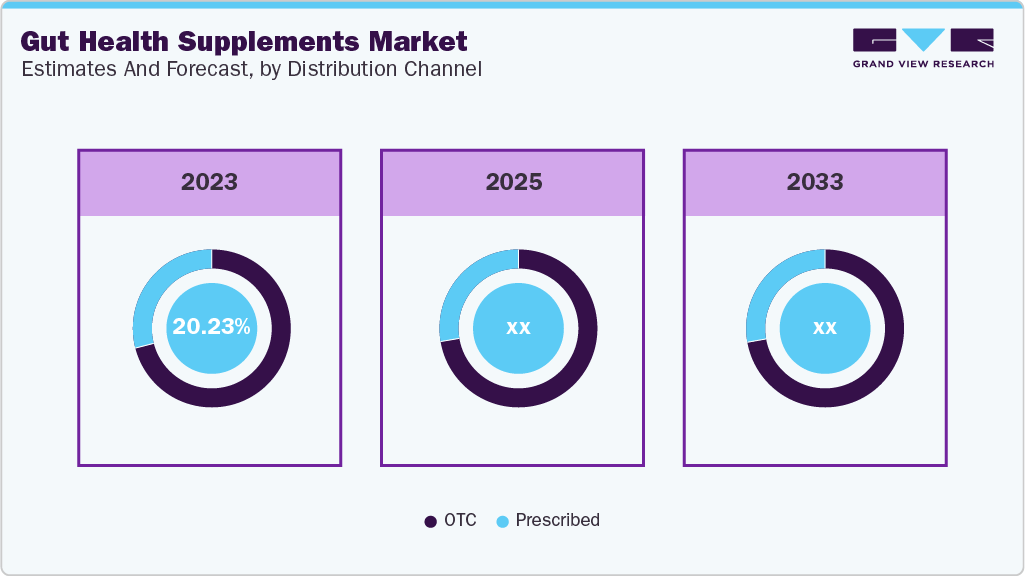
Sales of gut health supplements through OTC channel held the largest share, accounting for a share of around 79.8% in 2025. The Over-the-Counter (OTC) sales channel of gut health supplements industry is witnessing significant growth, driven by the rising prevalence of common digestive issues such as bloating, indigestion, constipation, and irregular bowel movements. As more consumers experience these discomforts on a regular basis, they are increasingly turning to easily accessible, non-prescription solutions to manage their symptoms and support long-term digestive health.
 To learn more about this report, Download Free Sample Report
Convenience stores are gaining traction in urban areas by offering quick, on-the-go formats like gummies and shots for busy consumers. Online platforms are rapidly growing due to e-commerce convenience, competitive pricing, and detailed product information. In addition, supermarkets, health food stores, and wellness boutiques contribute by providing diverse, natural, and organic gut health options for health-conscious buyers.
Sales of gut health supplements through prescribed channel are anticipated to witness a CAGR of 6.9% from 2026 to 2033. The prescribed segment of the gut health supplements market is growing steadily, influenced by the rising prevalence of chronic digestive disorders and increased clinical recognition of the gut microbiome’s role in overall health. People prefer prescribed supplements because they offer targeted, clinically validated formulations recommended by healthcare professionals. This ensures safety, efficacy, and personalized management of digestive health conditions.
Physicians and gastroenterologists are increasingly recommending specialized probiotic, prebiotic, and enzyme-based formulations to manage conditions such as irritable bowel syndrome (IBS), inflammatory bowel disease (IBD), and antibiotic-associated diarrhea. These prescriptions often target patients requiring more tailored or higher-potency interventions than those available over the counter.
Regional Insights
The gut health supplements market in North America accounted for a share of around 30.9% in 2025, driven by increasing consumer demand for clean-label and health-conscious products. North America holds a significant share in the global gut health supplements market, driven by heightened consumer awareness about digestive health and a proactive approach to wellness. Consumers are increasingly adopting gut health supplements to manage digestive disorders, boost immunity, and support mental well-being through the gut-brain axis.
U.S. Gut Health Supplements Market Trends
The U.S. Food and Drug Administration (FDA) regulates dietary supplements under the Dietary Supplement Health and Education Act (DSHEA), ensuring product safety and labeling accuracy. While the FDA does not require pre-market approval for dietary supplements, it prohibits false or misleading claims and mandates that labels include a statement of identity, net quantity, nutrition labeling, ingredient list, and the name and place of business of the manufacturer, packer, or distributor. These regulations have enhanced consumer trust and provided a framework for companies to innovate with confidence.
Europe Gut Health Supplements Market Trends
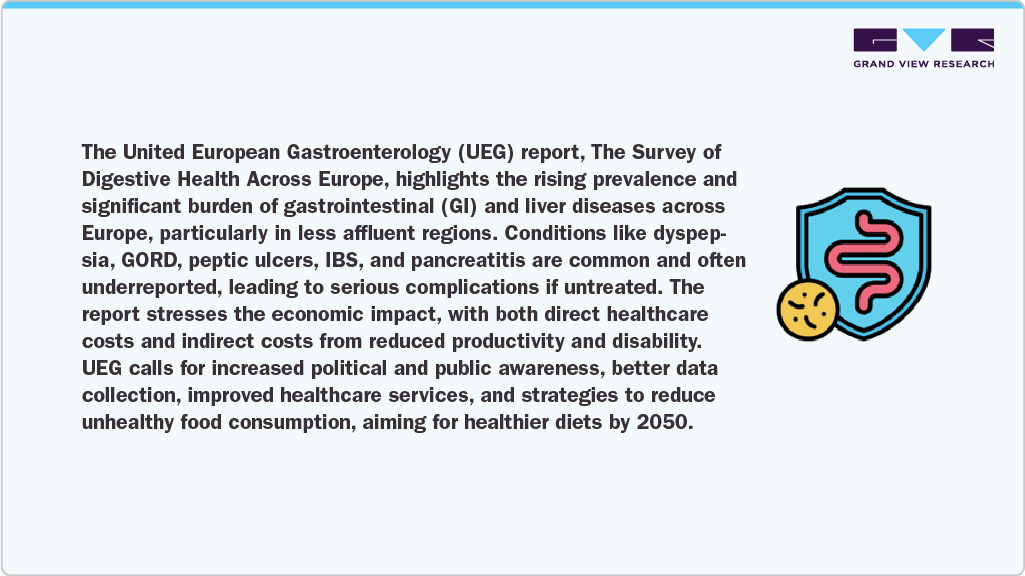
The gut health supplements market in Europe market is expected to grow at a CAGR of 7.0% from 2026 to 2033. One of the primary drivers is the increasing prevalence of gastrointestinal disorders, such as irritable bowel syndrome (IBS) and inflammatory bowel diseases (IBD), attributed to sedentary lifestyles, western diets rich in processed foods, and heightened stress levels.
The European Food Safety Authority (EFSA) enforces stringent regulations on health claims for gut health supplements, requiring that any functional or physiological benefits stated on labels be substantiated with robust scientific data. Manufacturers must submit detailed dossiers with clinical evidence proving the efficacy and safety of active ingredients, especially for claims related to probiotics, prebiotics, and other digestive aids. This high regulatory threshold has prompted companies to invest heavily in research and development, resulting in the launch of clinically backed, high-quality products that meet consumer expectations and regulatory standards.
The gut health supplements market in Germany is primarily being driven by the country’s strong preventive healthcare culture and high dietary supplement adoption rates. According to data published by the Robert Koch Institute, more than 40% of German consumers regularly consume dietary supplements, with probiotics ranking among the most preferred products for digestive wellness maintenance. Increasing consumer understanding of the relationship between gut microbiota, immunity, and overall health has positioned gut health supplements as part of daily preventive nutrition rather than occasional therapeutic use. Scientific findings highlighting that nearly 70% of immune function is linked to gut health have further accelerated routine probiotic consumption for immunity support, particularly following post-pandemic health awareness shifts.
Asia Pacific Gut Health Supplements Market Trends
The Asia Pacific gut health supplements market accounted for a share of around 37.7% in 2025. Countries like India, China, and Australia have witnessed a surge in demand for gut health products, fueled by urbanization, rising disposable incomes, and a growing middle class seeking specialized health solutions. This shift is further supported by government initiatives and healthcare organizations promoting education on gut health and related disorders.
 To learn more about this report, Download Free Sample Report
Innovation in product development has been pivotal in attracting a broader consumer base. Manufacturers have focused on enhancing the taste, texture, and nutritional value of gut health supplements, introducing formats like gummies, powders, and ready-to-drink beverages. These developments align with consumer preferences for functional yet palatable health products. For instance, the introduction of plant-based and gluten-free options caters to individuals with specific dietary requirements, reflecting the gut health supplements industry responsiveness to diverse consumer needs.
The gut health supplements market in China is being significantly driven by rapid lifestyle transitions and the growing burden of digestive and metabolic disorders linked to urbanization. Changing dietary habits, increased antibiotic usage, sedentary lifestyles, and rising incidences of obesity and metabolic syndromes have disrupted gut microbiome balance among urban populations, encouraging preventive consumption of probiotic and prebiotic supplements. Consumers are increasingly adopting gut-health products not only for digestion but also for weight management and metabolic wellness, reflecting a shift toward preventive healthcare practices.
Central & South America Gut Health Supplements Market Trends
The Central & South America gut health supplements market is expected to grow at a CAGR of 8.2% from 2026 to 2033, driven by a combination of cultural traditions, evolving consumer preferences, and supportive regulatory frameworks. As awareness of the gut microbiome's role in immunity, energy levels, and overall health increases, more individuals are seeking products that support digestive balance, leading to a growing demand for probiotics, prebiotics, and fiber-based supplements.
Another important factor is the increasing incidence of digestive issues, including bloating, constipation, and food intolerances, which are prompting consumers to explore non-pharmaceutical solutions. In urban centers of countries like Brazil, Argentina, and Chile, stress, sedentary lifestyles, and processed food consumption have contributed to rising gastrointestinal concerns, making gut health supplements a preferred remedy for prevention and relief. Moreover, government-led health campaigns and stricter food labeling regulations, especially in Brazil through ANVISA, have enhanced consumer confidence in the safety and quality of supplements. This regulatory clarity has made consumers more comfortable incorporating such products into their daily routines.
Middle East & Africa Gut Health Supplements Market Trends
The gut health supplements market in Middle East and Africa is expected to grow at a CAGR of 7.6% from 2026 to 2033. Growing urbanization, rising disposable incomes, and increasing awareness of digestive health are encouraging more consumers to incorporate gut health supplements into their daily routines. Countries like the UAE, Saudi Arabia, and South Africa are at the forefront of this transformation, where lifestyle-related digestive issues such as bloating, indigestion, and food sensitivities are becoming more common due to diets high in processed foods and sedentary lifestyles. Religious and cultural dietary practices, such as halal certification, also play an essential role in shaping product demand. Halal-certified supplements that support digestive health are in growing demand in predominantly Muslim countries across the Middle East and North Africa. As a result, global and regional supplement manufacturers are tailoring their offerings to comply with local regulatory standards and consumer preferences.
Key Gut Health Supplements Company Insights
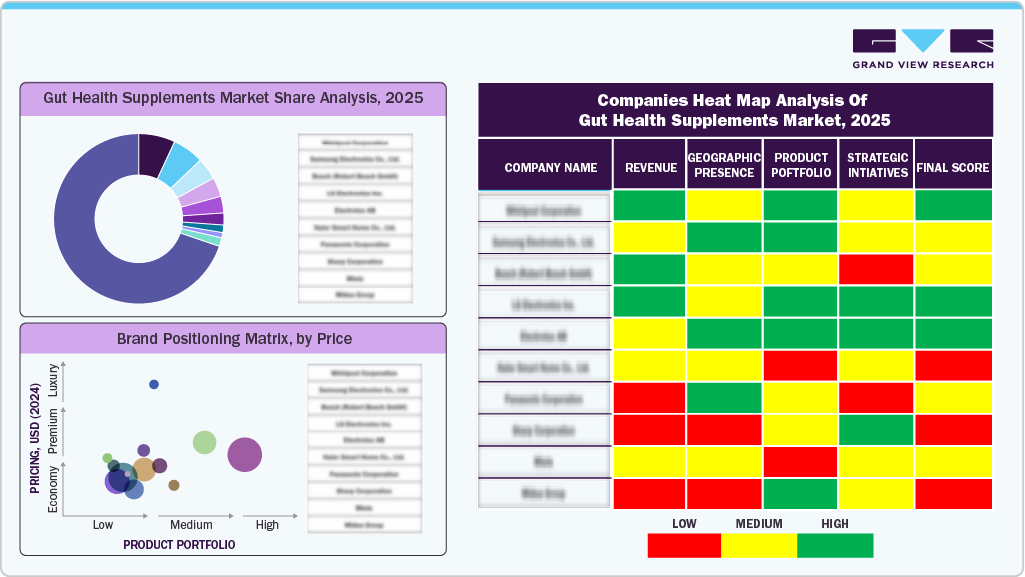
Leading players in the gut health supplements market include NOW Foods, Nestlé Health Science, Bayer AG, Nestlé Health Science. The gut health supplements market remains highly competitive, with brands actively expanding their presence across both online and offline retail channels.
Companies are investing in advanced formulation, encapsulation, and delivery technologies to enhance ingredient stability, bioavailability, and compatibility with a wide range of distribution formats. Growing consumer awareness around digestive wellness, microbiome balance, immunity, and clean-label/natural products is further accelerating adoption. In addition, the shift toward plant-based, allergen-free, and sustainably sourced ingredients continues to support strong, long-term growth potential for gut health supplements.
 To learn more about this report, Download Free Sample Report
Key Gut Health Supplements Companies
The following key companies have been profiled for this study on the gut health supplements market.
-
Nestlé Health Science
-
Bayer AG
-
Amway Corp.
-
Herbalife International, Inc.
-
NOW Foods
-
Nature's Sunshine Products, Inc.
-
BioGaia
-
Seed Health, Inc.
-
Ritual
-
RenewLife
Competitive Benchmarking
Category
Operating Strategies
Competitive Edge
Weakness
Established Players (Nestlé Health Science; Bayer AG; Amway Corp.; Herbalife International, Inc.; NOW Foods; Nature's Sunshine Products, Inc.; BioGaia; RenewLife)
- Mature players focus on broadening probiotic, prebiotic, fiber, enzyme, and digestive-health portfolios across established retail and digital channels.
- They prioritize scientific validation, product diversification, distribution expansion, and consumer education to reinforce established market positions.
- Extensive distribution networks, established brand recognition, and broad product portfolios provide strong consumer access across multiple markets.
- Established R&D capabilities and formulation expertise support the development of science-backed gut-health solutions.
- Large portfolio structures can reduce agility in responding to niche consumer trends and emerging formats.
- Higher operating and compliance requirements can constrain speed of product launches and experimentation.
Emerging Players (Seed Health, Inc.; Ritual)
- Emerging players adopt science-led, digitally focused strategies centered on microbiome-specific formulations, personalized wellness, and direct-to-consumer engagement.
- They emphasize differentiated formulations, transparent ingredient communication, subscriptions, and targeted consumer segments to build traction.
- Agile product development and digital-first distribution enable faster responses to changing consumer preferences and emerging gut-health needs.
- Strong emphasis on microbiome science, transparency, and modern brand positioning supports differentiation among younger wellness consumers.
- Narrower product portfolios and comparatively smaller physical distribution networks can limit mass-market penetration.
- Greater reliance on digital acquisition and specialized positioning can increase customer-acquisition costs and restrict reach beyond digitally engaged consumers.
Recent Developments
-
In March 2025, Nature Made, a leading U.S. vitamin and supplement brand, launched new probiotic innovations to enhance gut health support. The updated product line includes Nature Made Probiotic + Prebiotic Fiber Gummies, featuring the Lactospore strain and 3 grams of prebiotic fiber per serving, and Nature Made Probiotics 1 Billion CFU Capsules, containing the clinically studied BB-12 strain. These additions aim to address the growing consumer demand for effective, enjoyable, and easy-to-incorporate digestive health solutions.
-
In March 2025, PepsiCo completed the acquisition of the US prebiotic soda brand Poppi in a deal valued at $1.95 billion, including $300 million in anticipated tax benefits. This strategic move allowed PepsiCo to expand into the growing healthier soda segment, driven by increasing consumer demand for functional beverages that promote gut health and wellness. Poppi’s unique formula, combining prebiotics, fruit juice, and apple cider vinegar with low sugar content, has gained rapid popularity among younger consumers, with retail sales soaring by over 120% year-over-year.
-
In April 2025, Müller UK & Ireland expanded its portfolio by acquiring Biotiful Gut Health, a leading UK-based kefir brand founded in 2012 by Natasha Bowes. While the exact value of the acquisition was not disclosed, industry estimates suggest a multi-million-pound deal. This strategic move aims to bolster Müller's presence in the functional health yogurt and drinks sector, complementing its earlier acquisition of Yew Tree Dairy in late 2024.
Gut Health Supplements Market Report Scope
Report Attribute
Details
Market size in 2025
USD 20.0 billion
Estimated market size in 2026
USD 21.7 billion
Projected market size by 2033
USD 36.6 billion
Growth rate
CAGR of 7.8% from 2026 to 2033
Actuals
2021 - 2024
Forecast period
2026 - 2033
Quantitative units
Revenue in USD million, and CAGR from 2026 to 2033
Report coverage
Revenue forecast, company ranking, competitive landscape, growth factors, and trends
Segments covered
Product, form, product-form, distribution channel region
Regional scope
North America; Europe; Asia Pacific; Central & South America; Middle East and Africa
Country scope
U.S; Canada; Mexico; Germany; UK; France; Italy; Spain; China; Japan; India; Australia & New Zealand; Thailand; Malaysia; Taiwan; South Korea; Brazil; South Africa
Key companies profiled
Nestlé Health Science; Bayer AG; Amway Corp.; Herbalife International, Inc.; NOW Foods; Nature's Sunshine Products, Inc.; BioGaia; Seed Health, Inc.; Ritual; RenewLife
Customization scope
Free report customization (equivalent up to 8 analysts’ working days) with purchase. Addition or alteration to country, regional & segment scope.
Pricing and purchase options
Avail customized purchase options to meet your exact research needs. Explore purchase options
Global Gut Health Supplements Market Report Segmentation
This report forecasts revenue growth at the global, regional, and country levels and provides an analysis of the latest trends and opportunities in each sub-segment from 2021 to 2033. For this study, Grand View Research has segmented the gut health supplements market by product, form, product-form, distribution channel, and region.
-
Product Outlook (Revenue, USD Million, 2021 - 2033)
-
Probiotic Supplements
-
Prebiotic Supplements
-
Synbiotic Supplements
-
Postbiotic Supplements
-
Digestive Enzyme Supplements
-
Fiber Supplements
-
Detox/Cleanse Supplements
-
Greens Supplements
-
Others
-
-
Form Outlook (Revenue, USD Million, 2021 - 2033)
-
Capsules
-
Tablets
-
Soft Gels
-
Powders
-
Liquids
-
Gummies/ Chews
-
Others
-
-
Product-Form Outlook (Revenue, USD Million, 2021 - 2033)
-
Probiotic Supplements
-
Capsules
-
Tablets
-
Soft Gels
-
Powders
-
Liquids
-
Gummies/ Chews
-
Others
-
-
Prebiotic Supplements
-
Capsules
-
Tablets
-
Soft Gels
-
Powders
-
Liquids
-
Gummies/ Chews
-
Others
-
-
Synbiotic Supplements
-
Capsules
-
Tablets
-
Soft Gels
-
Powders
-
Liquids
-
Gummies/ Chews
-
Others
-
-
Postbiotic Supplements
-
Capsules
-
Tablets
-
Soft Gels
-
Powders
-
Liquids
-
Gummies/ Chews
-
Others
-
-
Digestive Enzyme Supplements
-
Capsules
-
Tablets
-
Soft Gels
-
Powders
-
Liquids
-
Gummies/ Chews
-
Others
-
-
Fiber Supplements
-
Capsules
-
Tablets
-
Soft Gels
-
Powders
-
Liquids
-
Gummies/ Chews
-
Others
-
-
Detox/Cleanse Supplements
-
Capsules
-
Tablets
-
Soft Gels
-
Powders
-
Liquids
-
Gummies/ Chews
-
Others
-
-
Greens Supplements
-
Capsules
-
Tablets
-
Soft Gels
-
Powders
-
Liquids
-
Gummies/ Chews
-
Others
-
-
Other Gut Health Supplements
-
Capsules
-
Tablets
-
Soft Gels
-
Powders
-
Liquids
-
Gummies/ Chews
-
Others
-
-
-
Distribution Channel Outlook (Revenue, USD Million, 2021 - 2033)
-
OTC
-
Supermarkets/ Hypermarkets/Food Stores
-
Drug Stores & Pharmacies
-
Convenience Stores
-
Online
-
Others
-
-
Prescribed
-
-
Regional Outlook (Revenue, USD Million, 2021 - 2033)
-
North America
-
U.S.
-
Canada
-
Mexico
-
-
Europe
-
Germany
-
UK
-
France
-
Italy
-
Spain
-
-
Asia Pacific
-
China
-
Japan
-
India
-
Australia & New Zealand
-
South Korea
-
Thailand
-
Taiwan
-
Malaysia
-
-
Central & South America
-
Brazil
-
-
Middle East and Africa (MEA)
-
South Africa
-
-
Research Methodology
The gut health supplements market figures in this report are based on a proven research process that combines executive interviews with secondary research from proprietary databases, company filings, and recognized regulatory and institutional sources. Market size is built through value-chain sizing-reconciling supply-side and demand-side estimates-and triangulated with bottom-up and top-down approaches. Every estimate passes multiple levels of expert validation before publication, with each gut health supplements segment quantified using the revenue-capture definitions in the table below.
Segment Definition
Segment - Form
Revenue capture definition
Capsules
This segment includes the sales of gut health supplements in capsule formats designed for convenient daily consumption and standardized dosing.
Tablets
This segment includes the sales of gut health supplements in tablet formats formulated for convenient consumption and consistent dosage delivery.
Soft Gels
This segment includes the sales of gut health supplements in soft gel formats, offering an easy-to-swallow delivery option for oils, nutrients, and other functional ingredients.
Powders
This segment includes the sales of gut health supplements in powdered forms intended for mixing with water, beverages, or foods, allowing flexible consumption and dosage.
Liquids
This segment includes the sales of gut health supplements in liquid formulations, including drops, concentrates, and ready-to-consume products designed for easy dosing.
Gummies/Chews
This segment includes the sales of gut health supplements in gummy and chewable formats that provide a palatable and convenient alternative to conventional supplement forms.
Others
This segment includes the sales of gut health supplements in other formats, such as sachets, sticks, lozenges, and effervescent products, developed to provide alternative consumption methods.
Estimation Model
Layer
Guiding Question
Description
Consumer Pool Layer
Who has a need for gut health support?
Estimate the population experiencing digestive‑health concerns and consumers seeking gut wellness solutions to define the addressable consumer pool.
Reachability Layer
Who can be reached through relevant channels?
Apply internet penetration, supplement retail accessibility, and relevant demographic filters to derive the reachable consumer base.
Adoption Layer
Who actively purchases gut health supplements?
Apply supplement usage and gut health supplement adoption rates to convert the reachable population into active consumers.
Monetisation Layer
How is market revenue generated?
Multiply active consumers by average annual spending per user across B2C retail, e‑commerce, and B2B healthcare or practitioner channels to estimate market revenue.
Delivered Customizations
This report has been delivered with the following In-depth customizations
Client Request
Customization Delivered
Value Adds
Global Gut Health Supplement Consumer & Need-State Landscape
Assessed consumer needs across digestive comfort, bloating, constipation, microbiome balance, immunity, metabolic wellness, and gut-brain health, including preferences for targeted and science-backed solutions.
Helps identify high-potential consumer need states and refine product positioning around specific health outcomes.
Global Gut Health Supplement Ingredient & Formulation Assessment
Evaluated probiotics, prebiotics, synbiotics, postbiotics, digestive enzymes, fiber, and multi-ingredient formulations across capsules, powders, gummies, sachets, and liquid formats.
Supports ingredient selection, formulation strategy, and identification of emerging opportunities beyond conventional probiotic products.
Global Gut Health Supplement Personalization & Precision Wellness Assessment
Examined personalized gut-health solutions based on microbiome testing, consumer diagnostics, dietary profiles, and targeted recommendations, including emerging diagnosis-led business models.
Helps manufacturers assess opportunities for personalized products, testing-linked offerings, and recurring consumer engagement.
Frequently Asked Questions About This Report
The probiotic supplement led with a 49.4% revenue share in 2025.
Capsules format held the largest revenue share of 42.4% in 2025.
OTC channel held the largest share (over 79.8%) in 2025.
The global gut health supplements market is expected to grow at a CAGR of 7.8% from 2026 to 2033 to reach USD 36.6 billion by 2033.
Some key players operating in gut health supplements market include Nestlé Health Science, Bayer AG, Amway Corp., Herbalife International, Inc., NOW Foods, Nature's Sunshine Products, Inc., and others
Key factors that are driving the market growth include rising health consciousness among consumers and a shift from pharmaceutical to nutraceutical products
The global gut health supplements market size was estimated at USD 20.0 billion in 2025 and is expected to reach USD 21.7 billion in 2026.
Asia Pacific dominated with a 37.7% revenue share in 2025.
About the Author(s)
Nutraceuticals & Functional Foods Research Team
Consumer Goods · Nutraceuticals & Functional FoodsThis report was authored by the nutraceuticals & functional foods research team at Grand View Research - comprising two research analysts, one senior research analyst, and one industry expert - with specialized expertise in the nutraceuticals & functional foods segment of the consumer goods industry. All findings are based on proprietary consumer goods databases, executive interviews, and regulatory analysis, subject to internal peer review prior to publication.
Last Updated:
Speak to Analyst

Customize this report to your needs - add regions, segments, or data points, with 20% free customization.
Or view our licence options:


ISO 9001:2015 & 27001:2022 Certified
We are GDPR and CCPA compliant! Your transaction & personal information is safe and secure. For more details, please read our privacy policy.


