
- Home
- »
- Medical Devices
- »
-
Hair Restoration Market Size, Share & Trends Report, 2033GVR Report cover

Hair Restoration Market (2026 - 2033)
Size, Share & Trends Analysis Report By Procedure (Surgical, Non-surgical), Indication (Alopecia, Non-alopecia Hair Loss Conditions), By Gender (Male, Female), By End-use (Dermatology Clinics, Hospitals), By Region, And Segment Forecasts
Market Size, 2025
$5.3BMarket Estimate, 2026
$5.6BMarket Forecast, 2033
$7.9BCAGR, 2026–2033
5.1%Hair Restoration Market Summary
The global hair restoration market size was valued at USD 5.3 billion in 2025 and is projected to grow from USD 5.6 billion in 2026 to USD 7.9 billion by 2033, at a CAGR of 5.1% from 2026 to 2033. North America dominated the market, accounting for the largest revenue share of 39.4% in 2025. The hair restoration market comprises revenue generated by clinics and healthcare providers from surgical procedures, including FUE and FUT, and non-surgical treatments such as PRP, LLLT, and mesotherapy.
 Source: Grand View Research, IR Documents, Primary Interviews, Paid DatabasesTo learn more about this report,
 Download Free Sample Report
Key Market Trends & Insights
- By procedure: Surgical hair restoration segment dominated the market with revenue share of 63.9% in 2025.
- By indication: Alopecia segment held a leading market share of 70.7% in 2025.
- By gender: Male segment held a leading market share of 77.4% in 2025.
- By end-use: Hair restoration clinics segment held a leading market share of 45.3% in 2025.
Regional Highlights
- Largest regional market: North America (39.4% revenue share, 2025)
- Fastest-growing regional market: Asia Pacific (highest CAGR, 2026-2033)
- By country: The U.S. held the largest share in 2025.
Market Size & Forecast
- Market size in 2025: USD 5.3 Billion
- Estimated market size in 2026: USD 5.6 Billion
- Projected market size by 2033: USD 7.9 Billion
- CAGR (2026-2033): 5.1%
Prism AI by Grand View Research Free to tryAsk a question about the hair restoration marketTry asking✓Every figure cited from GVR research Prefer the report? Download free sample →
The hair restoration market is witnessing growth due to the increasing prevalence of hair loss and androgenic alopecia, rising demand for aesthetic treatments, and growing adoption of advanced hair restoration techniques. Procedures such as follicular unit extraction (FUE) and follicular unit transplantation (FUT), alongside non-surgical treatments such as platelet-rich plasma (PRP) therapy and low-level laser/light therapy (LLLT), are expanding treatment options for patients seeking to address hair thinning, hairline recession, and reduced hair density.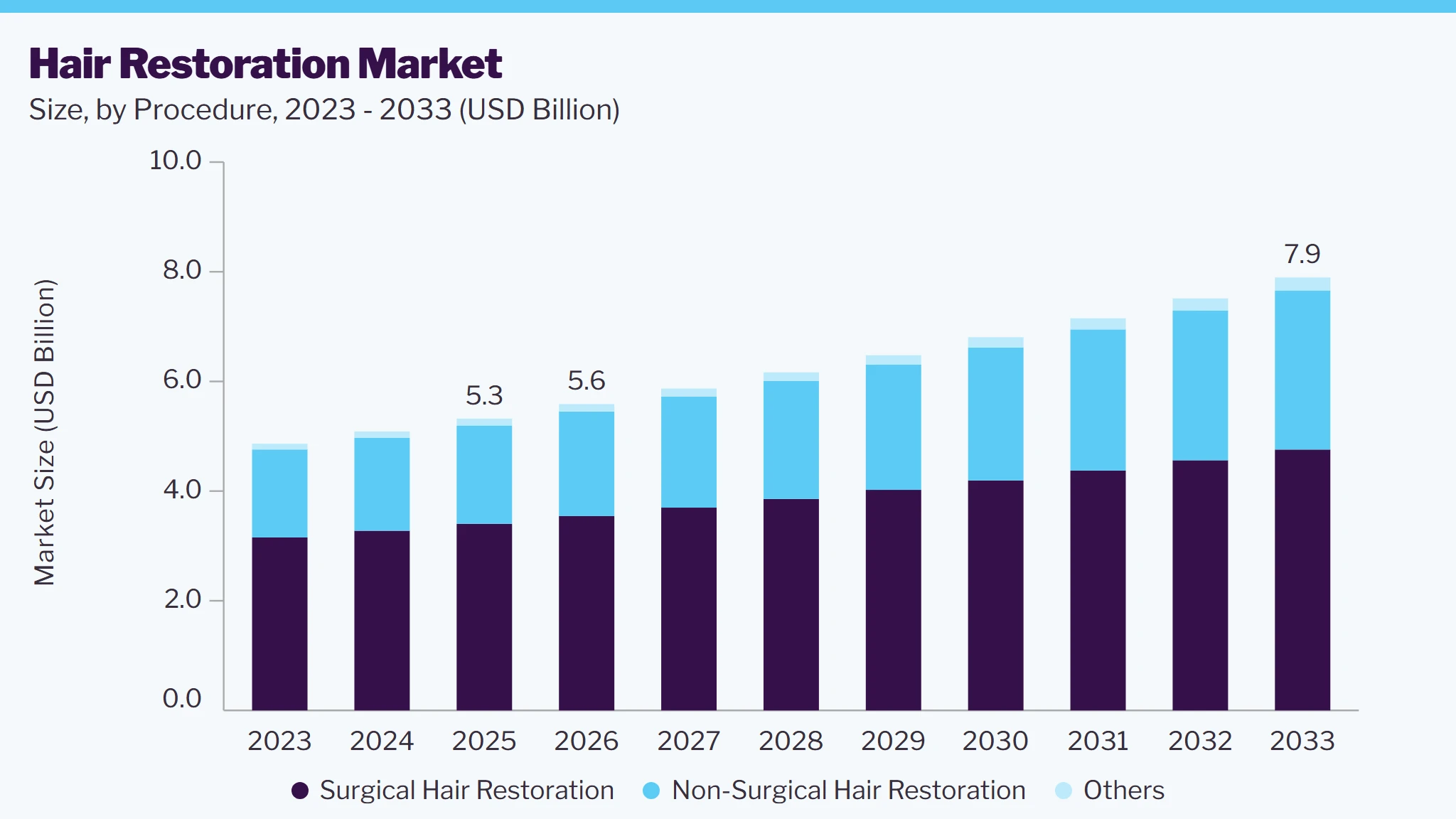 To learn more about this report, Download Free Sample Report
A major factor supporting growth in the hair restoration market is the increasing demand for minimally invasive procedures, improved aesthetic outcomes, and personalized treatment approaches. Techniques such as follicular unit extraction (FUE) are widely used to transplant individual hair follicles while avoiding the linear donor scar associated with conventional follicular unit transplantation (FUT). Technological advancements are further improving procedural precision and consistency. A study published in February 2025, titled “Computational and Structural Biotechology Journal” presented an integrated image-guided robotic system for hair transplant surgery, highlighting the potential of robotic assistance and image-based follicle localization to support more precise graft extraction. These developments are encouraging clinics to adopt advanced surgical techniques to improve workflow efficiency and treatment planning, although clinical outcomes remain dependent on practitioner expertise and patient suitability.
Male pattern baldness is a major contributor to the global hair restoration market, with demand influenced by genetic predisposition, age-related hair follicle miniaturization, hormonal factors, and growing awareness of available treatment options. Increasing emphasis on personal appearance, professional image, and aesthetic confidence is encouraging more men to seek solutions for hair thinning and receding hairlines. Advances in follicular unit extraction (FUE), follicular unit transplantation (FUT), platelet-rich plasma (PRP) therapy, and other non-surgical treatments are further expanding the options available to patients. However, the conversion of hair-loss prevalence into demand for hair restoration varies across countries depending on disposable income, treatment affordability, access to specialized clinics, cultural attitudes toward aesthetic procedures, and awareness of treatment efficacy. These factors collectively influence the addressable patient population and the growth potential of regional hair restoration markets.
Percentage of Males with Male Pattern Baldness (%), 2024
Country
% of Males with Male Pattern Baldness
U.S.
42.68%
Canada
40.94%
Mexico
39.75%
Germany
41.51%
France
44.25%
UK
40.09%
Italy
44.37%
Spain
44.50%
Türkiye
40.03%
Denmark
31.61%
Norway
40.75%
Sweden
35.14%
China
30.81%
Japan
35.69%
India
34.06%
Australia
40.80%
South Korea
32.27%
Thailand
30.94%
Indonesia
26.96%
Brazil
35.71%
Argentina
29.35%
South Africa
33.13%
UAE
38.10%
Technological innovation and personalized treatment approaches are also shaping the hair restoration market. Providers are increasingly exploring AI-based scalp imaging, digital hair-density assessment, and data-driven treatment planning to improve the evaluation of hair loss and selection of suitable therapies. In March 2025, a clinical trial evaluated an AI-assisted personalized hair-loss treatment regimen over 24 weeks, highlighting the potential of individualized approaches to hair-loss management. In parallel, research into platelet-rich plasma (PRP) therapy and regenerative treatment is expanding non-surgical options. Similarly, a 2024 review and meta-analysis found that PRP may improve hair density in patients with androgenetic alopecia, although variability across studies and limitations in evidence quality highlight the need for further standardized clinical research. These developments are supporting the evolution of hair restoration toward more personalized care, combining established surgical procedures with non-surgical treatments and digital assessment technologies.
In addition, the growing availability of specialized hair restoration clinics and increasing patient awareness of treatment options are improving access to both surgical and non-surgical procedures. Social media, digital consultations, and online patient testimonials are helping individuals evaluate treatment options and compare providers, while medical tourism is encouraging patients to consider clinics offering competitive pricing and specialized expertise. These factors, alongside continued improvements in procedural techniques and post-treatment care, are expected to support demand for hair restoration services across established and emerging markets.
Market Dynamics
A rising number of people around the world are experiencing hair loss due to genetic predispositions, unhealthy lifestyles, alopecia, and other factors. Moreover, patients are increasingly turning to beauty services to address their concerns with thinning hair. A growing body of patients and medical professionals’ attention to the quality of care and technological progress in the industry contribute to the increasing demand for hair restoration services. The available treatments include both surgical and non-surgical procedures like follicular unit extraction (FUE), follicular unit transplantation (FUT), platelet-rich plasma (PRP) injections, and low-level laser/light therapy (LLLT). A wide range of options helps patients address various degrees and causes of hair loss, which attracts more people to the services. In particular, the International Society of Hair Restoration Surgery’s 2025 Practice Census reports that on average, the number of patients who visited a participating physician rose by 20% between 2021 and 2024. Additionally, the number of non-surgical procedures among those surveyed increased by 30% during the same time interval. Thus, the data prove that more people opt for hair restoration treatments, but it is hard to say if the overall market grew at the same rate because the survey only included physicians.
Increasing demand for effective and personalized hair restoration treatments is a significant growth driver as patients seek solutions to ailments such as androgenetic alopecia, receding hairlines, reduced hair density, and other forms of hair loss. Surgical techniques such as FUE enable individual follicular units to be harvested and subsequently transplanted while FUT remains an option for selected patients. Non-surgical treatments, including PRP and LLLT provide alternative or complementary approaches for eligible patients who wish to curtail hair thinning without undergoing transplantation. The American Academy of Dermatology identifies hair transplantation, PRP and laser therapy among the available treatment options with suitability dependent on the cause and extent of hair loss.
Demand is also supported by growing interest in aesthetic appearance and earlier treatment-seeking. The ISHRS 2025 Practice Census reported that 95% of its surveyed physicians’ first-time surgical patients in 2024 were typically aged between 20 and 35, while the number of female surgical patients treated by participating members increased by 16.5% compared with 2021. The survey also found that 90% of members identified improving or restoring attractiveness as a reason their patients chose transplantation. These findings highlight the importance of appearance-related preferences and the expansion of the patient base beyond older men, supporting demand for both established surgical procedures and complementary hair restoration services.
The high cost of hair restoration procedures is a key restraint, particularly for patients paying out of pocket and those requiring extensive transplantation or repeated treatment sessions. Surgical hair transplantation costs vary according to the extent of hair loss, number of grafts required, procedure type, surgeon expertise and clinic location. Unlike treatments covered under some medical-care pathways, hair transplantation is generally considered a cosmetic procedure and is not routinely available through the UK’s NHS. The NHS reports that hair transplants in the UK can cost between £1,000 and £30,000, illustrating the substantial variation in treatment expenditure.
In addition to the initial procedure fee, the patients may also be charged for consultations, treatments, follow-up appointments and maintenance therapies. Non-surgical interventions like PRP may require a number of sessions, whereas those with progressive hair loss may need continued medical intervention or additional procedures to maintain the desired appearance. These costs may discourage price-sensitive patients from pursuing treatment or encourage them to seek alternatives in other countries. While medical tourism can be a viable option for those who wish to reduce healthcare expenditures, the NHS warns that overseas treatments may require additional checks regarding the competence of the surgeons and care providers and post-surgery care. As such, the affordability versus quality and reliability of care remains a key consideration for purchase.
The growing demand for hair restoration among women presents a significant opportunity for market participants to expand their service offerings. Increasing awareness of female pattern hair loss, diffuse thinning, and hair density concerns is creating demand for personalized treatment options, including PRP therapy, laser-based treatments, and surgical transplantation for clinically suitable patients. Clinics can capitalize on this opportunity by developing female-focused treatment protocols, offering comprehensive scalp assessments, and combining appropriate therapies to address individual patient needs. Expanding specialized services for women can help providers reach an underpenetrated patient segment, diversify revenue streams, and support long-term market growth.
Market Concentration & Characteristics
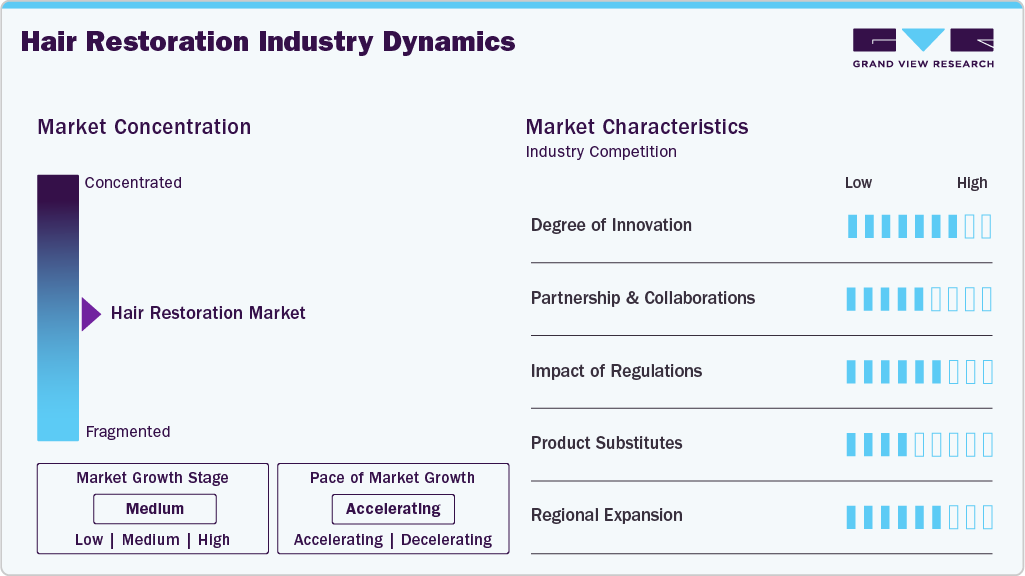
The hair restoration market is relatively fragmented, with specialist hair transplant clinics, dermatology practices, medical aesthetic providers, and international clinic networks competing across surgical and non-surgical treatments. Key participants include dedicated clinic groups such as DHI Global Medical Group, alongside independent hair restoration providers and technology companies such as Venus Concept, which supplies robotic-assisted and automated hair transplantation systems. Competition is driven by physician expertise, treatment outcomes, pricing, graft survival, personalized hairline design, patient experience, and post-procedure care. Technological differentiation is increasingly important, with FUE remaining a major surgical approach and robotic-assisted harvesting, automated extraction systems, digital scalp assessment, and treatment-planning tools supporting clinic differentiation. For example, Venus Concept’s ARTAS System uses image-guided robotic technology to assist follicular unit harvesting, while its NeoGraft platform supports automated FUE procedures. However, the market remains primarily service-led, and the adoption of advanced equipment does not itself establish superior clinical outcomes.
The hair restoration market is focused on innovations in the harvesting of grafts, enhancing the precision of the procedures, improving treatment planning, and optimizing results for the patients. Follicular Unit Excision (FUE) remains the go-to surgical procedure, while robotic, automated extraction devices, and innovative image-guided scalp technologies help the doctors plan the treatments better and achieve more accurate results. For instance, the ARTAS system by Venus Concept incorporates image-guided robotic technology to assist in the removal of individual follicular units and is used for Follicular Unit Excision (FUE). The non-surgical hair restorations include the use of platelet-rich plasma (PRP) and low-level light/laser therapy (LLLT), among others, but their effectiveness remains inconsistent and dependent on the application and indications.
 To learn more about this report, Download Free Sample Report
Partnerships in hair restoration market are primarily formed between clinics, medical device companies, physician training organizations, and research institutes. Technology providers engage in partnerships with clinics by providing robotic or automated hair transplantation systems, training healthcare professionals, and facilitating the adoption and use of such technology. For instance, Venus Concept provides training and practice development support in conjunction with its ARTAS technology. In addition, collaborations between clinicians and research organizations can enable the former to assess the potential of novel regenerative treatments and optimize clinical approaches. Such partnerships may allow companies to diversify the gamut of services provided and differentiate themselves from competitors through research and development (R&D) of innovative therapies, which may require evidence-based evaluations and approvals from relevant regulatory bodies.
The impact of regulation on the hair restoration market may be seen through physician licensing, clinic standardization, device approvals, and the rules concerning treatment safety and advertising practices. Hair transplantation is a surgical procedure that requires the involvement of qualified and professional doctors while robotic systems are subject to the same regulations as those used in their development. According to the International Society of Hair Restoration Surgery, follicular harvesting and recipient site preparation should be performed by qualified and authorized medical professionals under the supervision of a physician while the local regulations may impose additional restrictions. FDA approval of a device such as ARTAS covers its intended use and area of the body, without providing blanket approval for the entire scope of hair restoration procedures or surgeries of regenerative medicine. At the same time, variations in national requirements may impact the overall cost of treatment, the adoption of new technologies, and the emergence of new methods.
The market faces competition from treatments and cosmetic alternatives that address hair loss without surgical transplantation. These include topical and oral medications, PRP therapy, LLLT, wigs, hairpieces, hair fibres, and scalp micropigmentation. Medications and selected non-surgical treatments may help manage hair thinning or support hair growth, while cosmetic alternatives can improve the appearance of density without restoring biological hair growth. Their substitutability depends on the cause and severity of hair loss, the patient’s expectations, affordability, and willingness to undergo surgery. Some therapies, such as PRP, may also complement transplantation rather than replace it, making substitutes a source of competition as well as part of a combined treatment pathway.
Regional expansion can be a growth opportunity for hair restoration clinics and technology providers due to the possibility to attract new clients. New clinics, local partnerships, and international patient services are three possible ways of entering the foreign markets. North America and Europe represent a market for specialists who can offer recognized treatments, advanced forms of hair transplantation, and modern technologies. Less developed areas in Asia-Pacific and other continents can also be entered and developed into profitable markets as the demand for dermatology and esthetic services grows. At the same time, medical tourism should also be considered, as some people can decide to have cheaper or higher-quality procedures abroad. However, a successful launch of operations in a foreign country requires research and preparation on the part of clinics and salons. Varying levels of care, costs, and competition for specialists in different regions should be considered along with the ability of the organization to respond to complications and provide post-surgery support.
Analyst Perspective
The hair restoration market is expected to benefit from growing demand for aesthetic treatments, increasing awareness of hair-loss management, and advancements in surgical and non-surgical procedures. Surgical transplantation, particularly FUE, remains a key revenue contributor, while PRP, laser-based therapies, and emerging regenerative approaches are broadening treatment options. Demand from female patients and individuals seeking early intervention, natural-looking hairlines, and targeted density restoration may create additional growth opportunities. However, high treatment costs, variable clinical outcomes, dependence on skilled practitioners, and competition from non-surgical alternatives may constrain adoption. Going forward, providers that combine clinical expertise, personalized treatment planning, transparent pricing, and reliable post-procedure care are likely to be better positioned to differentiate themselves in an increasingly competitive market.
Procedure Insights
The surgical hair restoration segment dominated the market in 2025 and accounted for the 63.9% of the revenue. The growth is driven by the demand for long-term hair restoration solutions among patients presenting androgenetic alopecia, receding hairlines, and hair thinning. Surgical procedures predominantly comprise Follicular Unit Excision (FUE) and Follicular Unit Transplantation (FUT) that involve the transfer of hair follicles from the donor sites to the areas affected by alopecia. FUE is characterized by the removal of individual follicular units, whereas FUT comprises the excision of a strip of skin from the scalp, which is then dissected into follicular grafts. FUE has gained popularity due to the absence of the linear scar typically associated with FUT and is offered in most specialist clinics. The selection of the procedure is primarily guided by the properties of the donor site, an extended pattern of hair loss, the patient’s expectations, and surgeon’s experience. Hair transplant procedures constitute the core of the market due to their ability to provide long-term improvement in hair appearance if the patients are appropriately selected and the surgery is performed by qualified professionals.
The others segment is expected to witness the fastest CAGR of 8.4% over the forecast period. The growth is driven as research advances toward treatments that aim to stimulate hair follicle regeneration and improve hair growth in patients with hair loss. Stem-cell-based approaches and other regenerative therapies are being investigated for their potential to activate follicular cells, support tissue regeneration, and address limitations associated with conventional hair restoration procedures. Interest in these approaches is supported by demand for less invasive treatment options and the possibility of improving outcomes for patients with limited donor hair. However, unlike established procedures such as FUE and FUT, most stem-cell-based hair restoration approaches remain investigational, and their clinical effectiveness, long-term safety, and commercial availability vary. For instance, in June 2025, Pelage Pharmaceuticals announced positive Phase 2a results for PP405, an investigational topical treatment designed to reactivate dormant hair follicle stem cells, highlighting ongoing efforts to develop regenerative approaches beyond conventional treatments.
Indication Insights
The alopecia segment dominated the market and held the largest revenue share of 70.7% in 2025, due to the high prevalence of androgenetic alopecia, including male and female pattern hair loss, and the demand for treatments for other types of hair loss. Androgenetic alopecia is a significant driver for the need for surgical procedures such as Follicular Unit Excision (FUE) and Follicular Unit Transplantation (FUT) as well as non-surgical options such as medications, platelet-rich plasma (PRP) and low-level light/laser therapy. The choice of treatment depends on the cause, progression, severity of the hair loss, as well as donor hair availability. The broad patient base and the variety of treatment options are factors that contribute to alopecia being the largest indication category.
The hairline and hair density restoration segment is expected to witness the fastest CAGR over the forecast period, driven by increasing demand for aesthetic enhancement, natural-looking hairlines, and improved coverage of thinning areas, including the crown and vertex. Growing interest in personalized hairline design and earlier intervention among younger adults is creating demand for procedures tailored to individual facial features and hair-loss patterns. According to the International Society of Hair Restoration Surgery’s 2025 Practice Census, 90% of surveyed physicians reported that patients cited improving or restoring attractiveness as a reason for undergoing hair transplantation, while 95% reported that their first-time surgical patients in 2024 were typically aged 20-35. These findings support the relevance of aesthetic motivations and younger patient demand, although they do not directly measure growth in the hairline and density segment. FUE, in particular, can support targeted restoration of the frontal hairline and areas of reduced density, while non-surgical treatments may help manage thinning in suitable patients.
Gender Insights
The male segment held the largest revenue share of 77.4% in 2025. This is primarily due to the high demand for treatment of androgenetic alopecia, receding hairlines, and crown thinning. Male patients commonly seek surgical procedures such as Follicular Unit Excision (FUE) and Follicular Unit Transplantation (FUT), alongside non-surgical treatments to manage hair loss. According to the International Society of Hair Restoration Surgery (ISHRS) 2025 Practice Census, men accounted for an average of 84.7% of surgical hair restoration procedures performed by surveyed members in 2024, compared with 15.3% for women. This substantial difference supports the male segment’s leading position in surgical hair restoration, although the figures reflect participating physicians rather than the entire global market.
The female segment is anticipated to grow at fastest CAGR over the forecast period, supported by increasing awareness of hair-loss treatments, greater willingness to seek professional care, and growing demand for solutions addressing female pattern hair loss, diffuse thinning, and hairline concerns. Women may pursue a combination of medical management, PRP therapy, and surgical restoration, depending on the cause of hair loss and clinical suitability. The ISHRS 2025 Practice Census reported that the number of female surgical hair restoration patients treated by participating members increased by 16.5% between 2021 and 2024. Women also accounted for 38.3% of non-surgical hair restoration procedures reported by surveyed members in 2024, indicating their relevance beyond transplantation alone.
End-use Insights
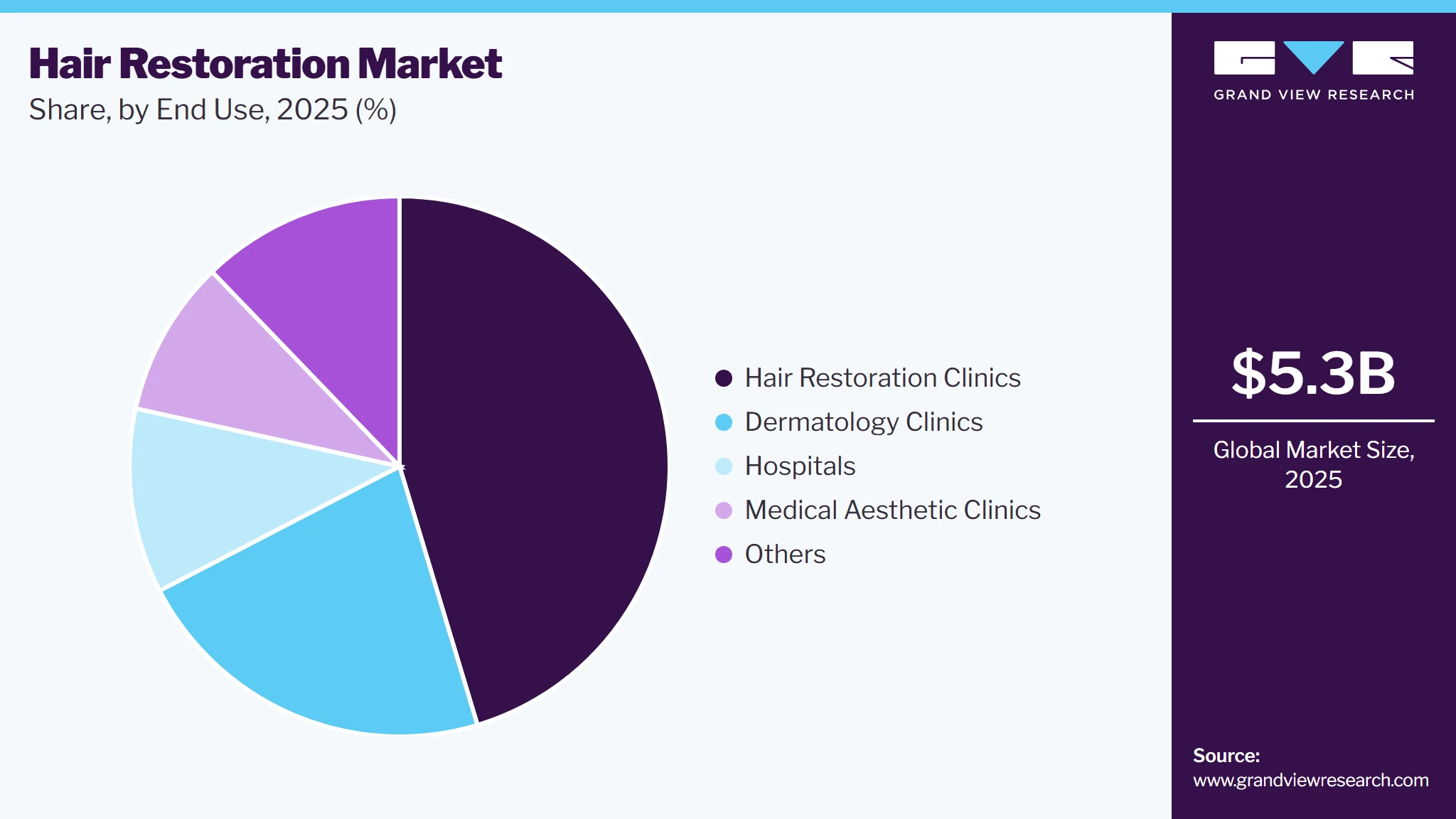
The hair restoration clinics segment held the largest revenue share of 45.3% in 2025, supported by their specialized focus on hair-loss diagnosis, surgical transplantation, and non-surgical treatments. These clinics typically offer procedures such as Follicular Unit Excision (FUE) and Follicular Unit Transplantation (FUT), alongside PRP therapy, mesotherapy, and laser-based treatments. Their specialized infrastructure, experienced practitioners, dedicated consultation services, and structured post-procedure follow-up enable them to address patients’ needs throughout the treatment journey. For example, AK Clinics in India offers both surgical and non-surgical hair restoration services, including FUE, FUT, PRP, and laser therapy. This focused service portfolio supports the role of dedicated hair restoration clinics as a key point of access for patients seeking specialized treatment.
 To learn more about this report, Download Free Sample Report
The medical aesthetic clinics segment is anticipated to grow at fastest CAGR over the forecast period. This is driven by the increasing integration of hair restoration into broader aesthetic and appearance-enhancement services. These clinics can attract patients seeking solutions for hair thinning, receding hairlines, and reduced hair density alongside other cosmetic treatments. Offering non-surgical options such as PRP, mesotherapy, and selected light-based treatments allows providers to serve patients who may not be ready for surgical transplantation, while referrals or expanded clinical capabilities can support access to more advanced procedures. For example, India's DNCC Group of Clinics combines hair restoration with cosmetic and aesthetic treatments, illustrating how an integrated service model can address multiple patient needs within one provider network.
Regional Insights
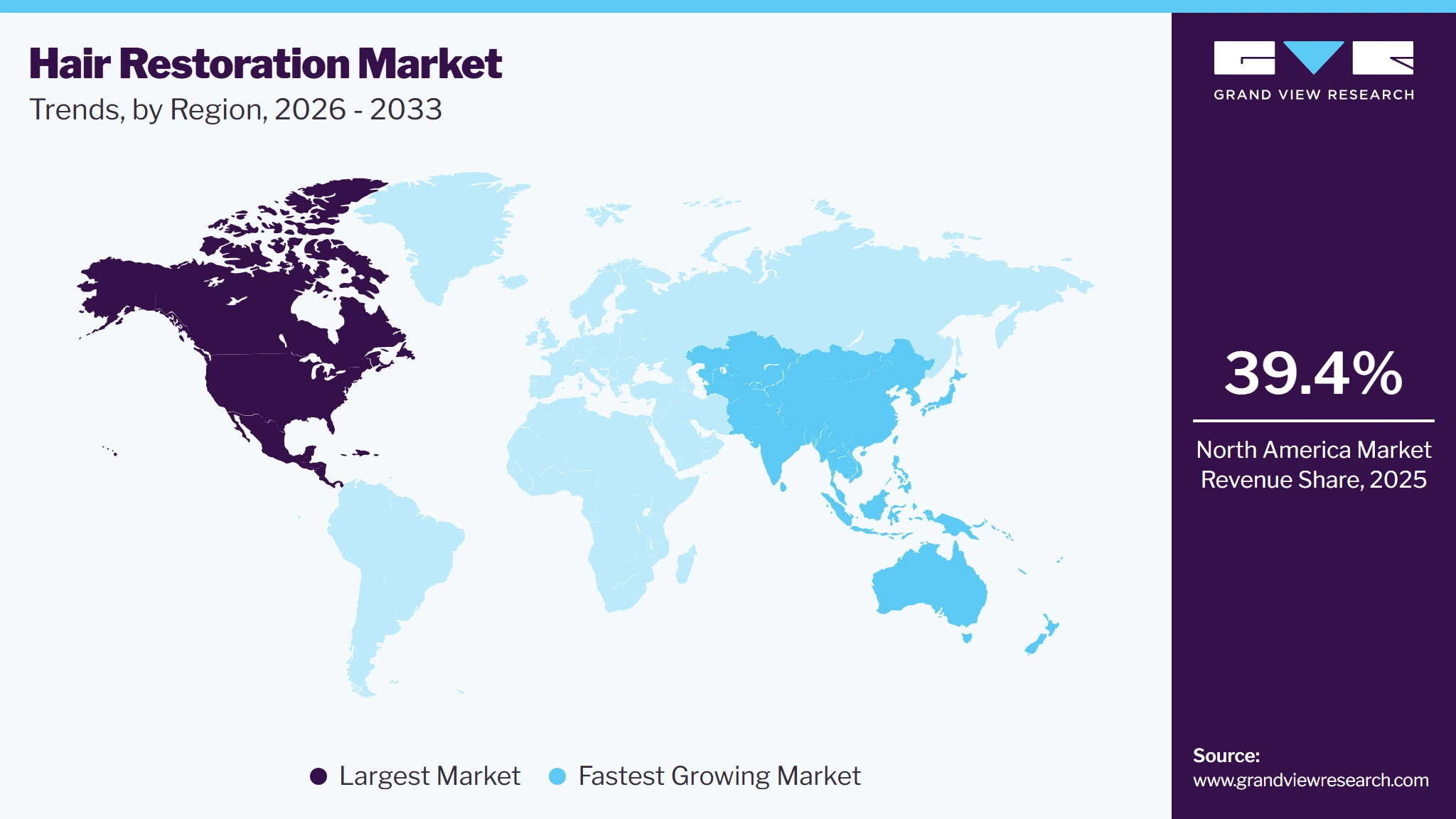
The North America hair restoration market accounted for the largest revenue share of 39.4% in 2025. This growth is supported by established dermatology and cosmetic surgery services, demand for surgical and non-surgical hair-loss treatments, and access to advanced transplantation technologies. Patients can choose from procedures such as Follicular Unit Excision (FUE) and Follicular Unit Transplantation (FUT), alongside treatments such as platelet-rich plasma (PRP) and laser-based therapies. The region also has an established base of specialist practitioners and medical-device suppliers, supporting the adoption of robotic-assisted and automated transplantation systems.
 To learn more about this report, Download Free Sample Report
U.S. Hair Restoration Market Trends
The U.S. hair restoration market is supported by the growing need for hair restoration treatments for men and women, including alopecia and thinning hairlines and the expansion of options at clinics offering surgical and non-surgical treatments. Robotic-assisted procedures are an emerging opportunity in a competitive market served by a number of key players. The U.S. Food and Drug Administration (FDA) database of 510(k) medical devices includes several entries for ARTAS computer-assisted hair harvesting system, including devices with specific functions for hair transplantation procedures. However, this does not necessarily indicate that such procedures are inherently better than traditional surgery or that they are right for everyone. Patients seeking hair restoration surgery have the option to personalize their hairline and approach the procedure based on their particular hair loss pattern, available donor hair, budget and best medical practices.
Europe Hair Restoration Market Trends
The Europe hair restorationmarket is supported by established dermatology and cosmetic surgery services, demand for aesthetic treatments, and cross-border patient mobility. Patients have access to surgical transplantation, medical hair-loss management, and non-surgical treatments through specialist clinics and private healthcare providers. The region also includes Türkiye, a prominent destination for international patients seeking hair transplantation. Official Turkish health tourism data show that the country received approximately 1.51 million health-service visitors in 2024, generating around USD 3.02 billion in health tourism revenue. The combination of established domestic providers and cross-border treatment options supports regional demand, although differences in treatment prices, clinical standards, and aftercare arrangements influence patient decisions.
The UK hair restoration market expected to grow steadily due to the increasing demand for private cosmetic procedures and specialist treatments for hair loss. Hair transplantation procedures are typically not available under the National Health Service (NHS) as they are classified as cosmetic procedures, meaning that those seeking to finance the procedure through the NHS would need to pay for it themselves. According to NHS, hair transplant surgeries can vary significantly in cost depending on the severity of a patient’s alopecia, type of transplant, the experience of the clinician, and the clinic where the procedure is performed. For example, NHS cites the approximate costs of hair transplants in the United Kingdom ranging from USD 1,300-30,000 (£1,000 and £30,000). As such, the UK hair restoration market can be regarded as a lucrative one for private hair restoration clinics offering FUE, FUT, consultations, and other procedures. However, in choosing the provider for hair restoration surgeries, patients may take into consideration the degree of service, the cost of the procedure, the qualification of the personnel, and the clinic’s and surgeon’s reputation and regulatory status.
The Türkiye hair restoration market is supported by the country’s well-established medical tourism infrastructure, extensive international patient services, and the presence of specialist hair transplantation clinics. The healthcare tourism system in Türkiye facilitates international patients’ access to consultations, treatment facilities, and overall travel-related support, which plays a critical role in the market.
Asia Pacific Hair Restoration Market Trends
Asia-Pacific hair restoration market is expected to witness fastest CAGR of 6.3% over the forecast period.The growth is supported by a large population base, growing interest in aesthetic procedures, and the availability of treatments across a wide range of price points. Demand varies considerably by country, with established specialist providers in markets such as South Korea and Japan, expanding private aesthetic services in India, and a substantial domestic healthcare sector in China. Hair restoration providers offer surgical procedures alongside non-surgical options, including PRP and laser-based treatments, depending on local practice and clinical suitability. Recent ISHRS statistics estimated the number of surgical hair restorations procedures in Asia and Australia to be around 256,000.
China's hair restoration market is experiencing rapid expansion, driven by the demand for treatments addressing pattern hair loss, hairline recession, and reduced hair density, alongside the availability of private medical aesthetic services. Specialist clinics can be differentiated through FUE and FUT techniques, individualized hairline planning, non-surgical treatment options, and patient consultation services. Demand and service availability are likely to vary across major urban centers and smaller cities, reflecting differences in specialist access and purchasing power.
India’s hair restoration market is experiencing significant growth which is supported by private dermatology and aesthetic clinics, demand for treatment of pattern hair loss, and the availability of surgical procedures at a range of price points. FUE and FUT are offered alongside non-surgical approaches, allowing clinics to serve patients with different hair-loss patterns, treatment preferences, and budgets. India’s wider medical value travel infrastructure may also create opportunities for clinics serving international patients, particularly where cost, specialist access, and treatment coordination influence destination choice. For instance, in 2025, the Government of India reported approximately 507,244 foreign nationals arriving specifically for medical treatment.
South Korea's hair restoration market is growing at a significant rate, due to the country's established aesthetic medicine sector and the popularity of beauty treatments among local customers. Specialist clinics can appeal to patients who want to address their receding hairlines, increase hair density, or cover thinning regions with surgical transplantation and selected non-surgical procedures. The market can also accommodate international medical tourists seeking aesthetic treatments, although hair restoration-specific patient-arrival data should be differentiated from general medical tourism statistics. Clinics' competition is affected by their physicians' expertise, the quality of post-surgery results, treatment pricing, and post-treatment care. The market is expected to grow due to patient demand and clinics' ability to maintain the standard of care, not only by expanding the range of aesthetic services but also by continuing to provide high-quality hair restoration treatments.
Latin America Hair Restoration Market Trends
The Latin America hair restoration market is supported by private dermatology and cosmetic surgery services, demand for aesthetic treatments, and the development of specialist clinics in major urban centres. Surgical transplantation, particularly FUE, provides an option for patients seeking longer-lasting restoration of hair coverage, while PRP and other non-surgical treatments broaden the services available to patients who are not suitable for or do not prefer surgery. Market conditions differ across countries according to household purchasing power, specialist availability, healthcare infrastructure, and access to private treatment. Medical tourism may contribute to demand in selected locations, but publicly available regional data do not establish a directly comparable hair restoration revenue or procedure growth rate. Country-level estimates should therefore be validated against clinic numbers, treatment prices, and procedure volumes.
The Brazil hair restoration market is growing. The growth is due to an established private aesthetic and plastic surgery sector, specialist medical services, and demand for treatments addressing pattern hair loss and hairline concerns. Clinics can compete through surgical techniques, physician experience, personalized treatment planning, and complementary non-surgical services. Brazil's wider healthcare system and private clinical network provide a foundation for specialist services, although the contribution of hair transplantation specifically is not quantified by general healthcare or aesthetic procedure statistics. Opportunities are likely to depend on access to qualified practitioners, patient affordability, clinic reputation, and the ability to deliver reliable postoperative follow-up. Market growth assumptions should be supported by local provider and procedure data rather than broader healthcare investment indicators alone.
Middle East & Africa Hair Restoration Market Trends
The Middle East & Africa (MEA) hair restoration market is witnessing steady growth, supported by demand for cosmetic and dermatological treatments, the development of private healthcare services, and cross-border patient movement. Gulf countries have specialist cosmetic and dermatology clinics serving domestic patients, while some destinations attract international patients seeking transplantation at different price points. Across the region, demand and access vary with disposable income, availability of trained physicians, clinic infrastructure, and national regulation. Hair restoration providers compete through procedural expertise, treatment outcomes, patient experience, and aftercare. However, publicly available sources do not provide a consistent regional series of hair restoration procedures or revenues, so market size and growth estimates require country-level modelling.
The Saudi Arabia hair restoration market is experiencing notable growth, driven by the demand for cosmetic procedures and the availability of hair transplantation services through dermatology clinics, cosmetic centres, and day surgery facilities. Regulatory oversight is an important market characteristic: in April 2026, the Ministry of Health announced an inspection campaign targeting hair transplant services, focusing on infection prevention, approved procedural protocols, equipment readiness, and practitioners' qualifications and authorized scope of practice. The Ministry also warned that violations could result in fines and facility closure. These measures highlight the importance of patient safety and qualified clinical delivery in the country's market. For providers, sustained growth will depend on clinical credibility, compliance, treatment quality, and effective follow-up, alongside demand for aesthetic restoration.
Key Hair Restoration Company Insights
The hair restoration market is competitive and fragmented, with specialist clinic networks, independent hair transplant providers, dermatology practices, and technology suppliers competing across surgical and non-surgical treatment categories. Key participants include Bosley, DHI Global Medical Group, Eugenix Hair Sciences, Bernstein Medical, and other regional clinic groups, while technology providers such as Venus Concept have contributed robotic-assisted and automated hair transplantation systems.
Key Hair Restoration Companies
The following key companies have been profiled for this study on the hair restoration market.
-
DHI Global Medical Group
-
Bosley
-
Vinci Hair Clinic
-
Bernstein Medical
-
Eugenix Hair Sciences
-
FUE Clinics
-
Smile Hair Clinic
-
Cosmedica
-
AK Clinics
-
Fortes Clinic
Recent Development
-
In May 2026, Triple Hair announced the start of a Phase III clinical trial in India for TH07, an investigational topical combination of minoxidil, finasteride, and latanoprost for male pattern hair loss. The Indian study is expected to enroll 500 men and forms part of an international Phase III program that also includes Canada, with approximately 920 participants planned across the program.
-
In April 2026, Saudi Arabia’s Ministry of Health (MoH) announced inspections of hair transplantation services at dermatology and cosmetic centers and day-surgery facilities. This campaign focuses on infection prevention, adherence to approved procedures, equipment readiness, and practitioner qualifications.
-
In May 2025, the International Society of Hair Restoration Surgery (ISHRS) reported that 95% of surveyed physicians said their first-time surgical patients in 2024 typically fell within the 20-35 age range. The number of female surgical patients treated by participating members increased 16.5% between 2021 and 2024. The census also found growing interest in non-scalp transplantation, including eyebrow restoration in women and beard or moustache transplantation in men.
Competitive Benchmarking
Category
Operating Strategies
Competitive Edge
Weakness
Established Players (DHI Global Medical Group, Bosley, Bernstein Medical, Eugenix Hair Sciences, Smile Hair Clinic, Cosmedica)
- Expand clinic networks and international patient acquisition through established brands, specialist surgical teams, and comprehensive treatment portfolios. Offer FUE and FUT where available, alongside consultations, treatment planning, and post-operative care. Strengthen differentiation through physician expertise, personalized hairline design, patient education, and medical tourism services.
- Established brand recognition, specialist experience, patient testimonials, and established treatment workflows support patient acquisition. International reach and experience serving diverse patient groups can support cross-border demand. Providers with comprehensive service offerings can attract patients seeking coordinated consultations, transplantation, and follow-up care.
- Maintaining consistent treatment quality across locations and clinical teams can be challenging. Dependence on qualified surgeons, donor hair availability, patient satisfaction, and reputation creates operational and reputational risks. Premium pricing, travel costs, and aftercare requirements may limit accessibility for some patient groups.
Emerging Players (Vinci Hair Clinic, FUE Clinics, AK Clinics, Fortes Clinic)
- Focus on specialized transplantation techniques, regional patient acquisition, and differentiated service packages. Use digital marketing, online consultations, treatment planning, and patient referral networks to attract domestic and international patients. Develop competitive pricing and tailored treatment plans while expanding non-surgical offerings and strengthening partnerships with medical tourism facilitators where relevant.
- More focused operating models can support responsiveness to local demand, flexible pricing, and personalized patient engagement. Specialist positioning and targeted digital marketing can help clinics compete without the overhead associated with large international networks. Regional expertise and tailored treatment packages may appeal to patients seeking specific techniques or comparatively accessible pricing.
- Smaller or more geographically concentrated operations may have lower brand visibility and less capacity to invest in advanced technology, international expansion, and large-scale marketing. Patient acquisition can depend heavily on online reputation and referrals. Limited geographic presence may also constrain access to international patients, while competition on price can put pressure on margins and service quality.
Hair Restoration Market Report Scope
Report Attribute
Details
Market size in 2025
USD 5.3 billion
Market size value in 2026
USD 5.6 billion
Revenue forecast in 2033
USD 7.9 billion
Growth rate
CAGR of 5.1% from 2026 to 2033
Base year for estimation
2025
Historical data
2021 - 2024
Forecast period
2026 - 2033
Quantitative units
Revenue in USD million and CAGR from 2026 to 2033
Report coverage
Revenue forecast, company ranking, competitive landscape, growth factors, and trends
Segments covered
Procedure, indication, gender, end-use, region
Regional scope
North America; Europe; Asia Pacific; Latin America; MEA
Country scope
U.S.; Canada; Mexico; U.K.; Germany; France; Italy; Spain; Denmark; Sweden; Norway; Türkiye; Japan; China; India; Australia; Thailand; South Korea; Brazil; Argentina; South Africa; Saudi Arabia; UAE; Kuwait; Iran
Key companies profiled
DHI Global Medical Group, Bosley, Vinci Hair Clinic, Bernstein Medical, Eugenix Hair Sciences, FUE Clinics, Smile Hair Clinic, Cosmedica, AK Clinics, Fortes Clinic
Customization scope
Free report customization (equivalent up to 8 analyst’s working days) with purchase. Addition or alteration to country, regional, and segment scope
Pricing and purchase options
Avail customized purchase options to meet your exact research needs. Explore purchase options
Global Hair Restoration Market Report Segmentation
This report forecasts revenue growth at global, regional, and country levels and provides an analysis of the latest industry trends in each of the sub-segments from 2021 to 2033. For the purpose of this study, Grand View Research has segmented the global hair restoration market report based on procedure, indication, gender, end-use, and region:
-
Hair Restoration Market by Procedure Outlook (Revenue, USD Million, 2021 - 2033)
-
Surgical Hair Restoration
-
Follicular Unit Excision
-
Follicular Unit Transplantation
-
-
Non-Surgical Hair Restoration
-
Platelet-Rich Plasma (PRP) therapy
-
Low-Level Laser/Light Therapy (LLLT)
-
Mesotherapy
-
-
Others
-
-
Hair Restoration Market by Indication Outlook (Revenue, USD Million, 2021 - 2033)
-
Alopecia
-
Androgenetic Alopecia (Male and Female Pattern Hair Loss)
-
Alopecia Areata
-
Scarring Alopecia (Cicatricial Alopecia)
-
Traction Alopecia
-
Others
-
-
Non-Alopecia Hair Loss Conditions
-
Telogen Effluvium
-
Anagen Effluvium
-
Other Diffuse Hair Loss Conditions
-
-
Hairline and Hair Density Restoration
-
Receding Hairline
-
Crown and Vertex Hair Thinning
-
Low Hair Density and Hairline Reconstruction
-
-
-
Hair Restoration Market by Gender Outlook (Revenue, USD Million, 2021 - 2033)
-
Male
-
Female
-
-
Hair Restoration Market by End Use Outlook (Revenue, USD Million, 2021 - 2033)
-
Hair Restoration Clinics
-
Dermatology Clinics
-
Hospitals
-
Medical Aesthetic Clinics
-
Others
-
-
Hair Restoration Market by Region Outlook (Revenue, USD Million, 2021 - 2033)
-
North America
-
U.S.
-
Canada
-
Mexico
-
-
Europe
-
UK
-
Germany
-
France
-
Italy
-
Spain
-
Norway
-
Denmark
-
Sweden
-
Türkiye
-
-
Asia Pacific
-
China
-
Japan
-
South Korea
-
Thailand
-
Australia
-
India
-
-
Latin America
-
Brazil
-
Argentina
-
-
MEA
-
South Africa
-
Saudi Arabia
-
UAE
-
Kuwait
-
Iran
-
-
Research Methodology
The hair restoration market figures in this report are based on a proven research process that combines executive interviews with secondary research from proprietary databases, company filings, and recognized regulatory and institutional sources. Market size is built through value-chain sizing-reconciling supply-side and demand-side estimates-and triangulated with bottom-up and top-down approaches. Every estimate passes multiple levels of expert validation before publication, with each hair restoration segment quantified using the revenue-capture definitions in the table below.
Segment Definition
Segment - Procedure
Revenue capture definition
Surgical Hair Restoration
Revenue is generated through surgical hair transplantation procedures, primarily Follicular Unit Excision (FUE) and Follicular Unit Transplantation (FUT), performed to restore hair coverage in areas affected by hair loss. Clinics capture revenue through consultations, procedure fees based on graft count or treatment complexity, surgeon and clinical team services, and associated pre- and post-operative care. Additional revenue may arise from complementary services, including scalp assessment, post-procedure medications, follow-up consultations, and corrective procedures.
Non-Surgical Hair Restoration
Revenue is generated through non-invasive or minimally invasive treatments intended to manage hair loss, improve hair density, or support hair growth without surgical transplantation. Key services include platelet-rich plasma (PRP) therapy, low-level light/laser therapy (LLLT), and scalp mesotherapy. Providers capture revenue through individual treatment sessions, multi-session packages, repeat maintenance appointments, and combination treatment plans. Revenue varies according to the treatment modality, number of sessions, formulation or equipment used, and the duration of the treatment program.
Others
Revenue encompasses emerging and specialized hair restoration approaches that fall outside conventional surgical transplantation and established non-surgical treatment categories. These may include commercially available regenerative treatments and other innovative therapies involving stem-cell-related approaches or follicular regeneration, where legally permitted and supported by applicable regulatory requirements. Revenue may be generated through specialized treatment procedures, associated clinical services, and proprietary treatment protocols. Investigational therapies without established commercial availability are excluded from current market revenue and treated as pipeline opportunities.
Segment - Indication
Revenue capture definition
Alopecia
Revenue is generated through hair restoration procedures and treatments addressing alopecia, including androgenetic alopecia, alopecia areata, scarring alopecia, and traction alopecia. Providers capture revenue through surgical transplantation for appropriately selected patients, non-surgical treatments, and supporting clinical services. Treatment selection depends on the type and severity of alopecia, disease activity, follicular viability, donor hair availability, and patient suitability. Revenue is derived from procedure fees, treatment sessions, consultations, and follow-up care.
Non-Alopecia Hair Loss Conditions
Revenue is generated through the management of hair loss associated with conditions such as telogen effluvium, anagen effluvium, and other diffuse hair-loss disorders that are not classified as alopecia within the market's segmentation framework. Providers capture revenue through diagnostic consultations, scalp and hair assessments, condition-specific treatment plans, and appropriate supportive therapies.
Hairline and Hair Density Restoration
Revenue is generated through treatments designed to improve the appearance of receding hairlines, crown and vertex thinning, and low hair density, including hairline reconstruction. Clinics capture revenue through targeted FUE or FUT procedures, graft placement and hairline design, and complementary non-surgical treatments where clinically appropriate. Pricing typically depends on the area treated, number of grafts required, procedural complexity, and desired density. Revenue may also include consultations, treatment planning, and follow-up services. This segment represents a treatment objective and anatomical concern rather than a distinct medical diagnosis; cases should be assigned consistently to avoid overlap with alopecia-related revenue.
Segment - Gender
Revenue capture definition
Male
Revenue is generated through surgical and non-surgical hair restoration services provided to male patients, primarily for androgenetic alopecia, receding hairlines, crown thinning, and reduced hair density. Clinics capture revenue from FUE and FUT procedures, PRP therapy, laser-based treatments, and other suitable interventions. Procedure revenue is influenced by the extent of hair loss, number of grafts required, treatment preferences, and the choice between surgical restoration and ongoing non-surgical management. Additional revenue may arise from consultations, maintenance treatments, and post-procedure care.
Female
Revenue is generated through hair restoration services addressing female pattern hair loss, diffuse thinning, widening of the part line, receding hairlines, and other clinically appropriate hair restoration needs. Providers capture revenue through diagnostic consultations, medical and non-surgical treatments, PRP sessions, laser-based therapies, and surgical transplantation for suitable candidates. Revenue depends on the underlying cause of hair loss, treatment modality, number of sessions or grafts required, and duration of care. Individualized assessment is particularly important because diffuse hair loss and certain underlying conditions may make transplantation unsuitable or require medical management before a procedure is considered.
Segment - End Use
Revenue capture definition
Hair Restoration Clinics
Revenue is generated through specialized facilities dedicated to surgical and non-surgical hair restoration. These clinics capture income from FUE and FUT procedures, PRP therapy, mesotherapy, laser-based treatments, consultations, and post-procedure care. Revenue models include per-procedure fees, graft-based pricing, treatment packages, and repeat-session charges.
Dermatology Clinics
Revenue is generated through hair-loss diagnosis, medical management, and hair restoration treatments provided within dermatology practices. Providers earn income from specialist consultations, scalp examinations, diagnostic assessments, PRP therapy, selected laser treatments, and referrals or surgical services where available. Revenue may also arise from repeat consultations and longitudinal management of chronic hair-loss conditions.
Hospitals
Revenue is generated through hair restoration procedures and related clinical services performed within hospital settings or affiliated surgical departments. Hospitals capture income through procedure and facility fees, operating room use, anesthesia where required, clinical staffing, consultations, and postoperative monitoring. They may also provide treatment for complex cases or patients requiring additional medical assessment. Revenue depends on procedure volume, the complexity of treatment, facility utilization, and whether hair restoration is offered as a dedicated service or within a broader plastic surgery or dermatology department.
Medical Aesthetic Clinics
Revenue is generated through hair restoration and hair-density treatments offered alongside other aesthetic services. These clinics typically capture income from PRP therapy, mesotherapy, selected light-based treatments, consultations, and treatment packages designed to address thinning hair and appearance-related concerns. Clinics with appropriately qualified practitioners and the required facilities may also offer surgical restoration or collaborate with specialist transplant providers. Revenue is influenced by patient demand for aesthetic enhancement, repeat-session frequency, treatment bundling, and the clinic's ability to provide individualized treatment plans.
Others
Revenue encompasses hair restoration services delivered through other settings, including multispecialty outpatient centres, ambulatory surgical facilities, and other qualified healthcare providers not classified under the primary end-use categories. Revenue may be generated through surgical procedures, non-surgical treatment sessions, consultations, and associated follow-up care.
Estimation Model
Step / Key Question
Process Steps
Data Sources
Scope Definition
Which hair restoration services and related service revenues are included in the market?
1. Define the market as revenue from hair restoration services performed by clinics and healthcare providers.
2. Segment by procedure, indication, gender, end use, and geography.
3. Include surgical (transplantation FUE, FUT), non-surgical treatments (PRP, LLLT, mesotherapy), and eligible commercially available emerging therapies.
4. Exclude device manufacturer sales, standalone product sales, and investigational therapies not commercially available.
Secondary market publications, clinic websites, professional associations, regulatory databases, and trial registries
Build the Service Base
How large is the addressable base of hair restoration procedures and treatment sessions?
1. Estimate surgical procedure volumes by country.
2. Assess clinic footprint, practitioner capacity, annual treatment volumes, and treatment frequency.
3. Estimate procedure mix, graft-based treatments, repeat sessions, and maintenance visits.
4. Cross-check against provider disclosures, professional surveys, and available clinical or procedure statistics.
Clinic databases, provider service revenue, professional society surveys, government health statistics, primary research
Estimate Service Utilization
What proportion of eligible patients use each hair restoration service?
1. Estimate treated-patient volumes and procedure/session utilization by service type.
2. Assess adoption across surgical and non-surgical treatments and provider settings.
3. Compare utilization by indication, gender, geography, and end use.
4. Forecast volumes using patient demand, clinic capacity, treatment access, and technology trends.
Professional association surveys, clinical studies, physician interviews, regulatory data, and primary research
Revenue Conversion
How do annual procedures and treatment sessions translate into service-market revenue?
1. Collect average service prices by procedure, session, and geography.
2. Calculate revenues as annual procedure or session multiplied by realized service price.
3. Add eligible consultation, procedure-related, and follow-up fees where the scope is used (double counting).
4. Validate estimates against clinic revenues, provider disclosures, price lists, and primary research.
Clinic price lists, provider financial disclosures, primary interviews, procedure volume sources
Delivered Customizations
This report has been delivered with the following In-depth customizations
Client Request
Customization Delivered
Value Adds
Technological Advancements
Conducted a comprehensive assessment of technological advancements shaping the global hair restoration market, covering surgical techniques such as Follicular Unit Excision (FUE) and Follicular Unit Transplantation (FUT), robotic-assisted transplantation, automated follicular extraction, digital scalp assessment, and treatment-planning technologies. The analysis also evaluated developments in non-surgical treatments, including platelet-rich plasma (PRP), low-level light/laser therapy (LLLT), mesotherapy, and emerging regenerative approaches, alongside product launches, clinical trials, technology partnerships, and research initiatives.
Enables stakeholders to understand how technological innovation is influencing treatment outcomes, procedure efficiency, patient experience, and competitive differentiation. The analysis supports the identification of high-potential treatment categories, assessment of technology adoption opportunities, and evaluation of emerging regenerative therapies while distinguishing commercially available treatments from investigational approaches.
Porter Analysis
Conducted a detailed Porter's Five Forces analysis of the global hair restoration market, assessing competitive rivalry, threat of new entrants, bargaining power of suppliers, bargaining power of buyers, and threat of substitutes. The assessment considered competition among specialist hair restoration clinics, dermatology practices, medical aesthetic clinics, and international clinic networks; dependence on qualified surgeons and clinical personnel; equipment and treatment costs; patient price sensitivity; brand reputation; and alternatives such as medications, PRP, laser-based treatments, wigs, and hairpieces. The analysis also considered the influence of regulation, medical tourism, and digital patient acquisition on competitive conditions.
Enables stakeholders to evaluate the market's competitive intensity, provider differentiation, and profitability drivers. The analysis supports strategic decisions related to pricing, clinic positioning, service portfolio development, technology investment, patient acquisition, and geographic expansion. It also highlights the impact of skilled-practitioner availability, treatment affordability, substitute therapies, and patient trust on sustainable competitive advantage.
Geographic Analysis
Conducted a comprehensive geographic assessment of the hair restoration market across North America, Europe, Asia-Pacific, Latin America, and the Middle East & Africa. The analysis evaluated regional differences in hair-loss treatment demand, private healthcare infrastructure, specialist clinic availability, patient affordability, procedure pricing, medical tourism, regulatory requirements, and adoption of surgical and non-surgical treatments. Country-level assessments considered the competitive landscape, treatment access, local provider networks, and the availability of FUE, FUT, PRP, laser-based treatments, and emerging therapies. The analysis also examined factors influencing cross-border treatment, including price competitiveness, practitioner qualifications, and postoperative care requirements.
Enables stakeholders to identify attractive regional markets, assess country-level growth opportunities, and prioritize expansion and investment strategies. The analysis supports decisions regarding clinic location, service pricing, patient acquisition, and international patient outreach. It also highlights differences in treatment affordability, regulatory oversight, specialist availability, and medical tourism that may influence market entry and long-term growth.
Frequently Asked Questions About This Report
Key players include DHI Global Medical Group, Bosley, Vinci Hair Clinic, Bernstein Medical, Eugenix Hair Sciences, FUE Clinics, Smile Hair Clinic, Cosmedica, AK Clinics, and Fortes Clinic
Key factors that are driving the market growth include rising incidence of alopecia, rising global disposable income, and lifestyle shifts among the global population. This surge can also be due to the increased success rate of hair transplantation procedures and technological advancement in the field of less invasive hair restoration.
The alopecia segment led with a 70.7% share in 2025, while hairline and hair density restoration is the fastest-growing segment.
The global hair restoration market is expected to grow at a CAGR of 5.1% from 2026 to 2033, reaching USD 7.9 billion by 2033.
The global hair restoration market size was valued at USD 5.3 billion in 2025 and is estimated at USD 5.6 billion for 2026.
North America dominated the hair restoration market with a 39.4% revenue share in 2025.
The hair restoration clinics segment held the largest revenue share of 45.3% in 2025, while medical aesthetic clinics segment is the fastest-growing end-use.
The male segment held the largest revenue share of 77.4% in 2025, while female is the fastest-growing segment.
The surgical hair restoration segment led with a 63.9% revenue share in 2025, while others is the fastest-growing segment.
About the Author(s)
Medical Devices Research Team
Healthcare · Medical DevicesThis report was authored by the medical devices research team at Grand View Research - comprising two research analysts, one senior research analyst, and one industry expert - with specialized expertise in the medical devices segment of the healthcare industry. All findings are based on proprietary healthcare databases, executive interviews, and regulatory analysis, subject to internal peer review prior to publication.
Last Updated:
Speak to Analyst

Customize this report to your needs - add regions, segments, or data points, with 20% free customization.
Or view our licence options:


ISO 9001:2015 & 27001:2022 Certified
We are GDPR and CCPA compliant! Your transaction & personal information is safe and secure. For more details, please read our privacy policy.


