
- Home
- »
- Pharmaceuticals
- »
-
Huntington’s Disease Treatment Market Report, 2026-2033GVR Report cover

Huntington’s Disease Treatment Market (2026 - 2033)
Size, Share & Trends Analysis Report By Treatment (Symptomatic Treatment, Disease-Modifying Therapies), By Distribution Channel (Hospital Pharmacy, Retail Pharmacy, Online Pharmacy), By Region, And Segment Forecasts
Market Size, 2025
$642.7MMarket Estimate, 2026
$868.2MMarket Forecast, 2033
$2,623.4MCAGR, 2026–2033
17.1%Huntington’s Disease Treatment Market Summary
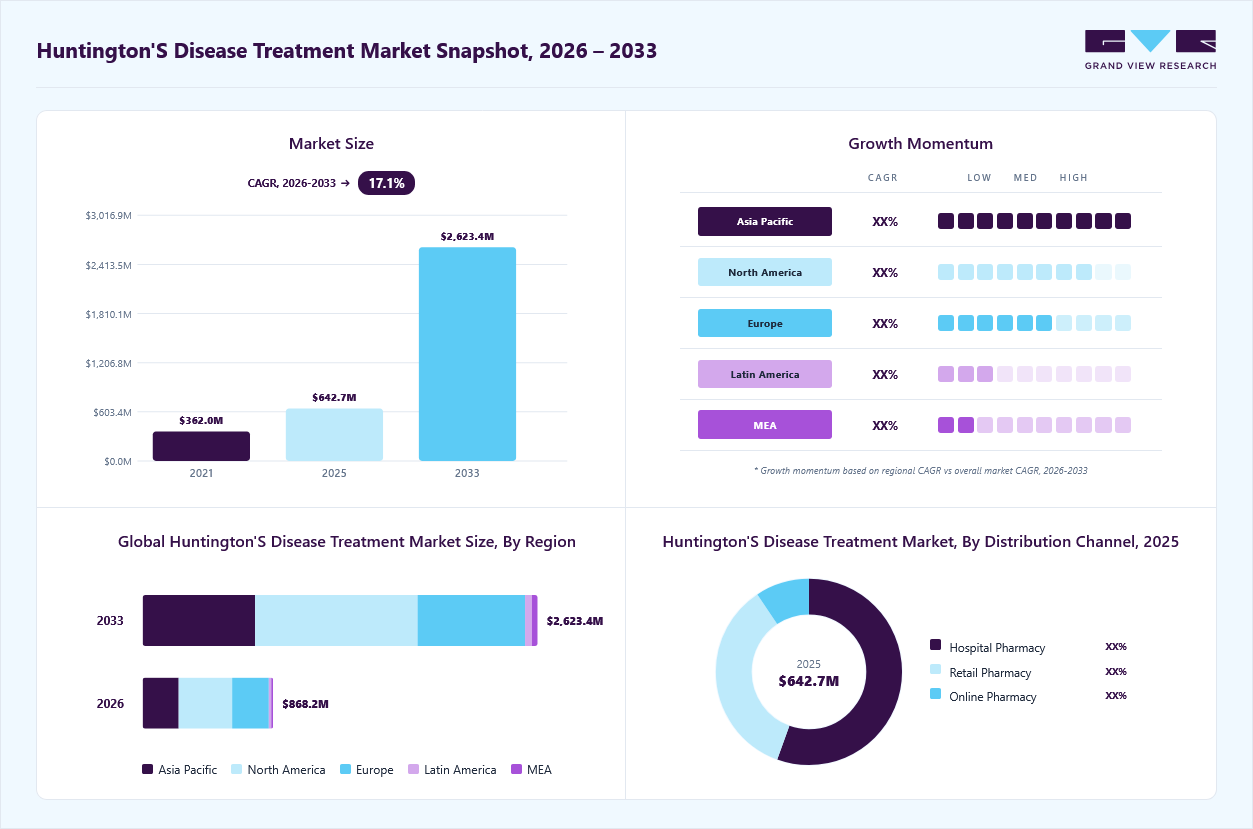
The global huntington’s disease treatment market size was valued at USD 642.7 million in 2025 and is projected to grow from USD 868.2 million in 2026 to USD 2623.4 million by 2033, at a CAGR of 17.1% from 2026 to 2033. The market in North America dominated with a revenue share of 40.9% in 2025. The predicted label expansion of Ingrezza for treating chorea associated with Huntington’s Disease (HD), the high burden of HD in Western countries, and the strong product pipeline of disease-modifying therapies are anticipated to be major market drivers.
 Source: Grand View Research, IR Documents, Primary Interviews, Paid DatabasesTo learn more about this report,
 Download Free Sample Report
 Key Market Trends & Insights
- By treatment: Symptomatic treatment segment led the market with the largest revenue share of 100.0% in 2025.
- By distribution channel: Hospital Pharmacy segment led the market with the largest revenue share of 55.5% in 2025.
Regional Highlights
- Largest regional market: North America (40.9% revenue share, 2025)
- By country: The U.S. held the largest market share in 2025.
Market Size & Forecast
- Market size in 2025: USD 642.7 Million
- Estimated market size in 2026: USD 868.2 Million
- Projected market size by 2033: USD 2623.4 Million
- CAGR (2026-2033): 17.1%
Three ways to get this report
Buy it, customize it, or ask a question.Ask an Analyst
Analyst response in 1 business day
- AccessReport author, directly
- Reply timeWithin 1 working day
- No sales callDirect answer only
- FormatEmail reply
- CostFree, no cost
Get the Full Report
What the study covers
- FormatsPDF · Excel · Dashboard
- Timeline2026–2033 annual, 2025 base
- Coverage20+ countries, 5 regions
- Companies10+ key players profiled
Customize the Report
20% free customization
- IncludeCountries, segments, points
- TailorTo your product definition
- ExtendDeeper competitor detail
- OrA fully bespoke study
- Turnaround5–10 working days
According to a study published in the Journal of the International Parkinson and Movement Disorder Society, the incidence of HD is 0.48 per thousand, and its prevalence is 4.88 per thousand, which has increased over the years, further fueling the need for effective and innovative treatment options.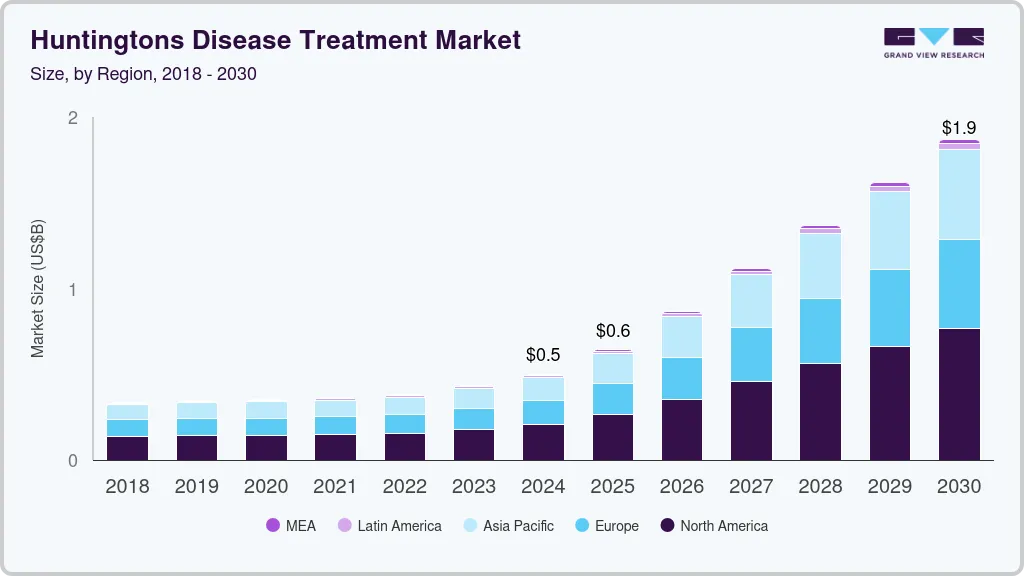 To learn more about this report, Download Free Sample Report
 According to a study published in the Journal of the International Parkinson and Movement Disorder Society, the incidence of HD is 0.48 per thousand, and its prevalence is 4.88 per thousand, which has increased over the years, further fueling the need for effective and innovative treatment options.
The growing demand for Huntington’s disease (HD) treatments is driven by the disease's progressive neurological nature and significant geographic prevalence variations; it is more prevalent in regions like Europe, North America, and Australia and less common in the Asian population. This disparity, influenced by differences in case ascertainment and diagnostic criteria, increases the need for effective therapies in high-prevalence areas.
HD is a hereditary condition, leading to an increased demand for genetic counseling services, early testing, and diagnostic tools to identify at-risk individuals. These resources are essential for helping families make informed decisions about family planning, early intervention, and potential participation in clinical trials. With growing awareness, the importance of genetic counseling in managing the disease is also increasing. A study published in Neurological India in 2022 examined the complexities of genetic counseling and testing for HD. It highlighted challenges such as anticipation, consanguinity, and the prevalence of intermediate alleles. The research emphasized the need for comprehensive pre- and post-test counseling to aid families in making informed decisions and coping with potential outcomes.
Due to the absence of a cure for HD, the demand for effective treatments remains significant owing to the severe impact of the disease, the lack of effective therapies, and the continued advancements in gene therapy and neuroprotective research. Continuous efforts aim to enhance the quality of life of individuals affected by the disease, slow its progression, and ultimately identify a potential cure.
Market Dynamics
The Huntington’s Disease Treatment Market is influenced by ongoing advancements in rare disease therapeutics, increasing disease awareness, and improvements in genetic testing that support earlier diagnosis and treatment intervention. Growing research investments from pharmaceutical companies and academic institutions are expanding the development pipeline for disease modifying therapies and symptomatic treatments. Demand is also supported by the rising focus on personalized medicine and the need to address unmet clinical requirements in neurodegenerative disorders. For instance, in 2025, regulatory and clinical progress surrounding gene silencing and huntingtin lowering therapies continued to attract industry attention, reflecting the sector’s emphasis on targeting the underlying cause of the disease rather than only managing symptoms. Market growth is further encouraged by orphan drug incentives, favorable regulatory pathways, and patient advocacy initiatives. However, high treatment costs, limited patient populations, complex clinical trial requirements, and challenges in demonstrating long term efficacy remain important factors influencing commercialization and market expansion across global healthcare systems.
The Huntington’s Disease Treatment Market is being driven by increasing adoption of therapies that help manage chorea and other motor symptoms, supported by greater disease awareness among neurologists and improved diagnosis rates through genetic testing. Healthcare providers are placing greater emphasis on maintaining patient quality of life, which has increased the use of approved pharmacological interventions. The market is also benefiting from the availability of more convenient dosing options that support treatment adherence and long term disease management. Growing engagement from patient advocacy groups and specialized neurological centers has improved access to care pathways and treatment monitoring. Pharmaceutical companies continue to invest in post marketing studies to demonstrate real world effectiveness, which strengthens physician confidence in prescribing available therapies. These developments are particularly important because Huntington’s disease is a progressive condition requiring continuous symptom management over many years. For instance, in May 2024, Teva Pharmaceuticals received U.S. FDA approval for AUSTEDO XR as a once daily treatment for Huntington’s disease chorea with clinically therapeutic doses of 24 mg, 30 mg, 36 mg, 42 mg, and 48 mg per day. The approval introduced a single pill daily regimen, improving treatment convenience and supporting broader utilization among eligible patients.
A major restraint in the Huntington’s Disease Treatment Market is the relatively small patient population, which limits commercial opportunities and creates challenges in conducting large scale clinical studies. Huntington’s disease is a rare inherited neurodegenerative disorder, making patient recruitment difficult and often extending development timelines. Clinical trials require long observation periods to evaluate disease progression, treatment efficacy, and safety outcomes, increasing research costs and regulatory complexity. Many investigational therapies target the underlying genetic mechanisms of the disease, requiring sophisticated trial designs and specialized endpoints that may not always produce clear results. In addition, the high cost of research and development can discourage smaller biotechnology companies from advancing programs through late stage trials. Regulatory agencies also require extensive evidence regarding long term safety because treatments are intended for chronic use. For instance, in February 2026, Sarepta Therapeutics announced approval of a clinical trial application for SRP 1005, an investigational small interfering RNA therapy for Huntington’s disease. The Phase 1 INSIGHTT study was planned as a multicenter dose escalation trial involving approximately 24 participants, highlighting the limited patient pools typically available for rare disease research and development programs.
The greatest opportunity in the Huntington’s Disease Treatment Market lies in the development of disease modifying therapies that address the underlying genetic cause of the disorder rather than only controlling symptoms. Advances in gene silencing technologies, RNA based therapeutics, and precision medicine are creating new possibilities for slowing disease progression and preserving neurological function. Pharmaceutical and biotechnology companies are increasingly focusing on therapies designed to reduce mutant huntingtin protein production, reflecting a shift toward transformative treatment approaches. Growing regulatory support for rare disease innovation and increasing investment in neuroscience research are further strengthening this opportunity. Successful development of disease modifying therapies could significantly expand the addressable market by improving clinical outcomes and extending treatment duration. For instance, in June 2026, Teva Pharmaceuticals presented real world data showing that more than 68% of patients reported Huntington’s disease chorea interfered with social life or emotional wellbeing, while up to 83% of caregivers reported impacts on their daily lives. Following treatment with AUSTEDO or AUSTEDO XR, 60% to 71% of patients reported improvements across multiple quality of life domains, demonstrating continued demand for innovative therapies and highlighting opportunities for next generation disease modifying treatments.
Market Concentration & Characteristics
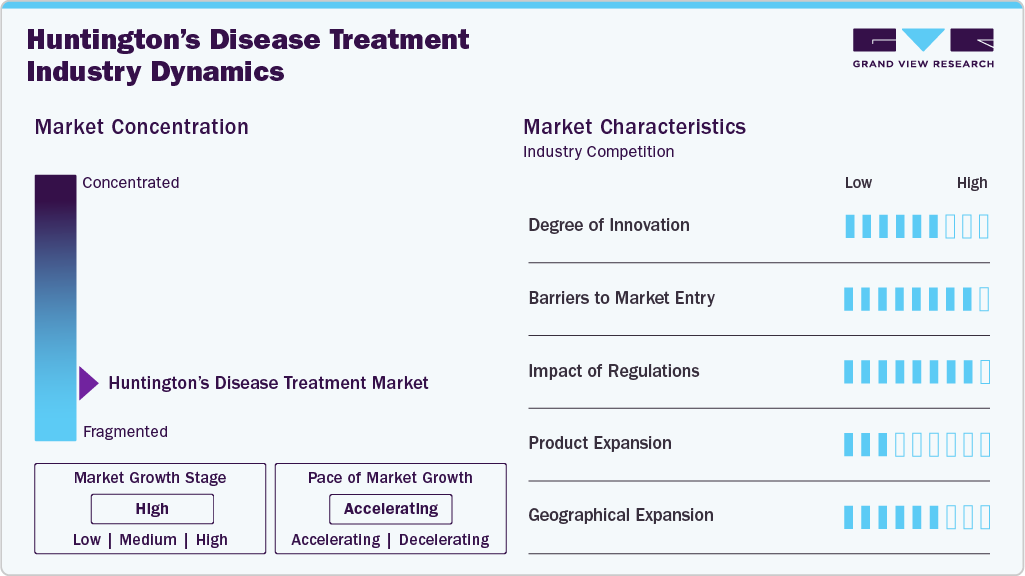
The HD treatment market is marked by a high degree of innovation driven by ongoing research and development efforts. For instance, in December 2024, UCLH launched the first human trial for HD, testing ALN-HTT02, an RNA interference therapy developed by Alnylam Pharmaceuticals and Regeneron. Researchers have also made significant strides in gene therapies, with new treatments targeting the genetic causes of HD. These developments highlight the rapidly evolving nature of the HD treatment landscape, where continuous innovation is crucial for meeting the growing demand for effective therapies and improving patient outcomes.
Several companies in the HD treatment industry are actively pursuing mergers and acquisitions to strengthen their market presence. This strategy helps companies boost research strength, expand their therapeutic profiles, and achieve operational efficiency. For instance, in December 2024, PTC Therapeutics signed a licensing deal with Novartis for its HD drug, PTC518. This partnership marks a shared commitment to create pioneering HD treatments and enhance patient care.
 To learn more about this report, Download Free Sample Report
 Regulations within the HD treatment market establish fundamental drug safety, efficacy, and availability standards. They regulate the approval process, clinical trial protocols, manufacturing, labeling, and post-market monitoring. For instance, the European Medicines Agency (EMA) enforces strict guidelines for orphan drugs, such as those used to treat rare conditions like HD, to ensure that treatments are subject to rigorous testing for safety and efficacy. These laws protect patients by reducing risks and providing them with access to transparent information regarding the treatments for HD.
Enhanced awareness and activism are expanding public concern about treatments for the progression and symptoms of HD. Advancements in medical technology, including digital biomarkers, wearables, and AI-based diagnostic technologies, also revolutionize the monitoring and management of HD, allowing more individualized, data-informed care and longer-term treatment benefits.
The growing elderly population in Asia, especially in countries like China, also propels the demand for HD treatments. With an aging population, the incidence of neurodegenerative diseases is increasing, which emphasizes early diagnosis and extended care. For instance, China invests in research, development, and innovation of therapies for rare and long-term neurological conditions such as HD. This has made China a prominent and rising Asian Pacific HD treatment industry market.
Analyst Perspective
The Huntington’s Disease Treatment Market is undergoing a gradual transition from a symptom management focused landscape toward the development of disease modifying therapies. Currently, symptomatic treatments continue to account for the majority of commercial revenues due to established prescribing practices and limited availability of approved disease altering options. However, increasing investment in gene therapy, RNA targeting technologies, and huntingtin lowering approaches is reshaping the competitive environment. Clinical progress by biotechnology innovators and growing interest from larger pharmaceutical companies are expected to support future market expansion. Long term growth will depend on successful clinical outcomes, regulatory approvals, patient access, and reimbursement support for advanced therapies.
Treatment Insights
Based on Treatment, the symptomatic treatment segment led the market with the largest revenue share of 100.0% in 2025 and is expected to dominate the HD treatment industry over the forecast period. This growth is due to the availability of symptom management products and patent protection of these products. Xenazine and Austedo are considered first-line therapy for chorea associated with HD. The R&D of potential product candidates for symptom management of HD may contribute to segment growth. For instance, in September 2024, the U.S. FDA granted fast-track designation to PTC518, an oral therapy developed by PTC Therapeutics for HD. This designation aims to accelerate the development and analysis of drugs addressing serious conditions with unmet medical needs. PTC518 demonstrated up to a 43% reduction in mutant Huntingtin protein levels in blood and cerebrospinal fluid in a phase 2 study, driving market expansion.
The disease-modifying therapies segment is anticipated to witness the fastest growth over the forecast period, owing to increased research and development in this field and a rise in the demand for advanced products, such as gene therapy and stem cell therapy. Favorable regulatory support, such as the U.S. FDA's fast track designation, boosts market momentum. In December 2023, Lexeo Therapeutics secured FDA fast track and orphan drug designations for LX2020, an AAVrh10-based gene therapy targeting PKP2 Arrhythmogenic Cardiomyopathy (ACM). This initiative addresses a significant unmet medical need in the U.S. The upcoming HEROIC-PKP2 phase 1/2 trial will assess LX2020's safety, tolerability, and preliminary efficacy in adult patients with PKP2-ACM.
Distribution Channel Insights
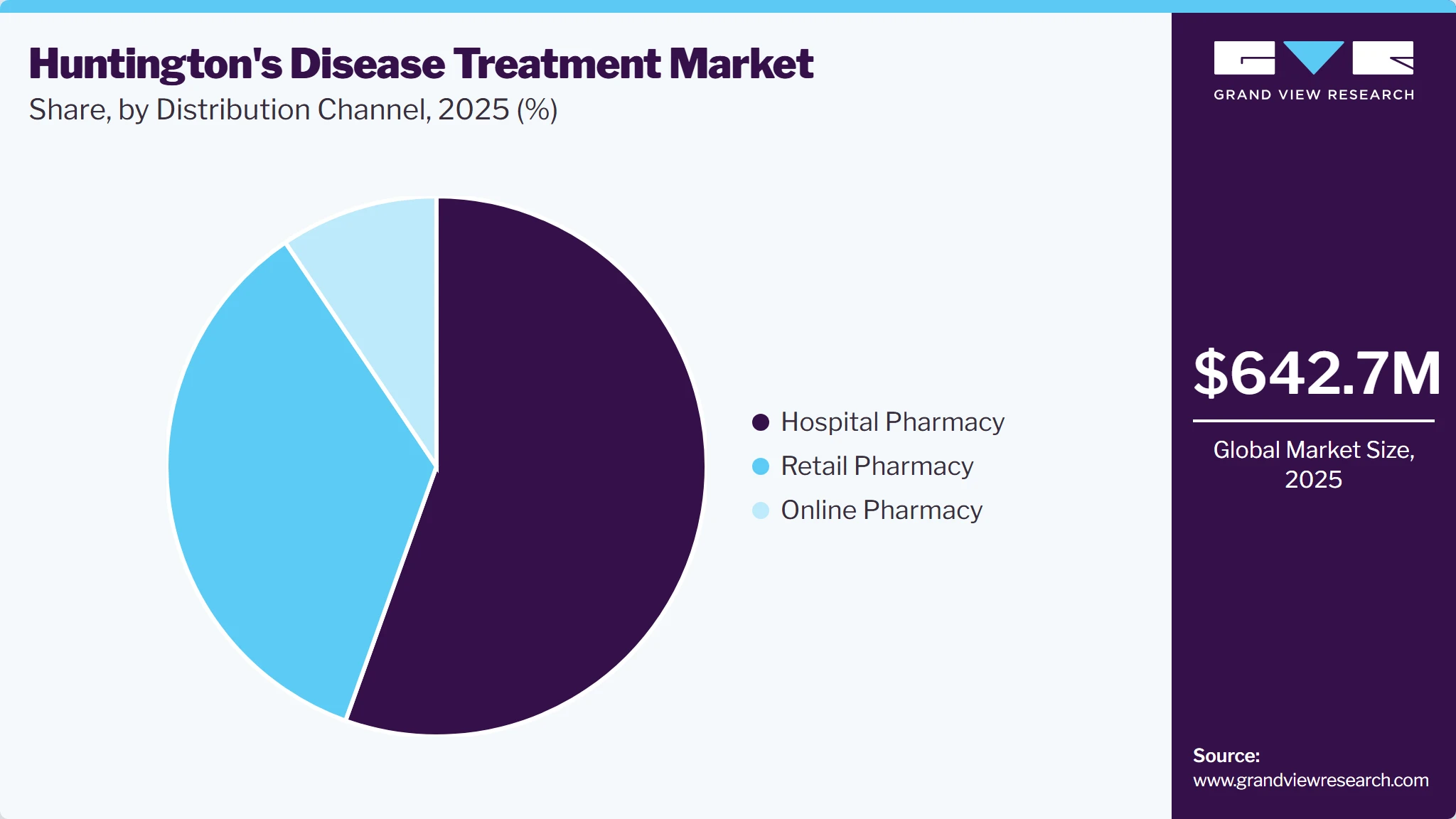
Based on Distribution Channel, the Hospital Pharmacy segment led the market with the largest revenue share of 55.5% in 2025. This dominance can be attributed to hospitals' robust healthcare infrastructure, multidisciplinary treatment approaches, and specialized expertise in managing complex medications. Hospitals serve as primary healthcare providers for patients with complex conditions like HD, and their pharmacies ensure the availability and distribution of specialized medications. With a multidisciplinary team of experts and a focus on patient care, hospital pharmacies have established themselves as key stakeholders in effectively managing and treating HD.
 To learn more about this report, Download Free Sample Report
 The online pharmacy segment is anticipated to grow at the fastest CAGR during the forecast period due to internet and smartphone usage. The convenience of ordering medications on an e-commerce website and the expanding e-commerce services worldwide are expected to drive segment growth. In addition, online pharmacies facilitate convenient access to specialized drugs, chronic care subscriptions, and enhanced drug compliance through automated refills, which are some concerns in HD's long-term care.
Regional Insights
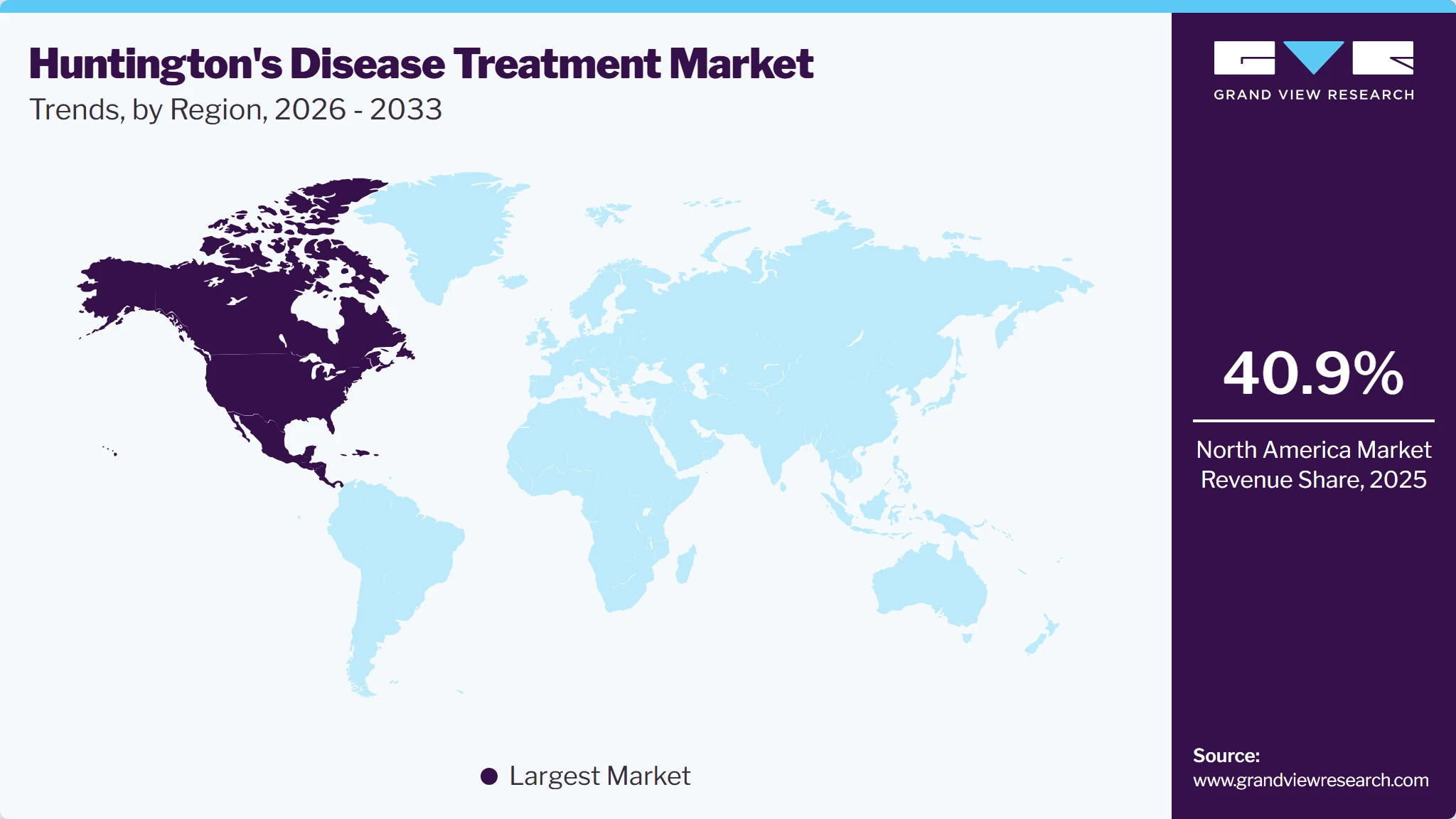
North America dominated the huntington’s disease treatment market with the largest revenue share of 40.9% in 2025. This growth can be attributed to the high disease burden, increased healthcare expenditure, technological advancements, proactive government initiatives, and increased patient awareness about treatments for HD. The presence of key pharmaceutical companies, such as H. Lundbeck A/S and Teva Pharmaceutical Industries Ltd., which continue to expand access to symptom management therapies, contributes significantly to the region’s strong market position.
 To learn more about this report, Download Free Sample Report
 U.S. Huntington’s Disease Treatment Market Trends
The huntington’s disease treatment market in the U.S. held the largest share in the North America region in 2025. The Huntington’s disease treatment market in the U.S. is driven by factors such as high disease prevalence, an aging population, and a well-established healthcare infrastructure that supports early diagnosis and long-term care. The country also benefits from strong R&D activities, with numerous clinical trials, significant neurodegenerative disease research investments, and regulatory incentives, such as the FDA's fast track and orphan drug designations, encouraging the development of innovative therapies and rapid approvals.
Europe Huntington’s Disease Treatment Market Trends
The Huntington’s disease treatment market in Europe for HD treatments shows high growth, driven by the increasing development activities by key players, rising patient awareness, and strong regulatory support. For instance, in April 2025, Prilenia Therapeutics entered into a collaboration and license agreement with Ferrer to commercialize and co-develop pridopidine in Europe and select international markets. The growing demand for innovative therapies, such as pridopidine, is supported by the EMA’s review of the drug, with the review from the Committee for Medicinal Products for Human Use (CHMP) expected in the second half of 2025. This collaboration highlights the expanding opportunities in Europe for developing and commercializing treatments for rare diseases such as Huntington’s.
The UK Huntington’s disease treatment market is witnessing significant growth in the HD treatment industry owing to the increasing incidence and burden of chronic neurodegenerative disorders such as HD. Older individuals are more likely to develop or exhibit symptoms of neurodegenerative conditions, and with improved diagnostic capabilities, more cases are being identified earlier. For instance, in April 2025, a study revealed that northern Scotland has one of the highest rates of HD globally, with 14.5 cases per 100,000 people, over five times the global average. Researchers identified more than 160 adults in regions such as Grampian, Highland, Orkney, Shetland, and the Western Isles, who carry the gene but remain untested, and estimate each diagnosed individual has at least 2.2 relatives at 50% genetic risk, a key driver of market growth.
The Huntington’s disease treatment market in Germany is driven by rising awareness among healthcare professionals, ongoing clinical research for disease-modifying therapies, and advancements in neurodegenerative diagnostics. Increasing government support for rare disease management, expansion of neurology-focused healthcare infrastructure, and specialized treatment centers also contribute to market development. Moreover, pharmaceutical interest in orphan drug designation and evolving patient access programs supports the growth trajectory of treatment options nationwide.
France Huntington’s disease treatment market benefits from centralized care for rare diseases, strong insurance coverage, and specialist neurology networks. National registries and clinical pathways support consistent care standards. Use of antipsychotic and antidepressant therapies remains high, while investigational drugs are gaining traction through clinical collaborations. Hospital pharmacies dominate, with university hospitals playing a key role in treatment access.
Asia Pacific Huntington’s Disease Treatment Market Trends
The Huntington’s disease treatment market in Asia Pacific is expected to witness the fastest CAGR over the forecast period due to increased product penetration, untapped potential, and the disease's growing prevalence in developing countries. Governments are increasingly undertaking initiatives to improve the population's health status, which is expected to drive the regional market.
China Huntington’s disease treatment market is expanding due to several factors, such as the continuous investment in healthcare modernization in China. This can be attributed to improved neurological services, expanded insurance coverage, and enhanced access to rare disease diagnoses and treatments, especially in urban regions. For instance, in April 2025, a research study published in Nature Communications by a Hong Kong research team revealed a new therapeutic target for HD by uncovering a 4.5-fold elevation of the protein PAPD5 in diseased brain cells. This discovery adds to the knowledge of the mechanism of the disease and provides the basis for new therapeutic approaches.
The Huntington’s disease treatment market in Japan is influenced by its aging population, emphasis on rare disease policies, and integration of genetic counseling services. Government initiatives support orphan drug development, and national centers for neurological disorders guide therapy use. Retail and hospital pharmacies contribute to therapeutic delivery, supported by a strong network of university hospitals and registries.
Latin America Huntington’s Disease Treatment Market Trends
The Huntington’s disease treatment market in Latin America is moderately growing, led by Brazil and Argentina. Support comes from expanded neurology services and better rare disease reporting. National health initiatives drive treatment access, including symptomatic therapies in public formularies. Hospital neurology units remain key distribution points, and rising advocacy shapes care policies.
Brazil Huntington’s disease treatment market is supported by public neurology programs, increased availability of psychiatric care, and government-backed rare disease treatment funding. Growing involvement in global clinical trials and genetic diagnostics is improving patient access. Hospital pharmacies and referral centers lead treatment delivery, with expanded access in urban health networks.
Middle East & Africa Huntington’s Disease Treatment Market Trends
The Huntington’s disease treatment market in the Middle East and Africa is emerging, with Saudi Arabia, UAE, and South Africa leading in rare disease initiatives. Investments in neuroscience infrastructure and rising awareness among healthcare providers are shaping treatment availability. Hospital systems and tertiary care centers are critical access points, with gradual improvements in early diagnosis.
Saudi Arabia Huntington’s disease treatment market growth is supported by the national rare disease strategy, Vision 2030 health reforms, and the expansion of neurology care capacity. Public hospitals and specialty centers are enhancing access to symptomatic treatments. Distribution remains concentrated in hospitals, with early-stage engagement in clinical research and digital health platforms.
Key Huntington's Disease Treatment Company Insights
Some key companies in the market include H. Lundbeck A/S, Teva Pharmaceutical Industries Ltd., and Bausch Health Companies Inc. These companies are leading the way in developing innovative therapeutics and advancing clinical trials, focusing on addressing the complex needs of an aging global population. Their continued investment in research and development is expected to drive market growth in the coming years.
Key Huntington's Disease Treatment Companies:
The following key companies have been profiled for this study on the Huntington's disease treatment market.
-
H. Lundbeck A/S
-
Teva Pharmaceutical Industries Ltd.
-
Bausch Health Companies Inc.
-
Hetero
-
Lupin
-
Hikma Pharmaceuticals PLC
-
Dr. Reddy’s Laboratories Ltd.
-
Sun Pharmaceutical Industries Ltd.
-
Novartis AG
-
uniQure NV.
- Latus Bio
Competitive Benchmarking
Category
Operating Strategies
Competitive Edge
Weakness
Large Neurology and Specialty Pharmaceutical Companies (H. Lundbeck A/S, Teva Pharmaceutical Industries Ltd., Bausch Health Companies Inc., Novartis AG, Hikma Pharmaceuticals PLC, Sun Pharmaceutical Industries Ltd., Dr. Reddy’s Laboratories Ltd., Lupin, Hetero)
- Focus on expanding neurological disorder portfolios through commercialization of symptomatic Huntington’s disease treatments and lifecycle management strategies. Invest in label expansions, geographic market penetration, generic product development, and patient access programs. Strengthening market position through partnerships with healthcare providers, distribution network expansion, and integration of Huntington’s disease therapies within broader central nervous system portfolios.
- Established global commercial infrastructure, extensive regulatory expertise, strong manufacturing capabilities, broad distribution networks, and long-standing relationships with neurologists and healthcare institutions. Ability to leverage diversified product portfolios and significant financial resources to support product availability, market access initiatives, and long-term commercialization efforts.
- Dependence on symptomatic treatment revenues in a market with limited patient populations. Exposure to pricing pressures, reimbursement challenges, and increasing competition from emerging disease modifying therapies. Large organizational structures may reduce flexibility in responding rapidly to evolving scientific developments and rare disease specific opportunities.
Gene Therapy and Rare Disease Innovators (uniQure NV, Latus Bio)
- Focus on developing disease modifying and gene-based therapies targeting the underlying genetic cause of Huntington’s disease. Invest in advanced gene delivery platforms, RNA based technologies, and clinical programs designed to slow or halt disease progression. Pursue strategic collaborations, licensing agreements, and research partnerships to accelerate development timelines and expand technological capabilities.
- Specialized expertise in genetic medicine, strong innovation capabilities, focused rare disease research strategies, and proprietary platform technologies. Greater agility in advancing novel therapeutic approaches and addressing unmet clinical needs within Huntington’s disease treatment. Ability to attract investment and partnerships based on differentiated scientific assets.
- Limited commercial infrastructure and financial resources compared with established pharmaceutical companies. High dependence on clinical trial success, regulatory approvals, and external funding. Significant development risks associated with novel gene therapies, including manufacturing complexity, long development timelines, and uncertainties regarding long term safety and efficacy outcomes.
Recent Developments
-
In February 2025, Latus Bio introduced a novel computational model predicting the effects of MSH3 gene knockdown on CAG repeat expansion, a hallmark of HD progression. These findings suggest that Latus Bio's approach could offer a one-time, disease-modifying treatment for HD patients.
-
In December 2024, uniQure received FDA approval to submit a Biologics License Application (BLA) for AMT-130 under the accelerated approval pathway. The FDA agreed that the composite Unified Huntington's Disease Rating Scale (cUHDRS) could serve as an intermediate clinical endpoint, and reductions in Neurofilament Light Chain (NfL) levels in cerebrospinal fluid could provide supportive evidence of therapeutic benefit, aiding market expansion and development.
-
In October 2024, H. Lundbeck A/S announced its strategic USD 2.6 billion acquisition of Longboard Pharmaceuticals. The acquisition aimed to enhance Lundbeck's neuroscience pipeline by adding Longboard's lead asset, bexicaserin, a novel treatment for Developmental and Epileptic Encephalopathies (DEEs).
-
In July 2024, Genezen, a Contract Development and Manufacturing Organization (CDMO), acquired uniQure's commercial gene therapy manufacturing facility in Lexington, Massachusetts. The acquisition, valued at USD 25 million in preferred stock and a convertible note, will allow uniQure to repay USD 50 million in debt, significantly reducing its annual cash burn.
Huntington’s Disease Treatment Market Report Scope
Report Attribute
Details
Market size in 2025
USD 642.7 million
Estimated market size in 2026
USD 868.2 million
Projected market size by 2033
USD 2,623.4 million
Growth rate
CAGR of 17.1% from 2026 to 2033
Historical data
2021 - 2024
Forecast period
2026 - 2033
Quantitative units
Revenue in USD million/billion and CAGR from 2026 to 2033
Report coverage
Revenue forecast, company ranking, competitive landscape, growth factors, and trends
Segments covered
Treatment, distribution channel, region
Regional scope
North America; Europe; Asia Pacific; Latin America; MEA
Country scope
U.S.; Canada; Mexico; Germany; UK; France; Italy; Spain; Norway; Denmark; Sweden; Russia; Iceland; Finland; China; Japan; India; South Korea; Australia; Thailand; Singapore; Brazil; Argentina; Saudi Arabia; South Africa; UAE; Kuwait; Israel
Key companies profiled
H. Lundbeck A/S; Teva Pharmaceutical Industries Ltd.; Bausch Health Companies Inc.; Hetero; Lupin; Hikma Pharmaceuticals PLC; Dr. Reddy’s Laboratories Ltd.; Sun Pharmaceutical Industries Ltd; Novartis AG; uniQure NV.; Latus Bio
Customization scope
Free report customization (equivalent up to 8 analysts' working days) with purchase. Addition or alteration to country, regional & segment scope.
Pricing and purchase options
Avail customized purchase options to meet your exact research needs. Explore purchase options
Global Huntington's Disease Treatment Market Report Segmentation
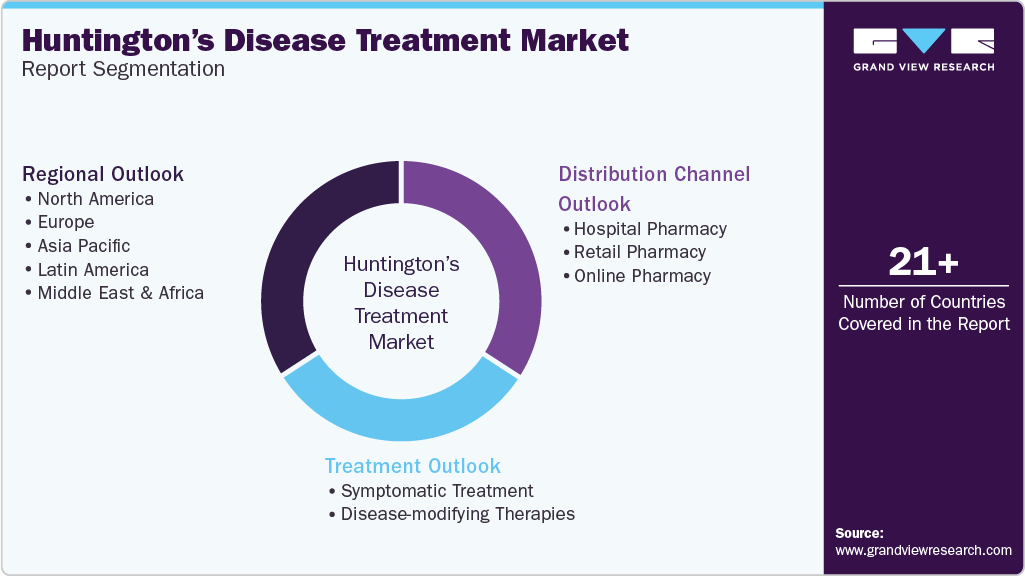
This report forecasts revenue growth at the global, regional, and country levels and provides an analysis of the latest industry trends in each of the sub-segments from 2021 to 2033. For this study, Grand View Research has segmented the global Huntington’s disease treatment market report based on treatment, distribution channel, and region:
 To learn more about this report, Download Free Sample Report
 -
Treatment Outlook (Revenue, USD Million, 2021 - 2033)
-
Symptomatic Treatment
-
Disease-modifying Therapies
-
-
Distribution Channel Outlook (Revenue, USD Million, 2021 - 2033)
-
Hospital Pharmacy
-
Retail Pharmacy
-
Online Pharmacy
-
-
Regional Outlook (Revenue, USD Million, 2021 - 2033)
-
North America
-
U.S.
-
Canada
-
Mexico
-
-
Europe
-
Germany
-
UK
-
France
-
Italy
-
Spain
-
Denmark
-
Sweden
-
Norway
-
-
Asia Pacific
-
China
-
Japan
-
India
-
South Korea
-
Australia
- Thailand
-
-
Latin America
-
Brazil
-
Argentina
-
-
Middle East and Africa (MEA)
-
South Africa
-
Saudi Arabia
-
Kuwait
-
UAE
-
-
Research Methodology
The huntington’s disease treatment market figures in this report are based on a proven research process that combines executive interviews with secondary research from proprietary databases, company filings, and recognized regulatory and institutional sources. Market size is built through value-chain sizing - reconciling supply-side and demand-side estimates - and triangulated with bottom-up and top-down approaches. Every estimate passes multiple levels of expert validation before publication, with each huntington’s disease treatment segment quantified using the revenue-capture definitions in the table below.
Segment Definition
Segment - Treatment
Revenue capture definition
Symptomatic Treatment
Revenue generated from therapies prescribed to manage and alleviate the symptoms of Huntington’s disease without directly altering the underlying disease progression. This segment includes products used for the treatment of chorea, psychiatric symptoms, cognitive impairment, behavioral disturbances, depression, anxiety, irritability, sleep disorders, and other disease related manifestations. Revenue from approved and off label symptomatic therapies is assigned exclusively to this segment when the primary therapeutic objective is symptom control and quality of life improvement.
Disease-modifying Therapies
Revenue generated from therapies designed to target the underlying pathophysiology of Huntington’s disease with the objective of slowing, delaying, preventing, or modifying disease progression. This segment includes gene silencing therapies, RNA based therapeutics, gene editing technologies, huntingtin lowering agents, neuroprotective treatments, and other disease modifying approaches that address the root cause of the disorder. Revenue from approved disease modifying products and future commercialized therapies is attributed exclusively to this segment.
Segment - Distribution Channel
Revenue capture definition
Hospital Pharmacy
Revenue generated from Huntington’s disease treatments dispensed, administered, and billed through hospital based pharmacies and hospital affiliated neurology, psychiatry, and specialty care departments. This segment includes products supplied through inpatient facilities, outpatient hospital clinics, infusion centers, and multidisciplinary neurological treatment centers. Revenue is assigned to this segment when the therapy is procured and distributed through a hospital pharmacy channel.
Retail Pharmacy
Revenue generated from Huntington’s disease treatments dispensed through retail pharmacy networks, including chain pharmacies, independent community pharmacies, and pharmacy stores. This segment includes prescription medications obtained by patients for outpatient use and ongoing disease management. Revenue is attributed to this segment when products are distributed through traditional retail pharmacy channels regardless of reimbursement source or prescription type.
Online Pharmacy
Revenue generated from Huntington’s disease treatments distributed through licensed online and mail order pharmacy platforms. This segment includes medications ordered digitally and delivered directly to patients, caregivers, or healthcare facilities. Revenue from e commerce pharmacy services, specialty home delivery programs, and digital prescription fulfillment channels is classified exclusively within this segment when the product is supplied through an online pharmacy model.
Estimation Model
Huntington’s Disease Treatment Market size is estimated through a combination of secondary research, primary interviews, and market modeling techniques. Secondary research involves collecting data from pharmaceutical company annual reports, investor presentations, clinical trial databases, regulatory agencies, peer reviewed journals, healthcare organizations, and rare disease associations. Information regarding Huntington’s disease prevalence, diagnosed patient population, treatment rates, prescription trends, approved therapies, pipeline products, and pricing structures is analyzed to establish the market foundation across major regions.
A bottom-up approach is utilized to calculate market revenues by assessing sales generated from symptomatic treatments and disease modifying therapies across key manufacturers. Revenue contributions are evaluated using product level sales, prescription volume data, average treatment costs, patient adoption rates, and regional healthcare expenditure patterns. Market segmentation is performed by treatment type, distribution channel, and geography to determine individual segment contributions and overall market value.
The estimates are validated through primary interviews with neurologists, pharmaceutical executives, hospital pharmacists, rare disease specialists, distributors, and industry experts. A top-down analysis is then conducted to cross verify findings against broader neurology and rare disease therapeutic markets. Data triangulation, epidemiology-based forecasting, treatment penetration analysis, and assessment of clinical pipeline developments are applied to generate accurate market size estimates and long-term growth projections for the Huntington’s Disease Treatment Market.
Delivered Customizations
This report has been delivered with the following In-depth customizations
Client Request
Customization Delivered
Value Adds
Huntington's Disease Competitive Landscape & Pipeline Assessment
Conducted a targeted assessment of the global Huntington's disease treatment landscape, evaluating approved symptomatic therapies, late-stage and early-stage pipeline candidates, gene therapy programs, RNA-based therapeutics, and disease-modifying treatment approaches. The study analyzed key participants including H. Lundbeck A/S, Teva Pharmaceutical Industries Ltd., Novartis AG, uniQure N.V., and emerging biotechnology innovators. It further assessed clinical development progress, regulatory milestones, licensing activities, and competitive positioning across symptomatic and disease-modifying treatment segments.
Helped the client identify promising therapeutic platforms, evaluate competitive threats, benchmark pipeline maturity, and prioritize partnership, licensing, and acquisition opportunities within the evolving Huntington's disease treatment market.
Huntington's Disease Therapeutic Innovation & Technology Benchmarking Study
Delivered a comprehensive benchmarking analysis of Huntington's disease treatment technologies, focusing on gene therapies, RNA interference platforms, antisense oligonucleotides, Huntington lowering approaches, and neuroprotective treatment strategies. The assessment compared clinical efficacy trends, safety profiles, delivery technologies, intellectual property positioning, and commercialization readiness across leading developers and emerging innovators.
Enabled the client to assess technology competitiveness, identify differentiated therapeutic approaches, benchmark innovation strategies, and prioritize investments in next-generation Huntington's disease treatment programs and proprietary platform technologies.
Huntington's Disease Clinical Development & Commercial Feasibility Assessment
Conducted a strategic evaluation of the Huntington's disease development ecosystem, assessing patient population dynamics, clinical trial feasibility, regulatory pathways, treatment adoption patterns, reimbursement considerations, and market access requirements. The study analyzed recruitment challenges, rare disease infrastructure, specialist care networks, and regional commercialization opportunities supporting future product launches.
Supported strategic planning by identifying clinical development opportunities, evaluating regulatory and reimbursement risks, strengthening market entry strategies, and improving commercialization readiness for Huntington's disease therapies across global healthcare markets.
Frequently Asked Questions About This Report
The market in North America dominated with a revenue share of 40.9% in 2025.
Key players operating in the market include H. Lundbeck A/S, Teva Pharmaceutical Industries Ltd., Bausch Health Companies Inc., Hetero, Lupin, Hikma Pharmaceuticals PLC
The predicted label expansion of Ingrezza for treating chorea associated with Huntington’s Disease (HD), the high burden of HD in Western countries, and the strong product pipeline of disease-modifying therapies are anticipated to be major market drivers.
The global Huntington’s disease treatment market size was valued at USD 642.7 million in 2025 and is expected to reach USD 868.2 million in 2026.
The global Huntington’s disease treatment market is expected to grow at a compound annual growth rate of 17.1% from 2026 to 2033 to reach USD 2623.4 million by 2033.
About the Author(s)
Pharmaceuticals Research Team
Healthcare · PharmaceuticalsThis report was authored by the pharmaceuticals research team at Grand View Research - comprising two research analysts, one senior research analyst, and one industry expert - with specialized expertise in the pharmaceuticals segment of the healthcare industry. All findings are based on proprietary healthcare databases, executive interviews, and regulatory analysis, subject to internal peer review prior to publication.
Last Updated:
Speak to Analyst

Customize this report to your needs - add regions, segments, or data points, with 20% free customization.
Or view our licence options:


ISO 9001:2015 & 27001:2022 Certified
We are GDPR and CCPA compliant! Your transaction & personal information is safe and secure. For more details, please read our privacy policy.


