
- Home
- »
- Beauty & Personal Care
- »
-
India Cosmetics Market Size & Share, Industry Report, 2033GVR Report cover

India Cosmetics Market (2026 - 2033) Size, Share & Trends Analysis Report By Product (Skin Care, Oral Care, Hair Care, Color Cosmetics, Bath & Shower Products, Perfume & Fragrance), By End-user (Men, Women), By Distribution Channel, And Segment Forecasts
India Cosmetics Market Summary
The India cosmetics market size was estimated at USD 21.50 billion in 2025 and is projected to reach USD 43.85 billion by 2033, growing at a CAGR of 9.3% from 2026 to 2033. The market is experiencing strong and sustained growth due to a combination of demographic shifts, evolving consumer preferences, digital influence, and rising product innovation.
Key Market Trends & Insights
- By product, bath & shower products led the market and accounted for a share of 28.9% in 2025.
- By end user, women led the market and accounted for a share of 68.9% in 2025.
- By distribution channel, general trade led the market and accounted for a share of 33.0% in 2025.
Market Size & Forecast
- 2025 Market Size: USD 21.50 Billion
- 2033 Projected Market Size: USD 43.85 Billion
- CAGR (2026-2033): 9.3%
Three ways to get this report
Buy it, customize it, or ask a question.Ask an Analyst
Analyst response in 1 business day
- AccessReport author, directly
- Reply timeWithin 1 working day
- No sales callDirect answer only
- FormatEmail reply
- CostFree, no cost
Get the Full Report
What the study covers
- FormatsPDF · Excel · Dashboard
- Timeline2026–2033 annual, 2025 base
- Coverage20+ countries, 5 regions
- Companies10+ key players profiled
Customize the Report
20% free customization
- IncludeCountries, segments, points
- TailorTo your product definition
- ExtendDeeper competitor detail
- OrA fully bespoke study
- Turnaround5–10 working days
A young population with increasing disposable incomes is driving higher spending on beauty, skincare, and grooming products. Consumers today are more informed, aspirational, and willing to experiment with global trends, premium brands, and hybrid multifunctional products.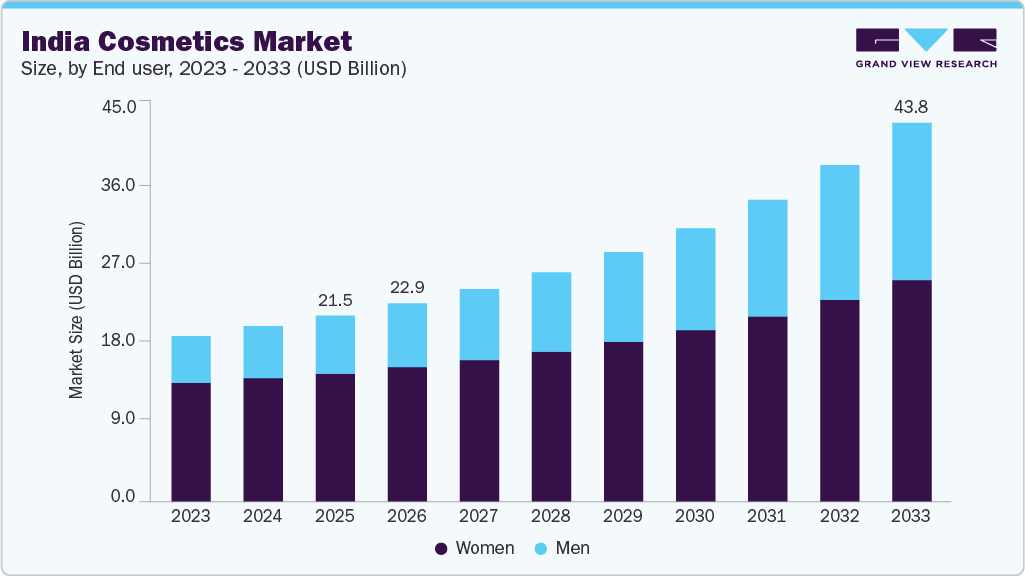 Source: Grand View Research, IR Documents, Primary Interviews, Paid DatabasesTo learn more about this report,
 Download Free Sample Report
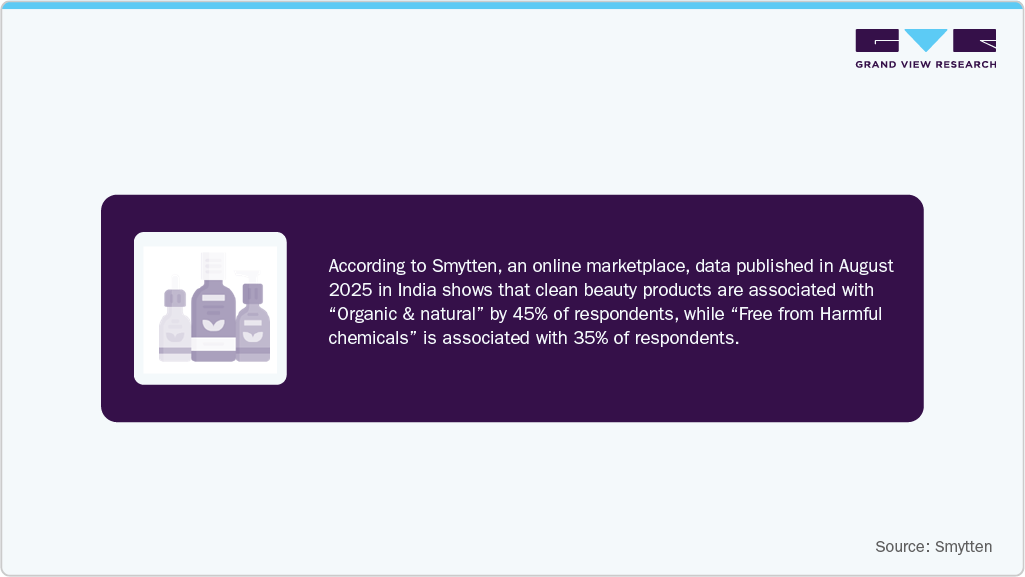
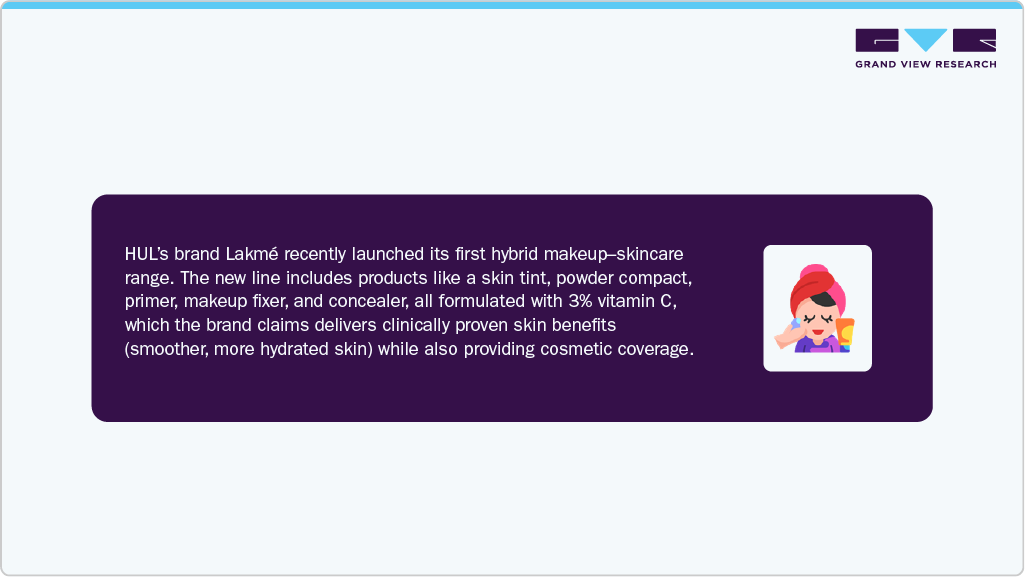
 A strong pivot toward clean, natural, and ingredient-transparent formulations is also fuelling demand. Indian consumers are increasingly conscious about product safety, sustainability, and the long-term benefits of skincare ingredients. This trend has led to substantial growth of Ayurvedic, herbal, and toxin-free cosmetic brands. Alongside this, hybrid formulations that combine skincare and makeup benefits, such as serum foundations, tinted sunscreens, and BB/CC creams, are gaining traction due to their convenience and multifunctional value.
 To learn more about this report, Download Free Sample Report
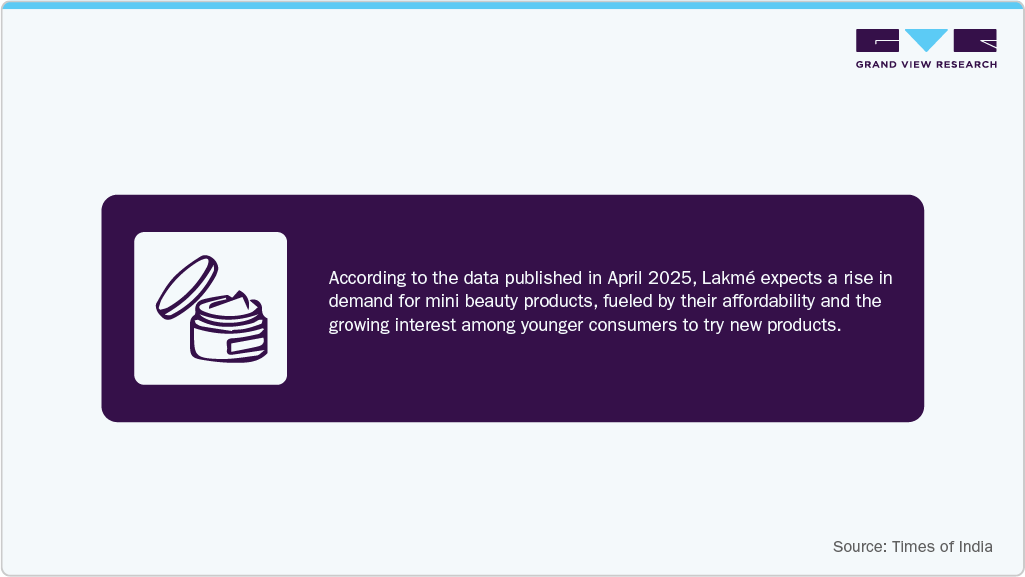
 In addition, the rising adoption of sample packs and travel-size formats has played a significant role in accelerating product trials and reducing entry barriers for consumers. Brands increasingly offer mini-sized versions of serums, moisturisers, fragrances, and makeup products, allowing customers to test efficacy and compatibility before committing to full-size purchases. This strategy has been particularly effective in expanding reach among price-sensitive and first-time buyers, while also increasing brand engagement and repeat purchases.
 To learn more about this report, Download Free Sample Report
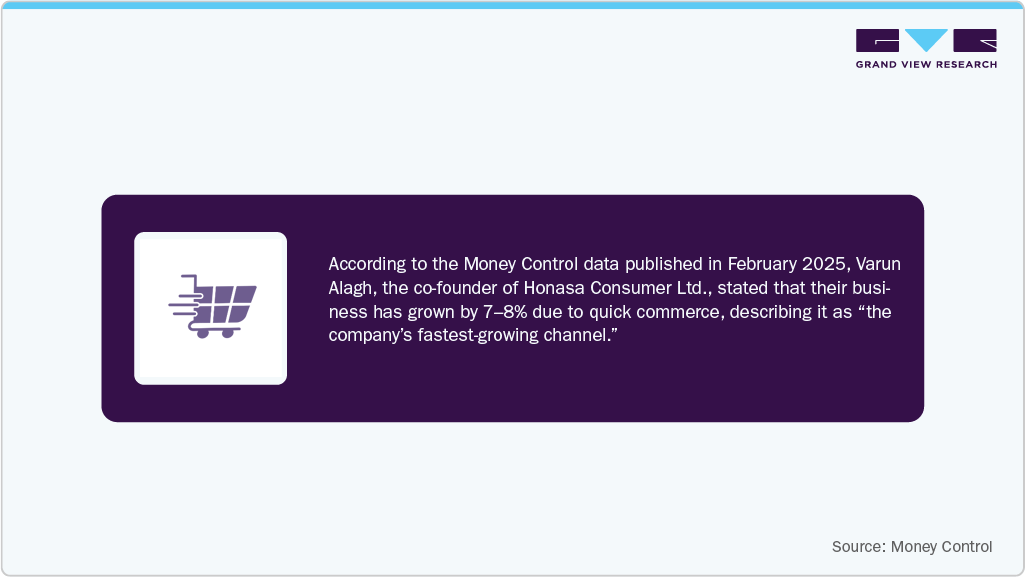
 The rapid expansion of e-commerce and quick commerce (Q-commerce) platforms such as Zepto and Blinkit has dramatically improved access to beauty products across India. These platforms offer fast delivery (often within minutes) and a wide assortment of skincare, haircare, bath & shower, and oral care SKUs, making it easier for consumers to order these discretionary cosmetics instantly and regularly.
 To learn more about this report, Download Free Sample Report
 Consumer/Buyer Insights
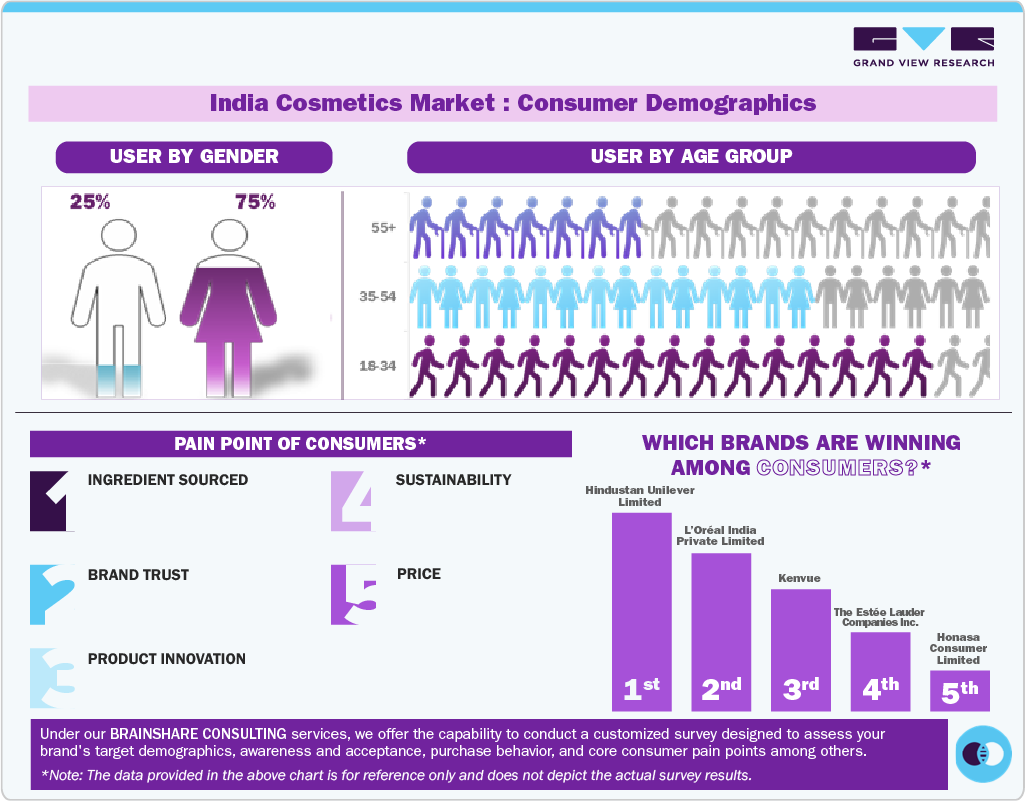
Indian consumers are becoming more experimental and informed in their approach to cosmetics. Rising incomes, urban lifestyles, social media exposure, and strong e-commerce growth are encouraging people, especially Gen Z and millennials, to try new textures, formats, and global-style products, from serums and tints to mists and sticks. At the same time, there is a sharper focus on what goes into the product: ingredient-led communication, claims such as “dermat-tested,” “fragrance-free,” or “no nasties,” and visible results are becoming key purchase triggers.
 To learn more about this report, Download Free Sample Report
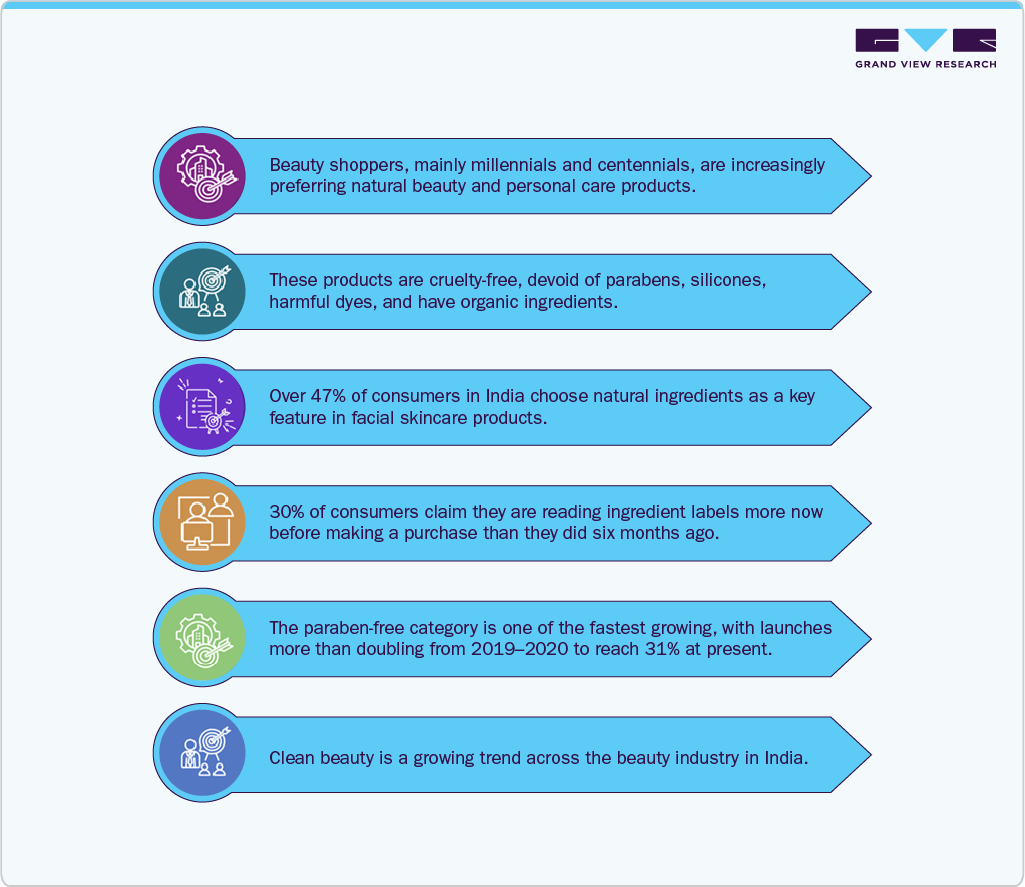
 This is also driving strong interest in organic, vegan, clean, and “conscious” beauty. Consumers are reading labels more carefully, looking for cruelty-free, paraben-free, and sulfate-free claims, and expecting brands to be transparent and science-backed rather than just “herbal”. Increasingly, beauty and personal care products most commonly feature ingredient claims on packs. Among Indian consumers, plant-based is the most popular clean-beauty claim as they greatly value natural aspects. Hence, botanical/herbal claims continue to dominate the category. Clean beauty is a fast-growing segment within the masstige price tier. Hybrid makeup products that combine skincare benefits with colour cosmetics are another major shift, with makeup now expected to hydrate, protect, and repair the skin while providing coverage or pigment.
 To learn more about this report, Download Free Sample Report
 The adoption of cosmetic products among men in India is steadily increasing as grooming norms evolve and beauty becomes more gender-inclusive. Younger male consumers, influenced by social media, workplace expectations, and K-beauty trends, are now embracing products such as BB creams, concealers, serums, sunscreens, and tinted moisturizers as part of their daily routines. Men are also showing growing interest in ingredient-led and performance-based formulations, mirroring broader market trends seen among women. The rise of men-specific skincare and makeup lines, along with discreet, minimalist packaging and easy-to-use hybrid products, has further accelerated acceptance. As self-presentation and personal well-being gain importance, cosmetics are no longer viewed as exclusively female, but as essential tools for confidence and modern grooming across genders.
 To learn more about this report, Download Free Sample Report
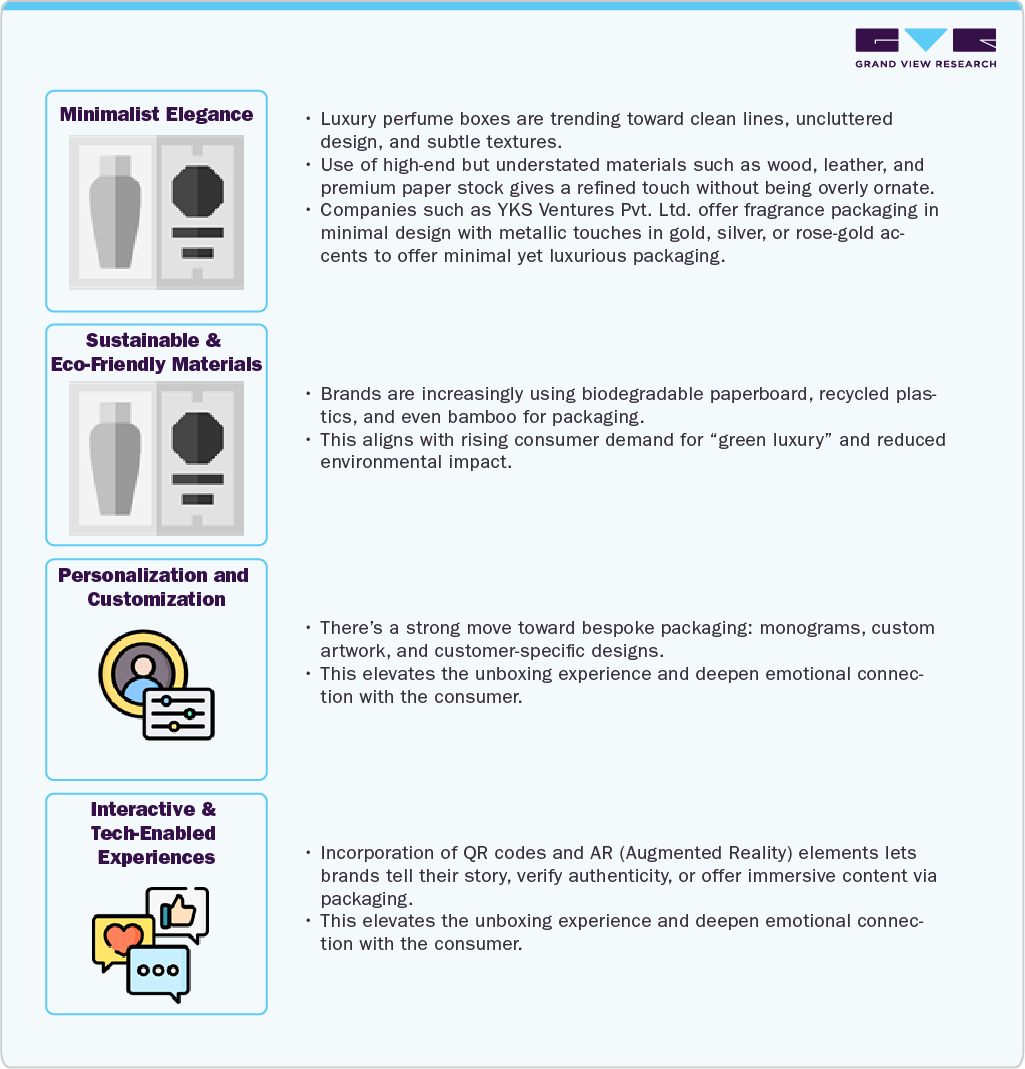
 Packaging has become a key decision-making factor for cosmetic consumers in India, who increasingly associate good packaging with product safety, hygiene, and premium quality. Modern buyers, especially Gen Z and millennials, prefer minimalist, functional, and eco-friendly packaging that reflects transparency and clean-beauty values.
 To learn more about this report, Download Free Sample Report
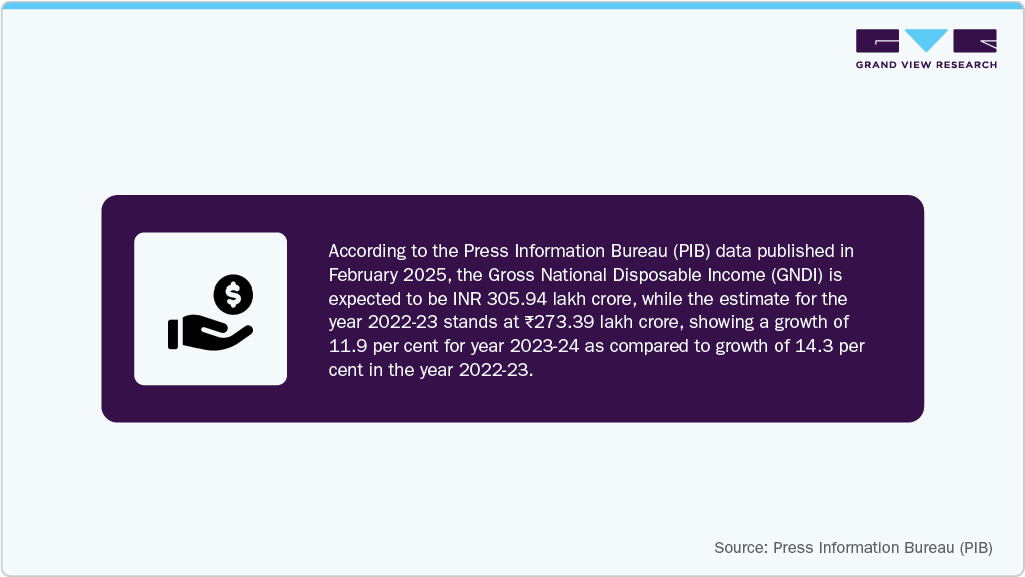
 Moreover, rising disposable incomes in India are driving increased discretionary spending, particularly in the beauty and personal care sector. As more consumers experience higher purchasing power, demand for products such as skincare, haircare, oral care, and bath & shower items is growing. This trend reflects a shift towards premium and diverse beauty offerings, fueled by both urbanization and changing lifestyles.
 To learn more about this report, Download Free Sample Report
 The Indian government categorizes cosmetics, toiletries, and personal care manufacturing under the sector heading “Soaps, Cosmetics & Toilet Preparations.” Cumulative FDI equity inflows into this sector have grown steadily since 2000, reflecting foreign investors’ interest in India’s expanding beauty & personal-care consumption. According to official DPIIT (Department for Promotion of Industry and Internal Trade) fact-sheets, cumulative FDI (equity) into Soaps, Cosmetics & Toilet Preparations stood at rupees 16,540.49 crore (USD 2,525.74 million) from April 2000 to March 2025.
The Government of India permits 100% foreign direct investment in Single-Brand Product Retail Trading (SBRT) under the automatic route, subject to sector-specific conditions designed to protect and promote domestic sourcing, as well as clarify the nature of permitted activities. The policy is intended to attract foreign brand owners to invest in local production, marketing, and retailing while ensuring domestic value addition through sourcing norms for investments exceeding 51%. Key clarifications (including the ability to count SEZ-based suppliers towards the local sourcing requirement and allowing SBRT entities operating through brick-and-mortar stores to sell via e-commerce) have been issued by the government to make the policy operationally clearer for foreign investors.
Opportunity Assessment Analysis
Consumer-Driven Opportunities
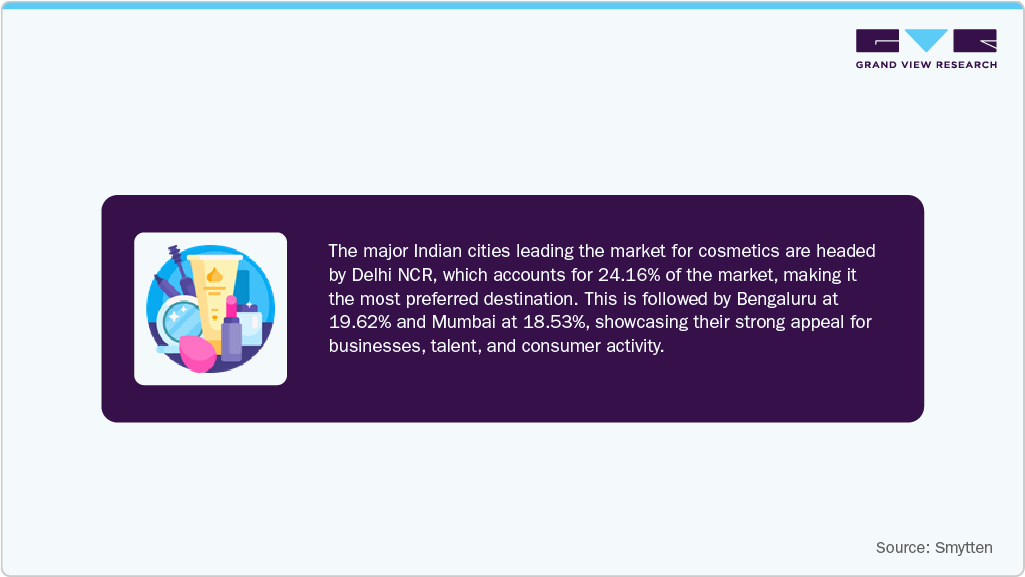
India's retail landscape is experiencing significant growth, particularly in tier II and tier III cities, which are emerging as key drivers for the country’s retail real estate sector. With around 47 tier II cities and over 300 tier III cities, the retail growth rate in these areas is nearly 50%, compared to 20% in metro cities. Retailers such as Shoppers Stop, Reliance Retail, Nykaa, and HUL are expanding their presence in these regions, aiming to tap into the rising incomes, improved connectivity, and growing consumer aspirations. This is driving the increased penetration of beauty and personal care products in smaller cities, fueling long-term growth in India’s cosmetics sector, including premium skincare and grooming products.
 To learn more about this report, Download Free Sample Report
 The Indian beauty and personal care market is also seeing a shift towards clean, natural, and organic products. Millennials and centennials are increasingly prioritizing cruelty-free, chemical-free, and organic ingredients in their skincare and personal care products. This trend is reflected in consumer preferences, with 47% of Indian consumers opting for products with natural ingredients. Meanwhile, the Korean beauty market (K-beauty) is gaining momentum in India, influenced by the global appeal of Korean pop culture and the efficacy of K-beauty ingredients such as snail mucin and bamboo extract. This shift is particularly noticeable among Gen Z and millennials, who are adopting K-beauty products in their routines, contributing to the growth of innovative and high-efficacy beauty solutions in India.
The market for men’s grooming products is also expanding rapidly, as young Indian men increasingly view grooming as a form of self-expression. This trend is attracting major FMCG companies and driving investments in the men’s grooming segment. Startups such as The Man Company, Beardo, and Bombay Shaving Company have paved the way, and their success has sparked acquisitions by larger companies, further propelling the growth of the sector.
Product Innovation Opportunities
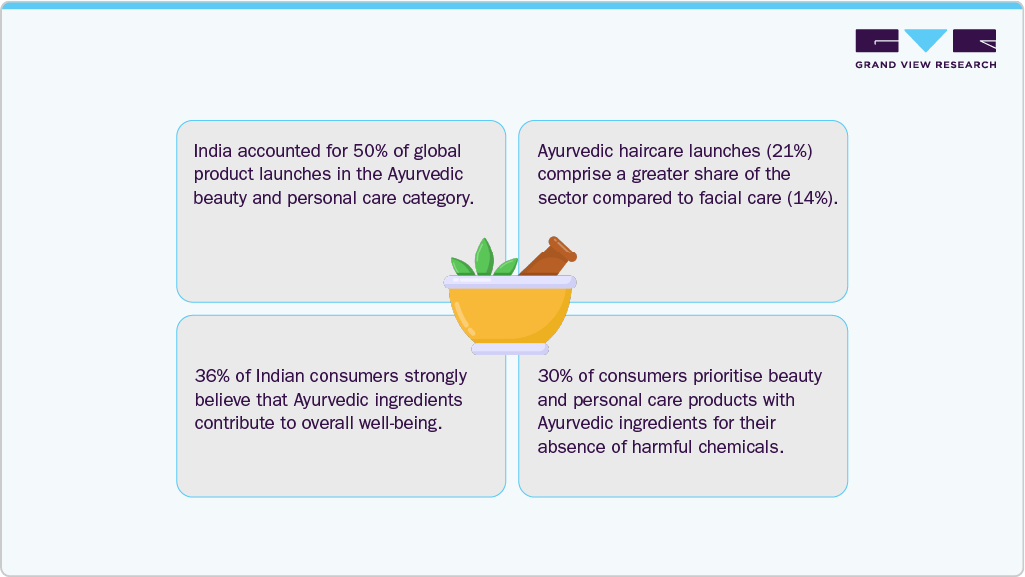
Ayurveda, an ancient system of medicine from India, has experienced a resurgence in popularity, driven by growing consumer interest in self-care and holistic beauty practices. The pandemic further boosted Ayurveda's appeal as people sought natural health and wellness solutions, while reconnecting with their cultural heritage. Despite this, 1 in 5 Indian consumers still view Ayurvedic beauty practices as old-fashioned. The government has played a role in promoting Ayurveda's growth by establishing the Ministry of Ayush, which certifies Ayurvedic products with quality seals, facilitating their entry into both domestic and international markets. This momentum has also been supported by an increased focus on inner health, which consumers are now linking to outward beauty.
 To learn more about this report, Download Free Sample Report
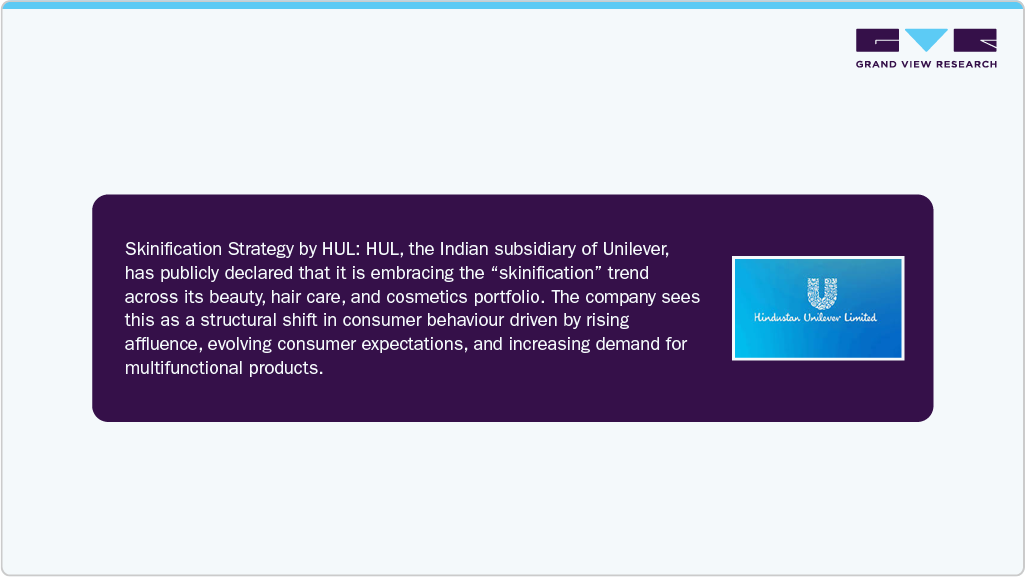
 In the broader beauty industry, innovations are constantly reshaping the market, driven by trends such as "skinification," where skincare ingredients and concepts are integrated into makeup products. Consumers are also embracing new formats, such as spray-on sunscreens and stick-packaged moisturizers, while prioritizing ingredients that offer skincare benefits, such as hyaluronic acid. The growing interest in body care, fueled by social media trends and body-specific concerns, has led to increased demand for effective, high-quality beauty products. With 41% of Indian consumers becoming more selective about their beauty choices and 84% willing to pay a premium for effective products, the demand for advanced body care solutions is on the rise.
 To learn more about this report, Download Free Sample Report
 India's beauty market is rapidly expanding, with consumers seeking tech-enabled, personalized beauty solutions. Digital adoption is driving growth, and AI-powered technologies such as virtual try-ons, smart beauty devices, and personalized skincare advice are becoming increasingly popular. These innovations are helping brands offer science-backed, customized products that boost customer satisfaction and loyalty. As the market continues to evolve, there is a clear trend toward personalized, technology-driven beauty experiences, with AI playing a pivotal role in shaping the future of the industry.
Pricing Analysis- Price Band Comparison (Mass, Mid, And Premium)
Attribute
Mass Market
Mid-Market
Premium Segment
Price Range
Rupees 50 - 500
Rupees 500 - 2,000
Rupees 2,000 - 10,000+
Consumer Base
Price-sensitive buyers, first-time users, Tier 2/3 & rural consumers
Urban middle class, working professionals, brand-conscious youth
Affluent urban consumers; aspirational buyers; global brand loyalists
Key Characteristics
High volume, low margins; basic categories; value-driven; sachet formats
Higher margins; ingredient focus (natural/organic); strong D2C presence; brand experience
Low volume, high margins; luxury positioning; imported formulations; experiential retail
Top Brands
Lakmé (budget), Dabur, Himalaya, Glow & Lovely, Nivea (budget)
Mamaearth, Sugar, Plum, Maybelline, L'Oréal Paris
MAC, Estée Lauder, Clinique, Huda Beauty, Bobbi Brown, Sephora exclusives
Primary Channels
Kirana stores, General trade, Hypermarkets, Pharmacies
Specialty stores, Online (Nykaa, Amazon), Modern trade
Sephora, Nykaa Luxe, Department stores (Shoppers Stop, Lifestyle), Premium malls
Example Products & Prices
Lakme Face Wash ₹99-₹120; Himalaya Neem Face Wash ₹70-₹120; Glow & Lovely ₹65-₹110
Maybelline Foundation ₹549-₹799; Mamaearth Serum ₹699-₹999; Plum Moisturizer ₹450-₹650
MAC Lipstick ₹1,700-₹2,900; Estée Lauder Serum ₹7,000-₹12,000+; Clinique Moisturizer ₹3,000-₹5,000
The Central Drugs Standard Control Organisation (CDSCO), operating under the Directorate General of Health Services within the Ministry of Health & Family Welfare, serves as India’s National Regulatory Authority. Headquartered at the FDA Bhawan in New Delhi, CDSCO oversees a widespread network consisting of zonal and sub-zonal offices, port offices, and accredited laboratories across the country.
The Drugs & Cosmetics Act of 1940 and the corresponding 1945 Rules assign regulatory responsibilities to both central and state authorities to ensure consistent enforcement. The aim is to safeguard public health by regulating the manufacture, import, and distribution of drugs and cosmetics, while promoting transparency, accountability, and uniform quality standards.
Moreover, the organization operates through a network that includes six zonal offices, four sub-zonal offices, thirteen port offices, and seven laboratories across the country.
Product Insights
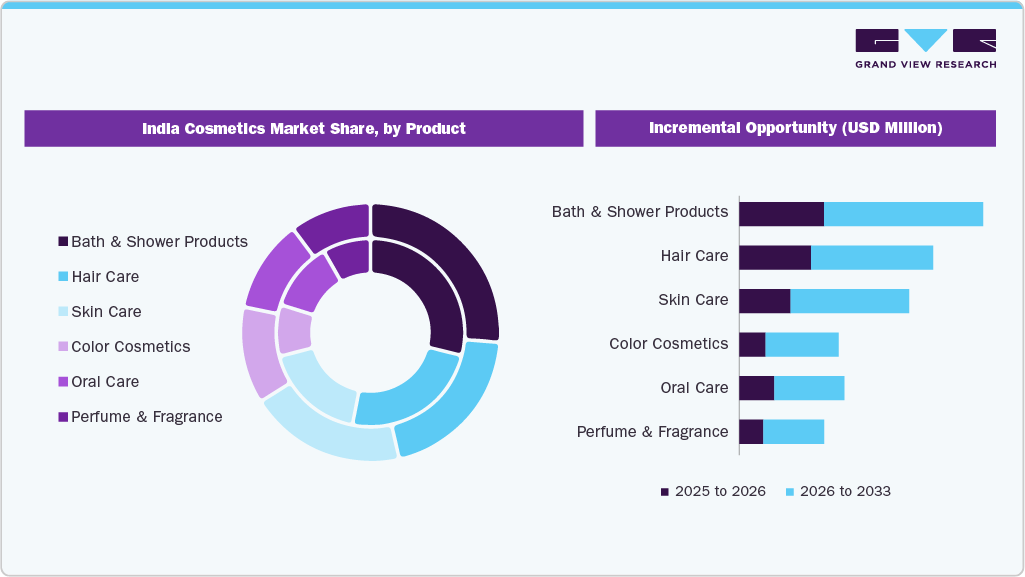
Bath & shower products in the Indian cosmetics market accounted for a share of 28.9% in 2025. The bath and shower category in India has been seeing a steady shift from traditional bar soaps toward more indulgent formats such as body washes, shower gels, and exfoliating scrubs. Consumers are paying greater attention to skin feel, fragrance experience, and ingredient transparency, which has encouraged brands to introduce moisturizing, sulphate-free, and fragrance-rich options. Body washes and gels are gaining popularity among urban and younger users who prefer premium textures and convenience. At the same time, exfoliators and scrubs are becoming part of weekly self-care routines, supported by rising interest in glowing and smooth skin.
 To learn more about this report, Download Free Sample Report
 Color cosmetics in the Indian cosmetics market are expected to grow at the fastest CAGR of 13.6% from 2026 to 2033. The growth can be attributed to increasing acceptance of makeup as part of everyday grooming rather than just occasional use. Consumers, especially Gen Z and millennials, view makeup not only as a tool for enhancement but for self-expression and identity. In recent years, lip products (lipsticks, lip gloss, lip tints) and face makeup (foundations, powders) have seen surging demand.
Face colour cosmetics such as foundation, powder, and concealer are increasingly adopted as part of daily routines, replacing traditional minimal makeup. As more Indians become comfortable with makeup, demand for inclusive shade ranges and products that perform under Indian climatic conditions (heat, humidity) is rising. In addition, there is a growing consumer inclination toward sustainable, clean, and cruelty-free products. Organic and natural-ingredient color cosmetics are becoming more popular, especially among younger and urban demographics.
End User Insights
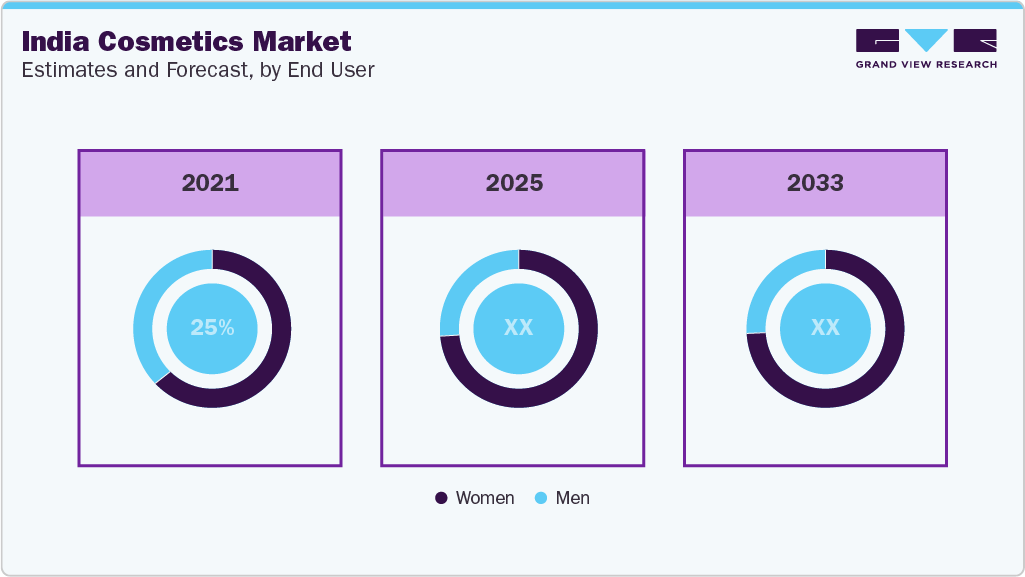
The women's cosmetics market in India accounted for the largest revenue share of 68.9% in 2025. The segment growth is driven by a combination of rising income levels, changing lifestyles, and greater exposure to global beauty trends. Increasing urbanization and workforce participation among women have significantly influenced consumption patterns, as professional environments and social engagement place greater emphasis on personal appearance and grooming. Higher disposable incomes, especially in urban and semi-urban markets, have enabled women to shift from basic personal care products to premium and specialized cosmetic offerings such as anti-ageing creams, serums, sunscreens, and professional makeup products. The growing awareness of skincare as part of wellness and preventive health has also expanded the role of cosmetics from purely aesthetic use to daily self-care routines.
 To learn more about this report, Download Free Sample Report
 The men's cosmetics market in India is expected to grow at a CAGR of 13.3% from 2026 to 2033. The growth primarily driven by increasing awareness of personal grooming and appearance, especially among urban and younger male consumers. Social media, celebrity culture, and influencer marketing have normalized skincare routines and cosmetic use for men, reducing traditional stigma around male grooming. Exposure to global beauty trends through platforms such as Instagram, YouTube, and OTT content has encouraged Indian men to experiment with products beyond basic shaving creams and deodorants, such as face washes, moisturizers, serums, sunscreens, and beard care products. Men today increasingly associate grooming with confidence, professionalism, and social status, making cosmetics a lifestyle choice rather than a luxury.
Distribution Channel Insights
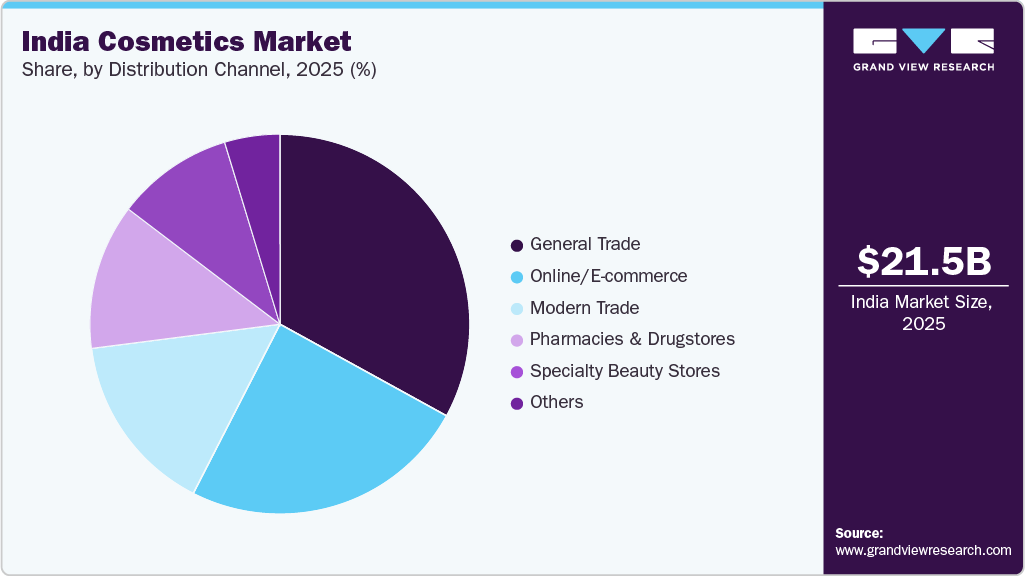
Sales of cosmetic products in India through general trade held the largest revenue share, accounting for 33.0% in 2025. The growth of sales via general trade in India is driven by the deep penetration and accessibility of traditional retail outlets, particularly in Tier 2, Tier 3, and rural markets. General trade remains the backbone of India’s distribution network due to its extensive reach, proximity to consumers, and convenience for daily or impulse purchases. Consumers often prefer purchasing through these channels for essential personal care and cosmetic products, as they are easily accessible, require minimal travel, and allow for quick replenishment of frequently used items such as face creams, hair oils, soaps, and deodorants.
Price sensitivity and trust in local retail networks are significant factors underpinning general trade sales. Consumers in non-metro markets often rely on neighborhood retailers for product recommendations and guidance, and these outlets frequently stock a mix of mass-market and value-oriented cosmetic products that align with consumer budgets. Promotions, festive offers, and small pack sizes tailored to affordability further encourage purchases through general trade. in addition, these stores are often the first point of access for emerging brands seeking to penetrate smaller towns and rural markets, allowing them to build visibility and trial at a low cost compared to modern trade formats.
 To learn more about this report, Download Free Sample Report
 Sales of cosmetic products in India through online/E-commerce channels are expected to register the fastest CAGR of 17.2% over the forecast period. The growth of sales via online channels in India is primarily driven by convenience and accessibility. E-commerce platforms and direct-to-consumer (D2C) websites allow consumers to browse extensive product assortments, compare brands, and access detailed reviews and ratings, reducing purchase uncertainty. The ability to shop anytime and anywhere, combined with home delivery and flexible payment options, makes online shopping highly attractive, particularly for urban and semi-urban consumers with busy lifestyles.
Digital influence and marketing have further accelerated growth in this segment. Social media platforms, influencer-driven content, and digital advertising facilitate brand discovery, product education, and experimentation. Online-exclusive launches, personalized recommendations, flash sales, and subscription models encourage trial and repeat purchases. Consumers also perceive online channels as reliable sources of authentic products, especially for premium, international, and niche brands that may not be widely available, with reviews and detailed product information enhancing purchase confidence.
Key India Cosmetics Company Insights
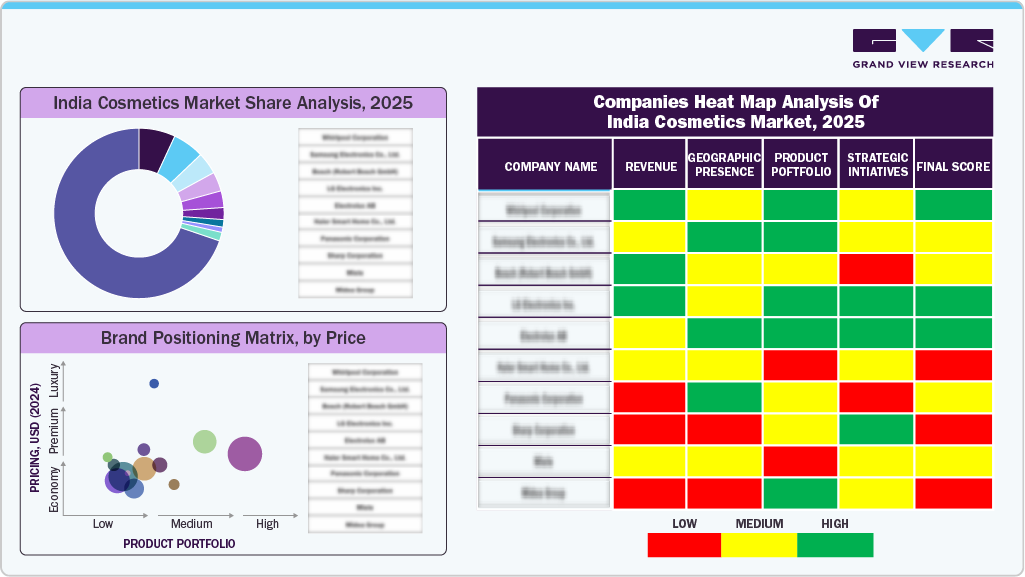
The market features both established global firms and emerging players. Key industry leaders prioritize product innovation, differentiation, and distinctive designs in line with evolving consumer preferences. Leveraging extensive global distribution networks, these major players effectively reach diverse customer bases and tap into emerging markets. R&D investment is increasingly focused on dermatological safety, antibacterial efficacy, skin-conditioning additives, fragrance optimization, and scalable packaging formats.
 To learn more about this report, Download Free Sample Report
 Key India Cosmetics Companies:
- Hindustan Unilever Limited
- L’Oréal India Private Limited
- Kenvue
- The Estée Lauder Companies Inc.
- Honasa Consumer Limited
- Nykaa House of Brands
- Procter & Gamble
- Emami Limited
- Dabur India Limited
- Beiersdorf AG
Recent Developments
-
In November 2025, Tira, Reliance Retail’s beauty brand, entered the makeup category with its first own-label product, the Tira Lip Plumping Peptint, a tinted lip treatment formulated in Italy. Enriched with butters, peptides, hyaluronic acid, and vitamins, it claims to moisturize, repair, and plump lips while providing color, and is launched as a vegan, cruelty-free, paraben- and mineral-oil-free range in nine shades at ₹675 for 15 g.
-
In November 2025, GlowBareSkin is a new Indian luxury skincare brand that positions itself as “science‑backed” and specifically formulated for Indian skin and climate, using clinically proven actives like niacinamide, bakuchiol, hyaluronic acid, and Kakadu plum in dermatologist‑validated, clean formulations. Founded by Meghana Bathula, the brand aims to build an international‑standard label from India by combining premium packaging, AI‑based skin analysis, and tech‑enabled personalization with cruelty‑free, FDA‑approved, ISO and GMP‑certified products targeted at urban, higher‑income Indian consumers and global markets.
-
In September 2025, H&M launched its Beauty concept in India for the first time, launching over 200 vegan, cruelty-free products in makeup, fragrances, and beauty tools to mark 10 years of H&M India. The range includes locally made makeup and perfumes (like Satin Icon Lipstick, Mad for Matte Liquid Lipstick, Never Ending Lash Mascara, Do-it-All Stick Blush, and a new Eau de Parfum line) with makeup priced under ₹799 and perfumes from ₹1,299.
India Cosmetics Market Report Scope
Report Attribute
Details
Market size value in 2026
USD 22.92 billion
Revenue forecast in 2033
USD 43.85 billion
Growth rate
CAGR of 9.3% from 2026 to 2033
Base year for estimation
2025
Historical data
2021 - 2024
Forecast period
2026 - 2033
Quantitative units
Revenue in USD million/billion and CAGR from 2026 to 2033
Report coverage
Revenue forecast, company ranking, competitive landscape, growth factors, and trends
Segments covered
Product, end user, distribution channel, region
Country scope
India
Key companies profiled
Hindustan Unilever Limited; L'Oréal India Private Limited; Kenvue; The Estée Lauder Companies Inc.; Honasa Consumer Limited; Nykaa House of Brands; Procter & Gamble; Emami Limited; Dabur India Limited; Beiersdorf AG
Customization scope
Free report customization (equivalent up to 8 analysts working days) with purchase. Addition or alteration to country, regional & segment scope.
Pricing and purchase options
Avail customized purchase options to meet your exact research needs. Explore purchase options
India Cosmetics Market Report Segmentation
This report forecasts revenue growth at the country level and provides an analysis of the latest trends and opportunities in each of the sub-segments from 2021 to 2033. For this study, Grand View Research has segmented the India cosmetics market based on product, end user, and distribution channel:
-
Product Outlook (Revenue, USD Million, 2021 - 2033)
-
Skin Care
-
Face Skin Care
-
Lotions, Face Creams, & Moisturizers
-
Cleansers & Face Wash
-
Facial Serums
-
Sunscreen/Sun Care
-
Sheet Face Masks
-
Others
-
-
Body Skin Care
-
Hair Removal Products
-
Lotions, Creams, & Moisturizers
-
Body Sunscreen/Sun Care
-
Body Scrub
-
Others
-
-
-
Hair Care
-
Shampoo
-
Conditioner
-
Oils
-
Colorants
-
Serums
-
Others
-
-
Oral Care
-
General Purpose Products
-
Toothpaste
-
Toothbrush
-
Mouthwashes/Rinses
-
Dental Floss
-
Others
-
-
Beauty Oral Care Products
-
Teeth Whitening Products
-
Teeth Glossing Products
-
Breath Freshening Products
-
Tooth Polishing Tools
-
Others
-
-
-
Color Cosmetics
-
Face Color Cosmetics
-
Foundation
-
Concealer
-
Blush and Bronzer
-
Powder
-
Others
-
-
Lip Color Cosmetics
-
Lipstick
-
Lip Liner
-
Lip Gloss
-
Lip Tint
-
Others
-
-
Eye Color Cosmetics
-
Eye Shadow
-
Eye Liner
-
Mascara
-
Eye Pencil
-
Others
-
-
Nail Color Cosmetics
-
-
Bath & Shower Products
-
Bar Soap
-
Body Wash & Shower Gel
-
Body Scrubs & Exfoliators
-
Others
-
-
Perfume & Fragrance
-
Fine Fragrances (EDP, EDT, EDC)
-
Body Mists & Body Sprays
-
Deodorants
-
Attars & Non-alcoholic Perfume Oils
-
Others
-
-
-
End User Outlook (Revenue, USD Million, 2021 - 2033)
-
Men
-
Women
-
-
Distribution Channel Outlook (Revenue, USD Million, 2021 - 2033)
-
Modern Trade
-
General Trade
-
Specialty Beauty Stores
-
Pharmacies & Drugstores
-
Online/E-commerce
-
Others
-
Frequently Asked Questions About This Report
The India cosmetics market was estimated at USD 21.50 billion in 2025 and is expected to reach USD 22.92 billion in 2026.
The India cosmetics market is expected to grow at a compound annual growth rate of 9.3% from 2026 to 2033 to reach USD 43.85 billion by 2033.
Women's cosmetics market in India accounted for the largest market revenue share of 68.9% in 2025. The growth of India’s cosmetics market among women is driven by a combination of rising income levels, changing lifestyles, and greater exposure to global beauty trends. Increasing urbanization and workforce participation among women have significantly influenced consumption patterns, as professional environments and social engagement place greater emphasis on personal appearance and grooming.
Some of the key players operating in the market include Hindustan Unilever Limited, L'Oréal India Private Limited, Kenvue, The Estée Lauder Companies Inc., Honasa Consumer Limited, and others
Key factors that are driving the India cosmetics market growth include rising disposable income, increasing consumer shift toward premium and high-quality beauty offerings and E-commerce expansion
About the Author(s)
Beauty & Personal Care Research Team
Consumer Goods · Beauty & Personal CareThis report was authored by the beauty & personal care research team at Grand View Research - comprising two research analysts, one senior research analyst, and one industry expert - with specialized expertise in the beauty & personal care segment of the consumer goods industry. All findings are based on proprietary consumer goods databases, executive interviews, and regulatory analysis, subject to internal peer review prior to publication.
Last Updated:
Speak to Analyst

Customize this report to your needs - add regions, segments, or data points, with 20% free customization.
Or view our licence options:


ISO 9001:2015 & 27001:2022 Certified
We are GDPR and CCPA compliant! Your transaction & personal information is safe and secure. For more details, please read our privacy policy.


