
- Home
- »
- Nutraceuticals & Functional Foods
- »
-
Middle East Gut Health Supplements Market Report, 2033GVR Report cover
![Middle East Gut Health Supplements Market Size, Share & Trends Report]()
Middle East Gut Health Supplements Market (2025 - 2033) Size, Share & Trends Analysis Report By Product (Probiotic, Prebiotic), By Form, By Product-Form, By Distribution Channel, By Country, And Segment Forecasts
- Report ID: GVR-4-68040-797-3
- Number of Report Pages: 110
- Format: PDF
- Historical Range: 2021 - 2024
- Forecast Period: 2025 - 2033
- Industry: Consumer Goods
- Report Summary
- Table of Contents
- Segmentation
- Methodology
- Download FREE Sample
-
 Download Sample Report
Middle East Gut Health Supplements Market Summary
The Middle East gut health supplements market size was estimated at USD 357.8 million in 2024 and is expected to reach USD 683.5 million by 2033, growing at a CAGR of 7.4% from 2025 to 2033. The Middle East and Africa region is experiencing a steady market growth, largely driven by shifting consumer attitudes toward health and wellness.
Key Market Trends & Insights
- By product, probiotic supplements led the market, accounting for a 47.8% share in 2024.
- By form, the capsule gut health supplements market led the market, accounting for a 42.1% share in 2024.
- By distribution channel, the OTC segment led the market, accounting for a 78.5% share in 2024.
Market Size & Forecast
- 2024 Market Size: USD 357.8 Million
- 2033 Projected Market Size: USD 683.5 Million
- CAGR (2025-2033): 7.4%
Growing urbanization, rising disposable incomes, and increasing awareness of digestive health are encouraging more consumers to incorporate gut health supplements into their daily routines. The region is experiencing a high prevalence of gastrointestinal issues, obesity, diabetes, and metabolic disorders, which has pushed consumers toward preventive solutions rather than only curative care. Gut health supplements, particularly probiotics, prebiotics, and newer postbiotics, are being marketed as ways to support digestion, enhance immunity, and balance the microbiome, all of which address these health challenges.Cultural and regulatory dynamics also play a critical role. Middle Eastern consumers demonstrate a strong preference for natural, clean-label, and halal-certified products. This has opened opportunities for manufacturers to innovate with plant-based and functional formulations that align with regional dietary norms. In addition, the rise of modern retail and e-commerce platforms has significantly improved access to international and local gut health brands, providing a wider range of choices for consumers across the region. Government-led initiatives promoting nutrition awareness and preventive healthcare in countries such as the UAE and Saudi Arabia further reinforce these trends, ensuring long-term growth momentum for the category.
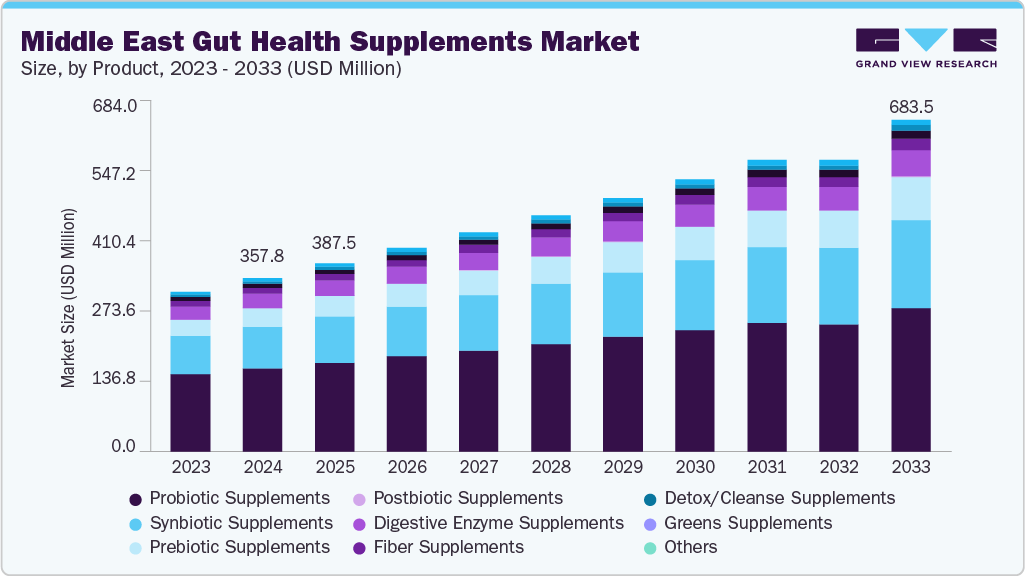
The surge in the number of fitness centers, health clubs, and sports facilities, along with rising health consciousness among consumers, is also amplifying the demand for gut health supplements in the Middle East designed for athletes. The increasing prevalence of obesity and metabolic disorders has also fueled the interest in gut health, as maintaining a healthy gut is closely linked to weight management and metabolic function. In addition, the growing participation in international and regional sports events and the emphasis on holistic health and performance optimization are expected to drive the market for gut health supplements within sports nutrition.
Consumer Insights
Countries like the United Arab Emirates, Saudi Arabia, and South Africa are at the forefront of this transformation, where lifestyle-related digestive issues, such as bloating, indigestion, and food sensitivities, are becoming increasingly common due to diets high in processed foods and sedentary lifestyles. There is also a cultural alignment with natural remedies and herbal traditions, especially in African and Middle Eastern societies, which has paved the way for smoother acceptance of probiotic and prebiotic supplements. As consumers become more aware of the connection between gut health and overall wellness, encompassing immunity, energy, and mood, they are increasingly opting for preventive solutions such as fiber powders, probiotics, and functional beverages.
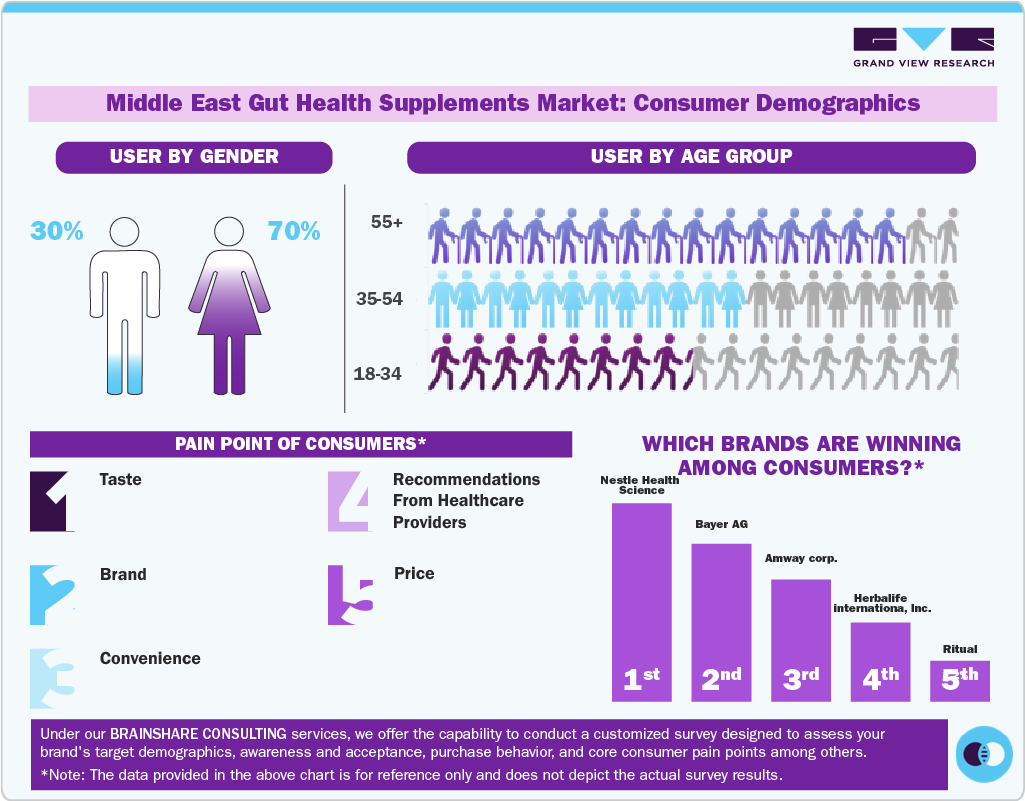
Religious and cultural dietary practices, such as halal certification, also play an essential role in shaping product demand. Halal-certified supplements that support digestive health are in growing demand in predominantly Muslim countries across the Middle East and North Africa. As a result, global and regional supplement manufacturers are tailoring their offerings to comply with local regulatory standards and consumer preferences.
Retail expansion and increased internet penetration are also contributing to the market's growth. Health-focused supermarkets and pharmacies in major cities, such as Dubai, Riyadh, and Johannesburg, are expanding their wellness aisles to include gut health supplements. Furthermore, online shopping platforms such as Noon, Jumia, and Amazon UAE are increasing product accessibility in remote areas. Consumers are drawn to the convenience of online shopping and the availability of international and local brands, which offer transparent ingredient lists.
Product Insights
Probiotic supplements held the largest market share of 47.8% in 2024. The probiotic supplements market in the Middle East is growing primarily due to increasing consumer awareness of gut health, immunity, and overall wellness. Increasing cases of digestive disorders, lifestyle-related issues, and antibiotic use have driven demand for probiotics as a natural solution. At the same time, the region’s aging population is actively seeking preventive healthcare options, boosting the adoption of daily probiotic supplements.
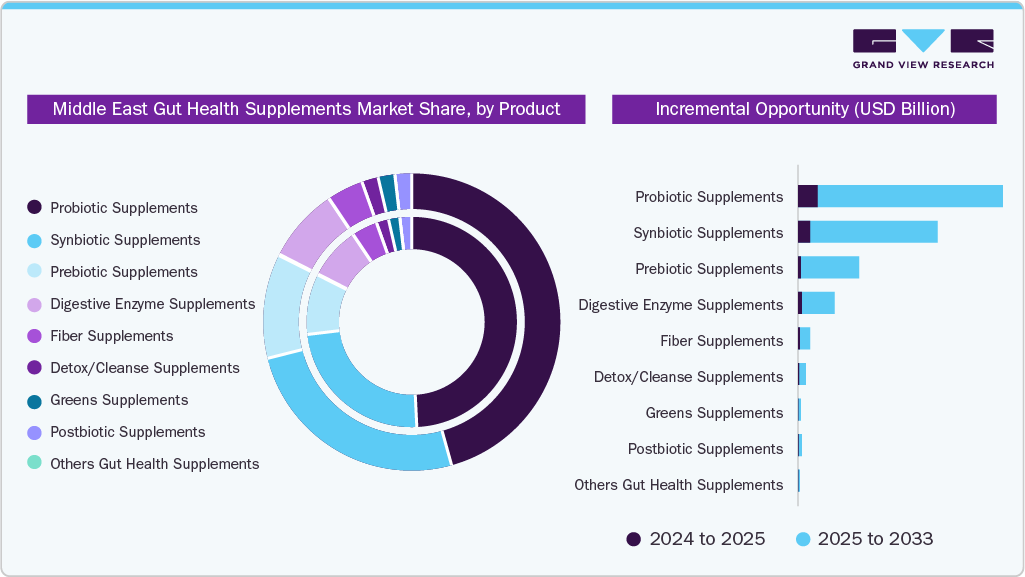
Postbiotic supplements are anticipated to witness a CAGR of 12.3% from 2025 to 2033. Postbiotics, metabolites, and cell components derived from probiotic bacteria offer perceived benefits, including immune modulation, improved intestinal barrier function, and reduced inflammation, without the live-microbe requirements typically associated with probiotics. Unlike live probiotics, postbiotics do not rely on the viability of live microorganisms, which simplifies supply chain and shelf-life challenges, especially relevant in warmer climates common in the Middle East. This technical advantage (better stability, easier logistics) enhances their suitability for the region.
Distribution Channel Insights
Sales of Middle East gut health supplements through OTC held the largest share, accounting for around 78.5% in 2024. Retail infrastructure, e-commerce penetration, and modern pharmacy chains in the UAE, Saudi Arabia, and other GCC states are improving access to functional supplements. As they become more accessible (both online and offline), awareness and adoption increase. Online platforms are rapidly expanding due to the convenience of e-commerce, competitive pricing, and detailed product information.
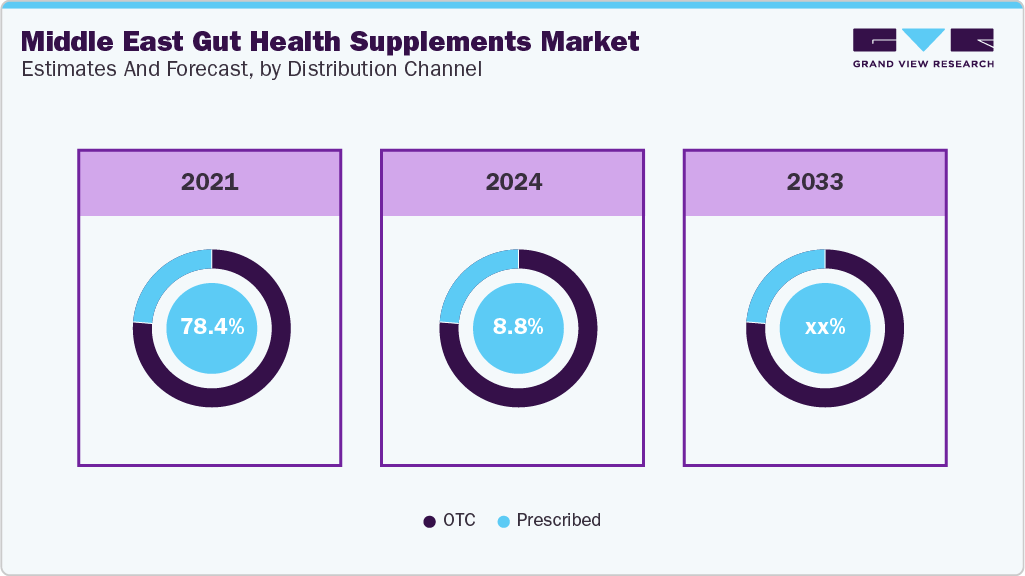
Sales of Middle East gut health supplements through prescription are anticipated to witness a CAGR of 6.4% from 2025 to 2033. The prescribed segment is growing steadily, driven by the rising prevalence of chronic digestive disorders and the increasing clinical recognition of the gut microbiome’s role in overall health. People prefer prescribed supplements because they offer targeted, clinically validated formulations recommended by healthcare professionals. This ensures safety, efficacy, and personalized management of digestive health conditions.
Form Insights
Capsules held the largest share of the market, accounting for approximately 42.1% in 2024. Capsules are widely used across various gut health categories, such as probiotics, prebiotics, digestive enzymes, postbiotics, and herbal detox supplements, due to their ability to protect sensitive ingredients from stomach acid and deliver them directly to the intestines, where they are most effective.
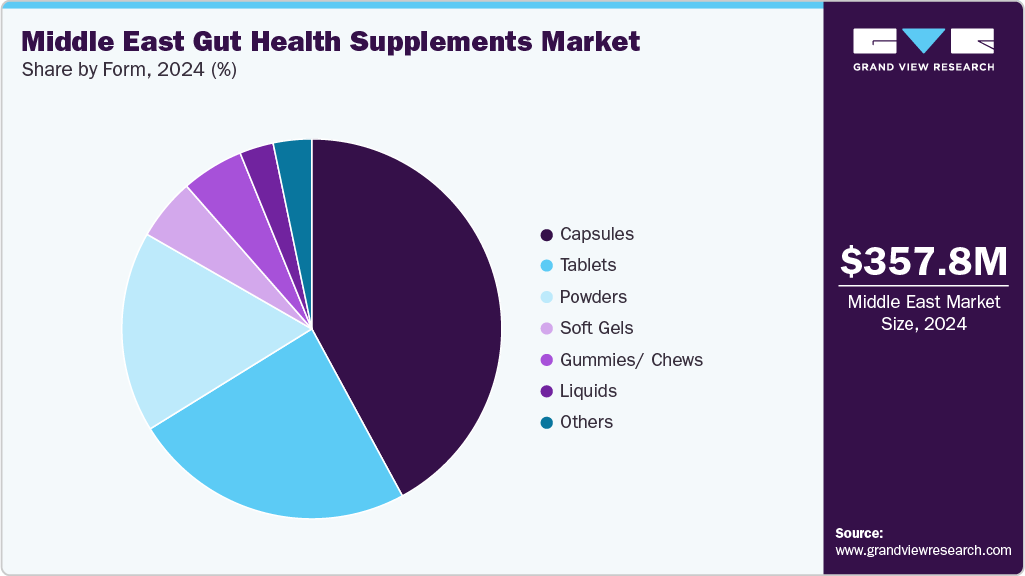
Gummies/chews gut health supplements in the Middle East are anticipated to witness a CAGR of 9.3% from 2025 to 2033. The gummies and chews segment is experiencing robust growth, fueled by consumer demand for enjoyable, convenient, and palatable supplement formats. Chewable supplements are particularly favored by younger demographics and those with pill fatigue, as they combine taste with functionality. The ability to infuse gummies with various flavors and textures enhances user compliance and satisfaction.
Country Insights
UAE Gut Health Supplements Market Trends
The UAE gut health supplements market is experiencing rapid growth as consumers become increasingly health-conscious, particularly given the region’s high incidence of lifestyle-related conditions, such as obesity and diabetes. In addition, urban living, fast-paced lifestyles, dietary imbalances, and increased stress are driving interest in products that support digestion and immunity. In the UAE, sales of probiotics and digestive health supplements have surged accordingly.
Saudi Arabia Gut Health Supplements Market Trends
The gut health supplements market in Saudi Arabia is rising due to growing awareness of the critical role the digestive system plays in overall wellness, including immunity, mental wellbeing and metabolic health. Moreover, the convenience of online retail, the proliferation of functional health trends via social media, and the demand for Halal-certified, plant-based probiotic and prebiotic supplements have made gut-health products more accessible and culturally relevant.
Key Middle East Gut Health Supplements Company Insights
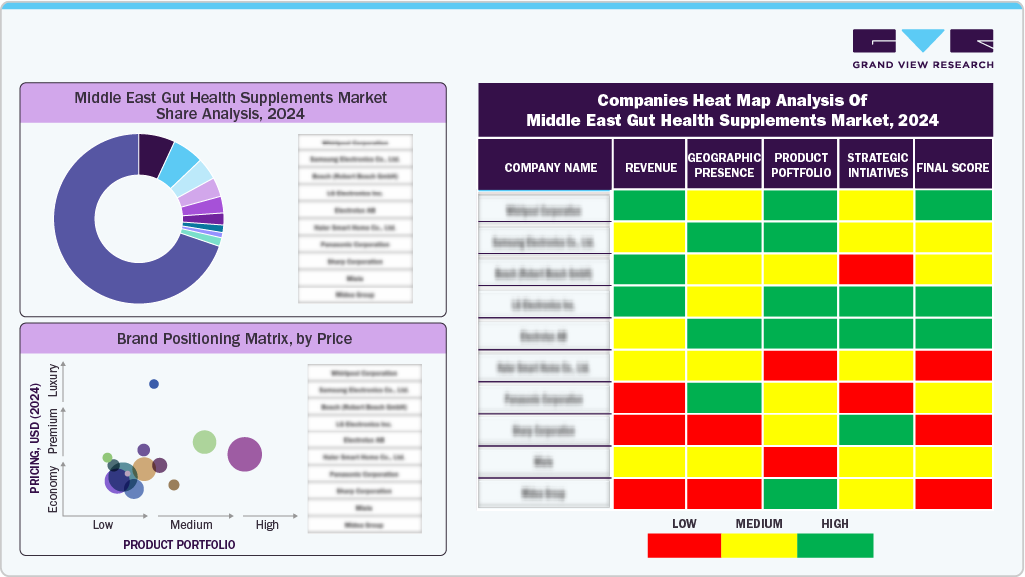
Leading market players include NOW Foods, Nestlé Health Science, and Bayer AG. The Middle East market remains highly competitive, with brands actively expanding their presence across both online and offline retail channels. Companies are investing in advanced formulation, encapsulation, and delivery technologies to enhance ingredient stability, bioavailability, and compatibility with a wide range of distribution formats. Growing consumer awareness around digestive wellness, microbiome balance, immunity, and clean-label/natural products is further accelerating adoption. In addition, the shift toward plant-based, allergen-free, and sustainably sourced ingredients continues to support strong, long-term growth potential for gut health supplements.
Key Middle East Gut Health Supplements Companies:
- Nestlé Health Science
- Bayer AG
- Amway Corp.
- Herbalife International, Inc
- NOW Foods
- Nature's Sunshine Products, Inc.
- BioGaia
- Seed Health, Inc.
- Ritual
- RenewLife
Recent Developments
-
In April 2025, Müller UK & Ireland expanded its portfolio by acquiring Biotiful Gut Health, a leading UK-based kefir brand founded in 2012 by Natasha Bowes. While the exact value of the acquisition was not disclosed, industry estimates suggest a multi-million-pound deal. This strategic move aims to bolster Müller's presence in the functional health yogurt and drinks sector, complementing its earlier acquisition of Yew Tree Dairy in late 2024.
-
In May 2024, TopGum launched IronGum, a vegan, sugar-free gummy supplement designed to tackle global iron deficiency, which affects nearly 2 billion people. Showcased at Vitafoods Middle East 2024, the gummies utilize ferrous fumarate for enhanced absorption with fewer side effects and incorporate prebiotic FOS fibers to support digestion. Leveraging TopGum’s Gummiceuticals and TopCaps technologies, IronGum addresses common barriers with traditional iron pills, such as metallic taste and poor tolerability, by offering a more palatable and convenient format.
Middle East Gut Health Supplements Market Report Scope
Report Attribute
Details
Market size value in 2025
USD 387.5 million
Revenue Forecast in 2033
USD 683.5 million
Growth Rate
CAGR of 7.4% from 2025 to 2033
Actuals
2021 - 2024
Forecast period
2025 - 2033
Quantitative units
Revenue in USD million/billion, and CAGR from 2025 to 2033
Report coverage
Revenue forecast, company ranking, competitive landscape, growth factors, and trends
Segments covered
Product, form, product-form, distribution channel, region
Country scope
UAE; Saudi Arabia; Qatar
Key companies profiled
Nestlé Health Science; Bayer AG; Amway Corp.; Herbalife International, Inc.; NOW Foods; Nature's Sunshine Products, Inc.; BioGaia; Seed Health, Inc.; Ritual; RenewLife
Customization scope
Free report customization (equivalent up to 8 analysts’ working days) with purchase. Addition or alteration to country, regional & segment scope.
Pricing and purchase options
Avail customized purchase options to meet your exact research needs. Explore purchase options
Middle East Gut Health Supplements Market Report Segmentation
This report forecasts revenue growth at the regional level and provides an analysis of the latest trends and opportunities in each sub-segment from 2021 to 2033. For this study, Grand View Research has segmented the Middle East gut health supplements market based on product, form, product-form, distribution channel, and region:
-
Product Outlook (Revenue, USD Million, 2021 - 2033)
-
Probiotic Supplements
-
Prebiotic Supplements
-
Synbiotic Supplements
-
Postbiotic Supplements
-
Digestive Enzyme Supplements
-
Fiber Supplements
-
Detox/Cleanse Supplements
-
Greens Supplements
-
Others
-
-
Form Outlook (Revenue, USD Million, 2021 - 2033)
-
Capsules
-
Tablets
-
Soft Gels
-
Powders
-
Liquids
-
Gummies/ Chews
-
Others
-
-
Product-Form Outlook (Revenue, USD Million, 2021 - 2033)
-
Probiotic Supplements
-
Capsules
-
Tablets
-
Soft Gels
-
Powders
-
Liquids
-
Gummies/ Chews
-
Others
-
-
Prebiotic Supplements
-
Capsules
-
Tablets
-
Soft Gels
-
Powders
-
Liquids
-
Gummies/ Chews
-
Others
-
-
Synbiotic Supplements
-
Capsules
-
Tablets
-
Soft Gels
-
Powders
-
Liquids
-
Gummies/ Chews
-
Others
-
-
Postbiotic Supplements
-
Capsules
-
Tablets
-
Soft Gels
-
Powders
-
Liquids
-
Gummies/ Chews
-
Others
-
-
Digestive Enzyme Supplements
-
Capsules
-
Tablets
-
Soft Gels
-
Powders
-
Liquids
-
Gummies/ Chews
-
Others
-
-
Fiber Supplements
-
Capsules
-
Tablets
-
Soft Gels
-
Powders
-
Liquids
-
Gummies/ Chews
-
Others
-
-
Detox/Cleanse Supplements
-
Capsules
-
Tablets
-
Soft Gels
-
Powders
-
Liquids
-
Gummies/ Chews
-
Others
-
-
Greens Supplements
-
Capsules
-
Tablets
-
Soft Gels
-
Powders
-
Liquids
-
Gummies/ Chews
-
Others
-
-
Other Middle East Gut Health Supplements
-
Capsules
-
Tablets
-
Soft Gels
-
Powders
-
Liquids
-
Gummies/ Chews
-
Others
-
-
-
Distribution Channel Outlook (Revenue, USD Million, 2021 - 2033)
-
OTC
-
Supermarkets/ Hypermarkets/Food Stores
-
Drug Stores & Pharmacies
-
Convenience Stores
-
Online
-
Others
-
-
Prescribed
-
-
Regional Outlook (Revenue, USD Million, 2021 - 2033)
-
Middle East
-
UAE
-
Saudi Arabia
-
Qatar
-
-
Frequently Asked Questions About This Report
b. The Middle East gut health supplements market size was estimated at USD 357.8 million in 2024 and is expected to reach USD 387.5 million in 2025.
b. The Middle East gut health supplements is expected to grow at a compounded growth rate of 7.4% from 2025 to 2030 to reach USD 683.5 million by 2033.
b. Capsules held the largest share in the Middle East gut health supplements market, accounting for a share of around 42.1% in 2024. Capsules are widely used across various gut health categories, such as probiotics, prebiotics, digestive enzymes, postbiotics, and herbal detox supplements due to their ability to protect sensitive ingredients from stomach acid and deliver them directly to the intestines where they are most effective.
b. Some key players operating in Middle East gut health supplements market include Nestlé Health Science, Bayer AG, Amway Corp., Herbalife International, Inc, NOW Foods, Nature's Sunshine Products, Inc., and others
b. Key factors that are driving the market growth include rising health consciousness among consumers and shift from pharmaceutical to nutraceutical products


Share this report with your colleague or friend.
Need a Tailored Report?
Customize this report to your needs — add regions, segments, or data points, with 20% free customization.


ISO 9001:2015 & 27001:2022 Certified
We are GDPR and CCPA compliant! Your transaction & personal information is safe and secure. For more details, please read our privacy policy.
Trusted market insights - try a free sample
See how our reports are structured and why industry leaders rely on Grand View Research. Get a free sample or ask us to tailor this report to your needs.













