
- Home
- »
- Pharmaceuticals
- »
-
Naltrexone And Buprenorphine Market Size Report, 2033GVR Report cover

Naltrexone And Buprenorphine Market (2026 - 2033)
Size, Share & Trends Analysis Report By Product (Naltrexone, Buprenorphine), By Route Of Administration, By Application, By Distribution Channel (Hospitals Pharmacies), By Region, And Segment Forecasts
Market Size, 2025
$4.8BMarket Estimate, 2026
$5.5BMarket Forecast, 2033
$10.5BCAGR, 2026–2033
9.6%Naltrexone And Buprenorphine Market Summary
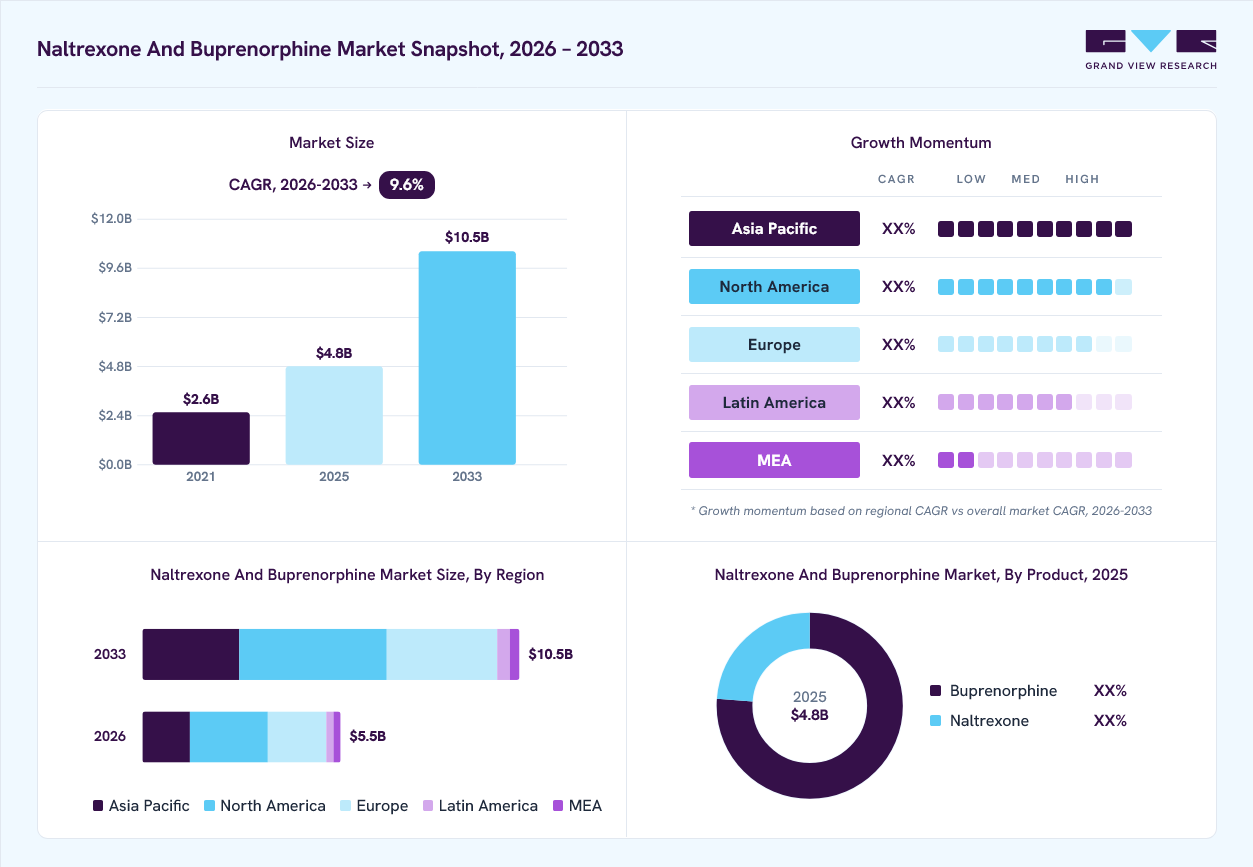
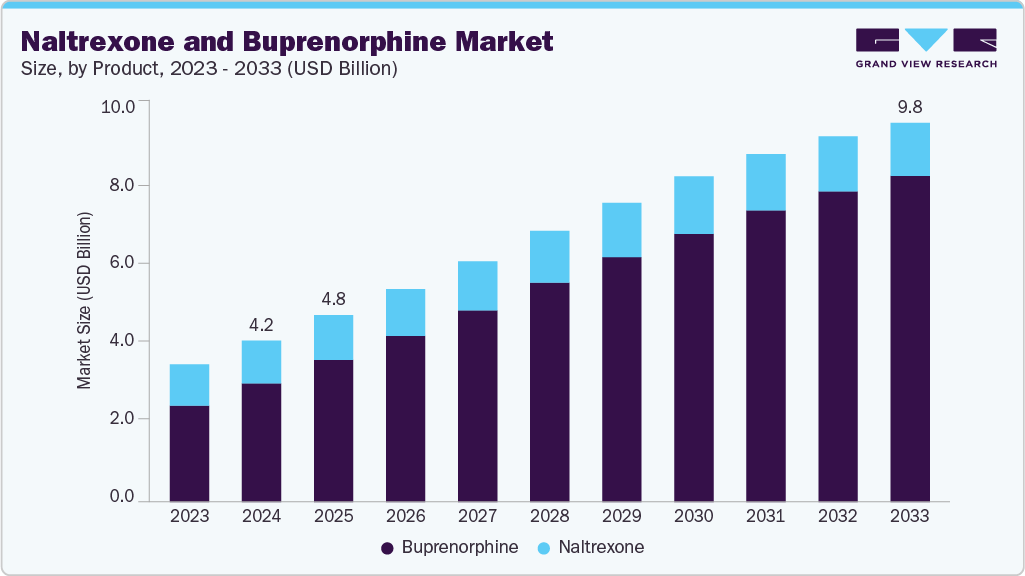
The global naltrexone and buprenorphine market size was valued at USD 4.8 billion in 2025 and is projected to grow from USD 5.5 billion in 2026 to USD 10.5 billion by 2033, at a CAGR of 9.6% from 2026 to 2033. North America dominated the market, accounting for a revenue share of 39.3% in 2025. The market is expected to grow due to the increasing prevalence of substance use disorders and greater awareness of opioid use disorder treatments. Government initiatives are further increasing access to advanced addiction care solutions.
 Source: Grand View Research, IR Documents, Primary Interviews, Paid DatabasesTo learn more about this report,
 Download Free Sample Report
 Key Market Trends & Insights
- By product: Buprenorphine segment led the market with the largest revenue share of 76.1% in 2025.
- By naltrexone route of administration: Oral segment led the market with the largest revenue share of 54.4% in 2025.
- By naltrexone application: Opioid use disorder segment led the market with the largest revenue share of 70.0% in 2025.
- By distribution channel: Hospital pharmacy segment led the market with the largest revenue share of 47.5% in 2025.
Regional Highlights
- Largest regional market: North America (39.3% revenue share, 2025)
- By country: The U.S. held the largest market share in 2025.
Market Size & Forecast
- Market size in 2025: USD 4.8 Billion
- Estimated market size in 2026: USD 5.5 Billion
- Projected market size by 2033: USD 10.5 Billion
- CAGR (2026-2033): 9.6%
Three ways to get this report
Buy it, customize it, or ask a question.Ask an Analyst
Analyst response in 1 business day
- AccessReport author, directly
- Reply timeWithin 1 working day
- No sales callDirect answer only
- FormatEmail reply
- CostFree, no cost
Get the Full Report
What the study covers
- FormatsPDF · Excel · Dashboard
- Timeline2026–2033 annual, 2025 base
- Coverage20+ countries, 5 regions
- Companies10+ key players profiled
Customize the Report
20% free customization
- IncludeCountries, segments, points
- TailorTo your product definition
- ExtendDeeper competitor detail
- OrA fully bespoke study
- Turnaround5–10 working days
 To learn more about this report, Download Free Sample Report
 WHO Updates Opioid Treatment Guidelines
In February 2025, The World Health Organization (WHO) updated its guidelines on opioid dependence treatment and overdose prevention to expand access to effective interventions. The revised guidelines emphasized the importance of using opioid agonist maintenance treatment (OAMT) with methadone or buprenorphine as the most effective therapy for opioid dependence. WHO also recommended making naloxone more widely available to prevent overdose-related deaths, especially in community settings. The new guidance called for reducing regulatory barriers and increasing investment in harm-reduction services. Additionally, the update urged healthcare providers to deliver evidence-based, person-centered, and non-discriminatory care. These recommendations were aimed at supporting countries in addressing rising opioid-related health challenges and enhancing public health outcomes globally.
Telemedicine Expansion Approved for Buprenorphine Treatment
In January 2025, the Federal Register published a rule titled “Expansion of Buprenorphine Treatment via Telemedicine Encounter,” which allowed authorized practitioners to initiate buprenorphine treatment for opioid use disorder (OUD) through telemedicine without requiring an in-person evaluation. The rule was issued to enhance access to care, particularly in underserved and rural areas, by leveraging telehealth platforms. It outlined that practitioners must be registered with the Drug Enforcement Administration (DEA) and comply with all applicable federal and state regulations. The rule also specified that adequate patient assessment, documentation, and follow-up care were necessary to ensure safe and effective treatment. This policy change aimed to support continuity of care, reduce treatment delays, and address the growing opioid crisis. The expansion marked a significant shift in how medication-assisted treatment could be delivered across the U.S.
Strategic Phase 3 Advancements in Long-Acting Therapies for Opioid Use Disorder
The current Phase 3 pipeline for opioid use disorder (OUD) demonstrates strong strategic investment by Braeburn Pharmaceuticals, Alkermes, Inc., and Indivior Inc., with a clear focus on long-acting buprenorphine and extended-release naltrexone therapies. These trials address key clinical challenges such as improving treatment adherence, enhancing safety during transitions, and reducing relapse risk. Alkermes is exploring the combined use of buprenorphine and naltrexone to support patients switching to Vivitrol. Indivior is advancing depot buprenorphine formulations focusing on safety and long-term use. Braeburn’s trial on CAM2038 reflects the broader push for outpatient-appropriate, sustained-release options. Collectively, these late-stage programs indicate a shift toward long-acting pharmacologic solutions that align with payer demands and public health goals for more effective, low-diversion-risk treatments in OUD care.
Clinical Trials Targeting Opioid Use Disorder (OUD)
NCT Number
Study Title
Conditions
Sponsor
Phases
NCT02672111
Long-Term Safety Study of Buprenorphine (CAM2038) in Adult Outpatients With Opioid Use Disorder
Opioid Use Disorder
Braeburn Pharmaceuticals
PHASE3
NCT02696434
Evaluating Naltrexone for Use in Conjunction With Buprenorphine in Adults With Opioid Use Disorder Transitioning From Buprenorphine Maintenance Prior to First Dose of VIVITROL
Opioid Use Disorder
Alkermes, Inc.
PHASE3
NCT02896296
Open-Label Treatment Extension Study
Opioid Use Disorder|Opioid-related Disorders
Indivior Inc.
PHASE3
NCT02510014
Safety and Tolerability Study of Depot Buprenorphine in Treatment Seeking Subjects With Opioid Use Disorder
Opioid Use Disorder|Opioid-related Disorders
Indivior Inc.
PHASE3
NCT02537574
Naltrexone for Use in Conjunction With Buprenorphine in Adults With Opioid Use Disorder Prior to First Dose of VIVITROL® (Naltrexone for Extended-Release Injectable Suspension)
Opioid Use Disorder
Alkermes, Inc.
PHASE3
Source: ClinicalTrials.gov, Grand View Research
Prevalence and Clinical Burden of Opioid Use Disorder in the U.S
In January 2024, the National Center for Biotechnology Information (NCBI) reported that approximately 2.1 million individuals in the United States had an opioid use disorder (OUD), reflecting a significant burden on the healthcare system. The analysis highlighted that OUD accounted for about 21 to 29% of patients receiving chronic opioid therapy, with misuse rates estimated at 8 to 12%. Furthermore, among patients prescribed opioids for chronic pain, the incidence of developing an opioid use disorder was between 3 and 19%. The report emphasized that individuals with OUD were at increased risk of overdose, infectious diseases, and death, especially when using heroin or synthetic opioids. It also noted that less than half of those affected received medication-assisted treatment despite its demonstrated effectiveness.
The increasing incidence of substance use disorders is a key factor driving the demand for medications such as naltrexone and buprenorphine. As these conditions impact more individuals, the need for effective therapeutic interventions rises, encouraging growth and innovation in the addiction treatment landscape. The 2022 National Survey on Drug Use and Health (NSDUH), published by the Substance Abuse and Mental Health Services Administration (SAMHSA), outlines critical trends related to substance use and mental health across the U.S. According to the report, 59.8% of individuals aged 12 and older had used tobacco, alcohol, or illicit substances, while 70.3 million used illegal drugs in the past year marijuana being the most widely used. Additionally, 48.7 million people experienced substance use disorders, including both alcohol and drug-related conditions. The data also revealed that 23.1% of adults lived with a mental illness, and 19.5% of adolescents went through a major depressive episode, emphasizing the scope of these public health challenges and their implications for healthcare planning and response.
Additionally, collaborative efforts between national, state, and local agencies aim to implement evidence-based solutions to address the multifaceted challenges of opioid addiction. In July 2023, the U.S. Department of Health and Human Services (HHS), through SAMHSA, distributed USD 47.8 million across five grant programs targeting substance misuse and overdose prevention. These initiatives support a wide range of efforts, including expanded access to medications for opioid use disorder (MOUD), emergency department alternatives to opioids, prevention of underage drinking, reentry support for formerly incarcerated individuals with SUDs, and services for pregnant and postpartum women facing substance use challenges.
Market Dynamics
The naltrexone and buprenorphine market is experiencing steady growth due to the increasing prevalence of opioid use disorder (OUD) and alcohol use disorder (AUD), along with greater emphasis on medication-assisted treatment (MAT) to improve long-term recovery outcomes. Expanding government initiatives, improved access to addiction treatment services, and updated clinical guidelines are supporting the use of both buprenorphine- and naltrexone-based therapies across outpatient clinics, hospitals, and community health programs. The availability of long-acting injectable formulations and combination products is also improving treatment adherence and reducing the risk of misuse. Pharmaceutical companies continue to invest in product development, lifecycle management, and expanded indications to strengthen their treatment portfolios. In addition, increasing healthcare provider awareness, broader insurance coverage, and efforts to reduce barriers to addiction treatment are supporting wider adoption of these therapies. Continued focus on improving treatment accessibility and patient retention is expected to support steady market growth over the forecast period.
The increasing use of medication-assisted treatment (MAT) for opioid use disorder is a major driver of the naltrexone and buprenorphine market. Healthcare providers are increasingly recommending buprenorphine- and naltrexone-based therapies because they reduce opioid cravings, improve treatment retention, and support long-term recovery when combined with behavioral therapy. Government programs, updated clinical guidelines, and expanded prescribing authority have also improved patient access to these therapies. Long-acting injectable formulations are gaining wider acceptance because they reduce the need for daily dosing and improve adherence. Growing awareness of evidence-based addiction treatment among healthcare professionals and patients is further supporting demand. The increasing burden of opioid misuse across several countries continues to create the need for effective pharmacological treatment options. For instance, in February 2025, Indivior PLC announced that the U.S. FDA approved label changes for SUBLOCADE (buprenorphine extended-release) Injection. The approval reduced treatment initiation from a minimum of 7 days to 1 hour after a single transmucosal buprenorphine dose, expanded administration to 4 injection sites (abdomen, thigh, buttock, and back of the upper arm), and was supported by a clinical study involving 729 participants, of whom 77.5% were fentanyl-positive at treatment initiation. These developments are supporting broader use of long-acting buprenorphine therapy in routine clinical practice.
Despite the proven effectiveness of naltrexone and buprenorphine therapies, long-term treatment adherence remains a significant challenge. Many patients discontinue therapy because of social stigma, transportation barriers, limited access to specialized addiction treatment centers, and the need for continuous clinical follow-up. Injectable naltrexone requires complete opioid detoxification before treatment initiation, limiting its use among patients who are unable to complete withdrawal. In addition, interruptions in treatment increase the risk of relapse and overdose, reducing long-term therapeutic outcomes. Variations in reimbursement policies, shortages of trained addiction medicine specialists, and differences in healthcare infrastructure also limit patient access in several countries. Generic competition for older formulations places pricing pressure on manufacturers, reducing incentives for continued product expansion. These factors continue to limit wider adoption of naltrexone and buprenorphine therapies despite increasing awareness of medication-assisted treatment and supportive government initiatives.
The growing preference for long-acting formulations presents a significant opportunity for the naltrexone and buprenorphine market. Healthcare providers are increasingly adopting weekly and monthly injectable therapies because they improve treatment adherence, reduce the risk of diversion, and simplify dosing schedules. Regulatory support for innovative drug delivery systems and broader reimbursement coverage are encouraging manufacturers to expand their product portfolios. Companies are also introducing long-acting formulations into additional countries to improve patient access to medication-assisted treatment. Expansion of addiction treatment services through hospitals, specialty clinics, and community healthcare programs is expected to support greater use of extended-release therapies. These developments are creating opportunities for manufacturers to strengthen their presence in both established and emerging markets. For instance, in May 2025, Camurus AB launched BUVIDAL (prolonged-release buprenorphine) in Portugal. The product became available in weekly and monthly formulations, expanding patient access to long-acting buprenorphine treatment for opioid dependence. The continued introduction of extended release formulations is expected to improve treatment continuity and support sustained market growth.
Market Concentration & Characteristics
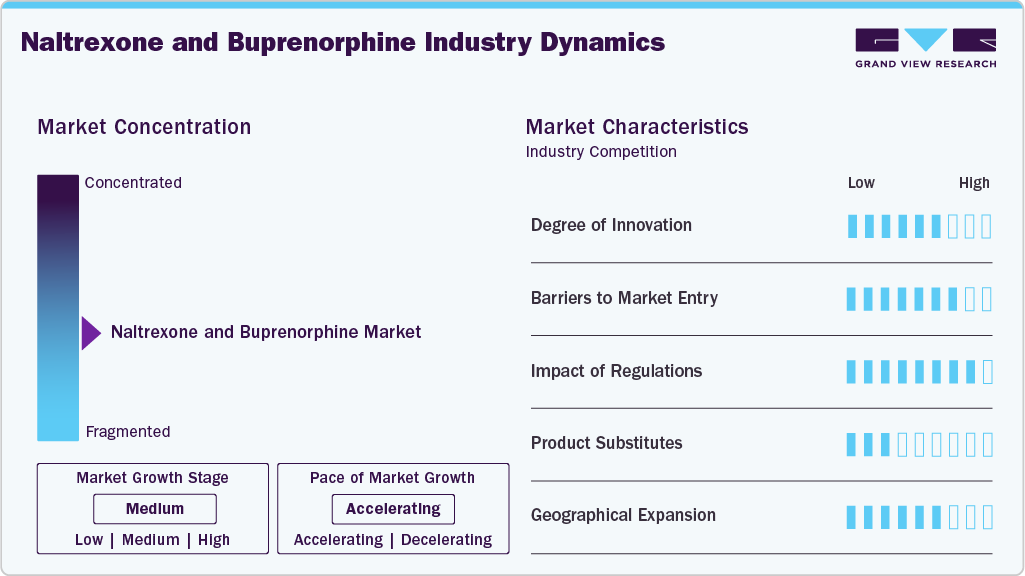
Innovation in the naltrexone and buprenorphine market is driven by notable progress, including accelerated initiation protocols for extended-release naltrexone as demonstrated in the March 2023 SWIFT study, regulatory backing from the FDA for medication-assisted treatment (MAT), and ongoing research into combination therapies and tailored treatment approaches. These advancements are designed to improve the effectiveness and efficiency of opioid use disorder management, signaling a significant evolution in the field of addiction care.
The market presents moderate to high entry barriers due to strict regulatory requirements, high development costs, and the need for extensive clinical validation. Entrants must demonstrate strong safety and efficacy data to secure approvals for addiction therapies. Manufacturing complexities for long-acting injectables and implantables add to operational challenges. Established players also maintain brand loyalty and strong distribution networks, making it harder for new entrants to gain traction. Intellectual property protections further restrict immediate access to innovative delivery platforms.
 To learn more about this report, Download Free Sample Report
 Regulatory frameworks play a crucial role in shaping the growth and advancement of naltrexone and buprenorphine for treating opioid use disorder. These measures uphold safety, efficacy, and quality standards, reinforcing trust among healthcare professionals and patients. At the same time, stringent regulations can limit accessibility and drive up treatment costs, potentially impacting overall market dynamics. Nevertheless, regulatory guidelines often encourage the development of improved formulations and combination therapies aimed at better treatment results and minimizing the risk of misuse. Achieving the right balance between oversight and accessibility remains essential to maximize the therapeutic benefits of these medications.
Alternatives such as methadone and behavioral therapies present a competitive challenge to the use of naltrexone and buprenorphine in opioid addiction treatment. These substitutes utilize distinct mechanisms and therapeutic models, affecting market dynamics and influencing pricing decisions. Methadone, acting as a full opioid agonist, along with non-pharmacological interventions, offers other options for managing opioid dependence that may limit the uptake of naltrexone and buprenorphine. This moderate level of substitution pressure underscores the importance for manufacturers and clinicians to articulate these medications' specific advantages clearly. Emphasizing factors such as safety profiles, treatment adherence, and long-term outcomes can help position them more effectively within the competitive landscape of opioid use disorder therapies.
The naltrexone and buprenorphine market is expected to experience notable regional growth as efforts intensify worldwide to address the increasing burden of opioid use disorder (OUD), emphasizing the need for tailored regional approaches in delivering effective treatment solutions. In October 2023, Indivior PLC acquired exclusive global rights to develop, manufacture, and commercialize a portfolio of long-acting injectable therapies from Alar Pharmaceuticals Inc. This agreement includes multiple extended-release formulations of a buprenorphine prodrug, with ALA-1000 being a key long-acting injectable candidate. Through this partnership, Indivior aims to strengthen its position in the global OUD treatment landscape, expanding both its therapeutic offerings and international footprint.
Analyst Perspective
The naltrexone and buprenorphine market was estimated using an epidemiology-based market analysis approach. The assessment began by identifying the country-level prevalence of opioid use disorder (OUD) and alcohol use disorder (AUD), followed by estimating the diagnosed and treated patient populations using published epidemiology studies, government health databases, and addiction treatment registries. The treated patient pool was segmented by therapy type, including naltrexone and buprenorphine, based on prescribing patterns, clinical guidelines, and product utilization. Product adoption was further evaluated by branded and generic therapy use, treatment duration, and route of administration. The average annual cost of therapy was determined using publicly available pricing data, reimbursement information, and healthcare procurement sources. Market estimates were validated through company product portfolios, prescription trends, regulatory approvals, healthcare provider interviews, and secondary sources to ensure consistency across regional and country-level analyses.
Product Insights
Based on product, the buprenorphine segment led the market with the largest revenue share of 76.1% in 2025, attributed to its critical function in managing opioid dependence and growing acceptance among both medical professionals and patients. As a partial opioid agonist, buprenorphine is primarily prescribed to treat opioid addiction by minimizing withdrawal symptoms and reducing cravings. It presents a safer option compared to full opioid agonists, making it a preferred choice in clinical settings. Buprenorphine’s effectiveness in controlling dependency, decreasing relapse risks, and improving patient outcomes reinforces its value in addiction care. Its ability to stabilize brain function and support recovery underscores its central role in comprehensive treatment plans for opioid use disorder.
The naltrexone segment is projected to grow at a significant CAGR of 2.20% over the forecast period. As an FDA-approved opioid antagonist, naltrexone is used in the treatment of both opioid and alcohol use disorders by blocking opioid receptors, thereby reducing cravings and preventing the euphoric effects of opioids. This segment's expansion is supported by regulatory approvals, positive clinical trial outcomes, and strategic initiatives by key market players to improve access and treatment initiation. A study published in JAMA Network Open in May 2024 found that starting extended-release injectable naltrexone (XR-naltrexone) within 5 to 7 days of seeking treatment significantly improved initiation rates compared to the standard 10 to 15 days. Although the accelerated protocol requires close medical monitoring due to safety concerns, the findings indicate its potential to boost XR-naltrexone uptake. Continued research is needed to assess this rapid induction approach's long-term viability and cost-effectiveness.
Route of Administration Insights
Based on naltrexone route of administration, the oral segment led the market with the largest revenue share of 54.4% in 2025. The injectable segment accounted for the largest share of 68.1% of the market in 2024. Injectable buprenorphine plays a key role in the treatment of opioid use disorder (OUD) and pain management, offering a reliable and controlled method of drug delivery. This route of administration has gained traction due to its long-acting properties and improved adherence potential. In recent years, injectable formulations have been adopted as healthcare providers seek more effective and convenient treatment options. The growing preference reflects the segment's importance in addressing challenges associated with opioid dependence.
Based on buprenorphine route of administration, the injectable segment led the market with the largest revenue share of 69.5% in 2025. The naltrexone segment is categorized into oral, injectable, and implantable administration forms. The oral segment accounted for the largest share of 55.1% in 2024. Oral naltrexone remains the most frequently prescribed option, typically administered as a 50 mg daily dose with or without food. It has proven effective in reducing the number of heavy drinking days and enhancing abstinence rates among individuals with alcohol use disorder (AUD). Higher off-label doses of up to 150 mg per day are also used in certain cases. Vivitrol, an extended-release injectable form of naltrexone, is administered as a 380 mg intramuscular injection every four weeks. Approved by the FDA in 2006 for alcohol dependence and in 2010 to prevent opioid relapse, Vivitrol has demonstrated improved treatment outcomes over placebo in clinical studies addressing both alcohol and opioid dependence.
Application Insights
The naltrexone segment is divided into two key applications such as opioid use disorder (OUD) and alcohol use disorder (AUD). The OUD application generated the highest revenue share of 69.5% in 2024. The demand for naltrexone in treating both OUD and AUD is anticipated to grow as patients and healthcare professionals increasingly turn to effective medication-assisted treatment options. A notable development occurred in 2021 when the FDA approved Vivitrol, a long-acting injectable form of naltrexone that requires only monthly administration. This advancement has enhanced patient convenience and improved treatment adherence. Such innovations continue to support the growing adoption of naltrexone in managing substance use disorders.
Based on naltrexone application, the opioid use disorder segment led the market with the largest revenue share of 70.0% in 2025. OUD application utilizes buprenorphine, a partial opioid agonist approved by the FDA for managing opioid dependence alongside acute and chronic pain. This application benefits from a variety of buprenorphine formulations, including sublingual tablets, transdermal patches, buccal films, and injectable versions. It often relies on buprenorphine as a safer alternative to methadone, given its lower risk of overdose and respiratory complications. The Opioid Use Disorder (OUD) application frequently involves the combination of buprenorphine with naloxone, an opioid receptor antagonist, to deter misuse. The Opioid Use Disorder (OUD) application includes the use of this combination, marketed as Suboxone, for maintenance therapy as part of a broader treatment approach involving counseling and psychosocial support.
Distribution Channel Insights
Based on distribution channel, the hospital pharmacy segment led the market with the largest revenue share of 47.5% in 2025, largely due to their central role in delivering parenteral treatments for opioid use disorder (OUD), such as buprenorphine, under physician supervision. These settings provide direct access to essential medications and ensure that qualified healthcare professionals administer care. Hospitals are key hubs for treatment initiation and management, promoting adherence through monitored drug administration. This approach has significantly contributed to the increased utilization of OUD therapies within hospital pharmacies. According to Vermont’s 2024 syndromic surveillance data, emergency department visits for opioid overdoses have declined compared to the three-year average, although males aged 30-39 continue to show the highest rates. Caledonia County reports elevated visit rates, underscoring the need for targeted intervention factors that may further drive growth in this distribution channel amid rising awareness and treatment demand.
 To learn more about this report, Download Free Sample Report
The retail pharmacies segment is expected to experience significant growth over the forecast period. These pharmacies play a vital role in opioid use disorder (OUD) treatment by improving access to medications such as buprenorphine and naltrexone. Their convenient locations allow patients to fill prescriptions and receive counseling that supports treatment adherence easily. Retail pharmacies also contribute to public health efforts aimed at addressing the opioid crisis. Their strong community presence and accessibility make them essential in expanding treatment reach and improving outcomes for individuals with OUD.Regional Insights
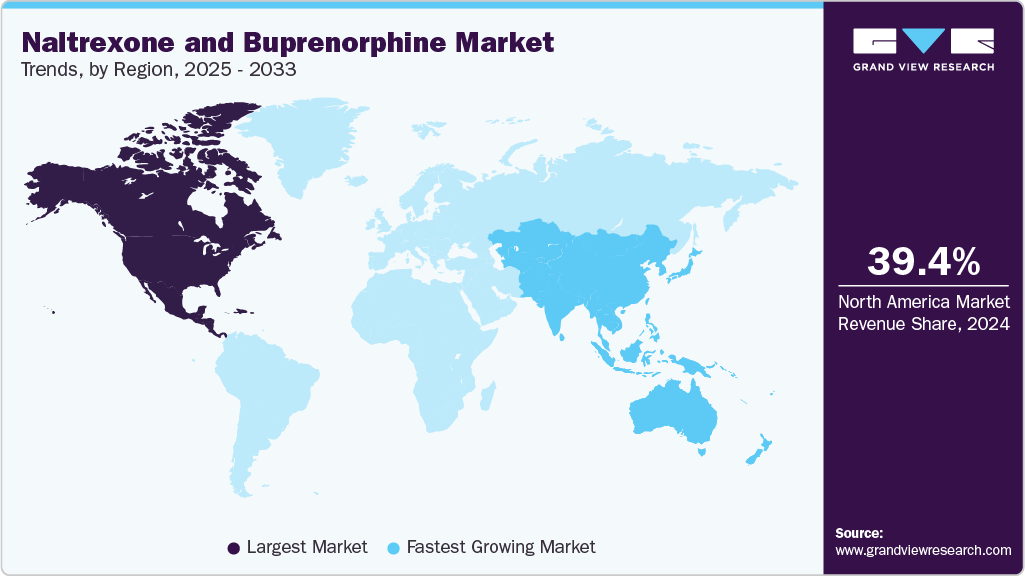
North America dominated the naltrexone and buprenorphine market with the largest revenue share of 39.3% in 2025. The market is expected to witness steady growth over the forecast period, primarily fueled by the rising incidence of substance use disorders, particularly Opioid Use Disorder (OUD). Contributing factors include improved awareness of treatment options, broader insurance coverage, and enhanced patient affordability. Increased rates of opioid prescriptions, persistent pain conditions, excessive alcohol intake, and limited access to appropriate care are key contributors to the OUD burden. These elements are collectively driving demand for effective pharmacological therapies. As treatment adoption expands, the market is likely to grow consistently.
 To learn more about this report, Download Free Sample Report
 U.S. Naltrexone And Buprenorphine Market Trends
The naltrexone and buprenorphine market in the U.S. held the largest share in the North America region in 2025, supported by growing awareness among healthcare professionals and an increasing number of opioid use disorder (OUD) cases. Enhanced understanding of available treatment options has contributed to the broader adoption of these medications. Data from the CDC indicates that over 131 million opioid-related prescriptions were filled in the U.S. in 2022. Additionally, approximately 145,000 individuals received a new diagnosis of OUD during the same year. These trends underscore the urgent need for effective treatment solutions and continue to drive market expansion.
Europe Naltrexone And Buprenorphine Market Trends
Europe naltrexone and buprenorphine market demonstrated steady growth in 2024, supported by the rising burden of substance use disorders and expanding clinical treatment infrastructure. Hospitals and addiction care networks across the region use medication-assisted therapies to manage OUD and AUD. Availability of cost-effective generic formulations has enhanced access in both the public and private sectors. The growing emphasis on relapse prevention and long-term recovery is influencing treatment choices. Partnerships between healthcare systems and academic institutions are encouraging evidence-based therapeutic approaches. These trends collectively strengthen the regional market outlook.
The UK naltrexone and buprenorphine market is experiencing notable growth, driven by the rising incidence of substance use disorders and the expansion of structured treatment programs. In 2023, more than half of the individuals with Opioid Use Disorder (OUD) in England, the UK’s largest constituent nation, were actively receiving treatment. Most patients were administered Medications for Opioid Use Disorder (MOUD), including buprenorphine, methadone, or naltrexone. This indicates strong clinical adoption and prioritization of pharmacological therapy in managing addiction. By comparison, treatment rates in the U.S. remain lower, with under 30% of individuals with OUD receiving care. This disparity highlights the UK’s more integrated approach to addressing opioid dependency.
Naltrexone and buprenorphine market in Germany advanced steadily in 2024 due to consistent clinical use of these therapies in addiction care settings. Structured treatment models and high therapeutic adherence support market growth. Buprenorphine is frequently prescribed for opioid withdrawal and maintenance due to its efficacy and safety. Naltrexone usage is increasing, especially for managing alcohol dependence in outpatient programs. Healthcare providers prioritize evidence-based treatment, which has helped integrate these medications into standard protocols. This contributes to Germany’s continued growth within the European market.
France naltrexone and buprenorphine market maintained stable growth in 2024, supported by expanding treatment access and rising alcohol-related health concerns. Clinicians routinely prescribe buprenorphine for opioid addiction management across both inpatient and outpatient settings. The adoption of naltrexone is increasing among adults with alcohol use disorder. New formulations and flexible dosing options have improved treatment personalization. Medical professionals are focusing on patient-centered approaches to minimize relapse. These developments are supporting long-term market expansion in France.
Asia Pacific Naltrexone And Buprenorphine Market Trends
The Asia Pacific naltrexone and buprenorphine market is expected to register the fastest CAGR of 9.82% over the forecast period, driven by rising treatment demand and expanding healthcare access. Urbanization and improved diagnostic capabilities are increasing the identification of OUD and AUD cases. Pharmaceutical companies are scaling up regional manufacturing and distribution to meet demand. Medication-assisted therapy is being integrated into treatment frameworks across emerging economies. Awareness campaigns have improved the understanding of pharmacological options among healthcare providers. These shifts are accelerating adoption and fueling strong regional growth.
Japan naltrexone and buprenorphine market showed a gradual improvement in 2024, influenced by shifting perspectives on substance use as a medical condition. Medical professionals are incorporating pharmacological therapy into structured recovery programs. Buprenorphine is being used in specialty addiction clinics for long-term opioid maintenance. Naltrexone use is also increasing in the management of alcohol use disorder in adult populations. Providers are promoting adherence through careful monitoring and follow-up care. These factors support moderate but steady market growth in Japan.
China naltrexone and buprenorphine market expanded rapidly in 2024, supported by a rising awareness of OUD treatment and increased alcohol-related health interventions. Hospitals and public health institutions are adopting medication-assisted therapy for both conditions. Injectable buprenorphine and oral naltrexone are being introduced across urban and semi-urban centers. Domestic manufacturers are investing in scaling up access and lowering treatment costs. Clinical training and pilot programs have increased professional familiarity with these therapies. This evolving treatment landscape supports sustained market momentum in China.
Latin America Naltrexone And Buprenorphine Market Trends
Latin America naltrexone and buprenorphine market progressed in 2024 with growing substance use concerns and the expansion of addiction care services. Healthcare systems are gradually incorporating pharmacological treatment into outpatient and residential programs. Brazil, Argentina, and Mexico remain major contributors due to rising demand and improved access. Clinicians are increasing reliance on buprenorphine for opioid dependence and on naltrexone for alcohol abuse. Efforts to reduce stigma and increase provider education are improving treatment adherence. These drivers are building a foundation for continued regional market growth.
Brazil naltrexone and buprenorphine market grew steadily in 2024 due to a greater focus on addiction treatment infrastructure and rising patient engagement. Buprenorphine is widely used in urban clinics for opioid dependence management. Naltrexone is gaining attention in primary care settings for addressing alcohol-related disorders. Availability of affordable formulations has improved patient access. Health professionals are emphasizing treatment continuity and follow-up, which boosts adherence. These elements are reinforcing market growth across Brazil.
Middle East & Africa Naltrexone And Buprenorphine Market Trends
The Middle East & Africa naltrexone and buprenorphine market experienced rising demand in 2024 due to growing treatment needs and improved clinical infrastructure. Providers in key markets are incorporating long-acting formulations into structured recovery plans. Buprenorphine’s favorable safety profile is encouraging its use across specialized clinics. Naltrexone is being prescribed in urban centers for managing alcohol dependence. Educational initiatives are helping reduce treatment resistance and increase acceptance. These changes are fostering market development across multiple MEA countries.
Saudi Arabia naltrexone and buprenorphine market expanded in 2024 with increased clinical adoption of evidence-based addiction therapies. Treatment centers are integrating buprenorphine into care protocols for opioid withdrawal and maintenance. Naltrexone is gaining use for managing alcohol-related conditions among adult populations. Clinical professionals are receiving training on medication-assisted therapy to enhance treatment precision. Local distribution partnerships are helping improve availability and consistency in supply. These trends are supporting stable growth in Saudi Arabia’s addiction treatment market.
Key Naltrexone And Buprenorphine Company Insights
Key players in the naltrexone and buprenorphine market include Alkermes plc, Indivior PLC, Orexo AB, and Camurus, which significantly advance therapeutic innovations. These companies lead the market by developing new treatment options and advanced delivery technologies. Emerging participants such as BioCorRx, Inc., Braeburn, Inc., and Delpor, Inc. are gaining traction by focusing on innovative product pipelines and expanding their presence in underserved areas. Their strategies often involve securing financial backing from healthcare institutions and launching differentiated therapies. This mix of established leaders and agile entrants shapes a dynamic and evolving competitive landscape.
Key Naltrexone And Buprenorphine Companies:
The following key companies have been profiled for this study on the naltrexone and buprenorphine market.
-
Indivior PLC
-
Collegium Pharmaceutical (BioDelivery Sciences International, Inc.)
-
Alkermes, Inc.
-
Orexo US, Inc. (a part of Orexo AB)
-
Titan Pharmaceuticals, Inc.
-
Omeros Corporations
-
Camurus
-
Sun Pharmaceutical Industries Ltd
Competitive Benchmarking
Category
Operating Strategies
Competitive Edge
Weakness
Established Players (Indivior PLC; Alkermes, Inc.; Collegium Pharmaceutical (BioDelivery Sciences International, Inc.); Camurus; Sun Pharmaceutical Industries Ltd.)
- Focus on expanding medication-assisted treatment portfolios through long-acting buprenorphine and naltrexone formulations, product lifecycle management, and regulatory approvals. Strengthen relationships with addiction treatment centers, hospitals, specialty clinics, and government healthcare programs through clinical evidence, patient support initiatives, and broader geographic expansion.
- Established product portfolios with approved therapies for opioid use disorder and alcohol use disorder. Strong relationships with healthcare providers, addiction treatment networks, and distribution partners supported by regulatory experience and broad commercial presence across multiple regions.
- High research, manufacturing, and regulatory compliance costs associated with developing and maintaining long-acting formulations. Dependence on reimbursement policies, pricing pressure from generic products, and regulatory requirements may affect product adoption and business expansion.
Emerging Players (Orexo US, Inc. (a part of Orexo AB); Titan Pharmaceuticals, Inc.; Omeros Corporation)
- Focus on developing differentiated drug delivery technologies, extended-release formulations, and new treatment approaches for substance use disorders. Expand market presence through strategic collaborations, licensing agreements, and product development targeting unmet patient needs and selected geographic markets.
- Ability to introduce specialized products with differentiated delivery technologies and focused development programs. Flexible business strategies enable quicker evaluation of new treatment opportunities and partnerships within the addiction treatment market.
- Limited commercial infrastructure and smaller product portfolios compared with established companies. Lower financial resources and restricted distribution networks may limit market penetration and expansion across global healthcare systems.
Recent Developments
-
In June 2025, Indivior PLC shared data showing that 300 mg SUBLOCADE improved outcomes in OUD patients with heavy fentanyl use. They also highlighted treatment barriers among American Indian/Alaska Native populations facing higher overdose death rates. The findings support tailored strategies to improve OUD care.
-
In March 2025, Collegium Pharmaceutical Inc. revealed plans to showcase four real-world data posters from its distinct pain management portfolio at PainConnect 2025, the annual American Academy of Pain Medicine meeting.
-
In February 2025, Indivior PLC received FDA approval for label updates to SUBLOCADE based on a Phase 3 study showing sustained clinical response and treatment retention over 12 months. The updated label includes revised pharmacology data on buprenorphine levels and drug interactions.
-
In May 2024, Novo Nordisk purchased Alkermes plc’s development and manufacturing site in Athlone, Ireland, for USD 91 million. Meanwhile, Alkermes will maintain operations at its manufacturing facility in Wilmington, Ohio, where it will continue producing its proprietary commercial therapies ARISTADA, VIVITROL, ARISTADA INITIO, and LYBALVI.
-
In October 2023, Indivior PLC acquired exclusive worldwide rights to develop, manufacture, and commercialize a series of long-acting injectable therapies from Alar Pharmaceuticals Inc. The agreement covers multiple formulations designed for extended buprenorphine prodrug release, including the prominent injectable candidate ALA-1000.
-
In September 2023, Camurus AB launched Brixadi, a weekly and monthly buprenorphine-based medication approved for managing mild to intense opioid use disorder (OUD). This treatment is suitable for individuals already on daily buprenorphine therapy or those initiating care with a single dose of transmucosal buprenorphine.
Naltrexone And Buprenorphine Market Report Scope
Report Attribute
Details
Market size in 2025
USD 4.8 billion
Estimated market size in 2026
USD 5.5 billion
Projected market size by 2033
USD 10.5 billion
Growth rate
CAGR of 9.6% from 2026 to 2033
Historical data
2021 - 2024
Forecast period
2026 - 2033
Quantitative units
Revenue in USD million/billion and CAGR from 2026 to 2033
Report coverage
Revenue forecast, company ranking, competitive landscape, growth factors, and trends
Segments covered
Product, route of administration, application, distribution channel, region
Regional scope
North America; Europe; Asia Pacific; Latin America; MEA
Country scope
U.S.; Canada; Mexico; UK; Germany; France; Italy; Spain; Denmark; Norway; Sweden; Japan; China; India; South Korea; Australia; Thailand; Brazil; Argentina; South Africa; Saudi Arabia; UAE; Kuwait.
Key companies profiled
Indivior PLC; Collegium Pharmaceutical (BioDelivery Sciences International, Inc.); Alkermes, Inc.; Orexo US, Inc. (a part of Orexo AB); Titan Pharmaceuticals, Inc.; Omeros Corporation; Camurus; Sun Pharmaceutical Industries Ltd.
Customization scope
Free report customization (equivalent up to 8 analysts' working days) with purchase. Addition or alteration to country, regional & segment scope.
Pricing and purchase options
Avail customized purchase options to meet your exact research needs. Explore purchase options
Global Naltrexone And Buprenorphine Market Report Segmentation
This report forecasts revenue growth at global, regional, and country levels and provides an analysis of the latest industry trends in each of the sub-segments from 2021 to 2033. For this study, Grand View Research has segmented the global naltrexone and buprenorphine market report based on product, route of administration, application, distribution channel, and region:
-
Product Outlook (Revenue, USD Million, 2021 - 2033)
-
Naltrexone
-
Buprenorphine
-
BELBUCA
-
Sublocade
-
Suboxone
-
Zubsolv
-
Others
-
-
-
Route of Administration Outlook (Revenue, USD Million, 2021 - 2033)
-
Naltrexone
-
Oral Administration
-
Injectable Administration
-
Implantable Administration
-
-
Buprenorphine
-
Oral Administration
-
Injectable Administration
-
Implantable Administration
-
-
-
Application Outlook (Revenue, USD Million, 2021 - 2033)
-
Naltrexone
-
Opioid use disorder (OUD)
-
Alcohol use disorder (AUD
-
-
Buprenorphine
-
Opioid use disorder (OUD)
-
-
-
Distribution Channel Outlook (Revenue, USD Million, 2021 - 2033)
-
Hospitals Pharmacies
-
Retail Pharmacies
-
Others
-
-
Regional Outlook (Revenue, USD Million, 2021 - 2033)
-
North America
-
U.S.
-
Canada
-
Mexico
-
-
Europe
-
UK
-
Germany
-
France
-
Italy
-
Spain
-
Denmark
-
Sweden
-
Norway
-
-
Asia Pacific
-
Japan
-
China
-
India
-
Australia
-
South Korea
-
Thailand
-
-
Latin America
-
Brazil
-
Argentina
-
-
Middle East & Africa
-
South Africa
-
Saudi Arabia
-
UAE
-
Kuwait
-
-
Research Methodology
The naltrexone and buprenorphine market figures in this report are based on a proven research process that combines executive interviews with secondary research from proprietary databases, company filings, and recognized regulatory and institutional sources. Market size is built through value-chain sizing - reconciling supply-side and demand-side estimates - and triangulated with bottom-up and top-down approaches. Every estimate passes multiple levels of expert validation before publication, with each naltrexone and buprenorphine segment quantified using the revenue-capture definitions in the table below.
Segment Definition
Segment - Product
Revenue capture definition
Naltrexone
This segment includes all prescription pharmaceutical products containing naltrexone as the active ingredient, including branded and generic formulations approved for opioid use disorder, alcohol use disorder, and other approved therapeutic indications.
Buprenorphine
This segment includes all prescription pharmaceutical products containing buprenorphine as the active ingredient, including branded and generic formulations indicated for opioid use disorder, pain management, and other approved therapeutic uses.
Segment - Route of Administration
Revenue capture definition
Naltrexone by oral administration
This segment includes all oral naltrexone formulations, including tablets and other orally administered dosage forms prescribed for opioid use disorder and alcohol use disorder.
Naltrexone by injectable administration
This segment includes all extended-release injectable naltrexone products administered intramuscularly for approved therapeutic indications.
Naltrexone by implantable administration
This segment includes all implantable naltrexone products designed to provide sustained drug release over an extended treatment period were approved for clinical use.
Buprenorphine by oral administration
This segment includes all orally administered buprenorphine products, including sublingual tablets, sublingual films, buccal films, and other approved oral dosage forms.
Buprenorphine by injectable administration
This segment includes all injectable buprenorphine formulations, including weekly and monthly extended-release injections approved for the treatment of opioid use disorder.
Buprenorphine by implantable administration
This segment includes all implantable buprenorphine products designed to provide sustained drug delivery over several months for the maintenance treatment of opioid use disorder.
Segment - Application
Revenue capture definition
Naltrexone by opioid use disorder
This segment includes all naltrexone products prescribed to support relapse prevention in patients with opioid use disorder following detoxification.
Naltrexone by alcohol use disorder
This segment includes all naltrexone products prescribed to reduce alcohol dependence and support abstinence in patients with alcohol use disorder.
Buprenorphine by opioid use disorder
This segment includes all buprenorphine formulations prescribed for withdrawal management and maintenance treatment in patients with opioid use disorder, regardless of brand or dosage form.
Segment - Distribution Channel
Revenue capture definition
Hospital Pharmacies
This segment includes naltrexone and buprenorphine products dispensed through hospital pharmacies to inpatients and outpatients receiving treatment under physician supervision, including hospital-based addiction treatment and medication-assisted treatment programs.
Retail Pharmacies
This segment includes naltrexone and buprenorphine products dispensed through community pharmacies and pharmacy chains against valid prescriptions for outpatient treatment of opioid use disorder and alcohol use disorder.
Others
This segment includes specialty pharmacies, mail-order pharmacies, online pharmacies where permitted, correctional healthcare pharmacies, government-supported dispensing programs, and other authorized healthcare channels that supply naltrexone and buprenorphine therapies outside hospital and retail pharmacies.
Estimation Model
 To learn more about this report, Download Free Sample Report
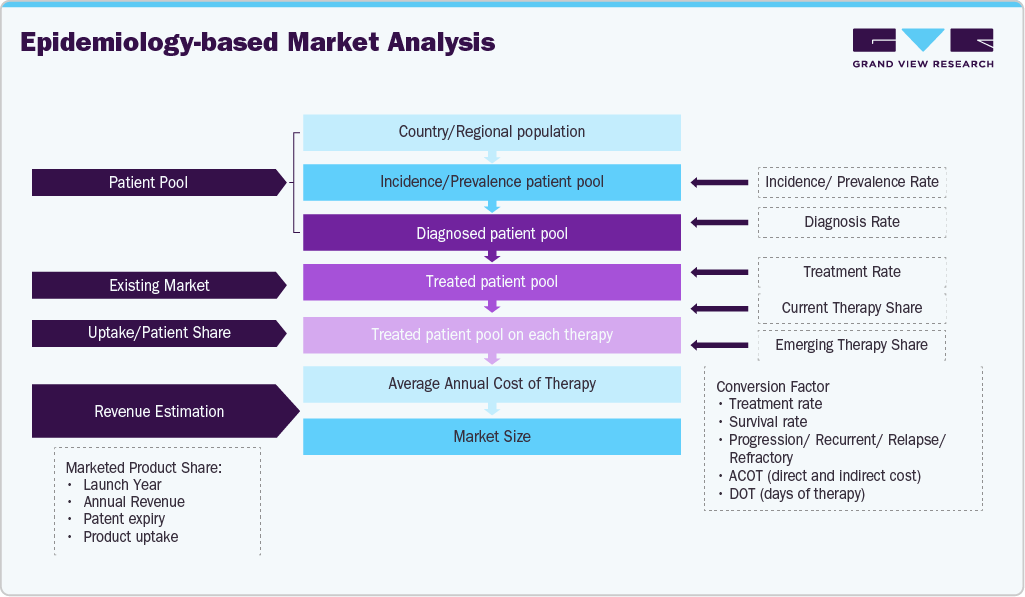
 The naltrexone and buprenorphine market was estimated using an epidemiology-based market analysis approach. The analysis began by identifying the country-level population and estimating the prevalence of opioid use disorder (OUD) and alcohol use disorder (AUD) using government health agencies, public health organizations, and published epidemiology studies. The diagnosed patient pool was derived using diagnosis rates, followed by estimating the treated patient population based on treatment access and medication-assisted treatment utilization. The treated population was further segmented by therapy type, including naltrexone and buprenorphine, using prescription trends, clinical guidelines, product utilization patterns, and physician insights. The average annual cost of therapy was determined using branded and generic product prices, dosage schedules, and treatment duration. Market estimates were validated through company product portfolios, regulatory approvals, prescription databases, annual reports, and interviews with healthcare professionals and industry participants.
Delivered Customizations
This report has been delivered with the following In-depth customizations
CLIENT REQUEST
CUSTOMIZATION DELIVERED
VALUE ADDS
Naltrexone and Buprenorphine Competitive Landscape & Product Portfolio Assessment
Conducted a targeted assessment of the global naltrexone and buprenorphine market, evaluating approved products, long-acting formulations, branded and generic therapies, regulatory approvals, product positioning, and clinical adoption. The study analyzed key companies including Indivior PLC, Alkermes, Inc., Collegium Pharmaceutical, Camurus, Orexo AB, Titan Pharmaceuticals, Omeros Corporation, and Sun Pharmaceutical Industries Ltd., along with product differentiation and treatment trends for opioid use disorder (OUD) and alcohol use disorder (AUD).
Helped the client identify key market participants, compare product portfolios, assess competitive positioning, and evaluate licensing, partnership, and geographic expansion opportunities within the medication-assisted treatment market.
Naltrexone and Buprenorphine Product Benchmarking Study
Delivered a benchmarking analysis of marketed naltrexone and buprenorphine products, focusing on dosage forms, route of administration, treatment duration, regulatory approvals, safety profile, patient adherence, and product differentiation. The assessment compared long-acting injectable therapies with oral and implantable formulations, while evaluating branded and generic products across major markets.
Enabled the client to compare available treatment options, identify product gaps, assess differentiation strategies, and support portfolio planning based on clinical use, product positioning, and patient treatment patterns.
Naltrexone and Buprenorphine Market Access & Distribution Assessment
Conducted an assessment of the market access ecosystem, evaluating distribution through hospital pharmacies, retail pharmacies, specialty pharmacies, and government-supported treatment programs. The study reviewed reimbursement policies, prescribing practices, regulatory requirements, healthcare provider adoption, and distribution partnerships supporting access to medication-assisted treatment for opioid and alcohol use disorders.
Supported market entry and expansion planning by identifying distribution opportunities, evaluating reimbursement and access pathways, assessing prescribing trends, and strengthening product availability across hospitals, specialty clinics, and outpatient treatment programs.
Frequently Asked Questions About This Report
North America dominated the naltrexone and buprenorphine market with the largest revenue share of 39.3% in 2025.
Asia Pacific is the fastest-growing region over the forecast period.
The global naltrexone and buprenorphine market size was estimated at USD 4.8 billion in 2025 and is projected to grow to USD 5.5 billion in 2026.
The global naltrexone and buprenorphine market is expected to grow at a compound annual growth rate of 9.6% from 2026 to 2033 to reach USD 10.5 billion by 2033.
Based on product, the buprenorphine segment led the market with the largest revenue share of 76.1% in 2025.
Some key players operating in the naltrexone and buprenorphine market include Indivior PLC, Collegium Pharmaceutical (BioDelivery Sciences International, Inc.), Alkermes, Inc., Orexo US, Inc. (a part of Orexo AB), Titan Pharmaceuticals, Inc., Omeros Corporation, Camurus, Sun Pharmaceutical Industries Ltd
Key factors that are driving the naltrexone and buprenorphine market growth include growing prevalence of substance use disorders, growing government initiatives to combat the crisis, and increasing awareness of opioid use disorder treatment.
About the Author(s)
Pharmaceuticals Research Team
Healthcare · PharmaceuticalsThis report was authored by the pharmaceuticals research team at Grand View Research - comprising two research analysts, one senior research analyst, and one industry expert - with specialized expertise in the pharmaceuticals segment of the healthcare industry. All findings are based on proprietary healthcare databases, executive interviews, and regulatory analysis, subject to internal peer review prior to publication.
Last Updated:
Speak to Analyst

Customize this report to your needs - add regions, segments, or data points, with 20% free customization.
Or view our licence options:


ISO 9001:2015 & 27001:2022 Certified
We are GDPR and CCPA compliant! Your transaction & personal information is safe and secure. For more details, please read our privacy policy.


