
- Home
- »
- Animal Health
- »
-
Pet Bird Health Market Size And Share Report, 2025-2030GVR Report cover

Pet Bird Health Market (2025 - 2030)
Size, Share & Trends Analysis Report By Product (Pharmaceuticals, Diagnostics), By Application (Parasitic Infections, Bacterial Infections), By Distribution Channel, By Region, And Segment Forecasts
Market Size, 2024
$958.8MMarket Estimate, 2026
$1,093.7MMarket Forecast, 2030
$1,503.7MCAGR, 2025–2030
8.0%Pet Bird Health Market Size & Trends
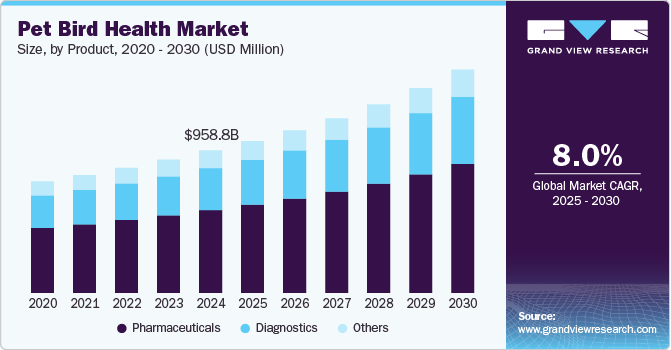
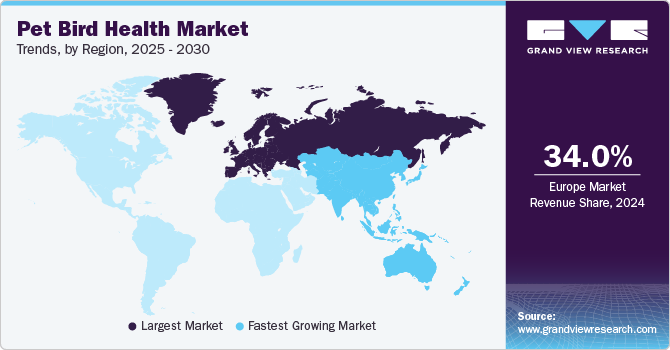
The global pet bird health market size was valued at USD 958.8 million in 2024 and is projected to grow from USD 1,093.7 million in 2026 to USD 1,503.7 million by 2030, at a CAGR of 8.0% from 2025 to 2030. Europe dominated the market, accounting for a revenue share of 34.0% in 2024. Factors such as rising adoption of pet birds, increasing prevalence of diseases in pet birds, increasing research efforts, and rising occurrence of zoonotic diseases in pet birds are driving the market growth.
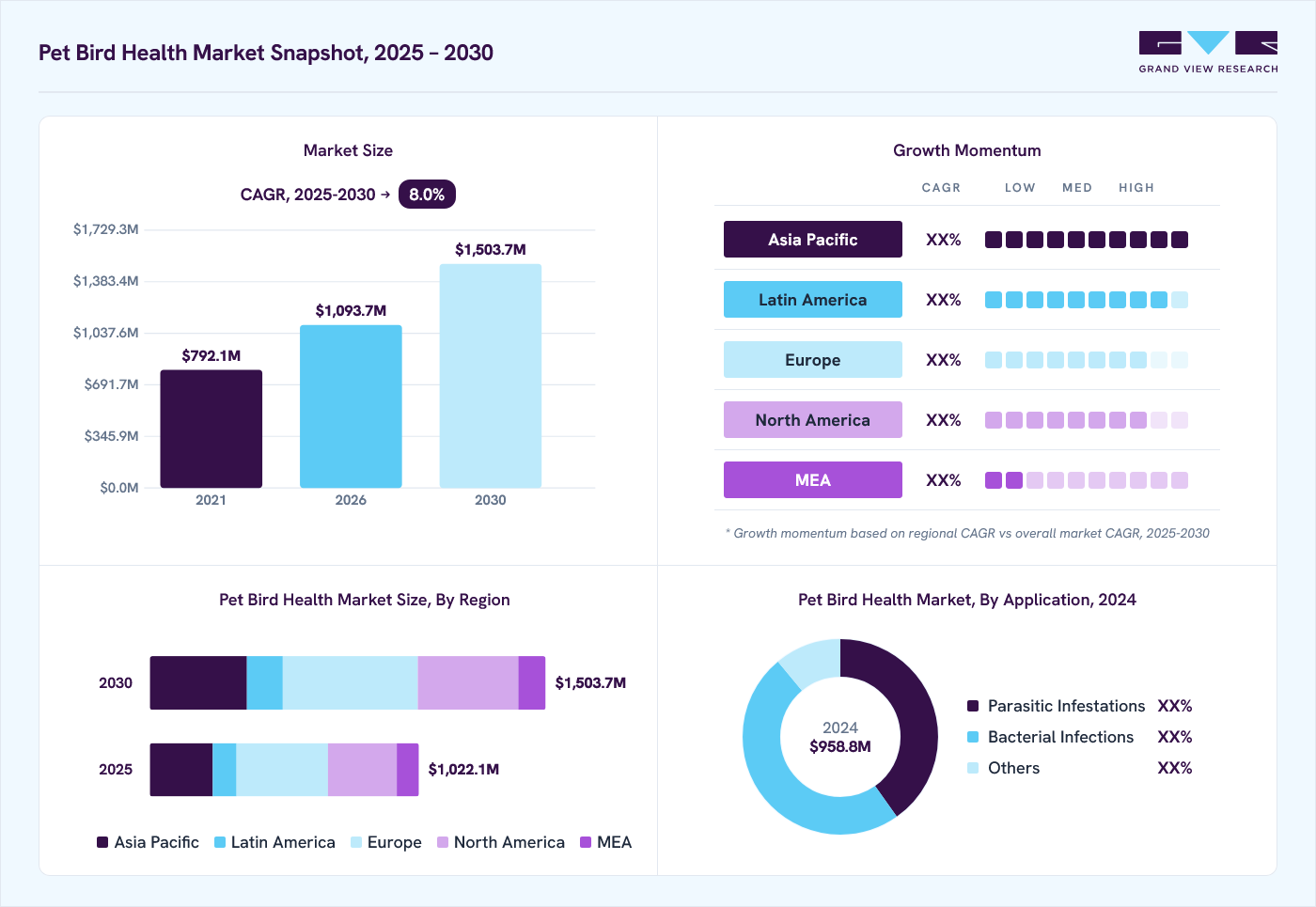 Source: Grand View Research, IR Documents, Primary Interviews, Paid DatabasesTo learn more about this report,
 Download Free Sample Report
 According to statistics published by Forbes Advisor in January 2025, in the U.S. alone, more than 6.1 million households own some or the other type of bird as a pet. Furthermore, data suggests that out of different types of pet bird owners in the U.S., Gen Z leads with a share of 46% among all other generations. Millennials, Silent Generation, Baby Boomers, and Gen X follow behind with shares of 20%, 18%, 10%, and 7%, respectively.
 To learn more about this report, Download Free Sample Report
 The primary factor contributing to the market growth is the global increase in adoption of pet birds and expenditure on species like parakeets, cockatiels, lovebirds, pigeons, canaries, among others. This trend of adopting birds as pets is soaring among various generations, like Gen Z, Millennials, Gen X, Baby Boomers, and the Silent Generation. Furthermore, a trend of rise in expenditure on pet birds can be seen globally. This is fueled by a stronger emotional bond between owners and their birds and increased focus on bird health and wellness. According to the 2024 American Pet Products Association (APPA) report, 76% of bird owners in the US purchased gifts for their pets in 2024, up from 69% in 2018, with occasions like Christmas and birthdays fueling this growth.
Additionally, spending on health items such as vitamins, supplements, medicines, etc., increased by around 32% since 2018, reflecting a shift toward a proactive approach in managing the health of their pet birds. Specialized pet retailers were the preferred shopping destination, while social media’s role as a source of bird care information has grown from 17% to 25% among owners. This trend toward humanizing birds aligns with higher spending on premium and eco-friendly products, illustrating owners’ deepening emotional connections and willingness to invest more in their pets’ well-being.
Recent Regulatory Updates in the Pet Bird Health Sector
Region / Country
Regulatory Update
Details
Effective Date / Status
Ireland
Mandatory Housing & Biosecurity for Pet Birds
All poultry and captive birds must be housed in secure buildings; restrictions on gatherings
1-Feb-25
England
Expanded Avian Influenza Prevention Zone (AIPZ)
Enhanced biosecurity measures in additional counties; restrictions on bird gatherings and movement
1-Apr-25
Singapore
Review of Animals and Birds Act 1965
Stakeholder consultation to strengthen animal health, welfare, and disease control regulations
Ongoing in 2025
United States
Reintroduction of PURR Act of 2025
Aims to unify pet food regulations; concerns over potential weakening of state oversight
Bill introduced in 2025
United Kingdom
Veterinary Certificate for Pet Birds (March 2025)
DEFRA issued updated guidance for the export of pet birds to the EU and Northern Ireland, emphasizing compliance with EU regulations and CITES requirements.
Mar-25
Apart from the U.S., individuals from other regions of the world are also catching up when it comes to the adoption of pet birds. For example, in China, bird-keeping, which is traditionally associated with older generations, has now been increasingly embraced by younger individuals due to their low maintenance and companionship. According to a 2023 industry report from the Asian Research Institute, birds account for 41% of the country's exotic pet sector, just behind small mammals. The affordability of birds and their upkeep is a significant factor in this trend.
In conclusion, the global surge in pet bird adoption, driven by emotional attachment, generational shifts, and rising expenditure, is expected to significantly amplify demand for bird-specific healthcare products. As owners increasingly prioritize bird health, there will be a rise in the consumption of products such as drugs, feed additives, vitamins, supplements, and diagnostic tools. This evolving landscape presents substantial growth opportunities for companies catering to avian health. Ultimately, the humanization of pet birds is reshaping the pet care market on a global scale.
Market Concentration & Characteristics
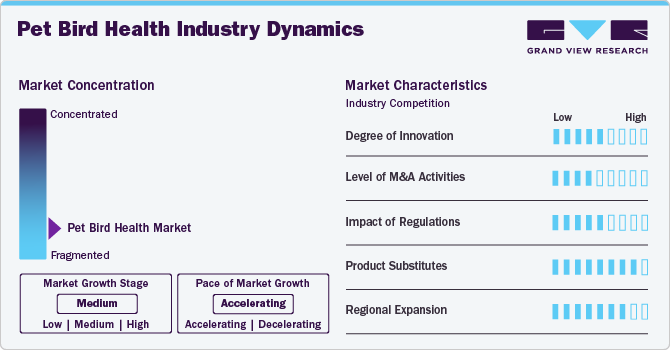
The market exhibits a moderate level of innovation, highlighted by the growing adoption of veterinary telemedicine, which has enhanced accessibility to expert care for bird owners. This advancement enables remote consultations, chronic condition monitoring, and even emergency care guidance, particularly beneficial for birds that experience stress during travel. In addition, industry innovators are developing specialized products for pet birds, incorporating smart features to further improve care and convenience. For instance, in December 2024, Reli launched the Birddy Smart Bird Cage, which has features like self-cleaning and UV sterilization for bird hygiene and health, automatic feeding and watering systems, and an app for remote control of functions like lighting, temperature, and humidity.
The market reflects a moderate level of mergers and acquisitions activity, signaling ongoing consolidation as well as strategic partnerships and acquisitions among key industry participants. For instance, in January 2025, Versele-Laga acquired Psittacus, a company specializing in parrot nutrition. This acquisition aims to enhances Versele-Laga's portfolio of quality bird care products.
 To learn more about this report, Download Free Sample Report
 The market experiences a moderate impact of regulations. However, this impact is expected to increase in the near future due to the fact that regulatory bodies across the globe are formulating and updating guidelines and regulations related to pet bird adoption and management. For example, the USDA, since March 2023, imposed certain mandatory requirements on bird breeders, dealers, and exhibitors to ensure that proper humane care of their health is taken.
The industry experiences a moderate to high level of product substitutes, with competition often driving costs down as veterinarians and pet owners opt for more affordable alternatives offering comparable efficacy and safety. Traditional health remedies significantly influence product substitution in countries like India & China, where herbal treatments and homeopathic solutions are preferred due to cultural practices and affordability. This trend impacts the adoption of pharmaceutical products, as bird owners in such regions may switch to natural remedies perceived as safer or easier to administer.
Moderate levels of regional growth operations in the market are caused by initiatives by major competitors in the market. For example, in January 2023, Merck & Co., Inc. established an innovative production facility in Boxmeer, Netherlands, for the sterile filling and freeze-drying of companion animal vaccinations.
Product Insights
The pharmaceuticals segment held the largest revenue share of 58.1% in 2024. Pharmaceutical companies are increasingly developing bird-specific medications, such as antiparasitic treatments and nutritional food & supplements, in response to the growing demand for advanced avian healthcare. For example, Beaphar provides a range of products including flea and tick treatments, grooming and hygiene solutions, and dietary supplements tailored for birds.
Innovations in drug delivery methods-such as oral formulations, topical applications, and targeted therapies-are improving the effectiveness and ease of treating bird-specific health issues. Additionally, the rising number of avian veterinarians is fueling demand for prescription-based products, prompting pharmaceutical companies to expand their therapeutic offerings within the bird health market.
The diagnostics segment is expected to grow at the fastest CAGR of 8.4% during the forecast period. Diagnostic tools-including imaging technologies, blood tests, and molecular diagnostics-are essential for enabling veterinarians to identify bird illnesses at early stages, preventing more serious health complications. With the growing popularity of bird ownership, the need for accurate and accessible diagnostic solutions is rising steadily.
These advancements are improving disease management, reducing mortality, and enhancing overall bird health, thereby driving growth in the pet bird health market. Technological progress in diagnostics also supports quicker and more effective detection of pathogens and genetic conditions. Notably, the adoption of avian diagnostics is expanding in developing economies as well, with industry players introducing specialized testing. For example, Pranidhi Veterinary Diagnostics in India is among the first to offer biochemistry diagnostic testing services for birds, enabling a detailed health assessment through biochemical markers.
Application Insights
The bacterial infections segment held the largest market share of over 49% in 2024 and also is expected to grow at the fastest rate of more than 8% over the forecast period. Bacterial infections are common in pet birds, especially in young or immunocompromised ones, often resulting from poor nutrition or husbandry. The most frequent infections involve the gastrointestinal and respiratory systems and can become systemic.
Pathogens include gram-negative bacteria like E. coli and Klebsiella, and gram-positive bacteria such as Staphylococcus aureus and Clostridium spp. Infections like MRSA and Mycoplasma are less common but significant, with some bacteria linked to skin conditions and pododermatitis. Diagnosis relies on clinical signs, Gram staining, and culture from various sites such as the cloaca, sinus, or internal organs. This complexity and variety of infections are fueling demand for specialized bird healthcare products, including targeted antibiotics, diagnostic kits, and culture tools, to enable accurate diagnosis and effective treatment.
For instance, according to multiple studies published in the years 2023 & 2024 across journals like Agrobiological Records and Pakistan Veterinary Journal, a high prevalence of zoonotic bacterial infections was recorded in pet birds, with E. coli (19.6%), Klebsiella spp. (15.4%), Staphylococcus spp. (15%), Shigella spp. (14.6%), and Salmonella spp. (13.3%) being the most common. Staphylococcus aureus was notably prevalent in pigeons (7.10%), budgerigars (3.57%), and cockatiels (1.79%). Poor hygiene and lack of vaccination were key risk factors, and many isolates showed multidrug resistance. These findings underscore the zoonotic threat posed by pet birds and the critical need for improved hygiene and healthcare.
Distribution Channel Insights
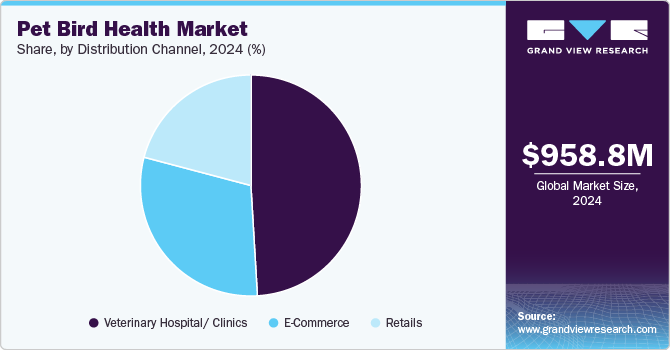
The veterinary hospital/clinics segment held the largest revenue share of 48.6% in 2024. Veterinary hospitals and clinics are increasingly offering advanced diagnostic services and specialized treatments for birds, including blood tests, imaging, and medications like antibiotics, antifungals, and parasiticides. This has led to a rise in demand for diagnostic tools and avian-specific treatments, driving market growth. The establishment of such facilities is further supported by government initiatives, such as the government of Delhi, India, which launched the country's first veterinary hospital offering 24/7 care for various pets, including birds. These developments are contributing to the expansion of the pet bird healthcare market. Furthermore, private entities are also contributing to the sector by launching multispecialty private veterinary hospitals. For example, in July 2024, business conglomerate, Tata Group, launched a multispecialty veterinary hospital, Tata Trusts Small Animal Hospital, for the care of dogs, cats, birds, and other small animals.
 To learn more about this report, Download Free Sample Report
 E-commerce is expected to grow at the fastest CAGR of 11.2% during the forecast period. E-commerce platforms have become a vital channel for accessing a diverse range of products tailored for exotic pets like companion birds. They offer pet owners the convenience of purchasing medications, cages, accessories, specialty foods, and nutritional supplements from home, especially beneficial for those with limited access to physical pet stores or veterinary services. Platforms like All Tails, India’s first fully integrated pet care service, exemplify this trend by offering a unique business model that provides veterinary consultations, grooming, medications, and customized product deliveries. Such innovations significantly enhance the accessibility and availability of bird health products, contributing to market growth.
Regional Insights
North America pet bird health market is growing at a significant rate over the forecast period, due to high pet expenditures and advanced veterinary care. North America has a highly developed veterinary infrastructure and technologies that contribute significantly to the health and welfare of pet birds. In countries like the U.S. and Canada, pet owners are known to invest actively in their pets, driving demand for healthcare products and services for birds. This growing expenditure includes preventive care such as routine check-ups, vaccinations, and health screenings. Additionally, regional regulatory and health authorities play an active role in safeguarding bird health by monitoring potential threats and issuing timely advisories to pet owners.
For instance, in February 2025, the Canadian Food Inspection Agency (CFIA) issued a new advisory to pet bird and small flock owners the for implementation of strict biosecurity measures to prevent avian influenza, particularly during spring and fall migrations when the risk of infection from wild birds is heightened. Key recommendations include preventing contact between domestic and wild birds, maintaining the cleanliness of coops and equipment, monitoring for signs of illness such as lethargy or respiratory issues, and promptly reporting suspected cases to a veterinarian or the CFIA. Additionally, new birds should be quarantined before joining existing flocks, and exposure to visitors should be limited to reduce the risk of disease transmission.
U.S. Pet Bird Health Market Trends
The pet bird health market in the U.S. is experiencing significant growth, driven by a diverse population of pet birds. This demographic diversity highlights a deep-rooted cultural appreciation for exotic pets within American households. Consequently, there is a strong and growing demand for specialized veterinary services, pharmaceuticals, nutritional supplements, and other health products tailored to the unique requirements of these animals. Across the U.S., more veterinarians are focusing on exotic animal medicine, providing advanced diagnostics and treatments specifically designed for non-traditional pets. Furthermore, authorities like the FDA are formulating unique regulations to improve the quality of pet food and other products.
For instance, in February 2024, the US FDA proposed Pet Food Uniform Regulatory Reform (PURR) Act of 2024 (H.R.7380). This regulation aims to reform pet food regulations by granting the FDA authority over labeling and ingredient approvals of pet food, replacing the current state-by-state system. Such legislations aim to eliminate red tape, centralize oversight, and encourage innovation while maintaining food safety and nutritional standards.
Europe Pet Bird Health Market Trends
Europe pet birds health market dominated with a revenue share of over 34% in 2024. The factors driving the European market are the presence of veterinary hospitals offering specialized services for pet birds, as well as the growing prevalence of zoonotic diseases. Countries like Germany, Sweden, the Netherlands, Austria, and Denmark have been experiencing a rise in parrot fever (Psittacosis) cases, reporting around 100 cases since 2023. This disease is caused by a parasite called Chlamydia psittaci, which spreads to humans through contact with infected bird droppings and secretions, primarily affecting bird owners, poultry workers, and veterinarians. Rising awareness of such zoonotic risks will prompt pet owners to conduct regular diagnostic screenings, procure medications, and provide targeted treatments for their birds, providing a boost to the sector.
 To learn more about this report, Download Free Sample Report
 The pet birds' health market in the UK is set to experience a lucrative growth owing to precautionary health safety protocols undertaken by the authorities to curb the spread of diseases that affect both pets & livestock and have the potential to become epidemics. Owing to a rise in bird flu cases in the country, authorities are in the process of initiating cross-border pet health "passport" checks on UK-Ireland borders, especially for cats and pet birds, since they are more susceptible to the virus, says the April 2025 publication by Derry journal. Roadside testing of pets and livestock is one of the suggestions provided by them, which will potentially increase demand for rapid diagnostic tests. Upon completion of the test, a medical clearance certificated will be issued. The UK government has advised pet owners to avoid contact of their animals from wild birds or their droppings.
Spain pet bird health market is expected to exhibit steady growth owing to efforts taken by authorities to standardize and structure pet care in the country. For instance, in 2023, the government, through its Animal Welfare Law, mandated that all pet birds be identified via microchip and leg ring from birth and registered in the Companion Animal Registry of their respective autonomous communities. Through this regulation, the authorities aim to reduce animal abandonment and improve traceability, thereby enhancing disease monitoring and control in Spain. Consequently, it is expected to boost demand for veterinary services, diagnostic tools, and preventive healthcare products tailored for pet birds.
Asia Pacific Pet Bird Health Market Trends
The pet bird health market in Asia Pacific is the fastest-growing market with a growth rate of 9% over the forecast period. The region is experiencing a multitude of market activities like increasing penetration and scope of healthcare services for pet birds, rising prevalence of diseases in pet birds, launch of unique products for pet birds, market entries by globally prominent companies, etc. For instance, Vetafarm, an Australian company, launched Parrot B-Calm, a diet specifically designed to alleviate stress and anxiety in companion parrots. Formulated by avian veterinarians, this non-drowsy, non-sedative pellet diet combines L-Tryptophan-a natural precursor to serotonin-with thiamine, turmeric, and essential nutrients to support both mental well-being and overall health. Parrot B-Calm addresses behavioral issues such as feather plucking and aggression, offering a holistic solution for bird owners seeking to enhance their pets' quality of life.
India pet bird health market is set to show a very lucrative and fastest growth rate over the forecast period. This can be attributed to multiple factors like growing penetration of veterinary services for pet birds, involvement of government entities, initiation of large-scale research projects focusing on zoonotic disease transmission, industry participants exploring novel business opportunities, etc. For instance, according to the April 2025 article by The New Indian Express, the Indian Council of Medical Research (ICMR) has initiated its first comprehensive study to detect zoonotic diseases transmitted from birds to humans, aiming to bolster preparedness for future pandemics.
In the initial phase, the study will be conducted in bird sanctuaries and wetlands across states like Sikkim, Maharashtra, and Tamil Nadu, employing the One Health approach to monitor the interconnected health of humans, birds, and their shared environment. This proactive surveillance is particularly pertinent given the rising popularity of pet birds, which increases the potential for zoonotic disease transmission. The initiative underscores the importance of integrated health strategies in mitigating public health risks associated with avian species.
Latin America Pet Bird Health Market Trends
The demand for pet bird health products in Latin America is growing due to a rise in bird ownership, especially in urban areas where smaller living spaces make birds a preferred pet. Increased awareness about avian health and the availability of specialized veterinary services for exotic pets are encouraging owners to invest in preventive care, medications, and diagnostics. The popularity of natural and premium bird health products is also rising, reflecting broader consumer trends. Additionally, the growth of e-commerce platforms is improving access to specialized items across the region. Concerns about zoonotic diseases and government efforts in surveillance and regulation are further driving demand for bird-specific healthcare solutions.
Brazil pet bird health market is the largest in the region, owing to large scale bird conservation projects in the country. The country is home to more than 30 million pet birds. Birds are the second most popular pet in Brazil, driven by urban living and cultural appreciation for avian species. Brazil’s rich biodiversity and the popularity of parrots and canaries contribute to a growing interest in proper bird care. Social media and pet influencers are further fueling the trend of investing in bird wellness and healthcare. Online communities have also increased awareness of proper bird care.
MEA Pet Bird Health Market Trends
The pet bird’s health market in MEA is driven by growing research efforts to assess awareness in pet owners regarding the potential spread of zoonotic diseases from their pets. For instance, a survey was conducted by researchers from Tehran, Iran, to assess the knowledge and attitudes of owners regarding pet bird care, common diseases, and zoonotic risks. The research, conducted via questionnaires at a Tehran pet clinic, revealed that most owners acquire birds from local markets and lack sufficient knowledge about prevalent and zoonotic diseases. While owners trust veterinarians for information, there is a gap in communication regarding zoonotic diseases and preventive measures like medications & vaccination. The study emphasizes the need for better education in bird markets and stronger communication between veterinarians and owners to enhance both human and pet bird health.
South Africa’s diverse pet bird trade, featuring 169 species from 26 families, with 147 being non-native, creates a strong demand for specialized health products tailored to the unique needs of popular birds like budgerigars, zebra finches, and Fischer’s lovebirds. The significant rise in pet ownership, coupled with the growing trend of owners viewing their birds as family members, has led to increased investment in premium and customized nutrition. Additionally, heightened consumer awareness about pet health, with nearly half of urban bird owners scrutinizing ingredient lists and seeking specialized diets, is further driving the demand for advanced and targeted bird health solutions across the market.
Key Pet Bird Health Company Insights
The market is characterized by low - moderate concentration and steady growth, driven by technological innovations in veterinary care. Advances such as portable imaging, genetic testing, and remote monitoring enable more accurate diagnoses and early detection of bird diseases, improving health outcomes. Telemedicine has expanded access to veterinary services, especially for owners of exotic or rare species. Wearable devices and health trackers further enhance preventive care by monitoring vital signs and alerting owners to potential issues. The market remains competitive, with both small and large players adopting strategies like mergers, geographic expansion, and new product launches to strengthen their market presence.
Key Pet Bird Health Companies:
The following are the leading companies in the pet bird health market. These companies collectively hold the largest market share and dictate industry trends.
- Vetafarm.
- Vetnil
- AdvaCare Pharma
- Thermo Fisher Scientific Inc.
- INDICAL BIOSCIENCE GmbH
- VioVet Ltd
- Zoetis
- HomeoPet LLC.
- Merck & Co., Inc
- Johnsons
Three ways to get this report
Buy it, customize it, or ask a question.Ask an Analyst
Analyst response in 1 business day
- AccessReport author, directly
- Reply timeWithin 1 working day
- No sales callDirect answer only
- FormatEmail reply
- CostFree, no cost
Get the Full Report
What the study covers
- FormatsPDF · Excel · Dashboard
- Timeline2025–2030 annual, 2024 base
- Coverage20+ countries, 5 regions
- Companies10+ key players profiled
Customize the Report
20% free customization
- IncludeCountries, segments, points
- TailorTo your product definition
- ExtendDeeper competitor detail
- OrA fully bespoke study
- Turnaround5–10 working days
Recent Developments
-
In February 2025, Harvest launched its new pet food premium brand, The Little Birdhouse, debuting nine carefully crafted seed mixes at the Garden Press Event, with plans to expand into straights and suet products later this year.
-
In February 2025, Supertails, an Indian e-commerce pet care brand, launched its first offline veterinary clinic in the city of Bengaluru. The company plans to open three more clinics in the city within 90 days, aiming to provide accessible and compassionate healthcare for India's growing pet population.
-
In August 2024, HICC Pet expanded into the Singapore market by opening a new office and APAC Brand Experience Center. The company debuted at the Singapore Pet Festival and showcased popular products like Deodorizing Glove Wipes and Ear Relief Finger Wipes, etc.
Pet Bird Health Market Report Scope
Report Attribute
Details
Market size in 2024
USD 958.8 million
Estimated Market size in 2026
USD 1093.7 million
Projected Market size by 2030
USD 1,503.7 million
Growth rate
CAGR of 8.0% from 2025 to 2030
Actual data
2018 - 2024
Forecast period
2025 - 2030
Quantitative units
Revenue in USD million/billion and CAGR from 2025 to 2030
Report coverage
Revenue forecast, company ranking, competitive landscape, growth factors, and trends, clinical trials outlook, volume analysis
Segments covered
Product, application, distribution channel, region
Regional scope
North America; Europe; Asia Pacific; Latin America; Middle East & Africa (MEA)
Country Scope
U.S.; Canada; Mexico; UK; Germany; Italy; France; Spain; Denmark; Sweden; Norway; Japan; China; India; Australia; South Korea; Thailand; Brazil; Argentina; South Africa; Saudi Arabia; Kuwait; UAE
Key companies profiled
Vetafarm.; Vetnil; AdvaCare Pharma; Thermo Fisher Scientific Inc.; INDICAL BIOSCIENCE GmbH; VioVet Ltd; Zoetis; HomeoPet LLC; Merck & Co., Inc; Johnsons
Customization scope
Free report customization (equivalent up to 8 analyst’s working days) with purchase. Addition or alteration to country, & segment scope.
Pricing and purchase options
Avail customized purchase options to meet your exact research needs. Explore purchase options
Global Pet Bird Market Report Segmentation
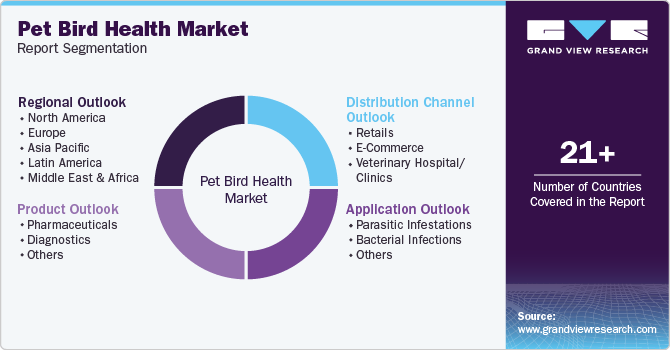
This report forecasts revenue growth at global, regional, and country levels, and provides an analysis on the latest trends in each of the sub-segments from 2018 to 2030. For this report, Grand View Research has segmented the global pet bird health market report based on product, application, distribution channel, and region.
 To learn more about this report, Download Free Sample Report
 -
Product Outlook (Revenue, USD Million, 2018 - 2030)
-
Pharmaceuticals
-
Anti Parasitic
-
Antibiotics
-
Antifungal
-
Nutritional Supplements
-
-
Diagnostics
-
Consumables, reagents and kits
-
Instruments and devices
-
-
Others
-
-
Application Outlook (Revenue, USD Million, 2018 - 2030)
-
Parasitic Infestations
-
Bacterial Infections
-
Others
-
-
Distribution Channel Outlook (Revenue, USD Million, 2018 - 2030)
-
Retails
-
E-Commerce
-
Veterinary Hospital/ Clinics
-
-
Regional Outlook (Revenue, USD Million, 2018 - 2030)
-
North America
-
U.S.
-
Canada
-
Mexico
-
-
Europe
-
UK
-
Germany
-
France
-
Italy
-
Spain
-
Denmark
-
Sweden
-
Norway
-
Rest of Europe
-
-
Asia Pacific
-
Japan
-
China
-
India
-
Australia
-
South Korea
-
Thailand
-
Rest of APAC
-
-
Latin America
-
Brazil
-
Argentina
-
Rest of LA
-
-
Middle East & Africa (MEA)
-
South Africa
-
Saudi Arabia
-
UAE
-
Kuwait
-
Rest of MEA
-
-
Frequently Asked Questions About This Report
By application, the bacterial infections segment held the largest market share of over 49% in 2024 and also is expected to grow at the fastest rate of more than 8% over the forecast period. Bacterial infections are common in pet birds, especially in young or immunocompromised ones, often resulting from poor nutrition or husbandry.
Some key players operating in the pet birds health market include Vetafarm., Vetnil, AdvaCare Pharma, Thermo Fisher Scientific Inc., INDICAL BIOSCIENCE GmbH, VioVet Ltd, Zoetis, HomeoPet LLC, Merck & Co., Inc, and Johnsons
Key factors that are driving the market growth include rising adoption of pet birds, increasing prevalence of diseases in pet birds, increasing research efforts, and rising occurrence of zoonotic diseases in pet birds.
The global pet bird health market size was valued at USD 958.8 million in 2024 and is estimated at USD 1,093.7 million for 2026.
The global pet bird health market is expected to grow at a CAGR of 8.0% from 2025 to 2030, reaching USD 1,503.7 million by 2030.
About the Author(s)
Animal Health Research Team
Healthcare · Animal HealthThis report was authored by the animal health research team at Grand View Research - comprising two research analysts, one senior research analyst, and one industry expert - with specialized expertise in the animal health segment of the healthcare industry. All findings are based on proprietary healthcare databases, executive interviews, and regulatory analysis, subject to internal peer review prior to publication.
Last Updated:
Speak to Analyst

Customize this report to your needs - add regions, segments, or data points, with 20% free customization.
Or view our licence options:


ISO 9001:2015 & 27001:2022 Certified
We are GDPR and CCPA compliant! Your transaction & personal information is safe and secure. For more details, please read our privacy policy.


