
- Home
- »
- Medical Devices
- »
-
Saudi Arabia Ophthalmology Market Size Report, 2026-2033GVR Report cover

Saudi Arabia Ophthalmology Market (2026 - 2033)
Size, Share & Trends Analysis Report By Product (Ophthalmic Implants & Procedure-Linked Devices, Consumables & Vision Care Products), By Application, By End-use, By Distribution Channel, By Region, And Segment Forecasts
Market Size, 2025
$412.8MMarket Estimate, 2026
$443.8MMarket Forecast, 2033
$743.6MCAGR, 2026–2033
7.6%Saudi Arabia Ophthalmology Market Summary
The Saudi Arabia ophthalmology market size was valued at USD 412.8 million in 2025 and is projected to grow from USD 443.8 million in 2026 to USD 743.6 million by 2033, at a CAGR of 7.6% from 2026 to 2033. The growth is supported by increasing demand for eye examinations, diagnostic equipment, surgical procedures, and treatments for vision-related conditions. The market includes ophthalmic devices used for diagnosis, vision correction, disease monitoring, and surgery, including retinal cameras, optical coherence tomography (OCT) systems, biometers, tonometers, lasers, intraocular lens, and other surgical instruments.
Key Market Trends & Insights
- By product: Consumables and vision care products segment held the highest market share of 70.5% in 2025.
- By application: Cataract segment held a leading market share of 29.2% in 2025.
- By end use: Hospitals segment held a leading market share of 39.2% in 2025.
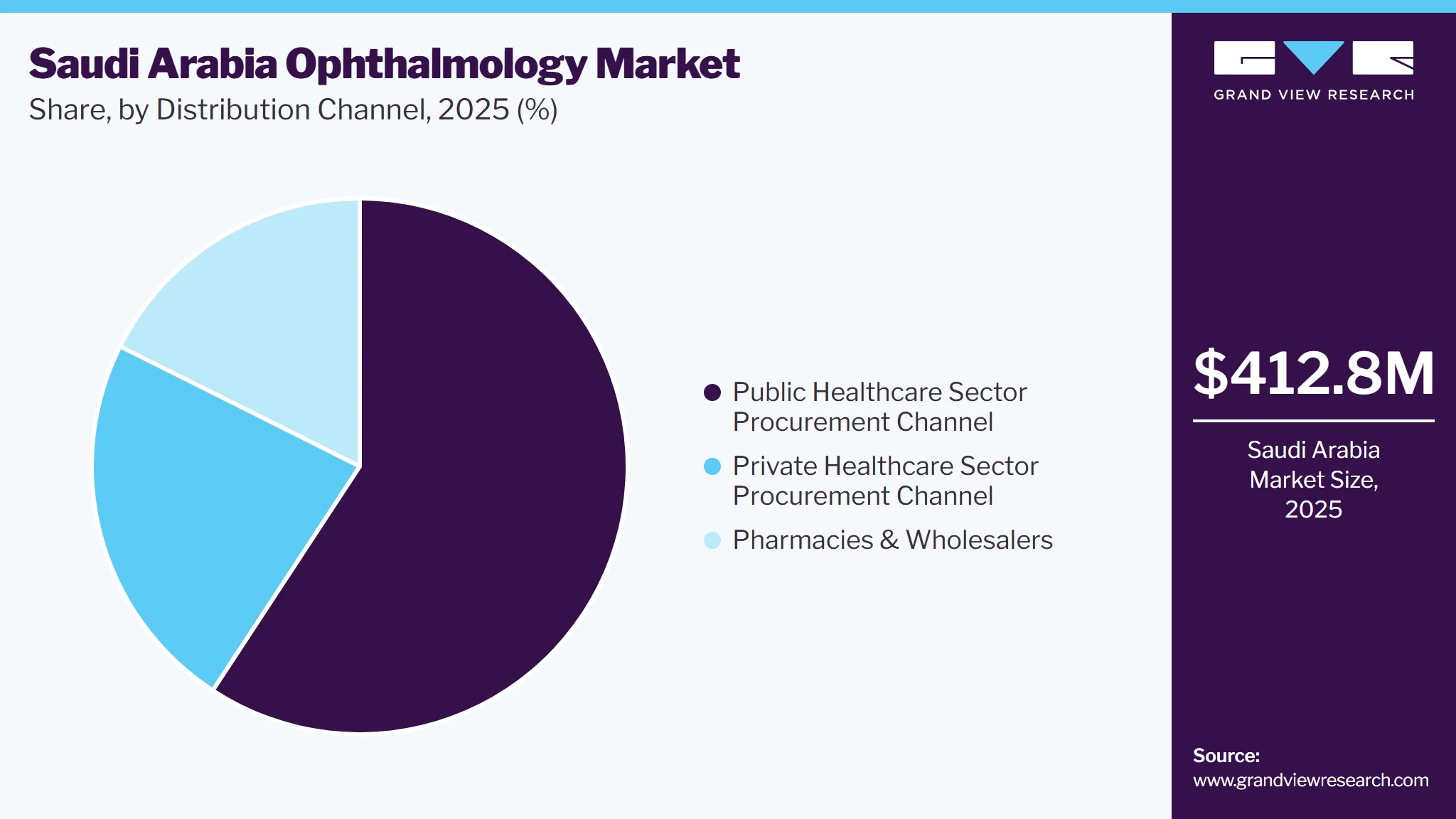
- By distribution channel: Public healthcare sector procurement channel segment held a leading market share of 59.2% in 2025.
Market Size & Forecast
- Market size in 2025: USD 412.8 Million
- Estimated market size in 2026: USD 443.8 Million
- Projected market size by 2033: USD 743.6 Million
- CAGR (2026-2033): 7.6%
Prism AI by Grand View Research Free to tryAsk a question about the saudi arabia ophthalmology marketTry asking✓Every figure cited from GVR research Prefer the report? Download free sample →
Saudi Arabia's healthcare transformation under Vision 2030 is focused on improving access to healthcare, strengthening specialized services, and encouraging private-sector investment. According to the U.S. International Trade Administration's 2026 healthcare guide, the Saudi government allocated USD 56.8 billion (SAR 214 billion) to healthcare in its 2024 budget, highlighting the importance of healthcare infrastructure and service development in the Kingdom.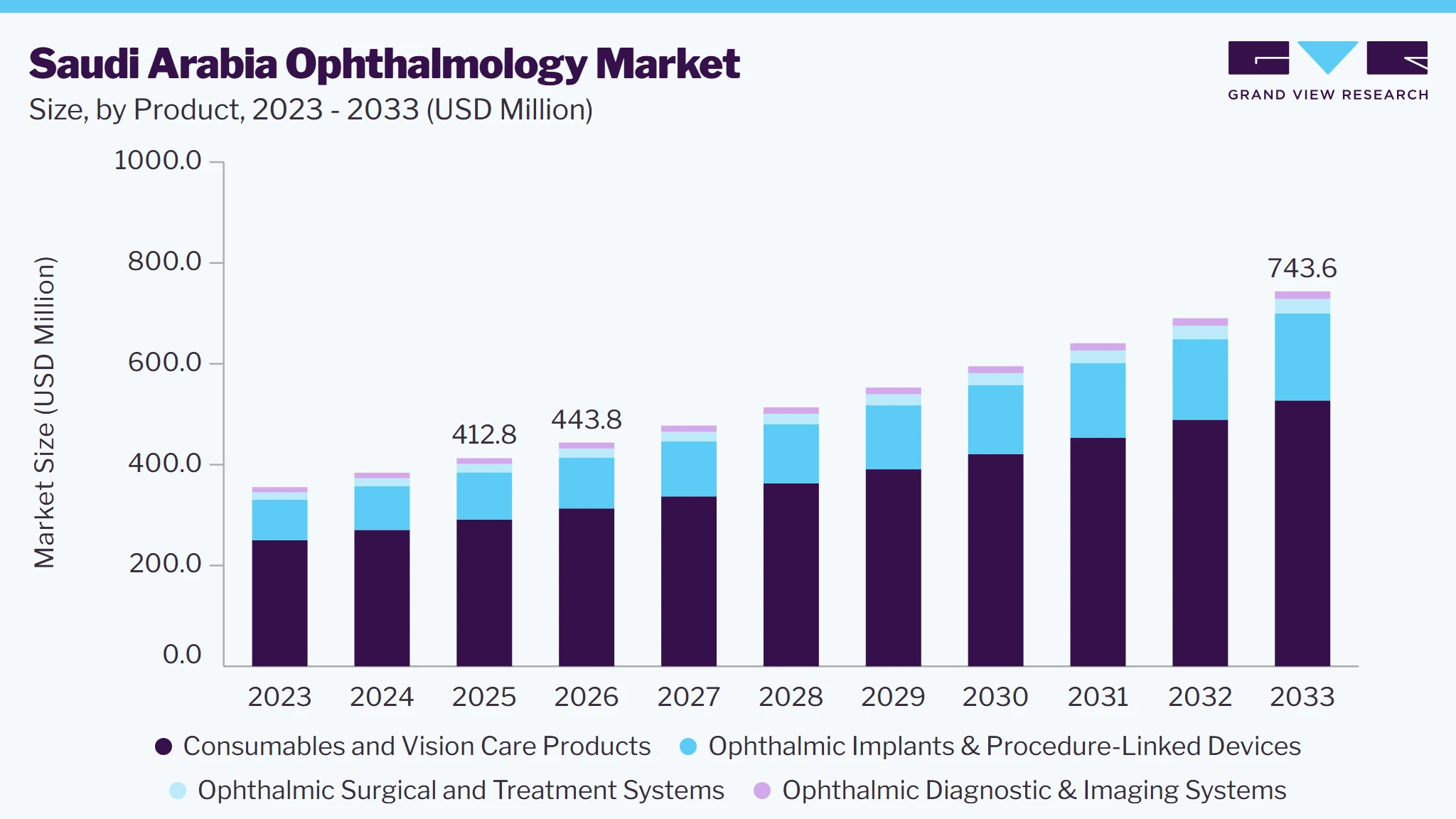 Source: Grand View Research, IR Documents, Primary Interviews, Paid DatabasesTo learn more about this report,
 Download Free Sample Report
The increasing burden of visual impairment and eye disease has increased demand for ophthalmology services in Saudi Arabia. A systematic review and meta-analysis of nine studies (n=29,707) published in the BMC Ophthalmology journal in October 2025 found the pooled prevalence of visual impairment in Saudi adults was 16.8%, whilst the pooled prevalence of blindness was 1.7%. Refractive error was the leading cause of visual impairment and cataracts the main cause of blindness. This indicates there remains a need for tests for visual impairments, glasses to correct refractive errors, diagnosis of cataracts, intraocular lens and surgical tools. However, variability between studies should be considered.
The high prevalence of diabetes in Saudi Arabia also creates demand for retinal imaging, diabetic retinopathy screening, and treatment equipment. The International Diabetes Federation reported that approximately 5.3 million adults in Saudi Arabia had diabetes in 2024, equivalent to a prevalence of 23.1% among adults. Diabetes can cause retinal damage and other complications that require regular ophthalmic examinations and timely treatment. A relevant local development occurred in September 2026, when the Saudi Food and Drug Authority granted marketing authorization to SAARIA, a Saudi-developed artificial intelligence software product that analyzes fundus images to support diabetic retinopathy screening and early detection. This approval demonstrates growing local regulatory support for technology-assisted eye screening and may encourage further adoption of retinal imaging and digital diagnostic solutions.
Another key aspect affecting this market positively is investment in specialised facilities. In November 2024, its founding law was approved by a Royal Order to transform the King Khaled Eye Specialist Hospital into an independent non-profit facility under the Royal Commission for Riyadh City. It offers specialist treatment in retina, glaucoma, cornea transplantation, paediatrics and eye surgery. In July 2025, it was reported by the Saudi Press Agency that the hospital and research centre became a member of the European Eye Bank Association for a period of three years. The hospital manages more than 1,600 corneas per year. Of these, half are transplanted by their specialist team. The remainder are sent to ophthalmology departments across Saudi Arabia. Therefore, it can be seen how specialist facilities, surgical capabilities and cornea management are key aspects within the Kingdom.
Technological advancement and the expansion of professional training are also supporting the Saudi Arabia ophthalmology market. In December 2024, Saudi Arabia has supported local innovation in ophthalmology through initiatives such as the AI in Ophthalmology Hackathon organized by the Saudi Data and AI Authority and King Khaled Eye Specialist Hospital which focused on developing AI-based tools for early disease detection using eye images. Together, these developments support demand for advanced diagnostic imaging systems, surgical devices, retinal imaging technologies, and digital ophthalmic solutions across Saudi hospitals and specialist eye-care centers.
Market Dynamics
The market is supported by the growing demand for eye care services, increasing awareness of eye health, the need for vision correction, and the adoption of advanced diagnostic and surgical technologies. The market includes a broad range of ophthalmic devices used for the diagnosis, treatment, and management of eye conditions, including cataracts, glaucoma, retinal disorders, refractive errors, and ocular surface diseases. Key product categories include diagnostic devices such as optical biometers, retinal cameras, optical coherence tomography (OCT) systems, and visual field analyzers; surgical devices such as phacoemulsification systems, intraocular lens (IOLs), ophthalmic lasers, and vitreoretinal surgical instruments; and vision correction devices such as refractive surgery systems and contact lens.
The rising incidence of eye problems is driving the ophthalmology market as there is a greater need for regular eye tests, earlier diagnosis and prompt treatment. Diseases such as cataract, glaucoma, refractive errors and diabetic retinopathy are increasing demand for ophthalmology diagnostic devices, image analysis devices, surgical devices and visual aids. In particular, diabetes is a leading cause for eye problems due to damage to the retina. It has been estimated that approximately 31% of patients with diabetes suffer from diabetic retinopathy in Saudi Arabia according to a systematic review and meta-analysis conducted in 2024. However the prevalence varied greatly between the studies. This has resulted in an increased need for retinal cameras, optical coherence tomography (OCT) and other devices used to analyse eye disorders.
An uneven distribution of specialist eye care services is a major constraint on the ophthalmology market in Saudi Arabia. While larger cities like Riyadh, Jeddah and Dammam have a well developed infrastructure, it can be difficult for patients in smaller cities or more rural areas to receive specialist treatments for eye conditions such as cataracts, glaucoma, diabetic retinopathy and retinal conditions. Patients will struggle to find an ophthalmology clinic that has advanced equipment like advanced diagnostic imaging, laser treatment and modern surgery equipment. These problems will cause delays in diagnosis and therefore reduce the amount of ophthalmology equipment used. Patients may also find it difficult to get to clinics due to the distance, cost and lack of specialist healthcare professionals. This can reduce the demand for advanced ophthalmology diagnostic and surgical devices. As there is not enough patients to justify the investment in expensive ophthalmology equipment healthcare providers may not want to invest.
Market Concentration & Characteristics
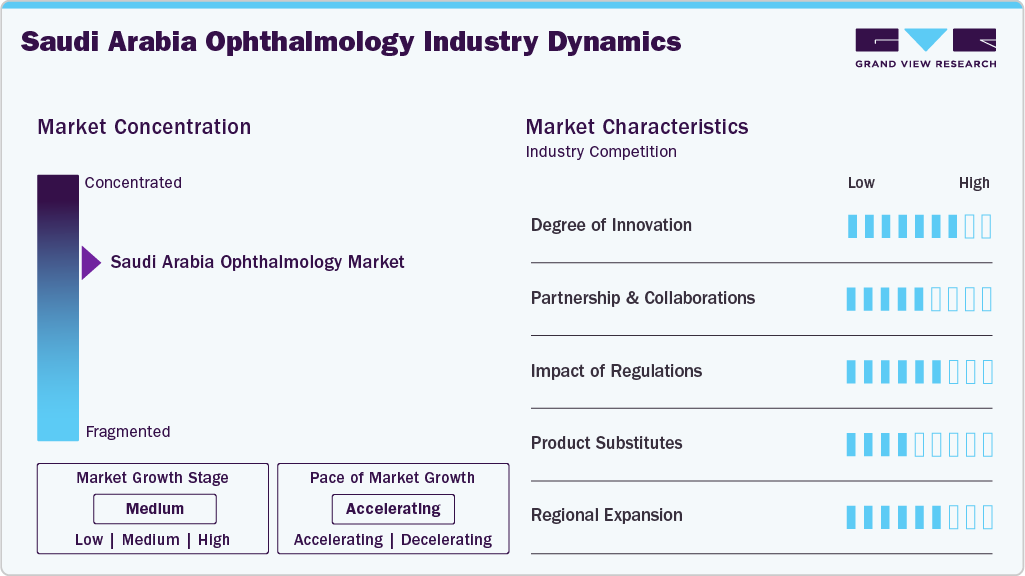
The market includes a range of international medical technology companies supplying diagnostic, surgical, and vision care devices to hospitals, specialized eye centers, and optical retailers. Key participants include Alcon, Carl Zeiss Meditec, Johnson & Johnson Vision, Bausch + Lomb, Topcon, and NIDEK. These companies compete through their product portfolios, technological capabilities, clinical support, distribution networks, and after-sales services. Competition varies across product categories, including diagnostic imaging systems, cataract and refractive surgery equipment, intraocular lens, contact lens, and other vision correction products.
The Saudi Arabia ophthalmology industry is witnessing technological advancements in diagnostic imaging, cataract and refractive surgery, retinal screening, and digital eye care solutions. The integration of artificial intelligence (AI) into ophthalmic screening is also creating opportunities to improve the early detection of eye disorders, particularly diabetic retinopathy, which is an important concern given the burden of diabetes in the country. These developments are supporting the adoption of more precise diagnostic and treatment technologies, while healthcare modernization initiatives are encouraging the use of advanced medical equipment across Saudi Arabia. A notable example is the development of AI-based retinal screening solutions in Saudi Arabia. According to the Saudi Communications, Space and Technology Commission's Digital & Space Sustainability Report 2025, EYENAI, a locally developed AI-based diabetic retinopathy screening platform, had screened more than 17,000 patients across 15 primary care clinics since its launch in 2024.
 To learn more about this report, Download Free Sample Report
There has been increased collaboration between specialised eye hospitals, medical technology companies and healthcare providers plus digital health developers. This improves access to eye care whilst also helping to adopt advanced diagnostic and treatment technologies. Medical device manufacturers and technology providers have opportunities to form partnerships with healthcare institutions in Saudi Arabia. In December 2024, the Saudi Data and AI Authority (SDAIA) and King Khaled Eye Specialist Hospital partnered to launch an AI in Ophthalmology Hackathon. This helps to encourage collaboration between ophthalmologists and AI engineers and develop technologically advanced solutions to detect diseases at an early stage. This shows that the partnering between healthcare institutions and technology providers is helping to innovate, improve diagnostics, and develop the market.
The ophthalmology market in Saudi Arabia is regulated by the Saudi Food and Drug Authority (SFDA), which oversees the safety, quality, performance, registration, and marketing of ophthalmic medical devices. Products such as optical coherence tomography (OCT) systems, retinal cameras, ophthalmic lasers, intraocular lens (IOLs), and other diagnostic and surgical equipment must comply with the applicable SFDA requirements before being marketed in the country. Depending on the device and its risk classification, manufacturers must submit technical documentation and evidence of conformity to obtain a Medical Device Marketing Authorization (MDMA).
The market faces competition from alternative technologies and treatment methods that address similar eye care needs, including vision correction, diagnosis, and the treatment of eye disorders. For refractive errors, substitutes include conventional spectacles, contact lens, and refractive surgical procedures such as laser-assisted in situ keratomileusis (LASIK) and photorefractive keratectomy (PRK). For cataracts, alternatives in treatment planning may include different types of intraocular lens (IOLs) and surgical techniques, while medication and laser-based treatments may serve as alternatives or complementary options for managing certain cases of glaucoma.
The market is evolving due to the development of healthcare infrastructure and specialist eye care services throughout the country. Key locations within the country include Riyadh, Jeddah and the Eastern Province which have specialist hospitals, private eye clinics and multi-specialty healthcare facilities offering advanced diagnostic and treatment options. Ophthalmology services are being improved to offer greater access outside of key urban centres, resulting in new opportunities for diagnostic imaging systems, cataract surgery machines, ophthalmology lasers and retinal scanners.
Analyst Perspective
The market is expanding, supported by the increasing burden of eye diseases, rising demand for vision care services, healthcare infrastructure development, and technological advancements in ophthalmic diagnostics and surgery. The market is benefiting from growing demand for cataract treatment, glaucoma management, retinal disease diagnosis, refractive surgery, and vision correction products. In addition, the Kingdom's Vision 2030 healthcare transformation initiatives are supporting investment in healthcare facilities, greater private-sector participation, and improved access to specialized medical services. These developments are creating opportunities for manufacturers of ophthalmic diagnostic equipment, surgical devices, intraocular lens, and vision care products.
Product Insights
The consumables and vision care products segment dominated the market and accounted for the largest share of 70.5% in 2025, supported by recurring demand for ophthalmic medicines, lubricating eye drops, contact lens, and other products used to manage common eye conditions. Demand is reinforced by the need for continued treatment of dry eye disease, glaucoma, and other ophthalmic disorders, as well as postoperative care following cataract surgery. In addition, the recurring use of medications and disposable supplies in routine consultations and surgical procedures generates repeat procurement requirements for hospitals, ophthalmology clinics, and pharmacies. These factors support the segment's growth and contributes to the overall Saudi Arabia ophthalmology industry.
The ophthalmic implants & procedure-linked devices segment is expected to witness the fastest CAGR of 8.0% over the forecast period, driven by rising demand for cataract surgery, sophisticated ophthalmic treatment and specialized eye care services in Saudi Arabia. Surgical devices such as intraocular lens, glaucoma drainage implant, amongst others are used to treat patients suffering from diseases that cannot be managed effectively with medication. As specialist eye care facilities expand, there is likely to be increased demand for these products. For instance, Johns Hopkins Aramco Healthcare announced the launch of a new Eye Care Center with an area of 750 square meters in January 2026. This has increased their overall capacity for providing ophthalmology clinical services by 83%. The center includes laser capabilities, minor surgery and specialty diagnostic capabilities. This supports demand for ophthalmic devices associated with procedures. Overall, this will boost the contribution of this segment to the overall ophthalmology market in Saudi Arabia.
Application Insights
The cataract segment dominated the market and accounted for the largest revenue share in 2025. The growth is driven by the need to diagnose and treat cataracts, particularly among older adults and patients with diabetes. Cataracts remain an important cause of blindness in the Kingdom, creating demand for ophthalmic diagnostic equipment, surgical instruments, intraocular lens (IOLs), and associated consumables. A systematic review and meta-analysis published in 2025 identified cataracts as a leading cause of blindness among adults in Saudi Arabia, highlighting the continued need for treatment and access to eye care services. Cataract surgery also generates demand across multiple product categories, from preoperative assessment and surgical equipment to postoperative medications and follow-up care.
The dry eye segment is expected to witness fastest CAGR over the forecast period, supported by the high reported burden of dry eye symptoms, prolonged electronic screen use, and environmental conditions in Saudi Arabia, including high temperatures, low humidity, and widespread air-conditioning use. Dry eye management requires regular use of artificial tears, lubricating eye drops, and other ocular surface treatments, creating recurring demand for ophthalmic products. A study published in 2023, based on 2,042 responses from adults across Saudi Arabia, found that 38.4% of respondents had previously received a dry eye diagnosis and 36.8% had symptoms without a previous diagnosis. The study also estimated average annual lubricant expenditure of USD 87.5 (SAR 328.2) among respondents. These findings indicate potential for increased demand for dry eye treatments as awareness, diagnosis, and long-term symptom management improve.
End Use Insights
The hospitals segment dominated the market and held the largest revenue share in 2025. The growth is attributed to the availability of specialist ophthalmologists, diagnostic facilities, operating rooms, and postoperative care services. Hospitals are important centers for cataract surgery, retinal disease treatment, glaucoma management, and other complex ophthalmic procedures that require specialized equipment and trained medical professionals. Government hospitals and specialist institutions also contribute to demand for ophthalmic diagnostic systems, surgical equipment, intraocular lens, medications, and consumables. For example, the Saudi Ministry of Health's Statistical Yearbook 2022 reported 30,384 surgical procedures at King Khaled Eye Specialist Hospital in 2022, demonstrating the scale of activity at a major specialist eye care institution. This established hospital infrastructure and the need for comprehensive treatment support the segment's leading position in the overall Saudi Arabia ophthalmology market.
The home care segment is expected to witness the significant CAGR over the forecast period as patients increasingly require ongoing management of eye conditions outside hospitals and specialist clinics. In Saudi Arabia, home-based ophthalmic care can include the use of prescribed eye drops, artificial tears, contact lens, and vision care products, along with remote follow-up where clinically appropriate. The recurring nature of dry eye treatment and the need for continued eye care among older adults and people with chronic conditions can support demand for products used at home. Improvements in patient education, access to pharmacies, and digital health services may further support home-based care. However, patients requiring surgery, complex diagnostics, or monitoring of progressive eye diseases will continue to depend on professional clinical services.
Distribution channel Insights
The public healthcare sector procurement channel segment dominated with largest share in 2025. Government health care facilities offer ophthalmic examination, cataract treatment, and specialized ophthalmology care to eligible patients. Ophthalmic drugs, surgery consumables, intra ocular lens, ophthalmic diagnostic devices, and other medical devices are regularly required at public hospitals and specialized ophthalmology care facilities. Saudi Arabia’s health sector transformation program under Vision 2030 aims to improve quality and efficiency in healthcare.
 To learn more about this report, Download Free Sample Report
The private healthcare sector procurement channel segment is anticipated to grow at fastest rate over the forecast period. The growth is supported by increasing private-sector investment in Saudi Arabia's healthcare infrastructure and the expansion of specialized medical services. Private hospitals, ophthalmology clinics, and specialist eye centers procure diagnostic equipment, surgical devices, intraocular lens, contact lens, and ophthalmic medicines to meet patient demand and broaden their treatment capabilities. A notable development occurred in December 2025, when the Ministry of Health and the National Infrastructure Fund launched a healthcare financing initiative designed to facilitate investment in healthcare projects through financing solutions and credit guarantees. This initiative may encourage private healthcare expansion in Saudi Arabia, increasing demand for ophthalmic equipment, surgical devices, and medical supplies and supporting growth in the private-sector procurement channel.
Regional Insights
Riyadh Ophthalmology Market Trends
Riyadh dominated the Saudi Arabia ophthalmology market in 2025, supported by its concentration of specialized eye-care institutions, increasing investment in healthcare infrastructure, and growing demand for advanced ophthalmic diagnosis and treatment. The city is home to the King Khaled Eye Specialist Hospital and Research Center, a leading tertiary-care institution providing specialized services across retinal diseases, glaucoma, corneal transplantation, pediatric ophthalmology, and other subspecialties. Its transformation into an independent, non-profit organization under the Royal Commission for Riyadh City in November 2024 is expected to strengthen its role in specialized eye care, clinical research, and professional training.
Jeddah Ophthalmology Market Trends
The Jeddah ophthalmology market is growing at the fastest rate due to the increase in specialized eye hospitals, growing demand for advanced ophthalmology procedures, and investment into private healthcare. As a key healthcare hub in Saudi Arabia, Jeddah sees patients throughout the Western Region, both local and foreign tourists, driving demand for the full range of eye care. Additionally, availability of advanced diagnostic and surgical technology such as Optical Coherence Tomography (OCT), optical biometry and laser vision correction, are also driving demand for ophthalmology equipment and supplies. In March 2025, Alcon launched its first Alcon Experience Centre in the Middle East and Africa in Jeddah to help improve ophthalmology education, surgical training, and improve access to advanced eye care.
Key Saudi Arabia Ophthalmology Company Insights
The market is competitive, with international medical technology companies and vision care manufacturers supplying a broad range of diagnostic, surgical, and vision correction products. Major participants include Alcon, Topcon, Carl Zeiss Meditec, Johnson & Johnson Vision, Bausch + Lomb, and NIDEK. These companies compete through product innovation, diagnostic accuracy, surgical performance, product reliability, distribution networks, and after-sales support.
Key Saudi Arabia Ophthalmology Companies
-
ALCON
-
Bausch&Lomb
-
Johnson & Johnson
-
Carl Zeiss Meditec AG
-
Oertli Instrument AG
-
Changsha Changjiu Medical Technology Co., Ltd.
-
Lensar
-
Schwind Eye Tech
-
BVI
-
Cilita
-
MEDICEL
-
Topcon
Competitive Benchmarking
Category
Operating Strategies
Competitive Edge
Weakness
Established Players (ALCON, Bausch&Lomb, Johnson & Johnson, Carl Zeiss Meditec AG, Topcon)
- Expand ophthalmic portfolios across diagnostic imaging, cataract and refractive surgery, retinal care, and vision correction devices.
- Strengthen distribution partnerships, surgeon training, hospital procurement relationships, and product registration with the Saudi Food and Drug Authority (SFDA).
- Established global brands, broad product portfolios, and established relationships with hospitals and specialty ophthalmology centers support market access.
- Advanced imaging and surgical technologies, clinical evidence, and technical support capabilities strengthen product differentiation.
- High equipment costs, dependence on imported technologies, and regulatory compliance requirements can increase commercialization costs.
- Premium device pricing and public-sector procurement requirements can create pricing pressure and limit adoption among smaller providers.
Emerging Players (BVI, Cilita, MEDICEL)
- Focus on niche technologies, including AI-enabled retinal screening, portable diagnostic systems, specialized surgical devices, and innovative vision correction solutions.
- Build partnerships with local distributors, private hospitals, and specialty clinics to expand access across Saudi Arabia.
- Focused product portfolios and specialized technologies enable companies to address specific clinical needs and introduce differentiated solutions.
- Flexible commercial strategies and partnerships can help companies target growing private-sector eye care and diagnostic services.
- Limited brand recognition, smaller distribution networks, and fewer local service resources can restrict market penetration.
- SFDA registration requirements, dependence on distributors, and the need for clinical validation and provider acceptance can delay commercialization.
Recent Development
-
In May 2025, Bausch + Lomb Pharma announced its expansion in Saudi Arabia through the establishment of a direct local organization and registration of its regional headquarters, with plans to strengthen its presence across eye-care segments. The company also highlighted collaboration with the Saudi Food and Drug Authority for product registrations, plans to launch at least three new products in 2025, and partnerships with the Saudi Ophthalmological Society, Ministry of Health, and public- and private-sector healthcare institutions.
-
In March 2025, Alcon inaugurated its first Alcon Experience Center in the Middle East and Africa in Jeddah, Saudi Arabia, to strengthen ophthalmic education, surgical training, and access to advanced eye-care technologies. The center also formalized educational agreements with King Fahd University Hospital, National Guard Hospitals, Magrabi Eye Hospitals, and Ohud Hospital to expand training opportunities for eye-care professionals.
Saudi Arabia Ophthalmology Market Report Scope
Report Attribute
Details
Market size in 2025
USD 412.8 million
Estimated market size in 2026
USD 443.8 million
Projected market size by 2033
USD 743.6 million
Growth rate
CAGR of 7.6% from 2026 to 2033
Base year for estimation
2025
Historical data
2021 - 2024
Forecast period
2026 - 2033
Quantitative units
Revenue in USD million and CAGR from 2026 to 2033
Report coverage
Revenue forecast, company ranking, competitive landscape, growth factors, and trends
Segments covered
Product, application, end use, distribution channel, region
Regional Scope
Riyadh; Jeddah; Eastern Province; Rest of KSA
Key companies profiled
ALCON; Bausch&Lomb; Johnson & Johnson; Carl Zeiss Meditec AG; Oertli Instrument AG; Changsha Changjiu Medical Technology Co., Ltd.; Lensar; Schwind Eye Tech; BVI; Cilita; MEDICEL; Topcon
Customization scope
Free report customization (equivalent up to 8 analyst’s working days) with purchase. Addition or alteration to country, regional, and segment scope
Pricing and purchase options
Avail customized purchase options to meet your exact research needs. Explore purchase options
Saudi Arabia Ophthalmology Market Report Segmentation
This report forecasts revenue growth and provides an analysis of the latest industry trends in each of the sub-segments from 2021 to 2033. For the purpose of this study, Grand View Research has segmented the Saudi Arabia ophthalmology market report based on product, application, end use, distribution channel, and region:
-
Product Outlook (Revenue, USD Million, 2021 - 2033)
-
Ophthalmic Diagnostic & Imaging Systems
-
Optical Coherence Tomography
-
Fundus / Retinal Imaging Systems
-
Slit Lamp Systems
-
Tonometers
-
Goldmann Applanation Tonometers
-
Non-Contact Tonometers
-
Handheld
-
Rebound
-
-
Visual Field Analyzers
-
Autorefractors & Keratometers
-
Corneal Topography / Tomography Systems
-
Optical Biometry Systems
-
Wavefront Aberrometry Systems
-
Ophthalmic Ultrasound Systems
-
Phoropters
-
Specular Microscopy Systems
-
Lensometers
-
Others
-
-
Ophthalmic Implants & Procedure-Linked Devices
-
Intraocular Lens
-
Monofocal
-
Trifocal
-
Premium
-
Toric
-
Others
-
-
Glaucoma Devices
-
MIGS Implants
-
Glaucoma Drainage Devices
-
Others
-
-
Ophthalmic Viscoelastic Devices
-
Corneal Implants / Rings
-
Vitreoretinal Tamponade Products
-
-
Ophthalmic Surgical and Treatment Systems
-
Ophthalmic Surgical Platforms
-
Cataract Surgery Systems
-
Phacoemulsification Systems
-
Femtosecond Laser-Assisted Cataract Surgery Systems
-
-
Refractive Surgery Systems
-
Excimer Laser Systems
-
Femtosecond Refractive Laser Systems
-
Combined Refractive Platforms
-
-
Vitreoretinal Products
-
Ophthalmic Laser Systems
-
Retinal Photocoagulation
-
YAG Lasers
-
Argon Lasers
-
Glaucoma Laser Systems
-
Others
-
-
Surgical Microscope
-
Corneal Treatment Systems
-
Others
-
-
Consumables and Vision Care Products
-
Contact Lens
-
Therapeutic Lens
-
Cosmetic Lens
-
-
Consumables (Surgical supplies and kits)
-
-
-
Application Outlook (Revenue, USD Million, 2021 - 2033)
-
Cataract
-
Glaucoma
-
Dry Eye
-
Retinal Disorders
-
Corneal Disorders
-
Ocular Infection
-
Others
-
-
End Use Outlook (Revenue, USD Million, 2021 - 2033)
-
Hospitals
-
Public
-
Large
-
Mid
-
Small
-
-
Private
-
Large
-
Mid
-
Small
-
-
-
Specialty Clinics/Ophthalmology Clinics
-
Home care
-
Optical Retail
-
-
Distribution Channel Outlook (Revenue, USD Million, 2021 - 2033)
-
Public Healthcare Sector Procurement Channel
-
Private Healthcare Sector Procurement Channel
-
Pharmacies & Wholesalers
-
-
Regional Outlook (Revenue, USD Million, 2021 - 2033)
-
Riyadh
-
Jeddah
-
Eastern Province
-
Rest of KSA
-
Research Methodology
The Saudi Arabia ophthalmology market figures in this report are based on a proven research process that combines executive interviews with secondary research from proprietary databases, company filings, and recognized regulatory and institutional sources. Market size is built through value-chain sizing-reconciling supply-side and demand-side estimates-and triangulated with bottom-up and top-down approaches. Every estimate passes multiple levels of expert validation before publication, with each Saudi Arabia ophthalmology segment quantified using the revenue-capture definitions in the table below.
Segment Definition
Segment - Product
Revenue capture definition
Ophthalmic Diagnostic & Imaging Systems
Revenue is generated through the capital sale of non-invasive, high-resolution diagnostic equipment. Manufacturers and local distributors capture upfront revenue from unit sales to healthcare institutions, supplemented by recurring income from software updates, advanced image-analysis modules, and annual maintenance contracts (AMCs).
Ophthalmic Implants & Procedure-Linked Devices
Revenue flows from the commercialization of specialized implantable medical devices primarily intraocular lens (IOLs) used in cataract surgeries, glaucoma drainage valves, and micro-invasive glaucoma surgery (MIGS) stents. Medtech companies derive steady revenue directly tied to surgical case volumes through high-margin unit sales to hospital operating theatres and surgical centers.
Ophthalmic Surgical and Treatment Systems
Revenue is captured through capital procurement orders for energy-based and automated surgical platforms, including phacoemulsification systems, femtosecond/excimer refractive lasers, and posterior vitrectomy consoles. Market participants earn substantial initial revenue per system placement, while maintaining recurring revenue streams through service maintenance packages, software licenses, and system recalibrations.
Consumables and Vision Care Products
Revenue is derived from the high-volume, recurring sale of single-use surgical accessories alongside therapeutic vision care products. Income is driven by steady replenishment orders across clinical and retail channels.
Segment - Application
Revenue capture definition
Cataract
Revenue is generated through high-volume procedural workflows requiring diagnostic biometers, phacoemulsification capital workstations, and single-use intraocular lens (IOLs). This application represents a primary revenue driver in the region, sustained by national surgical programs targeting age-related visual impairment.
Glaucoma
Revenue flows from the multi-modal diagnosis and chronic management of intraocular pressure (IOP). Income is captured through recurring diagnostic monitoring (tonometers, perimeters), long-term prescription pharmaceutical drops, and procedural interventions utilizing MIGS devices and laser trabeculoplasty systems.
Dry Eye
Revenue is captured through the commercialization of diagnostic tear-film analyzers, localized thermal pulsation devices, and recurring consumer/clinical purchases of artificial tears, lubricating gels, and prescription anti-inflammatory ocular therapies.
Retinal Disorders
Revenue is derived from high-end diagnostic imaging platforms and surgical/therapeutic solutions for conditions such as diabetic retinopathy and macular degeneration. Income streams include vitrectomy surgical consoles, specialized retinal laser systems, and ongoing intravitreal injection procedure consumables.
Corneal Disorders
Revenue flows from specialized diagnostic topographers, specular microscopes, corneal cross-linking equipment, and specialized contact lens or tissue grafts used to manage keratoconus and corneal dystrophies.
Ocular Infection
Revenue is generated through the continuous distribution of acute therapeutic pharmaceutical solutions, including broad-spectrum anti-infective, antiviral, and anti-fungal eye drops, alongside point-of-care diagnostic swab tests across clinical lanes.
Others
Revenue encompasses secondary ophthalmic indications, including pediatric strabismus management, ocular oncology diagnostics, oculoplastic surgical interventions, and neuro-ophthalmic assessment protocols.
Segment - End Use
Revenue capture definition
Hospitals
Revenue is generated through enterprise procurement systems, government tenders, and institutional budget allocations across large tertiary and general hospital networks. Manufacturers capture revenue via bulk orders of capital surgical consoles, institutional imaging suites, and multi-year supply contracts for surgical consumables.
Specialty Clinics/Ophthalmology Clinics
Revenue flows via direct practice purchasing accounts and specialized distributor pipelines supplying private ophthalmic practices. Value is captured through mid-to-high-tier diagnostic equipment placements, specialized surgical implants, and tailored consumable bundles suited for high-throughput outpatient lanes.
Home care
Revenue is derived from direct-to-consumer and pharmacy fulfillment of portable, patient-operated diagnostic tracking tools, prescription eye care regimens, and OTC lubricating therapies for chronic ocular condition maintenance.
Optical Retail
Revenue is captured through commercial distribution channels supplying optical retail chains and independent optometry storefronts. Income is driven by point-of-sale transactions for prescription spectacle lens, contact lens, lens hygiene solutions, and baseline screening equipment.
Segment - Distribution Channel
Revenue capture definition
Public Healthcare Sector Procurement Channel
Revenue is generated through centralized government tender processes, institutional supply frameworks, and public health authority procurement systems. Device providers secure high-volume, long-term supply contracts, characterized by competitive bulk pricing and structured multi-year delivery schedules across public hospital networks.
Private Healthcare Sector Procurement Channel
Revenue flows through direct sales arrangements, private hospital group purchasing agreements, and localized commercial distributor partnerships. Value is captured via higher margin hardware placements, flexible equipment financing/leasing arrangements, and rapid adoption of premium elective surgical technologies.
Pharmacies & Wholesalers
Revenue is captured through traditional pharmaceutical and medical device wholesale distribution networks supplying retail pharmacy chains, hospital dispensaries, and independent drugstores. Income is anchored on steady, volume-based turn rates for prescription ocular medications, over-the-counter vision care consumables, and daily disposable contact lens.
Estimation Model
Phase Title
Key Question
Process Steps
Data Sources
Scope Definition
What ophthalmic devices and market segments are included?
1. Define ophthalmic device categories and product scope.
2. Segment by product type, application, and end user.
3. Classify devices into diagnostic, surgical, and vision-correction categories.
4. Establish Saudi Arabia's geographic scope, base year, and forecast period.
SFDA, Ministry of Health (MOH) Saudi Arabia, manufacturer product portfolios, regulatory databases, clinical publications
Build the Product Base
What is the addressable demand for ophthalmic devices in Saudi Arabia?
1. Assess the number of hospitals, eye clinics, and ophthalmic care facilities.
2. Estimate the installed base of diagnostic and surgical ophthalmic equipment.
3. Assess eye disease burden, patient volumes, and ophthalmic procedure volumes.
4. Estimate new installations and replacement demand across healthcare facilities.
Saudi MOH statistics, General Authority for Statistics (GASTAT), SFDA, hospital reports, healthcare procurement tenders
Estimate Penetration
What factors determine ophthalmic device adoption and future demand in Saudi Arabia?
1. Assess demand by eye disease, patient population, and procedure volume.
2. Evaluate adoption of advanced diagnostic and surgical technologies.
3. Compare device penetration across public and private healthcare facilities.
4. Forecast demand based on disease burden, healthcare expansion, and technology upgrades.
Saudi MOH, GASTAT, SFDA, WHO, ophthalmology publications, hospital statistics
Revenue Conversion
How does ophthalmic device demand translate into market revenue?
1. Collect average selling prices by device type and application.
2. Calculate revenue from new installations and replacement units.
3. Estimate recurring revenue from applicable consumables, accessories, and services.
4. Validate market estimates against company revenues and procurement data.
Manufacturer annual reports, product catalogs, distributor pricing, hospital tenders, government procurement records
Delivered Customizations
This report has been delivered with the following In-depth customizations
Client Request
Customization Delivered
Value Adds
Product Analysis
Conducted a detailed product segment assessment of the Saudi Arabian ophthalmology market, covering major product categories such as ophthalmic diagnostic devices, surgical devices, vision care products, intraocular lenses (IOLs), ophthalmic lasers, optical coherence tomography (OCT) systems, fundus cameras, tonometers, and other ophthalmic equipment and consumables. The analysis examined product-level demand, clinical applications, adoption across hospitals, specialty eye clinics, and other healthcare facilities, and the availability of advanced ophthalmic technologies. It also assessed the influence of the growing burden of age-related eye disorders, diabetic eye diseases, and refractive errors on product demand.
Enables stakeholders to identify high-demand product categories and assess opportunities across diagnostic, surgical, and vision care segments. The analysis supports product portfolio planning, distribution strategy, and investment prioritization based on clinical demand and technology adoption.
PESTEL Analysis
Conducted a comprehensive PESTEL analysis of the Saudi Arabian ophthalmology market, evaluating political, economic, social, technological, environmental, and legal factors affecting market development. The political assessment considered Saudi Vision 2030 and healthcare sector transformation initiatives, including private sector participation and healthcare infrastructure development. The economic assessment examined healthcare expenditure, purchasing power, public and private investment, inflation, currency-related import costs, and the financial implications of adopting advanced ophthalmic devices. Social factors included population aging, the prevalence of diabetes-related eye complications, increasing awareness of eye health, and demand for specialized ophthalmic care.
Helps stakeholders understand the external factors that influence investment decisions, product demand, operating costs, and market entry. The assessment supports business planning by identifying opportunities arising from healthcare modernization, digital health adoption, and private sector investment, while accounting for economic pressures and regulatory requirements.
Market Dynamics Analysis
Conducted a comprehensive assessment of the key drivers, restraints, opportunities, and challenges shaping the Saudi Arabian ophthalmology market. The analysis evaluated demand drivers such as the increasing need for cataract treatment, rising diabetes-related eye complications, growing awareness of early diagnosis, and expansion of specialized ophthalmic services. Key restraints included the high acquisition and maintenance costs of advanced ophthalmic equipment, dependence on imported devices and components, and differences in access to specialized care across regions. Opportunities were assessed in advanced diagnostic imaging, ophthalmic surgical technologies, AI-assisted screening, digital eye care, and expansion of private eye hospitals and specialty clinics.
Enables stakeholders to understand the major factors supporting or limiting market growth and assess their implications for business performance. The analysis supports identification of emerging product opportunities, assessment of cost and access barriers, and prioritization of investment across diagnostic, surgical, and vision care technologies.
About the Author(s)
Medical Devices Research Team
Healthcare · Medical DevicesThis report was authored by the medical devices research team at Grand View Research - comprising two research analysts, one senior research analyst, and one industry expert - with specialized expertise in the medical devices segment of the healthcare industry. All findings are based on proprietary healthcare databases, executive interviews, and regulatory analysis, subject to internal peer review prior to publication.
Last Updated:
Speak to Analyst

Customize this report to your needs - add regions, segments, or data points, with 20% free customization.
Or view our licence options:


ISO 9001:2015 & 27001:2022 Certified
We are GDPR and CCPA compliant! Your transaction & personal information is safe and secure. For more details, please read our privacy policy.


