
- Home
- »
- Clothing, Footwear & Accessories
- »
-
U.S. Sports Shoe Insoles Market Size, Industry Report, 2033GVR Report cover
![U.S. Sports Shoe Insoles Market Size, Share & Trends Report]()
U.S. Sports Shoe Insoles Market (2026 - 2033) Size, Share & Trends Analysis Report By Material (Foam, Gel, Rubber, Plastic, Carbon Fiber, Polyurethane), By Type (Full Length, 3/4 Length, Heel Cup), By End-user (Men, Women), And Segment Forecasts
- Report ID: GVR-4-68040-890-6
- Number of Report Pages: 90
- Format: PDF
- Historical Range: 2021 - 2025
- Forecast Period: 2026 - 2033
- Industry: Consumer Goods
- Report Summary
- Table of Contents
- Segmentation
- Methodology
- Download FREE Sample
-
 Download Sample Report
U.S. Sports Shoe Insoles Market Summary
The U.S. sports shoe insoles market size was estimated at USD 168.5 million in 2025 and is projected to reach USD 260.4 million by 2033, growing at a CAGR of 5.7% from 2026 to 2033. The market is increasingly shaped by high participation in running, gym training, and recreational sports, which directly drives demand for performance-enhancing and comfort-oriented footwear accessories within the broader orthotics market.
Key Market Trends & Insights
- By material, the foam segment accounted for a market share of 33.0% in 2025.
- By End-userr, the men’s sports shoe insoles accounted for a market share of 51.5% in 2025.
- By type, the full-length sports shoe insoles accounted for a market share of 86.5% in 2025.
Market Size & Forecast
- 2025 Market Size: USD 168.5 Million
- 2033 Projected Market Size: USD 260.4 Million
- CAGR (2026-2033): 5.7%
According to an article published by Everyday Health in September 2025, more than 50 million Americans run or jog each year, reflecting a large and active consumer base. Additionally, race participation grew by 16% between 2021 and 2022, indicating a strong rebound in organized fitness activities post-pandemic. This sustained engagement in endurance sports, combined with rising gym memberships and recreational fitness routines, is creating consistent demand for insoles that improve cushioning, shock absorption, and foot stability. Consumers are no longer viewing insoles as optional add-ons but as essential components to enhance athletic performance and reduce fatigue during prolonged physical activity.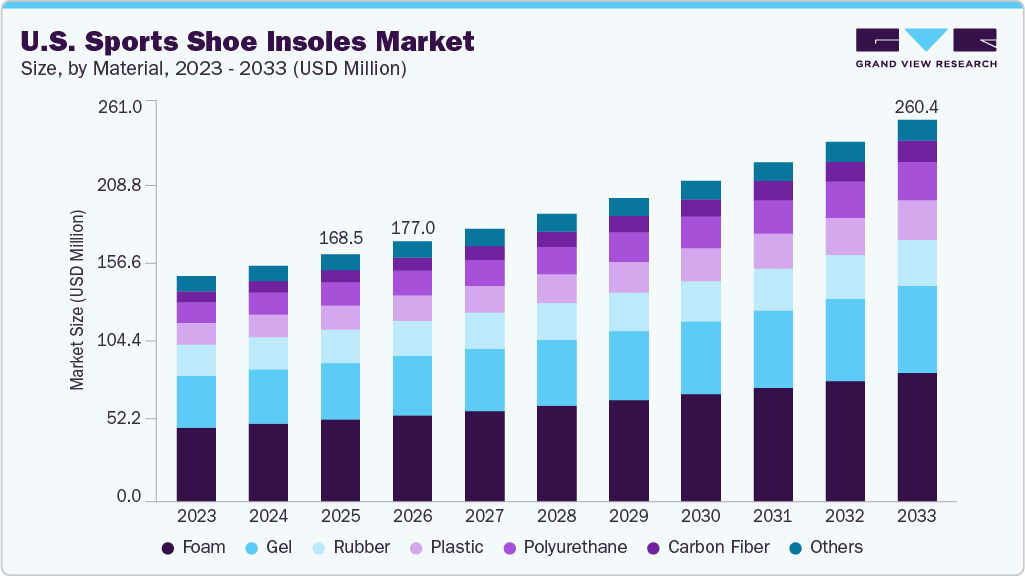
The rising incidence of sports-related injuries and foot conditions is another critical growth driver across the orthotics market. Conditions such as plantar fasciitis, flat feet, heel pain, and overpronation are becoming increasingly common among both athletes and casual fitness participants. These issues are often linked to repetitive stress, improper footwear support, and high-impact activities such as running and training. As a result, consumers are actively seeking corrective and orthopedic insoles that provide arch support, pressure redistribution, and injury prevention. This demand extends beyond professional athletes to everyday users who experience discomfort from prolonged standing or walking, expanding the addressable market. Medical recommendations from podiatrists and physiotherapists further reinforce the adoption of insoles, positioning them as both preventive and therapeutic solutions.
Growing consumer awareness of foot biomechanics and posture alignment is also influencing purchasing decisions, particularly among users comparing performance options such as runrepeat insoles. Consumers are becoming more informed about how foot structure affects overall body alignment, including knees, hips, and lower back. This awareness is driving demand for biomechanically engineered insoles designed to correct gait, improve posture, and enhance movement efficiency. Retailers and brands are increasingly offering foot scanning technologies and personalized insole solutions, enabling consumers to select products tailored to their specific needs. This shift toward informed and health-focused purchasing behavior is elevating insoles from generic accessories to specialized performance and wellness products.
The expansion of athleisure and active lifestyles is further increasing the daily use of sports shoes, thereby amplifying the need for insoles across both lifestyle and performance categories, including products such as runrepeat insoles. Sports footwear is now widely used beyond workouts, including for commuting, casual wear, and workplace settings with relaxed dress codes. This extended wear time increases the importance of comfort, durability, and foot support, encouraging consumers to invest in high-quality insoles. The blending of fitness and lifestyle has effectively broadened the frequency of insole use, making them relevant for all-day wear rather than limited to sports activities.
Product innovation in materials and design is playing a key role in market differentiation and consumer adoption within the orthotics market. Manufacturers are introducing advanced materials such as memory foam, gel inserts, EVA (ethylene-vinyl acetate), carbon fiber support structures, and antimicrobial fabrics to enhance comfort, durability, and hygiene. Features such as moisture-wicking, odor control, temperature regulation, and energy return are becoming standard expectations. Additionally, lightweight and breathable designs are gaining traction among performance-focused users, while customizable and trim-to-fit options cater to a broader consumer base. For instance, in March 2026, Superfeet launched the Run Pacer, a new performance insole designed to make advanced running support more accessible to a broader audience. Built with the brand’s SuperRev foam technology, the product delivers enhanced cushioning and energy return, improving responsiveness with each stride. Positioned as an entry-level option, it targets both new and everyday runners seeking better comfort and performance from their existing footwear, while reinforcing the brand’s focus on expanding adoption of performance insoles. These innovations are enabling brands to address both performance and everyday comfort needs, driving repeat purchases and premiumization within the U.S. sports shoe insoles industry.
The growth of e-commerce and direct-to-consumer (DTC) brands is significantly improving market accessibility and consumer engagement, with online platforms frequently featuring comparisons and reviews of products such as runrepeat insoles. Online platforms allow consumers to easily compare products, read reviews, and access detailed information about features and benefits. DTC brands are leveraging digital channels to offer personalized recommendations, subscription models, and targeted marketing based on activity type or foot condition. This shift is particularly appealing to younger consumers who prefer convenience and customization. Additionally, digital content around fitness, injury prevention, and footwear optimization is influencing buying behavior, further accelerating online sales and supporting continuous product innovation in the market.
Brand Market Share Insights
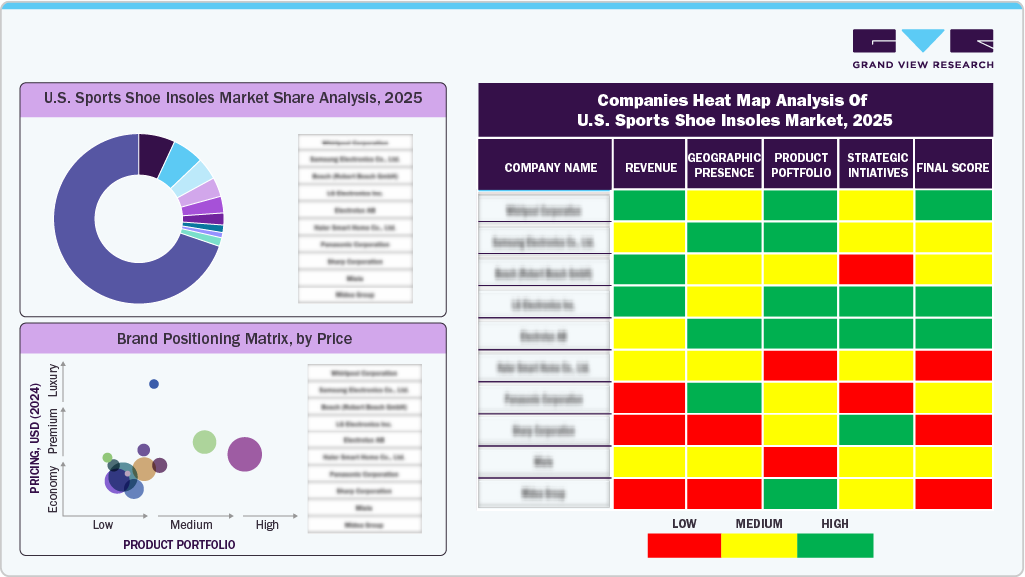
The U.S. sports shoe insoles market is highly competitive, driven by demand for performance, comfort, and foot health support. Manufacturers focus on cushioning, arch support, shock absorption, and moisture control, as well as condition-specific solutions for issues such as plantar fasciitis and flat feet. Wide availability across retail and e-commerce platforms ensures strong accessibility, with key brands such as Dr. Scholl’s, Superfeet, and Spenco maintaining a strong presence. Digital marketing, fitness-led content, and rising awareness of biomechanics are influencing purchasing decisions, while the growth of athleisure and active lifestyles is increasing daily sports shoe usage, supporting sustained demand and ongoing product innovation.
Consumer Behavioral Analysis
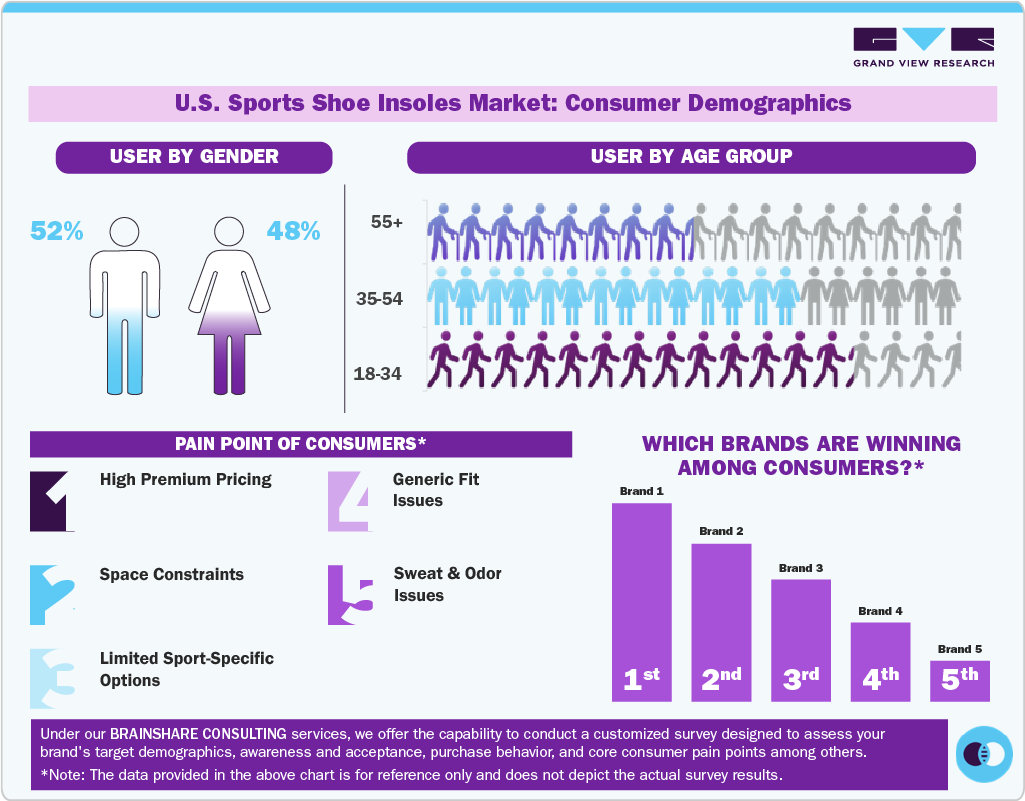
The U.S. sports shoe insoles industry is undergoing a notable shift in its consumer demographic profile, driven by increasing participation from younger, fitness-oriented age groups. While individuals aged 35-50 continue to represent a significant share due to a higher incidence of foot pain and orthopedic needs, Millennials and Gen Z consumers are rapidly emerging as key demand drivers. These younger groups are highly engaged in running, gym training, and recreational sports, and are more inclined to invest in performance-enhancing accessories. Their purchasing behavior is influenced by comfort, injury prevention, and performance optimization, positioning insoles as an integral part of their overall fitness and lifestyle routine rather than a reactive medical purchase.
There is a growing consumer preference for insoles made from sustainable, skin-safe materials, reflecting heightened awareness of both environmental impact and personal health. Consumers are increasingly seeking products made from recycled foams, bio-based polymers, and non-toxic, hypoallergenic materials. This shift is encouraging manufacturers to develop insoles that combine performance benefits with sustainability credentials, such as reduced material waste and eco-friendly production processes. The trend aligns with broader consumer expectations in the U.S. toward responsible consumption, where buyers are willing to choose products that deliver both functionality and environmental value.
As awareness of foot biomechanics and long-term joint health increases, consumers are increasingly opting for advanced, specialized insole solutions over generic options. There is a rising demand for products that offer targeted support features such as arch correction, heel stabilization, and pressure distribution. Additionally, consumers are increasingly opting for technologically enhanced insoles, including those made with high-performance composites, gel-based cushioning systems, and energy-return foams. Similar to the shift away from traditional materials in other consumer goods categories, this trend reflects a preference for solutions that combine durability, performance, and long-term comfort while addressing both athletic and everyday wear needs.
Material Insights
The foam sports shoe insoles accounted for a 33.0% revenue share of the U.S. sports shoe insoles industry in 2025, driven by their lightweight structure, cost-effectiveness, and versatile performance across a wide range of physical activities. Materials such as EVA (ethylene-vinyl acetate) and polyurethane are widely preferred for their ability to provide effective cushioning, shock absorption, and pressure distribution, making them suitable for running, training, and everyday use. These insoles offer durability under repeated impact and retain their shape over time, ensuring consistent support with minimal wear. Additionally, advancements in foam engineering have enabled the development of high-resilience and energy-return variants, as well as breathable, moisture-wicking designs, enhancing overall comfort and usability.
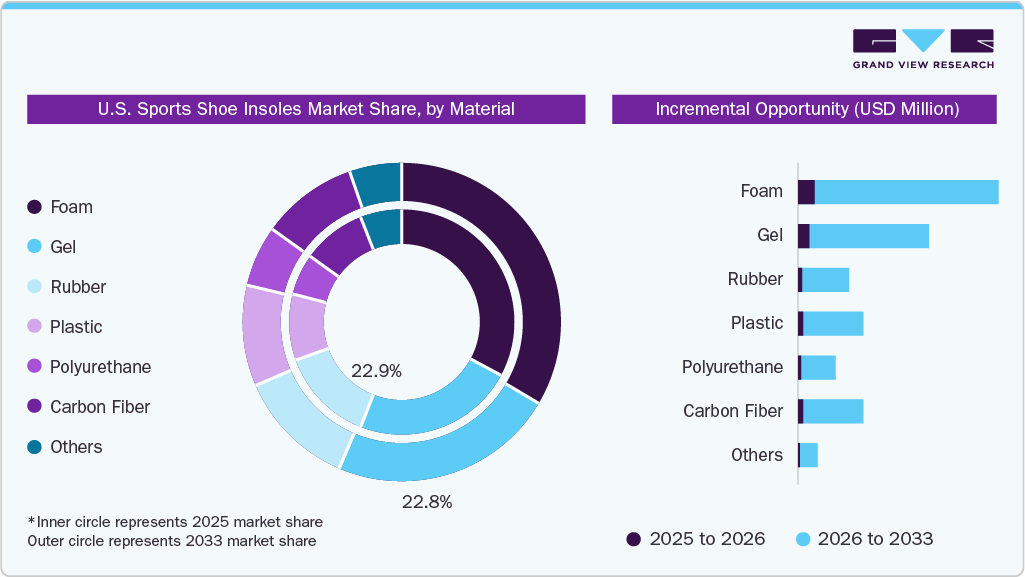
Carbon fiber sports shoe insoles are expected to grow at a CAGR of 7.0% from 2026 to 2033, driven by rising consumer demand for premium, high-performance materials that enhance both durability and athletic performance. Carbon fiber insoles offer a superior strength-to-weight ratio, providing enhanced energy return, stability, and propulsion, making them particularly attractive for runners and high-intensity training users. Their rigid yet lightweight structure helps improve foot alignment and reduce fatigue during prolonged activity, positioning them as a performance-focused upgrade over traditional materials. Additionally, the growing adoption of advanced sports gear among serious fitness enthusiasts and athletes is supporting demand for carbon fiber-based insoles.
Type Insights
Full-length sports shoe insoles accounted for a 86.5% revenue share of the U.S. sports shoe insoles market in 2025, driven by their comprehensive foot coverage, widespread availability, and strong consumer preference for all-day comfort and support. These insoles are designed to provide uniform cushioning, arch support, and pressure distribution across the entire foot, making them suitable for a wide range of activities, including running, training, and daily wear. Their compatibility with most sports footwear types further supports high adoption among both athletes and casual users. Additionally, full-length insoles are widely available at sporting goods stores, pharmacies, and e-commerce platforms, with established brands such as Dr. Scholl’s, Superfeet, and Spenco offering diverse options at various price points.
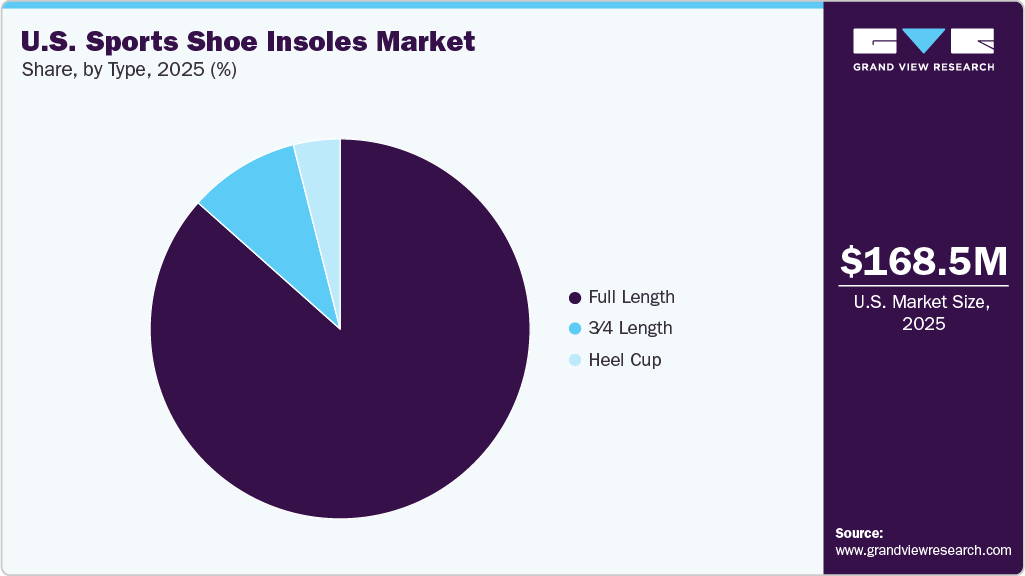
3/4 Length sports shoe insoles are expected to grow at a CAGR of 5.3% from 2026 to 2033. These insoles are particularly favored for shoes with limited internal space, such as cleats, casual sneakers, and certain training shoes, as they provide targeted arch and heel support without crowding the toe box. The growing demand for versatile, easy-to-use solutions is driving adoption among both athletes and everyday users who seek comfort without altering shoe fit. Additionally, strong availability across e-commerce platforms is supporting segment growth, allowing consumers to explore multiple brands, compare features, and select products based on specific needs such as arch type or activity level.
End-user Insights
Men’s sports shoe insoles accounted for a 51.5% revenue share of the U.S. sports shoe insoles market in 2025, driven by higher participation in physically intensive activities such as running, gym training, and recreational sports among male consumers. Men are more likely to engage in high-impact workouts and endurance sports, increasing the need for insoles that provide enhanced cushioning, shock absorption, and arch support. Additionally, the prevalence of foot-related issues, such as plantar fasciitis and heel pain, among active male populations is driving the adoption of performance and orthopedic insoles. The segment also benefits from strong product availability across sporting goods retailers and online platforms, with brands offering activity-specific and condition-based solutions tailored to men’s footwear.
The demand for sports shoe insoles among women is expected to grow at a CAGR of 5.9% from 2026 to 2033, driven by increasing participation of women in fitness activities such as running, gym training, yoga, and athleisure-based lifestyles. Women are increasingly prioritizing comfort, foot health, and injury prevention, leading to higher adoption of insoles that offer arch support, cushioning, and pressure relief tailored to female foot anatomy. The growing use of sports footwear for daily wear, including work and casual settings, is further expanding the need for insoles that provide all-day comfort. Additionally, rising awareness of issues such as plantar fasciitis, flat feet, and posture alignment is encouraging demand for specialized and ergonomic insole solutions.
Key U.S. Sports Shoe Insoles Companies:
- Bauerfeind AG
- Spenco Medical Corporation
- Superfeet Worldwide, Inc
- FootBalance System Ltd.
- CURREX
- Sidas
- Profoot Inc
- Yonex Co., Ltd
- PowerStep
- Aetrex Inc.
- Decathlon (Aptonia)
- Li Ning (China) Sports Goods Co., Ltd
- Scholl’s Wellness Co.
- New Balance Athletics, Inc.
- Sof Sole
Recent Developments
-
In March 2026, CURREX launched the BasketballPro insole, designed specifically for high-intensity court sports requiring rapid movement and stability. The product focuses on delivering enhanced energy return, targeted cushioning, and improved grip to support explosive actions such as jumps, pivots, and quick directional changes. With features designed to reduce foot fatigue and improve control during play, the launch reflects the brand’s strategy to offer sport-specific performance solutions tailored to the demands of modern athletes.
-
In August 2025, ARRIS Composites expanded the retail availability of its carbon fiber-based AXA Super Insoles, making them accessible through the Army & Air Force Exchange Service and select sporting goods retailers. The product leverages advanced carbon-fiber plate technology, combined with responsive foam, to deliver improved energy return, reduced fatigue, and enhanced stability for everyday use. Originally inspired by performance “super shoes,” the insoles are positioned to serve a broader audience, including athletes, professionals, and military personnel, while reflecting the company’s focus on bringing high-performance material innovation into daily footwear.
U.S. Sports Shoe Insoles Market Report Scope
Report Attribute
Details
Market size value in 2026
USD 177.0 million
Revenue forecast in 2033
USD 260.4 million
Growth rate
CAGR of 5.7% from 2026 to 2033
Actuals
2021 - 2025
Forecast period
2026 - 2033
Quantitative units
Revenue in USD million, volume in thousand units and CAGR from 2026 to 2033
Report coverage
Revenue forecast, volume forecast, company ranking, competitive landscape, growth factors, and trends
Segments covered
Material, type, end-user
Country scope
U.S.
Key companies profiled
Bauerfeind AG; Spenco Medical Corporation; Superfeet; Worldwide, Inc.; FootBalance System Ltd.; CURREX; Sidas; Profoot Inc; Yonex Co., Ltd; PowerStep; Aetrex Inc.; Decathlon (Aptonia); Li Ning (China) Sports Goods Co., Ltd; Scholl’s Wellness Co.; New Balance Athletics, Inc.; Sof Sole
Customization
Free report customization (equivalent up to 8 analysts working days) with purchase. Addition or alteration to country, regional & segment scope.
Pricing and purchase options
Avail customized purchase options to meet your exact research needs. Explore purchase options
U.S. Sports Shoe Insoles Market Report Segmentation
This report forecasts volume & revenue growth at the country level and provides an analysis of the latest industry trends and opportunities in each of the sub-segments from 2021 to 2033. For this study, Grand View Research has segmented the U.S. sports shoe insoles market report by material, type, and end-user:
-
Material Outlook (Volume, Thousand Units; Revenue, USD Million, 2021 - 2033)
-
Foam
-
Gel
-
Rubber
-
Plastic
-
Carbon Fiber
-
Polyurethane
-
Others
-
-
Type Outlook (Volume, Thousand Units; Revenue, USD Million, 2021 - 2033)
-
Full Length
-
3/4 Length
-
Heel Cup
-
-
End-user Outlook (Volume, Thousand Units; Revenue, USD Million, 2021 - 2033)
-
Men
-
Women
-
Frequently Asked Questions About This Report
b. The U.S. sports shoe insoles market size was estimated at USD 168.5 million in 2025 and is expected to reach USD 177.0 million in 2026.
b. The U.S. sports shoe insoles market is expected to grow at a compound annual growth rate of 5.7% from 2026 to 2023 to reach USD 260.4 million by 2033.
b. The foam sports shoe insoles accounted for a revenue share of 33.0% of the U.S. sports shoe insoles market in 2025, due to their lightweight structure, cushioning comfort, and cost-effectiveness for everyday athletic use. Their wide compatibility across running, training, and casual sports footwear further supports high adoption among consumers.
b. Some key players operating in the U.S. sports shoe insoles market include Bauerfeind AG; Spenco Medical Corporation; Superfeet; Worldwide, Inc; FootBalance System Ltd.; CURREX; Sidas; Profoot Inc; Yonex Co., Ltd; PowerStep; Aetrex Inc.; Decathlon (Aptonia); Li Ning (China) Sports Goods Co., Ltd; Scholl’s Wellness Co.; New Balance Athletics, Inc.; Sof Sole
b. The U.S. sports shoe insoles market is driven by rising participation in fitness, running, and sports activities, increasing demand for comfort and performance enhancement. Growing awareness of foot health, higher incidence of conditions such as plantar fasciitis, and availability of specialized and custom-fit insoles are further supporting market growth.


Share this report with your colleague or friend.
Need a Tailored Report?
Customize this report to your needs — add regions, segments, or data points, with 20% free customization.


ISO 9001:2015 & 27001:2022 Certified
We are GDPR and CCPA compliant! Your transaction & personal information is safe and secure. For more details, please read our privacy policy.
Trusted market insights - try a free sample
See how our reports are structured and why industry leaders rely on Grand View Research. Get a free sample or ask us to tailor this report to your needs.













