
- Home
- »
- Medical Devices
- »
-
Biologics Contract Research Organizations Market Report, 2033GVR Report cover

Biologics Contract Research Organizations Market (2026 - 2033) Size, Share & Trends Analysis Report By Type (Drug Discovery, Pre-clinical, And Clinical), By Product (Vaccines, Cell & Gene Therapies), By Service, By Therapeutic Area, By End Use, By Region, and Segment Forecasts
Market Size, 2023
$14.9BMarket Estimate, 2026
$16.3BMarket Forecast, 2033
$32.3BCAGR, 2024–2033
10.3%Biologics Contract Research Organizations Market Summary
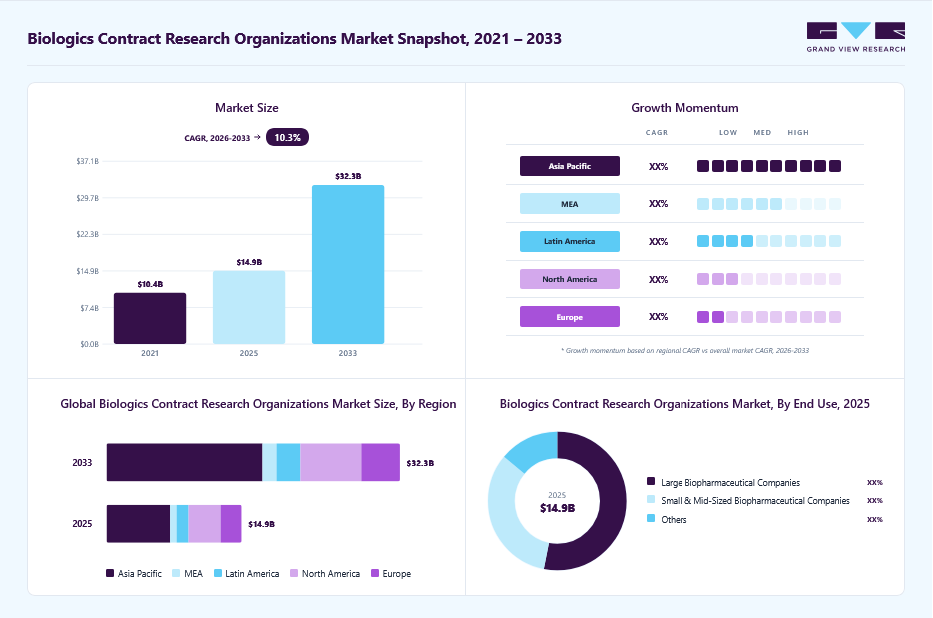
The global biologics contract research organizations market size was estimated at USD 14.88 billion in 2025 and is projected to reach USD 32.30 billion by 2033, growing at a CAGR of 10.3% from 2026 to 2033. The market growth is driven by rising demand for biologics, increasing outsourcing trends among pharmaceutical companies, growing requirements for personalized medicine, and cell & gene therapies.
 Source: Grand View Research, IR Documents, Primary Interviews, Paid DatabasesTo learn more about this report,
 Download Free Sample Report
 Key Market Trends & Insights
- Asia Pacific biologics contract research organizations (CRO) market held the largest share of 47.1% of the global market in 2025.
- The biologics contract research organizations (CRO) in India is expected to grow significantly from 2026 to 2033.
- In 2025, the clinical segment held the largest market share of 75.6% by type.
- Based on product, monoclonal antibodies (mAbs) segment held the largest share in 2025.
- In 2025, the clinical monitoring segment emerged as a leading service category.
Market Size & Forecast
- 2025 Market Size: USD 14.88 Billion
- 2033 Projected Market Size: USD 32.30 Billion
- CAGR (2026-2033): 10.3%
- Asia Pacific: Fastest growing market
Three ways to get this report
Buy it, customize it, or ask a question.Ask an Analyst
Analyst response in 1 business day
- AccessReport author, directly
- Reply timeWithin 1 working day
- No sales callDirect answer only
- FormatEmail reply
- CostFree, no cost
Get the Full Report
What the study covers
- FormatsPDF · Excel · Dashboard
- Timeline2024–2033 annual, 2023 base
- Coverage20+ countries, 5 regions
- Companies10+ key players profiled
Customize the Report
20% free customization
- IncludeCountries, segments, points
- TailorTo your product definition
- ExtendDeeper competitor detail
- OrA fully bespoke study
- Turnaround5–10 working days
In addition, rising technological advancements in clinical trial management and stringent regulatory requirements that underscore the need for specialized CRO expertise among biopharmaceutical companies are expected to drive the market. In the global biologics contract research organizations (CRO) market, the CRO are experiencing growing demand for biologics, including monoclonal antibodies, vaccines, and cell & gene therapies. Most of these complex molecules require specialized research, clinical trials, and regulatory expertise that many pharmaceutical companies lack in-house. Thus, these factors have led to a growing need for CRO services, as they offer biologics-focused trial design, bioanalytical testing, and manufacturing support, further accelerating development timelines, reducing costs, and ensuring high-quality data, making them indispensable partners for sponsors navigating the expanding biologics pipeline. This trend is emerging in the therapies, where CROs’ specialized knowledge and infrastructure are critical for successful clinical outcomes.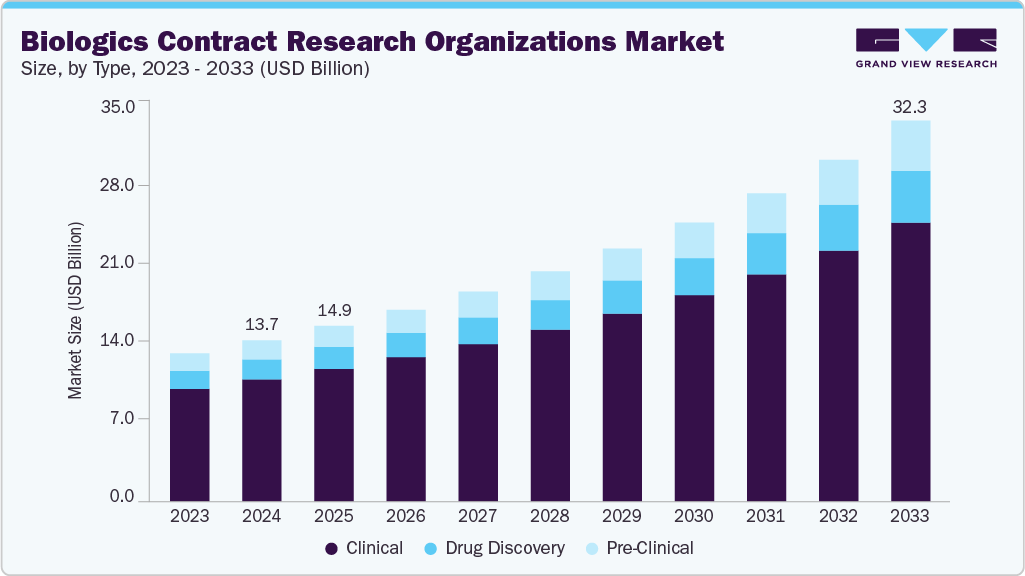 To learn more about this report, Download Free Sample Report
 In addition, increasing adoption of artificial intelligence (AI) and machine learning (ML) in drug development is driving efficiency gains across biologics CRO operations. AI-enabled tools are improving clinical trial design, patient monitoring, regulatory documentation, and data management, reducing cycle times by approximately 18% on average. Moreover, time savings in patient monitoring and in regulatory documentation processes are enhancing trial execution efficiency. In addition, regulatory support for AI integration, particularly in biologics submissions, is accelerating adoption across CROs. Furthermore, rising investment in AI-enabled platforms is enabling faster decision-making, optimized resource utilization, and improved trial outcomes, thereby increasing outsourcing demand for advanced biologics CRO services.
Moreover, other factors contributing to market growth include rising technological advancements in clinical trial management, which are transforming the operations within biologics CROs. Integrating AI, machine learning, and data analytics further enables faster patient recruitment, predictive modeling, and real-time monitoring of clinical trial data. Furthermore, digital platforms, electronic data capture (EDC), and decentralized trial solutions further enhance efficiency, transparency, and compliance, which are expected to drive market growth. Automation and advanced bioinformatics further streamline data handling for complex biologics studies. These technologies support reducing errors, improving decision-making, and accelerating trial timelines. Thus, as biological research becomes increasingly data-intensive, most CROs opt for technology-driven solutions to manage complexity, optimize trial outcomes, and support sponsors in bringing innovative therapies to market faster.
Opportunity Analysis
The biologics CRO market presents significant growth opportunities driven by increasing demand for complex biologic therapies, including monoclonal antibodies, gene therapies, and cell therapies. Rising prevalence of chronic and rare diseases, coupled with the pharmaceutical industry’s shift toward biologics, is expected to drive the outsourcing needs for specialized preclinical, clinical , and regulatory services. Moreover, technological advancements such as AI-driven analytics, high-throughput screening, biomarker integration, and advanced manufacturing are expected to create new growth opportunities for CROs, enabling them to offer differentiated, value-added services. Expanding into emerging markets with growing healthcare infrastructure allows access to larger patient populations for clinical trials. In addition, collaborations with academic institutions and biotech startups enable early-stage development partnerships. Strategic adoption of flexible pricing models and service diversification further enhances revenue potential in the market. Thus, CROs that leverage innovation, regulatory expertise, and global presence can capture substantial market share and support faster, more efficient biologic drug development.
Impact of U.S. Tariffs on Biologics Contract Research Organizations (CRO) Market
Imposing tariffs on imported goods can influence the global biologics CRO market due to increasing operational costs for CROs relying on raw materials, lab equipment, and biologic reagents from affected countries. Besides, import expenses may be passed to clients, affecting project budgets and timelines for multinational pharmaceutical companies conducting preclinical and clinical trials. Moreover, tariffs disrupted supply chains, leading to delays in procuring specialized biologics, lab consumables, and equipment critical for advanced therapies such as gene & cell therapies. Some CROs may respond by localizing production or sourcing from alternative regions, which can further increase operational complexity. The 2026 U.S. tariffs on patented pharmaceuticals and biologics are increasing cost pressures across global supply chains, encouraging biopharma companies to shift toward domestic development and manufacturing. This transition is increasing demand for U.S.-based biologics CRO services, while also creating pricing, sourcing, and partnership adjustments for international CRO providers.
Furthermore, tariff-related uncertainty can impact investment decisions, slowing the expansion of new facilities or the adoption of technology. While U.S. tariffs create short-term cost pressures and supply chain challenges, strategic mitigation and diversified sourcing allow leading biologics CROs to maintain service continuity and minimize disruptions for global clients.
Technological Advancements
 To learn more about this report, Download Free Sample Report
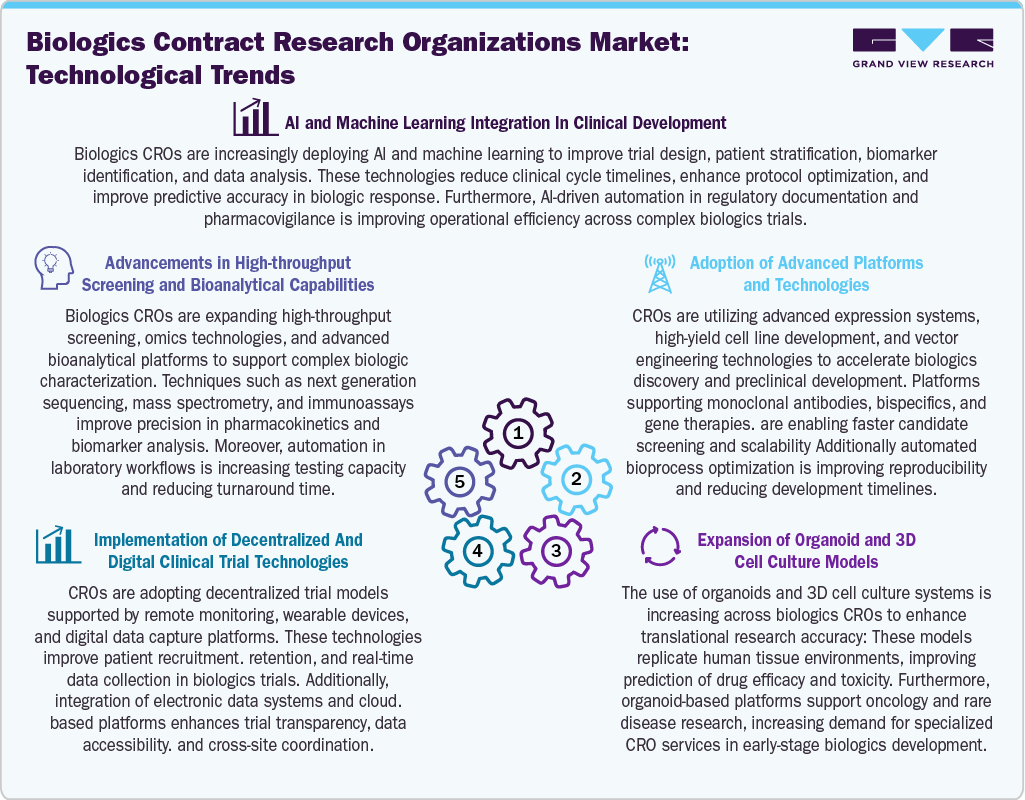
 Biologics CROs are advancing through the integration of AI and ML in clinical development, improving trial design, patient stratification, and regulatory documentation efficiency, leading to reduced cycle timelines. In addition, adoption of advanced cell line development, vector engineering, and monoclonal antibody platforms is accelerating biologics discovery and scalability. The use of organoid and 3D cell culture systems is increasing translational accuracy in oncology and rare disease research, improving early-stage success rates.
Furthermore, decentralized clinical trial technologies, including remote monitoring and digital data capture, are enhancing patient recruitment and real-time data accessibility. CROs are also expanding high-throughput screening, next-generation sequencing, and bioanalytical capabilities to support complex biologic characterization. Automation across laboratory and data workflows is improving reproducibility, reducing turnaround time, and increasing overall operational efficiency, thereby strengthening service capabilities and driving growth in the market.
Pricing Model Analysis
 To learn more about this report, Download Free Sample Report
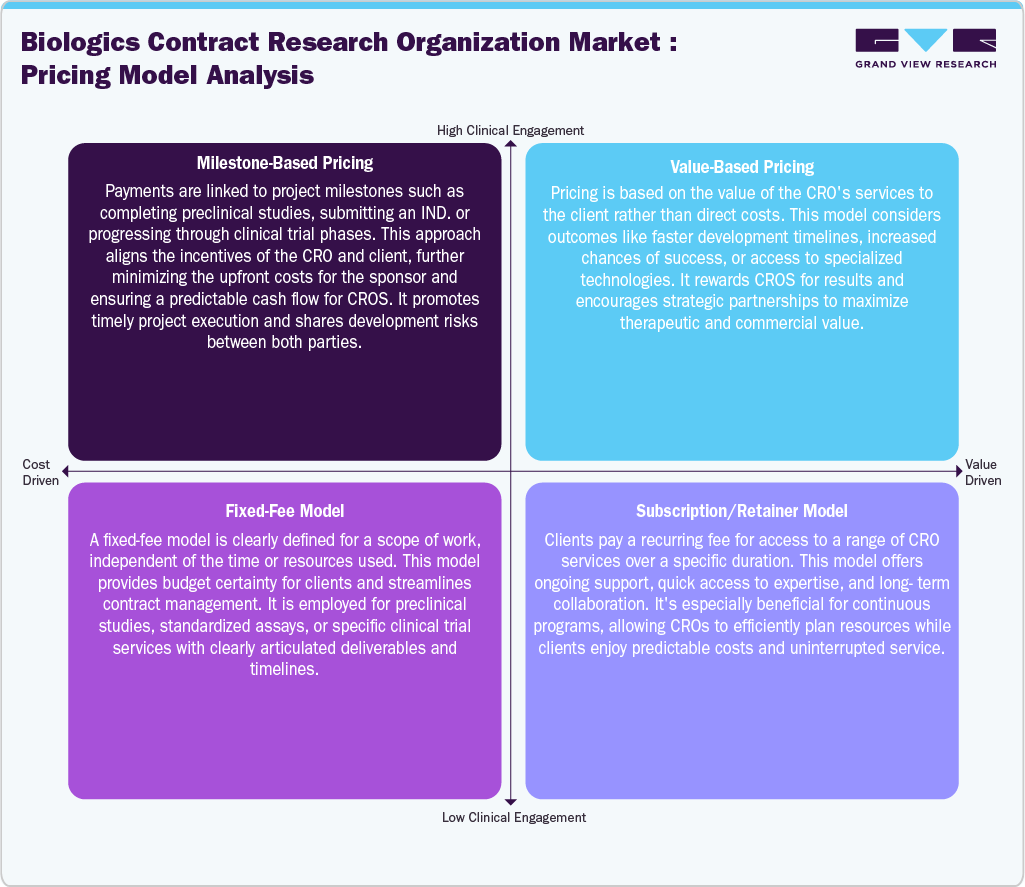
 Biologics CROs utilize various pricing models according to client requirements and project outcomes. Milestone-based pricing connects payments to project milestones, such as the completion of preclinical studies or stages of clinical trials, timely execution & sharing the risk of development. In addition, the value-based pricing charges clients based on the service's benefits, which may include development timelines, increased success rates, or access to specialized technology, encouraging CROs to deliver exceptional results.
The fixed-fee model sets a cost for a well-defined scope of work, providing budget predictability & simplifying contract management for standardized assays or preclinical studies. Moreover, the subscription models involve ongoing fees for continuous access to CRO services, facilitating long-term collaboration, sustained support, and rapid resource deployment. These pricing strategies offer flexibility, align incentives, and strengthen strategic partnerships between CROs and pharmaceutical or biotech companies.
Market Dynamics
The growing trend of outsourcing among pharmaceutical and biotechnology companies is a major growth driver for the biologics CRO market. Biologics development involves highly complex processes, extensive clinical evaluations, advanced analytical testing, and stringent regulatory requirements, prompting companies to increasingly partner with specialized CROs to enhance development efficiency and reduce operational burdens. Outsourcing enables pharmaceutical firms to access advanced scientific expertise, sophisticated research infrastructure, and global clinical trial capabilities without making substantial capital investments in in-house facilities.
In addition, growing pressure to accelerate drug development timelines, optimize R&D expenditures, and improve success rates for biologics pipelines is significantly boosting reliance on CRO partnerships. The rising number of monoclonal antibodies, biosimilars, recombinant proteins, and cell & gene therapy candidates entering clinical development is further increasing demand for outsourced preclinical, clinical, bioanalytical, and regulatory support services. Moreover, CROs offer flexible, scalable service models, enabling pharmaceutical companies to efficiently manage fluctuating project volumes and clinical trial programs. Thus, the growing focus on innovation, coupled with increasing competition in the biopharmaceutical industry, is expected to strengthen outsourcing adoption, further fueling the biologics CRO market.
Stringent regulatory requirements and compliance challenges across global markets are acting as significant restraining factors for the biologics CRO market. Biologics development is subject to highly complex regulatory frameworks due to the sensitive nature of biologic products, including monoclonal antibodies, vaccines, biosimilars, and cell & gene therapies. Regulatory authorities such as the U.S. Food and Drug Administration and the European Medicines Agency impose rigorous standards for clinical trial approvals, product safety, manufacturing quality, documentation, and pharmacovigilance.
Moreover, frequent updates in regulatory guidelines and varying approval requirements across different countries create operational complexities for CROs and pharmaceutical companies. Maintaining compliance with Good Clinical Practice (GCP), Good Laboratory Practice (GLP), and data integrity standards significantly increases operational costs and prolongs development timelines. In addition, non-compliance risks, regulatory delays, and inspection failures can lead to project disruptions, financial losses, and delayed product commercialization. These challenges are particularly impactful for small and mid-sized biotechnology companies with limited regulatory expertise and financial resources, thereby restricting overall market growth.
Market Concentration & Characteristics
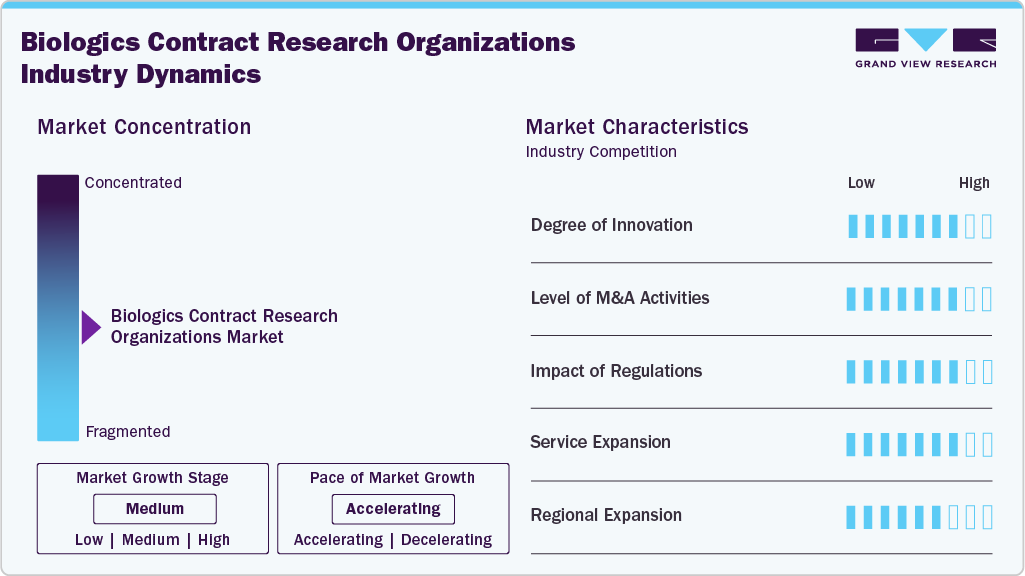
The biologics contract research organizations (CRO) industry growth stage is moderate, and growth is accelerating. The market is characterized by the degree of innovation, level of M&A activities, regulatory impact, service expansion, and regional expansion.
 To learn more about this report, Download Free Sample Report
 -
Degree of Innovation: The adoption of innovative technologies, including gene and cell therapies, monoclonal antibodies, advanced biomarker analytics, novel therapeutic modalities, high-throughput preclinical screening, and personalized medicine approaches, enables faster, more efficient drug development. For instance, in March 2026, SBH Sciences launched a translational kidney disease platform using biomarker-driven models, enhancing preclinical accuracy, increasing demand for specialized biologics CRO services in complex disease research. CROs support clients who address complex diseases and unmet medical needs while maintaining a competitive edge in the rapidly evolving biologics landscape.
-
Impact of Regulations: Stringent global regulatory frameworks for biologics covering safety, efficacy, and quality significantly influence CRO operations. Compliance with evolving and regional guidelines is crucial for trial approvals, maintaining clinical data integrity, and facilitating product commercialization.
-
Level of M&A Activities: Mergers and acquisitions are transforming the market as companies seek to broaden their service portfolios, access specialized technologies, and expand their geographic reach. Strategic acquisitions enable CROs to integrate advanced capabilities, such as gene and cell therapy, biomarker analytics, and regulatory consulting, thereby enhancing their end-to-end offerings. For instance, in April 2025, ERBC partnered with Menarini Biotech to streamline early-stage biologics development. This increases demand for integrated CRO services, accelerating preclinical-to-clinical transitions and outsourcing adoption. Thus, rising demand for biologics and consolidation trends are driving a robust M&A landscape, which is expected to drive market growth.
-
Service Expansion: CROs are broadening their offerings beyond traditional preclinical and clinical testing to include cell and gene therapy support, advanced analytics, biomarker development, manufacturing assistance, and regulatory consulting. This expansion enables end-to-end solutions, attracts a broader client base, and responds to evolving industry demands, thereby strengthening their market position.
-
Regional Expansion: CROs are increasingly extending operations across emerging markets and supporting multinational clinical trials. Expansion into North America, Europe, and the Asia Pacific enables patient recruitment, access to specialized research infrastructure, and regulatory expertise.
Type Insights
The clinical segment held the largest revenue share of 75.6% in 2025, driven by the growing complexity of biologics development, including monoclonal antibodies, cell and gene therapies, and biosimilars. Besides, the rising complexity of clinical trials. Besides, the rising complexity of trials has led to an increasing outsourcing of clinical trials to specialized CROs to accelerate development timelines, reduce costs, and ensure regulatory compliance. Moreover, the growing demand for advanced trial design, patient recruitment, and the generation of real-world evidence is expected to support market growth. Moreover, integrating digital technologies and CROs partnering with organizations is expected to drive biologics innovation and market entry.
The pre-clinical segment is the fastest-growing area within the market from 2026 to 2033, driven by increasing investment in the development of early-stage biologics, including monoclonal antibodies, vaccines, and cell and gene therapies. Most pharmaceutical and biotechnology companies outsource pre-clinical activities to CROs and specialized CROs to access advanced laboratory infrastructure, skilled scientific expertise, and regulatory-compliant testing protocols. In addition, the rising integration of high-throughput screening, in vitro and in vivo models, and AI-driven predictive analytics is further fueling the global expansion of the pre-clinical segment. Furthermore, the need for efficient toxicology, pharmacokinetics, and efficacy studies to accelerate drug development timelines supports the growth of this segment. Such factors are expected to drive market growth.
Product Insights
Monoclonal antibodies (mAbs) segment held the largest revenue share in 2025, due to the growing number of clinical trials and expanding pipeline of therapeutic mAbs for oncology, autoimmune, and infectious diseases. Besides, most biopharmaceutical companies increasingly outsource development to CROs to access specialized expertise in antibody engineering, characterization, and clinical trial execution. In addition, rising regulatory complexities and rising demand for faster market entry are further driving outsourcing. In addition, advancements in high-throughput screening, Fc engineering, and biosimilar development are enhancing mAb innovation. These factors are expected to drive the mAbs segment within biologics CRO services.
Cell & gene therapies (CGT) segment is expected to witness the fastest growth from 2026 to 2033, driven by the growing development of personalized therapies for rare diseases, oncology, and genetic disorders. Besides, most of the biopharmaceutical companies outsource CGT research to CROs for specialized capabilities in vector design, cell processing, preclinical models, and clinical trial management. In addition, some other factors contributing to segment growth are growing need for faster product approvals, rising regulatory compliance, and increased focus on efficiency and scalability, which are expected to drive the market growth. For instance, in May 2024, NMDP BioTherapies announced that CIBMTR CRO Services now provides an accelerated clinical site selection and activation service, enabling faster enrollment for CGT trials. Utilizing insights from its database of over 675,000 patient clinical outcomes, CIBMTR can efficiently identify, evaluate, and select transplant centers based on factors such as patient demographics, diversity, and ongoing competing trials. Thus, growing strategic initiatives are expected to drive the segment growth.
Service Insights
Clinical monitoring segment held the largest revenue share in 2025, due to the growing focus on safety, efficacy, and regulatory compliance of biologic therapies during clinical trials. Outsourcing to CROs has been driven by cost efficiency, increasing complexity of biologics, and specialized expertise. Moreover, most CROs offer site monitoring, patient safety oversight, data verification, and protocol adherence checks to ensure high-quality trial outcomes, thereby further contributing to segment growth. Moreover, growing adoption of advanced technologies is expected to enhance efficiency and accuracy. Thus, rising outsourcing trends and stringent regulatory requirements are expected to drive segment growth over the estimated period.
The regulatory and medical affairs segment is expected to witness the fastest growth over the forecast period, driven by rising R&D, clinical trial applications, approval pathways, and expanding drug pipelines, including monoclonal antibodies, cell and gene therapies, and biosimilars. The growing need to navigate global regulatory requirements, prepare submissions, and ensure compliance throughout preclinical and clinical stages is fueling outsourcing requirements. In addition, CROs provide scientific strategies, protocol design input, safety reporting, and dissemination of clinical evidence to support approvals and market access. Thus, such factors are expected to drive the market growth over the estimated period.
Therapeutic Area Insights
Oncology segment represented the largest revenue share in 2025, driven by the rising global prevalence of cancer and the urgent need for targeted cancer therapies, including monoclonal antibodies, immune-oncology agents, and cell and gene therapies. Most CROs increasingly focus on innovating oncology biologics development across preclinical and clinical stages, offering services such as trial design, patient recruitment, site monitoring, bioanalytical testing, and regulatory compliance. Moreover, the rising complexity of oncology trials, the growing need for personalized medicine approaches, and the increasing pace of approvals are fueling market growth.
The infectious diseases segment is projected to grow at the fastest rate during the forecast period, due to the rising global burden of viral and bacterial diseases, increasing vaccine and biologic drug development activities, and continued investment in pandemic preparedness programs. The growing number of clinical trials for monoclonal antibodies, recombinant vaccines, and nucleic acid-based therapeutics targeting infectious diseases has significantly increased outsourcing demand for clinical research, regulatory support, and laboratory testing services. In addition, government funding, rapid biologics development timelines, and increasing collaborations between biopharmaceutical companies and CROs for infectious disease therapeutics and vaccine development continue to support segment dominance in the market.
End Use Insights
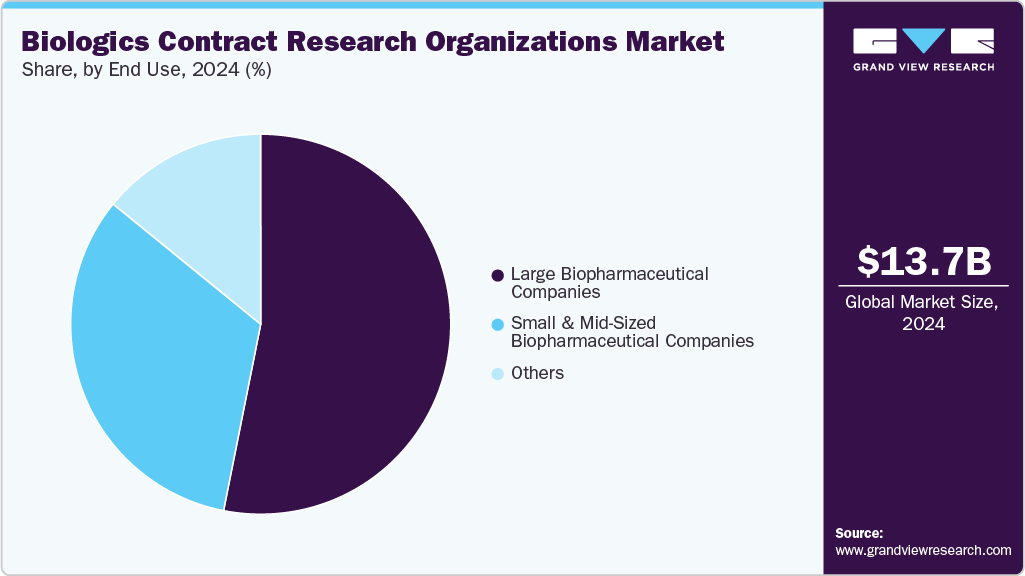
The large biopharmaceutical companies segment accounted for the largest share in 2025, driven by the growing complexity and specialization required for biologics drug development. Biologics, including monoclonal antibodies, gene therapies, and cell therapies, are expected to drive the demand for advanced preclinical models, specialized clinical trial management, and regulatory expertise, as many biopharma companies lack in-house expertise. Besides, outsourcing to CROs accelerates timelines, reduces development costs, and provides access to innovative technologies such as high-throughput screening, specialized knowledge, biomarker analytics, and neuroimaging for CNS drugs. In addition, rising investment in innovative therapies and personalized medicine is driving biopharmaceutical companies to rely increasingly on biologics CROs to bring products to market efficiently.
 To learn more about this report, Download Free Sample Report
 The small and mid-sized biopharmaceutical companies segment is projected to grow at the fastest CAGR over the forecast period. Small and mid-sized biopharmaceutical companies have increasing requirements for CRO services, as most companies lack extensive in-house infrastructure. These firms rely heavily on CROs for end-to-end support in discovery, preclinical studies, clinical trials, and regulatory compliance. CRO partnerships enable them to access advanced technologies, specialized expertise, and global trial networks without significant capital investments. By outsourcing biologics-focused CROs, these companies can accelerate innovation, manage costs efficiently, and compete effectively with larger players, driving faster development of novel biologics and emerging therapeutic modalities.
Regional Insights
North America biologics contract research organizations (CRO) market is expected to grow over the forecast period. This growth is attributed to increasing biopharmaceutical R&D activities, the growing presence of leading pharmaceutical & biotechnology companies, the expanding clinical trial landscape, and rising demand for biologics, including monoclonal antibodies, vaccines, and cell and gene therapies. In addition, shifting trends towards outsourcing, favorable regulatory frameworks, advanced infrastructure, and increased adoption of innovative technologies are reducing operational costs and accelerating development timelines.
Moreover, the market is expected to witness new growth opportunities in the region, driven by the growing demand for biologics to treat chronic and rare diseases, the rising adoption of targeted therapies, and advancements in biotechnology. Furthermore, the increasing development and commercialization of innovative biologic treatments are expected to drive market growth over the estimated time period.
U.S. Biologics Contract Research Organizations (CRO) Market Trends
The biologics contract research organizations (CRO) in market U.S. accounted for the largest market share in the North America, owing to increasing biologics development, rising demand for biosimilars, and the shift toward outsourced R&D to enhance efficiency and reduce costs. In addition, most CROs are expanding their biologics capabilities to include cell and gene therapies, monoclonal antibodies, and antibody-drug conjugates. For instance, in April 2026, Samsung Biologics acquired a manufacturing facility in Maryland from GSK, expanding U.S. capacity, enhancing global biologics supply resilience and supports increased availability of advanced therapeutics across pharmaceutical and animal health markets. Such strategic acquisitions, regulatory compliance support, and technological innovations across the U.S. clinical development further contribute to market growth.
Canada biologics contract research organizations (CRO) market is expected to grow at a significant CAGR during the forecast period, driven by increasing investments in biologics R&D, a strong biopharmaceutical ecosystem, and favorable government initiatives promoting innovation in the market. Moreover, the country’s market benefits from advanced research infrastructure, skilled scientific talent, and collaborations with academic institutions. Furthermore, growing focus on regulatory compliance, quality standards, and adoption of digital and data-driven trial technologies is strengthening Canada’s position in the global biologics CRO landscape. Such factors are expected to drive the segment growth.
Europe Biologics Contract Research Organizations (CRO) Market Trends
The biologics contract research organizations (CRO) market in Europe is projected to experience a steady CAGR during the forecast period, driven by expanding biologics pipelines, strong regulatory frameworks, and increasing outsourcing by biopharmaceutical companies to enhance efficiency & reduce development costs. The region is supported by a skilled workforce, advanced clinical research infrastructure, skilled scientific talent, and growing investments in biological innovation. Some key trends driving this market include the use of digital technologies, such as AI and blockchain, which are improving efficiency and patient engagement. Demand for specialized services among CROs, biotech firms, and academic institutions is expected to drive the European market growth over the estimated period.
Germany biologics contract research organizations (CRO) marketheld the highest share in 2025. A robust biopharmaceutical sector, advanced research infrastructure, and stringent regulatory standards drive this market. In addition, the country is witnessing strategic initiatives that is expected to drive segment growth over the estimated period. For instance, in 2026, Simris Biologics GmbH partnered with Nuvisan to evaluate microcystin-based ADC payloads through in-vitro and in-vivo studies. This advances biologics research, supporting future cross-application potential in pharmaceutical innovation. In addition, the growing adoption of digital technologies, real-world evidence, and AI-driven analytics is contributing to market growth.
The biologics contract research organizations (CRO) market in the UKaccounted for the largest share in Europe in 2025. This region's growth is driven by strong government support for life sciences, a robust biotechnology ecosystem, and growing investments in biologics R&D. Besides, increasing expertise in monoclonal antibodies, biosimilars, and advanced therapies such as cell and gene therapies is contributing to the region's growth. In addition, expansion of CROs strengthen the country's position for biologics CRO innovation and excellence. For instance, in February 2026, Fujifilm Biotechnologies expanded its UK facility with a USD 527 million investment, adding large-scale bioreactors and process development capabilities.
Asia Pacific Biologics Contract Research Organizations (CRO) Market Trends
The biologics contract research organizations (CRO) market in the Asia Pacific held the largest revenue share of 47.1% in 2025, driven by rapid biopharmaceutical expansion, cost-effective research capabilities, and favorable government initiatives supporting biotech innovation. In addition, countries such as China, India, Japan, and South Korea are major contributors to advanced clinical research infrastructure, with an increase in preclinical and clinical trials, growing biosimilar development, and strategic collaborations with global pharmaceutical companies, which are accelerating regional as well as global market growth.
China biologics contract research organizations (CRO) market is expected to register substantial growth during the forecast period. The growth is driven by strong government support for biotechnology innovation, rising investments in biologics R&D, and a growing focus on biosimilars and advanced therapies. The country is emerging as a key hub for a large patient pool, a cost-effective research environment, and an improving regulatory framework, making it a preferred destination for global outsourcing. Local CROs are strengthening expertise in monoclonal antibodies, vaccines, and cell and gene therapies, further contributing to market expansion.
The biologics contract research organizations (CRO) market in India is projected to register the fastest CAGR during the forecast period, driven by its strong biopharma industry, cost-efficient research services, and expanding biologics and biosimilar development. The country is emerging as a skilled scientific workforce, with advanced clinical trial infrastructure and a favorable regulatory environment, further attracting global outsourcing partnerships. Increasing investments in monoclonal antibodies, vaccines, and cell-based therapies further drive demand for specialized CRO capabilities to propel market growth.
Latin America Biologics Contract Research Organizations (CRO) Market Trends
The biologics contract research organizations (CRO) market in Latin America is projected to register a significant CAGR during the forecast period, driven by increasing biopharmaceutical investments, expanding clinical trial activities, and a growing focus on innovating biosimilars. The region's diverse patient base, cost advantages, and developing biologics infrastructure attract global pharmaceutical sponsors. Strengthening regulatory reforms and collaborations, along with the adoption of digital technologies and data analytics, are enhancing regional competitiveness in biologics research and development.
Brazil biologics contract research organizations (CRO) market is experiencing robust growth due to expanding biopharmaceutical R&D activities, supportive government policies, and increasing demand for biosimilars and vaccines. In addition, Brazil's robust clinical research infrastructure, skilled workforce, and large patient population further enhance its appeal as a destination for global pharmaceutical companies. Such factors are expected to drive the market growth.
Middle East and AfricaBiologics Contract Research Organizations (CRO) Market Trends
The biologics contract research organizations (CRO) market in the MEA is growing steadily due to increasing investments in biopharmaceutical research, government initiatives supporting healthcare innovation, and growing demand for biologics and biosimilars. Countries such as Saudi Arabia and the UAE are emerging as regional hubs, attracting new collaborations with global CROs and pharmaceutical companies. Major players, including WuXi AppTec, IQVIA, and Syngene International, are expanding their operations in the region. Such factors are expected to drive biopharmaceutical capabilities and resilience.
South Africa Biologics Contract Research Organizations (CRO) Market is expected to be the fastest CAGR during the forecast period, as the country emerges as a key destination for growing biopharmaceutical investments, an expanding clinical trial ecosystem, and government initiatives promoting biotechnology innovations. Strong regulatory frameworks, skilled scientific talent, cost-effective research services, and access to diverse patient populations further drive CRO demand, strengthening South Africa's position in the global biologics CRO market.
Biologics Contract Research Organizations (CRO) market in Saudi Arabia is emerging as a competitive hub, driven by rising biotechnology clinical trials, government funding for advanced therapies, and regulatory support from Saudi Food and Drug Authority. For instance, in February 2026, Saudi Food and Drug Authority reported 83% growth in biotechnology clinical trial applications, increasing demand for outsourcing services, accelerating capacity utilization, trial management, and regional expansion opportunities within the market. In addition, increasing patient access to innovative treatments and expansion of research infrastructure are boosting demand for biologics CRO services. The competitive activity remains emerging, with regional CROs and global players entering through partnerships, technology transfer, and service expansion.
Key Biologics Contract Research Organizations Company Insights
The biologics CRO market is moderately fragmented, with a mix of large global CRO platforms and specialized regional providers. Some of the key players such as Lonza Group AG, WuXi Biologics, Samsung Biologics, Catalent, Inc., and Thermo Fisher Scientific are advancing the market through various strategic initiatives. These firms hold significant shares through integrated service offerings. In addition, mid-sized companies such as Parexel International and IQVIA compete through clinical trial capabilities and global site networks. Strategic collaborations and acquisitions remain key competitive approaches.
Key Biologics Contract Research Organizations Companies:
The following key companies have been profiled for this study on the biologics contract research organizations market.
- Lonza Group AG
- WuXi Biologics / WuXi AppTec
- Samsung Biologics
- Catalent, Inc.
- Fujifilm Diosynth Biotechnologies
- AGC Biologics
- Thermo Fisher Scientific (Patheon)
- Boehringer Ingelheim (BioXcellence)
- Charles River Laboratories
- Parexel International
- IQVIA
- Medpace Holdings, Inc.
- Syngene International
- Eurofins Scientific
- KBI Biopharma
Competitive Benchmarking
Operating Strategies
Competitive Edge
Weaknesses
Mature Player: Lonza Group AG
- Mature pharmaceutical contract manufacturing players focus on expanding global manufacturing networks, enhancing biologics and advanced therapy capabilities, and securing long-term partnerships with innovators.
- Their strategies prioritize capacity expansion, technology integration, regulatory excellence, end-to-end service offerings, and strategic acquisitions to boost scalability and speed up commercialization.
- Mature players have significant competitive advantages due to their extensive global infrastructure, established regulatory compliance expertise, diversified service portfolios, and large-scale manufacturing capabilities.
- Moreover, advanced technology platforms with major pharmaceutical companies position them as preferred outsourcing partners worldwide.
- Mature players encounter challenges such as high operational costs, complex organizational structures, and capacity management issues. Large-scale operations often limit flexibility and slow decision-making relative to smaller rivals.
Emerging Player: Syngene International Limited
- Emerging pharmaceutical contract manufacturing players focus on niche specialization, regional expansion, and flexible service models to strengthen their market presence.
- Through strategic collaborations, technology adoption, and customized manufacturing solutions, these companies enhance capabilities and improve global competitive positioning.
- Emerging players possess greater operational flexibility, quicker decision-making, and competitive pricing strategies when compared to larger manufacturers.
- Their ability to provide customized services, execute projects rapidly, and show specialized expertise in high-growth therapeutic areas makes them attractive to clients.
- Emerging players often contend with smaller manufacturing capacities, limited global presence, and lower financial resources relative to established competitors. Their lack of regulatory experience and reduced capacity for large-scale commercial manufacturing can undermine client confidence in handling complex projects.
Recent Developments
- In April 2026, Samsung Biologics expanded its CRDMO capabilities and showcased integrated CRO services at AACR. Such an initiative enhances early-stage biologics research outsourcing and end-to-end service adoption, supporting expansion of the biologics CRO market globally.
- In in August 2025, ChemPartner expanded with a new R&D center in Boston. These initaitives strengthen localized biologics discovery and preclinical capabilities, increasing outsourcing demand and enhancing collaboration-driven growth in the biologics CRO market.
- In March 2025, Shilpa Biologicals Pvt Ltd partnered with mAbTree Biologics for co-development and clinical advancement of a monoclonal antibody. Such an initaitive increases demand for integrated CRO services including clinical research, supporting biologics CRO market growth.
Biologics Contract Research Organizations Market Report Scope
Report Attribute
Details
Market size value in 2026
USD 16.25 billion
Revenue forecast in 2033
USD 32.30 billion
Growth rate
CAGR of 10.3% from 2026 to 2033
Actual data
2021 - 2025
Forecast period
2026 - 2033
Quantitative units
Revenue in USD million/billion and CAGR from 2026 to 2033
Report coverage
Revenue forecast, company ranking, competitive landscape, growth factors, and trends
Segments covered
Type, product, service, therapeutic area, end use, region
Regional scope
North America; Europe; Asia Pacific; Latin America; MEA
Country scope
U.S.; Canada; Mexico; UK; Germany; France; Italy; Spain; Denmark; Sweden; Norway; Japan; China; India; Thailand; South Korea; Australia; Brazil; Argentina; South Africa; Saudi Arabia; UAE; Kuwait; Oman; Qatar
Key companies profiled
Lonza Group AG; WuXi Biologics / WuXi AppTec; Samsung Biologics; Catalent, Inc.; Fujifilm Diosynth Biotechnologies; AGC Biologics; Thermo Fisher Scientific (Patheon); Boehringer Ingelheim (BioXcellence); Charles River Laboratories; Parexel International; IQVIA; Medpace Holdings, Inc.; Syngene International; Eurofins Scientific; KBI Biopharma
Customization scope
Free report customization (equivalent up to 8 analysts working days) with purchase. Addition or alteration to country, regional & segment scope.
Pricing and purchase options
Avail customized purchase options to meet your exact research needs. Explore purchase options
Global Biologics Contract Research Organizations Market Report Segmentation
This report forecasts revenue growth at global, regional, and country levels and provides an analysis of the latest industry trends in each of the sub-segments from 2021 to 2033. For this study, Grand View Research has segmented the global biologics contract research organizations market based on type, product, service, therapeutic area, end use, and region.
-
Type Outlook (Revenue, USD Million, 2021 - 2033)
-
Drug Discovery
-
Target Validation
-
Lead Identification
-
Lead Optimization
-
-
Pre-Clinical
-
Clinical
-
Phase I Trial Services
-
Phase II Trial Services
-
Phase III Trial Services
-
Phase IV Trial Services
-
-
-
Product Outlook (Revenue, USD Million, 2021 - 2033)
-
Monoclonal Antibodies (mAbs)
-
Antibody-Drug Conjugates (ADCs)
-
Bispecific/Multispecific Antibodies
-
Recombinant Proteins & Enzymes
-
Vaccines
-
Cell & Gene Therapies
-
Nucleic Acid-Based Therapeutics
-
Others
-
-
Service Outlook (Revenue, USD Million, 2021 - 2033)
-
Project Management/Clinical Supply Management
-
Data Management
-
Regulatory/Medical Affairs
-
Medical Writing
-
Clinical Monitoring
-
Quality Management/ Assurance
-
Bio-statistics
-
Investigator Payments
-
Laboratory
-
Sterility Testing
-
Container/Closure Testing
-
Extractables and Leachable Testing
-
Environmental Monitoring (Including Microbiology Testing)
-
Disinfectant Efficacy Studies
-
Others
-
-
Patient and Site Recruitment
-
Technology
-
Others
-
-
Therapeutic Area Outlook (Revenue, USD Million, 2021 - 2033)
-
Oncology
-
CNS Disorders
-
Infectious Diseases
-
Immunological Disorders
-
Cardiovascular Diseases
-
Respiratory Diseases
-
Diabetes
-
Ophthalmology
-
Pain Management
-
Others
-
-
End Use Outlook (Revenue, USD Million, 2021 - 2033)
-
Large Biopharmaceutical Companies
-
Small & Mid-Sized Biopharmaceutical Companies
-
Others
-
-
Regional Outlook (Revenue, USD Million, 2021 - 2033)
-
North America
-
U.S.
-
Canada
-
Mexico
-
-
Europe
-
UK
-
Germany
-
France
-
Italy
-
Spain
-
Denmark
-
Sweden
-
Norway
-
-
Asia Pacific
-
China
-
Japan
-
India
-
Australia
-
South Korea
-
Thailand
-
-
Latin America
-
Brazil
-
Argentina
-
-
Middle East and Africa (MEA)
-
South Africa
-
Saudi Arabia
-
UAE
-
Kuwait
-
Oman
-
Qatar
-
-
Delivered Customizations
This report has been delivered with the following In-depth customizations
Client Request
Customization Delivered
Value Adds
Market Trend Analysis
Delivered comprehensive CRO-specific insights covering biologics clinical trial outsourcing trends, increasing demand for bioanalytical and regulatory support services, rising Phase I–III biologics studies, and expanding cell & gene therapy pipelines. The analysis highlighted CRO capacity expansion, strategic partnerships between biotech firms and CROs, the adoption of AI-enabled trial management platforms, and growing investments in decentralized, patient-centric clinical research models globally.
The analysis added value by helping pharmaceutical and biotech companies identify the most reliable biologics CRO partners, optimize outsourcing decisions, and reduce clinical development risks. It provides clarity on evolving service capabilities, cost efficiencies, and regulatory expertise across CROs. In addition, it supports faster trial execution, improved data quality, and better alignment with advanced biologics programs such as cell & gene therapies.
Competitive Landscape Insights
Delivered a comprehensive competitive analysis for market players specifically designed to support strategic and competitive assessments. It provides a holistic view of leading CROs across the clinical research ecosystem, covering market positioning, service portfolios, geographic footprint, and therapeutic expertise. The analysis enables benchmarking, competitive intelligence, and informed decision-making for stakeholders navigating the evolving global CRO landscape.
Enabled clients to gain a clear understanding of the top global CRO landscape, supporting effective benchmarking, vendor evaluation, and strategic outsourcing decisions. It helped identify the most suitable CRO partners based on capabilities, geography, and therapeutic expertise. It improved competitive intelligence, reduced selection risks, and supported efficient planning of clinical development and long-term research outsourcing strategies.
Regional Segmentation
Provided comprehensive analysis of regional segmentation in the global market, focusing on client requirements for geographies such as North America, Europe, and Asia-Pacific. The analysis was focused on growth drivers, regulatory factors, infrastructure development, and investment potential in these regions. The analysis identified promising markets and tailored expansion strategies to align with specific regional opportunities and competitive landscapes.
It enabled clients to assess the appeal of different regional markets, identify high-growth areas, and refine their expansion strategies. The analysis facilitated more effective investment allocation, deepened the understanding of regulatory and operational variations, and improved strategic planning. In addition, it helped measure regional competitiveness, uncover new opportunities, and minimize risks associated with market entry, ultimately reinforcing decision-making for global expansion and localization efforts.
Frequently Asked Questions About This Report
The global biologics contract research organization market size was estimated at USD 13.66 million in 2024 and is expected to reach USD 14.9 million in 2025.
The global biologics contract research organization market is expected to grow at a compound annual growth rate of 10.17% from 2025 to 2033 to reach USD 32.3 billion by 2033.
North America dominated the biologics contract research organization market with a share of 24.06% attributed to growing biopharmaceutical R&D activities, the increasing presence of leading pharmaceutical & biotechnology companies, the expanding clinical trial landscape, and growing demand for biologics, including monoclonal antibodies, vaccines, and cell and gene therapies
Some key players operating in the biologics contract research organization market include Lonza Group AG, WuXi Biologics / WuXi AppTec, Samsung Biologics, Catalent, Inc., Fujifilm Diosynth Biotechnologies, AGC Biologics, Thermo Fisher Scientific (Patheon), Boehringer Ingelheim (BioXcellence), Charles River Laboratories, Parexel International, IQVIA, Medpace Holdings, Inc., Syngene International, Eurofins Scientific, and KBI Biopharma among others.
The market growth is driven by rising demand for biologics, increasing outsourcing trends by pharma companies, and the growing requirement for personalized medicine and cell & gene therapies. Some other factors contributing to market growth are rising technological advancements in clinical trial management and stringent regulatory requirements, which are expected to drive the market.
About the Author(s)
Medical Devices Research Team
Healthcare · Medical DevicesThis report was authored by the medical devices research team at Grand View Research - comprising two research analysts, one senior research analyst, and one industry expert - with specialized expertise in the medical devices segment of the healthcare industry. All findings are based on proprietary healthcare databases, executive interviews, and regulatory analysis, subject to internal peer review prior to publication.
Last Updated:
Speak to Analyst

Customize this report to your needs - add regions, segments, or data points, with 20% free customization.
Or view our licence options:


ISO 9001:2015 & 27001:2022 Certified
We are GDPR and CCPA compliant! Your transaction & personal information is safe and secure. For more details, please read our privacy policy.


