
- Home
- »
- Pharmaceuticals
- »
-
Cold Plasma Market Size, Growth Report, 2026-2033GVR Report cover

Cold Plasma Market (2026 - 2033)
Size, Share & Trends Analysis Report By Pressure, By Application (Wound Healing, Blood Coagulation, Dentistry, Cancer Treatment, Other Medical Applications), By Region, And Segment Forecasts
Market Size, 2025
$167.8MMarket Estimate, 2026
$191.1MMarket Forecast, 2033
$495.9MCAGR, 2026–2033
14.6%Cold Plasma Market Summary
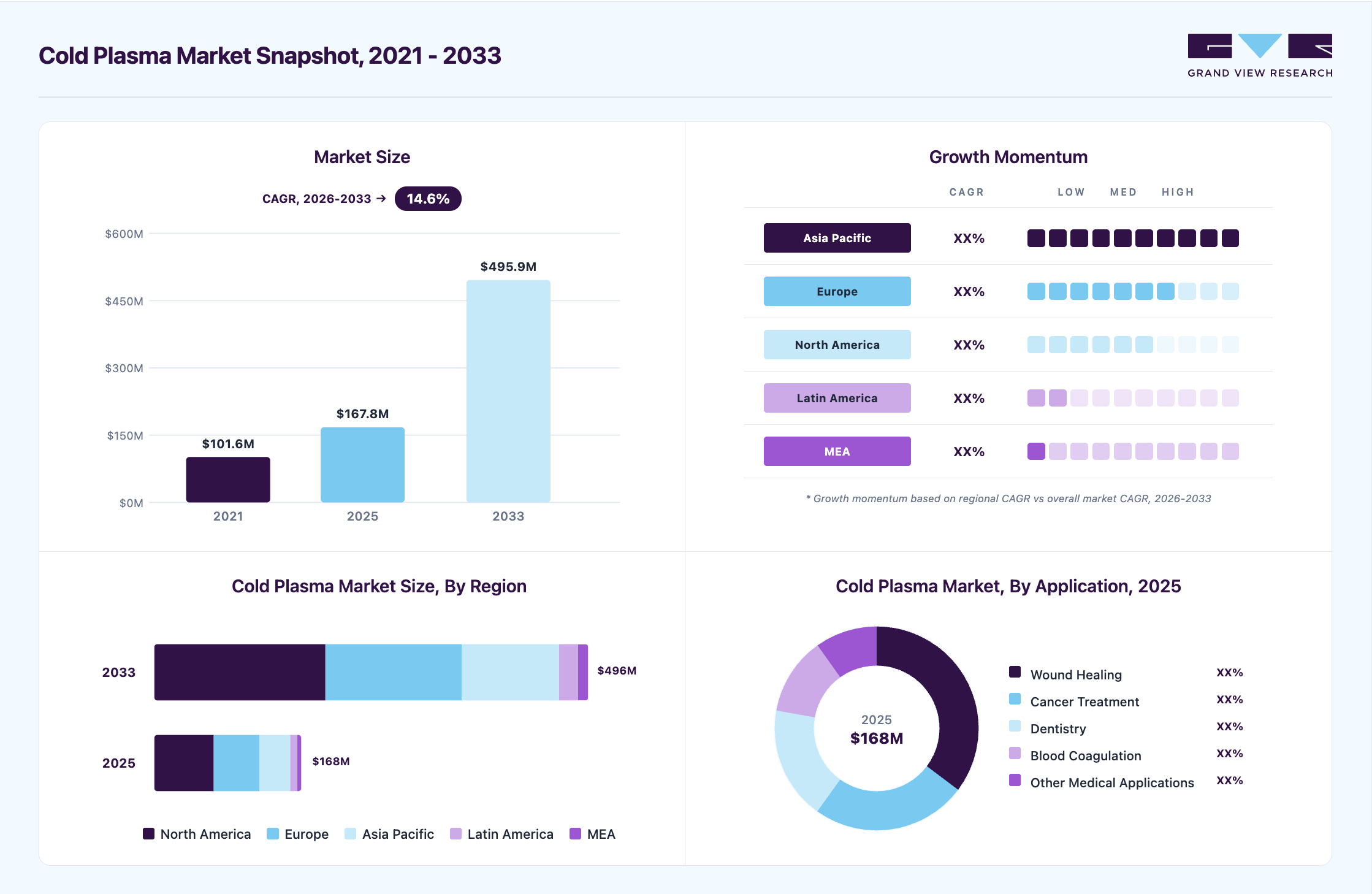
The global cold plasma market size was valued at USD 167.8 million in 2025 and is projected to grow from USD 191.1 million in 2026 to USD 495.9 million by 2033, at a CAGR of 14.6% from 2026 to 2033. North America dominated the global market, accounting for the largest revenue share of 40.4% in 2025. This growth is attributed to the overall development of the healthcare industry, which has increased the demand for advanced technologies to enhance patient treatment procedures and make them safe and non-invasive.
 Source: Grand View Research, IR Documents, Primary Interviews, Paid DatabasesTo learn more about this report,
 Download Free Sample Report
 Key Market Trends & Insights
- By pressure: Atmospheric pressure cold plasma segment held the largest market share of 63.8% in 2025.
- By application: Wound healing segment held the leading market share in 2025.
Regional Highlights
- Largest regional market: North America (40.4% revenue share, 2025)
- By country: The U.S. cold plasma industry is a major contributor to the global market.
Market Size & Forecast
- Market size in 2025: USD 167.8 Million
- Estimated market size in 2026: USD 191.1 Million
- Projected market size by 2033: USD 495.9 Million
- CAGR (2026-2033): 14.6%
Three ways to get this report
Buy it, customize it, or ask a question.Ask an Analyst
Analyst response in 1 business day
- AccessReport author, directly
- Reply timeWithin 1 working day
- No sales callDirect answer only
- FormatEmail reply
- CostFree, no cost
Get the Full Report
What the study covers
- FormatsPDF · Excel · Dashboard
- Timeline2026–2033 annual, 2025 base
- Coverage20+ countries, 5 regions
- Companies10+ key players profiled
Customize the Report
20% free customization
- IncludeCountries, segments, points
- TailorTo your product definition
- ExtendDeeper competitor detail
- OrA fully bespoke study
- Turnaround5–10 working days
In addition, cold plasma technology enhances applications such as cancer treatment, sterilization, and wound healing, driving the market's growth significantly. Cold plasma, also known as non-equilibrium plasma, is a partially ionized gas in which the temperatures of its constituents differ significantly. It is generated by supplying energy to gases, creating reactive species useful in various applications, including medical treatments, sterilization, and food safety, without the harmful effects of high-temperature plasmas.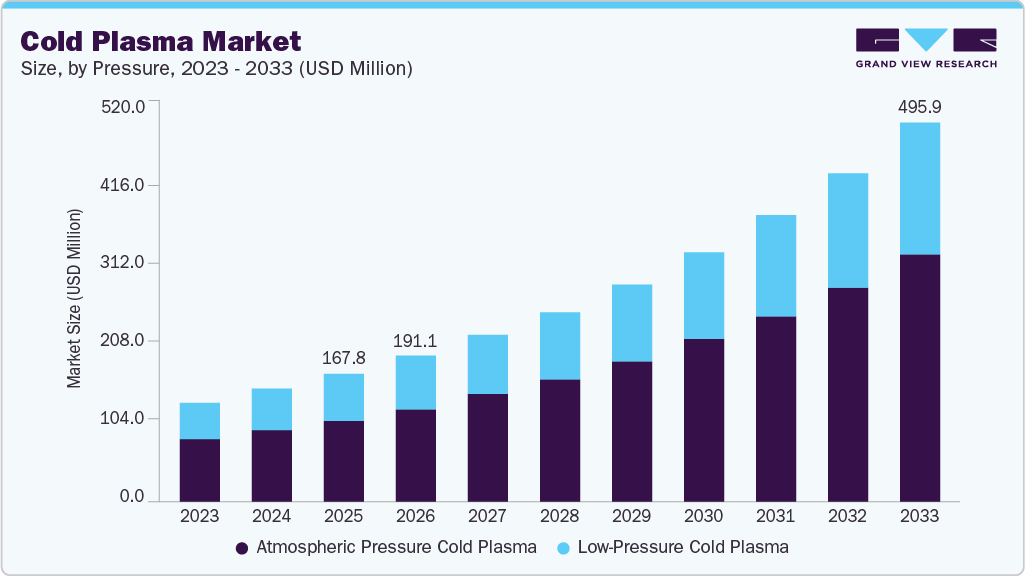 To learn more about this report, Download Free Sample Report
 According to research by the University of Michigan, cold plasma is the most effective solution for removing dangerous airborne viruses. Non-thermal plasma can remove up to 99% of the virus in fractions of a second. This creates opportunities for doctors to treat patients with breathing problems using cold plasma technologies.
Increasing applications across various industries, including textiles, food safety, and medical sectors, significantly contribute to market growth. In addition, the rising demand for sustainable and efficient processing technologies, alongside innovations in food decontamination and medical treatments, further fuels this growth. Furthermore, the market is supported by advancements in atmospheric cold plasma technology, which offers eco-friendly solutions without harmful chemicals, enhancing its attractiveness to diverse industries.
The rising incidence of hospital-acquired infections (HAIs) is a critical driver of the cold plasma market, as healthcare facilities seek effective solutions for infection control and sterilization. For instance, according to the World Health Organization (WHO), HAIs affect hundreds of millions of patients worldwide each year, leading to increased morbidity, extended hospital stays, and higher healthcare costs. In the United States alone, the Centers for Disease Control and Prevention (CDC) estimates that about 1 in 31 hospital patients has at least one HAI on any given day, contributing to approximately 99,000 deaths annually.
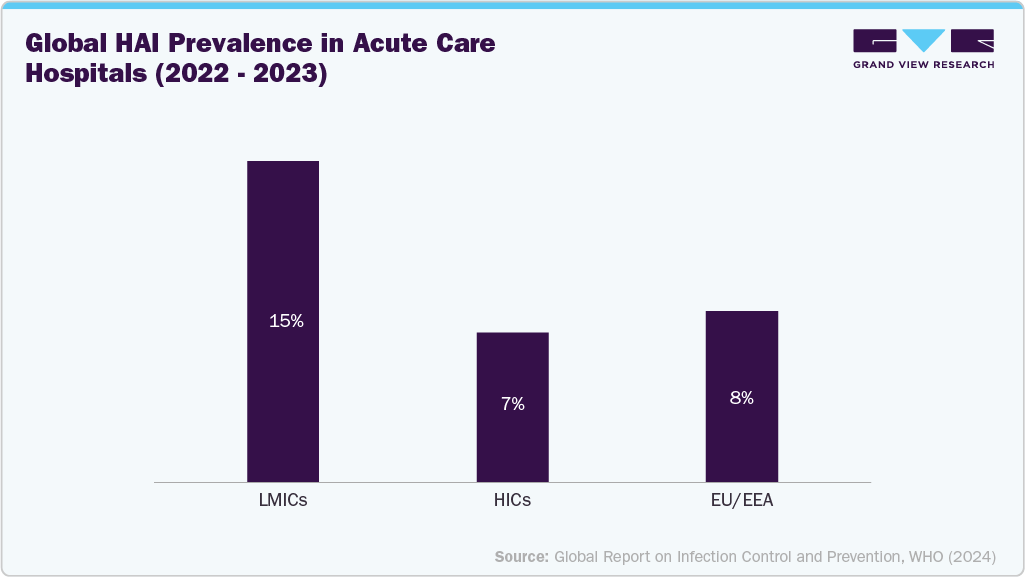
Rising cases of hospital-acquired infections (HAIs) are significantly driving the growth of the cold plasma market. Cold plasma technology is increasingly recognized for its effective antimicrobial properties, making it a valuable solution for infection control and sterilization in healthcare settings. As hospitals strive to reduce HAIs and enhance patient safety, the demand for innovative technologies like cold plasma continues to rise. For instance, according to the Global Report on Infection Prevention and Control (2024) by the World Health Organization (WHO), out of every 100 patients in acute-care hospitals, 7 patients in high-income countries (HICs) and 15 patients in low-income countries (LMICs) acquired at least one HAI during their hospital stay.
 To learn more about this report, Download Free Sample Report
 Furthermore, nearly one in three patients (around 30%) in intensive care units experience healthcare-associated infections (HAIs), with incidence rates ranging from two to twenty times higher in low- and middle-income countries (LMICs) compared to high-income countries (HICs), particularly among neonatal populations. Furthermore, healthcare-associated infections contribute to approximately 23.6% of all hospital-treated sepsis cases, a proportion that rises sharply to nearly 48.7% among adult ICU patients with sepsis complicated by organ dysfunction.
The increasing incidence of chronic wounds is another factor fueling the growth of the cold plasma market, as this technology offers innovative solutions for effective wound management. Chronic wounds, which often result from conditions such as diabetes, vascular diseases, and pressure ulcers, present a major healthcare challenge. The World Health Organization (WHO) projects that the global prevalence of diabetes is expected to rise to 642 million by 2040, leading to a higher incidence of diabetic foot ulcers and other chronic wounds. This growing patient population necessitates advanced treatment options, and cold plasma is emerging as a promising option.
Cold plasma has demonstrated remarkable effectiveness in promoting wound healing by enhancing cellular regeneration, reducing inflammation, and eliminating bacteria. Research indicated that cold plasma can accelerate the healing process by up to 50% compared to traditional treatments, making it a valuable tool in addressing chronic wounds. The ability of cold plasma to stimulate the healing environment while also addressing infection risks is critical for patients with non-healing wounds, further driving its adoption in clinical settings.
Market Dynamics
The rising incidence of hospital-acquired infections (HAIs) is a major driver of the cold plasma market, as healthcare facilities increasingly adopt advanced sterilization and infection-control technologies to enhance patient safety. Cold plasma is gaining recognition for its strong antimicrobial properties and effectiveness in reducing healthcare-associated pathogens. According to the World Health Organization, HAIs affect millions of patients globally each year, increasing morbidity, hospital stays, and healthcare costs. The WHO’s 2024 Global Report on Infection Prevention and Control states that 7 out of every 100 patients in high-income countries and 15 out of every 100 patients in low- and middle-income countries acquire at least one HAI during hospitalization. Similarly, the Centers for Disease Control and Prevention estimates that approximately 1 in 31 hospital patients in the U.S. experiences at least one HAI on any given day, contributing to nearly 99,000 deaths annually.
High capital investment requirements are a key factor restraining the growth of the cold plasma market, particularly in healthcare applications where advanced cold plasma generation systems can cost from tens of thousands to over USD 500,000. These high upfront costs create significant financial barriers for small and medium-sized healthcare providers, limiting the adoption of cold plasma technologies in hospitals and clinics despite their proven long-term benefits, such as reduced infection rates and faster healing. Additionally, limited funding options and budget constraints further hinder adoption, even though cold plasma applications, such as chronic wound treatment, have been shown to reduce healing time by up to 50%, potentially lowering overall treatment costs over time.
Market Concentration & Characteristics
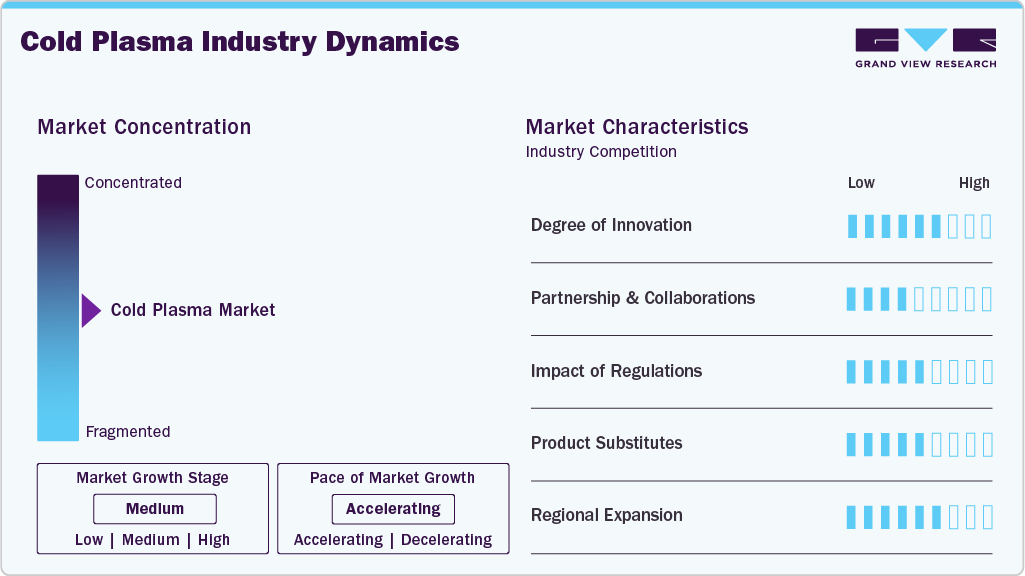
The cold plasma industry is characterized by a significant level of concentration, with a few major players dominating the industry. Key players such as Apyx Medical Corporation, Adtec Plasma Technology Co., Ltd., Relyon Plasma GmbH, Nordson Corporation, and Terraplasma Medical GmbH, among others, are dominating the market. The industry is currently in a growth stage, supported by expanding research in plasma medicine, increasing adoption in wound healing, dermatology, and sterilization applications, and rising demand for non-thermal surface treatment technologies in industrial sectors. Its pace of innovation is relatively fast, driven by ongoing advancements in plasma generation technologies, medical applications, and industrial processing solutions. The market is witnessing continuous innovation, particularly in plasma-based wound treatment, infection control, surface modification, and plasma-assisted cosmetic procedures, expanding the scope of cold plasma technologies across healthcare and industrial applications.
The market is characterized by a high degree of technological innovation, with companies and research institutions continuously developing new plasma-based systems for medical, cosmetic, and sterilization applications. Cold atmospheric plasma (CAP) technology is increasingly being explored for wound healing, dermatology, cancer therapy research, and infection control due to its antimicrobial and tissue-regeneration properties. For instance, in June 2023, Terraplasma Medical GmbH, a subsidiary of Viromed Medical AG, expanded the clinical use of its plasma-based medical devices designed for chronic wound treatment and antimicrobial therapy, highlighting the growing innovation in plasma-assisted healthcare solutions.
 To learn more about this report, Download Free Sample Report
 Regulations play a critical role in the cold plasma market, particularly in medical and healthcare applications where devices must comply with strict regulatory frameworks established by agencies such as the U.S. Food and Drug Administration and the European Medicines Agency. Plasma medical devices must undergo extensive clinical validation to demonstrate safety and therapeutic effectiveness, which can extend product development timelines. As cold plasma technologies continue to transition from research to commercial healthcare applications, regulatory approvals and compliance requirements significantly influence product adoption and commercialization strategies.
Mergers, acquisitions, and strategic collaborations are increasing as companies seek to strengthen their technological capabilities and expand their product portfolios. Industry players are partnering with research institutes and healthcare organizations to accelerate innovation and commercialization of plasma technologies. For instance, several plasma technology companies have entered collaborations with universities and clinical research centers to advance plasma-based wound treatment and sterilization technologies, reflecting the market’s evolving and research-driven nature.
Product substitutes vary depending on the application area. In medical and wound care applications, substitutes include conventional antimicrobial treatments, antiseptic solutions, antibiotics, and laser-based therapies. In sterilization and surface treatment applications, alternatives such as chemical sterilization, ultraviolet (UV) disinfection, and thermal plasma technologies are commonly used. However, cold plasma offers unique advantages, including non-thermal operation, rapid antimicrobial action, and the ability to treat heat-sensitive materials, which supports its growing adoption across healthcare and industrial sectors.
The market for cold plasma is experiencing increasing global expansion driven by rising demand for advanced sterilization technologies, growth in chronic wound management, and expanding research into plasma medicine. Regions such as Europe and Asia-Pacific are emerging as key hubs for cold plasma research and commercialization due to strong academic collaboration and supportive innovation ecosystems. For instance, research initiatives and technology investments across Germany, Japan, and South Korea are accelerating the development of plasma medical devices and industrial plasma systems, contributing to the broader global adoption of cold plasma technologies.
Pressure Insights
The atmospheric pressure cold plasma segment led the market and accounted for the largest revenue share of 63.7% in 2025. This growth is driven by its versatile applications in wound care, sterilization, and infection control. This technology operates effectively in ambient conditions, making it accessible for various healthcare settings, from hospitals to outpatient clinics. One of the key drivers for this growth is the increasing incidence of chronic wounds, which are a significant concern for healthcare providers. Atmospheric pressure cold plasma has shown promise in accelerating the healing process and reducing infection rates, driving the market. For instance, a study published in Clinical Plasma Medicine found that atmospheric pressure cold plasma can enhance wound healing by up to 75% while effectively reducing bacterial load, demonstrating its potential to improve clinical outcomes significantly.
 To learn more about this report, Download Free Sample Report
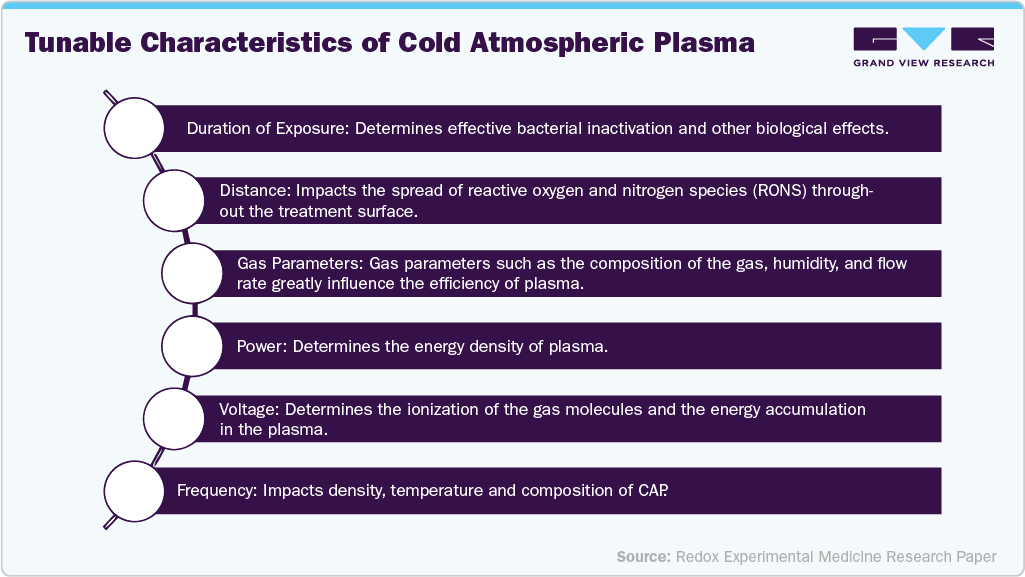
 The performance and therapeutic effectiveness of atmospheric pressure cold plasma are highly tunable, enabling precise control over its biological interactions across diverse clinical applications.
Low-pressure cold plasma is expected to grow at a CAGR of 13.9% over the projected years. This growth is driven by its diverse applications in sterilization, wound healing, and infection control. This technology operates effectively under controlled atmospheric conditions, making it particularly suitable for treating sensitive medical environments. For instance, a study from the European Commission noted that the application of cold plasma in healthcare could reduce the incidence of infections by up to 80%, underscoring its potential as a vital tool in improving patient outcomes and enhancing safety in medical settings.
Application Insights
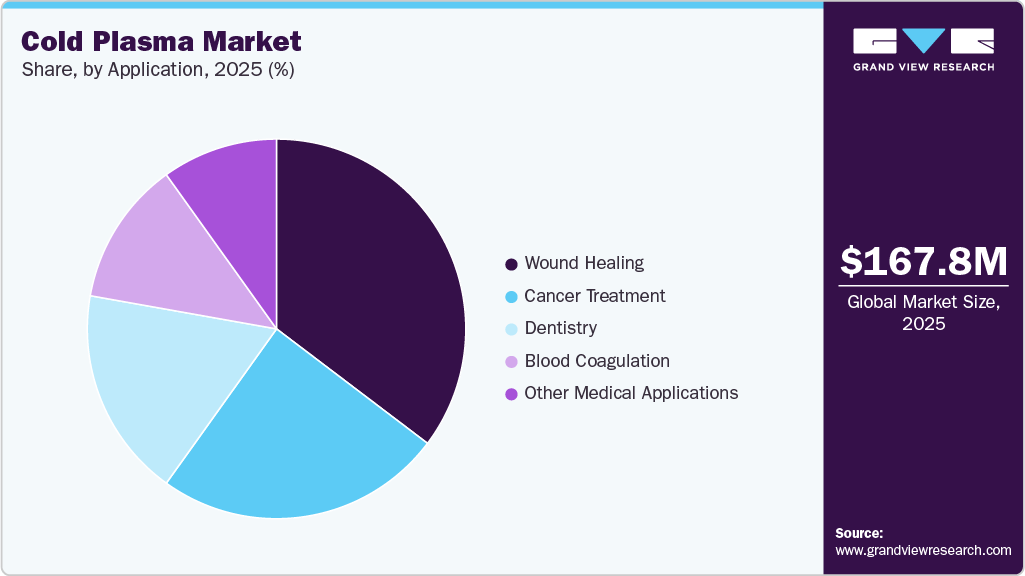
The wound healing application segment dominated the market and accounted for the largest revenue share of 35.3% in 2025. This growth is attributed to the development of wound healing effects in patients due to the usage of this technology, which includes faster tissue generation, reduced infection risks, and better overall outcomes. Furthermore, the market is also expected to be driven by the rise in the geriatric population in several regions.
 To learn more about this report, Download Free Sample Report
 The cancer treatment application segment is expected to grow at a CAGR of 15.4% over the forecast years. This growth is attributed to the rising cases of chronic diseases worldwide. Furthermore, cold plasma technology plays a vital role in cancer treatment, killing cancer cells while maintaining healthy tissue safety and reducing local recurrences, driving the market's growth significantly.
Regional Insights
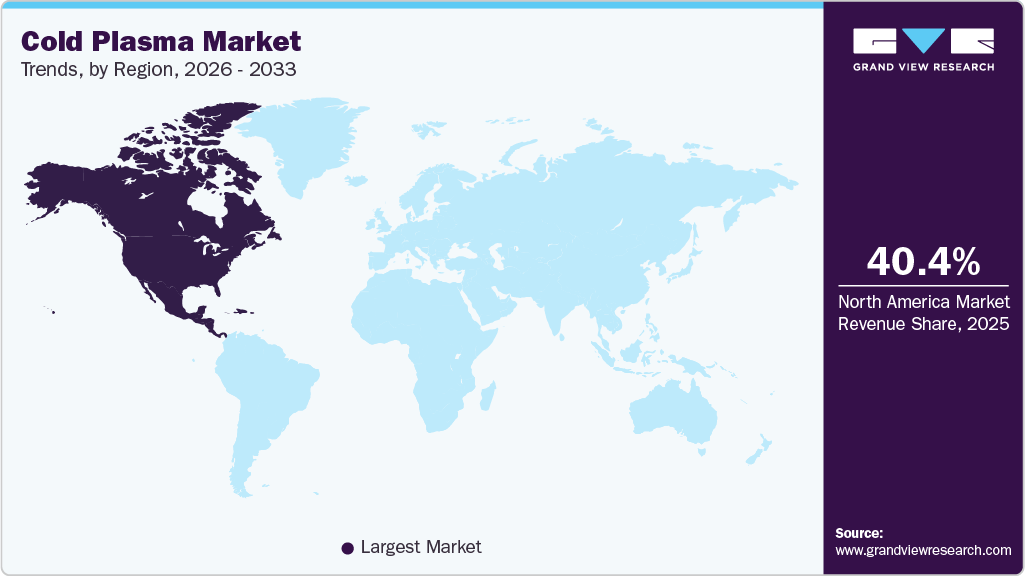
The cold plasma industry in North America dominated the global market, accounting for the largest revenue share of 40.4% in 2025. This growth is attributed to technological advancements in the industry's products and innovations. In addition, rising healthcare expenditures and the growing prevalence of chronic conditions necessitate effective sterilization and treatment methods, enhancing cold plasma's appeal. Furthermore, strategic collaborations between industry players in the region further drive the market's growth.
 To learn more about this report, Download Free Sample Report
 U.S. Cold Plasma Market Trends
The cold plasma industry in the U.S. dominated the North American market with the largest revenue share of 85.0% in 2025, owing to government initiatives to promote the technology, rising environmental concerns about this technology as a solution, and increased competition in the local market. In addition, growing applications in the medical and electronics industries further drive the country's market growth.
The Mexico cold plasma industry is expected to grow at a CAGR of 12.4% from 2026 to 2033, owing to the heavy usage of these technologies in sterilizing materials for electronic devices, enhancing the packing process, and assisting in decontaminating food products.
Asia Pacific Cold Plasma Market Trends
The cold plasma industry in the Asia Pacific is expected to grow at a CAGR of 15.6% over the forecast years. This growth is attributed to the rise of the region's electronic device manufacturing and polymer production. In addition, the increasing demand for decontaminated frozen food and the growing geriatric population that needs wound healing treatment further contribute to the market’s growth.
The China cold plasma industryheld a substantial revenue share in 2025 owing to rising electronic, semiconductor, and healthcare industry growth, which increased the demand for cold plasma technology. The technology is also widely used for decontaminating food products, sterilization, and other applications.
Europe Cold Plasma Market Trends
The cold plasma industry in Europeis expected to grow substantially over the forecast years, owing to consumers' increasing demand for decontaminated frozen food. This will, in turn, increase the market for the product and the heavy utilization of these technologies in textile industries. In addition, emphasizing sustainable textile production methods and food safety concerns further enhances market growth. Furthermore, support from the European Union for research and development also fosters innovation in cold plasma technologies, thereby driving the market’s growth in the region.
The UKcold plasma industry is expected to witness significant growth over the projected years owing to increasing R&D on cold plasma technologies, leading to enhanced products in the market. Furthermore, emphasizing sustainable textile production methods and food safety concerns further enhances market adoption. Support from the UK government for research and development also fosters innovation in cold plasma technologies.
Latin America Cold Plasma Market Trends
The cold plasma industry in Latin America is experiencing rapid growth, particularly in the areas of sterilization and wound care applications. The increasing awareness of hospital-acquired infections, which affect an estimated 7 million patients annually in the region, has driven demand for effective sterilization solutions. For instance, research has demonstrated that cold plasma technology can reduce microbial load on surfaces by up to 99.9% within minutes, making it a valuable tool in hospitals and clinics. In addition, the prevalence of chronic wounds, affecting approximately 4 million people in Latin America, underscores the urgent need for advanced wound management solutions. Studies indicate that cold plasma treatment can accelerate wound healing by as much as 30% compared to conventional methods, significantly enhancing patient recovery times.
The Brazil cold plasma industry is gaining significant attention, particularly in the fields of cancer treatment and wound care applications. For instance, as approximately 600,000 new cancer cases are diagnosed annually, Brazil faces a pressing need for innovative treatment options. Cold plasma technology has shown promise in selectively targeting cancer cells, potentially enhancing the effectiveness of existing therapies while minimizing damage to surrounding healthy tissues. In addition to cancer care, chronic wounds, which affect an estimated 6 million people in Brazil, are a growing concern. For instance, research indicates that cold plasma can accelerate healing by as much as 50%, making it a valuable tool for managing complex wounds and reducing infection rates.
Middle East & Africa Cold Plasma Market Trends
The cold plasma industry in the Middle East and Africa is experiencing significant development, particularly in wound care and sterilization applications. Chronic wounds are a major concern, affecting approximately 4.5 million individuals annually, especially due to the increasing prevalence of diabetes and other related health issues. Cold plasma technology has been identified as an effective treatment option, with studies indicating it can enhance wound healing rates by up to 50% while significantly reducing infection risk.
Saudi Arabia Cold Plasma Market Trends
The cold plasma industry in Saudi Arabia is experiencing notable growth, particularly in wound care and dermatology applications. For instance, the prevalence of chronic wounds is estimated to affect over 2 million people in the country, and there is a pressing need for effective treatment solutions. Cold plasma technology has emerged as a promising option, with the potential to accelerate healing rates and significantly reduce infection risk. In dermatology, cold plasma is being utilized for various skin conditions, including acne and psoriasis, with studies suggesting improvements in skin healing and overall patient outcomes.
The Kuwait cold plasma industry is experiencing exponential growth, particularly in the areas of cancer treatment and dermatology. For instance, cancer rates in Kuwait are steadily increasing, approximately 4,000 new cases are reported annually, underscoring the urgent need for innovative treatment options. Cold plasma technology has shown promise in selectively targeting cancer cells, potentially enhancing the efficacy of conventional therapies such as chemotherapy and radiation. Clinical studies have shown that cold plasma can induce apoptosis in cancer cells while sparing healthy tissue, making it a compelling adjunct to existing treatment protocols.
Key Cold Plasma Company Insights
The cold plasma market is characterized by its dynamic and competitive nature. The market is led by key players such as Apyx Medical, neoplas med GmbH, Adtec Healthcare Limited, and US Medical Innovations, LLC, among others. Companies are heavily investing in research and development to introduce innovative products with better imaging capabilities and reduced radiation exposure. There is a notable trend of mergers and acquisitions as companies aim to expand their product portfolios and enter new markets.
Key Cold Plasma Companies:
The following key companies have been profiled for this study on the cold plasma market
- Apyx Medical
- neoplas med GmbH
- Adtec Healthcare Limited
- terraplasma GmbH
- CINOGY System GmbH
- Plasmacure
- relyon plasma GmbH
- US Medical Innovations
Competitive Benchmarking
Operating Strategies
Competitive Edge
Weaknesses
Mature Player: Apyx Medical
- Mature players focus on expanding their cold plasma portfolios across healthcare, electronics, food processing, and surface treatment applications to strengthen market presence.
- These companies also prioritize technological innovation in atmospheric pressure and low-pressure plasma systems, while leveraging strong global distribution networks and localized manufacturing to expand into emerging markets.
- Established companies maintain a competitive advantage through strong technological expertise, extensive patent portfolios, advanced plasma generation capabilities, and broad application coverage across sterilization, wound healing, oncology, and industrial processing.
- Their ability to secure regulatory compliance, invest heavily in clinical validation, and maintain strategic partnerships with hospitals and other end-users.
- High R&D expenditure, costly manufacturing infrastructure, and complex regulatory approval processes increase operational costs and extend commercialization timelines.
- Mature players also face challenges related to high equipment pricing, limited awareness in developing markets, and difficulties in scaling cold plasma systems for broader industrial and medical adoption.
Emerging Player: relyon plasma GmbH
- Emerging players focus on niche applications, agile innovations, academic partnerships, and cost-effective portable cold plasma solutions to differentiate themselves in the market.
- Their flexibility, rapid innovation cycles, and affordable application-specific technologies enable them to quickly address evolving healthcare and industrial needs.
- Limited financial resources, weaker distribution networks, and regulatory and scaling challenges restrict the growth and global reach of emerging players.
Recent Developments
-
In July 2025, Adtec, an innovator in cold plasma technology, secured USD 12 million in strategic investment from two partners: AIPO Fund and SG Biomedical to propel the company’s global expansion, support the development of a next-generation Cold Plasma medical device, and enable its entry into the U.S. market.
-
In November 2024, Neoplas extended its collaboration with Niterra Ventures Company when it received a USD 18M capital increase to expand the market further for innovative wound care technology products.
-
In February 2024, Adtec Healthcare visited Taiwan to advance its SteriPlas expansion project, focusing on enhancing cold plasma technology for sterilization applications. This initiative aims to strengthen Adtec's presence in the Asian market, addressing the growing demand for innovative healthcare solutions. The expansion reflects the company's commitment to improving healthcare standards through advanced sterilization techniques and technology partnerships.
Cold Plasma Market Report Scope
Report Attribute
Details
Market size in 2025
USD 167.8 million
Estimated Market size in 2026
USD 191.1 million
Projected Market size by 2033
USD 495.9 million
Growth rate
CAGR of 14.6% from 2026 to 2033
Base year for estimation
2025
Historical data
2021 - 2024
Forecast period
2026 - 2033
Quantitative units
Revenue in USD million and CAGR from 2026 to 2033
Report coverage
Revenue forecast, company ranking, competitive landscape, growth factors, and trends
Segments covered
Pressure, application, region
Regional scope
North America; Europe; Asia Pacific; Latin America; Middle East and Africa
Country scope
U.S.; Canada; Mexico; Germany; UK; France; Italy; Spain; Denmark; Sweden; Norway; China; Japan; India; South Korea; Australia; Thailand; Brazil; Argentina; Saudi Arabia; UAE; Kuwait; South Africa
Key companies profiled
Apyx Medical; Neoplas med GmbH; Adtec Healthcare Limited; Terraplasma GmbH; CINOGY System GmbH; Plasmacure; Relyon Plasma GmbH; US Medical Innovations
Customization scope
Free report customization (equivalent up to 8 analysts’ working days) with purchase. Addition or alteration to country, regional & segment scope.
Pricing and purchase options
Avail customized purchase options to meet your exact research needs. Explore purchase options
Global Cold Plasma Market Report Segmentation
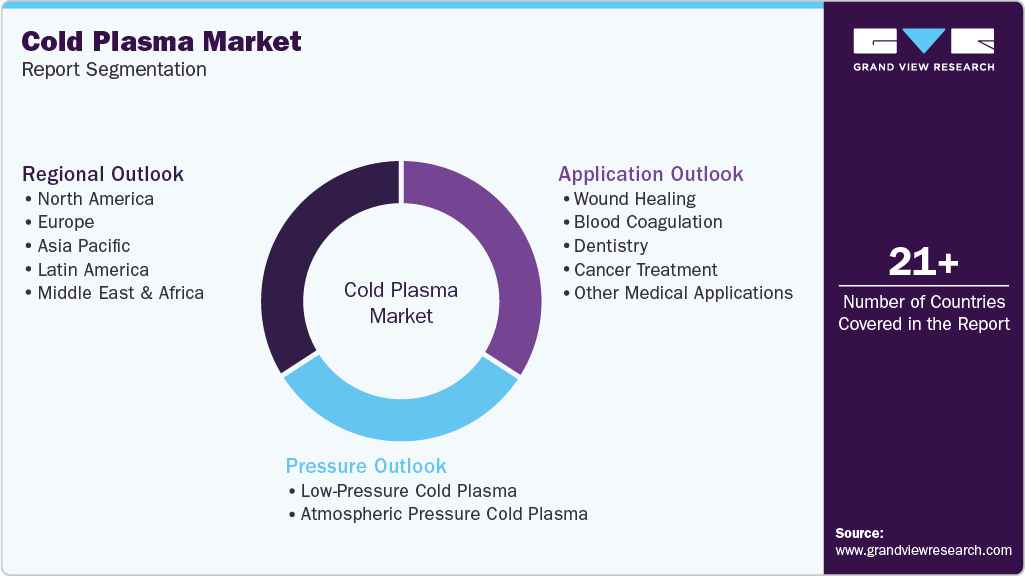
This report forecasts revenue growth at global, regional, and country levels and analyzes the latest industry trends in each of the sub-segments from 2021 to 2033. For this study, Grand View Research has segmented the global cold plasma market report based on pressure, application, and region.
 To learn more about this report, Download Free Sample Report
 -
Pressure Outlook (Revenue, USD Million, 2021 - 2033)
-
Low-Pressure Cold Plasma
-
Atmospheric Pressure Cold Plasma
-
-
Application Outlook (Revenue, USD Million, 2021 - 2033)
-
Wound Healing
-
Blood Coagulation
-
Dentistry
-
Cancer Treatment
-
Other Medical Applications
-
-
Regional Outlook (Revenue, USD Million, 2021 - 2033)
-
North America
-
U.S.
-
Canada
-
Mexico
-
-
Europe
-
Germany
-
UK
-
France
-
Italy
-
Spain
-
Denmark
-
Sweden
-
Norway
-
-
Asia Pacific
-
China
-
Japan
-
India
-
South Korea
-
Australia
-
Thailand
-
-
Latin America
-
Brazil
-
Argentina
-
-
Middle East and Africa (MEA)
-
Saudi Arabia
-
UAE
-
South Africa
-
Kuwait
-
-
Delivered Customizations
This report has been delivered with the following In-depth customizations
Client Request
Customization Delivered
Value Adds
Healthcare & Infection Control Analysis
Developed a detailed analysis of cold plasma adoption in healthcare applications, including wound healing, sterilization, dentistry, cancer treatment, and blood coagulation. The study assessed hospital-acquired infections (HAIs) trends, regulatory developments, clinical adoption patterns, and technology advancements across hospitals, clinics, and research institutes.
Enables stakeholders to identify high-growth healthcare applications, evaluate clinical adoption opportunities, assess regulatory and reimbursement trends, and understand the long-term commercial potential of cold plasma in advanced medical treatments and infection control solutions.
Chronic Wound Healing & Dermatology Opportunity Assessment
Delivered a customized evaluation of cold plasma usage in chronic wound management, diabetic foot ulcers, burn care, and dermatology treatments. The analysis included treatment efficacy trends, clinical trial activity, patient demand patterns, reimbursement landscape, and adoption across hospitals, wound care centers, and outpatient clinics.
Provides actionable insights into emerging therapeutic applications, unmet clinical needs, and commercialization opportunities, helping clients align product development and expansion strategies with growing demand for advanced wound healing technologies.
Regional & Country-Level Market Deep-Dive Analysis
Conducted a comprehensive regional and country-level analysis of the cold plasma market in various countries across regions such as Germany and Japan. The study evaluated healthcare infrastructure, hospital adoption patterns, reimbursement frameworks, pricing trends, regulatory pathways, and utilization of cold plasma technologies in wound healing, sterilization, oncology, and dermatology applications.
Enabled stakeholders to identify country-specific commercialization opportunities, benchmark pricing and adoption trends, assess regulatory and reimbursement environments, and develop targeted market entry and expansion strategies aligned with localized healthcare demand and technological adoption in Germany and Japan.
Frequently Asked Questions About This Report
Key factors that are driving the market growth include increasing hospital-acquired infections (HAI) and increasing use of cold plasma in medical treatment across the world.
North America dominated the cold plasma market with a share of 40.4% in 2025. This is attributable to the presence of key industry participants and the availability of various FDA-approved products.
Key players include Apyx Medical; Neoplas med GmbH; Adtec Healthcare Limited; Terraplasma GmbH; CINOGY System GmbH; Plasmacure; Relyon Plasma GmbH; US Medical Innovations.
The atmospheric pressure segment led with a 63.7% revenue share in 2025.
The wound healing segment accounted for the largest revenue share of 35.3% in 2025.
The global cold plasma market size was valued at USD 167.8 million in 2025 and is estimated at USD 191.1 million for 2026.
The global cold plasma market is expected to grow at a CAGR of 14.6% from 2026 to 2033, reaching USD 495.9 million by 2033.
About the Author(s)
Pharmaceuticals Research Team
Healthcare · PharmaceuticalsThis report was authored by the pharmaceuticals research team at Grand View Research - comprising two research analysts, one senior research analyst, and one industry expert - with specialized expertise in the pharmaceuticals segment of the healthcare industry. All findings are based on proprietary healthcare databases, executive interviews, and regulatory analysis, subject to internal peer review prior to publication.
Last Updated:
Speak to Analyst

Customize this report to your needs - add regions, segments, or data points, with 20% free customization.
Or view our licence options:


ISO 9001:2015 & 27001:2022 Certified
We are GDPR and CCPA compliant! Your transaction & personal information is safe and secure. For more details, please read our privacy policy.


