
- Home
- »
- Biotechnology
- »
-
DNA Barcoding Services Market Size Report, 2026-2033GVR Report cover

DNA Barcoding Services Market (2026 - 2033)
Size, Share & Trends Analysis Report By Type, By Method, By Application (Pathogen Identification & Monitoring, Product Authentication & Quality Control), By End-use, By Region, And Segment Forecasts
Market Size, 2025
$207.7MMarket Estimate, 2026
$230.0MMarket Forecast, 2033
$465.7MCAGR, 2026–2033
10.6%DNA Barcoding Services Market Trends
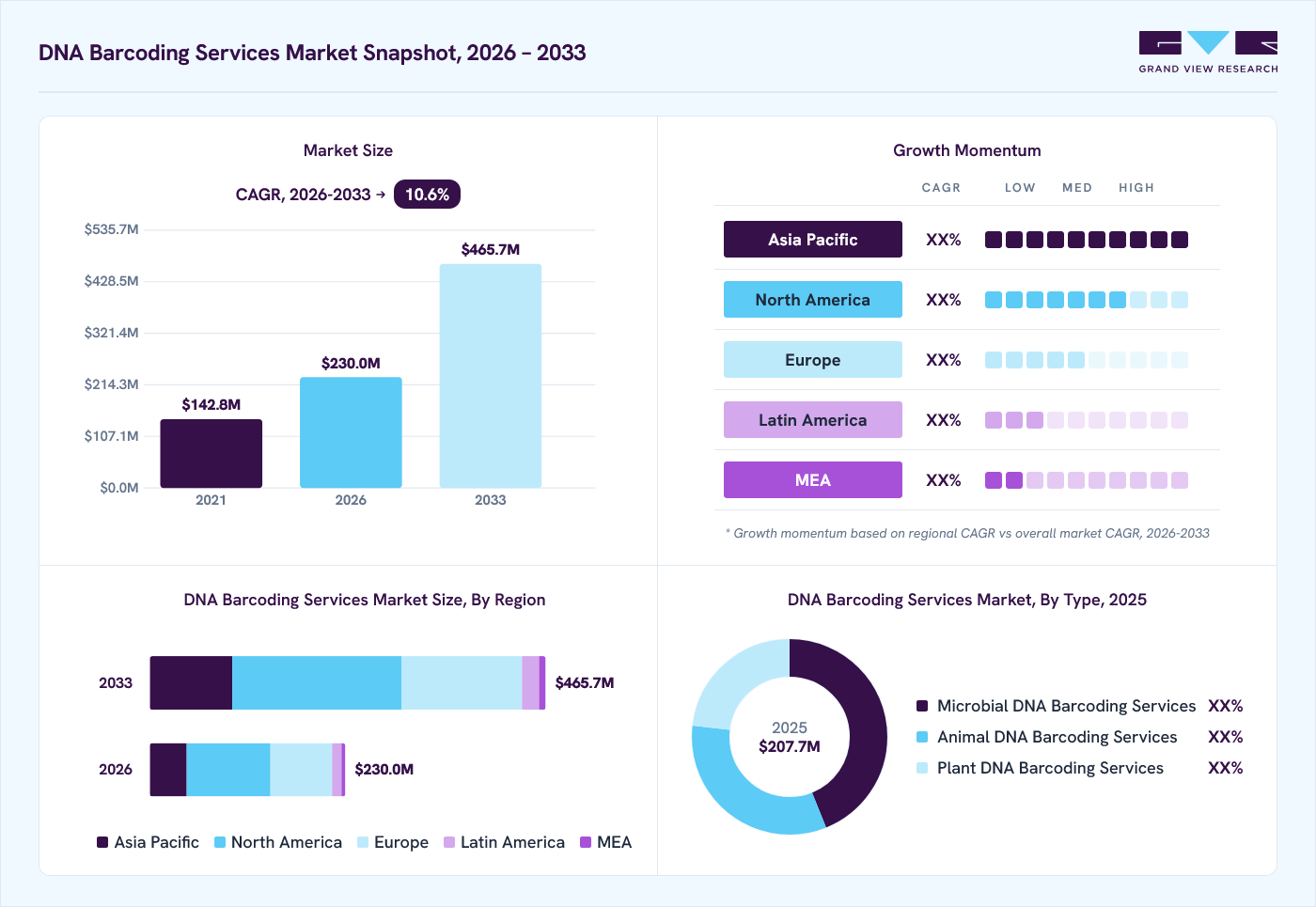
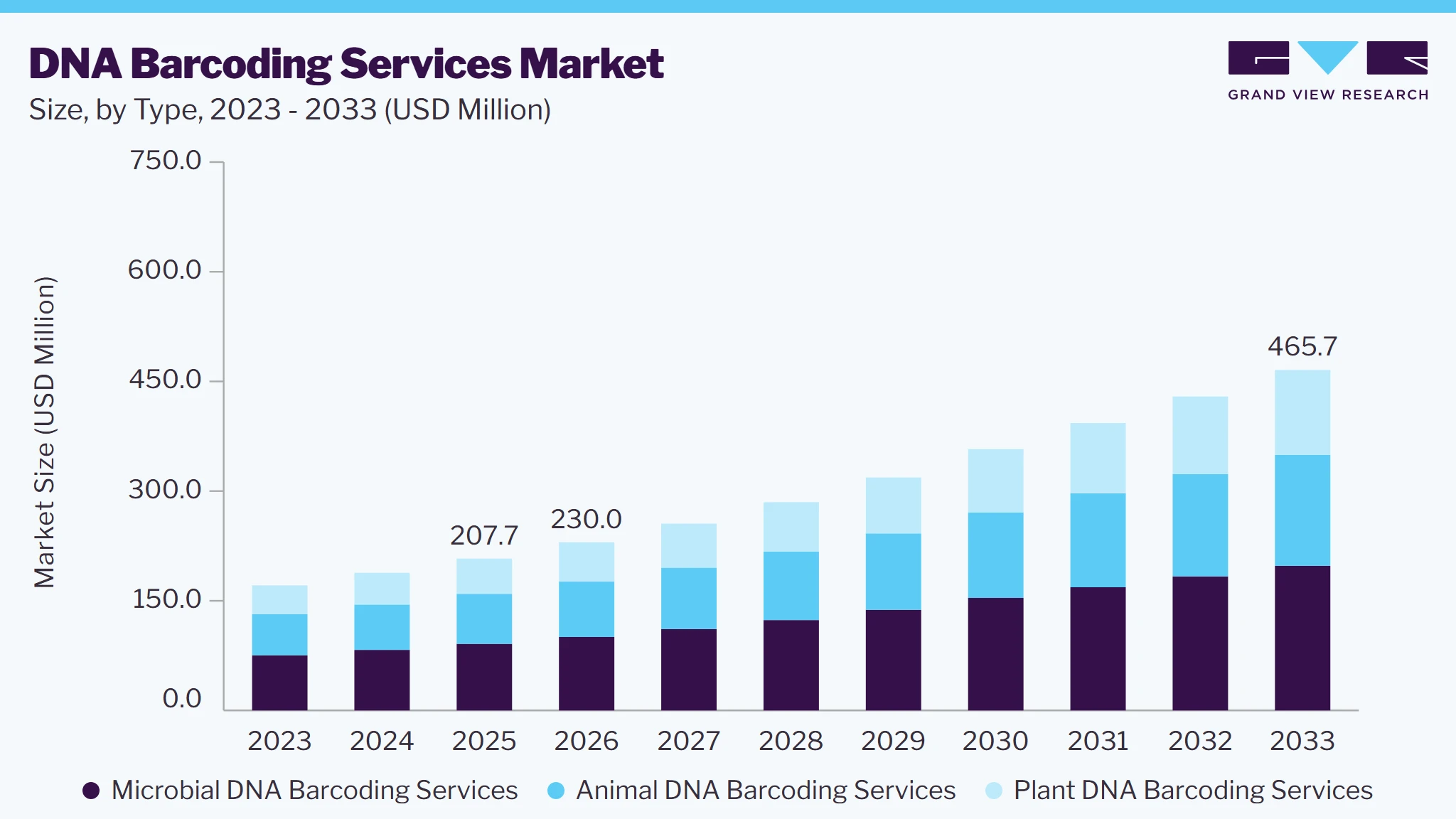
The global DNA barcoding services market size was valued at USD 207.7 million in 2025 and is projected to grow from USD 230.0 million in 2026 to USD 465.7 million by 2033, at a CAGR of 10.6% from 2026 to 2033. The market in North America dominated with a revenue share of 42.8% in 2025. The market is driven by increasing demand for genetic authentication, species identification, and microbial analysis across pharmaceuticals, agriculture, and environmental research. Rising adoption of next-generation sequencing (NGS), regulatory compliance for biodiversity conservation, and advancements in synthetic biology fuel market expansion.
 Source: Grand View Research, IR Documents, Primary Interviews, Paid DatabasesTo learn more about this report,
 Download Free Sample Report
 Key Market Trends & Insights
- By type: Microbial DNA barcoding services segment held the largest revenue share of over 43.9% in 2025.
- By method: Short-read sequencing segment held the largest revenue share of over 47.7% in 2025, and it is expected to grow with the fastest CAGR over the forecast period.
- By application: Pathogen identification and monitoring segment held the largest revenue share of over 34.5% in 2025.
- By end use: Pharmaceutical & biotechnology companies segment held the largest revenue share of over 40.9% in 2025.
Regional Highlights
- Largest regional market: North America (42.8% revenue share, 2025)
- By country: The U.S. held the largest market share in 2025.
Market Size & Forecast
- Market size in 2025: USD 207.7 Million
- Estimated market size in 2026: USD 230.0 Million
- Projected market size by 2033: USD 465.7 Million
- CAGR (2026-2033): 10.6%
Three ways to get this report
Buy it, customize it, or ask a question.Ask an Analyst
A direct answer, usually in 1 working day
- AccessReport author, directly
- Reply timeWithin 1 working day
- No sales callDirect answer only
- FormatEmail reply
- CostFree, no cost
Get the Full Report
What the study covers
- FormatsPDF · Excel · Dashboard
- Timeline2026–2033 annual, 2025 base
- Coverage20+ countries, 5 regions
- Companies10+ key players profiled
Customize the Report
20% free customization
- IncludeCountries, segments, points
- TailorTo your product definition
- ExtendDeeper competitor detail
- OrA fully bespoke study
- Turnaround5–10 working days
The growing need for rapid, cost-effective, and high-throughput DNA-based identification in drug discovery, forensic investigations, and biopharmaceutical R&D further accelerates industry growth. Strategic collaborations, technological innovations, and government initiatives promoting genetic research enhance market potential.The COVID-19 pandemic positively impacted the DNA barcoding services industry by accelerating demand in healthcare, pharmaceuticals, and food safety. With increased focus on genetic research, DNA barcoding played a critical role in virus identification, vaccine development, and drug discovery. The heightened need for supply chain transparency also boosted the adoption of food authentication and traceability. In addition, government and private sector investments in molecular diagnostics and biotechnology surged, driving market expansion. As businesses prioritized innovation in healthcare and biosciences, DNA barcoding services experienced significant growth, positioning the industry for long-term advancements in genetic identification and quality assurance.
 To learn more about this report, Download Free Sample Report
 The growing demand for DNA barcoding services is due to its crucial role in genetic research, drug discovery, and molecular diagnostics. DNA barcoding has enhanced precision in genetic identification, aiding in developing biologics, gene therapies, and personalized medicine. It has streamlined microbial identification for biopharmaceutical production and ensured the authenticity of genetically modified organisms (GMOs). In addition, synthetic biology and bioengineering advancements have relied on DNA barcoding for accurate organism classification and quality control. As biotech firms have invested in innovation, the adoption of DNA barcoding has expanded, fueling DNA barcoding services industry growth and technological advancements.
Moreover, advancements in sequencing technology, particularly next-generation sequencing (NGS) and cost-effective DNA sequencing methods have transformed the biotechnology industry by enhancing accuracy, speed, and scalability. These innovations have enabled precise genetic identification, accelerating drug discovery, gene editing, and personalized medicine. Improved sequencing efficiency has reduced costs, making DNA barcoding more accessible for biotech firms involved in biopharmaceuticals, synthetic biology, and molecular diagnostics. As sequencing technologies have evolved, biotech companies have leveraged them to optimize research, enhance quality control, and drive innovation, ultimately fueling market expansion and strengthening the role of DNA barcoding in biotechnology.
Market Dynamics
The DNA barcoding services market is witnessing steady growth, driven by the increasing adoption of molecular identification techniques across biodiversity research, food authentication, environmental monitoring, agriculture, and forensic applications. Rising demand for accurate species identification, expanding genomic research, and growing regulatory emphasis on product traceability and quality assurance are driving market growth. Moreover, advancements in next-generation sequencing technologies, declining sequencing costs, and increasing investments in life sciences and ecological conservation initiatives are expected to further strengthen market growth over the forecast period.
Increasing concerns regarding food adulteration, seafood mislabeling, counterfeit herbal products, and contamination are driving the adoption of DNA barcoding services for food safety and authentication applications. DNA barcoding enables accurate species identification and traceability across food supply chains, helping manufacturers, regulatory agencies, and testing laboratories ensure product authenticity, regulatory compliance, and consumer safety.
In addition, growing consumer awareness regarding product transparency and stricter food labeling regulations are further supporting market growth. For instance, in February 2025, researchers from the Austrian Agency for Health and Food Safety and the University of Vienna developed a DNA barcoding and high-resolution melting (HRM) method to authenticate edible insect species in food products, highlighting the growing adoption of molecular authentication technologies in the food industry
The high cost of DNA barcoding services is a significant restraint to market growth, particularly among small- and medium-sized enterprises, academic institutions, and organizations operating in budget-constrained regions. The adoption of DNA barcoding requires access to advanced sequencing platforms, specialized laboratory infrastructure, skilled personnel, and sophisticated bioinformatics tools, all of which contribute to elevated service costs. In addition, expenses associated with sample collection, preparation, data processing, reference database maintenance, and regulatory compliance further increase the overall cost burden, limiting routine and large-scale implementation.
The financial challenges become more evident in projects involving high sample volumes, biodiversity assessments, environmental monitoring, and food authentication programs, where extensive sequencing and data analysis are required. Many end users, particularly in developing economies, face budget limitations that restrict investment in comprehensive DNA barcoding studies. Moreover, variations in service pricing, the need for continuous database updates, and ongoing technological upgrades add to operational expenditures. Consequently, organizations often rely on conventional identification methods or reduce DNA barcoding activities, limiting market adoption and penetration.
Market Concentration & Characteristics
The DNA barcoding services industry is set for exponential growth, driven by advancements in sequencing technology, rising demand for genetic identification, and expanding applications in healthcare, biotechnology, and food safety. Increased investments in molecular research, stringent regulatory standards, and the need for biodiversity conservation further fuel market expansion. As industries prioritize precision and efficiency, DNA barcoding continues to gain traction, shaping the future of genetic identification and authentication.
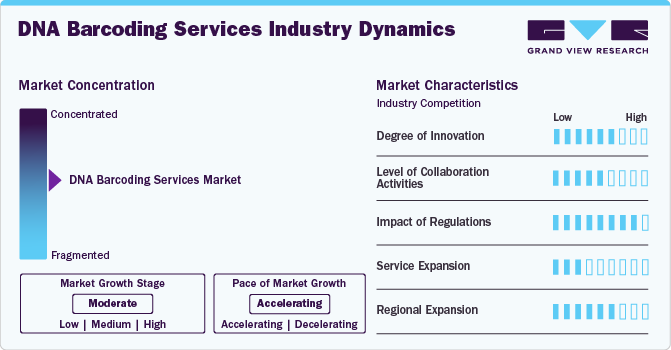
The DNA barcoding services industry is growing steadily, with moderate collaboration among industry players. Key drivers include advancements in sequencing technology, increasing demand for genetic identification, and expanding applications in healthcare, biotechnology, and food safety. Regulatory compliance, biodiversity conservation efforts, and rising investments in molecular research further support market growth. As industry players focus on innovation and strategic partnerships, DNA barcoding continues to evolve, enhancing accuracy, accessibility, and efficiency across multiple sectors.
 To learn more about this report, Download Free Sample Report
 Regulations have moderately influenced the DNA barcoding services industry by ensuring standardization, data accuracy, and compliance in genetic identification. Government policies and industry guidelines have shaped quality control measures in healthcare, food safety, and environmental monitoring sectors. While stricter regulations have increased adoption in forensic and pharmaceutical applications, compliance requirements have also posed challenges for smaller market players. Regulatory frameworks have driven reliability and transparency in DNA barcoding services while moderately impacting operational flexibility and DNA barcoding services industry expansion.
The DNA barcoding services industry has seen significant growth in service expansion, driven by technological advancements in sequencing, increasing demand for genetic identification, and broader applications across healthcare, biotechnology, and food safety. Rising investments in molecular research, biodiversity conservation, and forensic sciences have further fueled market development. Collaborations between industry players and regulatory support have enhanced service accessibility and standardization, enabling more precise and scalable DNA barcoding solutions across multiple sectors.
The DNA barcoding services industry is expanding steadily regionally, driven by growing government initiatives, increasing investments in biotechnology, and rising demand for genetic identification in healthcare, agriculture, and environmental monitoring. Advancements in sequencing technology have improved accessibility and affordability, enabling wider adoption across different regions. In addition, regulatory support, academic collaborations, and industry partnerships foster market growth. As emerging economies invest in molecular research and biodiversity conservation, regional expansion is expected to accelerate, strengthening the global presence of DNA barcoding services.
Analyst Perspective
Increasing applications in biodiversity assessment, species identification, food authentication, forensic analysis, and environmental monitoring significantly driving the market growth over the forecast period. Moreover, growing emphasis on accurate and rapid species-level identification, coupled with expanding conservation biology initiatives and regulatory requirements for food safety and quality control, is supporting service adoption. Advancements in sequencing technologies, bioinformatics tools, and reference database expansion are further enhancing the reliability and scalability of DNA barcoding workflows. In addition, rising research funding in genomics and ecological studies is expected to strengthen long-term demand for outsourced barcoding services across academic, governmental, and industrial end users.
Integrating DNA Barcoding with Big Data and AI
The fusion of DNA barcoding with big data and artificial intelligence (AI) marks a significant advancement in biodiversity research and commercial applications. DNA barcoding, which identifies species by analyzing a standardized genetic region, has transformed taxonomy and ecological monitoring. By combining this technique with the powerful computational capabilities of big data analytics and AI, its potential expands considerably. This integration improves the precision and efficiency of species identification, facilitates large-scale environmental monitoring, and opens new possibilities in personalized medicine and forensic analysis.
In ecology, AI-powered DNA barcoding efficiently processes extensive genetic sequence data from environmental samples, providing valuable insights into ecosystem health and biodiversity. Conservationists can leverage this to track endangered or invasive species with exceptional accuracy. In agriculture, the technology enables better monitoring of crop health and pest populations, promoting sustainable practices and improved yields.
In healthcare, integrating DNA barcoding with AI can revolutionize disease diagnosis and treatment by rapidly identifying pathogens or genetic markers, aiding personalized medicine approaches.
From a commercial perspective, businesses utilizing DNA barcoding services can gain a competitive advantage by delivering accurate product authentication, ensuring quality control in food products, and enhancing regulatory compliance. This improves consumer trust while streamlining industry processes.
 To learn more about this report, Download Free Sample Report
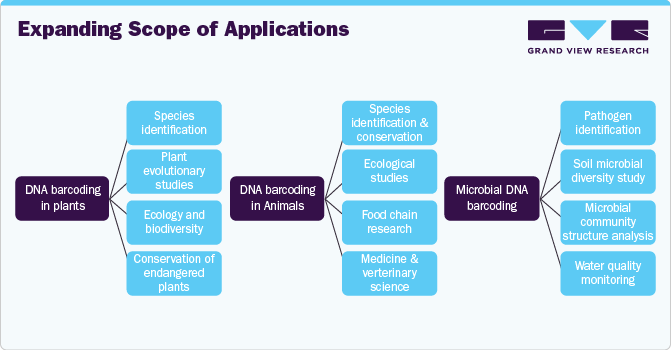
 The DNA barcoding services industry is experiencing an expanding scope in plant, animal, and microbial species identification. In plants, DNA barcoding aids in monitoring biodiversity, detecting plant diseases, and improving crop yield. For animals, it enables precise species identification, supporting wildlife conservation and ecological research. Microbial DNA barcoding is increasingly used in environmental monitoring, food safety, and microbiome studies, offering valuable insights into microbial diversity and pathogen detection. These advancements are broadening the applications of DNA barcoding across multiple industries and scientific fields.
Type Insights
Based on type, the microbial DNA barcoding services segment held the largest revenue share of over 43.9% in 2025. The market is driven by increasing demand for accurate microbial identification in various sectors such as healthcare, agriculture, and environmental research. Rising concerns about food safety and contamination have amplified the need for precise microbial detection in supply chains and production facilities. In healthcare, the growing focus on infectious disease management and antimicrobial resistance is fueling the adoption of microbial DNA barcoding for rapid pathogen identification.
The plant DNA barcoding services segment is expected to register the fastest CAGR during the forecast period. In the herbal supplement and pharmaceutical industries, plant DNA barcoding is increasingly adopted to verify ingredient authenticity, ensuring product quality and consumer safety. Moreover, environmental conservation initiatives rely heavily on DNA barcoding to monitor plant biodiversity, detect endangered species, and manage ecological restoration efforts. Advancements in sequencing technologies, coupled with improved bioinformatics tools, have enhanced the speed and accuracy of plant DNA barcoding services, further accelerating DNA barcoding services industry growth.
Method Insights
Based on method, the short-read sequencing segment held the largest revenue share of over 47.7% in 2025, and it is expected to grow with the fastest CAGR over the forecast period. This method is widely adopted in biodiversity studies, ecological research, and food safety testing, where the identification of multiple species from complex environmental samples is essential. The increasing need for scalable solutions in microbial identification, plant species authentication, and pathogen detection is further driving demand.
The long-read sequencing segment is expected to register the fastest CAGR during the forecast period. This method is particularly advantageous in identifying closely related species, hybrid plants, and organisms with large genomes, making it highly valuable in biodiversity research, agriculture, and environmental monitoring. Its ability to generate longer sequence reads reduces the need for extensive genome assembly, improving data reliability and minimizing errors. Increasing demand for precise species identification in conservation efforts, along with advancements in sequencing technologies that have enhanced read lengths, accuracy, and cost efficiency, are fueling adoption.
Application Insights
Based on application, the pathogen identification and monitoring segment held the largest revenue share of over 34.5% in 2025. DNA barcoding enables rapid and accurate identification of bacterial, viral, and fungal pathogens, which is crucial for effective disease surveillance and outbreak management. The growing focus on antimicrobial resistance (AMR) research is further driving demand, as DNA barcoding helps track pathogen evolution and resistance patterns. In food safety, the technology is widely adopted to detect microbial contamination in supply chains, ensuring compliance with regulatory standards. In addition, advancements in sequencing technologies, coupled with improved bioinformatics tools, have enhanced the precision and scalability of DNA barcoding for pathogen monitoring in clinical, agricultural, and environmental sectors.
The product authentication and quality control segment is expected to register the fastest CAGR during the forecast period. Industries such as pharmaceuticals, food and beverages, and cosmetics are increasingly adopting DNA barcoding to verify ingredient authenticity, ensure product purity, and meet regulatory compliance standards. In the herbal supplement and traditional medicine sectors, DNA barcoding plays a crucial role in identifying plant species and detecting adulteration, ensuring consumer safety. In addition, the rising demand for traceability solutions in global trade is boosting the adoption of DNA barcoding to authenticate high-value goods such as seafood, meat products, and luxury items. Advancements in sequencing technologies have improved the accuracy, speed, and cost-efficiency of DNA barcoding services, further driving the DNA barcoding services industry growth.
End-use Insights
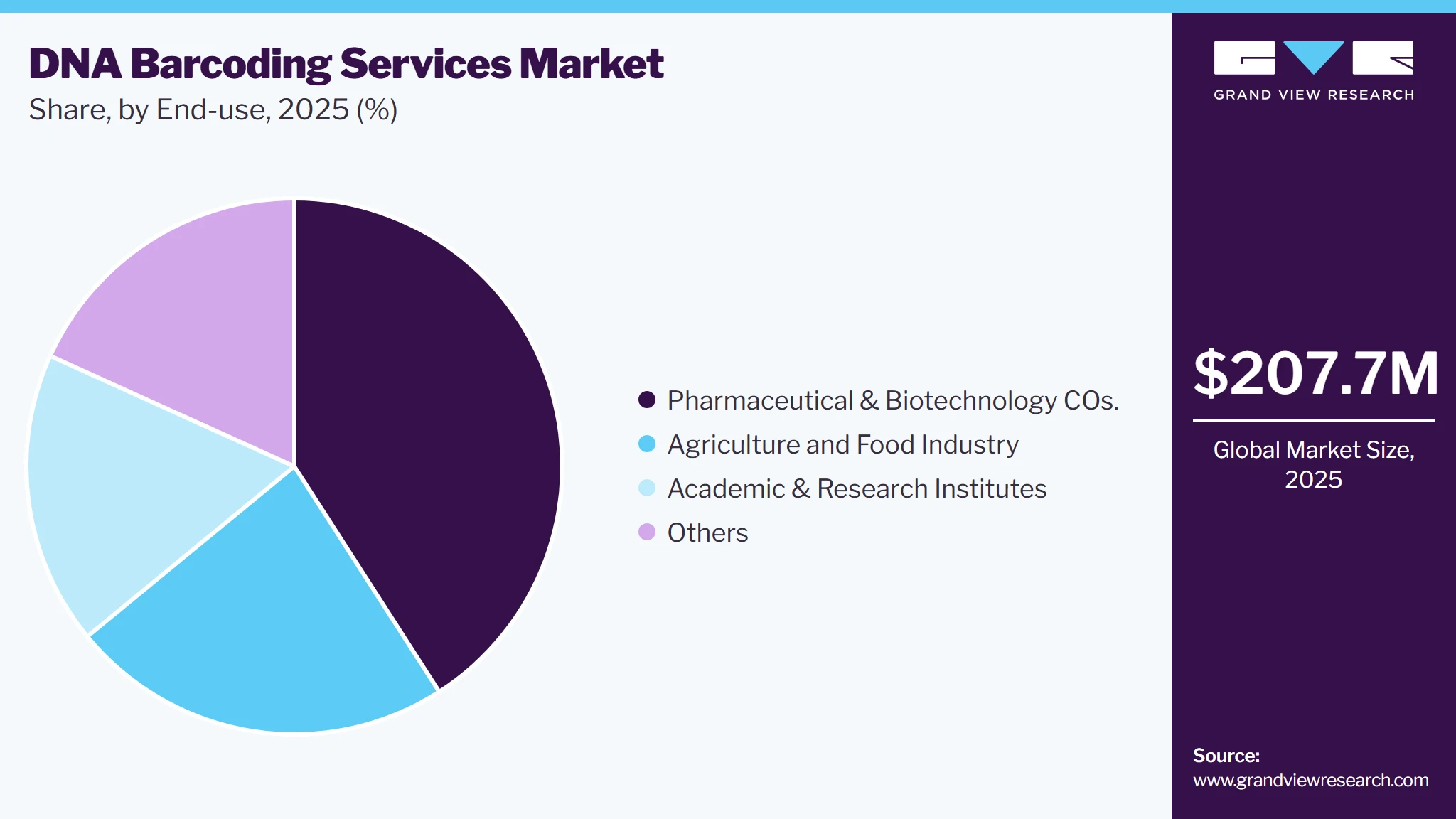
Based on end use, the pharmaceutical & biotechnology companies segment held the largest revenue share of over 40.9% in 2025. The rising focus on personalized medicine and genomic research has further accelerated the adoption of DNA barcoding, as it enables accurate identification of genetic markers linked to disease pathways. Continuous advancements in sequencing technologies and bioinformatics tools have enhanced the speed, accuracy, and cost-efficiency of DNA barcoding services, making them increasingly attractive to pharmaceutical and biotech firms.
 To learn more about this report, Download Free Sample Report
 The agriculture and food industry segment.is expected to register the fastest CAGR during the forecast period. In agriculture, DNA barcoding is widely used to authenticate crop varieties, detect invasive species, and identify plant pathogens, supporting sustainable farming practices and improving yield outcomes. The technology is also crucial in monitoring pest populations and developing targeted pest control strategies. In the food industry, DNA barcoding plays a vital role in verifying food authenticity, detecting adulteration, and ensuring traceability across supply chains. This is particularly important for products such as seafood, meat, and herbal supplements, where mislabeling and contamination risks are high. Increasing regulatory pressure to ensure food safety, coupled with advancements in sequencing technologies that enhance accuracy and efficiency, is further driving the adoption of DNA barcoding services in the agriculture and food sectors.
 To learn more about this report, Download Free Sample Report
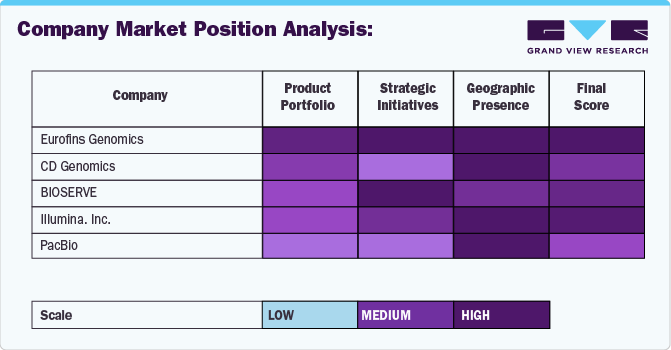
 The DNA barcoding services market is highly competitive, with key players such as Eurofins Genomics, CD Genomics, BIOSERVE, Illumina, Inc., and PacBio offering a range of services driven by their product portfolios, strategic initiatives, and geographic presence. Eurofins Genomics provides a comprehensive suite of DNA sequencing services, including barcoding, with a global presence and strong research and development capabilities. CD Genomics focuses on high-quality, customizable DNA barcoding solutions with an emphasis on affordable pricing and fast turnaround times, serving both small-scale and large-scale clients across various regions.
BIOSERVE offers specialized DNA barcoding services with a strong focus on environmental and biodiversity research, leveraging strategic partnerships to expand its reach. Illumina, Inc., a leader in sequencing technologies, integrates advanced platforms and cutting-edge bioinformatics tools, reinforcing its dominance in the global market, particularly in high-throughput applications. PacBio, known for its long-read sequencing technology, distinguishes itself in providing highly accurate DNA barcoding solutions for complex species identification, backed by a strong global presence and a focus on innovation in genomic analysis. These companies compete by continuously enhancing their service offerings, expanding geographically, and collaborating with research institutions to stay ahead in the rapidly evolving DNA barcoding space.
Regional Insights
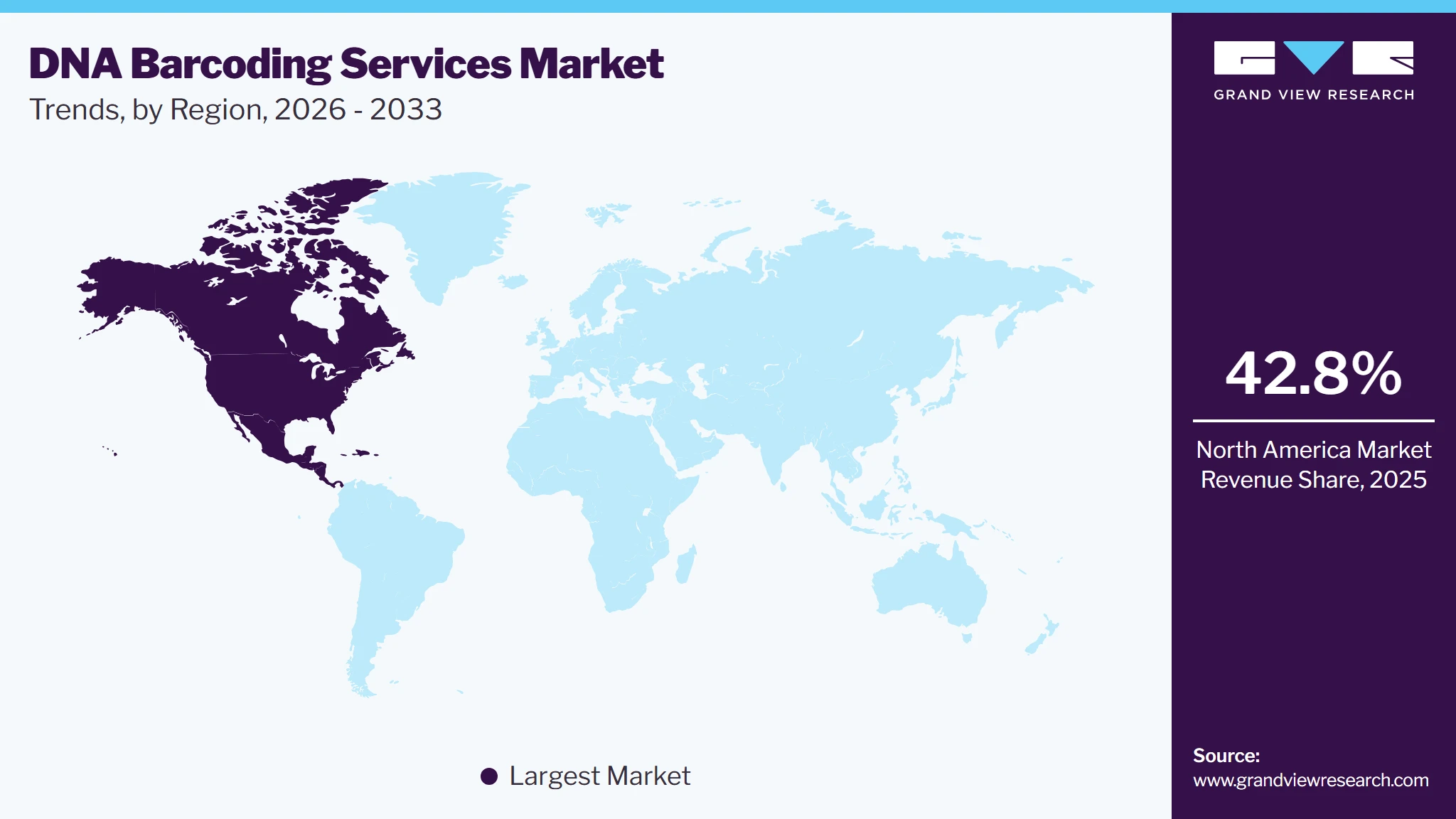
North America dominated the DNA barcoding services market with the largest revenue share of 42.8% in 2025. The market in North America is driven by a robust research infrastructure, increased funding for biodiversity and ecological studies, and high regulatory standards in food safety and pharmaceuticals. The demand for precise species identification in environmental monitoring and food authenticity testing is growing, with advancements in sequencing technologies supporting efficient service delivery.
 To learn more about this report, Download Free Sample Report
 U.S. DNA Barcoding Services Market Trends
The DNA barcoding services market in the U.S. held the largest share in the North America region in 2025. The DNA barcoding services industry in the U.S. is fueled by strong demand from pharmaceutical and biotechnology companies, academic research institutions, and government agencies. The increasing focus on personalized medicine, environmental conservation, and food safety testing drives adoption, along with significant investments in genomic technologies and biodiversity research.
Europe DNA Barcoding Services Market Trends
Europe’s DNA barcoding services industry is propelled by stringent regulatory requirements, particularly in food safety, pharmaceutical production, and conservation efforts. Countries like Germany and the UK focus on biodiversity monitoring, agricultural sustainability, and anti-counterfeit efforts in the food industry, further promoting market growth.
The DNA barcoding services industry in the UK benefits from extensive research funding in the fields of biodiversity, conservation, and genomic analysis, along with increasing applications in agriculture for pest monitoring and food authentication. Growing consumer demand for transparency in food sourcing and environmental sustainability also supports market growth.
The DNA barcoding services industry in Germany is driven by its strong agricultural and biotechnology sectors, where DNA barcoding is used for crop protection, species identification, and pathogen detection. The country’s commitment to environmental sustainability and conservation efforts also fosters the growth of this market.
Asia Pacific DNA Barcoding Services Market Trends
The Asia Pacific DNA barcoding services industry is expanding due to increasing agricultural production, food safety concerns, and biodiversity research. The demand for precise identification of plant and microbial species, especially in countries like China and Japan, is driving growth, supported by technological advancements and government initiatives.
China's DNA barcoding services industry is driven by a large-scale agricultural industry, focused on crop protection, pest monitoring, and food safety. The rapid adoption of sequencing technologies in the country’s research institutions, coupled with increasing environmental conservation efforts, supports market expansion.
The DNA barcoding services industry In Japan is bolstered by the demand for advanced DNA sequencing technologies for food authenticity testing, particularly in seafood, as well as applications in biodiversity research and environmental conservation. The country’s strong biotechnology and pharmaceutical sectors also contribute to market growth.
Middle East & Africa DNA Barcoding Services Market Trends
The DNA barcoding services industry in MEA is witnessing an increase in demand for DNA barcoding services driven by the need for food safety, quality control in the agricultural sector, and biodiversity monitoring. Investments in research and development, coupled with a growing focus on sustainable agriculture, are pushing the market forward.
The DNA barcoding services industry in Saudi Arabia is largely driven by agriculture, where the technology is used for crop monitoring, pest control, and genetic research. The country’s push for food security and sustainable agriculture practices is encouraging the adoption of DNA barcoding services.
Kuwait DNA barcoding services industry is driven by its focus on environmental conservation and the monitoring of biodiversity in arid ecosystems. DNA barcoding services are increasingly used in agricultural research and food safety testing, supported by a growing interest in sustainable development and biodiversity conservation in the region.
Key DNA Barcoding Services Company Insights
Partnerships, acquisitions, and expansions were the most adopted strategies by key players. Companies such as Eurofins Genomics have acquired smaller companies with advanced technologies to expand their market reach globally.
Key DNA Barcoding Services Companies
The following key companies have been profiled for this study on the DNA barcoding services market.
-
Eurofins Genomics
-
CD Genomics
-
BIOSERVE
-
Illumina, Inc.
-
PacBio
-
Oxford Nanopore Technologies
-
AllGenetics & Biology SL
-
1st BASE
-
Bento Bioworks Ltd
-
Genetika Science
Competitive Benchmarking
Category
Operating Strategies
Competitive Edge
Weakness
Established Players (Eurofins Genomics, Illumina, PacBio, Oxford Nanopore Technologies, etc.)
- Focus on expanding DNA barcoding service capabilities through advanced sequencing platforms, bioinformatics tools, and high-throughput genomic analysis workflows.
- Strong sequencing technology portfolios, global service networks, and extensive expertise in genomics and molecular identification applications.
- Dependence on research funding, government biodiversity initiatives, and academic genomics projects.
Emerging Players (CD Genomics, BIOSERVE, AllGenetics & Biology SL, 1st BASE, etc)
- Focus on specialized DNA barcoding services for species identification, biodiversity assessment, food authentication, and environmental monitoring applications.
- Strong specialization in niche DNA barcoding applications and flexible service offerings tailored to customer requirements.
- Limited global reach and lower financial resources compared to established genomics leaders.
Recent Developments
- In February 2024, Atrandi Biosciences launched a proof-of-concept program alongside its Flux microfluidic system and Single-Microbe DNA Barcoding Kit, enabling high-throughput single-cell microbial DNA sequencing and scalable microbial genomics analysis with integrated bioinformatics support for microbiology research applications.
DNA Barcoding Services Market Report Scope
Report Attribute
Details
Market size in 2025
USD 207.7 million
Estimated market size in 2026
USD 230.0 million
Projected market size by 2033
USD 465.7 million
Growth rate
CAGR of 10.6% from 2026 to 2033
Historical data
2021 - 2025
Forecast period
2026 - 2033
Quantitative units
Revenue in USD million, and CAGR from 2026 to 2033
Report coverage
Revenue forecast, company ranking, competitive landscape, growth factors, and trends
Segments covered
Type, method, application, end use, and region
Regional scope
North America; Europe; Asia Pacific; Latin America; MEA
Country scope
U.S., Canada, Mexico, UK, Germany, France, Italy, Spain, Norway, Denmark, Sweden, China, Japan, India, South Korea, Australia, Thailand, Brazil, Argentina, Saudi Arabia, South Africa, UAE, and Kuwait
Key companies profiled
Eurofins Genomics; CD Genomics; BIOSERVE; Illumina, Inc.; PacBio; Oxford Nanopore Technologies; AllGenetics & Biology SL; 1st BASE; Bento Bioworks Ltd; Genetika Science
Customization scope
Free report customization (equivalent up to 8 analysts' working days) with purchase. Addition or alteration to country, regional & segment scope.
Pricing and purchase options
Avail customized purchase options to meet your exact research needs. Explore purchase options
Global DNA Barcoding Services Market Report Segmentation
This report forecasts revenue growth at global, regional, and country levels and provides an analysis of the latest industry trends in each of the sub-segments from 2021 to 2033. For this study, Grand View Research has segmented the global DNA barcoding services market report based on type, method, application, end-use, and region.
-
Type Outlook (Revenue, USD Million, 2021 - 2033)
-
Plant DNA Barcoding Services
-
Animal DNA Barcoding Services
-
Microbial DNA Barcoding Services
-
-
Method Outlook (Revenue, USD Million, 2021 - 2033)
-
Sanger Sequencing
-
Short Read Sequencing
-
Long Read Sequencing
-
-
Application Outlook (Revenue, USD Million, 2021 - 2033)
-
Pathogen Identification and Monitoring
-
Product Authentication and Quality Control
-
Biodiversity and Conservation Monitoring
-
Forensic and Legal Investigations
-
Others
-
-
End Use Outlook (Revenue, USD Million, 2021 - 2033)
-
Pharmaceutical & Biotechnology Companies
-
Agriculture and Food Industry
-
Academic & Research Institutes
-
Others
-
-
Regional Outlook (Revenue, USD Million, 2021 - 2033)
-
North America
-
U.S.
-
Canada
-
Mexico
-
-
Europe
-
Germany
-
UK
-
France
-
Italy
-
Spain
-
Sweden
-
Denmark
-
Norway
-
-
Asia Pacific
-
China
-
Japan
-
India
-
South Korea
-
Australia
-
Thailand
-
-
Latin America
-
Brazil
-
Argentina
-
-
Middle East and Africa (MEA)
-
South Africa
-
UAE
-
Saudi Arabia
-
Kuwait
-
-
Research Methodology
The DNA barcoding services market figures in this report are based on a proven research process that combines executive interviews with secondary research from proprietary databases, company filings, and recognized regulatory and institutional sources. Market size is built through value-chain sizing - reconciling supply-side and demand-side estimates - and triangulated with bottom-up and top-down approaches. Every estimate passes multiple levels of expert validation before publication, with each DNA barcoding services segment quantified using the revenue-capture definitions in the table belowb
Segment Definition
Segment- Type
Revenue Capture Definition
Plant DNA Barcoding Services
Revenue generated from DNA barcoding services used for the identification, classification, authentication, and genetic characterization of plant species. These services support botanical research, biodiversity assessments, conservation initiatives, medicinal plant verification, agricultural studies, and monitoring of plant-derived products across commercial and research applications.
Animal DNA Barcoding Services
This segment captures income from DNA-based species identification services performed on animal samples. Applications include wildlife conservation, ecological monitoring, fisheries management, species authentication, investigations into illegal wildlife trade, and taxonomic research aimed at accurately distinguishing animal species and populations.
Microbial DNA Barcoding Services
Market value in this category stems from DNA barcoding services utilized for the identification and classification of bacteria, fungi, viruses, and other microorganisms. These services support microbial ecology studies, pathogen surveillance, environmental monitoring, food safety testing, clinical investigations, and industrial microbiology applications.
Segment- Method
Revenue Capture Definition
Sanger Sequencing
Revenue originates from DNA barcoding services that employ Sanger sequencing technology to generate barcode sequences for species identification and genetic analysis. The method is widely used for targeted sequencing projects, reference library development, taxonomic studies, and routine species authentication due to its high accuracy and reliability.
Short Read Sequencing
This segment reflects earnings from DNA barcoding services based on next-generation sequencing (NGS) platforms capable of generating large volumes of short DNA sequence reads. Such services are commonly utilized for high-throughput biodiversity studies, metabarcoding applications, environmental DNA (eDNA) analysis, and large-scale species monitoring programs.
Long Read Sequencing
Revenue derived from DNA barcoding services utilizing long-read sequencing technologies that enable sequencing of extended DNA fragments with improved genome coverage and taxonomic resolution. These services are increasingly adopted for complex biodiversity studies, microbial characterization, and advanced genomic investigations.
Segment- Application
Revenue Capture Definition
Pathogen Identification and Monitoring
Revenue generated from DNA barcoding services used to detect, identify, and monitor pathogens across clinical, environmental, agricultural, and food safety settings. These services support disease surveillance, outbreak investigations, microbial tracking, and public health monitoring programs.
Product Authentication and Quality Control
This segment captures income from DNA barcoding services employed to verify the authenticity, composition, and origin of biological materials and commercial products. Applications include food authenticity testing, herbal medicine verification, raw material validation, supply chain monitoring, and quality assurance programs.
Biodiversity and Conservation Monitoring
Market value arises from DNA barcoding services used to assess species diversity, monitor ecosystems, track endangered species, and support conservation planning efforts. These services are widely utilized by environmental agencies, conservation organizations, and research institutions.
Forensic and Legal Investigations
Revenue stems from DNA barcoding services used in forensic science and legal investigations, including species identification, wildlife crime detection, evidence verification, biodiversity compliance, and regulatory enforcement.
Others
Includes revenue from DNA barcoding services utilized in taxonomy, ecological research, invasive species monitoring, aquaculture management, educational research, and other specialized biological identification applications.
Segment- End Use
Revenue Capture Definition
Pharmaceutical & Biotechnology Companies
Revenue generated from DNA barcoding services utilized by pharmaceutical and biotechnology organizations for raw material authentication, medicinal plant verification, microbial characterization, drug discovery research, quality control, and regulatory compliance activities.
Agriculture and Food Industry
This segment represents income from DNA barcoding services employed across agriculture, food production, and food processing industries for species verification, crop authentication, pest identification, food traceability, contamination detection, and quality assurance applications.
Academic & Research Institutes
Funding-driven demand within this category supports the use of DNA barcoding services by universities, government research organizations, museums, biodiversity centers, and scientific institutions conducting taxonomic, ecological, evolutionary, and conservation-related studies.
Others
Revenue originates from environmental agencies, contract research organizations (CROs), forensic laboratories, wildlife conservation groups, regulatory authorities, and other organizations that use DNA barcoding services for specialized research, monitoring, and compliance.
Estimation Model
Methodology
Description
Top-Down
Market Estimation Flow Analysis - Market size was estimated by analyzing revenues generated by key DNA barcoding service providers, CROs, sequencing laboratories, and specialized genetic identification companies. Data were collected from company annual reports, investor presentations, service portfolios, and premium industry databases. Revenue contributions from private and regional service providers were assessed through secondary research and validated through primary interviews to derive the overall market value.
Parent Market
Parent Market & Penetration-Based Analysis - The DNA barcoding services market was evaluated within the broader global life science tools market. Adoption rates of DNA barcoding services for biodiversity research, species identification, environmental monitoring, food authentication, agricultural research, forensic science, and pharmaceutical applications were analyzed to estimate the addressable market and segment-level opportunities.
Segmentation
Country-Level Segment Share Modeling - Market shares for service type, method, application, and end-use segments were derived using country-specific research findings, biodiversity conservation initiatives, genomic research activities, environmental monitoring programs, agricultural biotechnology investments, and adoption of molecular identification technologies. Weighted average calculations were applied to determine regional and global segment distributions.
Validation
Data Triangulation & Validation Model - Market estimates were validated through triangulation of secondary research, primary interviews, company-level revenue assessments, laboratory service volumes, end-user demand analysis, and adoption trends across key application areas to ensure consistency and accuracy across all market segments and geographies.
Forecasting
Forecasting & CAGR Modeling - Market forecasts were developed using historical trends in genomic research, biodiversity conservation programs, environmental DNA (eDNA) adoption, food traceability requirements, agricultural genomics research, and advancements in sequencing technologies. Regression-based analysis and trend modeling were applied to project future market size and CAGR.
Delivered Customizations
This report has been delivered with the following In-depth customizations
Client Request
Customization Delivered
Value Adds
Cross-Segmentation Analysis for DNA Barcoding Services Market
Detailed cross-segmentation of DNA barcoding services across type (plant, animal, microbial), method (Sanger, short-read, long-read sequencing), application (pathogen identification, product authentication, biodiversity monitoring, forensics), and end-use (pharma & biotech, agriculture & food, academic institutes, others). Integrated analysis of interdependencies such as microbial barcoding in pathogen detection and plant barcoding in food authentication.
Enables identification of high-growth intersection areas (e.g., microbial barcoding × pathogen detection), uncovers niche demand pockets, and supports prioritization of high-value service combinations across scientific and commercial applications.
Regional & End-Use Demand Mapping with Regulatory & Adoption Drivers
Country-level assessment across North America, Europe, Asia Pacific, Latin America, and MEA, mapped with end-user adoption patterns in pharmaceutical companies, biotechnology firms, food industry, and research institutions. Includes evaluation of regulatory frameworks for food safety, biodiversity conservation policies, and genomic research funding trends.
Helps clients identify high-adoption geographies, assess regulatory-driven demand (food safety, biodiversity laws), and prioritize expansion strategies in biotech and agriculture-heavy regions with strong sequencing infrastructure.
Competitive Benchmarking & Service Portfolio Positioning Analysis
Benchmarking of key players (e.g., sequencing service providers and genomic labs) based on service portfolio (sequencing + analysis + sample prep), technology adoption (NGS vs Sanger), pricing models, turnaround time, geographic presence, and specialization in applications like forensic or food authentication services.
Supports competitive positioning, identification of service gaps (e.g., portable barcoding, AI-based species ID), and development of differentiated offerings for high-margin segments such as regulatory compliance and premium authentication services.
Frequently Asked Questions About This Report
The global DNA barcoding services market size was valued at USD 207.7 million in 2025 and is estimated at USD 230.0 million for 2026.
Some key players operating in the DNA barcoding services market include Eurofins Genomics, CD Genomics, BIOSERVE, Illumina, Inc., PacBio, Oxford Nanopore Technologies, AllGenetics & Biology SL, 1st BASE, Bento Bioworks Ltd, Genetika Science
Key factors driving the market's growth include the increasing demand for biodiversity conservation, pathogen detection, food safety, and genetic research.
The microbial DNA barcoding services segment led with a 43.9% revenue share in 2025.
The short-read sequencing segment led with a 47.7% revenue share in 2025.
The pathogen identification and monitoring segment led with a 34.5% revenue share in 2025.
The pharmaceutical & biotechnology companies segment led with a 40.9% revenue share in 2025.
The global DNA barcoding services market is expected to grow at a CAGR of 10.6% from 2026 to 2033, reaching USD 465.7 million by 2033.
North America dominated the DNA barcoding services market with a share of 42.8% in 2025. This is attributable to large number of key players in the region coupled with growing adoption of sequencing technologies.
About the Author(s)
Biotechnology Research Team
Healthcare · BiotechnologyThis report was authored by the biotechnology research team at Grand View Research - comprising two research analysts, one senior research analyst, and one industry expert - with specialized expertise in the biotechnology segment of the healthcare industry. All findings are based on proprietary healthcare databases, executive interviews, and regulatory analysis, subject to internal peer review prior to publication.
Last Updated:
Speak to Analyst

Customize this report to your needs - add regions, segments, or data points, with 20% free customization.
Or view our licence options:


ISO 9001:2015 & 27001:2022 Certified
We are GDPR and CCPA compliant! Your transaction & personal information is safe and secure. For more details, please read our privacy policy.


