
- Home
- »
- Clinical Diagnostics
- »
-
Gastric Cancer Diagnostics Market Size, Share Report, 2025-2033GVR Report cover

Gastric Cancer Diagnostics Market (2025 - 2033)
Size, Share & Trends Analysis Report By Product (Reagents & Consumables, Instruments), By Disease Type (Adenocarcinoma, Gastric lymphoma), By End Use, By Region And Segment Forecasts
Market Size, 2024
$1.2BMarket Estimate, 2026
$1.3BMarket Forecast, 2033
$2.2BCAGR, 2025–2033
7.4%Gastric Cancer Diagnostics Market Summary
The global gastric cancer diagnostics market size was valued at USD 1.2 billion in 2024 and is projected to grow from USD 1.3 billion in 2026 to USD 2.2 billion by 2033, at a CAGR of 7.4% from 2025 to 2033. North America dominated the market, accounting for a revenue share of 46.2% in 2024. The market is growing, driven by the rising incidence of gastric cancer, growing emphasis on early detection and screening programs, and escalating demand for personalized medicines.
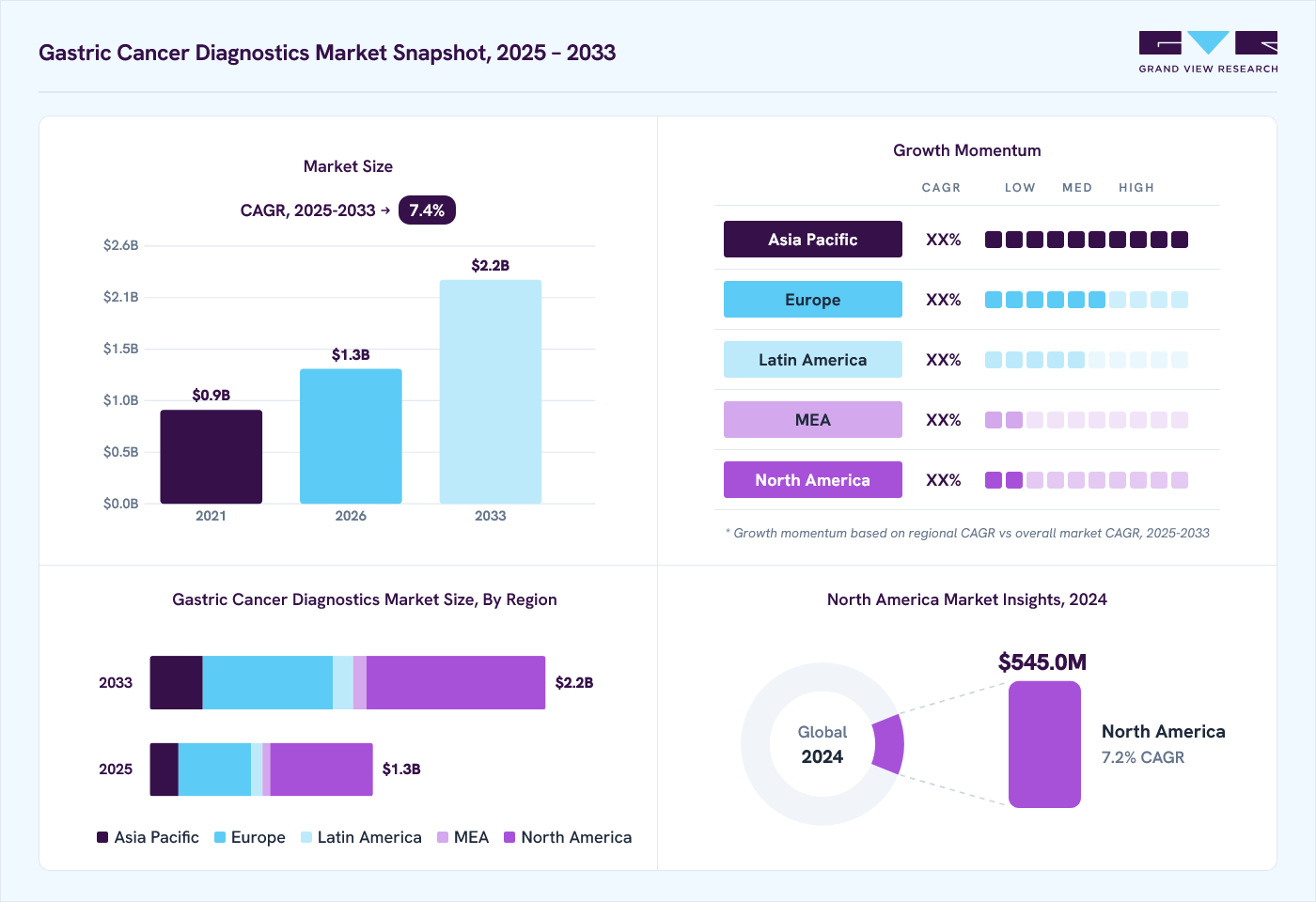 Source: Grand View Research, IR Documents, Primary Interviews, Paid DatabasesTo learn more about this report,
 Download Free Sample Report
 Key Market Trends & Insights
- The gastric cancer diagnostics market in the U.S. is expected to grow moderately over the forecast period.
- By product, the reagents and consumables segment held the highest market share of 60.88% in 2024.
- By disease type, the adenocarcinoma segment held the highest market share of 85.64% in 2024.
- By end use, the hospitals segment held the highest market share in 2024.
Market Size & Forecast
- 2024 Market Size: USD 1.2 Billion
- 2033 Projected Market Size: USD 2.2 Billion
- CAGR (2025-2033): 7.4%
- North America: Largest market in 2024
- Asia Pacific: Fastest growing market
Three ways to get this report
Buy it, customize it, or ask a question.Ask an Analyst
Analyst response in 1 business day
- AccessReport author, directly
- Reply timeWithin 1 working day
- No sales callDirect answer only
- FormatEmail reply
- CostFree, no cost
Get the Full Report
What the study covers
- FormatsPDF · Excel · Dashboard
- Timeline2025–2033 annual, 2024 base
- Coverage20+ countries, 5 regions
- Companies10+ key players profiled
Customize the Report
20% free customization
- IncludeCountries, segments, points
- TailorTo your product definition
- ExtendDeeper competitor detail
- OrA fully bespoke study
- Turnaround5–10 working days
Gastric cancer ranks as the 5th most common cancer worldwide, and its rising incidence drives the demand for advanced diagnostic tools, highlighting the urgent need for early detection and improved patient outcomes. According to the National Cancer Institute (NIH), in 2025, it is projected that there will be approximately 30,300 new stomach cancer cases, with about 10,780 deaths expected from the disease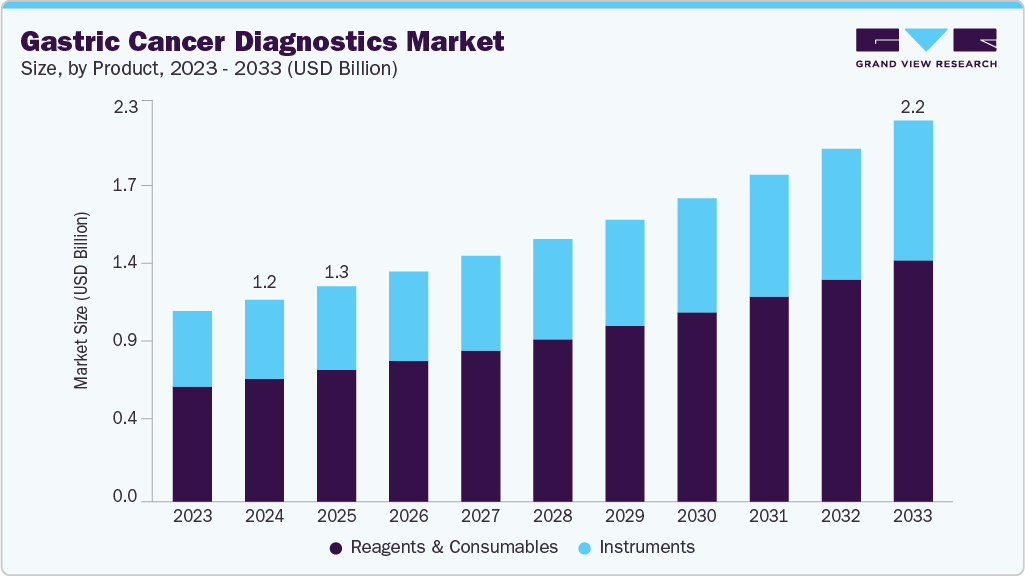 To learn more about this report, Download Free Sample Report
 Some of the factors, such as Helicobacter pylori infection, smoking, high-salt diets, and aging, are contributing to a higher disease burden. The mortality rate for gastric cancer rises as people get older. In 2019 and 2023, the age-adjusted death rate for both men and women was 2.7 per 100,000 individuals annually. The chart below illustrates the percentage of new cases (%) by age group of gastric cancer for the period 2019-2022
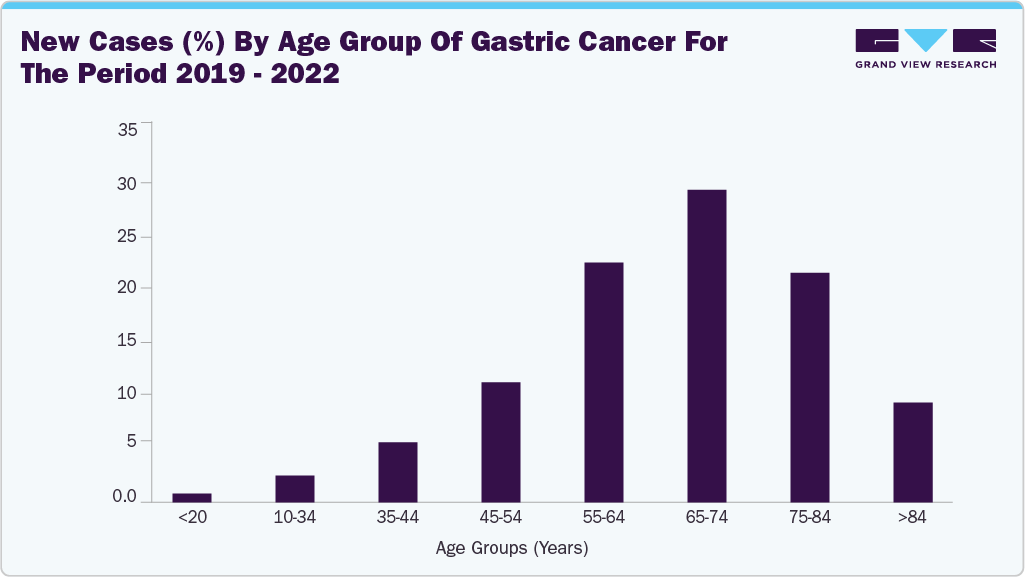 To learn more about this report, Download Free Sample Report
 Gastric cancer, being one of the leading causes of cancer-related deaths worldwide, has led to a rising demand for its early, accurate diagnostic tools. Healthcare systems are placing greater emphasis on screening programs and early detection, which drives the need for endoscopy, biopsy, imaging technologies, and molecular diagnostics, significantly expanding the market for both conventional and advanced diagnostic solutions.
Another factor for market growth is growing screening programs that the governments and healthcare organizations worldwide are implementing to detect gastric cancer in high-risk populations at earlier, more treatable stages. For instance in April, 2025, National Institutes of Health (NIH) has awarded a researcher USD 2.6 million over five years to lead a national team of researchers, clinicians, and computer scientists in evaluating the feasibility of gastric cancer screening in the U.S. Early detection significantly improves survival rates, prompting increased investments in diagnostic infrastructure. Countries like Japan and South Korea have established nationwide screening initiatives that include endoscopic examinations, which have proven effective in reducing mortality. As similar programs expand to other regions, the need for accurate and efficient diagnostic tools grows. This push toward preventive oncology and early-stage detection is a powerful driver of the gastric cancer diagnostics industry, especially as public health systems seek to reduce long-term treatment costs.
The shift toward personalized medicine is significantly influencing the gastric cancer diagnostics industry. Biomarker-based tests and genomic profiling allow clinicians to tailor treatments to individual patient profiles, improving therapeutic outcomes. This precision approach relies on advanced diagnostic tools such as next-generation sequencing (NGS), immunohistochemistry, and companion diagnostics. As targeted therapies become more prevalent, the need for molecular diagnostics to identify HER2, PD-L1, MSI, and other biomarkers in gastric cancer grows. Personalized medicine improves survival and enhances the cost-effectiveness of care, encouraging both healthcare providers and payers to adopt more advanced diagnostic platforms. For example, in metastatic biliary tract cancers, younger individuals tended to have a better prognosis than older patients, because their tumors were more likely to contain actionable genetic alterations that made them suitable candidates for personalized treatments.
 To learn more about this report, Download Free Sample Report
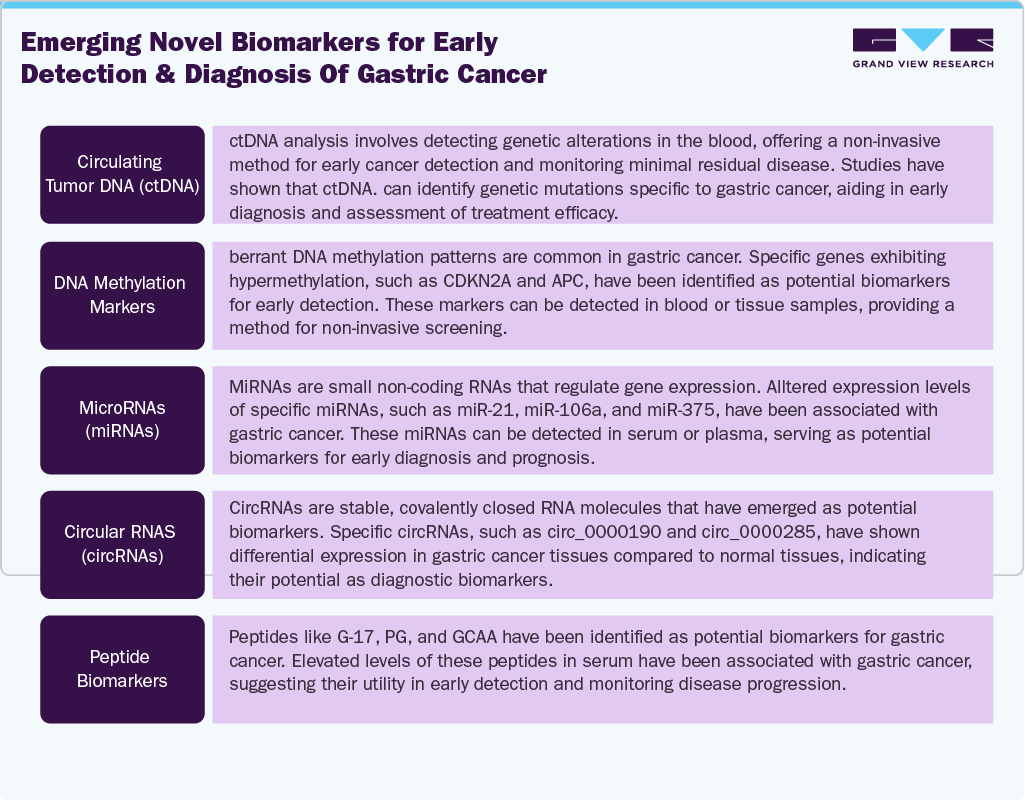
 Biomarkers can detect earlier molecular and genetic changes associated with cancer development, which is crucial for improving patient outcomes. Biomarkers, especially those found in blood or other body fluids, provide non-invasive or minimally invasive options, reducing patient discomfort compared to endoscopy or biopsy. They also allow for real-time monitoring of disease progression and treatment response, facilitating personalized medicine. Moreover, biomarkers can help differentiate between benign and malignant lesions with higher sensitivity and specificity, overcoming limitations of imaging such as low resolution or operator dependency. Hence, some emerging trends in biomarkers for gastric cancer diagnostics are listed below.
Market Concentration & Characteristics
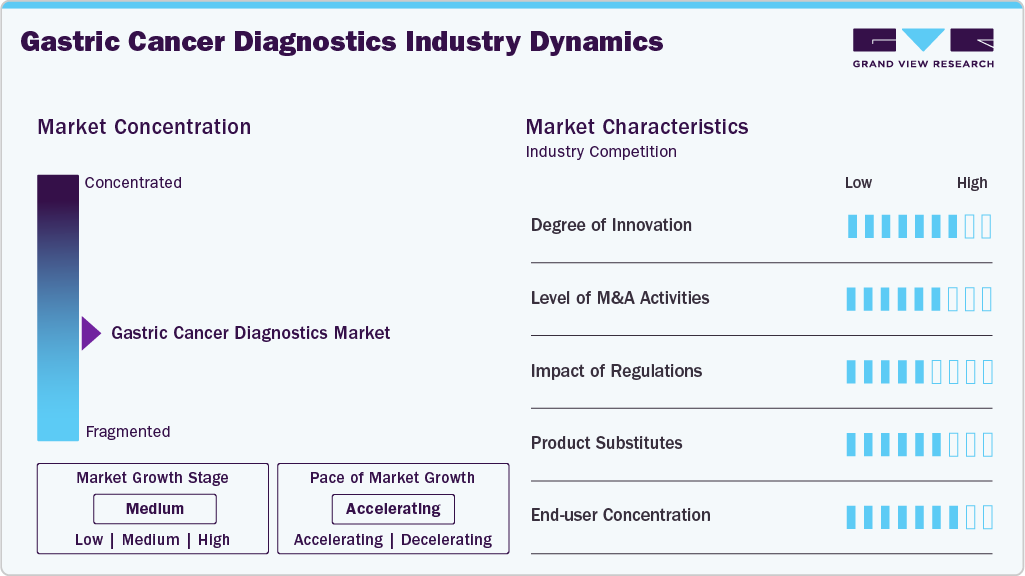
Innovation in gastric cancer diagnostics is rapidly evolving, driven by advancements in molecular testing, AI-powered imaging, and non-invasive biomarkers. These technologies improve early detection, diagnostic accuracy, and personalized treatment options. Continuous R&D and integration of cutting-edge tools are crucial for maintaining a competitive advantage and meeting clinical needs. For example, in November 2023, a research team from Nagoya University Graduate School of Medicine, Japan, identified stromal cell-derived factor 4 (SDF-4) protein as a new reliable tumor marker for early-stage gastric cancer detection, offering a promising tool for improving early diagnosis and patient outcomes.
Mergers and acquisitions are moderate in the gastric cancer diagnostics market, enabling companies to expand product portfolios, enter new geographic regions, and access innovative technologies. In March 2025, Royal Philips expanded its partnership with Ibex Medical Analytics, releasing the Philips IntelliSite Pathology Solution featuring scanners, Image Management System, and Ibex’s AI-powered tools for gastric cancer diagnostics. M&A activities accelerate growth, foster collaboration, and enhance capabilities, helping firms respond effectively to increasing demand and evolving diagnostic standards.
 To learn more about this report, Download Free Sample Report
 Regulatory frameworks drive market dynamics by ensuring diagnostic tools' safety, efficacy, and quality. Compliance with agencies like the FDA, CE, and others can delay product launches, but it also builds trust among healthcare providers. Evolving regulations on companion diagnostics and AI integration significantly influence innovation and market entry.
Substitute products in gastric cancer diagnostics include traditional imaging, endoscopy without advanced AI, and non-specific blood tests. While some alternatives exist, they often lack the sensitivity and specificity of modern molecular and AI-based diagnostics, limiting their effectiveness and reinforcing the demand for more precise and early detection methods.
End users in this market include hospitals, diagnostic laboratories, and specialized cancer centers. Hospitals dominate due to their comprehensive care and diagnostic capabilities, while laboratories focus on molecular and biomarker testing. The concentration varies by region and is influenced by healthcare infrastructure and access, shaping market adoption and growth patterns.
Product Insights
Reagents and consumables represent the largest segment with a revenue share of 60.88% in 2024. Due to their critical role in diagnostic workflows, they are among the market's fastest-growing segments. These products are essential for various testing methods, including molecular diagnostics, immunohistochemistry, and biopsy analysis. Their consistent and repeated use in laboratories and hospitals drives high demand. Advancements in diagnostic technologies and the growing emphasis on early cancer detection further boost their importance. Additionally, the increasing adoption of personalized medicine and precision diagnostics has led to the development of specialized reagents, enhancing test accuracy and efficiency. This ongoing demand makes the segment both dominant and rapidly expanding.
They are indispensable in various diagnostic procedures, including molecular testing, immunohistochemistry, and histopathological analysis, all of which are critical for accurate cancer detection. The constant need for these materials, driven by the increasing prevalence of gastric cancer and the push for early diagnosis, sustains their high demand. Innovations in reagent formulations have improved sensitivity and specificity, supporting more reliable test results.
Disease Type Insights
Adenocarcinoma represents the largest segment, with a revenue share of 85.64% in 2024, and is the fastest-growing segment in the gastric cancer diagnostics industry due to its high prevalence as the most common type of gastric cancer. The focus on diagnostics in adenocarcinoma drives demand for specialized tests that enable early detection and accurate classification, which are crucial for effective treatment planning.
Advances in molecular diagnostics, imaging techniques, and biomarker identification have enhanced the ability to detect adenocarcinoma at earlier stages. For instance, in October 2024, Roche announced VENTANA CLDN18 (43-14A) RxDx Assay as the first CE-marked immunohistochemistry companion diagnostic for detecting CLDN18 protein expression in gastric and gastroesophageal junction adenocarcinoma tumors.
Furthermore, in November 2023, the PD-L1 IHC 22C3 pharmDx diagnostic tool was designed to detect PD-L1 expression, aiding in the identification of patients with gastric or gastroesophageal junction adenocarcinoma that may benefit from targeted immunotherapy treatments.
In addition, growing awareness of this cancer subtype and the need for personalized therapeutic approaches further contribute to the segment’s rapid growth, making it a key area of focus within gastric cancer diagnostics.
End Use Insights
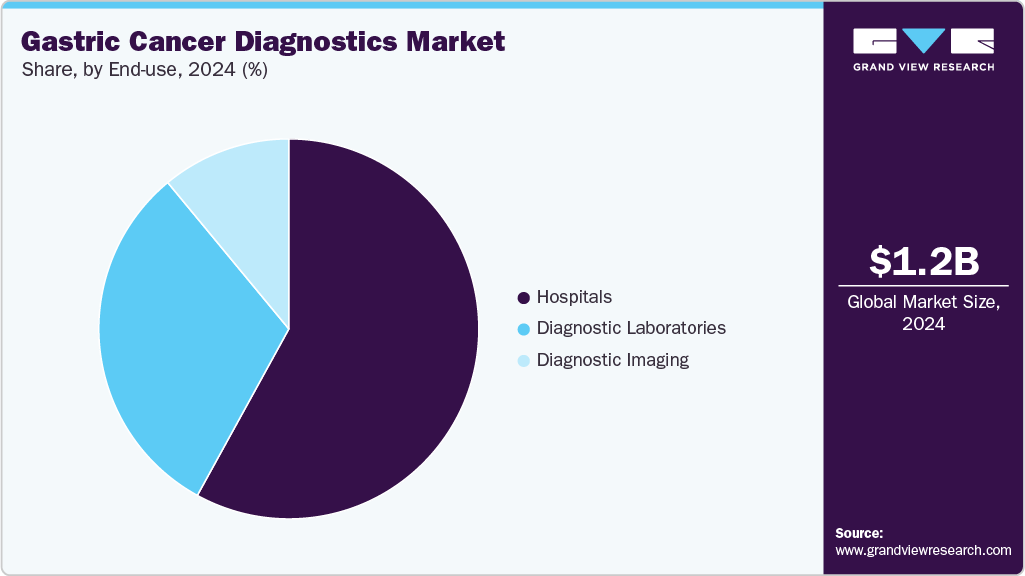
Hospitals represent the largest segment in the gastric cancer diagnostics market with a revenue share of 64.96% due to their integral role in patient diagnosis, treatment, and care management. Increasing patient influx and the rising need for early and accurate gastric cancer detection drive the demand for advanced diagnostic services within hospital settings. In addition, hospitals offer multidisciplinary care, integrating diagnostics with therapeutic decisions, which accelerates market growth. Growing healthcare infrastructure and the emphasis on personalized medicine further strengthen the expansion of this dynamic segment. Collaborations between companies and hospitals are enhancing market growth. For instance, in December 2023, FUJIFILM India partners with GVN Hospital to launch the Endo Bus, a mobile endoscopy unit that provides free early-stage gastrointestinal cancer screenings for underserved and economically disadvantaged patients in smaller cities across India.
 To learn more about this report, Download Free Sample Report
 Diagnostic laboratories are the fastest growing in the market, driven by their central role in disease detection and management. These labs offer comprehensive testing services, including molecular analysis, histopathology, and biomarker identification, which are essential for accurate diagnosis and treatment planning. The increasing prevalence of gastric cancer and the emphasis on early detection have led to a growing demand for advanced laboratory diagnostics. Collaborations between diagnostic laboratories and medtech companies are transforming gastric cancer diagnostics by integrating cutting-edge technologies into clinical settings. For instance, in October 2024, the National Cancer Center (Japan), the ARCAD Foundation (France), and the Mayo Clinic (United States) officially signed an agreement to launch the collaborative “ARCAD-Gastric ” project, to collect, integrate, and utilize clinical trial data on gastric cancer from around the world. The continuous investment in healthcare infrastructure and rising awareness about gastric cancer further reinforce the dominance of diagnostic laboratories in this market.
Regional Insights
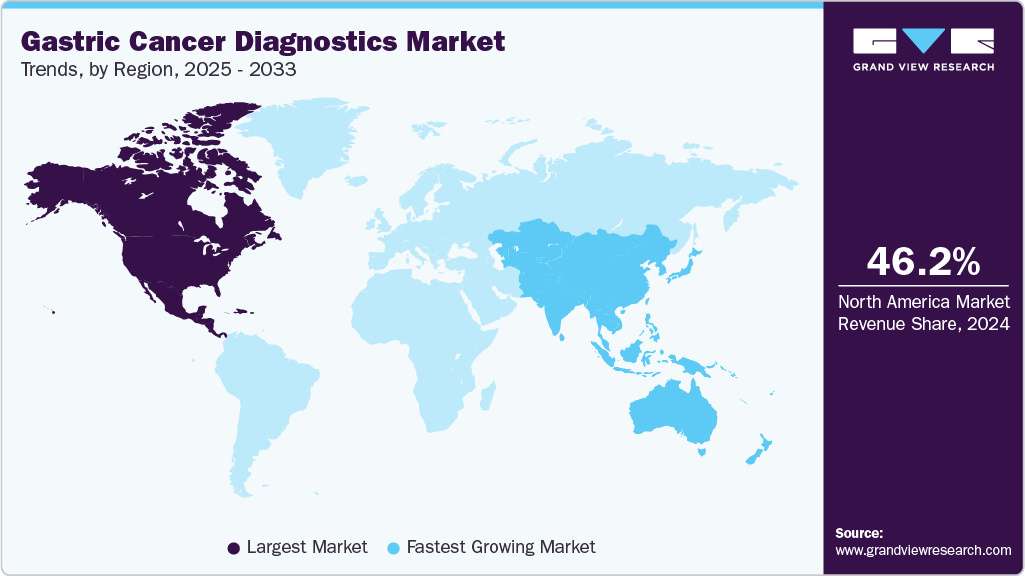
The North American gastric cancer diagnostics market is largest with revenue share of 46.15% in 2024, driven by rising gastric cancer incidence, and growing geriatric population. Some of the players include Roche, Thermo Fisher Scientific, Abbott and Bio-Rad. Innovations in biomarker-based tests and non-invasive screening enhance early detection, strengthening the market’s competitiveness and fueling growth across the region.
 To learn more about this report, Download Free Sample Report
 U.S. Gastric Cancer Diagnostics Market Trends
The U.S. gastric cancer diagnostics market is experiencing growth, driven by increasing cancer incidence, advancements in molecular diagnostics, and the integration of artificial intelligence (AI) and machine learning technologies. According to the U.S. Census Bureau, the population of Americans aged 100 and above is expected to increase significantly over the next 30 years from 101,000 in 2024 to approximately 422,000 by 2054, more than a fourfold rise
The European gastric cancer diagnostics market is expanding due to increasing screening programs and a shift toward non-invasive diagnostic methods. For instance, in April 2023, the EU-funded TOGAS project, led by UL ICPM with over 20 partners across 14 countries, aimed to advance gastric cancer screening and assess strategies to lower stomach cancer mortality in Europe. Advancements such as AI-powered endoscopic devices and liquid biopsy tests are enhancing early detection and personalized treatment options.
The UK gastric cancer diagnostics market is steadily growing, driven by rising funding and increasing research and development. For example, an article published in October 2024 stated that innovative cancer treatments developed in the UK will be tested domestically, reinforcing the country’s life sciences sector as a key contributor to economic growth. Innovations such as AI-enhanced endoscopic imaging and liquid biopsy platforms are improving early detection and treatment personalization.
The Germany gastric cancer diagnostics market is experiencing moderate growth, driven by high research and development activities and advancements in diagnostic technologies. Some of the players include Siemens Healthineers, Roche Diagnostics, Thermo Fisher Scientific, Abbott Laboratories, and Illumina, who play a crucial role in molecular diagnostics, imaging, and next-generation sequencing. Various research institutes, such as the National Center for Tumor Diseases, Heidelberg, and the German Cancer Research Institute, are contributing significantly, especially in stomach cancers.
Asia Pacific Gastric Cancer Diagnostics Market Trends
The Asia Pacific gastric cancer diagnostics market is expanding rapidly and is the fastest growing with a CAGR of 7.97% over the forecast period, driven by a high incidence of gastric cancer and an aging population. For instance, in October 2024, PacBio and the National Cancer Centre Singapore have partnered to study common Asian cancers using advanced sequencing tools like Onso and Kinnex, focusing on single-cell RNA analysis to identify key mutations and improve cancer diagnostics and treatment strategies, including gastrointestinal stromal tumors (GIST). Liquid biopsy tests and confocal endoscopy are enhancing early detection and personalized treatment options across the region.
The China gastric cancer diagnostics market is expanding due to rising technological advancements and increasing healthcare investments. For example, in October 2024, the Faculty of Medicine at The Chinese University of Hong Kong (CUHK) has launched the world’s first center dedicated to testing an AI-driven upper gastrointestinal endoscopy system aimed at detecting gastric cancers. Companies include Hotgen Biotech, Mirxes, and global companies like Roche and Thermo Fisher Scientific are contributing to a greater extent to this market.
The Japan gastric cancer diagnostics market is witnessing growth due to increasing collaborations and advancements in diagnostic technologies. Innovations such as AI-powered endoscopic imaging, liquid biopsy tests, and advanced tissue staining platforms are enhancing early detection and personalized treatment options. Regulatory support and government initiatives further drive market growth For example, in August 2023, AI Medical Service Inc. (AIM) has partnered with Memorial Sloan Kettering Cancer Center to explore using its gastric cancer detection AI in the U.S., while pursuing regulatory approval for the technology in Japan.
Latin America Gastric Cancer Diagnostics Market Trends
The Latin American gastric cancer diagnostics market is experiencing growth driven by increasing cancer incidence and an aging population. Some of the players include Bio-Rad Laboratories, F. Hoffmann-La Roche, bioMérieux, Thermo Fisher Scientific, Illumina, and Vela Diagnostics. Innovations are enhancing early detection and personalized treatment options. Regional initiatives and collaborations are further accelerating market development.
The Brazil gastric cancer diagnostics market is evolving, driven by rising incidence rates and a growing demand for advanced diagnostic tools. For example, in April 2024, AI Medical Service Inc. (AIM) secured the first regulatory approval from Brazil’s ANVISA for its AI-based endoscopic diagnosis support system for gastric cancer, marking a signifi cant milestone in advancing AI-driven medical diagnostics in the Brazilian healthcare market.
Middle East and Africa Gastric Cancer Diagnostics Market Trends
The Middle East and Africa (MEA) gastric cancer diagnostics market is expanding, driven by rising cancer incidences and increased healthcare investments. Companies such as Roche, Thermo Fisher Scientific, Illumina, and Vela Diagnostics are progressing in this market. Advancements such as AI-enhanced imaging, liquid biopsy tests, and point-of-care diagnostic devices are improving early detection and personalized treatment options. However, challenges like limited healthcare infrastructure and financial constraints persist in some regions.
The Saudi Arabia gastric cancer diagnostics market is expanding, driven by a rising aging population and advancements in diagnostic technologies. Technological advancements are improving early detection and personalized treatment options. Regulatory support from agencies like the Saudi Food and Drug Authority (SFDA) and increased healthcare investments further propel market growth.
Key Gastric Cancer Diagnostics Company Insights
Some of the key players operating in the market include Agilent Technologies Inc., Abbott, QIAGEN and Bio-Rad Laboratories, Inc.are prominent in offering a range of diagnostic solutions, including imaging systems, molecular diagnostics, and AI-powered platforms. Newadvancements include AI-based endoscopic diagnostic support devices, integrated digital pathology solutions, and molecular blood tests for early detection. These innovations aim to enhance diagnostic accuracy and early detection capabilities, contributing to improved patient outcomes in gastric cancer care.
Key Gastric Cancer Diagnostics Companies:
The following are the leading companies in the gastric cancer diagnostics market. These companies collectively hold the largest market share and dictate industry trends.
- MiRXES Pte Ltd
- Agilent Technologies Inc
- Endofotonics Pte Ltd
- Bio-Rad Laboratories, Inc
- Hipro Biotechnology Co., Ltd
- F. Hoffmann-La Roche Ltd.
- Exact Sciences Corporation
- QIAGEN
- Fulgent Genetics
- Abbott
Recent Developments
-
In May 2025, SSI Diagnostica Group is acquiring Gulf Coast Scientific to enhance its gastrointestinal disease testing offerings and reinforce its presence in the U.S. diagnostics market.
-
In April 2025, Agilent Technologies Inc. announced that the PD-L1 IHC 22C3 pharmDx (Code SK006) assay achieved European IVDR certification, enabling its use as a Companion Diagnostic (CDx) to help identify patients with gastric or gastroesophageal junction adenocarcinoma.
-
In October 2024, Roche announced the VENTANA CLDN18 (43-14A) RxDx Assay as the first immunohistochemistry companion diagnostic test to obtain CE Mark approval for detecting CLDN18 protein expression in tumors of patients with gastric or gastroesophageal junction adenocarcinoma.
Gastric Cancer Diagnostics Market Report Scope
Report Attribute
Details
Market size in 2024
USD 1.2 billion
Estimated market size in 2026
USD 1.3 billion
Projected market size by 2033
USD 2.2 billion
Growth rate
CAGR of 7.4% from 2025 to 2033
Actual data
2024
Historical data
2021 - 2023
Forecast period
2025 - 2033
Quantitative units
Revenue in USD billion/million and CAGR from 2025 to 2033
Report coverage
Revenue forecast, company ranking, competitive landscape, growth factors, and trends
Segments covered
Product, disease type, end use, region
Regional scope
North America; Europe; Asia Pacific; Latin America; MEA
Country scope
U.S.; Canada; Mexico; UK; Germany; France; Italy; Spain; Sweden; Denmark; Norway; China; Japan; India; Australia; South Korea; Thailand; Brazil; Argentina; Saudi Arabia; South Africa; UAE; Kuwait
Key companies profiled
MiRXES Pte Ltd; Agilent Technologies, Inc.; Endofotonics Pte Ltd; Bio-Rad Laboratories, Inc.; Hipro Biotechnology Co., Ltd.; F. Hoffmann-La Roche Ltd.; Exact Sciences Corporation; QIAGEN; Fulgent Genetics; Abbott
Customization scope
Free report customization (equivalent up to 8 analyst’s working days) with purchase. Addition or alteration to country, regional & segment scope
Pricing and purchase options
Avail customized purchase options to meet your exact research needs. Explore purchase options
Global Gastric Cancer Diagnostics Market Report Segmentation
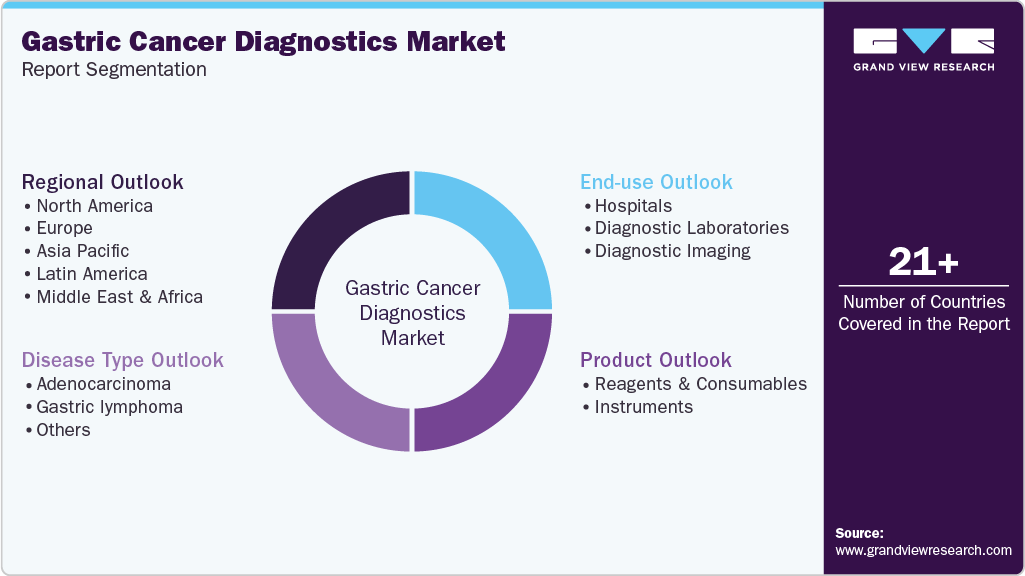
This report forecasts revenue growth at global, regional, and country levels and provides an analysis of the latest industry trends in each of the sub-segments from 2021 to 2033. For the purpose of this study, Grand View Research has segmented the global gastric cancer diagnostics market report based on product, disease type, end use, and region:
 To learn more about this report, Download Free Sample Report
 -
Product Outlook (Revenue, USD Million, 2021 - 2033)
-
Reagents & Consumables
-
Instruments
-
-
Disease Type Outlook (Revenue, USD Million, 2021 - 2033)
-
Adenocarcinoma
-
Gastric lymphoma
-
Others
-
-
End Use Outlook (Revenue, USD Million, 2021 - 2033)
-
Hospitals
-
Diagnostic Laboratories
-
Diagnostic Imaging
-
-
Regional Outlook (Revenue in USD Million, 2021 - 2033)
-
North America
-
U.S.
-
Canada
-
Mexico
-
-
Europe
-
UK
-
Germany
-
France
-
Italy
-
Spain
-
Sweden
-
Denmark
-
Norway
-
-
Asia Pacific
-
Japan
-
China
-
India
-
Australia
-
South Korea
-
Thailand
-
-
Latin America
-
Brazil
-
Argentina
-
-
Middle East and Africa
-
Saudi Arabia
-
South Africa
-
UAE
-
Kuwait
-
-
Frequently Asked Questions About This Report
The global gastric cancer diagnostics market size was valued at USD 1.2 billion in 2024 and is estimated at USD 1.3 billion for 2026.
Reagents and consumables dominate the market with a revenue share of 60.88% in 2024 and is the fastest-growing segment in the gastric cancer diagnostics market, driven by their essential role in a wide range of diagnostic procedures, including histopathology, immunohistochemistry and molecular testing. These products are critical for the preparation, staining, and analysis of tissue and fluid samples, making them indispensable across clinical and research laboratories.
Some key players operating in the gastric cancer diagnostics market include Illumina, Inc, Guardant Health, Natera, Inc, Thermo Fisher Scientific, QIAGEN, Freenome Holdings Inc, Exact Sciences Corporation, PathAI, Inc, GE Healthcare
The gastric cancer diagnostics market is growing driven by rising incidence of gastric cancer, growing emphasis on early detection and screening programs and escalating demand for personalized medicines. Gastric cancer ranks as the 5th most common cancer worldwide and its rising incidence drives the demand for advanced diagnostic tools, highlighting the urgent need for early detection and improved patient outcomes. According to National Cancer Institute (NIH) in 2025, it is projected that there will be approximately 30,300 new stomach cancer cases, with about 10,780 deaths expected from the disease.
The global gastric cancer diagnostics market is expected to grow at a CAGR of 7.4% from 2025 to 2033, reaching USD 2.2 billion by 2033.
About the Author(s)
Clinical Diagnostics Research Team
Healthcare · Clinical DiagnosticsThis report was authored by the clinical diagnostics research team at Grand View Research - comprising two research analysts, one senior research analyst, and one industry expert - with specialized expertise in the clinical diagnostics segment of the healthcare industry. All findings are based on proprietary healthcare databases, executive interviews, and regulatory analysis, subject to internal peer review prior to publication.
Last Updated:
Speak to Analyst

Customize this report to your needs - add regions, segments, or data points, with 20% free customization.
Or view our licence options:


ISO 9001:2015 & 27001:2022 Certified
We are GDPR and CCPA compliant! Your transaction & personal information is safe and secure. For more details, please read our privacy policy.


