
- Home
- »
- Medical Devices
- »
-
Medical Disposables Market Size & Share Report, 2026-2033GVR Report cover

Medical Disposables Market (2026 - 2033)
Size, Share, & Trends Analysis Report By Product (Wound Management Products, Sterilization Supplies, Diagnostic And Laboratory Disposables), By Raw Material (Plastic Resin, Nonwoven Material), By End Use, By Region, And Segment Forecasts
Market Size, 2025
$674.3BMarket Estimate, 2026
$788.7BMarket Forecast, 2033
$2,515.2BCAGR, 2026–2033
18.0%Medical Disposables Market Summary
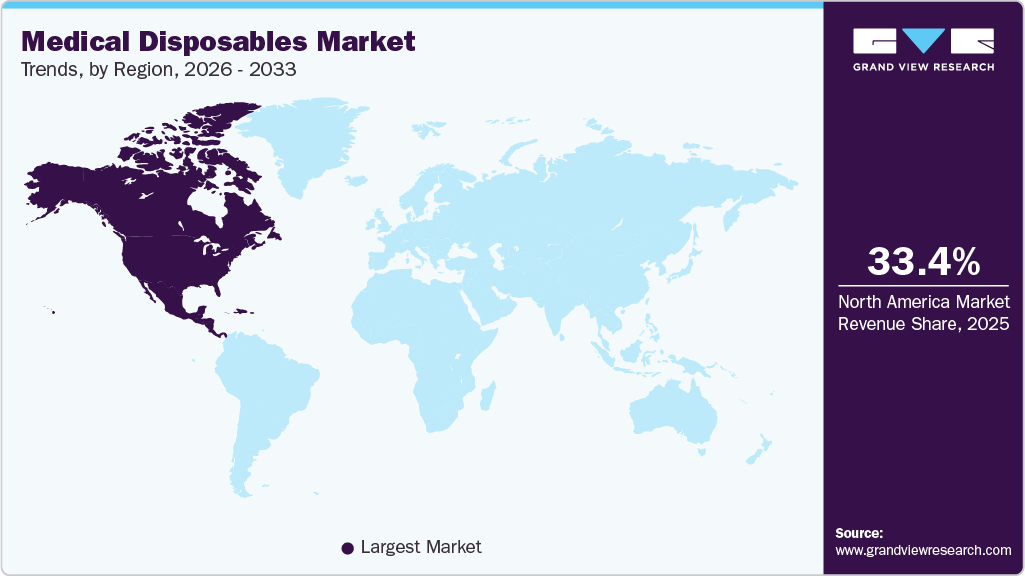
The global medical disposables market size was valued at USD 674.3 billion in 2025 and is projected to grow from USD 788.7 billion in 2026 to USD 2,515.2 billion by 2033, at a CAGR of 18.0% from 2026 to 2033. The market in North America dominated with a revenue share of 33.4% in 2025. The market is witnessing growth, driven by rising demand for safe, hygienic, and cost-effective healthcare solutions.
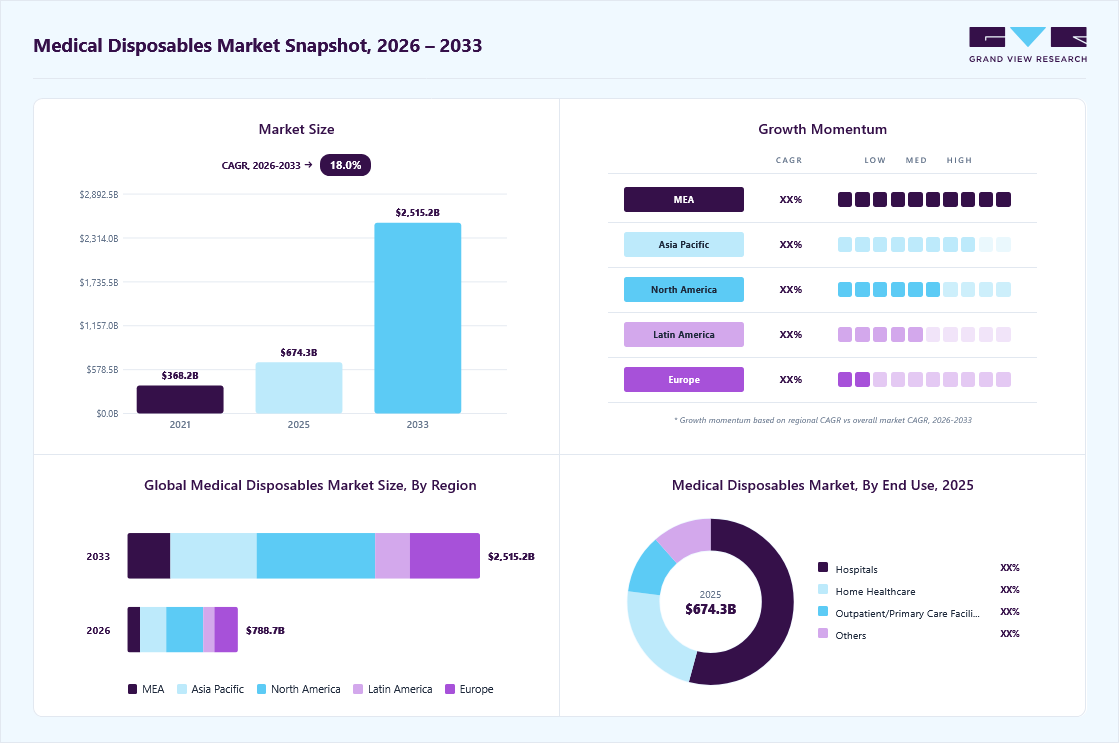 Source: Grand View Research, IR Documents, Primary Interviews, Paid DatabasesTo learn more about this report,
 Download Free Sample Report
Key Market Trends & Insights
- By raw material: Plastic resins segment held the largest market share of 57.6% in 2025.
- By product: Sterilization supplies segment held the largest market share of 11.3% in 2025.
- By end use: Hospitals segment held the largest market share in 2025.
Regional Highlights
- Largest regional market: North America (33.4% revenue share, 2025)
- By country: The U.S. held the largest market share in 2025
Market Size & Forecast
- Market size in 2025: USD 674.3 Billion
- Estimated market size in 2026: USD 788.7 Billion
- Projected market size by 2033: USD 2,515.2 Billion
- CAGR (2026-2033): 18.0%
Three ways to get this report
Buy it, customize it, or ask a question.Ask an Analyst
Analyst response in 1 business day
- AccessReport author, directly
- Reply timeWithin 1 working day
- No sales callDirect answer only
- FormatEmail reply
- CostFree, no cost
Get the Full Report
What the study covers
- FormatsPDF · Excel · Dashboard
- Timeline2026–2033 annual, 2025 base
- Coverage20+ countries, 5 regions
- Companies10+ key players profiled
Customize the Report
20% free customization
- IncludeCountries, segments, points
- TailorTo your product definition
- ExtendDeeper competitor detail
- OrA fully bespoke study
- Turnaround5–10 working days
Medical disposables, such as syringes, gloves, catheters, diagnostic kits, and wound care products, are widely used in hospitals, clinics, and home care settings to prevent cross-contamination and ensure patient safety. The market expansion is primarily supported by the rising burden of chronic diseases, the growing number of surgical procedures, and an aging population that requires frequent medical attention. In addition, heightened awareness of infection prevention, especially following recent global health crises, has significantly accelerated the adoption of single-use products.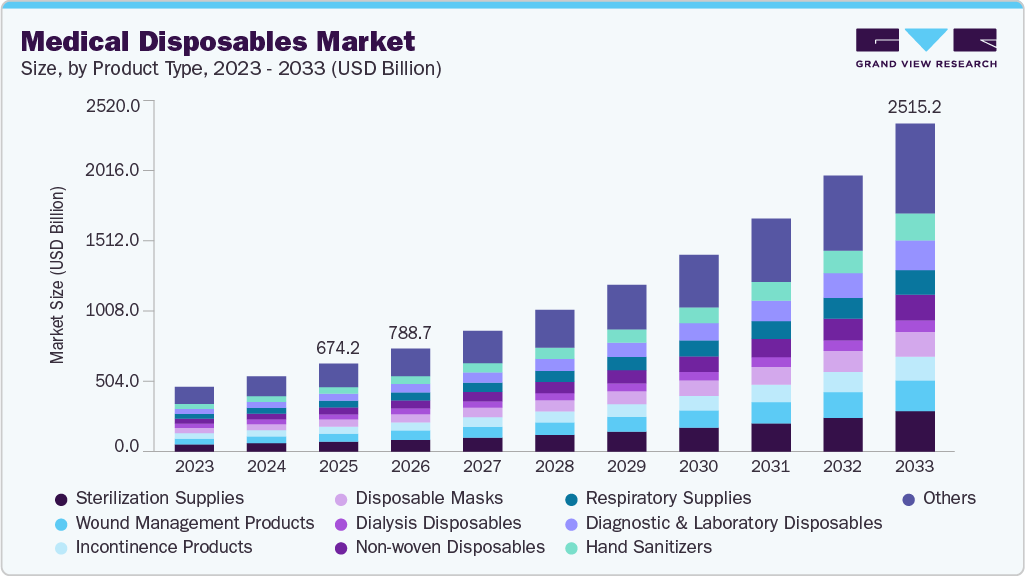 To learn more about this report, Download Free Sample Report
The rising prevalence of Hospital-Acquired Infections (HAIs) is a key factor driving growth in the medical disposables market, as healthcare providers prioritize infection prevention and patient safety. HAIs such as bloodstream infections, surgical site infections, and ventilator-associated pneumonia are transmitted through contaminated instruments or improper sterilization, prompting hospitals to shift toward single-use, sterile products. Medical disposables, including gloves, syringes, catheters, surgical drapes, and masks, significantly reduce the risk of cross-contamination compared to reusable equipment. As regulatory bodies enforce stricter hygiene and sterilization standards, hospitals and clinics are compelled to adopt a higher volume of disposable products to ensure compliance and minimize infection rates. In addition, the financial burden of treating HAIs and extended hospital stays further encourages healthcare facilities to invest in cost-effective preventive measures, such as disposables.
-
According to the WHO, healthcare-associated infections remain a major and persistent challenge worldwide in 2025. They affect about 7% of patients in high-income countries and up to 15% in low- and middle-income nations. These infections not only threaten patient safety but also lead to higher morbidity and mortality rates, along with a decline in quality of life.
The increasing volume of surgical procedures, particularly orthopedic interventions such as hip and knee replacements, is driving significant growth in the medical disposables market. These procedures are becoming more common due to the rising incidence of joint disorders, aging populations, and improved access to advanced surgical care. Each surgery requires a large quantity of single-use products, including surgical gloves, gowns, drapes, syringes, sutures, and sterilization supplies, to maintain a sterile environment and minimize the risk of infections. As the number of joint replacement surgeries continues to increase, hospitals and surgical centers are using more disposable items to ensure patient safety and comply with stringent infection control standards. In addition, the growing preference for minimally invasive techniques and faster recovery procedures is further boosting surgical frequency, thereby accelerating the demand for medical disposables across healthcare settings.
“People assume that most knee replacement patients are young, active baby boomers who have damaged their knees through sports and other activities. But when we look at the representative set of patients age 45 to 64, they aren’t like that.”- David Ayers, MD, chair of the department of orthopedics and physical rehabilitation at the University of Massachusetts Medical School.
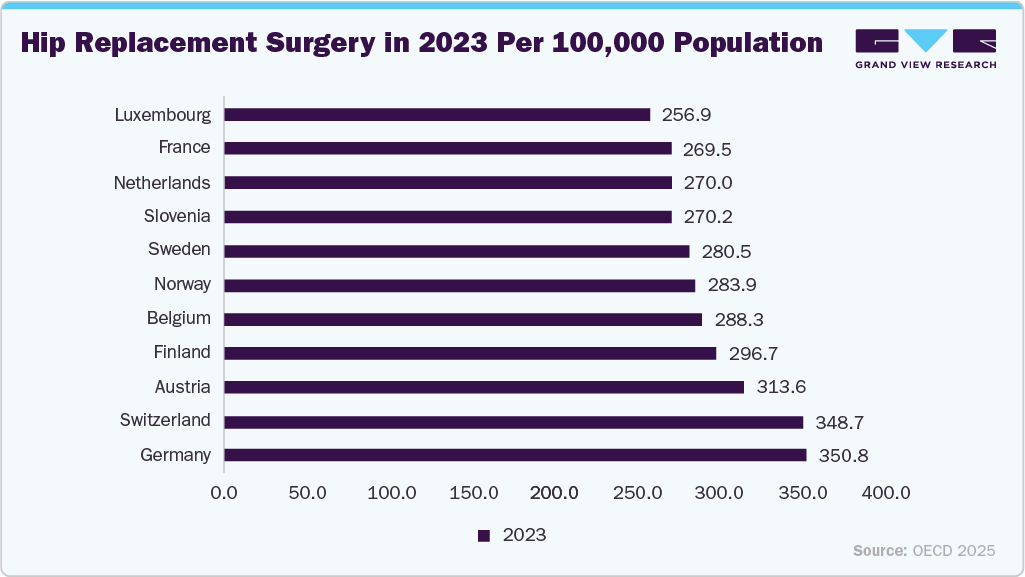 To learn more about this report, Download Free Sample Report
The rising incidence of road accidents and related fatalities is significantly contributing to the growth of the medical disposables market, as trauma cases require immediate and intensive medical intervention. Victims of road accidents suffer from severe injuries such as fractures, internal bleeding, and soft tissue damage, which necessitate emergency surgeries, wound management, and critical care support. This leads to increased consumption of disposable products, including surgical gloves, gowns, syringes, IV sets, catheters, bandages, and trauma care kits. In emergency and intensive care settings, the use of single-use items is essential to maintain sterility, prevent infections, and ensure rapid response without delays associated with sterilization. In addition, the high volume of accident-related hospital admissions puts pressure on healthcare systems to maintain adequate supplies of disposable products to support efficient patient management.
The rising burden of chronic diseases, particularly diabetes mellitus, is a major factor accelerating the growth of the medical disposables market, as diabetes requires lifelong management and frequent medical care. Diabetic patients rely heavily on disposable products such as insulin syringes, pen needles, lancets, test strips, and continuous glucose monitoring sensors for daily blood sugar control. Poor glycemic control leads to complications such as diabetic foot ulcers, which require ongoing wound care with sterile dressings, bandages, and infection-control products, significantly increasing disposable consumption. In addition, diabetes can result in kidney damage, leading to dialysis, where single-use consumables such as tubing, filters, and needles are essential to maintain safety and hygiene. The higher susceptibility of diabetic patients to infections also necessitates the use of gloves, masks, and other protective disposables during routine care. As the global diabetic population continues to rise, the frequency of monitoring, treatment, and complication management increases, directly fueling consistent demand for medical disposables across both home care and hospital settings.
“We have seen an alarming rise in diabetes over the past three decades, which reflects the increase in obesity, compounded by the impacts of the marketing of unhealthy food, a lack of physical activity, and economic hardship. To bring the global diabetes epidemic under control, countries must urgently take action. This starts with enacting policies that support healthy diets and physical activity, and, most importantly, health systems that provide prevention, early detection, and treatment.”- WHO Director-General Dr Tedrosactebreyesus.
- According to data published by the International Diabetes Federation, in 2024, approximately 589 million adults aged 20-79 years worldwide were living with diabetes, and this number is projected to reach 853 million by 2050, reflecting a significant long-term increase. Notably, over 4 in 5 adults (81%) with diabetes reside in low- and middle-income countries, highlighting the disproportionate impact on developing regions.
Market Dynamics
The medical disposables market is primarily driven by the growing demand for infection prevention, patient safety, and efficient healthcare delivery across hospitals, ambulatory surgical centers, and homecare settings. The increasing prevalence of chronic diseases such as cardiovascular disorders, diabetes, respiratory diseases, and cancer has significantly increased hospitalization rates and surgical procedures worldwide, thereby accelerating the consumption of single-use medical products, including gloves, syringes, catheters, surgical drapes, IV consumables, wound care products, and diagnostic disposables. In addition, the growing emphasis on hospital-acquired infection (HAI) prevention and strict regulatory guidelines regarding sterilization and cross-contamination control have strengthened the adoption of disposable medical products across healthcare facilities. Technological advancements in material science, including latex-free, non-woven, antimicrobial, and biodegradable disposable products, have further supported market expansion by improving product safety, comfort, and environmental compatibility. Furthermore, the rapid expansion of outpatient care, diagnostic laboratories, and home healthcare services has increased demand for convenient, ready-to-use, and cost-efficient disposable medical supplies that improve workflow efficiency and reduce operational burden on healthcare providers.
According to the World Health Organization (WHO), noncommunicable diseases (NCDs) account for approximately 41 million deaths annually, representing nearly 74% of all global deaths. The increasing burden of chronic diseases and the rising number of surgical interventions continue to drive demand for disposable medical products across healthcare systems worldwide. Additionally, the growing aging population and expanding healthcare infrastructure in emerging economies are further contributing to sustained market growth.
The medical disposables market faces restraints due to growing environmental concerns about the large-scale generation of biomedical and plastic waste from single-use healthcare products. The extensive use of disposable plastic products, particularly those made from PVC, polyethylene, and polypropylene, has raised sustainability concerns about waste management and environmental pollution. In addition, fluctuations in raw material prices and supply chain disruptions can increase manufacturing costs and impact product pricing, particularly for small and medium-sized manufacturers. Regulatory compliance requirements related to sterilization standards, material safety, and waste-disposal protocols further increase operational complexity and production costs. Moreover, healthcare providers in cost-sensitive regions often face budget constraints and reimbursement limitations, which restrict the adoption of premium or eco-friendly disposable products. The increasing focus on sustainability and the transition toward recyclable and biodegradable alternatives may also require substantial investments in product redesign, manufacturing upgrades, and supply chain transformation, which can slow market adoption in certain regions.
Market Concentration & Characteristics
The medical disposables market is characterized by a mix of globally established manufacturers and numerous regional and local producers, creating a competitive, fragmented landscape. It is driven by high-volume consumption, as products such as syringes, gloves, catheters, and wound care items are designed for single use to ensure hygiene and reduce the risk of Hospital-Acquired Infections. The market operates under strict regulatory standards and quality requirements, as patient safety and infection control are critical factors influencing product adoption. Relatively low product differentiation in basic disposables leads to strong price competition, especially in cost-sensitive regions. Manufacturers focus heavily on large-scale production, cost efficiency, and supply chain reliability to meet continuous demand from hospitals, clinics, and home care settings.
The degree of innovation is largely focused on improving safety, efficiency, and infection prevention rather than introducing highly complex technologies. Continuous advancements are being made in the development of safety-engineered products, such as needles designed to minimize needlestick injuries, and disposables with antimicrobial properties to reduce the risk of hospital-acquired infections. There is also increasing emphasis on enhancing product design for better usability, particularly in home care settings where ease of handling is essential. Material innovation is gaining importance, with a shift toward eco-friendly and biodegradable disposables to address environmental concerns associated with medical waste. In addition, the emergence of smart disposable devices, especially in diabetes mellitus applications such as single-use sensors and wearable patches, is enabling real-time monitoring and personalized care.
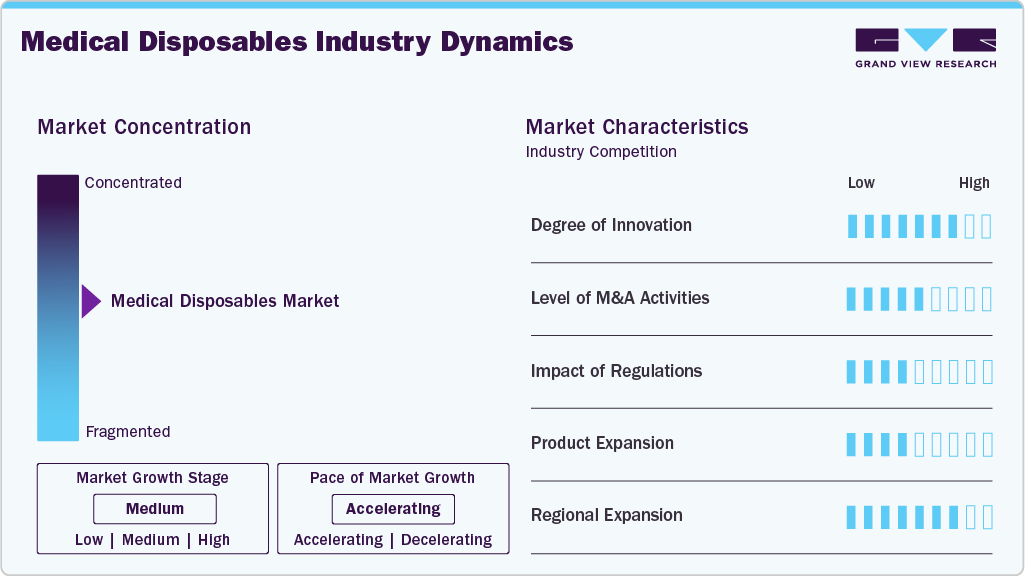 To learn more about this report, Download Free Sample Report
-
In June 2025, Coherent Corp. announced the launch of its new line of disposable surgical fiber assemblies designed for laser lithotripsy and other advanced medical applications. These next-generation fibers are engineered to deliver high optical performance, durability, and compatibility with modern laser systems, enabling efficient stone fragmentation and supporting procedures across urology and soft tissue surgeries.
Regulations have a significant impact on the medical disposables market by shaping product quality, safety standards, and market access. Regulatory bodies across regions impose strict guidelines related to manufacturing processes, material safety, sterilization, and performance requirements, ensuring that disposable products meet high standards for patient safety and infection control. Compliance with frameworks such as quality management systems and approval procedures increases the need for ongoing investment in testing, certification, and documentation, potentially raising operational costs for manufacturers. These stringent regulations drive the adoption of single-use products to prevent hospital-acquired infections, thereby supporting market demand. Regulatory pressure also encourages innovation in safer, more reliable disposables, including improvements in materials and designs.
-
In April 2026, Carbon Medical Technologies, Inc. announced that its InjecSURE Injection System received 510(k) clearance from the U.S. Food and Drug Administration. The system is designed as an accessory for cystoscopic procedures, enabling precise delivery of syringe-based injectable materials into urethral tissues. It features sterile, single-use components, including a disposable sheath and injection needle, supporting improved procedural efficiency and patient safety.
The level of mergers and acquisitions (M&A) activity is characterized by ongoing strategic transactions aimed at strengthening market presence, expanding product portfolios, and enhancing geographic reach. Companies frequently acquire smaller or specialized manufacturers to access niche technologies, broaden their disposable product lines, and enhance production capabilities. Consolidation is a key trend, enabling organizations to achieve economies of scale, streamline supply chains, and remain competitive in a price-sensitive environment. In addition, divestitures and strategic partnerships are used to refine business focus and optimize operational efficiency. Strong demand for high-volume products, particularly those used in infection control and surgical procedures, continues to attract investor interest.
-
In April 2026, Merit Medical Systems, a leading manufacturer of disposable medical devices, including catheters and guidewires, announced the acquisition of View Point Medical for approximately USD 140 million. This move highlights how disposable device manufacturers are expanding into advanced imaging and oncology-focused solutions.
Regional expansion in the medical disposables market is driven by rising healthcare demand, improving medical infrastructure, and increasing emphasis on infection prevention across both developed and emerging economies. Mature markets continue to generate strong demand due to high surgical volumes, advanced healthcare systems, and widespread adoption of single-use products to reduce the risk of hospital-acquired infections. Developing economies are witnessing rapid growth, driven by large patient populations, the increasing prevalence of chronic conditions such as diabetes mellitus, and expanding access to healthcare services. Growth is further supported by rising investments in hospital infrastructure, greater health insurance penetration, and the expansion of local manufacturing capabilities to meet cost-sensitive demand. In addition, companies are strengthening their distribution networks and establishing new production facilities to enhance supply chain efficiency and meet rising demand.
Product Insights
Sterilization supplies continue to dominate the medical disposables market because they are fundamental to infection control across all healthcare settings. Hospitals, clinics, and surgical centers rely heavily on products such as sterilization wraps, pouches, indicators, and disinfectant consumables to maintain sterile environments and comply with strict hygiene standards. The growing number of surgical procedures, combined with increasing awareness of hospital-acquired infections, has made sterilization practices non-negotiable in healthcare delivery. In addition, regulatory requirements and accreditation standards further reinforce consistent use of these products, ensuring recurring demand and making this segment the largest contributor to revenue.
Diagnostic and laboratory disposables are emerging as the fastest-growing segment, driven by rising demand for diagnostic testing and early disease detection. The increasing burden of chronic and infectious diseases has significantly increased the need for routine and advanced laboratory testing, driving demand for items such as sample collection containers, test kits, pipette tips, and other single-use lab consumables. The expansion of diagnostic laboratories, point-of-care testing and preventive healthcare initiatives also supports growth. As healthcare systems shift toward early diagnosis and personalized treatment, the frequency of testing continues to rise, accelerating the adoption of disposable laboratory products and driving strong growth momentum for this segment.
Raw Material Insights
Plastic resins dominate the raw materials segment of the medical disposables market due to their versatility, cost-effectiveness, and suitability for mass production. Materials such as polypropylene, polyethylene, and polyvinyl chloride are widely used to manufacture syringes, IV bags, catheters, and packaging components due to their durability, flexibility, and compatibility with various sterilization methods. These materials also offer excellent barrier properties and can be easily molded into complex shapes, making them ideal for single-use medical applications. The high-volume consumption of disposable products in hospitals and clinics ensures consistent demand for plastic resins, reinforcing their leading market position.
Nonwoven materials are witnessing the fastest growth due to their increasing use in infection prevention and protective applications. These materials are widely utilized in products such as surgical gowns, masks, drapes, and wound dressings because of their lightweight nature, breathability, and effective barrier against microorganisms. The growing emphasis on hygiene, rising surgical volumes, and increased awareness around cross-contamination have accelerated the adoption of nonwoven-based disposables. In addition, continuous advancements in fabric technology and the shift toward more comfortable and high-performance protective wear are further driving the rapid growth of this segment.
End Use Insights
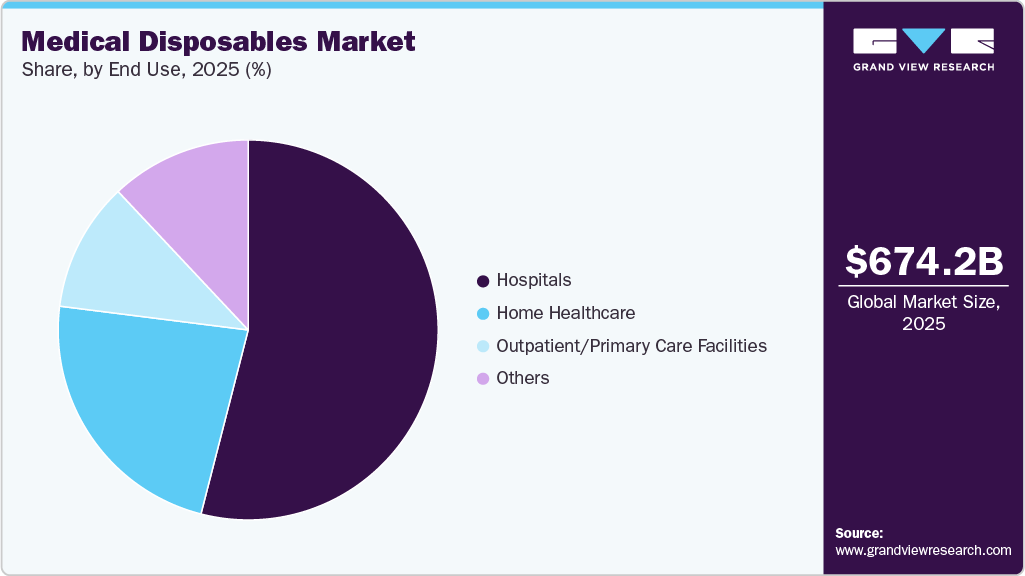
Hospitals are the dominant end-use segment in the medical disposables market due to their high patient inflow and the extensive range of medical procedures performed daily. These settings require large volumes of disposable products such as gloves, syringes, catheters, surgical drapes, and sterilization supplies to maintain hygiene and prevent infections. The presence of advanced infrastructure, the availability of skilled healthcare professionals, and the need to comply with strict infection control protocols further drive the continuous consumption of disposables in hospitals. In addition, the increasing number of surgeries and inpatient admissions ensures sustained demand, making hospitals the largest contributor to market revenue.
 To learn more about this report, Download Free Sample Report
Home healthcare is the fastest-growing segment in the market, driven by rising preference for at-home treatment and long-term care management. Factors such as the growing aging population, increasing prevalence of chronic diseases, and the need to reduce hospital stays and healthcare costs are encouraging patients to opt for home-based care. This shift is boosting demand for disposable products, including wound care items, diabetic care supplies, urinary catheters, and home diagnostic kits. Advancements in portable medical devices and improved access to remote healthcare services are further accelerating the adoption of medical disposables in home healthcare settings, supporting strong CAGR growth.
Regional Insights
The North America medical disposables industry is a major contributor to the growth of the global market, driven by its advanced healthcare infrastructure and high healthcare spending. The region has a strong presence of leading medical device manufacturers, continuous technological advancements, and widespread adoption of single-use products to ensure patient safety and infection control. The increasing prevalence of chronic diseases such as diabetes mellitus and cardiovascular diseases has led to a higher number of hospitalizations, surgical procedures, and diagnostic tests, all of which require disposable medical products. In addition, strict regulatory standards and infection prevention protocols encourage consistent use of sterile, single-use items across healthcare facilities. The growing aging population and rising demand for home healthcare services further drive increased consumption of medical disposables, supporting market expansion in the region.
 To learn more about this report, Download Free Sample Report
U.S. Medical Disposables Market Trends
The medical disposables industry in the U.S. has gained traction from the rising number of hospitals in the U.S., thereby increasing the demand for single-use medical products. As new hospitals and healthcare facilities are established to accommodate growing patient populations, there is a corresponding increase in demand for essential disposables, including gloves, syringes, IV components, surgical drapes, and diagnostic consumables. Each hospital requires a continuous and large-scale supply of these products to maintain hygiene standards, prevent cross-contamination, and comply with strict infection control regulations. In addition, expanding hospital infrastructure increases the volume of surgeries, inpatient care, and diagnostic procedures, all of which rely heavily on disposable items.
Europe Medical Disposables Market Trends
The medical disposables industry in Europe is experiencing growth, driven by well-established healthcare systems and a strong emphasis on patient safety and infection control. Countries across the region are adopting single-use medical products to reduce the risk of hospital-acquired infections and improve clinical outcomes. The rising prevalence of chronic diseases such as cancer and cardiovascular diseases has led to higher hospitalization rates, surgical procedures, and diagnostic testing, all of which drive demand for disposable medical supplies. In addition, the growing elderly population requires frequent medical care and long-term treatment, further increasing disposable consumption. Government support for healthcare modernization, expansion of healthcare facilities, and strict regulatory standards regarding hygiene and sterilization are also contributing to market expansion.
The UK medical disposables industry is witnessing growth on the back of the rising prevalence of urinary incontinence in the region, primarily by increasing demand for hygiene and patient-care products. Conditions such as urinary incontinence are becoming more common due to an aging population, higher incidence of chronic diseases, and post-surgical complications. This has led to greater use of disposable items, such as absorbent pads, adult diapers, urinary catheters, and drainage bags, in both clinical and home care settings. In addition, growing awareness and reduced social stigma around incontinence management are encouraging more patients to seek treatment and use disposable solutions regularly.
The medical disposables industry in Germany is experiencing a rising number of cardiac surgeries, increasing the demand for single-use medical products used during surgical procedures. Interventions such as coronary bypass surgeries, heart valve replacements, and device implantations require a wide range of disposables, including surgical drapes, gloves, catheters, syringes, and sterilization consumables to maintain strict hygiene and prevent infections. The growing prevalence of cardiovascular diseases, along with an aging population, is leading to a higher volume of both conventional and minimally invasive cardiac procedures. This continuous rise in surgical activity ensures recurring consumption of disposable products across hospitals and specialized cardiac centers.
Asia Pacific Medical Disposables Market Trends
The medical disposables industry in the Asia Pacific region is growing, driven by the ongoing expansion of healthcare infrastructure and greater access to medical services. The rising number of hospitals, clinics, and diagnostic centers across both urban and semi-urban areas is driving higher consumption of single-use medical products such as syringes, gloves, catheters, surgical drapes, and diagnostic consumables. The increasing prevalence of chronic and infectious diseases is also driving greater demand for routine medical procedures, which, in turn, supports the use of disposable products to maintain hygiene and prevent cross-contamination. Growing awareness about infection control, improved healthcare spending, and supportive government initiatives to strengthen public healthcare systems are further encouraging adoption.
The medical disposables market in India is witnessing a rising number of diabetes patients, which has increased the demand for routine monitoring and treatment-related consumables. The growing prevalence of diabetes mellitus has increased demand for disposable products, including insulin syringes, pen needles, blood glucose test strips, lancets, and IV consumables, used in both clinical and home care settings. As diabetes is a long-term condition requiring continuous management, patients frequently rely on single-use medical items to ensure hygiene, accuracy, and infection prevention during daily monitoring and insulin administration. The expansion of home healthcare and self-care practices has further increased the use of these disposables, reducing dependence on hospital visits. In addition, growing awareness of early diagnosis and improved disease management practices is driving regular testing, further supporting sustained demand for medical disposables across the country.
-
According to the International Diabetes Federation (IDF) Diabetes Atlas 11th Edition (April 2025), around 89.8 million adults in India aged 20-79 years were living with diabetes in 2024, representing about 10.5% of the adult population and roughly one in seven adults globally, making India the country with the second-highest number of diabetes cases after China.
The medical disposables industry in Japan is growing due to the aging population in Japan and the increasing need for continuous healthcare support and long-term medical care. A large elderly population is more susceptible to chronic conditions such as cardiovascular diseases, diabetes, and mobility-related complications, which require frequent medical attention and procedures. This leads to higher consumption of disposable products such as catheters, incontinence products, syringes, IV supplies, wound care materials, and diagnostic consumables in hospitals, nursing homes, and home care settings. In addition, the growing demand for elderly care facilities and home healthcare services is driving greater use of single-use medical products to maintain hygiene and reduce infection risks.
-
In 2025, according to the World Economic Forum, Japan's Ministry of Internal Affairs and Communications reported that, as of 2024, the country had a record 36.25 million people aged 65 and over, accounting for 29.3% of the total population. This share is projected to rise to 34.8% in 2040 and 36.3% in 2045. Japan's proportion of elderly residents is already far higher than second-ranked Martinique (25.3%), making it the world's most aged society.
Latin America Medical Disposables Market Trends
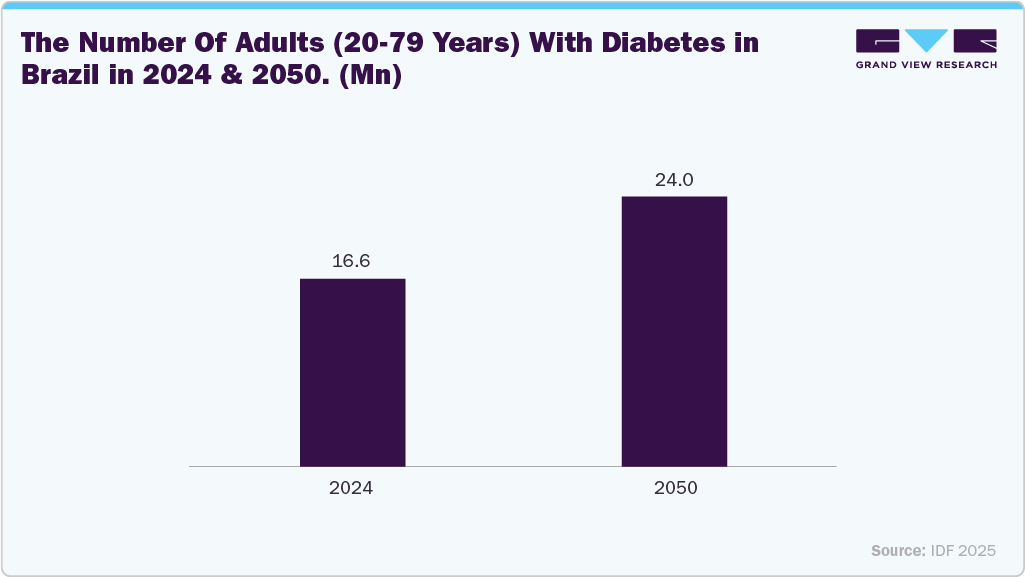
The medical disposables industry in Latin America is witnessing the rising prevalence of diabetes mellitus, thereby increasing the need for continuous disease monitoring and daily treatment-related consumables. A growing diabetic population requires frequent use of single-use products such as insulin syringes, pen needles, blood glucose test strips, lancets, and IV supplies, which are essential for safe and hygienic management of the condition. As diabetes is a chronic disease that demands lifelong care, reliance on disposable medical products remains consistent across both hospital and home care settings. Expanding awareness about early diagnosis and better disease management is also encouraging more routine testing, further boosting the consumption of diagnostic disposables.
 To learn more about this report, Download Free Sample Report
MEA Medical Disposables Market Trends
The medical disposables industry in the Middle East and Africa is experiencing growing demand, driven by continuous improvements in healthcare infrastructure and increased access to medical services. Expansion of hospitals, clinics, and diagnostic centers is driving higher consumption of single-use products such as syringes, gloves, catheters, surgical drapes, and diagnostic consumables, which are essential for maintaining hygiene and preventing infections. The rising burden of chronic and infectious diseases is also contributing to a greater need for frequent medical procedures, further increasing reliance on disposable medical products. In addition, growing awareness about infection control, coupled with government initiatives to strengthen public healthcare systems, is encouraging wider adoption of sterile and single-use items.
The Saudi Arabia medical disposables industry has gained impetus from Initiatives under Saudi Vision 2030, which are transforming the healthcare sector into a more advanced and accessible system. The program focuses on expanding hospital infrastructure, increasing private-sector participation, and improving healthcare quality and efficiency, all of which require greater use of disposable medical products to maintain safety and infection-control standards. As new healthcare facilities are developed and existing ones modernized, the demand for consumables such as surgical disposables, diagnostic kits, and patient care products is rising.
Key Medical Disposables Company Insights
The medical disposables market is highly competitive, with key players holding significant market share. Major companies are pursuing a range of organic and inorganic strategies, including new product development, collaborations, acquisitions, mergers, and regional expansion, to address unmet customer needs.
Key Medical Disposables Companies:
The following key companies have been profiled for this study on the medical disposables market.
-
BD
-
3M
-
Medline Industries, Inc.
-
Smith+Nephew
-
Cardinal Health
-
Bayer AG
-
Stryker
-
Mölnlycke AB (Investor AB)
-
Henkel
-
Advin Health Care
-
Asahi Kasei Corporation
-
ANSELL LTD.
-
Coloplast Group
-
B. Braun SE
-
Hollister Incorporated
-
ConvaTec Group Plc
-
Salts Healthcare Ltd.
-
Essity Aktiebolag
-
Paul Hartmann AG
-
Encompass Group, LLC.
-
Nippon Encon Manufacturing Co., Ltd.
-
Owens & Minor (Platinum Equity)
-
Henry Schein, Inc.
-
Boston Scientific Corporation
-
Teleflex Incorporated
-
Medtronic
-
Amsino International, Inc.
-
HR HealthCare
-
Dynarex Corporation
-
Sterimed Group
-
Well Lead Medical Co., Ltd.
Competitive Benchmarking
Operating Strategies
Competitive Edge
Weaknesses
Mature Players: BD; 3M; Medline Industries, Inc.; Smith+Nephew; Cardinal Health; Stryker; Mölnlycke AB (Investor AB); Asahi Kasei Corporation; ANSELL LTD.; and others - Focus on large-scale manufacturing, long-term hospital procurement contracts, broad distributor networks, strategic acquisitions, product portfolio expansion, and regulatory compliance across multiple geographies.
- Major companies also invest heavily in automation, sustainable disposable solutions, and supply chain optimization to strengthen operational efficiency and global market penetration.
- Strong brand recognition, extensive global distribution channels, diversified product portfolios, established relationships with hospitals and GPOs, high production capacity, and strong regulatory expertise.
- Mature players also benefit from economies of scale, advanced R&D capabilities, and higher pricing power in premium product categories.
- High operational and compliance costs, slower innovation cycles due to complex organizational structures, dependence on large institutional contracts, and exposure to raw material price fluctuations.
- Large players may also face challenges in rapidly adapting to niche customer requirements and regional pricing pressures in emerging markets.
Emerging Players: Advin Health Care; Salts Healthcare Ltd.; Encompass Group, LLC.; Nippon Encon Manufacturing Co., Ltd.; Amsino International, Inc.; HR HealthCare; Sterimed Group. - Focus on niche product innovation, cost-competitive manufacturing, regional market expansion, private-label production, and flexible customization capabilities.
- Emerging companies target high-growth segments such as eco-friendly disposables, home healthcare consumables, and specialized surgical products while leveraging local distribution partnerships and digital procurement platforms.
- Greater operational flexibility, faster product development cycles, competitive pricing strategies, and the ability to target underserved regional markets or niche applications.
- Emerging players can also quickly adapt to changing customer preferences and capitalize on demand for sustainable and customized disposable products.
- Emerging participants generally face Limited brand visibility, lower manufacturing scale, weaker bargaining power with healthcare procurement organizations, and limited geographic reach.
- Emerging players may also face challenges related to regulatory approvals, supply chain stability, capital investment requirements, and competition from well-established multinational manufacturers.
Recent Developments
-
April 2026, Create Medic Co., Ltd. announced the establishment of its Indian subsidiary, Create Medic India Pvt. Ltd., in Chennai, Tamil Nadu. This expansion is aimed at strengthening the company’s presence in one of the fastest-growing healthcare markets and accelerating the supply of disposable medical devices, particularly in interventional radiology (IVR) and gastrostomy segments. The company, known for manufacturing disposable silicone-based products such as catheters and tubes, identified strong demand in India following market assessments and participation in medical conferences in early 2026.
-
March 2026, Dr. Reddy’s Laboratories announced the launch of Obeda semaglutide injection, a once-weekly injectable therapy for type 2 diabetes in India. The product is supplied in a pre-filled disposable pen format, designed for single-use dosing with multiple weekly doses per device.
-
April 2025, INTCO Medical launched its Syntex Synthetic Disposable Latex Gloves. The product introduction was announced through a global press release highlighting the company’s innovation in latex-free glove technology designed for healthcare, food processing, and industrial applications. Syntex gloves are positioned as a high-performance alternative to natural latex, offering enhanced elasticity, puncture and chemical resistance, and a latex-like feel while eliminating allergy risks associated with natural rubber. The product complies with EN455, EN374, and ASTM D6319 standards and meets FDA and EU CE requirements, ensuring safety and regulatory acceptance across major markets.
-
January 2024, Medtronic announced a major regulatory milestone, receiving CE Mark approval for its MiniMed 780G system integrated with the Simplera Sync disposable, all-in-one continuous glucose monitoring (CGM) sensor. The updated system introduces a simplified, next-generation sensor designed for ease of use, requiring less than 10 seconds for insertion through a two-step process. The Simplera Sync sensor is significantly smaller than previous Medtronic CGM devices and eliminates the need for fingersticks or overtape, improving patient convenience and usability.
Medical Disposables Market Report Scope
Report Attribute
Details
Market size in 2025
USD 674.3 billion
Estimated market size in 2026
USD 788.7 billion
Projected market size by 2033
USD 2,515.2 billion
Growth rate
CAGR of 18.0% from 2026 to 2033
Actual Data
2021 - 2025
Forecast period
2026 - 2033
Quantitative units
Revenue in USD million/billion and CAGR from 2026 to 2033
Report coverage
Revenue forecast, company ranking, competitive landscape, growth factors, and trends
Segments covered
Product, raw material, end use, region
Regional scope
North America; Europe; Asia Pacific; Latin America; MEA
Country scope
U.S.; Canada; Mexico; UK; Germany; France; Italy; Spain; Denmark; Sweden; Norway; Netherlands; China; India; South Korea; Thailand; Japan; Australia; Brazil; Argentina; South Africa; Saudi Arabia; UAE; Kuwait
Key companies profiled
BD (Becton Dickinson); 3M Company; Medline Industries, Inc.; Smith+Nephew; Cardinal Health; Bayer AG; Stryker Corporation; Mölnlycke Health Care AB (Investor AB); Henkel AG & Co. KGaA; Advin Health Care; Asahi Kasei Corporation; Ansell Limited; Coloplast Group; B. Braun SE; Hollister Incorporated; ConvaTec Group Plc; Salts Healthcare Ltd.; Essity Aktiebolag; Paul Hartmann AG; Encompass Group, LLC; Nippon Encon Manufacturing Co., Ltd.; Owens & Minor (Platinum Equity); Henry Schein, Inc.; Boston Scientific Corporation; Teleflex Incorporated; Medtronic plc; Amsino International, Inc.; HR Healthcare; Dynarex Corporation; Sterimed Group; Well Lead Medical Co., Ltd.,
Customization scope
Free report customization (equivalent to up to 8 analysts working days) with purchase. Addition or alteration to country, regional & segment scope.
Pricing and purchase options
Avail customized purchase options to meet your exact research needs. Explore purchase options
Global Medical Disposables Market Report Segmentation
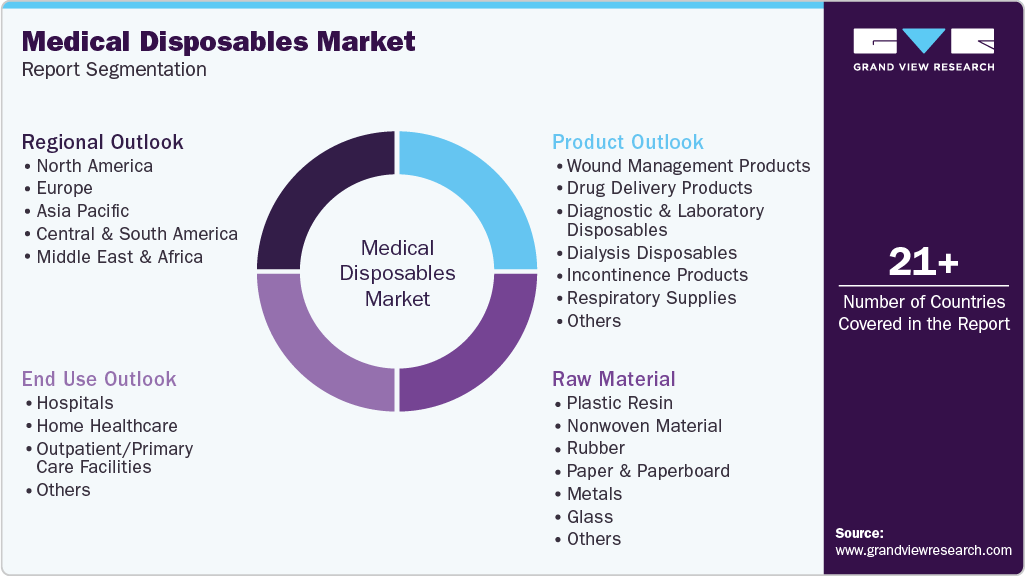
This report forecasts global, regional, and country-level revenue growth and analyzes the latest industry trends and opportunities across sub-segments from 2021 to 2033. For this study, Grand View Research has segmented the global medical disposables market report based on product, raw material, end use, and region:
 To learn more about this report, Download Free Sample Report
Product Outlook (Revenue, USD Million, 2021 - 2033)
-
Wound Management Products
-
Moist
-
Foam Dressings
-
Hydrocolloid Dressings
-
Film Dressings
-
Alginate Dressings
-
Hydrogel Dressings
-
Collagen Dressings
-
Other Advanced Dressings
-
-
Antimicrobial
-
Silver
-
Non-silver
-
Honey
-
Iodine
-
Chitosan
-
PHMB
-
Others
-
-
-
Surgical Wound Care
-
Sutures & staples
-
Tissue adhesive and sealants
-
Anti-infective dressing
-
-
Traditional Wound Care
-
Medical Tapes
-
Cotton
-
Bandages
-
Gauzes
-
Sponges
-
Cleansing Agents
-
-
-
Drug Delivery Products
-
Inhalers
-
Metered-dose inhalers (MDIs)
-
Dry powder inhalers (DPIs)
-
-
Injection Devices
-
Prefilled syringes
-
Auto-injectors
-
-
Transdermal patches
-
Others
-
-
Diagnostic and Laboratory Disposables
-
Pipettes
-
Tips
-
Tubes
-
Cuvettes
-
Dishes
-
Cell Imaging Consumables
-
Cell Culture Consumables
-
Specimen Containers
-
Transport Vials
-
Collection and Transport Swabs
-
Tissue Collectors
-
Optical Grade
-
Others
-
-
Dialysis Disposables
-
Dialysis Catheters
-
Tunneled catheters
-
Non-tunneled catheters
-
-
AV Access Needles
-
Dialysis fistula needles
-
Safety needles
-
-
Peritoneal Dialysis Consumables
-
PD drainage bags
-
Transfer sets
-
Others
-
-
-
Incontinence Products
-
Absorbent Products
-
Pads & Guards
-
Underwear & Briefs
-
Bed Protectors
-
Diapers
-
Ultra-Absorbent Disposable Diapers
-
Super-Absorbent Disposable Diapers
-
Biodegradable Disposable Diapers
-
Others
-
-
Other absorbents
-
-
Catheters
-
Intermittent Catheters
-
Indwelling Catheters
-
External Catheters
-
-
Drainage Bags
-
Skin Care & Hygiene Products
-
Disposable wipes (incontinence wipes)
-
Cleansing foams
-
Others
-
-
Others
-
-
Respiratory Supplies
-
Tracheostomy tubes
-
Disposable endotracheal tubes
-
Resuscitators
-
Disposable oxygen masks
-
Oxygen cannula
-
Others
-
-
Sterilization Supplies
-
Sterilization Indicators
-
Chemical indicators
-
Biological indicators
-
-
Sterilization Packaging Supplies
-
Sterilization wraps
-
Sterilization pouches
-
Sterilization reels
-
-
Disposable Sterilization Accessories
-
-
Non-woven Disposables
-
Disposable Masks
-
Surgical & Procedure Masks
-
Respirator Masks
-
Other Medical Masks
-
-
Disposable Eye Gear
-
Protective Safety Eyewear
-
Safety glasses
-
Anti-fog safety glasses
-
Splash-resistant goggles
-
-
Surgical & Procedure Eye Protection
-
Laser Safety Eyewear (Disposable)
-
Post-Operative Eye Protection
-
-
Disposable Gloves
-
Examination
-
Surgical
-
-
Hand Sanitizers
-
Gel
-
Foam
-
Liquid
-
Others
-
-
Others
-
Disposable Hospital Gowns
-
Surgical Gowns
-
Fluid Resistant Gowns
-
AAMI-rated
-
Level 1
-
Level 2
-
Level 3
-
Level 4
-
-
-
Non-AAMI rated
-
Non-Fluid Resistant Gowns (Non-AAMI rated)
-
-
Non-Surgical Gowns
-
Patient Gowns
-
-
Emesis Bags
-
Shoe Covers & Caps
-
Disposable Bed Sheets & Covers
-
Others
-
-
Raw Material (Revenue, USD Million, 2021 - 2033)
-
Plastic Resin
-
Nonwoven Material
-
Rubber
-
Paper and Paperboard
-
Metals
-
Glass
-
Others
-
-
End Use (Revenue, USD Million, 2021 - 2033)
-
Hospitals
-
Home Healthcare
-
Outpatient/Primary Care Facilities
-
Others
-
-
Regional Outlook (Revenue, USD Million, 2021 - 2033)
-
North America
-
U.S.
-
Canada
-
Mexico
-
-
Europe
-
UK
-
Germany
-
France
-
Italy
-
Spain
-
Denmark
-
Sweden
-
Norway
-
Netherlands
-
-
Asia Pacific
-
Japan
-
China
-
India
-
Australia
-
South Korea
-
Thailand
-
-
Latin America
-
Brazil
-
Argentina
-
-
Middle East & Africa
-
South Africa
-
Saudi Arabia
-
UAE
-
Kuwait
-
-
Delivered Customizations
This report has been delivered with the following In-depth customizations
Client Request
Customization Delivered
Value Adds
Global Medical Disposables Market Assessment for U.S., Europe, Japan & Emerging Asia
Developed a comprehensive market intelligence assessment focused on disposable medical products, including gloves, syringes, IV consumables, catheters, wound care disposables, surgical drapes, masks, and diagnostic consumables across the U.S., Europe, Japan, China, India, and Southeast Asia regions. The study included market sizing and forecasts (2026-2033), procedure volume analysis, hospital utilization trends, infection prevention demand assessment, healthcare infrastructure evaluation, reimbursement mapping, and regulatory landscape review. Additional customization included segmentation by product type, material type, end-user, and distribution channel, along with analysis of procurement patterns across hospitals, ambulatory surgical centers, and home healthcare settings.
Enables stakeholders to understand country-specific demand trends for disposable medical products, evaluate infection-prevention adoption patterns, identify high-growth healthcare segments, and align commercialization strategies with evolving hospital procurement dynamics and regulatory requirements.
Competitive Benchmarking & Brand Share Analysis for Medical Disposables Manufacturers
Delivered an in-depth competitive benchmarking assessment covering major medical disposables manufacturers. The study incorporated manufacturer-level revenue analysis, regional market share benchmarking, product portfolio mapping, pricing analysis, distribution network assessment, manufacturing footprint evaluation, and innovation pipeline tracking. The assessment also included benchmarking of product differentiation parameters such as material technology, sterility assurance, sustainability initiatives, infection prevention performance, and hospital contract penetration.
Provides actionable intelligence into dominant product brands, competitive positioning, pricing competitiveness, and procurement dynamics, enabling stakeholders to benchmark market leaders, identify white-space opportunities, optimize distributor partnerships, and prioritize product development initiatives based on evolving healthcare demands.
U.S. Medical Disposables Market Volume Analysis & Product-Type Segmentation
Conducted a detailed U.S.-specific medical disposables market assessment incorporating market size (USD & Units), procedure-linked demand modeling, product-type volume analysis, and cross-segmentation intelligence across surgical, diagnostic, respiratory, urology, and infusion-related disposables. The assessment further analyzed utilization patterns across hospitals, outpatient facilities, diagnostic laboratories, and homecare settings. Additional customization included analysis of infection control trends, reusable vs. disposable transition patterns, raw material sourcing dynamics, and reimbursement-linked adoption scenarios across key healthcare facilities.
Supports strategic decision-making through transparent product-level demand analysis, volume forecasting, and utilization benchmarking across healthcare settings. Enables stakeholders to identify high-volume disposable categories, optimize product portfolio positioning, evaluate manufacturing expansion opportunities, and strengthen market-entry strategies based on procedural trends and healthcare infrastructure growth.
Frequently Asked Questions About This Report
The global medical disposables market size was valued at USD 674.3 billion in 2025 and is estimated at USD 788.7 billion for 2026.
The global medical disposables market is expected to grow at a CAGR of 18.0% from 2026 to 2033, reaching USD 2,515.2 billion by 2033.
North America dominated with a 33.4% revenue share in 2025. This is attributable to the presence of a well-established healthcare infrastructure and growing awareness regarding the effects of cross-contamination and infection control measures.
Key factors that are driving the medical disposables market growth include increased general healthcare awareness, increasing prevalence of lifestyle-associated and other chronic diseases, and rising awareness regarding the infection prevention control norms post-pandemic.
The plastic resins segment led with a 57.6% revenue share in 2025, while nonwoven materials is the fastest-growing material.
The hospitals segment held the largest revenue share in 2025, while home healthcare is the fastest-growing segment.
Sterilization supplies segment held the largest share (over 11.0%) in 2025, while diagnostic and laboratory disposables is the fastest-growing product.
Key players include BD (Becton Dickinson); 3M Company; Medline Industries, Inc.; Smith+Nephew; Cardinal Health; Bayer AG; Stryker Corporation; Mölnlycke Health Care AB (Investor AB); Henkel AG & Co. KGaA; Advin Health Care; Asahi Kasei Corporation; Ansell Limited; Coloplast Group; B. Braun SE; Hollister Incorporated; ConvaTec Group Plc; Salts Healthcare Ltd.; Essity Aktiebolag; Paul Hartmann AG; Encompass Group, LLC; Nippon Encon Manufacturing Co., Ltd.; Owens & Minor (Platinum Equity); Henry Schein, Inc.; Boston Scientific Corporation; Teleflex Incorporated; Medtronic plc; Amsino International, Inc.; HR Healthcare; Dynarex Corporation; Sterimed Group; Well Lead Medical Co., Ltd.
About the Author(s)
Medical Devices Research Team
Healthcare · Medical DevicesThis report was authored by the medical devices research team at Grand View Research - comprising two research analysts, one senior research analyst, and one industry expert - with specialized expertise in the medical devices segment of the healthcare industry. All findings are based on proprietary healthcare databases, executive interviews, and regulatory analysis, subject to internal peer review prior to publication.
Last Updated:
Speak to Analyst

Customize this report to your needs - add regions, segments, or data points, with 20% free customization.
Or view our licence options:


ISO 9001:2015 & 27001:2022 Certified
We are GDPR and CCPA compliant! Your transaction & personal information is safe and secure. For more details, please read our privacy policy.


