
- Home
- »
- Clinical Diagnostics
- »
-
Vaginal Microbiome Diagnostics Market Size Report, 2033GVR Report cover

Vaginal Microbiome Diagnostics Market (2026 - 2033)
Size, Share & Trends Analysis Report By Product (Instruments, Reagents & Consumables), By Technology, By Application (Vulvovaginal Candidiasis, Mixed & Recurrent Vaginitis), By End-use, By Region, And Segment Forecasts
Market Size, 2025
$579.4MMarket Estimate, 2026
$659.6MMarket Forecast, 2033
$1,727.3MCAGR, 2026–2033
14.7%Vaginal Microbiome Diagnostics Market Summary
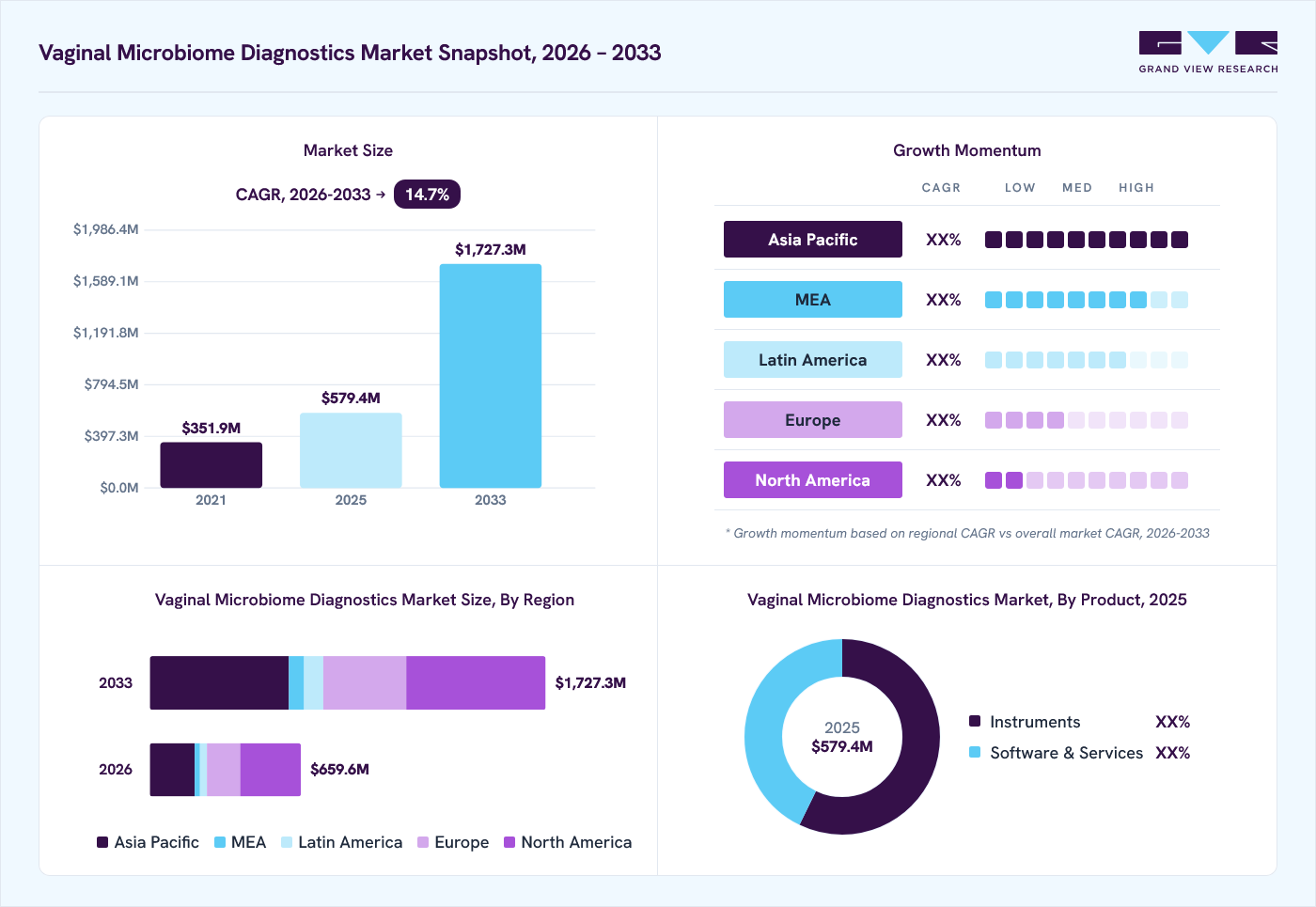
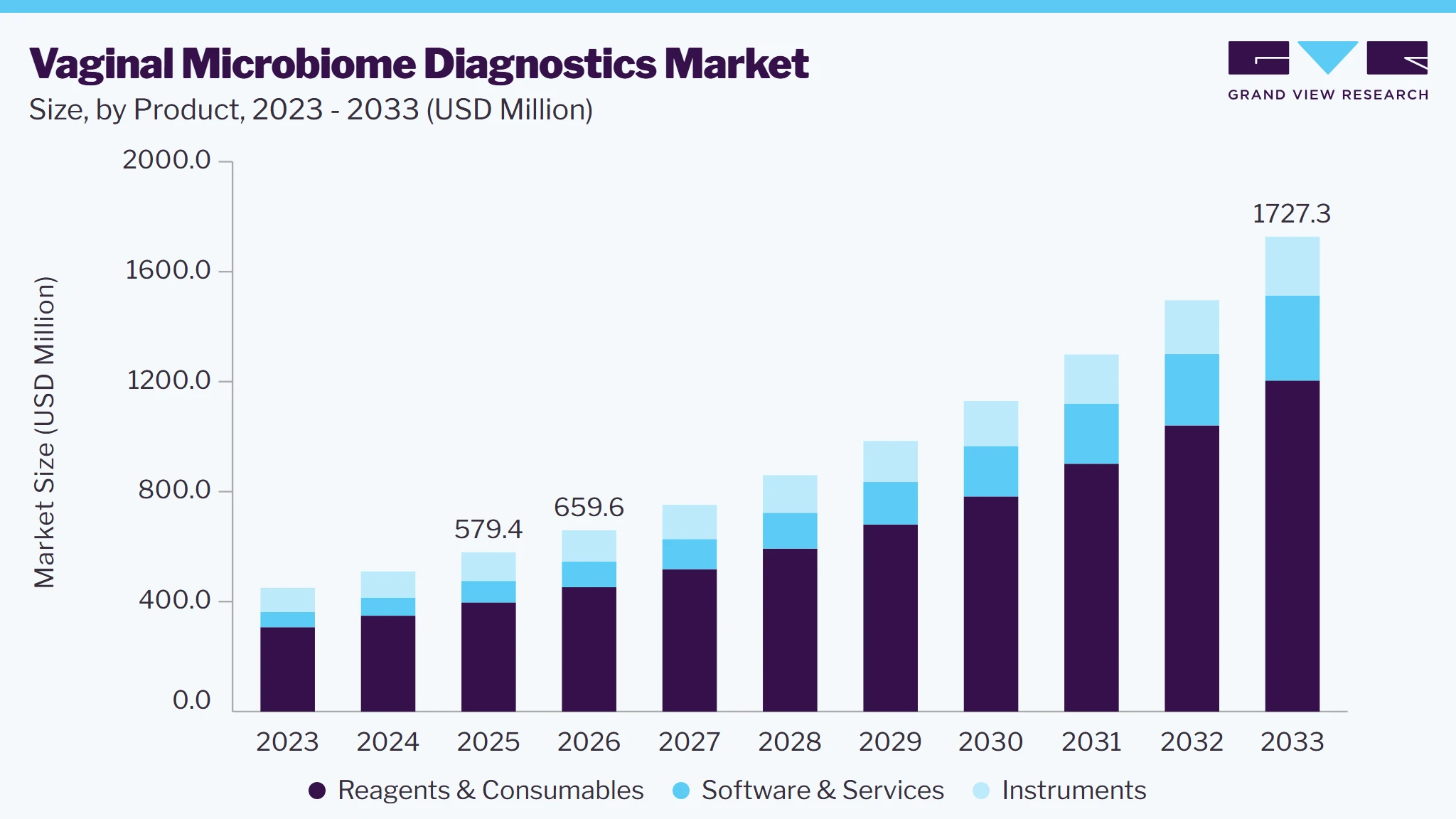
The global vaginal microbiome diagnostics market size was valued at USD 579.4 million in 2025 and is projected to grow from USD 659.6 million in 2026 to USD 1,727.3 million by 2033, at a CAGR of 14.7% from 2026 to 2033. North America dominated the market, accounting for the revenue share of 40.9% in 2025. Market growth is primarily driven by the high burden of bacterial vaginosis and vaginal dysbiosis, increasing adoption of molecular diagnostic technologies, and growing demand for accurate and comprehensive vaginal microbiome profiling.
 Source: Grand View Research, IR Documents, Primary Interviews, Paid DatabasesTo learn more about this report,
 Download Free Sample Report
 Key Market Trends & Insights
- By product: Reagents & consumables segment led the market with the largest revenue share of 68.5% in 2025.
- By technology: PCR/qPCR & other targeted nucleic acid amplification segment led the market with the largest revenue share of 89.3% in 2025.
- By application: Bacterial vaginosis & vaginal dysbiosis segment held the largest market share in 2025.
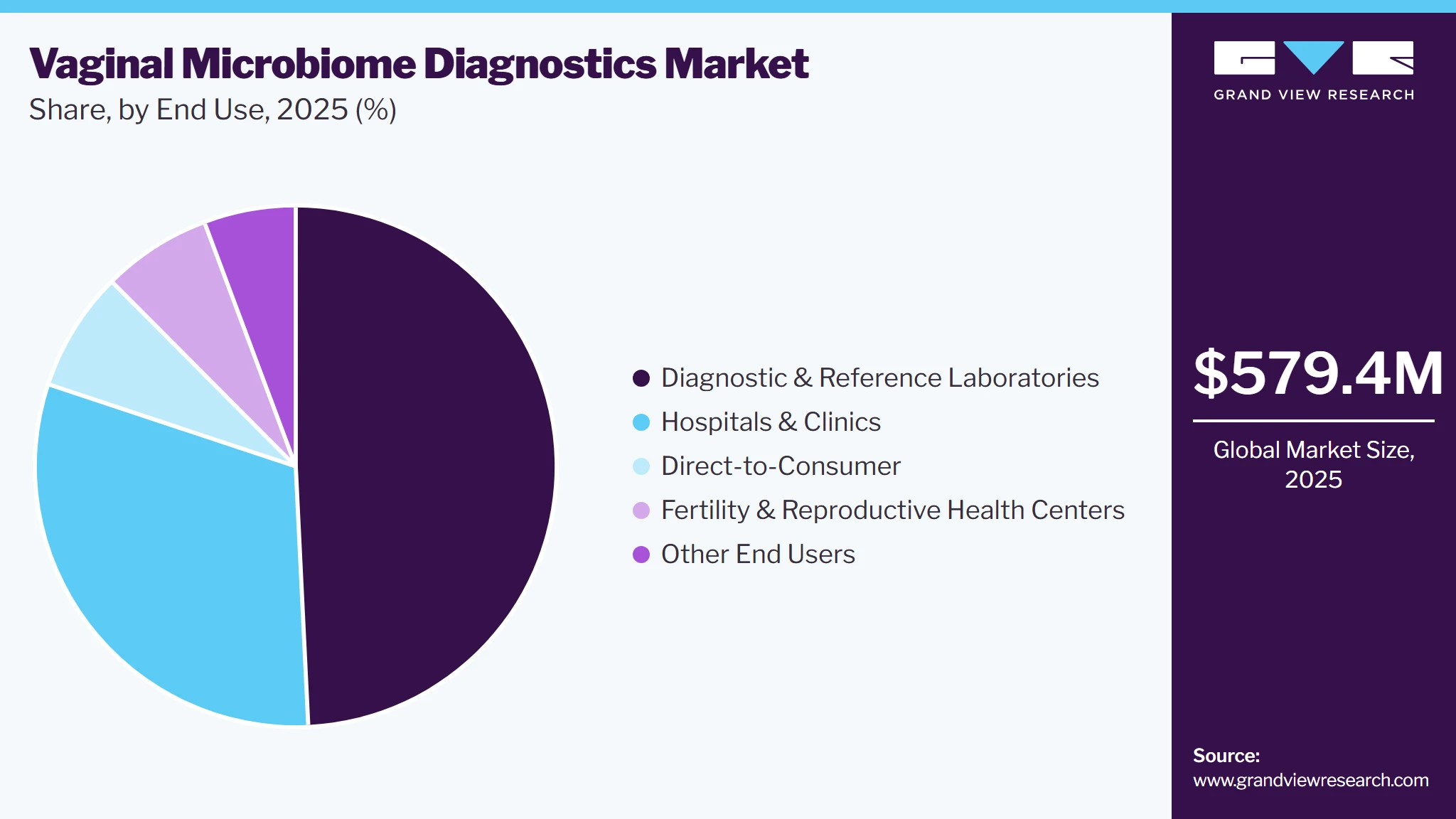
- By end-use: Diagnostic & reference laboratories segment led the market with the largest revenue share of 49.2% in 2025.
Regional Highlights
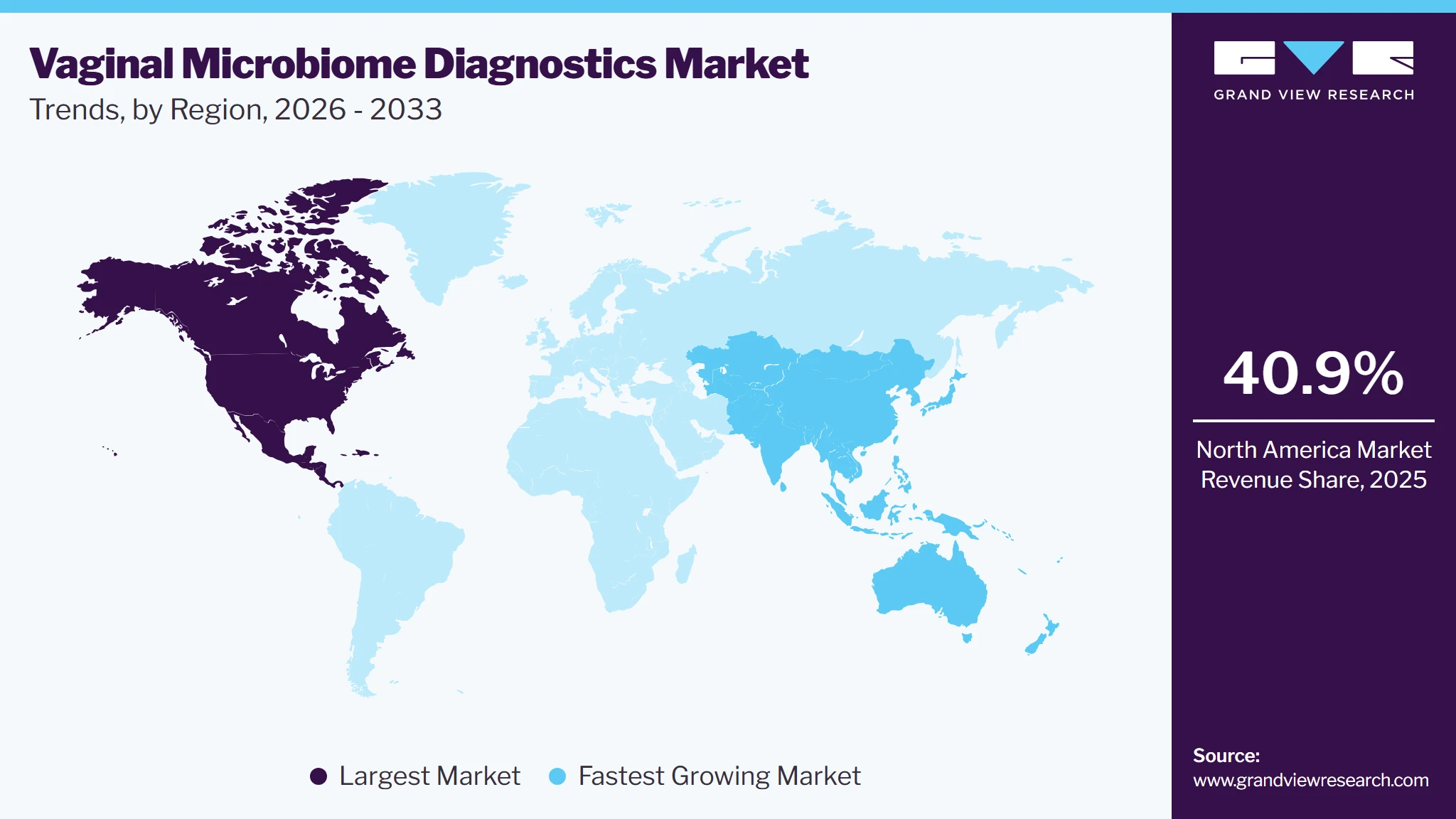
- Largest regional market: North America (40.9% revenue share, 2025)
- Fastest-growing regional market: Asia Pacific (highest CAGR, 2026-2033)
- By country: The U.S. held the largest market share in 2025.
Market Size & Forecast
- Market size in 2025: USD 579.4 Million
- Estimated market size in 2026: USD 659.6 Million
- Projected market size by 2033: USD 1,727.3 Million
- CAGR (2026-2033): 14.7%
Three ways to get this report
Buy it, customize it, or ask a question.Ask an Analyst
A direct answer, usually in 1 working day
- AccessReport author, directly
- Reply timeWithin 1 working day
- No sales callDirect answer only
- FormatEmail reply
- CostFree, no cost
Get the Full Report
What the study covers
- FormatsPDF · Excel · Dashboard
- Timeline2026–2033 annual, 2025 base
- Coverage20+ countries, 5 regions
- Companies10+ key players profiled
Customize the Report
20% free customization
- IncludeCountries, segments, points
- TailorTo your product definition
- ExtendDeeper competitor detail
- OrA fully bespoke study
- Turnaround5–10 working days
 To learn more about this report, Download Free Sample Report
 Market Dynamics
The high burden of bacterial vaginosis, vulvovaginal candidiasis, recurrent vaginitis, and vaginal dysbiosis is increasing demand for objective and comprehensive diagnostic approaches. Molecular diagnostics can overcome limitations of symptom-based assessment, microscopy, and conventional scoring by detecting multiple bacterial and fungal targets and characterizing clinically relevant microbial patterns. The growing use of sequencing, bioinformatics, and clinically interpreted microbiome data is further expanding testing beyond conventional vaginitis diagnosis to reproductive-health applications. For instance, in September 2026, Evvy raised US$40 million in Series B financing led by Catalio Capital Management to expand its vaginal microbiome platform and associated women's-health research. Evvy reported serving more than 100,000 patients and working with approximately 3,000 practitioners, demonstrating growing commercial adoption of comprehensive vaginal microbiome testing and supporting continued market expansion.
Limited standardization of vaginal microbiome profiling is a significant barrier to broader clinical adoption, particularly for sequencing-based tests that characterize large microbial communities rather than predefined pathogens. Vaginal microbial composition varies with age, hormonal status, menstrual cycle, pregnancy, menopause, sexual behavior, specimen collection, storage, DNA extraction, sequencing methodology, and bioinformatics pipelines. Consequently, differences in laboratory protocols can affect microbial abundance measurements and complicate the comparison of results across laboratories and studies. A 2025 review involving researchers from the UK Medicines and Healthcare Products Regulatory Agency emphasized that the lack of standardization limits reliable identification of consistent microbial associations and called for standardized protocols, vaginal microbiome-specific reference reagents, robust clinical trials, and disease-specific microbial biomarker databases. These requirements can lengthen validation timelines and limit the ability of emerging microbiome tests to achieve widespread integration into routine diagnostic workflows.
Opportunity: Expansion of Decentralized, Self-Collected, And Personalized Vaginal Microbiome Testing
The expansion of decentralized, self-collected vaginal microbiome testing represents a significant opportunity to improve access beyond conventional hospital and laboratory collection pathways. Home collection combined with centralized molecular or sequencing analysis can reduce geographic and scheduling barriers while supporting recurrent testing, longitudinal microbiome monitoring, digital reporting, and personalized interpretation. For instance, in 2025, the European Commission's European Innovation Council supported Daye's commercialization and scale-up of a vaginal microbiome screening service using its Diagnostic Tampon, an at-home specimen-collection device designed for vaginal microbiome, HPV, and STI testing. The project includes clinical validation, manufacturing scale-up, commercialization, and the development of a digital platform for diagnosis, disease risk evaluation, and aftercare. Such models can broaden access to vaginal microbiome diagnostics and support future applications across recurrent vaginitis, fertility, pregnancy, menopause, and reproductive health.
Market Characteristics & Concentration
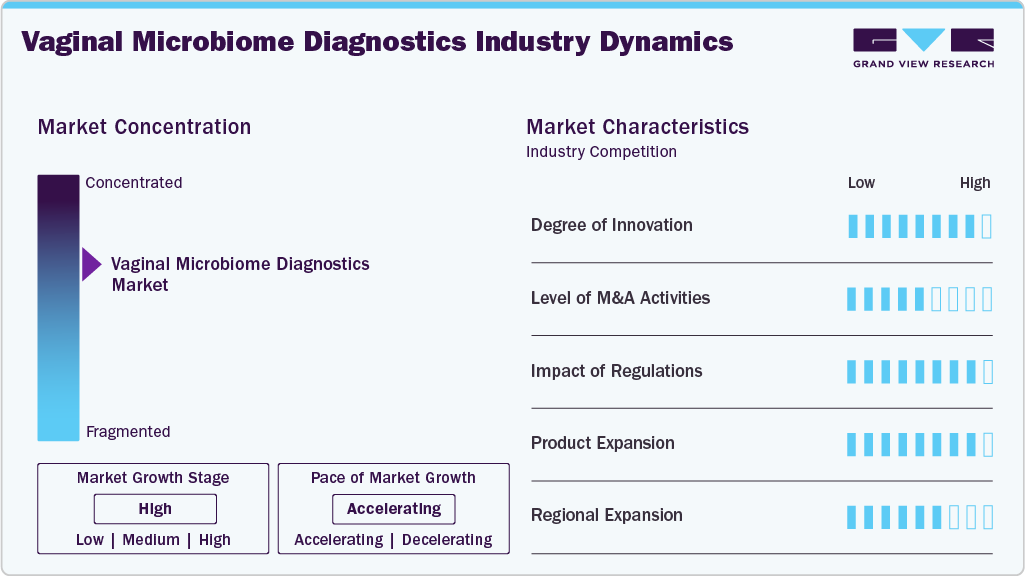
Regulations have a significant impact on the market by influencing product development, clinical validation, commercialization, and adoption across healthcare settings. In the U.S., nucleic acid detection systems intended to aid the diagnosis of vaginitis and bacterial vaginosis are regulated by the FDA as Class II in vitro diagnostic devices, requiring manufacturers to demonstrate appropriate analytical and clinical performance, along with applicable quality and labeling requirements.
Regulatory considerations become particularly important as companies expand from centralized laboratory testing toward decentralized molecular diagnostics, where usability and workflow performance must also be demonstrated.
 To learn more about this report, Download Free Sample Report
 Product expansion is strengthening the global market as companies broaden testing beyond pathogen identification to include the characterization of beneficial and dysbiosis-associated microorganisms. Newer solutions increasingly assess Lactobacillus species alongside organisms associated with bacterial vaginosis, candidiasis, mixed infections, and recurrent vaginal conditions, enabling a more comprehensive evaluation of vaginal microbial composition. Quantitative molecular methods and sequencing-based approaches can further expand the information obtained from a single specimen and support a more personalized interpretation of vaginal health.
For instance, in July 2026, CirrusDx launched LacP, a Lactobacillus panel designed to identify and quantify key Lactobacillus species the support a healthy vaginal environment. The expansion toward measuring protective microbial populations represents an important evolution beyond conventional pathogen-centered testing and can support the evaluation of dysbiosis and recurrent symptoms. Continued expansion of microbial targets, quantitative capabilities, and clinically interpreted results is expected to broaden the range of addressable applications for vaginal microbiome diagnostics.
Regional expansion is creating growth opportunities in the vaginal microbiome diagnostics industry as molecular testing, self-collection, digital healthcare, and specialized women's-health services increase access to vaginal microbiome assessment. North America benefits from an established molecular diagnostic infrastructure and reference laboratory networks, while Europe and the Asia Pacific offer expansion potential through improvements in molecular capabilities, reproductive health services, and the adoption of personalized diagnostics. Partnerships that connect microbiome testing with virtual clinical care can further increase access without requiring patients to follow exclusively conventional in-person diagnostic pathways. For instance, in June 2025, Organon and Evvy announced a U.S. collaboration integrating Evvy's vaginal microbiome testing and clinical-care platform with access to XACIATO for eligible patients diagnosed with bacterial vaginosis.
Analyst Perspective
The vaginal microbiome diagnostics market is transitioning from conventional vaginitis testing toward more comprehensive molecular and microbiome-informed diagnostic approaches that characterize both disease-associated and protective vaginal microorganisms. Targeted PCR, qPCR, and other nucleic acid amplification technologies currently form the commercial foundation of the market, particularly for bacterial vaginosis, vulvovaginal candidiasis, mixed vaginitis, and vaginal dysbiosis, while next-generation sequencing is expanding opportunities for broader microbial profiling and complex or recurrent conditions. Increasing adoption of self-collected specimens, multiplex assays, centralized reference laboratory testing, and direct-to-consumer microbiome services is further widening access to testing. Over the forecast period, growth is expected to extend beyond routine vaginitis diagnosis toward fertility, pregnancy, reproductive health, and menopause-related applications as clinical evidence develops. However, broader adoption of advanced microbiome profiling will depend on standardized testing methodologies, clinically validated microbial signatures, reproducible bioinformatics, improved reimbursement, and the ability to translate complex microbiome profiles into actionable information for clinical decision-making.
Product Insights
The reagents & consumables segment led the market with the largest revenue share of 68.5% in 2025, supported by recurring demand for molecular assay kits, PCR/TMA reagents, cartridges, collection swabs, transport media, and sequencing consumables used for BV, Candida, and vaginal dysbiosis testing. Unlike instruments, these products are consumed with each test, linking revenue directly to rising testing volumes. The segment is supported by large commercial franchises, including Hologic Aptima BV and CV/TV, BD vaginal assays, Cepheid Xpert Xpress MVP, and laboratory-developed molecular tests.
The software & services segment is expected to grow at the fastest CAGR of 18.8% during 2026-2033, driven by expanding laboratory testing services, bioinformatics, microbiome interpretation, clinician-reviewed reporting, and personalized vaginal-health platforms. Growth is particularly supported by NGS and direct-to-consumer models, where sequencing data require specialized analytical pipelines and interpretation beyond the physical test kit. Reference laboratories and specialist vaginal microbiome companies are also expanding their service offerings to integrate testing with longitudinal monitoring and clinical guidance. For instance, in May 2026, Evvy detailed its vaginal healthcare platform, which offers CLIA-, CAP-, and CLEP-certified metagenomic sequencing that analyzes more than 700 bacteria and fungi, with clinician-reviewed results, personalized action plans, and testing memberships; its service portfolio also includes optional PCR-based testing and ongoing support.
Technology Insights
The PCR/qPCR & other targeted nucleic acid amplification segment led the market with the largest revenue share of 89.3% in 2025, supported by widespread clinical adoption of PCR, qPCR, TMA, and other targeted amplification methods for bacterial vaginosis, vulvovaginal candidiasis, vaginal dysbiosis, and mixed infections. The segment benefits from high analytical sensitivity, rapid turnaround, established reimbursement pathways, and extensive installed laboratory infrastructure supporting platforms from Hologic, BD, Cepheid, Seegene, and other diagnostic manufacturers. Targeted amplification also remains well-suited to high-volume routine testing because predefined microbial targets can be detected efficiently without the cost and analytical complexity associated with broad sequencing. For instance, in July 2025, Hologic reported that higher sales of its BV/CV/TV and Panther Fusion assays were the primary contributors to molecular diagnostics revenue growth in the third quarter of fiscal 2025, demonstrating continued commercial expansion in targeted molecular testing.
The next-generation sequencing segment is expected to grow at the fastest CAGR during 2026-2033, driven by increasing adoption of comprehensive vaginal microbiome profiling, growing demand for characterization of complex and recurrent dysbiosis, and the ability to identify broader bacterial and fungal communities beyond predefined molecular targets. Sequencing-based approaches are particularly suited to advanced microbiome assessment, recurrent or difficult-to-resolve conditions, and emerging fertility and reproductive health applications, while improvements in sequencing throughput and bioinformatics are expected to support wider commercialization. However, NGS is expected to remain considerably smaller than targeted nucleic acid amplification owing to higher costs, longer workflows, and more limited routine clinical adoption. For instance, in July 2025, MicroGenDX upgraded its targeted NGS testing, including vaginitis and bacterial vaginosis panels, to Illumina’s MiSeq i100 Plus platform, enabling faster, more scalable sequencing workflows for microbial identification. Its vaginal testing combines qPCR with NGS-based identification of bacteria and fungi.
Application Insights
The bacterial vaginosis & vaginal dysbiosis segment led the market, with the largest revenue share of 43.8% in 2025, supported by the high prevalence of BV, recurrent microbial imbalances, and the increasing use of molecular diagnostics to characterize vaginal dysbiosis. The segment benefits from the clinical importance of Lactobacillus depletion and BV-associated organism overgrowth, alongside the growing adoption of multiplex testing, which improves the differentiation of BV from candidiasis and other causes of vaginitis. For instance, in July 2026, Quest Diagnostics and Hologic reported results from molecular testing of more than 1.5 million U.S. women, showing that 38.7% tested positive for BV, while 10.8% tested positive for BV and vulvovaginal candidiasis. The study also found that 12.0% of BV-positive women had at least one non-viral STI, reinforcing demand for comprehensive molecular assessment of vaginal infections.
The menopause & genitourinary syndrome segment is expected to grow at the fastest CAGR during 2026-2033, driven by increasing recognition of menopause-associated changes in vaginal microbial composition, growing demand for personalized vaginal health assessment, and expanding application of microbiome profiling in postmenopausal care. Reduced estrogen levels can alter the vaginal environment and decrease Lactobacillus dominance, creating opportunities for microbiome-based approaches that complement conventional symptom assessment. A 2025 review reported that approximately 50%-70% of postmenopausal women experience symptomatic genitourinary syndrome of menopause, highlighting a substantial potential testing population. For instance, in November 2025, Evvy expanded its menopause-focused clinical offering by launching prescription vaginal estradiol alongside its Vaginal Health Test and Clinical Care platform, integrating vaginal microbiome insights with personalized management of menopause-related vaginal changes.
End-use Insights
The diagnostic & reference laboratories segment led the market with the largest revenue share of 49.2% in 2025, supported by high testing volumes, centralized molecular infrastructure, automated high-throughput platforms, and broad availability of laboratory-based vaginitis panels. These laboratories perform clinician- and patient-collected vaginal swab testing for bacterial vaginosis, Candida species, mixed infections, and other vaginal microbiome abnormalities, while benefiting from established referral networks and reimbursement pathways. Quest Diagnostics and Labcorp represent important commercial participants, with molecular vaginitis testing integrated into their women’s health portfolios. For instance, in 2026, Quest Diagnostics expanded consumer access to its Vaginitis Test Panel through Quest Health, enabling individuals to purchase testing for bacterial vaginosis, Candida species, and Trichomonas vaginalis, with specimens processed through Quest’s laboratory network. This model highlights the continuing role of centralized diagnostic laboratories even as test ordering and sample-access pathways become more decentralized.
 To learn more about this report, Download Free Sample Report
 The direct-to-consumer segment is expected to grow at the fastest CAGR during 2026-2033, driven by increasing adoption of home sample collection, consumer-initiated vaginal health testing, personalized microbiome profiling, and digital delivery of microbiome results and recommendations. The segment is also benefiting from growing consumer awareness of recurrent vaginal conditions and demand for testing that provides broader microbial information than conventional symptom-based assessment. DTC models can extend access beyond traditional physician-initiated workflows while retaining centralized laboratory analysis for technically complex sequencing procedures. For instance, in March 2026, Juno Bio detailed its vaginal microbiome testing service under updated terms, allowing users to collect vaginal swab samples using home collection kits and return them to Juno Bio laboratories for analysis, report generation, and delivery through its digital platform. In the U.S., Juno Bio states that samples are analyzed in its CLIA-certified high-complexity laboratory, supporting the expanding commercialization of consumer-accessible vaginal microbiome profiling.
Regional Insights
The North American vaginal microbiome diagnostics market held the largest revenue share of 40.9% in 2025, supported by advanced molecular diagnostic infrastructure, high laboratory testing utilization, established reimbursement systems, and the availability of targeted molecular and advanced microbiome profiling services. The region benefits from the widespread use of NAATs for bacterial vaginosis and Candida vaginitis, alongside the expansion of self-collection and sequencing-based vaginal microbiome testing. Large reference laboratories and women's-health diagnostic companies further support commercialization across hospital, outpatient, and consumer-accessible settings. For instance, in May 2025, Alberta Precision Laboratories introduced molecular testing for bacterial vaginosis, Candida, and Trichomonas across Alberta, Canada, reducing the expected turnaround time from approximately 72 hours to 24 hours and improving detection of coinfections. Increasing replacement of conventional microscopy and culture with objective molecular testing is expected to sustain regional demand, although North America's relatively mature diagnostic infrastructure results in slower percentage growth than emerging regions.
 To learn more about this report, Download Free Sample Report
 U.S. Vaginal Microbiome Diagnostics Market Trends
The vaginal microbiome diagnostics market in the U.S. accounted for the largest market revenue share in North America in 2025, supported by high molecular testing volumes, extensive reference-laboratory infrastructure, established women's-health diagnostic portfolios, and growing adoption of vaginal microbiome profiling. Commercial testing spans targeted NAATs for bacterial vaginosis and candidiasis, multiplex vaginitis panels, laboratory-developed tests, and sequencing-based services that characterize broader microbial communities. The market is also benefiting from increasing clinical evidence demonstrating the limitations of conventional approaches. For instance, in February 2025, researchers published a study characterizing vaginal microbiomes in clinician-collected BV-diagnosed samples using 16S rRNA sequencing and Labcorp's NuSwab testing data, demonstrating substantial microbial heterogeneity among such specimens. The study highlighted the potential for microbiome-based diagnostics to provide information beyond conventional BV classification. Increasing integration of molecular testing, sequencing, bioinformatics, and clinically interpreted results is expected to support continued U.S. market expansion.
Europe Vaginal Microbiome Diagnostics Market Trends
The vaginal microbiome diagnostics market in Europe is supported by established molecular diagnostic infrastructure, sophisticated laboratory networks, increasing adoption of multiplex vaginitis assays, and growing scientific and regulatory interest in vaginal microbiome-based diagnostics. The region has commercial access to CE-marked molecular assays for bacterial vaginosis and Candida vaginitis, while specialist providers are expanding sequencing and home-collection services. Europe is also emerging as an important center for the development of next-generation self-testing technologies. For instance, in 2026, the European Innovation Council supported the SHEALED project with approximately €0.5 million to develop a dual self-test for bacterial vaginosis and vulvovaginal candidiasis, including analytical validation, usability optimization, initial clinical evaluation, and preparation for IVDR Class C self-test certification. Continued innovation in self-collection, molecular testing, and microbiome characterization is expected to broaden access while supporting the transition from conventional microscopy toward more objective diagnostic approaches.
The UK vaginal microbiome diagnostics market is supported by advanced laboratory infrastructure, increasing consumer awareness of vaginal health, expanding home collection, and growing scientific interest in microbiome-informed women's-health diagnostics. The market includes molecular vaginitis testing, as well as specialized NGS- and PCR-based services that characterize beneficial Lactobacillus species, BV-associated anaerobes, Candida, and other vaginal microorganisms. For instance, in August 2025, the UK Medicines and Healthcare Products Regulatory Agency highlighted the potential of vaginal microbiome diagnostics following a review conducted with King's College Hospital London, the University of Liverpool, Ewha Womans University, and Biowave W Seoul. The review identified potential applications spanning infections, infertility, miscarriage, preterm birth, menopause-related complications, and gynecological cancers, while emphasizing the need for standardized protocols and clinical validation. The commercial availability of home-collected vaginal microbiome testing through UK providers further demonstrates the growing consumer access to advanced microbial profiling.
The vaginal microbiome diagnostics market in Germany is supported by well-developed molecular laboratory infrastructure, broad availability of CE-marked molecular assays, and increasing adoption of objective testing for bacterial vaginosis, candidiasis, and vaginal dysbiosis. Commercially available technologies include TMA-based BV and Candida assays, as well as multiplex real-time PCR systems capable of quantitatively assessing microorganisms associated with vaginitis. Hologic's CE-marked Aptima BV assay, for example, evaluates Lactobacillus spp., Gardnerella vaginalis, and Atopobium vaginae, while Seegene's CE-IVD Allplex Vaginitis Screening Assay provides automated BV interpretation using quantitative molecular information. In January 2025, a German clinical review characterized bacterial vaginosis as a heterogeneous, polymicrobial syndrome encompassing biofilm-associated vaginosis and other forms of vaginal dysbiosis, highlighting the growing need for diagnostic approaches that can resolve complex microbial communities rather than relying exclusively on conventional clinical classification.
Asia Pacific Vaginal Microbiome Diagnostics Market Trends
The vaginal microbiome diagnostics market in the Asia Pacific is expected to grow at the fastest CAGR during the forecast period, supported by its large female population, improving molecular diagnostic infrastructure, increasing awareness of vaginal dysbiosis, and expanding adoption of PCR and sequencing technologies. The region combines highly developed diagnostic markets such as Japan, South Korea, and Australia with substantially underpenetrated markets, including India and parts of Southeast Asia, creating considerable long-term adoption potential. For instance, in March 2026, researchers from PGIMER in India reported vaginal microbiome findings from 306 samples using high-throughput 16S rRNA sequencing, identifying distinct microbial patterns across BV-positive, intermediate, and BV-negative groups and enrichment of Gardnerella, Sneathia, Prevotella, Atopobium, Megasphaera, and Dialister in BV-positive samples. Such population-specific evidence can support the development and validation of molecular diagnostic algorithms better suited to regional microbiome profiles, thereby accelerating the clinical translation of vaginal microbiome testing across Asia Pacific.
The China vaginal microbiome diagnostics market is driven by its substantial addressable female population, expanding molecular diagnostic industry, and growing research into population-specific vaginal microbiome signatures. Chinese investigators have developed multiplex qPCR approaches that target both protective Lactobacillus species and BV-associated organisms, supporting a shift from conventional microscopy to quantitative microbial assessment. A China CDC study demonstrated 90.5% concordance between multiplex qPCR and 16S rDNA sequencing for vaginal community-state classification and reported an area under the curve of 0.950 for molecular BV classification. In 2025, a nationwide study characterized the vaginal microbiota of 6,423 Chinese women across 18 provinces, identifying age-dependent microbial shifts and developing a microbiome balance score that showed predictive power for incident BV and other reproductive health outcomes. The expanding population-specific evidence base is expected to support the development of clinically relevant vaginal microbiome diagnostics in China.
The vaginal microbiome diagnostics market in Japan is supported by sophisticated healthcare infrastructure, advanced molecular laboratories, high healthcare access, and growing interest in precision approaches to women's health. Japan's mature diagnostics environment provides a favorable foundation for the adoption of targeted molecular assays for BV and candidiasis and, over time, broader microbiome profiling technologies. The market opportunity increasingly extends beyond the detection of individual pathogens to the evaluation of Lactobacillus dominance, vaginal dysbiosis, recurrent vaginitis, fertility, and reproductive health. Regional scientific evidence also indicates that vaginal microbial community structures can differ across populations, increasing the importance of locally validated microbial signatures and diagnostic algorithms. However, compared with China and India, Japan starts from a more mature healthcare and diagnostics base, limiting its potential for percentage growth. Consequently, future expansion is expected to depend increasingly on advanced microbiome characterization, personalized women's-health applications, and integration of molecular results with reproductive and gynecologic care rather than basic diagnostic-infrastructure expansion.
Latin America Vaginal Microbiome Diagnostics Market Trends
The vaginal microbiome diagnostics market in Latin America is anticipated to grow at a significant CAGR during the forecast period. Latin America, with Brazil representing the majority of the regional market, is supported by expanding molecular laboratory infrastructure, increasing availability of women's-health diagnostics, and gradual replacement of conventional microscopy with molecular approaches for complex vaginal infections. The region remains comparatively underpenetrated, creating opportunities for multiplex PCR and centralized laboratory services, although affordability, reimbursement, and uneven access to advanced molecular laboratories constrain adoption. Population-specific research also supports the need for broader microbial characterization. Studies involving Brazilian women have demonstrated substantial diversity among BV-associated organisms, including differences in the prevalence and abundance of BV-associated bacteria that may not be adequately represented by narrow single-target testing approaches. Continued expansion of private diagnostic networks, declining molecular testing costs, and growing recognition of recurrent vaginal dysbiosis are expected to support adoption, particularly in Brazil and larger urban healthcare markets.
Middle East and Africa Vaginal Microbiome Diagnostics Market Trends
The vaginal microbiome diagnostics market in the Middle East & Africa reflects comparatively limited current penetration but meaningful long-term potential for molecular vaginal diagnostics. GCC markets, particularly Saudi Arabia and the UAE, benefit from healthcare investment, high purchasing power, expanding private laboratory networks, and increasing adoption of advanced molecular technologies, while South Africa has established private pathology infrastructure capable of supporting centralized molecular testing. Across much of Africa, however, reliance on microscopy and clinical diagnosis, limited access to specialist laboratories, affordability constraints, and shortages of molecular infrastructure restrict the widespread adoption of advanced vaginal microbiome profiling. The region, therefore, presents a two-speed market: higher-income Middle Eastern countries are positioned for earlier adoption of multiplex PCR and sequencing-based women 's-health diagnostics, whereas broader African expansion is likely to depend on lower-cost molecular platforms, centralized reference laboratories, and simplified specimen-collection pathways. As molecular infrastructure improves, the unmet need for more objective assessment of BV, candidiasis, mixed vaginitis, and recurrent dysbiosis provides a meaningful basis for future market development.
Key Vaginal Microbiome Diagnostics Company Insights
The vaginal microbiome diagnostics market is characterized by established molecular diagnostic companies, large reference laboratories, and specialized microbiome testing providers competing on assay performance, microbial coverage, automation, sequencing capabilities, clinical interpretation, and testing accessibility. Key market participants include Hologic, Inc., Quest Diagnostics Incorporated, Labcorp Holdings Inc., Cepheid, Becton, Dickinson and Company, Roche, Seegene, Inc., Mayo Clinic Laboratories, Evvy, Juno Bio, and MicroGenDX. Established participants primarily use targeted molecular and multiplex assays for bacterial vaginosis, Candida, and mixed infections, while specialized providers increasingly use metagenomic and other sequencing approaches to characterize broader vaginal microbial communities. Competitive development is being supported by assay-menu expansion, automation, self-collection, decentralized testing, bioinformatics, clinically interpreted microbiome reports, and integration with digital women 's-health services.
Key Vaginal Microbiome Diagnostics Companies
The following key companies have been profiled for this study on the global vaginal microbiome diagnostics market.
-
Hologic, Inc.
-
Quest Diagnostics Incorporated
-
Labcorp Holdings Inc.
-
Cepheid / Danaher Corporation
-
Becton, Dickinson and Company
-
Seegene, Inc.
-
Mayo Clinic Laboratories
-
F. Hoffmann-La Roche Ltd.
-
Evvy
-
Juno Bio
Competitive Benchmarking
Operating Strategies
Competitive Edge
Weaknesses
Mature Players: Hologic, Inc., Quest Diagnostics Incorporated, Labcorp Holdings Inc., Cepheid, Becton, Dickinson and Company, Roche, and Seegene, Inc.
- Expand molecular vaginitis portfolios covering BV, Candida, mixed vaginitis, and vaginal dysbiosis.
- Increase multiplexing and automation across high-throughput molecular platforms.
- Expand self-collection and decentralized testing capabilities.
- Invest in regulatory approvals, clinical validation, and assay-menu expansion.
- Leverage established laboratory networks, installed instrument bases, and healthcare-provider relationships.
- Established molecular diagnostic technologies and large clinical testing volumes.
- Strong laboratory, hospital, and physician-channel presence.
- Validated targeted assays with relatively rapid turnaround and standardized workflows.
- Extensive installed instrument bases and automation capabilities.
- Strong regulatory, clinical-validation, reimbursement, and commercialization experience.
- Targeted assays generally characterize predefined organisms rather than the complete vaginal microbial community.
- Instrument-dependent platforms can require significant laboratory investment and trained personnel.
- Centralized testing can involve longer turnaround than near-patient approaches.
- Regulatory and clinical-validation requirements can increase development timelines.
- Increasing competition from sequencing-based and consumer-accessible microbiome services.
Emerging Players: Evvy, Juno Bio
- Use NGS and metagenomic approaches for broad vaginal microbial characterization.
- Combine home specimen collection with centralized laboratory analysis and digital reporting.
- Develop personalized interpretation and longitudinal microbiome-monitoring services.
- Expand applications into recurrent vaginal conditions, fertility, reproductive health, and menopause.
- Build proprietary vaginal microbiome datasets and bioinformatics capabilities to improve interpretation.
- Ability to characterize substantially broader microbial communities than predefined targeted panels.
- Strong positioning in personalized and direct-to-consumer vaginal health.
- Home collection improves convenience and testing accessibility.
- Proprietary microbiome datasets can support biomarker discovery and algorithm development.
- Greater flexibility to address emerging applications beyond conventional BV and candidiasis diagnosis.
- Smaller commercial scale than established diagnostic and reference-laboratory companies.
- Higher sequencing and bioinformatics complexity compared with targeted NAATs.
- Limited standardization of broad vaginal microbiome interpretation.
- Clinical utility and reimbursement remain less established for comprehensive microbiome profiling.
- Greater dependence on continued clinical validation to translate microbial profiles into actionable diagnostic information.
Recent Developments
-
In July 2026, Roche received U.S. FDA 510(k) clearance for the cobas BV/CV assay, a real-time PCR molecular diagnostic that simultaneously detects organisms associated with bacterial vaginosis and Candida vaginitis from a single vaginal swab. The assay supports clinician-collected, clinician-instructed, and self-collected specimens and runs on the cobas 6800/8800 systems.
-
In June 2026, bioMérieux submitted dual 510(k) and CLIA waiver applications to the U.S. FDA for the BIOFIRE SPOTFIRE Vaginitis Panel, an automated multiplex PCR assay designed to provide results in approximately 20 minutes at the point of care. The panel assesses bacterial vaginosis using an algorithm based on the relative abundances of multiple bacteria, including Fannyhessea vaginae, BVAB2, and several Lactobacillus species, and also detects six Candida species and Trichomonas vaginalis.
-
In December 2025, Roche received CE Mark for and launched the cobas BV/CV assay in countries recognizing the CE Mark, expanding its molecular women's-health portfolio into bacterial vaginosis and Candida vaginitis testing. The PCR assay analyzes a single vaginal specimen to detect bacteria associated with BV and yeast associated with Candida vaginitis and was designed for use on Roche's high-throughput cobas 6800/8800 platforms.
-
In 2025, clinical evaluation of Cepheid's Xpert Xpress MVP demonstrated the expanding role of decentralized molecular testing for vaginal infections. A randomized study involving 276 symptomatic women compared immediate point-of-care NAAT results with usual care using self-collected vaginal specimens.
Vaginal Microbiome Diagnostics Market Report Scope
Report Attribute
Details
Market size in 2025
USD 579.4 million
Estimated market size in 2026
USD 659.6 million
Projected market size by 2033
USD 1,727.3 million
Growth rate
CAGR of 14.7% from 2026 to 2033
Base year for estimation
2025
Historical data
2021 - 2024
Forecast period
2026 - 2033
Quantitative units
Revenue in USD million and CAGR from 2026 to 2033
Report coverage
Revenue forecast, company ranking, competitive landscape, growth factors, and trends
Segments covered
Product, technology, application, end-use, regional
Regional scope
North America; Europe; Asia Pacific; Latin America; Middle East & Africa
Country scope
U.S.; Canada; Mexico; UK; Germany; France; Italy; Spain; Norway; Denmark; Sweden; China; Japan; India; Australia; Thailand; South Korea; Brazil; Argentina; South Africa; Saudi Arabia; UAE; Kuwait
Key companies profiled
Hologic, Inc.; Quest Diagnostics Incorporated; Labcorp Holdings Inc.; Cepheid / Danaher Corporation; Becton, Dickinson and Company; Seegene, Inc.; Mayo Clinic Laboratories; F. Hoffmann-La Roche Ltd.; Evvy; Juno Bio.
Customization scope
Free report customization (equivalent up to 8 analyst working days) with purchase. Addition or alteration to country, regional & segment scope.
Pricing and purchase options
Avail customized purchase options to meet your exact research needs. Explore purchase options
Global Vaginal Microbiome Diagnostics Market Report Segmentation
This report forecasts revenue growth at country levels and provides an analysis on the latest industry trends and opportunities in each of the sub-segments from 2021 to 2033. For this study, Grand View Research has segmented the global vaginal microbiome diagnostics market report based on the product, technology, application, end-use, and region:
-
Product Outlook (Revenue, USD Million, 2021 - 2033)
-
Instruments
-
Reagents & Consumables
-
Software & Services
-
-
Technology Outlook (Revenue, USD Million, 2021 - 2033)
-
PCR/qPCR & Other Targeted Nucleic Acid Amplification
-
Next-Generation Sequencing
-
Other Technologies
-
-
Application Outlook (Revenue, USD Million, 2021 - 2033)
-
Bacterial Vaginosis & Vaginal Dysbiosis
-
Vulvovaginal Candidiasis
-
Mixed & Recurrent Vaginitis
-
Fertility, Pregnancy & Reproductive Health
-
Menopause & Genitourinary Syndrome
-
Other Applications
-
-
End-use Outlook (Revenue, USD Million, 2021 - 2033)
-
Hospitals & Clinics
-
Diagnostic & Reference Laboratories
-
Fertility & Reproductive Health Centers
-
Direct-to-Consumer
-
Other End-uses
-
-
Regional Outlook (Revenue, USD Million; 2021 - 2033)
-
North America
-
-
U.S.
-
Canada
-
Mexico
-
-
Europe
-
UK
-
Germany
-
France
-
Italy
-
Spain
-
Norway
-
Denmark
-
Sweden
-
-
Asia Pacific
-
Japan
-
China
-
India
-
Australia
-
South Korea
-
Thailand
-
-
Latin America
-
Brazil
-
Argentina
-
-
Middle East & Africa
-
South Africa
-
Saudi Arabia
-
UAE
-
Kuwait
-
-
Research Methodology
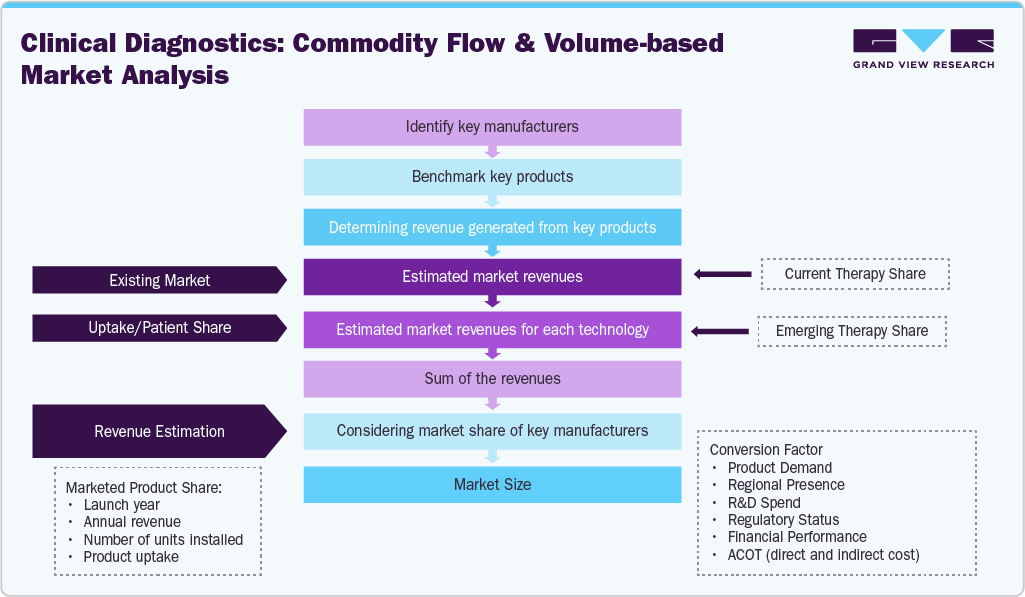
The vaginal microbiome diagnostics market figures in this report are based on a proven research process that combines executive interviews with secondary research from proprietary databases, company filings, and recognized regulatory and institutional sources. Market size is built through value-chain sizing - reconciling supply-side and demand-side estimates - and triangulated with bottom-up and top-down approaches. Every estimate passes multiple levels of expert validation before publication, with each vaginal microbiome diagnostics segment quantified using the revenue-capture definitions in the table belowm
Segment Definition
Segment - Product
Revenue capture definition
Instruments
Includes diagnostic instruments, analyzers, amplification platforms, sequencing systems, and automated sample-processing hardware used for qualifying clinical vaginal microbiome testing. For multipurpose platforms, only the portion attributable to qualifying vaginal microbiome testing is included.
Reagents & Consumables
Includes assays, molecular panels, reagent kits, cartridges, sequencing and amplification reagents, extraction consumables, controls, vaginal swabs, and collection kits consumed in qualifying vaginal microbiome testing. Generic laboratory supplies and instruments or services sold separately are excluded.
Software & Services
Includes standalone diagnostic software, bioinformatics, microbial analysis and interpretation solutions, and commercial laboratory, sequencing, diagnostic, reporting, and analytical services for qualifying vaginal microbiome testing. Unrelated consultations, therapeutics, probiotics, and general healthcare services are excluded.
Segment - Technology
Revenue capture definition
PCR/qPCR & Other Targeted Nucleic Acid Amplification
Includes qualifying tests using PCR, qPCR, multiplex PCR, digital PCR, TMA, or other targeted nucleic acid amplification methods to detect or quantify predefined vaginal microorganisms or microbial markers, including algorithm-based BV and dysbiosis assays.
Next-Generation Sequencing
Includes qualifying tests in which NGS is the principal analytical readout for vaginal microbial characterization, including metagenomic, targeted, and amplicon sequencing. Revenue reflects clinically commercialized sequencing-based vaginal microbiome tests and services.
Other Technologies
Includes qualifying commercial diagnostics using technologies outside targeted nucleic acid amplification and NGS, such as applicable culture/MALDI-TOF-supported profiling, automated vaginal microecology or morphological analysis, and biochemical or enzyme-based methods. RUO and experimental methods are excluded.
Segment - Application
Revenue capture definition
Bacterial Vaginosis & Vaginal Dysbiosis
Includes qualifying tests primarily used to detect, diagnose, or characterize bacterial vaginosis and clinically relevant vaginal dysbiosis, including changes in protective Lactobacillus populations and BV-associated microorganisms or microbial patterns.
Vulvovaginal Candidiasis
Includes qualifying tests primarily used to detect, diagnose, differentiate, or characterize Candida-associated vulvovaginal infection, including clinically relevant Candida species. Commercial value includes standalone VVC tests and the attributable VVC component of qualifying broader workflows.
Mixed & Recurrent Vaginitis
Includes qualifying testing for multi-etiology vaginitis and persistent, recurrent, or unresolved vaginal symptoms involving assessment of multiple microbial abnormalities, including combinations of BV-associated organisms, Candida, and other qualifying vaginitis-related microorganisms.
Fertility, Pregnancy & Reproductive Health
Includes qualifying vaginal microbiome testing used in fertility, infertility, preconception, IVF/ART, pregnancy, and other reproductive-health applications where vaginal microbial composition forms the diagnostic or analytical component. Unrelated fertility and prenatal diagnostics are excluded.
Menopause & Genitourinary Syndrome
Includes qualifying vaginal microbiome testing used to assess peri-menopausal and post-menopausal changes in vaginal microbial composition and associated vaginal or genitourinary health. General UTI, urinary microbiome, and unrelated urology testing are excluded.
Other Applications
Includes other qualifying clinical applications of vaginal microbiome diagnostics not captured in the specified application categories. STI-only testing, urinary microbiome testing, unrelated women's-health diagnostics, nonclinical wellness testing, and RUO applications are excluded.
Segment - End Use
Revenue capture definition
Hospitals & Clinics
Includes qualifying vaginal microbiome diagnostics purchased, ordered, or used through hospitals, gynecology and women's-health clinics, physician practices, and outpatient facilities. Revenue is classified according to the primary commercial end-use channel.
Diagnostic & Reference Laboratories
Includes qualifying vaginal microbiome diagnostics purchased, performed, or commercially provided through independent, centralized, reference, molecular diagnostic, and pathology laboratories whose principal commercial role is diagnostic testing.
Fertility & Reproductive Health Centers
Includes qualifying vaginal microbiome diagnostics purchased, ordered, or used through fertility clinics, IVF/ART centers, reproductive endocrinology practices, and specialized reproductive-health facilities. Unrelated fertility, genetic, hormonal, and prenatal testing is excluded.
Direct-to-Consumer
Includes qualifying vaginal microbiome tests and services purchased directly by consumers through company websites, online platforms, self-pay programs, or home-collection services. Laboratory processing after consumer purchase remains classified under DTC.
Other End Users
Includes qualifying revenue from institutional, professional, or commercial end users not appropriately classified under hospitals and clinics, diagnostic and reference laboratories, fertility and reproductive health centers, or direct-to-consumer channels.
Estimation Model
 To learn more about this report, Download Free Sample Report
 The vaginal microbiome diagnostics market was estimated by identifying key diagnostic manufacturers, reference laboratories, and specialized vaginal microbiome testing providers; benchmarking major commercial vaginal microbiome diagnostic products and services; and assessing company- and product-level revenues across targeted molecular diagnostics, next-generation sequencing, and other qualifying technologies. Market estimates were further validated using vaginal dysbiosis and vaginitis prevalence, diagnostic testing volumes, molecular testing penetration, realized test prices, technology-level revenues, laboratory service revenues, and key companies’ market shares. Supply-side estimates were reconciled with epidemiology and healthcare-utilization-based demand estimates and independently cross-validated through company sales analysis to derive the overall market size.
Delivered Customizations
This report has been delivered with the following In-depth customizations
Client Request
Customization Delivered
Value Adds
Vaginal Microbiome Diagnostics Market Competitive Landscape & Technology Assessment
Assessed the competitive landscape across targeted molecular diagnostics, PCR/qPCR and other nucleic acid amplification technologies, next-generation sequencing, multiplex vaginitis assays, and other qualifying vaginal microbiome diagnostic technologies. Evaluated key companies based on vaginal microbiome diagnostic portfolios, microbial target coverage, analytical technology, regulatory approvals, laboratory and self-collection capabilities, clinical applications, partnerships, and geographic presence.
Enables the client to benchmark leading vaginal microbiome diagnostic companies, assess technology differentiation, identify high-potential diagnostic platforms, and evaluate competitive positioning across hospitals and clinics, diagnostic and reference laboratories, fertility and reproductive health centers, and direct-to-consumer channels.
Vaginal Microbiome Diagnostic Test & Product Benchmarking Analysis
Conducted comparative benchmarking of commercial tests and services for bacterial vaginosis and vaginal dysbiosis, vulvovaginal candidiasis, mixed and recurrent vaginitis, fertility and reproductive health, and other qualifying applications. Assessed microbial target coverage, PCR/qPCR and NGS technologies, multiplexing, sample collection, turnaround time, testing setting, workflow requirements, and diagnostic interpretation capabilities.
Helps the client identify product and technology gaps, compare diagnostic offerings and positioning, and prioritize opportunities across targeted molecular assays, multiplex diagnostics, comprehensive vaginal microbiome profiling, self-collection, sequencing-based testing, and personalized diagnostic services.
Vaginal Microbiome Diagnostics Commercialization & Market Entry Assessment
Assessed commercialization strategies, regulatory pathways, laboratory infrastructure, reimbursement and pricing considerations, distribution models, adoption barriers, and market-access conditions across North America, Europe, Asia Pacific, Latin America, and Middle East & Africa. Evaluated adoption across hospitals and clinics, diagnostic and reference laboratories, fertility and reproductive health centers, and direct-to-consumer channels.
Supports market-entry and expansion planning by identifying high-potential regions, applications, and end users; evaluating regulatory and clinical-validation requirements; assessing self-collection, decentralized, and sequencing-based testing opportunities; and developing commercialization strategies for vaginal microbiome diagnostic products and services.
Frequently Asked Questions About This Report
The bacterial vaginosis & vaginal dysbiosis segment led the market, with the largest revenue share of 43.8% in 2025, while menopause & genitourinary syndrome segment is the fastest-growing application.
The diagnostic & reference laboratories segment led the market with the largest revenue share of 49.2% in 2025, while direct-to-consumer segment is the fastest-growing end-use.
The vaginal microbiome diagnostics market is expected to grow at a CAGR of 14.74% from 2026 to 2033, reaching USD 1,727.3 million by 2033
The PCR/qPCR & other targeted nucleic acid amplification segment led the market with the largest revenue share of 89.3% in 2025, while next-generation sequencing segment is the fastest growing technology.
North America dominated the market, accounting for the revenue share of 40.9% in 2025.
The global vaginal microbiome diagnostics market was valued at USD 579.4 million in 2025 and is estimated at USD 659.6 million in 2026 .
Market growth is primarily driven by the high burden of bacterial vaginosis and vaginal dysbiosis, increasing adoption of molecular diagnostic technologies, and growing demand for accurate and comprehensive vaginal microbiome profiling.
Key players include Hologic, Inc.; Quest Diagnostics Incorporated; Labcorp Holdings Inc.; Cepheid / Danaher Corporation; Becton, Dickinson and Company; Seegene, Inc.; Mayo Clinic Laboratories; F. Hoffmann-La Roche Ltd.; Evvy; Juno Bio., among others. These companies compete through innovation, expansion, partnerships, and acquisitions.
Asia Pacific is the fastest-growing region over the forecast period.
About the Author(s)
Clinical Diagnostics Research Team
Healthcare · Clinical DiagnosticsThis report was authored by the clinical diagnostics research team at Grand View Research - comprising two research analysts, one senior research analyst, and one industry expert - with specialized expertise in the clinical diagnostics segment of the healthcare industry. All findings are based on proprietary healthcare databases, executive interviews, and regulatory analysis, subject to internal peer review prior to publication.
Last Updated:
Speak to Analyst

Customize this report to your needs - add regions, segments, or data points, with 20% free customization.
Or view our licence options:


ISO 9001:2015 & 27001:2022 Certified
We are GDPR and CCPA compliant! Your transaction & personal information is safe and secure. For more details, please read our privacy policy.


