
- Home
- »
- Clinical Diagnostics
- »
-
Personalized Diagnostics Market Size Report, 2026-2033GVR Report cover

Personalized Diagnostics Market (2026 - 2033)
Size, Share & Trends Analysis Report By Testing Type (Genetic & Nutrigenomic Testing, Microbiome Testing, Metabolic Health Testing, Micronutrient & Deficiency Testing), By Technology, By Application, By End-use, By Region, And Segment Forecasts
Market Size, 2025
$12.1BMarket Estimate, 2026
$13.4BMarket Forecast, 2033
$30.0BCAGR, 2026–2033
12.2%Personalized Diagnostics Market Summary
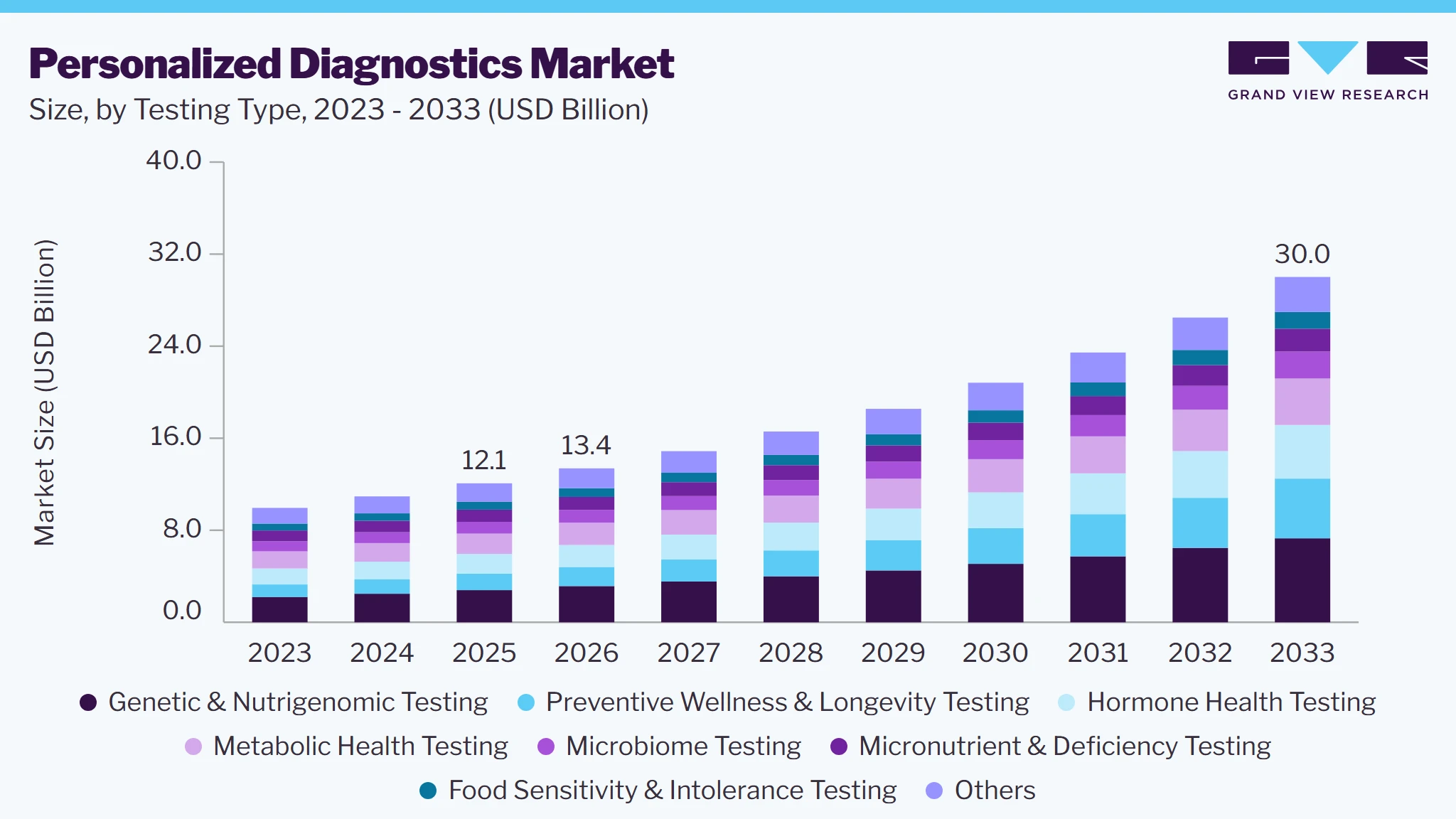
The global personalized diagnostics market size was valued at USD 12.1 billion in 2025 and is projected to grow from USD 13.4 billion in 2026 to USD 30.0 billion by 2033, at a CAGR of 12.2% from 2026 to 2033. North America dominated the market with the largest revenue share of 39.9% in 2025. The market is witnessing robust growth due to the increasing adoption of precision medicine, advancements in genomic and molecular diagnostic technologies, and the rising demand for biomarker-based testing to enable personalized treatment decisions.
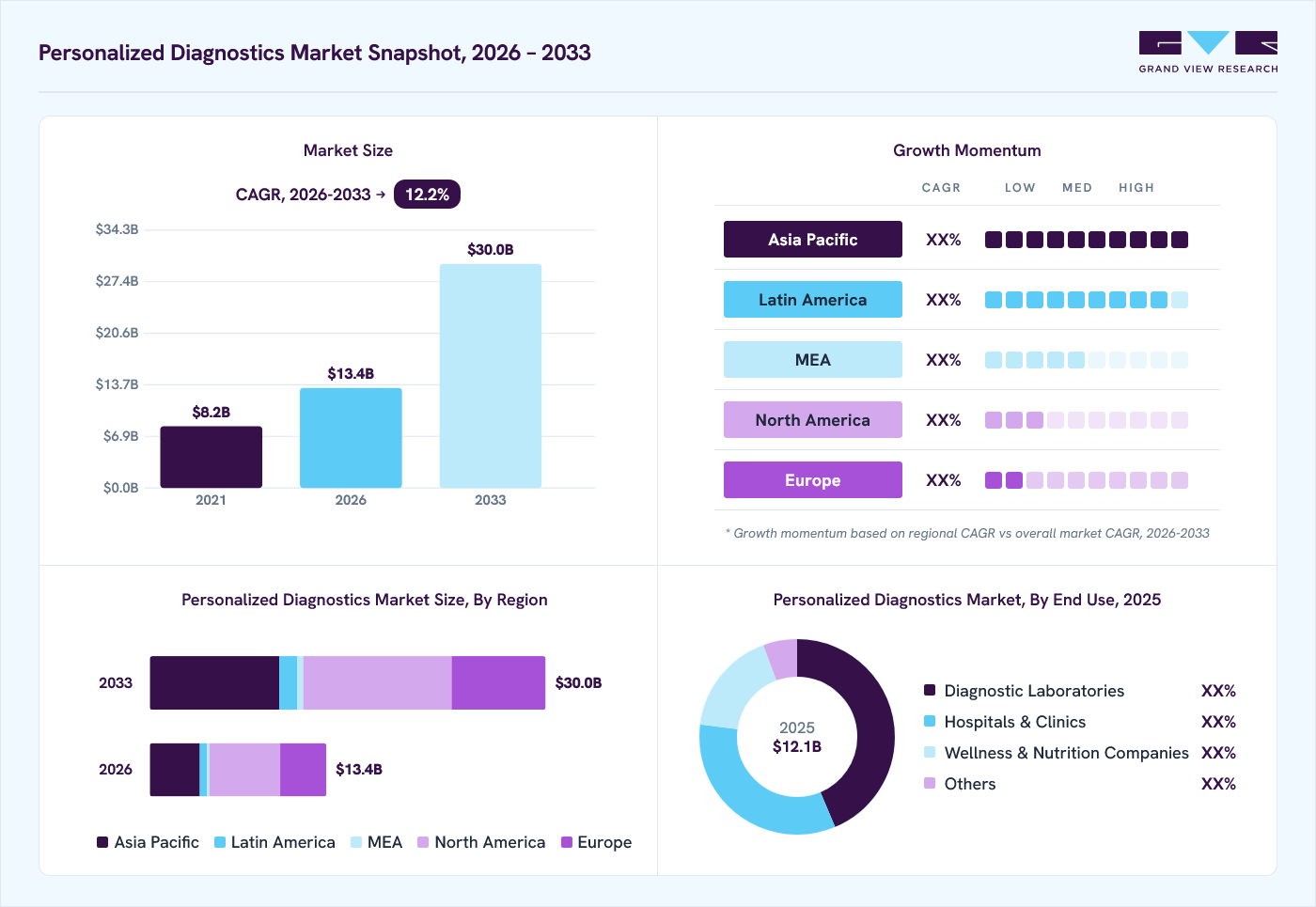 Source: Grand View Research, IR Documents, Primary Interviews, Paid DatabasesTo learn more about this report,
 Download Free Sample Report
 Key Market Trends & Insights
- By testing type: Genetic & nutrigenomic testing segment held the largest revenue share of 23.1% in 2025.
- By technology: Immunoassays segment held the largest revenue share of 26.6% in 2025.
- By application: Preventive health screening segment held the largest revenue share of 19.3% in 2025.
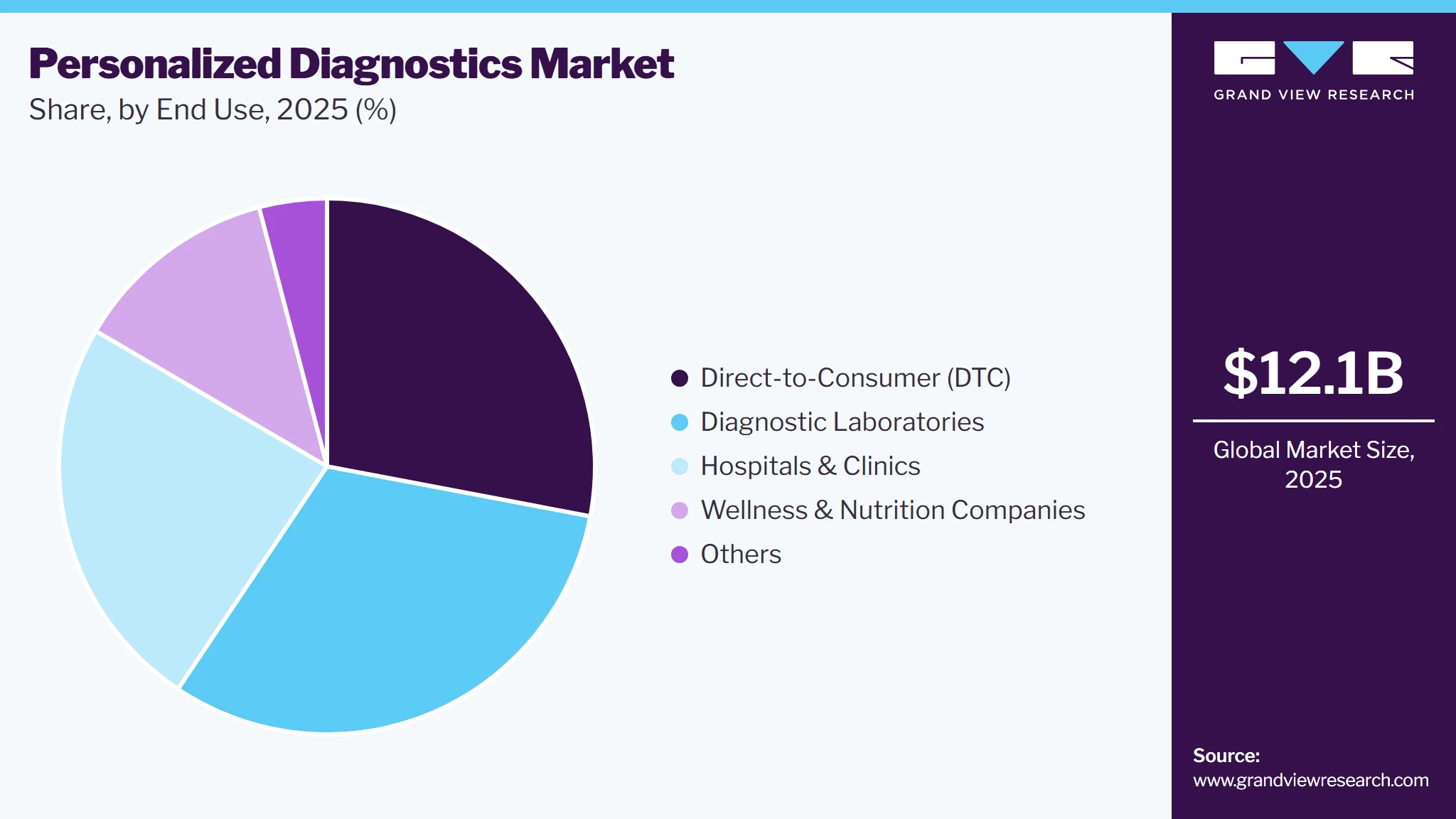
- By end use: Diagnostic laboratories segment held the largest revenue share of 31.4% in 2025.
Regional Highlights
- Largest regional market: North America (39.9% revenue share, 2025)
- Fastest-growing regional market: Asia Pacific (highest CAGR, 2026-2033)
- By country: The U.S. held the largest market share in 2025.
Market Size & Forecast
- Market size in 2025: USD 12.1 Billion
- Estimated market size in 2026: USD 13.4 Billion
- Projected market size by 2033: USD 30.0 Billion
- CAGR (2026-2033): 12.2%
Three ways to get this report
Buy it, customize it, or ask a question.Ask an Analyst
A direct answer, usually in 1 working day
- AccessReport author, directly
- Reply timeWithin 1 working day
- No sales callDirect answer only
- FormatEmail reply
- CostFree, no cost
Get the Full Report
What the study covers
- FormatsPDF · Excel · Dashboard
- Timeline2026–2033 annual, 2025 base
- Coverage20+ countries, 5 regions
- Companies10+ key players profiled
Customize the Report
20% free customization
- IncludeCountries, segments, points
- TailorTo your product definition
- ExtendDeeper competitor detail
- OrA fully bespoke study
- Turnaround5–10 working days
 To learn more about this report, Download Free Sample Report
 Furthermore, the expanding use of companion diagnostics, growing prevalence of cancer and genetic disorders, and increasing investments in precision healthcare are expected to further accelerate market growth during the forecast period.
Market Dynamics
The increasing adoption of precision medicine and biomarker-guided therapies is one of the most significant drivers of the personalized diagnostics market. Healthcare systems are increasingly transitioning from conventional treatment approaches to personalized care models that consider an individual's genetic, molecular, and biological profile to guide clinical decision-making. Personalized diagnostics play a critical role in identifying disease-specific biomarkers, genetic mutations, and protein expression patterns, enabling physicians to select the most appropriate treatment for each patient. This approach enhances treatment efficacy, minimizes adverse drug reactions, and reduces unnecessary healthcare costs associated with ineffective therapies.
A major restraint in the personalized diagnostics market is the high cost associated with advanced diagnostic technologies and genomic testing. Personalized diagnostics often rely on sophisticated platforms such as next-generation sequencing (NGS), multiplex molecular assays, digital PCR, and liquid biopsy, which require expensive instruments, specialized reagents, advanced bioinformatics infrastructure, and highly trained personnel. In addition to the initial investment, laboratories incur significant operational and maintenance costs, making these technologies less accessible for smaller healthcare facilities and diagnostic centers. Furthermore, reimbursement policies for personalized diagnostic tests remain inconsistent across many countries, limiting patient access and reducing the willingness of healthcare providers to adopt these solutions. The high cost of clinical validation, regulatory approvals, and continuous technology upgrades further increases the financial burden on diagnostic manufacturers. As a result, affordability concerns and unequal access to advanced molecular testing continue to hinder the widespread adoption of personalized diagnostics, particularly in low- and middle-income countries with limited healthcare resources.
A significant opportunity in the Personalized Diagnostics Market lies in the expanding adoption of companion diagnostics and multi-omics technologies to support precision medicine. As pharmaceutical and biotechnology companies continue to develop targeted therapies, the demand for diagnostic tests that identify patients most likely to benefit from specific treatments is increasing rapidly. Companion diagnostics are becoming an essential component of drug development, enabling patient stratification, improving clinical trial success rates, and supporting regulatory approvals for precision therapies. At the same time, advancements in genomics, transcriptomics, proteomics, metabolomics, and epigenomics are providing a more comprehensive understanding of disease biology and individual patient variability. The integration of these multi-omics datasets with artificial intelligence and bioinformatics is enabling the discovery of novel biomarkers and improving diagnostic accuracy. This convergence of advanced molecular technologies presents significant opportunities for diagnostic manufacturers to develop innovative, high-value testing solutions across oncology, rare diseases, neurological disorders, cardiovascular diseases, and other chronic conditions.
Market Concentration & Characteristics
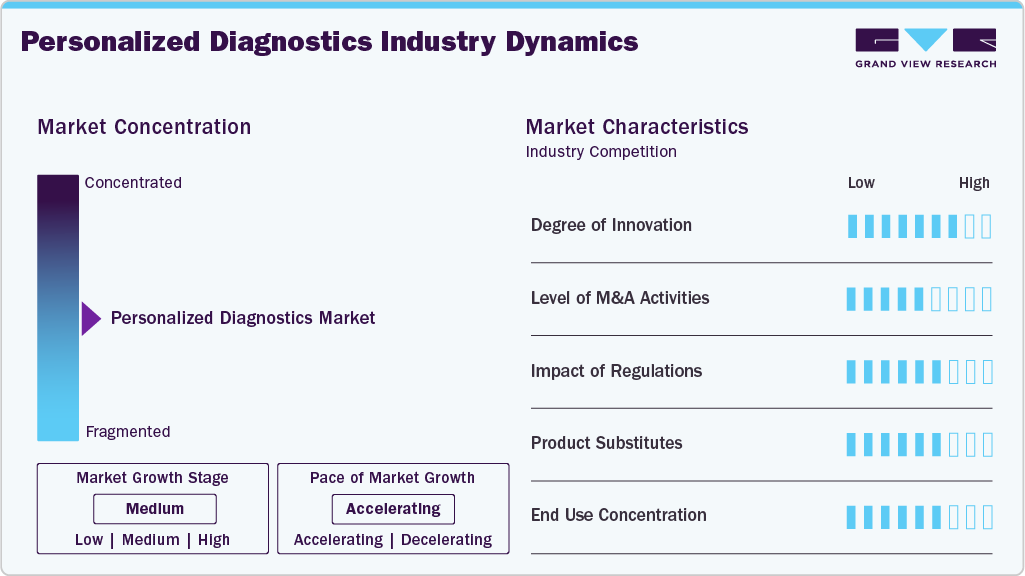
The personalized diagnostics market is characterized by rapid advancements in molecular diagnostics, genomics, and artificial intelligence, coupled with the growing adoption of precision medicine across healthcare systems. The market encompasses technologies such as next-generation sequencing (NGS), polymerase chain reaction (PCR), liquid biopsy, companion diagnostics, pharmacogenomics, and multiplex molecular assays that enable disease diagnosis and treatment selection based on an individual's genetic and molecular profile. The increasing prevalence of chronic diseases, the rising demand for early disease detection, and expanding applications in oncology, rare diseases, cardiovascular disorders, and infectious diseases are driving market growth. Continuous investments in biomarker discovery, digital pathology, and bioinformatics are enhancing diagnostic accuracy and clinical decision-making. Furthermore, collaborations among diagnostic companies, pharmaceutical manufacturers, research institutions, and healthcare providers are accelerating product innovation and expanding the adoption of personalized diagnostics worldwide.
The personalized diagnostics market demonstrates a high degree of innovation, driven by advancements in next-generation sequencing, liquid biopsy, artificial intelligence, digital pathology, and multi-omics technologies. Continuous research in genomics, transcriptomics, proteomics, and metabolomics is enabling the identification of novel biomarkers for disease diagnosis and treatment selection. Integration of AI-powered analytics with molecular diagnostics is improving diagnostic accuracy, workflow automation, and clinical decision support, while innovations in companion diagnostics and pharmacogenomics continue to expand the role of personalized medicine across multiple therapeutic areas.
 To learn more about this report, Download Free Sample Report
 The personalized diagnostics market is witnessing a high level of mergers, acquisitions, and strategic collaborations as diagnostic companies, pharmaceutical manufacturers, and biotechnology firms strengthen their precision medicine portfolios. Acquisitions are primarily focused on expanding molecular diagnostic capabilities, biomarker discovery platforms, AI-driven diagnostic software, and companion diagnostic technologies. Strategic partnerships between pharmaceutical and diagnostic companies are also increasing to support co-development of targeted therapies and companion diagnostics, accelerating commercialization and improving patient access to precision healthcare solutions.
Regulations have a significant impact on the personalized diagnostics market due to the stringent clinical validation, quality assurance, and regulatory approval requirements for molecular diagnostic tests. Manufacturers must comply with quality management standards and regulatory frameworks established by agencies such as the U.S. FDA, European Medicines Agency (EMA), and other national regulatory authorities. Compliance with in vitro diagnostic (IVD) regulations, clinical evidence requirements, and data privacy standards increases development timelines and costs while ensuring diagnostic accuracy, patient safety, and clinical reliability.
Product expansion in the personalized diagnostics market is driven by increasing demand for comprehensive molecular profiling and biomarker-based testing across diverse disease areas. Companies are expanding their portfolios by introducing advanced next-generation sequencing panels, liquid biopsy assays, companion diagnostics, pharmacogenomic tests, multiplex PCR assays, and AI-enabled molecular diagnostic solutions. Continuous innovation is focused on improving analytical sensitivity, turnaround time, automation, and clinical utility while supporting early disease detection, patient stratification, treatment monitoring, and personalized therapeutic decision-making.
Regional expansion is accelerating as companies strengthen their presence across North America, Europe, and Asia-Pacific, where precision medicine initiatives, genomic research, and investments in molecular diagnostics continue to increase. Emerging markets, particularly China, India, Japan, South Korea, and Singapore, are experiencing significant growth due to expanding healthcare infrastructure, supportive government genomics programs, and rising adoption of advanced diagnostic technologies. Companies are establishing regional laboratories, manufacturing facilities, distribution partnerships, and research collaborations to improve market access, enhance service capabilities, and address the growing demand for personalized diagnostics globally.
Analyst Perspective
The personalized diagnostics market is transitioning from a niche genomics-focused segment to a broader preventive healthcare ecosystem driven by advancements in molecular diagnostics, artificial intelligence, and consumer-centric testing. While hereditary disease risk assessment remains a key application, the market is increasingly expanding into nutrigenomics, microbiome analysis, metabolic health, healthy aging, and pharmacogenomics as healthcare shifts toward predictive and individualized care. Adoption is being supported by declining sequencing costs, improving clinical evidence, wider integration of precision medicine into routine practice, and growing consumer willingness to invest in proactive health management. At the same time, reimbursement limitations, data privacy concerns, and the need for stronger clinical validation continue to influence market penetration across regions. Going forward, companies that successfully combine high-quality diagnostic capabilities with actionable clinical insights, digital health platforms, and personalized care recommendations are expected to strengthen their competitive positioning and capture a larger share of this rapidly evolving market.
Testing Type Insights
The Genetic & Nutrigenomic Testing segment dominated the personalized diagnostics market and accounted for the largest revenue share of 23.1% in 2025. The segment's leadership is driven by the growing adoption of genetic testing for disease risk assessment, inherited disorder screening, pharmacogenomics, and personalized nutrition planning. Increasing consumer awareness of preventive healthcare and advancements in next-generation sequencing (NGS), polymerase chain reaction (PCR), and direct-to-consumer (DTC) genetic testing have significantly expanded the accessibility of these services. Healthcare providers are increasingly utilizing genetic and nutrigenomic testing to develop personalized treatment plans, optimize medication selection, and recommend nutrition strategies based on an individual's genetic profile. Additionally, rising investments in genomics research, expanding clinical applications, and the increasing integration of artificial intelligence and bioinformatics into genetic data analysis continue to strengthen the growth of this segment across both clinical and consumer healthcare settings.
The hormone health testing segment is anticipated to grow at the fastest CAGR over the forecast period. The segment's rapid growth is driven by the increasing prevalence of hormonal disorders, rising awareness of preventive healthcare, and growing demand for personalized wellness solutions. Hormone health testing is widely used to diagnose and monitor conditions such as thyroid disorders, diabetes, adrenal dysfunction, reproductive health issues, menopause, and polycystic ovary syndrome (PCOS). Advancements in biomarker-based assays, at-home testing kits, and digital health platforms have improved the accessibility, accuracy, and convenience of hormone testing. Furthermore, increasing consumer interest in personalized nutrition, fertility management, healthy aging, and lifestyle optimization has expanded the adoption of hormone health assessments. The integration of artificial intelligence, wearable health technologies, and telehealth services with hormone testing is also enabling continuous monitoring and personalized treatment recommendations, further supporting the segment's robust growth during the forecast period.
Technology Insights
The Immunoassays technology segment dominated the personalized diagnostics market and accounted for the largest revenue share of 26.6% in 2025. The segment's dominance is driven by the widespread use of immunoassays for the detection and quantification of biomarkers associated with chronic diseases, infectious diseases, cancer, endocrine disorders, and cardiovascular conditions. Immunoassays offer high sensitivity, specificity, rapid turnaround times, and compatibility with automated laboratory workflows, making them a preferred diagnostic technology in hospitals and clinical laboratories. The increasing adoption of multiplex immunoassays and chemiluminescent immunoassays has further enhanced diagnostic accuracy and testing efficiency. Additionally, the growing demand for companion diagnostics and biomarker-based disease monitoring continues to support segment growth. For instance, in January 2025, Roche Diagnostics expanded its Elecsys immunoassay portfolio with new biomarker assays for oncology and cardiovascular disease management. Similarly, in October 2024, Abbott launched advanced immunoassay solutions on its Alinity platform to improve diagnostic performance and laboratory productivity, further strengthening the adoption of immunoassay technologies in personalized diagnostics.
However, the other segment is projected to experience the fastest growth rate over the forecast period, driven by the emergence of innovative diagnostic technologies beyond conventional molecular and immunoassay platforms. This segment includes digital pathology, biosensor-based diagnostics, microfluidics, nanotechnology-enabled assays, mass spectrometry, and artificial intelligence (AI)-powered diagnostic solutions. Increasing demand for rapid, non-invasive, and highly accurate diagnostic methods is encouraging healthcare providers to adopt these advanced technologies for disease detection and treatment monitoring. Continuous advancements in AI, wearable health devices, and lab-on-a-chip platforms are further enhancing diagnostic precision and workflow efficiency. Additionally, growing investments in biomarker discovery, precision medicine, and point-of-care diagnostics, along with increasing collaborations between biotechnology companies and research institutions, are expected to accelerate innovation and support robust growth of the Others technology segment throughout the forecast period.
Application Insights
The preventive health screening segment dominated the market, accounting for 19.3% of revenue in 2025, driven by rising awareness of early disease detection, preventive healthcare, and personalized wellness. Consumers and healthcare providers are increasingly adopting personalized diagnostic tests to assess genetic predisposition, identify disease risk factors, and detect chronic conditions before symptoms develop. Advancements in genomic testing, biomarker analysis, liquid biopsy, and artificial intelligence-based risk assessment tools are improving the accuracy and accessibility of preventive health screening. Rising healthcare expenditure, growing adoption of direct-to-consumer (DTC) testing, and supportive government initiatives promoting preventive care are further accelerating market growth. Additionally, increasing emphasis on personalized health management, healthy aging, and lifestyle optimization is expected to drive demand for preventive health screening solutions, supporting strong segment growth throughout the forecast period.
The Pharmacogenomics application segment is expected to grow at the fastest CAGR during the forecast period, driven by the increasing adoption of precision medicine and the growing demand for personalized drug therapies. Pharmacogenomic testing enables healthcare providers to evaluate a patient's genetic profile to predict drug response, optimize medication selection, determine appropriate dosages, and minimize adverse drug reactions. The rising prevalence of chronic diseases, including cancer, cardiovascular disorders, and neurological conditions, has accelerated the use of pharmacogenomic testing in clinical practice. Furthermore, increasing development of targeted therapies, expanding use of companion diagnostics, and advancements in next-generation sequencing (NGS) and molecular diagnostics are supporting segment growth. Growing investments by pharmaceutical companies in biomarker-driven drug development and favorable clinical guidelines promoting genotype-based prescribing are expected to further drive the adoption of pharmacogenomics during the forecast period.
End Use Insights
The Diagnostic Laboratories end-use segment is expected to witness significant growth during the forecast period, driven by the increasing demand for advanced molecular testing, genetic profiling, and biomarker-based diagnostics. Diagnostic laboratories play a central role in delivering personalized diagnostic services by offering high-throughput testing, next-generation sequencing (NGS), polymerase chain reaction (PCR), immunoassays, and companion diagnostic testing. The growing prevalence of chronic diseases, increasing physician reliance on precision diagnostics, and rising demand for early disease detection are fueling test volumes in diagnostic laboratories. Furthermore, investments in laboratory automation, artificial intelligence-powered data analysis, and digital pathology are improving operational efficiency and diagnostic accuracy. Strategic collaborations with hospitals, pharmaceutical companies, and biotechnology firms are further expanding laboratory capabilities, supporting the rapid adoption of personalized diagnostics across clinical and research settings.
 To learn more about this report, Download Free Sample Report
 The Wellness & Nutrition Companies end-use segment is expected to grow fastest CAGR during the forecast period, driven by the rising consumer focus on preventive healthcare, personalized nutrition, and overall wellness. These companies are increasingly adopting personalized diagnostics, including genetic, nutrigenomic, microbiome, and metabolic testing, to develop customized nutrition plans, dietary recommendations, and lifestyle interventions based on an individual's biological profile. Growing awareness of the relationship between genetics, nutrition, and long-term health outcomes is encouraging consumers to seek personalized wellness solutions. Additionally, the expansion of direct-to-consumer (DTC) testing services, digital health platforms, and AI-powered health analytics is improving accessibility and user engagement. Strategic collaborations between wellness companies, diagnostic providers, and biotechnology firms are further accelerating innovation and expanding the adoption of personalized diagnostics for health optimization, disease prevention, and healthy aging.
Regional Insights
North America dominated the personalized diagnostics market and accounted for a 39.9% revenue share in 2025. The region's leadership is driven by the widespread adoption of precision medicine, advanced molecular diagnostic technologies, and a well-established healthcare infrastructure. Strong investments in genomics research, increasing prevalence of chronic diseases, and growing demand for companion diagnostics have accelerated market growth. Additionally, the presence of leading biotechnology and diagnostic companies, favorable reimbursement policies, supportive regulatory frameworks, and continuous advancements in next-generation sequencing (NGS), artificial intelligence, and biomarker-based testing continue to strengthen North America's position as the largest regional market for personalized diagnostics.
 To learn more about this report, Download Free Sample Report
 U.S. Personalized Diagnostics Market Trends
The U.S. personalized diagnostics market is witnessing significant growth, driven by its leadership in precision medicine, genomics research, and advanced molecular diagnostics. The country hosts a strong ecosystem of biotechnology companies, pharmaceutical manufacturers, diagnostic laboratories, and academic research institutions actively developing personalized diagnostic solutions. Increasing adoption of companion diagnostics, next-generation sequencing (NGS), pharmacogenomics, and liquid biopsy technologies is supporting personalized treatment approaches across oncology, rare diseases, cardiovascular disorders, and infectious diseases. Furthermore, favorable reimbursement policies, strong research funding, and the presence of leading diagnostics companies continue to accelerate innovation and commercialization, positioning the U.S. as the largest contributor to the global personalized diagnostics market.
Europe Personalized Diagnostics Market Trends
The Europe personalized diagnostics market is expanding, supported by a robust biotechnology industry, advanced healthcare infrastructure, and increasing adoption of precision medicine. The region is witnessing growing utilization of molecular diagnostics, companion diagnostics, and biomarker-based testing across oncology and rare disease management. Government-funded genomics initiatives, expanding clinical research activities, and collaborations between pharmaceutical and diagnostic companies continue to support market growth. In addition, favorable regulatory frameworks for in vitro diagnostics (IVDs) and increasing investments in digital pathology and AI-enabled diagnostics are strengthening Europe's position in the global market.
The UK personalized diagnostics market is growing steadily, driven by increasing investments in genomics, precision medicine, and molecular diagnostics. Government initiatives such as Genomics England and the NHS Genomic Medicine Service are promoting the integration of genomic testing into routine clinical care. The presence of leading academic institutions, biotechnology companies, and pharmaceutical manufacturers is accelerating the adoption of companion diagnostics, pharmacogenomic testing, and AI-powered diagnostic solutions. Rising demand for early disease detection and personalized treatment strategies continues to support market expansion.
The Germany personalized diagnostics market is supported by the country's advanced healthcare system, strong biotechnology sector, and extensive clinical research infrastructure. Germany is a leading center for molecular diagnostics, biomarker research, and precision oncology, driving demand for genetic testing, companion diagnostics, and next-generation sequencing technologies. The presence of globally recognized diagnostics manufacturers, research institutes, and pharmaceutical companies continues to accelerate innovation and clinical adoption of personalized diagnostic solutions across multiple therapeutic areas.
Asia Pacific Personalized Diagnostics Market Trends
Asia Pacific represents one of the fastest-growing markets for personalized diagnostics, driven by expanding healthcare infrastructure, increasing investments in genomics research, and growing awareness of precision medicine. Rising prevalence of chronic diseases, improving access to advanced molecular diagnostics, and supportive government initiatives are accelerating market growth across the region. Increasing adoption of next-generation sequencing, pharmacogenomics, liquid biopsy, and AI-powered diagnostics, coupled with rapid expansion of biotechnology and pharmaceutical industries, is positioning Asia Pacific as a major growth engine for the global personalized diagnostics market.
The China personalized diagnostics market is experiencing rapid growth, supported by significant investments in genomics, biotechnology, and precision healthcare. The country has become a major hub for genetic testing, molecular diagnostics, and biomarker discovery, supported by a large patient population and expanding healthcare infrastructure. Government initiatives promoting precision medicine, increasing adoption of next-generation sequencing technologies, and the presence of leading biotechnology companies are driving demand for personalized diagnostic solutions across oncology, infectious diseases, and rare genetic disorders.
The Japan personalized diagnostics market is supported by the country's strong biotechnology capabilities, advanced healthcare infrastructure, and leadership in precision medicine research. Growing adoption of companion diagnostics, pharmacogenomics, and molecular diagnostic technologies is improving disease diagnosis and treatment selection across oncology, cardiovascular diseases, and neurological disorders. Continuous investments in genomic medicine, digital healthcare, and AI-enabled diagnostics, combined with collaborations between healthcare providers and biotechnology companies, are further strengthening Japan's position within the Asia Pacific personalized diagnostics market.
Latin America Personalized Diagnostics Market Trends
Latin America represents an emerging market for personalized diagnostics, supported by expanding access to molecular diagnostic technologies, increasing investments in healthcare infrastructure, and rising awareness of precision medicine. Healthcare providers and diagnostic laboratories are increasingly adopting genetic testing, biomarker analysis, and molecular diagnostics for early disease detection and personalized treatment planning. Government healthcare modernization initiatives and expanding biotechnology research activities are further supporting market growth across countries such as Brazil, Argentina, and Chile.
The Brazil personalized diagnostics market is supported by growing investments in healthcare infrastructure, expanding molecular diagnostics capabilities, and increasing adoption of precision medicine. Diagnostic laboratories, research institutions, and healthcare providers are increasingly utilizing genetic testing, pharmacogenomics, and biomarker-based diagnostics for chronic disease management and oncology applications. Government initiatives promoting genomic research and improved access to advanced diagnostic technologies are expected to further accelerate market growth, positioning Brazil as the largest personalized diagnostics market in Latin America.
Middle East & Africa Personalized Diagnostics Market Trends
The Middle East & Africa (MEA) personalized diagnostics market is witnessing steady growth, supported by increasing investments in healthcare modernization, genomics research, and precision medicine initiatives. Growing awareness of genetic diseases, rising prevalence of chronic disorders, and expanding adoption of molecular diagnostics are driving demand for personalized diagnostic solutions. Governments and healthcare organizations are strengthening laboratory infrastructure and investing in advanced diagnostic technologies, contributing to the region's long-term market development.
Saudi Arabia Personalized Diagnostics Market Trends
The Saudi Arabia personalized diagnostics market is expanding rapidly, supported by increasing government investments in biotechnology, genomics, and precision healthcare under Vision 2030. The country is strengthening its molecular diagnostics capabilities through investments in genomic sequencing, personalized medicine programs, and advanced laboratory infrastructure. Growing prevalence of chronic diseases, expanding healthcare facilities, and increasing collaborations between government agencies, healthcare providers, and biotechnology companies are driving the adoption of personalized diagnostic solutions, positioning Saudi Arabia as one of the leading precision medicine markets in the Middle East.
Key Personalized Diagnostics Company Insights
Key market players in the personalized diagnostics market are actively adopting strategic initiatives, including new product launches, partnerships, mergers and acquisitions, and geographic expansion, to strengthen their competitive position and expand their global footprint. Companies are investing in advanced molecular diagnostics, next-generation sequencing (NGS), liquid biopsy, companion diagnostics, artificial intelligence (AI)-enabled diagnostic platforms, and multi-omics technologies to enhance their product portfolios. Strategic collaborations with pharmaceutical companies, biotechnology firms, healthcare providers, and research institutions are accelerating biomarker discovery and the adoption of precision medicine. Additionally, market participants are expanding their presence in emerging economies through regional laboratories, distribution partnerships, and localized manufacturing facilities to address the growing demand for personalized healthcare and improve access to advanced diagnostic solutions worldwide.
Key Personalized Diagnostics Companies
The following key companies have been profiled for this study on the personalized diagnostics market
-
Thermo Fisher Scientific, Inc.
-
Illumina, Inc.
-
QIAGEN
-
F. Hoffmann-La Roche Ltd.
-
Bio-Rad Laboratories Inc.
-
Agilent Technologies
-
Exact Sciences Corporation
-
Guardant Health, Inc.
-
Danaher Corporation
-
Abbott
Competitive Benchmarking
Operating Strategies
Competitive Edge
Weaknesses
Mature Players: Thermo Fisher Scientific
- Focus on expanding transfection reagent portfolios, developing high-efficiency lipid-based and polymer-based reagents, enhancing electroporation technologies, strengthening GMP manufacturing capabilities, and forming strategic collaborations with cell & gene therapy developers, CDMOs, and research institutions to accelerate commercial adoption.
- Benefit from broad product portfolios, strong global distribution networks, established customer relationships, extensive R&D investments, regulatory expertise, and integrated life science solutions, enabling rapid commercialization and sustained leadership across research and therapeutic applications.
- Face challenges related to premium product pricing, increasing competition from specialized transfection technology providers, lengthy product validation processes, and the need for continuous investment in next-generation delivery technologies to maintain market leadership.
Emerging Players: Mirus Bio
- Concentrate on developing application-specific transfection reagents, novel non-viral delivery technologies, customized gene delivery platforms, and innovative formulations for CRISPR, mRNA, and cell therapy applications while leveraging strategic partnerships and academic collaborations for market expansion.
- Possess greater flexibility in technology innovation, faster product development cycles, specialized expertise in niche applications, and the ability to deliver customized solutions with improved transfection efficiency and lower cytotoxicity, creating strong differentiation in emerging therapeutic markets.
- Operate with relatively limited commercial infrastructure, lower global brand recognition, constrained financial resources, and dependence on partnerships for manufacturing, regulatory approvals, and international expansion, which may limit large-scale market penetration.
Recent Development
-
In May 2026, Roche announced the acquisition of PathAI, a leader in artificial intelligence-powered digital pathology, to strengthen its personalized diagnostics portfolio. The acquisition enhances Roche's capabilities in AI-enabled pathology, companion diagnostics, and precision oncology by integrating advanced image analysis into clinical diagnostic workflows and biomarker-driven treatment strategies.
-
In June 2026, Roche launched the Axelios Gene Sequencing System, a next-generation sequencing (NGS) platform designed to deliver longer DNA and RNA reads with near real-time analysis. The platform is expected to improve genomic profiling, biomarker discovery, and precision medicine applications while expanding access to high-performance sequencing for personalized diagnostics and translational research.
-
In July 2026, Abbott Laboratories strengthened its personalized diagnostics portfolio following the integration of Exact Sciences' cancer diagnostics business, including Cologuard and Oncotype DX. The company reported strong growth in its diagnostics segment, driven by increasing adoption of precision oncology tests for early cancer detection and treatment selection, highlighting the growing demand for personalized diagnostic solutions.
Personalized Diagnostics Market Report Scope
Report Attribute
Details
Market Size in 2025
USD 12.1 billion
Estimated Market Size in 2026
USD 13.4 billion
Projected Market Size by 2033
USD 30.0 billion
Growth rate
CAGR of 12.2% from 2026 to 2033
Base year for estimation
2025
Historical data
2021 - 2024
Forecast period
2026 - 2033
Quantitative units
Revenue in USD million/billion and CAGR from 2026 to 2033
Report coverage
Revenue forecast, company ranking, competitive landscape, growth factors, and trends
Segments covered
Testing type, technology, application, end-use, region
Regional scope
North America; Europe; Asia Pacific; Latin America; MEA
Country scope
U.S.; Canada; Mexico; Germany; UK; France; Italy; Spain; Denmark; Sweden; Norway; China; Japan; India; Australia; Thailand; South Korea; Brazil; Argentina; South Africa; Saudi Arabia; UAE; Kuwait
Key companies profiled
Thermo Fisher Scientific, Inc.; Illumina, Inc.; QIAGEN; F. Hoffmann-La Roche Ltd.; Bio-Rad Laboratories Inc.; Agilent Technologies; Exact Sciences Corporation; Guardant Health, Inc.; Danaher Corporation; Abbott
Customization scope
Free report customization (equivalent up to 8 analyst’s working days) with purchase. Addition or alteration to country, regional & segment scope.
Pricing and purchase options
Avail customized purchase options to meet your exact research needs. Explore purchase options
Global Personalized Diagnostics Market Report Segmentation
This report forecasts revenue growth at the global, regional, and country levels and provides an analysis of the latest industry trends in each of the sub-segments from 2021 to 2033. For this report, Grand View Research has segmented the global personalized diagnostics market report based on testing type, application, technology, end-use, and region:
-
Testing Type Scope Outlook (Revenue, USD Million, 2021 - 2033)
-
Genetic & Nutrigenomic Testing
-
Microbiome Testing
-
Metabolic Health Testing
-
Micronutrient & Deficiency Testing
-
Food Sensitivity & Intolerance Testing
-
Hormone Health Testing
-
Preventive Wellness & Longevity Testing
-
Epigenetic Age Testing
-
Telomere Length Analysis
-
Proteomics-based Aging Biomarkers
-
Others
-
-
Others
-
-
Technology Scope Outlook (Revenue, USD Million, 2021 - 2033)
-
Next-Generation Sequencing (NGS)
-
Immunoassays
-
Polymerase Chain Reaction (PCR)
-
Mass Spectrometry
-
Microarray Technology
-
Others
-
-
Application Outlook (Revenue, USD Million, 2021 - 2033)
-
Personalized Nutrition
-
Preventive Health Screening
-
Weight Management
-
Healthy Aging & Longevity
-
Chronic Disease Risk Assessment
-
Gut Health & Microbiome Analysis
-
Fitness & Lifestyle Optimization
-
Pharmacogenomics
-
Others
-
-
End Use Outlook (Revenue, USD Million, 2021 - 2033)
-
Direct-to-Consumer (DTC)
-
Diagnostic Laboratories
-
Wellness & Nutrition Companies
-
Hospitals & Clinics
-
Others
-
-
Regional Scope Outlook (Revenue, USD Million, 2021 - 2033)
-
North America
-
U.S.
-
Canada
-
Mexico
-
-
Europe
-
UK
-
Germany
-
France
-
Italy
-
Spain
-
Denmark
-
Sweden
-
Norway
-
-
Asia Pacific
-
Japan
-
China
-
India
-
Australia
-
Thailand
-
South Korea
-
-
Latin America
-
Brazil
-
Argentina
-
- Middle East & Africa
-
South Africa
-
Saudi Arabia
-
UAE
-
Kuwait
-
-
Research Methodology
The personalized diagnostics market figures in this report are based on a proven research process that combines executive interviews with secondary research from proprietary databases, company filings, and recognized regulatory and institutional sources. Market size is built through value-chain sizing-reconciling supply-side and demand-side estimates-and triangulated with bottom-up and top-down approaches. Every estimate passes multiple levels of expert validation before publication, with each personalized diagnostics segment quantified using the revenue-capture definitions in the table below.
Segment Definition
Segment - Testing Type
Definition
Genetic & Nutrigenomic Testing
Revenue is primarily captured through DNA-based genetic testing, nutrigenomic analysis, hereditary risk assessment, carrier screening, and personalized nutrition reports that provide individualized health, dietary, and lifestyle recommendations based on genetic profiles.
Microbiome Testing
Revenue flows from gut microbiome sequencing, microbial composition analysis, diversity assessment, and personalized microbiome reports used to evaluate digestive health, immune function, and personalized nutritional interventions.
Metabolic Health Testing
Revenue originates from metabolic biomarker testing, glucose metabolism analysis, lipid profiling, insulin resistance assessment, and personalized metabolic health evaluations designed to optimize long-term health outcomes.
Micronutrient & Deficiency Testing
Revenue is captured through laboratory testing of vitamins, minerals, antioxidants, amino acids, and other nutritional biomarkers used to identify deficiencies and guide personalized nutritional supplementation.
Food Sensitivity & Intolerance Testing
Revenue is derived from laboratory-based food sensitivity assays, immunological biomarker testing, intolerance panels, and personalized dietary recommendations used to identify adverse food responses.
Hormone Health Testing
Revenue originates from endocrine biomarker testing, reproductive hormone panels, thyroid function analysis, cortisol testing, and personalized hormonal health assessments supporting individualized wellness management.
Preventive Wellness & Longevity Testing
Revenue is driven by preventive genomic testing, epigenetic age analysis, biological aging biomarkers, longevity assessments, wellness screening panels, and personalized health reports designed to support proactive disease prevention and healthy aging.
Others
Revenue consists of emerging personalized diagnostic tests, multi-omics analysis, specialized biomarker panels, and innovative wellness diagnostics addressing additional precision health applications.
Segment - Technology
Definition
Next-Generation Sequencing (NGS)
Revenue is primarily captured through sequencing-based genetic testing, whole genome sequencing, whole exome sequencing, targeted gene panels, microbiome sequencing, and associated bioinformatics interpretation services.
Immunoassays
Revenue flows from antibody-based assays, hormone testing, food sensitivity testing, nutritional biomarker analysis, and immunological diagnostic tests supporting personalized health assessments.
Polymerase Chain Reaction (PCR)
Revenue originates from PCR-based genetic testing, targeted mutation detection, microbial identification, pharmacogenomic testing, and molecular diagnostic assays used in personalized healthcare.
Mass Spectrometry
Revenue is captured through metabolomic analysis, micronutrient quantification, hormone profiling, toxicology assessment, and advanced biomarker testing utilizing mass spectrometry technologies.
Microarray Technology
Revenue is derived from DNA microarray testing, SNP genotyping, gene expression profiling, and pharmacogenomic analysis used to support personalized diagnostic and wellness applications.
Others
Revenue consists of emerging molecular diagnostic technologies, multi-omics platforms, digital biomarker technologies, biosensors, and AI-enabled analytical solutions supporting personalized diagnostics.
Segment - Application
Definition
Personalized Nutrition
Revenue is primarily captured through nutrigenomic testing, microbiome analysis, metabolic assessments, micronutrient profiling, and personalized nutrition reports that provide individualized dietary and supplementation recommendations.
Preventive Health Screening
Revenue flows from genetic risk assessment, hereditary disease screening, wellness biomarker panels, preventive genomic testing, and health risk evaluation services used to identify potential diseases before symptom onset.
Weight Management
Revenue originates from genetic testing, metabolic health assessments, hormone analysis, microbiome testing, and personalized weight management programs designed to optimize body composition and metabolic performance.
Healthy Aging & Longevity
Revenue is captured through biological age testing, epigenetic analysis, longevity biomarkers, telomere assessment, and personalized wellness diagnostics supporting healthy aging and lifespan optimization.
Chronic Disease Risk Assessment
Revenue is derived from genetic risk profiling, metabolic biomarker testing, cardiovascular risk assessment, diabetes susceptibility testing, and other predictive diagnostic services used to evaluate long-term disease risk.
Gut Health & Microbiome Analysis
Revenue originates from microbiome sequencing, digestive health assessments, microbial diversity analysis, and personalized gut health reports supporting individualized nutritional and lifestyle interventions.
Fitness & Lifestyle Optimization
Revenue is generated through genetic fitness testing, exercise response analysis, recovery profiling, metabolic assessments, and wellness diagnostics that provide personalized fitness and lifestyle recommendations.
Pharmacogenomics
Revenue is captured through pharmacogenomic testing, drug metabolism analysis, genetic variant interpretation, and clinical reporting used to optimize medication selection and minimize adverse drug reactions.
Others
Revenue consists of personalized diagnostic testing and biomarker analysis supporting reproductive health, cognitive wellness, dermatology, sleep health, and other emerging precision health applications.
Segment - End User
Definition
Direct-to-Consumer (DTC)
Revenue is primarily captured through consumer-purchased genetic testing, microbiome analysis, wellness diagnostics, nutrigenomic testing, at-home sample collection kits, and digital health reporting platforms offered without mandatory physician referral.
Diagnostic Laboratories
Revenue flows from independent laboratories, reference laboratories, genomic testing facilities, and specialized molecular diagnostic centers providing personalized diagnostic testing and analytical services.
Wellness & Nutrition Companies
Revenue originates from personalized wellness providers, nutrition companies, functional health organizations, and digital health platforms offering personalized diagnostic testing integrated with nutrition, supplement, and lifestyle programs.
Hospitals & Clinics
Revenue is captured through hospital laboratories, specialty clinics, preventive healthcare centers, and physician practices utilizing personalized diagnostic testing to support clinical decision-making and individualized patient care.
Others
Revenue consists of personalized diagnostic services provided through research institutions, employer wellness programs, academic centers, pharmacies, telehealth providers, and other healthcare organizations offering precision health solutions.
Estimation Model
 To learn more about this report, Download Free Sample Report
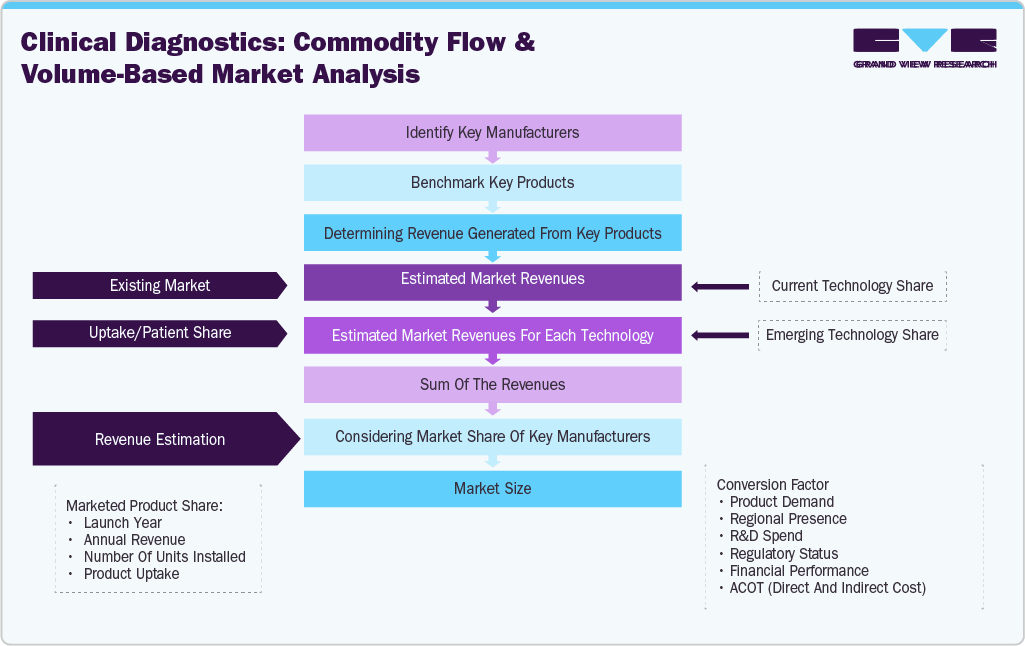
 The Personalized Diagnostics Market has been estimated using a combination of bottom-up, top-down, and demand-side analytical approaches. Market sizing was derived by evaluating the adoption of personalized diagnostic tests across key testing categories, including genetic and nutrigenomic testing, microbiome analysis, metabolic health assessment, hormone health testing, micronutrient testing, and preventive wellness diagnostics, while considering test volumes, average selling prices (ASPs), utilization rates, and end-user adoption across major countries. The estimates were further validated through epidemiological indicators, healthcare expenditure, precision medicine initiatives, genomics adoption, diagnostic laboratory infrastructure, consumer awareness, and company revenue analysis. Country-level estimates were aggregated to regional and global levels and cross-verified through company share analysis, historical market trends, primary interviews with industry stakeholders, and data triangulation to ensure consistency and accuracy across all market segments and forecast years.
Delivered Customizations
This report has been delivered with the following In-depth customizations
Client Request
Customization Delivered
Value Adds
Transfection Reagents & Equipment Market Opportunity and Commercialization Strategy Assessment
Developed a comprehensive assessment of the global transfection reagents and equipment market, evaluating market size, growth opportunities, competitive landscape, technology advancements, regulatory environment, end-user demand, and commercialization strategies across research, biopharmaceutical, cell & gene therapy, and vaccine development applications.
Enables life science companies, reagent manufacturers, instrument developers, and investors to identify high-growth market segments, optimize commercialization strategies, prioritize geographic expansion, and capitalize on opportunities in cell and gene therapy, functional genomics, and precision medicine.
Cell & Gene Therapy and Transfection Technology Adoption Analysis
Delivered an in-depth analysis of transfection technology adoption across academic research, biopharmaceutical R&D, CDMOs, and clinical manufacturing, including reagent and instrument utilization, technology preferences (lipid-based, electroporation, viral/non-viral), workflow integration, application trends, and emerging therapeutic opportunities.
Provides actionable insights to improve market access strategies, strengthen product positioning, identify unmet workflow challenges, and align product development with evolving cell & gene therapy, RNA therapeutics, genome editing, and vaccine research requirements.
Frequently Asked Questions About This Report
Based on testing type, the genetic & nutrigenomic testing segment led the market with the largest revenue share of 23.1% in 2025.
Asia Pacific represents one of the fastest-growing markets for personalized diagnostics, driven by expanding healthcare infrastructure, increasing investments in genomics research, and growing awareness of precision medicine.
The global personalized diagnostics market size market size was estimated at USD 12.1 billion in 2025 and is projected to grow from USD 13.4 billion in 2026 to USD 30.0 billion by 2033.
The personalized diagnostics market is expected to register a CAGR of 12.2% from 2026 to 2033, reaching USD 30.0 billion by 2033.
North America dominated the personalized diagnostics market with the largest revenue share of 39.9% in 2025.
The market is witnessing robust growth due to the increasing adoption of precision medicine, advancements in genomic and molecular diagnostic technologies, and the rising demand for biomarker-based testing to enable personalized treatment decisions.
Some prominent players in the personalized diagnostics market include Thermo Fisher Scientific, Inc., Illumina, Inc., QIAGEN, F. Hoffmann-La Roche Ltd., Bio-Rad Laboratories Inc., Agilent Technologies, Exact Sciences Corporation, Guardant Health, Inc., Danaher Corporation, and Abbott
The preventive health screening segment dominated the market with a revenue share of 19.3% in 2025, driven by increasing awareness of early disease detection, preventive healthcare, and personalized wellness
About the Author(s)
Clinical Diagnostics Research Team
Healthcare · Clinical DiagnosticsThis report was authored by the clinical diagnostics research team at Grand View Research - comprising two research analysts, one senior research analyst, and one industry expert - with specialized expertise in the clinical diagnostics segment of the healthcare industry. All findings are based on proprietary healthcare databases, executive interviews, and regulatory analysis, subject to internal peer review prior to publication.
Last Updated:
Speak to Analyst

Customize this report to your needs - add regions, segments, or data points, with 20% free customization.
Or view our licence options:


ISO 9001:2015 & 27001:2022 Certified
We are GDPR and CCPA compliant! Your transaction & personal information is safe and secure. For more details, please read our privacy policy.


