
- Home
- »
- Animal Health
- »
-
Veterinary Cardiology Market Size, Share Report, 2026-2033GVR Report cover

Veterinary Cardiology Market (2026 - 2033)
Size, Share & Trends Analysis Report By Animal (Companion Animals, Production Animals), By Product (Pharmaceuticals, Diagnostics), By Indication, By End-use, By Distribution Channel, By Region, And Segment Forecasts
Market Size, 2025
$3.0BMarket Estimate, 2026
$3.3BMarket Forecast, 2033
$6.0BCAGR, 2026–2033
9.3%Veterinary Cardiology Market Summary
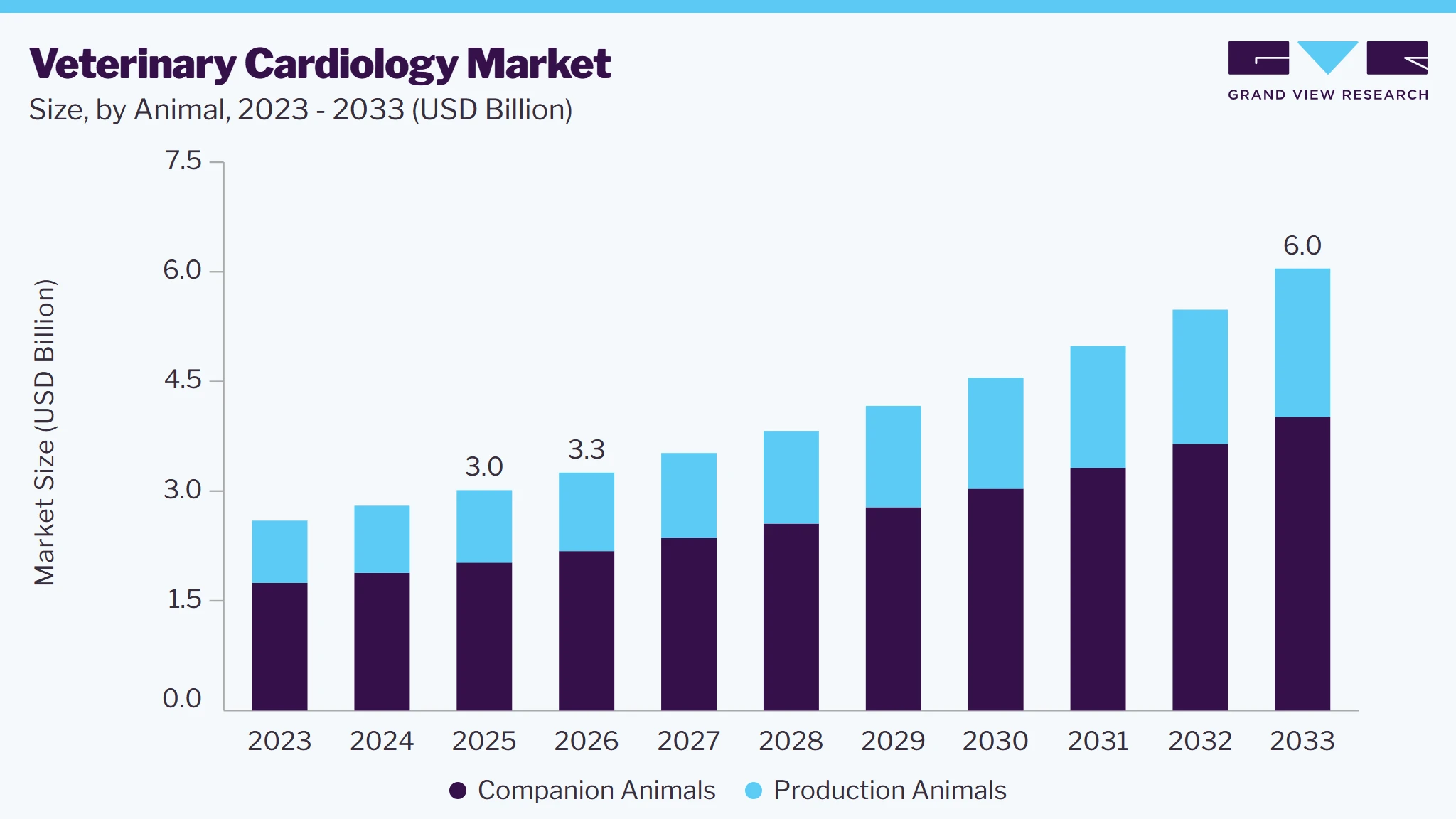
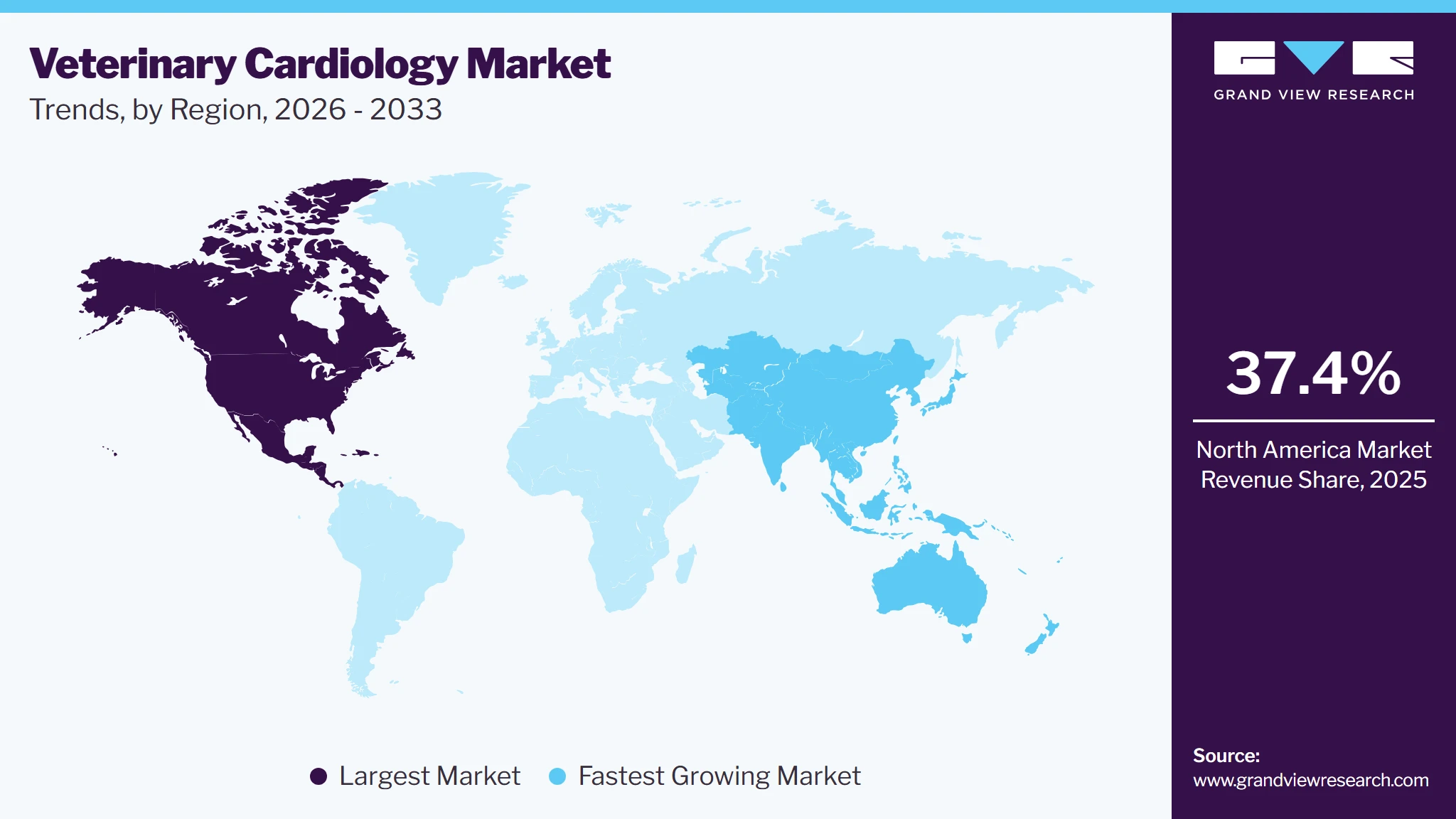
The global veterinary cardiology market size was valued at USD 3.0 billion in 2025 and is projected to grow from USD 3.3 billion in 2026 to USD 6.0 billion by 2033, at a CAGR of 9.3% from 2026 to 2033. North America held the largest share of 37.4% of the global market in 2025. The market is witnessing significant growth due to new product launches, advancements in research and development, and an increasing number of programs for veterinary cardiac care.
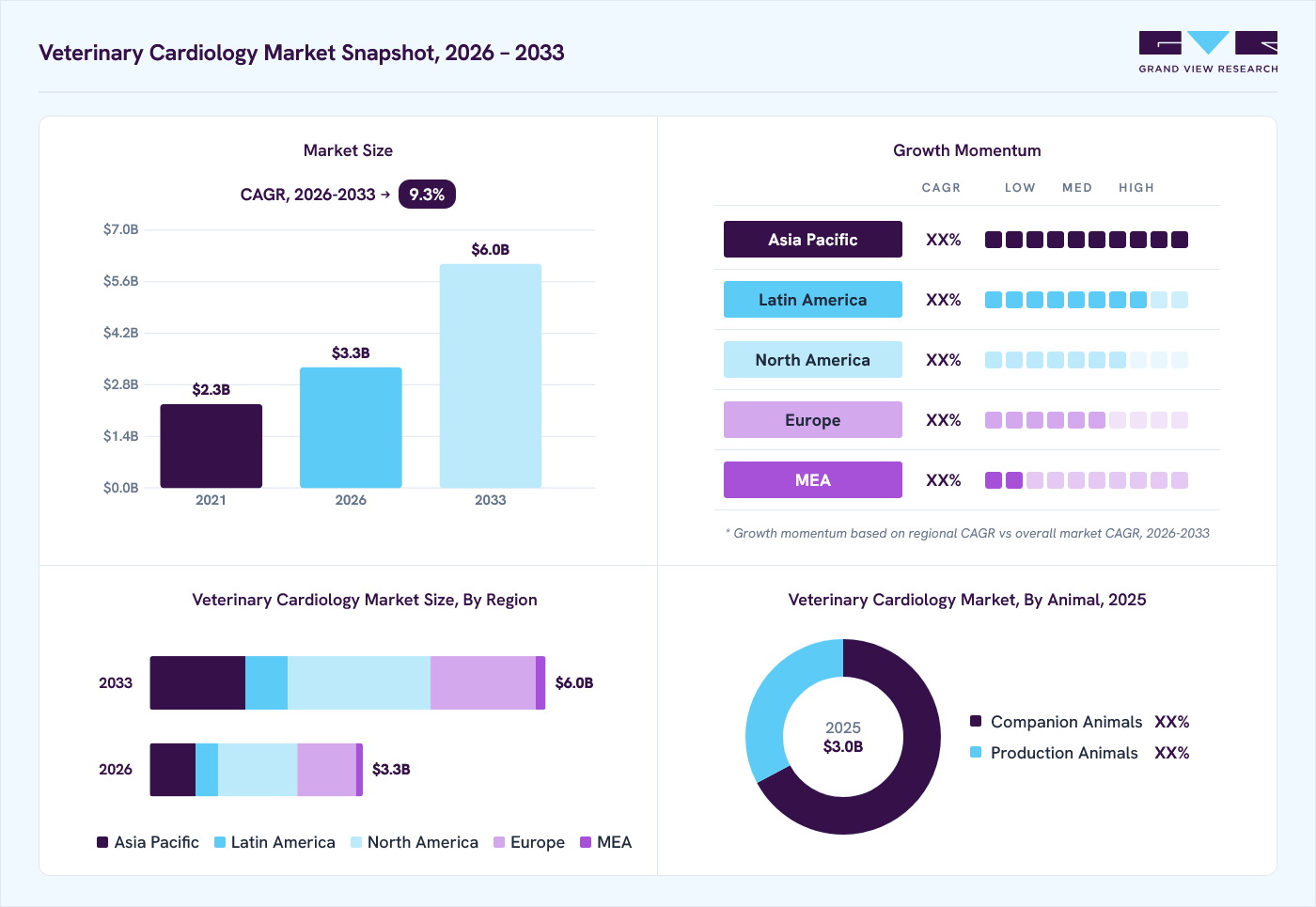 Source: Grand View Research, IR Documents, Primary Interviews, Paid DatabasesTo learn more about this report,
 Download Free Sample Report
Key Market Trends & Insights
- By animal: Companion animals segment led the market with the largest revenue share of 67.1% in 2025.
- By product: Pharmaceuticals segment led the market with the largest revenue share of 62.2% in 2025.
- By indication: Congestive heart failure segment dominated the market with a share of over 37.8% in 2025.
- By end use: Veterinary hospitals & clinics segment accounted for the largest market share of 59.7% in 2025.
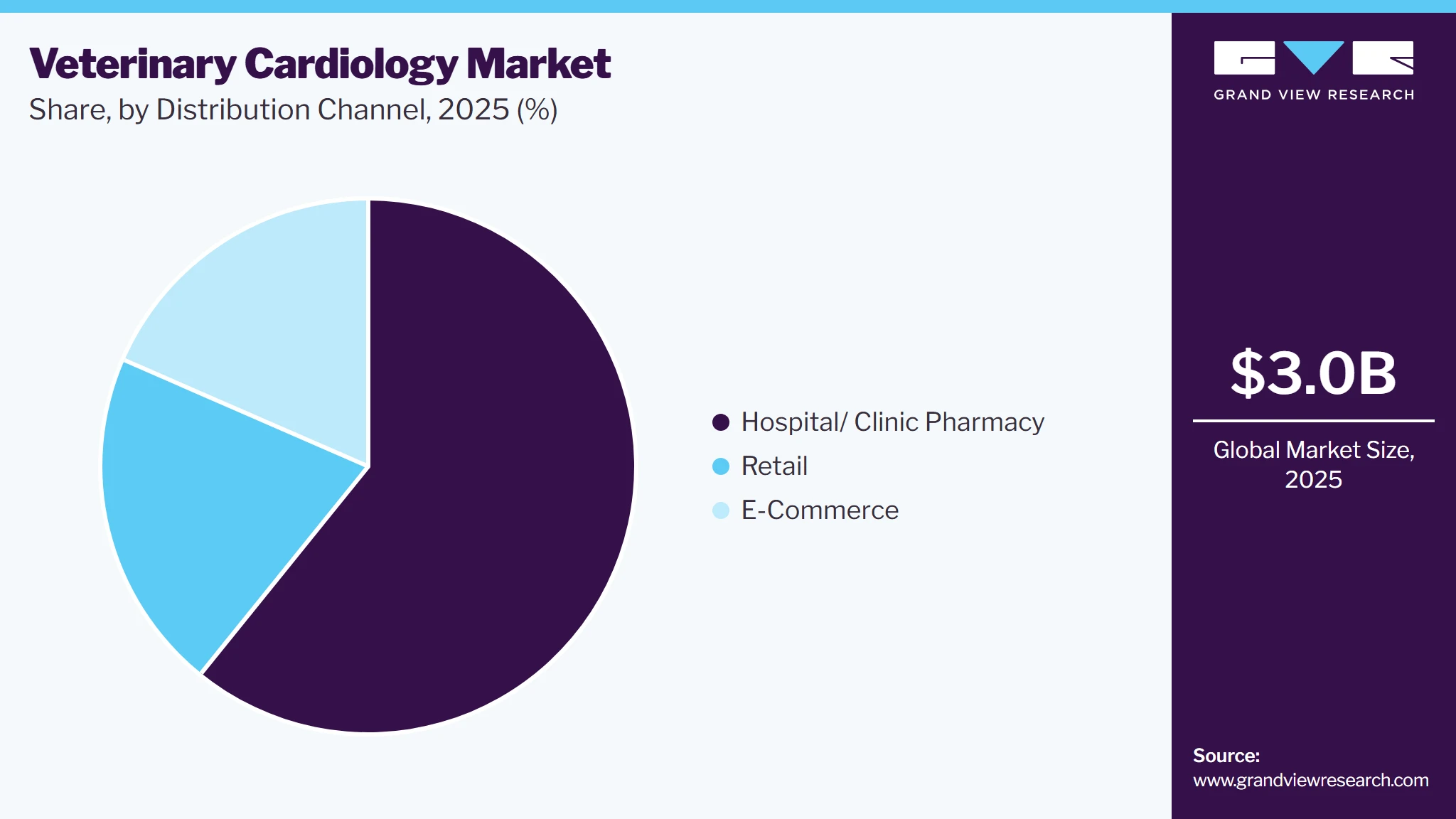
- By distribution channel: Hospital/ clinic pharmacy segment dominated the market in 2025 with a share of 60.8%.
Regional Highlights
- Largest regional market: North America (37.4% revenue share, 2025)
- Fastest-growing regional market: Asia Pacific (highest CAGR, 2026-2033)
- By country: The U.S. held the largest share in the North America region in 2025.
Market Size & Forecast
- Market size in 2025: USD 3.0 Billion
- Estimated market size in 2026: USD 3.3 Billion
- Projected market size by 2033: USD 6.0 Billion
- CAGR (2026-2033): 9.3%
Three ways to get this report
Buy it, customize it, or ask a question.Ask an Analyst
Analyst response in 1 business day
- AccessReport author, directly
- Reply timeWithin 1 working day
- No sales callDirect answer only
- FormatEmail reply
- CostFree, no cost
Get the Full Report
What the study covers
- FormatsPDF · Excel · Dashboard
- Timeline2026–2033 annual, 2025 base
- Coverage20+ countries, 5 regions
- Companies10+ key players profiled
Customize the Report
20% free customization
- IncludeCountries, segments, points
- TailorTo your product definition
- ExtendDeeper competitor detail
- OrA fully bespoke study
- Turnaround5–10 working days
 To learn more about this report, Download Free Sample Report
Market Dynamics
The veterinary cardiology market is expanding steadily due to the increasing prevalence of cardiovascular disorders among companion animals, particularly aging dogs and cats. In addition, greater expenditure on advanced veterinary care and growing awareness of early cardiac disease diagnosis are encouraging demand for specialized cardiology services, driving market growth. Some of the technological advancements, such as Doppler echocardiography, digital electrocardiography (ECG), Holter monitoring, cardiac biomarkers, and minimally invasive interventional cardiology procedures, are improving diagnostic accuracy and treatment outcomes. The market is also supported by the expansion of veterinary specialty hospitals, referral centers, and telecardiology services, enabling broader access to expert consultations. In addition, increasing availability of veterinary-specific cardiac therapeutics, dietary management solutions, and continuous professional training for veterinarians is strengthening market growth. However, high equipment costs, limited availability of board-certified veterinary cardiologists, and affordability challenges in emerging economies continue to restrict adoption.
The introduction of AI-powered diagnostic solutions is emerging as a key driver of the veterinary cardiology market by enabling earlier, more accurate detection of cardiovascular diseases in companion animals. In addition, advanced digital auscultation platforms integrated with artificial intelligence improve veterinarians' ability to identify subtle heart murmurs that may be missed during routine clinical examinations, facilitating timely referral for echocardiography and appropriate treatment. For instance, in April 2026, Boehringer Ingelheim and Eko Health launched Eko Vet+| CANINEBEAT AI, an AI-enabled cardiac assessment solution that detects, visualizes, and grades heart murmurs in dogs with over 95% sensitivity and specificity. This system combines a digital stethoscope attachment, an AI algorithm trained on more than 4,000 canine heart sound recordings, and a mobile application generating shareable clinical reports. Such innovations enhance diagnostic confidence, improve workflow efficiency in busy veterinary practices, support earlier intervention for conditions such as myxomatous mitral valve disease (MMVD), and accelerate the adoption of advanced veterinary cardiology technologies worldwide.
The high cost of advanced veterinary cardiology diagnostics and treatment remains a significant restraint on the veterinary cardiology market, limiting access to specialized cardiac care for many pet owners. Comprehensive cardiac evaluations often require expensive equipment such as echocardiography systems, digital electrocardiographs (ECGs), Holter monitors, and Doppler ultrasound devices, in addition to skilled veterinary cardiologists for accurate interpretation. Interventional procedures, long-term cardiac medications, follow-up imaging, and continuous monitoring further increase the overall cost of treatment. These expenses can discourage pet owners from pursuing advanced diagnostics, particularly in price-sensitive and emerging markets where pet insurance penetration remains low. Smaller veterinary clinics may also be unable to invest in sophisticated cardiology equipment due to substantial capital requirements and maintenance costs, leading to referrals that may delay diagnosis and treatment. Thus, affordability challenges and uneven access to specialized cardiac services continue to restrict the widespread adoption of advanced veterinary cardiology technologies and procedures.
The expansion of in-house veterinary cardiology services presents a significant growth opportunity for the veterinary cardiology market by improving access to specialized cardiac diagnostics and reducing dependence on external referral centers. As demand for advanced cardiovascular care increases, veterinary hospitals are investing in dedicated cardiology specialists and diagnostic infrastructure to deliver comprehensive services under one roof. This integrated care model enhances clinical efficiency, shortens waiting times, and strengthens continuity of care for companion animals with cardiac disorders. For instance, in January 2026, Tandem Vet Care expanded its in-house cardiology capabilities by appointing a dedicated veterinary cardiologist to provide advanced diagnostics and coordinated treatment alongside surgery, wellness, and preventive care. Such initiatives enable faster diagnosis, streamline patient management, and improve client satisfaction by minimizing referrals to specialty hospitals. The growing adoption of integrated specialty care models is expected to drive investments in cardiology equipment, skilled professionals, and advanced cardiac services, creating substantial opportunities for market expansion.
Market Concentration & Characteristics
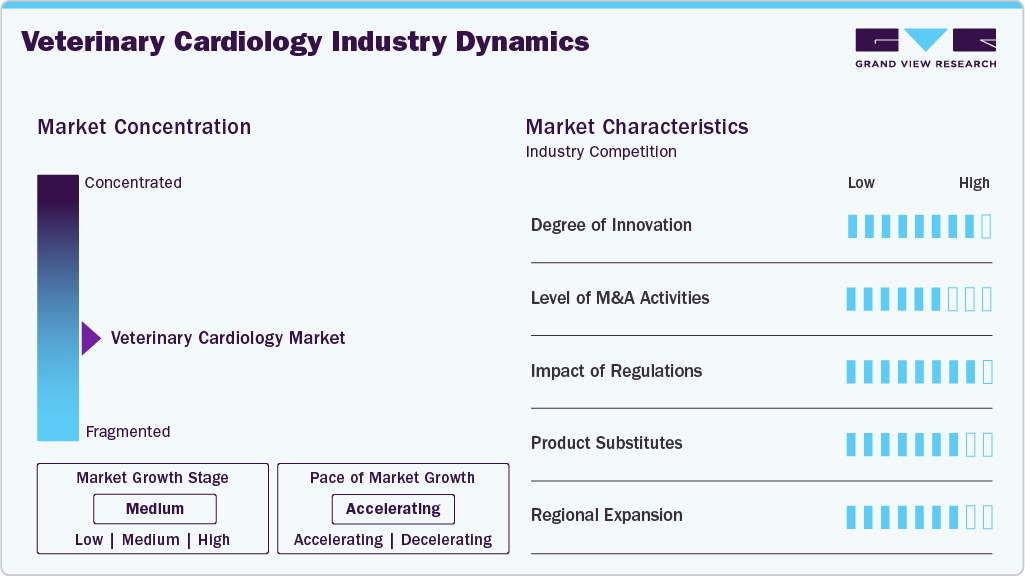
The veterinary cardiology industry is characterized by increasing adoption of advanced diagnostic imaging, AI-enabled cardiac assessment, minimally invasive interventions, and specialized referral services. The growth is primarily driven by rising companion animal ownership, increasing prevalence of cardiovascular diseases, expanding veterinary specialty hospitals, continuous technological innovation, and greater spending on advanced pet healthcare.
The veterinary cardiology market is highly innovative, driven by advances in diagnostic tools, therapeutic options, and interventional procedures. Innovations in imaging technologies, such as echocardiography and cardiac MRI, have significantly improved the accuracy of diagnosing heart conditions in animals. In addition, the development of novel pharmaceuticals and biologics for treating heart diseases in pets, such as ACE inhibitors and beta-blockers, mirrors advancements in human cardiology. Minimally invasive procedures, including catheter-based interventions, are becoming more common, reducing recovery times and improving outcomes for animal patients.
 To learn more about this report, Download Free Sample Report
The industry has seen a moderate level of mergers and acquisitions (M&A) activity, reflecting a trend towards consolidation within the broader animal healthcare sector. Larger companies are acquiring specialized firms to expand their product portfolios and enhance their technological capabilities. For instance, in March 2026, the Canadian Veterinary Cardiology Network (CVCN) expanded its national collaboration platform by connecting veterinarians, researchers, and technicians through education, networking, and knowledge-sharing initiatives to advance innovation and improve cardiovascular care for companion animals across Canada.
Regulations play a crucial role in shaping the veterinary cardiology industry, influencing everything from the approval of new medications and devices to the standards of care provided. Regulatory bodies such as the European Medicines Agency (EMA) and the U.S. Food and Drug Administration (FDA) oversee the approval process for animal pharmaceuticals and medical devices, ensuring their safety and efficacy. Additionally, regulations related to animal practice standards, such as those set by the American Veterinary Medical Association (AVMA) and the European Board of Veterinary Specialization (EBVS), impact how cardiology services are delivered. Compliance with these regulations is essential for market players, as it affects their ability to innovate and bring new products to market. Regulatory frameworks also ensure that veterinary professionals are adequately trained and certified to perform advanced cardiology procedures.
The veterinary cardiology sector has few direct substitutes, as specialized cardiac evaluation requires dedicated diagnostic technologies such as echocardiography and electrocardiography. General physical examinations and conventional stethoscope auscultation may provide preliminary assessments, but cannot accurately diagnose many structural or functional heart diseases. Similarly, advanced cardiology diagnostics remain essential for confirming disease severity and guiding treatment decisions.
The sector is experiencing significant regional expansion, driven by increasing pet ownership, rising awareness of pet health, and the growing availability of advanced animal services. North America and Europe currently dominate the market owing to their well-established veterinary infrastructure and high expenditure on pet healthcare. Companies are expanding their operations and investing in local partnerships to tap into these burgeoning markets.
Analyst Perspective
The veterinary cardiology market is expanding steadily, driven by the rising prevalence of cardiac disorders in companion animals, increasing pet ownership, and growing pet insurance adoption, enabling advanced diagnostics and treatment. Some of the technological advancements in echocardiography, ECG, and cardiac monitoring devices are improving early detection and disease management. In addition, rising awareness among pet owners regarding preventive cardiac care, coupled with increasing veterinary specialization and the availability of advanced cardiac medications, is further strengthening market growth, particularly across developed regions with well-established companion animal healthcare infrastructure.
Animal Insights
On the basis of animal, the companion animals segment accounted for the largest market share of 67.1% in 2025. Rising awareness programs, collaborations, and government initiatives are key drivers in advancing the companion animal cardiology market. For instance, in February 2025, the University of Illinois Veterinary Teaching Hospital expanded advanced veterinary cardiology by performing over 40 transcatheter edge-to-edge mitral valve repair (TEER) procedures in dogs, demonstrating how minimally invasive cardiac interventions and multidisciplinary "heart teams" can improve treatment outcomes for canine mitral valve disease. Such initiatives raise awareness and set benchmarks, driving growth and innovation in the segment and further contributing to market growth.
The production animals segment is anticipated to grow at the fastest CAGR over the forecast period. This growth is owing to the increasing incidence of heart diseases in cattle, as cardiovascular diseases can significantly impact the performance and overall welfare of production animals. For instance, in November 2025, VSAVA and the NEL Animal Medical Foundation collaborated to launch Vietnam’s first Comprehensive Veterinary Cardiology Series, a seven-session training program covering echocardiography, cardiac internal medicine, and practical skills. Such an initiative strengthens veterinary expertise, promotes cross-border knowledge exchange, and supports the advancement of specialized veterinary cardiology across Asia.
Product Insights
On the basis of product, the pharmaceuticals segment dominated the market in 2025 with a share of 62.2%, driven by the increasing prevalence of cardiac diseases in pets, including conditions such as congestive heart failure, arrhythmias, and valvular disorders. As pets live longer due to improved healthcare and nutrition, they are more likely to develop age-related cardiac issues, creating a growing market for pharmaceutical interventions. In addition, advancements in veterinary medicine have led to better diagnostics and increased awareness among pet owners regarding the importance of cardiac health in animals. This has resulted in a higher demand for effective pharmaceutical solutions tailored to the specific needs of veterinary cardiology patients. Furthermore, research and development efforts focused on novel drug therapies for animal cardiac conditions have expanded, driven by the need for safer, more effective, and more productive treatment options. The collaboration between veterinarians, pharmaceutical companies, and regulatory bodies also plays a significant role in driving innovation and ensuring the availability of high-quality pharmaceutical products for veterinary cardiology.
The diagnostics segment is anticipated to grow at the fastest CAGR over the forecast period. Some of the advancements in diagnostic technologies have made it easier to detect cardiac abnormalities in animals through non-invasive procedures such as echocardiography, electrocardiography, and blood tests. These technological innovations have increased the accuracy and efficiency of diagnosing cardiac conditions in veterinary medicine. For instance, in July 2026, Zoetis agreed to acquire VitalRADS, thereby expanding its AI-driven veterinary diagnostics portfolio to include teleradiology, imaging, ECG interpretation, and cloud-based workflow solutions. Such an acquisition strengthens access to board-certified specialists, enhances virtual reference laboratory capabilities, and supports faster, more accurate cardiovascular diagnosis in veterinary practice.
Indication Insights
On the basis of indication, the congestive heart failure segment dominated the market with a share of over 37.8% in 2025. This growth is owed to the increasing valvular heart disease and dilated cardiomyopathy, which leads to volume overload, pressure overload, or both, ultimately resulting in CHF and enlargement of the heart chambers & impaired contractility, leading to poor cardiac function and eventual CHF, respectively. Frequent studies and advancements in treating CHF contribute to the growth of this segment. For instance, in January 2026, the U.S. FDA approved VETMEDIN (pimobendan) to delay the onset of congestive heart failure in dogs with preclinical mitral valve disease, enabling earlier therapeutic intervention and extending symptom-free survival. Moreover, hypertension is also a common driver of CHF in veterinary patients, as increased blood pressure puts additional strain on the heart muscle over time, leading to its deterioration and eventual failure.
The others indication segment, including shunts, stenosis, pericardial disease, and heart valve disease, is growing with the highest CAGR over the forecast period. This segment is driven by increasing diagnoses of congenital and structural cardiac disorders, wider availability of advanced imaging modalities such as echocardiography and Doppler ultrasound, and growing access to referral cardiology centers. In addition, higher spending on specialized veterinary care, improved surgical and interventional treatment options, and expanding veterinary education programs are supporting earlier intervention and better clinical outcomes, contributing to sustained demand across these less common but clinically significant cardiac conditions.
End Use Insights
On the basis of the end use, the veterinary hospitals & clinics segment accounted for the largest market share of 59.7% in 2025. The increasing advancements in veterinary cardiology technology and treatment options have expanded the capabilities of these facilities, allowing them to offer cutting-edge diagnostic tools and innovative treatment modalities. In addition, the rising prevalence of cardiac conditions in companion animals is increasing the caseload for veterinary cardiologists. This trend necessitates the presence of well-equipped hospitals and clinics with skilled professionals to cater to the growing number of cardiac patients. Moreover, collaborations between veterinary cardiologists & other specialists, along with expanding services within these facilities, contribute to comprehensive care for animals with complex cardiac issues, further driving the growth and importance of veterinary hospitals and clinics in the veterinary cardiology market.
The others segment is the fastest growing with the highest CAGR over the forecast period. This segment includes veterinary reference laboratories and in-house testing. The growing demand for rapid and accurate cardiac diagnosis is driving both veterinary reference laboratories and in-house testing in the veterinary cardiology market. In addition, reference laboratories provide advanced interpretation of biomarkers, ECGs, and imaging data through specialist expertise, while in-house analyzers enable immediate clinical decision-making during patient visits. Increasing adoption of AI-enabled diagnostics, digital imaging platforms, and integrated laboratory workflows further enhances diagnostic efficiency, supporting earlier detection and effective management of cardiovascular diseases in companion animals.
Distribution Channel Insights
On the basis of the distribution channel, the hospital/ clinic pharmacy segment dominated the market in 2025 with a share of 60.8%. The rising awareness among pet owners about the importance of cardiac health in animals has fueled the growth of the veterinary cardiology market, prompting hospitals and clinics to expand their pharmacy offerings to cater to this specific niche. Furthermore, the increasing collaboration between veterinary cardiologists and pharmaceutical companies plays a significant role in driving the veterinary cardiology market's hospital/clinic pharmacy segment. This partnership between industry players and healthcare providers ensures that cutting-edge medications are readily available at hospital pharmacies specializing in veterinary cardiology. For instance, in March 2026, Jefferson Animal Hospitals strengthened its veterinary infrastructure by expanding its flagship hospital and broadening community partnerships, enhancing capacity for emergency and specialty services while improving access to advanced veterinary care, including cardiology, through increased clinical resources and patient outreach.
 To learn more about this report, Download Free Sample Report
The e-commerce segment is anticipated to grow at the fastest rate during the forecast period. The increasing adoption of technology and digital platforms in the healthcare industry has led to a growing acceptance of online platforms for purchasing medical supplies and equipment, including those related to veterinary cardiology. The rise of telemedicine and remote consultations in veterinary care has created a need for quick, seamless access to specialized equipment, such as cardiology devices. E-commerce platforms provide a convenient way to purchase these items without visiting brick-and-mortar stores. This is particularly beneficial for veterinary practices located in remote areas or with limited access to specialized suppliers. In addition, the availability of product reviews and ratings on e-commerce sites helps build trust among buyers, especially when investing in critical medical equipment like that used in veterinary cardiology.
Regional Insights
The North America veterinary cardiology industry held the largest revenue share of 37.4% in 2025,attributed to the growing investment and increasing insurance facilities for advancing animal healthcare. For instance, according to the North American Pet Health Insurance Association in July 2025, Pawlicy Advisor reported that fewer than 4% of U.S. pet owners had pet insurance, although adoption is increasing by 20-29% annually, improving affordability and access to advanced veterinary services, including specialized cardiology diagnostics and treatment.
 To learn more about this report, Download Free Sample Report
Moreover, the expansion of specialized veterinary education is strengthening cardiac care capabilities in general practice, propelling the market growth in the region. For instance, in May 2026, the Feline Veterinary Medical Association (FelineVMA) launched the Heart Health Certificate Program, equipping first-opinion veterinarians with advanced training in feline cardiac diagnosis, management, and referrals to improve early detection and expand access to specialized cardiovascular care.
U.S. Veterinary Cardiology Market Trends
The veterinary cardiology industry in the U.S. held the largest share in the North America region in 2025, due to continuous therapeutic innovation, advanced specialty care, and strong regulatory support for novel cardiac treatments. The competitive landscape is characterized by product launches, generic drug introductions, and investments in advanced cardiovascular therapies. For instance, in June 2025, PRN Pharmacal launched felycin-CA1 for feline hypertrophic cardiomyopathy, whereas Cronus Pharma, in June 2026, introduced the first FDA-approved generic pimobendan chewable tablets, expanding treatment accessibility, improving affordability, and intensifying competition in canine cardiac therapeutics.
The Canada veterinary cardiology industry is driven by increasing adoption of specialty cardiac care, rising companion animal ownership, and continuous investment in professional education and advanced diagnostics. The competitive landscape is characterized by collaborations between academic institutions, referral hospitals, and animal health companies to strengthen clinical expertise. For instance, in March 2026, the Canadian Veterinary Cardiology Network (CVCN), supported by Boehringer Ingelheim Canada, expanded nationwide collaboration through cardiology-focused education, webinars, research, and networking, accelerating innovation and improving standards of cardiovascular care.
Europe Veterinary Cardiology Market Trends
The veterinary cardiology industry in Europeis witnessing growth fueled by greater awareness and the growing advancement in cardiology in veterinary practices. For instance, multiple events and conferences are held in European countries to explore innovative technologies, treatment options, and more. For instance, the 35th International Conference on Cardiology and Healthcare is planned for February 2025 in the Netherlands and will focus on prevention and early intervention in cardiovascular health in veterinary medicine. Such events feature comprehensive programs covering multiple cardiology topics, including staging of myxomatous mitral valve disease, arrhythmias, new techniques for treating mitral valve and congenital heart disease, and approaches to patients with cardiac conditions, further boosting partnerships and collaborations to augment the market growth.
The Germany veterinary cardiology industry held a significant share in 2025, fueled by the rising incidence of cardiovascular diseases in animals. According to the Purina Institute Advancing Science for Pet Health, cardiovascular diseases are common in dogs and cats, with approximately 10% of dogs and 15% of cats suffering from heart disease. This increasing prevalence of cardiovascular diseases in animals has led to a growing demand for veterinary cardiology services, including diagnosis, treatment, and management of heart conditions. Moreover, government initiatives and regulations aimed at improving animal health and welfare have also driven the growth of the veterinary cardiology market in Germany. For instance, the German government has implemented regulations to improve animal welfare, including the Animal Welfare Act, which has led to an increased focus on animal health, including cardiovascular health.
The veterinary cardiology industry in the UK is expected to grow significantly over the forecast period. The growth of the market is due to the increasing number of pet lovers and the rising adoption of pets in the country. According to the CRIF report of 2024, UK pet insurers paid a record USD 1.56 billion in claims, more than doubling over the past decade. Insurers processed approximately 4,900 pet claims daily, with an average claim value of around USD 870, reflecting rising expenditure on advanced veterinary care. Moreover, the country is experiencing growth driven by advances in research and development. For instance, in November 2025, the Royal Veterinary College (RVC) launched trans-catheter edge-to-edge repair (TEER) for dogs with degenerative mitral valve disease, becoming the first center worldwide to offer TEER, open-heart surgery, and medical therapy, expanding advanced treatment options and improving outcomes for canine cardiac patients.
Asia Pacific Veterinary Cardiology Market Trends
The veterinary cardiology industry in the Asia Pacific is expected to grow at the fastest CAGR over the forecast period. Technological advancements are a pivotal driver in the region's growth of the veterinary cardiology market, as exemplified by groundbreaking innovations like the minimally invasive mitral valve repair (MVR) surgery developed in Thailand. In addition, the procedure enhances the heart’s function, delaying the progression of heart failure and improving the animal's quality of life. Such innovations highlight the transformative impact of advanced treatment methods in veterinary cardiology, driving increased adoption and market growth in the region.
The China veterinary cardiology industry is accelerating, driven by the increase in pet adoption in the country, coupled with increasing awareness regarding preventive healthcare for pets, which are major drivers for the growth of the veterinary medical services market in China. The rising investment in the animal health industry can further boost market growth. For instance, in September 2025, NEL Animal Cardiovascular Center strengthened Asia’s veterinary cardiology landscape by performing 2-4 complex heart surgeries weekly and expanding a referral network of over 500 domestic and international partners, enhancing access to specialized cardiac care.
The veterinary cardiology industry in Japan is drivenby the country’s strong pharmaceutical industry, advanced technological capabilities, and significant investments in biopharmaceutical R&D. Japan’s aging population and increasing prevalence of chronic diseases are driving demand for innovative oligonucleotide therapies. For instance, in June 2025, Nippon Shokubai announced a tenfold expansion of its GMP-compliant nucleic acid API manufacturing capacity, with a new large-scale production line operational by 2027, strengthening CDMO capabilities from non-clinical development to commercial-scale manufacturing in response to rising global demand for oligonucleotide therapeutics.
The India veterinary cardiology industry is experiencing rapid growth, driven by the presence of some key players focusing on improving the overall well-being of animals. For instance, in May 2025, veterinarians in Pune, India, successfully implanted the country's first feline pacemaker in a seven-year-old cat with third-degree atrioventricular block, marking a significant milestone in veterinary cardiology and demonstrating the growing adoption of advanced cardiac interventions for companion animals. Such a milestone highlights the rapid advancement of India's veterinary cardiology capabilities, paving the way for wider adoption of sophisticated cardiac interventions and specialized companion animal healthcare.
Latin America Veterinary Cardiology Market Trends
The veterinary cardiology industry in Latin America is expected to grow significantly, due to the rising companion animal ownership, growing awareness of cardiovascular diseases, expanding veterinary specialty hospitals, and increasing availability of advanced diagnostic technologies such as echocardiography and digital ECG. The competitive landscape is evolving through investments by international animal health companies, collaborations with veterinary institutions, and the expansion of referral networks. In addition, increasing adoption of minimally invasive cardiac procedures, specialist training programs, and AI-enabled diagnostic solutions is strengthening competition while improving access to advanced veterinary cardiology services across the region.
The Brazil veterinary cardiology industry is experiencing robust growth, as increasing government initiatives and the rapid expansion of high-quality veterinary care providers like WeVets. For instance, in July 2026, a head of veterinary interventional cardiology in Latin America demonstrated expertise at the International Conference on Advances in the Diagnosis and Treatment of Cardiovascular Diseases in Dogs and Cats (ICVCM) 2026, highlighting advancements in interventional procedures, patent ductus arteriosus (PDA) occlusion, and myxomatous mitral valve disease (MMVD) management. Strategic expansion through acquisitions and organic growth, combined with its focus on operational excellence in primary and urgent care, surgery, and diagnostics in veterinary care, positions it as a potential market in veterinary cardiology, meeting the increasing need for specialized pet care.
Middle East & Africa Veterinary Cardiology Market Trends
The veterinary cardiology industry in the Middle East & Africa is growing steadily, supported by growing awareness programs for the development of animal healthcare in the region. For instance, in July 2026, Al Khayyat Investments (AKI) committed USD 100 million to launch VetHealth, expanding veterinary pharmaceuticals, diagnostics, biologicals, and biosecurity solutions across the Middle East, strengthening regional veterinary infrastructure and supporting broader access to advanced animal healthcare services, including specialty diagnostics.
The Saudi Arabia veterinary cardiology industry is rapidly growing, driven by increasing advancements in veterinary medicine and technology, which are enabling veterinarians to diagnose and treat cardiac conditions in animals more effectively. For instance, in June 2026, Saudi Arabia expanded AI adoption in veterinary healthcare through a national Artificial Intelligence Animal Health Platform and AI-enabled clinical diagnostics. The platform monitors 151 animal diseases with 99.5% accuracy in predicting infections, while veterinary clinics increasingly use AI-assisted echocardiography, ECG, and imaging systems to improve early cardiac diagnosis, preventive care, and clinical decision-making.
Key Veterinary Cardiology Company Insights
The global market is fairly competitive. Key companies deploy strategic initiatives, such as product development, launches, and sales & marketing strategies to increase product awareness and regional expansions and partnerships to strengthen their market share. Market players are also involved in conducting clinical testing of their products, patent applications, and increasing product penetration.
Key Veterinary Cardiology Companies
The following key companies have been profiled for this study on the veterinary cardiology market.
-
Boehringer Ingelheim International GmbH
-
Jurox Pty Limited
-
Ceva
-
Merck & Co., Inc.
-
IDEXX
-
Apex Bio Medical
-
SOUND
-
General Electric Company
-
FUJIFILM Holdings America Corporation
-
ESAOTE SPA
Competitive Benchmarking
Category
Operating Strategies
Competitive Edge
Weakness
Established Players (Boehringer Ingelheim International GmbH and others)
- Mature companies strengthen their market position by expanding referral-based specialty cardiology centers, integrating AI-enabled diagnostics, telecardiology, and advanced imaging with comprehensive treatment services.
- They invest in minimally invasive cardiac interventions, clinician training, continuing education, and strategic collaborations with universities and veterinary associations. Acquisitions of diagnostic technology providers, development of cloud-connected workflow platforms, and expansion into underserved regions improve service accessibility.
- Long-term partnerships with pet insurance providers and pharmaceutical companies further enhance patient adoption, recurring revenues, and customer retention.
- Established players benefit from extensive referral networks, board-certified veterinary cardiologists, advanced diagnostic infrastructure, and strong brand credibility.
- Their ability to offer integrated services-including echocardiography, ECG, interventional cardiology, cardiac surgery, teleconsultation, and reference laboratory support creates significant competitive differentiation.
- Continuous investments in AI-powered diagnostics, digital imaging platforms, and minimally invasive procedures improve diagnostic accuracy and treatment outcomes.
- Global distribution capabilities, strong financial resources, regulatory expertise, and collaborations with academic institutions further reinforce market leadership and accelerate technology commercialization.
- Large veterinary cardiology providers often face high operating costs associated with maintaining sophisticated imaging equipment, surgical infrastructure, and highly specialized clinical teams.
- Complex organizational structures can slow innovation and adoption of emerging technologies compared with agile competitors.
Emerging Players (SOUND and other players)
- Emerging players in the veterinary cardiology market are focusing on niche specialization, affordable cardiac diagnostics, and partnerships with referral hospitals to establish market presence.
- They emphasize portable echocardiography, AI-assisted ECG interpretation, telecardiology consultations, and continuous veterinary education to expand service capabilities.
- Collaborations with universities, distributors, and animal health companies accelerate technology adoption while minimizing capital requirements.
- Digital appointment platforms, remote case discussions, and subscription-based diagnostic services further enhance customer acquisition, operational efficiency, and geographic reach.
- Emerging companies benefit from operational flexibility, faster adoption of advanced technologies, and the ability to introduce innovative cardiac diagnostic and teleconsultation services without legacy infrastructure constraints.
- Their focus on specialized cardiac care, AI-enabled imaging, cloud-based reporting, and customer-centric service models improves accessibility for veterinary clinics.
- Strategic collaborations with academic institutions, referral centers, and technology providers enable rapid capability expansion.
- Competitive pricing and personalized clinical support also help attract independent veterinary practices and underserved regional markets.
- Emerging players face challenges including limited brand recognition, restricted financial resources, and a shortage of board-certified veterinary cardiologists.
- High investment requirements for advanced imaging equipment, catheterization laboratories, and interventional cardiology infrastructure constrain expansion.
Recent Developments
-
In November 2025, The Kennel Club, in partnership with the Veterinary Cardiovascular Society, launched a free educational webinar on congenital heart disease in dogs. The initiative enhances clinical knowledge among veterinarians and breeders, promoting earlier diagnosis, improved disease awareness, and broader adoption of advanced veterinary cardiology services.
-
In July 2026, Zoetis announced its acquisition of VitalRADS, integrating AI-assisted teleradiology, cardiac imaging, ECG interpretation, and cloud-based workflows into its diagnostics portfolio. The acquisition strengthens specialist access, accelerates cardiovascular diagnosis, and intensifies competition in veterinary diagnostic and cardiology services.
-
In July 2025, NEL Animal Cardiovascular Center successfully performed the world's first surgical treatment for canine infective endocarditis using advanced heart valve reconstruction. This breakthrough expands treatment possibilities for complex cardiac diseases, driving innovation and advancing specialized veterinary cardiovascular surgery worldwide.
Veterinary Cardiology Market Report Scope
Report Attribute
Details
Market size in 2025
USD 3.0 billion
Estimated market size in 2026
USD 3.3 billion
Projected market size by 2033
USD 6.0 billion
Growth rate
CAGR of 9.3% from 2026 to 2033
Actual Data
2021 - 2025
Forecast period
2026 - 2033
Quantitative units
Revenue in USD billion and CAGR from 2026 to 2033
Report coverage
Revenue forecast, company ranking, competitive landscape, growth factors, and trends
Segments covered
Animal, product, indication, end use, distribution channel, region
Regional scope
North America; Europe; Asia Pacific; Latin America; MEA
Country scope
U.S.; Canada; Mexico; UK; Germany; France; Italy; Spain; Denmark; Sweden; Norway; Japan; China; India; Thailand; South Korea; Australia; Brazil; Argentina; South Africa; UAE; Saudi Arabia; Kuwait; Qatar; Oman
Key companies profiled
Boehringer Ingelheim International GmbH; Jurox Pty Limited; Ceva; Merck & Co., Inc.; IDEXX; Apex Bio Medical; SOUND; General Electric Company; FUJIFILM Holdings America Corporation; ESAOTE SPA
Customization scope
Free report customization (equivalent up to 8 analysts working days) with purchase. Addition or alteration to country, regional & segment scope.
Pricing and purchase options
Avail customized purchase options to meet your exact research needs. Explore purchase options
Global Veterinary Cardiology Market Report Segmentation
This report forecasts revenue growth at global, regional, and country levels and provides an analysis of the latest industry trends in each of the sub-segments from 2021 to 2033. For this study, Grand View Research has segmented the global veterinary cardiology market report based on animal, product, indication, end use, distribution channel, and region:
-
Animal Outlook (Revenue, USD Billion, 2021 - 2033)
-
Companion Animals
-
Dogs
-
Cats
-
Horses
-
Others
-
-
Production Animals
-
Cattle
-
Poultry
-
Others
-
-
-
Product Outlook (Revenue, USD Billion, 2021 - 2033)
-
Pharmaceuticals
-
Pimobendan
-
Spironolactone and benazepril hydrochloride
-
Others
-
-
Diagnostics
-
Physical exam
-
Chest X-rays
-
Electrocardiogram (ECG)
-
Others
-
-
-
Indication Outlook (Revenue, USD Billion, 2021 - 2033)
-
Congestive Heart Failure
-
Myocardial (Heart Muscle) Disease
-
Arrhythmias
-
Others
-
-
End Use Outlook (Revenue, USD Billion, 2021 - 2033)
-
Veterinary Hospitals & Clinics
-
Others
-
-
Distribution Channel Outlook (Revenue, USD Billion, 2021 - 2033)
-
Hospital/ Clinic Pharmacy
-
Retail
-
E-Commerce
-
-
Regional Outlook (Revenue, USD Billion, 2021 - 2033)
-
North America
-
U.S.
-
Canada
-
Mexico
-
-
Europe
-
UK
-
Germany
-
France
-
Italy
-
Spain
-
Norway
-
Sweden
-
Denmark
-
-
Asia Pacific
-
Japan
-
China
-
India
-
Australia
-
South Korea
-
Thailand
-
-
Latin America
-
Brazil
-
Argentina
-
-
Middle East & Africa
-
South Africa
-
Saudi Arabia
-
UAE
-
Kuwait
-
Oman
-
Qatar
-
-
Research Methodology
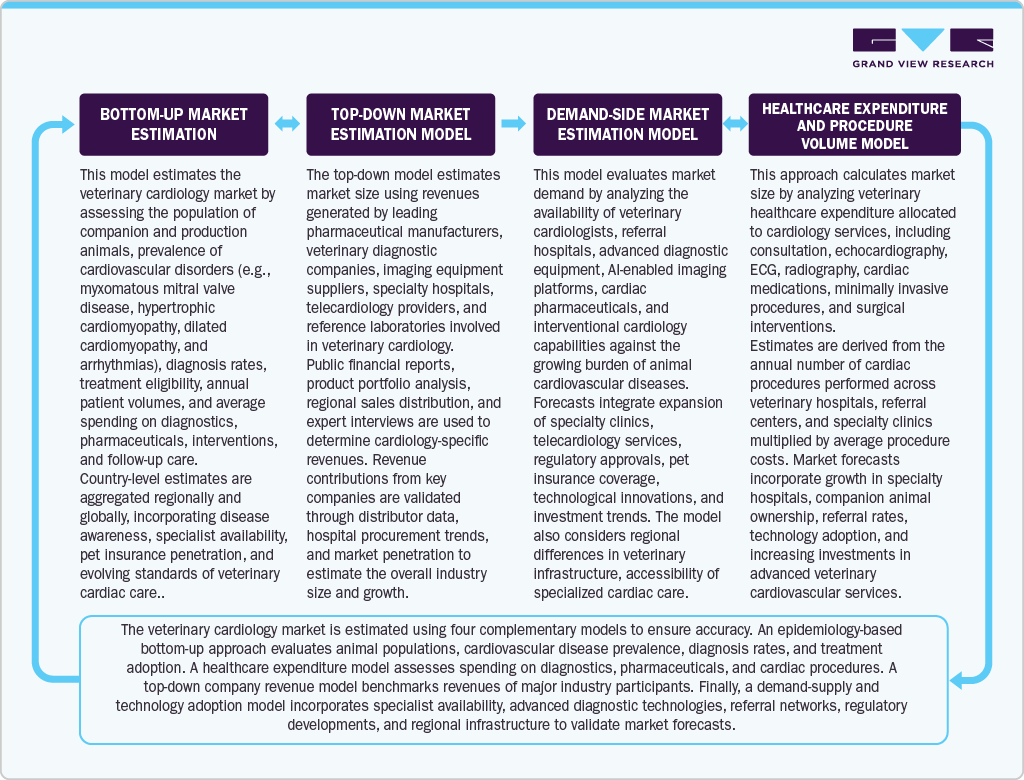
The veterinary cardiology market figures in this report are based on a proven research process that combines executive interviews with secondary research from proprietary databases, company filings, and recognized regulatory and institutional sources. Market size is built through value-chain sizing-reconciling supply-side and demand-side estimates-and triangulated with bottom-up and top-down approaches. Every estimate passes multiple levels of expert validation before publication, with each veterinary cardiology segment quantified using the revenue-capture definitions in the table below.
Segment Definition
Segment - Animal
Revenue capture definition
Companion Animals
Revenue generated from veterinary cardiology products and services used for pet animals, including diagnostic procedures, medications, and cardiac care.
Dogs
Revenue generated from veterinary cardiology solutions used for diagnosing and treating cardiac disorders in dogs, including pharmaceuticals, diagnostic tests, and clinical services.
Cats
Revenue generated from veterinary cardiology products and services used for the diagnosis, monitoring, and management of heart diseases in cats.
Horses
Revenue generated from veterinary cardiology diagnostics, medications, and clinical care provided for cardiovascular conditions in horses.
Others (Companion Animals)
Revenue generated from veterinary cardiology products and services used for companion animals such as rabbits, ferrets, guinea pigs, birds, and other pet species.
Production Animals
Revenue generated from veterinary cardiology products and services used for the diagnosis and management of cardiovascular conditions in livestock raised for food and agricultural production.
Cattle
Revenue generated from veterinary cardiology diagnostics, treatments, and clinical services provided for cardiovascular disorders in cattle.
Poultry
Revenue generated from veterinary cardiology solutions used for detecting and managing cardiovascular conditions affecting poultry flocks.
Others (Production Animals)
Revenue generated from veterinary cardiology products and services used for livestock such as swine, sheep, goats, and other production animals.
Segment - Product
Revenue capture definition
Pharmaceuticals
Revenue generated from veterinary cardiac medications prescribed for the treatment and long-term management of cardiovascular disorders in animals.
Pimobendan
Revenue generated from the sale of pimobendan-based veterinary medications used primarily for managing congestive heart failure and other cardiac conditions in animals.
Spironolactone and Benazepril Hydrochloride
Revenue generated from spironolactone- and benazepril hydrochloride-based veterinary medications used in the treatment and management of heart failure and other cardiovascular diseases.
Others (Pharmaceuticals)
Revenue generated from other veterinary cardiovascular drugs, including antiarrhythmics, diuretics, ACE inhibitors, vasodilators, and supportive cardiac therapies.
Diagnostics
Revenue generated from veterinary diagnostic products and procedures used to detect, evaluate, and monitor cardiovascular diseases in animals.
Physical Exam
Revenue generated from veterinary cardiac physical examinations, including auscultation and routine clinical assessments for cardiovascular health evaluation.
Chest X-rays
Revenue generated from thoracic radiography procedures performed to assess heart size, pulmonary changes, and other cardiovascular abnormalities in animals.
Electrocardiogram (ECG)
Revenue generated from electrocardiogram (ECG) procedures and related equipment used to evaluate cardiac rhythm and electrical activity in animals.
Others (Diagnostics)
Revenue generated from other veterinary cardiology diagnostic modalities, including echocardiography, blood pressure monitoring, cardiac biomarkers, CT, MRI, Holter monitoring, and advanced imaging procedures.
Segment - Indication
Revenue capture definition
Congestive Heart Failure
Revenue generated from veterinary cardiology products and services used in the diagnosis, treatment, and management of congestive heart failure in animals.
Myocardial (Heart Muscle) Disease
Revenue generated from veterinary cardiology solutions used for diagnosing and treating diseases affecting the heart muscle, including cardiomyopathies.
Arrhythmias
Revenue generated from veterinary cardiology products and services used for the diagnosis, monitoring, and treatment of abnormal heart rhythms in animals.
Others (Indications)
Revenue generated from veterinary cardiology products and services used for other cardiovascular conditions, including congenital heart defects, valvular diseases, pericardial disorders, pulmonary hypertension, and vascular abnormalities.
Segment - End Use
Revenue capture definition
Veterinary Hospitals & Clinics
Revenue generated from veterinary cardiology diagnostics, treatments, medications, and procedures delivered through veterinary hospitals, specialty centers, and clinics.
Others (End Use)
Revenue generated from veterinary cardiology products and services utilized by other end users, including academic and research institutions, animal shelters, and mobile veterinary practices.
Segment - End Use
Revenue capture definition
Hospital/Clinic Pharmacy
Revenue generated from veterinary cardiology products dispensed through hospital and clinic pharmacies.
Retail
Revenue generated from veterinary cardiology products sold through retail pharmacies, pet care stores, and veterinary supply outlets.
E-Commerce
Revenue generated from veterinary cardiology products purchased through online pharmacies, e-commerce platforms, and digital veterinary product retailers.
Estimation Model
 To learn more about this report, Download Free Sample Report
Delivered Customizations
This report has been delivered with the following In-depth customizations
Client Request
Customization Delivered
Value Adds
Customer & End-user Analysis
Detailed evaluation of veterinary hospitals, specialty referral centers, academic veterinary institutions, diagnostic laboratories, emergency clinics, and mobile veterinary services. Covers purchasing behavior, referral patterns, adoption of advanced cardiology technologies, service expectations, pricing sensitivity, and unmet clinical requirements across companion and production animal segments
This supports customer segmentation, strengthens commercialization strategies, improves product and service positioning, identifies high-value customer groups, enhances sales targeting, and facilitates development of customized engagement strategies to improve customer acquisition and retention.
Regional Market Assessment
In-depth assessment of North America, Europe, Asia Pacific, Latin America, and Middle East & Africa covering regional demand drivers, disease prevalence, veterinary infrastructure, reimbursement trends, regulatory landscape, technological adoption, specialist availability, investment activities, and country-level growth opportunities. Includes market attractiveness analysis and future outlook.
It helps organizations prioritize high-growth regions, optimize geographic expansion strategies, allocate commercial resources efficiently, identify underserved markets, and minimize investment risks through region-specific market intelligence and opportunity mapping
Competitive Benchmarking
Comprehensive competitive benchmarking of veterinary cardiology companies based on service portfolio, diagnostic capabilities, interventional procedures, geographic presence, partnerships, pricing strategies, technology adoption, referral network strength, and recent strategic developments. Includes SWOT analysis, market share assessment, and benchmarking of established and emerging participants.
This enables clients to identify competitive gaps, evaluate market positioning, understand differentiation strategies, assess acquisition or partnership opportunities, and formulate effective market entry, expansion, and investment strategies supported by detailed competitor intelligence
Frequently Asked Questions About This Report
Asia Pacific is the fastest-growing region over the forecast period.
The companion animals segment led the market with the largest revenue share of 67.1% in 2025.
The pharmaceuticals segment led the market with the largest revenue share of 62.2% in 2025.
The congestive heart failure segment dominated the market with share of over 37.8% in 2025.
The global veterinary cardiology market size was valued at USD 3.0 billion in 2025 and is estimated at USD 3.3 billion for 2026.
North America dominated with a revenue share of 37.4% in 2025.
Some key players operating in the veterinary cardiology market include Boehringer Ingelheim International GmbH; Jurox Pty Limited; Ceva; Merck & Co., Inc.; IDEXX; Apex Bio Medical; SOUND; General Electric Company; FUJIFILM Holdings America Corporation; ESAOTE SPA
Key factors that are driving the market growth include increasing new product launches, advancements in research and development and increasing program launches for veterinary cardiac care.
The global veterinary cardiology market is expected to grow at a CAGR of 9.3% from 2026 to 2033, reaching USD 6.0 billion by 2033.
About the Author(s)
Animal Health Research Team
Healthcare · Animal HealthThis report was authored by the animal health research team at Grand View Research - comprising two research analysts, one senior research analyst, and one industry expert - with specialized expertise in the animal health segment of the healthcare industry. All findings are based on proprietary healthcare databases, executive interviews, and regulatory analysis, subject to internal peer review prior to publication.
Last Updated:
Speak to Analyst

Customize this report to your needs - add regions, segments, or data points, with 20% free customization.
Or view our licence options:


ISO 9001:2015 & 27001:2022 Certified
We are GDPR and CCPA compliant! Your transaction & personal information is safe and secure. For more details, please read our privacy policy.


