
- Home
- »
- Animal Health
- »
-
Companion Animal Infectious Disease Diagnostics Market Report 2033GVR Report cover

Companion Animal Infectious Disease Diagnostics Market (2026 - 2033)
Size, Share & Trends Analysis Report By Animal Type, By Product, By Infection Type, By Technology, By End-use, By Region, And Segment Forecasts
Market Size, 2025
$1.4BMarket Estimate, 2026
$1.5BMarket Forecast, 2033
$2.4BCAGR, 2026–2033
7.6%Companion Animal Infectious Disease Diagnostics Market Summary
The global companion animal infectious disease diagnostics market size was valued at USD 1.4 billion in 2025 and is projected to grow from USD 1.5 billion in 2026 to USD 2.4 billion by 2033, at a CAGR of 7.6% from 2026 to 2033. North America dominated the companion animal infectious disease diagnostics market with the largest revenue share of 38.9% in 2025. The market continues to grow steadily, fueled by increasing pet ownership, a rising incidence of infectious diseases, and ongoing technological advancements in diagnostic tools.
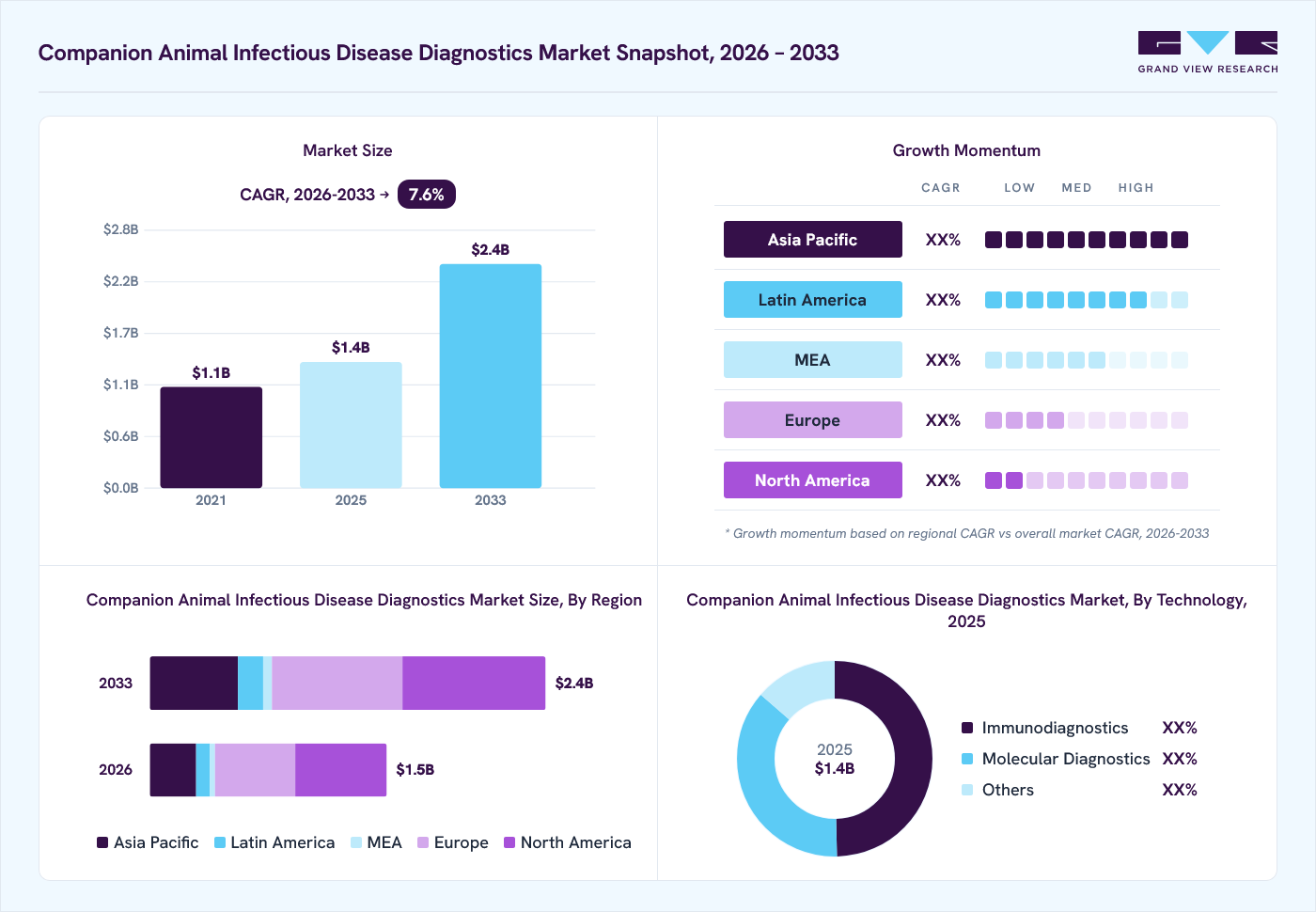 Source: Grand View Research, IR Documents, Primary Interviews, Paid DatabasesTo learn more about this report,
 Download Free Sample Report
Key Market Trends & Insights
- By technology: Immunodiagnostics segment held the largest market share of 49.6% in 2025.
- By product: Consumables, reagents & kits segment held the largest market share of 64.1% in 2025.
- By animal type: Canine segment held the largest market share of 40.4% in 2025.
- By infection: Bacterial segment held the largest market share of 40.3% in 2025.
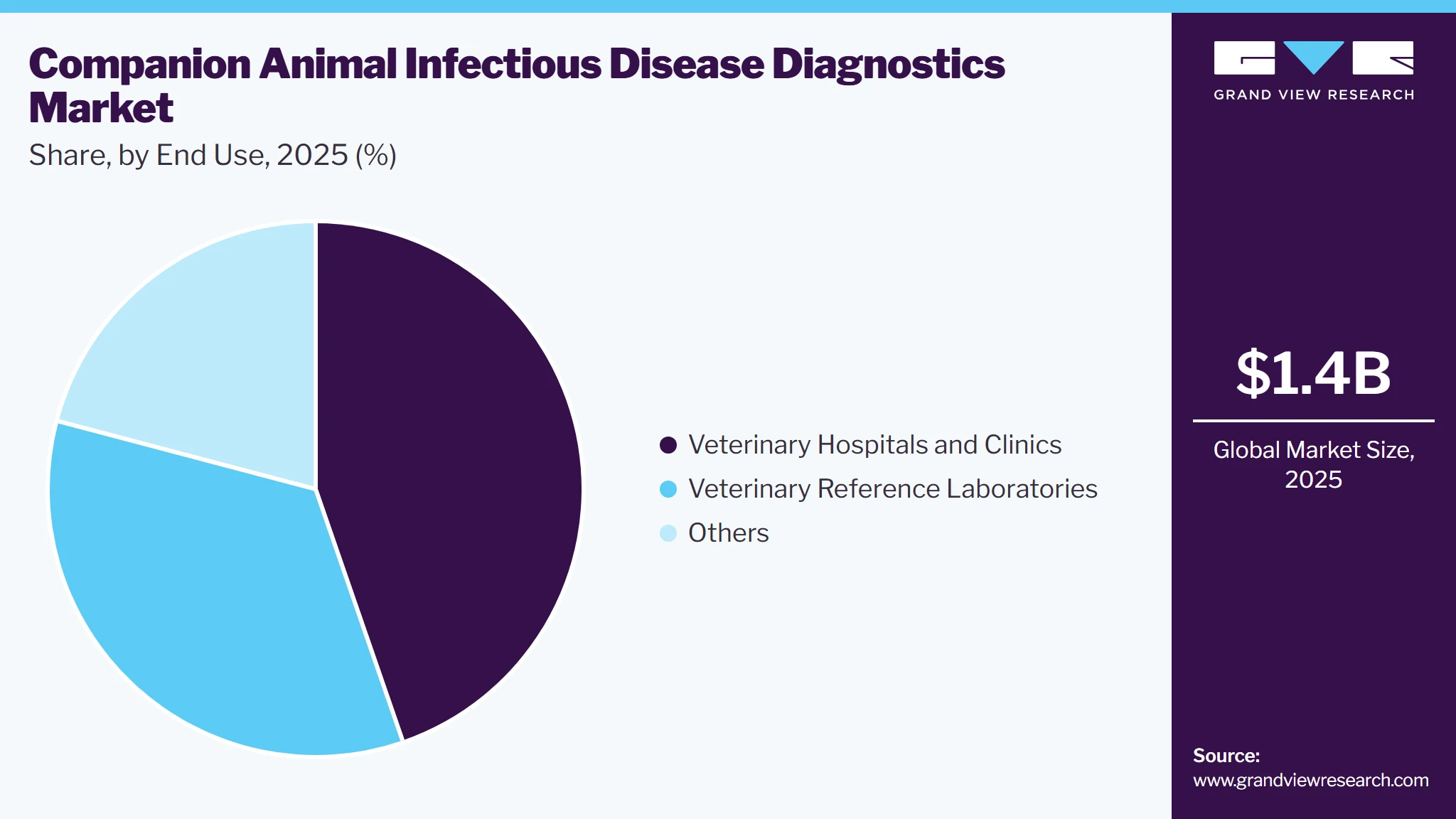
- By end use: Veterinary hospitals and clinics segment held the largest market share of 44.7% in 2025.
Regional Highlights
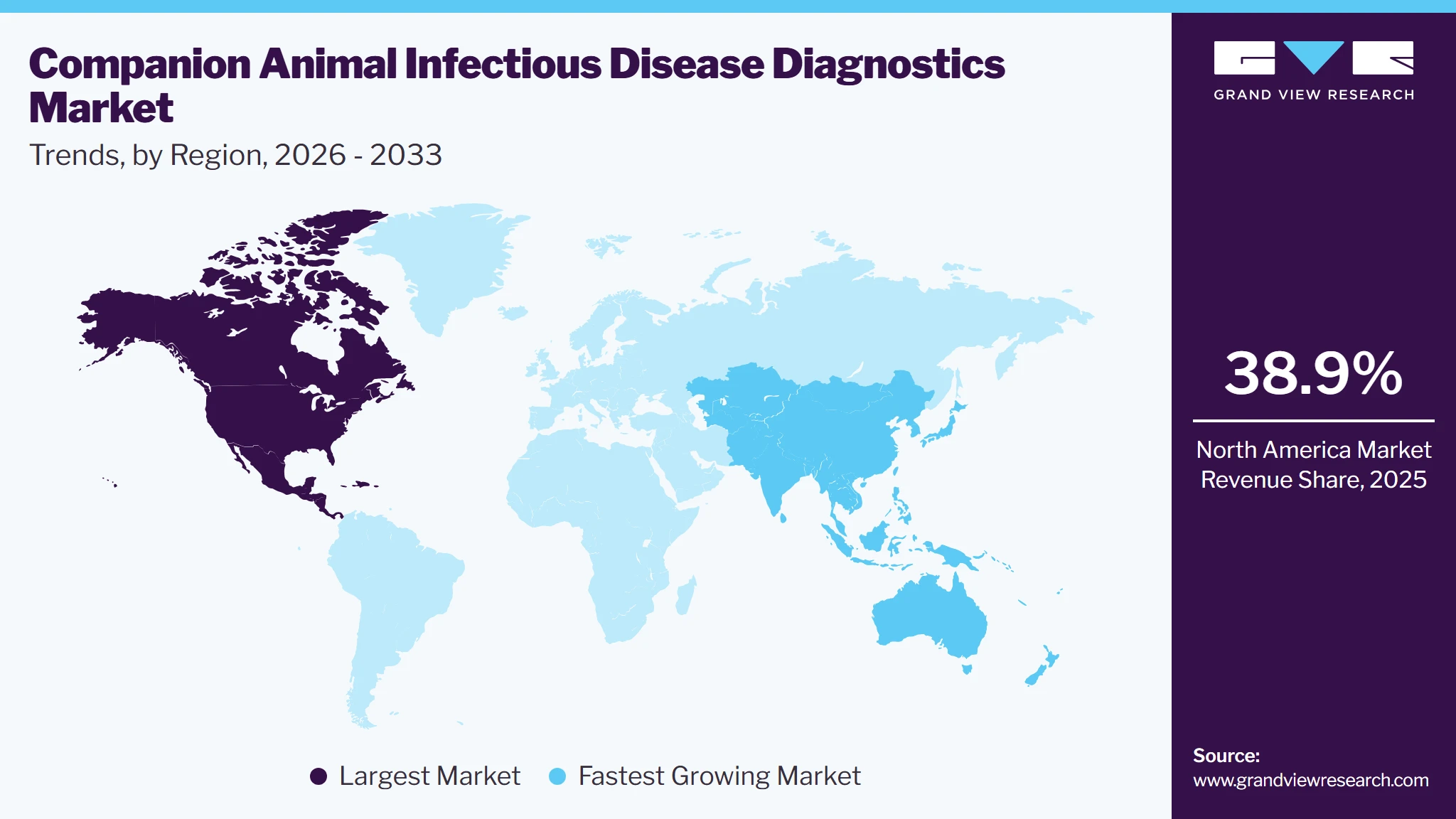
- Largest regional market: North America (38.9% revenue share, 2025)
- Fastest-growing regional market: Asia Pacific (highest CAGR, 2026-2033)
- By country: The U.S. held the largest market share in 2025
Market Size & Forecast
- Market size in 2025: USD 1.4 Billion
- Estimated market size in 2026: USD 1.5 Billion
- Projected market size by 2033: USD 2.4 Billion
- CAGR (2026-2033): 7.6%
Prism AI by Grand View Research Free to tryAsk a question about the companion animal infectious disease diagnostics marketTry asking✓Every figure cited from GVR research Prefer the report? Download free sample →
Millennials represent the largest segment of pet owners, with around 66% of U.S. households owning a pet. As of 2024, approximately 65.1 million U.S. households have a dog, while 46.5 million own a cat. Moreover, the growing prevalence of infectious diseases among pets is a key driver of the companion animal infectious disease diagnostics industry, as it heightens the demand for timely and precise detection to help prevent outbreaks, lower mortality rates, and protect public health. For example, as reported by Sploot in January 2025, avian influenza (bird flu), an infectious disease caused by various influenza virus strains, experienced a multi-state outbreak in late 2024 and early 2025. The H5N1 strain has impacted commercial and backyard flocks, wild birds, and has also been found to infect humans, cats, and dogs.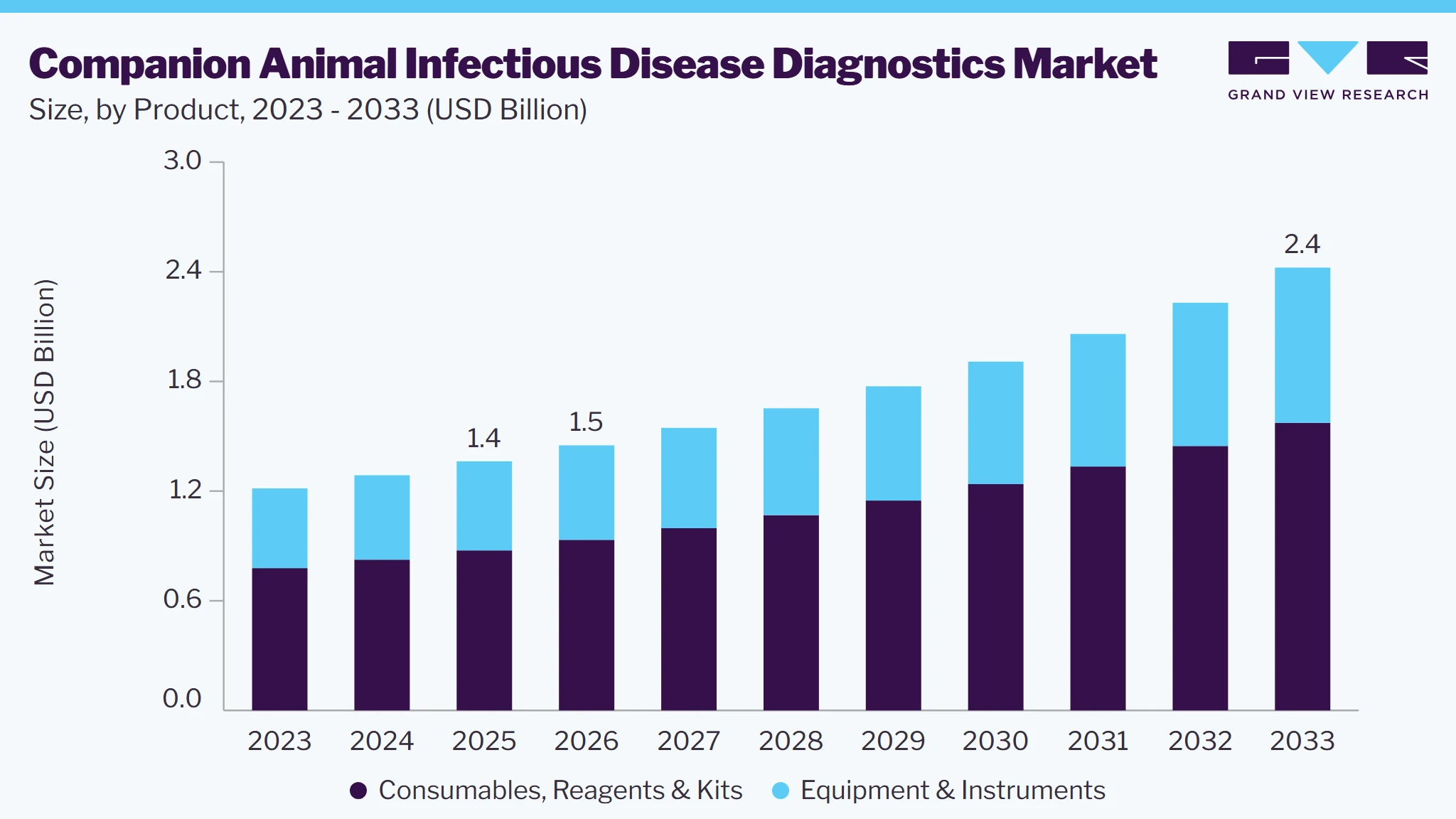 To learn more about this report, Download Free Sample Report
Similarly, Canine influenza virus (CIV), commonly known as canine flu, is currently undergoing an outbreak in the U.S., driven by its highly contagious nature. The two prevalent strains, H3N8 and H3N2, are both influenza A viruses that spread swiftly through respiratory droplets, direct contact, and contaminated surfaces such as bowls, collars, or kennels. This rapid transmission, especially in high-density areas like shelters, daycare centers, and boarding facilities, underscores the urgent need for early and accurate detection.
As a result, the outbreak is significantly fueling growth in the companion animal infectious disease diagnostics industry. Veterinarians and pet healthcare providers are increasingly adopting advanced diagnostic tools, such as PCR-based tests and rapid antigen detection kits, to quickly identify infected animals, implement isolation protocols, and curb the spread of the virus. The heightened awareness among pet owners about the risks of canine flu and the necessity of timely intervention is further boosting demand for diagnostic services, positioning disease detection as a critical component of disease control and overall pet health management.
Furthermore, a key factor amplifying this demand is the generational shift in pet ownership behavior. Millennials and Gen Z now make up the majority of pet parents and are more likely to treat their animals as family members, prioritizing preventive healthcare and wellness diagnostics. According to IDEXX’s 2024 survey, 73% of Millennials and 71% of Gen Z pet owners agree to at least annual wellness diagnostics for their pets. These younger owners are also more likely to adopt younger animals with 48% of Gen Z and 37% of Millennials owning dogs under two years old-fostering a long-term approach to health monitoring that starts early in the pet’s life and continues throughout its lifespan.
Generation
% of Dog Parents
% Owning Dogs <2 Years Old
% Supporting Annual Diagnostics
Gen Z (≤27 yrs)
24%
48%
71%
Millennials (28-43 yrs)
33%
37%
73%
Gen X (44-59 yrs)
28%
27%
63%
Baby Boomers (60-78 yrs)
15%
15%
57%
Source: IDEXX’s U.S. Pet Owner survey fielded in June 2024
Market Dynamics
The companion animal infectious disease diagnostics market is primarily driven by the increasing incidence of infectious diseases in pets, growing pet ownership, and rising awareness of preventive veterinary healthcare. Frequent outbreaks of diseases such as canine influenza, avian influenza, feline leukemia virus (FeLV), and canine parvovirus have increased the need for rapid and accurate disease detection to support timely treatment and limit disease transmission. At the same time, the growing trend of pet humanization, particularly among Millennials and Gen Z, has encouraged greater spending on routine wellness screening and annual diagnostic testing. Technological advancements in molecular diagnostics, real-time PCR, next-generation sequencing (NGS), immunodiagnostics, AI-enabled diagnostic platforms, and point-of-care testing are further improving diagnostic accuracy and turnaround times, accelerating the adoption of advanced infectious disease diagnostics across veterinary hospitals, clinics, and reference laboratories.
Also, regulatory frameworks play a critical role in ensuring the safety, quality, and reliability of companion animal infectious disease diagnostic products. Regulatory agencies such as the U.S. Department of Agriculture (USDA), the U.S. Food and Drug Administration (FDA), and the European Medicines Agency (EMA) establish stringent requirements for product validation, manufacturing practices, quality control, and commercialization of veterinary diagnostic solutions. Increasing emphasis on laboratory accreditation, quality assurance standards, and surveillance of emerging infectious diseases is strengthening confidence in diagnostic testing and encouraging the adoption of validated technologies.
Continuous innovation in point-of-care diagnostic technologies is driving the growth of the companion animal infectious disease diagnostics market by enabling faster, more accurate, and convenient disease detection in veterinary settings. For instance, in March 2025, Antech launched trūRapid FOUR, an in-house lateral flow screening test that detects antibodies against Anaplasma spp., Ehrlichia spp., Lyme disease (Borrelia burgdorferi), and heartworm (Dirofilaria immitis) using whole blood, serum, or plasma. The test delivers a simplified workflow, high sensitivity and specificity, and eliminates the need for complex sample preparation, allowing veterinarians to diagnose canine vector-borne diseases more efficiently.
The introduction of affordable, easy-to-use, and rapid diagnostic solutions is increasing the adoption of in-clinic testing, enabling veterinarians to initiate timely treatment while reducing disease transmission and improving patient outcomes. Features such as room-temperature storage, minimal sample requirements, eco-friendly design, and reliable performance make these diagnostics particularly suitable for busy veterinary practices and resource-limited settings. As companies continue to develop innovative point-of-care diagnostic platforms, the availability and accessibility of infectious disease testing are expected to improve, supporting the long-term growth of the companion animal infectious disease diagnostics market.
The high cost of advanced molecular diagnostic technologies remains a key restraint for the companion animal infectious disease diagnostics market. Diagnostic methods such as real-time PCR, multiplex PCR, and next-generation sequencing (NGS) require sophisticated laboratory infrastructure, specialized instruments, and skilled personnel, increasing the overall cost of testing. These expenses can limit the adoption of advanced diagnostics, particularly among small veterinary clinics and independent practices with constrained budgets.
In addition, pet owners in many developing and price-sensitive markets may be reluctant to opt for premium diagnostic tests due to out-of-pocket healthcare expenses and limited pet insurance coverage. As a result, veterinarians may continue to rely on conventional diagnostic methods or treat animals based on clinical signs rather than confirmatory testing. This can reduce testing volumes and slow the widespread adoption of advanced infectious disease diagnostics, thereby restraining overall market growth.
The rising incidence of canine distemper virus (CDV), particularly in high-density environments such as animal shelters, presents a significant opportunity for the companion animal infectious disease diagnostics market. According to Texas A&M Veterinary Medical Diagnostic Laboratory, April 2026, canine distemper is a highly contagious disease that can spread before clinical signs appear, with more than 50% of infected dogs failing to survive. This highlights the critical need for rapid and accurate diagnostic testing to enable early detection, timely isolation, and appropriate treatment. As pet adoption increases during peak seasons and veterinarians place greater emphasis on preventive healthcare, demand for advanced molecular diagnostics, point-of-care testing, and infectious disease screening is expected to rise, creating substantial opportunities for companies developing innovative companion animal diagnostic solutions.
Market Concentration & Characteristic
The companion animal infectious disease diagnostics industry exhibits a moderate market concentration, and the pace of the market growth is accelerating. One of the key factors fueling the market growth is rapid technological advancements. For instance, technological advancements in diagnostic tools such as PCR and NGS enable faster, more accurate, and comprehensive disease detection. PCR allows early identification of infectious agents like parvovirus, distemper, and Lyme disease by amplifying trace amounts of DNA or RNA, which enhances diagnostic precision and facilitates timely treatment.
Meanwhile, NGS provides deep genetic insights by sequencing entire genomes, helping veterinarians detect complex conditions and inherited diseases, such as those caused by the canine influenza virus or feline immunodeficiency virus. These technologies not only improve diagnostic outcomes but also support preventive care and personalized treatment plans, increasing veterinary reliance on advanced diagnostics and fueling market expansion.
 To learn more about this report, Download Free Sample Report
The companion animal infectious disease diagnostics industry is witnessing a high level of innovation, driven by rapid advancements in biotechnology, molecular diagnostics, and point-of-care testing. These innovations aim to enhance diagnostic accuracy, speed, and accessibility while reducing costs. Cutting-edge molecular tools such as real-time PCR and multiplex PCR offer high sensitivity and specificity for detecting a wide range of infectious agents.
The level of mergers and acquisitions (M&A) in the market is moderate to high, reflecting a strategic push by companies to expand their product portfolios, strengthen market presence, and gain access to advanced technologies. Major players are actively acquiring smaller diagnostic firms, tech innovators, and regional companies to accelerate innovation, enter new markets, and improve competitive positioning. These consolidations enable synergies in R&D, distribution, and regulatory compliance, while also helping companies offer more integrated and comprehensive diagnostic solutions.
Regulations play a critical role in shaping the market by ensuring the safety, efficacy, and quality of diagnostic products. Regulatory frameworks set by agencies such as the USDA in the U.S. or the EMA in Europe establish stringent guidelines for product approval, manufacturing, and distribution. While compliance with these standards can increase development timelines and costs, it also enhances consumer and veterinary trust in diagnostic tools. Clear and consistent regulatory oversight supports market growth by promoting the adoption of reliable technologies, reducing the risk of inaccurate diagnostics, and encouraging innovation within a structured, accountable environment.
The level of product substitution in the companion animal infectious disease diagnostics industry is moderate, as alternative methods are available but vary in effectiveness, speed, and application. Conventional techniques such as culture-based testing, microscopy, and serology act as substitutes for advanced molecular diagnostics, yet they typically offer slower results and lower sensitivity. For instance, culture tests can detect bacterial infections. Still, they may take several days, whereas PCR-based methods can provide highly accurate results within hours, making them more suitable for timely diagnosis and treatment decisions.
Companies are setting up local manufacturing units, forming partnerships with regional distributors, and adapting products to meet specific regulatory and clinical needs. As a result, regional expansion helps enhance market penetration, reduce supply chain constraints, and make advanced diagnostics more accessible in underserved or rapidly developing markets, ultimately driving overall market growth.
Analyst Perspective
The companion animal infectious disease diagnostics market is expected to witness sustained growth as veterinary healthcare increasingly focuses on early disease detection, preventive medicine, and personalized pet care. Growing adoption of AI-assisted diagnostics, multiplex molecular assays, point-of-care devices, and digital diagnostic platforms is improving diagnostic efficiency and clinical decision-making. Rising pet insurance coverage, expanding veterinary infrastructure, and increasing demand for rapid diagnostic solutions are further supporting market growth, particularly in Asia Pacific and Latin America. Despite challenges related to the high cost of advanced diagnostics, limited access to specialized facilities, and shortages of trained professionals, companies offering cost-effective, rapid, and user-friendly solutions are expected to strengthen their competitive position and capitalize on long-term market opportunities.
Product Insights
Based on product, the consumables, reagents & kits segment led the market with the largest revenue share of 64.1% in 2025, due to their recurring demand in both clinical and research settings. Unlike instruments, which are typically one-time investments, consumables and reagents are essential for every diagnostic procedure, whether it's molecular testing, serology, or biochemistry. Veterinary clinics, diagnostic labs, and point-of-care settings rely heavily on these products to conduct routine and advanced tests for infectious diseases, including parvovirus, Lyme disease, and feline leukemia. The continuous use of these materials ensures a steady revenue stream for manufacturers and positions this segment as the backbone of diagnostic operations.
Furthermore, the growing adoption of rapid diagnostic tests and molecular tools, such as PCR and ELISA-based assays, has significantly boosted the demand for specialized kits and reagents tailored to companion animals. With increasing pet ownership and heightened awareness of early disease detection, veterinarians are conducting more frequent screenings, which in turn drives the consumption of these products. In addition, companies are constantly innovating to develop more sensitive, specific, and easy-to-use kits that can be applied at the point of care. This ongoing demand and innovation cycle further cements the dominant role of consumables, reagents, and kits in the companion animal infectious disease diagnostics industry.
Animal Type Insights
Based on animal type, the canine segment led the market with the largest revenue share of 40.4% in 2025, due to the rising dog population, increased spending on pet care, growing trends of pet humanization and medicalization, and the expanding adoption of pet insurance. In North America, particularly the U.S., dogs have long held a cherished place in households, often regarded as integral family members. According to the 2023-2024 National Pet Owners Survey by the American Pet Products Association, approximately 86.9 million U.S. households, nearly 66% own dogs. This deep emotional connection is further reflected in findings that suggest nearly one-third of Americans claim to love their dogs more than their romantic partners, underscoring the strong cultural and emotional drivers supporting veterinary care and diagnostics demand.
The feline segment is expected to exhibit at the fastest CAGR over the forecast period. Their rising popularity can be attributed to their calm temperament, strong memory retention, and advanced learning capabilities, which make them highly adaptable to domestic environments. These behavioral traits, combined with their relatively low-maintenance nature, particularly their instinctive self-grooming habits and lack of need for specialized training, make them an attractive choice for pet owners.
Technology Insights
Based on technology, the immunodiagnostics segment led the market with the largest revenue share of 49.6% in 2025, due to its high sensitivity, rapid turnaround time, and broad applicability across various animal species and pathogens. Techniques such as enzyme-linked immunosorbent assay (ELISA), lateral flow assays, and immunofluorescence are widely used in both clinical and field settings to detect specific antigens or antibodies associated with infections like canine parvovirus, bovine tuberculosis, and feline leukemia virus (FeLV). For example, ELISA kits are routinely used in veterinary clinics to screen for FeLV in cats during routine checkups, while lateral flow tests allow quick diagnosis of parvovirus in puppies showing acute gastrointestinal symptoms. These tests are cost-effective, user-friendly, and often provide results within minutes, making them ideal for high-throughput screening and early detection, thus solidifying immunodiagnostics as a cornerstone of the companion animal infectious disease diagnostic market.
The molecular diagnostics segment is anticipated to grow at the fastest CAGR over the forecast period. These techniques, which often rely on polymerase chain reaction (PCR), quantitative PCR (qPCR), and next-generation sequencing (NGS), provide veterinarians with rapid and highly sensitive diagnostic capabilities that surpass conventional methods. One of the primary advantages of molecular diagnostics is its ability to detect pathogens even at early stages or in asymptomatic carriers, enabling timely intervention. For instance, real-time PCR assays are frequently used to identify canine parvovirus, feline herpesvirus, feline panleukopenia, and Bordetella bronchiseptica, all of which can have severe outcomes if not treated promptly. The ability to pinpoint specific pathogens helps reduce unnecessary antibiotic use and promotes more targeted treatment strategies.
End Use Insights
Based on end use, veterinary hospitals and clinics segment led the market with the largest revenue share of 44.7% in 2025, as they are the primary point of contact for pet owners when it comes to animal health and wellness. The clinical decisions, diagnostic recommendations, and adoption of advanced technologies by veterinarians directly influence diagnostic testing volumes and the broader market demand. The increasing professionalization of veterinary practices and their growing reliance on data-driven care are key factors fueling this market’s expansion. Also, veterinarians play an essential role in educating pet owners about the importance of diagnostic testing. Through effective communication, they help improve compliance with recommended diagnostic protocols. Clinics that offer bundled wellness plans, including annual diagnostic screenings, often see higher uptake and repeat testing, leading to recurring revenue for diagnostic service providers.
 To learn more about this report, Download Free Sample Report
The others segment is expected to grow at the fastest CAGR over the forecast period. Research institutes play a vital role in driving the companion animal infectious disease diagnostics industry by advancing scientific knowledge, developing innovative testing methods, and validating new diagnostic tools. These institutions conduct critical studies on disease pathogenesis, biomarker discovery, and emerging pathogens, which directly contribute to the creation of more accurate and efficient diagnostic solutions. Collaborations between research institutes and veterinary diagnostic companies also foster technology transfer and accelerate the commercialization of cutting-edge molecular, serological techniques.
Infection Insights
Based on infection, the bacterial segment led the market with the largest revenue share of 40.3% in 2025, due to their high prevalence, diverse manifestations, and the need for accurate, timely diagnosis to guide effective treatment. Common bacterial diseases such as Lyme disease caused by Borrelia burgdorferi, leptospirosis by Leptospira spp., and kennel cough, often involving Bordetella bronchiseptica, are frequently diagnosed in dogs. At the same time, cats are susceptible to infections like feline chlamydiosis caused by Chlamydia felis. These infections can lead to severe health complications if left untreated, making early detection critical. Diagnostic tools such as PCR assays, culture methods, and serological tests are widely used to identify bacterial pathogens, driving consistent demand for consumables and kits.
The viral infection segment is expected to exhibit at the fastest CAGR of 7.86% over the forecast period. The rising prevalence of viral infections in companion animals is a major driver of the diagnostics market, as early and accurate detection is critical for disease management, prevention, and control. Common viral diseases such as canine parvovirus, canine distemper, feline leukemia virus (FeLV), feline calicivirus, and canine influenza pose significant health risks and can spread rapidly among pet populations. These infections often present with non-specific symptoms, making diagnostic testing essential for timely and targeted treatment.
Regional Insights
North America dominated the companion animal infectious disease diagnostics market with the largest revenue share of 38.9% in 2025, driven by high pet ownership, robust veterinary infrastructure, and significant pet healthcare spending. The U.S., in particular, benefits from an extensive network of veterinary clinics, reference labs, and research institutions that facilitate the swift adoption of advanced technologies such as molecular diagnostics, AI-based platforms, and point-of-care testing. The region also sees strong momentum from rising pet humanization, greater awareness of preventive health measures, and increasing use of pet insurance, all of which contribute to higher demand for accurate and timely diagnostic services.
 To learn more about this report, Download Free Sample Report
U.S. Companion Animal Infectious Disease Diagnostics Market Trends
The companion animal infectious disease diagnostics market in the U.S. held the largest share in the North America region in 2025. In the U.S., the integration of advanced technologies such as AI-powered diagnostic platforms, rapid disease panels, expanded reference lab networks, and at-home test kits is significantly accelerating market growth in companion animal infectious disease diagnostics. These innovations streamline the diagnostic process by offering faster, more accurate, and user-friendly solutions, enabling earlier detection and treatment of chronic and infectious diseases in pets. AI-driven tools enhance the interpretation of complex data, improving diagnostic precision, while at-home kits and expanded lab access increase convenience and testing frequency. As a result, pet owners and veterinarians are more likely to adopt these modern solutions, driving higher diagnostic volumes, boosting veterinary care standards, and ultimately contributing to the overall expansion of the U.S. market.
Europe Companion Animal Infectious Disease Diagnostics Market Trends
The companion animal infectious disease diagnostics market in Europe accounted for the second-largest revenue share in 2024, driven by several key factors, including strategic investments, technological advancements, and strong institutional collaboration across the region. The widespread integration of advanced diagnostic tools such as PCR, MRI, and real-time sequencing is transforming veterinary clinics into highly capable diagnostic hubs, ensuring more accurate and timely treatment. Countries throughout Europe are increasingly adopting molecular diagnostics, point-of-care testing, and AI-powered platforms, which are significantly improving the speed, precision, and accessibility of diagnostics. In addition, the growing focus on preventive healthcare, pet welfare, and early disease detection, fueled by rising pet humanization and expanding insurance coverage, is sustaining strong demand for advanced veterinary services.
The Germany companion animal infectious disease diagnostics market is gaining strong traction, driven by advancements that are expanding both technological capabilities and diagnostic accessibility. A notable example is the June 2025 launch of bioMérieux’s VETFIRE, a rapid point-of-care PCR platform designed specifically to diagnose equine respiratory pathogens. This innovative solution can identify seven pathogens, six viruses, and one bacterium from a single nasopharyngeal swab in under 20 minutes. Although initially intended for equine use, VETFIRE highlights a broader trend toward the integration of rapid molecular diagnostics in veterinary practices. This shift is expected to significantly enhance in-clinic diagnostic efficiency, enabling faster, more accurate treatment decisions.
Asia Pacific Companion Animal Infectious Disease Diagnostics Market Trends
The companion animal infectious disease diagnostics market in Asia-Pacific is poised to experience at the fastest CAGR during the forecast period, fueled by the integration of advanced technologies, increasing pet ownership, and favorable policy support. Nations such as Japan and South Korea are at the forefront of adopting AI-driven diagnostic tools and molecular testing platforms, making early disease detection a standard component of veterinary care. Meanwhile, in China and India, the rise of genomic technologies, pet-tech startups, and expanding diagnostic infrastructure is broadening access to precision diagnostics, even in remote or underserved regions.
The China companion animal infectious disease diagnostics market is undergoing rapid transformation, propelled by technological innovation, evolving consumer preferences, and supportive government policies. A key driver of this growth is the country’s expanding infrastructure for genomic and precision diagnostics. Leading biotech firms like BGI have introduced high-throughput sequencing platforms and cutting-edge technologies such as spatial transcriptomics, specifically designed for animal health. These advancements are empowering veterinarians to implement precision diagnostics for breed-specific disease detection, genetic screening, and early intervention, signaling a significant shift from conventional approaches to more personalized pet care.
Latin America Companion Animal Infectious Disease Diagnostics Market Trends
The companion animal infectious disease diagnostics market in Latin America is quickly gaining global prominence, fueled by increasing pet ownership, progressive regulatory changes, technological advancements, and heightened veterinary awareness. In countries such as Argentina and Brazil, a cultural shift toward treating pets as family members is driving demand for early disease detection and preventive healthcare. Veterinary clinics across the region are embracing advanced diagnostic solutions, bolstered by training programs and support from international technology providers.
The Brazil companion animal infectious disease diagnostics market is undergoing a significant transformation, driven by regulatory reforms, increased focus on feline health, and rising awareness of animal welfare. A pivotal moment was the country’s decision to eliminate the mandatory one-year pesticide test on dogs, signaling a move toward more ethical, science-based regulatory practices. This change aligns Brazil with international animal welfare standards and streamlines the approval process for veterinary products, including diagnostics. By cutting down on unnecessary testing periods, Brazil fosters a more agile and innovative environment, accelerating the introduction of safer, more effective diagnostic tools into the companion animal healthcare system.
Middle East & Africa Companion Animal Infectious Disease Diagnostics Market Trends
The companion animal infectious disease diagnostics market in the Middle East and Africa (MEA) is rapidly gaining global momentum, fueled by strategic advancements in countries like Saudi Arabia, the UAE, South Africa, and Kuwait. These nations are making substantial investments in veterinary infrastructure, embracing advanced diagnostic technologies, and fostering a culture of preventive pet healthcare. In particular, regulatory reforms and laboratory accreditation initiatives in Saudi Arabia are setting high standards for quality and enhancing the reliability of diagnostic services across the region.
The UAE companion animal infectious disease diagnostics market is experiencing strong growth, driven by advancements in veterinary services, the adoption of modern diagnostic technologies, and a growing focus on preventive pet care. According to a March 2025 Al Etihad interview, the surge in pet ownership-largely influenced by expatriates and rising disposable incomes-is fueling a shift toward proactive veterinary practices. Pet owners are placing greater emphasis on vaccinations, parasitic treatments, regular health check-ups, and smart monitoring to extend their pets’ lifespans and address chronic conditions early. This shift in mindset is driving increased demand for diagnostics such as blood panels, urinalysis, and monitoring tools within companion animal clinics.
Key Companion Animal Infectious Disease Diagnostics Insights
The companion animal infectious disease diagnostics industry is competitive, featuring a mix of established companies and emerging entrants. The competitive landscape is primarily shaped by rapid technological advancements and the ongoing demand for innovation. To reinforce their market presence and expand their product portfolios, leading players are engaging in mergers and acquisitions, strategic partnerships, and the launch of advanced diagnostic solutions. These initiatives help companies enhance their technological capabilities, meet changing customer needs, and sustain a competitive advantage in an evolving market environment.
Key Companion Animal Infectious Disease Diagnostics Companies:
The following key companies have been profiled for this study on the companion animal infectious disease diagnostics market.
-
IDEXX Laboratories Inc.
-
Zoetis Services LLC.
-
Thermo Fisher Scientific, Inc
-
Virbac
-
bioMérieux SA
-
IDvet
-
Neogen Corporation
-
Agrolabo S.p.A.
-
Bio-Rad Laboratories, Inc
- Antech Diagnostics, Inc.
Competitive Benchmarking
Category
Operating Strategies
Competitive Edge
Weakness
Established Players (IDEXX Laboratories Inc.; Zoetis Services LLC.; Antech Diagnostics, Inc.; Virbac; Thermo Fisher Scientific, Inc.; bioMérieux SA; Neogen Corporation; Agrolabo S.p.A.; IDVet; Bio-Rad Laboratories, Inc.)
- Established companies focus on expanding comprehensive veterinary diagnostic portfolios by offering molecular diagnostics, immunodiagnostics, PCR assays, ELISA kits, rapid lateral flow tests, laboratory analyzers, consumables, and integrated diagnostic software. They strengthen their market presence through automation technologies, AI-enabled laboratory workflows, expansion of reference laboratory networks, strategic collaborations with veterinary hospitals, continuous assay development, and investment in next-generation infectious disease detection platforms.
- Leading companies benefit from extensive diagnostic expertise, broad infectious disease testing menus, proprietary technologies, advanced laboratory infrastructure, global service networks, and strong relationships with veterinary hospitals, clinics, and diagnostic laboratories. Their continuous investment in automation, high-throughput testing, quality assurance, and scientific innovation enables rapid diagnosis, superior test accuracy, and long-term customer loyalty.
- Established companies face challenges from high assay development costs, continuous technology upgrades, stringent regulatory requirements, pricing pressure from lower-cost diagnostic providers, and increasing competition from regional manufacturers. Maintaining affordability while expanding advanced molecular diagnostics into cost-sensitive markets remains a significant challenge.
Emerging Players (Bionote USA Inc.; INDICAL BIOSCIENCE GmbH; Gold Standard Diagnostics; Ring Biotechnology Co., Ltd.; BioChek B.V.; VetFor Pet Animal Health Pvt. Ltd.)
- Emerging companies primarily focus on portable molecular diagnostics, rapid immunoassays, multiplex testing platforms, point-of-care diagnostic kits, and affordable infectious disease detection solutions for veterinary clinics. They compete through faster product development, specialized assay innovation, localized manufacturing, strategic distributor partnerships, and digital diagnostic integration while targeting underserved veterinary markets.
- Emerging companies compete through technological agility, specialized diagnostic innovations, competitive pricing, and faster commercialization of point-of-care solutions. Their ability to rapidly address evolving infectious disease trends, develop niche diagnostic assays, and provide flexible customer support enables them to establish a strong presence in specialized veterinary diagnostic segments.
- Emerging companies often have limited laboratory infrastructure, lower brand recognition, smaller commercial networks, and restricted financial resources for extensive clinical validation and global regulatory approvals. They may also face challenges in expanding internationally, scaling manufacturing, building veterinarian confidence, and competing with multinational companies that offer broader diagnostic portfolios and well-established laboratory services.
Recent Developments
-
In July 2024, EKF Diagnostics launched the Biosen C-Line, an advanced glucose and lactate analyzer designed for enhanced usability. It features a touch screen and advanced connectivity options to integrate seamlessly with hospital and lab IT systems via EKF Link. This benchtop analyzer provides highly precise glucose and lactate measurements, used in clinical settings for diabetes management and by elite sports teams for tracking lactate production in training.
-
In February 2024, BioStone Animal Health launched AsurDx Rabies Antibody Test Kit, specifically designed to detect rabies virus antibodies in mammalian serum samples. The rabies virus belongs to the order Mononegavirales, comprising viruses characterized by nonsegmented, negative-sense RNA genomes.
-
In February 2024, MiDOG Animal Diagnostics introduced an advanced All-in-One Diagnostic Test capable of rapidly detecting bacterial and fungal infections, including antibiotic resistance, across various animal species. This innovation aims to enhance veterinary care by replacing traditional testing methods with efficient molecular-based diagnostics, supporting comprehensive treatment strategies for diverse animals, from pets to exotic species.
-
In March 2025, Antech, a leading global company in veterinary diagnostics, technology, and imaging, launched trūRapid FOUR, a comprehensive in-house screening test for canine vector-borne diseases (CVBD).
-
In September 2024, Zoetis Inc. introduced Vetscan OptiCell, a new cartridge-based hematology analyzer that employs AI-powered technology to deliver precise Complete Blood Count (CBC) analysis at the point of care, offering lab-quality results with time, cost, and space efficiencies for veterinary clinics.
Companion Animal Infectious Disease Diagnostics Market Report Scope
Report Attribute
Details
Market size in 2025
USD 1.4 billion
Estimated market size in 2026
USD 1.5 billion
Projected market size by 2033
USD 2.4 billion
Growth rate
CAGR of 7.6% from 2026 to 2033
Historical data
2021 - 2024
Forecast period
2026 - 2033
Quantitative units
Revenue in USD million/billion and CAGR from 2026 to 2033
Report coverage
Revenue forecast, company ranking, competitive landscape, growth factors, and trends
Segments covered
Technology, animal type, product, infection, end use, region
Regional scope
North America; Europe; Asia Pacific; Latin America; MEA
Country scope
U.S.; Canada; Mexico; Germany; UK; France; Italy; Spain; Norway; Denmark; Sweden; China; Japan; India; South Korea; Australia; Thailand; Brazil; Argentina; Saudi Arabia; South Africa; UAE; Kuwait; Oman; Qatar.
Key companies profiled
IDEXX Laboratories Inc.; Zoetis Services LLC.; Antech Diagnostics, Inc.; Virbac; Thermo Fisher Scientific, Inc.; bioMérieux SA; Neogen Corporation; Agrolabo S.p.A.; IDVet; Bio-Rad Laboratories, Inc
Customization scope
Free report customization (equivalent up to 8 analysts' working days) with purchase. Addition or alteration to country, regional & segment scope.
Pricing and purchase options
Avail customized purchase options to meet your exact research needs. Explore purchase options
Global Companion Animal Infectious Disease Diagnostics Market Report Segmentation
This report forecasts revenue growth at global, regional, and country levels and provides an analysis of the latest industry trends in each of the sub-segments from 2021 to 2033. For this study, Grand View Research has segmented the global companion animal infectious disease diagnostics market report based on animal type, product, technology, Infection type, end-use, and region.
-
Product Outlook (Revenue, USD Million, 2021 - 2033)
-
Consumables, Reagents & Kits
-
Equipment & Instruments
-
-
Technology Outlook (Revenue, USD Million, 2021 - 2033)
-
Immunodiagnostics
-
Lateral Flow Assays
-
ELISA Test
-
Others
-
-
Molecular Diagnostic
-
Polymerase Chain Reaction (PCR) Tests
-
Microarrays
-
Others
-
-
Others
-
-
Animal Type Outlook (Revenue, USD Million, 2021 - 2033)
-
Canine
-
Feline
-
Equine
-
Others
-
-
Infection Type Outlook (Revenue, USD Million, 2021 - 2033)
-
Bacterial
-
Viral
-
Parasitic
-
Others
-
-
End-use Outlook (Revenue, USD Million, 2021 - 2033)
-
Veterinary Hospitals and Clinics
-
Veterinary Reference Laboratories
-
Others
-
-
Regional Outlook (Revenue, USD Million, 2021 - 2033)
-
North America
-
U.S.
-
Canada
-
Mexico
-
-
Europe
-
UK
-
Germany
-
France
-
Italy
-
Spain
-
Denmark
-
Sweden
-
Norway
-
-
Asia Pacific
-
Japan
-
India
-
China
-
South Korea
-
Australia
-
Thailand
-
-
Latin America
-
Brazil
-
Argentina
-
-
Middle East and Africa (MEA)
-
South Africa
-
Saudi Arabia
-
UAE
-
Kuwait
-
-
Research Methodology
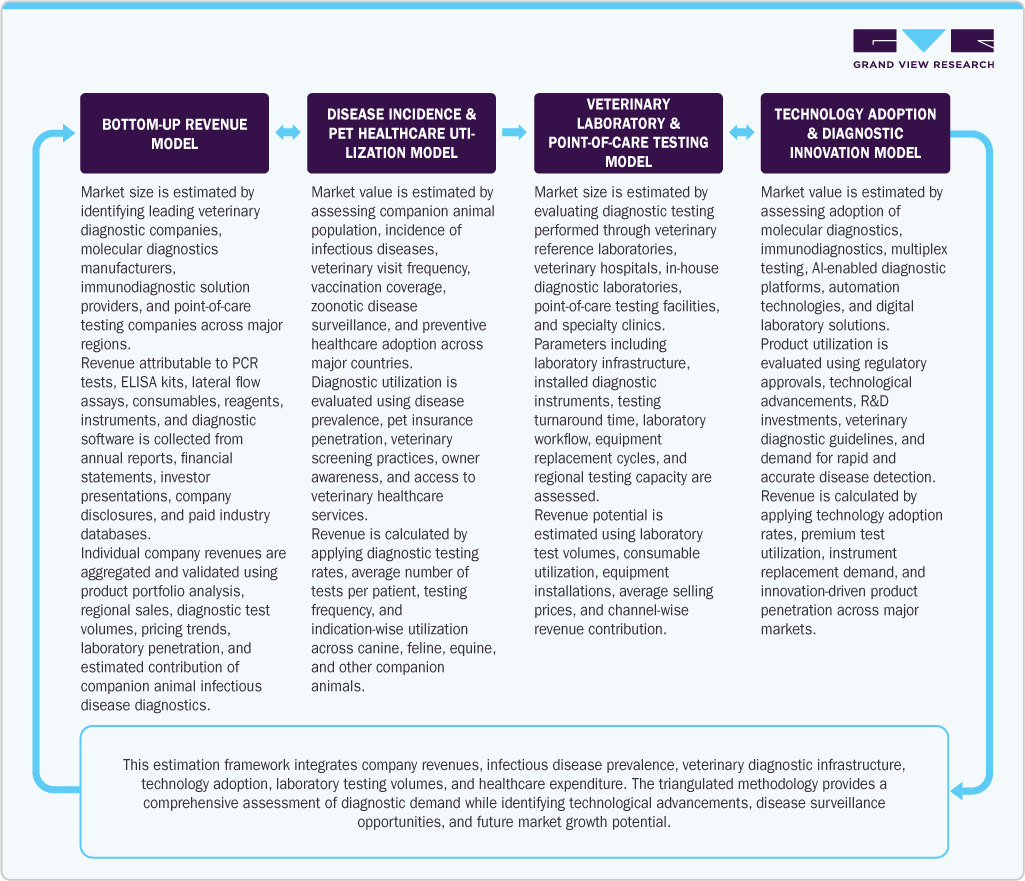
The companion animal infectious disease diagnostics market figures in this report are based on a proven research process that combines executive interviews with secondary research from proprietary databases, company filings, and recognized regulatory and institutional sources. Market size is built through value-chain sizing - reconciling supply-side and demand-side estimates - and triangulated with bottom-up and top-down approaches. Every estimate passes multiple levels of expert validation before publication, with each companion animal infectious disease diagnostics segment quantified using the revenue-capture definitions in the table below.
Segment Definition
Segment - Technology
Revenue Capture Definition
Immunodiagnostics
Revenue generated from immunodiagnostic technologies used to detect infectious diseases in companion animals through antigen-antibody interactions.
Lateral Flow Assays
Revenue generated from rapid lateral flow diagnostic tests designed for point-of-care detection of infectious pathogens in companion animals.
ELISA Test
Revenue earned from enzyme-linked immunosorbent assay (ELISA) tests utilized to identify pathogen-specific antigens or antibodies in companion animals.
Others
Revenue generated from immunodiagnostic technologies other than lateral flow assays and ELISA, including immunofluorescence and chemiluminescent assays for infectious disease detection.
Molecular Diagnostics
Revenue generated from molecular diagnostic technologies employed to detect infectious agents in companion animals through nucleic acid analysis.
Polymerase Chain Reaction (PCR) Tests
Revenue generated from PCR-based diagnostic assays used for the rapid amplification and identification of pathogen-specific genetic material in companion animals.
Microarrays
Revenue derived from microarray-based diagnostic platforms capable of simultaneously detecting multiple infectious pathogens and genetic markers in companion animals.
Others
Revenue generated from molecular diagnostic techniques other than PCR and microarrays, including isothermal amplification, sequencing-based assays, and advanced nucleic acid detection methods.
Segment - Product
Revenue Capture Definition
Consumables, Reagents & Kits
Revenue generated from diagnostic consumables, reagents, assay kits, cartridges, and test components required for infectious disease testing in companion animals.
Equipment & Instruments
Revenue earned from diagnostic analyzers, PCR systems, imaging instruments, laboratory equipment, and automated platforms utilized for companion animal infectious disease diagnosis.
Segment - Animal Type
Revenue Capture Definition
Canine
Revenue generated from infectious disease diagnostic products and testing services developed for disease detection and monitoring in dogs.
Feline
Revenue derived from diagnostic solutions used to identify and manage infectious diseases affecting domestic and companion cats.
Equine
Revenue generated from infectious disease diagnostic technologies and laboratory testing performed for horses and other equine species.
Others
Revenue generated from infectious disease diagnostics intended for companion animals other than dogs, cats, and horses, including rabbits, birds, ferrets, reptiles, and small mammals.
Segment - Indication
Revenue Capture Definition
Bacterial
Revenue generated from diagnostic products and assays used to detect bacterial infections in companion animals.
Viral
Revenue earned from diagnostic tests designed to identify viral pathogens responsible for infectious diseases in companion animals.
Parasitic
Revenue generated from diagnostic solutions utilized for the detection of internal and external parasitic infections affecting companion animals.
Others
Revenue generated from diagnostic tests used to identify infectious diseases caused by fungal, protozoal, rickettsial, and other less common pathogens in companion animals.
Segment - End Use
Revenue Capture Definition
Veterinary Hospitals and Clinics
Revenue generated from infectious disease diagnostic products and testing services utilized within veterinary hospitals and companion animal clinics for routine and emergency patient care.
Veterinary Reference Laboratories
Revenue generated from specialized laboratory testing services and diagnostic workflows conducted by veterinary reference laboratories for companion animal infectious diseases.
Others
Revenue generated from infectious disease diagnostic products and services supplied to academic institutions, research laboratories, animal shelters, breeding facilities, government organizations, and other veterinary care settings.
Estimation Model
 To learn more about this report, Download Free Sample Report
Delivered Customizations
This report has been delivered with the following In-depth customizations
CLIENT REQUEST
CUSTOMIZATION DELIVERED
VALUE ADDS
Companion Animal Diagnostics Industry Outlook & Market Assessment
Conducted a comprehensive assessment of the companion animal infectious disease diagnostics ecosystem covering diagnostic manufacturers, veterinary reference laboratories, veterinary hospitals & clinics, point-of-care testing providers, distributors, and regulatory bodies. Evaluated disease prevalence, technology adoption, diagnostic workflows, reimbursement trends, and future growth opportunities across major regions.
Provides a holistic understanding of the market landscape, industry dynamics, technological evolution, and growth opportunities, enabling stakeholders to identify high-potential investment areas and long-term business strategies.
Technology, Segment & Competitive Landscape Analysis
Performed detailed benchmarking of leading companies across molecular diagnostics, immunodiagnostics, consumables & reagents, diagnostic instruments, canine, feline, equine, and other animal segments. Assessed product portfolios, technological capabilities, innovation pipeline, pricing strategies, laboratory network expansion, partnerships, regional presence, and competitive positioning.
Enables companies to identify competitive gaps, benchmark product portfolios, evaluate segment attractiveness, optimize product development strategies, and strengthen market positioning through informed strategic decisions.
Regional Opportunity & Commercialization Strategy
Evaluated regional market potential by assessing disease burden, veterinary healthcare infrastructure, pet ownership trends, diagnostic testing adoption, laboratory penetration, regulatory frameworks, and country-level demand across North America, Europe, Asia Pacific, Latin America, and the Middle East & Africa. Identified high-growth countries and recommended commercialization and expansion strategies based on market maturity and diagnostic accessibility.
Supports prioritization of high-growth regional markets, improves resource allocation, optimizes commercialization strategies, and minimizes market-entry risks while maximizing long-term revenue opportunities.
Frequently Asked Questions About This Report
The global companion animal infectious disease diagnostics market size was estimated at USD 1.4 billion in 2025 and is expected to reach USD 1.5 billion in 2026.
The global companion animal infectious disease diagnostics market is expected to grow at a compound annual growth rate of 7.6% from 2026 to 2033 to reach USD 2.4 billion by 2033.
Some key players operating in the companion animal infectious disease diagnostics market include IDEXX Laboratories Inc., Zoetis Services LLC., Antech Diagnostics, Inc., Virbac, Thermo Fisher Scientific, Inc, bioMérieux SA, Neogen Corporation, Agrolabo S.p.A., IDVet, Bio-Rad Laboratories, Inc
Key factors that are driving the market growth include increasing pet ownership, a rising incidence of infectious diseases, and ongoing technological advancements in diagnostic tools.
Asia Pacific is the fastest-growing region over the forecast period.
The immunodiagnostics segment led with a 49.6% revenue share in 2025, while the molecular diagnostics is the fastest-growing segment.
The consumables, reagents & kits segment led with a 64.1% revenue share in 2025, and is the fastest-growing segment.
The bacterial segment led with a 40.3% revenue share in 2025, while the viral is the fastest-growing segment.
Which region accounted for the largest Companion Animal Infectious Disease Diagnostics market share?North America dominated the companion animal infectious disease diagnostics market, accounting for 38.9% in 2025, driven by high pet ownership, robust veterinary infrastructure, and significant pet healthcare spending.
About the Author(s)
Animal Health Research Team
Healthcare · Animal HealthThis report was authored by the animal health research team at Grand View Research - comprising two research analysts, one senior research analyst, and one industry expert - with specialized expertise in the animal health segment of the healthcare industry. All findings are based on proprietary healthcare databases, executive interviews, and regulatory analysis, subject to internal peer review prior to publication.
Last Updated:
Speak to Analyst

Customize this report to your needs - add regions, segments, or data points, with 20% free customization.
Or view our licence options:


ISO 9001:2015 & 27001:2022 Certified
We are GDPR and CCPA compliant! Your transaction & personal information is safe and secure. For more details, please read our privacy policy.


