
- Home
- »
- Animal Health
- »
-
Companion Animal Osteoarthritis Market Report, 2026-2033GVR Report cover

Companion Animal Osteoarthritis Market (2026 - 2033)
Size, Share & Trends Analysis Report By Product (Biologics, Pharmaceuticals, Nutritional Supplements), By Animal (Canine), By Route Of Administration, Distribution Channel, By Region, And Segment Forecasts
Market Size, 2025
$2.9BMarket Estimate, 2026
$3.4BMarket Forecast, 2033
$5.2BCAGR, 2026–2033
6.5%Companion Animal Osteoarthritis Market Summary
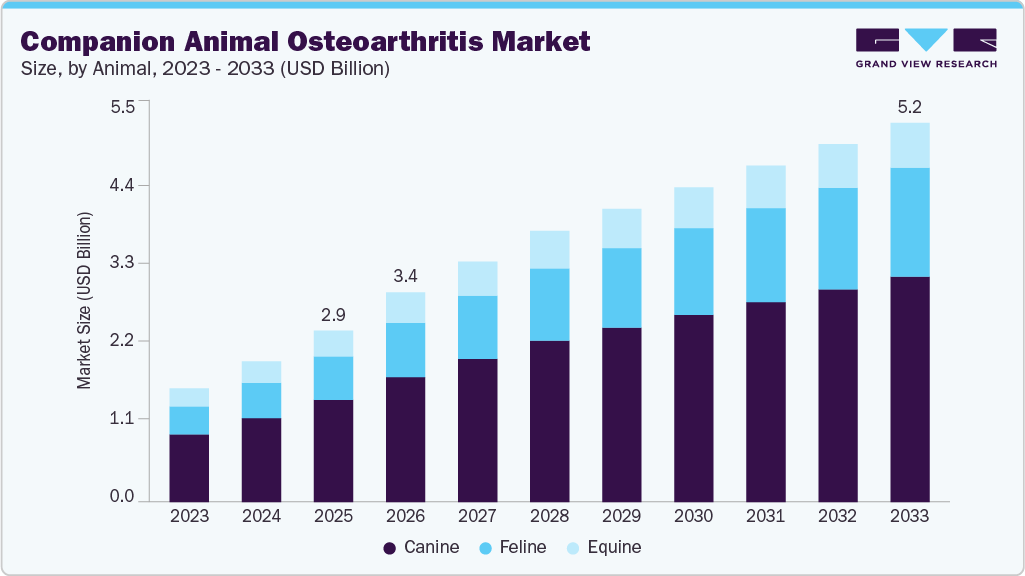
The global companion animal osteoarthritis market size was valued at USD 2.9 billion in 2025 and is projected to grow from USD 3.4 billion in 2026 to USD 5.2 billion by 2033, at a CAGR of 6.5% from 2026 to 2033. The market in North America dominated with a revenue share of 40.0% in 2025. The key market growth drivers include advancements in pet treatment, the increasing humanization of pets & expenditure on pets, support programs & initiatives, and changing pet demographics globally.
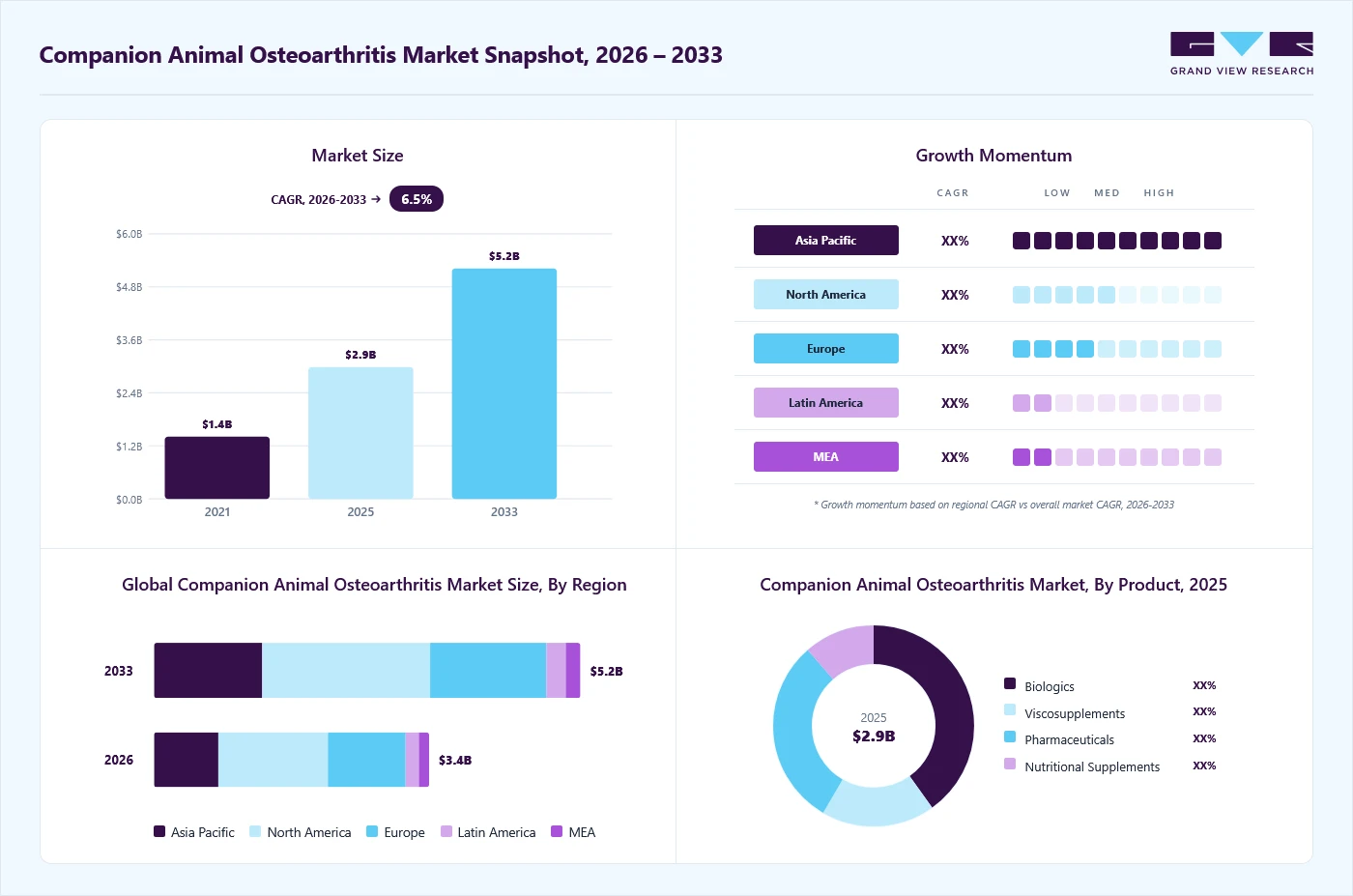 Source: Grand View Research, IR Documents, Primary Interviews, Paid DatabasesTo learn more about this report,
 Download Free Sample Report
 Key Market Trends & Insights
- By animal: Canine segment held the largest market share of 59.5% in 2025.
- By product: Biologics segment held the largest market share of 40.1% in 2025.
- By route of administration: Oral segment held the largest market share of 59.0% in 2025.
- By distribution channel: Veterinary hospitals/clinics segment held the largest market share in 2025.
Regional Highlights
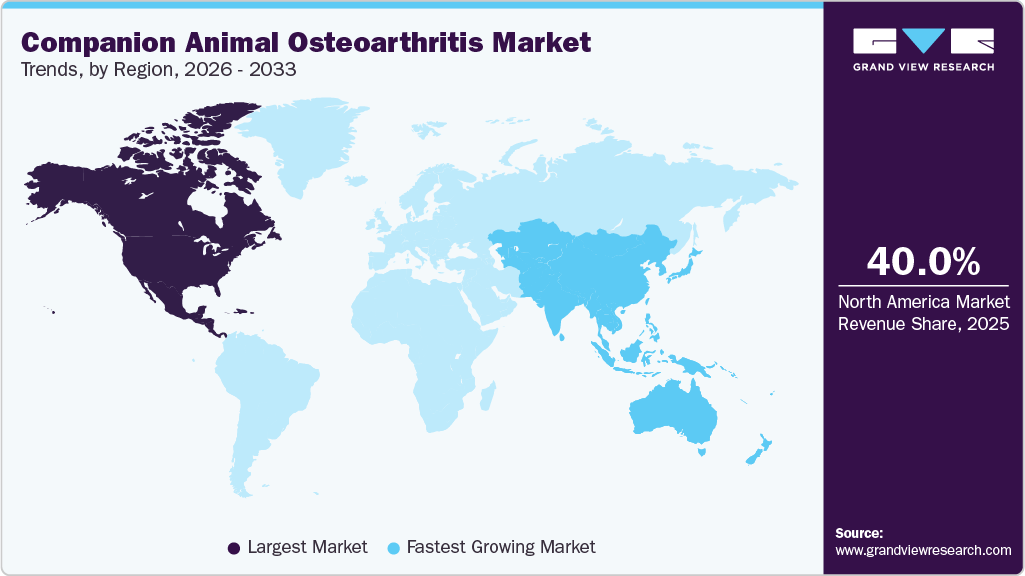
- Largest regional market: North America (40.0% revenue share, 2025)
- Fastest-growing regional market: Asia Pacific (highest CAGR, 2026-2033)
- By country: The U.S. held the largest market share in 2025
Market Size & Forecast
- Market size in 2025: USD 2.9 Billion
- Estimated market size in 2026: USD 3.4 Billion
- Projected market size by 2033: USD 5.2 Billion
- CAGR (2026-2033): 6.5%
Three ways to get this report
Buy it, customize it, or ask a question.Ask an Analyst
Analyst response in 1 business day
- AccessReport author, directly
- Reply timeWithin 1 working day
- No sales callDirect answer only
- FormatEmail reply
- CostFree, no cost
Get the Full Report
What the study covers
- FormatsPDF · Excel · Dashboard
- Timeline2026–2033 annual, 2025 base
- Coverage20+ countries, 5 regions
- Companies10+ key players profiled
Customize the Report
20% free customization
- IncludeCountries, segments, points
- TailorTo your product definition
- ExtendDeeper competitor detail
- OrA fully bespoke study
- Turnaround5–10 working days
Advancements in osteoarthritis (OA) treatment for companion animals (CA) are transforming the landscape of veterinary care. With ongoing advancements in veterinary medicine, new therapies and treatment methods for osteoarthritis are becoming increasingly targeted and effective, thereby enhancing the overall management of the condition and improving the quality of life for affected pets.The development of more effective medications, biologics, and non-pharmaceutical interventions is playing a significant role in this evolution. For example, in recent years, there has been a growing interest in regenerative medicine, including stem cell therapy and platelet-rich plasma (PRP), which have shown promising results in reducing inflammation and promoting healing in joints affected by osteoarthritis. These treatments have become increasingly accessible in veterinary practices, providing pet owners with more options for effective solutions for their pets. According to the American Veterinary Medical Association (AVMA) article in February 2024, advancements in regenerative medicine have significantly improved the treatment of joint conditions like osteoarthritis, helping pets manage pain and improve mobility. Additionally, the rise in precision medicine-where treatments are tailored to the specific needs of individual pets is helping optimize osteoarthritis management.
 To learn more about this report, Download Free Sample Report
 This approach enables more accurate diagnoses and the administration of therapies that specifically target the underlying causes of osteoarthritis, rather than merely alleviating symptoms. As the veterinary industry continues to evolve toward more specialized and individualized care, these advancements will likely continue to improve outcomes for pets with osteoarthritis. The U.S. Food and Drug Administration (FDA) approved Librela (bedinvetmab) for the control of pain associated with osteoarthritis in dogs on May 5, 2023. This approval marked a significant advancement in veterinary pain management, as Librela became the first and only once-monthly, anti-nerve growth factor (NGF) monoclonal antibody treatment for canine osteoarthritis pain in the United States. Furthermore, the approval of innovative veterinary drugs and treatment modalities plays a crucial role in advancing the osteoarthritis care for companion animals. Similar to the trend in other segments of animal health, regulatory bodies such as the U.S. FDA are approving more treatments aimed at improving joint health
The growing focus on innovation in the treatment of osteoarthritis, supported by rising veterinary care expenditures and increasing pet health awareness, is driving demand for advanced solutions. Pet owners are increasingly willing to invest in advanced treatments that enhance their pets' quality of life, driving greater market growth in osteoarthritis care. A survey by Talker Research for MetLife found that in 2024, the average pet parent spent USD 2,085.60 on their pets. Despite rising inflation, 36% of respondents anticipated spending even more in 2025, indicating a growing willingness to invest in pet health.
These ongoing advancements, combined with the growing adoption of pet insurance and increasing focus on animal health, are expected to further fuel demand for innovative osteoarthritis treatments. As the field of veterinary health evolves and new technologies emerge, the ability to better manage osteoarthritis in companion animals will continue to improve, driving further expansion of this specialized market.
Common Trigger Factors for Osteoarthritis:
Canine:
Factor
Description
Excessive Activity
High-impact exercise (such as jumping, running, or vigorous play) stresses joints and may lead to inflammation.
Cold Weather
Cold temperatures increase joint stiffness and discomfort in arthritic dogs.
Obesity & Poor Diet
Excess body weight strains joints; unbalanced nutrition exacerbates OA symptoms.
Injury & Trauma
Muscle strains or ligament tears can worsen existing osteoarthritis flare-ups.
Age & Genetics
Older age and a genetic predisposition increase the risk and frequency of flare-ups.
Feline:
Factor
Description
Obesity & Weight
Excess weight strains joints and increases OA risk
Age & Joint Conformation
Aging cats experience microscopic joint changes; poor conformation (e.g., hip/elbow dysplasia) predisposes them.
Injury & Ligament Damage
Past trauma, such as fractures or ACL tears, may initiate or worsen OA.
Cold & Rainy Weather
Low temperatures and humidity exacerbate stiffness and discomfort.
Reduced Mobility Behaviors
Subtle signs, such as "false starts" before jumping and bunny-hopping on stairs, indicate flare-ups.
Equine:
Factor
Description
Repetitive Trauma & Overuse
High-speed training and competitive work stress can lead to joint issues over time.
Acute Injury or Fracture
Single joint trauma or septic arthritis can trigger ongoing OA.
Poor Conformation & Hoof Imbalance
Unsuitable build and incorrect hoof trimming strain joints
Obesity & Stall Rest
Weight gain and inactivity (stall confinement) reduce joint lubrication and increase stiffness.
Weather & Ground Conditions
Hard or uneven footing, as well as cold weather, contribute to joint stress and flare-ups.
Market Concentration & Characteristics
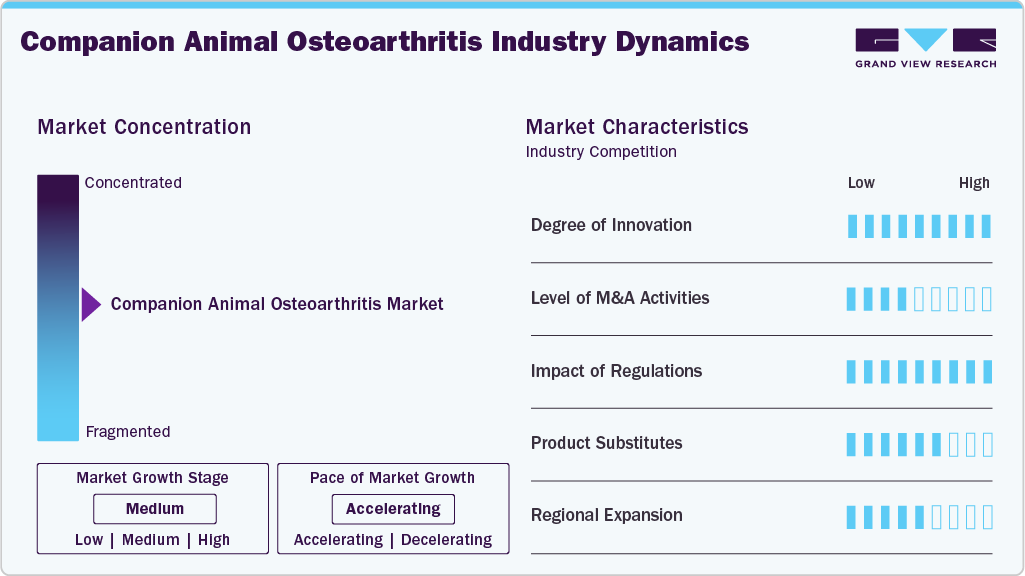
The companion animal osteoarthritis market shows moderate to high concentration. Zoetis holds the lead with monoclonal antibody therapies, such as Librela and Solensia, which set the pace in injectables. Elanco and Boehringer hold strong positions in NSAIDs through long-running brands. Vetoquinol and Dechra add depth in the tier below with supplements built on glucosamine and omega-3 fatty acids. This mix forms a field where a few companies hold a large share and shape product focus through new launches, partnerships, and a wider reach, projected to continue through 2033.
This industry continues to demonstrate targeted innovation, particularly in pain management and the treatment of chronic diseases in companion animals. Rather than broad-spectrum developments, companies are focusing on novel, specialized modalities for conditions like osteoarthritis. For instance, in July 2025, Exubrion Therapeutics launched a groundbreaking radioisotope injection (tin-117m) for canine osteoarthritis, which offers targeted anti-inflammatory effects by selectively turning off overactive macrophages within joints-delivering sustained pain relief with a single intra-articular injection. This approach exemplifies a shift toward minimally invasive, long-acting solutions beyond conventional NSAIDs or monoclonal antibodies.
 To learn more about this report, Download Free Sample Report
 The companion animal osteoarthritis industry is witnessing moderate merger and acquisition (M&A) activity, driven by leading players and the rise of specialist companies dedicated to innovative pain and joint care solutions. These specialized firms are actively developing and launching targeted therapies while pursuing strategic acquisitions to expand capabilities. For instance, in February 2025, Vetirus Pharmaceuticals acquired Enso Discoveries, LLC under the headline "Vetirus Acquires Enso Discoveries to Expand Regenerative Med." Enso, founded in 2014 and based in Manhattan, Kansas, is known for Rebound PRP, Rebound PRF, and histopathology lab services.
Regulations have a significant and growing impact on the companion animal osteoarthritis market, particularly with the emergence of advanced therapies such as monoclonal antibodies. Recent concerns surrounding products such as Librela (Beransa in Australia) have triggered heightened regulatory scrutiny, with an increase in reports of adverse events prompting public backlash and calls for bans. Agencies such as the U.S. FDA and Australia’s APVMA are responding with intensified pharmacovigilance and risk assessments, which may lead to updated usage guidelines, warning labels, or prescribing limitations. These regulatory responses aim to ensure safety while maintaining access to innovative therapies, creating a more cautious and compliance-heavy landscape for manufacturers and veterinarians alike.
Major players, including Zoetis; Boehringer Ingelheim; Dechra Pharmaceuticals plc; and Merck & Co., Inc. lead the CA OA market. However, the use of alternative therapies is rising rapidly, particularly regional and non-pharmaceutical options, due to factors like cost sensitivity and growing owner preference for natural solutions. For instance, products incorporating cannabidiol (CBD) are gaining traction as substitutes or complements to conventional OA treatments. Fusion CBD Products, for example, recently launched a new line of CBD-based pet formulations aimed at addressing chronic pain and mobility issues, reflecting the growing interest in plant-based and wellness-focused alternatives in the CA OA space.
The market is benefiting from notable regional expansion, as companies look to broaden their geographic reach through strategic deals. A compelling example comes from the Indian market: in July 2025, Fredun Pharmaceuticals formally entered the pet-care sector by acquiring a controlling stake in One Pet Stop-a fast-growing, tech-enabled mobile grooming and pet health services provider with over 4,000 loyal customers in urban centers, such as Mumbai’s MMRDA region. This acquisition enables Fredun to combine its manufacturing and distribution strengths with on-the-ground service delivery, facilitating the introduction of novel osteoarthritis treatments and supportive-care products directly to pet owners across India.
Product Insights
The biologics segment, comprising monoclonal antibodies (mAbs), stem cells, and platelet-rich plasma (PRP), dominates the companion animal osteoarthritis market, accounting for a 40.1% revenue share in 2025, and is expected to grow at the fastest CAGR over the forecast period. This can be attributed to the increasing demand for targeted and long-lasting solutions. Traditional treatments such as NSAIDs and corticosteroids often provide only temporary relief and pose safety concerns, especially in aging pets. In contrast, biologics offer disease-modifying potential by directly addressing the root causes of joint degeneration, such as chronic inflammation and tissue breakdown. Pet owners are increasingly turning to these options for safer and more effective pain management, as well as functional improvement, in dogs, cats, and horses. The wider availability of these therapies in veterinary clinics has helped facilitate their adoption and positioned biologics as a frontline alternative. This trend reflects the broader shift toward precision medicine and regenerative care in veterinary practices.
The pharmaceuticals segment is expected to be the largest and the second-fastest growing segment, due to its established role in providing rapid and effective symptom management. NSAIDs remain the frontline treatment for reducing inflammation and pain in dogs, cats, and horses suffering from osteoarthritis. These drugs are widely available, cost-effective, and backed by decades of clinical use, making them a reliable option for both acute flare-ups and chronic management. Veterinary formulations tailored for species-specific safety profiles, such as carprofen for dogs or meloxicam for cats, have further enhanced their appeal. As a result, veterinarians routinely prescribe pharmaceuticals as the first step in osteoarthritis management. The immediate relief these drugs offer helps improve mobility and comfort, which is crucial for maintaining quality of life in aging pets.
Animal Insights
The canine segment dominated the companion animal osteoarthritis industry, with a revenue share of 59.5% in 2025, due to the high prevalence of osteoarthritis among dogs, particularly in older and larger-breed populations. As dogs enjoy longer lifespans due to advancements in veterinary care, degenerative joint conditions such as osteoarthritis are increasingly diagnosed. Obesity in pet dogs remains a major contributing factor, amplifying the demand for chronic pain relief and long-term joint support therapies. Additionally, high-energy breeds experience greater mechanical stress on joints, leading to the early onset of cartilage degradation.
The feline segment is expected to grow at the fastest CAGR over the forecast period, due to increasing recognition of osteoarthritis in aging cats. Historically underdiagnosed, feline osteoarthritis is now being more accurately detected through the use of improved diagnostic techniques and enhanced owner education. As cats are naturally inclined to mask discomfort, subtle behavioral changes such as reduced jumping, altered grooming, and shifts in temperament are now more closely monitored by veterinarians and caregivers.
Route Of Administration Insights
The oral segment dominated the companion animal osteoarthritis market, with a share of around 59.0% in 2025. This can be attributed to its convenience, ease of administration, and widespread acceptance among pet owners. Oral formulations, such as tablets, soft chews, powders, and liquids, allow for daily dosing without the stress or discomfort associated with injections or clinic visits. This is particularly valuable for long-term osteoarthritis management, where consistent treatment adherence is critical for controlling pain and slowing disease progression. Pet owners prefer oral products because they can be easily mixed with food or offered as treats, enhancing compliance, especially in older or anxious animals. Manufacturers have responded by developing highly palatable formulations that encourage regular intake. As a result, oral delivery has become the preferred route for both pharmaceutical and nutritional joint health products.
The injectable segment, including intra-articular, intramuscular, and subcutaneous formulations, is expected to grow at the fastest CAGR of 8.37% over the forecast period due to its ability to provide fast-acting, localized relief, especially in moderate to severe cases. Injectable such as corticosteroids, hyaluronic acid (HA), platelet-rich plasma (PRP), and stem cells offer targeted delivery that reduces systemic side effects and enhances therapeutic efficacy. Veterinarians often rely on this approach for large breeds and performance animals requiring immediate symptom control. Notably, monoclonal antibody-based therapies Zoetis’ Librela for dogs and Solensia for cats are gaining traction for monthly pain relief without the gastrointestinal or renal risks associated with NSAIDs. These solutions are increasingly utilized in multimodal management plans to deliver sustained improvements in mobility.
Distribution Channel Insights
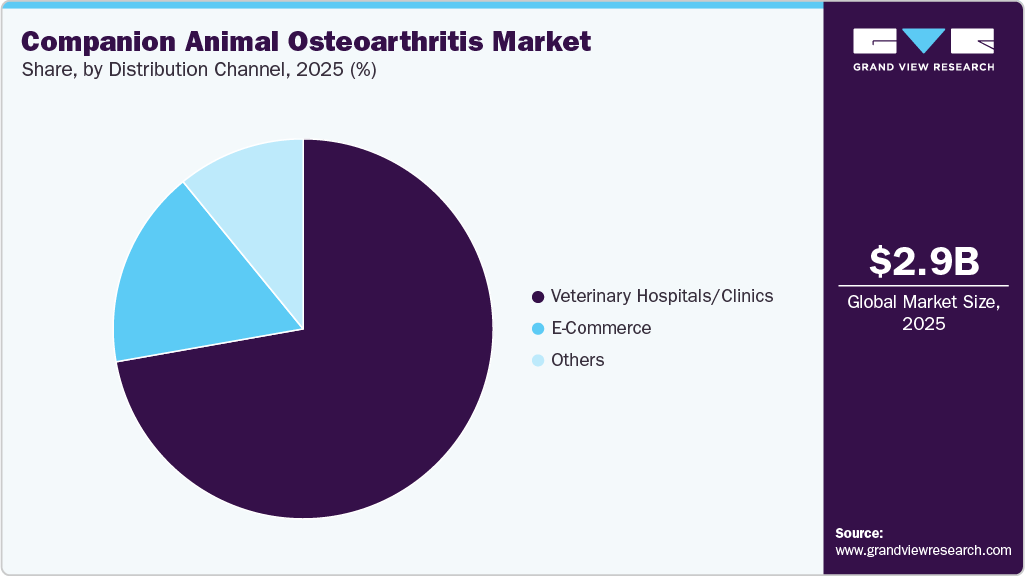
The veterinary hospitals/clinics segment dominates the companion animal osteoarthritis industry in 2025, due to the rising prevalence of joint-related conditions among aging pets. As dogs and cats live longer, the incidence of osteoarthritis is increasing, prompting more pet owners to seek professional veterinary care. Veterinary hospitals and clinics are equipped with advanced diagnostic tools, including radiography, CT scans, and gait analysis systems, which help detect early-stage osteoarthritis and tailor treatment plans. These facilities offer comprehensive services, including physical exams, imaging, pharmacological therapies, and follow-up care. The growing number of specialized veterinary orthopedic and pain management clinics has further supported segment growth. For instance, BluePearl Pet Hospital in the U.S. has recently expanded its pain management and rehabilitation services to cater to the increasing number of osteoarthritis cases in geriatric pets.
 To learn more about this report, Download Free Sample Report
 The e-commerce segment is expected to grow at the fastest CAGR over the forecast period, largely due to the increasing demand for convenient and time-efficient care options. Pet owners are turning to digital channels to manage chronic conditions such as osteoarthritis, which require long-term and consistent treatment. One of the most significant contributors to this trend is the emergence of subscription-based models, which offer hassle-free, scheduled deliveries of essential therapies. Products such as glucosamine, chondroitin, and omega-3 supplements are frequently ordered through these platforms, ensuring pets never miss a dose. This convenience factor appeals strongly to pet parents who manage busy lifestyles or live in remote areas. Consequently, e-commerce is evolving into a primary distribution channel for routine osteoarthritis care.
Regional Insights
North America's companion animal osteoarthritis market held around 40.0% of the global revenue share in 2025. The North America companion animal osteoarthritis market is significantly influenced by increasing pet ownership, a strong human-animal bond, and the growing emphasis on preventive healthcare. The prevalence of osteoarthritis among companion animals, particularly dogs, is increasing in tandem with the rise in pet ownership. Additionally, the North America market benefits from a strong healthcare infrastructure and favorable pet insurance policies. The regulatory environment also plays a critical role in shaping the market. In North America, government bodies such as the FDA and the Canadian Food Inspection Agency (CFIA) have facilitated the approval of new treatments, ensuring that safety standards are met while promoting innovation. These regulatory activities, along with ongoing research into new therapies, are expected to continue driving the market growth.
 To learn more about this report, Download Free Sample Report
 U.S. Companion Animal Osteoarthritis Market Trends
The U.S. companion animal osteoarthritis industry is witnessing significant growth, driven by the country’s increasing pet ownership and growing awareness about pet health and wellness. As the prevalence of osteoarthritis continues to rise, particularly among older pets, the U.S. market is seeing an increasing adoption of innovative therapies. Regenerative treatments, including stem cell therapy and platelet-rich plasma (PRP) therapy, are becoming more common in the U.S. These therapies use the pet’s own cells to help repair damaged cartilage and reduce inflammation. The U.S. also leads the market with the approval of cutting-edge drugs aimed at managing osteoarthritis in pets. While it has faced some safety concerns, such as muscle weakness and seizures, the approval of these biologic therapies represents a shift toward more targeted and precise treatments for osteoarthritis, marking a significant advancement in the field.
Europe Companion Animal Osteoarthritis Market Trends
The companion animal osteoarthritis industry in Europe is expected to experience consistent growth over the forecast period due to the increasing number of cats and dogs as pets and rising pet care expenditure. In addition, the approval of veterinary drugs by the European Medicines Agency (EMA) plays a crucial role in driving the regional market growth. With regulatory support facilitating the approval of new therapies, growing awareness of preventive care, and the increasing role of pet insurance, the market is expanding rapidly.
Germany’s companion animal osteoarthritis market is shaped by strong demand for natural and regenerative therapies, including stem cells and PRP, reflecting a preference for integrative care. Furthermore, Germany's strong regulatory framework has enabled Zoetis, a global animal health company, to develop Librela (bedinvetmab), a monoclonal antibody targeting nerve growth factor (NGF), to alleviate pain associated with osteoarthritis in dogs. This treatment has been approved for use in the European Union and has been available in Germany since 2021. This approval has opened up new opportunities for veterinarians to offer targeted biologic treatments, providing more effective options for pain management and inflammation control. The country’s regulatory environment is helping to foster innovation in the veterinary sector, giving pet owners access to more advanced treatments.
The companion animal osteoarthritis market in France is experiencing strong growth, driven by several factors, including the increasing pet population, higher owner spending on pet health, and the growing prevalence of chronic diseases like osteoarthritis. Technological innovation in veterinary treatments has further strengthened the market, with regenerative therapies, for example, being utilized in France. Veterinary clinics are employing stem cell therapy to treat canine osteoarthritis. The market is further supported by strong veterinary infrastructure and governmental backing. France’s regulatory environment, overseen by ANSES (the French Agency for Food, Environmental and Occupational Health & Safety), ensures that the veterinary medicines approved for use are both safe and effective.
Asia Pacific Companion Animal Osteoarthritis Market Trends
The companion animal osteoarthritis industry in the Asia Pacific is undergoing transformation, driven by increasing awareness among pet owners and evolving veterinary practices. The region is witnessing a steady rise in the diagnosed prevalence of osteoarthritis in both dogs and cats, with clinical observations indicating earlier onset and broader detection across urban veterinary clinics. Veterinary associations and welfare organizations are promoting the shift toward proactive musculoskeletal assessments in countries such as India, Japan, and South Korea, where osteoarthritis is increasingly being managed as a chronic condition rather than an inevitable consequence of aging.
The companion animal osteoarthritis market in China is experiencing steady development, supported by an expanding pet population, greater diagnostic engagement, and a gradual evolution in clinical practice. Urban veterinary clinics in cities like Shanghai, Guangzhou, and Chengdu are reporting an increase in the identification of chronic orthopedic conditions, such as osteoarthritis, particularly among aging and overweight dogs and cats. These trends are directly tied to the growing longevity of pets, more frequent preventive check-ups, and increased owner willingness to pursue long-term mobility care. Osteoarthritis has emerged as one of the most commonly addressed chronic conditions in these clinical settings.
The India companion animal osteoarthritis market is evolving rapidly, driven by an increasing number of pets, greater awareness of chronic health conditions, and expanding veterinary infrastructure. Furthermore, the growing availability of pet insurance is significantly influencing the market. As more pet owners opt for long-term health coverage, there is an increase in demand for advanced treatments for chronic conditions like OA. As pet insurance adoption grew, many claims were related to the long-term management of chronic conditions, such as osteoarthritis.
Latin America Companion Animal Osteoarthritis Market Trends
The Latin America companion animal osteoarthritis industry is experiencing steady growth, largely driven by socio-economic and healthcare-related factors. A significant driver of this growth is the increasing pet ownership across urban centers, particularly in Brazil and Argentina. The expansion of veterinary infrastructure plays a critical role in addressing the growing demand for pet healthcare services in the region. Countries like Brazil have seen a notable increase in veterinary clinics, pet hospitals, and specialized pet pharmacies. The Federal Council of Veterinary Medicine (CFMV) reports that Brazil has a substantial number of registered veterinary professionals.
Brazil's companion animal osteoarthritis market is expanding rapidly, driven by increasing awareness about pet health. Brazil is home to the largest pet population in Latin America, with an estimated 149 million pets, according to a 2023 survey by the Brazilian Institute of Geography and Statistics (IBGE). The Brazilian veterinary market has seen significant advancements in treatment options for OA, particularly with the growing adoption of regenerative therapies like stem cell therapy and platelet-rich plasma (PRP) injections. The adoption of these advanced therapies is also supported by a strong network of veterinary professionals in Brazil, with over 150,000 registered veterinarians, as reported by the Federal Council of Veterinary Medicine.
Middle East & Africa Companion Animal Osteoarthritis Market Trends
The pet care market in the Middle East and Africa (MEA) is rapidly expanding. In the Gulf Cooperation Council (GCC) countries, such as the UAE and Saudi Arabia, urbanization is playing a significant role in the rise of pet ownership, reflecting a broader shift in which pets are increasingly viewed as family members. In these regions, pets, especially dogs, are highly valued, and there’s a growing demand for premium pet products and veterinary services. One notable trend in the region is the growing emphasis on veterinary care, particularly for chronic conditions such as osteoarthritis (OA). With pets being treated as family members, there's a growing demand for preventive care, such as regular veterinary check-ups, vaccinations, and joint health supplements. This is particularly evident in countries like Saudi Arabia, where pet owners are investing significantly in the well-being of their pets.
Saudi Arabia's companion animal osteoarthritis market has been witnessing steady growth, largely driven by shifting social attitudes towards pet ownership and increasing investment in pet healthcare. In addition, Saudi Arabia’s expanding pet-friendly policies and growing number of dedicated animal healthcare facilities have further bolstered the market. The cultural shift toward pet companionship is especially pronounced among younger generations. This demographic is likely to continue driving demand for advanced veterinary care, including for osteoarthritis treatments.
Key Companion Animal Osteoarthritis Company Insights
The companion animal osteoarthritis (CA OA) market represents a dynamic and rapidly evolving ecosystem that also influences growth in the pet insurance industry. With targeted innovation in pain management-such as radioisotope injections and monoclonal antibody treatment costs are rising, prompting more pet owners to seek insurance coverage to manage chronic conditions affordably. As regulatory scrutiny increases and new therapies enter the market, insurance providers are adapting their policies to include advanced treatments such as stem cell therapy and CBD-based products. Simultaneously, regional expansion and growing demand for wellness-focused alternatives are broadening the scope of services pet insurers must consider. This evolving landscape is making pet insurance not just a luxury but a necessity for long-term care, especially for aging pets prone to osteoarthritis.
Key Companion Animal Osteoarthritis Companies:
The following are the leading companies in the companion animal osteoarthritis market. These companies collectively hold the largest market share and dictate industry trends.
- Zoetis Inc.
- Boehringer Ingelheim
- Elanco Animal Health
- American Regent, Inc.
- Merck Animal Health (Merck & Co. Inc)
- Vetoquinol S.A.
- Ceva Sante Animale
- Virbac
- Biogenesis Bago
- Ardent Animal Health, LLC
- PetVivo Holdings, Inc. (Spryng)
- VetStem, Inc.
- Enso Discoveries
- Contura Vet US
- T-Cyte Therapeutics
- MEDREGO LLC
Recent Developments
-
In July 2025, Fredun Pharmaceuticals entered India’s pet care market through the acquisition of a majority stake in One Pet Stop, a tech‑based grooming and health‑management service with over 4,000 customers across Mumbai’s urban region. By integrating One Pet Stop’s doorstep services with its Freossi pet healthcare brand and distribution network, Fredun aims to expand its reach and introduce advanced pet wellness solutions across key Indian cities.
-
In March 2025, Vetbiolix, Can‑Fite’s veterinary partner, initiated an advanced clinical trial of their oral A3 adenosine receptor agonist, Piclidenoson, in dogs with osteoarthritis-building on earlier positive efficacy and safety results.
Companion Animal Osteoarthritis Market Report Scope
Report Attribute
Details
Market size in 2025
USD 2.9 billion
Estimated Market size value in 2026
USD 3.4 billion
Projected Market size by 2033
USD 5.2 billion
Growth rate
CAGR of 6.5% from 2026 to 2033
Historical period
2021 - 2024
Actual data
2025
Forecast period
2026 - 2033
Quantitative units
Revenue in USD million/billion and CAGR from 2026 to 2033
Report coverage
Revenue forecast, company ranking, competitive landscape, growth factors, and trends
Segments covered
Product, animal, route of administration, distribution channel, & region
Regional scope
North America; Europe; Asia Pacific; Latin America; MEA
Country scope
U.S.; Canada; Mexico; UK; Germany; France; Italy; Spain; Denmark; Sweden; Norway; Japan; China; India; Australia; South Korea; Thailand; Brazil; Argentina; South Africa; Saudi Arabia; UAE; Kuwait
Key companies profiled
Zoetis Inc.; Boehringer Ingelheim; Elanco Animal Health; American Regent, Inc.; Merck Animal Health (Merck & Co. Inc); Vetoquinol S.A.; Ceva Sante Animale; Virbac; Biogenesis Bago; Ardent Animal Health, LLC; PetVivo Holdings, Inc. (Spryng); VetStem, Inc.; Enso Discoveries; Contura Vet US; T-Cyte Therapeutics; MEDREGO LLC
Customization scope
Free report customization (equivalent up to 8 analysts working days) with purchase. Addition or alteration to country, regional & segment scope.
Pricing and purchase options
Avail customized purchase options to meet your exact research needs. Explore purchase options
Global Companion Animal Osteoarthritis Market Report Segmentation
This report forecasts revenue growth at the global, regional, and country levels and provides an analysis of the latest industry trends in each of the sub-segments from 2021 to 2033. For this study, Grand View Research has segmented the companion animal osteoarthritis market report based on product, animal, route of administration, distribution channel, and region:
-
Product Outlook (Revenue, USD Million, 2021 - 2033)
-
Biologics
-
Stem Cells
-
Platelet-Rich Plasma (PRP)
-
Monoclonal Antibodies (mAb)
-
Other Biologics
-
-
Viscosupplements
-
Pharmaceuticals
-
Steroids
-
NSAIDS
-
Others
-
-
Nutritional Supplements
-
Chondroitin
-
Glucosamine
-
Methylsulfonylmethane (MSM)
-
Hyaluronic Acid (HA)
-
Omega-3 Fatty Acids
-
Others
-
-
-
Animal Outlook (Revenue, USD Million, 2021 - 2033)
-
Canine
-
Equine
-
Feline
-
-
Route of Administration Outlook (Revenue, USD Million, 2021 - 2033)
-
Oral
-
Injectable
-
Intra-muscular
-
Intra-articular
-
Other Injectable
-
-
Others
-
-
Distribution Channel Outlook (Revenue, USD Million, 2021 - 2033)
-
Veterinary Hospitals/Clinics
-
E-commerce
-
Others
-
-
Regional Outlook (Revenue, USD Million, 2021 - 2033)
-
North America
-
U.S.
-
Canada
-
Mexico
-
-
Europe
-
UK
-
Germany
-
France
-
Italy
-
Spain
-
Denmark
-
Sweden
-
Norway
-
-
Asia Pacific
-
Japan
-
India
-
China
-
South Korea
-
Australia
-
Thailand
-
-
Latin America
-
Brazil
-
Argentina
-
-
Middle East and Africa (MEA)
-
South Africa
-
Saudi Arabia
-
UAE
-
Kuwait
-
-
Frequently Asked Questions About This Report
Oral held the largest share in 2025 and injectable is the fastest-growing market.
Canine segment led with a 59.5% revenue share in 2025, while the feline is the fastest-growing segment.
North America dominated with a 40.0% revenue share in 2025.
The global companion animal osteoarthritis market is expected to grow at a compound annual growth rate of 6.5% from 2026 to 2033 to reach USD 5.2 billion by 2033.
The biologics segment, comprising monoclonal antibodies (mAbs), stem cells, and platelet-rich plasma (PRP), is dominating the market with a share of 40.1% in 2025 and is expected to grow at the fastest rate over the forecast period.
The global companion animal osteoarthritis market size was estimated at USD 2.9 billion in 2025 and is expected to reach USD 3.4 billion in 2026.
Some key players operating in the companion animal (CA) osteoarthritis (OA) market include Zoetis Inc., Boehringer Ingelheim, Elanco Animal Health, American Regent, Inc., Merck Animal Health (Merck & Co. Inc), Vetoquinol S.A., Ceva Sante Animale, Virbac, Biogenesis Bago, Ardent Animal Health, LLC, PetVivo Holdings, Inc. (Spryng), VetStem, Inc., Enso Discoveries, Contura Vet US, T-Cyte Therapeutics, and MEDREGO LLC.
Key factors that are driving the market growth include advancements in treatment for pets, increasing humanization of pets & expenditure on pets, support programs & initiatives, changing pet demographics globally.
About the Author(s)
Animal Health Research Team
Healthcare · Animal HealthThis report was authored by the animal health research team at Grand View Research - comprising two research analysts, one senior research analyst, and one industry expert - with specialized expertise in the animal health segment of the healthcare industry. All findings are based on proprietary healthcare databases, executive interviews, and regulatory analysis, subject to internal peer review prior to publication.
Last Updated:
Speak to Analyst

Customize this report to your needs - add regions, segments, or data points, with 20% free customization.
Or view our licence options:


ISO 9001:2015 & 27001:2022 Certified
We are GDPR and CCPA compliant! Your transaction & personal information is safe and secure. For more details, please read our privacy policy.


