
- Home
- »
- Animal Health
- »
-
Companion Animal PoC Blood Testing Market Report, 2033GVR Report cover

Companion Animal PoC Blood Testing Market (2026 - 2033)
Size, Share & Trends Analysis Report By Product (Instruments, Consumables & Reagents), By Testing Category, By Animal (Dogs, Cats, Horses), By End Use, By Region, And Segment Forecasts
Market Size, 2025
$1.0BMarket Estimate, 2026
$1.1BMarket Forecast, 2033
$2.2BCAGR, 2026–2033
9.5%Companion Animal PoC Blood Testing Market Summary
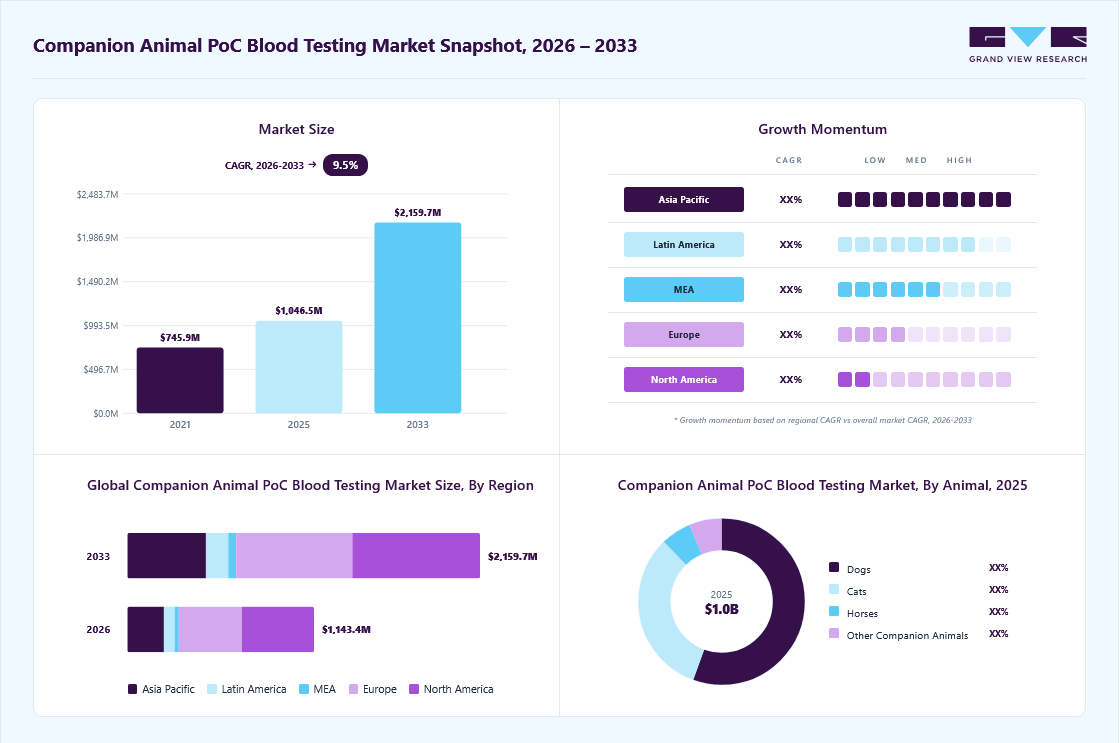
The global companion animal point of care blood testing market size was valued at USD 1.0 billion in 2025 and is projected to grow from USD 1.1 billion in 2026 to USD 2.2 billion by 2033, at a CAGR of 9.5% from 2026 to 2033. The North America market held the largest revenue share of 38.9% in 2025. The market is driven by rising companion animal ownership, increasing pet healthcare expenditure, and growing demand for rapid, accurate point of care diagnostics.
 Source: Grand View Research, IR Documents, Primary Interviews, Paid DatabasesTo learn more about this report,
 Download Free Sample Report
Key Market Trends & Insights
- By product: Consumables & reagents segment held the largest market share of 64.5% in 2025.
- By animal: Dogs segment held the largest market share of 55.1% in 2025.
- By testing category: Clinical chemistry/biochemistry testing segment held the largest market share of 72.7% in 2025.
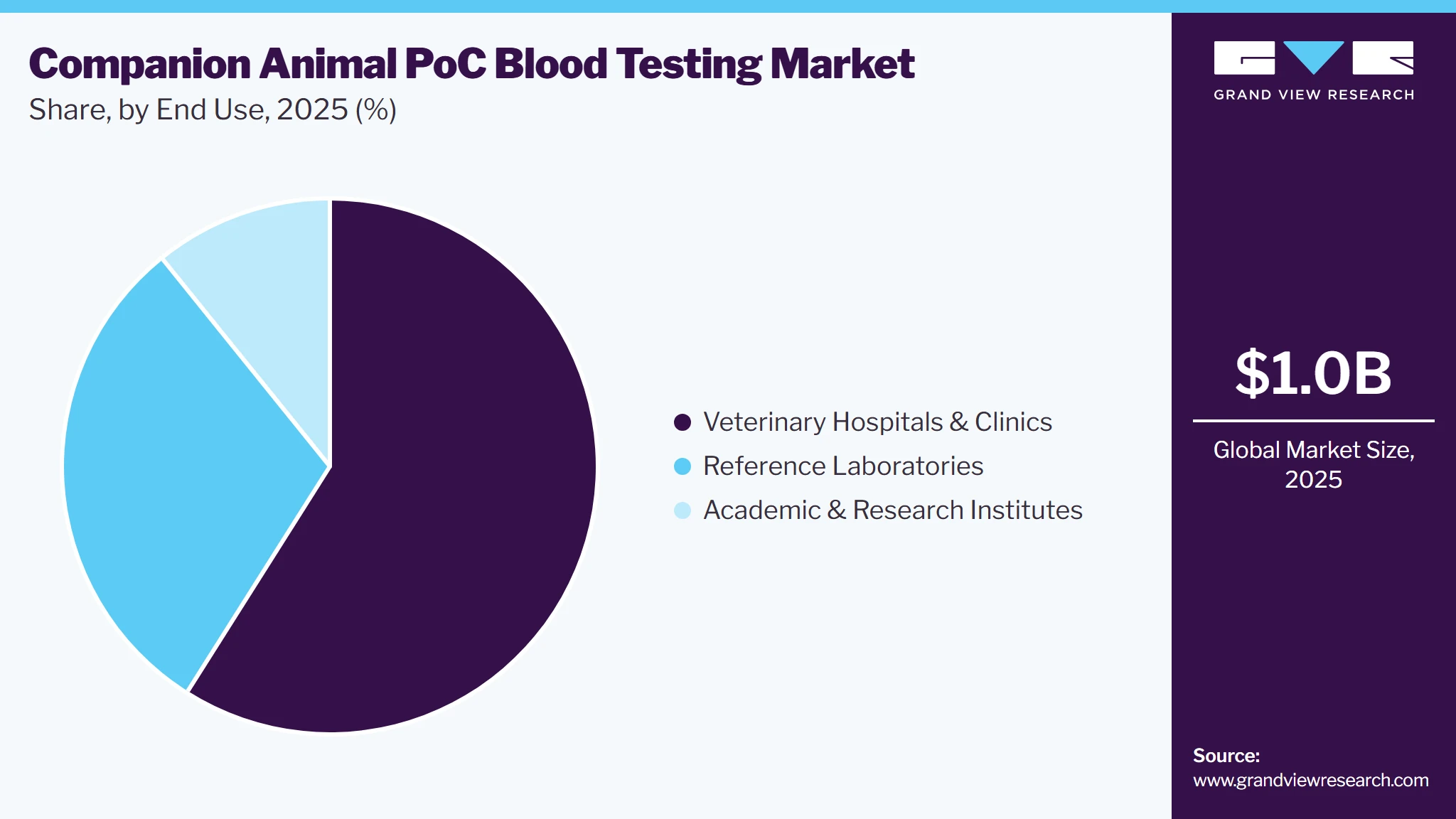
- By end use: Veterinary hospitals & clinics segment held the largest market share of 58.6% in 2025.
Regional Highlights
- Largest regional market: North America (38.9% revenue share, 2025)
- Fastest-growing regional market: Asia Pacific (highest CAGR, 2026-2033)
- By country: The U.S. held the largest market share in 2025
Market Size & Forecast
- Market size in 2025: USD 1.0 Billion
- Estimated market size in 2026: USD 1.1 Billion
- Projected market size by 2033: USD 2.2 Billion
- CAGR (2026-2033): 9.5%
Prism AI by Grand View Research Free to tryAsk a question about the companion animal PoC blood testing marketTry asking✓Every figure cited from GVR research Prefer the report? Download free sample →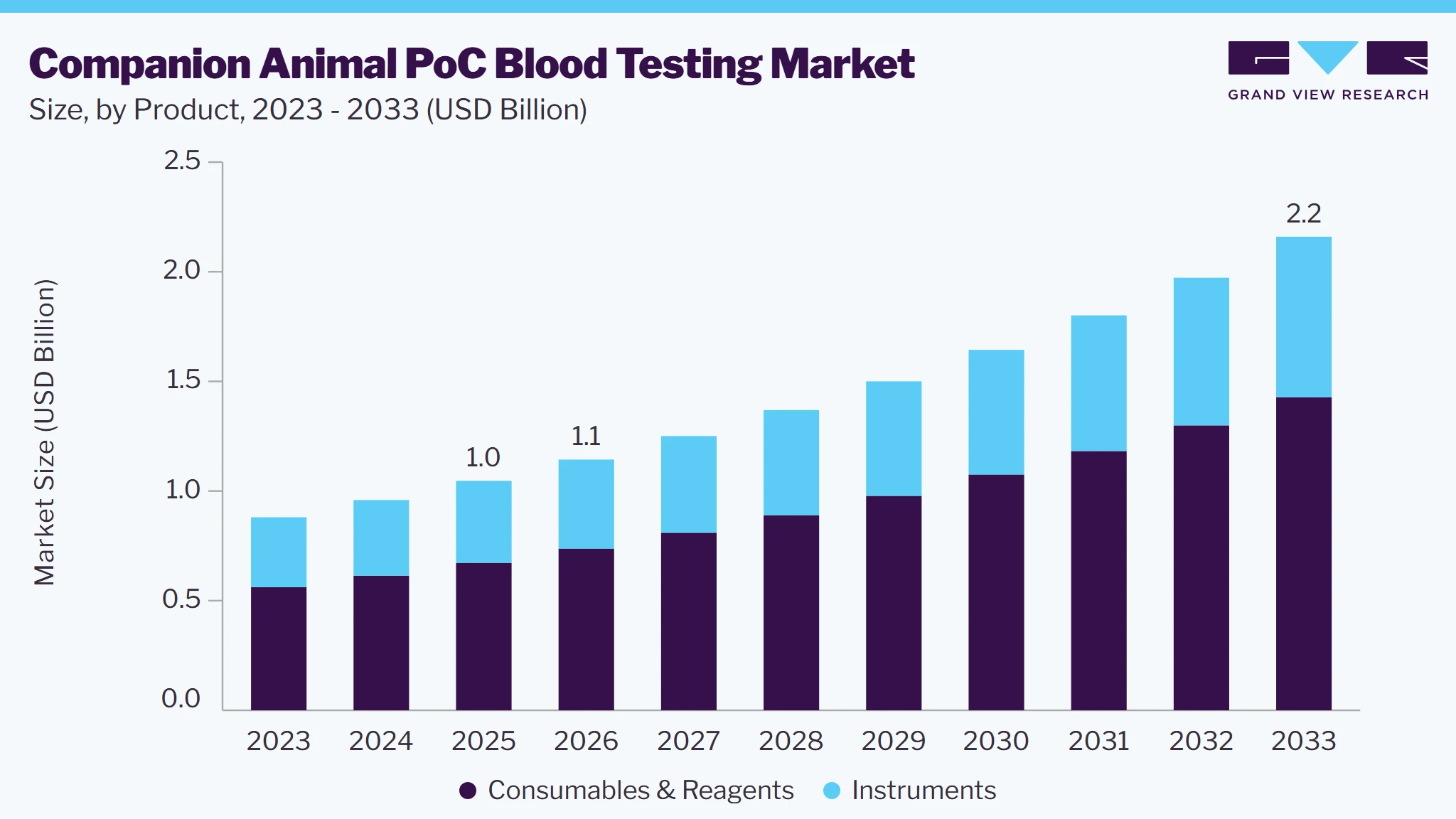 To learn more about this report, Download Free Sample Report
In addition, the expanding prevalence of chronic, infectious, endocrine, renal, and metabolic diseases is accelerating routine blood testing. Other factors contributing to the market include the adoption of preventive healthcare, expanding veterinary clinic networks, faster treatment initiation, increasing awareness of early disease detection, and continuous product innovation by leading diagnostic companies, which are further strengthening global market growth.
Market Dynamics
The market is evolving toward compact, automated, and connected analyzer platforms. Veterinary clinics are increasingly adopting benchtop systems for chemistry, hematology, immunoassay, coagulation, electrolytes, and blood gases that require minimal sample volumes and provide quicker turnaround times. Innovations such as rotor-based, cartridge-based, and microfluidic platforms are reducing the need for manual sample handling and the reliance on technicians. Features like barcode-enabled cartridge recognition, reagent batch tracking, internal quality control, onboard calibration, and cloud-based result transfer are enhancing test reliability. In addition, the integration with veterinary practice management software is becoming a significant technology differentiator.
Several challenges persist, including maintaining testing accuracy across clinics that may differ in staff proficiency, quality-control practices, and testing volumes. Smaller clinics face financial challenges due to the cost of analyzers, cartridge dependency, calibration requirements, and ongoing maintenance. Factors such as reagent stability, expiry date management, and storage conditions can influence test consistency. Issues with integration into veterinary practice management software may hinder operational efficiency. Some clinics may also grapple with per-test costs, underutilized analyzers, and insufficient technical support. It is crucial to ensure adequate staff training, accurate interpretation of results, and consistent adherence to quality-control protocols for reliable point of care blood testing.
The market is driven by the increasing need for rapid diagnostic services within veterinary hospitals and clinics, rising pet healthcare spending, and broader adoption of in-house blood testing platforms. The growing number of companion animals and increasing pet spending on veterinary care have put clinics under pressure to provide faster diagnosis, immediate treatment decisions, and same-visit clinical guidance. For instance, AVMA mentioned that 69.1% of pet owners surveyed in 2024 visited a veterinary practice, supporting demand for consultation-linked blood testing services. As dogs and cats are increasingly treated as family members, owners are more willing to pay for same-day diagnosis, faster treatment initiation, and preventive health screening.
In-veterinary clinics, blood testing enables veterinarians to perform CBC, chemistry, electrolyte, coagulation, immunoassay, and blood gas testing at or near the site of care, reducing dependence on external reference laboratories. These factors play a major role in emergency care, senior pet wellness visits, pre-surgical screening, chronic disease monitoring, and acute illness evaluation, where delayed results can affect treatment timelines and owner confidence. Dogs and cats with kidney disease, diabetes, liver disorders, endocrine conditions, infections, anemia, and inflammatory diseases often require repeated blood panels and organ-function monitoring. This has led to point-of-care blood testing being offered as a recurring service rather than a one-time diagnostic procedure, increasing test volumes across veterinary hospitals and clinics.
In-clinic/point-of-care blood testing in companion animal care is constrained by the high upfront and recurring costs associated with diagnostic analyzers and related consumables. Veterinary clinics require hematology, chemistry, immunoassay, coagulation, electrolyte, and blood gas analyzers to offer a broad range of in-house testing capabilities. However, the purchase, leasing, installation, calibration, maintenance, software connectivity, quality-control materials, and staff training for analyzers can create a significant financial burden, particularly for small and independent veterinary practices with limited daily test volumes.
Unlike large human healthcare institutions, most veterinary clinics operate as small- to medium-sized businesses with tighter operating margins and lower purchasing power. These clinics often lack access to bulk discounts, centralized procurement contracts, and strong negotiating leverage with diagnostic suppliers. As a result, they may pay higher prices for reagents, proprietary cartridges, controls, sample cups, calibration materials, and replacement parts.
The market presents a strong opportunity to expand analyzer placement, leasing, reagent rental, and pay-per-test models among small- and mid-sized veterinary clinics. Many independent companion animal clinics recognize the clinical value of in-house CBC, chemistry, electrolyte, immunoassay, coagulation, and blood gas testing, large upfront analyzer costs can delay adoptions. Besides, placement-based models reduce this barrier by allowing clinics to access diagnostic systems without a full capital purchase. This is relevant for clinics with moderate test volumes, where ownership may not be financially practical, but in-house testing can still improve workflow and service revenue.
Moreover, for diagnostic suppliers, these models create a recurring revenue structure rather than a one-time equipment sale. Once analyzers are placed in clinics, suppliers generate repeat revenue through reagents, cartridges, controls, calibration materials, maintenance contracts, software support, quality-control programs, and staff training. In addition, for veterinary clinics, the model supports faster test turnaround times, improved same-visit decision-making, and greater retention of diagnostic revenue that would otherwise go to external laboratories. This opportunity is highly specific to the services market, as growth depends on installed analyzer utilization, recurring consumable demand, and small clinics' ability to convert routine consultations into in-house blood-testing revenue.
Companion Animal Ownership Trends by Ownership Indicator and Market Relevance, 2025
Ownership indicator
Data point
Market relevance
Households owning any pet
63%
Indicates a broad addressable base for veterinary care and diagnostics
Dog-owning households
39%
Strongest species base for routine visits, wellness bloodwork, and pre-surgical testing
Cat-owning households
29%
Supports renal, endocrine, senior wellness, and chronic monitoring demand
Pet ownership in freestanding houses
68%
Higher ownership intensity due to space suitability
Pet ownership in units/apartments
39%
Urban housing limits ownership, especially dogs
Gen Y dog owners with pet insurance
27%
Higher willingness to formalize and finance veterinary care
Gen Y cat owners with pet insurance
20%
Supports preventive and chronic care adoption
Baby Boomer dog owners with pet insurance
12%
Lower insurance uptake but steady companionship-led care demand
Baby Boomer cat owners with pet insurance
9%
Indicates more selective spending behavior
Market Concentration & Characteristics
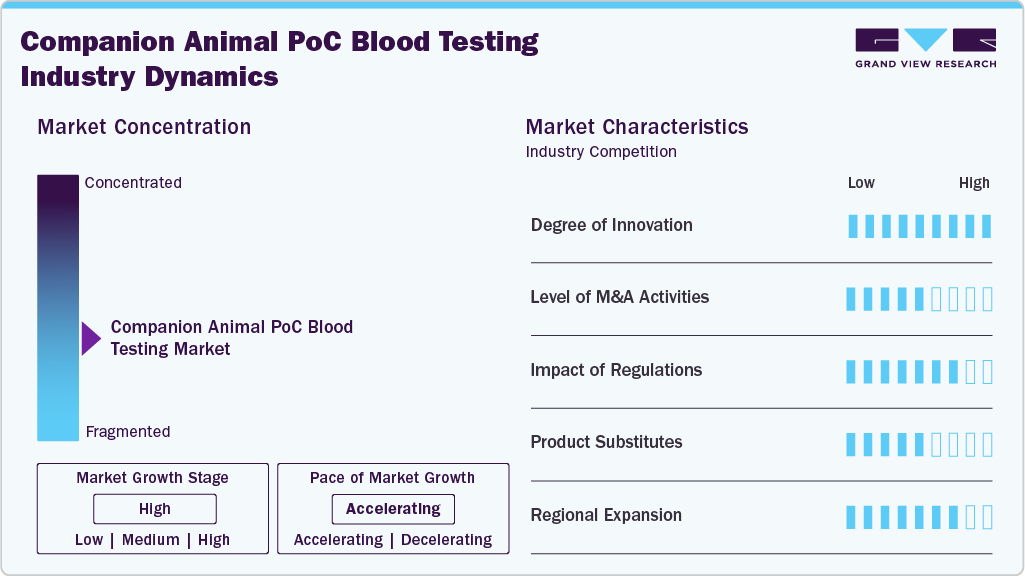
The companion animal point-of-care blood testing industry is moderately concentrated, with a few leading diagnostic companies accounting for a significant share of the market. Companies such as IDEXX Laboratories, Zoetis, Heska (Antech), FUJIFILM, and Thermo Fisher Scientific maintain strong positions through broad product portfolios, extensive distribution networks, and long-standing relationships with veterinary clinics. However, the presence of regional and niche diagnostic manufacturers that offer specialized, cost-effective point-of-care blood testing products contributes to a competitive market.
The industry demonstrates a high degree of innovation, driven by advancements in point-of-care diagnostic technologies, including AI-enabled analyzers, cartridge-based testing systems, cloud-connected platforms, and multi-parameter blood analyzers. Continuous improvements in automation, test accuracy, and faster turnaround times enable veterinarians to make quicker clinical decisions and enhance patient care.
The industry is witnessing moderate merger and acquisition activity, with leading veterinary diagnostic companies acquiring technology providers and expanding their point of care diagnostics portfolios. These strategic transactions strengthen product offerings, enhance technological capabilities, and improve access to new geographic markets.
 To learn more about this report, Download Free Sample Report
The sector is subject to high regulatory oversight of the safety, quality, and performance of veterinary diagnostic instruments, reagents, and consumables. Compliance with veterinary diagnostic standards and quality management requirements is essential to ensure product reliability and secure regulatory approvals across different regions.
The threat of product substitutes is moderate, as laboratory-based diagnostic testing can provide a comprehensive analysis for complex cases. However, in-clinic/point-of-care blood testing remains the preferred choice for rapid diagnosis, immediate treatment decisions, and improved workflow efficiency in veterinary practices.
The industry is experiencing high regional expansion, supported by growing companion animal ownership, increasing veterinary clinic infrastructure, and rising awareness of preventive animal healthcare. Companies are expanding their distribution networks, establishing regional partnerships, and launching new products to strengthen their presence in high-growth markets across the Asia Pacific, Latin America, and MEA.
Analyst Perspective
The companion animal point-of-care (PoC) blood testing industry witnessed sustained growth as companion animal healthcare increasingly shifts toward preventive care and rapid, evidence-based clinical decision-making. Routine blood testing is becoming an integral part of annual wellness examinations, senior pet health assessments, pre-anesthetic screening, and chronic disease management, increasing demand for point of care diagnostic analyzers and consumables. At the same time, the availability of compact, automated analyzers that deliver accurate results within minutes is enabling veterinary practices of all sizes to perform comprehensive blood testing without relying on external laboratories. Continued investments by diagnostic manufacturers in analyzer placement programs, software support, and recurring consumables are expected to strengthen long-term industry growth.
Product Insights
The consumables & reagents segment dominated the market with a 64.5% share in 2025 and is the fastest-growing segment, driven by the increasing volume of point-of-care blood tests, growing adoption of point of care diagnostic analyzers, and rising demand for routine health screening and chronic disease monitoring in companion animals. This segment is further categorized as biochemistry reagents & panels and immunoassay reagents & test kits. As every diagnostic procedure requires test-specific reagents, cartridges, slides, and kits, recurring product utilization continues to support sustained segment growth. Furthermore, the ongoing expansion of diagnostic test menus and growing patient volumes in veterinary clinics are generating recurring revenue opportunities, making consumables and reagents a critical and rapidly growing component of the companion animal point-of-care blood testing market.
The instruments segment is growing at a significant rate due to rising demand for rapid point-of-care diagnostics, increasing adoption of digital veterinary technologies, and the need for early disease detection in companion animals. Veterinary clinics are investing in large numbers of advanced testing analyzers that provide accurate, real-time results, enabling faster clinical decision-making and improved patient outcomes. The increasing emphasis on preventive animal healthcare is accelerating demand for point of care blood testing instruments. The advanced analyzers enable veterinarians to assess blood samples and identify diseases, infections, and metabolic abnormalities during a single visit, reducing reliance on external laboratories. The ability to deliver rapid diagnostic results supports timely treatment initiation, enhances patient management, and improves the overall quality of veterinary care.
Animal Insights
The dogs segment dominated the market with a 55.1% share in 2025, driven by the large global canine population, the increasing prevalence of endocrine, infectious, parasitic, and chronic diseases, rising pet healthcare expenditure, and demand for rapid point of care diagnostics. According to a research article published in December 2025, a higher prevalence of parasitic infections was observed in dogs than in cats, including Giardia duodenalis infections affecting 16.0% of tested dogs, with overall positivity rates exceeding one-fourth of screened animals. In addition, expanding availability of advanced biomarkers, immunoassays, and point-of-care testing platforms further supports frequent diagnostic screening and disease management in dogs.
The cats segment is witnessing the fastest growth owing to the rising prevalence of chronic kidney disease, thyroid disorders, diabetes, cardiovascular diseases, infectious diseases, and age-related conditions in felines. In addition, growing cat ownership, increasing awareness of preventive healthcare, routine wellness screening programs, and demand for early disease detection through rapid point of care diagnostics are further accelerating segment growth globally. According to the National Cat Center's 2025 report, approximately 10.2 million pet cats are owned in the UK, of which 66% live in single-cat households and 34% in households with multiple cats.
Testing Category Insights
The clinical chemistry/biochemistry testing segment dominated the market with a 72.7% share in 2025, owing to growing investments in rapid, accurate point-of-care diagnostics, technological advancements in diagnostics, and a rising emphasis on preventive veterinary healthcare. The market is witnessing growing investments in integrated veterinary diagnostic infrastructure supporting segment expansion. For instance, Antech launched a comprehensive diagnostics portfolio in the UK, spanning in-house diagnostics, reference laboratories, imaging, and technology products, reflecting an increasing focus on delivering efficient, comprehensive diagnostic services.
Immunoassay testing is experiencing the fastest growth owing to the increasing need for disease-specific biomarker detection, growing focus on preventive healthcare and parasite screening, rising prevalence of infectious and inflammatory conditions in companion animals, and continuous advancements in antigen-based diagnostic technologies. The increasing emphasis on early disease detection and preventive veterinary care is one of the key drivers for immunoassay testing. Immunoassays detect specific antigens and biomarkers at earlier stages of disease, improving diagnostic accuracy and treatment planning compared with conventional diagnostic methods.
End Use Insights
The veterinary hospitals & clinics segment accounted for the largest revenue share of 58.6% in 2025. This is due to the growing shift toward decentralized diagnostics, increasing demand for same-visit clinical decision-making, rising caseloads in companion animal practices, and expanding integration of in-house laboratory capabilities. In addition, investments in advanced point-of-care analyzers, workflow automation, preventive health programs, and comprehensive patient management services are strengthening the adoption of diagnostic testing across veterinary care facilities.
 To learn more about this report, Download Free Sample Report
The academic & research institutes segment is estimated to grow the fastest at a CAGR. This is attributed to increasing veterinary translational research, biomarker discovery programs, validation of novel diagnostic assays, rising university-industry collaborations, and growing investments in precision animal health. In addition, expanding studies focused on disease pathophysiology, early detection markers, and diagnostic technology development are accelerating demand for advanced blood testing platforms.
Regional Insights
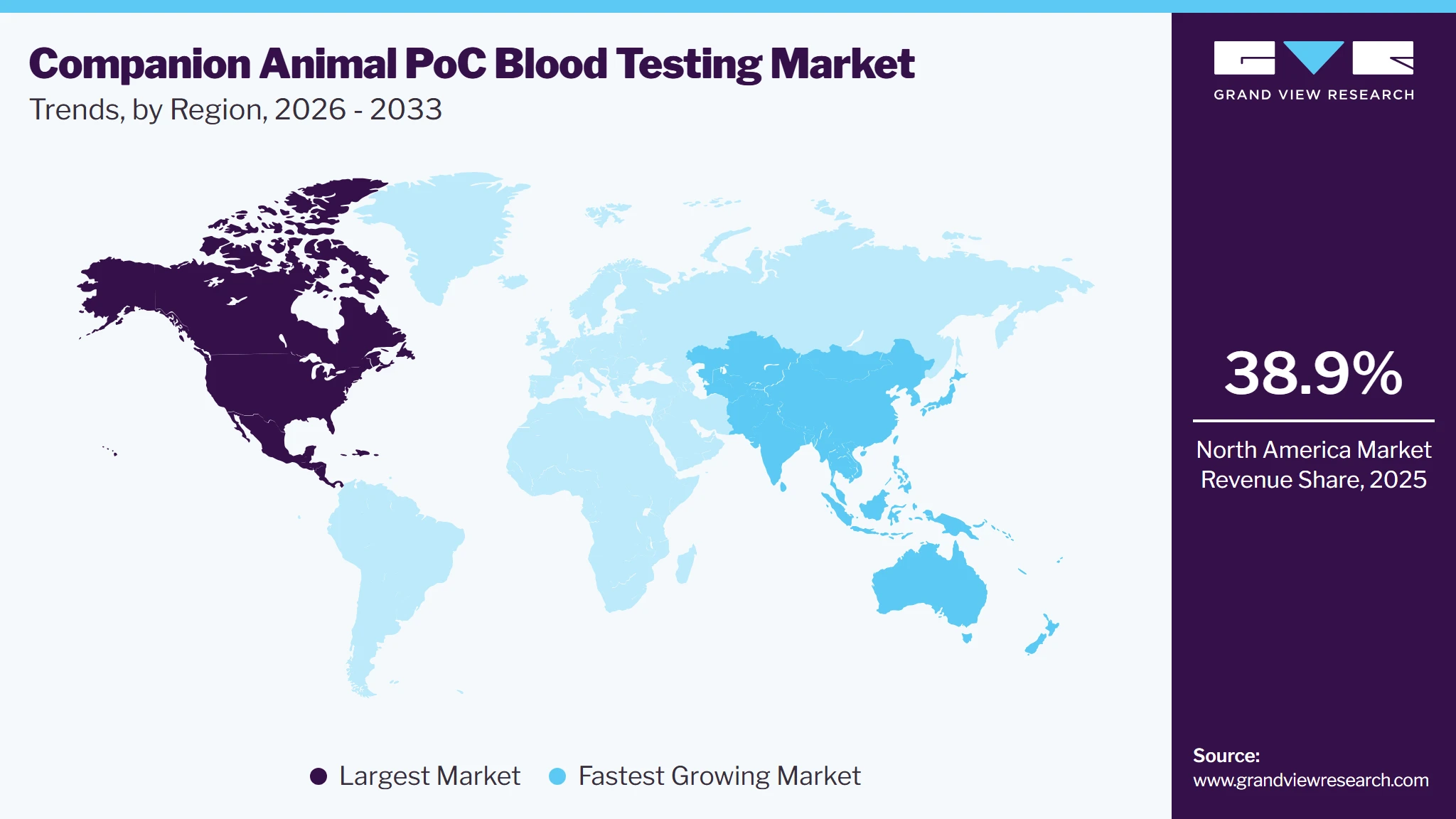
North America held the highest market share at 38.9% in 2025, driven by high pet ownership, rising veterinary care expenditure, increasing prevalence of chronic and infectious diseases, growing demand for rapid diagnostics, and strong adoption of preventive healthcare. The region benefits from a well-established veterinary infrastructure, widespread use of advanced analyzers, expanding biomarker-based testing, and continuous innovation in endocrine, renal, cardiac, and infectious disease diagnostics. In addition, growing awareness of early disease detection, increasing pet insurance penetration, and the shift toward real-time clinical decision-making further support market growth.
 To learn more about this report, Download Free Sample Report
U.S. Companion Animal PoC Blood Testing Market Trends
The companion animal point-of-care (PoC) blood testing market in the U.S. accounted for the highest market share in North America, driven by high pet ownership, increasing preventive healthcare spending, strong veterinary diagnostics infrastructure, rapid adoption of point of care testing platforms, and continuous innovation from key industry players such as IDEXX, Zoetis, and Antech. The market is witnessing continuous product innovation, which strengthens its growth. For instance, in June 2024, IDEXX launched the Catalyst Pancreatic Lipase Test, providing quantitative pancreatitis results for dogs and cats in under 10 minutes during patient visits. The growing need for early diagnosis of pancreatitis, a disease that often presents with nonspecific symptoms, is driving the adoption of rapid point-of-care blood testing platforms that enable faster treatment initiation and improved patient outcomes.
Canada companion animal PoC blood testing market is expected to grow at a significant CAGR during the forecast period due to technological advancements. For instance, in June 2026, IDEXX integrated SDMA, a recognized renal biomarker, into its most commonly used Catalyst chemistry profiles across the U.S. and Canada, enabling earlier assessment of kidney function without altering clinic workflows. This supports earlier CKD diagnosis, timely dietary intervention, improved patient outcomes, and broader point-of-care testing adoption.
Europe Companion Animal PoC Blood Testing Market Trends
The companion animal point of care blood testing industry in Europe is supported by increasing expenditure on companion animal healthcare and growing demand for rapid, clinic-based diagnostics that support same-visit clinical decisions. Veterinary practices across the region are increasingly adopting compact chemistry analyzers, immunoassay platforms, hematology systems, and biomarker-based testing to improve workflow efficiency and accelerate disease diagnosis.
The UK companion animal point-of-care blood testing marketis expected to grow significantly over the forecast period, driven by rising pet ownership, increasing demand for rapid point of care diagnostics, rising rates of chronic and infectious diseases, expanding veterinary practice modernization, AI-enabled diagnostic adoption, and investments by leading diagnostics companies. In addition, greater emphasis on workflow efficiency, earlier disease detection, and integrated laboratory networks further support sustained market growth. For instance, Antech established an advanced UK reference laboratory, introducing integrated diagnostics including molecular parasite testing, imaging, and rapid cancer screening.
The companion animal point of care (PoC) blood testing market in Germanyis driven by strong veterinary research infrastructure, increasing adoption of AI-enabled diagnostics, One Health initiatives, rising companion animal ownership, demand for rapid point of care testing, and continuous innovation in molecular and biomarker-based diagnostics. In addition, government-supported collaborations and advanced veterinary institutions also accelerate the adoption of portable, high-accuracy diagnostic platforms across veterinary practices.
Asia Pacific Companion Animal PoC Blood Testing Market Trends
The companion animal point-of-care blood testing industry in the Asia Pacific region is expected to grow at the fastest CAGR over the forecast period, driven by rising pet ownership, rapid urbanization, and a growing shift toward preventive veterinary care. The region’s expanding middle-class population, particularly in countries such as China, India, Japan, Australia, and Thailand, is fueling higher spending on companion animal health services, including routine screening and emergency diagnostics. In addition, market growth in APAC is strongly influenced by uneven veterinary infrastructure, especially across Southeast Asia and South Asia, where access to centralized diagnostic laboratories remains limited.
India companion animal point of care (PoC) blood testing marketis expected to grow at a significant rate. The growing emphasis on preventive healthcare is encouraging veterinary hospitals and clinics to enhance their diagnostic capabilities by adopting point of care blood testing systems. For instance, in February 2024, Tata Trusts announced the launch of India's first advanced Small Animal Hospital in Mumbai. The multi-specialty veterinary facility was equipped with advanced diagnostic capabilities, including pathology, hematology, microbiology, clinical pathology, biochemistry, and imaging services, along with 24/7 emergency and critical care. Such investments strengthen India's companion animal diagnostic infrastructure and support the wider adoption of point of care blood testing for early disease detection, routine wellness screening, and timely clinical decision-making.
The companion animal PoC blood testing market in Japan is witnessing notable growth driven by the growing emphasis on preventive pet healthcare, the rising diagnosis of chronic diseases in aging companion animals, and ongoing advancements in veterinary diagnostic technologies. In addition, market participants are differentiating through expanded test portfolios, analyzer innovation, workflow efficiency, and rapid diagnostic capabilities that support timely clinical decision-making and improved patient outcomes. The increasing awareness among pet owners regarding early disease detection and routine wellness monitoring is driving demand for in-clinic blood testing services.
Latin America Companion Animal PoC Blood Testing Market Trends
The companion animal point of care (PoC) blood testing market in Latin America is growing at a lucrative rate, driven by rapidly rising pet ownership across the region, where pets are increasingly regarded as family members. In addition, expanding veterinary clinic networks, improving cold-chain logistics, and growing urbanization are strengthening market foundations across the region. However, the competitive landscape remains fragmented, with global leaders such as IDEXX Laboratories, Heska, and Zoetis competing against regional distributors that offer cost-competitive alternatives. In addition, import dependency for diagnostic equipment, inconsistent regulatory frameworks across nations, and limited veterinary infrastructure in rural areas present persistent challenges.
Argentina companion animal point of care blood testing market is expected to witness steady growth over the forecast period, driven by rising pet ownership, the growing humanization of pets, expanding veterinary infrastructure in urban centers such as Buenos Aires, and greater awareness of preventive animal healthcare. The competitive landscape features global players such as IDEXX Laboratories, Heska, and Zoetis, along with regional distributors, creating moderate competition with differentiation driven by technology, pricing, and service support. In addition, rising disposable incomes among the middle class are enabling owners to spend more on pet diagnostics. Moreover, veterinary education advancements are increasing the demand for rapid, accurate diagnostics.
Middle East & Africa Companion Animal PoC Blood Testing Market Trends
The companion animal point-of-care blood testing market in MEA is advancing, driven by rising pet ownership, growing awareness of preventive veterinary care, and expanding veterinary diagnostic infrastructure. The market is also benefiting from the broader adoption of rapid point of care diagnostic products, which enable faster clinical decision-making and reduce reliance on external laboratories. A key development supporting the region is the increasing deployment of integrated diagnostic ecosystems by global veterinary diagnostics companies such as Zoetis and IDEXX Laboratories.
South Africa companion animal PoC blood testing marketgrew at a considerable rate during the forecast period, due to a shift in veterinary care from reactive treatment to preventive and wellness-focused healthcare. Pet owners are opting for routine health screenings and early disease detection, driving greater utilization of blood testing services for quick, reliable diagnostic insights. In addition, the growing prevalence of chronic and age-related conditions such as kidney disease, diabetes, and liver disorders in companion animals is significantly contributing to repeated diagnostic requirements. This is further strengthening demand for rapid POC testing products that enable continuous health monitoring and timely treatment adjustments within veterinary clinics.
The UAE companion animal point-of-care blood testing industryis anticipated to register healthy growth during the forecast period, driven by emerging pet ownership and rapid adoption of advanced veterinary diagnostics. Companies such as IDEXX Laboratories and Zoetis have a presence in the market through integrated diagnostic ecosystems that include analyzers, consumables, and digital reporting platforms. These companies maintain significant positions due to their established technologies. Furthermore, a focus on education and clinical training initiatives is fueling market growth and increasing point-of-care screening. Care blood testing for animals.
Key Companion Animal PoC Blood Testing Company Insights
The market is driven by established veterinary diagnostic companies offering chemistry, hematology, immunoassay, coagulation, blood gas, and connected software platforms. Vendors compete on analyzer footprint, test menu breadth, throughput, sample volume, accuracy, cost per test, cartridge stability, maintenance requirements, connectivity, and after-sales support. Moreover, competition is intensified by proprietary consumable models, analyzer placement strategies, bundled equipment-reagent contracts, and practice management software integration. Corporate veterinary chains further increase competition by demanding standardized platforms, efficient pricing, and centralized service support across multiple clinic locations.
Key Companion Animal PoC Blood Testing Companies
The following key companies have been profiled for this study on the companion animal PoC blood testing market:
-
IDEXX Laboratories, Inc.
-
Zoetis Services LLC
-
Fujifilm Holdings Corporation
-
Mars, Incorporated
-
Virbac
-
Randox Laboratories Ltd.
-
Thermo Fisher Scientific, Inc.
-
ProtectLife International Biomedical Inc.
-
Chengdu Seamaty Technology Co., Ltd.
-
BIONOTE
Competitive Benchmarking
Operating Strategies
Competitive Edge
Weaknesses
Mature Players: IDEXX Laboratories, Inc., Zoetis Services LLC, FUJIFILM Holdings Corporation, Mars, Incorporated (Antech), Virbac, Thermo Fisher Scientific, Inc., Randox Laboratories Ltd.
- Established companies focus on expanding their companion animal diagnostics portfolios through continuous product innovation, regulatory approvals, and geographic expansion. They invest in advanced hematology, chemistry, immunoassay, electrolyte, and blood gas analyzers, along with cloud-based diagnostic software and AI-enabled solutions. Strategic collaborations with veterinary hospitals, distributors, and reference laboratories, coupled with investments in R&D, manufacturing, and digital platforms, strengthen their presence and improve access to comprehensive point of care blood testing solutions.
- These companies benefit from strong global brands, extensive veterinary distribution networks, broad diagnostic product portfolios, and well-established relationships with veterinary clinics and hospitals. Their technological expertise, integrated software ecosystems, recurring consumables business, and strong technical support enable high customer retention and sustained industry leadership.
- Established players face high R&D investments, regulatory compliance costs, and continuous software validation requirements. Premium pricing, dependence on recurring reagent sales, and lengthy product development cycles may limit adoption in price-sensitive markets. Their large organizational structures can also slow the commercialization of new technologies.
Emerging Players: ProtectLife International Biomedical Inc., Chengdu Seamaty Technology Co., Ltd., BIONOTE
- Emerging companies emphasize affordable, portable, and user-friendly point-of-care blood analyzers designed for veterinary clinics. They focus on compact diagnostic systems, rapid test capabilities, and expanding through regional distributors, OEM partnerships, and veterinary channel collaborations. Their strategies prioritize product innovation, cost competitiveness, and penetration into underserved and emerging markets.
- Emerging players compete through technological agility, cost-effective product offerings, faster product development, and specialized expertise in compact point-of-care diagnostic systems. Their ability to deliver portable analyzers with simplified workflows enables them to address the needs of small and mid-sized veterinary practices while strengthening their presence in regional markets.
- Emerging companies generally have limited financial resources, smaller manufacturing capacities, and less established distribution networks than multinational competitors. Lower brand recognition, limited after-sales service infrastructure, and challenges in obtaining regulatory approvals and scaling production may restrict their ability to compete with companies offering comprehensive diagnostic ecosystems.
Recent Developments
-
In May 2026, IDEXX Laboratories announced the integration of its SDMA renal biomarker into the commonly used Catalyst chemistry profiles. This enhancement enables veterinarians to perform comprehensive kidney function assessments as part of routine in-clinic chemistry testing, facilitating earlier detection of kidney disease while maintaining existing diagnostic workflows. Such a development is expected to accelerate the adoption of point-of-care chemistry analyzers and reagent panels, improve veterinary decision-making, and support market growth by increasing diagnostic testing volumes and enhancing clinical value.
-
In January 2026, Antech Diagnostics expanded the capabilities of its Element i+ in-clinic analyzer by integrating SDMA testing, enabling veterinary clinics to perform rapid, highly sensitive kidney function assessments at the point of care. Such launchesstrengthen preventive healthcare workflows for companion animals by supporting earlier detection, continuous monitoring, and timely management of renal conditions in dogs and cats, thereby enhancing the effectiveness of in-clinic blood testing services.
-
In June 2025, IDEXX Laboratories launched the Catalyst Cortisol Test that delivers real-time quantitative cortisol measurements at the point of care, enabling veterinarians to rapidly diagnose and manage canine Addison’s disease and Cushing’s syndrome. This kind of product launch strengthens in-clinic blood testing capabilities by expanding endocrine diagnostic offerings and improving clinical decision-making in companion animal point-of-care blood testing settings.
Companion Animal PoC Blood Testing Market Report Scope
Report Attribute
Details
Market size in 2025
USD 1.0 billion
Estimated market size in 2026
USD 1.1 billion
Projected market size by 2033
USD 2.2 billion
Growth rate
CAGR of 9.5% from 2026 to 2033
Historical data
2021 - 2025
Forecast period
2026 - 2033
Quantitative units
Revenue in USD million/billion and CAGR from 2026 to 2033
Report coverage
Revenue forecast, company ranking, competitive landscape, growth factors, and trends
Segments covered
Product, testing category, animal, end use, region
Regional scope
North America; Europe; Asia Pacific; Latin America; MEA
Country scope
U.S.; Canada; Mexico; UK; Germany; France; Italy; Spain; Denmark; Sweden; Norway; Japan; China; India; Australia; Thailand; South Korea; Brazil; Argentina; South Africa; Saudi Arabia; UAE; Kuwait; Oman; Qatar
Key companies profiled
IDEXX Laboratories, Inc.; Zoetis Services LLC; Fujifilm Holdings Corporation; Mars, Incorporated; Virbac; Randox Laboratories Ltd.; Thermo Fisher Scientific, Inc.; ProtectLife International Biomedical Inc.; Chengdu Seamaty Technology Co., Ltd.; BIONOTE
Customization scope
Free report customization (equivalent up to 8 analysts working days) with purchase. Addition or alteration to country, regional & segment scope.
Pricing and purchase options
Avail customized purchase options to meet your exact research needs. Explore purchase options
Global Companion Animal PoC Blood Testing Market Report Segmentation
This report forecasts revenue growth at global, regional, and country levels and provides an analysis of the latest industry trends in each of the sub-segments from 2021 to 2033. For this study, Grand View Research has segmented the global companion animal PoC blood testing market report based on product, testing category, animal, end use, and region:
-
Product Outlook (Revenue, USD Million, 2021 - 2033)
-
Instruments
-
Biochemistry Analyzers
-
Immunoassay Analyzers
-
-
Consumables & Reagents
-
Biochemistry Analyzers
-
Immunoassay Analyzers
-
-
-
Testing Category Outlook (Revenue, USD Million, 2021 - 2033)
-
Clinical Chemistry/Biochemistry Testing
-
Liver Function Testing
-
Kidney Function Testing
-
Electrolyte Testing
-
Metabolic Panels
-
-
Immunoassay Testing
-
Infectious Disease Immunoassays
-
Non-Infectious Immunoassays
-
Thyroid Hormone Testing
-
Cardiac Marker Testing
-
Endocrine Biomarker Testing
-
Inflammatory Marker Testing
-
-
-
-
Animal Outlook (Revenue, USD Million, 2021 - 2033)
-
Dogs
-
Cats
-
Horses
-
Other Companion Animals
-
-
End Use Outlook (Revenue, USD Million, 2021 - 2033)
-
Veterinary Hospitals & Clinics
-
Reference Laboratories
-
Academic & Research Institutes
-
-
Regional Outlook (Revenue, USD Million, 2021 - 2033)
-
North America
-
U.S.
-
Canada
-
Mexico
-
-
Europe
-
UK
-
Germany
-
France
-
Italy
-
Spain
-
Norway
-
Sweden
-
Denmark
-
-
Asia Pacific
-
Japan
-
India
-
China
-
South Korea
-
Thailand
-
Australia
-
-
Latin America
-
Brazil
-
Argentina
-
-
Middle East and Africa (MEA)
-
South Africa
-
Saudi Arabia
-
UAE
-
Kuwait
-
Oman
-
Qatar
-
-
Research Methodology
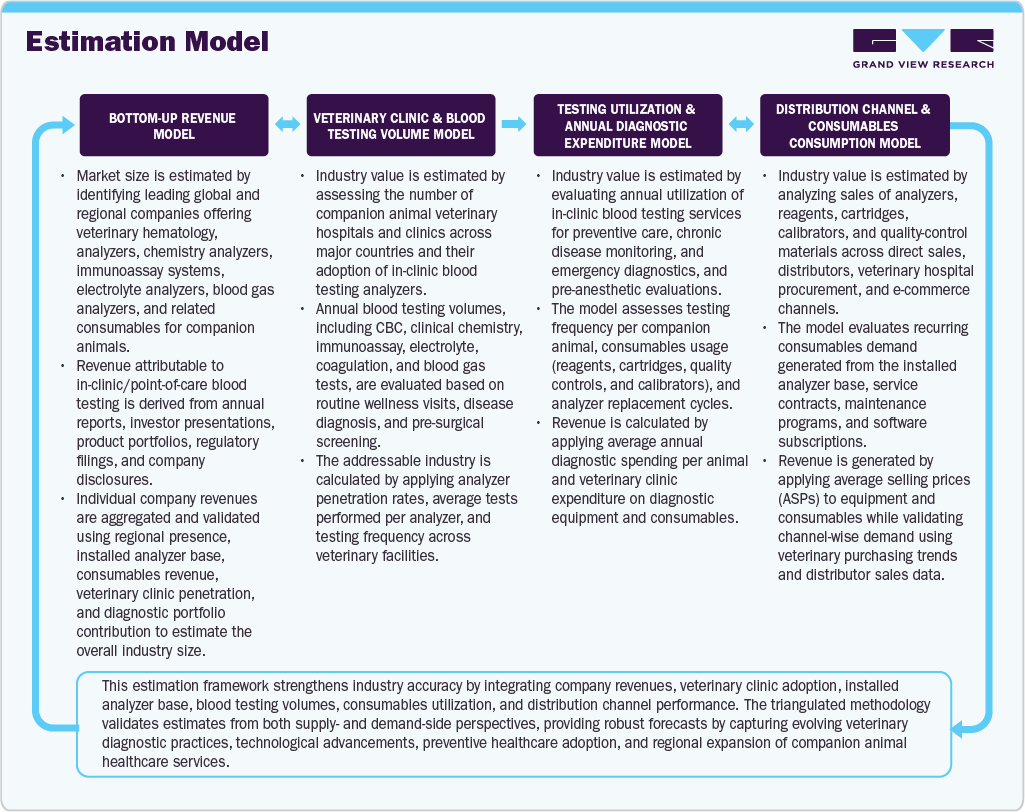
The companion animal PoC blood testing market figures in this report are based on a proven research process that combines executive interviews with secondary research from proprietary databases, company filings, and recognized regulatory and institutional sources. Market size is built through value-chain sizing-reconciling supply-side and demand-side estimates-and triangulated with bottom-up and top-down approaches. Every estimate passes multiple levels of expert validation before publication, with each companion animal PoC blood testing segment quantified using the revenue-capture definitions in the table below.
Segment Definition
Segment - Product
Revenue capture definition
Instruments
The segment captures revenue generated from sales of point-of-care blood-testing analyzers used for diagnostic evaluation of companion animals in veterinary settings. This includes only veterinary biochemistry and immunoassay analyzers.
Biochemistry Analyzers
The segment captures revenue generated from sales of veterinary point-of-care biochemistry analyzers used to measure blood chemistry parameters for routine diagnostic evaluation of companion animals.
Immunoassay Analyzers
The segment captures revenue generated from sales of veterinary point-of-care immunoassay analyzers used for detecting hormones, cardiac biomarkers, inflammatory biomarkers, and infectious disease markers in companion animals.
Consumables & Reagents
The segment captures revenue generated from sales of consumables, reagent kits, test panels, and other analyzer-specific materials used with companion animal biochemistry and immunoassay analyzers.
Biochemistry Reagents & Panels
The segment captures revenue generated from sales of reagent kits, chemistry panels, calibrators, and controls used with veterinary biochemistry analyzers for routine blood chemistry testing in companion animals.
Immunoassay Reagents & Test Kits
The segment captures revenue generated from sales of immunoassay reagent kits, cartridges, calibrators, controls, and test-specific consumables used with veterinary immunoassay analyzers.
Segment - Animal
Revenue capture definition
Dogs
The segment captures revenue generated from point-of-care blood testing products used for the diagnosis and monitoring of diseases and health conditions in dogs.
Cats
The segment captures revenue generated from point-of-care blood testing products used for the diagnosis and monitoring of diseases and health conditions in cats.
Horses
The segment captures revenue generated from point-of-care blood testing products used for diagnostic evaluation and health monitoring of horses in veterinary settings.
Other Companion Animals
The segment captures revenue generated from point-of-care blood testing products used for diagnostic evaluation of companion animals other than dogs, cats, and horses. This includes rabbits, birds, ferrets, guinea pigs, and other exotic companion animals.
Segment – Testing Category
Revenue capture definition
Clinical Chemistry/Biochemistry Testing
The segment captures revenue generated from blood chemistry testing performed using veterinary biochemistry analyzers to evaluate organ function, metabolic status, and electrolyte balance in companion animals.
Liver Function Testing
The segment captures revenue generated from blood chemistry tests used to assess liver function and hepatic disorders in companion animals.
Kidney Function Testing
The segment captures revenue generated from blood chemistry tests used to evaluate renal function and kidney health in companion animals.
Electrolyte Testing
The segment captures revenue from blood chemistry tests that measure electrolyte concentrations to assess hydration status, acid-base balance, and metabolic conditions in companion animals.
Metabolic Panels
The segment captures revenue generated from routine blood chemistry panels used to assess metabolic health and general physiological status in companion animals through multiple biochemical parameters.
Immunoassay Testing
The segment captures revenue generated from immunoassay-based blood testing performed using veterinary immunoassay analyzers for diagnosing infectious diseases and monitoring endocrine, cardiac, and inflammatory conditions in companion animals.
Infectious Disease Immunoassays
The segment captures revenue generated from immunoassay-based blood tests used for detecting infectious diseases affecting companion animals through antigen or antibody detection.
Non-Infectious Immunoassays
The segment captures revenue generated from immunoassay-based blood tests used for diagnosing and monitoring non-infectious conditions, including endocrine, cardiac, and inflammatory disorders in companion animals.
Thyroid Hormone Testing
The segment captures revenue generated from immunoassay-based tests used to measure thyroid hormone levels for diagnosing and monitoring thyroid disorders in companion animals.
Cardiac Marker Testing
The segment captures revenue generated from immunoassay-based tests used to measure cardiac biomarkers for the diagnosis and monitoring of cardiovascular diseases in companion animals.
Endocrine Biomarker Testing
The segment captures revenue generated from immunoassay-based tests used to measure endocrine biomarkers associated with hormonal disorders in companion animals.
Inflammatory Marker Testing
The segment captures revenue generated from immunoassay-based tests used to detect inflammatory biomarkers for assessing inflammatory and immune-mediated conditions in companion animals.
Segment – End Use
Revenue capture definition
Veterinary Hospitals & Clinics
The segment captures revenue generated from sales of Companion Animal Point of Care Blood Testing instruments and consumables to veterinary hospitals, veterinary clinics, specialty veterinary centers, and emergency animal care facilities.
Reference Laboratories
The segment captures revenue generated from sales of companion animal blood testing products to veterinary reference laboratories performing diagnostic testing services for veterinary practices and animal healthcare providers.
Academic & Research Institutes
The segment captures revenue generated from sales of companion animal blood testing products to veterinary schools, universities, research institutes, and other academic organizations engaged in veterinary education and research activities.
Estimation Model
 To learn more about this report, Download Free Sample Report
Delivered Customizations
This report has been delivered with the following In-depth customizations
Client Request
Customization Delivered
Value Adds
Veterinary Diagnostics Infrastructure & Testing Adoption Assessment
Developed a comprehensive assessment of companion animal point of care blood testing adoption across North America, Europe, Asia Pacific, Latin America, and the Middle East & Africa. The analysis evaluated the number of veterinary hospitals and clinics, installed analyzer base, diagnostic testing volumes, adoption of hematology, chemistry, immunoassay, electrolyte, and blood gas analyzers, along with veterinary healthcare infrastructure and companion animal ownership trends. High-growth countries were identified based on diagnostic adoption, veterinary expenditure, and accessibility of in-house testing.
Enables stakeholders to identify high-growth regions, evaluate the addressable installed analyzer base, prioritize market entry strategies, and optimize investments based on veterinary diagnostic adoption and testing demand.
In-Clinic Blood Testing Ecosystem, Workflow & Value Chain Assessment
Conducted an end-to-end evaluation of the companion animal in-clinic blood testing ecosystem, covering analyzer manufacturers, reagent and consumable suppliers, software providers, distributors, veterinary hospitals & clinics, and diagnostic service providers. Assessed testing workflows, technology adoption, pricing trends, consumables utilization, service contracts, digital connectivity, and product accessibility across key markets.
Provides a comprehensive understanding of the veterinary diagnostics ecosystem, technology adoption trends, value chain dynamics, recurring revenue opportunities from consumables and services, enabling informed strategic planning and portfolio expansion.
Competitive Intelligence & Point-of-Care Diagnostics Portfolio Benchmarking
Performed detailed benchmarking of leading companion animal diagnostic companies based on product portfolio breadth, analyzer technologies, consumables portfolio, software integration, installed analyzer base, geographic footprint, distribution strategy, innovation pipeline, regulatory approvals, strategic partnerships, and R&D investments. Compared established multinational companies with emerging diagnostic manufacturers to identify competitive positioning and technology gaps.
Supports identification of competitive strengths, innovation opportunities, partnership prospects, product differentiation strategies, and long-term competitive positioning while helping stakeholders respond to evolving veterinary diagnostic industry dynamics.
Frequently Asked Questions About This Report
North America dominated with a 38.9% revenue share in 2025.
Asia Pacific is the fastest-growing region over the forecast period.
Veterinary hospitals & clinics segment held the largest share (over 58.0%) in 2025, while the academic & research institutes is the fastest-growing segment.
The global companion animal point-of-care (PoC) blood testing market size was valued at USD 1.0 billion in 2025 and is estimated at USD 1.1 billion for 2026.
The global companion animal PoC blood testing market is expected to grow at a CAGR of 9.5% from 2026 to 2033, reaching USD 2.2 billion by 2033.
Key factors include rising companion animal ownership, increasing pet healthcare expenditure, and growing demand for rapid, accurate in-clinic diagnostics.
The consumables & reagents segment led with a 64.5% revenue share in 2025, and is the fastest-growing product.
The dogs segment led with a 55.1% revenue share in 2025, while the cats is the fastest-growing segment.
The clinical chemistry/biochemistry testing segment held the largest revenue share of 72.7% in 2025, while the immunoassay testing is the fastest-growing segment.
Key players include IDEXX Laboratories, Inc., Zoetis Services LLC, Fujifilm Holdings Corporation, Mars, Incorporated , Virbac, Randox Laboratories Ltd., Thermo Fisher Scientific, Inc., ProtectLife International Biomedical Inc., Chengdu Seamaty Technology Co., Ltd.,BIONOTE
About the Author(s)
Animal Health Research Team
Healthcare · Animal HealthThis report was authored by the animal health research team at Grand View Research - comprising two research analysts, one senior research analyst, and one industry expert - with specialized expertise in the animal health segment of the healthcare industry. All findings are based on proprietary healthcare databases, executive interviews, and regulatory analysis, subject to internal peer review prior to publication.
Last Updated:
Speak to Analyst

Customize this report to your needs - add regions, segments, or data points, with 20% free customization.
Or view our licence options:


ISO 9001:2015 & 27001:2022 Certified
We are GDPR and CCPA compliant! Your transaction & personal information is safe and secure. For more details, please read our privacy policy.


