
- Home
- »
- Biotechnology
- »
-
Humanized Mouse Models Market Size & Share Report 2033GVR Report cover

Humanized Mouse Models Market (2026 - 2033)
Size, Share & Trends Analysis Report By Model Type (Human Immune System Models, Humanized Oncology Models), By Application (Basic Research, Disease Modeling), Therapeutic Area, By End-use, By Region, And Segment Forecasts
Market Size, 2025
$1.1BMarket Estimate, 2026
$1.2BMarket Forecast, 2033
$1.7BCAGR, 2026–2033
5.5%Humanized Mouse Models Market Summary
The global humanized mouse models market size was valued at USD 1.1 billion in 2025 and is projected to grow from USD 1.2 billion in 2026 to USD 1.7 billion by 2033, at a CAGR of 5.5% from 2026 to 2033. North America dominated the market, accounting for the largest revenue share of 54.3% in 2025. The market growth is driven by the rising adoption of humanized mouse models in pharmaceutical and biotechnology research, particularly for drug discovery, preclinical safety and toxicity assessment, and the development of personalized therapies.
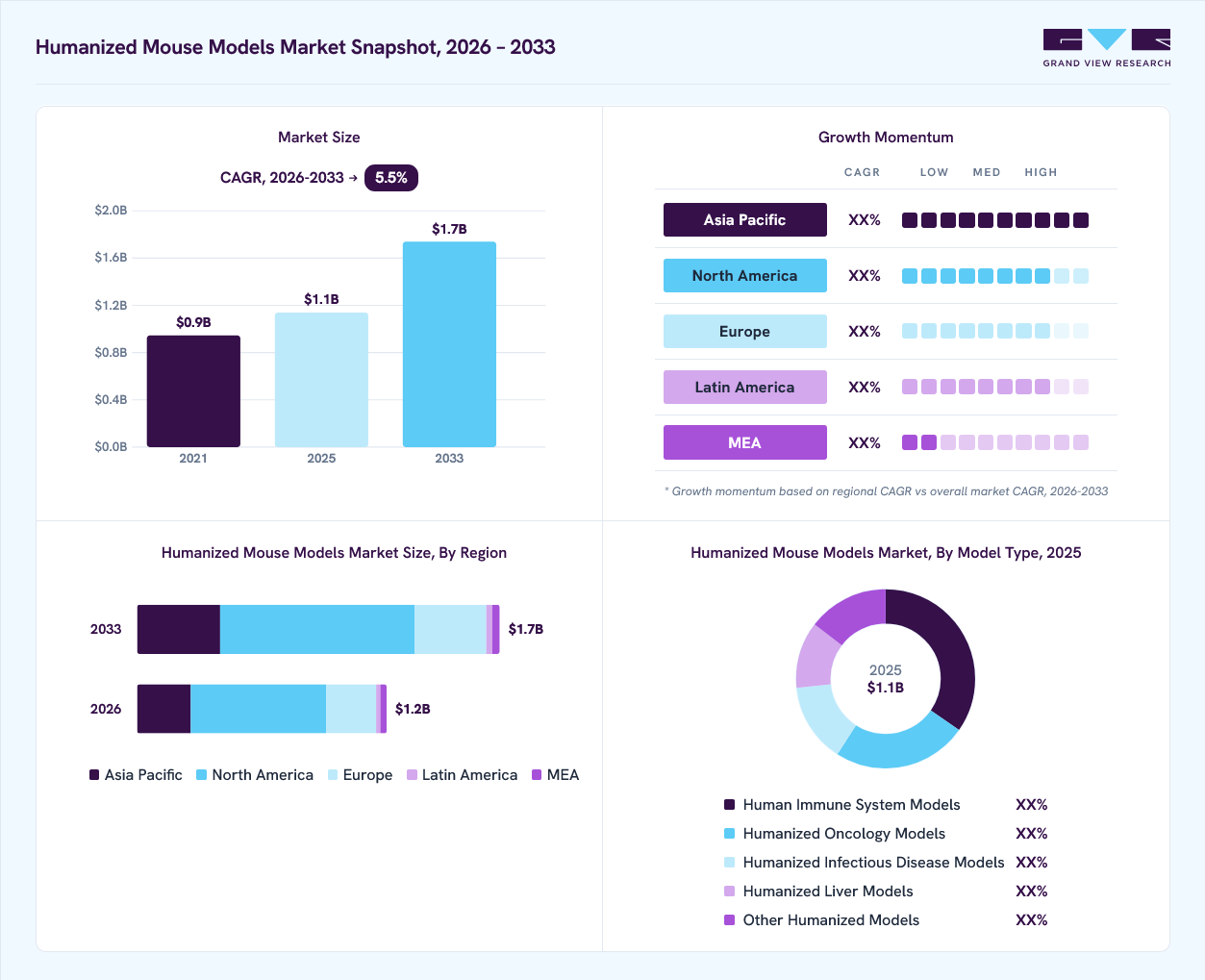 Source: Grand View Research, IR Documents, Primary Interviews, Paid DatabasesTo learn more about this report,
 Download Free Sample Report
Key Market Trends & Insights
- By model type: Human immune system Models segment held the highest market share of 34.7% in 2025.
- By application: Drug discovery & translational research dominated the market with a share of 27.9% in 2025.
- By end-use: Large pharmaceutical companies segment accounted for approximately 31.3% share in 2025.
- By therapeutic area: Oncology segment accounted for approximately 30.5% of the therapeutic area segment in 2025.
Regional Highlights
- Largest regional market: North America (54.3% revenue share, 2025)
- Fastest-growing regional market: Asia Pacific (highest CAGR, 2026-2033)
- By country: The U.S. held the largest market share in 2025.
Market Size & Forecast
- Market size in 2025: USD 1.1 Billion
- Estimated market size in 2026: USD 1.2 Billion
- Projected market size by 2033: USD 1.7 Billion
- CAGR (2026-2033): 5.5%
Prism AI by Grand View Research Free to tryAsk a question about the humanized mouse models marketTry asking✓Every figure cited from GVR research Prefer the report? Download free sample →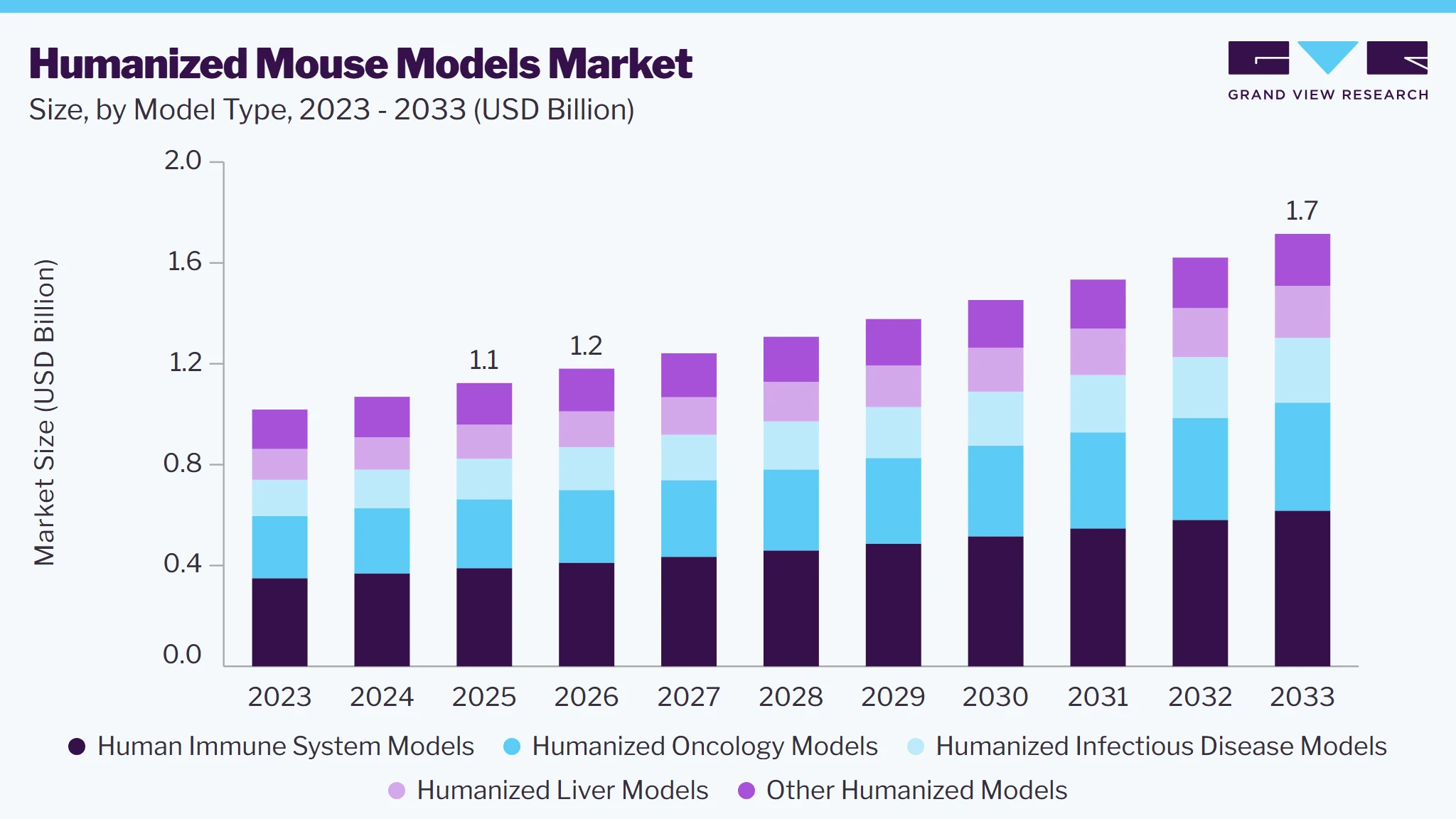 To learn more about this report, Download Free Sample Report
Market Dynamics
The humanized mouse models market is witnessing significant growth, driven by increasing demand for humanized mouse models across pharmaceutical research, biotechnology, drug discovery, immuno-oncology, and personalized medicine applications. Humanized mouse models provide human-like immune responses and physiological characteristics, supporting their use across diverse research areas. Growing interest in targeted therapies and human-relevant preclinical testing is further increasing their adoption. In addition, advances in genetic engineering, stem cell technologies, and immune system reconstitution are improving model accuracy and supporting the commercialization of humanized mouse models.
Increasing demand for preclinical models that replicate human immune responses is driving the humanized mouse models market, particularly in cancer immunotherapy development. These models enable researchers to evaluate therapeutic efficacy and investigate interactions between human immune cells and tumors before clinical testing. According to an article published in the Journal for ImmunoTherapy of Cancer in April 2026, researchers developed a humanized mouse model containing human T cells with predefined tumor antigen specificities to evaluate cancer immunotherapies. The model supported the assessment of T-cell bispecific antibodies and costimulatory agonists, highlighting the utility of humanized mice in preclinical immunotherapy research.
The following table compares different preclinical immuno-oncology models, highlighting their applications, advantages, and limitations. While conventional models offer benefits for drug screening and therapeutic evaluation, their limitations in replicating complex human immune responses create a need for more representative preclinical systems. Humanized mouse models help address this need by enabling researchers to investigate human immune cell-tumor interactions and evaluate cancer immunotherapies, supporting growing demand for these models in preclinical oncology research.
Table: Comparison of Preclinical Immuno-Oncology Models and Their Applications, Advantages, and Limitations
Preclinical model
Applications
Advantages
Limitations
2D cultures
Drug screening; in vitro evaluation
Easy access; fast readout; low cost
Can be poorly predictive
3D cultures
Drug screening; ex vivo evaluation; study of tumor microenvironment (TME) and extracellular matrix (ECM)
Relatively easy to prepare; can recapitulate TME and ECM; histological fidelity to original tumor
Lack of inter-organ communication
Syngeneic mouse models
In vivo efficacy and safety assessment; study of disease development
Can engineer specific genes
May fail to accurately mimic human disease phenotypes
Xenograft mouse models
In vivo efficacy and safety assessment
Includes cell-derived xenograft (CDX) and patient-derived xenograft (PDX) models; PDX can recapitulate patient tumor signatures
Costly
Humanized mouse models
In vivo efficacy and safety assessment; study of TME
Can recapitulate aspects of the human tumor microenvironment
Costly
Source: PubMed Central Secondary Research, Primary Interviews, Grand View Research Analysis
Restraint - Graft-versus-Host Disease and Limited Experimental Duration
Graft-versus-host disease (GvHD) and limited experimental duration can restrain the humanized mouse models market by shortening study periods and complicating long-term assessment of therapeutic responses. According to an article published in Frontiers in Immunology in June 2025, GvHD is a significant complication in humanized mouse models used for immuno-oncology research because transplanted human immune cells can attack mouse tissues, limiting animal lifespan and affecting study utility. The article also highlighted the need for improved GvHD monitoring to support animal welfare and maintain the scientific value of experiments. These challenges can complicate experimental design and increase the resources required for preclinical studies using humanized mice.
Development of specialized humanized mouse models with improved human immune-cell functionality presents an opportunity for the humanized mouse models market by expanding applications in immunotherapy and preclinical drug development. For instance, in June 2026, Taconic Biosciences launched its hG-CSF KI NOG mouse, a humanized immune system model designed to support human neutrophil research while reducing confounding activation of mouse neutrophils. The model supports research in immuno-oncology, inflammatory diseases, infectious diseases, and neutrophil-targeted therapies. Availability of this specialized model can expand the use of humanized mice in evaluating therapies that target human innate immune cells.
“Human neutrophils are increasingly recognized as key drivers of disease biology and therapeutic response across multiple research areas. The hG-CSF KI NOG mouse provides researchers with a unique tool to specifically investigate human neutrophil function in vivo, helping generate more translationally relevant insights for drug discovery and development.”
-Monika Buczek, PhD, Portfolio Manager at Taconic Biosciences.
Market Concentration & Characteristics
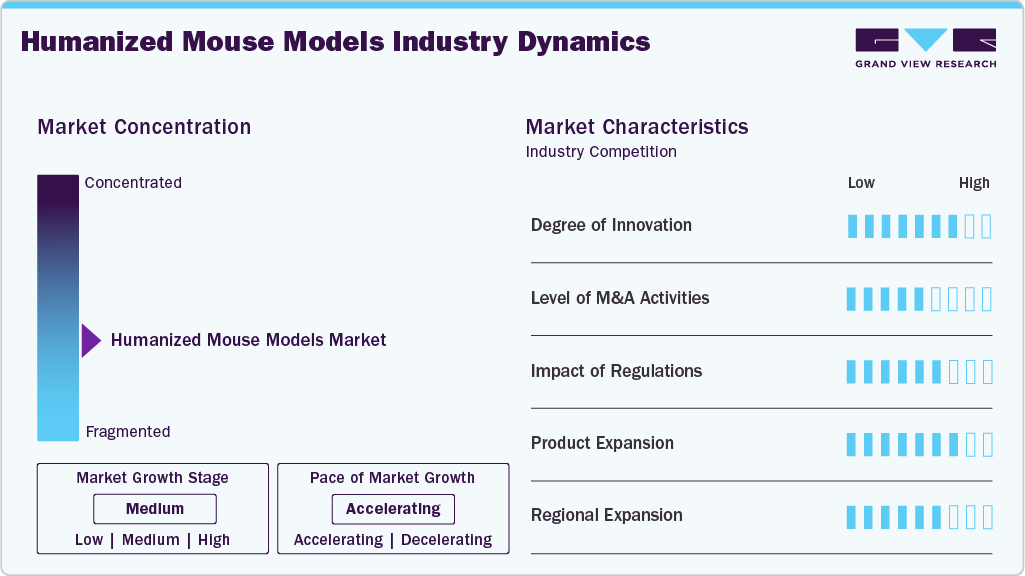
The degree of innovation in the humanized mouse models market is high, driven by advances in genetic engineering, human antibody repertoire development, and immune system humanization. For instance, in July 2025, Twist Bioscience launched a humanized transgenic (HuTg) mouse model that generates human antibody repertoires and robust immune responses for antibody discovery. The model can be combined with complementary mouse and B-cell screening platforms, supporting antibody lead identification and optimization and advancing preclinical drug discovery.
“The humanized transgenic mouse model complements our current in vivo antibody discovery platforms and can be paired with our DiversimAb mouse and B cell screening platforms, offering researchers multiple methods that can be used independently or together to generate more candidates with greater flexibility across varied disease areas. Typically, HuTg models require licensing from a provider but in contrast, Twist is offering a fee-for-service approach, working within customers’ budgets and timelines by eliminating often time-consuming licensing negotiations.”
- Emily M. Leproust, CEO and co-founder of Twist Bioscience.
The level of merger and acquisition activity in the humanized mouse models market is moderate, as companies seek to expand model portfolios and preclinical research capabilities. For instance, in January 2026, Taconic Biosciences acquired TransCure bioServices, a provider of preclinical research services using humanized immune system mouse models. The acquisition combines Taconic’s humanized mouse model portfolio with TransCure’s translational pharmacology and in vivo research capabilities, strengthening integrated solutions for drug discovery and preclinical evaluation.
“This acquisition establishes a fully integrated translational research engine giving researchers a more predictive, efficient, and reliable alternative than fragmented multi-vendor workflows. Taconic’s world-class animal models combined with TransCure’s state-of-the-art preclinical services create a uniquely powerful platform for drug discovery and translational research, offering global customers a robust suite of preclinical solutions spanning model generation, humanization, engraftment, cohort customization, and advanced in vivo pharmacology.”
- Mike Garrett, CEO of Taconic Biosciences.
 To learn more about this report, Download Free Sample Report
The impact of regulations on the humanized mouse models market is significant, as regulatory policies influence the selection of preclinical models for drug safety and efficacy evaluation. For instance, in April 2025, the U.S. FDA announced a roadmap to reduce animal testing in drug development by encouraging validated alternative methods, including computational models and human-based laboratory systems. This initiative may influence demand for humanized mouse models and shape their use alongside alternative testing approaches in preclinical research.
The humanized mouse models industry is witnessing product expansion through the development of genetically engineered models that improve the evaluation of human-specific therapeutics. For instance, in March 2026, Janvier Labs introduced new mouse strains, including the NXG MHC DKO and NXG FcClarity models. The NXG MHC DKO model lacks mouse MHC class I and II expression to improve human immune-cell engraftment, while NXG FcClarity minimizes interactions between human IgG and mouse Fc receptors, supporting preclinical evaluation of therapeutic antibodies and immunotherapies.
The humanized mouse models market is witnessing regional expansion as companies strengthen local production and distribution capabilities to improve access to specialized research models. For instance, in November 2024, Taconic Biosciences opened a new production facility in Seattle, Washington, expanding the availability of genetically modified mouse models, including humanized immune system mice. The facility supports more frequent deliveries and shorter transportation times, strengthening regional access to humanized models for preclinical research and drug development.
"Our strength is the depth of the relationships we develop with researchers. Taconic scientists are trusted by global biopharmaceutical scientists to understand and develop superior rodent model solutions that drive drug discovery. Through our newly expanded footprint, we are now pairing Taconic’s expertise with high quality mouse model production and colony management services available on the U.S. West Coast.”
- Nancy Sandy, Chief Executive Officer of Taconic Biosciences.
Analyst Perspective
The humanized mouse models market is expected to witness moderate growth, supported by increasing adoption of human-relevant preclinical models in drug discovery, immuno-oncology, and personalized medicine research. As pharmaceutical and biotechnology companies seek to improve the predictive value of preclinical studies, demand is expected to rise for models that replicate human immune responses, disease mechanisms, and therapeutic interactions. Growing development of targeted therapies and biologics is further strengthening the need for specialized models that support efficacy and safety assessment. Market participants are focusing on advancing genetic engineering, improving human cell engraftment and model reproducibility, and expanding specialized model portfolios and preclinical research services to address evolving drug development needs.
Model Type Insights
The human immune system models segment accounted for the largest revenue share, over 34.7% in 2025, supported by increasing use of humanized mouse models in immunology research, vaccine development, and therapeutic evaluation. These models enable researchers to study human immune responses in vivo and assess disease mechanisms and treatment efficacy. For instance, in July 2024, scientists at The University of Texas Health Science Center at San Antonio announced the development of TruHuX (THX) mice with a fully functional human immune system, including human T cells, B cells, memory B cells, and antibody-producing plasma cells. The model demonstrated specific antibody responses following vaccination, highlighting its potential for vaccine development and immunotherapy research.
The humanized infectious disease models segment is expected to register fastest CAGR during 2026-2033, driven by the growing use of humanized mice to study human-specific pathogens and evaluate potential treatments. For instance, according to an article published in Animal Models and Experimental Medicine in February 2026, researchers developed a humanized NOG-EXL mouse model that produced human antibodies against severe fever with thrombocytopenia syndrome virus (SFTSV). The study demonstrated that the model generated virus-specific antibodies with neutralizing activity, highlighting its potential for infectious disease research and therapeutic antibody development.
Application Insights
The drug discovery & translational research dominated the market with a share of 27.9% in 2025, supported by the use of humanized mouse models to improve the predictive accuracy of preclinical drug evaluation. For instance, according to an article published in Proceedings of the National Academy of Sciences in April 2026, researchers used a genetically humanized mouse model expressing key human cytochrome P450 enzymes to investigate schistosomiasis drug development. The model reproduced human-like metabolism of praziquantel and demonstrated improved drug exposure at lower doses than those required in conventional mice, highlighting the potential of humanized models to support drug efficacy evaluation and translational research.
The preclinical efficacy studies segment is expected to register the significant CAGR during 2026-2033, driven by increasing use of humanized mouse models to evaluate the efficacy and safety of potential therapeutics before clinical trials. These models enable researchers to assess treatment responses, tumor progression, immune system interactions, and disease-specific outcomes in a biological environment that more closely reflects human physiology. The growing focus on improving the translational relevance of preclinical research and evaluating novel therapies is expected to support the adoption of humanized mouse models in preclinical efficacy studies.
Therapeutic Area Insights
The oncology segment accounted for approximately 30.5% of the therapeutic area segment in 2025, making it the leading segment, mainly due to the increasing use of humanized mouse models to evaluate cancer therapies and investigate interactions between human tumors and the immune system. For instance, in July 2026, Cyagen reported that a first-in-class cancer immunotherapy developed by Chimigen Biomedical received clearance from the U.S. Food and Drug Administration (FDA) to initiate clinical trials for metastatic castration-resistant prostate cancer (mCRPC), following preclinical evaluation supported by Cyagen’s humanized mouse platform. This development highlights the role of humanized mouse models in supporting preclinical oncology research and advancing cancer therapies toward clinical evaluation.
Infectious diseases segment is projected to register the fastest CAGR during 2026-2033, driven by increasing use of humanized mouse models to study human-specific pathogens and evaluate potential vaccines and antiviral therapies. These models enable researchers to investigate pathogen-host interactions, human immune responses, and disease progression in vivo. The growing focus on developing effective treatments for infectious diseases and improving the translational relevance of preclinical research is expected to support the adoption of humanized mouse models in infectious disease research.
End-use Insights
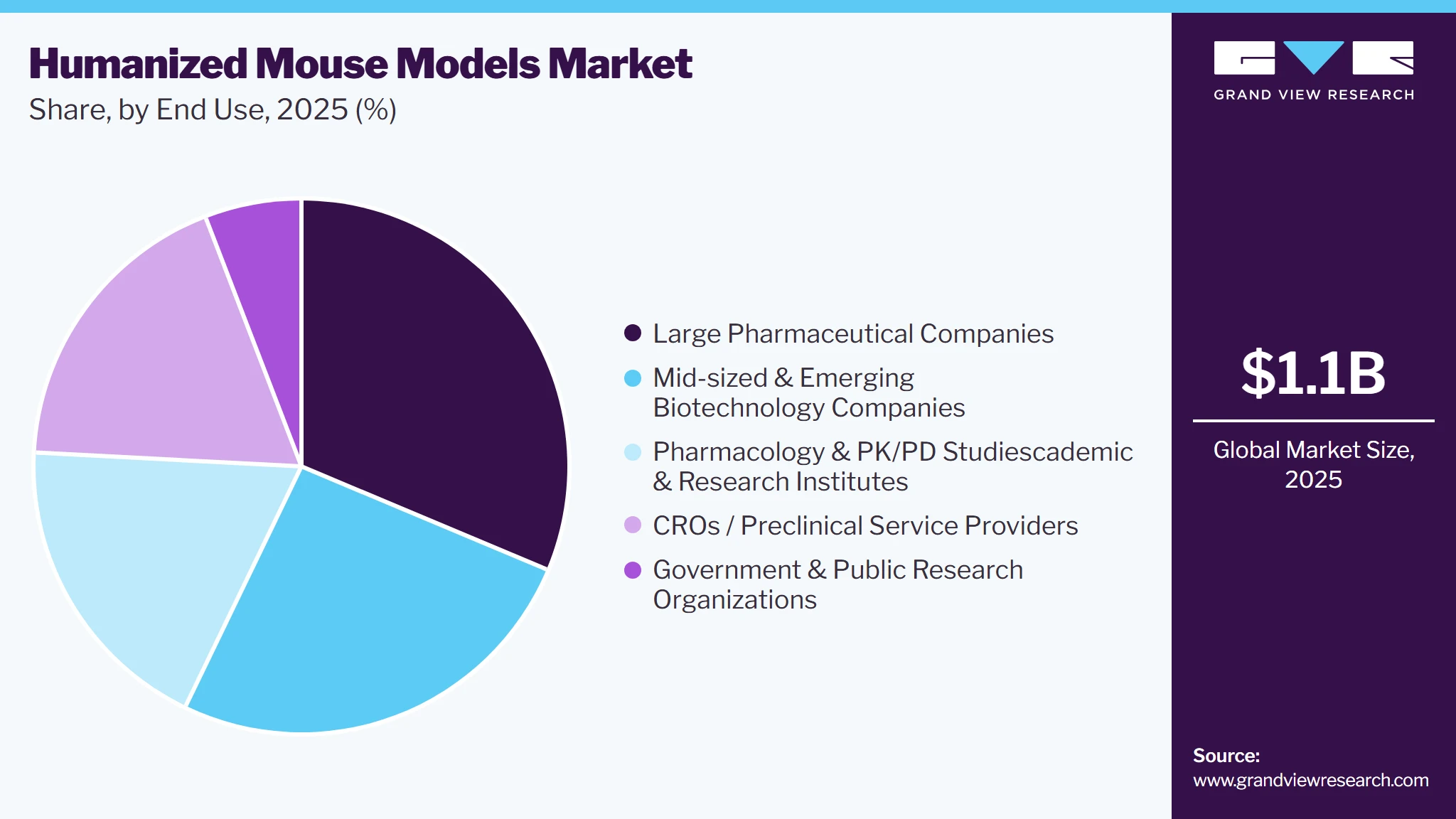
Large pharmaceutical companies segment accounted for approximately 31.3% share in 2025, making it a leading end use segment. Growth is driven by the adoption of humanized mouse models for therapeutic antibody discovery and preclinical drug development. For instance, in March 2026, Biocytogen Pharmaceuticals entered into a platform licensing agreement with Taisho Pharmaceutical, granting the company access to its RenNano fully human heavy chain-only antibody discovery platform. The agreement enables Taisho to use RenNano mice to generate and screen fully human antibodies for its internal research and development programs. This collaboration highlights the role of humanized mouse models in supporting antibody discovery and expanding drug development capabilities at pharmaceutical companies.
“We are very pleased to enter into this collaboration with Taisho. RenNano is a robust and powerful fully human VHH discovery platform that provides an ideal antibody foundation for the development of a broad range of next-generation innovative therapeutics. Through this collaboration, RenNano will support Taisho’s internal R&D efforts and help establish a more efficient, fully human VHH discovery workflow.
- Dr. Yuelei Shen, President and CEO of Biocytogen
 To learn more about this report, Download Free Sample Report
Mid-sized and emerging biotechnology companies segment is projected to witness the fastest CAGR during 2026-2033, driven by increasing investments in biotechnology research and the development of novel therapeutics. These companies utilize humanized mouse models to evaluate drug candidates, study disease mechanisms, and assess therapeutic efficacy during preclinical development. The growing focus on innovative biologics, immunotherapies, and targeted treatments, coupled with the need for reliable preclinical models to improve translational relevance, is expected to support the adoption of humanized mouse models among mid-sized and emerging biotechnology companies.
Regional Insights
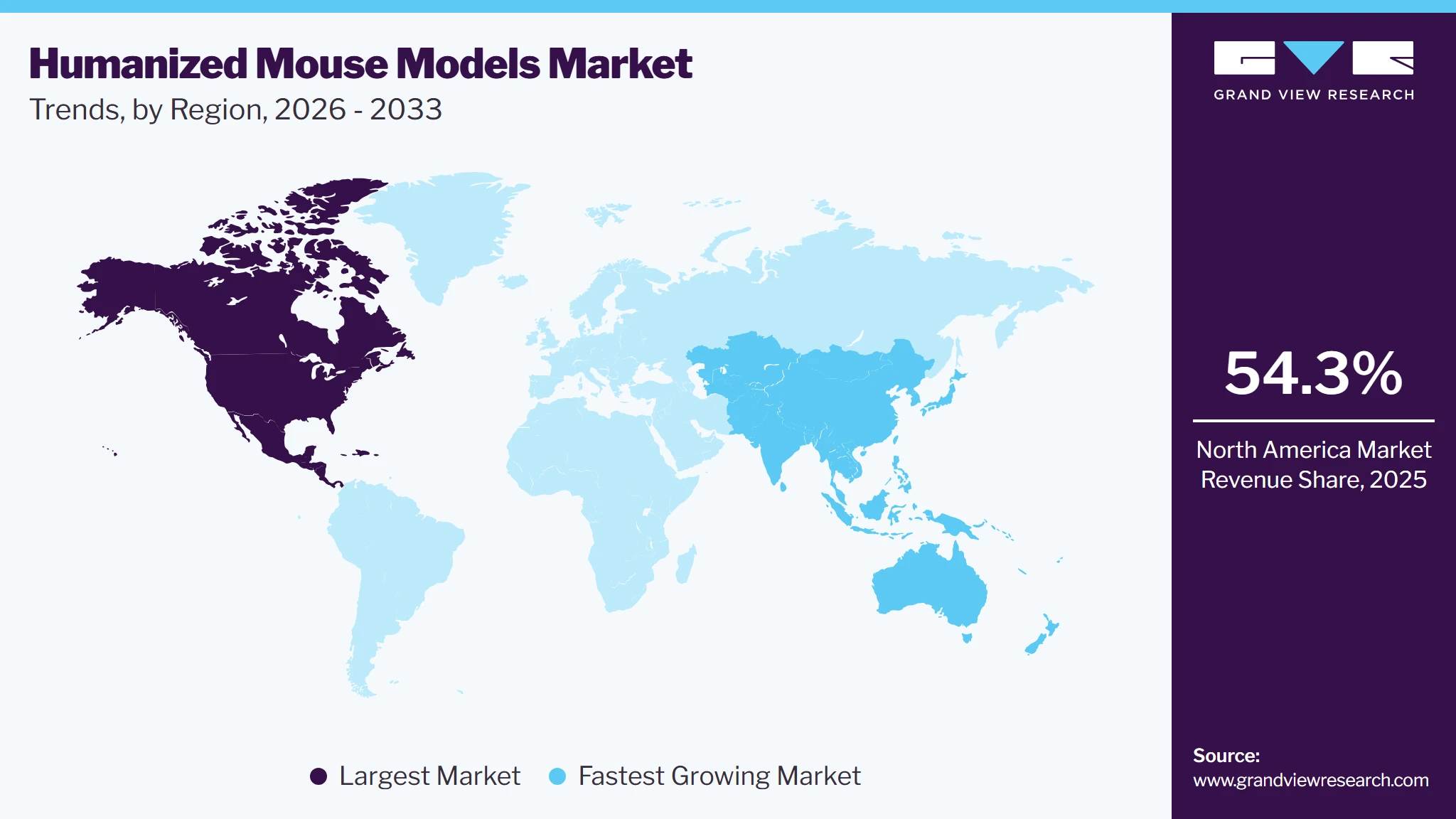
North America dominated the humanized mouse models market accounting for the largest revenue share of 54.3% in 2025, supported by increasing demand for specialized preclinical models that improve the evaluation of antibody-based therapeutics. For instance, in December 2025, Taconic Biosciences launched its FcResolv NOG-EXL mouse models to support antibody-based drug research. These models combine human immune system components with a mouse strain engineered to support human myeloid cell development, enabling researchers to investigate antibody efficacy and immune-mediated responses in preclinical studies. This commercial product launch expands the availability of specialized humanized mouse models for antibody drug discovery and preclinical therapeutic evaluation.
 To learn more about this report, Download Free Sample Report
“This model is a gamechanger for scientists in both academia and in pharma. It eliminates the interference of Fc gamma receptors in drug efficacy studies in a highly translatable mouse model. Ultimately, this means more accurate testing and a faster timeline to an effective therapeutic."
- Louise Baskin, Senior Director, New Product Pipeline
U.S. Humanized Mouse Models Market Trends
The U.S. humanized mouse models market is expected to grow over the forecast period, supported by federal research funding for the development of genetically engineered models that replicate human disease mechanisms. For instance, in November 2024, Inotiv received a USD 1.8 million grant through the U.S. Department of Defense’s Peer Reviewed Medical Research Program to develop two humanized APOL1 mouse lines for chronic kidney disease research. The planned models will express human APOL1 either throughout the body or specifically in the kidneys, supporting investigations into APOL1-associated kidney disease and its progression. This grant-funded initiative supports the development of specialized humanized mouse models for preclinical disease research and therapeutic evaluation in the United States.
“We’re keenly aware of the significant gap in the chronic kidney disease research area when it comes to translational in vivo models for CKD. The development and phenotypic characterization of this novel APOL1 model can help facilitate bridging that gap and lead to a better understanding of CKD and the therapeutics that mitigate a disease that plagues so many individuals.”
-Flavia Gomes Machado, leading the project at Inotiv.
Europe Humanized Mouse Models Market Trends
Europe was identified as a lucrative region in humanized mouse models industry, supported by availability of specialized preclinical models that replicate human liver functions for drug development and disease research. For instance, in July 2024, France-based TransCure bioServices launched its humanized liver mouse model, hu-PIRF, following in-house validation conducted in collaboration with Professor Karl-Dimiter Bissig of Duke University. The model uses human hepatocytes engrafted in mouse livers to support research into metabolic dysfunction-associated steatohepatitis (MASH), hepatitis B and C, drug metabolism, pharmacokinetics, and hepatotoxicity. This commercial launch expands access to specialized humanized mouse models for preclinical research.
UK Humanized Mouse Models Market Trends
The UK humanized mouse models market held a significant share, supported by investment in specialized models that improve the prediction of human drug metabolism and therapeutic responses during preclinical development. For instance, in October 2025, Scotland-based PhaSER Biomedical announced a collaboration with the UK Medicines and Healthcare products Regulatory Agency (MHRA) and the University of Dundee to integrate its 8HUM humanized mouse model with artificial intelligence for drug safety assessment. The 8HUM model incorporates human drug-metabolizing enzymes, including cytochrome P450 enzymes, to better represent human drug metabolism. The collaboration aims to use model-derived data to develop AI-assisted predictions of drug-drug interactions, supporting the application of humanized mouse models in UK preclinical drug development.
“This partnership exemplifies how artificial intelligence and humanised models can be combined to generate stronger, more predictive evidence earlier in the development process. By incorporating these tools into regulatory science, we can make drug development faster, more ethical, and more relevant to real-world patient outcomes.”
- Julian Beach, Executive Director, Healthcare Quality and Access, MHRA
Germany Humanized Mouse Models Market Trends
The humanized mouse models market in Germany is anticipated to grow significantly over the forecast period, supported by its established biotechnology and pharmaceutical research infrastructure and demand for translationally relevant preclinical testing. Increasing use of humanized immune system mice and genetically engineered models is supporting research into immuno-oncology, infectious diseases, and immune-mediated disorders. The need to evaluate therapeutic efficacy and human-specific immune responses before clinical development is expected to sustain demand for specialized humanized mouse models, associated model-generation services, and preclinical testing capabilities.
Asia Pacific Humanized Mouse Models Market Trends
Asia Pacific is expected to grow at the fastest CAGR of 6.4% during the forecast period driven by regional biotechnology companies expanding the availability of specialized models for preclinical drug development. For instance, in June 2026, China-based GenAssist and VeloGene announced the global commercial launch of validated humanized Duchenne muscular dystrophy (DMD) mouse models developed through a multi-year collaboration. Using VeloGene’s TurboMice platform, the models support preclinical evaluation of exon-skipping therapies, gene editing, and gene replacement approaches. The models are available to academic institutions and biopharmaceutical companies worldwide, highlighting the contribution of China-based companies to the development and commercialization of specialized humanized mouse models.
“As the model development partner, we are proud that our TurboMice platform enabled the creation of these complex models that were previously difficult or impossible to generate efficiently. Traditional methods often suffer from long lead times and low success rates, hindering therapeutic progress. The models we are launching today represent the current state-of-the-art in DMD modeling. Velogene is committed to ensuring the stable supply and rigorous quality control of these critical resources. We look forward to seeing researchers worldwide leverage these ‘Made-in-China’ tools to drive breakthroughs in neuromuscular disease.”
- Dr. Guangming Wu, CEO of Velogene
China’s humanized mouse models market is witnessing strong growth, supported by domestic commercial innovation in genetically engineered models for therapeutic antibody discovery. For instance, in August 2023, China-based GemPharmatech launched NeoMab, a fully antibody gene-humanized mouse model designed to support therapeutic antibody development. Developed on a BALB/c genetic background, the model incorporates human antibody variable-region gene repertoires into endogenous mouse loci while retaining native mouse constant-region genes. This design supports the generation of diverse antibodies for discovery and preclinical evaluation, strengthening China's domestic portfolio of specialized humanized mouse models for pharmaceutical and biotechnology research.
Japan’s humanized mouse models market is witnessing rapid growth supported by collaborations that advance specialized preclinical research models and expand their commercial promotion. For instance, in February 2026, Japan-based SMC Laboratories and PhoenixBio announced a collaborative project to develop a primary human hepatocellular carcinoma (HCC) model using the STAM mouse disease model and PhoenixBio’s PXB-mice, which contain engrafted human hepatocytes. The initiative aims to reproduce liver cancer development using human liver cells and includes joint marketing of the companies’ existing research models and nonclinical services, strengthening Japan’s role in the development and promotion of humanized liver models for drug discovery and preclinical research.
Latin America Humanized Mouse Models Market Trends
The Latin America humanized mouse models market is expected to grow over the forecast period, supported by growing demand for advanced preclinical research tools among pharmaceutical, biotechnology, and academic research institutions. Humanized mouse models help researchers study human-specific immune responses, disease mechanisms, and drug efficacy, supporting the development of new therapies and personalized medicine approaches. Improvements in biomedical research infrastructure, collaborations between research institutions and biotechnology companies, and increasing investment in drug discovery are expected to create opportunities for market growth across the region.
MEA Humanized Mouse Models Market Trends
The Middle East humanized mouse models market is expected to witness gradual growth, driven by increasing investments in biotechnology, pharmaceutical research, and precision medicine. Humanized mouse models support preclinical drug development by enabling researchers to investigate human-specific immune responses, disease mechanisms, and therapeutic efficacy. Growing emphasis on biomedical innovation, expanding research facilities, and collaborations between academic institutions, pharmaceutical companies, and biotechnology organizations may support market adoption across the region.
Key Humanized Mouse Models Company Insights
The humanized mouse models industry is characterized by strong competition among companies offering immune system, liver, cancer, and other humanized mouse models. Market participants are strengthening their competitive position through model development, service expansions, genetic modifications, strategic collaborations, and broader preclinical research capabilities. Competitive differentiation is influenced by model accuracy, engraftment efficiency, physiological relevance, model availability, customization capabilities, geographic reach, customer relationships, and applications across drug discovery, immuno-oncology, disease modeling, and therapeutic development.
Key Humanized Mouse Models Companies
The following key companies have been profiled for this study on the humanized mouse models market
-
Key Players
-
Charles River Laboratories
-
The Jackson Laboratory
-
Taconic Biosciences, Inc.
-
Crown Bioscience
-
Biocytogen
-
Creative Biolabs
-
GemPharmatech
-
genOway
-
PhoenixBio Co., Ltd.
-
Cyagen
-
Shanghai Model Organisms Center, Inc.
-
Inotiv
-
Janvier Labs
-
Champions Oncology, Inc
-
Ingenious targeting laboratory
Competitive Benchmarking
Category
Operating Strategies
Competitive Edge
Weakness
Established Players (Charles River Laboratories; The Jackson Laboratory; Taconic Biosciences, Inc.; Crown Bioscience; Inotiv; Janvier Labs; Champions Oncology, Inc.)
Expanding humanized mouse model portfolios; investing in model development, preclinical research services, genetic engineering, and global research capabilities.
Established research infrastructure, broad model portfolios, technical expertise, global distribution networks, and strong pharmaceutical and biotechnology customer relationships.
High model development costs, complex animal research requirements, variability in human cell engraftment, and dependence on research funding and pharmaceutical R&D spending.
Emerging and Specialized Players (Biocytogen; Creative Biolabs; GemPharmatech; genOway; PhoenixBio Co., Ltd.; Cyagen; Shanghai Model Organisms Center, Inc.; ingenious targeting laboratory)
Developing specialized humanized models, advanced genetic modifications, customized research solutions, and expanded applications in immuno-oncology, infectious diseases, and drug discovery.
Specialized engineering capabilities, customized model development, innovative platforms, flexible research services, and focus on emerging therapeutic applications.
Limited global reach in some markets, high model validation requirements, commercialization challenges, competition from established providers, and dependence on customer adoption and research investment.
Recent Developments
- In October 2026, Taconic Biosciences partnered with genOway to expand access to genetically humanized mouse models in the U.S. market, supporting oncology drug discovery and translational research through target-specific humanized mouse model solutions.
“Researchers rely on Taconic not only for access to high-quality animal models, but also for the scientific expertise to help identify the right model for the questions they need to answer. Our partnership with genOway builds on that commitment, expanding the range of advanced humanized models we can offer U.S. researchers and helping drug developers make more informed model selections and generate data with greater translational relevance.”
- Mike Garrett, Chief Executive Officer of Taconic Biosciences.
- In July 2026, GemPharmatech signed a global distribution agreement with Humlab Global to expand access to existing and novel humanized mouse models for aging, autoimmune and metabolic diseases, oncology, and infectious diseases, including a humanized liver mouse model for studying liver-specific immune and metabolic disease mechanisms.
“Our goal as a company has always been to have the tools ready for scientists when they need them. This agreement will be empowering to researchers across numerous indications where these models can make the biggest difference for patients.”
-Dr. Brandy Wilkinson, North American CEO of GemPharmatech.
- In June 2025, Taconic Biosciences launched huSelect Custom Immune System Humanization, a customizable service designed to improve consistency and reproducibility in humanized immune system mouse studies. The service enables researchers to select human CD34+ hematopoietic stem cell donors based on HLA types and reserve donor cells for future studies, supporting consistent preclinical research and improved translational relevance in immuno-oncology and other therapeutic areas.
“The huSelect portfolio of services was developed to give researchers the tools they need to conduct reliable, reproducible and clinically relevant immuno-oncology, autoimmune, and infectious disease studies with humanized immune system mice. By creating custom models with carefully selected CD34+ donor criteria, researchers can reduce donor-to-donor variability and improve the quality and consistency of their therapeutic study outcomes.”
- Monika Buczek, PhD, Director, Humanized Immune Model Core at Taconic Biosciences.
Key Humanized Mouse Models Report Scope
Report Attribute
Details
Market size in 2025
USD 1.1 billion
Estimated market size in 2026
USD 1.2 billion
Projected market size by 2033
USD 1.7 billion
Growth rate
CAGR of 5.5% from 2026 to 2033
Historical data
2021 - 2025
Forecast period
2026 - 2033
Quantitative units
Revenue in USD million and CAGR from 2026 to 2033
Report coverage
Revenue forecast, company ranking, competitive landscape, growth factors, and trends
Segments covered
Model type, application, therapeutic area, end-use, region
Regional scope
North America; Europe; Asia Pacific; Latin America; MEA
Country scope
U.S., Canada, Mexico, UK, Germany, France, Italy, Spain, Norway, Denmark, Sweden, China, Japan, India, South Korea, Australia, Thailand, Brazil, Argentina, Saudi Arabia, South Africa, UAE, and Kuwait
Key companies profiled
Charles River Laboratories, The Jackson Laboratory, Taconic Biosciences, Inc., Crown Bioscience, Biocytogen, Creative Biolabs, GemPharmatech, genOway, PhoenixBio Co., Ltd., Cyagen, Shanghai Model Organisms Center, Inc., Inotiv, Janvier Labs, Champions Oncology, Inc., ingenious targeting laboratory
Customization scope
Free report customization (equivalent up to 8 analysts' working days) with purchase. Addition or alteration to country, regional & segment scope.
Pricing and purchase options
Avail customized purchase options to meet your exact research needs. Explore purchase options
Global Humanized Mouse Models Market Report Segmentation
This report forecasts revenue growth and provides an analysis on the latest trends in each of the sub-segments from 2021 to 2033. For the purpose of this report, Grand View Research has segmented the global humanized mouse models market on the basis of model type, application, therapeutic area, end-use and region:
-
Model Type Outlook (Revenue, USD Million, 2021 - 2033)
-
Human Immune System Models
-
Humanized Oncology Models
-
Humanized Infectious Disease Models
-
Humanized Liver Models
-
Other Humanized Models
-
-
Application Outlook (Revenue, USD Million, 2021 - 2033)
-
Drug Discovery & Translational Research
-
Basic Research
-
Toxicology & Safety Assessment
-
Preclinical Efficacy Studies
-
Pharmacology and PK/PD Studies
-
Disease Modeling
-
-
Therapeutic Area Outlook (Revenue, USD Million, 2021 - 2033)
-
Oncology
-
Immunology/inflammation
-
Neurology/CNS
-
Cardiovascular diseases
-
Metabolic disorders
-
Infectious diseases
-
Rare/genetic diseases
-
Vaccine and biologics research
-
Others
-
-
End-use Outlook (Revenue, USD Million, 2021 - 2033)
-
Large Pharmaceutical Companies
-
Mid-sized and Emerging Biotechnology Companies
-
Academic & Research Institutes
-
CROs/Preclinical Service Providers
-
Government & Public Research Organizations
-
-
Regional Outlook (Revenue, USD Million, 2021 - 2033)
-
North America
-
U.S.
-
Canada
-
Mexico
-
-
Europe
-
UK
-
Germany
-
France
-
Italy
-
Spain
-
Denmark
-
Sweden
-
Norway
-
-
Asia Pacific
-
Japan
-
China
-
India
-
Australia
-
Thailand
-
South Korea
-
-
Latin America
-
Brazil
-
Argentina
-
-
Middle East and Africa (MEA)
-
South Africa
-
Saudi Arabia
-
UAE
-
Kuwait
-
-
Research Methodology
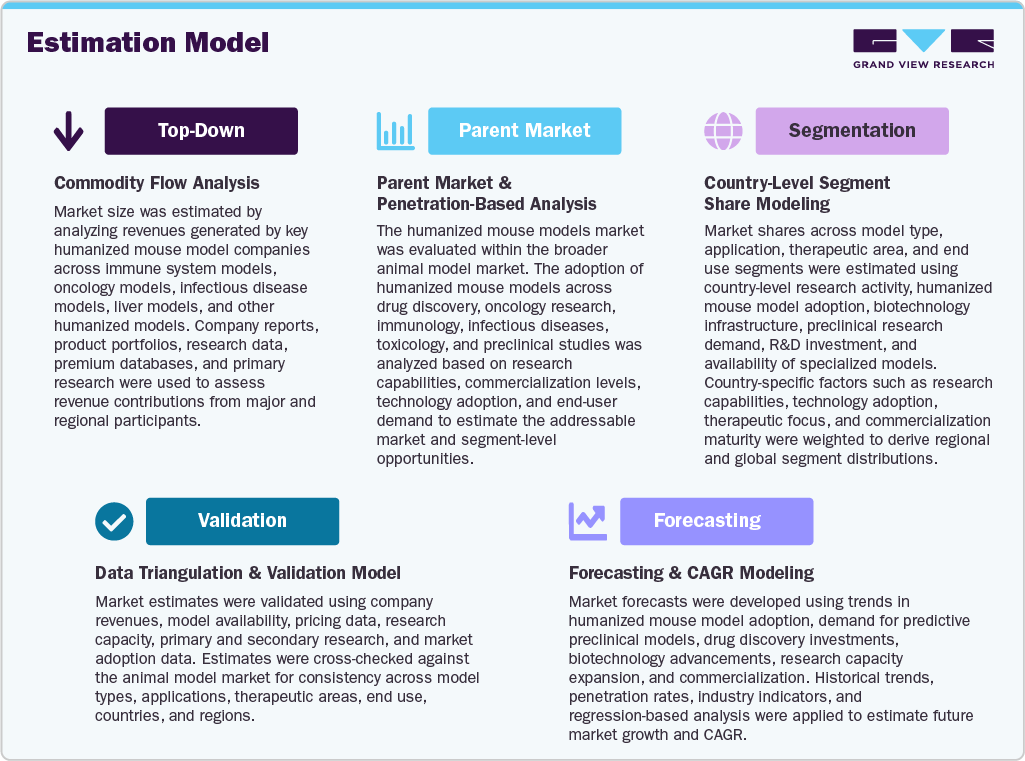
The humanized mouse models market figures in this report are based on a proven research process that combines executive interviews with secondary research from proprietary databases, company filings, and recognized regulatory and institutional sources. Market size is built through value-chain sizing-reconciling supply-side and demand-side estimates-and triangulated with bottom-up and top-down approaches. Every estimate passes multiple levels of expert validation before publication, with each humanized mouse models segment quantified using the revenue-capture definitions in the table below.
Segment Definition
Segment- Model Type
Revenue Capture Definition
Human Immune System Models
Revenue generated from humanized mouse models incorporating human immune cells, hematopoietic stem cells, or immune tissues to investigate human immune development, immune responses, immune-mediated diseases, and the activity of immunotherapies.
Humanized Oncology Models
This segment captures income from humanized mouse models incorporating human tumors, patient-derived tumor tissues, human immune components, or combinations thereof to study cancer biology, tumor-immune interactions, disease progression, and responses to anticancer therapies.
Humanized Infectious Disease Models
Market value in this category stems from humanized mouse models incorporating human cells, tissues, or biological components that support research into human - specific pathogens, host pathogen interactions, infectious disease mechanisms, and potential therapeutic interventions.
Humanized Liver Models
Revenue generated from humanized mouse models incorporating human hepatocytes or other human liver components to investigate liver biology, human-specific drug metabolism, drug - drug interactions, hepatotoxicity, and liver diseases.
Other Humanized Models
Revenue from humanized mouse models outside human immune system, oncology, infectious disease, and liver models, including models incorporating other human cells, tissues, or genes to investigate human-specific biological processes, diseases, and therapeutic responses.
Segment- Application
Revenue Capture Definition
Drug Discovery & Translational Research
Revenue generated from humanized mouse models used to identify and evaluate drug candidates, validate therapeutic targets, investigate disease mechanisms, and assess the translational potential of treatments from preclinical research toward clinical development.
Basic Research
This segment captures income from humanized mouse models used in fundamental biological studies investigating human cellular functions, molecular pathways, gene activity, immune responses, and disease-related mechanisms.
Toxicology & Safety Assessment
Market value in this category stems from humanized mouse models used to evaluate drug toxicity, potential adverse effects, organ-specific safety, and human-relevant biological responses to therapeutic compounds during preclinical safety assessment.
Preclinical Efficacy Studies
Revenue generated from humanized mouse models used to evaluate the therapeutic efficacy of drug candidates, biologics, vaccines, and other interventions by assessing treatment responses in models incorporating relevant human biological components before clinical trials.
Pharmacology and PK/PD Studies
This segment captures income from humanized mouse models used to investigate drug mechanisms of action, pharmacological effects, pharmacokinetics (PK), and pharmacodynamics (PD), including drug exposure, disposition, metabolism, and relationships between exposure and response.
Disease Modeling
Market value in this category stems from humanized mouse models used to reproduce or investigate aspects of human disease, understand disease progression, examine underlying biological mechanisms, and evaluate potential therapeutic approaches.
Segment- Therapeutic Area
Revenue Capture Definition
Oncology
Revenue generated from humanized mouse models used in cancer research, including tumor biology, tumor-immune interactions, cancer progression, and evaluation of anticancer drugs and immunotherapies.
Immunology/inflammation
This segment captures income from humanized mouse models used to investigate human immune function, inflammatory pathways, autoimmune conditions, immune-mediated diseases, and responses to immunomodulatory therapies.
Neurology/CNS
Market value in this category stems from humanized mouse models used to study neurological and central nervous system disorders, human-specific disease mechanisms, neuroinflammation, and potential therapeutic interventions.
Cardiovascular diseases
Revenue generated from humanized mouse models used to investigate cardiovascular biology, vascular dysfunction, heart-related disorders, and disease mechanisms relevant to the development and evaluation of cardiovascular therapies.
Metabolic disorders
This segment captures income from humanized mouse models used to study metabolic diseases, including diabetes, obesity, and related metabolic dysfunction, and to evaluate potential treatments targeting these conditions.
Infectious diseases
Market value in this category stems from humanized mouse models used to investigate human-specific infectious agents, host-pathogen interactions, disease progression, immune responses, and potential anti-infective treatments.
Rare/genetic diseases
Revenue generated from humanized mouse models used to study rare and genetic disorders, investigate disease-associated genetic alterations, understand disease mechanisms, and evaluate potential gene-based and other therapeutic interventions.
Vaccine and biologics research
This segment captures income from humanized mouse models used to investigate vaccine candidates, immune responses, therapeutic antibodies, biologic drugs, and other biological products during research and preclinical development.
Others
Revenue from humanized mouse model applications in therapeutic areas outside oncology, immunology and inflammation, neurology and CNS, cardiovascular diseases, metabolic disorders, infectious diseases, rare and genetic diseases, and vaccine and biologics research.
Segment- End Use
Revenue Capture Definition
Large Pharmaceutical Companies
Revenue generated from humanized mouse models used by large pharmaceutical companies for drug discovery, preclinical efficacy evaluation, toxicology and safety assessment, pharmacology studies, and development of novel therapeutics.
Mid-sized and Emerging Biotechnology Companies
This segment captures income from humanized mouse models used by mid-sized and emerging biotechnology companies to validate therapeutic targets, evaluate drug candidates, conduct preclinical studies, and advance biologics, cell therapies, gene therapies, and other innovative therapeutic programs.
Academic & Research Institutes
Market value in this category stems from humanized mouse models used by universities, academic laboratories, and research institutes for fundamental research, disease modeling, immunology studies, and investigations of human-specific biological processes.
CRO /Preclinical Service Providers
Revenue generated from humanized mouse models used or supplied by contract research organizations and preclinical service providers to conduct outsourced drug discovery, efficacy testing, pharmacology, toxicology, and other preclinical research services for clients.
Government & Public Research Organizations
This segment captures income from humanized mouse models used by government agencies, public research institutes, and publicly funded laboratories for biomedical research, infectious disease studies, vaccine development, translational research, and preclinical therapeutic evaluation.
Estimation Model
 To learn more about this report, Download Free Sample Report
Delivered Customizations
This report has been delivered with the following In-depth customizations
Client Request
Customization Delivered
Value Adds
Humanized Mouse Model Selection & Study Suitability Assessment
Assessment of selected humanized mouse models based on immune system reconstitution, human cell engraftment, disease relevance, and suitability for specific research objectives.
Helps clients select appropriate models, align study designs with research goals, and reduce model-selection uncertainty.
Humanized Mouse Model Reproducibility & Variability Assessment
Analysis of variability in engraftment, immune cell populations, animal responses, and experimental outcomes across selected humanized mouse models.
Helps clients understand sources of experimental variability and improve model selection and study consistency.
Humanized Mouse Model Study Design Assessment
Assessment of model-specific requirements for cohort size, study duration, control groups, endpoint selection, and sample collection across selected preclinical applications.
Helps clients plan more effective preclinical studies and align experimental designs with specific therapeutic research needs.
About the Author(s)
Biotechnology Research Team
Healthcare · BiotechnologyThis report was authored by the biotechnology research team at Grand View Research - comprising two research analysts, one senior research analyst, and one industry expert - with specialized expertise in the biotechnology segment of the healthcare industry. All findings are based on proprietary healthcare databases, executive interviews, and regulatory analysis, subject to internal peer review prior to publication.
Last Updated:
Speak to Analyst

Customize this report to your needs - add regions, segments, or data points, with 20% free customization.
Or view our licence options:


ISO 9001:2015 & 27001:2022 Certified
We are GDPR and CCPA compliant! Your transaction & personal information is safe and secure. For more details, please read our privacy policy.


